The Stock Exchange of Thailand (SET) Index is expected to fall to between 1,665 and 1,670 points on Monday due to lack of positive sentiment.
Krungsri Securities said the index would be pressured by uncertainty over the US Federal Reserve’s move to shrink its balance sheet and raise the interest rate to deal with inflation.
The prolonged Russia-Ukraine conflict will also cause a drop in foreign fund flows, it added.
“However, mass-buy ups of stocks that gain specific positive sentiment will help the index rebound,” Krungsri Securities said.
It recommended the purchase of the following as an investment strategy:
• PTTEP, TOP, IVL, SPRC and BCP would benefit from the rising oil price.
• AOT, AAV, BA, MINT, CENTEL, ERW, CPN, CRC, HMPRO, CPALL, MAKRO, AMATA and WHA would benefit from countries reopening.
• BDMS, BH, INTUCH, ADVANC, BTS and BEM, which can tolerate market volatility.
The SET Index closed at 1,675.49 on Tuesday, down 2.97 points or 0.18 per cent. Transactions totalled 54.28 billion baht with an index high of 1,678.30 and a low of 1,669.36.
The index was closed from Wednesday to Friday last week for Songkran.
Many of you may wonder why the project is called “Hing Hoi”. It’s from an analogy that where there are fireflies, there is light. One firefly may only bring a small flicker, but hundreds, thousands of fireflies coming together could create great bright light.
Many of you may wonder why the project is called “Hing Hoi”. It’s from an analogy that where there are fireflies, there is light. One firefly may only bring a small flicker, but hundreds, thousands of fireflies coming together could create great bright light.
Similarly, CK Power Plc, the producer of renewables-based electricity, uses its know-how to build on its social initiatives through the Hing Hoi Project. This is how CK Power brings light and good quality of life to local communities.
CK Power Managing Director Thanawat Trivisvavet said the Hing Hoi Project is the company’s principal CSR initiative that has been running continuously since 2016.
He said this project aims to apply the know-how and knowledge that the people at CK Power have in renewable energy and engineering to reduce shortages while increasing the potential of the communities and societies around our power plants and the remote areas in Thailand and Laos.
The goal is to create awareness, engagement and social responsibility for all employees, he added.
Mr. Thanawat Trivisvavet, Managing Director, CK Power PLC
The company hopes to build a giver DNA among CK Power’s people into social value through 3Cs – competency in clean energy engineering, co-creation to share with society clean energy, and Cooperation by getting together employees, communities and stakeholders for the cause.
“The 3 Cs are executed through the ‘Competency, Co-creation, Cooperation, Connection’ strategy,” he explained.
“Competency means that CK Power uses its capabilities to empower communities, societies and stakeholders. Co-creation is the use of innovative ideas and processes for sustainable development. Cooperation is the engagement of employees with stakeholders. This leads to Connection, which is to work together with stakeholders for sustainable development.”
Thanawat added that the Hing Hoi Project was the result of CK Power conducting a survey of the local communities to learn how they are and what they need in terms of basic public utilities such as water supply and electricity as well as education.
“We want children and youngsters to have equal access to basic education and to have an environment conducive to learning,” he said.
“The activities are carried out by CK Power’s people at all levels, and evaluation is made at least once a year to see if we achieved the intended goals.”
The young generation in our company and local communities are also motivated to play a part in the project as much as possible to ensure sustainability from generation to generation, he added.
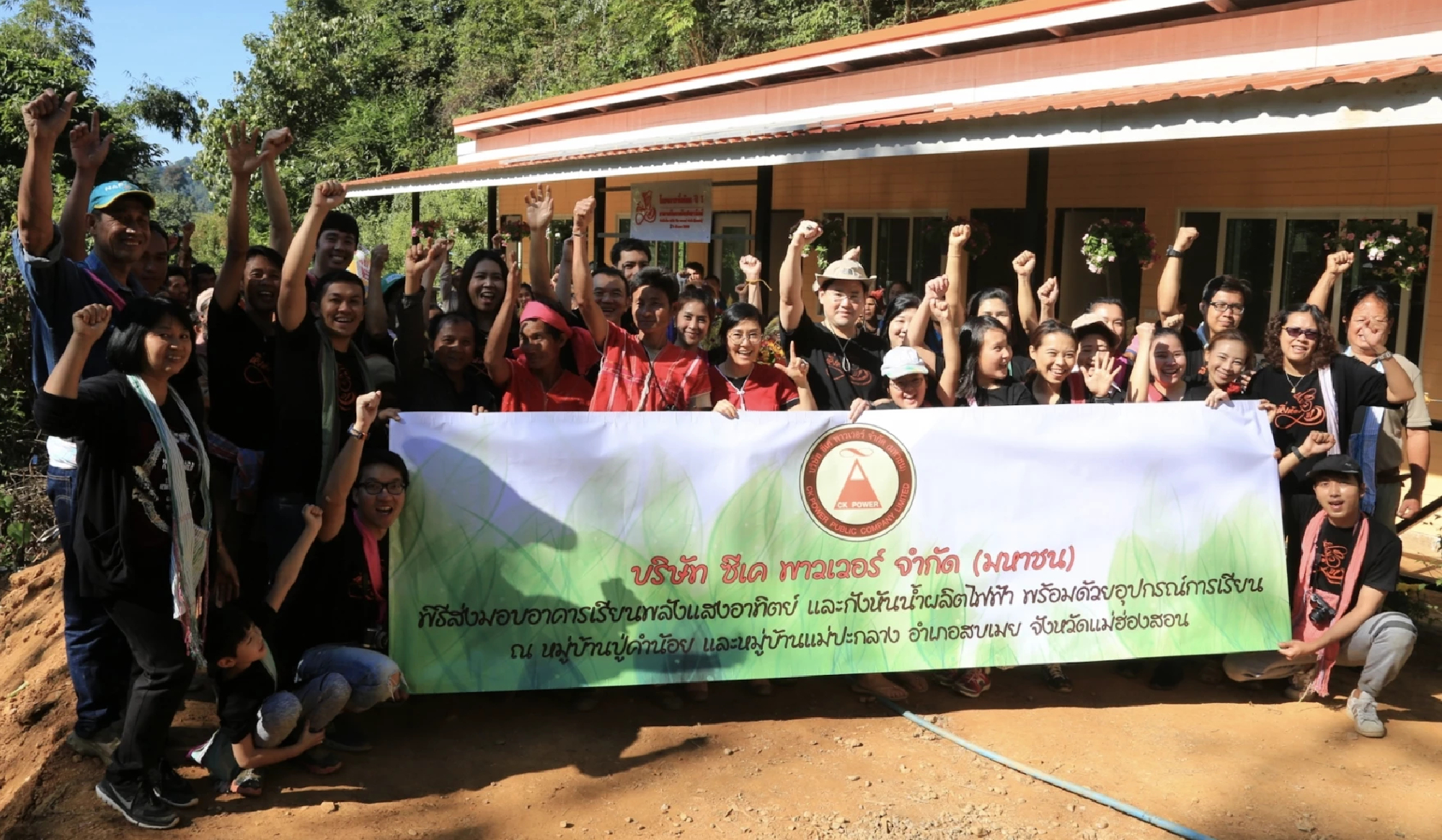
Hing Hoi Project Year 1 provided a solar-powered school building in Pu Kham Noi village and a hydropower turbine generator in Mae Pa Klang, Sop Moei district, Mae Hong Son province
The Hing Hoi Project of the past five years began in 2016 (Year 1). In the first year, CK Power built a solar-powered school building for Pu Kham Noi village and built a hydropower turbine generator for Mae Pa Klang village in Sop Moei district of Mae Hong Son province.
In 2017 (Year 2), the company continued its initiative at Ban Mae Ler Border Patrol Police Learning Centre in Mae Hong Son’s Mae Sariang district, where improvement was made to the learning building, a check dam was built along with a solar-powered pump reservoir with solar cells installed to power the water pump. Improvement was also made to the landscape surrounding the learning centre.
Hing Hoi Project Year 2 at Ban Mae Lor Border Patrol Police Learning Centre in Mae Sariang district, Mae Hong Son province
In 2018-2019 (Year 3), at the behest of Her Royal Highness Princess Maha Chakri Sirindhorn, CK Power built a royal project for the development of children and youth in Ban Mae Mu Nai in Chiang Mai’s Mae Chaem district.
With Her Royal Highness’ permission, the project was named “Ban Mae Mu Nai Border Patrol Police Learning Centre under the Patronage of CK Power”.
The centre consists of a learning building, a library and a road lighting system – all powered by solar energy. There is also a dormitory for the teaching staff, a dormitory with bathrooms for schoolchildren from remote areas, a canteen and a flag pole square. Improvement was also made to the surrounding landscape.
Hing Hoi Project Year 3 at Ban Mae Mu Nai Border Patrol Police Learning Centre under the Patronage of CK Power PLCin Mae Chaerm district, Chiang Mai province
In 2019 (Year 4), an initiative was taken in line with the Sustainable Power for The Future Generation principle. It was called “Huen Khiang Hong (Faifah)” – a community or house near the power plant. The activity involved developing the area of Ban Kang School in Luang Prabang province, the Laos, which is located near the Xayaburi Hydroelectric Power Plant.
Knowledge was shared with the community on hydropower and natural resource conservation. Sports kits and equipment were handed over to schoolchildren.
The 4th year of the project also saw activity in Thailand at Bandu (Saharat Wittaya) School in Pak Thong Chai district,Nakhon Ratchasima province, near the Bangkhenchai Solar Power Plant.
Through its “Hero! Solar Zero Waste” initiative, the company provided training on environment preservation and plastic use reduction and donated computers to support youth education.
Hing Hoi Project Year 4 at Bandu (Saharat Wittaya) School in Pak Thong Chai district, Nakhon Ratchasima province
For the 2020 (Year 5) Hing Hoi Project, CK Power visited Wat Kudi Prasit School in Wang Noi district of Phra Nakhon Si Ayutthaya province, near the Bangpa-in Cogeneration Power Plant to repaint the school building and lay a new foundation for a small children’s playground using shock reducing materials to minimise fall injuries. Improvement was made to the landscape of the school’s small garden and science park.
To promote better educational opportunities for youngsters, the company also improved the reading pavilion for parents and children and encouraged its staff to make desks and chairs from papier mache for small children to create an environment suitable for learning for students.
Hing Hoi Project Year 5 at Wat Kudi Prasit School in Wang Noi district, Phra Nakhon Si Ayutthaya province
“I had the opportunity to go on a field trip of our Hing Hoi project every year and carried out activities with the staff members representing our company and the people in each community,” said Thanawat.
“We saw children’s smiles and happy eyes of people in the communities. It brought light to our hearts and made us at CK Power very happy.”
He believes that CK Power can empower the communities with the Hing Hoi Project as the company brings capabilities in renewable energy engineering to good use in line with its main mission to be one of the region’s largest producers of renewables-based electricity with one of the lowest carbon footprints.
“We are ready to support the net-zero greenhouse gas emission policy at both national and global levels in concrete ways to help with global warming in the long term,” he said.
To achieve sustainable development, he added that CK Power will continue to build on community development initiatives to provide better quality of life through the Hing Hoi Project, bringing light to needed communities, in parallel with focus on the renewable energy business.
“Despite it being just a small benefactor, it is able to work with other stakeholders to bring forth a great light – akin to a swarm of fireflies coming together,” he added.
The baht opened at 33.62 to the US dollar on Monday, strengthening from the 33.64 closing on April 12.
The currency is expected to move between 33.55 and 33.75 during the day and between 33.30 and 33.80 during the week, Krungthai market strategist Poon Panichpibool said.
He believes the baht may swing sideways unless a new factor comes in. Poon said the baht is still supported by the sale of gold, but may weaken if investors sell off their Asian assets on the back of worse-than-expected news about the Chinese economy.
He suggested monitoring the direction of foreign investments, as they may fluctuate based on Thailand’s Covid-19 situation.
Poon said the baht’s resistance level will hover at 33.70 to 33.80, at which point exporters would offload the dollar. Meanwhile, importers will wait to buy when it dips to 33.30.
With high volatility in the currency market, businesses should use hedging tools like options to manage risks, he said.
He also said the strengthening of the dollar will be limited as the market has already acknowledged the US Federal Reserve’s sign to hasten using a tighter monetary policy.
He added that only the demand for safe assets will help the dollar to strengthen. The greenback will remain stable if the market is not heavily closed to risks as it waits for reports from listed companies and development in the Russia-Ukraine situation.
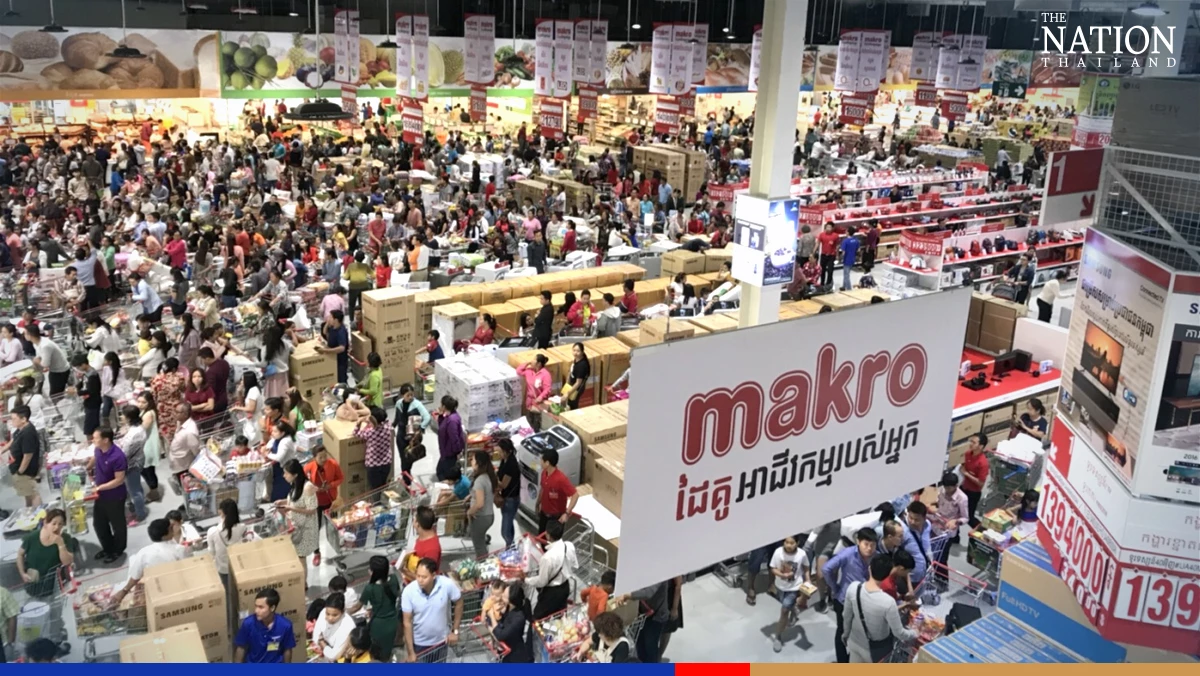
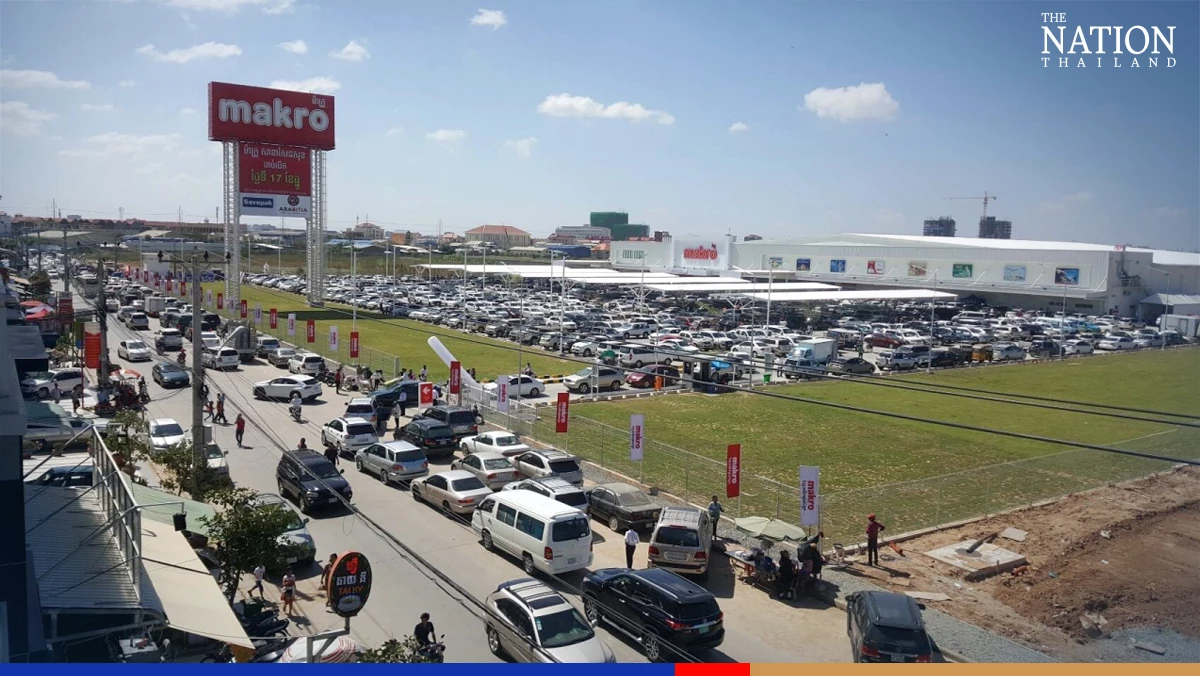
The increasing purchasing power of Cambodians is prompting foreign department stores, including Thailand’s Siam Makro Plc, to open more shopping malls in the country, the Thai embassy reported.
The foreign trade promotion office at the Thai embassy in Phnom Penh reported that Siam Makro would open two more Makro shopping malls in Cambodia, adding to the two Makro stores already in operation. Currently, Siam Makro owns one shopping mall in Phnom Penh and another in Krong Siem Reap, the trade office added.
The office said Cambodia’s economy is expanding fast, as a result the lifestyle of Cambodians is undergoing a rapid change due to higher purchasing power. The office said as part of the changing lifestyle, more Cambodians were shopping in hypermarkets and modern shopping malls.
Currently, there are several foreign-owned shopping malls in Phnom Penh, including Aeon Mall 1, Aeon Mall 2, Exchange Square, TK Avenue, Global House and SCG Home Village, the trade office said.
The office said there are also several foreign-owned shopping malls in Sihanoukville, including Prince Mall, Furi Time Square, and Aeon Mall 3.
Suchada Ithijarukul, the CEO of Makro Group, confirmed the plan to build two more stores in Cambodia. The two stores will be among five foreign stores to be opened by Makro this year, she added.
The three other foreign Makro stores will be opened in India, she added.
She said Makro would spend THB11 billion to expand 30 branches this year, including the five foreign stores. After the expansions, Makro will have 184 branches — 172 in Thailand, four in Cambodia, one in Myanmar, six in India and one in China.
Economists and analysts have warned that Russia’s invasion of Ukraine would impact Asia’s energy and commodity prices and affect growth more than previously expected, but they still believe the region could handle the crisis in the long term.
Speaking at a webinar hosted by the Asia News Network on “Impacts of food and energy crises on Asia” following Russia’s invasion of Ukraine, Albert Park, chief economist of Asian Development Bank (ADB), said the conflict brought with it several risk factors that have shaken investor and consumer confidence, resulting in less spending. Therefore, the increase in oil and gas price might cause severe impacts, he warned
Park said the overall Asian economy was currently experiencing financial market volatility caused by the aggressive sanctions on Russia by the US and western partners, followed by capital outflows and currency depreciation that have led to a rise in financial stability risks in the region.
Meanwhile, there are also risks from the latest outbreak of Omicron in Shanghai and Guangzhou, in China, and the two major cities are under strict lockdown. If the Russia-Ukraine war continues longer, it could affect the planting seasons in Ukraine, which would definitely lead to a shortage of staple grains such as wheat, maize, corn as well as rapeseed oil.
Park, however, believes that most Asian nations would face only a moderate impact on food price, as those grains are not a staple for the region. However, a prolonged war could put price pressure on rice, a major staple food of this region, as some countries have started to substitute rice for other grains.
Raimondo Serra, the European Union’s directorate-general for agriculture and rural development for Asia and Australia, added that the Russian war had not only led to a spike in food prices but it had also hiked the cost of farming, as Russia is one of the world’s major exporters of fertilisers.
In his opinion, although most Asian countries are far from the battlefield in Ukraine, they are still the indirect victims of the Russian invasion because the war has led to a sharp increase in the price of natural gas, a key ingredient in fertilisers.
Serra said higher fertiliser prices were making the world’s food supply more expensive and less abundant. This situation comes at a time when the UN Food and Agriculture Organization reported recently that the world food-price index in March had reached the highest level since records were kept in 1990.
However, overall Asia could manage to stabilise growth, he said. ADB estimates that Asia is going to see an average 5.2 per cent GDP growth this year and 5.3 per cent growth next year, on continued recovery in domestic demand and solid exports, while inflation will rise to 3.7 per cent in 2022 and 3.1 per cent in 2023.
In the meantime, the pace of recovery remained uneven across economies. South Asian countries will see on average 7 per cent growth this year and 7.4 per cent next year, outperforming East Asian and Southeast Asian countries. Despite various risks and challenges, experts recommended that governments in Asia continue to maintain their support for economic recovery, sustain their development goal, and keep investing in green transformation as well as reforming their tax and financial system.
The Finance Ministry ordered five government banks to assist debtors with non-performing loans (NPLs) so they can repay their debts on time.
The five banks are the Bank for Agriculture and Agricultural Cooperatives (BAAC), Government Savings Bank (GSB), Government Housing Bank, Small and Medium Enterprise Development Bank and the Islamic Bank of Thailand.
Finance Minister Arkhom Termpittayapaisith said the GSB and BAAC have the highest NPLs among the five as they have helped a number of debtors.
He said the government is ready to pay compensation to government banks if their NPLs have risen due to government policies.
“We will not let government banks spend all their money to help debtors as they must reserve cash in line with the Bank of Thailand rules and maintain liquidity similar to commercial banks,” he said.
Arkhom said a variety of methods, such as granting debt moratorium and launching projects to generate income among debtors, will enable them to repay their debts as usual.
He provided an example, saying that the BAAC has granted loans to 10 million debtors with NPLs to generate income from additional occupations such as growing vegetables.
“This move may make NPLs rise, but government banks must know their customers, not just the amount of their debt but also their problems,” the minister said.
Farmers in some communities have set up financial institutions to enable members to repay their debts at low-interest rates, he added.
Songkran is a spectacular time of year when families and friends come together and cool off in style, blessed by the healing powers of water.
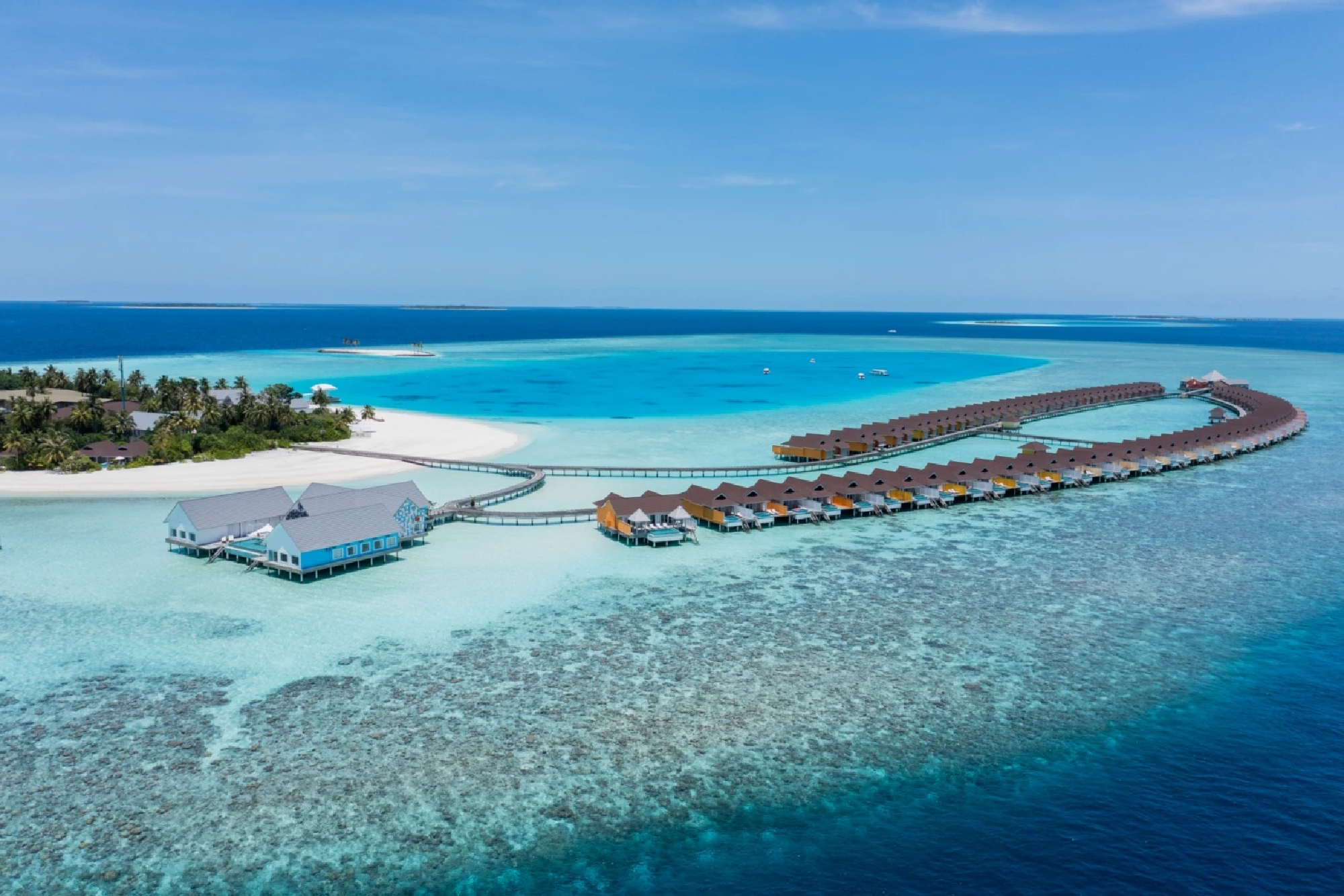
The Standard, which is redefining boutique hospitality worldwide, is celebrating this month’s Songkran Festival by inviting lifestyle-seeking Thai travellers to take the plunge and immerse themselves in an idyllic last-minute island escape in the Maldives. Songkran is a spectacular time of year when families and friends come together and cool off in style, blessed by the healing powers of water. So, could there be any better destination to ring in this fun-filled festival than the Maldives? This amazing archipelago, with its string of exotic islands, turquoise lagoons and sparkling seas, is a haven of aquatic adventure where Thai guests can leave the outside world far behind and unwind in paradise. Furthermore, it is now free from any Covid-related travel restrictions, so Thai visitors can enter the Maldives with ease, without the need for a pre-flight PCR test or to quarantine upon arrival. Nestled in the Raa Atoll, just a short seaplane ride away from Malé’s Velana International Airport, The Standard, Huruvalhi Maldives is a pristine private island, all-pool villa retreat that provides the perfect setting for a Songkran vacation.
A choice of breath-taking beachside and overwater pool villas let holidaymakers immerse themselves in this world of wonder, with at least 110 square metres of luxurious living space, alfresco sundecks, infinity plunge pools and direct access to the turquoise lagoon. Dreamy days can be spent snorkelling on the resort’s naturally protected house reef, or diving deeper with a boat excursion through the local waters. During the summer months, hundreds of majestic manta rays gather at Hanifaru Bay, creating a truly mesmerising underwater experience.
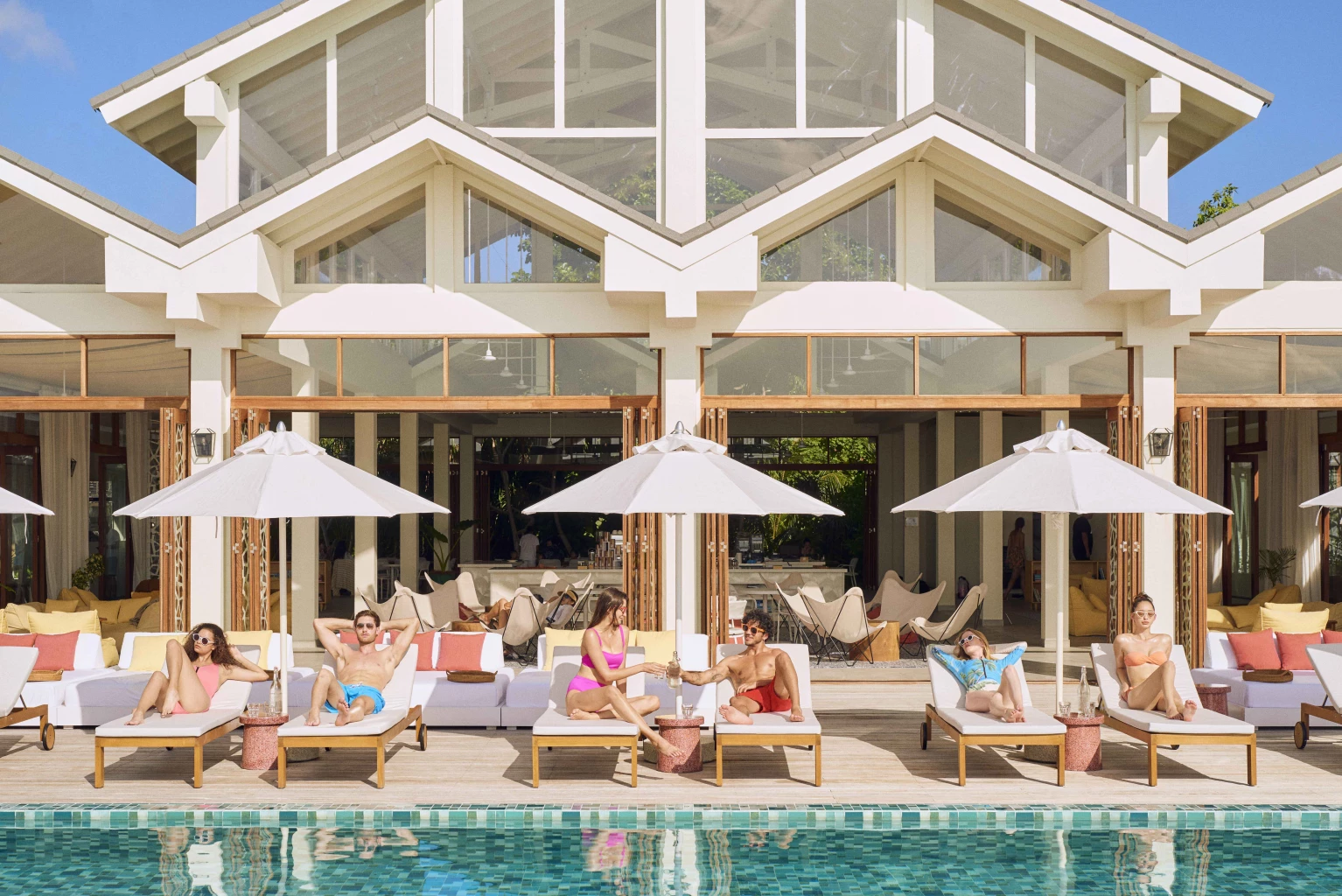
For thrill-seekers who want to feel the spray of the ocean waves, a range of exhilarating water sports, such as jet-skiing, wakeboarding and kite surfing, are available. Back on dry land, purifying therapies can be enjoyed at The Standard Spa, a hydrotherapy oasis that features a communal hammam, aroma steam room and nine treatment rooms to leave every guest feeling fully refreshed.
Daily yoga classes, a well-equipped gym and a full-size tennis court are also available for physical, mental and spiritual stimulation. Wondering how to keep the little ones entertained? Don’t worry! The Lil’ Shark Kids Club and inflatable water park ensure endless hours of fun and adventure.
With six unique dining options, ranging from a beachfront barbecue shack to a traditional Maldivian restaurant, and even an overwater (18+) nightclub with a glass-bottomed dance floor, all guests can enjoy epicurean excellence and upbeat entertainment with like-minded revellers. “The Standard, Huruvalhi Maldives has a very special vibe. This is a place where families can reconnect and where couples can take a romantic break while also meeting some really cool, fun people and making new friends from all over the world,” said Standard International Executive Chairman Amar Lalvani. “Songkran is a time to make memories with your loved ones, so there can be nowhere better to spend this magical time of year than the Maldives. Surrounded by water, this is a place to cleanse the body, clear the mind and create treasured moments together.”
The Standard hotels and resorts are present in the most desirable of destinations worldwide, from Miami Beach to the Maldives, London to New York, now Hua Hin and soon Ibiza and Bangkok. For more information and to book your Songkran escape at The Standard, Huruvalhi Maldives, please visit www.standardhotels.com
Amidst the war in Ukraine, the use of cryptocurrencies has passed a true test of strength in the debate on the advantages of using cryptocurrencies over traditional ‘money’, as they are decentralised and might be the only means of payments left.
It is undeniable that cryptocurrencies have a unique place despite the controversy surrounding them.
Thailand is a world leader in the proportion of internet users who own cryptocurrencies, an average of more than 2 in 10 according to the Digital 2022 Global Overview Report. Thai regulators have recognised such a trend and have been trying to restrict the adoption of cryptocurrencies in Thailand.
The event that triggered a regulatory mindset in Thailand came from the fundraising of J-fin coin in 2018, which was sold out within a few days.
In response to that, a royal emergency decree was issued governing digital assets, which became effective from May 14, 2018. The decree was mainly divided into regulating the offering of digital tokens, and digital asset operators including exchanges.
Since then, Thai regulators have been following up with the development of the industry and have gradually issued more regulations in response to the actions of players in the digital asset network.
Take the recent amendment to the regulation issued in 2021 as an example. The Securities and Exchange Commission (SEC) prohibits certain tokens from being listed on licensed exchanges. They are: meme tokens; fan tokens; NFTs, and tokens issued by an exchange cannot be listed on the same exchange.
This caused a stir within the industry as this prohibition may raise a lot of uncertainties and limit the growth of digital asset operators.
For example, it is unclear what is considered a “meme token” since some may simply be in the stage of development and they are not meaningless, or tokens issued by exchanges have already been done and it creates an uneven field for newcomers.
Not to mention, the rationale for not allowing NFTs to be listed is still puzzling for those involved.
These prohibitions, as a result, may lead Thai exchanges to be less competitive than foreign exchanges in terms of product offerings.
To top it off, late last year, the Revenue Department reminded relevant persons to report and pay any taxable income derived from cryptocurrencies based on the 2018 decree.
The Revenue Department is well aware that more clarifications are needed, such as how to calculate capital gains from trading or the timing to be considered as having gains from farming or mining of cryptocurrencies.
After receiving feedback from the industry, a manual clarifying these issues was issued in January 2022. Also, recently a regulation was issued to allow losses from trading on the approved exchanges to be deducted for individuals, and there will be a follow-up on related laws for further clarity, for instance VAT may be exempt for trading on approved exchanges.
Further, in response to increasing cooperation among commercial industries and digital asset operators to use cryptocurrencies as a means of payments, the authorities have a major concern about financial stability as there may be other units of accounts prevailing over the baht.
Consequently, the authorities plan to issue a regulation, effective from April 1, to prohibit digital asset operators from not supporting the use of any digital assets as a means of payment, which include the restrictions on not providing any systems supporting such activities.
Regulations on cryptocurrencies are still in the process of development and constantly adapt to changes in the digital assets industry.
To support the growth of Thai digital assets operators and enable them to be competitive in the worldwide market, regulators may consider incentives and fewer restrictions to make Thailand a hub of the business, given that we have demand from investors and readiness of players in our country.
It is always important to note the balance between business opportunities from the emerging industry of digital assets, and concerns about government control or investment risks in which authorities, digital assets operators and investors will help shape the tone and its movement.
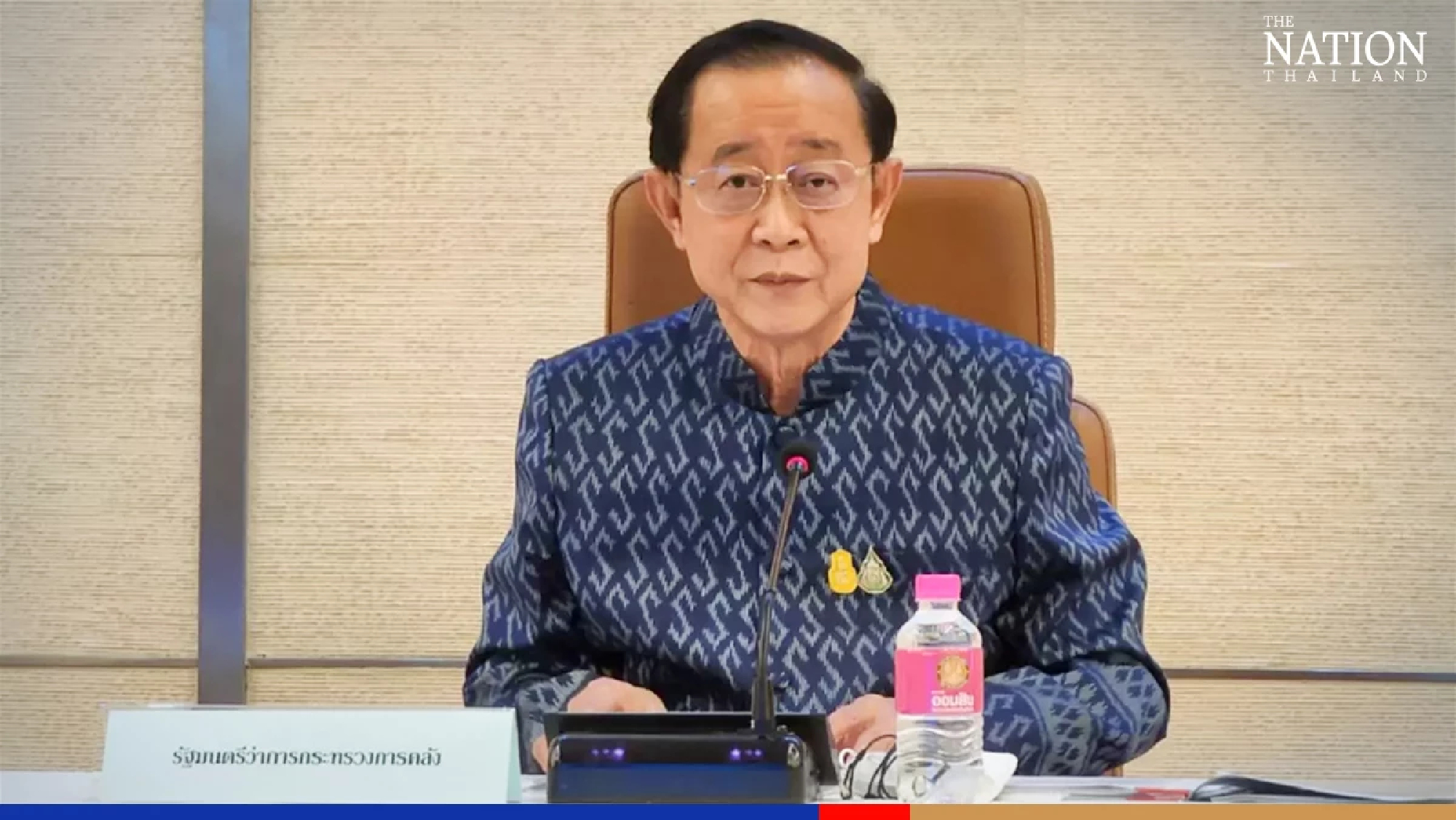
Finance Minister Arkhom Termpittayapaisith said on Monday that the ministry will end three decades of waiver and start collecting financial transaction tax on sales of stocks.
Arkhom said the timing was right for the ministry to end the tax waiver because the stock market has expanded a lot and growth has continued even during the Covid-19 crisis.
He said the tax will be sales tax like in foreign stock markets and stock sellers will have to pay at the rate of 0.1 per cent on a monthly basis.
He said stock brokers will have to report monthly sales to the Revenue Department for tax evaluation.
The Finance Ministry expects to receive over THB10 billion from stock sale taxes this year.
Arkhom said the Finance Ministry did not have to make new regulations for collecting the stock sales tax because the ministry has already had a law whose enforcement had been suspended.
“In the past, we waived the tax to support the market’s growth,” Arkhom said.
“Now, the market is growing while the government is still shouldering the tax burden for the stock traders. The support must have a time limit. It’s like we supported the auto industry. After the industry enjoyed growth, the manufacturers had to start paying corporate taxes.”
Arkhom said the ministry will inform the Stock Exchange of Thailand (SET) in advance before it would start collecting the tax.
He said the ministry has been consulting with the SET, brokers and the Federation of Thai Capital Market Organisations about the tax collection all along.
“At first, the market did not agree with the idea but later they understood. They realised that it could be worse if we collected capital gains taxes,” Arkhom said.
He added that there would be no problem in meeting the revenue target and the ministry expected to receive 5 per cent more revenue from state enterprises.
The Stock Exchange of Thailand (SET) Index is expected to fall to between 1,670 and 1,675 points on Tuesday amid uncertainty over the US Federal Reserve’s move to curb inflation, Krungsri Securities said.
Citing FedWatch, it said the Fed would raise the interest rate by 0.50 per cent during meetings in May and June.
“FedWatch also expects that the interest rate will rise to between 2.50 and 2.75 per cent this year,” Krungsri Securities said.
It added that foreign fund flow volatility and mass sell-offs of stocks to cope with risks during the Songkran holiday would pressure the index.
It also advised investors to follow the US inflation report as consensus expection is that general and core inflation in March will rise to 8.3 per cent and 6.6 per cent, respectively.
It recommends the purchase of the following as an investment strategy:
• GPSC, BGRIM, SCGP, SCC and EPG would benefit from falling oil price.
• AOT, AAV, BA, MINT, CENTEL, ERW, CPN, CRC, HMPRO, CPALL, MAKRO, AMATA and WHA would benefit from countries reopening.
• BDMS, BH, INTUCH, ADVANC, BTS and BEM which can tolerate market volatility.
The SET Index closed at 1,678.46 on Monday, down 7.54 points or 0.45 per cent. Transactions totalled 62.75 billion baht with an index high of 1,685.95 and a low of 1,675.95.

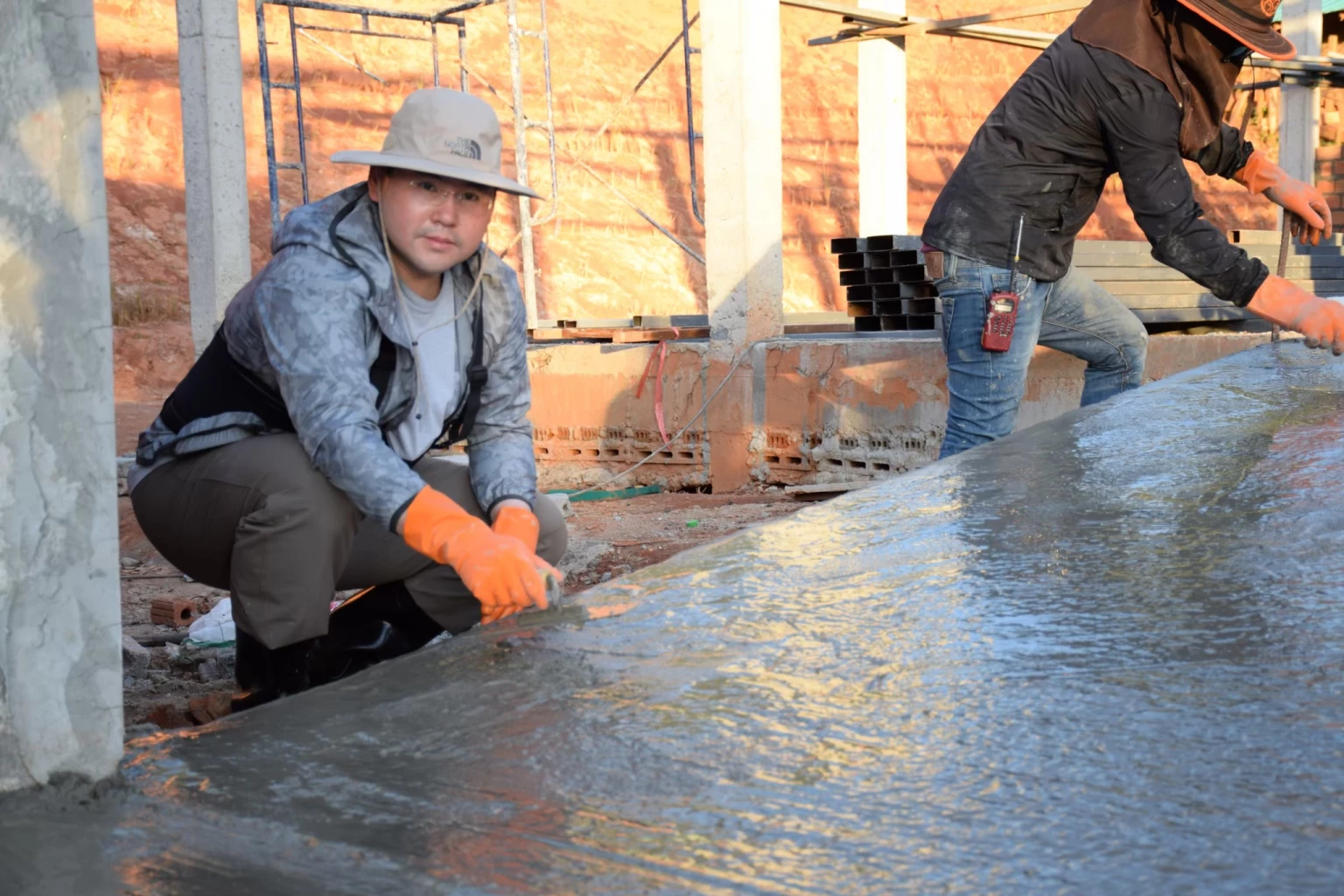 Mr. Thanawat Trivisvavet, Managing Director, CK Power PLC
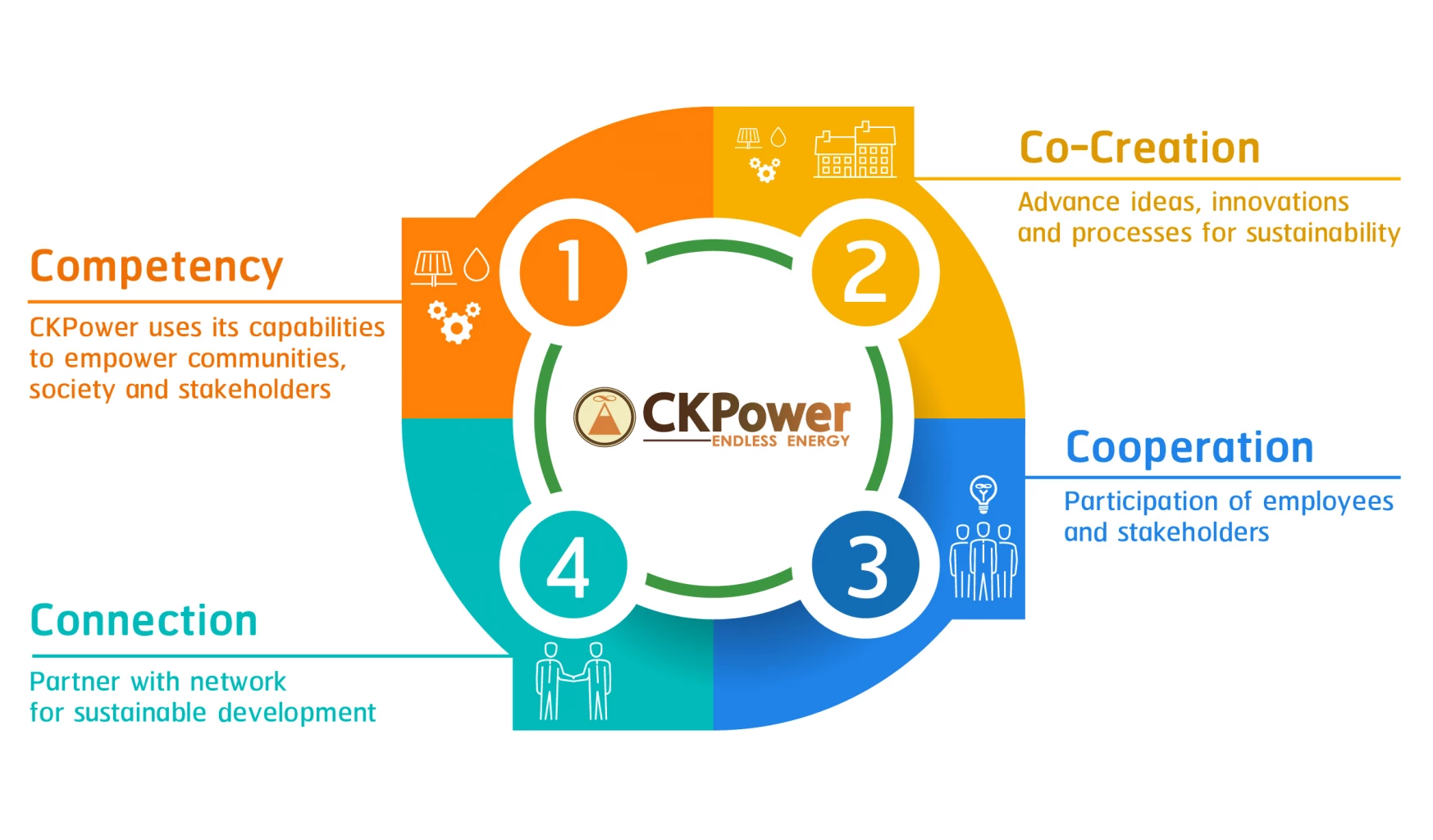 “Competency-Co-Creation-Cooperation-Connection” strategy
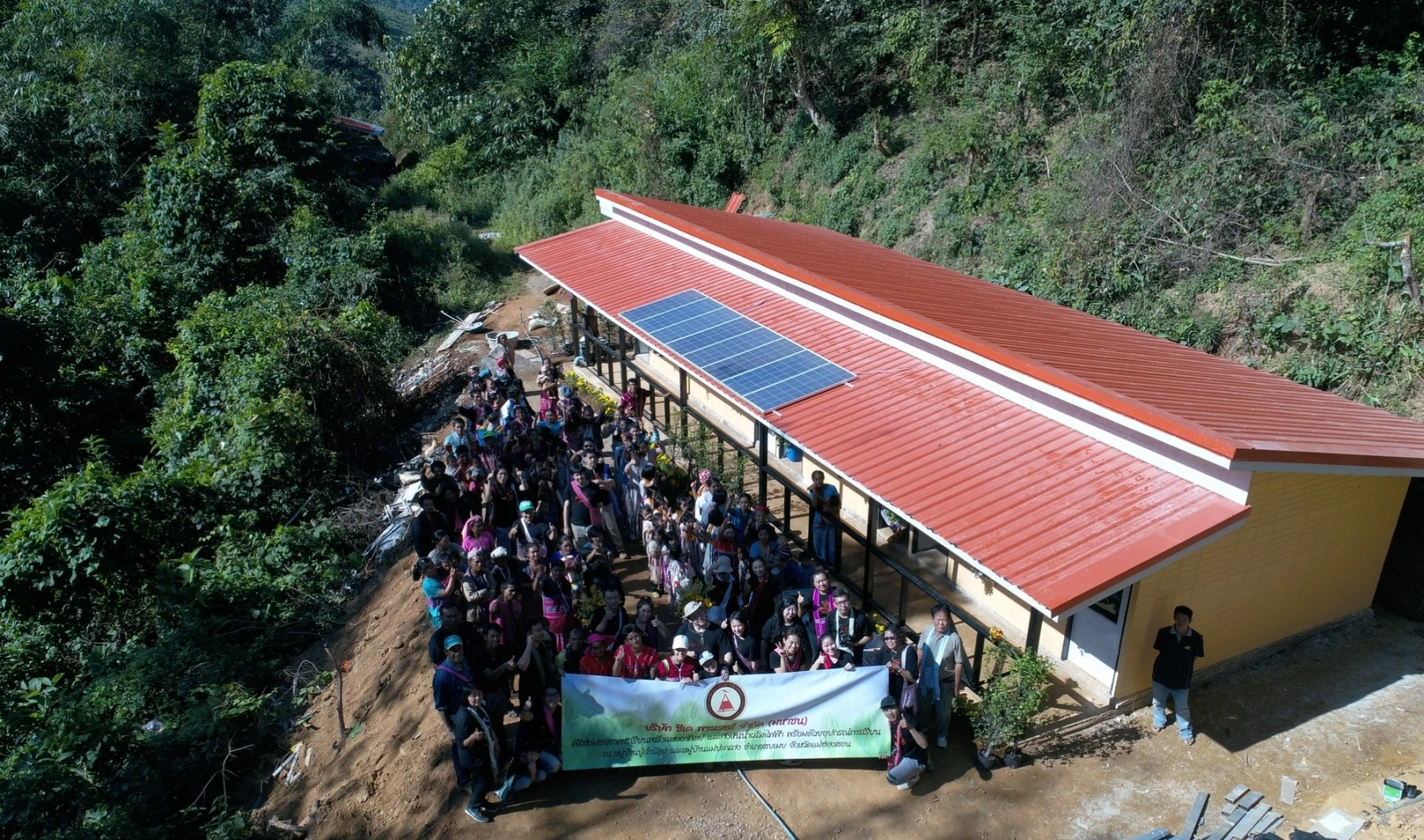 Hing Hoi Project Year 1 provided a solar-powered school building in Pu Kham Noi village and a hydropower turbine generator in Mae Pa Klang, Sop Moei district, Mae Hong Son province
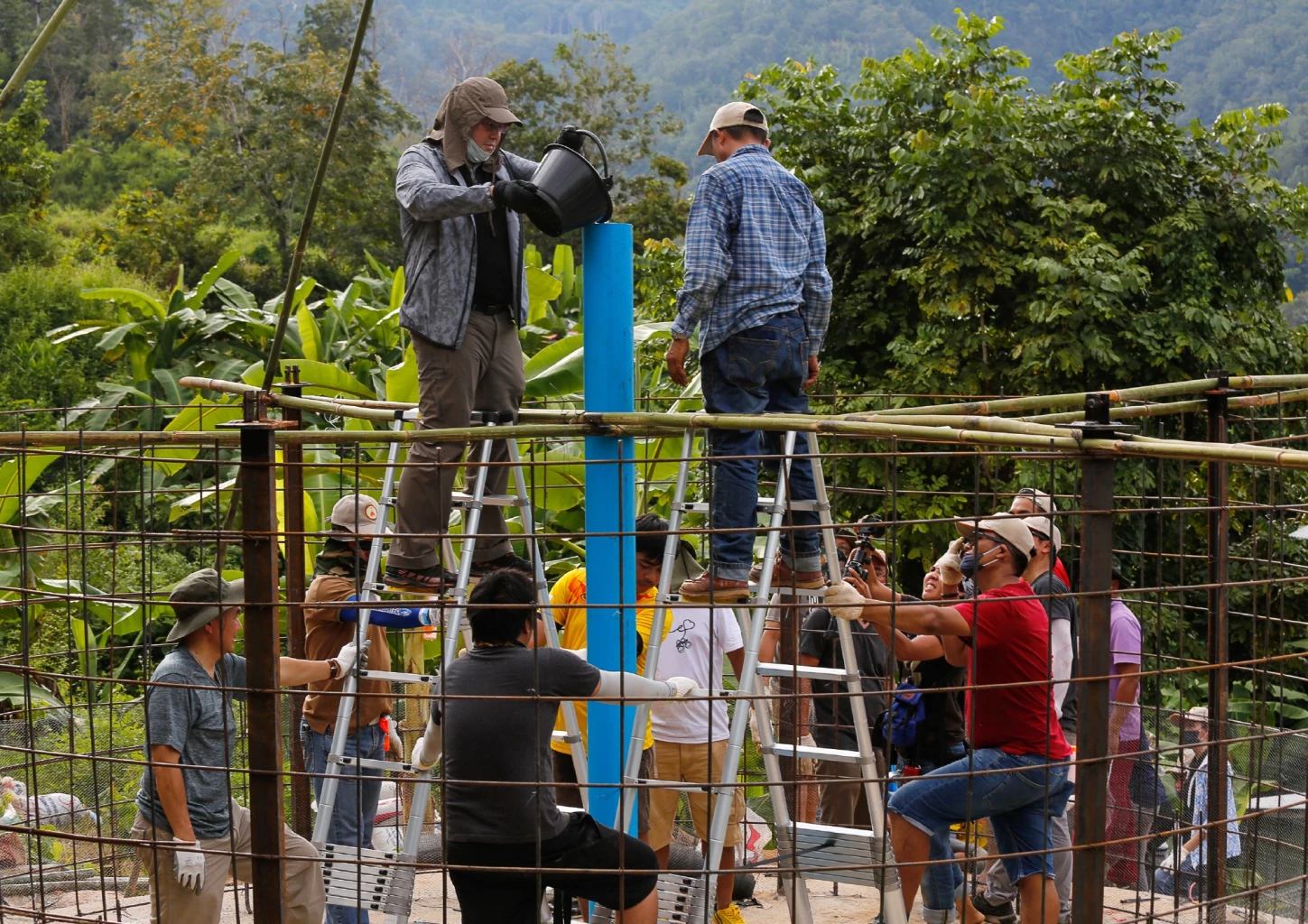 Hing Hoi Project Year 2 at Ban Mae Lor Border Patrol Police Learning Centre in Mae Sariang district, Mae Hong Son province
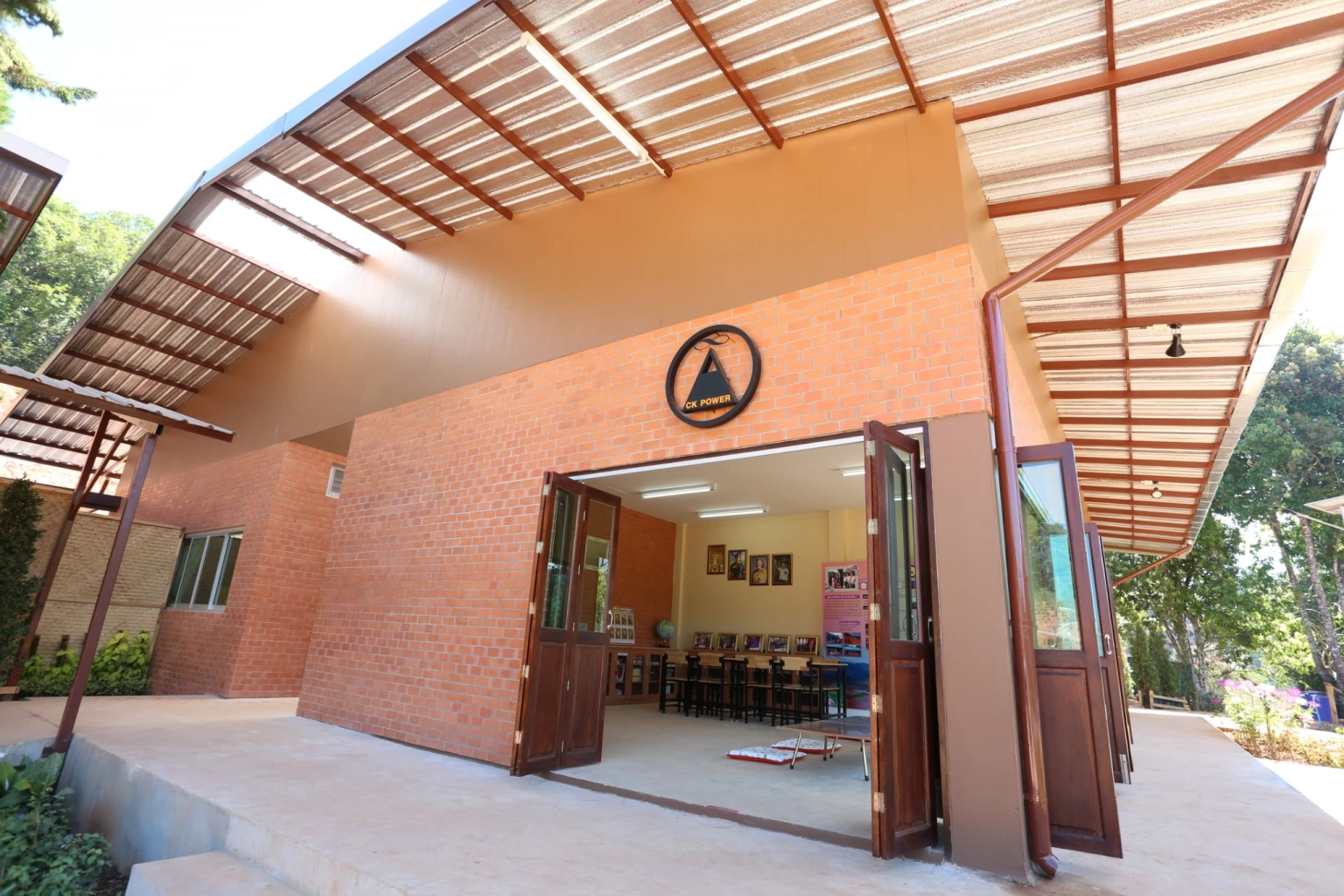 Hing Hoi Project Year 3 at Ban Mae Mu Nai Border Patrol Police Learning Centre under the Patronage of CK Power PLCin Mae Chaerm district, Chiang Mai province
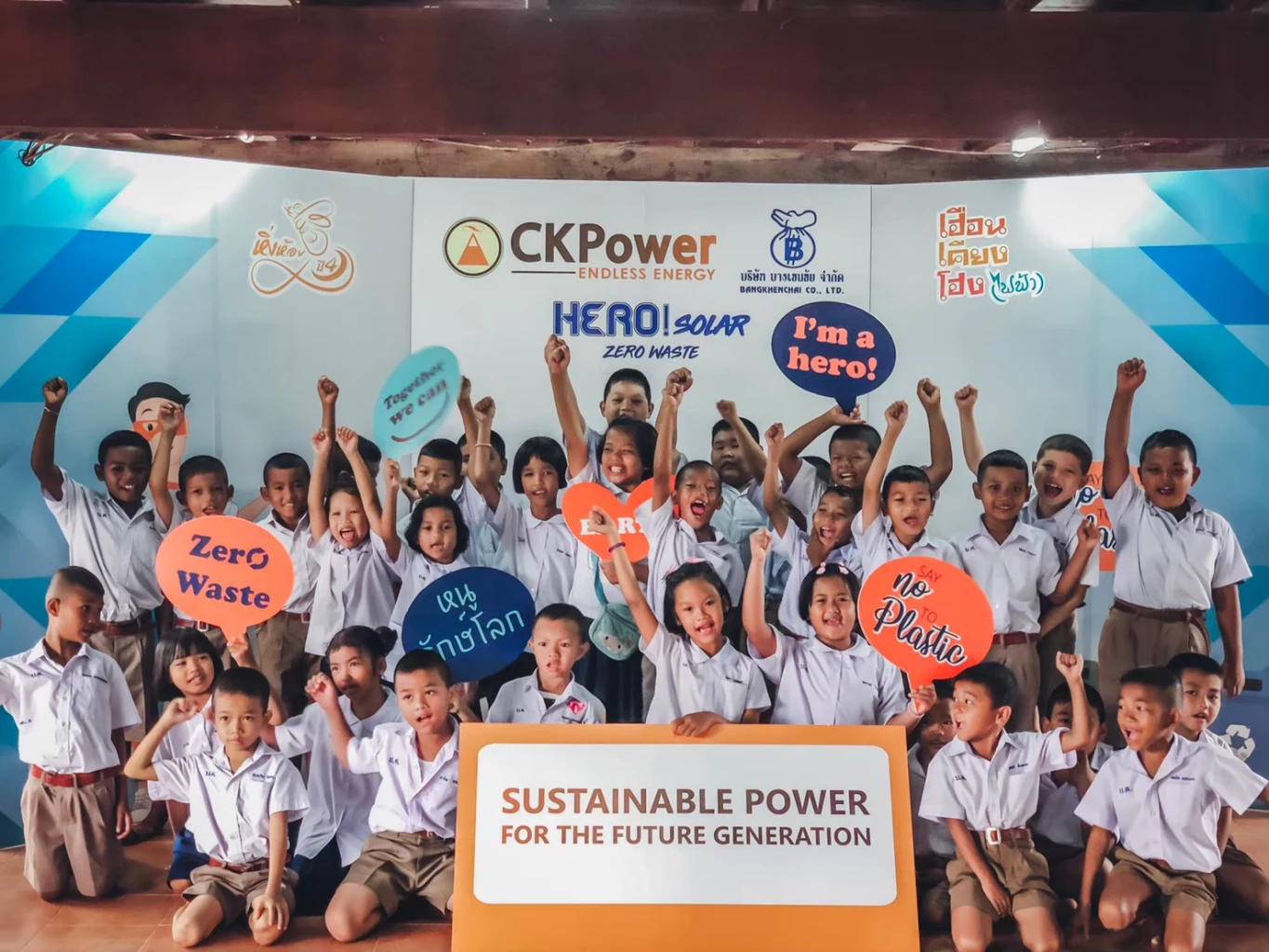 Hing Hoi Project Year 4 at Bandu (Saharat Wittaya) School in Pak Thong Chai district, Nakhon Ratchasima province
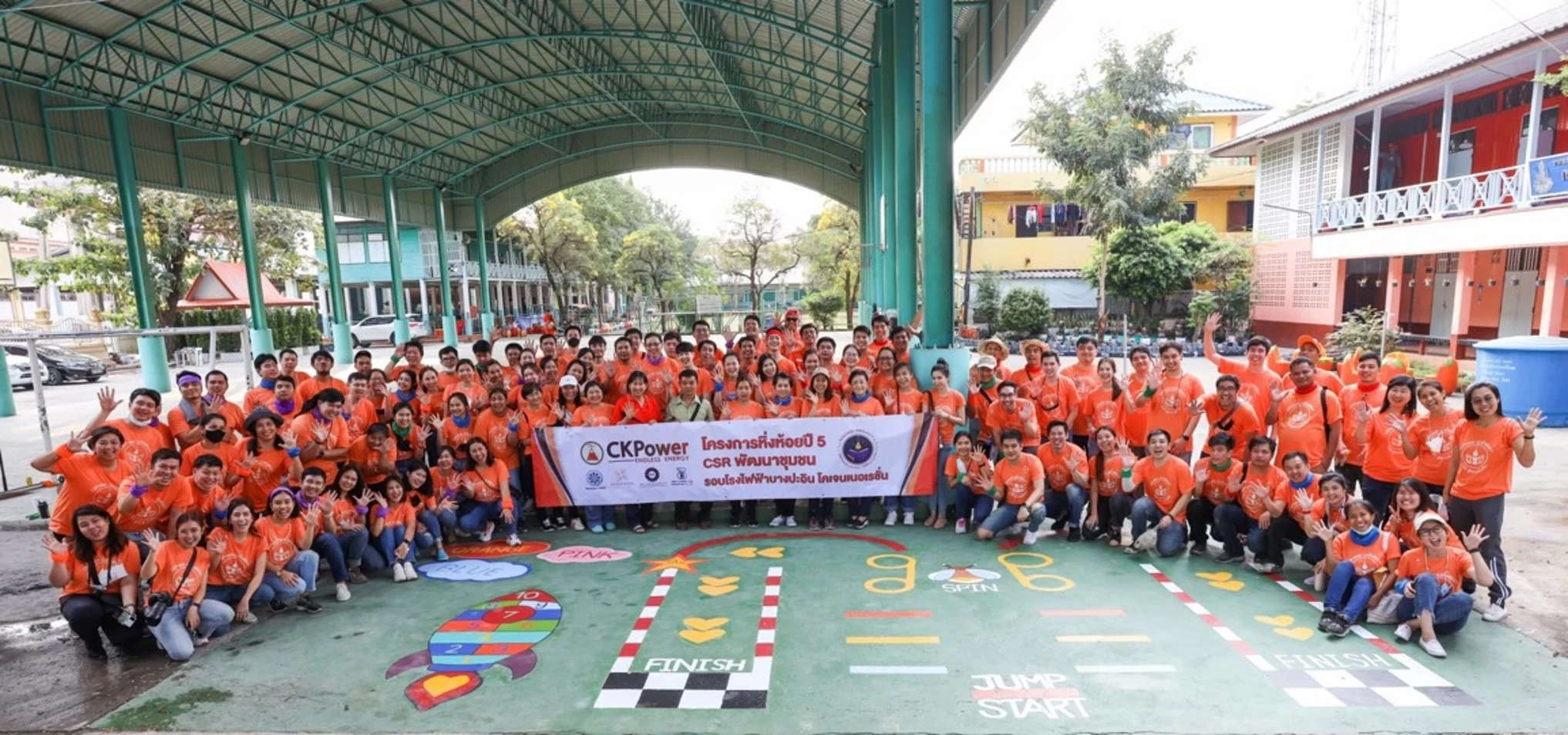 Hing Hoi Project Year 5 at Wat Kudi Prasit School in Wang Noi district, Phra Nakhon Si Ayutthaya province

 She said Makro would spend THB11 billion to expand 30 branches this year, including the five foreign stores. After the expansions, Makro will have 184 branches — 172 in Thailand, four in Cambodia, one in Myanmar, six in India and one in China.