Moody’s affirms Thailand’s Baa1 rating, maintains stable outlook

#SootinClaimon.Com : ขอบคุณแหล่งข้อมูล : หนังสือพิมพ์ The Nation.

https://www.nationthailand.com/business/40014331


Thailand’s sovereign credit has been rated at Baa1, or equivalent to BBB+, by Moody’s Investors Service, which maintained the country’s outlook at stable, Patricia Mongkhonvanit, director-general of the Public Debt Management Office (PDMO), said on Friday.

Moody's affirms Thailand's Baa1 rating, maintains stable outlook

According to the Moody’s report, the affirmation of the Baa1 ratings reflects Moody’s expectations that Thailand will continue to display economic resiliency to future shocks, underpinned by its large and diverse economy and strong macroeconomic policy effectiveness.

“The rating also takes into account material downward pressure on the economy’s growth potential from rapid population ageing and likely long-term economic scarring from the pandemic,” said the report. 


“While Moody’s expects Thailand’s government debt to increase and remain markedly higher than pre-pandemic norms, leaving the government with weakened fiscal strength for some time, Thailand’s fiscal metrics will still be stronger than most Baa-rated peers. Further, Moody’s assesses it likely that the government will quicken its pace of fiscal consolidation in the next two to three years once the economic recovery takes hold.

“The stable outlook indicates balanced risks to Thailand’s credit profile. Thailand’s economic strength may benefit from productivity gains, including through the ramp-up of the Eastern Economic Corridor to a greater extent than Moody’s currently expects. By contrast, the economic and social costs of ageing and Thailand’s capacity to absorb them have yet to be tested,” added the report.

“Meanwhile, the authorities’ track record of effective macroeconomic policies, including prudent fiscal policies, despite noise in the political landscape, contributes to the stable outlook,” the report said.

“Moody’s expects Thailand’s real GDP growth to come in at above potential rates for the next two to three years, as the effects of the pandemic fade and the tourism industry is slowly recovering,” said Patricia.

“The rating agency has, therefore, projected the economy to expand by 3.4 per cent in 2022 and 4.8 cent in 2023, which is not far from the estimation of the Asian Development Bank, which recently forecast that Thailand’s GDP will grow by 3 per cent this year and 4.5 per cent in 2023.”

Published : April 08, 2022

By : THE NATION
Arkhom rebuts criticism by ex-BOT governors, justifies government policies

#SootinClaimon.Com : ขอบคุณแหล่งข้อมูล : หนังสือพิมพ์ The Nation.

https://www.nationthailand.com/business/40014332


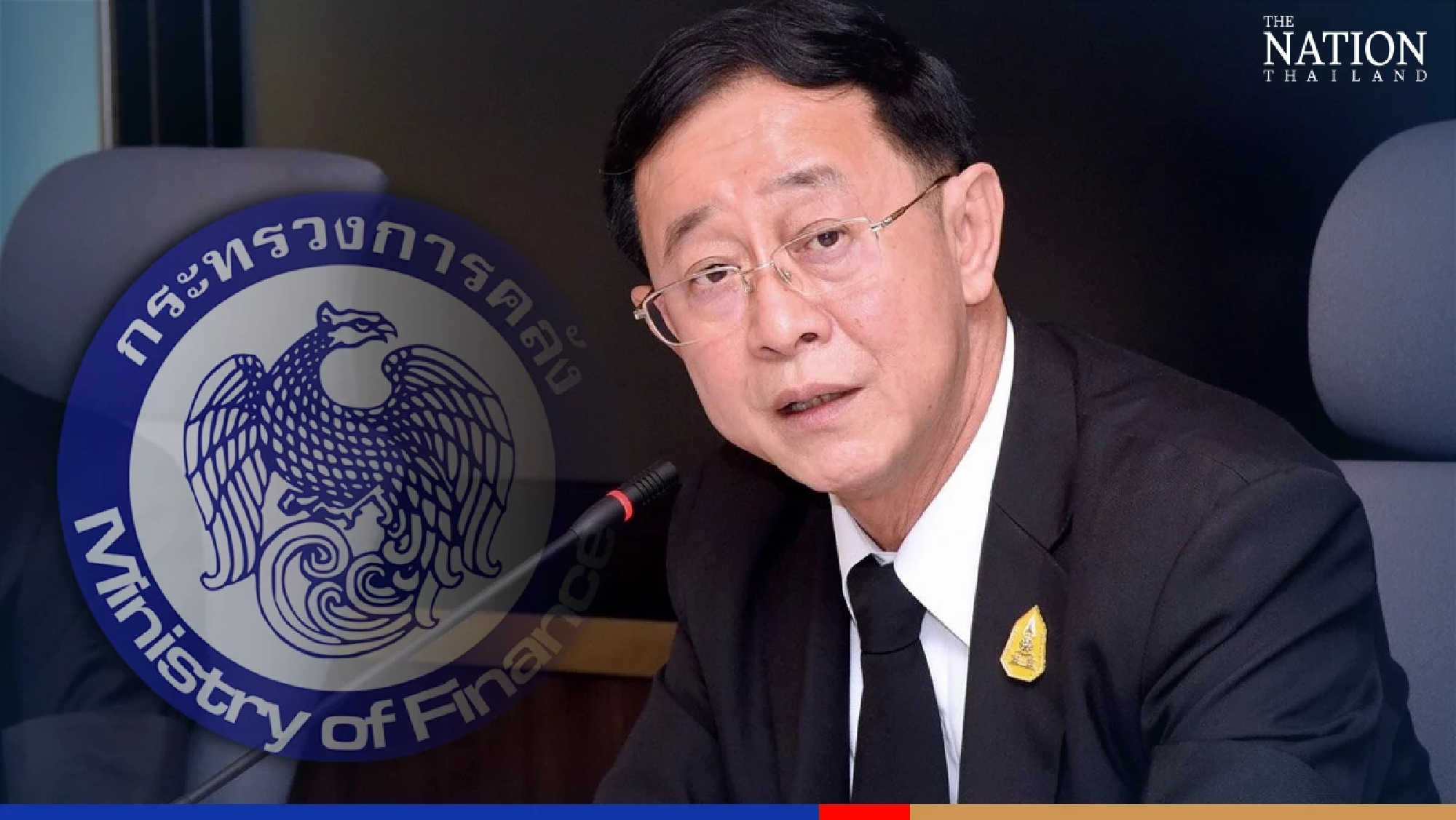
Finance Minister Arkhom Termpittayapaisith on Thursday dismissed concerns of six former central bank governors, saying the government has been using proper finance policies and the country still enjoys financial strength.

Arkhom rebuts criticism by ex-BOT governors, justifies government policies

Arkhom was responding to six former central bank governors, who had expressed concern during a recent seminar that excessive spending by the government would expose the country’s financial status to risk. They had also criticised the government for using deficit budget for several consecutive years.

Arkhom defended the government, saying the current spending in comparison with revenue could not be considered excessive, arguing that the deficit ratio in the national budget had actually dropped for fiscal 2023.

“Anyway, a deficit in the budget is still necessary but we have reduced the ratio,” Arkhom said.

He said the Finance Ministry had to make sure that the policies would facilitate economic recovery.

“In the past, the central bank used to increase the policy interest rate once it saw signs of economic recovery but I have to thank the current central bank governor for understanding the situation [and not increasing the policy rate],” Arkhom said.

“The Covid-19 situation is not over yet. This shows that the fiscal policies are in line with the policies of the Finance Ministry.”

The minister said the government had to borrow to tackle the Covid-19 crisis during the past two years and the practice was similar to what was done during the financial crises in 1997 and 2009.

“Every crisis needs money, so the government has to take recourse to a deficit budget and this policy is used in every country,” Arkhom said.

The minister said the government had raised the public debt ceiling, as had been done in the past, but the ceiling would be lowered once the economy recovers.

The finance minister accused previous governments of failing to restructure the country’s tax base after they introduced policies to reduce tax rates, such as corporate tax rates, leaving the present government with inadequate revenue. He said the current government is trying to restructure and expand the tax base.

“In the past, we didn’t do this but the government’s expenditure has been rising from investments, such as investments for roads to connect to rural areas, to allow rural people to bring their products to markets.

“And fixed expenditure is also rising, especially spending for various welfare schemes. Now, we have to take care of the elderly as well, so we have to restructure the tax structure,” Arkhom added.

The minister dismissed concerns that Thailand would face stagflation, a scenario in which the country’s inflation rises while the GDP declines.

He said the country’s GDP is rising but the cost is rising as well. “So, the economy is expanding quantitively and it’s not a concern. We only have concern about inflation because the rising cost would slow down spending by consumers. So, we must be able to control the inflation,” Arkhom said.

He said the government would not launch the THB1,500 cash subsidy co-payment scheme again because the economy has started to revive and the people are regaining their purchasing power. Instead, the government would provide purchase subsidies to only vulnerable groups, such as the registered poor who hold state welfare cards.

Speaking at the same press conference, Krisada Chinavicharana, permanent secretary for Finance, said the country has been using a deficit budget for most of the past 40 years.

He said Thai governments had been successful in making a balanced budget for only two years in the past 40 years.

He explained that Thailand is a developing country that needed to invest in infrastructure, so it needed to use a deficit budget.

He said the government could still manage the public debt because the current ratio of public debt is 60.17 per cent to GDP, well below the 70 per cent ceiling.

He said the treasury reserve now stands at about THB580 billion and the government is expected to receive revenue of THB2.4 trillion at the end of the fiscal year and treasury reserves would remain at about THB500 billion.

Published : April 08, 2022

By : THE NATION

Dow teams up with Thepvimol Plastic to develop low-carbon frozen food packaging trays

#SootinClaimon.Com : ขอบคุณแหล่งข้อมูล : หนังสือพิมพ์ The Nation.

https://www.nationthailand.com/pr-news/business/40014306


The new packaging tray is 50 per cent lower in carbon emission and promotes a circular economy, they said.

Dow teams up with Thepvimol Plastic to develop low-carbon frozen food packaging trays

Dow Thailand Group, a leading materials science company, together with Thepvimol Plastic have successfully developed food packaging trays formulated with polystyrene that contain up to 87 per cent recycled content, the firms said in a press release.

The new packaging tray is 50 per cent lower in carbon emission and promotes a circular economy, they said.

According to Dow, most frozen food trays are made from polystyrene, thanks to its lightweight, impact resistant, low moisture absorption, and recyclable properties.

Chatchai Luanpolcharoenchai, President of Dow Thailand Chatchai Luanpolcharoenchai, President of Dow Thailand
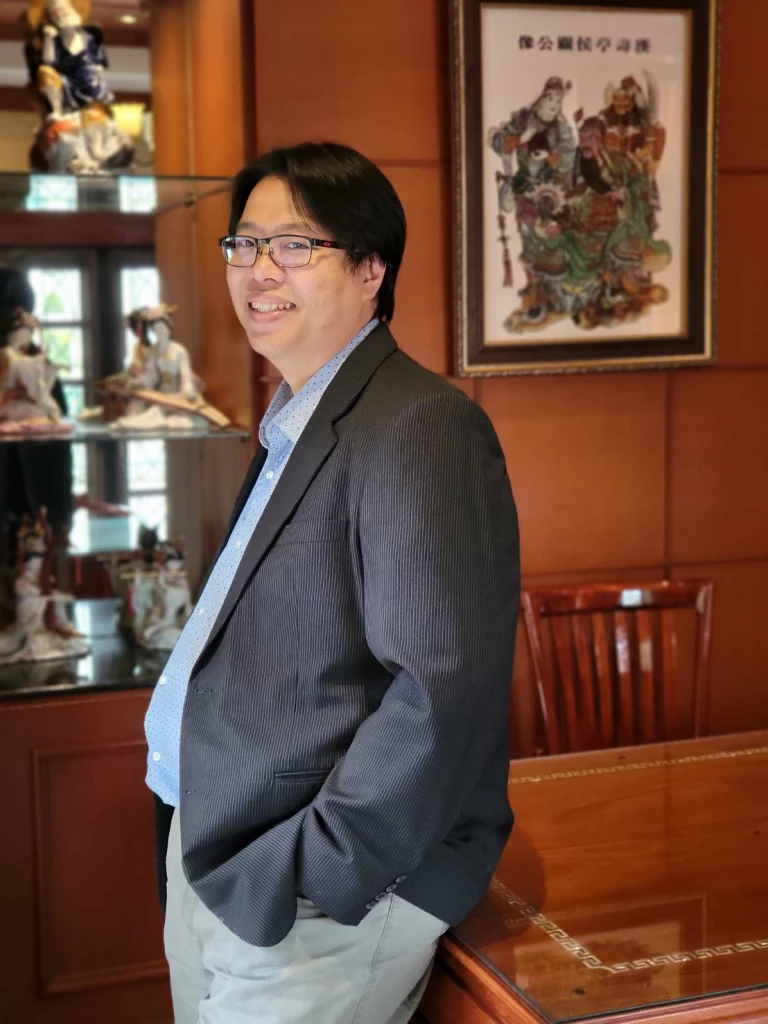
The company has now invented a new formula of polystyrene resin to help packaging manufacturers “achieve sustainability goals while meeting the needs of modern consumers”.

The innovation aims to support the packaging industry in its goal of achieving carbon neutrality.
Utilising Dow’s innovative solution, carbon dioxide emission is reduced by up to 2,046 tonnes per year, equivalent to planting more than 6,340 rai of trees per year, the press release said.

“We focus on reducing carbon emissions, stopping plastic waste, and closing the recycling loop,” Dow Thailand president Chatchai Luanpolcharoenchai said.

 Thanachai Wongvibulsin, Managing Director of Thepvimol PlasticThanachai Wongvibulsin, Managing Director of Thepvimol Plastic
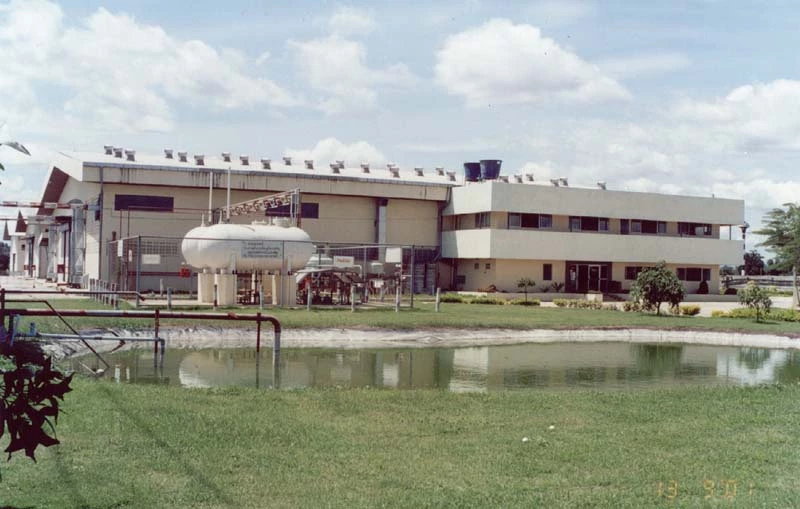
Thepvimol Plasti managing director Thanachai Wongvibulsin said: “Clean work pieces of non-standard sizes or food-grade leftovers from the entire production process can now be recycled to produce new products. The solution reduces transportation costs of the scraps and efficiently helps us manage waste materials in the factory. Our frozen food tray now has half the carbon footprint it used to have. This allows us to gain competitive advantages in the global market.”

Dow teams up with Thepvimol Plastic to develop low-carbon frozen food packaging trays

Find out more about the various types of polystyrene plastic resins from Dow Thailand at https://th.dow.com/en-us/products-solutions/polystyrene.html

Published : April 07, 2022

Mixing passion and performance: Monsoon Valley joins hands with F1 driver Alex Albon

#SootinClaimon.Com : ขอบคุณแหล่งข้อมูล : หนังสือพิมพ์ The Nation.

https://www.nationthailand.com/pr-news/business/40014298


This new partnership comes as Monsoon Valley celebrates its 20th Anniversary as Thailand’s premier vineyard. This year’s F1 season commences with the Bahrain Grand Prix from March 18-20.

Mixing passion and performance: Monsoon Valley joins hands with F1 driver Alex Albon

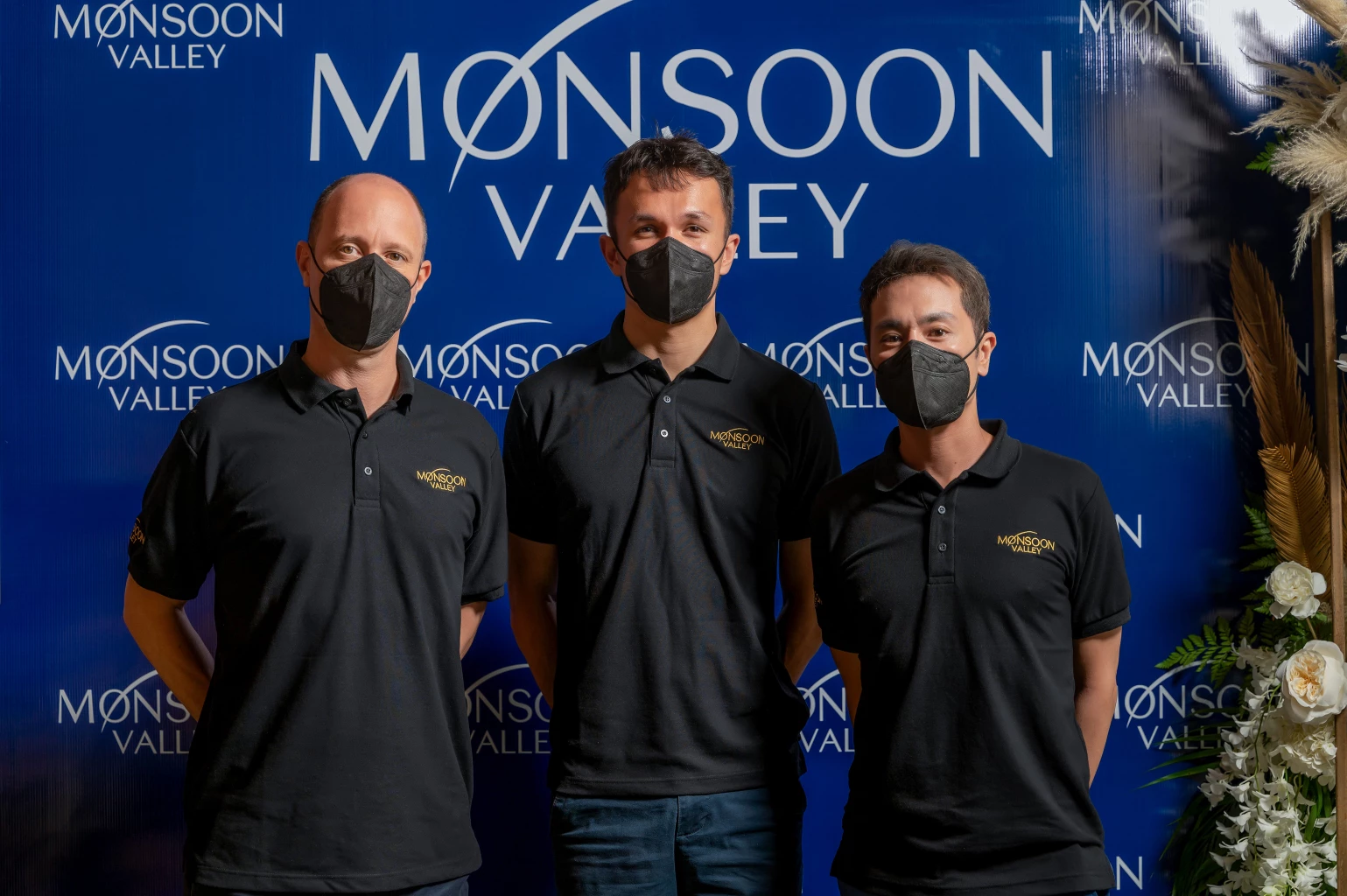
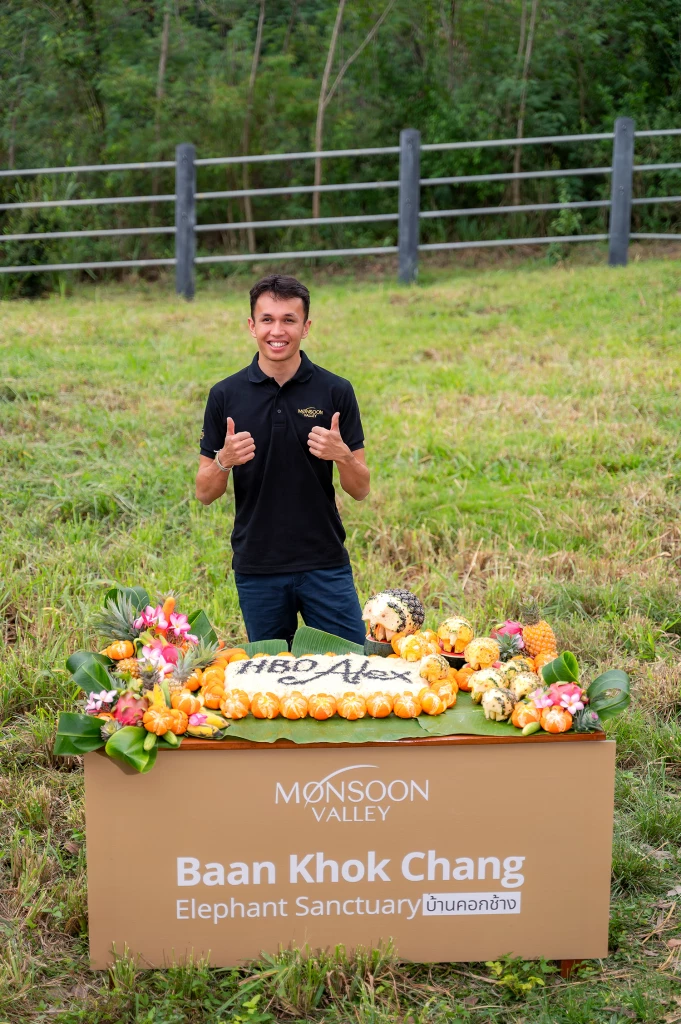
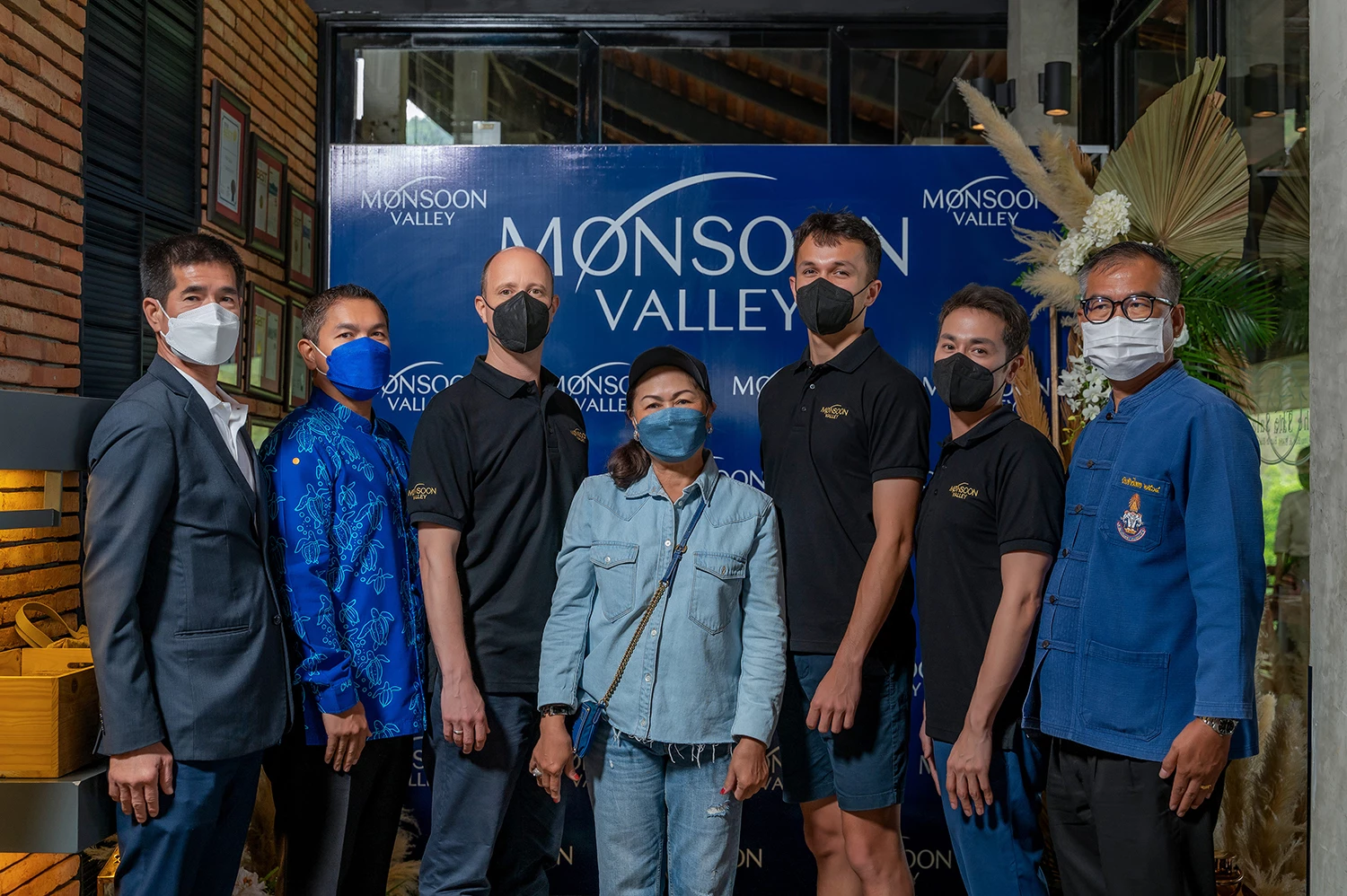
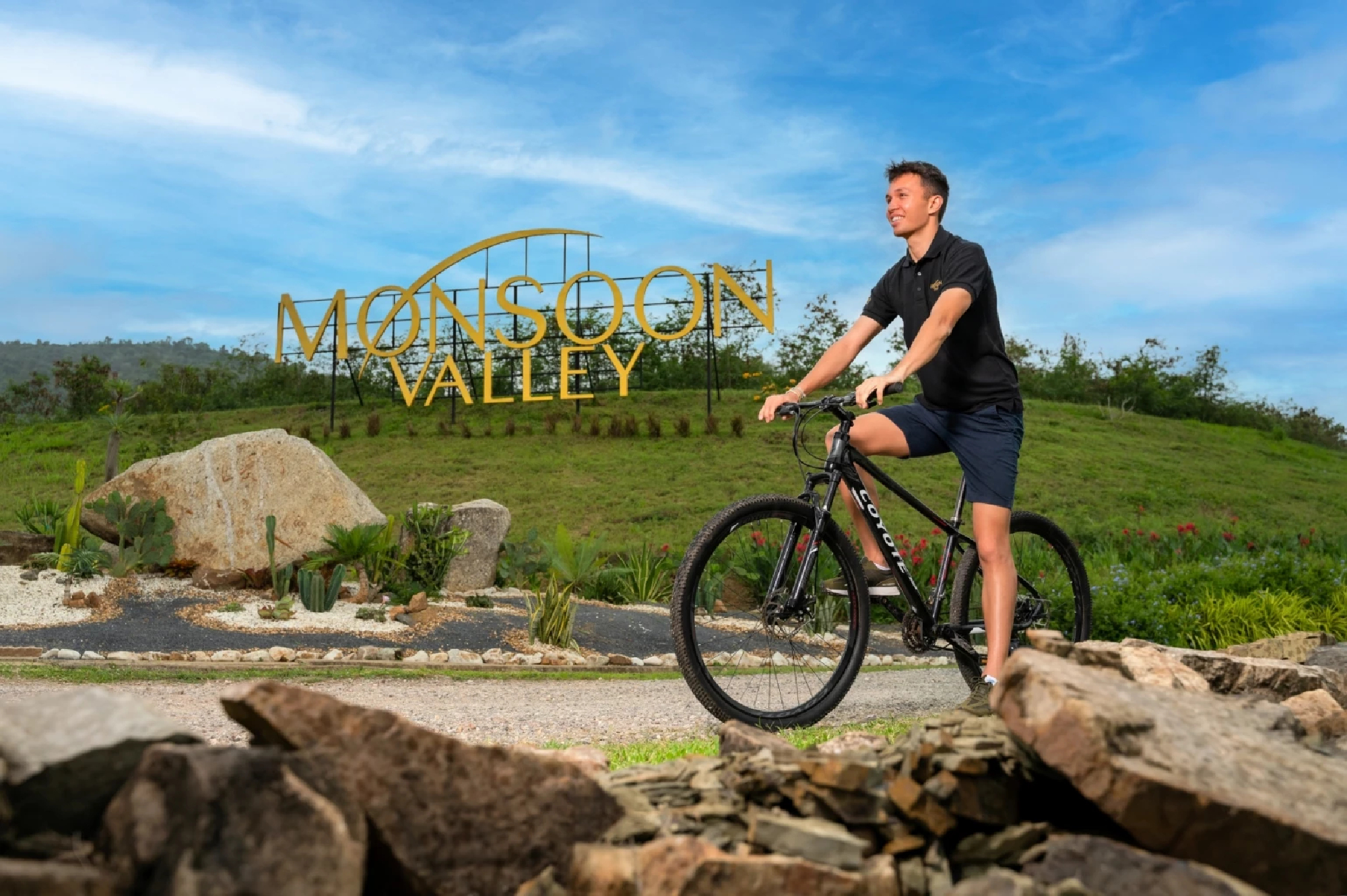
Monsoon Valley Vineyard, the home of Siam Winery’s premier flagship brand, has announced a new partnership with Thai Formula One driver, Alex Albon, as he joins the Williams Racing F1 team for the 2022 season.

This partnership unites two of Thailand’s most respected and world-renowned exports: Monsoon Valley, which produces superior grapes and exceptional beverages, and Alex Albon, who has reached the pinnacle of racing. 
As a Brand Ambassador, Alex will promote the company’s non-alcoholic beverages by displaying the logo prominently on his helmet and overalls.

Alex became Thailand’s first F1 driver in 65 years when he made his debut for the Toro Rosso team in 2019. Having been promoted to the Red Bull Racing team, he became the first Thai driver ever to achieve a podium finish when he finished third at the 2020 Tuscan Grand Prix.

Mixing passion and performance: Monsoon Valley joins hands with F1 driver Alex Albon

Having enjoyed a successful season in the DTM German touring car championship in 2021, winning a race at the iconic Nürburgring race track, he returns to F1 in 2022 to drive for Williams Racing. As a Williams driver, Alex follows in the footsteps of F1 legends such as Keke Rosberg, Nigel Mansell, Alain Prost, Damon Hill and Jacques Villeneuve, all of whom became world champions.

This new partnership comes as Monsoon Valley celebrates its 20th Anniversary as Thailand’s premier vineyard. This year’s F1 season commences with the Bahrain Grand Prix from March 18-20.

Mixing passion and performance: Monsoon Valley joins hands with F1 driver Alex Albon

Varit Yoovidhya, assistant managing director of Siam Winery, said: “We are delighted to partner with Alex, one of Thailand’s most prominent sportsmen. Alex’s passion for continuous improvement and relentless pursuit of excellence are values that unite and inspire us to never give up, and his journey to the highest levels of motorsport has inspired Thai youths and athletes everywhere. As part of Siam Winery’s commitment to supporting Thailand’s motorsport ambitions, we are thrilled to have Alex on board as a Brand Ambassador and for him to proudly display Monsoon Valley’s logo when he races on the global stage.”

Mixing passion and performance: Monsoon Valley joins hands with F1 driver Alex Albon

Alex Albon commented, “It’s a real honour to be named as the Brand Ambassador of Monsoon Valley in its 20th anniversary year. As a proud Thai, I feel deeply privileged to represent my country when I travel around the world. Every time I put on my helmet and step into the car, I am racing for Thailand. It feels fantastic to be able to support and promote Monsoon Valley, a home-grown world-class Thai brand. Racing in Formula 1 is a dream come true, and I hope that I can encourage even more Thai boys and girls to achieve their dreams in the future.”

Mixing passion and performance: Monsoon Valley joins hands with F1 driver Alex Albon

Built on the site of a former elephant corral near Hua Hin, Monsoon Valley Vineyard produces a selection of world-class wines and non-alcoholic grape juices. Owned by Siam Winery, one of the most successful and innovative Asian wine producers, Monsoon Valley has been continuously pushing the boundaries and elevating the standard of Thai beverage production for the last two decades.

Visit www.monsoonvalley.com for more information.

Published : April 07, 2022

The future of credit scoring for micro, small and medium enterprises

#SootinClaimon.Com : ขอบคุณแหล่งข้อมูล : หนังสือพิมพ์ The Nation.

https://www.nationthailand.com/pr-news/business/40014290


Imagine yourself as a small business entrepreneur: you have been marketing your products/services for a while and have several regular customers. Then, the pandemic strikes, causing rapid changes in consumer behaviour.

The future of credit scoring for micro, small and medium enterprises

Demand falls as people adapt to the new lifestyle. There is increased competition in the market from larger players. Now, you need more funding to upgrade your offerings to remain relevant in the market. However, you have never taken a loan from the bank, which increases the risk of you being denied funding. This is one of the biggest obstacles many individual and small entrepreneurs are facing.

The definition of Micro, Small & Medium Enterprises (MSMEs) by The Office of SMEs Promotion covers those with annual revenue less than THB500 million, and employing less than 200 people. They are characterised by their smaller size as compared to corporate counterparts. They usually carry out less technical business operations, regardless of the industry they are in, as many of them were originally household enterprises, founded by sole proprietorships. Every 7 out of 10 Thai nationals are employed or operating a business in this category.

When it comes to funding request or business expansion, traditional financial institutions usually input the payment behaviour of applicants in the credit-scoring model, as well as calculate the expected liquidation value of tangible collateral before deciding on the approval. This obviously excludes potential borrowers that possess no borrowing track record, or new generation startup enterprises where land and buildings are not required to operate thriving businesses. This puts MSMEs at a disadvantage compared to their large corporate rivals. This problem seems to be self-reinforcing and gaps between smaller and larger enterprises are only widening. To reduce this inequality, financial inclusiveness is already on the table of governments around the world.

Studies on modelling SME credit risks conducted in countries such as Japan, Indonesia, India and Thailand have found that financial statement information could also provide clues about borrower behaviour, as those with solid liquidity ratio tend to weather their business significantly better than others. Leverage ratio (the use of debt in their capital structure) and profitability ratio can also demonstrate their creditworthiness to a certain extent.

The question is, would it be possible to assess the credit risk of MSME borrowers, especially those without financial statements, like the case of sole proprietorships, where many of them have never taken bank loans before? The solution to this comes unexpectedly. The pandemic has forced a mass adoption of technology in all walks of life. We turned to remote working and restocking our groceries using mobile applications, we communicated more through social media to supplement physical interaction, and we adopted electronic banking transactions en masse. Online marketplaces hence became larger than ever.

This phenomenon has created a large unstructured data pool during the process, and in combination with advancement in modelling techniques, we are now able to predict the borrowers’ likelihood of defaults by detecting patterns in these data. Our study of countries across Asia shows that they are demonstrating promising predictive powers even if individuals or corporates never accessed formal banking products before.

Psychological matrices can also be leveraged to assess the creditability. A conscientious individual makes effective economic decisions; selflessness and generosity is statistically more credible than individuals with different characteristics. Social media activities can also provide information about potential behaviours, for example users with less connections or those who tend to be active during particular hours of the day could be less reliable than others. Other factors can be considered for optimisation as well.

The predictions from this alternative technique not only supplement the traditional way of credit risk measurement, but they are also found to provide improvements in predicting the probability of a default for borrowers. In some countries, there was an incorporation of banking transaction data in the model or a consideration on whether MSMEs have attended relevant development programmes aimed at increasing business operations efficiency. Participants in those programmes, sometimes sponsored by state-owned entities, tend to be more credible than those who did not and thereby enjoy lower funding costs.

This new approach will help a lot of MSME borrowers to gain funding access at more competitive rates, and financial institutions to better understand their customers, resulting in more financial inclusivity and reducing economic disparity. However, to achieve this goal, there must be enhancement in the data collection and sharing facilities, as data may need to be interchanged across providers from different industries (sharing mobile phone data usage with banks). Some advanced economies are planning to launch a Commercial Data Interchange, a data-sharing infrastructure operated on a consensual basis.

Regulatory bodies can play equally important roles in supporting this initiative by stipulating clear guidance and providing clearance on personal data collection and handling, to ensure that all data shared within the ecosystem is obtained rightfully and protected strictly from unauthorised access.

Stakeholders should have in place an end-to-end process of collecting and sharing information, and using this data to perform analysis for relevant factors for each business setting to obtain regulatory clearance. Once the process is streamlined and successful, there will be opportunity for a greater presence of MSME players to shine on a global stage, carrying more flexible operations and the ability to compete head-to-head with larger enterprises.

Sarun Boonchalakulkosol is Deloitte Thailand’s senior manager of risk advisory

Published : April 07, 2022

By : THE NATION

WHAUP-PTT-SERTIS-PEA Host “Peer-to-Peer Energy Trading” Presentation Webinar

#SootinClaimon.Com : ขอบคุณแหล่งข้อมูล : หนังสือพิมพ์ The Nation.

https://www.nationthailand.com/business/40014274


WHA Utilities and Power Plc (WHAUP), PTT Plc, Sertis Co., Ltd. and PEA recently co-hosted an online seminar to introduce the Renewable Energy Exchange (“RENEX”) platform, a Peer-to-Peer Energy Trading system using Blockchain technology.

WHAUP-PTT-SERTIS-PEA Host "Peer-to-Peer Energy Trading" Presentation Webinar

RENEX will enhance efficiency and security of transactions and facilitate energy trading between  industrial users. As part of the Energy Regulatory Commission (ERC) Sandbox scheme, the platform will allow participating companies to freely trade solar power directly with one another via the grid network of PEA.

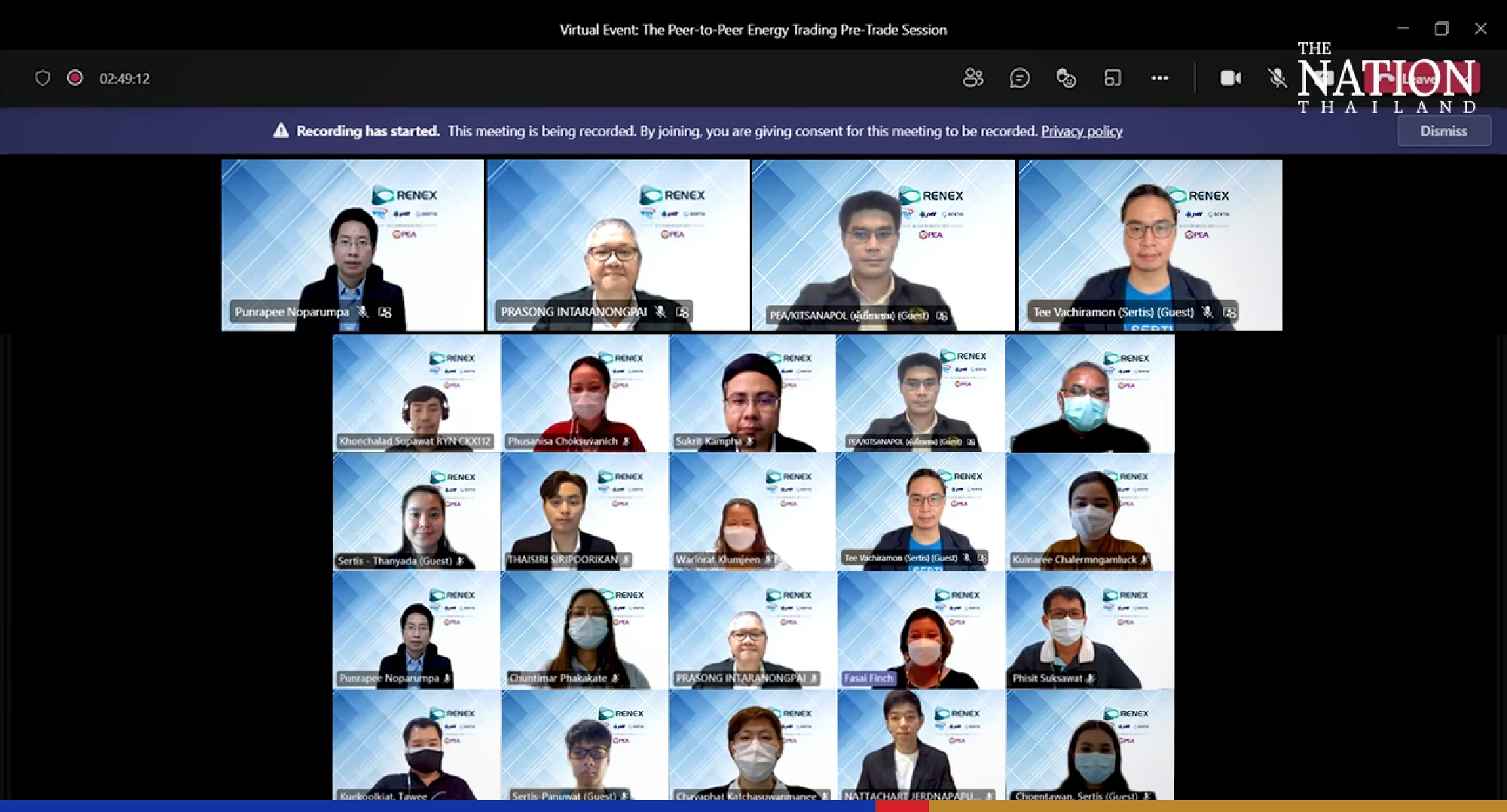
During the seminar, Mr. Punrapee Noparumpa (left), WHAUP’s Director of Power Business Development, together with Mr. Prasong Intaranongpai (center left), PTT’s Executive Vice President, Strategy & Portfolio Management, Mr. Thuchakorn Vachiramon (right), Sertis’ CEO and Founder, and Mr. Kritsanapol Duanghom (center right), PEA’s Deputy Director of Renewable Energy Promotion and Small Power Plant Department, introduced the platform features and conducted platform usage training for the participants in preparation for real energy trading that is soon to take place.

Published : April 07, 2022

By : THE NATION

SHR aims to double revenue, become No. 2 Thai hotel operator in 2022

#SootinClaimon.Com : ขอบคุณแหล่งข้อมูล : หนังสือพิมพ์ The Nation.

https://www.nationthailand.com/pr-news/business/40014301


S Hotels & Resorts Plc (SHR), Singha Estate Pcl’s hospitality arm, expects growth to hit a record-high revenue of THB8.5 billion in 2022, nearly doubling year on year, from THB4.5 billion in 2021.

SHR aims to double revenue, become No. 2 Thai hotel operator in 2022

The growth will push SHR to become the No. 2 Thai hotel operator in terms of revenue, due to the fast recovery in tourism, its well-diversified hospitality portfolios, upgraded services and offerings to reach high tourist demands, and enhanced direct booking.

SHR held an online press conference on Thursday to reveal its plans and goals for 2022.

“The tourism sector continues to recover in many parts of the world. We foresee increasing demand in the hospitality business, including our properties in the five top leisure destinations, particularly in the UK and The Maldives, whose contributions accounted for 44 per cent and 28 per cent, respectively,” said SHR’s chief executive officer, Dirk De Cuyper.

Another key factor that will drive 2022 revenue is the success of the property renovation and the creation of value-added features in all identified potential properties to cater to guests’ various preferences and lifestyle needs, he said.

Three SHR properties have been renovated and undergone brand conversion to align with the homegrown brand and self-managed platform,

SHR’s strategy in driving the business using digital marketing to create customised platforms for the wider implementation of direct booking has given the company more resilience and adaptability. In 2022, the company expects revenue contribution from direct bookings to total revenue to increase from an average of 10 per cent in previous years to 30 per cent in 2022, he said.

As part of a three-year plan, the company has earmarked approximately THB7.3 billion to further expand the growth of portfolios. A total budget of THB2.8 billion has been set aside to enhance its asset rotation strategy for existing properties and the construction of SO/Maldives, which is set to launch in 2023. The other THB4.5 billion is set for the merger and acquisition plan for new properties.

“For new properties, we have eyed M&A [mergers and acquisitions] projects around the Asia-Pacific coast and the Mediterranean and Indian Ocean within the THB4.5 billion budget. We also aim to focus on being a hotel operator, either through a flagship homegrown brand or partnering with leading international brands for business expansion. With the efforts, we target to reach our goals of tripling our size within 2024,” added De Cuyper.

SHR aims to double revenue, become No. 2 Thai hotel operator in 2022

Published : April 07, 2022

By : THE NATION

A Marriage of titans if True and DTAC merge

#SootinClaimon.Com : ขอบคุณแหล่งข้อมูล : หนังสือพิมพ์ The Nation.

https://www.nationthailand.com/business/40014300


Mobile phones are a must-have for most Thais and the mobile-phone service is big business in the Kingdom. Thailand’s telecommunications landscape is expected to change drastically if True Corporation and Total Access Communication (Dtac) are allowed to go ahead with their merger Plan.

A Marriage of titans if True and DTAC merge

Before the merger takes place, let’s look at the current players in Thailand’s mobile telecom industry:

Thailand’s mobile network operators 

Advanced Info Service (AIS)
TrueMove H
Dtac
National Telecom (NT)
KEY FACTS

Founding
AIS: 1985
Dtac: 1989
TrueMove H: 1990
National Telecom: 2021

Guardians
AIS: INTOUCH Company (40.45%), Singtel (23.32%)
TrueMove H: CP Group (49.99%), China Mobile (18%)
Dtac: Telenor (46.71%), Thai Telco Holdings (18.33%)
NT: Formed via the merger of the Communications Authority of Thailand (CAT) and Telephone Organisation of Thailand (TOT)

Market share
AIS: 44.31%
TrueMove H: 32.49%
Dtac: 19.73%
NT: 3.41%

A Marriage of titans if True and DTAC merge

Subscribers
AIS: 43,233,700
TrueMove H: 31,697,700
Dtac: 19,560,000
NT: 3,333,752

Employees
AIS: 14,103
TrueMove H: 4,193
Dtac: 4,000
NT: 17,000

Assets
AIS: 350.17 billion baht
TrueMove H: 523.99 billion baht
Dtac: 174.28 billion baht
NT: 200 billion baht

Cash flow
AIS: 75.56 billion baht
TrueMove H: 125.36 billion baht
Dtac: 24.31 billion baht
NT: 36 billion baht

Revenue (2021)
AIS: 181 billion baht
TrueMove H: 143.7 billion baht
Dtac: 81.3 billion baht
NT: 98.254 billion baht

Profit (2021)
AIS: 26.9 billion baht
TrueMove H: -1.4 billion baht
Dtac: 3.3 billion baht
NT: 3.1 billion baht

Thai mobile phone users, who were happy with having a choice of four operators, became concerned last year when Norwegian telecom giant Telenor announced it was discussing the possibility of a Dtac-True merger with CP Group.

What happens if the merger goes ahead?

The new company will become the largest mobile operator, pushing AIS to second place.
Market share after the merger
TrueMove H + Dtac: 52.22%
AIS: 44.31%
NT 3.41%

Subscribers after merger
TrueMove H + Dtac: 51,257,700
AIS: 43,233,700
NT: 3,333,752

Different scenarios
• The new company will have more funds to invest in the infrastructure, which may result in a better network and wider coverage.
• Some subscribers may switch to AIS based on their experience with either TrueMove H or Dtac.
• Dtac subscribers will be entitled to other services offered by True.
• AIS users may switch to a new company if it offers better services at a more competitive price.
• Users will have fewer choices.
• Only two main players can mean less competition, resulting in fewer promotions, milder price-cutting strategy, and fewer innovations in technology and services.

The face of the new player

It is believed that after the merger, the shareholding ratio of the new company will be:
CP Group: 28.98%
Telenor: 19.64%
Thai Telco Holdings: 7.71%
China Mobile: 10.43%
Other shareholders: 33.24%

The National Broadcasting and Telecommunications Commission, relevant House of Representatives committee and consumer protection bodies are being urged to investigate the proposed merger and the impact it will have on the country’s telecommunications industry, including potential market dominance.

Published : April 07, 2022

By : THE NATION

Energy Absolute, MEA, JRW Utility join hands to build EV smart charging stations

#SootinClaimon.Com : ขอบคุณแหล่งข้อมูล : หนังสือพิมพ์ The Nation.

https://www.nationthailand.com/business/40014251


EA Anywhere is seen as a pioneer and the leader in the charging service business, which is in line with EA’s strategy to become the complete leader in EV.

Energy Absolute, MEA, JRW Utility join hands to build EV smart charging stations

To prepare for the future of the Thai automotive industry, three giants — Energy Absolute (EA), Metropolitan Electricity Authority (MEA), and J.R.W. Utility — have joined hands to develop EV smart charging stations to join the drive in making the country pollution-free and environmentally friendly.

As the world focuses on development that takes into account its impact on the environment and energy security, many countries are opting for environmentally friendly energy consumption, especially the automotive industry by developing more EVs. The Thai government has set a target to become the EV hub of Asean. However, the development of charging stations infrastructure in the country has been lagging.

Energy Absolute, MEA, JRW Utility join hands to build EV smart charging stations

Recently, EA’s subsidiary Energy Mahanakhon Co Ltd (EMN) signed a memorandum of understanding with MEA and JR for an EV smart charging station project to allow flexibility in EV usage with the first two projects.

EA’s chief executive officer Somphote Ahunai said that this cooperation will support EV usage. By supporting the development of more flexible EV charging stations, he said they had looked at the possibility of developing an EV smart charging station as well as other business opportunities that are related to EVs. MEA will help EV charging stations in applying for the electricity, while JR will plan and facilitate the engineering aspects related to the construction of EV charging stations with EMN.

“This cooperation will be a part of infrastructure development to support EV innovation for the automotive industry in the new era. It will also help to reach the goal set by the national EV road map of EVs comprising 30 per cent of all auto production by 2030. It comes with policies to support each aspect, including setting a target to instal public EV charging stations all over the country,” Somphote said.

Currently, EA Anywhere has around 430 charging stations and 1,800 outlets available from AV chargers to DC Ultra-Fast Charge that takes only 15 to 20 minutes. Moreover, there is an application “EA Anywhere” that will facilitate users with an online system for reservation, payment, and charging at the same time. The application has been downloaded 33,000 times. EA Anywhere is seen as a pioneer and the leader in the charging service business, which is in line with EA’s strategy to become the complete leader in EV.

JRW’s chief executive officer, Jarun Wiwatjesadawut, said that JR is responsible for designing, finding, and installing the electricity transfer system and network in this project. JR is also designing and developing the energy conservation system with EMN by finding places to instal charging stations of the appropriate size, number, and places for the project to support EV usage in Thailand.

As JR is a leader in ICT and electric system installation in Thailand, it has a team with expertise and experience of more than 28 years in installing telecommunication and information technology systems which are critical to make this project successful.

Published : April 07, 2022

Digital assets can penetrate unbanked communities in a big way

#SootinClaimon.Com : ขอบคุณแหล่งข้อมูล : หนังสือพิมพ์ The Nation.

https://www.nationthailand.com/business/40014216


While digital assets hold huge potential to rival traditional capital markets, there is also a need for clear guidelines to ensure the least degree of risks, an online forum: “Digital Assets: The Financial World’s New Paradigm Shift” organised by The Nation and Asia News Network heard last week.

Digital assets can penetrate unbanked communities in a big way

Zipmex co-founder and CEO Marcus Lim, PDAX founder, and CEO Nichel Gaba, and Fusang CEO Henry Chong shared their views on the growing digital assets trends, especially in the context of Asean.

Marcus Lim, the CEO, and co-founder of Zipmex, Singapore and a speaker at the forum, said: “The world needs to pay attention because people that are adopting digital assets are mostly the millennial generation and as they say, the genie’s out of the bag, there’s no way to pull this back in. All regulators have to pay attention, and almost everyone is adopting it. So the key is how to make regulators and policymakers think about ensuring that they still have a governing system that is in line with their local currency and how do they deal with cryptocurrency, which could be in conflict with the national currency.”

“The second is around the applications of blockchain. For the past six months, we’ve moved towards the NFT market space and very quickly into the metaverse space. We’re seeing big companies like Facebook rebranding themselves into Metaverse. And with the pandemic and lockdown, we’ve seen a lot of people not contacting each other in the physical world and moving into the virtual world. So can we create a virtual world where everyone can co-exist?”

Another trend to keep a close eye on for a year or two is payments. “Southeast Asia has a huge population that’s unbanked, like in Indonesia where 60 percent of the entire population has no bank accounts. Thailand has a slightly smaller proportion but slightly larger when compared to the Western world. And if we look at the way digital assets operate, effectively you can send value to anyone seamlessly and almost at no cost. So if you look at the traditional world where banks have to provide infrastructure to the mass population in order for them to be banked, that’s the whole nature of digital access. It can cut through and make everything more efficient and cost-effective. And I think the short-term trend I’d like to see is how we start to include Southeast Asia and not through just the traditional trade … but rather how crypto exchanges on all platforms play a part in inclusion.”

“The biggest thing that is holding us back is regulations. There’s a regulatory framework in place.”

Henry Chong, CEO of Fusang, Malaysia, Hong Kong, shared his views on the importance of security as one of the up-and-coming trends.

“The world of cryptocurrency and NFT is unbelievably exciting but 99 percent of assets, such as shares, funds, bonds, real estate, everything we see around us today, I think all these assets can, will, and should be tokenised as well. I think it is inevitable and I can’t imagine in the years to come that we will have these pieces of paper that represent all the assets that we own. I’m convinced that blockchain technology makes a lot of sense and we’re going to see traditional assets be tokenised and traded very similar to how cryptocurrencies are today. But the big difference is it becomes very important to be clear when you have a security token, what is the underlying asset? If the token represents shareholding in a company, what are the rights that I get, and what are the actual assets that I own. I think people can and will start looking at it through different lenses and what are the fundamental value drivers of securities like that.”

Nichel Gaba, the founder and CEO of PDAX, Philippines, said he had seen a new trend in the Philippines. While many people had lost their main income due to the pandemic, many had earned money through gaming that allowed them to earn tokens. Another popular trend he had witnessed was Cross-Border Remittances.

“Migrant workers are sending money into the country in a third currency, other than the peso, The use of Cross Border Remittances also grew in popularity and volume”

“In terms of investment, the Philippines equity market has been struggling to expand so many corporates and institutions are asking whether it would make more sense to raise capital via the token market.”

Nichel said cryptocurrency trading in the Philippines is around $3 million and $3.5 million, thanks to a strong cryptocurrency-friendly and savvy base.

When asked what advice he would give the younger generation interested in joining the digital world of crypto and NFTs, Gaba said: “Having been in the market throughout my career, I know how fast the weather can change. New investors should focus on developing real business skills,” he said.

“The genie is out of the bottle. It is a magic that is evolving very quickly,” he said.

Published : April 06, 2022

By : THE NATION