The economic sanctions imposed against Russia after Ukraine’s invasion can affect global financial transactions and push up global inflation if the conflict persists, a top banking executive said on Monday.
“The impact of the conflict that Thailand is facing now is the surge in oil prices, which has boosted the cost of energy and business operations as well as the price of goods and rate of inflation,” Patchara Samalapa, president of Kasikornbank, said.
“Financial and capital markets have started fluctuating since the conflict erupted, forcing investors to shift their focus to safer assets.
“Kasikornbank has some large corporate clients who conduct business with their partners in Russia and Ukraine, mostly in agricultural, construction and pharmaceutical industries,” he said.
“The bank has been following the situation closely and has advised our clients to take extra caution when conducting financial transactions with these two countries, as well as embrace the risk of delay in receiving money from partners in Russia and Ukraine.”
Patchara added that if the conflict continues, the economic sanctions against Russia will not just negatively affect the Russian economy, but also Europe’s energy stability which is heavily reliant on Russia.
“Many financial institutions in Europe that conduct business with Russia will face difficulties in completing transactions, using letters of credit and seeking certification from local banks,” he added.
“In the long term, sanctions can create stagflation, which will hurt the global economy, so every relevant party should try to end the conflict as soon as possible.”
Stagflation or recession-inflation is a situation in which inflation is high, economic growth slows and unemployment remains steadily high.
Last year, Thailand’s exports to Russia were recorded at US$1.03 billion, increasing 42 per cent year on year. Major products exported to Russia include automotive parts, rubber products, machinery and parts, processed and canned fruits, plastic beads and air conditioners.
The Bank of Thailand (BOT) expects Russian banks’ removal from the Swift international transaction system to trigger a rise in inflation, volatility of the baht against the dollar and limited impacts on Thai trade and investment in Russia.
“However, Thailand’s financial stability is still in good shape, while its trade and investment ratio in Russia is not very high,” BOT senior director Chayawadee Chaianant said on Monday.
The BOT Monetary Policy Committee will re-evaluate its current inflation forecast of a sharp rise in the first half of this year and then a decline in the second half, she added.
Meanwhile, the Thai central bank is monitoring Western countries’ moves closely, including how many Russia banks are being removed from Swift and which activities are being suspended. Chayawadee said moves will affect the global transaction system in the short term but said it would not affect Thailand’s transaction system.
Many countries had emergency plans to deal with this issue, while Russia had alternative transaction systems but none as convenient as Swift, said the senior director.
BOT is also monitoring financial and capital markets as well, she said, adding that Thai businesses investing in Russia would have guidelines to deal with this issue.
She also expressed confidence the Thai economy would continue to recover, following better-than-expected growth in the fourth quarter of 2021.
Finance Minister Arkhom Termpittayapaisith said the ministry will assess with the BOT whether the Swift sanctions against Russia would affect Thai tourism and exports. Russia is a key market for the Thai tourism industry.
The baht opened at 32.68 to the US dollar on Tuesday, strengthening from Monday’s close of 32.70.
Krungthai Bank forecast the Thai currency would move between 32.60 and 32.80 during the day.
It added that the baht is likely to fluctuate in a wide range due to pressure from the Ukraine-Russia conflict.
Krungthai said the baht could weaken if the gold price falls and attracts investors.
However, the Thai currency would not weaken significantly unless the market enters a risk-off state. In the short term, the baht’s key resistance level remains at 32.80 to 32.90 to the dollar, the bank said.
The Stock Exchange of Thailand (SET) Index is expected to fluctuate between 1,680 and 1,700 points on Tuesday, amid the ongoing conflict between Russia and Ukraine, Krungsri Securities said.
The SET is forecast to level out after closing just above 1,685 on Monday.
Krungsri Securities also pointed out that peace talks were ongoing between Russia and Ukraine.
“Meanwhile, the rising oil price and mass buy-ups of stocks which gained specific positive sentiment would help boost the index,” it said.
It also advised investors to follow the US Federal Reserve’s monetary policy and its US economy report on March 2-3.
It recommends the purchase of the following as an investment strategy:
• PTTEP, TOP, SPRC and BCP will benefit from the rising price of oil and gross refining margin.
• HMPRO, MAKRO, CPALL, CRC and CPN will benefit from domestic purchasing power recovery.
• BDMS, INTUCH, ADVANC and DTAC, which are defensive stocks.
The SET Index closed at 1,685.18 on Monday, up 2.28 points or 0.31 per cent. Transactions totalled Bt93.84 billion with an index high of 1,690.61 and a low of 1,668.05.
The excise tax on internal combustion engine or petrol vehicles will be raised, with higher taxes based on carbon dioxide (CO2) emissions, following the Cabinet’s nod for restructuring vehicle excise tax.
The government wants the tax to be more in line with the policy to promote the use of electric vehicles or EVs.
The Finance Ministry estimates that if there is a large-scale switch to EV cars in 2022-25 to replace internal combustion engine cars, as targeted by the EV board, automobile excise tax revenue would go down by approximately 1.8 billion baht per year.
To bring the excise tax revenue on automobiles to be close to the amount collected in 2021, the excise tax rate on internal combustion engine vehicles must be gradually adjusted from 2026 onwards, official sources said.
The public has expressed its opposition to raising taxes on petrol cars with netizens complaining that the majority of people still use internal combustion engine cars. The change to EVs is expected to take many more years. Some people may be reluctant to make the switch due to inadequate charging stations for EVs, which makes them inconvenient as of now, netizens said.
Consumer and wholesale prices are rising all over the world, for which there appears to be no quick fix, as many countries grapple with rising inflation and uneven economic recoveries.
Global inflation has risen due to a combination of supply disruptions, supply-demand mismatch, as well as a spike in commodity and energy costs.
The addition of geopolitical risks to this volatile mix threatens the fragile global recovery after two years of Covid lockdowns and a variety of measures introduced in most countries.
The Ukraine-Russia conflict further increases global uncertainty.
Inflation and supply-chain disruptions The central banks of most G20 countries are currently fighting inflation in one form or another.
Inflation in the United Kingdom hit 5.4 per cent in December, the highest in nearly 30 years.
In January, the Bank of England became the first central bank among G7 nations to raise interest rates.
Canada’s consumer prices are rising twice as fast as before the pandemic, while in Japan – where prices have been depressed since the collapse of the real estate bubble over 30 years ago – the Bank of Japan has raised its assessment of inflation risks for the first time in eight years.
China is the only major economy where inflation is lower now than before the pandemic.
Elsewhere, India is on track to be the world’s fastest-growing among large economies, while France is enjoying its strongest growth in 52 years.
White House officials have said inflation would ease in the second half of this year, describing it as a side-effect of a robust recovery.
Numerous economists have stated that Americans are seeing inflation surge faster than consumers elsewhere due to that country’s extensive financial rescue measures to fight the fallout from the pandemic.
Many central bankers and members of the Joe Biden administration attribute much of the surge in inflation to pandemic-related issues, including supply and transportation obstacles and labour shortages.
The US Federal Reserve (the Fed) is targeting inflation at 3 per cent by the end of 2022 – which at this stage looks optimistic – with a longer-term goal of reducing it to 2 per cent as supply problems recede. Citing the latest quarterly data, President Biden highlighted that the US economy was currently growing faster than China’s for the first time in over 20 years. He added that the US is “finally building an American economy for the 21st century”.
The real proof of economic recovery would be apparent only when economic stimulus measures are fully withdrawn.
In North America, during the work-from-home era, spending habits shifted from theatres and restaurants to the purchase of durable goods, including computers, furniture, and vehicles.
The prices of durable goods rose by 16.8 per cent over the past year.
Supply-chain bottlenecks As factories around the world resume production in a post-pandemic revival, there is a clear mismatch between supply and demand, driving prices higher.
Global supply chains and afflicted ports in Europe, China, Southeast Asia, and the US are driving costs up globally, a key factor in the rising inflation.
The increasing costs of commodities, including food and energy, are piling on the inflationary pressure.
WTI crude oil price is up by over 50 per cent in the past one year, while coffee has virtually doubled in price.
Supply disruptions could last into 2023, as the Omicron variant of the Covid virus poses fresh challenges, and Europe and China are imposing new restrictions.
The International Monetary Fund reports that up to 40 per cent of supply constraints in manufacturing can be traced to pandemic-related shutdowns, which should have only temporary effects on inflation. This would also apply to severe weather and industrial accidents that slowed microchips and auto output in 2021.
Labour shortages and ageing logistics infrastructure could, however, have more persistent effects on supply and inflation than shutdowns.
Supply shortages experienced by automobile manufacturers were largely expected to end by mid-2022.
Supply constraints, however, are likely to persist in some key areas, posing a challenge for policymakers to facilitate recovery without inflationary pressures.
Potential policy solutions Numerous policy and regulatory changes are required to deal with supply bottlenecks. They include: fast-tracking the licensing of transportation and logistics workers, temporarily easing restrictions related to operating hours at ports, streamlining customs inspections, easing immigration rules, as well as enhancing mandates that can contain the virus and protect the health of workers.
Fiscal measures could also be used to ease bottlenecks and increase output.
Preserving skill-intensive manufacturing jobs will be viable once the bottlenecks ease.
Additional measures to ensure recovery in labour supply include increasing care for children and the elderly, as well as training workers in new skills.
The prospect of prolonged supply bottlenecks poses challenges for monetary policymakers to sustain recoveries and ensure that output catches up with pre-pandemic numbers without allowing wages and prices to rise.
Maintaining medium-term inflation expectations despite inflationary pressures from supply disruptions and increasing energy prices is key to managing this trade-off.
The G20 stance The finance chiefs of G20 member nations have vowed to use “all available policy tools to address the impacts of the pandemic”, while warning that future policy space was likely to be “narrower and uneven”.
“Central banks will act where necessary to ensure price stability, in line with their respective mandates, while remaining committed to clear communication of their policy stances,” the ministers and governors said.
The G20 draft statement contained no direct reference to the crisis on the Ukraine-Russia border, saying only that the G20 would continue to monitor risks, including those arising from current geopolitical tensions.
As Russia is a member of the G20, the communique was more general, using the word “current…tensions” to avoid Russian opposition.
It seems apparent that central bankers, whether through the G7, the G20 or other organisational structures, should continue to work cohesively and communicate how they will react to inflation and other related economic data, inflation expectations, and be ready to respond quickly to significant changes in the medium-term inflation outlook.
The greater the success of regulatory and targeted fiscal measures in alleviating current supply-chain bottlenecks, the lesser the need for policymakers to minimise aggregate demand and economic growth to rein in inflation.
All eyes on Fed The US Congress approved a nearly $6-trillion stimulus package in March 2020 to keep the economy afloat.
The recovery in US stocks, which commenced in March 2020 after a major sell-off five weeks before that, increased the aggregate US household net worth by nearly $28 trillion since the end of 2019.
Adjusted for inflation, the average disposable income of Americans actually rose during the pandemic.
The Fed is currently weighing a complex blend of global and domestic factors to effectively tackle 7 per cent inflation, the highest among G20 member nations.
Leading multinational investment banks anticipate a cycle of interest rate hikes in 2022, starting in March.
In anticipation of these moves, all three major US stock indices are lower this year, with the Nasdaq sliding the most, down more than 10 per cent so far.
Higher-than-expected inflation is pressuring the Fed to tackle US consumer prices, which have risen at the fastest pace since the early 1980s.
The Fed communicates its policy decisions through its policymaking division, the Federal Open Market Committee (FOMC).
The FOMC meets eight times every year to discuss and release a detailed communique related to monetary policy decisions. The next FOMC meeting on March 15-16 is one of the most eagerly awaited since 2008-09.
The funds’ target rate is one of the key monetary policy tools used by the Fed to facilitate economic growth.
This is the overnight rate at which commercial banks borrow and lend their reserves to each other.
The current Fed fund target rate is zero to 0.25 per cent. Within the interbank, capital, and treasury markets, the general sentiment is that the Fed should move the rates up by 25 basis points (bps) at a time. Apart from times of extreme uncertainty, something markets despise, anything more than 25bps, such as the current talk of a potential 50bps hike, has many seasoned market participants believing that the Fed is “behind the curve”, or has been caught unprepared.
To the majority of the population that are not financial market participants, it may not seem relevant in their day-to-day lives.
However, as we have learned only too well since the Asian Financial Crisis of 1997, SARS in 2002-03, the Global Financial Crisis of 2008-09, and more recently the sell-off of global equities and their fallout in mid-February 2020, the world is highly interconnected.
Contagion is a very real risk that must be anticipated, hedged against, and responsibly managed by governments, central banks as well as global regulatory bodies in a cohesive and transparent manner.
Leading European and American global investment banks are anticipating rate hikes for 2022 in the range of 1.25 to 1.75 per cent.
The pace of the rate hikes, though, is as important as the extent of the hike.
There is an increasing view of a 50bps hike in March, although this is not the majority view yet.
The additional hikes anticipated during the year at later FOMC meetings point to a consensus of a 25bps hike each time, totalling 1.25-1.75 per cent in total by the year-end.
Federal Reserve Bank of New York president John Williams recently told reporters that there was no reason for a “big” 50bps early move and that a steady move by the FOMC to get the Fed funds target rate up from zero to normal levels of between 2 to 2.5 per cent over the next few years or longer is the key objective.
This can be interpreted as an FOMC decision being “data-dependent”, leaving the door open for more aggressive and potentially bigger rate hikes.
St Louis Fed president James Bullard, who currently seems to be an outlier, recommends that the FOMC “front-load” its rate increases, as well as potentially hike rates outside traditionally scheduled FOMC meetings. These “sudden” hikes greatly increase volatility in global financial markets. With the US economy riding an inflationary wave and increasing sentiment that the Fed is slow to react, the US central bank faces a dilemma. Regardless of the extent and pace of rate hikes, the Fed will also offload massive stockpiles of bonds, as part of its pandemic stimulus efforts.
Inflation in ECB’s sights Despite rapidly tightening labour markets in the eurozone, data suggests that wages will only rise moderately, and inflation is expected to fall slightly below the European Central Bank (ECB)’s target once the pandemic ebbs.
The ECB’s current mindset is to adopt an accommodative monetary stance until its medium-term inflation target is met, while allowing flexibility to alter course if inflation data is higher than anticipated.
Prices are currently rising faster than at any other time since the eurozone was created in 1998.
European consumption remains depressed as many EU job-retention policies paid employers less than the full salaries.
The largest driver of inflation in the EU is energy prices, which is influenced by geopolitics, weather, gas stocks and reserves, insufficient investment in renewables and delayed maintenance of infrastructure projects. The ECB is concentrating on anti-inflation measures by reducing its monthly asset purchases from the 2021 average of 82 billion euros to 20 billion euros in 2022.
Effects on Thailand Despite higher inflationary risks and an increase in headline inflation in early 2022 due to higher energy and food prices, demand-side inflationary pressures remained subdued, in line with the gradual recovery of household income.
The Bank of Thailand (BOT) has said it remains committed to containing inflation within the target of 1 per cent, well below the current 3 per cent range, and anticipates headline inflation at 1.7 per cent in 2022. Inflation hit a high of 3.2 per cent in January, up sharply from 2.2 per cent in December 2021. The BOT is targeting inflation at 1.4 per cent in 2023, while focusing on minimising volatility in domestic markets.
Thailand’s gross domestic product is still expected to grow between 3.5 and 4.5 per cent in 2022, as the tourism sector slowly recovers. The quarantine waiver for foreign tourists is expected to draw more international travellers.
Fortunately, exports should continue to gain momentum despite global supply-chain disruptions.
There is also a hike in government spending on infrastructure projects, in addition to public-private investment projects. The BOT’s Monetary Policy Committee has vowed to continue with its current accommodative monetary policy for economic growth and intends to maintain the policy rate at 0.5 per cent. The current financial and fiscal measures focused on rebuilding and enhancing potential growth play a key role in bolstering the labour market recovery as well as household and business income.
Autobacs joined hands with Petroleum Thai Corporation (PTC), a fellow subsidiary of PTG Group, to open the new vehicle care shop.
Autobacs launches 32nd branch in PT Max Park Salaya Autobacs Thailand has opened its 32nd branch inside Bangkok’s PT Max Park Salaya mall, the company announced. Autobacs joined hands with Petroleum Thai Corporation (PTC), a fellow subsidiary of PTG Group, to open the new vehicle care shop. The opening ceremony was jointly presided over by Sukhawasa Phuchawanitkul, assistant managing director of PTG Energy Plc, PTC managing director Sutthipong Wanwanit, and Autobacs Thailand assistant managing director Chatchai Chansongsri. The photo shows Sukhawasa (centre), Sutthingpong (fifth from right) and Chatchai (third from left).
Principal Asset Management Co Ltd is a subsidiary of global financial investment management giant Principal Financial Group, which is listed in the Fortune 500 and is traded on the Nasdaq. Its headquarters is in the United States.
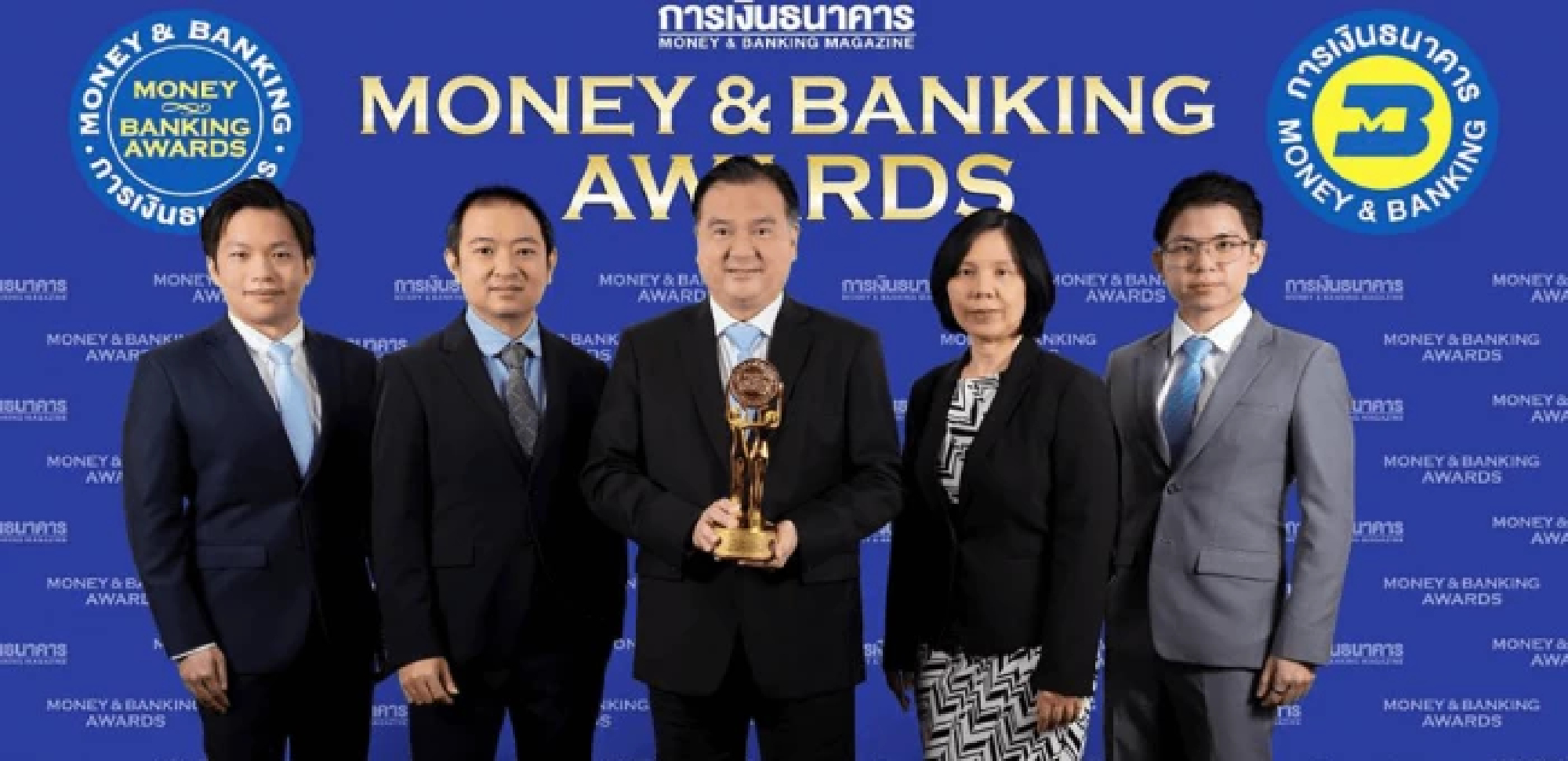
Principal Asset Management Co Ltd has won the Best Mutual Fund of the Year 2021 honour at the Money & Banking Magazine Awards in the “RMF Fixed Income Fund” category for the outstanding performance of its product, Principal FIRMF.
Jumpon Saimala, Chief Executive Officer of Principal Asset Management Co Ltd, said that the company’s policy focuses on managing funds to generate outstanding returns for investors.
Principal Asset Management Co Ltd is a subsidiary of global financial investment management giant Principal Financial Group, which is listed in the Fortune 500 and is traded on the Nasdaq. Its headquarters is in the United States.
“As Principal Financial Group has expertise in investment management for the long term, such as the large pension fund, it could display its proficiency in investment. It is also Principal’s DNA to receive this award,” Jumpon said.
“We are proud to win this award because the fund not only generates good returns for investors and RMF [retirement mutual fund], it also aims to appreciate funds for after retirement, which is important.
“Winning the Best Mutual Fund of the Year 2021 award reflects our expertise and efficiency in mutual fund investment. The criteria for this award included total returns, volatility of daily prices, and average performance of the fund investment company. It is also in line with the current investment climate that we must take into account the risks in investment, not just the returns.”
The Electricity Generating Authority of Thailand (Egat) will open 17 more electric vehicle (EV) charging stations in different parts of the country within the first half of this year, a senior Egat official said on Monday.
Warit Ratanchuen, assistant governor of the Egat Project Management Office, said with the 17 new stations, Egat will have a total of 57 EV charging stations.
Egat recently brought its total number of charging stations up to 40 by opening 12 new ones under the brand EleX by Egat in PT petrol stations. He said the EleX by Egat stations use dynamic load type chargers and each charger has both a DC Fast Charge function – which can charge up to 125kW in 15 to 30 minutes – and the AC normal charge.
The 12 EleX stations include two in Lampang, one each in Chiang Mai and Chiang Rai in the North, three in the Northeast, including one each in Udon Thani, Khon Kaen and Buri Ram. There is also one EleX station in the central provinces of Ayutthaya, one in Chanthaburi in the East, one in the western province of Tak and one each in Prachuap Khiri Khan and Songkhla in the South.
Warit said the EV station in Chiang Rai allows motorists to travel as far as the northernmost edge of the country, adding that Egat was providing stations to cater to the needs of inter-provincial motorists.
Most of the 17 new stations will be installed along highways and in PT petrol stations.
Once complete, the new EV stations will give EV motorists enough charge to drive as much as 700 kilometres from Bangkok in all directions.
He added that Egat plans to install superfast EV chargers in all provinces by the end of the year.
Egat is also considering installing more chargers in community malls and golf courses in major cities and said it will welcome business partners to install EleX by Egat charging stations.
Egat can also provide wall box chargers, Warit said.
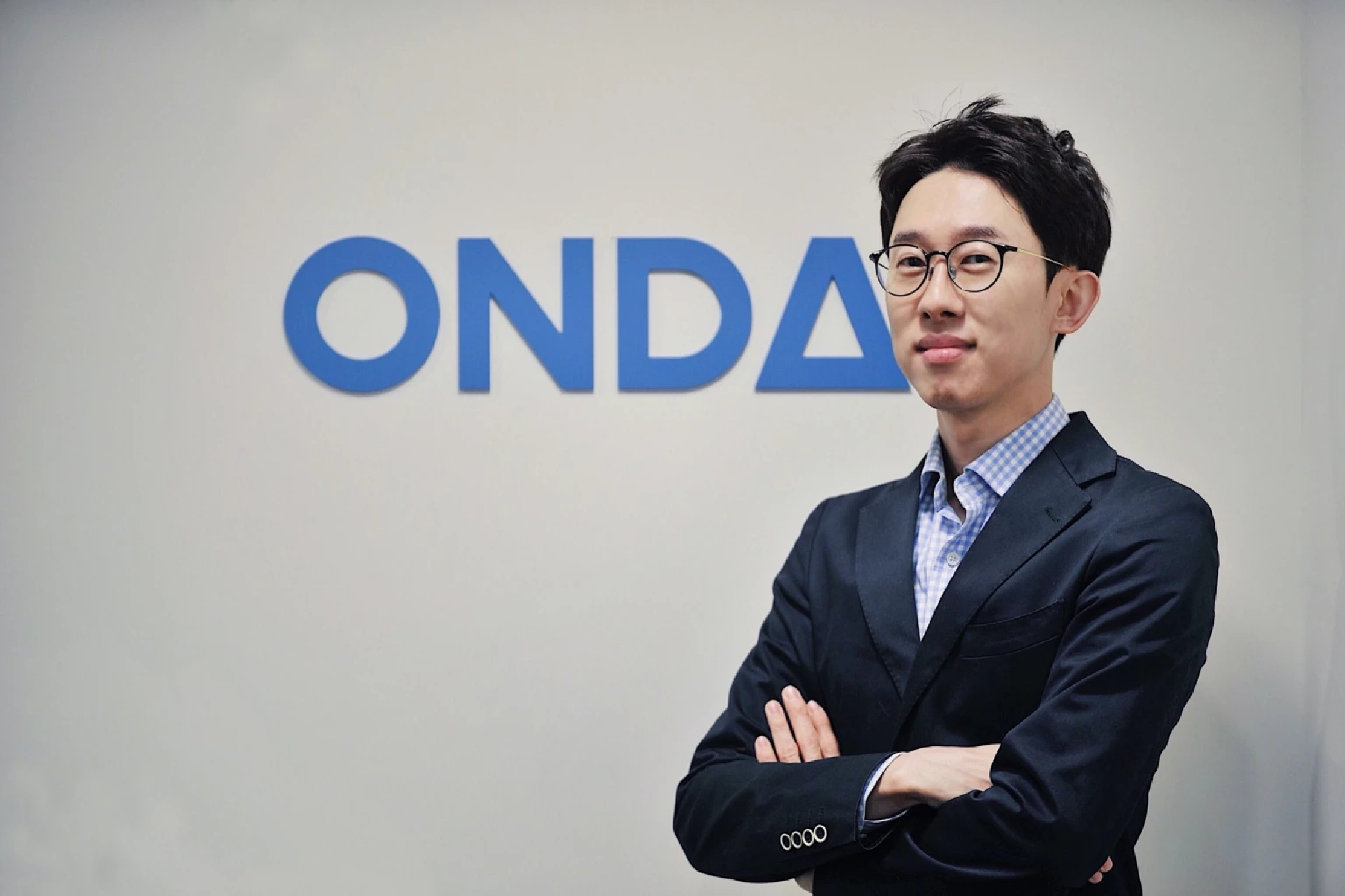
ONDA is the only company in South Korea providing hotels with a Korean customer base following the Covid-19 pandemic and offering international markets one of Korea’s largest lodging sales networks (ONDA GDS) as its main product.
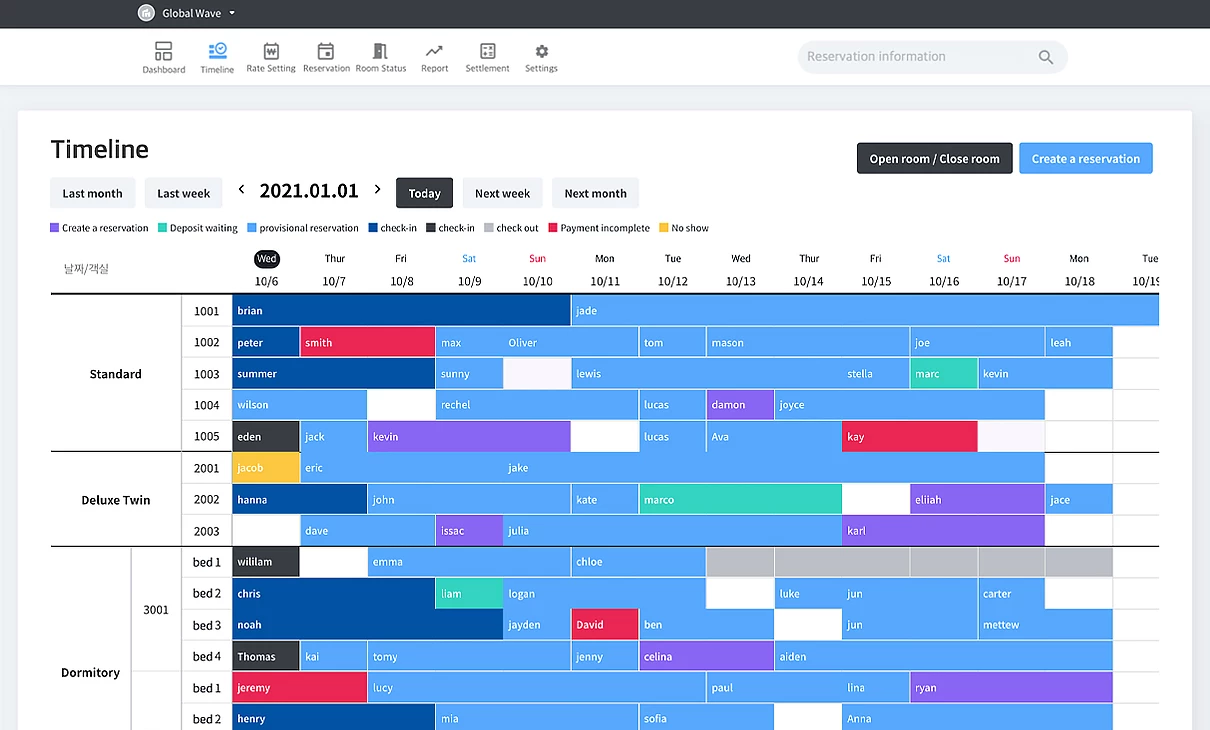
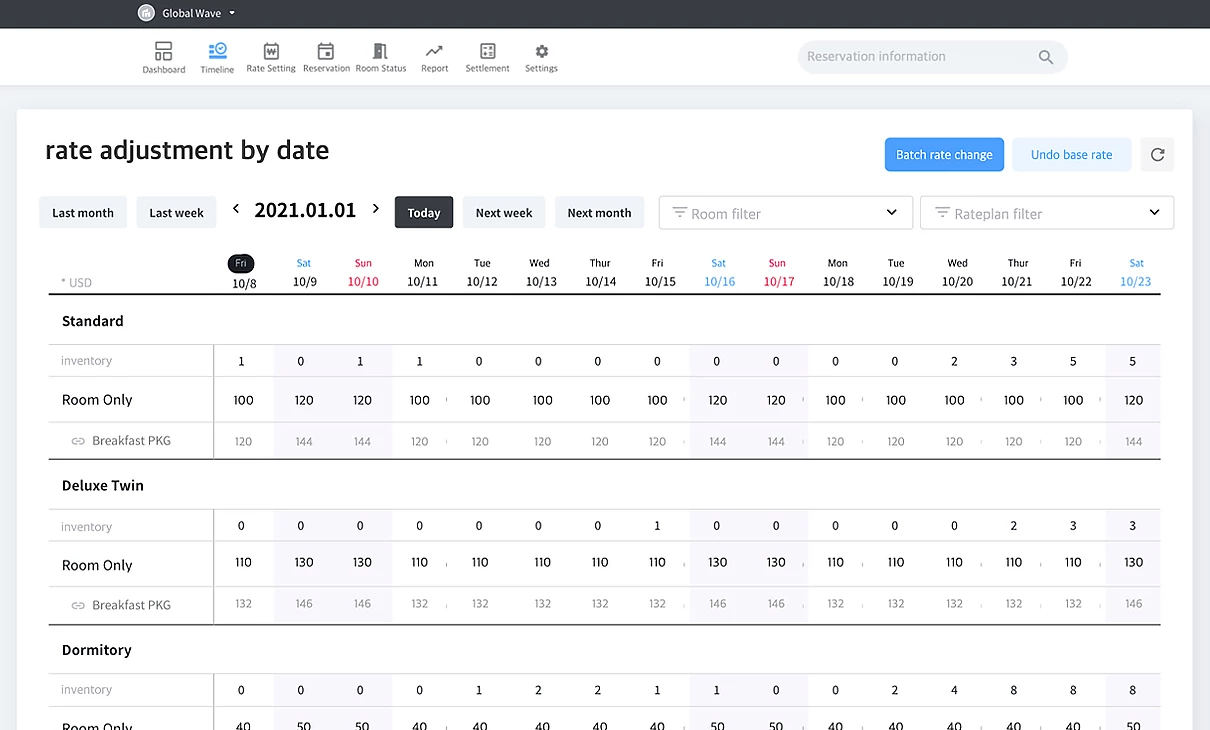
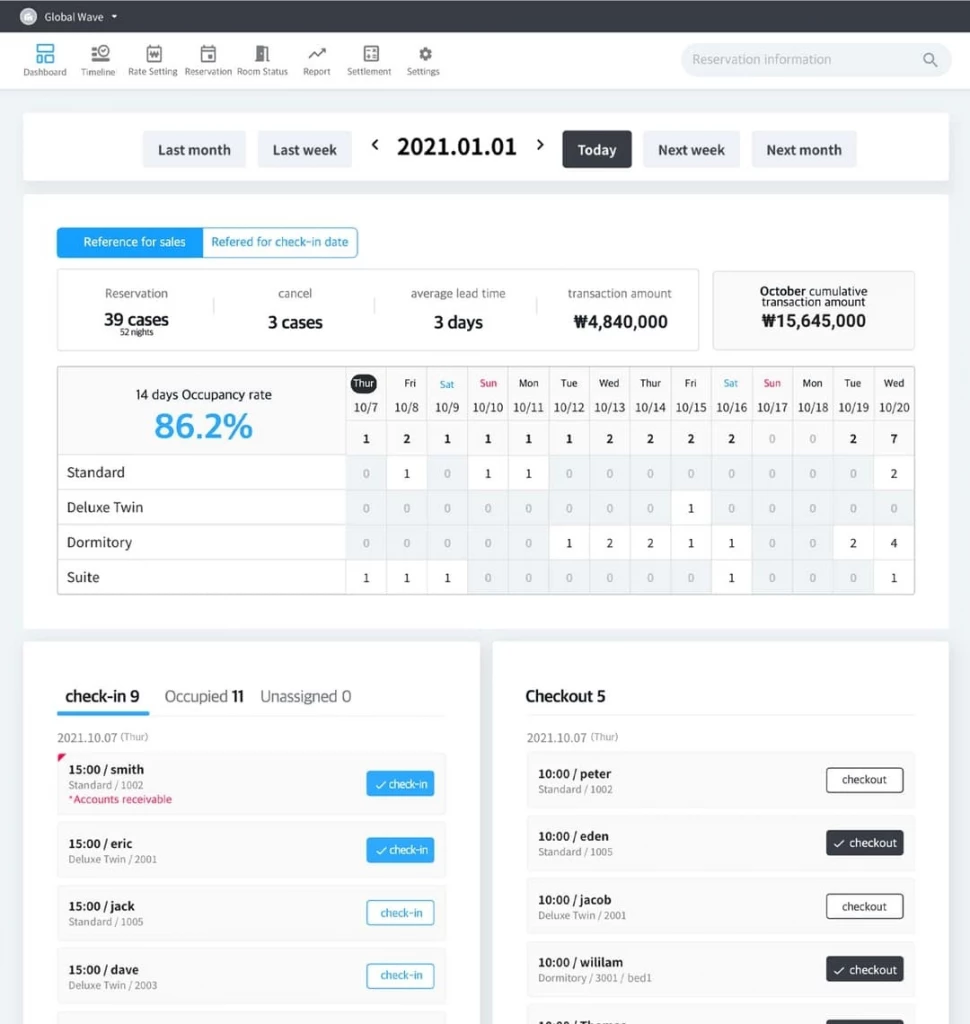
ONDA, South Korea’s No. 1 hotel booking solution provider, is launching a new hotel booking solution optimised to attract tourists to hotel and accommodation businesses in Thailand. ONDA is planning to offer a marketing budget on Google Hotel for hotels in Thailand in order to increase its market share from direct booking. On December 22, ONDA announced that it had created a pre-register page (global.wave.onda.me) where Thai hotels could register to get access to ONDA’s booking solution and begin accepting early reservations. ONDA is a five-year-old hospitality technology startup that specialises in Online Booking Solution (OBS), Global Distribution System (GDS), and Property Management System (PMS).
Recently, it attracted a pre-series B investment of US$8 million (260 million baht) to further enhance products and expand internationally. The company has raised $15 million to date since its inception and the company’s vision remains unchanged, which is to be the leader in the digital transformation of the hospitality industry.
ONDA is the only company in South Korea providing hotels with a Korean customer base following the Covid-19 pandemic and offering international markets one of Korea’s largest lodging sales networks (ONDA GDS) as its main product. ONDA GDS (Global Distribution System) is a service that relays hotel products to online sales channels in real-time. ONDA GDS is currently selling 380,000 rooms from approximately 38,000 hotels and other types of accommodations through South Korea’s top 31 web portals, Online Travel Agencies (OTAs), and e-commerce platforms such as Naver, 11st, Tmon, and Yeogi Ottae (good choice), etc.
Additionally, hotels can also register for free to use ONDA CMS (channel manager), which is integrated with Agoda, Booking.com, Expedia, and Airbnb. ONDA’s accumulated volume of room transactions has reached 5 billion baht as of 2021, and the company has grown the volume at a rate of more than 60 per cent per year over the last three years. Over the same period, the volume of transactions per room increased by 140 per cent, helping its hotel partners expand at the same time.
Furthermore, ONDA was the first company in South Korea to be selected as a Google Hotel Partner. When using ONDA Booking Engine, hotels will be automatically exposed to Google Hotel, Google’s D2C (Direct to Customer) hotel search and reservation service. The booking engine can be added to the hotel’s official website and can also be customised if necessary. ONDA plans to promote direct-to-consumer (D2C) transactions using Kakao Talk, which is South Korea’s top chat application. D2C sales channels, such as Google Hotel and Kakao Talk, have a great advantage of directing customers to official hotel websites rather than alternative platforms. They help save money on commissions paid to intermediary sales channels while simultaneously building a client database for direct marketing. “When the Covid-19 quarantine is lifted, the most popular tourist destinations where Koreans would want to visit would be a number of Southeast Asian tourist attractions,” said Hyunseok Oh, CEO of ONDA. “Don’t miss this chance to communicate with Korean clients and be provided with a convenient reservation system through ONDA’s hotel booking solution.” For more information regarding ONDA Thailand please contact https://bit.ly/3vlJWiB









 Most of the 17 new stations will be installed along highways and in PT petrol stations.