The baht opened at 32.73 to the US dollar on Monday, weakening from Friday’s close of 32.48.
The Thai currency is expected to move between 32.60 and 32.80 during the day and between 32.00 and 32.90 during the week, Krungthai Bank forecast.
Krungthai said that the baht is likely to weaken if the market enters a risk-off state due to a worsening in the Ukraine-Russia situation.
However, any weakening of the baht would be limited because it is supported by gold selling.
Meanwhile, foreign investors expect the baht to strengthen on the back of Thailand’s economic and tourism recovery, with some international financial institutions predicting it will rise to 30.50-31/dollar by the end of the year.
Krungthai explained that orders from importers and exporters coupled with poor liquidity were causing the baht to fluctuate and swing sideways in a wider range.
It said that the key support level is 32/dollar, at which point importers would buy dollars and foreign investors would sell. The bank expects exporters to sell the dollar when the baht reaches the key resistance level of between 32.80 and 32.90.
It added that the dollar was supported by uncertainty over the Ukraine-Russia crisis, which was causing investors to hold on to US currency. Meanwhile the dollar would gain more support if the US Federal Reserve raises the interest rate again this year.
The Stock Exchange of Thailand (SET) Index is expected to fluctuate between 1,665 and 1,690 points on Monday amid tensions between Russia and Ukraine, Krungsri Securities said.
It cited the removal of Russia’s central bank from the Swift international payments system.
Moscow had also ordered Russia’s nuclear weapons on standby to confront Nato, Krungsri Securities added.
However, it predicted that mass buy-ups of energy shares in line with the rising oil price would help boost the SET Index.
It also advised investors to follow the US Federal Reserve’s monetary policy and its review of the US economy on March 2-3.
It recommends the purchase of the following as an investment strategy:
• PTTEP, TOP, SPRC and BCP will benefit from the rising price of oil and gross refining margin.
• BDMS, INTUCH, ADVANC and DTAC, which are defensive stocks.
The SET Index closed at 1,679.90 on Friday, up 17.18 points or 1.03 per cent. Transactions totalled 87.77 billion baht with an index high of 1,684.50 and a low of 1,670.13.
Owned by the Finance Ministry, this is the only financial institution in Thailand that has been providing banking services for the past 19 years in line with the principles of Islam’s Sharia law.
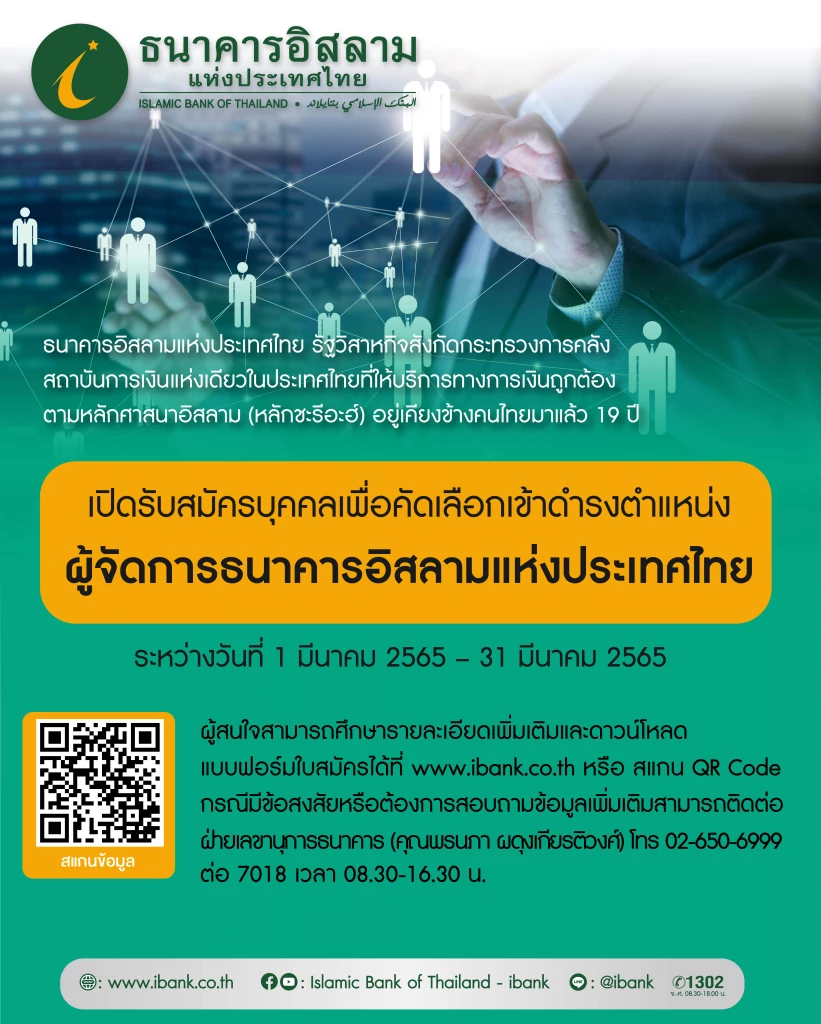
Islamic Bank of Thailand seeks new manager – An ambitious, ethical person with a strong banking background is being sought to fill the position of manager at the Islamic Bank of Thailand.
Owned by the Finance Ministry, this is the only financial institution in Thailand that has been providing banking services for the past 19 years in line with the principles of Islam’s Sharia law.
Applications will be accepted from March 1-31, 2022.
Those interested can visit www.ibank.co.th or scan the QR code.
Contact Pornnapa Padungkiattiwong at (02) 650 6999 Ext 7018 from 8.30am to 4.30pm for queries.
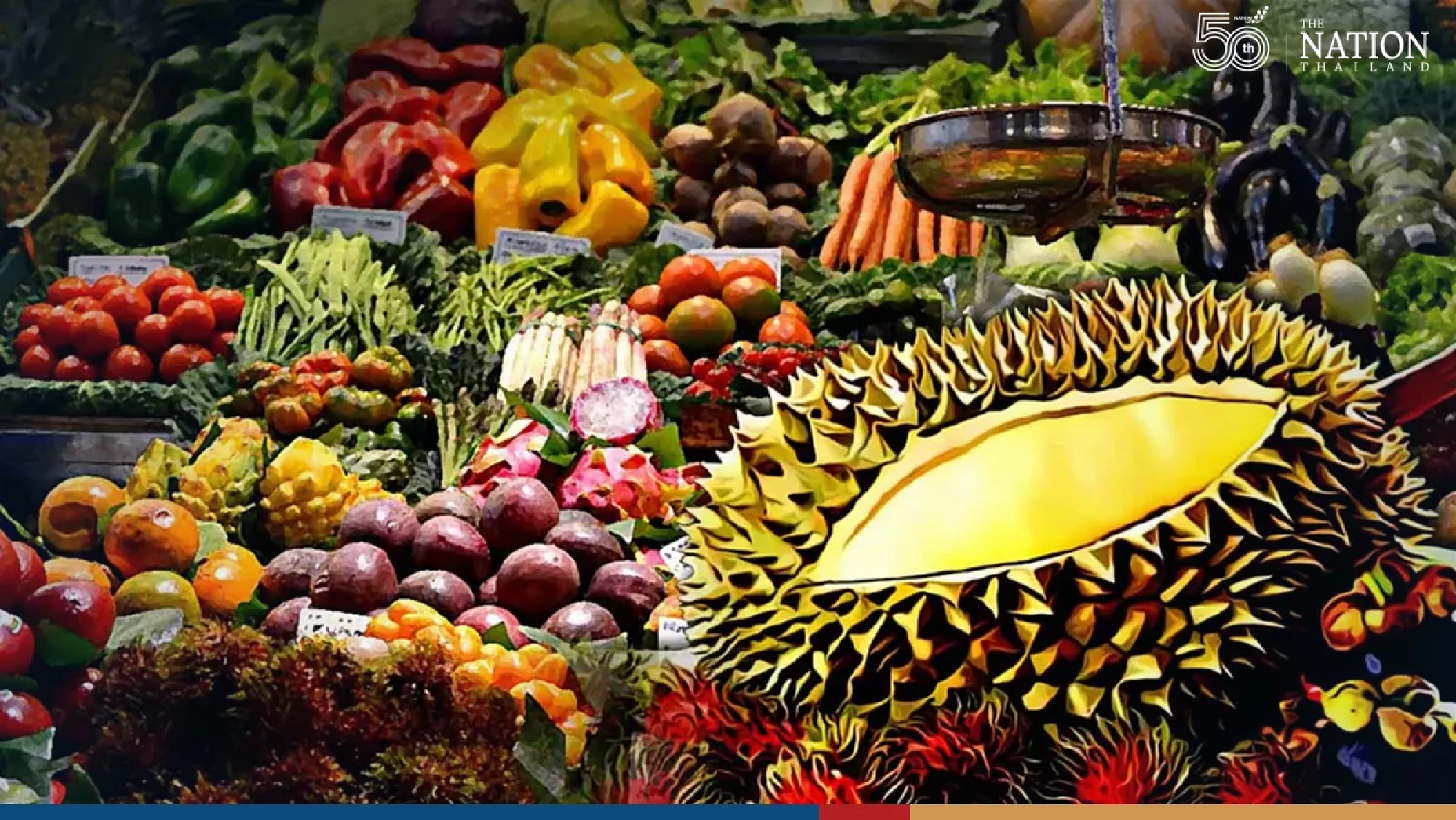
The government and private agencies are taking steps to manage fruit harvests from March onwards in a bid to tackle oversupply and dropping prices.
Chantanon Wannakhajorn, secretary-general of the Office of Agricultural Economics, said the agency’s teams have devised management plans by surveying farmers, exporters, cooperatives, processing factories and demand at shopping malls. He said the aim is to achieve a balance between demand and supply.
Chantanon added that the Commerce Ministry will try to maintain stability in distribution by seeking new foreign markets, promoting exports and preventing a glut in border areas.
“Government and private agencies, along with farmers, will cooperate in product management and quality control in line with Good Agricultural Practices and on measures to curb the spread of Covid-19 in fruit plantations,” he said.
“They will also set up a war room to monitor the situation, including production volumes and selling price.”
Separately, he said, agencies have set up a harvesting schedule for durian in a bid to control the drop in prices.
The harvest schedule for the four varieties of durian has been set as follows: Kradum on March 20, Chanee and Puangmanee on April 10 and Monthong on April 25.
“Durian farmers and harvesting contractors must inform their district agriculture offices if they want to harvest durian earlier than scheduled,” he added.
According to the working group on fruit information systems and logistics development in the East of Thailand, the provinces of Rayong, Chanthaburi and Trat are expected to produce 1.18 million tonnes of durian, mangosteen, rambutan and longkong (langsat) this year, up 32 per cent from the previous year.
“This is all thanks to cool weather and isolated rains between December and January,” the working group said. “Fruits will be harvested until mid-September, and an oversupply can be expected in May.”
Alongkorn Ponlaboot, adviser to the agriculture and cooperatives minister, said several measures have been implemented, including the inspection of plantations, helping businesses and farmers with fruit distribution and boosting the liquidity of fruit exporters.
“These measures will help stimulate the fruit market amid uncertainties over the Covid-19 crisis,” he said.
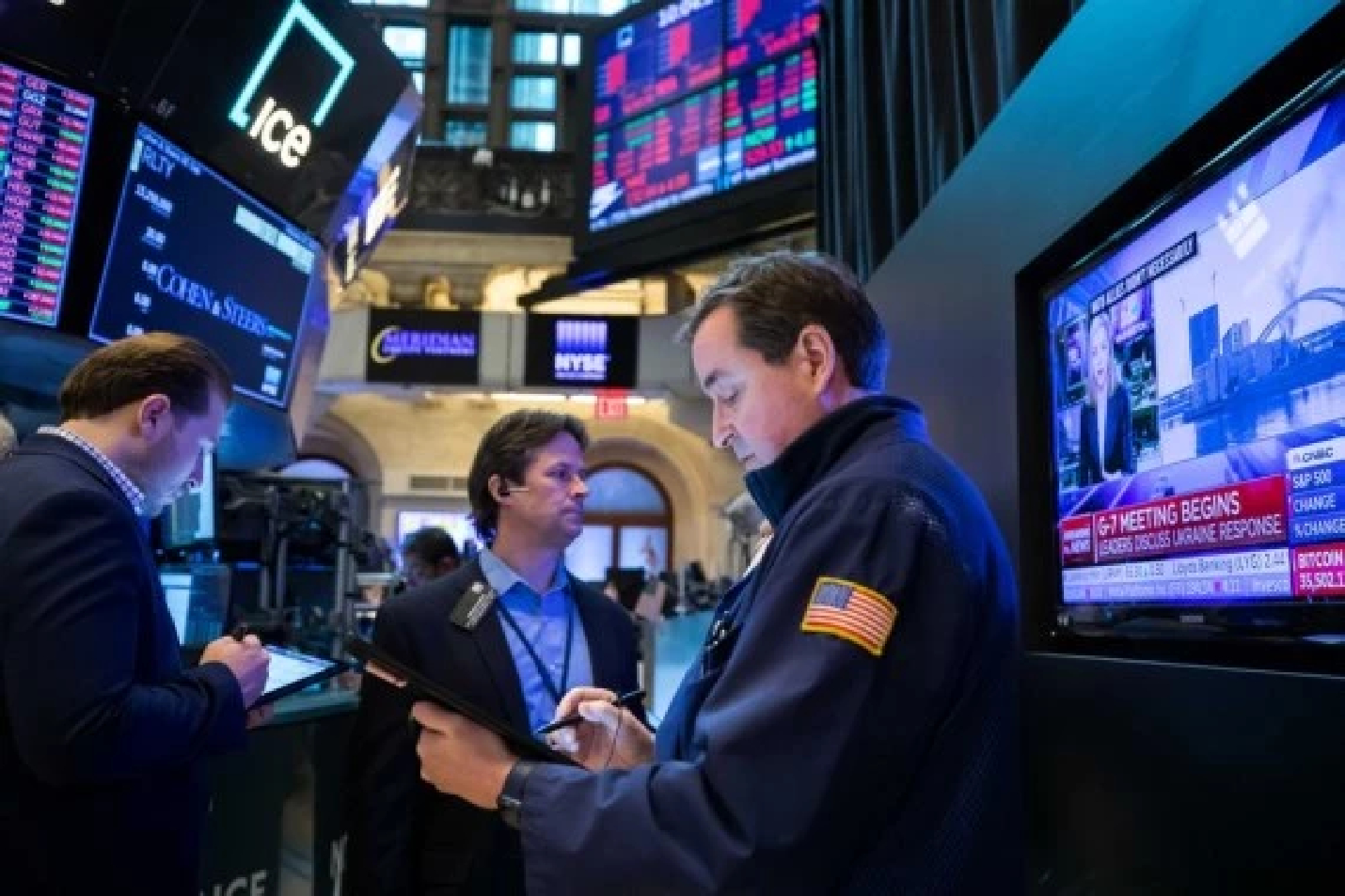
The Dow Jones Industrial Average jumped 834.92 points, or 2.51 percent, to 34,058.75, notching its best daily gain since November 2020.
U.S. stocks surged on Friday with the Dow logging its best day in over a year, as Wall Street closely followed updates on the Russia-Ukraine tensions.
The Dow Jones Industrial Average jumped 834.92 points, or 2.51 percent, to 34,058.75, notching its best daily gain since November 2020. The S&P 500 rose 95.95 points, or 2.24 percent, to 4,384.65. The Nasdaq Composite Index increased 221.03 points, or 1.64 percent, to 13,694.62.
All the 11 primary S&P 500 sectors closed noticeably higher, with materials and financials up 3.58 percent and 3.16 percent, respectively, leading the gains.
U.S.-listed Chinese companies traded mostly higher with six of the top 10 stocks by weight in the S&P U.S. Listed China 50 index ending the day on an upbeat note.
The Ukraine issue remains a focus on Wall Street.
Russian President Vladimir Putin is ready to send a Russian delegation to the Belarusian capital of Minsk for negotiations with Ukraine, Kremlin spokesman Dmitry Peskov said Friday.
Russian Foreign Minister Sergei Lavrov on Friday told a briefing that his country has no plan to occupy Ukraine and Moscow is ready to hold negotiations straight after the Ukrainian forces “lay down their arms.”
Investors also assessed Western sanctions against Russia and the U.S. Federal Reserve’s next policy move.
For the week, the Dow dipped 0,06 percent, while the S&P 500 and the tech-heavy Nasdaq climbed 0.8 percent and 1.1 percent, respectively.
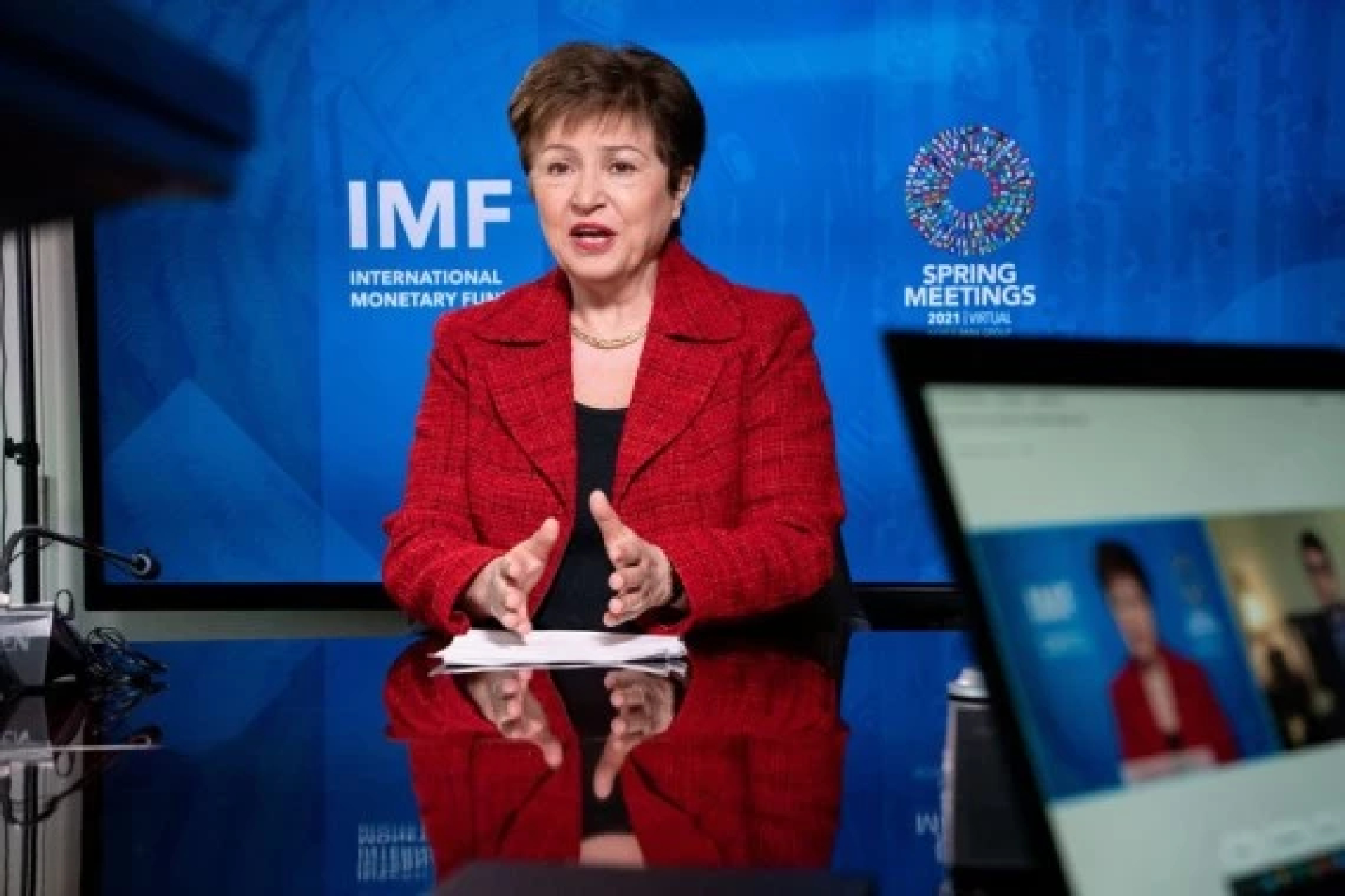
“The conflict is also having a serious economic impact, which will worsen the longer it continues,” IMF Managing Director Kristalina Georgieva said.
International Monetary Fund (IMF) Managing Director Kristalina Georgieva said Friday this week’s events in Ukraine are “a matter of grave concern,” warning that the repercussions of the conflict pose “significant economic risks” in the region and around the world.
“This week’s events in Ukraine are a matter of grave concern – first and foremost due to the human toll and suffering of ordinary people,” Georgieva said in a statement.
“The conflict is also having a serious economic impact, which will worsen the longer it continues,” she said, noting that this crisis comes at a “delicate” time, when the global economy is recovering from the ravages of the COVID-19 pandemic, and “threatens to undo some of that progress.”
The IMF chief said she met earlier in the day with IMF Executive Board to brief Executive Directors on the initial assessment of the unfolding situation, and as the situation in Ukraine evolves, the multilateral lender will continue to discuss with the authorities how it can best assist them.
In addition to ongoing policy advice, the IMF is exploring all options for further financial support, including under the existing Stand-By Arrangement – IMF’s workhorse lending instrument for emerging and advanced market countries- for an outstanding amount of 2.2 billion U.S. dollars, Georgieva said, adding that the authorities have also requested IMF emergency financing.
“We are assessing the potential (economic) implications, including for the functioning of the financial system, commodity markets, and the direct impact on countries with economic ties to the region,” she said.
“We will also continue to work hand in hand with the World Bank Group and other partners to coordinate our support and ensure the maximum benefit for Ukraine,” she added.
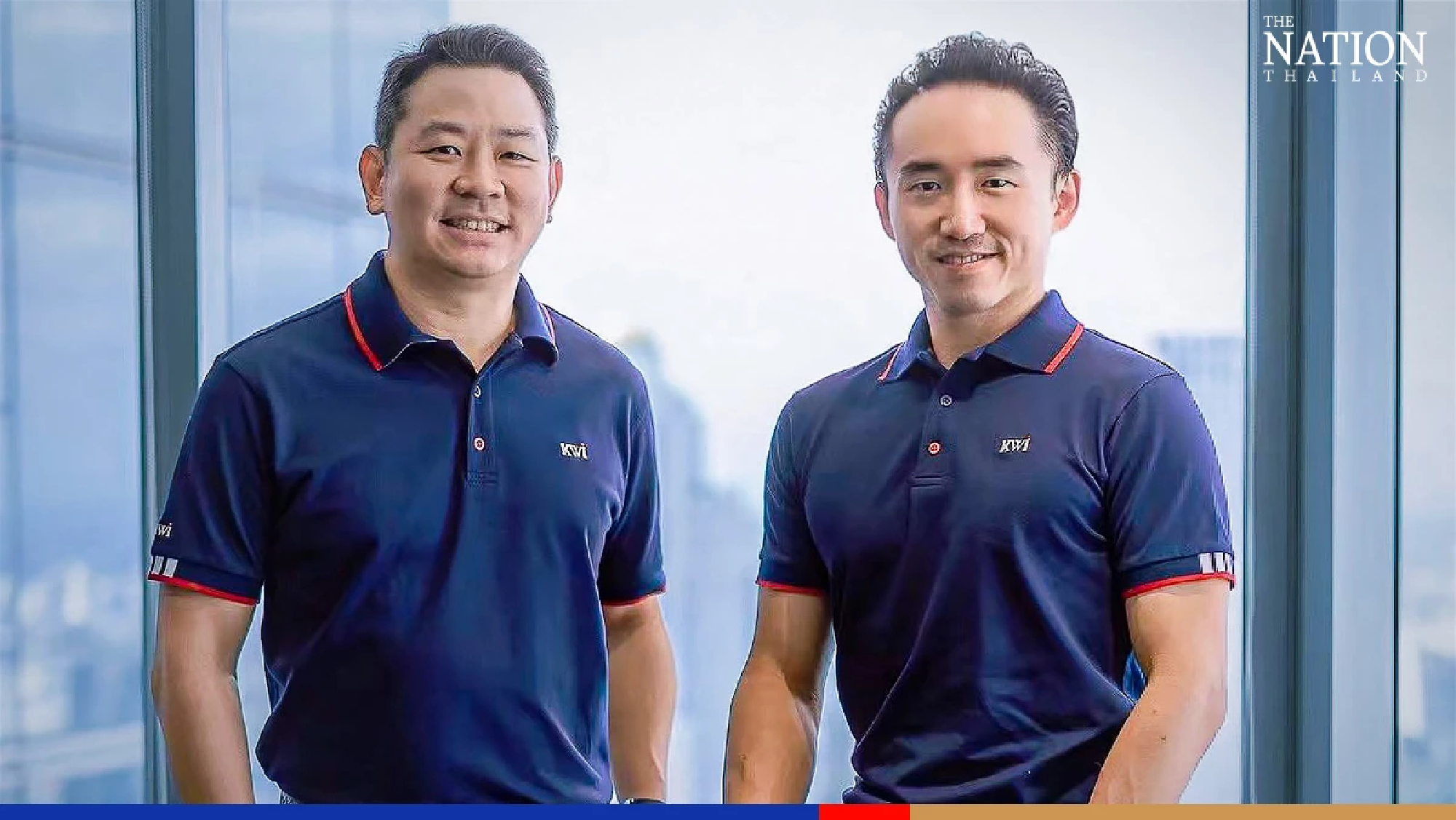
Asset management company King Wai Asset Management (KWI) is back in the spotlight thanks to its impressive performance under the auspices of chairman and CEO Antonio Hang Tat Chan and managing director Sumetha Lewchalermwong.
Asset management company King Wai Asset Management (KWI) is back in the spotlight thanks to its impressive performance under the auspices of chairman and CEO Antonio Hang Tat Chan and managing director Sumetha Lewchalermwong.
As of the end of 2021, its assets under management had grown by more than 167 per cent year on year or around 2.7 times from 5.93 billion baht to 15.81 billion baht.
KWI provides mutual funds, private funds and runs a provident fund business. It manages eight foreign investment funds (FIFs), three Thai equity funds, three tax-deductible funds (LTF/RMF/SSF), one money market fund and one mutual fund for provident fund.
“KWI provides our clients with professional insights, empowered with functional tools and offers access to new investment trends while controlling risks. KWI prioritises quality over quantity. By doing what we do, we want to raise awareness of the concept of ‘capital deployment and asset management’,” CEO Chan explained.
He added that in line with its motto – “responsibilities create values; mission inspires people” – KWI makes capital work for its clients in the medium and long run.
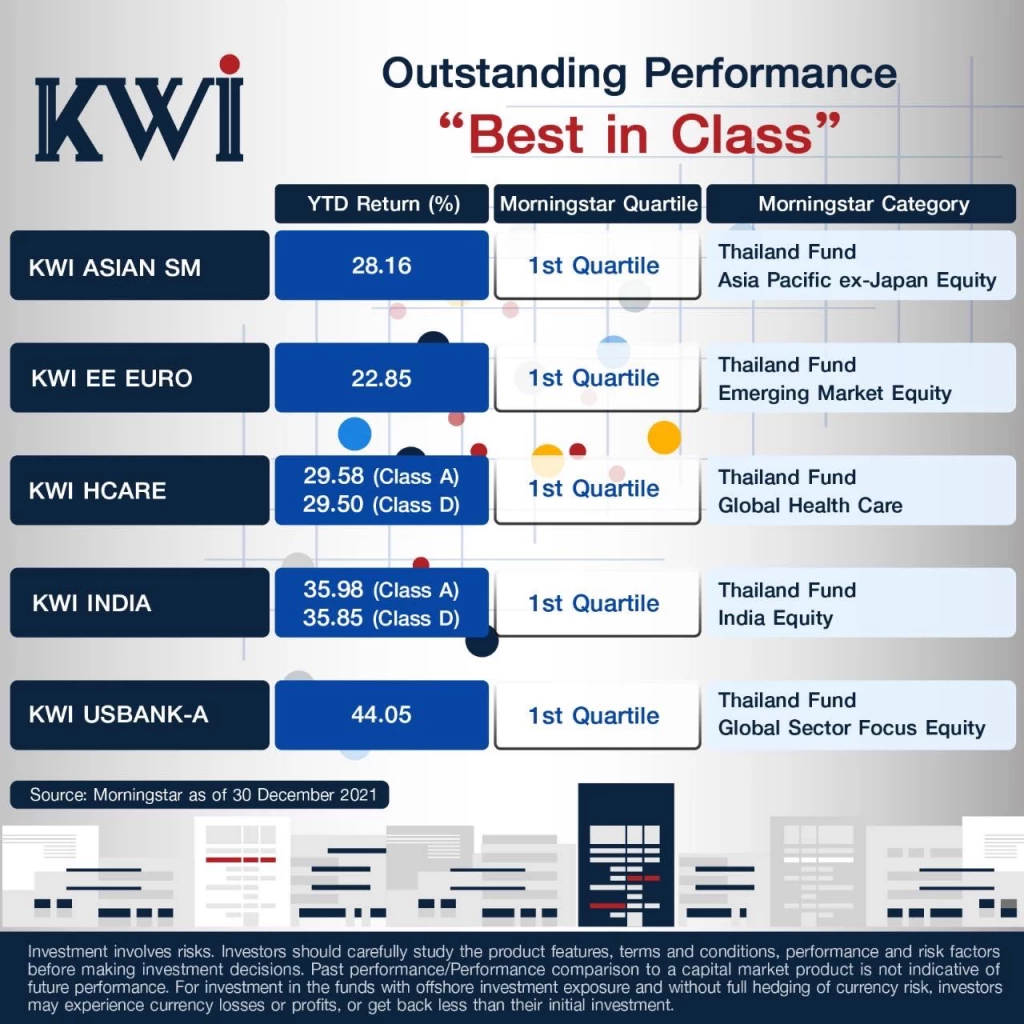
KWI’s mutual funds have continued delivering outstanding performance. The KWI FIFs and KWI Retirement Mutual Funds (RMF) have performed well and ranked in the first quartile consistently. Based on the 2021 performance, five of its eight FIFs have ranked in the first quartile (based on Morningstar as of December 30, 2021).
After gaining approval from the Securities and Exchange Commission, KWI began expanding into the provident funds arena and is now offering a “Master Pooled Fund” that invests via mutual funds, Thai equity funds, FIFs and alternative funds.
It has also launched the “KWI Fixed Income Fund for Provident Fund” (KWI FIPVD) to provide additional investment options.
“The global market is rapidly recovering from the pandemic and along with the recovery, the world is also facing many major changes. We see interesting trends in several industries, including consumer, tourism, technology like Metaverse, AI, robotics, digital [NFT] assets, fintech, health-tech, etc. Another major area to focus on is ESG [environmental, social and corporate governance] and sustainable investing like electric vehicles, renewable energy, smart mobility and smart solutions. As we see opportunities, we believe this is a great time for investing ahead,” said Sumetha.
The 3C platform will ensure safety, hygiene and traceability of Thailand’s broilers to consumers around the world.
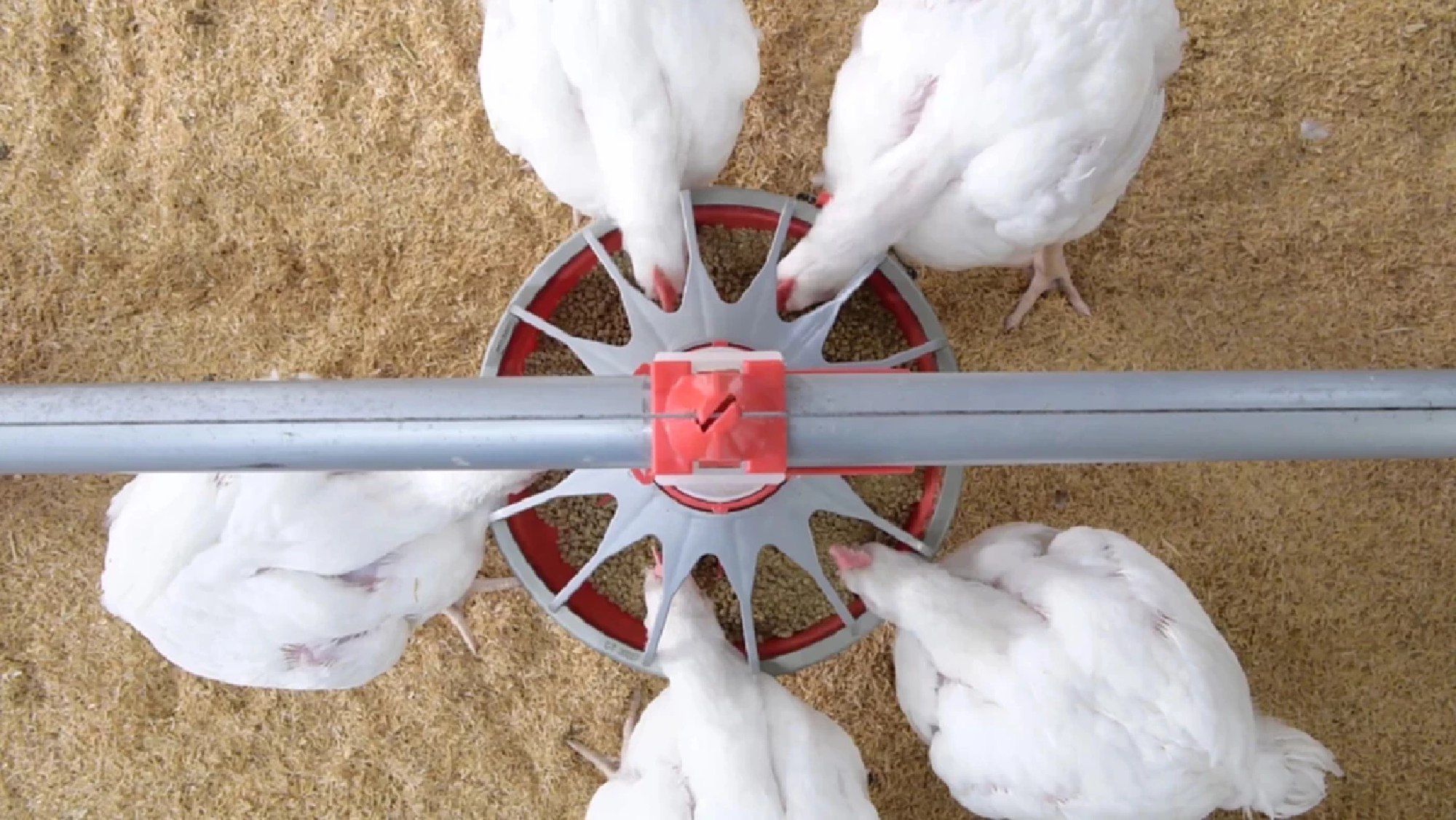
The “3C platform”, embracing consolidation, contribution and collaboration, is the key to success for Thailand’s broiler industry, Charoen Pokphand Foods Plc (CP Foods) said. The platform will enable Thai farmers to adopt a more efficient and more sustainable business model as well as assure consumers around the world about safety, hygiene and traceability throughout the supply chain. Dr Payungsak Somyanontanagul, DVM, vice president and head of CP Foods Animal Welfare Committee, said that the company has placed great importance on animal welfare practices and is one of the strategic goals of the company’s CPF 2030 Sustainability in Action. The 3C platform will ensure safety, hygiene and traceability of Thailand’s broilers to consumers around the world.
In terms of consolidation, Payungsak said the industry should consolidate and further develop its strengths to improve competitiveness. He explained that the Thai broiler supply chain has a number of strong points, such as advanced disease prevention system. CP Foods said it is cooperating with the Department of Livestock Development to set up a poultry compartment system according to the standards of the International Organisation for Animal Health to proactively prevent the outbreak.
“Moreover, Thai chickens are raised in closed system houses following high animal-welfare principles. This allows the chickens to stay healthy, thus reducing the chance of antibiotic use and, eventually, supporting the One Health principle,” he said. In terms of contribution, Payungsak said the industry should focus on advanced technology development to increase efficiency, reduce costs and be environmentally friendly. “Moreover, the principles of the Bio-Circular-Green Model should be integrated into all aspects of business, covering feed, farm and food,” he said. He pointed out that CP Foods is currently working on multiple research and development projects, such as alternative feed ingredient, precision nutrition, and autogenous vaccine for Thai livestock to improve the competitiveness of the industry and reduce dependence on imports.
For collaboration, Payungsak said partnership and contribution from all related sectors are crucial for strengthening broiler industry competitiveness and to achieve the goal of development of a product champion for the country. Aside from this principle, he said CP Foods focuses on research and development to enhance animal welfare standards throughout the supply chain, adding that 100 per cent of the company’s farm animals are raised according to five freedom principles with responsible and prudent antibiotics.
He added that the company has adopted Smart Farm to increase production efficiency and promote animal welfare in broiler farms, in which artificial intelligence and automation enable CP Foods to control the environment and ensure the well-being of the animals within the farm. “In 2021, CP Foods improved its score to Tier 3 on the latest version of Business Benchmark on Farm Animal Welfare report, showing significant development in the areas of innovation and leadership, as well as performance reporting and impact,” he added.
The Trade Competition Commission of Thailand (TCCT) said on Friday that only the National Broadcasting and Telecommunications Commission (NBTC) has the authority to block the True Corporation and Total Access Communication (Dtac) merger.
TCCT chairman Sakon Varanyuwatana said his commission cannot intervene, all it can do is explain the complications of the merger to the House committee. He added that the issue needs to be considered in line with related laws and business prospects.
Sakon pointed out that there were 32 mergers last year worth a total of Bt2.1 trillion, adding that the number of mergers had doubled compared to last year and the value had risen by about 3.4 times.
He added that over the past three years, 24 complaints of unfair trade practices have been filed against mergers.
The complaints were mostly against businesses in the service, retail and transport sectors, and most complainants said they feared merged businesses would dominate the market.
Sakon added that TCCT has taken action against several cases for unfair trade practices and 14 have been hit with hefty fines by courts.
Earlier, the Thailand Consumer Council and several academics had called on the NBTC to reject the merger for fear it would lead to duopoly in Thailand’s telecom market and result in rising expenses for consumers.
They called on the current NBTC commissioners to defer the decision to new NBTC members, who will take over after getting a royal endorsement.
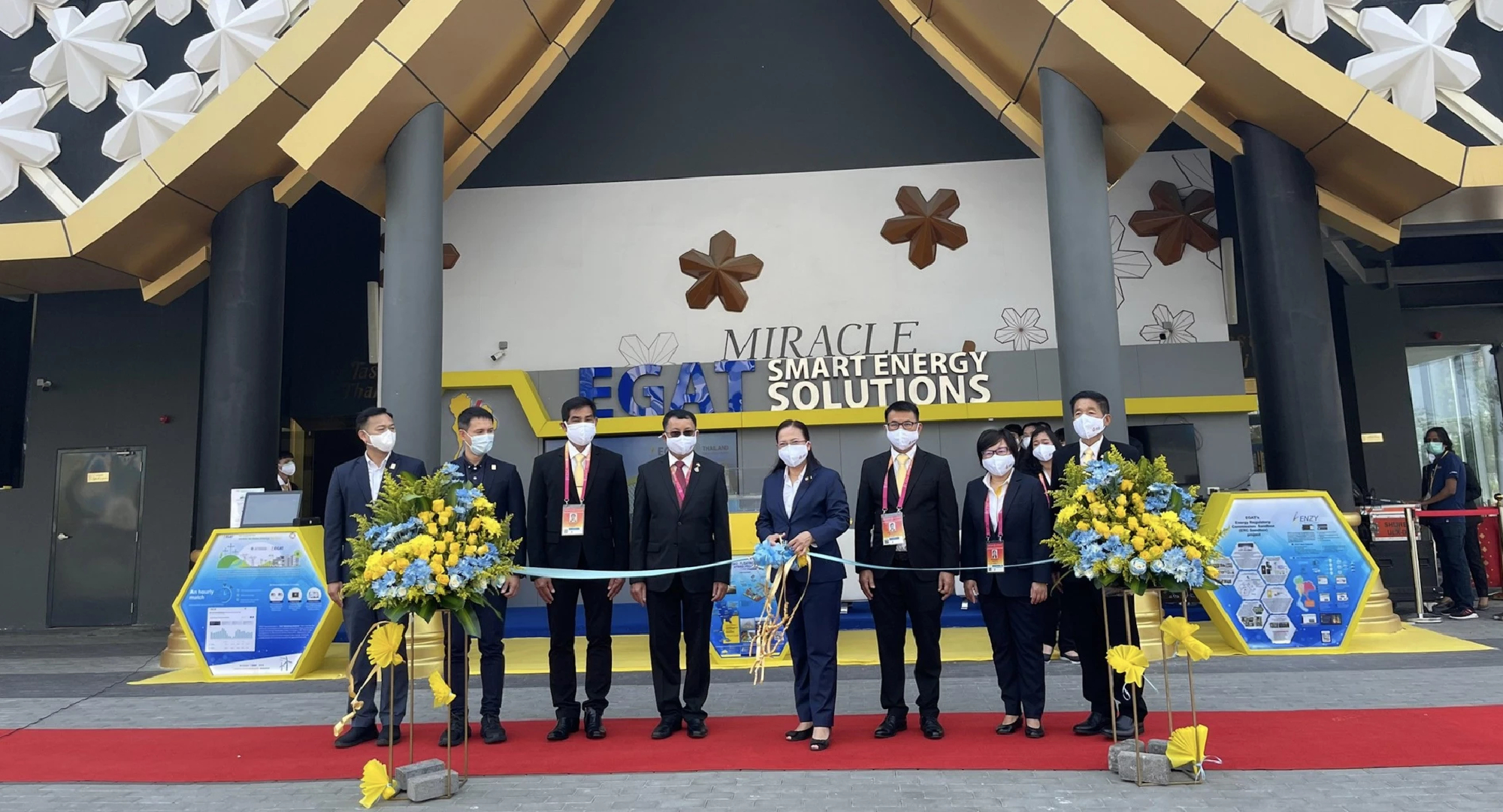
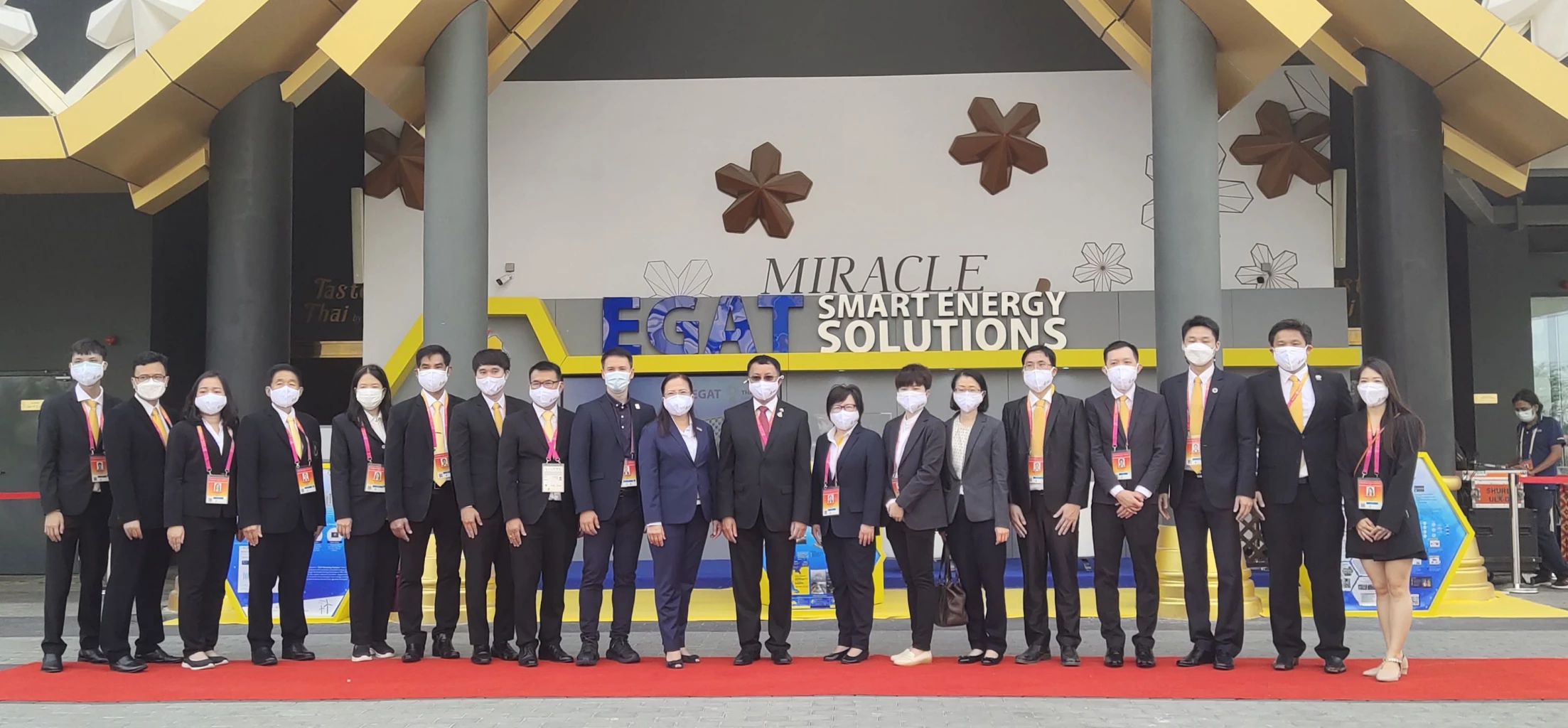
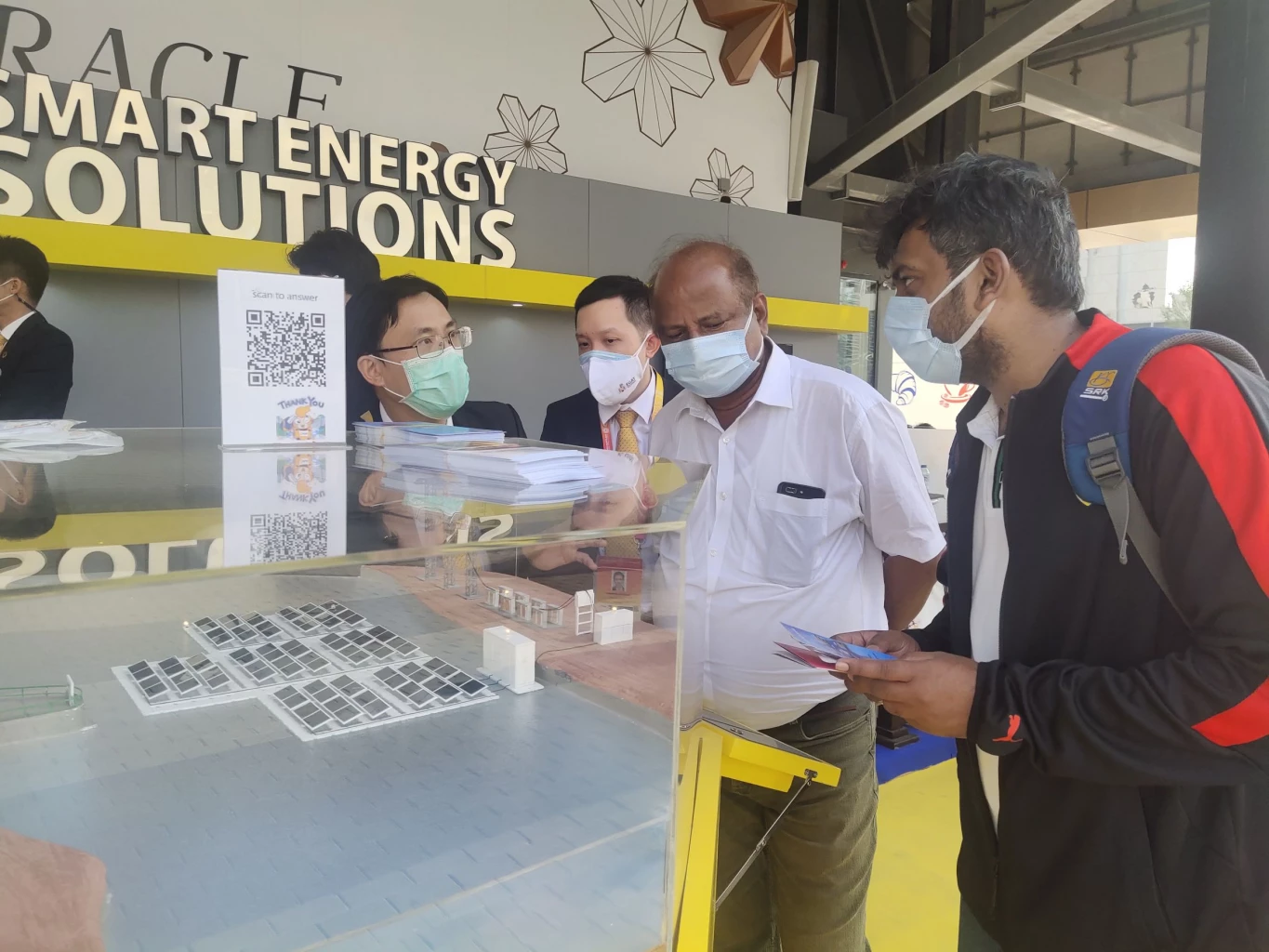
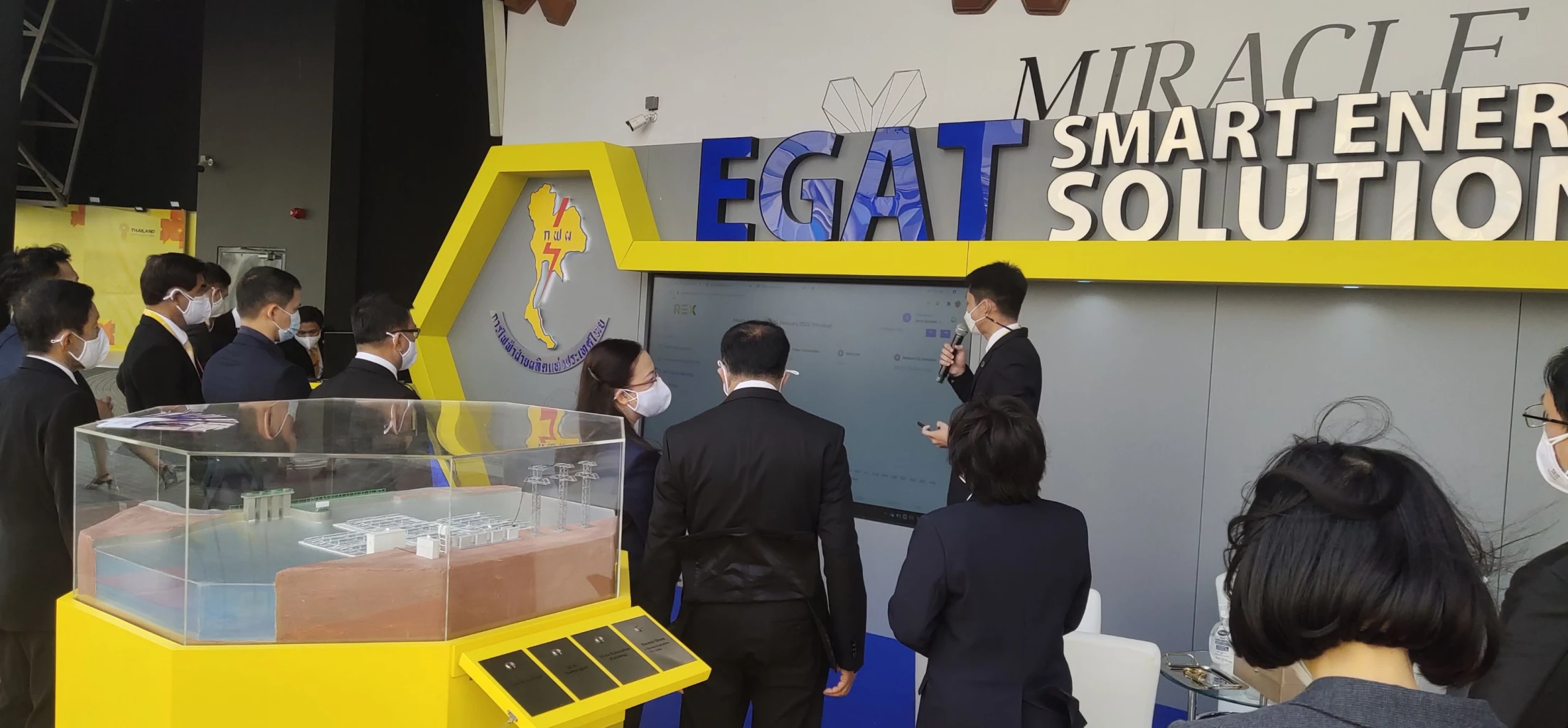
The Electricity Generating Authority of Thailand (Egat) is participating in the Expo 2020 Dubai’s Energy and Environment week by highlighting its new electricity generating technology under the Energy 4.0 concept.
The event, which runs from February 20 to March 8 from 10am to 10pm, aims to support the global goal of clean energy transition and net-zero emissions. Egat’s presentation is based on its “Triple S” strategy, which balances the cost of electricity generation, environmental impact and Thailand’s power security.
In line with the expo’s motto of “connecting minds, creating the future”, the event was hosted by Egat in collaboration with the Energy Ministry at the Thailand Pavilion.
Under the concept of “Egat Smart Energy Solutions”, the exhibition showcased innovations and businesses related to technological advancement and service design that supports the demands of the global energy industry.
Highlights of the event
The semi-outdoor exhibition, showcasing the Electricity Generating Plc (EGCO), RATCH Group Plc (RATCH), EGAT International Co Ltd (EGATi) and Innopower Co Ltd, highlights the new concepts of smart energy solutions. It also showcases new initiatives to integrate with modern technologies and alternatives for energy generation.
Renewable Energy Certificate (REC)
Egat has developed a “24/7 Matching Solution” that matches the electricity consumption with available renewable energy production, in real-time through Renewable Energy Exchange (REX).
REX brings transparency to the world’s alliance and offers registrants and participants to access the time-stamped clean energy certificate and accelerates the transition towards fully decarbonised grids.
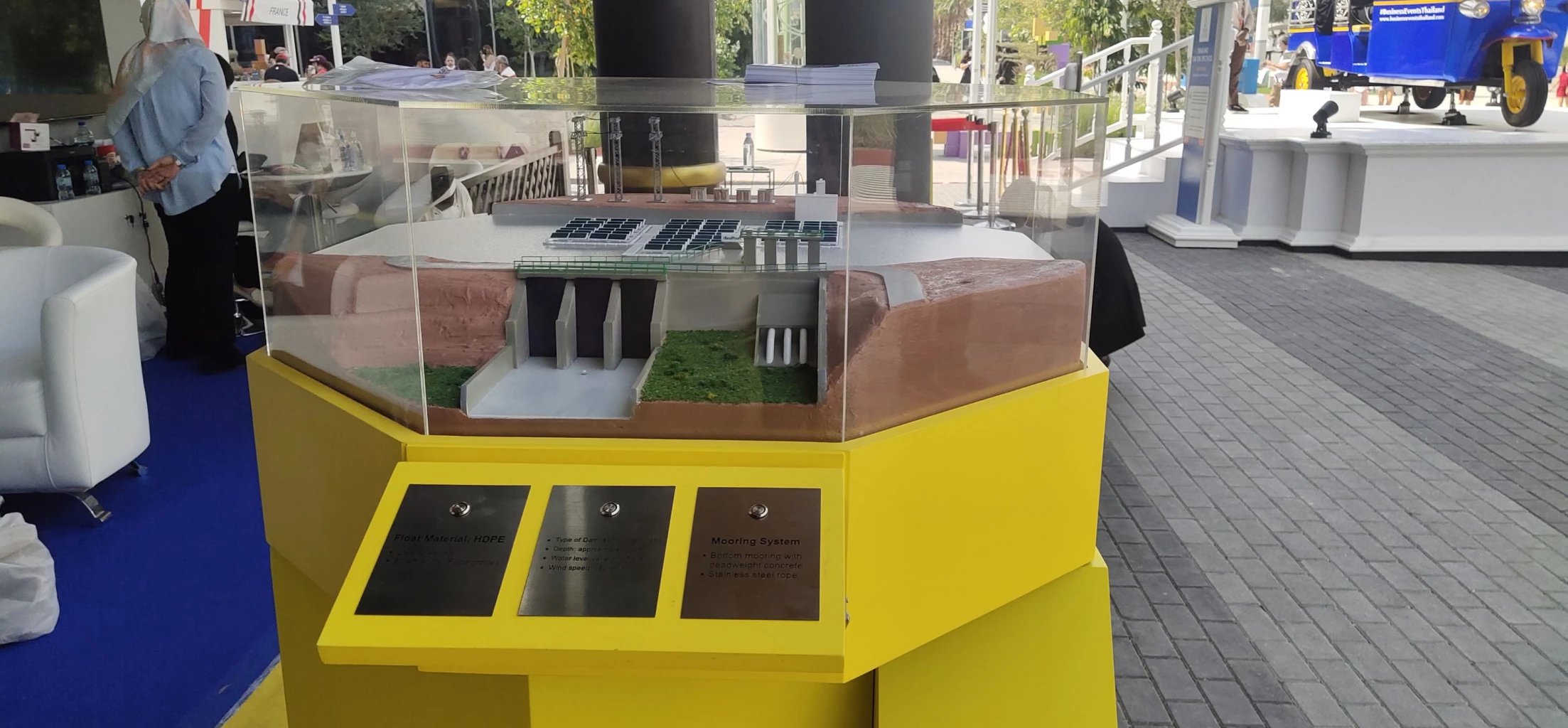
Hydro-Floating Solar Hybrid Power Plant
The plant will prolong the life of renewable energy power plants, increase stability and enhance price competitiveness by using eco-friendly equipment and existing resources for the utmost benefit.
Hybrid-EMS will manipulate the energy. During the day, the floating solar power plant will generate electricity, while at night, the mass of water will support the system to help lower the uncertainty of renewable energy and also assist in generating electricity continuously for a longer period.
The system helps reduce greenhouse gas emissions by around 47,000 tonnes per year.
Energy Regulatory Commission Sandbox (ERC)
The sandbox is a project joined by Egat to apply new technologies for energy services of the ERC. The sandbox project tests innovations that use technology to support energy services with three projects: TU EGAT Energy Project, Si Saeng Tham Model Project and Enzy Energy is Yours Project.
The objective of the ERC sandbox is to promote learning and exchange experiences between project participants and ERC to promote new energy business models and test energy technologies in a real-life environment.
ENZY Platform
Egat aims to provide a platform for people who want to use energy efficiently and monitor energy usage, at an affordable price for all businesses. The platform is stable, easy to install, low cost and provides energy usage advice to both the heating and cooling sectors of the industry.
The Vision
Egat is hoping to achieve carbon neutrality by 2050 in line with the national goal of clean energy transition and net-zero emissions. To promote sustainable ways of energy production, Egat plans to carry out 16 projects of Hydro-Floating Solar Hybrid in its nine dams across the country, with a total generating capacity of 2,725MW.
It has also developed the Hybrid-EMS (Hybrid-Energy Management System) to control the two renewable energy power plants, namely the hydropower plant and the floating solar power plant, to generate and supply electricity according to power potential with the highest efficiency.
With the potential of Thailand’s leading power utility that enhances power system security and sustainable power development for all, Egat is prepared to join the global target to reduce greenhouse gas emissions which is the cause of climate change.