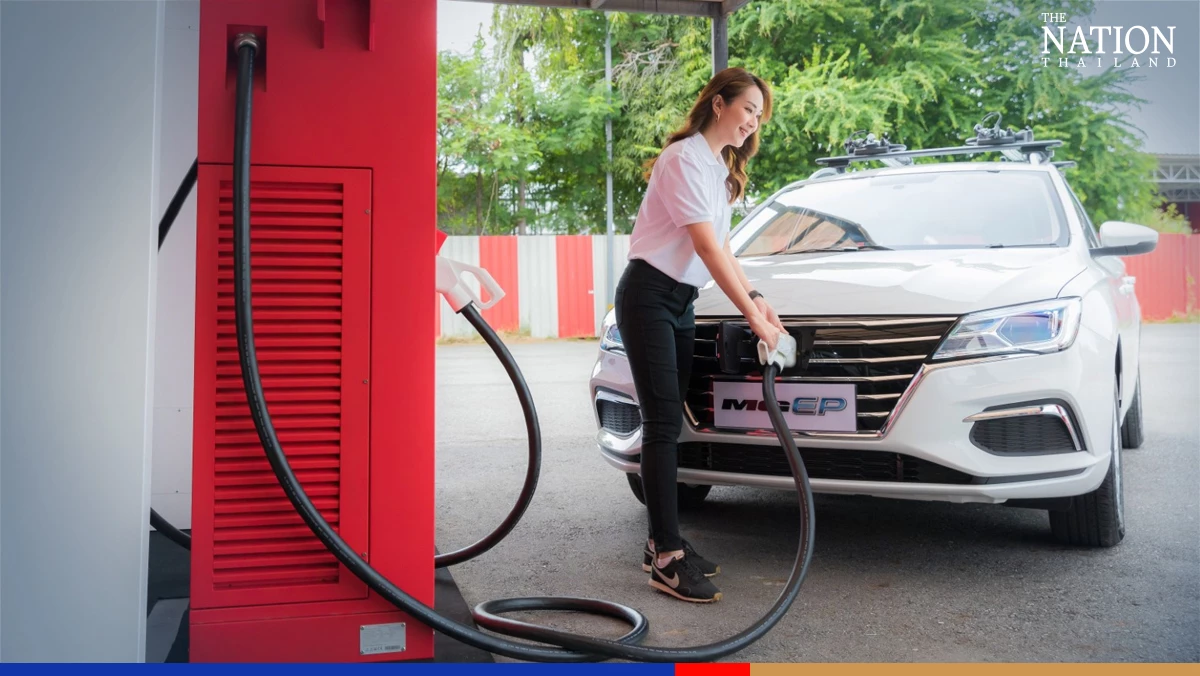
Thailand’s car market has come under pressure after a package of measures to promote electric vehicle (EV) purchases stalled before reaching the Cabinet for approval.
Earlier, Energy Minister Supattanapong Punmeechaow, who also acts as EV board chairman, said the package was due to be submitted to Cabinet in January.
According to a source from the automobile industry, consideration of the EV promotion measures will be delayed until the middle of March.
The package includes a maximum 40 per cent cut on import duty for EVs costing up to 2 million baht (2022-2023), a cut in excise tax from 8 per cent to 2 per cent (2022-2025), and subsidies of 70,000 baht for vehicles up to 30kWh and 150,000 baht for cars with larger battery capacity (2022-2025).
To be eligible for the package, carmakers must produce at least as many EVs in Thailand as they import for sale by 2024.
Krisada Uttamote, president of the Electric Vehicle Association of Thailand, said the car market is currently under pressure as customers delay orders of cars while they wait for the government’s EV promotion package.
He called the package a good idea, saying it was required to boost low demand for EVs after sales of just 1,900 in 2021.
Pongsak Lertrudeewattanawong, vice president of MG Sales (Thailand), said customers in both the electric and internal combustion engine car markets are waiting for the government’s EV promotion package.
He added that even though EV sales are not high, the volume of EVs currently available could not meet demand from customers.
“We believe that this package will help stimulate the market, but confusion over the package details is affecting customers’ decisions to purchase new cars,” he said.
Car sales in all segments rose to 67,000 in January, up 21 per cent from the same period last year. However, sales increased from a low base due to the Covid-19 crisis last year.
The motor industry is asking the government for clear policies to spur electric-vehicle (EV) adoption in Thailand, including a subsidised trade-in scheme.
Suwat Supakandechakul, president of the Thai Automotive Industry Association, said that despite increased interest among local consumers, sale of EVs in Thailand has remained stagnant.
He blamed a lack of clear government policy regarding tax subsidies and other incentives to help drive growth in the EV market.
“Many automakers have said they are ready to increase their EV production in Thailand,” Suwat said.
He added that bringing down the EV price to make it more competitive against conventional vehicles would make electric cars more appealing to consumers.
Suwat also called on the government to revive its policy of trading in an old car for a new EV, which he said would help boost domestic demand.
Widespread use of environmentally friendly EVs would also help ease the problem of PM 2.5 pollution affecting many areas of the country, he said.
Acknowledging that availability of pure EVs remains limited, he suggested that the trade-in arrangement should also apply to new vehicles like hybrid electrics and plug-in hybrids.
“They are certainly better than conventional cars in terms of PM 2.5,” he said.
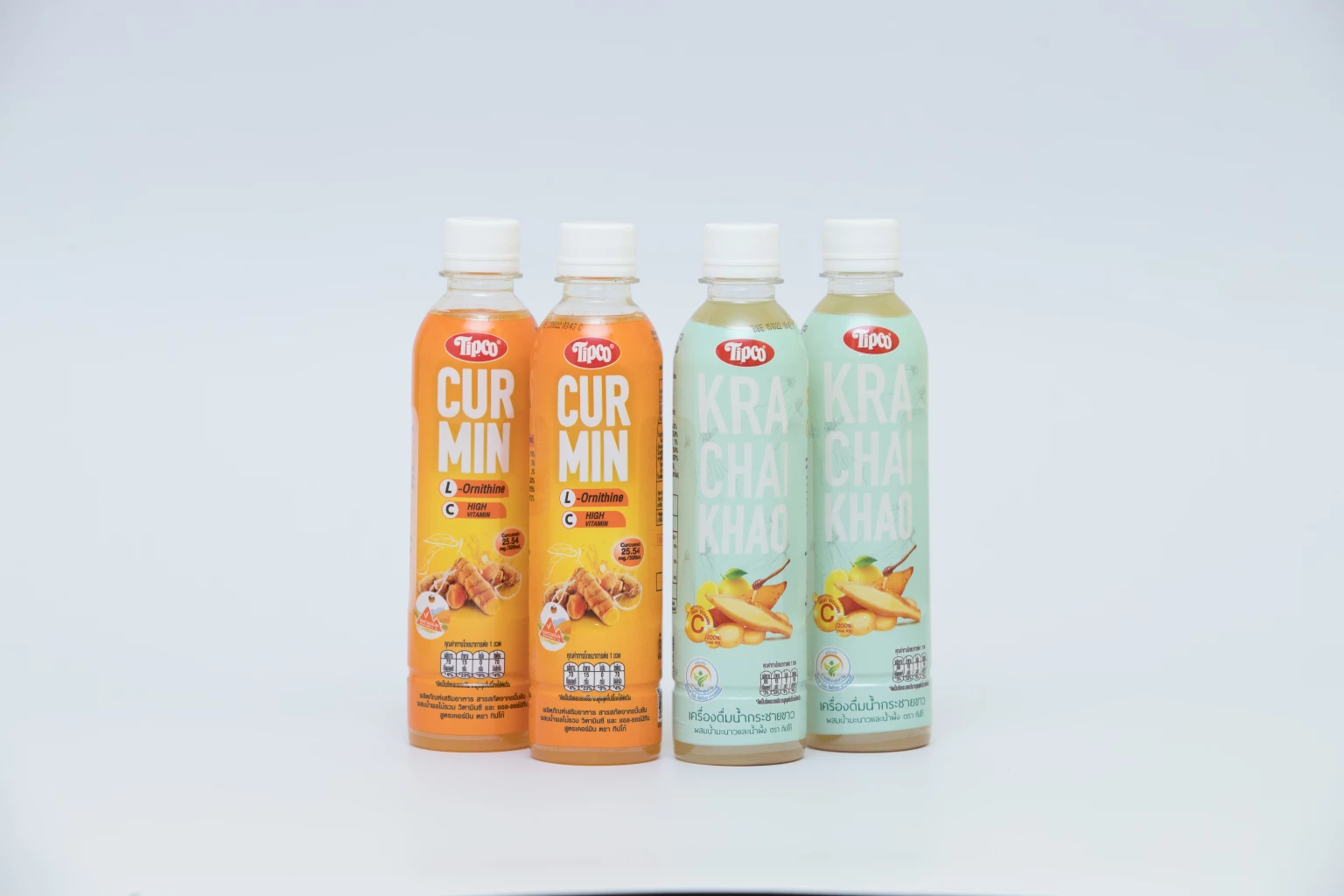
Tipco is introducing two new fruit juice product lines of functional juice and herbal functional juice.
Tipco, Thailand’s largest juice manufacturer, has pledged to continue building on its expertise as a leader in the premium fruit juice market after launching two new product lines for health lovers. With the “immune-boosting” concept, the company is ready to keep pace with the fast-growing healthy drinks market, expecting to expand its customer base to working-age people and teenagers in 2022. Jakapob Chimamphan, marketing director of Tipco F&B Co Ltd under Tipco Foods PCL, said the prolonged Covid-19 pandemic has made consumers more conscious of their health. Consumers are looking for products that help boost their immunity while cultivating their inner strength, he said. In particular, the growing demand for the so-called “functional drink” and herbal drink has prompted several beverage brands in Thailand to launch their products. As a consequence, the functional drinks market has seen strong growth despite uncertain economic prospects. The market value of functional drinks grew by 20.5 per cent despite strict lockdown measures in Thailand, according to Kantar’s market research data as of June 2021.
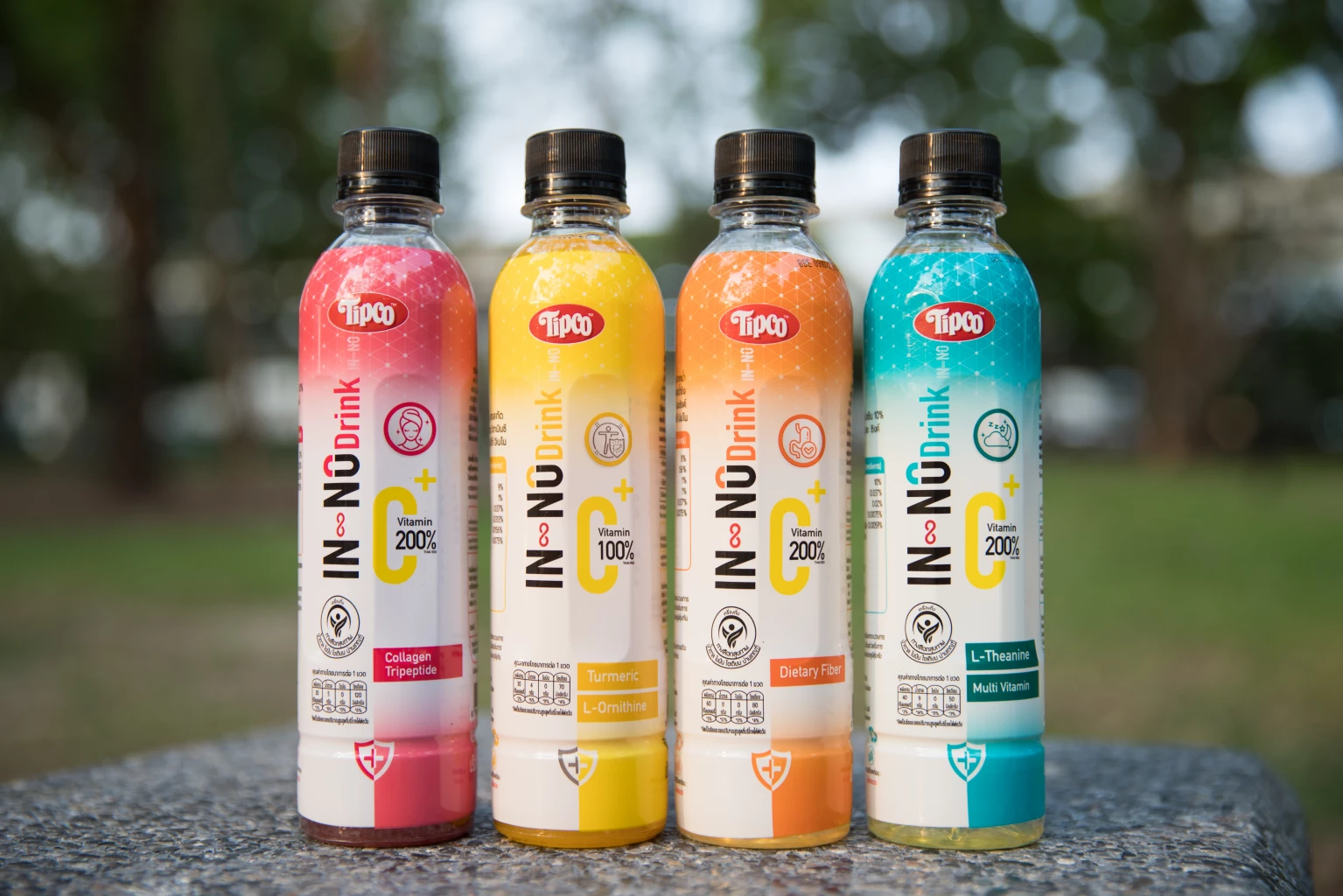
Meanwhile, market research firm Mintel reported that 47 per cent of Thai consumers favoured food and beverages that help strengthen their immune systems. This undoubtedly means the functional drinks market has the potential for further growth. With strong demand in the healthy drinks market, Tipco is introducing two new fruit juice product lines of functional juice and herbal functional juice. For functional juice, the company offers four flavours of fruit juice priced at Bt25 for a 320ml bottle — Inno Drink Max Protex, Inno Drink Relax, Inno Drink Digest and Inno Drink Beauty.
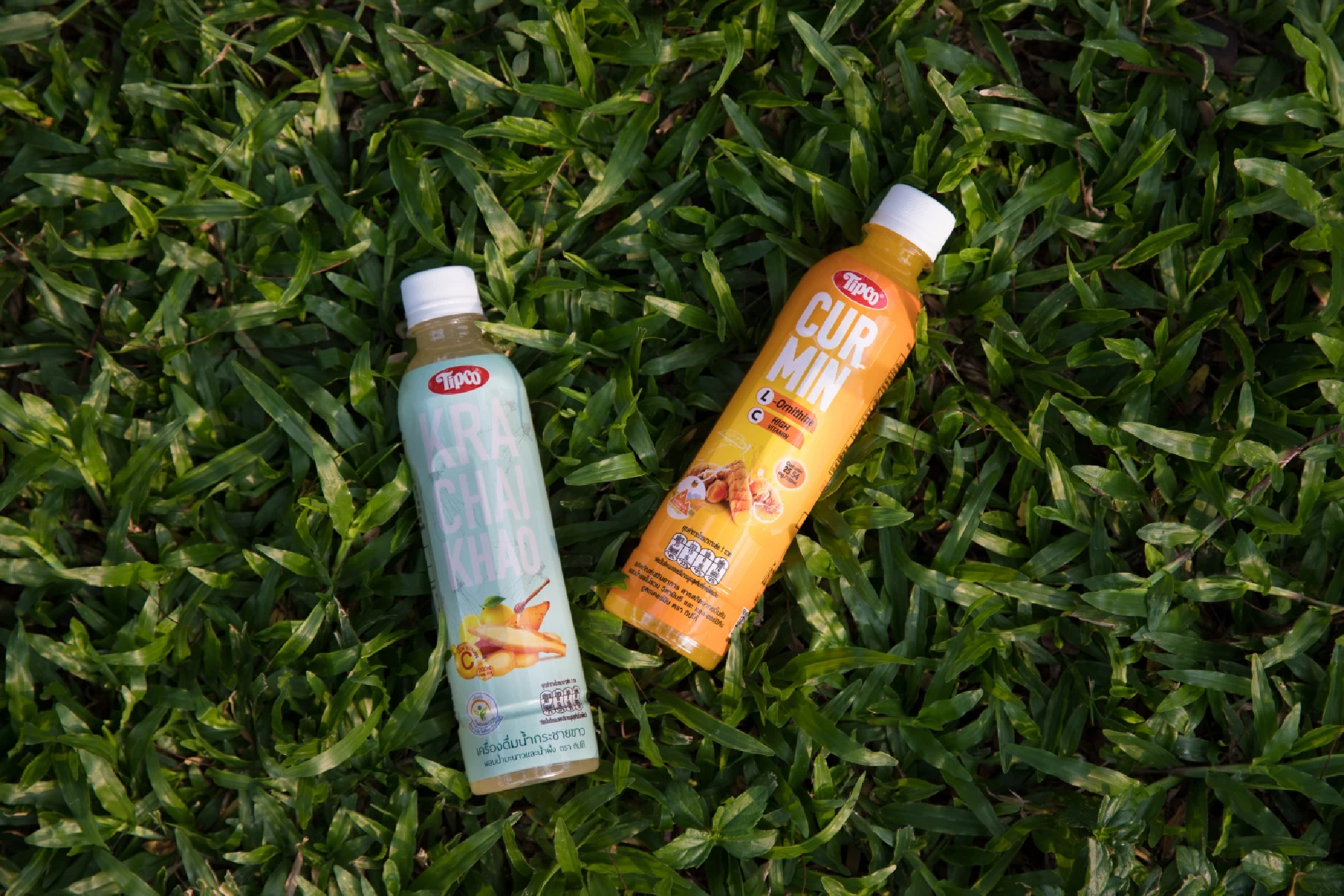
The herbal functional juice product line has two flavours at the price of Bt25 for a 320ml bottle — Krachaikhao (finger root) and Cur-min (turmeric). Jakapob said Tipco will expand its customer base to working-age people and teenagers, as these groups have high purchasing power.
“The new product lines have been launched with the concepts of ‘functional drink’ and ‘herbal drink’. Later, there will be a broader selection of consumers’ favourite beverages such as flavoured soda and cannabis-infused drinks,” he added.
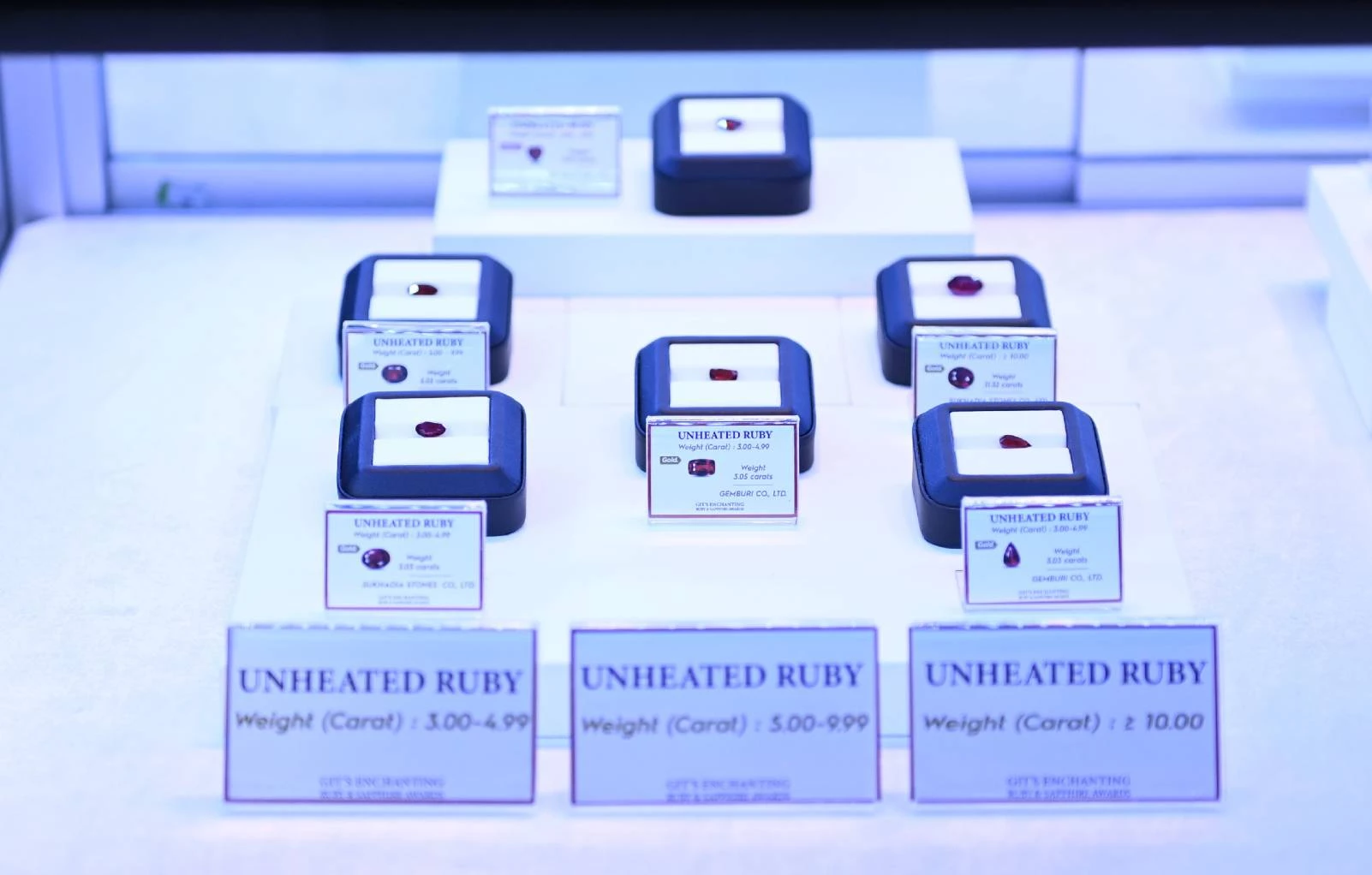
The International Chanthaburi Gems and Jewelry Festival 2021-2022 held for the third time at the Chanthaburi Gems and Jewelry Center, KP Jewelery Center and Srichan Gems Market Road in Chanthaburi Province was successful with an instant purchase of Bt65 million and over 11,480 visitors both Thais and foreigners as well as cashflow for the tourism and gem and jewelry industry.
Sumed Prasongpongchai, director of the Gem and Jewelry Institute of Thailand (GIT), revealed that, although the Covid-19 outbreak continues, the Thai gem and jewelry industry can adapt to the situation. It can be seen from the export sales in 2021, that gems and jewelry exports are one of an important industry of the country, ranking fifth place on the export value and generating Bt194,706.08-million income.”
The aim of this third international gems and jewelry festival was reinforcing the image of Chanthaburi as the “City of Gems”, the global center of gems and jewelry trade, to stimulate the economy, to build confidence in the gem trade and to be a platform for entrepreneurs in this province and from all over the country to present their gems and jewelry products to lovers and major buyers, both domestic and international, after a 2-year hiatus from organizing gems and jewelry exhibitions.
In addition, Business Matching were also organised with the support of the Thailand Convention and Exhibition Bureau (TCEB) and the Department of International Trade Promotion, Ministry of Commerce, inviting target buyers both domestically and internationally, including potential representative from foreign chambers of commerce in Thailand, to join the “hybrid” business negotiation both onsite at the event and Online Business Matching (OBM), creating a total trading value from foreign importers of Bt248.38 million – Bt83.38 million from OBM and Bt165 million from the event.
This year, the trading value increased 205% and also gained over Bt200 million for the hospitality and tourism industry during the event period, more than in 2019 with Bt21.20 million.
This huge success showed the strength of the Thai gem and jewelry industry that was widely recognised around the world.
In this regard, GIT plans to develop Thai gem and jewelry industry with more than one million personnel towards a sustainable prosperity.
Low-cost airline NokAir has applied to start operating domestic flights to and from Nakhon Ratchasima Airport, which has been shut since 2019, a source said.
Some 26 kilometres from downtown Nakhon Ratchasima, the airport first opened on December 5, 1997, to serve the domestic market. However, after years of running at a loss due to low passenger load, the airport was closed. During all of 2019, the airport had only served 39 passengers.
“NokAir will operate seven flights between Nakhon Ratchasima and Chiang Mai, Hat Yai and Phuket,” the source said. “The airline expects to start providing the flights by the second and third quarter of this year. It also plans to add six airplanes to its domestic fleet within 2022.”
The source added that before the closure, many airlines flew in and out of Nakhon Ratchasima Airport but had to cancel flights due to an underwhelming response. The airlines included Thai Airways, Air Andaman, New Gen Airways, AirAsia and Happy Air.
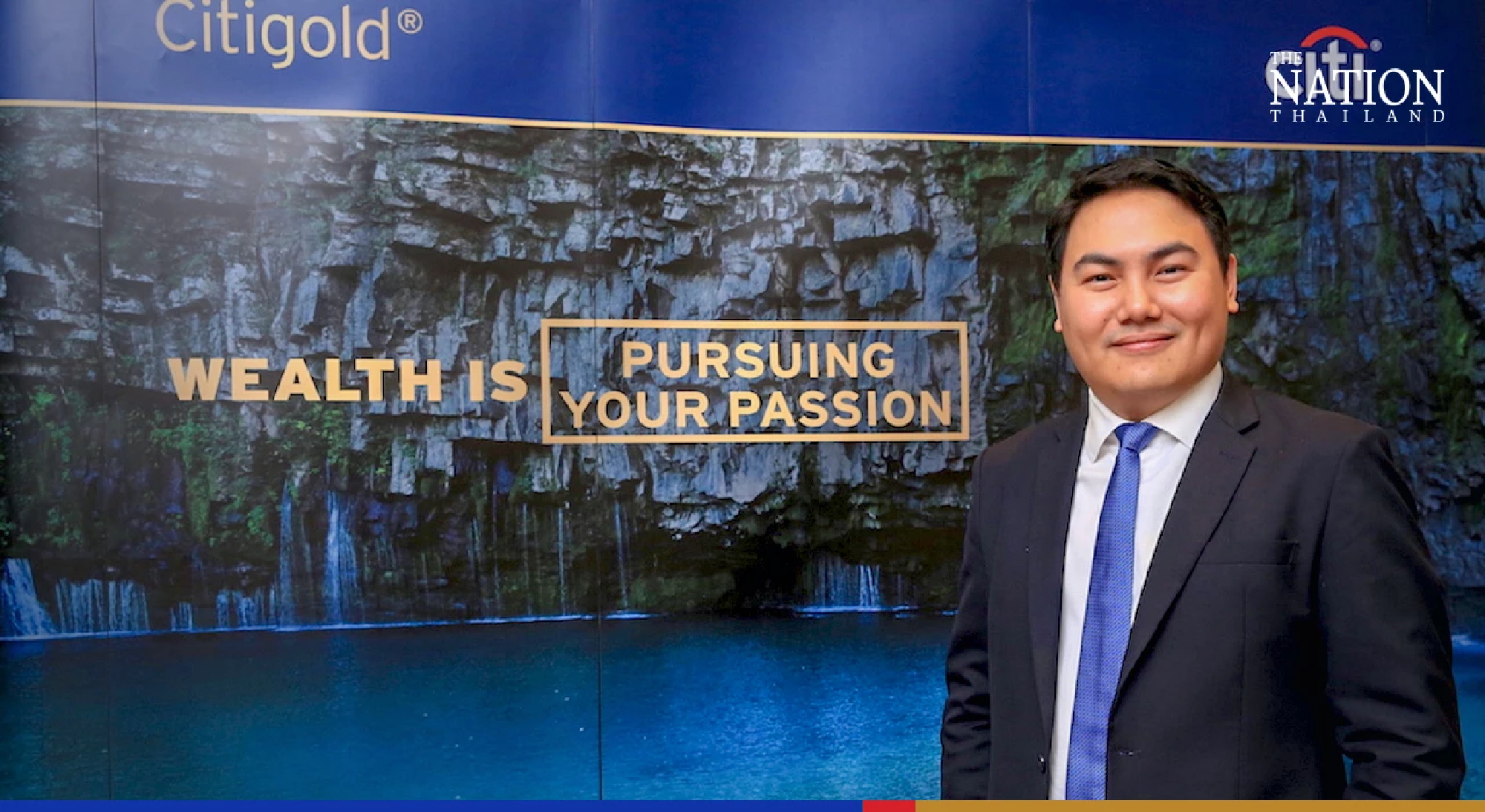
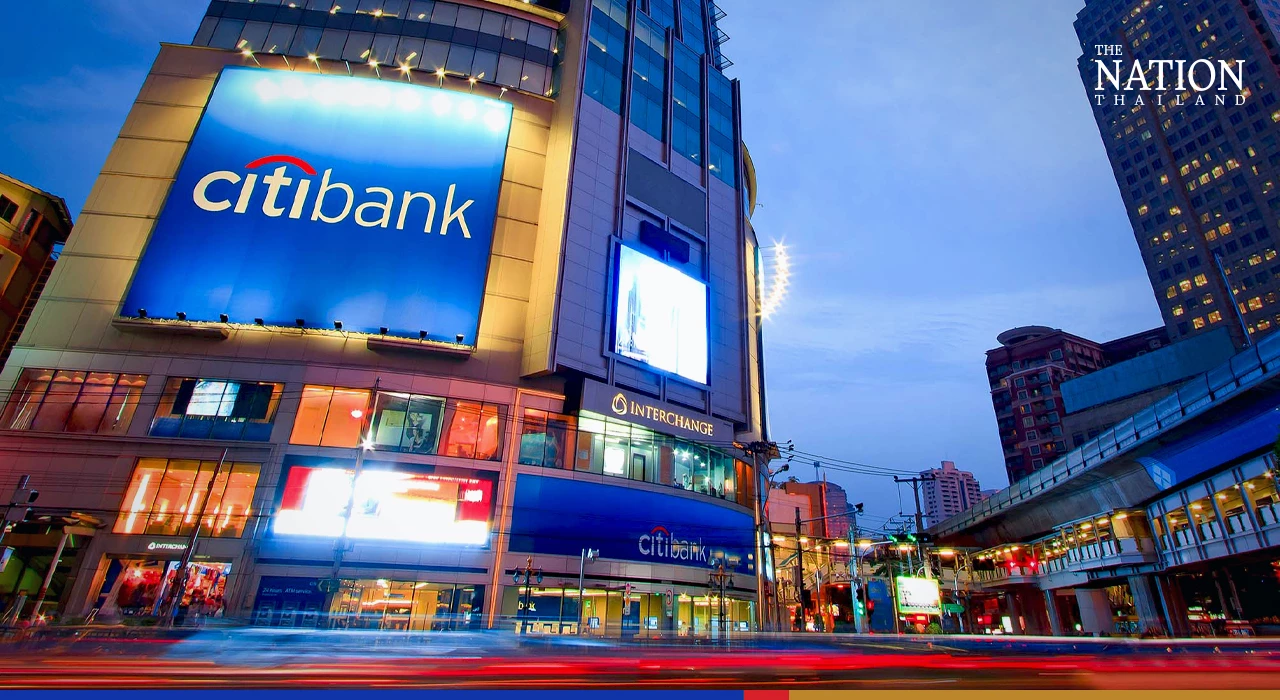
The 53 per cent increase in global equity returns in 2021 is expected to decelerate by 7-8 per cent between 2022-23, a virtual seminar “Citigold Annual Outlook 2022”, organised by Citibank Thailand on Thursday, said while revealing market and investment predictions for 2022.
Ken Peng, head of Investment Strategy, Citi Global Wealth for the Asia Pacific, added that the central bank in many developed countries is implementing quantitative easing, including the US Federal Reserve.
Central banks also plan to allow inflation rates to rise to mid-level in the long term. The US economy is expected to grow at 3.5 per cent as service industries experience positive recovery and manufacturing industries still experience tailwind impact.
Meanwhile, China’s economy is expected to grow by 4.5 per cent with a prediction that interest rates will be lowered because of the slowdown of the property industry and policies enacted in various industries that have impacted exports to China and commodity goods, analysts told the seminar.
For 10-year US treasuries, an increase in yield is expected, rising to 2.1 per cent by the end of 2022.
Additionally, Citi analysts predict global equity returns in 2022 to be at 8 per cent and global fixed income yields at minus 1 to zero per cent.
However, there are risk factors that can pressure the market, such as geopolitics turmoil around the world, including the US-China or the US-Russia relations, the seminar heard.
Therefore, investors should keep an eye on the global environment to diversify risk and optimise their portfolios in the long term.
Although the investment world still faces many challenges, Citi analysts are optimistic about cyclical industries that have benefited from the changing environment.
They also see the opportunity to drive sustainable returns and leverage the capital market, to increase returns from holding cash or fixed-income investments.
They recommend diversifying in various industries which can be categorised into three themes, which are:
Long-term leaders – Switch from rebound investing to sustain returns. Although there were industries with high yields in 2021, they found that industries that can deliver highest and most consistent returns are IT technology, healthcare and consumer staples.
Beat the cash thief – Beat holding cash with investments in fixed income that deliver positive returns as Covid-19 has impacted many companies that need to manage their debt. It is expected that the fixed income segment to provide the best returns are the emerging market bonds in Asia, high yield bonds and US treasuries.
Unstoppable trends – Long-term economic trends that are expected to grow and change the world over many years, including investments in clean energy where public sectors are putting greater focus on ‘greening the world’, technology and digitisation in companies in the US or China, the development of Asia along with the healthcare segment where it has been proven from increasing longevity, Ken concluded.
Don Charnsupharindr, retail banking head at Citi Thailand, commented: “In 2022, Citibank is prepared to offer new funds to our clients, which will lead to growth in investment. Our AUM [assets under management] in the previous year has grown to our satisfaction, and there was growth across Citigold and Citi Priority segment, which is well-equipped to offer investment opportunities around the globe, providing over 200 funds in collaboration with five domestic asset managers and 12 global asset managers that carry products in diverse asset classes and markets.”
Don added, “At Citigold, relationship managers are proactive and attentive, providing recommendations and servicing for all transactions via telephone or the Citi Mobile application where Citigold customers can buy and sell funds themselves and track movements in their portfolio. Customers can also transfer funds via Promptpay to various banks or transfer to international accounts with ease, as the service is available 24 hours.”
The entry of Food Factor’s food business into the Jakaverse is forecast to boost global awareness of Singha’s Thai restaurants as the platform will be available worldwide.
Singha is jumping into the Metaverse via the Jakaverse platform, which will deliver seamless brand engagement for restaurants under the Food Factor group, as well as new and exciting experiences for consumers. Jakaverse, the first virtual world developed by Thai and foreign start-ups, will be officially unveiled in the US soon before being made available to the public, with the aim of becoming the industry’s latest unicorn, said Piti Bhirombhakdi, senior executive vice president of Boonrawd Brewery Co Ltd, the maker of Singha beer.
An area within the platform will be utilised to drive business results with solutions like product marketing, restaurants, and lifestyle events to create marketing experiences such as food festivals, music shows, and athletic competitions – all inside the Jakaverse. Brands entering the Jakaverse include Santafe, Santafe Easy, EST.33, Farm Design, and cloud kitchens like Grain which serves Hot Chic Buns, Holy Kao. “For the past 89 years, Singha has been determined to deliver the best products and services to the public. As the world changes due to technological innovations, the Metaverse, which combines the real and virtual world, presents an abundance of economic opportunities, including business and marketing,” Piti said.
“This huge change has driven Singha to adapt, one of our success factors for sustainable growth. Entering the Metaverse of the world entertainment complex will drive our business forward to become future-ready. It will also serve as new ways to connect with our consumers in the constantly changing environment.” The entry of Food Factor’s food business into the Jakaverse is forecast to boost global awareness of Singha’s Thai restaurants as the platform will be available worldwide. Its strength lies in providing a complete entertainment complex ecosystem with different cities for leisure, education, shopping malls, and more than 100 games spanning 22 genres for all genders and ages.
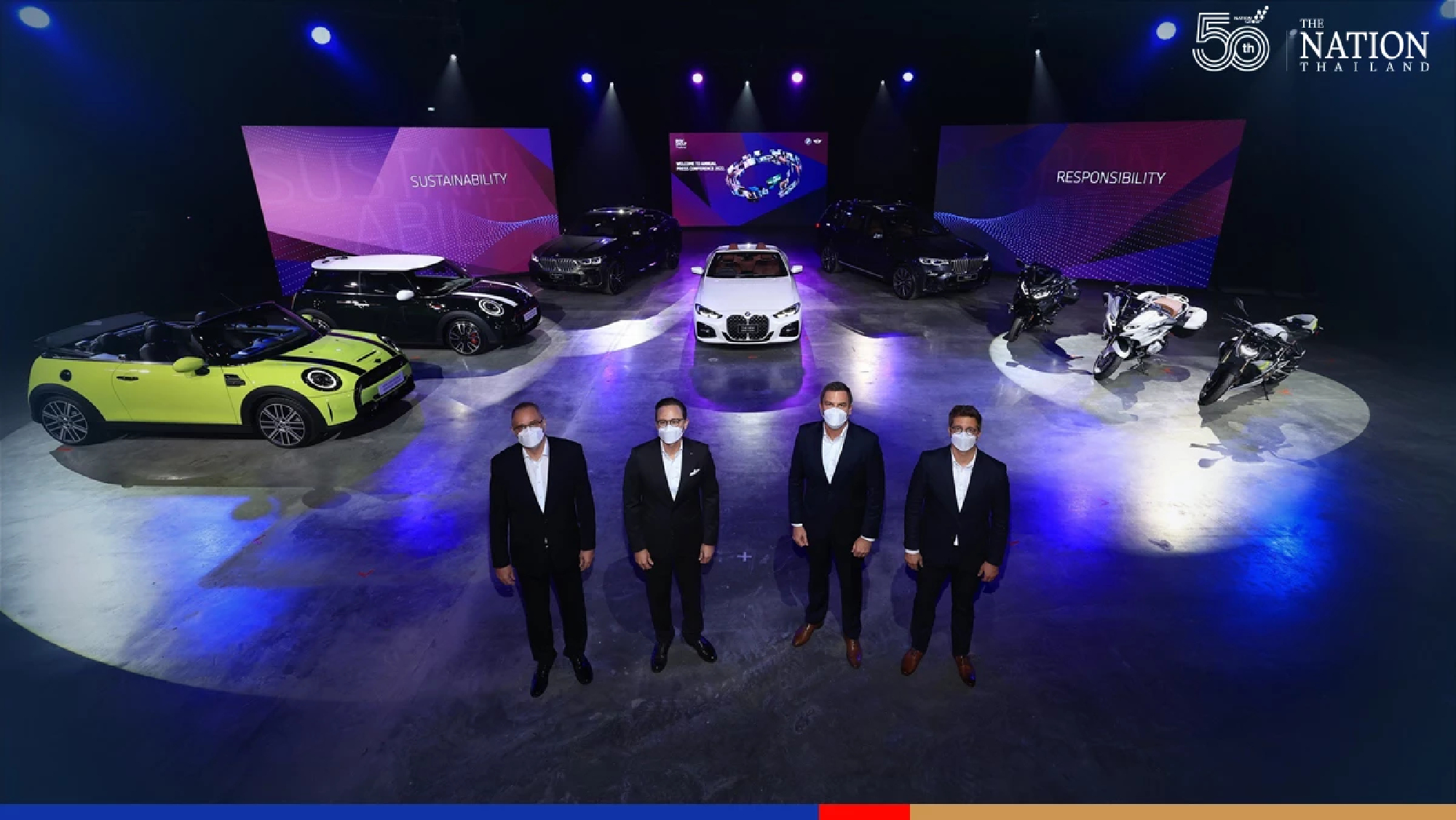
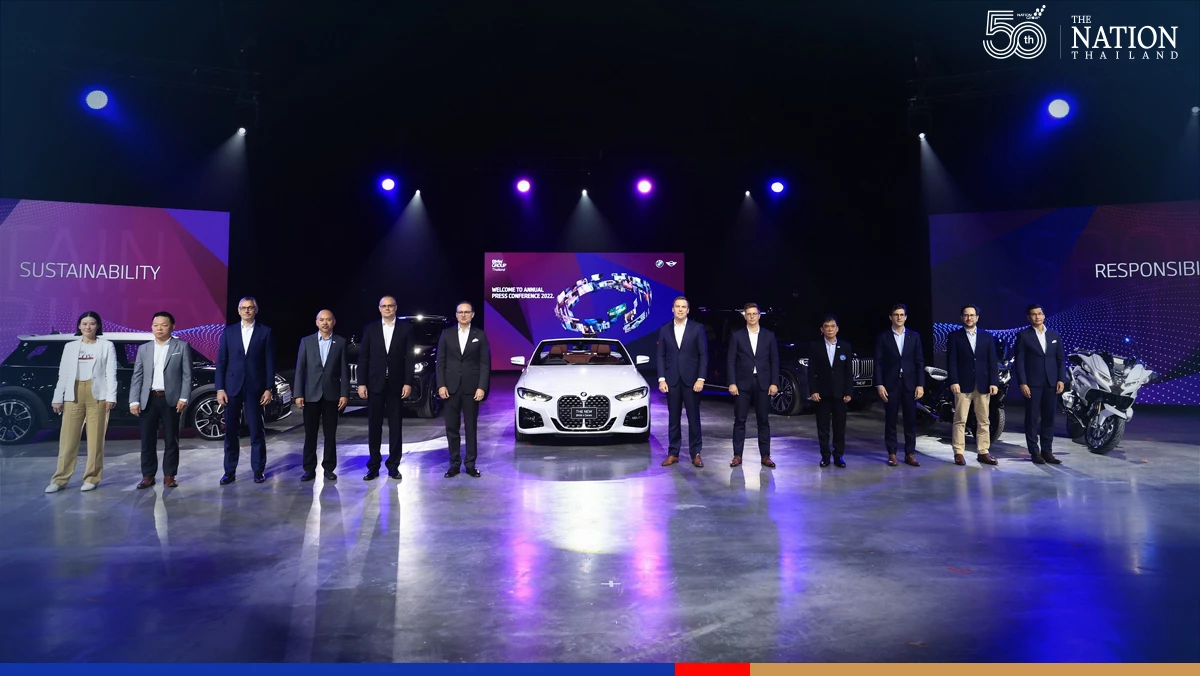
BMW Group Thailand marks its continued leadership in the premier car segment for two years running by renewing its focus on electric vehicles in Thailand. It is also introducing 10 models of BMW, MINI and BMW Motorrad, with the first-ever purely electric Gran Coupe – the all-new BMW i4.
BMW and MINI won the biggest share of the premium segment with 45.5 per cent in 2021, up from 44.6 per cent the year before. Meanwhile, MINI Electric enjoyed a growth rate of 263 per cent year on year.
“As we are entering a new era of mobility, we remain fully committed to our goal of bringing sheer driving pleasure, cutting-edge technologies, and the power of choice to our customers. This also resulted in hitting the highest record of customer satisfaction as measured via the Net Promoter Score [NPS Score] in terms of sales and services. With a clear goal for the future, we aim to blaze the way for electric mobility, to offer the best experiences for all motorists, including ICE, PHEV and especially BEV users as we move into 2022,” Alexander Baraka, president and CEO of BMW Group Thailand, said.
Erik Ruge, managing director of BMW Group Manufacturing Thailand, added: “2021 was the most successful year ever with a total production of 33,428 units for both BMW and BMW Motorrad. The total production has increased 17.8 per cent, while production for export has increased 11.6 per cent. We are also committed to sustainability through zero-waste-to-landfill and carbon-neutral. For the production part, we have been able to reduce average waste to 35.6 per cent per model with the accumulated waste from recycled and reused 27,208 tonnes since 2014.”
Capturing No 1 spot with ChargeNow
BMW Group electrified vehicles are ranked No 1 in Thailand’s premium electrified segment with a 32.9 per cent segment share. The company has been strongly focused on the sustainable future of mobility in Thailand and is offering a range of electrified vehicles in both plug-in hybrid and all-electric configurations to Thai motorists. BMW Group Thailand has also been collaborating with partners in expanding ChargeNow public charging stations for electric vehicles since 2017 to sustainably drive the adoption of electric mobility in Thailand.
Currently, 130 public charging outlets have been installed in 48 locations nationwide, while 183 charging outlets have been installed at BMW and MINI authorised dealers and the national sales company (NSC) across the country. All owners of plug-in hybrids and battery electric vehicles can access ChargeNow charging stations under the BMW and MINI network. Furthermore, approximately 2,000 BMW & MINI Wallboxes have been delivered to customers nationwide.
In addition, through collaboration with the Electricity Generating Authority of Thailand and EVolt Technology, customers can now access charging stations with more than 300 chargers. When combined with chargers available through the ChargeNow programme, BMW and MINI authorised dealers, and partners, BMW and MINI customers have access to more than 600 charging points nationwide.
Within the second quarter of 2022, owners of BMW and MINI electric vehicles can access the service via the EVolt application without using ChargeNow cards.
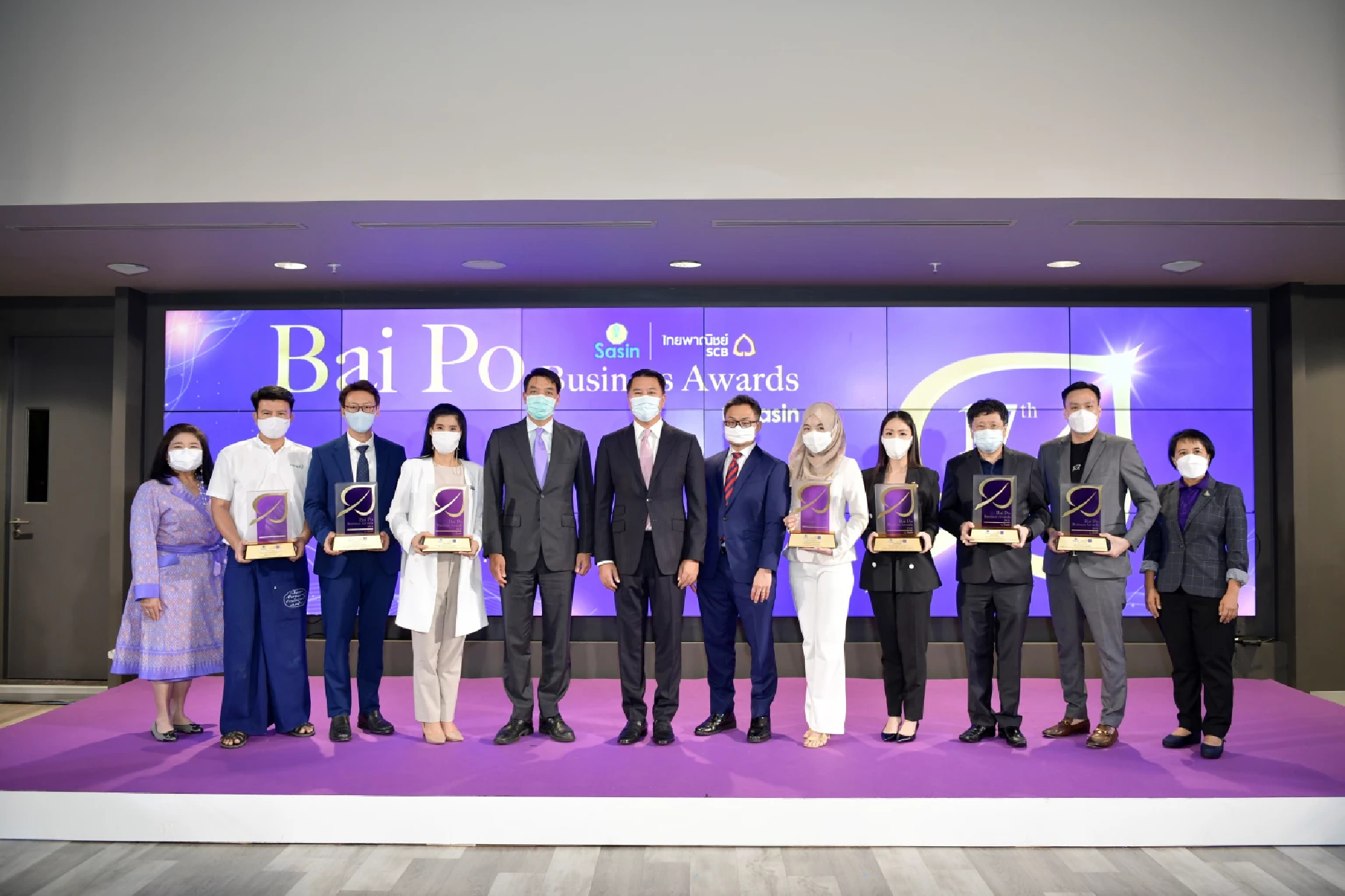
The Bai Po Business Awards by Sasin were considered and judged by a panel of experts from various fields.
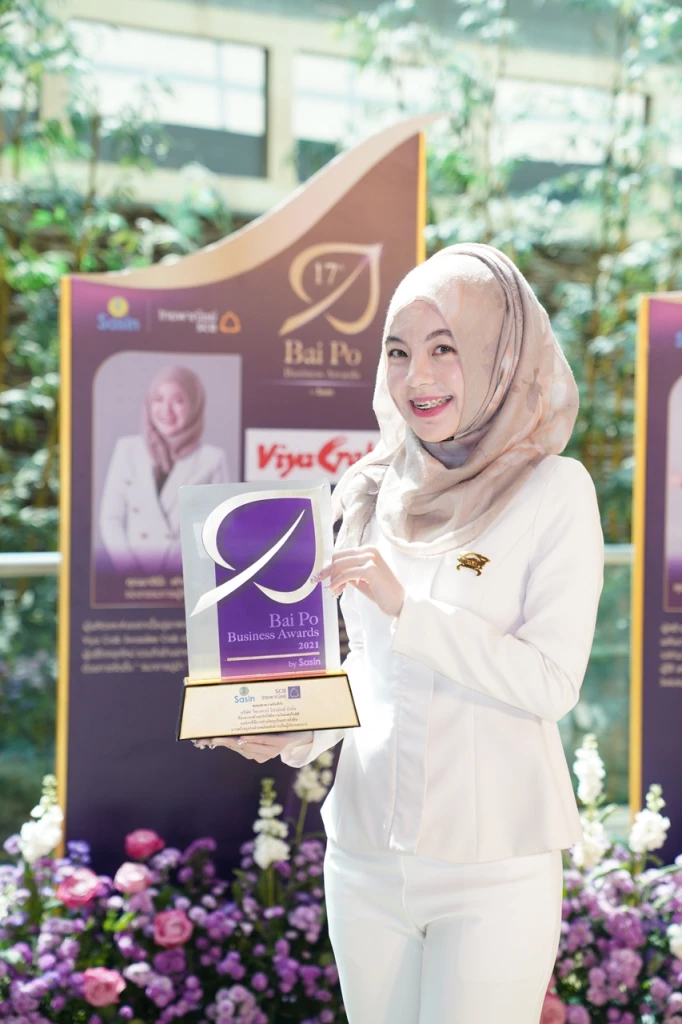
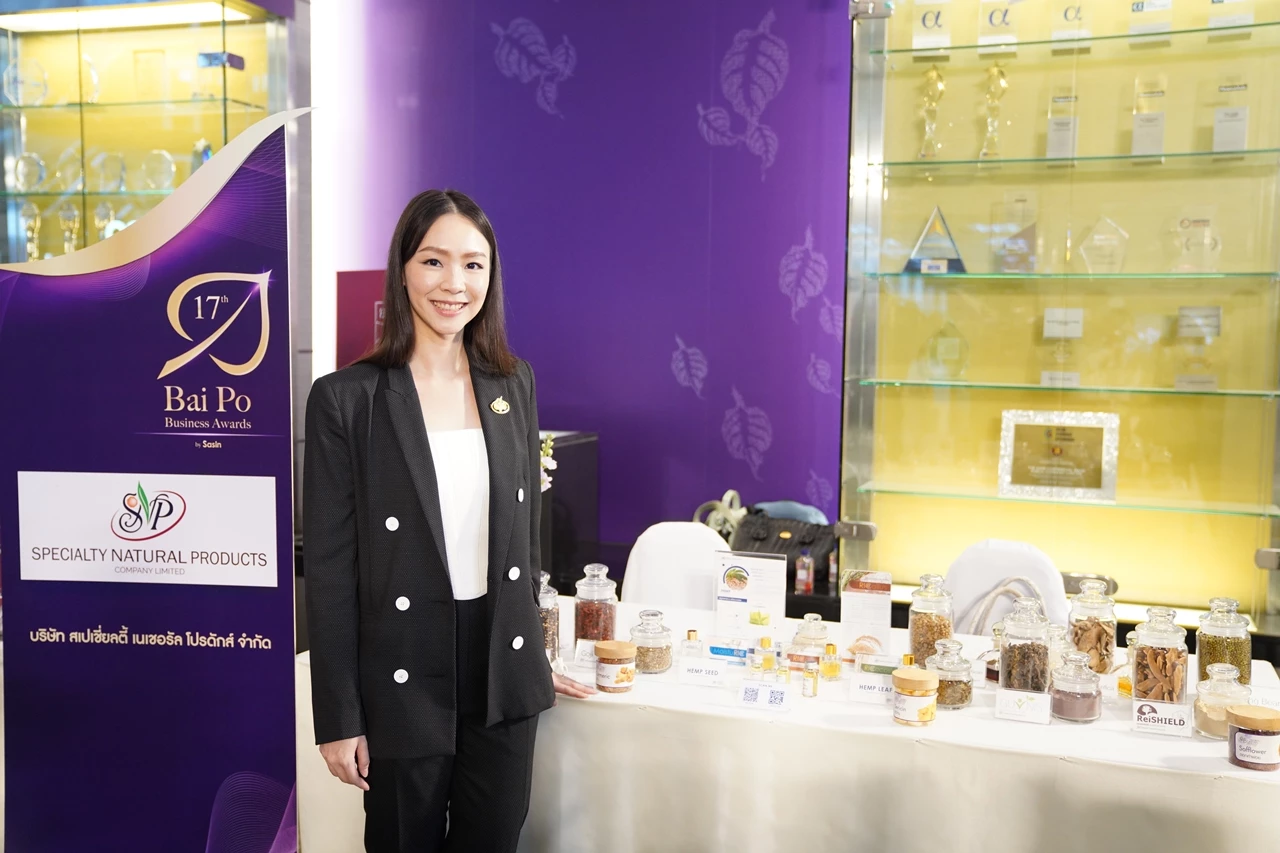
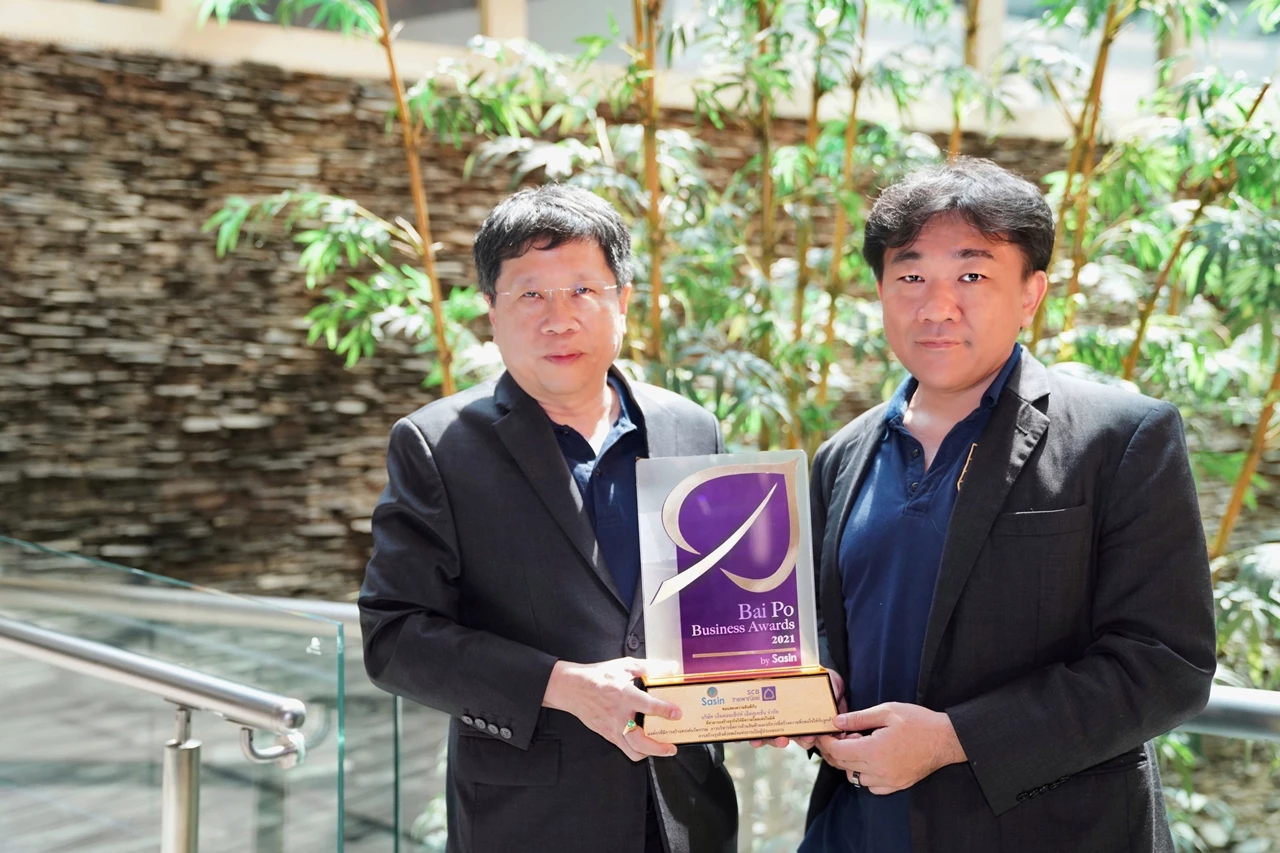
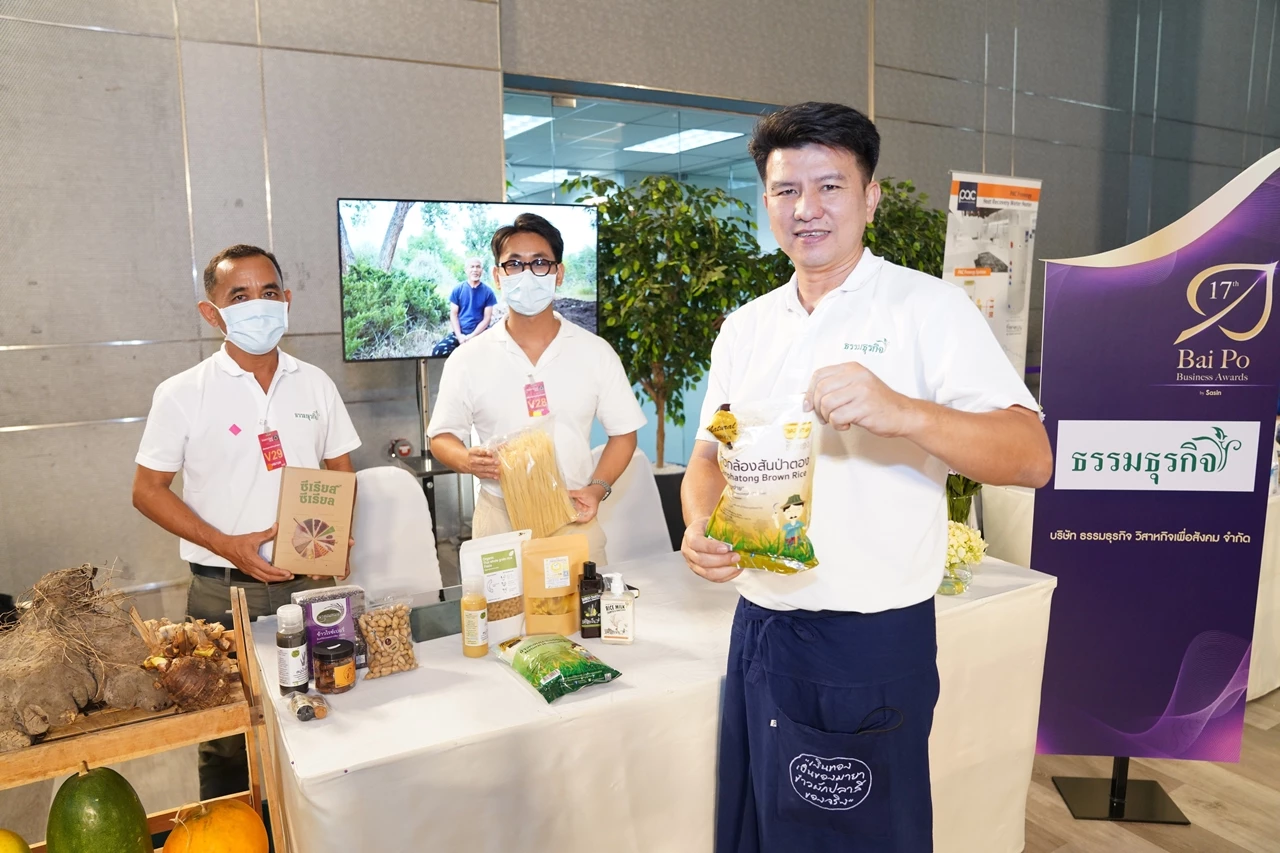
Seven SMEs were honoured at the 17th Bai Po Business Awards organised by Siam Commercial Bank and Chulalongkorn University’s Sasin School of Management. This awards aims to honour entrepreneurs demonstrating strong potential and daring to make remarkable difference critical for doing business. The award ceremony was presided over by Siam Commercial Bank chairman of the executive committee Arthid Nanthawithaya, who presented the awards along with Sasin School of Management Deputy Director Assoc Prof Chaipong Pongpanich, and Market for Alternative Investment (MAI) president Praphan Charoenprawat as representatives of the judging committee to congratulate award recipients.
SMEs honoured by Bai Po Business Awards by Sasin this year include:
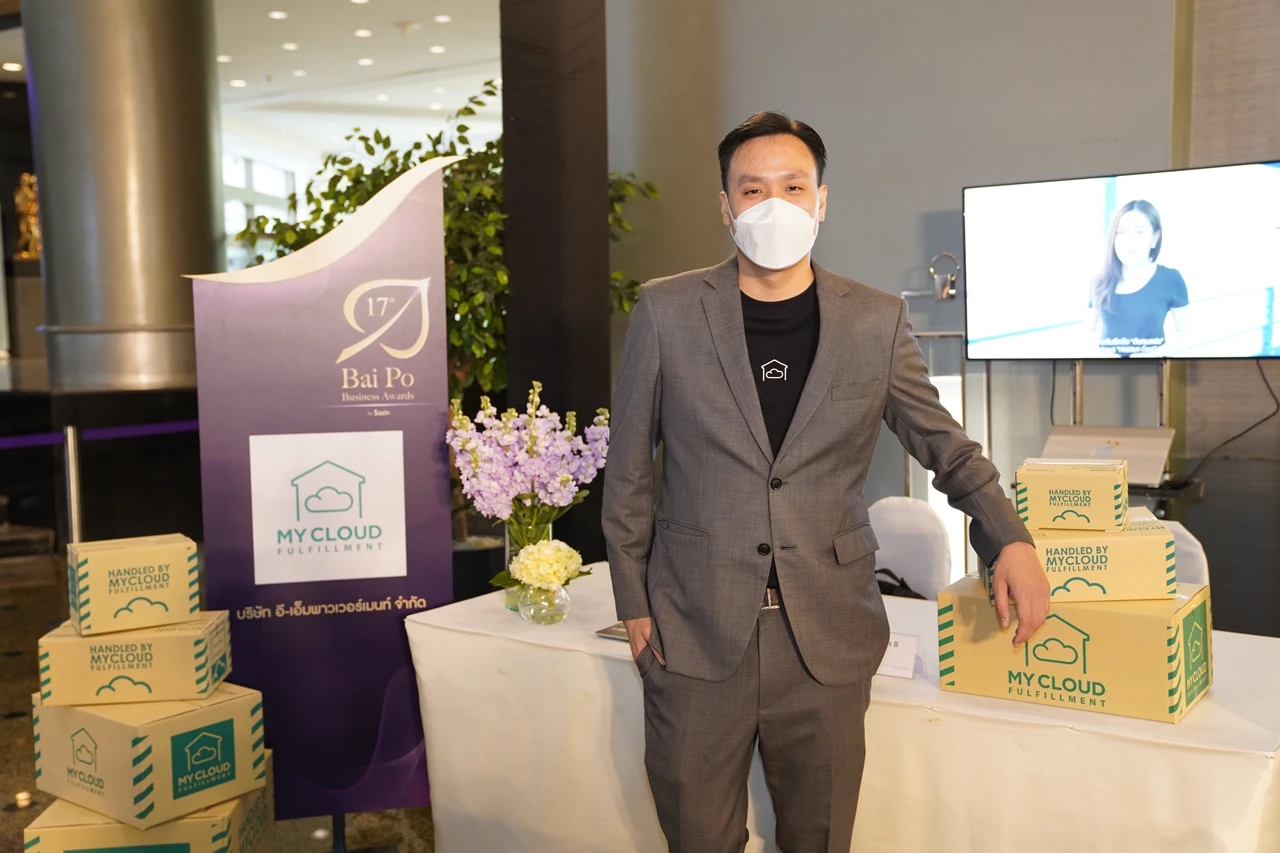
▪️E-Empowerment Co Ltd, a one-stop online warehousing service provider under the name of MyCloudFulfillment that comes with an order management system and Application Programming Interface to automatically connect with omni-sales channels.
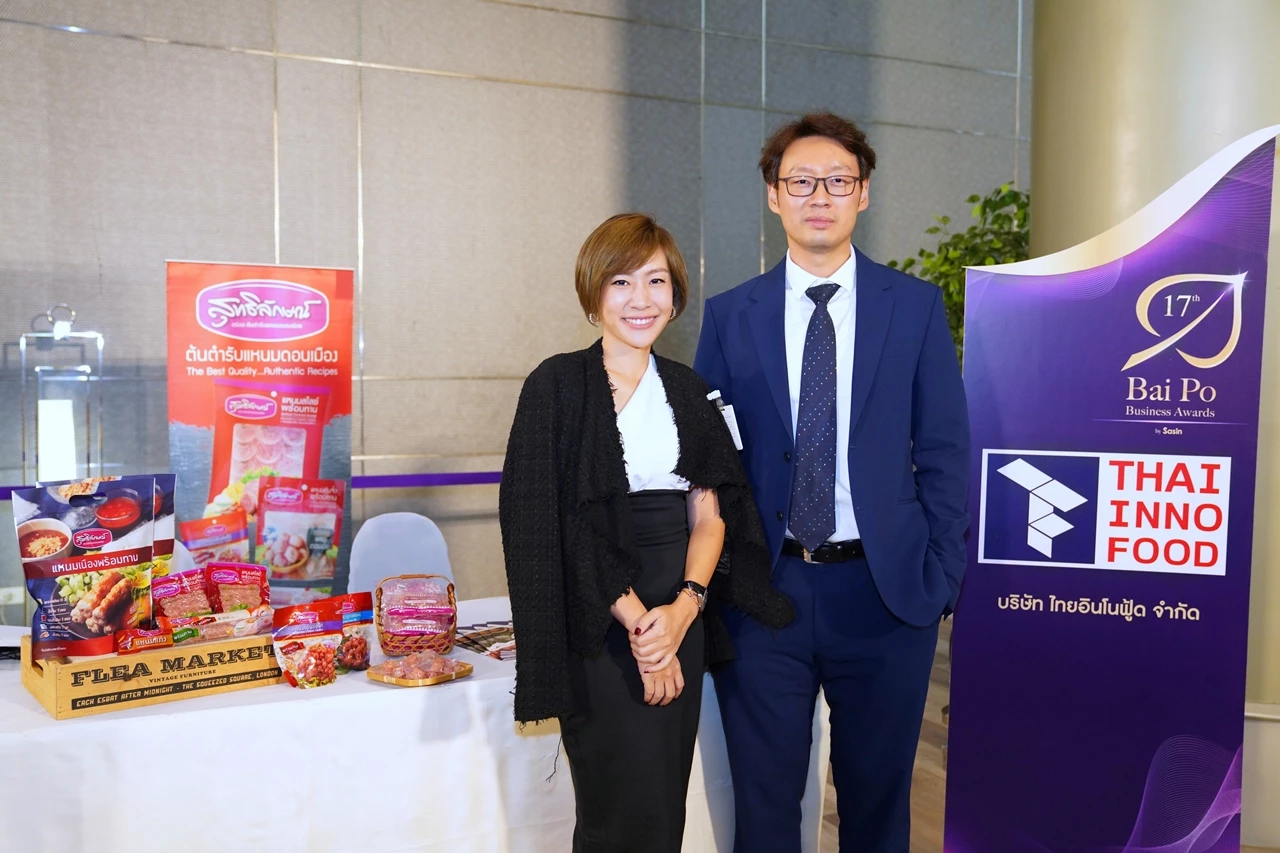
▪️Thai Innofood Co Ltd, a manufacturer and distributor of fermented pork sausages or Nham under the Don Muang Nham Km 26 and Sutthiluck Nham brands, known as the first in Thailand to adopt innovative irradiation food technology to produce fermented pork sausages.
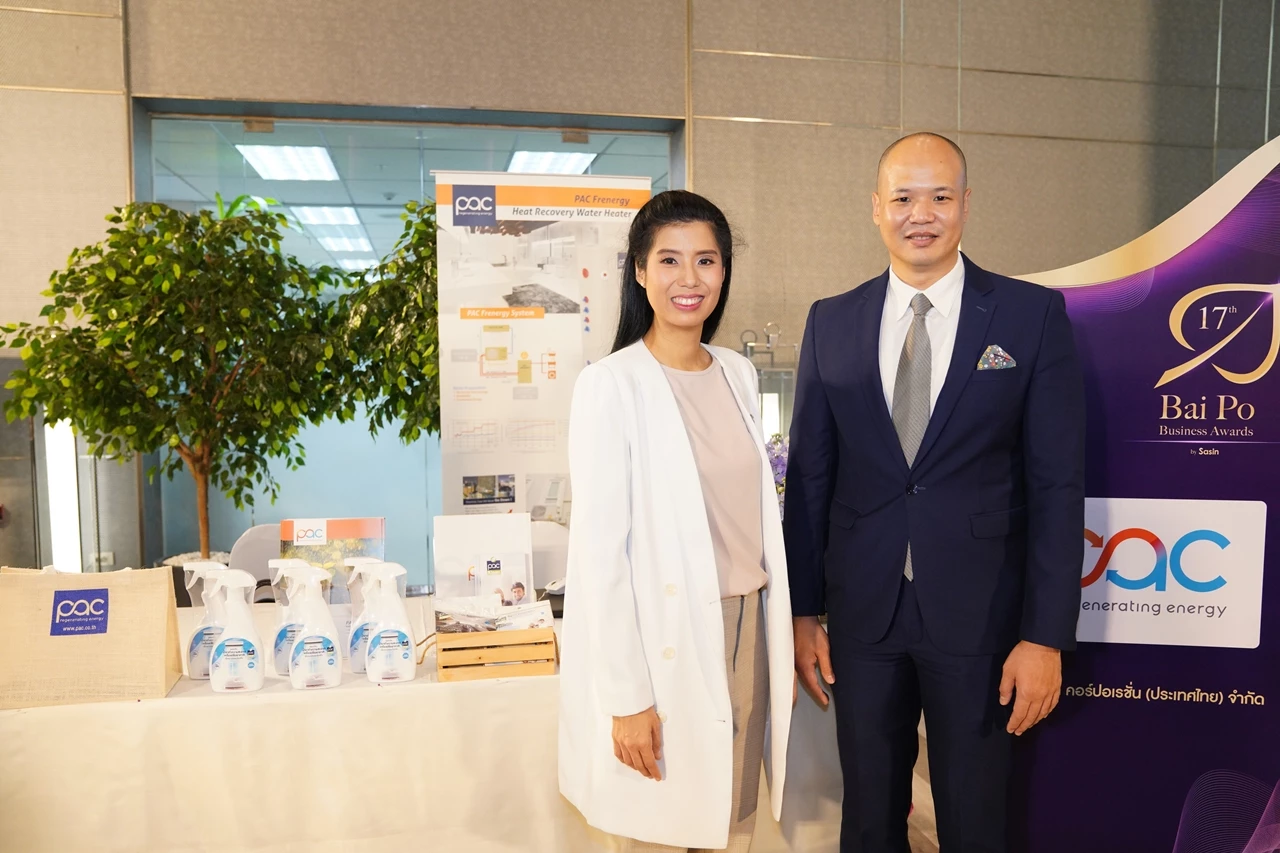
▪️PAC Corporation (Thailand) Co Ltd, a manufacturer of innovative and energy-saving water heaters and air-conditioners under the PAC brand.
▪️Viya Crab Products Co Ltd, a manufacturer and exporter of pasteurised canned and chilled crab meat under the Siam Crab, Viya Crab, Swasdee Crab, and Smile Crab brands and an owner of the “Chaolay Seafood” restaurant. By establishing the “Blue Crab Bank”, the company is at the forefront of a campaign to return blue crabs to the ocean.
▪️Specialty Natural Products Co Ltd, Thailand’s leading manufacturer of Thai herbal extracts as active ingredients for health and beauty products that meet international standards.
▪️Enconcept Education Co Ltd, an English language teaching institute under the Enconcept name and an owner of English curriculum The Newton Sixth Form School and full-time Thai curriculum The Essence School.
▪️Thamturakit Social Enterprise Co Ltd, a company that began with the goal of assisting farmers in achieving long-term well-being by using the Sufficiency Economy Philosophy as a foundation and promoting natural farming. The company earned this year’s special “Social Value Creation” award.
The Bai Po Business Awards by Sasin were considered and judged by a panel of experts from various fields. Entrepreneurs applying for consideration do not have to be customers of Siam Commercial Bank or the Sasin School of Management. Each year awardees will receive a certificate with a plaque of honour with the “Bai Po” logo as a symbol of excellence in business.
Amata Corporation Pcl. is aiming to sell up to 1,000 rai of lands in its industrial estates this year after an increasing number of foreign investors have approached the companies since Test & Go scheme resumed on February 1.
“Currently Amata has available lands in Amata City Chonburi Industrial Estate in at 9,800 rai, and at Amata City Rayong Industrial Estate at 2,400 rai, which are more than enough to supply the need of new foreign investors,” said the company’s chief marketing officer and executive director Viboon Kromadit on Thursday. “After Thailand reopened to foreign visitors without having to quarantine, the companies have been contacted by increasing number of foreign investors, most of whom are in automotive, logistics, electronics and chemical industries.”
Viboon added that Amata also possesses lands that have yet to be developed into industrial estates or commercial districts at around 14,000 rai throughout Thailand. “We have also recently opened a new industrial estate in Loas namely Amata Smart & Eco City, which has an area of 2,562.5 rai and can accommodate up to 1,400 factories from Thai, Laos and Vietnamese companies,” he said.
Viboon said that initially Amata was planning to invest in Myanmar, but shifted to Laos instead due to political problems in Myanmar. “Laos also has a strong development potential thanks to the China-Laos high speed railway that connects Laos with other countries in the Southeast Asian region,” he added. “Last year Laos reported a GDP expansion at 4 per cent despite the pandemic, which means our industrial estate in Laos is likely to welcome more investors this year.”