Thai household debt in the second quarter of 2021 recorded at 14.27 trillion baht, or 89.3 per cent of GDP, comparing to 14.14 trillion baht recorded in the first quarter, or 90.6 per cent of GDP, which was the highest point of household debt per GDP in the past 18 years, Kasikorn Research Centre revealed on Friday (October 1).
“Thai economy in the second quarter is expanding faster than household debt, with nominal GDP expanding at 10.7 per cent year on year, while the household debt in second quarter is expanding at 5 per cent year on year,” said the centre.
Kasikorn Research attributed the rise in household debt in second quarter to the increasing home loans by 156 billion baht and increasing debts from credit cards and personal loans, which are the preferred methods that Thai households use to increase their short-term liquidity.
“The latest wave of Covid-19 outbreak has accelerated the need for loans among Thai households, which can be seen from increasing number of customers applying for individual loans at commercial banks and other financial institutes from April onward,” said the Centre. “Statistics from the Bank of Thailand revealed that as of July 2021, up to 5.12 million accounts have requested loans amounted to 3.35 trillion baht from financial institutes, increasing from 4.77 million accounts recorded in April.”
ADVERTISEMENT
As for the rest of 2021, Kasikorn Research estimated that the household debt per GDP will gradually increase and could reach 90 to 92 per cent of GDP by year end. “Although the easing up of lockdown measures, the reopening of the country and increased vaccination rate will improve economic situation and increase household income, but it is unlikely that the repayment capability of many debtors will be fully restored within this year,” added the centre.
The centre also revealed its survey results on preference in loan services among people in Bangkok and surrounding provinces, which found that most of respondents (50.4 per cent) wanted financial institutes to provide debt moratorium. 20.3 per cent wanted extension of repayment deadline, 16 per cent wanted reduced installment rate, and 9.8 per cent wanted debt restructuring programme.
Small startups bring innovations that change the world and serve as a mechanism to drive the economy now and in the future.
Discussion on startups and post-Covid business world
Small startups bring innovations that change the world and serve as a mechanism to drive the economy now and in the future. How does a business survive and become successful during this Covid-19 era?
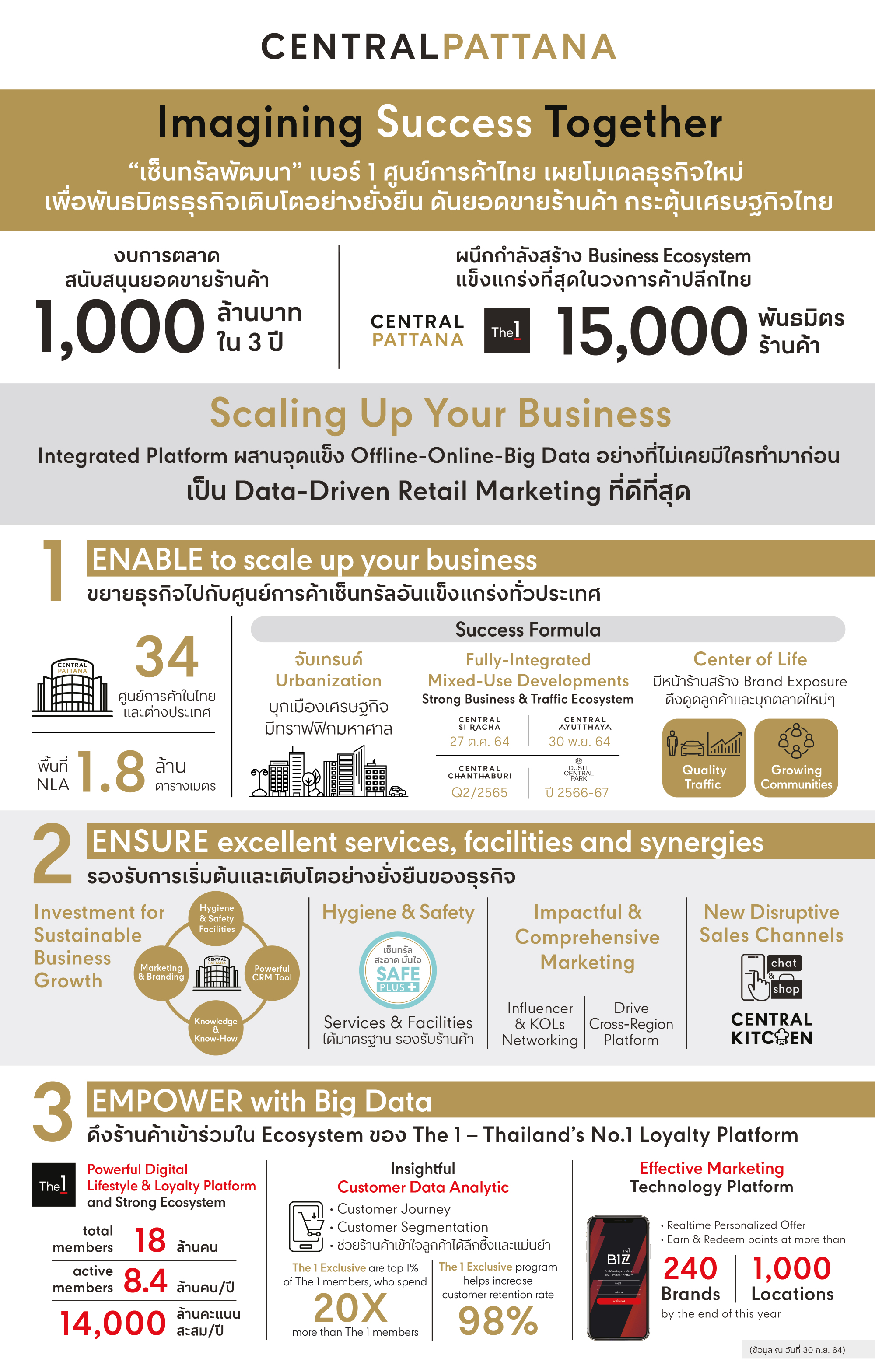
‘Central Pattana’ reveals a new business model with a focus on the business ecosystem of shopping centers to help its partners achieve sustainable growth with the ‘Scaling Up Your Business’ strategy, prepares to invest 1,000 million baht in three years to boost sales and stimulate the economy
Central Pattana Plc. operator of centralwOrld, CentralPlaza, CentralFestival, Central Phuket and Central Village, Thailand’s first luxury outlet, has revealed a new business model to reinforce its position as Thailand’s leading retail business and to help its business partners grow together with sustainability. Under the “Scaling Up Your Business” strategy, the company will conduct data-driven retail marketing and boost sales of its shop tenants with a marketing budget of 1,000 million baht for a period of three years. Central Pattana will combine its strength from 33 shopping centers in key economic areas in the country with continuous investments and high standards for services and facilities, with an aim to help its partners scale up their businesses quickly.
In addition, the company will utilize data insights generated from ‘The 1’ program, which is currently Thailand’s No.1 digital lifestyle and loyalty platform, to understand today’s consumers and offer a partner platform known as ‘The 1 Biz’ to support the tenants in all aspects, increase their sales and scale up their businesses, which the company believes will boost the overall economy of the country.
The company revealed the business model in a press conference attended by Dr. Nattakit Tangpoonsinthana, Executive Vice President of Marketing, Central Pattana Plc.; Mr. Isareit Chirathivat, Senior Vice President of Leasing, Central Pattana Plc.; and Mr. Rawee Puapornpong, Head of Corporate Affairs and Relationship, The 1
Central Pattana’ reveals a new business model with a focus on the business ecosystem of shopping centers
ADVERTISEMENT
Dr. Nattakit said, “The most important thing today is developing the country’s economy with retail marketing, which will help partners of Central Pattana at all levels sustainably grow with us. Central Pattana wants to join hands with partners and become a drive force to scale up and create the strongest and best business ecosystem. The 15,000 entrepreneurs around the country who are our partners will give the opportunity to grow rapidly and sustainably, which will stimulate the economy of the whole country.”
“We have developed a new business model to continuously support our partners with a marketing budget of 1,000 million baht for a period of three years. We will focus on creating differences and strengths of the shopping center business with three main strategies, which are 1) ‘ENABLE to Scale Up Your Business’ to encourage partners to expand their businesses with 33 Central shopping centers across the country, 2) ‘ENSURE Excellent Services, Facilities and Synergies’ to cater to new business projects and sustainable growth, and 3) ‘EMPOWER with Big Data’ by letting the partners join the business ecosystem of ‘The 1’, which is Thailand’s No.1 digital lifestyle and loyalty program,” Dr. Nattakit added.
According to Dr. Nattakit, Strategy No.1 “ENABLE to Scale Up Your Business” Creating business sustainability, enhancing brand experience and maintaining physical shops are all strategically important to branding and creating good customer experience, as seen in the current trend in which global online retail and e-commerce players have expanded into offline businesses to provide customers the experiences that online channels alone cannot provide. Central already has the strength of having shopping centers in all regions of the country with various anchors that act as magnets to attract customers. The company believes it can support its partners in the following ways.
• The company has created a success formula from latching on the urbanization trend. Central Pattana has been developing fully-integrated mixed-use development projects in key economic cities utilizing its expertise to integrate all elements, such as shopping centers, hotels, convention halls and residences, to reinforce each other in a “quality traffic ecosystem”. In particular, residential projects that are adjacent or close to shopping centers have continuously received good responses and the company expects to double such projects and the numbers of residents across the country in three years, or by 2024. The residents of these projects will create a regular traffic for the shopping centers in addition to the current customers and visitors who already account for tens of thousands per shopping center each day.
• Central shopping centers have a clear position as “center of life” that can cater to various needs of all groups of people, while continue to create new communities. These are opportunities the partners can grab to expand their businesses, build brand exposure, attract new customers and retain customer loyalty. Moreover, Central’s customers have responded well to the lifting of the lockdown in the first week of September, with shopping centers in Bangkok seeing its traffic recover by 50-70 percent. The company expects the traffic to recover by 70-80 percent in the fourth quarter this year.
According to Mr. Isareit, Strategy No.2 “ENSURE Excellent Services, Facilities and Synergies” will aim for sustainable growth. Excellent services and facilities of the shopping centers that are always ready to service customers are considered essential for shops and brands. Central plans to invest in various aspects under this strategy to support its partners and ensure that they can scale up their business with Central faster than they would by operating a standalone shop. The investments will include hygiene and safety facilities, marketing activities to boost sales and branding, CRM marketing programs, and the sharing of knowledge and know-how in the ecosystem of the Central Group.
• Central Pattana has made hygiene and safety investments and created the master plan “Central’s Hygiene & Safety Plus+” which laid out a standard that can be applied in a wide array of areas. This helps Central utilize the health-conscious trend, help visitors and build customer confidence. In addition, the company has continuously invested in the safety system, car parks, cleaning crews and risk management in order to maintain its standard and cater to business expansions of its tenants.
• The company has used impactful and comprehensive marketing, such as promotions and creating buzz for shops at the shopping centers by using a strong network of influencers and KOLs. As a result, Central has seen phenomenal successes with many shops and events, including the launches of Kam’s Roast, Tsuta Ramen, Sushiro, and Saemaeul Sikdang. The company has also used its cross-region platform to help brands tap into new markets in different provinces, as seen in the case of the expansion of Hai Di Lao which now has three restaurants in Central shopping centers. In addition, Central Pattana can also assist with pop-up stores to help fashion brands quickly reach different provinces across the country or test a certain market.
• Central Pattana helps its partners increase sales with new and disruptive sale channels. The company has been innovating and developing services on new platforms to help increase sales, such as the Chat & Shop and Central Kitchen omnichannel services.
“Throughout our history of 40 years, we have always been committed to our tenant-centric principle. Many of the partners who grew with us have become listed in the stock exchange, while numerous brands have high confidence in us and always decide to open a shop or restaurant whenever we launch a new Central shopping center regardless of the location. There are also new brands seeking to tap into new markets, which can scale up quickly with us. Lastly, there are e-commerce businesses looking to open physical stores with us to complement the online experience of their customers,” said Mr. Isareit.
According to Dr. Nattakit, Strategy No.2 “EMPOWER with Big Data” will utilize The 1, which is Thailand’s No.1 digital lifestyle and loyalty platform and a partner within the group. The 1 has an established database accumulated from its operation of over 15 years in the retail industry and can help brands save CRM expenses, which will be very high if they have to invest in the operation themselves. The 1 currently has 18 million members nationwide, over 8.4 million of whom are regular and active users, and over 14,000 million points accumulated by these members each year. In addition, ‘The 1 Biz’ has been created as tool to help tenants. Customers will be able to receive and exchanges points when they spend at shops participating in The 1 Biz program. By being part of Central Pattana’s ecosystem, brands will be able to use CRM to better cater to customer preferences, attract new customers, retain customer loyalty and build a strong customer base.
Mr. Rawee said, “As The 1 has joined forces with Central Pattana to power up small and large entrepreneurs, we are opening a new gate to the world of big data in a way never been seen before in this country. This will help shops and brands better understand their customers and assist them in designing marketing strategies that are accurate, measurable and effective in generating sales. After all, The 1 has many strengths that can help the tenants.”
• The 1 is a powerful digital lifestyle & loyalty platform and strong ecosystem. It has over 2,000 brands across the country within and outside the Central Group as part of its membership program and over 30,000 touchpoints that connect more than 18 million customers via The 1 application, which offers discounts, rewards and content for all lifestyles. The app also has features to help with online and offline shopping, such as point transfers, point exchanges, point records, scanning services and expense checks. New features have been added to the app regularly to better service the customers and catch up with the trends. At the same time, shops can use “dynamic business intelligence solutions” from the partner platform or The 1 Biz to better operate in the ecosystem and access The 1 loyalty system by themselves. It will allow the brands to manage their point programs, gather and analyze customer information, and create effective marketing campaigns with MarTech tools in the app.
• The 1 can provide insightful customer data analytics. With partners from outside the Central Group, each brand will have a better understanding of customers, including their lifestyle and customer journey in a “single view” and can use such insights to develop their products, services and marketing campaigns. By using such insights to understand customers and retain them, brands are estimated to spend less expenses needed to acquire new customers.
• The 1 is an effective marketing technology platform. Shops in the ecosystem can create marketing campaigns with maximum efficiency via The 1 app, which offers modern marketing technology to help analyze data and provide insight on customers’ buying behavior and app usage. As a result, brands can make personalized offers in real time to acquire new customers or encourage previous customers to return. They can also provide contents and rewarding programs specifically designed to cater to the high-spending customers.
Currently, brands participating with The 1 Biz include CHAMPION, HOKA, REV RUNNR, SLAMMERS, TEVA, UNDER ARMOUR, BEAUTRIUM, CLARINS, THE BODY SHOP, THREE, CALVIN KLEIN, CLARKS, FITFLOP, GUESS, NAUTICA, POLO RALPH LAUREN, TOMMY HILFIGER, G2000, HUSH PUPPIES, JOHN HENRY, LEE, DYSON, MISTER DONUT, KFC, AUNTIE ANNE’S, PEPPER LUNCH, CHABUTON, OOTOYA, and YOSHINOYA. By the end of this year, The 1 Biz is expected to include over 240 brands and 1,000 shops.
Dr. Nattakit said, “We believe this new business model created from the collaboration of Central Pattana, The 1, other businesses within the Central Group, and over 15,000 of our shop tenants, will become an innovation that will change the country and act as an economic springboard. We aim to see results in three years with data-driven retail marketing. Our marketing campaigns will help shops make personalized offers in real time and targeted campaigns to the right customers, which will generate sales for them in the long run and in a sustainable way,” he said.
The event organizers – Global Compact Network Thailand (GCNT), the United Nations in Thailand, and the British Embassy – applauded the companies at the event that already were embedding sustainability into their operations and encouraged more businesses to join the movement.
Representatives of 77 companies in Thailand have gathered to discuss the next steps they can take to tackle climate change, a main goal of Global Compact Network and the United Nations in Thailand in contributing to the upcoming climate summit COP26 in Glasgow in November.
The speakers discussed key milestones in reducing their greenhouse gas emissions, including the “New Era of Action” for Thailand’s climate leadership, and measures to limit global warming in line with the 1.5-degree goal of the Paris Agreement.
The event organizers – Global Compact Network Thailand (GCNT), the United Nations in Thailand, and the British Embassy – applauded the companies at the event that already were embedding sustainability into their operations and encouraged more businesses to join the movement. Key to this, highlighted the participants, would be an enabling policy environment that incentivizes further and quicker action by businesses.
Leading businesses in Thailand join Global Compact-United Nations push for climate action
ADVERTISEMENT
Suphachai Chearavanont, Chairperson of GCNT and Group Chief Executive Officer of Charoen Pokphand Group Company Limited, said climate change is a more serious threat to humanity than the COVID-19 crisis, which may eventually disappear. Climate change is widespread, rapid, and intensifying, according to the latest report by the Intergovernmental Panel on Climate Change (IPCC). The UN Secretary-General has described the report as a “code red” for humanity. As one of the most vulnerable regions to climate change, Southeast Asia and Thailand especially, will face more severe effects as sea levels rise and other extremes such as ocean acidity, coastal flooding, disrupted food systems, reduced crop yields and epidemics worsen – all which could cost the world up to 10% of its total economic value by 2050. In Southeast Asia, this would mean a 20% cut in growth unless adaptive measures are taken.
The challenge is immense, he said, and we know what must be done: shift to clean energy sources, promote better waste disposal, recycling and the circular economy and help companies improve their resilience and adaptive capacity through training. Adaptation to climate change is crucial for businesses while presenting new opportunities for commitment, which we are hoping to see at this year’s sustainability leaders summit ‘GCNT FORUM 2021’ on 11 October.
Leading businesses in Thailand join Global Compact-United Nations push for climate action
“GCNT calls on the private sector to commit to climate action through greater disclosure and corporate transparency. What we require now is a new generation of sustainability leaders, more market-based mechanisms to reduce emissions, and innovation driven by technology and new thinking,” said Supachai.
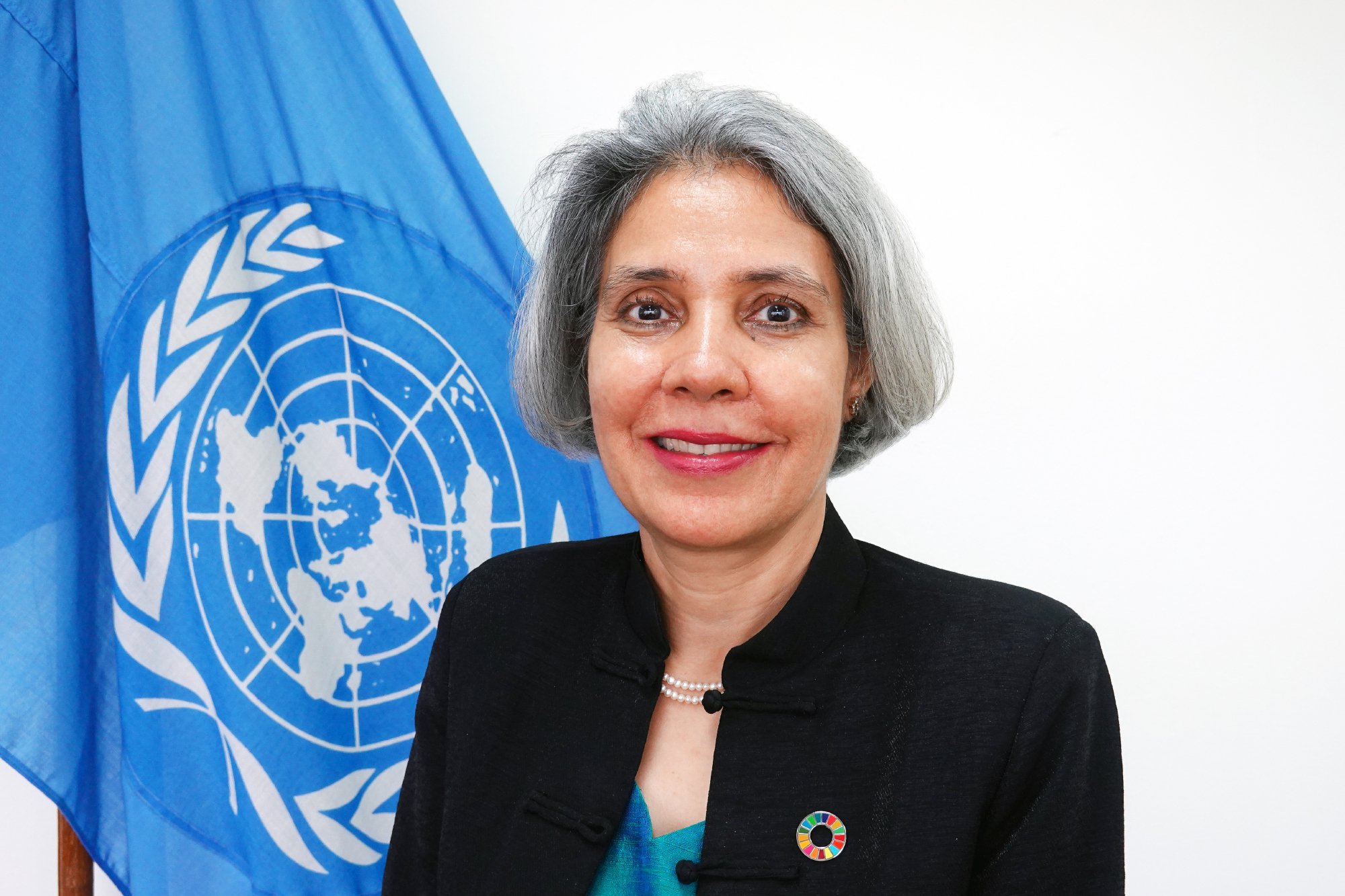
In her opening remarks, Gita Sabharwal, UN Resident Coordinator in Thailand, welcomed leadership from the business community in the country to limit global warming and align with the ‘RaceToZero’ initiative, which represents a recommitment to science-based climate policy, and an unprecedented opportunity to unleash innovation and financing, create jobs and regenerate nature at a more sustainable pace and scale.
In the continuing recovery amid the pandemic, she explained, adopting pathways that are low-carbon dependent would be a crucial step in line with the 1.5-degree goal of the Paris Agreement, in addition to promoting sustainable investing. Recently in September, the UN in Thailand in partnership with the Ministry of Finance of Thailand and the Government Pension Fund engaged 43 investors and bankers with total asset size US$1.3 trillion who committed as business leaders to act responsibly in the face of the climate crisis, and to scale up financing in support of sustainability.
“This is an opportunity to shape the recovery and demonstrate to the region and beyond the role the private sector can play to move towards carbon neutrality in Thailand,” she said. “The time is now to take action in a journey in which we can both learn and inspire each other.”
Commending the importance of current collaborations, H.E. Mark Gooding British Ambassador to Thailand said: “COP26 must be the moment that every country, and every part of society, embraces their responsibility to protect our planet. Businesses are truly a vital component of all our goals for COP26 and can help achieve success through your own actions, working with peers and across your value chains and being positive advocates for climate action. We invite all businesses to join the Race to Zero, a UN-backed global campaign rallying non-state actors to take rigorous and immediate action to reduce emissions.”
Leading businesses in Thailand join Global Compact-United Nations push for climate action
He added that the British Embassy Bangkok will be proud to see Thai companies highlighted at COP26, where the world will meet to agree on more ambitious action to address climate change.
In just over a month, COP26 will take place, bringing together governments, climate experts and campaigners including from Thailand and international organizations, non-profit agencies and the business sector with the objective of mobilizing cooperation. Without accelerated effort to reduce fossil fuel emissions and deforestation, billions of people are at risk from the effects of climate change, and businesses should prepare to ensure compliance with an increasing number of environmental and climate change regulations globally.
During the event ‘Build Forward Better: Turning the Climate Crisis into Business Opportunities,’ GCNT also held a workshop to showcase the leadership of its private sector members including from Bangchak Corporation, CP All, Charoen Pokphand, PTTEP, Oklin Thailand, NR Instant Produce, Siam Cement Group, Pranda Jewelry, Thaioil Group, and Siam Makro, who described ways for companies to better integrate climate action goals into their internal policies.
Reinforcing commitment to sustainable water management
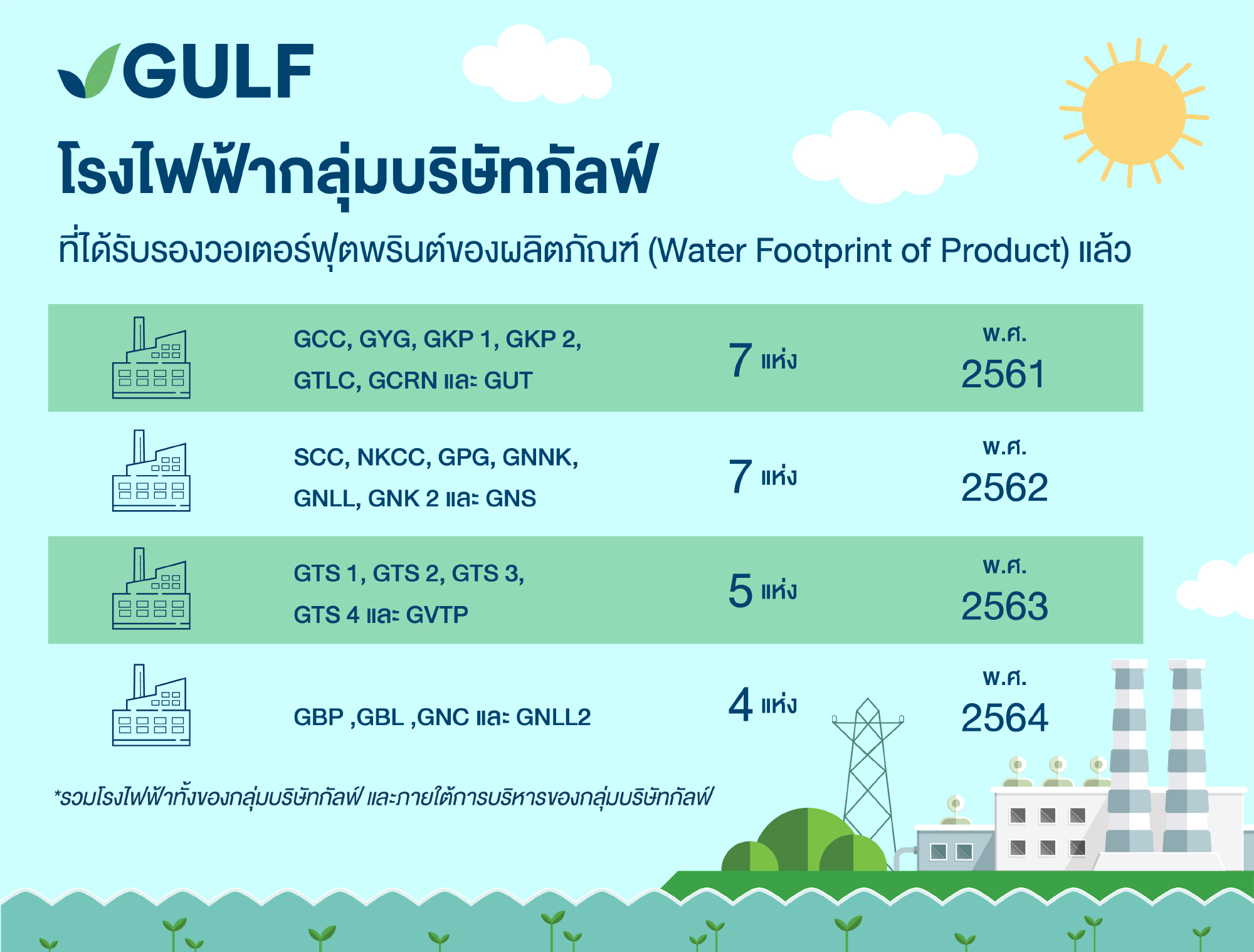
Recently, Gulf Group (GULF) was awarded four ‘Water Footprint of Products’ certificates at the Eco Innovation Forum 2021 hosted virtually by the Industrial Estate Authority of Thailand (IEAT) in collaboration with the Ministry of Industry and the Water and Environment Institute for Sustainability (WEIS) via Zoom. The awards reinforce the company’s capabilities in managing water resources efficiently and sustainably in accordance with international standards while remaining socially and environmentally responsible in the areas where the company operates – as reflected by the efforts to lower greenhouse gas emissions both directly and indirectly in a move towards a low-carbon society.
GULF conducts water footprint assessments on all of its power plants that have been in operation for at least one full year. Efficient use of water at various stages of the electricity production cycle results in saving production costs as well as increasing power plants’ competitive edge. GULF also continues to place great importance on resource management and positive environmental impact, which contributes to sustainable development.
GULF awarded 4 ‘Water Footprint of Products’ certificates from Eco Innovation Forum 2021
ADVERTISEMENT
This year, four power plants under Gulf Group, consisting of GBP and GBL in Phra Nakhon Si Ayutthaya, GNC in Prachinburi and GNLL 2 in Rayong, received Water Footprint of Products (WFP) certificates. Since 2018, 23 power plants owned or managed by Gulf Group have received WFP certification.
Eco Innovation Forum 2021 was presided over by Mr. Chulapong Taweesri, Deputy Permanent Secretary of the Ministry of Industry. Mr. Veerit Amrapal, Governor of IEAT; Mr. Suphan Mongkolsuthee, Chairman of the Board of Directors of the FTI; Mr. Tada Soontonphan, Deputy Governor (Special Affairs), IEAT and Mr. Somchai Wangwattanapanich, Chairman of the Water and Environment Institute for Sustainability also joined the ceremony to give out awards and certificates to recognize industrial estates, industrial ports and a wide range of eco-industrial plants as well as companies that have demonstrated outstanding water resource management in line with international standards.
Carabao Tawandang is the beverage production arm of the Carabao Group with all of its facilities covering a total area of 180 rai in Bang Pakong District.
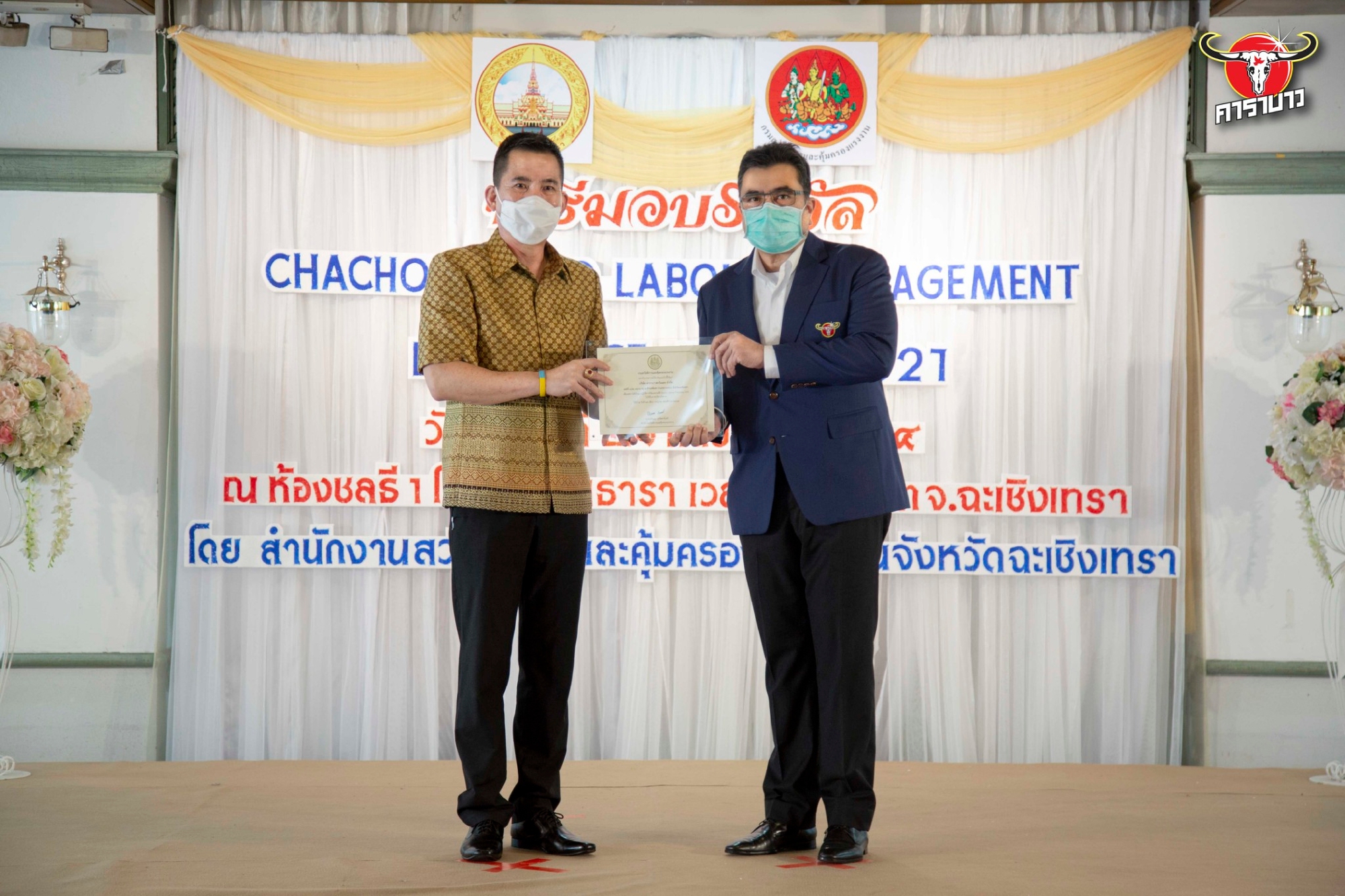
Carabao Tawandang Co., Ltd., has won two labour management excellence awards for 2021 from Chachoengsao Province. The accolades bestowed to the manufacturer of Carabao Dang energy drink are the Thai Labour Standard Award (TLS 8001-263) and the Good Labour Practices Award (GLP).
Mr Kamoldist Smuthkochorn, Chief Operations Officer at Carabao Group PLC, said the awards underscore the norms of labour practices that show social responsibility by focusing on creating a management system capable of dealing with changes that occur both from internal and external factors affecting the operations.
The management system is clearly defined and prioritises human rights, employment conditions, welfare and safety and occupational health in the working environment – all conducive to raising the quality of working life sustainably.
The ceremony for Chachoengsao Labour Management Excellence Awards 2021 was held on 21 September 2021 and was presided over by Chachoengsao Governor Maitree Tritilanan. In attendance was Prasit Patangkaro of the Office of Labour Protection and Welfare, Chachoengsao Province, along with relevant government agencies, companies and educational institutions.
The annual awards are organised by the Office of Labour Protection and Welfare, Chachoengsao Province, to honour business establishments located in the province for their good management.
Mr Kamoldist said that in addition to the labour standards that the company has been vigorously implementing, Carabao Tawandang has also attached importance to helping communities around Bang Pakong District where its manufacturing facilities are located.
Carabao Tawandang honoured for Chachoengsao Labour Management Excellence Award 2021
ADVERTISEMENT
The company has conducted several social activities such as providing scholarships to schools in its neighbourhood, promoting education, music and sports. Its support of sports activities includes football coaching and the provision of sports equipment. These activities form part of the company’s endeavour to improve the quality of life for society and communities around Bang Pakong District.
Carabao Tawandang is the beverage production arm of the Carabao Group with all of its facilities covering a total area of 180 rai in Bang Pakong District. The facilities consist of a glass bottle production factory known as APG, an energy drink bottling plant (CBD), an aluminium can production plant (ACM) and a packaging production plant producing boxes, labels and transparent film (APM). These plants form Carabao’s integrated production process of beverages which are shipped across Thailand and exported to more than 40 countries around the world.
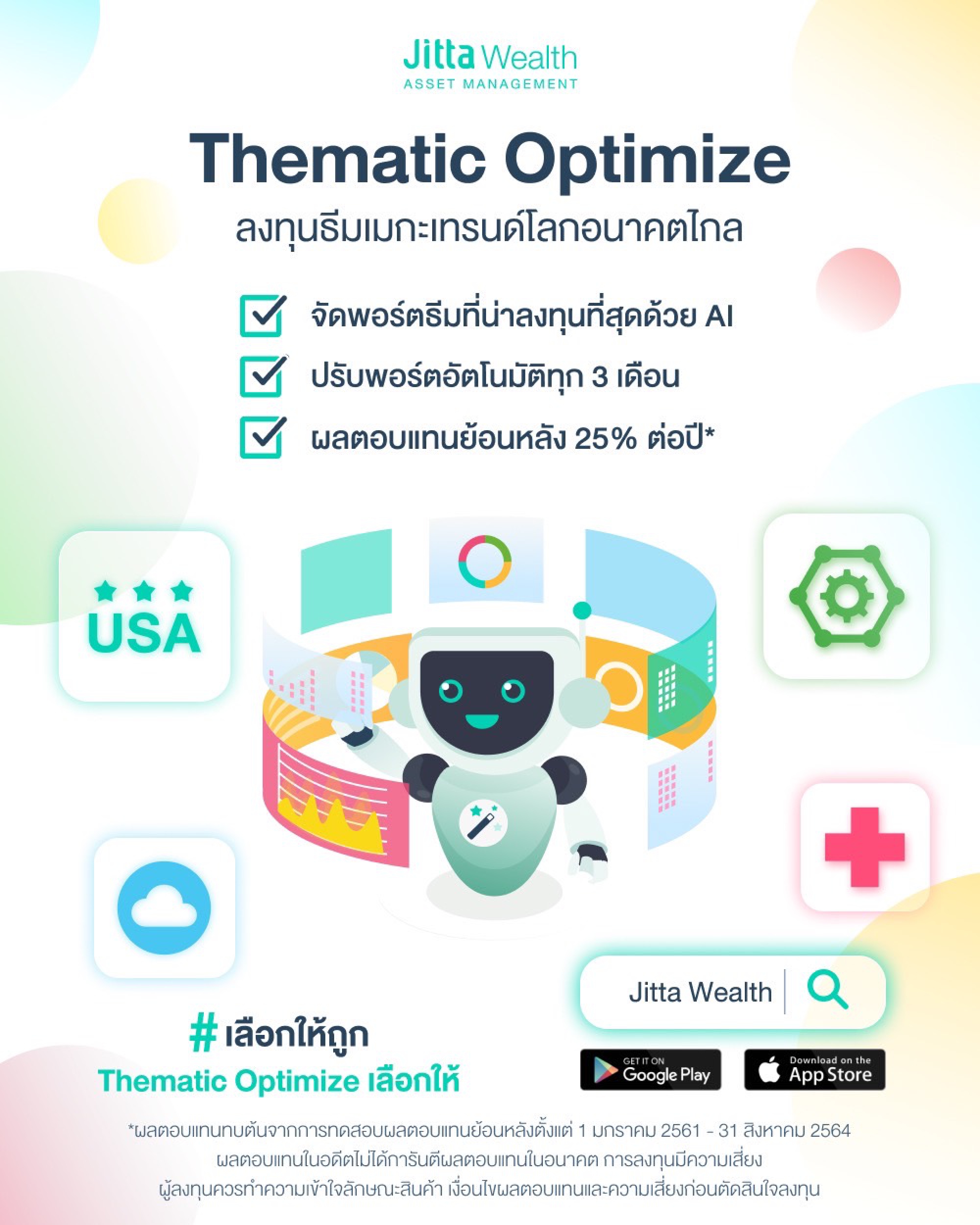
Thailand’s first official WealthTech startup, Jitta Wealth Asset Management (Jitta Wealth), is now offering the “Thematic Optimize” fund, which uses artificial intelligence (AI) to manage investment portfolios.
Thailand’s first official WealthTech startup, Jitta Wealth Asset Management (Jitta Wealth), is now offering the “Thematic Optimize” fund, which uses artificial intelligence (AI) to manage investment portfolios.
Trawut Luangsomboon, Jitta Wealth’s chief executive officer, said thematic investment was popular among investors worldwide.
Thematic investors normally invest based on global megatrends, like fintech, cloud computing, AI and robotics, games and sports or clean energy. They also invest via exchange-traded funds (ETF) to spread their money across stocks related to each trend in the market.
In response to the popularity of thematic investing, Jitta Wealth launched a thematic private fund in 2020, which allowed investors to design their portfolio and theme of investment on their own.
Jitta Wealth launches new fund to optimize earnings on thematic investments
ADVERTISEMENT
In 2021, Jitta Wealth launched the Thematic Optimize private fund, which uses AI to analyze the growth of each megatrend in the market, covering more than 2,500 stocks.
Thematic Optimize can analyze returns and risks for each investment. Plus, the AI service can choose the four most interesting themes of the time and adjust investors’ portfolios automatically.
With the Thematic Optimize portfolio management technology, investors in Thailand will not miss out on global opportunities that will grow in the future and produce high returns.
“The fee for this service is only 0.5 per cent per year,” Trawut said, adding that “Jitta Wealth is committed to developing investment technology”.
Samitivej Hospital has partnered with Japan’s Sano Hospital, which is recognised for its expertise in the removal of large polyps in the colon at an early stage using gastrointestinal endoscopy techniques.
Diseases are affecting humans more than expected, and one of them is cancer, especially colon cancer which was ranked the third most common disease found among Thais. This disease poses a high risk of death because most patients acknowledge it when it’s too late.
The good news is that the death rate has declined thanks to modern technologies that help doctors detect and treat patients effectively.
What causes colon cancer?
Colon cancer is caused by a polyp generated from an abnormality in the colon and rectum. This polyp may not affect patients initially but may turn cancerous if left untreated and spread to other parts of the body.
Factors that cause colon cancer
• Age 45 years or above
• Excessive drinking, smoking, not drinking enough water, preferring to consume meat instead of fruits and vegetables, not exercising enough
Symptoms
• Chronic stomachache, especially in the lower abdomen
• Alternating between constipation and diarrhea
• Chronic diarrhea
• Black or blackish-red stools
• Reduction in stool size
• Feeling of incomplete defecation or pain in the anus
• Fatigue due to anaemia and iron deficiency
• Unexpected weight loss
Paying attention to your body and symptoms can help keep cancer at bay
ADVERTISEMENT
The risk of developing colon cancer can be reduced by screening for the polyp before it turns into a cancer cell. Apart from reducing the risk of death, it also enables doctors to treat patients effectively. The severity of disease can be classified as follows:
High-risk group
• Aged 45 and above
• Have inflammatory bowel disease
ADVERTISEMENT
• A family history of inflammatory bowel disease or diagnosed with polyp (considered a risk due to genetic disorder)
Moderate-risk group
• Aged 45 and above
• No symptoms
• Inappropriate behaviour such as excessive drinking, smoking, drinking less water, preferring meat over fruits and vegetables, skipping exercise
ADVERTISEMENT
Screening for colon cancer
Those in the high-risk group can go for the endoscopy method as it can detect and remove small polyps immediately. A study found that 90 per cent of colon cancer start as a polyp and can take five to 10 years before turning into a cancer cell.
Those in the moderate-risk group can opt for different screening methods, such as faecal immunochemical test, barium enema, CT scan or colonoscopy.
High-tech screening methods
Samitivej Hospital has partnered with Japan’s Sano Hospital, which is recognised for its expertise in the removal of large polyps in the colon at an early stage using gastrointestinal endoscopy techniques.
The medical team of Samitivej Hospital travelled to Japan to learn about the technique and hone their laparoscopic and surgical skills. Since 2015, doctors from Japan have been coming to Samitivej every year to share their knowledge and conduct case studies.
The Narrow Band Image (NBI) technique directs radiation to the intestinal wall where substances are absorbed, to see the image of the blood vessels on the surface of the gastrointestinal mucosa clearly. With this technique, the appearance of the epithelium is changed. The NBI technique also allows the detection of flat polyps that resemble the surface of the intestines.
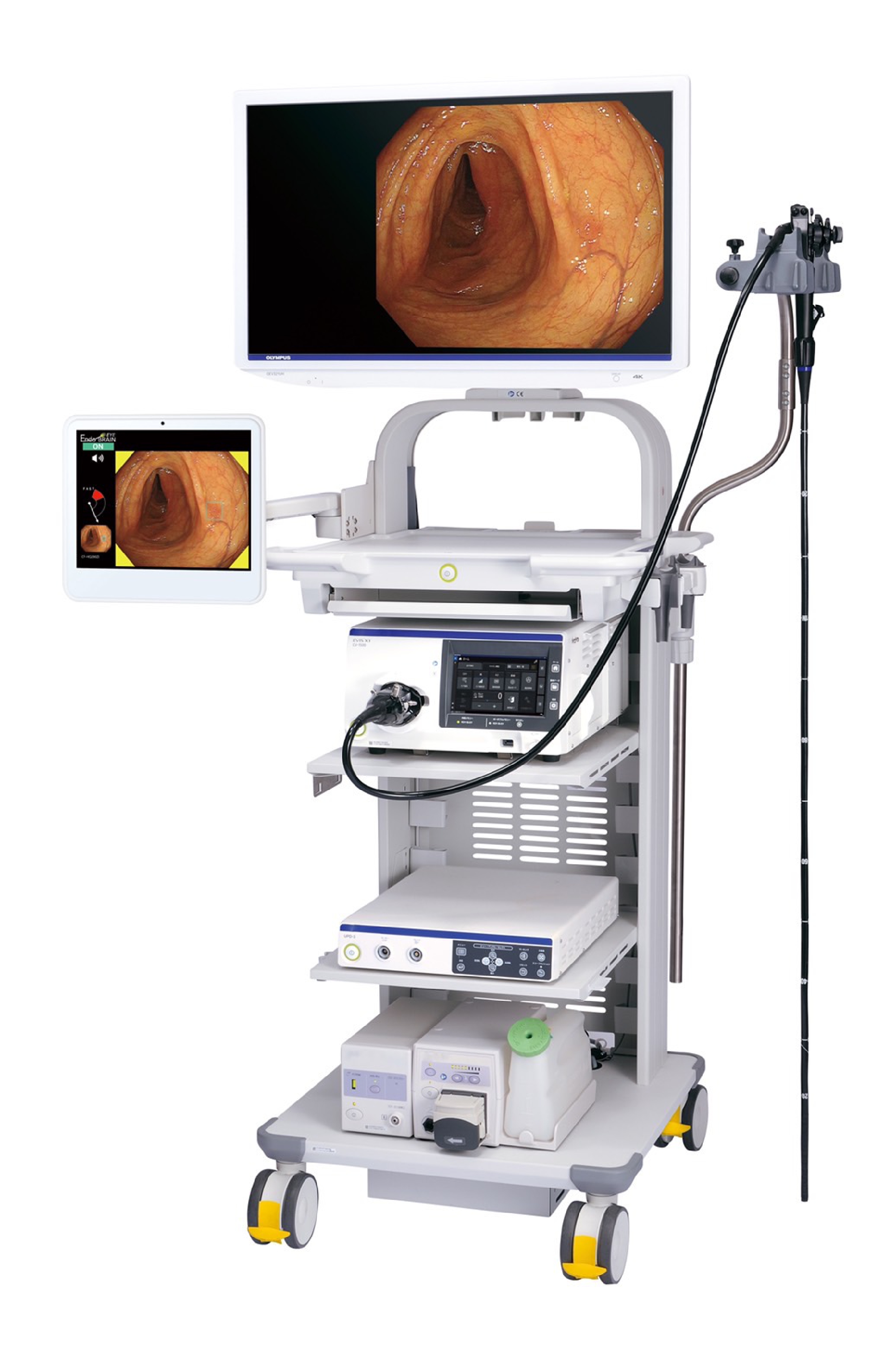
Samitivej Hospital has applied the NBI technique together with AI-assisted colonoscopy technology, which helps improve the quality of lesions detection in gastrointestinal endoscopy. This technique, called ENDOBRAIN, makes the polyp 1.5 times more visible than conventional techniques.
The ENDOBRAIN technique is a real-time endoscopic capture, which enhances the visibility of small polyps or polyps that are difficult to spot. Once the polyps are spotted, doctors can cut them off immediately, which helps patients avoid pain and unnecessary surgery.
Colon cancer treatment
• Surgery can be performed at any stage of the disease. The doctor may consider surgery along with radiation and chemotherapy.
• Chemotherapy can be administered orally or via intravenous or intramuscular injections, so the drug can be absorbed into the bloodstream and inhibit the proliferation or destruction of cancer cells. It can be used before or after surgery in combination with radiation. Chemotherapy can have side effects on normal cells and the functioning of other organs in the body, resulting in nausea, vomiting, loss of appetite, and hair loss.
• Radiation with high energy waves can destroy or inhibit the growth of cancer cells and reduce the recurrence of the disease. This can be done in conjunction with chemotherapy to make the treatment more effective.
• Targeted therapy can be used for targeted treatment that kills cancer cells without damaging neighbouring cells, so there are few side effects. Most often it is used in conjunction with chemotherapy. It was found that this therapy can prolong the patient’s life span.
• Immunotherapy drugs stimulate the patient’s immune system to detect and kill cancer cells better, which increase the chance to live longer. It is most often used in groups with diffuse cancer and requires a thorough biopsy for effective results.
Care after treatment
Though colon cancer can be cured, there is a chance that it can return. Therefore, periodic monitoring of the disease is necessary. During the first two years, the doctor may schedule follow-up visits every two months, with colonoscopy every six months and abdominal X-rays every three to six months. If the cancer is not detected the doctor may switch to an annual cancer screening appointment within three years.
Which in addition to attending the screening, patients should also reduce risk factors, such as limiting the intake of red meat and high-fat foods and boosting the consumption of vegetables, fruits and fibre-rich foods to normalise excretion. Regular exercise and getting enough sleep are also required, including an annual health check-up.
Thai Beverage (ThaiBev) said it has remained strong despite the Covid-19 crisis and aims to become a leader in Southeast Asia’s food and beverage sector by 2025.
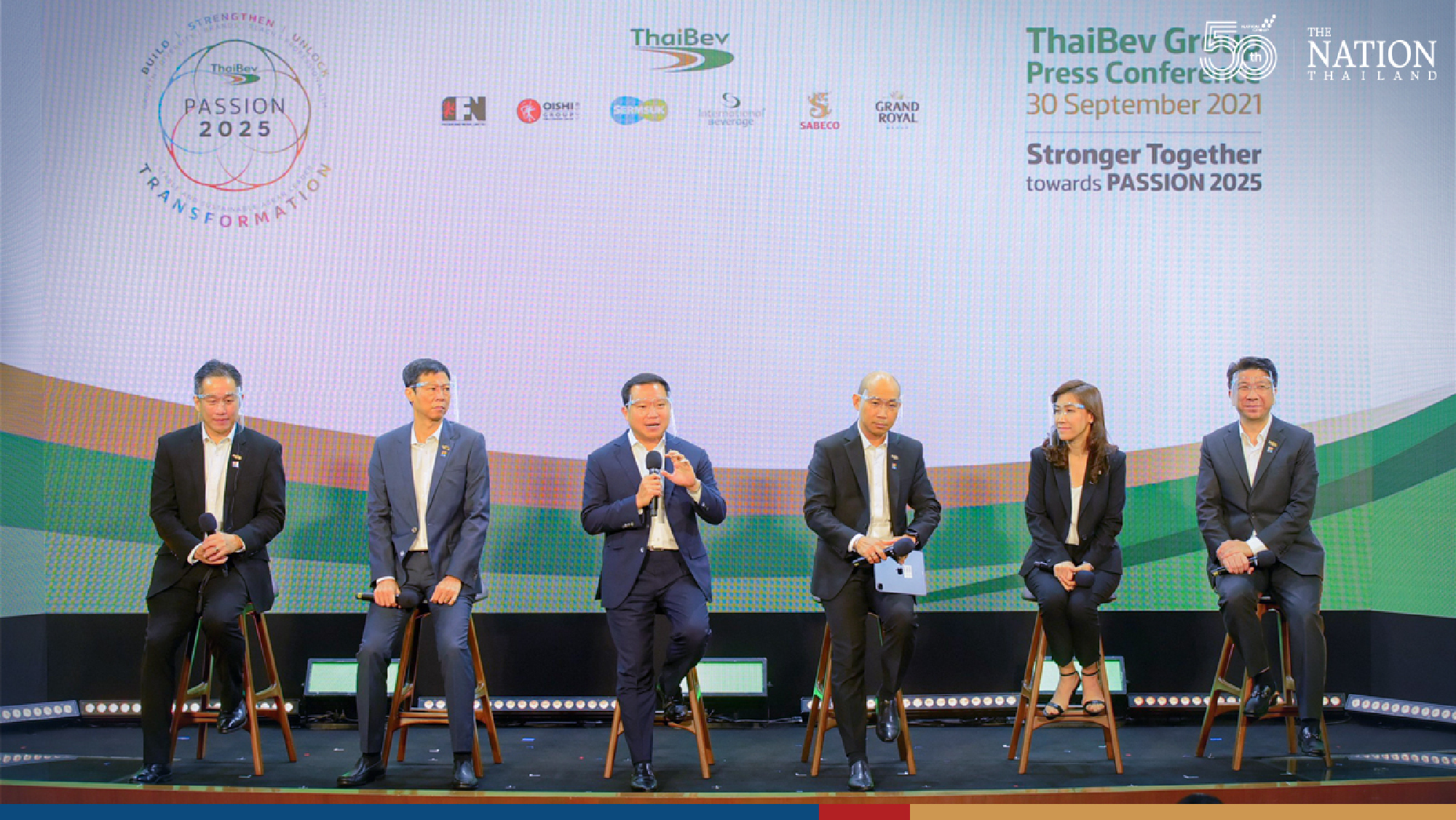
Thapana Sirivadhanabhakdi, ThaiBev chief executive officer, told the press this week that his company went from strength to strength during the pandemic, even though many of its peers in the industry were affected.
“ThaiBev has been growing despite the obstruction of the government’s Covid-19 preventive measures like lockdowns, which forced our sales channels to remain closed. Despite this, our earnings before interest, tax, depreciation and amortisation for this year have risen by 11.5 per cent against last year. ThaiBev is still the largest food and beverage company in Asean and among the biggest in Asia in terms of earnings and market value,” he said.
ADVERTISEMENT
He added that ThaiBev has adjusted its strategies in line with the current situation to ensure it remains sustainable and a market leader in Asean.
ThaiBev still strong despite Covid-19 crisis, says CEO
Thapana said the company has set up a special “Covid-19 situation room” to monitor the pandemic in Thailand as well as study the demand for ThaiBev products during this time. The situation room also keeps track of ThaiBev’s staff and their welfare.
The company has so far donated more than 1.4 million litres of alcohol-based sanitiser, 9.3 million surgical masks and 274,000 Covid-19 insurance policies to medical personnel nationwide, he said.
The Stock Exchange of Thailand (SET) Index closed at 1,605.17 on Friday, down 0.51 points or 0.03 per cent. Transactions totalled 75.66 billion baht with an index high of 1,609.48 and a low of 1,593.32.
The index fell for the second day running after dropping by 0.70 per cent on Thursday.
In the morning session, Krungsri Securities predicted the day’s index would fall to between 1,600 and 1,590 points due to uncertainty over the US Federal Reserve signalling it would taper its quantitative easing and raise the interest rate sooner than expected, plus the conflict in US Congress debt ceiling and corporate income tax hike.
ADVERTISEMENT
However, the rising oil price and mass buy-up of stocks enjoying specific positive sentiment would help boost the index, Krungsri Securities said.
The 10 stocks with the highest trade value today were BANPU, GULF, KBANK, SCB, GUNKUL, RCL, PTT, SCGP, BBL and TRUE.
Japan’s Nikkei Index closed at 28,771.07, down 681.59 points or 2.31 per cent. South Korea’s KOSPI Index closed at 3,019.18, down 49.64 points or 1.62 per cent. Taiwan’s TAIEX Index closed at 16,570.89, down 363.88 points or 2.15 per cent.
China and Hong Kong Indices were closed for National Day.




 Central Pattana’ reveals a new business model with a focus on the business ecosystem of shopping centers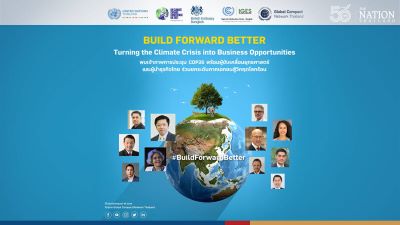
 Leading businesses in Thailand join Global Compact-United Nations push for climate action
 Leading businesses in Thailand join Global Compact-United Nations push for climate action
 Leading businesses in Thailand join Global Compact-United Nations push for climate action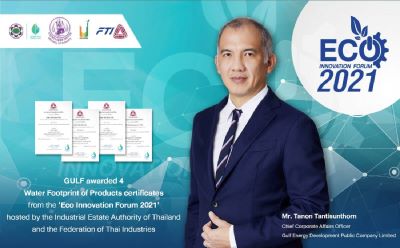
 GULF awarded 4 ‘Water Footprint of Products’ certificates from Eco Innovation Forum 2021
 Carabao Tawandang honoured for Chachoengsao Labour Management Excellence Award 2021
 Jitta Wealth launches new fund to optimize earnings on thematic investments
 Paying attention to your body and symptoms can help keep cancer at bay
 ThaiBev still strong despite Covid-19 crisis, says CEO
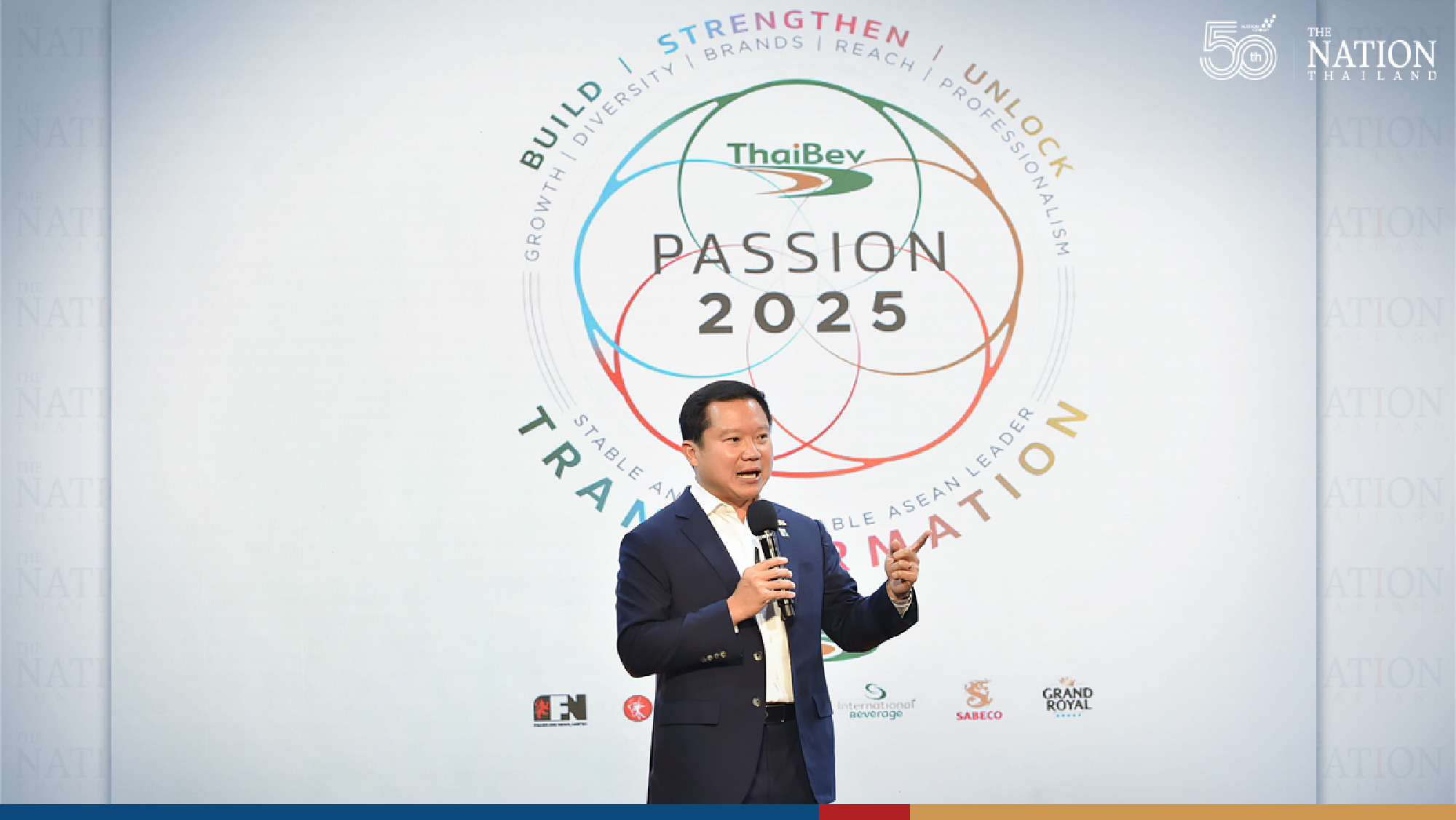 Thapana Sirivadhanabhakdi, ThaiBev chief executive officer

