Sustainable investment in focus at KBank Private Banking as execs plays down impact from Covid-19 #ศาสตร์เกษตรดินปุ๋ย

#ศาสตร์เกษตรดินปุ๋ย : ขอบคุณแหล่งข้อมูล : หนังสือพิมพ์ The Nation

https://www.nationthailand.com/business/30382916?utm_source=category&utm_medium=internal_referral

Sustainable investment in focus at KBank Private Banking as execs plays down impact from Covid-19
Feb 27. 2020
By The Nation

KBank Private Banking is committed to sustainable investment by focusing on clean environment, wealth sharing and new S-curve businesses, say its executives who claim that funds under its management are less impacted by market volatility amid the coronavirus outbreak.

Regarding the global sell-off of equities due to growing fear of the coronavirus epidemic, the bank’s executives said today (February 26) that investors should diversify to safe-haven assets, such as gold as an alternative to the highly volatile stock markets. Currently, fund managers have increased their investment in bond holding, up to 80 per cent of their portfolio, leaving just 20 per cent in stocks , they said. They also have cash in hand for new investment when opportunities rise. K-CCTV, a mutual fund which invests in China’s stocks has cash more than 10 per cent of its portfolio amid a market downturn there.

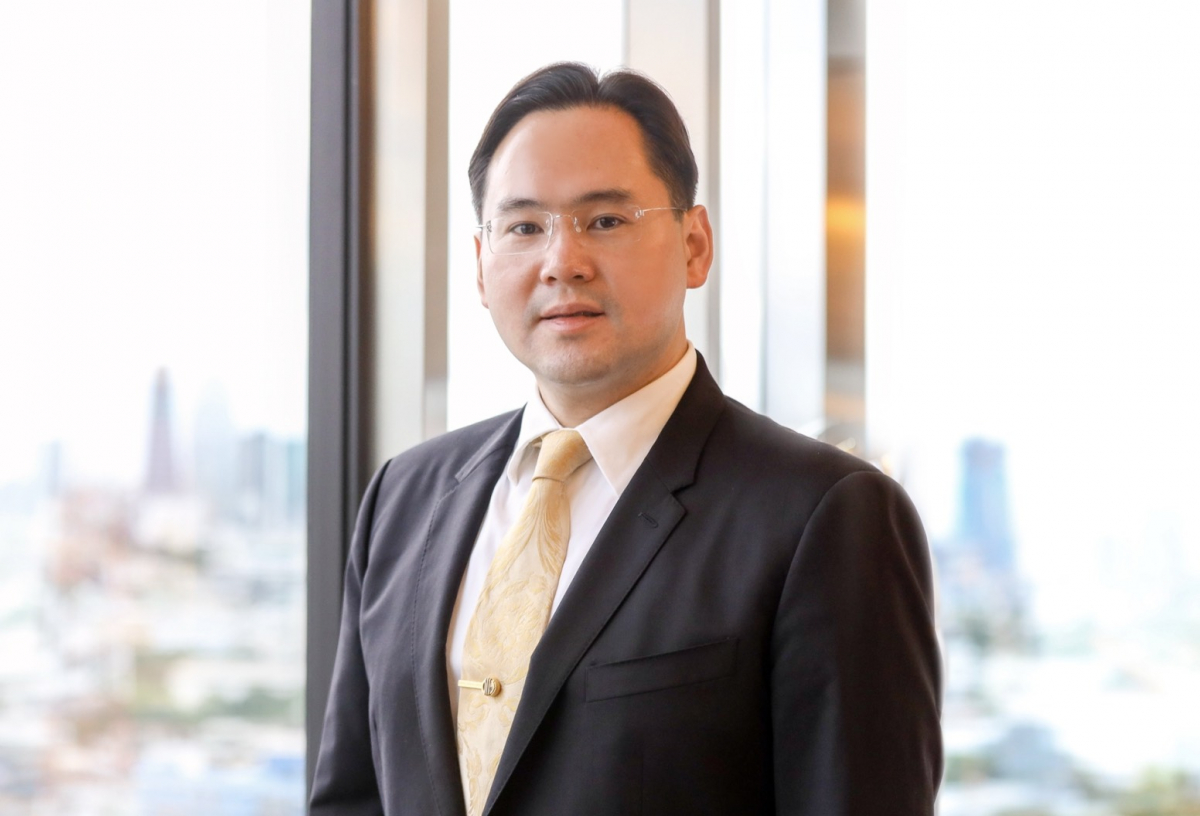
Jirawat Supornpaibul, head of Private Banking Group at Kasikornbank,

Jirawat Supornpaibul, head of Private Banking Group at Kasikornbank,

Jirawat Supornpaibul, head of Private Banking Group at Kasikornbank, said given the current technological disruption and economic volatility, investment strategies that mainly focus only on returns and traditional business models can no longer secure long-term growth. The bank aspires to open up a new chapter of comprehensive wealth management in Thailand to build a strong foundation for the next generation who is taking a more active role in shaping the course of society, he said. Kbank Private Banking has Bt750 billion in assets under its management.

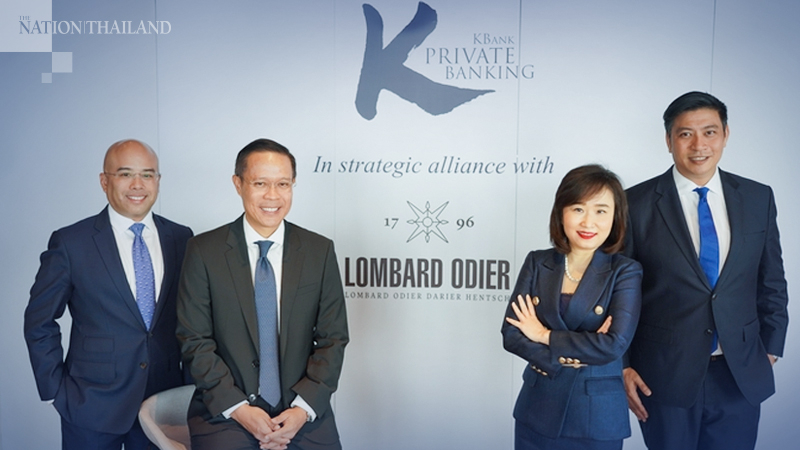
By working closely with its strategic partner, Lombard Odier, KBank Private Banking is implementing the ‘3S’ strategies: 1) Sustainable investment approach, 2) New dimension of wealth sharing, 3) S-Curve re-innovation

Funds have been allocated to invest in clean energy, such as wind farms in Europe in light of global climate change, while wealth sharing aims to reduce the widening gap of the rich and the poor in order to maintain social harmony, he said. The bank has held talks with two charity foundations with Bt10 billion in funding each to help them manage their finance efficiently for social benefits.

Siriporn Suwannagarn, head of Private Banking Financial Advisory

Siriporn Suwannagarn, head of Private Banking Financial Advisory

Sustainable investment approach

Siriporn Suwannagarn, head of Private Banking Financial Advisory said, “Global investment communities are putting more emphasis on supporting businesses with a strong commitment to sustainability. Sustainability is more important than IT revolution because it will sustain our lives”.

These companies are considered not only significantly contributing to the environment and the society, but they also have the potential for long-term growth, which will eventually drive their valuation to be higher than other businesses. In 2020, KBank Private Banking is embedding sustainability into every investment advisory given to customers to reduce risks and create stable growth. Additionally, we will be introducing investment strategies on impact investing and a series of sustainability funds throughout the year.

“In 2019, we have introduced the mutual fund K-HIT to allow customers to invest in mega-trend-themed businesses, such as Next Generation Energy, Clean Water and Land, and Health Tech. This thematic fund is among the highest-performing fund during the lackluster market situation. Early this year, when the global stock market suffered a serious blow from the COVID-19 outbreak, K-HIT still performed well with as high as 9.08 per cent returns as of February 24” said Siriporn. “Our risk-based asset allocation has worked  for us well”.

The return on investment for KBank Private Banking customers was 14 per cent last year. However, due to global equity sell-off , the return stood at 0.5 per cent as of February 25 this year. “We have succeeded in maintaining positive returns while other fund managers may have slided into negative territory , “ said Siriporn.

Triphon Phumiwasana, head of Private Banking Business Head

Triphon Phumiwasana, head of Private Banking Business Head

New dimension of wealth sharing.

Triphon Phumiwasana, head of Private Banking Business Head, said : “The high-risk investment landscape not only affects business operations, but it also has a far-reaching consequence to charitable activities. In Thailand, many philanthropic organisations that own hundreds of billions in assets still primarily employ a low-risk approach to asset management, which can no longer regularly generate substantial returns in the current financial climate and, therefore, robs them of an opportunity to make a difference to the society in their full potential.

“Looking to create direct social impact, KBank Private Banking will move forward this year to open up a new dimension of asset allocation for philanthropy. We aim to unlock the potential of Thai foundations by providing effective risk and financial management services, collaborating with Lombard Odier in offering advisory in fund management, fundraising and governance structure, and hosting seminars with global funds to share international best practices in philanthropic investment with local charitable bodies,” said Triphon. Charity funds in Thailand are estimated to be worth Bt 500 billion. If it could generate annual return of 2 per cent, there would be an extra Bt10 billion injecting into the economy, he added.

Nont Buranasiri, head of Private Banking Family Wealth Management

Nont Buranasiri, head of Private Banking Family Wealth Management

S-Curve reinnovation

Nont Buranasiri, head of Private Banking Family Wealth Management said: ” Technological disruption is one of the top worries of our high-net-worth clients, who are owners of large corporations looking for innovative business models. KBank Private Banking aims to be a connector between the world’s rising innovator companies that need investment and our customers who are seeking opportunities to build a new S-Curve for their businesses.”

“Previously, we hosted a series of events to share with our customers know-hows on new business models, such as KPB Academy. We also connected our customers with global disruptor networks. In 2020, we will be providing our advisory service in investment into these innovative companies such as Google, in the hope of playing our role in stimulating the next generation jobs and the country’s economic development,” added Non

IVL enjoys 18% growth in 2019, dividend on the way #ศาสตร์เกษตรดินปุ๋ย

#ศาสตร์เกษตรดินปุ๋ย : ขอบคุณแหล่งข้อมูล : หนังสือพิมพ์ The Nation

https://www.nationthailand.com/business/30382909?utm_source=category&utm_medium=internal_referral

IVL enjoys 18% growth in 2019, dividend on the way

Feb 26. 2020
Group chief executive ‬Aloke‭ ‬Lohia

Group chief executive ‬Aloke‭ ‬Lohia
By THE.NATION

Indorama Ventures Public Company Limited (IVL), a global chemical producer, on Wednesday (February 26) reported an 18-per-cent jump in ‬registered‭ ‬volume‭‬‭ ‬growth in 2019, driven mainly‭ ‬by‭ ‬ ‭ ‬inorganic expansion. Industry-wide spreads declined to historic lows in 2019, leading to a 20-per-cent reduction in IVL’s core EBITDA.

Operating cash flow through this period increased by 33 per cent, to US$1.3 billion, as a result of lower prices and operational excellence.

IVL has proposed a dividend of Bt1.225 per share for 2019.

IVL concurrently undertook several transformative initiatives that were announced on February 4 at its Capital Market Day and are expected to generate benefits starting in 2020 and targeted to lead to $350 million in run-rate cost savings by 2023.

These initiatives and the strategic acquisition of the Huntsman Integrated Ethylene and Propylene Oxide assets (codenamed Spindletop), footprint expansion into a growing market in India, formation‭ ‬ ‭of‭ ‬a ‬dedicated‭ ‬team‭ ‬to ‬grow ‬the PET‭ recycling‭ ‬business, continued‭ focus‭ on‭ ‬working‭-‬capital optimisation coupled with an increased emphasis on leadership development are the key strategic priorities for the group.

“IVL‭ ‬now has‭ ‬three strong growth engines to‬ generate continued returns for its stakeholders,” said ‬Group chief executive ‬Aloke‭ ‬Lohia.

“The first is the ‭combined PET‬ segment, which includes its key feedstocks and recycling business, the integrated oxides and derivatives‬ segment, which includes the recent acquisition of the Spindletop assets, the completed IVOL gas cracker in Louisiana, and the fibres‬ segment, which serves mobility, hygiene and lifestyle verticals.

“Our ‬global reach, ‬with around ‬80 per cent of capital ‭ ‬invested in Europe and‭ the Americas, makes our business‭ resilient to events happening in any particular country or region. On the other hand, our end-product strategy of serving the packaging, hygiene and safety needs of society, leads to our growth in excess of GDP growth.

“Going forward, we will reinforce our strengths via five strategic priorities – cost transformation, asset full potential, adjacency growth, recycling leadership and leadership development.”

Dtac takes possession of 26 GHz 5G licences #ศาสตร์เกษตรดินปุ๋ย

#ศาสตร์เกษตรดินปุ๋ย : ขอบคุณแหล่งข้อมูล : หนังสือพิมพ์ The Nation

https://www.nationthailand.com/business/30382884?utm_source=category&utm_medium=internal_referral

Dtac takes possession of 26GHz 5G licences

Feb 26. 2020
By THE NATION

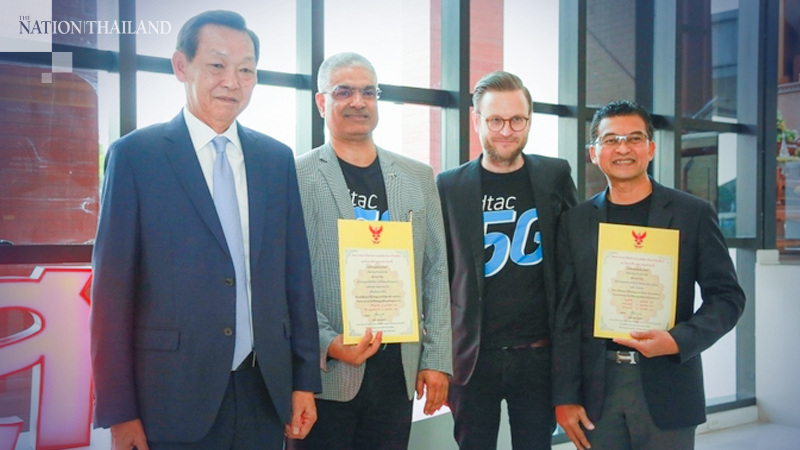
Total Access Communication (Dtac) subsidiary Dtac Trinet picked up its 26GHz 5G licences from the National Broadcasting and Telecommunication Commission on Wednesday (February 26).

Dtac acquired two licences in the band in the February 16 auction and has committed to launching 2600MHz 5G in selected locations in the second quarter of the year.

Deployment of the 5G network on its 700MHz band is planned for the second half of 2020.

CK Power shows strong profit growth in 2019 #ศาสตร์เกษตรดินปุ๋ย

#ศาสตร์เกษตรดินปุ๋ย : ขอบคุณแหล่งข้อมูล : หนังสือพิมพ์ The Nation

https://www.nationthailand.com/business/30382882?utm_source=category&utm_medium=internal_referral

CK Power shows strong profit growth in 2019

Feb 26. 2020
By The Nation

CK Power Pcl (CKP) saw a 28-per-cent surge in operating profits year on year in 2019.

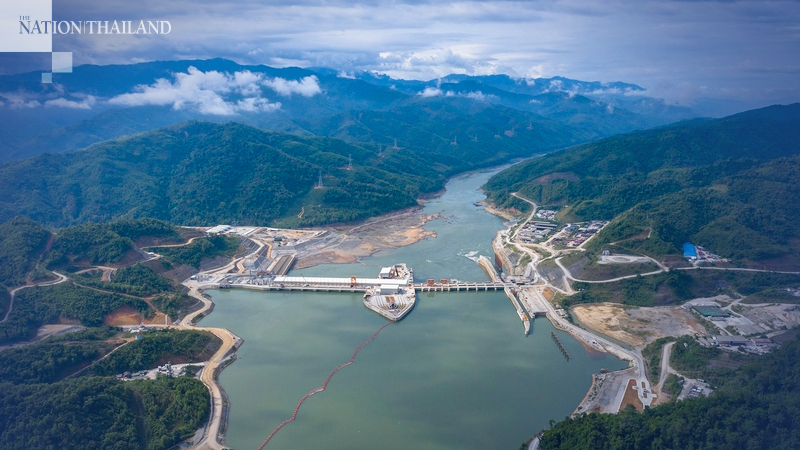
The company achieved Bt8.84 billion in revenue, generating profits of Bt769 million, after recognising the profit sharing from Xayaburi Hydroelectric Power Plant.

Thanawat Trivisvavet, the company’s managing director.

Thanawat Trivisvavet, the company’s managing director.

Thanawat Trivisvavet, the company’s managing director, said in 2019 there was interest income from the Nabong Substation lease which had been completed since the end of 2018 together with the recognition of profit-sharing from investment in Xayaburi Hydroelectric Power Plant that had started commercial operation of electricity generation to Egat since October 29, 2019.

CKP has approved dividend at Bt0.03 per share, which will be paid to shareholders on May 27.

Thanawat said last year, CKP had opened five new rooftop solar power plants — Phachi Solar Power Plant, in Phra Nakhon Si Ayutthaya province with installed capacity of 0.89 megawatts; Bang Len Solar Power Plant in Nakhon Pathom province with installed capacity of 0.97MW; Phutthamonthon 5 Solar Power Plant, in Nakhon Pathom with installed capacity of 0.97MW; Mahachai Solar Power Plant in Samut Sakhon province with installed capacity of 0.72MW and another solar power plant in Krathum Baen, Samut Sakhon province with installed capacity of 0.52MW. The company also increased the proportion of shareholding in SouthEast Asia Energy Co Ltd by 5.33 per cent with investment value of Bt681.5 million, resulting in the increase of indirect shareholding in Nam Ngum 2 Hydroelectric Power Plant from 42 to 46 per cent.

Thanawat added that in 2020, CKP expects to have better operating results due to the operation of Xayaburi Hydroelectric Power Plant at full capacity throughout the year.

Meanwhile, CKPower is still looking for opportunities to expand its investment in the generation and distribution of clean and environmentally friendly power in Thailand, Lao PDR and other countries, he added.

FAA wants detailed inspections, fixes of engine panels on Boeing 737 Max #ศาสตร์เกษตรดินปุ๋ย

#ศาสตร์เกษตรดินปุ๋ย : ขอบคุณแหล่งข้อมูล : หนังสือพิมพ์ The Nation

https://www.nationthailand.com/business/30382863?utm_source=category&utm_medium=internal_referral

FAA wants detailed inspections, fixes of engine panels on Boeing 737 Max

Feb 26. 2020
File Photo of Boeing 737 Max/Getty Images

File Photo of Boeing 737 Max/Getty Images
By The Washington Post · Lori Aratani · NATIONAL, BUSINESS, TRANSPORTATION

A new airworthiness directive set to be published this week by the Federal Aviation Administration will require enhanced inspections and fixes to portions of an outside panel that helps protect the engines on Boeing’s 737 Max from lightning strikes.

The company first identified the issue in December and said it involved composite panels that sit atop the engine housing on planes that were manufactured between February 2018 and June 2019.

In the airworthiness directive, the FAA said that the panels may not have the quality of “electrical bonding” needed to shield the underlying wiring from lightning strikes or high intensity radiated fields. As a result, the planes’ engines could lose power in the event of a lightning strike.

“The FAA is proposing this AD because the agency evaluated all the relevant information and determined the unsafe condition described previously is likely to exist or develop in other products of the same type design,” the document stated. That is part of the reason that the agency said it was expanding its directive to include inspection of all Max jets, not just those built in the time period specified by Boeing.

News of the issues with the composite panels was first reported by the Wall Street Journal.

The Max has been grounded since March, following two deadly crashes that killed a total of 346 people.

This latest issue raises more questions about quality control at Boeing’s Renton, Washington, plant where the 737 Max is built. Last week, the company reported that it has found debris in the gas tanks of some of the several hundred 737 Max jets that have been built, but not yet delivered to customers. The company said it is dealing with the problem.

In December, a manager at the plant told a congressional panel that pressure to increase production of the 737 Max had created a “factory in chaos.” Edward Pierson said he repeatedly voiced concerns about production problems but was ignored. Boeing said it looked into the manager’s concerns but they did not think the issues he raised were related to the crashes.

The FAA estimated that the airworthiness directive would affect 128 of Boeing’s 737 Max jets.

Boeing said it would provide operators with the necessary parts and that the costs of the inspection and fixes will be covered under warranty. The company said it does not expect the issue to impact its mid-2020 timeline for returning the 737 Max to service.

The enhanced inspections of the composite panels add to several steps that Boeing must take to win approval from the FAA for the troubled jetliner to resume service. Boeing has been working on software fixes to an automated system, known as MCAS, which has been implicated in both crashes. It must also design new training for pilots who will fly the Max when it returns to service.

BP to pull out of trade groups over climate policies #ศาสตร์เกษตรดินปุ๋ย

#ศาสตร์เกษตรดินปุ๋ย : ขอบคุณแหล่งข้อมูล : หนังสือพิมพ์ The Nation

https://www.nationthailand.com/business/30382857?utm_source=category&utm_medium=internal_referral

BP to pull out of trade groups over climate policies

Feb 26. 2020
By The Washington Post · Steven Mufson · NATIONAL, BUSINESS, WORLD, SCIENCE-ENVIRONMENT

 BP is expected to withdraw from at least two trade groups over climate policies, a move that comes after the company vowed to reach net-zero carbon emissions by 2050.

The oil giant is pulling out of the American Fuel and Petrochemical Manufacturers and the Western States Petroleum Association, said several industry members who spoke on the condition of anonymity pending the formal announcement. BP might also pull out of a third association.

But BP is expected to remain in the American Petroleum Institute despite the API’s tough positions on climate change over the years.

On Feb. 12, BP chief executive Bernard Looney said the company would slash its own greenhouse gas emissions to net zero by 2050. He also said BP would seek to alter the positions of some trade associations to which it belongs. If that fails, he said, the company would withdraw from those groups.

In the past, BP has worked closely with the two trade groups. It has had a position on the AFPM executive committee for the past three years. And as a member of the WSPA, it poured about $13 million into the oil industry’s more than $31 million campaign in 2018 to defeat a state carbon tax, or “fee,” that was championed by Washington Gov. Jay Inslee, a Democrat. BP said that it supported carbon taxes but said the one in Washington state was badly flawed because of certain exceptions.

This month, by contrast, the company has supported Washington legislation that would give the state the authority to adopt measures to reduce greenhouse gas emissions. This followed a state supreme court decision that said the state lacked such authority.

BP is not the only oil giant to leave a trade association. Last April, Shell pulled out of the AFPM, saying it was at odds with the refining and petrochemical group on the Paris climate agreement, carbon pricing, fuel mandates and the reduction of methane emissions.

But some industry members are critical of BP for remaining a member of API while quitting less-prominent trade groups. “All of this strikes me as a cheap publicity stunt masquerading as news,” said Stephen H. Brown of RBJ Strategies, an energy consultancy.

U.S. companies so far are surviving China’s factory shutdown. But the next few weeks are crucial. #ศาสตร์เกษตรดินปุ๋ย

#ศาสตร์เกษตรดินปุ๋ย : ขอบคุณแหล่งข้อมูล : หนังสือพิมพ์ The Nation

https://www.nationthailand.com/business/30382823?utm_source=category&utm_medium=internal_referral

U.S. companies so far are surviving China’s factory shutdown. But the next few weeks are crucial.

Feb 25. 2020
By The Washington Post · Jeanne Whalen, Abha Bhattarai · BUSINESS, US-GLOBAL-MARKETS

U.S. entrepreneur James Mault is hanging his hopes on March 1. That’s the day his Chinese manufacturing partner is supposed to reopen and start churning out medical devices after shutting down over the coronavirus.

The engineers are already back to work at the facility in southern China, which makes medical equipment for several Western companies. Hundreds of assembly-line workers are supposed to return on Sunday, Mault said.

“We’re about a month to six weeks delayed in receiving product,” Mault, the founder of Denver-based BioIntelliSense, said, calling that a bearable situation. “But it certainly will impact us dramatically if it goes beyond that.”

The next few weeks will be crunchtime for U.S. companies awaiting products from stalled Chinese factories. If their suppliers spring back to life soon, many companies say they should be able to manage without disastrous disruption. But the uncertainty is keeping managers up at night.

The variables go beyond the number of employees allowed to return to work after weeks of quarantine. Factories will need enough raw materials to restore production, and enough protective masks to keep workers safely in place for the foreseeable future. They’ll also need Chinese truckers and functioning ports to ensure that goods can make it to market.

Unease over the timeline caused stocks to plunge Monday, with major U.S. indexes falling by more than 3 percent. The virus’s continued spread outside China, to countries including Italy and South Korea, has compounded fears over the impact on the global economy.

For many U.S. companies, the coronavirus has exacerbated troubles they were already having manufacturing in China, after the Trump administration last year levied large import tariffs on Chinese-made goods.

The virus is also hitting multinational companies that sell their goods inside China, where mass quarantines have stalled one of the world’s biggest markets. Deere last week said its sales of road-building equipment have softened over the past month as construction has halted in China, which usually makes up 10 to 15 percent of sales.

Fast-food chains and other retailers, including Starbucks, Domino’s Pizza and Lululemon, have closed stores in China or postponed new-store openings. American Axle & Manufacturing, an auto parts maker based in Detroit, said it expects about $25 million in lost sales during February and early March as car manufacturing slumps in China. Tesla, which recently opened a Shanghai factory to build its Model 3 for Chinese customers, said in January that it expected the virus to “slightly impact” profitability.

Even businesses operating far from China expect some distress, though the magnitude is still unclear. “You can’t shut the factories that produce the goods that go on the ships that come to the trains that feed North American appetite for goods down and not have some kind of impact,” Keith Creel, chief executive of Canadian Pacific Railway, told a gathering of investors last week, according to a transcript.

Some nimble U.S. companies have shifted manufacturing out of China to escape the coronavirus shutdown. Azazie, an online bridal retailer headquartered in San Jose normally makes its dresses at 50 factories across China but has moved some of its production to Cambodia and Vietnam in recent weeks.

“I’m going to be honest: It is impacting us,” said Ranu Coleman, Azazie’s head of marketing. “So much of the wedding market requires skillful handwork, and it’s really hard to find that outside of China.” Some Chinese workers have continued to pitch in despite factory closures by doing handwork and beading from home, she said.

But many multinational companies are deeply entrenched in Chinese manufacturing, making their production difficult to move. Apple last week warned that it expects to fall short of revenue goals in the current quarter because of stalled iPhone production in China and lower demand from Chinese consumers.

Mault, the founder of BioIntelliSense, said the start-up considered moving production of its medical devices to another location in Asia, Mexico or the United States. “But the time it would take us to relocate the tools and get a manufacturing line stood up right now, we’re still looking at a much more reliable scenario” to stay put in China, he said.

The company had been planning to start shipping its new product – a battery-powered sensor that monitors patients’ vital signs – to hospitals by the end of March but is now aiming for April or May.

MGA Entertainment, the company behind Bratz and L.O.L. Surprise! dolls, said some of its factories in China are beginning to open but they’re having trouble getting raw materials, from resin and cardboard to steel and doll hair.

The company’s factory in Hudson, Ohio, is running overtime to churn out Little Tikes toys, but chief executive Isaac Larian said the facility only has enough Chinese-supplied raw materials – including wheel axles for toy cars and electronics for play kitchens – to last another month. The company is trying to find U.S. sources for some materials, including steel and resin, he said.

“Every day is crucial and, really, the next two weeks are going to show whether we can turn things around or not this year,” Larian said. “The timing couldn’t be worse. In 41 years in the toy business, this is the worst disaster I’ve seen.”

The hardest-hit manufacturers are in the heart of the coronavirus outbreak, in Hubei province. Cummins, a diesel-engine manufacturer headquartered in Indiana, said its Chinese manufacturing sites outside Hubei province have reopened, but some of its sites in Hubei won’t open until at least March 11.

Cummins and other companies are scrambling to ensure that they have enough masks to protect returning workers. Different provinces have different rules about how many masks factories must provide each worker per day, before they can reopen, said Steve Lamar, chief executive of the American Apparel & Footwear Association.

He said U.S. apparel companies usually import extra inventory before China’s Lunar New Year celebrations, which began this year in late January. That extra supply has helped prevent empty U.S. retail shelves so far, Lamar said. But with almost 40 percent of U.S. apparel and 65 percent of footwear originating in China, the clock is ticking.

“There really is a lot of uncertainty,” Lamar said.

Temporary salary cut for THAI boss, top execs #ศาสตร์เกษตรดินปุ๋ย

#ศาสตร์เกษตรดินปุ๋ย : ขอบคุณแหล่งข้อมูล : หนังสือพิมพ์ The Nation

https://www.nationthailand.com/business/30382821?utm_source=category&utm_medium=internal_referral

Temporary salary cut for THAI boss, top execs

Feb 25. 2020
THAI president Sumeth Damrongchaitham

THAI president Sumeth Damrongchaitham
By THE NATION

Thai Airways International (THAI) will announce a reduction in salaries and other perks of between 15 and 25 per cent for executives from president down to trim costs following the impact from the novel coronavirus outbreak.

THAI president Sumeth Damrongchaitham said the cut would take effect from March 1 and last for six months.

The national flag carrier has felt the pinch of the outbreak, which has resulted in a decline in passenger numbers. It has also reduced its flights on many routes, including those to China and Japan. This situation has prompted the carrier to cut costs.

The salaries of those in the executive vice president level will be slashed by 20 per cent and their travelling expenses cut by 30 per cent.

Vice presidents will see their salaries cut by 15 per cent and travelling expenses by 20 per cent.

The president’s salary will be cut most, Sumeth said.

The carrier will launch additional measures if the situation does not improve after six months, he added.

Shake Shack plunges after sales outlook falls short of estimates #ศาสตร์เกษตรดินปุ๋ย

#ศาสตร์เกษตรดินปุ๋ย : ขอบคุณแหล่งข้อมูล : หนังสือพิมพ์ The Nation

https://www.nationthailand.com/business/30382801?utm_source=category&utm_medium=internal_referral

Shake Shack plunges after sales outlook falls short of estimates

Feb 25. 2020
Customers eat at a Shake Shack restaurant in Lexington, Kentucky. MUST CREDIT: Bloomberg photo by Luke Sharrett

Customers eat at a Shake Shack restaurant in Lexington, Kentucky. MUST CREDIT: Bloomberg photo by Luke Sharrett
By Syndication Washington Post, Bloomberg · Jonathan Roeder · BUSINESS 

Shake Shack tumbled in late trading after the burger-and-fries chain gave a revenue projection for 2020 that fell short of analysts’ projections.

Comparable-store sales – a key measure of restaurant and retail performance – and revenue also fell more than anticipated in the fourth quarter, as delivery growth slowed amid a shift to a partnership with Grubhub.

The stock fell as much as 14% in late trading.

The company is expanding in both the U.S. and internationally, and with restaurant competition as fierce as it’s ever been, investors may be spooked by any signs that sales growth is tapering off. Expansion into suburban areas means lower average unit sales, and the chain is also facing pressure from higher wages and increased staffing. It’s trying options such as a four-day work week to attract and keep workers.

“We recognize this level of growth and investment, at times, can have a near-term impact on same-Shack sales and other aspects of our financial performance, but we believe the company will ultimately benefit from this strategy over time,” Chief Executive Officer Randy Garutti said in a statement.

The company sees revenue of $712 million to $720 million this year – that trails the $736 million average estimate of analysts compiled by Bloomberg. Same-store sales, meanwhile, fell 3.6% in the fourth quarter, deeper than the projection for a 2.8% drop from Consensus Metrix.

Shake Shack decided last summer to partner solely with Grubhub for delivery services. The chain said that while most of its restaurants were still using multiple providers as of the end of the fourth quarter, its delivery channel experienced “a significant slowdown” in growth compared with earlier in the year.

Senior WeWork executive exits after improper office relationship #ศาสตร์เกษตรดินปุ๋ย

#ศาสตร์เกษตรดินปุ๋ย : ขอบคุณแหล่งข้อมูล : หนังสือพิมพ์ The Nation

https://www.nationthailand.com/business/30382800?utm_source=category&utm_medium=internal_referral

Senior WeWork executive exits after improper office relationship

Feb 25. 2020
By Syndication Washington Post, Bloomberg · Gillian Tan · BUSINESS 

A top WeWork sales executive resigned from the beleaguered co-working company earlier this month during an investigation into his inappropriate workplace conduct, according to people with knowledge of the matter.

Grant McGrail, a senior vice president of account sales and strategic alliances, allegedly had a romantic relationship with a member of his team whom he promoted, said the people, who asked not to be identified.

After the allegations were raised this month, human resources began an investigation. WeWork was prepared to fire the San Francisco-based executive for cause after completing its probe, but McGrail resigned Feb. 14, one of the people said.

A representative for WeWork confirmed McGrail’s departure, but declined to comment further. McGrail didn’t respond to requests for comment. Business Insider previously reported McGrail’s departure, without detailing the reasons behind it.

McGrail, who reported to WeWork Chief Sales Officer Nick Worswick, joined the SoftBank Group-backed office-sharing giant in 2017 in New York before relocating to San Francisco, according to his LinkedIn profile. He had been the head of enterprise sales, a key role as the company targets large companies such as Merck, Microsoft, Salesforce and KPMG rather than smaller startup clients.

Reeling since its abandoned public offering, WeWork has seen its culture come under scrutiny, stung by claims of discrimination during the tenure of co-founder Adam Neumann. The former CEO is known for his recreational marijuana use and for encouraging drinking – particularly tequila – at work events.

Companies across corporate America are parting ways with senior executives who engage in consensual relationships in the workplace. Companies including Oaktree Capital Group, BlackRock and McDonald’s have terminated senior executives, in part because the #MeToo era has brought heightened awareness of power dynamics in the workplace.

WeWork, which laid off 2,400 employees as part of a broader restructuring, fired 13 employees for violating company policies, Bloomberg News reported last year.

At the time, executive chairman Marcelo Claure told his staff in a memo that WeWork “will not tolerate behavior that disrespects our people, members or business.”