Its 4 top models show highest volumes in each A.T. category, lead to continuous growth in Thailand’s A.T. segment.
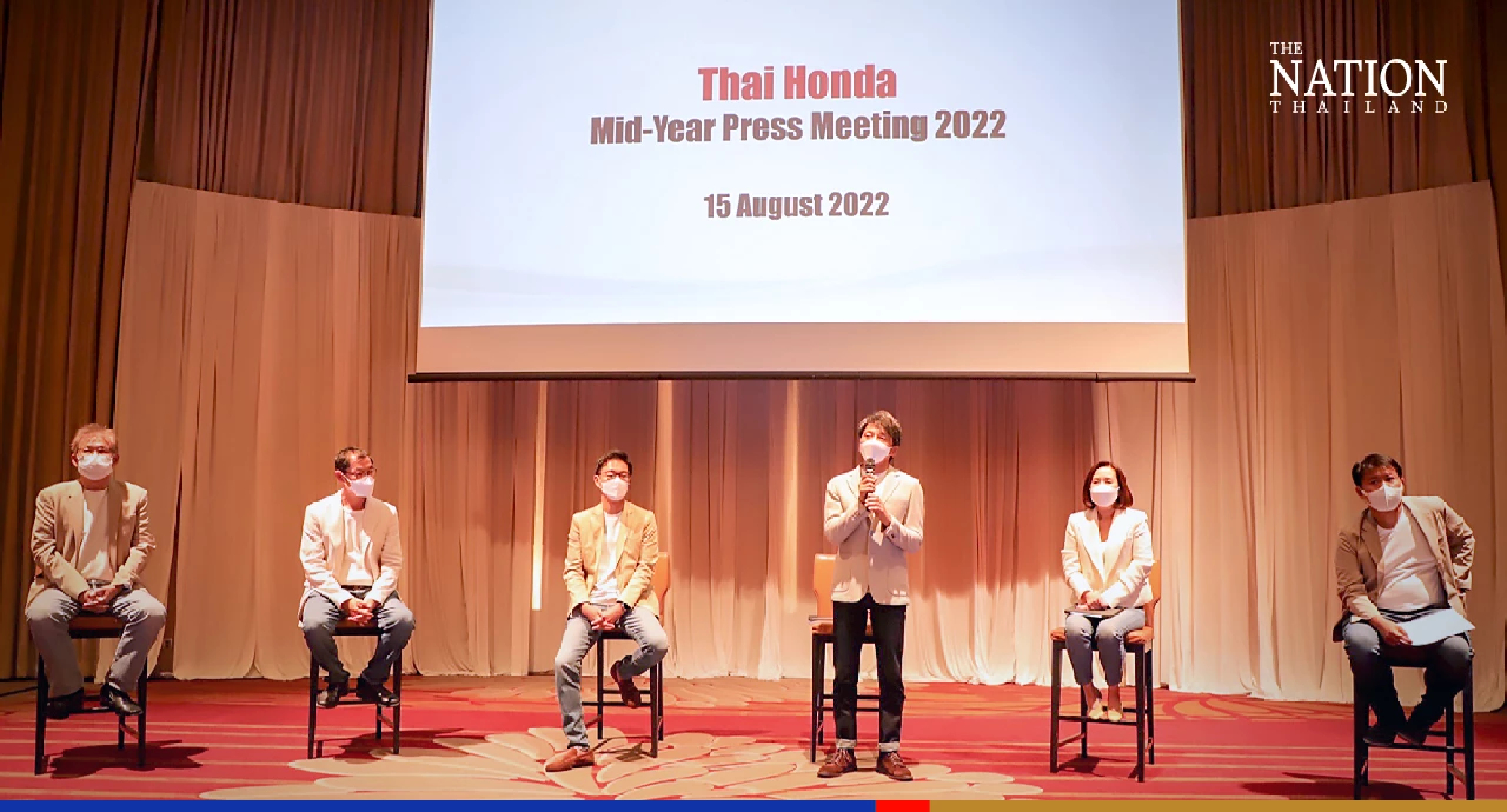
Thai Honda, the leader of Thailand’s motorcycle industry, expects 8% growth or sales of 1.74 million units in 2022 following on positive trend in the first half of the year. The A.T. segment topped the overall best-sellers. Now that the global semiconductor shortage seems to be easing, the company is ready to achieve high productivity to respond to the demands of Thai people, and is targeting 10% growth or sales of 1.359 million units this year to maintain its top ranking in the market for the 34th consecutive year.
Mr. Shigeto Kimura, President of Thai Honda Co., Ltd., stated: “In the first half of this year, the overall motorcycle market in Thailand continued to grow. Of the 911,162 units registered overall or 4% growth compared to the same period last year, Honda accounted for 705,487 units, or 3% growth, which is very close to the overall market. The A.T. segment topped the best sellers with 397,733 units sold, representing 6% growth. Of particular interest is that Honda’s A.T. segment rose by 12% with 279,207 units sold, a significant higher growth rate compared to the overall market.
“The reasons for the popularity of Honda A.T. motorcycles are that they are easy to ride, provide comfort and full functionality and offer a wide variety of designs to meet modern lifestyles. In the A.T. category, the Honda Scoopy topped the fashion A.T. segment with 96,679 units registered. Meanwhile, the Click Series topped the sport A.T. segment 64,732 units registered, with the PCX160 having the highest sales volume in the premium A.T. segment with 77,708 units sold. And finally, among the high premium A.T., Forza 350 is the most popular model with 10,988 units sold.
“These four models of Honda A.T. motorcycles are popular thanks to the unique designs that reflect modern characters and lifestyles, full functionality for comfort and safety, as well as Honda’s powerful eSP+ 4 valve technology.
“The overall market in 2022 is estimated at 1.74 million units sold or 8% growth, compared to 2021. Honda has set a target of 1.359 million units or 10% growth, which is higher than the overall market growth. This is thanks to Honda’s effective spare parts and inventory planning strategy in dealing with the semiconductor shortage during the first half of the year and the marketing activities to boost sales of the new models in the second half of the year to successfully meet the new market demand.”
Apart from the production planning and marketing strategies, in the second half of the year, the Honda Wing Centers are undergoing storefront makeovers with a new modern look. Honda has set a target to renovate 100 branches by end of this year. And to serve the increasing demands of Iconic Bikes customers, Honda is opening CUB House Corners in Honda Wing Centers, the number of which is expected to reach 22 by end of 2022. Meanwhile, after-sales service standard will be upgraded to affirm customer’s confidence with hi-tech equipment and technicians who are masterful with new technology of Honda’s new models.
Krungsri (Bank of Ayudhya PCL and its business units) reaffirms its continuous assistance to all groups of customers to help accelerate their sustainable recovery, in alignment with the measures of the Bank of Thailand (BOT) and the Thai Bankers’ Association (TBA).
Seiichiro Akita, Krungsri President and Chief Executive Officer, said “Krungsri has been assisting all groups of customers through various measures implemented by both the Bank and the government’s policies. With the current situation that the economy has been gradually recovering amid many challenging factors, including inflation that affects the cost of living and doing business, Krungsri strongly affirms its determination to maintain ongoing support for all customers, especially the vulnerable groups. The Bank has closely monitored the situation in order to offer suitable solutions to each customer segment to facilitate their sustainable growth in the long run.”
“For retail customers, Krungsri continues its various alleviating measures, namely reduced instalment amounts and extended instalment period. For business customers, the Bank emphasizes its proactive approach by having teams of relationship managers reach out and work closely with each business customer leveraging measures such as liquidity injection, lower interest rates, extended repayment period, and provision of consultancy so that customers can further sustain and move forward with their businesses.”
Impacted customers who require further assistance can check out more details at http://www.krungsri.com; while affected businesses can reach out to respective relationship managers; or contact Krungsri Business Center at 02-2966262 and 02-6262626.
KBank continues to advance the ‘GO GREEN Together’ project, working with four partners in launching the ‘SolarPlus’ initiative, targeting the installation of solar rooftops for 500,000 households free of charge within five years.
To further implement the GO GREEN Together project, Kasikornbank has teamed with four partners, i.e., Electricity Generating Authority of Thailand, PEA ENCOM Smart Solution Limited, Supalai Public Company Limited, and INNOPOWER Company Limited, to unveil the SolarPlus project to support the Thai public’s use of clean energy.
The first effort of its kind in Thailand, the SolarPlus project aims to install solar rooftops for households for free to allow the general public to generate and sell electricity.
In the initial stage, the project will be implemented at Supalai housing estates.
Targeting installation of solar rooftops for 500,000 households within five years, KBank is prepared to provide a 50 billion Baht in loan facility to solar power developers.
The project is expected to help reduce greenhouse gas emissions by 2.3 million tons of carbon dioxide equivalent per year while encouraging Thais to embrace clean energy in alignment with Thailand’s net zero goals.
Pitpit Aneaknithi, KBank President, said, “To pioneer a comprehensive Green Ecosystem in Thailand, KBank recently unveiled the GO GREEN Together project. We have introduced various products and services to support this project, including a business loan for solar panel installation, Green Home Loan, EV car loans, and EV bike rental service, together with battery charging points at KBank branches. Along with this, KBank has joined with our partners to implement numerous projects encouraging Thais to embrace the green lifestyle with ease.”
In cooperation with four essential business partners, KBank recently launched the SolarPlus project, which aims to promote the use of clean energy among Thai people.
The SolarPlus project has been designed for those interested in solar rooftop installation but is hesitant due to high investment costs, long payback period, and maintenance expenses.
This project is the first of its kind in Thailand to offer residential households free solar rooftop installation for electricity generation and sale.
In addition, the homeowners are not required to invest or pay any maintenance fees while benefiting from a 20-per cent discount on their electricity bills for the electricity generated from solar panels.
Initially, the project will be implemented with Supalai housing estates.
In addition, KBank will provide loans for PEA ENCOM Smart Solution Ltd. for investment in solar rooftop installation and maintenance for the project’s participants and will buy excess electricity generated by the participating households for use in the business group of KBank as part of the Bank’s efforts to shift to clean energy to increase the carbon handprint of the organization.
Khemmarat Sartpreecha, Deputy Governor of Provincial Electricity Authority and Chairman of the Board of PEA ENCOM Smart Solution Ltd., said that the company is a service provider of household solar cell system installation and maintenance, without charging any installation or maintenance fees, and offers discounts on electricity bills to the participating households.
The terms and conditions of electricity fees will be in accordance with the related service agreements, wherein any surplus electricity will be sold to the system at 2.20 Baht per unit or traded under the peer-to-peer energy trading pattern.
The company expects that the SolarPlus project will encourage the public to use more clean energy by installing solar cell systems in their homes, which would not only save on energy costs but would also create a better environment.
The project is hoped to serve as a prototype of peer-to-peer energy trading that will be adopted in the near future.
Tritecha Tangmatitham, Managing Director, Supalai Public Company Limited, said, “The company has always attached importance to the design of residential projects, based on the green approach that focuses on energy-efficient homes. The company has set a target in 2022 to cut our carbon footprint by 25 per cent within the next three years, achieved via our plans to install solar panels at the Supalai Grand Tower Head Office, along with EV chargers at various residential projects nationwide, with the aim of reducing environmental impacts. Such efforts are also intended to support the government policy of reducing greenhouse gas emissions and achieving sustainable development goals (SDGs). To this end, the company has teamed with our business partners, which have a policy of environmental stewardship, and has joined forces with KBank to install solar panels at the Supalai Garden Ville Rangsit Khlong 2 project, which is a low-rise housing project where many buyers have already moved in.”
The solar panel installation program at this housing project will likely attract interest from residents because it helps save energy.
Jiraporn Sirikum, Deputy Governor – Strategy, the Electricity Generating Authority of Thailand (EGAT), said, “Aside from electricity generation and transmission, which is EGAT’s key mission, EGAT has concurrently introduced new energy innovation solutions to meet the consumers’ needs during the digital era. These include offering them easier access to clean energy while emphasizing energy management.
For the SolarPlus project, EGAT has unveiled a peer-to-peer energy trading platform, which has been developed by EGAT’s teamwork and trialled in the ERC Sandbox Phase 1 project to add value to this project. EGAT aims to improve the peer-to-peer energy trading platform to be more user-friendly, thus attracting greater consumer interest. Once that is achieved, EGAT will commercially introduce this platform to meet consumers’ future needs.
Athip Tantivorawong, Chief Executive Officer, INNOPOWER Company Limited, said, “INNOPOWER has promoted access to clean energy. The company offers one-stop services of renewable energy device registration and renewable energy certification (REC) trading. The focus is to increase income for power producers of renewable energy and provide convenience for business operators in achieving the goal of clean energy use “
REC is a mechanism that supports the production and use of electricity generated from renewable energy while also enhancing the capability of sustainable energy innovation development in Thailand.
Pipit noted in closing that the project is planned to expand nationwide, targeting the installation of solar rooftops for 500,000 households within five years. In addition, KBank is prepared to provide 50 billion Baht in loan facility to solar power developers.
The program is expected to help reduce greenhouse gas emissions by 2.3 million tons of carbon dioxide equivalent per year while encouraging Thais to embrace clean energy increasingly.
This will accelerate the rise of a practical green ecosystem in society, thus leading to the achievement of Thailand’s net zero goals.
A campaign against the planned merger of telecom giants True Corp and Total Access Communication (Dtac) over monopoly fears is gaining momentum, with over 15,000 people signing up.
Launched by user “Khun Kuna” seven months ago, the Change.org petition campaign surpassed 15,000 supporters four days ago.
As of noon on Monday, 15,409 people had signed the petition, which has targeted 25,000 signatures.
The campaign calls on the National Anti-Corruption Commission, National Broadcasting and Telecommunications Commission (NBTC) and the Trade Competition Commission to investigate the True-Dtac deal over concern it will lead to a monopoly that damages consumers. It added that the merger would be unfair to Dtac users who do not want to become True customers.
Change.org is one of several channels being used by opponents of the deal. Others include a petition submitted to the Norwegian embassy and a complaint to the Security and Exchange Commission (SEC) against a share buyback from shareholders who disagree with the deal.
On Wednesday, consumer advocates petitioned the embassy in Bangkok, asking the Norwegian government to intervene in the planned deal. Norway’s Telenor is the parent of Dtac, holding 46.7 per cent of its shares.
Last month, the National Telecom Plc (NT) union sent a letter to the SEC asking it to suspend any buyback of shares until the True-Dtac merger is approved by the NBTC.
Prasan Ja-nguleuam, president of the union, said the SEC wrote back on August 3 confirming that the buyback and any other merger-related activity must wait for a green light from the NBTC.
The union’s move followed a July 22 press conference given by the parent firms of True and Dtac, Charoen Pokphand (CP) Group and Telenor respectively. The two firms announced they would buy back shares from shareholders who are opposed to the merger, starting this month. They denied True was launching a takeover, saying the two companies were simply merging to form a new technology firm.
Telenor and CP also insisted that the NBTC has no power to approve or reject their merger but can only impose conditions to govern it.
However, Prasarn argued that under a Central Administrative Court ruling, the NBTC has final authority over approval of the deal.
Prasarn said that NT, which itself was formed from a merger between CAT Telecom and TOT Plc, is a shareholder of Dtac and could face hundreds of millions of baht in damage if the merger goes ahead.
Meanwhile, NBTC appears to have adopted a delaying tactic after the claim it has no power to reject the merger, saying it would order more studies before making a final decision on the deal.
The planned merger is thought to stem from Telenor’s desire to pull out of the region, including Malaysia and Myanmar. Market observers say True sees the deal as a chance to boost its competitiveness against Advanced Info Service, Thailand’s No 1 telecom player in terms of subscribers. They believe Telenor will wait until the merger deal is done before unloading its shares in Dtac.
Meanwhile, True has stepped up its campaign to win public support for the merger by releasing ads, mostly on its TrueVisions subscription TV network. The ads claim the merger will benefit consumers as the two companies would combine their telecom resources and network to provide a better service.
Bangkok, August 10, 2022 – Bitkub NFT, a primary Non-Fungible Token platform in Thailand and Taokaenoi, a famous crispy seaweed snack producer, start the NFT airdrop campaign called “NFT : THE PHENOMENON” in which around 600,000 NFTs will be airdropped on Taokaenoi physical snack package.
Under this campaign, the digital asset will be attached inside physical snack packaging as a redemption code for the customers to redeem. 3 special collections have been designed exclusively for this campaign, namely “Journey of Taokaenoi”, “Journey of Bitkub” and “Idol Yin War 9 Collections”.
The 3 special collections will be randomly enclosed in Taokaenoi’s physical snack package both spicy and classic flavors (30-gram size), available at convenience and department stores in Thailand. In each package, customers will receive a code to redeem the NFT special collection using digital asset wallet (Bitkub NEXT). The campaign will run until November 5, 2022.
After completing specific NFTs collections, you will receive special privileges as follows:
1. Collecting 9 types of Yin-War cards to join the Exclusive Sit in Live Event campaign with Yin-War, the famous actors in Thailand.
2. Collecting all 66 types of cards to join the business pitching campaign with Itthipat Peeradechapan, Founder and CEO of Taokaenoi Food & Marketing and Jirayut Srupsrisopa, Founder and CEO of Bitkub Capital Group Holdings Co., Ltd.
Follow for more news and updates of Bitkub NFT and Bitkub Chain
The baht opened at 35.54 to the US dollar on Tuesday, strengthening from Monday’s close of 35.56.
The currency is expected to move between 35.45 and 35.65 during the day, Krungthai Bank market strategist Poon Panichpibool predicted.
He reckoned that the baht will likely fluctuate and weaken to its resistance level at 35.60 as the dollar is strengthening because the market is demanding safe-haven assets due to concerns about the Chinese economy and other economic factors.
However, the baht’s weakening might slow down if foreign investors buy stocks and short-term bonds.
He suggested that investors should be cautious of the rising volatility of the Emerging Asia market which might pressure the baht because the market is worried about China’s Covid-19 situation.
Kla Party leader Korn Chatikavanij has reiterated his allegations against oil companies, accusing one oil refinery of making up to 1,000 per cent profit and two oil trading firms of over 100 per cent profit while consumers suffer from high petrol prices.
Korn, a former finance minister, posted on his Facebook wall on Sunday that the performance of four oil refineries and two oil trading firms for the second quarter was “shocking” or “saddening” for consumers.
He posted that the four oil refineries — Thai Oil Plc, Esso Thailand Plc, Star Petroleum Refining Plc, and Bangchak Corporation Plc – enjoyed a year-on-year profit of 1,088.9 per cent, 867.1 per cent, 825.3 per cent and 199.0 per cent respectively.
Korn said the refineries might argue that they had low profit last year so it could not be compared to this year, so his party had checked the profits in the second quarter of the four previous years.
“We found that the sum of profits of each refinery in four years did not amount to even half of the profits the refineries enjoyed in the second quarter of this year,” Korn wrote.
The Kla leader attributed the “extraordinary increase” in profits to the high gross refining margin (GRM) of the refineries.
Korn said the high GRM had inflicted high prices on the public and other business sectors and driven the Oil Fuel Fund to indebtedness.
Korn noted that the club of oil refineries in Thailand issued a joint statement two months ago that the GRM did not automatically mean profits because the refineries had to shoulder other costs. “But I’ll say the figures tell the truth clearly,” Korn wrote.
Apart from the profits enjoyed by the refineries, two oil trading firms also reported to the Stock Exchange of Thailand high profits during the second quarter, Korn wrote.
The two firms are PTT Oil and Retail Plc, and PTG Energy Plc, which enjoyed year-on-year profits of 103.7 per cent and 20.7 per cent, respectively. In the case of PTG, the firm enjoyed 275.3 per cent profit boost compared to the first quarter, Korn pointed out.
He said the oil trading firms enjoyed high profits because they collected the “unusually high” market price of 3 baht per litre for Gasohol 95 and Gasohol 91 petrol.
Korn said despite the excessively high retail price, the Energy Ministry had not taken any action to help the affected consumers.
“The profits of the giant oil firms clearly reveal which side the government chooses to stand by. All in all, the profits were reaped from the hardship of the people,” Korn wrote.
With the figures of “unusually high profits”, Korn repeated his call for the government to slap a windfall tax on the oil refineries.
He also called on Energy Minister Supattanapong Punmeechaow to speed up measures to alleviate the grievances of the people and business sectors suffering from high oil prices.
“Or is it that you no longer care about this after you have survived the censure debate?” Korn asked.
He said the high oil prices caused by high profit taking by refineries and traders impacted the country’s high inflation and rising prices of consumers goods, which also prompted the Bank of Thailand to increase its policy rate by 25 basis points to 0.75 per cent per annum.
As a result, Korn said, the high GRM and retail prices of refineries and oil trading firms were the first time bomb that the government must defuse soon before it could trigger other economic bombs.
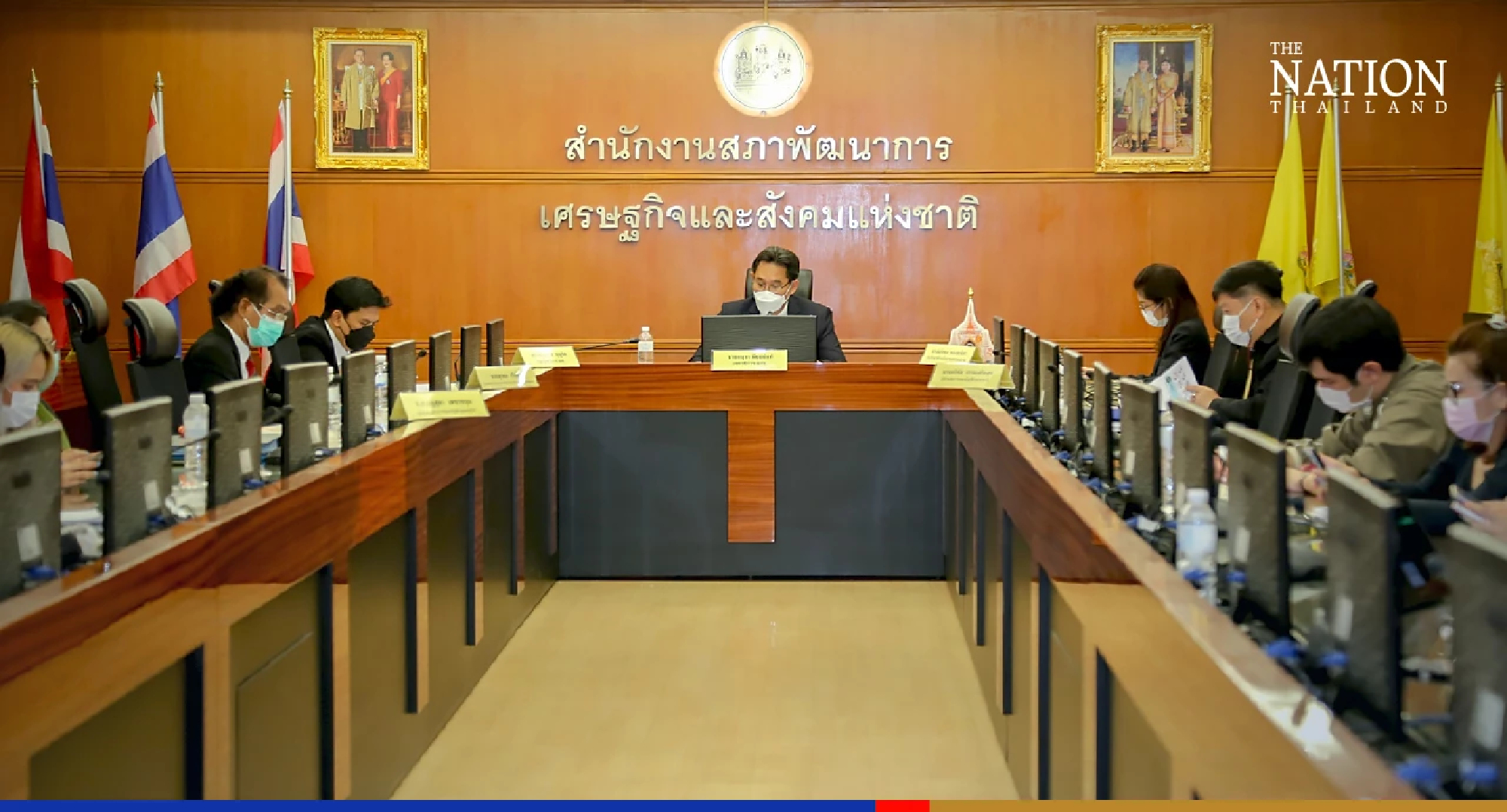
The overall economic outlook for Thailand this year remains positive, but inflation, global tensions, increasing interest rates and debt continue to pose a threat to the country’s growth, the National Economic and Social Development Council (NESDC) has said.
The NESDC announced that Thai gross domestic product (GDP) in the second quarter of 2022 had expanded by 2.5 per cent year on year, accelerating from a 2.3 per cent growth in the previous quarter.
After seasonal adjustment, the economy grew 0.7 per cent from the first quarter of 2021. In the first half of 2022, the economy grew by 2.4 per cent.
The expansion of private consumption expenditure and service exports, as well as the recovery of the tourism industry following the easing of Covid-19 control measures, have enabled economic activities and spending to return to normal levels, with support from consumption stimulus measures.
Meanwhile, there are some geopolitical risk factors to consider. The increasing tensions between China and Taiwan will have an impact on the country’s semiconductor imports. Semiconductors are key components in the country’s automobiles, integrated circuits and parts, electronic appliances, and computers, the NESDC said.
If China tightens sanctions and hinders shipments, Thailand’s automotive and electronics industries may suffer, slowing their growth, NESDC secretary-general Danucha Pitchayanun said.
Currently, Thailand imports 29 per cent of semiconductors from Taiwan, he said.
In addition, the prolonging Russia-Ukraine war, the risk of a Covid-19 pandemic and monkeypox, interest rate hikes, and China’s economic slowdown are the main factors to be closely monitored.
The council also suggested that the government monitor and accommodate market mechanisms to bring domestic prices in line with input costs, support agricultural production and farmers’ income, resolve retail debt in the face of rising interest rates, maintain momentum in the export sector, catalyse the recovery in tourism and related service sectors, and prepare for global economic and financial market volatility.
Besides, supportive policies for small and medium-sized enterprises (SMEs) are required to sustain Thailand’s long-term growth.
Overall, the NESDC projected that the Thai economy would grow by 2.7 to 3.2 per cent in 2022, owing primarily to increased domestic demand, the recovery of the tourism sector, and the continued expansion of goods exports.
Hilton, a leading global hospitality company is moving towards furthering its preservation efforts in destinations where they operate and driving inclusive growth in communities worldwide.
Its updated 2030 benchmarks include stronger, more ambitious greenhouse gas emissions targets, which were re-validated by the Science Based Targets Initiatives (SBTi), to adapt to evolving climate science and best practices and align with targets set during the 2015 Paris Climate Accords. By 2030, Hilton has pledged to:
Cut emissions intensity by 75% in managed properties
Cut emissions intensity by 56% in franchised properties
Hilton has also made new commitments to a carbon reduction goal of below 2°C for its franchised properties, and to invest in carbon sequestration technologies such as renewable energy and smart buildings to decarbonize the $10.5 trillion real estate industry through Fifth Wall’s Climate Tech Fund.
Furthermore, Hilton also reaffirmed its commitment to supporting communities where it operates in its three updated social impact goals. By 2030, Hilton aims to:
Create 5 million learning and career growth opportunities for Team Members and communities
Meaningfully impact 20 million community members through local support, disaster relief, economic opportunities, and more
Promote responsible, inclusive conduct across 100% of Hilton’s value chain operations
The Ministry of Natural Resources and Environment is set to nominate Thailand as the host of the 27th World Congress of the International Union of Forest Research Organization, or IUFRO 2029, which is the world’s largest forest congress organised every five years.
During the recent meeting of the National Forest Committee which is chaired by Deputy Prime Minister Gen Prawit Wongsuwan, Natural Resources and Environment Minister Varawut Silpa-archa said that Thailand is ready to be the host of IUFRO congress in 2029, which is expected to be joined by over 5,000 researchers worldwide.
The meeting then nominated the Faculty of Forestry, Kasetsart University and the Ministry of Natural Resources and Environment to be delegates of Thailand in the hosting of IUFRO 2029.
The National Forest Committee also approved the drafts of two statements. The first is the statement for the Fifth Apec Meeting of Ministers Responsible for Forestry (MMRF5), also known as Chiang Mai Statement, which highlights the success of forestry operations in Asia Pacific region that are able to increase forest area by 27.9 million hectares, and the adoption of Bio-Circular-Green (BCG) economy to achieve Apec’s mission of sustainable forestry management.
The second is the statement of the Natural Resources and Environment Minister as the chairman of Apec Ministers Responsible for Forestry, which highlights the concept of ‘Open. Connect. Balance.’ that Thailand will adopt in hosting the IUFRO 2029.
The move to nominate Thailand as the host of IUFRO 2029 will soon be proposed to the Cabinet for approval.



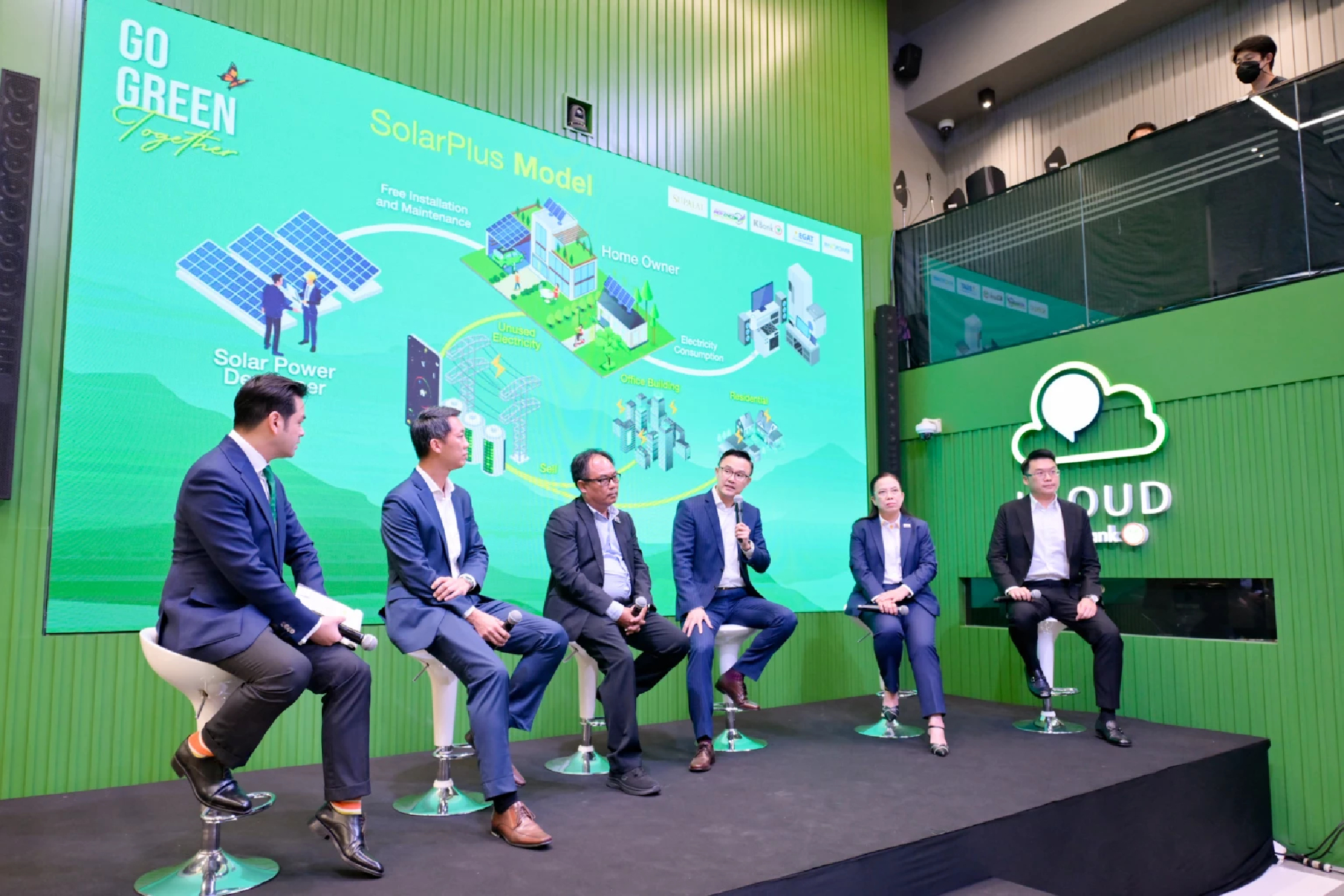
 ( LEFT-TO-RIGHT )Tritecha Tangmatitham , Khemmarat Sartpreecha , Pitpit Aneaknithi , Jiraporn Sirikum , Athip Tantivorawong
 Last month, the National Telecom Plc (NT) union sent a letter to the SEC asking it to suspend any buyback of shares until the True-Dtac merger is approved by the NBTC.
 ms announced they would buy back shares from shareholders who are opposed to the merger, starting this month. They denied True was launching a takeover, saying the two companies were simply merging to form a new technology firm.