Augmented reality startup Magic Leap hires Microsoft exec
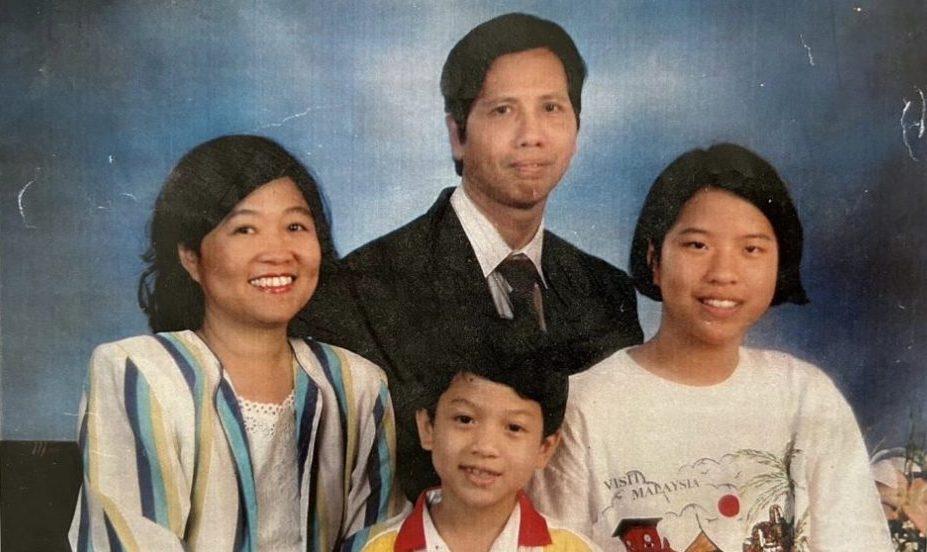
Jul 08. 2020Peggy Johnson. MUST CREDIT: Bloomberg photo by Patrick T. Fallon
By Syndication Washington Post, Bloomberg · Joshua Brustein, Dina Bass · BUSINESS
Augmented reality startup Magic Leap has hired Peggy Johnson, a Microsoft executive, to take over as chief executive officer starting next month, as the company continues to reshape itself as a provider of business services.
Magic Leap had been one of the buzziest startups in recent years. It raised more than $2 billion from high-profile investors including Alphabet, largely on the promise that it would turn augmented reality into a viable consumer technology. Rony Abovitz, the company founder and chief executive, became the de facto evangelist for augmented reality, with bold and colorful pronouncements of its potential.
But the Florida-based company struggled to execute, and sales of its flagship product, the Magic Leap One headset, never took off after extensive delays. The company said late last year that it would focus more on business applications and cut more than half of its workforce in April. Selling to companies is a far different prospect than building a consumer product, and one Abovitz rarely showed as much enthusiasm for. He announced in May he would step down once the company found a replacement.
Johnson, who spent more than two decades at Qualcomm, brings extensive experience negotiating partnerships with other large businesses. She joined Microsoft in 2014 as one of chief executive Satya Nadella’s first major hires, at a time when the software maker’s dealings with other companies were often contentious. As head of business development, Johnson worked to repair Microsoft’s relationships with partners such as Salesforce and Samsung, becoming the face of a new friendlier company. In 2016 she started Microsoft’s venture capital arm M12.
“I look forward to strategically building enduring relationships that connect Magic Leap’s game-changing technology and pipeline to the wide-ranging digital needs of enterprises of all sizes and industries,” Johnson said Tuesday in a statement.
Microsoft also makes one of the main rivals to Magic Leap, the Hololens, which it has always positioned primarily as a business tool. A Microsoft spokesperson said the company is satisfied that any confidentiality issues arising from Johnson moving to a direct competitor have been addressed.
Microsoft will conduct an internal and external search to find Johnson’s replacement and her duties will be assumed in the short term by Chief Financial Officer Amy Hood, who already oversees mergers and acquisitions, according to a spokesperson.
Facebook met with civil rights groups after hundreds of companies joined ad boycott
Jul 08. 2020
By The Washington Post · Hamza Shaban, Cat Zakrzewski · BUSINESS Civil rights leaders organizing a major advertising boycott of Facebook said they remained unconvinced that the social network is taking enough action against hate speech and disinformation after meeting with Mark Zuckerberg and other Facebook executives on Tuesday.
Civil rights leaders used the session to press Chief Operating Officer Sheryl Sandberg and Zuckerberg, Facebook’s chief executive, to institute changes at Facebook, including installing a top level executive who will ensure the global platform does not fuel racism and radicalization.
Color of Change President Rashad Robinson described the meeting as “disappointing” during a news conference later Tuesday. The organizers of the campaign, known as #StopHateForProfit, provided a list of demands to the social network days before the meeting, he said, and the company did not have clear responses to their recommendations.
“Attending alone is not enough,” said Robinson, who participated in the meeting, which lasted over an hour, through video. “At this point, we were expecting some very clear answers to the recommendations we put on the table. And we did not get them.”
Instead, the leaders said they were met with partial responses to one demand: hiring an executive with civil rights expertise.
But Facebook would not commit that position to the C-suite as the organizers demanded, said Jonathan Greenblatt, the chief executive of the Anti-Defamation League, who participated in the meeting. They also would not say what the requirements of the position would be.
“It was abundantly clear in our meeting today that Mark Zuckerberg and the Facebook team is not yet ready to address the vitriolic hate on their platform,” Greenblatt said.
“This meeting was an opportunity for us to hear from the campaign organizers and reaffirm our commitment to combating hate on our platform. They want Facebook to be free of hate speech, and so do we,” Facebook spokesperson Andy Stone said.
Zuckerberg also did not address the organizers’ call for the company to provide automatic recourse to companies whose advertisements appear alongside hateful content, the organizers said.
The boycott organizers “didn’t hear anything today to convince us that Zuckerberg and his colleagues are taking action,” Free Press leader Jessica González said.
The boycott organizers “didn’t hear anything today to convince us that Zuckerberg and his colleagues are taking action,” said Free Press Co-CEO Jessica González, who attended the virtual meeting, which lasted more than an hour. “Instead of committing to a timeline to root out hate and disinformation on Facebook, the company’s leaders delivered the same old talking points to try to placate us without meeting our demands.”
The meeting took place amid escalating calls to reform Facebook. More than 750 companies, including Coca-Cola, Hershey and Unilever, have suspended advertising on the platform. Boycott organizers contend Facebook has allowed content to flourish that could incite violence and exacerbate social strife. By targeting Facebook’s ad dollars in the most substantive effort yet, organizers hope Zuckerberg and his team will be compelled to take action.
In a Facebook post Tuesday morning, Sandberg placed the meetings in the context of ongoing protests and calls to root out racism in American society.
The company has said it invests billions of dollars every year to ensure the safety of its users, and it partners with outside experts to update its policies. Sandberg said the company will release the final report from its years-long civil rights audit on Wednesday. “While we won’t be making every change they call for, we will put more of their proposals into practice soon,” she said.
But the civil rights leaders said they were skeptical that the audit would lead to meaningful change at Facebook after years of the company promising to do more to address voter suppression and racism. Robinson said the audit is only a review and recommendations.
“It’s only as good as what Facebook actually ends up doing with the content,” Robinson said. “If they don’t actually do anything it’s like going to the doctor, getting a new set of recommendations about your diet, doing nothing about it and then wondering why you’re not any healthier.”
But advertisers and civil rights groups have been unimpressed with Facebook’s promises to curb hate speech and label posts from politicians that violate the social network’s rules .
As the largest social network in the world, claiming 2.6 billion users, the company has an outsized role in media and global affairs. It has positioned itself as a vital communications platform and an on-ramp for 8 million advertisers, most of them small businesses. Nearly all of its $70 billion in revenue last year came from advertising.
While the pandemic has rocked companies that can’t thrive amid distancing and remote work, investors have flocked to the social network and other tech giants, sending Facebook’s share price to new highs. Its market cap has swelled to nearly $700 billion.
In her post Tuesday, Sandberg said the audit was well underway before the current protests sparked by the May 25 death of George Floyd, a black man killed in police custody. She said Facebook’s actions were motivated by a sense of duty, even as the company faces mounting public pressure. “We are making changes – not for financial reasons or advertiser pressure, but because it is the right thing to do,” Sandberg said.
Facebook has previously met with civil rights group leaders, who have criticized the company’s policy of not fact-checking politicians’ ads, and its hands-off approach to President Donald Trump’s incendiary remarks and misleading claims about mail-in voting. Zuckerberg’s June meeting with civil rights leaders, which included Robinson, only further inflamed tensions, as they criticized him for lacking basic knowledge of the history of voter suppression in the United States.
González said these discussions are growing more pressing as the country grapples with the coronavirus pandemic, a presidential election and widespread protests against police brutality and systemic racism.
“We’re tired, we’re tired of the dialogue because the stakes are so incredibly high for our communities,” González said. “We’re seeing Facebook fail to meet the moment.”
Advocates have pushed Facebook to conduct and publicly release the results of its civil rights audit for years. The company has previously released two updates about the review, which it began in the summer of 2018. The first outlined the company’s efforts to address voter suppression on its platform. It was published in December 2018, shortly after reports prepared for the Senate Intelligence Committee exposed the extent of Russia’s efforts to target black voters on social media during the 2016 election. The second, published in summer 2019, outlined updates the company made to its ban on white supremacy.
Zuckerberg and Sandberg are additionally expected to meet Tuesday with Vanita Gupta, the chief executive and president of the Leadership Conference on Civil & Human Rights, and Sherrilyn Ifill, the president of the NAACP Legal Defense Fund. Laura Murphy, who has led the civil rights audit, is also expected to attend.
Sandberg, relying on phrasing often used by tech companies, concluded her post by saying, “We are never going to be perfect, but we care about this deeply. We will continue to listen and learn and work in the weeks, months and years ahead.”
Facebook’s ambition and size has attracted scrutiny not just from civil rights leaders but also from lawmakers worried about the power tech platforms wield in the marketplace. Zuckerberg, alongside the titans sitting atop Amazon, Apple and Google’s parent company Alphabet, will testify in front of Congress later this month, as part of an antitrust investigation into the potential abuses of big tech. (Amazon founder Jeff Bezos owns The Washington Post.)
Facebook confronts civil rights complaints it put off for years
Jul 05. 2020Mark Zuckerberg, chief executive officer and founder of Facebook Inc., in October 2019. MUST CREDIT: Bloomberg photo by Al Drago
By Syndication Washington Post, Bloomberg · Naomi Nix · BUSINESS, TECHNOLOGY, POLITICS, RACE, MEDIA
For years, Facebook Inc. brushed off complaints from civil rights groups that it didn’t do enough to combat racism, discrimination and voter suppression flourishing on its site. Now, pressure from a boycott by major advertisers is forcing the social media giant to address their concerns.
Facebook Chief Executive Officer Mark Zuckerberg has agreed to meet on Tuesday with leaders of the National Association for the Advancement of Colored People, the Anti-Defamation League and Color of Change to discuss their requests. Facebook is increasingly playing defense against a growing group of civil rights organizations, employees and companies demanding that the technology giant do more to fight injustice on its platform.
Sheryl Sandberg, chief operating officer of Facebook. MUST CREDIT: Bloomberg photo by David Paul Morris
“Right now is a moment of real reckoning for the company,” said Vanita Gupta, chief executive officer of The Leadership Conference on Civil & Human Rights. “There’s a lot of pressure.”
The advocates led the campaign to persuade advertisers including Starbucks Corp. and PepsiCo Inc. to halt spending on the platform, focusing attention on Facebook’s policies as public outrage swells over racial inequities in America following the shocking video of the death of George Floyd in police custody.
Civil rights groups have long been asking Facebook to make policy and staffing changes to address their grievances. Concerns have included how the platform has promoted discriminatory advertising, allowed foreign adversaries to try to suppress the Black vote, and let white supremacy groups organize rallies.
Leaders of the groups said their efforts to get the social media platform to change have often been only given lip-service, and, at times, even attacked.
Facebook declined to comment, but pointed to an announcement Friday that it will attach to posts about voting a link to an information portal that explains how and when users can vote and how to register. The company has set a goal of helping to register 4 million new voters before the presidential election.
Facebook is also under increasing scrutiny in Washington. Zuckerberg has agreed to testify before a House antitrust panel along with CEOs of other large technology platforms and the company faces antitrust investigations by two federal agencies and nearly all 50 states.
Gupta and other advocates said Facebook has improved its response to concerns about Census misinformation and has curtailed discriminatory ads, but has fallen short in fighting voter suppression, election misinformation and moderating political speech.
“They are making many of the changes at our urging, but are missing the core piece,” Gupta said, pointing to Zuckerberg’s insistence on leaving misleading political speech unchecked because he deems the content newsworthy.
Gupta was on a call with Zuckerberg last month, along with Rashad Robinson, president of Color of Change, and Sherrilyn Ifill, president of the NAACP Legal Defense and Educational Fund, to discuss Facebook’s plans to prepare for the upcoming elections. President Donald Trump had recently threatened on social media to withhold funding from Michigan over the state’s mail-in balloting plans. When Gupta questioned Facebook’s policy on political speech, Zuckerberg told her Trump’s posts represented hard “edge cases,” she recalls. Gupta said she disagreed and told him “at every turn you should be making the decision to weigh in favor of fair elections and protecting voting rights.”
Civil rights advocates had been contacting Facebook as early as 2017 about issues such as hate speech and election interference, but intensified their outreach following reports that Russian operatives had exploited Facebook and other platforms to suppress Black voting, stir social unrest and help Trump win the 2016 election.
Madihha Ahussain, a special counsel for Washington-based group Muslim Advocates, said that while her group initially thought they were making progress with Facebook over anti-Muslim posts, they began to realize the company wasn’t taking systematic action. They were “just listening to us and nothing is changing on the platform itself,” Ahussain said. “We were just getting the runaround.”
For Robinson, the turning point came in November 2018, when he got a call from a New York Times reporter asking him to comment on startling revelations: Facebook had hired Definers Public Affairs, a former Republican-linked firm, to compile opposition research about billionaire investor George Soros’s funding of groups that were critical of Facebook – including Color of Change – and circulate it to reporters. Soros had attacked Facebook earlier that year as a menace to society.
“It became very clear that we had to reset the terms of the relationship,” with Facebook, said Robinson. “We knew that we must have been on to something if they were trying to spend their money to discredit us.”
The advocates sent an open letter to Zuckerberg and Chief Operating Officer Sheryl Sandberg calling for the creation of a C-suite position to advocate for users’ needs and work with civil rights groups. They also sought more transparency about a civil rights audit the company had initiated.Facebook fired Definers and Sandberg later apologized in a meeting with the advocates. Facebook tapped Laura Murphy, a veteran at the American Civil Liberties Union, to do the audit and agreed to release the results.
Meanwhile, the groups were growing increasingly concerned that Facebook wasn’t prepared to spot and eliminate voter-suppression campaigns or misinformation on its platform ahead of the 2018 midterms.
About two months before the election, groups including the National Urban League and the NAACP traveled to Facebook’s headquarters in Silicon Valley to see its election “war room” and discuss its election-integrity plan with company officials, including Sandberg, said LaShawn Warren, executive vice president of government affairs at the Leadership Conference on Civil and Human Rights, which also attended.
To Warren, the Facebook team seemed more focused on eliminating inaccurate information about poll locations and opening and closing times than it was in detecting more sophisticated ways bad actors could try to dissuade voters. Her group pressed Facebook to hire more people with voter-suppression expertise.
On Dec. 18 2018, Facebook released an update from Murphy detailing what Facebook had done. Facebook had also hired voting experts to help with its election-integrity work.
It wasn’t enough for the groups. That same day, more than 30 organizations representing civil rights advocates, big tech critics and liberal causes wrote a letter expressing “profound disappointment regarding Facebook’s role in generating bigotry and hatred toward vulnerable communities” and called for Zuckerberg and Sandberg to step down from the board.
They didn’t step down, but Sandberg and other Facebook officials continued to talk with civil rights groups about their complaints. Sandberg met with advocates and members of the Congressional Black Caucus in Washington in May 2019.
Facebook won praise from the groups for its plan to ban content that misrepresents the 2020 U.S. Census, but tensions flared again in October of last year around Zuckerberg’s speech at Georgetown University, in which he defended the company’s policy of not fact-checking political ads. He extolled the platform’s fight to uphold free speech, citing protests against the Vietnam War and Martin Luther King Jr.’s “Letter from Birmingham Jail.”
Zuckerberg had previewed his remarks during a phone call with at least one civil rights leader who expressed concern that his emphasis on free speech could come at the expense of civil rights, according to a person familiar with the matter. The leader told Zuckerberg that Facebook’s top executives had no civil rights experience. The co-founder responded that he had a lot of former President Barack Obama people on staff, the person said. The leader also cautioned him against invoking Martin Luther King Jr. to make his point, the person said.
Zuckerberg’s speech won praise from conservatives, but criticism from civil rights advocates including King’s daughter, Bernice King, who argued that Facebook was avoiding reforming its content-moderation practices.
Just before the speech, Politico reported that since July 2019, Zuckerberg had been meeting with prominent conservative thinkers, including commentator Ben Shapiro, Brent Bozell and Fox News host Tucker Carlson.
Facebook was increasingly facing criticism for catering to conservatives in its polices and rhetoric. It was only after news broke about Zuckerberg’s meetings with right-leaning pundits that he invited the civil rights advocates to a dinner at his Palo Alto, Calif., home in November 2019.
“I did feel that Zuckerberg listened to us,” said Ifill of the NAACP Legal Defense and Education Fund, who was at the dinner. “Listening is not quite the same, you know, as being willing to actually make change.”
Facebook is working to persuade advertisers to abandon their boycott. So far, they aren’t impressed.
Jul 04. 2020
By The Washington Post · Elizabeth Dwoskin, Taylor Telford · NATIONAL, BUSINESS, TECHNOLOGY, US-GLOBAL-MARKETS
Facebook has spent the past few days in round-the-clock conversations with advertisers, trying to persuade them to come back to the platform with the promise of modest changes to address concerns that the social network profits from hate and outrage.
But advertisers and the agencies they work with say they are still negotiating. And they say they are so far unimpressed with promises to better police hate speech, including labeling some politicians’ posts when they break the company’s policies. On Tuesday, when the civil rights groups that organized the efforts expect to sit down with chief executive Mark Zuckerberg, they plan to push for a rash of changes, including adding a C-suite-level executive dedicated to ensuring that the company’s policies don’t contribute to racism and radicalization.
More than 750 companies, including Coca-Cola, Hershey and Unilever, have already temporarily paused their advertising on Facebook and its subsidiary Instagram. More companies have joined the movement every day, with recent additions including Walgreens, Best Buy, Ford and Adidas. More than 200 advertisers joined in the past 24 hours.
Kerri Pollard, senior vice president of the membership platform Patreon – which is pulling all of its ads from Facebook and Instagram – said that the recent string of concessions still did little to address the company’s core concern: Zuckerberg’s characterization of free speech. The Facebook CEO has said he believes that social platforms should not fact-check politicians.
“Until he softens that, which would affect that entire business internally and externally, we’re not going to feel comfortable returning to the platform,” Pollard said. Patreon in 2018 booted far-right personalities off its platform in response to criticism.
But fact-checking politicians could have wide-ranging consequences, too. Facebook’s business model depends on engagement: The more time people spend viewing content on the platform, and the more they click and interact with others, the more they are exposed to advertising in Facebook’s scrolling news feed. Critics have argued that divisive and emotional content spreads more rapidly, particularly in like-minded private Facebook groups. That outrage is built into Facebook’s ability to profit.
The boycott is the largest flare-up in a long-simmering battle between advertisers and social platforms over who gets to control what content the ads pop up next to. The campaign, which was triggered by Facebook allowing content that organizers said could incite violence against protesters, represents the most substantive effort to date to sanction the social network, which commands the second-largest share of the U.S. digital ad market behind Google.
Facebook spokeswoman Ruchika Budhraja said in a statement that it invests billions every year to keep users safe and works with outside experts to update its policies.
“We’ve opened ourselves up to a civil rights audit, and we have banned 250 white supremacist organizations from Facebook and Instagram,” she said. “We know we have more work to do, and we’ll continue to work with civil rights groups, [the Global Alliance for Responsible Media], and other experts to develop even more tools, technology and policies to continue this fight.”
Still, the initiative probably won’t affect Facebook’s bottom line. The company has 8 million advertisers, which generated almost all of its approximately $70 billion in ad revenue last year. Most are small businesses.
“Given Facebook’s colossal scandals and rare repercussions to revenue, the advertisers’ boycott is a body blow that will decimate Facebook’s top line. I expect to see a revenue bleed out of more than $7.5 billion in 2020,” said Eric Schiffer, chairman and chief executive of the Patriarch Organization and Reputation Management Consultants.
Zuckerberg appears to have to dug in. He told employees last week at a company meeting that he wasn’t going to “change our policies or our approach on anything because of a threat to a small percent of our revenue, or to any percent of our revenue,” according to the Information.
Facebook has been meeting and talking with advertisers “almost every minute of every day,” said a senior executive of a major ad agency who, like others for this story, spoke on the condition of anonymity because the company works closely with Facebook. Another ad industry executive who participated in meetings with Facebook said she came out disappointed.
The company is “slow and blame-sharing, acting like they are just the platform and society itself is full of bad actors,” she said. She added that it is also blaming rivals YouTube and Twitter for their own practices over hate speech.
The reckoning goes beyond Facebook. A recent survey of nearly 60 companies by the World Federation of Advertisers found that about a third were likely to halt ad spending across social media due to hate speech, while 40 percent were considering doing so. Companies including Coca-Cola, Verizon and Unilever say they are reconsidering their ad spending not just on Facebook, but on all social media platforms.
Some skeptics say it’s convenient timing for the advertisers, many of which are already cutting their marketing budgets amid a downturn in consumer spending.
The campaign against Facebook first emerged amid a national conversation on race sparked by the killing of George Floyd, an unarmed black man in Minnesota. Organizers said that Facebook’s platform in particular was providing a forum for violent militia groups with plans to attack protesters. Some self-described members of those groups have been arrested in recent weeks for carrying weapons to protests and for allegedly planning to commit violent acts.
“It was the killing of George Floyd that told us that we needed to move,” said Jonathan Greenblatt, chief executive of the Anti-Defamation League, one of the civil rights groups behind the campaign.
“It was an obvious moment to say, you can’t talk about race in your news release but not stand for racial justice in your product,” he said, referring to social media companies publicly sharing support for the Black Lives Matter movement.
Outdoor apparel company North Face was the first to join, followed by industry peers Patagonia and R.E.I. Those companies are known for taking stances on social issues.
“The stakes are too high to sit back and let the company continue to be complicit in spreading disinformation and fomenting fear and hatred,” Patagonia tweeted on June 21 as it joined the #StopHateForProfit campaign.
The campaign’s demands are broad and aim to address a host of grievances, including the removal of Facebook groups dedicated to white supremacy, militia movements, Holocaust denialism, vaccine misinformation and climate denialism. The campaign also asks that Facebook end its policy of exempting politicians from its hate speech guidelines and hire a C-suite executive.
“We’ve been down this road with Facebook so many times,” said Jade Magnus Ogunnaike, who is leading the campaign for the racial justice group Color of Change, noting that the boycott effort was a response to years of “fruitless” private meetings with Facebook staff as well as Zuckerberg. “At this point, we have reached an impasse.”
Other brands joined after outreach from civil rights groups and their supporters, including Prince Harry and his wife Meghan, Duchess of Sussex, whose representatives contacted the head of the Anti-Defamation League recently to ask how they could help, said a spokesman for the organization.
The organizers of the boycott were also concerned about a post by President Trump, who appeared to endorse violence when he invoked a racially divisive phrase that dates to the civil rights era to describe the potential involvement of the U.S. military in the Minnesota protests. “When the looting starts, the shooting starts,” he said on Twitter.
Facebook refused to take down the president’s post, despite widespread protests by employees and outsiders, while Twitter slapped a warning label on it, noting that it violated the company’s policies prohibiting incitement to violence. Snapchat stopped promoting the president’s account.
Some smaller companies like Patreon that joined the boycott are an example of businesses that largely built on the ability of Facebook and others to help target specific groups of consumers.
As advertising migrated online over the past couple of decades from print and other media, advertisers lost control over the tone of the material alongside which their ads appeared. On social media, an ad could appear next to a racist post or one by a terrorist organization.
In 2017, Verizon, Walmart, Pepsi and other major brands suspended their ads on YouTube after reports that they had appeared alongside objectionable content promoting extremist or racist views. Last year, some advertisers boycotted YouTube after they saw their ads appear next to predatory and exploitative activity. As a result of the 2017 boycott, YouTube changed its policies and invested heavily in tools to give advertisers more control.
Katia Beauchamp, the co-founder and chief executive of the beauty box subscription company Birchbox, said the company, which is participating in the boycott, has committed to decreasing its ad spending with Facebook and Instagram for the rest of the year and is “aggressively” exploring other avenues for advertising. She called the decision a matter of “legacy.”
“What we’re most focused on is profiting from perpetuating prejudice, racism and hate,” Beauchamp said. “We’re not as focused on any reparations based on where our advertising shows up.”
Facebook and other social media companies have extensive policies prohibiting hate speech, graphic violence and calls for violence, harassment and other ills, and have hired thousands of content moderators to enforce those policies. But the companies also give wide latitude to political expression across the board and have been reluctant to listen to organizer complaints. Objectionable content has spread as a result, causing flare-ups with advertisers.
Facebook has offered modest concessions to the boycott. At a town hall on June 26, Zuckerberg announced that the company would attach labels to some politicians’ posts. In his most explicit terms to date, he said that it would take down posts by anyone who incited violence or suppressed voting rights and would label posts by politicians that break its other policies. The company has long had a policy that has allowed the spread of misinformation by politicians.
Facebook on Monday also agreed to an external audit of how it polices hate speech, a specific request by the boycott’s organizers. Zuckerberg will meet with them next week, the Anti-Defamation League said. Other organizers include Color of Change, the NAACP and Common Sense.
In correspondence with advertisers and journalists, Facebook has cited a European Union report on hate speech that found that Facebook assessed more hate speech reports in 24 hours than Twitter or YouTube. Twitter spokesman Brian Poliakoff confirmed that it is also consulting with advertisers after Unilever said it would boycott all social media. YouTube did not respond to a request for comment.
Kevin Urrutia, co-founder of Voy Media, an ad agency specializing in Facebook ads, said most businesses are so reliant on Facebook that it’s almost a nonissue: Less than 10 percent of his clients are participating in the boycott or are concerned about their relationships with the company. The other 90 percent hope it could result in cheaper ad purchases, he said.
“We have lots of clients that are pulling budget out this time of year,” he said. “It could just be a matter of companies readjusting the budgets and using it as a way to get credibility with customers.”
California begins enforcing digital privacy law, despite calls for delay
Jul 02. 2020Xavier Becerra
By The Washington Post · Rachel Lerman · NATIONAL, BUSINESS, TECHNOLOGY, COURTSLAW
“For sure we will start enforcing on July 1,” Becerra said in an interview.
The law went into effect Jan. 1 after a winding and sometimes surprising route through a voter ballot process, the state legislature and a contentious amendment period culminating in a final version last fall. It gives consumers in the state – and many outside California – broad ability to be able to request that companies tell them what personal data they hold on each person and to ask companies to stop selling their personal data to third-party advertisers or others. The law gave companies six months after it took effect before enforcement began, though Becerra noted that companies had to begin complying in January.
But that all hinges on people actually using the law, which puts the onus on consumers to initiate the process with companies. Becerra said his office has received some complaints about how companies are responding. He urged people to make it a habit to read the required disclosures on companies’ homepages every time they visit a new website.
Starting Wednesday, Becerra’s office is able to start sending businesses warnings that they might be in violation of the law and give them 30 days to fix the issues before facing possible fines or lawsuits.
More than two dozen trade associations and business groups asked the state in March to delay enforcement because of business disruptions caused by the pandemic. The letter, which was signed by the Interactive Advertising Bureau, the Internet Coalition and the California U.S. Chamber of Commerce, pointed out that the state-issued regulations for the law haven’t been finalized.
Becerra acknowledged the requests but noted that the law went into effect six months ago.
“It’d be very awkward to continue another six months as some companies were requesting where people would have rights, companies would have obligations, but no one would be there to make sure those rights are being complied with,” he said.
Becerra declined to say whether the state will start issuing warning notices on Wednesday or which companies those might go to. The privacy law, known as CCPA, will probably receive another round of scrutiny later this year. During the November election, voters will consider a ballot measure from the same creator of CCPA, designed to follow up on the existing law.
FCC strike against Huawei reflects broader split between China and the West
Jul 02. 2020
By The Washington Post · Joseph Marks · NATIONAL, BUSINESS, TECHNOLOGY, NATIONAL-SECURITY
The United States’s move to label Huawei as a national security threat and block it from billions of dollars in subsidies is its toughest move yet against the Chinese telecom. And with more allies poised to follow suit, Washington’s uphill diplomatic campaign to isolate the company is at a turning point – and it’s a sign of deepening fissure between the West and China.
U.S. officials have long accused Beijing of using Huawei and other companies to spy on Americans and steal U.S. companies’ data. But their arguments are gaining traction now amid Western anger over China’s dissimulation about the initial spread of the coronavirus and more recently by its crackdown on Hong Kong.
Huawei’s reputation in the United Kingdom is souring as Prime Minister Boris Johnson is increasingly signaling he’ll step away from a plan to allow Huawei to build parts of the nation’s next-generation 5G wireless networks.
And other Western nations such as Germany, Australia and Canada are expressing more concerns about Chinese influence over their computer networks.
“People look at the Chinese government concealing what it knew about covid and they look at Hong Kong and what you hear from Europe is, ‘We don’t think we can trust them,’ ” said Jim Lewis, a former U.S. government cybersecurity official who is now senior vice president at the Center for Strategic and International Studies think tank. “They’re saying that irrespective of the message coming from the U.S. and Trump.”
The Federal Communications Commission’s action against Huawei came hours before President Donald Trump again took aim at China for the pandemic’s spread:
“As I watch the Pandemic spread its ugly face all across the world, including the tremendous damage it has done to the USA, I become more and more angry at China. People can see it, and I can feel it!,” Trump tweeted.
The pivot away from Chinese technology is coming from allies who previously expressed differing levels of concern about Huawei.
Germany, which has refused so far to ban Huawei from its 5G networks, is nevertheless launching a major program to reduce reliance on foreign components in its telecommunications systems and other vital networks.
Canada also resisted U.S. pressure to outright ban Huawei, but its telecoms have mostly picked European suppliers as they build 5G systems.
Australia, which banned Huawei from 5G networks even before the United States did, is launching a roughly $1 billion program to boost national cybersecurity defenses after uncovering a massive data breach that affected all levels of government and that was reportedly launched from China.
Officials say the dangers of an adversary hacking 5G networks is far greater than earlier generations of networks because they will carry exponentially more data and power a new generation of Internet-connected devices such as smart cars and factories.
The FCC move brings to fruition more than a year of efforts to cut ties between U.S. phone and Internet providers and Huawei.
By labeling the Chinese telecom a national security threat, the commission effectively stops the flow of $8.3 billion in federal money to providers in rural and low-income areas unless they rid their systems of Huawei parts. It also applies to the Chinese telecom ZTE, which the FCC also labeled a national security risk.
FCC Chairman Ajit Pai recounted a litany of standard U.S. charges against the companies as he announced the move. Those include that they’re too closely tied to the Chinese communist government and are either already using their access to U.S. networks to spy on Americans or could easily be compelled to do so.
The companies have consistently denied those charges. Huawei didn’t respond to a request for comment.
The move came just days after the Pentagon included Huawei on a list of firms backed by the Chinese military, easing the path for the Trump administration to impose additional penalties on the company.
It also comes after a year of increasingly harsh restrictions by the White House and Commerce Department including banning Huawei from building U.S. 5G networks and blocking U.S. companies from selling components to the company. Most recently, the Commerce Department restricted foreign companies that sell computer chip parts within the United States from doing business with Huawei – a move that made it increasingly difficult for the company to compete globally.
China hawks in Congress were quick to applaud the FCC move.
Sen. Ted Cruz, R-Texas, called Huawei “a direct threat to our national security.” Sen. Marsha Blackburn, R-Tenn., called the move vital to securing U.S. critical infrastructure.
Republicans on the House Energy and Commerce Committee said the move would “keep American networks secure from bad actors.”
The move faced criticism, however, from rural wireless providers that are most dependent on the federal aid and most likely to use Huawei.
The Rural Wireless Association said in a statement that it was “stunned” by the decision. The trade association fretted it would put carriers in a “precarious situation,” especially as they struggle to provide services amid a surge in internet and phone use during the coronavirus pandemic.
The order allows carriers to request waivers if they can’t remove their Huawei and ZTE gear right away. The group asked the FCC to give carriers extra time to submit those waivers before they lose the subsidies.
Hua Mak data centre sets new Thai standard with 2 global awards
Jul 01. 2020Supparat Sivapetchranat Singhara Na Ayutthaya, CEO of STT GDC Thailand
By The Nation
A Thai data centre operator has become the first in the country to be awarded two international certifications for its design, build and operations.
ST Telemedia Global Data Centres (Thailand) has been granted both the TIA-942 Certification Rating-3 and Uptime Institute Tier III Certification of Design Documents, awarded by the Telecommunications Industry Association (TIA) and the Uptime Institute.
The TIA-942 certification covers telecommunications infrastructure and other aspects of a mission-critical data centre, such as site location, architectural and physical structure of the building, electrical and mechanical infrastructure, fire safety and physical security. Uptime Institute’s certification recognises a Tier III data centre as requiring no shutdowns for equipment replacement and maintenance.
Achieving both certifications will ensure the highest security and reliability at STT Bangkok 1 – the capital’s first hyperscale carrier-neutral data centre campus now being built in the Hua Mak business district, said the firm.
“Achieving both accreditations is a strategic milestone as it uplifts Thailand’s data centre industry standards by setting a new benchmark for design, build and operations of data centres. We continue to see strong local and regional demand for efficient, flexible and scaleable hyperscale data centres, especially with today’s accelerated digital transformation plans across businesses and Thailand 4.0’s vision of a technology-centric economy. With our commitment to high levels of operational excellence and dedicated service to our customers, enterprises can enjoy peace of mind with us as their operator of choice,” said the firm’s CEO Supparat Sivapetchranat Singhara.
The first phase of the Hua Mak campus will launch with 30,000sqm of floor space and 20MW capacity in early 2021. The fully completed campus will boast 60,000sqm with a capacity of 40MW.
Facebook removes hundreds of boogaloo accounts for ‘promoting violence’ in coordinated takedown
Jul 01. 2020
By The Washington Post · Rachel Lerman · NATIONAL, TECHNOLOGY, COURTSLAW, RACE Facebook on Tuesday removed hundreds of accounts and groups associated with a network of the far-right “boogaloo” movement whose followers have been linked to violence that disrupted mostly peaceful protests around the United States.
Facebook said it was designating the faction of the boogaloo movement that advocates violence as a “dangerous organization” and had taken down 220 accounts, 28 pages, 106 groups and 95 accounts on Facebook-owned Instagram that were associated with it. The social media platform said it also had removed 400 more Facebook accounts and more than 100 additional groups that supported or praised the violent network.
Facebook’s move against the boogaloo movement came after federal prosecutors charged several adherents of the movement with crimes across the U.S., including the killing of a security officer at a federal courthouse in Oakland, Calif., and a plot to use explosives at a Las Vegas protest against the death of George Floyd in Minneapolis police custody.
The loosely organized boogaloo movement – a name with a long story that traces back to break dancing movie “Breakin’ 2: Electric Boogaloo” – has existed in some form for years, but has come to the forefront of national awareness in the past month as unrest roiled the nation, first, during protests opposing stay-home orders across the country, and then as Black Lives Matter protests protested the police killings of Floyd, Breonna Taylor, Ahmaud Arbery and others.
The boogaloos, or Boogaloo Bois as they are sometimes called, insist a second civil war is inevitable. The trademark Hawaiian-style shirts worn by some members came from an adaptation of the name “Big Luau” that is used by some supporters online.
Facebook said it has been investigating the movement for months and started connecting the online activity of the movement to real-world events at a gun rights rally in Richmond, Va., when members of the boogaloo movement showed up clad in the shirts.
“More recently, officials have identified violent adherents to the movement as those responsible for several attacks over the past few months,” the company wrote in a blog post. “These acts of real-world violence and our investigations into them are what led us to identify and designate this distinct network.”
Facebook’s team of 350 people that identifies and investigates hate groups and terrorist organizations on the site had already taken steps to remove more than 800 boogaloo-related posts for violating its policy against inciting violence. The company had also banned boogaloo posts with violent images and stopped promoting connected groups and pages. But Tuesday’s action – to take down and ban an entire network of violent boogaloo supporters – was a shift in the team’s strategy from just removing offending posts as they popped up. The ban was made easier by a policy tweak Facebook made last year that broadened its definition of dangerous groups to include more amorphous and loosely organized movements such as the boogaloos.
Facebook said Tuesday’s action was prompted by federal criminal charges against boogaloo adherents and the realization that many violent boogaloo posts remained on the platform.
Facebook noted that its takedowns on Tuesday do not mean all boogaloo content is prohibited on its site – but any posts or symbols that are tied to or support the violent boogaloo network will be banned. Before they were banned, some Facebook groups about the movement had hundreds of thousands of followers. Facebook noted that not all of those people were violent participants or their supporters.
Social media, particularly Facebook, has been a powerful tool for the boogaloo movement to organize in the past year, said Devin Burghart, president at the Institute for Research and Education on Human Rights, a group that tracks far-right movements. He called Facebook’s action a “necessary but insufficient” response.
“Because they’ve been raised in the social media age, primarily, they are incredibly adept at skirting regulations that social media sites put in place,” he said of some boogaloo members. That’s how alternative names such as “Big Igloo” and “Big Luau” came to be – they are aliases members used online to avoid being caught by social media moderators.
Facebook’s ban probably will slow down organizing, Burghart said, but boogaloo members have migrated to other social media networks where it can be even harder to find them, such as Gab, which is known for hosting far-right material, and Telegram and Discord, where private conversations make it harder to find organized groups.
A Facebook executive who spoke on the condition of anonymity acknowledged that the group often quickly changes its language and symbols, making it hard to grasp onto. Facebook is prepping its team to be aware of quick shifts, the executive said.
“This is not a static problem that you fix the problem, then you’re done, it’s something that you have to do every single day,” said Jessica Stern, an expert on terrorism and a research professor at Boston University’s Pardee School of Global Studies.
Attorney General William Barr said in a memo last week that the government would create a task force to counter “anti-government extremists,” including those associated with the boogaloo movement or the far-left antifa movement. President Donald Trump and other government officials have pointed to antifa as a major instigator of violence at the mostly peaceful protests in the past month, but experts have noted that antifa members were responsible for few incidents and that the government needs to devote more resources to investigating heavily armed right-wing extremist groups such as boogaloo adherents.
Facebook said it was not explicitly working with the task force, but noted its general policies of working with law enforcement when requested or proactively when violent posts that could cause real-world harm come up.
Federal prosecutors charged one boogaloo supporter, Steven Carrillo, with the killing of a security guard at a federal courthouse in Oakland last month. Carrillo allegedly drew the word “Boog” in blood on a stolen car. In Las Vegas, three men that prosecutors say are connected to the boogaloo movement are charged with conspiracy to damage and destroy by fire and explosive.
“They wanted to use the momentum of the George Floyd death in police custody in the City of Minneapolis to hopefully stir enough confusion and excitement, that others see the two explosions and police presence and begin to riot in the streets out of anger,” a federal criminal complaint read.
Facebook said its Tuesday move was more coordinated than its usual enforcement measures and involved a large team that focuses on identifying and banning terrorist and hate organizations. It was the second major action this month against right-wing extremists; the platform also removed hundreds of accounts and pages associated with the extremist groups Proud Boys and American Guard. In March, Facebook removed dozens of accounts associated with the white supremacist group Northwest Front.
“As we do following other designations, we will now work to identify where to strengthen how we enforce our policy against this banned network and identify attempts by the violent U.S. anti-government network to return to our platform,” the company wrote in a post announcing its boogaloo takedown.
Biden campaign assails Facebook for ‘haggling’ with Trump over his online posts
Jul 01. 2020Joe Biden
By The Washington Post · Craig Timberg, Isaac Stanley-Becker · NATIONAL, BUSINESS, TECHNOLOGY, POLITICS, WHITEHOUSE
Joe Biden’s presidential campaign demanded in a letter to Facebook that the company prevent misuse of its platform by President Donald Trump to spread “hateful content” and misleading claims about mail-in voting ahead of the November election, according to a copy obtained by The Washington Post.
The letter, which is addressed to Nick Clegg, Facebook’s vice president for global affairs and communications, is the latest in a series of complaints from the campaign about how Facebook the makes and enforces its rules for politicians. It reflects intensifying ill will between Biden, the presumptive Democratic nominee, and the Silicon Valley giant forced back on its heels by a major advertising boycott over the tenor of commentary on the platform.
The Monday communication, signed by Jen O’Malley Dillon, Biden’s campaign manager, raised particular concern about revelations in a Washington Post story posted online Sunday about Facebook’s history of reworking its policies to accommodate inflammatory rhetoric and false claims from Trump, dating back to his time as a candidate in 2015. The story recounted efforts by Facebook executives to convince Trump to tweak or delete a post last month about sending in the military to quell the protests in Minneapolis over the police killing of George Floyd.
“We are troubled by The Post’s confirmation that after President Trump’s tweets about the George Floyd protests, Facebook ‘chose to haggle’ with the White House, requesting edits and deletions, rather than taking a clear and transparent stand based on established policies,” O’Malley Dillon wrote.
The letter also makes a series of requests, including that Facebook remove previous Trump posts that claimed, without evidence, that voting by mail, which has been widespread in numerous states for years, is a source of electoral fraud. The campaign maintains that the deceptive claims – about a method of voting that could prove critical in November because of the coronavirus pandemic – amount to voter suppression, which Facebook has vowed to wipe from its platform.
A veteran Democratic strategist who was a deputy campaign manager for President Barack Obama’s reelection effort in 2012, O’Malley Dillon has bluntly assailed major technology companies during the 2020 cycle. Last fall, when she was still managing Beto O’Rourke’s bid for the nomination, she warned Silicon Valley about the stakes of inaction following the viral spread of a false rumor about the former Texas congressman and a mass shooting that had unfolded in his state.
“In 2016, Silicon Valley’s flagrant inaction called into question the very results of our presidential election; and if they don’t do better in 2020, we may lose our democracy forever,” she wrote at the time.
Monday’s letter reflects how little Democrats have been assuaged by Facebook’s recent pledges on the issue. “We have watched in recent months as Facebook’s actions have not met its promises,” O’Malley Dillon wrote.
Facebook faced similar criticism this week on Capitol Hill, where three Democratic senators accused chief executive Mark Zuckerberg of failing to eliminate white supremacist and other extremist content from the site.
“The United States is going through a long-overdue examination of the systemic racism prevalent in our society. Americans of all races, ages, and backgrounds have bravely taken to the streets to demand equal justice for all,” wrote the senators, who included Mark Warner of Virginia, the top Democrat on the Senate Intelligence Committee. “While Facebook has attempted to publicly align itself with this movement, its failure to address the hate spreading on its platform reveals significant gaps between Facebook’s professed commitment to racial justice and the company’s actions and business interests.”
Facebook has moved recently to toughen its position against misinformation by politicians, especially when it comes to posts or advertising that could contribute to voter suppression. Biden’s campaign and civil rights groups say Trump’s frequent – and false – comments on the subject on social media should be considered voter suppression.
Zuckerberg announced Friday that the company will remove posts that attempt to suppress voting or incite violence, even when made by politicians, and that the company will affix labels to posts that violate rules about hate speech or other policies. The company said that it will not apply that policy to previous posts, and it said that Trump’s comments about looters still would not be in violation of its updated policies.
In response to a query about the Biden letter, Facebook spokesman Andy Stone said, “We appreciate the concerns raised by the Biden campaign and look forward to sharing more details about our Voting Information Center, where more Americans will be alerted to accurate, authoritative information about voting than ever before.”
India’s app ban threatens China’s rise as a global tech power
Jul 01. 2020
By Syndication Washington Post, Bloomberg · Bloomberg News · BUSINESS, WORLD, TECHNOLOGY, US-GLOBAL-MARKETS, ASIA-PACIFIC China over the past decade built an alternate online reality where Google and Facebook barely exist. Now its own largest tech corporations from Alibaba Group Holding to Tencent Holdings are getting a taste of what a shutout feels like.
India’s unprecedented decision to ban 59 of China’s largest apps is a warning to the country’s tech giants, who for years thrived behind a government-imposed Great Firewall that kept out many of America’s best-known internet names. If India finds a way to carry out that threat, it may present a model for other countries from Europe to Southeast Asia that seek to curtail the pervasiveness of apps like ByteDance’s TikTok while safeguarding their citizens’ enormously valuable data.
The surprise moratorium hit Chinese internet companies just as they were beginning to make headway in the world’s fastest-growing mobile arena, en route to going global and challenging American tech industry supremacy. TikTok had signed up 200 million users there, Xiaomi Corp. is the No. 1 smartphone brand, and Alibaba and Tencent have aggressively pushed their services.
But India’s policy jeopardizes all those successes, and could have wider geopolitical consequences as the U.S. seeks to rally countries to stop using Huawei Technologies for 5G networks. With China’s tech companies poised to become some of the most dominant in emerging industries like artificial intelligence, India’s actions may spur countries around the world to weigh the extent to which they let China gain user data – and potentially economic leverage in future disputes.
“Techno-nationalism will manifest itself increasingly across all aspects of geopolitics: national security, economic competitiveness, even social values,” said Alex Capri, a Singapore-based research fellow at the Hinrich Foundation. “It will be increasingly difficult to separate Chinese tech firms from the CCP and China’s geopolitical ambitions. They will find themselves increasingly locked out.”
Chinese internet firms have struggled to replicate their online services beyond their home turf, even before Washington lawmakers began raising concerns about the wisdom of allowing the Asian country’s corporations – like ByteDance – to hoover up valuable personal data. India amplified those concerns by accusing apps including TikTok, Tencent’s WeChat, Alibaba’s UC Web and Baidu’s map and translation services of threatening its sovereignty and security.
India’s prohibition provides further evidence that nations are using tech to assert themselves geopolitically, following the Trump administration’s worldwide campaign to contain China and national champions like Huawei. That depends in part on how much Prime Minister Narendra Modi’s actions are motivated by domestic interests following the worst military clash between India and China in almost half a century.
“Beijing should certainly worry that the impact of the deadly clash could push India toward the U.S.,” said Zhang Baohui, director of the Centre for Asian Pacific Studies at Lingnan University. “But these recent economic measures by India may not by themselves concern Beijing too much as it understands that Modi’s government, facing rising domestic nationalism, has to do something to soothe the public sentiments and retain legitimacy.”
It remains unclear how India will enforce its decision, given TikTok — for one — has already been downloaded by roughly one in six people. But it follows a series of steps to curb China’s presence in the country, demonstrating the administration’s hardened resolve since long-simmering tensions boiled over after a deadly Himalayan border clash that killed 20 Indian soldiers.
The country’s government procurement website has barred purchases of Chinese-made goods. Authorities have asked the largest e-commerce companies, including Amazon.com and Walmart’s Flipkart, to start showing “country of origin” on goods sold. And India is said to be dragging its heels on clearing goods imported from China, stranding electronics at ports.
“The Indian government thinks about governing the internet in a very similar way to China, which is blanket bans, asserting national boundaries on the internet and essentially carving out what would eventually become a version of the Indian Great Firewall,” said Dev Lewis, a research fellow at Digital Asia Hub in Shanghai. “Everyone’s struggling to deal with governing technology companies and apps, especially ones that cross borders. So when India takes a step like this, it sets a precedent for the things that you can do.”
In terms of the immediate business consequences, ByteDance could be hardest-hit. India is its biggest market with more than 200 million TikTok users. During a brief ban last year, the Chinese company estimated it was missing out on half a million dollars a day of revenue. In a statement posted to Twitter, TikTok India head Nikhil Gandhi said the company complies with all data privacy and security requirements under Indian law and has not shared any user information with any foreign government, including Beijing.
India’s prohibition could also give American companies a possible edge over Chinese players in a rare global tech market that is both populous and not yet saturated. While WeChat never made it big in India, banning it may help shore up Facebook’s WhatsApp. Cutting out TikTok immediately gives Alphabet’s YouTube a boost.
On Tuesday, Ministry of Foreign Affairs spokesman Zhao Lijian said China was “strongly concerned” about India’s actions. “The Indian government has a responsibility to uphold the legitimate and legal rights of the international investors including Chinese ones,” he said.
But for now, China doesn’t have many great options to retaliate.
“While Beijing is highly adept at economic coercion, in this case it has somewhat limited options to act in a reciprocal manner,” analysts for the Eurasia Group wrote in a research note. “Bilateral trade is heavily weighted toward Chinese exports to India. Attempts to hurt India economically could blowback on Chinese companies.”
 Peggy Johnson. MUST CREDIT: Bloomberg photo by Patrick T. Fallon
 Mark Zuckerberg, chief executive officer and founder of Facebook Inc., in October 2019. MUST CREDIT: Bloomberg photo by Al Drago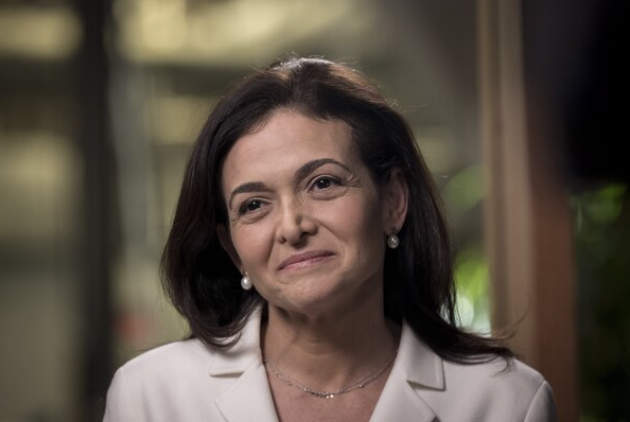
 Xavier Becerra
 Supparat Sivapetchranat Singhara Na Ayutthaya, CEO of STT GDC Thailand
 Joe Biden