Korean chipmakers start to worry about COVID-19 #ศาสตร์เกษตรดินปุ๋ย

#ศาสตร์เกษตรดินปุ๋ย : ขอบคุณแหล่งข้อมูล : หนังสือพิมพ์ The Nation

https://www.nationthailand.com/edandtech/30382518?utm_source=category&utm_medium=internal_referral

Korean chipmakers start to worry about COVID-19

Feb 20. 2020
V1 line in Hwaseong, Gyeonggi Province (Samsung Electronics)

V1 line in Hwaseong, Gyeonggi Province (Samsung Electronics)
By The Korea Herald/ANN

South Korean chipmakers have started to be concerned about a looming slowdown in demand for chips and impact on production in the wake of an unexpected spike in the number of COVID-19 infections across the country, according to industry sources on Thursday.

“So far, the company is not facing any difficulty in running the production lines as usual, but it is worrisome that signs of demand slowdown from set makers are looming as the situation gets worse and longer,” said an official at Samsung Electronics.

The comment came as Samsung announced the world’s top memory provider has kick-started a new production line in Hwaseong, Gyeonggi Province, Thursday, dedicated to producing chips using 7-nanometer process node and below on the strength of extreme ultraviolet lithography technology.

Samsung said the V1 line, which broke ground in February 2018, began test wafer production last year and is scheduled to ship out its first products in the first quarter.

Samsung heir Lee Jae-yong visited the facility to mark its kickoff, according to the company.

It was expected that the impact of COVID-19 would be limited to chip production due to the industry’s mid- and long-term preparations to ensure stable material procurement and supplies.

Even during the extended Lunar New Year holidays in China, the memory plants by Samsung and SK hynix there operated without interruption.

Rather, there were positive forecasts suggesting that the outbreak would limit chip supply in the long run and therefore help raise chip prices.

But as the COVID-19 outbreak continues to worsen both in China and Korea, affecting the chipmakers’ workforces, the companies have grown uneasy about its potential impact on the industry.

SK hynix said about 800 workers at its headquarters in Icheon, Gyeonggi Province, 70 kilometers south of Seoul, have been self-quarantined as a precautionary measure to prevent the spread of the novel coronavirus within the workplace.

The chipmaker discovered on Wednesday that an entry-level recruit who was being trained on the job in Icheon had been in close contact with the country’s 31st COVID-19 patient in Daegu.

SK hynix also said it had closed the company’s education center and sent about 280 new recruits home.

The company, however, said those measures were not affecting its factory operations.

Some raised questions about Samsung’s ramp-up at its NAND flash plant in Xian, China.

Due to withdrawals of semiconductor equipment engineers for the second NAND flash line at Samsung’s Xian factory, the new line’s operations would be hampered, which would affect its overall supply, said a report by KTB Securities report.

Samsung denied the claim, saying: “The ramp-up process itself is on its way as scheduled, although there are some difficulties with the local workforce. The ramp-up amount wouldn’t affect overall supply anyhow.”

By Song Su-hyun (song@heraldcorp.com)

Ransomware shuts gas compressor for days in latest attack #ศาสตร์เกษตรดินปุ๋ย

#ศาสตร์เกษตรดินปุ๋ย : ขอบคุณแหล่งข้อมูล : หนังสือพิมพ์ The Nation

https://www.nationthailand.com/edandtech/30382464?utm_source=category&utm_medium=internal_referral

Ransomware shuts gas compressor for days in latest attack

Feb 20. 2020
By Syndication Washington Post, Bloomberg · Christine Buurma, Alyza Sebenius · NATIONAL, BUSINESS, COURTSLAW, NATIONAL-SECURITY 

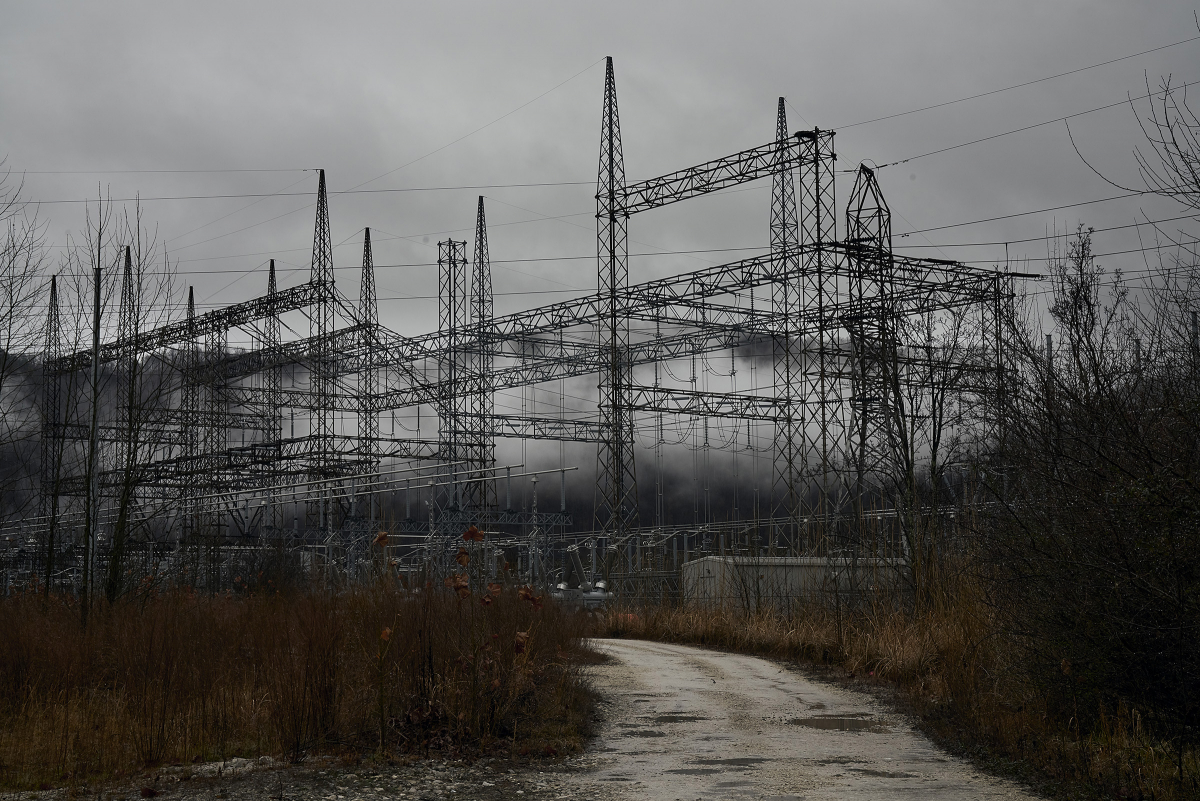
A recent ransomware attack caused a U.S. natural gas compressor facility to shut for two days, the latest in a string of attacks targeting the country’s energy infrastructure over the past few years.

Hackers sent emails with a malicious link, known as a phishing attack, to gain control of the facility’s information technology system, the Department of Homeland Security said Tuesday in an alert. The agency didn’t say which facility was targeted, when the attack occurred or who was behind it.

It appears likely that the attacker explored the facility’s network to “identify critical assets” before executing the ransomware attack, according to Nathan Brubaker, a senior manager at the cybersecurity firm FireEye Inc. This tactic — which has become increasingly popular among hackers — makes it “possible for the attacker to disable security processes that would normally be enough to detect known ransomware indicators,” he said.

The DHS alert comes amid increased concern about whether aging U.S. energy facilities are equipped to ward off cyber-attacks that could result in power failures and disruptions to oil and natural gas supply. In 2018, several pipeline companies saw their electronic systems for communicating with customers shut down after being targeted by hackers.

Regulators have urged better oversight for pipeline cybersecurity, which is overseen by the Transportation Security Administration. DHS announced in 2018 that it was working with the TSA and the Department of Energy on a pipeline cybersecurity initiative.

Operations at the facility have been restored, according to an official the Department of Homeland Security’s Cybersecurity and Infrastructure Security Agency, who requested anonymity speaking about the matter. The official said the incident illustrates the risk that ransomware poses to industrial control systems.

Though the hackers didn’t gain control of the gas compression facility, the operator decided to perform a controlled shutdown after being unable to read and aggregate real-time operational data from certain devices.

While ransomware is usually designed to block access to a computer system until a sum of money is paid, the DHS notice didn’t specify what the hackers were demanding in the gas compressor cyber-attack. The facility’s emergency response plan didn’t specifically address the risk of cyber-attacks, DHS said.

The industrial cybersecurity firm Dragos Inc. assessed with “high confidence” that the DHS alert likely referred to an attack reported in 2019 by the U.S. Coast Guard in December, according to a Wednesday blog post. In that incident, a type of ransomware known as Ryuk — which has targeted organizations across the globe — hit a maritime facility, causing “primary operations” to shut down for more than 30 hours. Dragos didn’t identify the facility.

Joe Slowik, an analyst at Dragos, wrote in the blog post that the ransomware attack didn’t appear specifically focused on targeting industrial control systems. He added that phishing, the mechanism by which the hacker gained access to the facility’s networks, is a common “social engineering mechanism” that attackers use for both ransomware and infrastructure hacking.

Europe takes on China, U.S with plan to regulate global tech #ศาสตร์เกษตรดินปุ๋ย

#ศาสตร์เกษตรดินปุ๋ย : ขอบคุณแหล่งข้อมูล : หนังสือพิมพ์ The Nation

https://www.nationthailand.com/edandtech/30382459?utm_source=category&utm_medium=internal_referral

Europe takes on China, U.S with plan to regulate global tech

Feb 20. 2020
By Syndication Washington Post, Bloomberg · Natalia Drozdiak · BUSINESS, WORLD, TECHNOLOGY, EUROPE

U.S. and Chinese firms hoping to deploy artificial intelligence and other technology in Europe would have to submit to a slew of new rules and tests under a set of plans unveiled by the European Union to boost the bloc’s digital economy.

The legislative plans, outlined Wednesday by the European Commission, the bloc’s executive body, are designed to help Europe compete with the U.S. and China’s technological power while championing EU rights. The move is the latest attempt by the bloc to leverage the power of its vast, developed market to set global standards that companies around the world are forced to follow.

Big U.S. companies such as Facebook and Google won’t get any reprieve from the commission, which in its Digital Services Act plans to overhaul rules regarding legal liability for tech firms and is exploring legislation for “gate-keeping” platforms that control their ecosystems.

“It’s not us that need to adapt to today’s platforms. It’s the platforms that need to adapt to Europe,” European Industry Commissioner Thierry Breton said at a news conference in Brussels. If they can’t find a way adapt to the bloc’s standards, “then we will have to regulate, and we are ready to do this in the Digital Services Act at the end of this year.”

On artificial intelligence, users and developers of AI systems used in high-risk fields, such as health, policing or transportation, would face legal requirements, including tests by authorities, which could also certify the data used by algorithms, the Commission said. High-risk AI could also face sanctions, while lower-risk applications should abide by a voluntary labeling program, the body said.

Facial recognition, which falls under the high-risk category, generally can’t be used for remotely identifying people under current EU rules – with some exceptions. The bloc is planning to start a debate on the topic to determine where European citizens would accept those exceptions.

The EU also said it would propose plans to encourage data sharing among businesses and with governments, with the aim of pooling large sets of high-quality industrial data. The AI plans will be open for public consultation until late May and will aim to propose legislation based on the feedback as soon as the end of year.

U.S. Chief Technology Officer Michael Kratsios encouraged the EU to “pursue an innovation friendly” approach that doesn’t overly burden companies, in a statement reacting to the EU’s announcement. “The best way to counter authoritarian uses of AI is to ensure the U.S. and its allies remain leaders in innovation,” he said.

As part of its Digital Services Act, the EU said it was considering rules for large powerful platforms that act as gate-keepers to ensure their markets remain fair and contestable. The possible legislation is seen as a way to complement antitrust law, which some have criticized for being to slow to restore balance in markets harmed by dominant firms’ behavior.

“Some platforms have acquired significant scale,” the commission said in its document. “We must ensure that the systemic role of certain online platforms and the market power they acquire will not put in danger the fairness and openness of our markets.”

In a statement, Edima, the platform association that represents platforms like Facebook and Google, said it “is committed to working with the European Commission to clarify roles and responsibilities within the online ecosystem.”

The EU’s package will also take aim at platforms’ liability as a global debate continues to simmer around who’s legally responsible for content on social media sites, amid the spread of disinformation, hate speech, and violent content.

Under current EU rules, tech companies aren’t responsible for what users post on their sites unless illegal content has been flagged to them. The rules were drafted almost 20 years ago in an effort to encourage tech firms to grow and innovate, and companies worry that axing the provision could potentially force them to censor posts.

“We ask the commission to tread carefully as they look at how to tackle issues that will ultimately determine the future of tech,” said Raegan MacDonald, head of EU public policy at Mozilla. “Instead of seeing tech as all the same – which it is not – the EU needs to be clear which companies and what practices and processes should be the focus of intervention.”

Facebook Chief Executive Officer Mark Zuckerberg met with EU officials in Brussels on Monday as he called on governments to devise a different liability system for platforms – somewhere between newspaper publishers, who can be sued for what journalists write in their pages, and telecommunications companies, who aren’t liable for customer conversations.

Breton, the commissioner, dismissed Zuckerberg’s framing, saying his comparison to telecom companies was “not relevant.” The comment suggests that the EU could lean toward much more onerous requirements on liability for platforms.

Axon rolls out the next level of police technology: Live-streaming body cameras #ศาสตร์เกษตรดินปุ๋ย

#ศาสตร์เกษตรดินปุ๋ย : ขอบคุณแหล่งข้อมูล : หนังสือพิมพ์ The Nation

https://www.nationthailand.com/edandtech/30382439?utm_source=category&utm_medium=internal_referral

Axon rolls out the next level of police technology: Live-streaming body cameras

Feb 19. 2020
Rick Smith, founder and CEO of Axon, which makes most of the wearable cameras used by U.S. police departments, demonstrates the new Axon Body 3 camera. MUST CREDIT: Washington Post photo by Tom Jackman

Rick Smith, founder and CEO of Axon, which makes most of the wearable cameras used by U.S. police departments, demonstrates the new Axon Body 3 camera. MUST CREDIT: Washington Post photo by Tom Jackman
By The Washington Post · Tom Jackman · NATIONAL, BUSINESS, TECHNOLOGY, COURTSLAW

The term that keeps coming up is “game changer.”

Axon, the largest supplier of body-worn cameras for police in the United States, on Tuesday rolled out 1,000 new cameras for the Cincinnati Police Department that have live-streaming capability. This will enable officers on the street to show dispatchers or commanders a crisis situation in real time and allow rescuers to find an officer who is down or lost.

The new Axon Body 3 body camera for police uses 1080p technology to produce a higher-resolution still image, right, than the previous model, left. MUST CREDIT: Axon

The new Axon Body 3 body camera for police uses 1080p technology to produce a higher-resolution still image, right, than the previous model, left. MUST CREDIT: Axon

The system will automatically activate the camera as soon as a gun is drawn, a shot is heard or a Taser is powered on.

The cameras will not have facial-recognition capability, Axon founder and CEO Rick Smith said in an interview, and access to both the live-streamed video and the archived footage will be tightly controlled. To solve the problem of massive amounts of data piling up, the footage will be stored in a computing cloud maintained by Axon and Microsoft, Smith said.

The software accompanying the cameras will enable officers to receive transcripts of the audio in the footage, and the cameras will film in 1080p, greatly improving the quality of still images often used by police in investigations.

Police officers are typically the first on the scene of a crime in progress or a structural collapse. “To have the ability to access that camera in real time, and live-stream what the officer is seeing, that’s amazing,” said Lt. Stephen Saunders of the Cincinnati police. “That will be a tactical advantage in high-stress situations like an active shooter. Or maybe the officer can’t get to their radio. The dispatch center can access it and see what’s going on there. That’s a game changer.”

Smith added that “your commanders and support staff can have a much greater sense of what’s really happening” at an unfolding crisis. He envisioned officers turning on their cameras and saying “watch my back” or “I need help” to a dispatcher.

“The person in dispatch can watch and can deploy other officers,” Smith said. “We think that’s going to be a game changer.”

Though body cameras have spread widely among police departments in recent years, both as a means of improving transparency and also for documenting potentially controversial encounters, suspicions that they may be used for more-aggressive police monitoring have not abated. “The centralized live-streaming of body cameras would instantly super-charge the surveillance powers of the authorities,” the American Civil Liberties Union’s Jay Stanley wrote in 2016. “It raises the prospect of abuse, and will create significant chilling effects.”

But Smith says he does not want to create the conditions for “creepy surveillance stuff.” Besides securing the cloud and expecting that police departments will tightly limit access to both live and archived footage, Smith created an AI and Policing Technology Ethics Board to review Axon’s proposed uses of artificial intelligence and new technology. Among the members are Barry Friedman, a New York University law professor and founder of the Policing Project, which explores thorny issues and focuses on police accountability. He credited Axon for being “incredibly attuned to ethical considerations,” and his board has produced papers on facial recognition and automated license plate readers.

Live-streaming police video “has pluses and minuses,” Friedman said. “On the plus side, it’s possible being able to stream video can make policing more effective and more safe. If someone is contemplating use of force, it might help to have a supervisor in his or her ear. On the other hand, body cameras go into sensitive places. With streaming, it won’t just be the officer, but somebody else. There have to be serious limits as to whom the video is streamed.”

Putting another set of eyes and ears in a tense situation is a possibly groundbreaking option for police. “Part of the problem in policing, we’ve got individuals out there by themselves who have a lot of discretion,” Friedman said. “Part of the reason they have discretion is there are no alternatives. In serious situations, they might prefer to have better guidance, and we might reach better resolutions.”

With facial recognition, Smith said, “I came to realize there are Fourth Amendment issues. Should we be scanning the face of everybody who walks in front of a police officer? I don’t know yet.”

The cameras can be turned on remotely if needed in an emergency, Smith said, but officers will be able to turn them off at their discretion. Police will be able to seek video from the public through an Axon portal, and the new FirstNet dedicated wireless network for first responders should provide the bandwidth for police to use all this new technology without glitches.

The Axon software will have AI for face detection, not facial recognition, Smith said. This will enable officers to quickly find parts of video that have people in them and also to more quickly redact faces when footage is needed for wider dissemination. Smith said this will cut officers’ search times by up to 80 percent. The AI also will allow the transcription of audio portions of a stream, and the AI may be able to incorporate license plate recognition or driver’s license scans to increase chances of solving crimes. The cameras have 4G LTE connectivity to cell networks and a GPS.

Smith said one key goal is to greatly reduce the time officers spend writing reports, to get them back on patrol. “It makes it easier to create your records,” Smith said. “Over time, we can mine more insights from that data” to study the effectiveness of the camera.

The impact of body cameras, before live-streaming, is unclear. A recent review of body-worn camera research by the Center for Evidence-Based Crime Policy at George Mason University found that the cameras “have not had statistically significant or consistent effects on most measures of officer and citizen behavior or citizens’ views of police.” But Smith cited one 2016 study that said complaints about police behavior dropped 93 percent in six jurisdictions in Europe and the United States after the cameras were introduced.

Axon is not the first to offer live-streaming to police. Visual Labs, a newer Silicon Valley start-up, offers body-camera software for smartphones using Android operating systems but does not have some of Axon’s features.

Axon is packaging its new body camera as part of an “Officer Safety Plan” for $200 per officer per month, Smith said. The bundle includes the camera, equipped with four microphones for greatly improved audio, the software for the camera and its footage, unlimited storage space in the Axon cloud, a Taser weapon and unlimited Taser cartridges. Axon also makes Tasers, the electronic weapon that launches two darts connected to the Taser and uses the electrical circuit to temporarily disable a person.

The fact that the camera activates when a weapon is drawn or when a sound is received through the Shot Spotter gunshot-detection technology should cause more shootings to be recorded. Saunders said officers sometimes don’t have time to reach for their body-camera button during a fast-moving incident, but now it will turn on automatically.

“I think it will bring officers great comfort,” Saunders said. “If they’re out on the beat, they know that someone can find them if they need to. Having that sense of safety is not a no-brainer, it’s a cost, but the cost of not doing it can be even greater.”

New technology allows pet owners to spy on every sniff and shredded slipper #ศาสตร์เกษตรดินปุ๋ย

#ศาสตร์เกษตรดินปุ๋ย : ขอบคุณแหล่งข้อมูล : หนังสือพิมพ์ The Nation

https://www.nationthailand.com/edandtech/30382375?utm_source=category&utm_medium=internal_referral

New technology allows pet owners to spy on every sniff and shredded slipper

Feb 19. 2020
German Shepherd Lola listens to the PetChaz device and waits for a treat at home in Gaithersburg, Md., on Jan. 30, 2020, while owner Andrea Sosias demonstrates how to communicate through the device. MUST CREDIT: Photo for The Washington Post by Evelyn Hockstein

German Shepherd Lola listens to the PetChaz device and waits for a treat at home in Gaithersburg, Md., on Jan. 30, 2020, while owner Andrea Sosias demonstrates how to communicate through the device. MUST CREDIT: Photo for The Washington Post by Evelyn Hockstein
By The Washington Post · Michael S. Rosenwald · BUSINESS, FEATURES

In the prehistoric days before high-speed WiFi and smart home devices, dog owners had to open the front door to discover whether their canine companions had spent the day lounging on the couch or eating it.

Now, thanks to robotic cameras designed specifically for humans to remotely surveil and communicate with dogs, they no longer have to wonder. Every sniff, nap or destructive moment can be watched live on a mobile device. Dog parents can even remotely launch treats.

“It’s definitely entertaining,” said Cristin Bratt, a Fairfax County (Virginia) Park Authority official who watches Jackson, her Boston terrier, on an iPad at her desk. “It was a new concept for our family to have another living creature in our home, so installing a camera gave us peace of mind.”

Alex and Andrea Sosias with dogs Amino, left, and Lola at home in Gaithersburg, Md., on Jan. 30, 2020. MUST CREDIT: Photo for The Washington Post by Evelyn Hockstein

Alex and Andrea Sosias with dogs Amino, left, and Lola at home in Gaithersburg, Md., on Jan. 30, 2020. MUST CREDIT: Photo for The Washington Post by Evelyn Hockstein

Bratt, whose family owns several smart speakers, surveils Jackson with a Furbo Dog Camera, a cylinder device slightly larger than an Amazon Echo that has a one-way camera, a two-way speaker and a launching mechanism that tosses bite-size treats several feet.

PetChatz, one of several competing products, has a two-way camera that allows dogs and dog parents to see each other. In addition to treats, it dispenses aromatherapy. And the devices, which cost between $180 and $450, generate big bucks for their manufacturers.

Amino, left, and Lola relax at home in Gaithersburg, Md., on Jan. 30, 2020. MUST CREDIT: Photo for The Washington Post by Evelyn Hockstein

Amino, left, and Lola relax at home in Gaithersburg, Md., on Jan. 30, 2020. MUST CREDIT: Photo for The Washington Post by Evelyn Hockstein

Consumers spent almost $50 million on dog cameras in 2018, according to Grand View Research. Amazon, whose CEO and founder Jeff Bezos owns The Washington Post, said Furbo was one of its top-selling smart home devices this past Black Friday and Cyber Monday weekend.

The cameras are just the latest form of human technology to crossover into the pet world. In the past decade, pet owners have outfitted their animals with activity trackers, swabbed their gums for DNA, and bought plenty of I-this, I-that products, such as the iFetch ball launcher.

What’s driving dog camera sales?

For one thing, it’s anxiety – for dogs and humans.

Up to 17 percent of dogs experience separation anxiety, and it’s not pretty.

“Escape attempts by dogs with separation anxiety are often extreme and can result in self-injury and household destruction, especially around exit points like windows and doors,” according to the American Society for the Prevention of Cruelty to Animals. “When the guardian returns home, the dog acts as though it’s been years since he’s seen his mom or dad!”

A key holder for the Sosias family at their home in Gaithersburg, Md., on Jan. 30, 2020. MUST CREDIT: Photo for The Washington Post by Evelyn Hockstein

A key holder for the Sosias family at their home in Gaithersburg, Md., on Jan. 30, 2020. MUST CREDIT: Photo for The Washington Post by Evelyn Hockstein

That’s the primary reason Bratt uses a Furbo. Jackson is cute, but when his parents and human siblings go AWOL for too long, things can go south real fast. He once ate a down jacket hanging on a chair, turning the kitchen into a winter wonderland. He has been known to find boxes of treats and consume them all.

Bratt has attempted to dissuade Jackson from this behavior by speaking with him sternly through her Furbo.

“It seems to make him a little confused,” Bratt said, though the mysterious appearance of her voice distracts him enough to reframe his activities. Usually.

Then there’s the dog owner anxiety.

“It’s been our experience from day one that there is mutual separation anxiety,” said Lisa Lavin, a Minnesota veterinarian and PetChatz CEO and founder. “People treat their pets as part of the family. They are pet parents, especially with dogs. So it’s like leaving their kids at home. They worry about them. They have more separation anxiety than the dog or that cat does.”

Lavin is not being hyperbolic. A 2019 study in the journal “Frontiers in Behavioral Neuroscience” reported “hormonal synchrony” between dogs and humans during extended periods of separation.

“The relationship between humans and domesticated dogs (Canis familiaris) has undergone thousands of years of shared evolutionary history, likely tapping into similar neurobiological substrates for attachment,” the study said. “It is not surprising that domesticated dogs are able to elicit human caregiving responses.”

Especially in millennials.

“Aren’t we the ones who don’t have kids but we all have dogs that we treat like kids?” asked Andrea Sosias, 28, a teacher in Gaithersburg, Maryland.

Yes.

“We are seeing this a lot,” Lavin said. “So pets are becoming an even bigger part of our family lives.”

Sosias was standing in the kitchen of her condo with her husband, Alex, 29, a strength coach, and their two enormous dogs, Lola and Amino, who were competing for attention with voracious sniffing and kisses. In the corner, near a tray table of liquor, a PetChatz was installed against the wall.

Andrea and her husband use it to check in on Lola and Amino when they aren’t home. As soon as the device dings that mommy or daddy has pressed a button on the smartphone app to check in, Lola and Amino go racing to the PetChatz.

“I guess they are like Pavlov’s dogs,” Alex said.

Yes.

In the couple’s previous home, a townhouse, the dogs were kept mostly crated. After moving to the condo, a friend bought them the PetChatz as a gift, and it gave them the comfort to try allowing Lola and Amino to roam free when they weren’t home.

“This was a pivotal transition for them accepting not having to be crated,” Alex said.

“And it was new location,” Andrea replied. “They were very anxious being here because they had only lived at the townhouse.”

Amino would pace. Every noise scared him.

“With the PetChatz, we could check in on them, see if they were OK,” Andrea said.

Alex’s opinion: “I honestly think a lot of it is that they realize they aren’t being ignored.”

Not only are Lola and Amino not being ignored, but they and other dogs under surveillance are becoming stars on social media, with dog-camera owners posting funny videos of their animals climbing on kitchen tables, rearranging pillows, running in circles, jumping out of playpens and chasing their tails (sometimes for hours).

And because dog parents can set their devices to notify them when their dog barks, Andrew Bleiman, Furbo’s general manager, said his company’s device had alerted parents to fires and burglaries.

“If you have a dog that doesn’t bark a lot and you’re getting a bunch of alerts about barks, you might want to check that out,” Bleiman said. “It’s almost like a tech advancement for a dog’s original purpose.”

Yes.

PetChatz has introduced interactive games that dogs can play with their owners simply by the dog pressing a paw-shaped button attached to the camera. Lavin said dogs motivated by food are highly motivated players.

The companies are also working to integrate the cameras with other smart home devices, so that, for instance, if the dog jingles a bell a smart door could open so they can let themselves out.

“And then we’d would record the whole thing,” Bleiman said.

The day might soon come when dogs could bark up their own music playlists.

Earlier this year, Spotify launched a website allowing users to create playlists for their animals based on mood, energy and personality. The goal: “a pawfect algorithmically generated playlist.”

Get it?

Pawfect.

Apple’s outlook cut revives questions about China over-reliance #ศาสตร์เกษตรดินปุ๋ย

#ศาสตร์เกษตรดินปุ๋ย : ขอบคุณแหล่งข้อมูล : หนังสือพิมพ์ The Nation

https://www.nationthailand.com/edandtech/30382367?utm_source=category&utm_medium=internal_referral

Apple’s outlook cut revives questions about China over-reliance

Feb 18. 2020
An Apple inc. logo is displayed at their store at Yorkdale mall in Toronto on Aug. 22, 2019. MUST CREDIT: Bloomberg photo by Brent Lewin.

An Apple inc. logo is displayed at their store at Yorkdale mall in Toronto on Aug. 22, 2019. MUST CREDIT: Bloomberg photo by Brent Lewin.
By Syndication Washington Post, Bloomberg · Mark Gurman, Debby Wu, Gao Yuan · BUSINESS, WORLD, TECHNOLOGY, US-GLOBAL-MARKETS, ASIA-PACIFIC

For the second time in as many years, Apple has had to temper its sales outlook because of unexpected shifts in China, the country that’s served as the engine of its growth and success.

First a trade war with the U.S. and now the outbreak of a novel coronavirus have called into question China’s role as a reliable market and supply chain partner for the world’s most valuable maker of consumer electronics.

The coronavirus that’s stifled China’s meticulously orchestrated production and logistics has hit both Apple’s supply and demand — factories are resuming work slower than expected, the company announced, and most of its 42 stores in the country lie dormant — illustrating how heavily exposed its business is to disruptions in the world’s most populous country. A fall in sales within China is likely to be the most immediate impact this quarter, while widespread production bottlenecks there risk hurting global iPhone revenue in subsequent months.

Amid its coronavirus troubles, Apple has been preparing to launch a new low-cost iPhone at around $400, Bloomberg News has reported. The model is still on track to launch in March, though the plans are still fluid, according to people familiar with the matter. Apple has also been preparing updated iPad Pro models with a new camera system for the first half of 2020 and the virus may yet impose delays or constraints on those plans.

Upon joining the company in the late 1990s, Chief Executive Officer Tim Cook transformed Apple’s supply chain into the efficient juggernaut that’s been the longtime envy of the industry. Products are manufactured in China with the help of low-cost, but skilled, labor and shipped around the world in a matter of days. Relying on Taiwan’s Foxconn Technology Group to run on-the-ground operations and China’s abundant investment in transport to ensure logistics, Apple has become a trillion-dollar company largely by selling made-in-China iPhones, iPads, Macs and accessories.

Responsible for millions of jobs in the country, Cook’s Apple has also garnered enough goodwill with the Chinese government to gain access to its market that is unmatched among U.S. tech heavyweights. Facebook Inc. and Alphabet Inc.’s Google are looking in from the outside, whereas Apple can sell all of its gadgets there. The Cupertino, California firm brings in more than $40 billion per year from Greater China, shy only of its takings from the U.S. and Europe. This strength is also the source of Apple’s vulnerability.

On Monday, Apple cut its earnings guidance for the quarter ending Mar. 31, which was already wider than usual because of the unpredictability of the coronavirus fallout. U.S. stock index futures and shares in Apple suppliers from Japan to Hong Kong fell after the outlook warning kindled concerns about the damage the epidemic is causing global corporations and the Apple ecosystem. Last year, the company adjusted earnings because of a shortfall in iPhone demand in China, which it blamed in part on the ongoing trade war between Washington and Beijing.

Production snarls at Apple’s main iPhone-making base of Zhengzhou may extend well into the June quarter and possibly beyond. Foxconn’s Hon Hai Precision Industry Co. only started seasonal recruitment on Monday, weeks behind schedule, and it’s been severely hindered by new policies intended to curb the spread of Covid-19 on campus. One recruiter, speaking on condition of anonymity, told Bloomberg News that the company was only hiring new workers from the local Zhengzhou area, tightening restrictions and eliminating the vast majority of available labor pool.

Implementing a rolling quarantine of up to 14 days for returning workers from more distant provinces, Foxconn faces additional challenges in managing the movement of untold numbers of staff. In Shenzhen, as many as 10 workers are packed in each dorm room as they endure their assigned sequester period. The available beds are running short as a growing number of workers travel back, according to one person who helped arrange the program.

Virus contagion has shuttered plants across China for weeks longer than anticipated after the Lunar New Year break, and the nightmare scenario feared by Foxconn and its ilk is the infection spreading across factory floors, which could potentially freeze parts of the supply chain and trigger cascading shortages. Apple’s facilities have all reopened, said the U.S. firm, but evidence on the ground suggests they’re still far from fully operational.

Existing iPhone inventories at retailers will soften the immediate blow of slower manufacturing, but analysts anticipate worldwide shortages will follow, extending the impact of the present disruption.

“I expect we’re going to start seeing iPhone shortages outside of China, which plays into the guidance,” said Apple analyst Shannon Cross from Cross Research. “In theory, it shouldn’t be demand destructive. It should just mean there should be a larger backlog of demand when these issues are resolved.”

The immediate reaction to Apple’s forecast cut has been a drag on Asian tech shares, especially those of suppliers to the company. But some impact on Apple was already widely anticipated.

“We’ve been getting nothing but headlines about the virus for weeks. Starbucks is closing its stores, Caterpillar is shutting its facilities. Company after company has been saying this,” Jim Paulsen, chief investment strategist at Leuthold Group, said by phone, expressing investor optimism for a fast turnaround. “We have been expecting bad sales headlines, this isn’t good, but it’s not surprising.”

Moving entirely out of China would be practically impossible for Apple in the short term, given the scale of its established network and the country’s incomparable ability to mobilize a workforce of millions. Similarly strong disruption threats to its supply chain arose in 2018 and 2019, largely spurred by trade war conflagrations, but Cook’s team has held steadfast in its commitment to the region and hasn’t shown any significant momentum toward a major move out.

“Apple’s supply chain in China is so tight and large, it would be difficult to replicate outside the region,” Cross said. “I think you’ll continue to see small expansions into India, but the vast majority of production will remain in China.”

Apple has indicated that its overall business is still strong, saying that it remained on track revenue-wise in regions outside of China for both products and services. The company is engaged in a long-term diversification shift that’s seen it pour billions of dollars into creating its own streaming content for Apple TV+ and building out subscription services like Apple Music and Apple Arcade. Its strongest step to reduce its China dependence to date has been this move to be less reliant on pure hardware sales for the bulk of its revenue.

Addressing the wider smartphone industry in China, Strategy Analytics this month projected a significant hit to shipments in the first half of 2020, to be followed by a recovery and a slight increase in shipments in the closing months of the year. If Apple follows a similar trajectory, it could see iPhone demand shift into later quarters rather than vanishing entirely.

“I think Apple remains in a very good position long-term,” Cross said. “I would assume there would be some pressure on the stock, but assuming this is a short term bump in the road, investors will look through it.”

Ring and Nest helped normalize American surveillance and turned us into a nation of voyeurs #ศาสตร์เกษตรดินปุ๋ย

#ศาสตร์เกษตรดินปุ๋ย : ขอบคุณแหล่งข้อมูล : หนังสือพิมพ์ The Nation

https://www.nationthailand.com/edandtech/30382360?utm_source=category&utm_medium=internal_referral

Ring and Nest helped normalize American surveillance and turned us into a nation of voyeurs

Feb 18. 2020
By The Washington Post · Drew Harwell · BUSINESS, TECHNOLOGY 

CAMERAS-PRIVACY : Margaret Cudia thought her Ring doorbell camera was “the best thing since sliced bread.” She loved watching the world pass by through her suburban New Jersey neighborhood, guarding vigilantly for suspicious strangers and porch pirates from the comfort of her phone.

She hadn’t expected the camera also might capture awkward moments closer to home, like the time it caught her daughter grabbing a beer and talking about how controlling her mother was. “I never told her about that one,” she said with a laugh.

Amazon’s Ring, Google’s Nest and other Internet-connected cameras – some selling for as little as $59 – have given Americans the tools they need to become a personal security force, and millions of people now seeing what’s happening around their home every second – what Ring calls the “new neighborhood watch.” (Amazon founder Jeff Bezos owns The Washington Post.)

But the allure of monitoring people silently from afar has also proved more tempting than many expected. Customers who bought the cameras in hopes of not becoming victims joke that instead they’ve become voyeurs.

The Washington Post surveyed more than 50 owners of in-home and outdoor camera systems across the United States about how the recording devices had reshaped their daily lives. Most of those who responded to online solicitations about their camera use said they had bought the cameras to check on package deliveries and their pets, and many talked glowingly about what they got in return: security, entertainment, peace of mind. Some said they worried about hackers, snoops or spies.

But in the unscientific survey, most people also replied that they were fine with intimate new levels of surveillance – as long as they were the ones who got to watch.

They analyzed their neighbors. They monitored their kids and house guests. And they judged the performance of housekeepers, babysitters and other domestic workers, often without letting them know they were being recorded. “I know maybe I should” tell them, one woman explained, “but they won’t be as candid.”

Ring and Nest representatives said they had recently implemented new privacy and security measures to help protect customers’ accounts and that they encourage new users to make it clear that the cameras can record at any time. Ring’s installation guide suggests customers use stickers or signs to “let visitors know that your home is under audio/video surveillance by a Ring device.”

But the cameras’ offering of secretive observation, some customers told The Post, often felt too enticing to ignore. Mari Gianati, whose Nest cameras watch over her waterfront home in Puerto Rico, said she uses the cameras to examine the housekeepers, the pool guy, the fumigator, the people who feed her birds and any strangers who pass by her private road, most of whom she said don’t know the cameras are there.

“I have to admit: Sometimes I just watch,” she said. Once she looked on for hours as her sister argued with workers over a delivery of damaged furniture. “Thank goodness I had WiFi!” she said.

All that added vigilance has come at a cost. Hackers have peered into children’s bedrooms. Police officers have asked homeowners for video of their neighbors. And families have had to reckon with the delicate new bounds of home privacy – including one woman who didn’t realize that her lovemaking with her husband had been caught on camera until it was too late.

But most people said those concerns weren’t enough to persuade them to turn off their cameras. Device sales have surged in recent years amid falling prices and rising public acceptance: The companies won’t give full sales figures, but they say millions of cameras now are online nationwide. Ring said in November that its doorbell cameras were dinged more than 15 million times on Halloween, nearly double the previous year.

Matthew Guariglia, an analyst for the online-rights group Electronic Frontier Foundation, said the rush of new home cameras threatened to make the problems of widespread surveillance – the chilling of free speech, the erosion of privacy – that much more intimate and inescapable.

“Who hasn’t looked out and watched other people through their peephole? There’s a kind of morbid fascination to it,” he said. “The problem is when it’s not just you behind a peephole but a camera that’s on at all times, saving to a cloud you don’t control.”

No gadget since the smartphone has so quickly normalized personal surveillance. The motion-detecting cameras can be bought for as little as $59 and come in a range of styles, from outdoor units with sirens and floodlights to battery-powered “stick-up cams” that can be placed virtually anywhere. Owners can watch the cameras live or save the videos for a few dollars a month.

Some cities offer rebate and voucher programs for the cameras in hopes that more surveillance footage will make crimes easier to solve. The cameras have also become popular Christmas gifts, and Google and Amazon have advertised them around the holidays with hashtags like #CaughtOnNestCam and #AlwaysHome. (In December, Ring also sold festive holiday camera faceplates.)

The extra eyes have been a huge gift to American law enforcement. Ring lets police officers use a special tool to ask customers for videos captured in and around their houses, and the number of police agencies with access has more than doubled since September, to nearly 900 agencies across 44 states, a Post analysis found. “Ring believes when communities and local police work together, safer neighborhoods can become a reality,” Ring spokeswoman Yassi Shahmiri said in a statement.

Privacy advocates have called the Ring-police partnerships an unnerving escalation of criminal surveillance powers. But nearly every Ring owner contacted by The Post said they would have no problem providing video to law enforcement if it could help solve a crime. Police and prosecutors last month pushed to use Ring doorbell footage in a Texas murder investigation and a New Hampshire assault trial.

Some homeowners said they had already tried be police informants, logging in several times a day to Ring’s companion app, Neighbors, in which people can share video of break-ins, lost dogs and seemingly unsavory characters.

By tallying up neighborhood reports of suspicion and uncertainty, the social network can also turn harmless moments – the kind most people would have been blissfully ignorant of – into signs of danger or sources of dread.

That heightened level of suburban surveillance has also triggered some false alarms. One man labeled a “Suspicious Male” on Neighbors because he stepped onto a Boston porch later defended himself by saying he had been reminiscing about his old house. “I used to play with my dog in the backyard,” he said, according to a Boston Magazine story. (Perhaps to lighten the mood, Ring this month unveiled a new category for Neighbors app users wanting to share recorded acts of kindness: “Neighborly Moments.”)

Some customers said the cameras had sparked conversations within their families about trust and privacy in a new surveillance age, often with answers they would rather have gone unsaid. After Rik Eberhardt set up a Nest camera inside his home in the Boston suburbs, he found it increasingly awkward being reminded of every late-night trip he or his wife took to the kitchen. “I started feeling like: What am I even using this for?” he said. (He has since aimed the camera at his cats’ food bowls.)

Others said they were growing exhausted from the hyper-vigilance the cameras seemed to demand. The motion-activated devices can send alerts whenever someone walks by and also can be triggered by the movement of cars, dogs, squirrels and windblown trees, leading some customers to feel startled or under siege.

Several customers offered tales of strange noises, bizarre whispers and ghostly apparitions: One mother said she worried her toddler’s nightmares might have been caused by the unblinking camera in his room. The mortal realm has not always appreciated being recorded, either. One apartment dweller who said he used his Ring camera to record people littering at the community mailbox was told by his landlords to knock it off.

Molly Snyder, an education blogger and mother of three in the suburbs outside Columbus, Ohio, said videos from Ring doorbells and other home cameras had become the biggest source of conversation and outrage in her neighborhood Facebook group.

“There’s never video of porch pirates or criminals. It’s all what we’re doing to each other, or what the mailman is doing to frustrate our day,” she said. The postal worker’s biggest transgression, she said, is not pulling all the way to the side of the road when delivering packages: “People capture that on video, and there’s always a lot of rage commenting, with everybody dumping on the mailman,” she said.

Her neighbors, she said, regularly post videos of children walking down the street alongside comments like, “Whose kids are these?” They don’t look like they’re doing anything wrong – a typical breach involves taking a shortcut through someone’s lawn – but her children told her they knew of kids who had gotten in trouble after video was posted of them hitting a tree with a stick.

“We’re not a neighborhood that’s unsafe. We’re also not a neighborhood where people spend a lot of time outside, interacting with each other,” she said. “So we turn our Rings on and start dissecting all the children. Shouldn’t we be encouraging each other to go outside, say hello and not just get alerts that you’re walking past?”

This ability to see into homes has already been weaponized: Hackers have used the camera systems to shout racist slurs at an 8-year-old girl in Mississippi and a 15-year-old boy in Florida; spew sexual expletives and kidnapping threats at a 4-month-old baby in Texas; and broadcast pornography into the bedroom of a 2-year-old girl in California.

Tania Amador, a teacher’s aide in Texas who used her Ring camera to coo at her cancer-stricken bulldog, shared video with The Post showing a hacker laughing as he blasted a deafening siren through her living room while she and her boyfriend hid just out of view. She is suing the company, arguing its lax security controls left her open to abuse.

Shahmiri, the Ring spokeswoman, declined to comment on the ongoing case but said Ring’s network had not been compromised. In some cases, Ring has argued that hackers used log-in details stolen from other sites; Amador said she had used a unique, 14-character password and had no idea how her cameras had been breached.

“It felt like a nightmare,” she said. “Even now, it’s tough to deal with the fact that we may have been watched for a while without knowing. What if the hacker (was) smart enough just to be quiet and watch?”

Beyond outright hacks, the systems’ technical errors have reminded users of how creepy the glitches can be. The owner of a Google Nest video screen saw footage recorded inside other people’s homes, including a close-up of a baby sleeping in a crib. Google said the issue was the fault of the camera maker, the Chinese tech firm Xiaomi, and temporarily disabled some links to the devices.

The potential for mayhem has led some camera lovers to rethink their everyday use. Keith Keber said he liked using the cameras around his home in suburban Washington state to watch the hummingbirds and talk to his cats. But after his cameras’ maker, Wyze Labs, announced in December that it had suffered a data breach, he has been unplugging his cameras and leaving them in a drawer. “All these Internet-of-things devices, they’re portals,” he said, “not just to look out but to look in.”

Some customers also voiced anxiety over who might have access to their in-home feeds. An Amazon executive told senators last month that Ring had fired employees following four complaints that they had abused access to customers’ video data; the company has declined to provide further detail. Criticism of the systems has also come from inside the companies: Amazon software engineer Max Eliaser wrote last month that the mass deployment of Internet-connected cameras was “simply not compatible with a free society.”

“Ring should be shut down immediately and not brought back,” he wrote. “The privacy issues are not fixable with regulation, and there is no balance that can be struck.”

Despite privacy concerns, some customers said the cameras are a unique way to keep track of their families. One woman said she had installed cameras from Nest and the Chinese tech company Yi Technology to monitor her three children, ages 3 and younger, when they are alone in their rooms.

But other camera owners said they would never dream of installing the systems inside. Catherine, a 58-year-old Florida snowbird who uses Blink cameras to watch her home in Minnesota and who requested to use only her first name, said the cameras have become so easy to turn on that many people don’t really think about what’s at stake. Parents who installed cameras in kids’ rooms, she said, might end up depriving them of the privacy they need to grow into independent adults.

“We’re all getting too paranoid. Everybody thinks they’re going to be the next victim. And it’s set into us this mentality that we have to watch everything and everybody,” she said. “They think, ‘If I put all these cameras up, I’ll be safe.’ Safe from what? . . . It’s only making them more afraid.”

อี-คอมเมิร์ซถอยไป “ซี-คอมเมิร์ซ” กำลังมา #ศาสตร์เกษตรดินปุ๋ย

#ศาสตร์เกษตรดินปุ๋ย : ขอบคุณแหล่งข้อมูล : หนังสือพิมพ์คมชัดลึก

https://www.komchadluek.net/news/lifestyle/416890?utm_source=category&utm_medium=internal_referral&utm_campaign=lifestyle

อี-คอมเมิร์ซถอยไป “ซี-คอมเมิร์ซ” กำลังมา

17 กุมภาพันธ์ 2563 – 00:00 น.
ซี-คอมเมิร์ซ,อี-คอมเมิร์ซ,นักช็อปออนไลน์
เปิดอ่าน 683 ครั้ง

อี-คอมเมิร์ซถอยไป “ซี-คอมเมิร์ซ” กำลังมา คอลัมน์… อินโนสเปซ โดย… บัซซี่บล็อก

ทุกวันนี้ นักช็อปออนไลน์เริ่มคุ้นเคยกับวิธีการขายสินค้าผ่าน “ไลฟ์สด” ที่พ่อค้า/แม่ค้าออนไลน์หลายคน อาศัยลีลาการขายของแบบเฉพาะตัวจนสร้างฐานลูกค้าได้อย่างเหนียวแน่น บางรายปั้นยอดขายได้เป็นหลักล้านบาทต่อเดือน การไลฟ์สดขายของที่พูดถึงนี้ มาแรงจนถึงขึ้นมีบัญญัติศัพท์ใหม่ขึ้นมารองรับแล้ว เรียกว่า “ซี-คอมเมิร์ซ (Conversational Commerce)” หรือสาขาย่อยของอี-คอมเมิร์ซนั่นเอง

ในที่นี้ขอหยิบยกคำอธิบายที่เข้าใจได้ง่ายของ ณรงค์ยศ มหิทธิวาณิชชา Chief Digital Officer & Cofounder at The Flight 19 Agency ซึ่งเคยเขียนแบ่งปันความรู้ไว้ในบล็อกบนเว็บ twfdigital.com บอกว่า Conversational Commerce ก็คือ โซเชียล คอมเมิร์ซแบบหนึ่ง ซึ่งหมายถึงการซื้อขายโดยการพูดคุยผ่านการส่งข้อความ หรือแชท (Chat) นั่นเอง

ที่น่าสนใจกว่านั้น ก็คือ Conversational Commerce ไม่ถือว่าเป็นเรื่องใหม่ของบ้านเรา เพราะสำหรับเอสเอ็มอี และแม่ค้าออนไลน์ในเมืองไทย การใช้โซเชียลมีเดีย อย่างเฟซบุ๊ก และอินสตาแกรม เป็นหน้าร้าน แล้วพูดคุยกันระหว่างผู้ซื้อผู้ขายผ่านทางแชท ไม่ว่าจะเป็น messenger, IG direct, หรือ LINE ไปจนถึงการโอนเงินผ่าน mobile banking, e-banking แล้ว confirm ส่งของทางไปรษณีย์ เป็นเรื่องที่ทำกันมาตั้งแต่ยุคแรกๆ ที่เฟซบุ๊กได้รับความนิยมสำหรับการทำการตลาดแล้ว แถมทุกวันนี้ยังข้ามขั้นไปถึงการไลฟ์ขายของตั้งแต่ เสื้อผ้า กระเป๋า ต้นไม้ ไปจนถึงอาหารทะเล

ขณะที่ จากผลสำรวจอย่างเป็นทางการล่าสุดของเฟซบุ๊ก ซึ่งเผยแพร่เมื่อปีที่ผ่านมา ระบุว่า ประเทศไทยเป็นประเทศที่มีใช้สื่อโซเชียลมีเดีย และมีนักช็อปผ่านช่องทางซี-คอมเมิร์ซสูงเป็นอันดับต้นๆ ของโลก มียอดขายผ่านช่องทางนี้สูงถึง 4.8 พันล้านดอลลาร์สหรัฐ รั้งอันดับ 2 ในภูมิภาคนี้ โดยมีเวียดนามนำหน้าด้วยตัวเลข 5.9 พันล้านดอลลาร์สหรัฐ และอินโดนีเซีย ตามมาในอันดับ 3 ด้วยตัวเลข 4.7 พันล้านดอลลาร์สหร้ฐ

อีกทั้ง ยังมีรูปแบบการซื้อขายสินค้าที่แตกแขนงออกมาจาก “ซี-คอมเมิร์ซ” ที่กำลังมาแรงก็คือ รูปแบบของ “ไลฟ์ คอมเมิร์ซ” (Live-Commerce) เป็นการเชื่อมโยงระหว่าง โซเชียลมีเดีย, อี-คอมเมิร์ซ และสตรีมมิ่ง แพลตฟอร์ม เข้าไว้ด้วยกัน โดยผู้ซื้อและผู้ขายสามารถตอบโต้สื่อสารกันได้แบบเรียลไทม์ ทำให้สามารถเพิ่มยอดการขายให้แก่ผู้ขายได้มากขึ้น

แนวโน้มความแรงของการไลฟ์ขายของในบ้านเรา ล่าสุดได้ไปเข้าตาบริษัท เอ็มเซเว่นทีน เอนเตอร์เทนเมนต์ กรุ๊ป (M17 Entertainment Group) ของไต้หวัน ซึ่งปัจจุบันถือเป็นผู้นำด้านธุรกิจ Social Entertainment ของเอเชีย เข้ามาเปิดตัวบริษัท เอ็มเซเว่นทีน เซอร์วิสเซส ไทยแลนด์ ประกาศกร้าวขอเป็นผู้นำในการรุกตลาดธุรกิจ “ไลฟ์ คอมเมิร์ซ” (Live-Commerce) พร้อมเปิดตัวโซลูชั่นรองรับนักช็อปและพ่อค้า/แม่ค้าชาวซี-คอมเมิร์ซแบบไลฟ์สดอย่างครบวงจร ในชื่อ “แฮนด์ อัพ” (Hands Up) Live-Commerce Solutions เจ้าแรกในประเทศไทย ช่วยทำให้การไลฟ์ขายของบนโลกออนไลน์… ง่ายนิดเดียว

ผู้บริหารของเอ็มเซเว่นทีน บอกว่า ต้องการทำให้ธุรกิจ “ไลฟ์ คอมเมิร์ซ” เป็นที่แพร่หลายเช่นเดียวกับในไต้หวันและประเทศจีน โดยหลังเปิดตัวแพลตฟอร์ม “แฮนด์ อัพ” เมื่อปี 2562 ปัจจุบันมีร้านค้าที่ไลฟ์ขายของในระบบมากกว่า 7,000 ราย ในเอเชีย ส่วนในประเทศไทยนั้น ตั้งเป้าว่าจะดึงดูดนักขายไลฟ์สดเข้ามาอยู่บนแพลตฟอร์มได้ถึง 3,000 ราย

อีกบริการที่น่าสนใจอย่างมากจากบริษัทนี้ ก็คือยังมีบริการ “นักไลฟ์” หรือผู้ที่มีอิทธิพลทางความคิดและไลฟ์สไตล์ของผู้ซื้อ ทั้ง KOL (Key Opinion Leader) และอินฟลูเอนเซอร์ มาเป็นตัวช่วยรีวิวและทำการตลาดผ่านคอนเทนต์ต่างๆ ให้กับสินค้าหรือแบรนด์ ให้มีความน่าสนใจมากยิ่งขึ้น พร้อมทั้งยังโน้มน้าวจิตใจของกลุ่มผู้บริโภคให้หันมาสนใจสินค้าหรือแบรนด์มากขึ้นอีกด้วย

และสำหรับผู้สนใจอยากเป็น นักไลฟ์มืออาชีพ บริษัทเปิดช่องทางรับสมัครสำหรับผู้ที่สนใจอีกด้วย สามารถติดต่อเข้ามาได้ผ่าน https://www.naklive.net

ในภาพรวมของช่องทางการขายรูปแบบใหม่ที่กำลังเพิ่มความแรงไล่จี้อี-คอมเมิร์ซแบบเดิมๆ ด้วยลีลาไลฟ์สดขายของ ปัจจุบันได้รับการจับตามองอย่างมากโดยเฉพาะในประเทศแถบเอเชีย โดยเฉพาะในประเทศจีน ซึ่งขยายตัวอย่างรวดเร็วจากพฤติกรรมที่ผู้บริโภคมากกว่า 40% นิยมการซื้อสินค้าผ่านอี-คอมเมิร์ซอยู่แล้ว อีกทั้งยังมีแรงส่งจากการใช้อินฟลูเอนเซอร์ หรือคนดังมาเป็นคนรีวิวิเองด้วย

ส่วนในประเทศไทย เชื่อว่าหลายคนก็คงคุ้นชื่อ “บังอาซัน” เจ้าของเพจอาหารทะเลตากแห้ง จ.สตูล ที่ใช้เสน่ห์จากลีลาและความจริงใจนำเสนอผลิตภัณฑ์ดีๆ จากพื้นถิ่นมาทำการไลฟ์สดเป็นประจำทุกวัน จนยอดสั่งซื้อถล่มทลายสร้างยอดขายได้หลักล้านบาทต่อเดือน

เมืองใหญ่-นิคมอุตฯ แหล่งละเมิดลิขสิทธิ์ซอฟต์แวร์ #ศาสตร์เกษตรดินปุ๋ย

#ศาสตร์เกษตรดินปุ๋ย : ขอบคุณแหล่งข้อมูล : หนังสือพิมพ์คมชัดลึก

https://www.komchadluek.net/news/lifestyle/415146?utm_source=category&utm_medium=internal_referral&utm_campaign=lifestyle

เมืองใหญ่-นิคมอุตฯ แหล่งละเมิดลิขสิทธิ์ซอฟต์แวร์

10 กุมภาพันธ์ 2563 – 00:00 น.
ละเมิดลิขสิทธิ์ซอฟต์แวร์,โจรลักซอฟต์แวร์
เปิดอ่าน 1,621 ครั้ง

เมืองใหญ่-นิคมอุตฯ แหล่งละเมิดลิขสิทธิ์ซอฟต์แวร์ คอลัมน์…  อินโนสเปซ โดย… บัซซี่บล็อก

ได้มีโอกาสรับฟังการประมวลสถานการณ์เกี่ยวกับปัญหาลิขสิทธิ์ซอฟต์แวร์ในประเทศไทยครั้งล่าสุด เมื่อช่วงต้นสัปดาห์ที่มี 3 องค์กรสำคัญ ซึ่งมีบทบาทหลักๆ ในการไล่ล่า “โจรลักซอฟต์แวร์” ในประเทศไทย ได้แก่ กรมทรัพย์สินทางปัญญา กองบังคับการปราบปรามการกระทำความผิดเกี่ยวกับอาชญากรรมทางเศรษฐกิจ (บก.ปอศ.) ในสังกัดสำนักงานตำรวจแห่งชาติ และพันธมิตรซอฟต์แวร์ (บีเอสเอ) แล้วก็ต้องสะกิดใจกับข้อมูลที่ระบุ “พิกัด” พื้นที่ ซึ่งต้องถูกจับตาเป็นพิเศษว่า มักอยู่ในจังหวัดที่เป็นแหล่งธุรกิจสำคัญ รวมถึงจังหวัดที่มีพื้นที่เขตนิคมอุตสาหกรรม เช่น กรุงเทพฯ ชลบุรี นนทบุรี ระยอง และสมุทรสาคร

จากการเปิดเผยข้อมูลโดย พ.ต.อ.คธาธร คำเที่ยง รองผู้บังคับการ กองบังคับการปราบปรามการกระทำความผิดเกี่ยวกับอาชญากรรมทางเศรษฐกิจ (บก.ปอศ.) สำนักงานตำรวจแห่งชาติ ระบุว่า ในรอบปี 2562 ที่ผ่านมา ประเทศไทยได้มีการดำเนินคดีละเมิดลิขสิทธิ์ซอฟต์แวร์กับองค์กรธุรกิจทั้งสิ้น 469 คดี ซึ่งเพิ่มจากตัวเลข 395 คดีเมื่อปี 2561 อย่างไรก็ตาม ในแง่มูลค่าการละเมิดฯ ลดลงจาก 661 ล้านบาทในปีก่อนหน้า มาอยู่ที่กว่า 464 ล้านบาท

โดยองค์กรธุรกิจที่ถูกดำเนินคดีนี้ ส่วนใหญ่อยู่ในอุตสาหกรรมการผลิต รวมไปถึงธุรกิจอสังหาริมทรัพย์และก่อสร้าง ออกแบบและตกแต่งภายใน เป็นต้น บางรายเป็นองค์กรธุรกิจขนาดใหญ่ที่มีชื่อเสียง แต่มีการติดตั้งใช้งานซอฟต์แวร์โดยไม่มีสัญญาอนุญาตให้ใช้สิทธิบนคอมพิวเตอร์ถึง 100 เครื่อง ส่วนใหญ่ที่ถูกดำเนินคดี มีสถานประกอบการตั้งอยู่ในจังหวัดที่เป็นแหล่งธุรกิจสำคัญ รวมถึงจังหวัดที่มีพื้นที่เขตนิคมอุตสาหกรรม เช่น กรุงเทพฯ ชลบุรี นนทบุรี ระยอง และสมุทรสาคร

อย่างไรก็ตาม จำนวนคดีที่จัดการไปแล้วข้างต้น ยังไม่ใช่ตัวเลขทั้งหมดที่ได้รับแจ้งเข้า เพราะจนถึงขณะนี้ยังมีผู้แจ้งเบาะแสการละเมิดลิขสิทธิ์ซอฟต์แวร์ในองค์กรธุรกิจเข้ามาอีกมากกว่า 100 ราย ซึ่งอยู่ในกระบวนการตรวจสอบและสืบสวนเพิ่มเติมจากเจ้าหน้าที่ หนึ่งในเหตุผลสำคัญที่ทำให้การแจ้งเบาะแสการละเมิดลิขสิทธิ์ซอฟต์แวร์คึกคักขนาดนี้ ก็เพราะว่า มีตัวเลขเงินรางวัลจ่ายจริงให้สูงสุดถึง 1 ล้านบาทสำหรับผู้แจ้งเบาะแส (จะได้รับเมื่อคดีสิ้นสุด)

โดยข้อมูลจากเว็บไซต์ทางการของพันธมิตรซอฟต์แวร์ bsa.org บอกไว้ว่า จำนวนเงินรางวัลที่จ่ายจริงมีมูลค่าสูงสุดตามที่โฆษณาและขึ้นอยู่กับดุลพินิจของบีเอสเอ โดยมีเกณฑ์ในการให้รางวัลตามปัจจัย ดังนี้ ขนาดของบริษัทที่ถูกรายงาน, จำนวนเครื่องคอมพิวเตอร์ที่ติดตั้งซอฟต์แวร์ละเมิดลิขสิทธิ์, ความถูกต้องและครบถ้วนของข้อมูลในรายงาน, ความร่วมมือของผู้แจ้งเบาะแสตลอดขั้นตอนการดำเนินการ และความสำเร็จในการดำเนินคดีกับทางบริษัทอันเป็นผลมาจากการแจ้งเบาะแส ใครสนใจเข้าไปรายงานเบาะแสได้ผ่าน reporting-asia.bsa.org และคลิกเลือกว่าอยากรายงานแบบกระชับ หรือลงรายละเอียด

เมื่อครั้งที่ยังมีการติดต่ออยู่บ้างกับบุคคลในแวดวงของพันธมิตรซอฟต์แวร์ และเจ้าหน้าที่ผู้ทำงานด้านนี้ ทำให้ทราบข้อมูลเชิงลึกด้วยว่า เบาะแสส่วนใหญ่ที่สามารถนำไปสู่การจับจริง ปรับจริง ล้วนมาจากพนักงาน/บุคลากรภายในองค์กรนั้นๆ นั่นเอง และหลายครั้งพบว่า มูลเหตุของการแจ้งเบาะแส ไม่ใช่แค่เพราะหวังเงินรางวัลเพียงอย่างเดียว แต่บางครั้งมีแรงกระตุ้นจากความไม่พอใจองค์กรหรือนายจ้าง

หันกลับมาที่การเอาจริงของหน่วยงานที่เกี่ยวข้องในบ้านเรา ซึ่งทาง บก.ปอศ.ประกาศเป้าหมายว่าจะเห็นอัตราการละเมิดลิขสิทธิ์ซอฟต์แวร์ในประเทศไทยลดลงโดยเฉลี่ย มากกว่า 3% ต่อปี และลดลงเร็วสุดเมื่อเทียบกับประเทศอื่นๆ ในอาเซียน มั่นใจว่าทำได้ เพราะด้วยเทคโนโลยีและเจ้าหน้าที่ผู้เชี่ยวชาญฝ่ายเทคนิคจากผู้เสียหายในคดีละเมิดลิขสิทธิ์ซอฟต์แวร์ ทำให้ยุคนี้การตรวจสอบดำเนินไปได้อย่างรวดเร็วขึ้น

ขณะที่ น.ส.นุสรา กาญจนกูล รองอธิบดีกรมทรัพย์สินทางปัญญา เปิดเผยว่า กรมทรัพย์สินทางปัญญาได้ขานรับมติคณะรัฐมนตรี (ครม.) เมื่อวันที่ 21 พฤษภาคม 2562 ที่ให้หน่วยงานภาครัฐทุกหน่วยงานพิจารณากลั่นกรองการจัดซื้อคอมพิวเตอร์ของหน่วยงานด้วยความรอบคอบ เพื่อป้องกันไม่ให้เกิดปัญหาการใช้ซอฟต์แวร์ละเมิดลิขสิทธิ์ ในฐานะหน่วยงานที่รับผิดชอบด้านการส่งเสริมและคุ้มครองทรัพย์สินทางปัญญา กรมทรัพย์สินทางปัญญาจึงได้ริเริ่มจัดทำคู่มือการจัดซื้อ/จัดหาซอฟต์แวร์เพื่อเป็นแนวทางให้แก่หน่วยงานภาครัฐในการดำเนินการให้เป็นไปตามมติครม. โดยคาดว่าจะเผยแพร่คู่มือฉบับนี้ได้ในเร็วๆ นี้

นอกจากนี้ ยังได้ให้ความสำคัญกับการแก้ไขปรับปรุงกฎหมายลิขสิทธิ์ให้มีความทันสมัย เพื่อให้ประเทศไทยเข้าร่วมเป็นภาคีสนธิสัญญาว่าด้วยลิขสิทธิ์ขององค์การทรัพย์สินทางปัญญาโลก (WCT) ซึ่งเป็นสนธิสัญญาเกี่ยวกับการคุ้มครองลิขสิทธิ์บนสื่อดิจิทัลและอินเทอร์เน็ต รวมถึงปรับปรุงบทบัญญัติเกี่ยวกับการยกเว้นความรับผิดของผู้ให้บริการอินเทอร์เน็ต (ไอเอสพี) โดยอาศัยความร่วมมือระหว่างเจ้าของลิขสิทธิ์และผู้ให้บริการอินเทอร์เน็ตในการแจ้งเตือนการละเมิดลิขสิทธิ์และนำงานละเมิดลิขสิทธิ์ออกจากระบบ หรือที่เรียกว่า ระบบ Notice and Takedown ซึ่งเชื่อว่าการดำเนินการทั้งหมดนี้จะช่วยสร้างความเชื่อมั่นให้แก่ผู้ค้าและนักลงทุนทั้งไทยและต่างประเทศ รวมถึงเพื่อสนับสนุนนโยบายเศรษฐกิจใหม่ที่มุ่งขับเคลื่อนสู่ประเทศไทย 4.0

รายงานจากกรมทรัพย์สินทางปัญญา บอกอีกว่า จากการจัดอันดับการละเมิดลิขสิทธิ์ซอฟต์แวร์ในองค์กรธุรกิจของกลุ่มประเทศในอาเซียน เมื่อปี 2561 พบว่า ประเทศไทยมีสถิติการละเมิดลิขสิทธิ์ซอฟต์แวร์ อยู่ที่ร้อยละ 66 เป็นอันดับที่ 3 ของอาเซียน รองจากอินโดนีเซีย อันดับที่ 1 ร้อยละ 83 และเวียดนาม อันดับที่ 2 ร้อยละ 74

อย่างไรก็ตาม จากสถิติ 20 อันดับโลกที่มีการละเมิดลิขสิทธิ์สูงสุด โดยการรวบรวมของ http://www.revulytics.com อัพเดทล่าสุดปลายเดือนกันยายน 2562 มีดังนี้ ประเทศจีน รัสเซีย สหรัฐอเมริกา อินเดีย ยูเครน อิตาลี ไต้หวัน เกาหลี เม็กซิโก เวียดนาม ฝรั่งเศส ตุรกี อิหร่าน เยอรมนี บราซิล โคลอมเบีย อินโดนีเซีย เปรู ประเทศไทย และฮังการี

Utilities say they’re against EPA rollback on mercury emissions #ศาสตร์เกษตรดินปุ๋ย

#ศาสตร์เกษตรดินปุ๋ย : ขอบคุณแหล่งข้อมูล : หนังสือพิมพ์ The Nation

https://www.nationthailand.com/edandtech/30382309?utm_source=category&utm_medium=internal_referral

Utilities say they’re against EPA rollback on mercury emissions

Feb 18. 2020
The John E. Amos coal-fired power plant in Winfield, W. Va., was retrofitted to comply with a rule on mercury enacted under President Barack Obama. MUST CREDIT: Photo for The Washington Post by Stacy Kranitz

The John E. Amos coal-fired power plant in Winfield, W. Va., was retrofitted to comply with a rule on mercury enacted under President Barack Obama. MUST CREDIT: Photo for The Washington Post by Stacy Kranitz
By The Washington Post · Juliet Eilperin, Brady Dennis · NATIONAL, BUSINESS, SCIENCE-ENVIRONMENT 

For more than three years, the Trump administration has prided itself on working with industry to unshackle companies from burdensome environmental regulations. But as the Environmental Protection Agency prepares to finalize the latest in a long line of rollbacks, the nation’s power sector has sent a different message:

Thanks, but no thanks.

Exelon, one of the nation’s largest utilities, told the EPA that its effort to change a rule that has cut emissions of mercury and other toxins is “an action that is entirely unnecessary, unreasonable, and universally opposed by the power generation sector.”

Kathy Robertson, a senior manager for environmental policy at the company, said the industry long ago complied with the rule.

Scrubbers were installed at the John E. Amos plant as part of an effort to comply with environmental regulations. MUST CREDIT: Photo for The Washington Post by Stacy Kranitz

Scrubbers were installed at the John E. Amos plant as part of an effort to comply with environmental regulations. MUST CREDIT: Photo for The Washington Post by Stacy Kranitz

“And it works,” she said. “The sector has gotten so much cleaner as a result of this rule.”

Despite a chorus of opposition from unions, business groups and electric utilities, the EPA is on the verge of completing its proposal as part of a broader effort to overhaul how the government calculates the health benefits of cleaner air. Coal executives have lobbied for it, arguing it represented one of the worst excesses of what President Donald Trump calls “the war on coal.”

The agency plans to declare that it is not “appropriate and necessary” for the government to limit harmful pollutants from power plants, even though every utility in America has complied with standards put in place in 2011 under President Barack Obama. While it will technically keep existing restrictions on mercury in place, it means the government would not be able to count collateral benefits – such as reducing soot and smog – when it sets limits on toxic air pollutants.

American Electric Power shut down the Kanawha River coal-fired power plant in Hansford, W. Va., as it was working on complying to Obama administration regulations. MUST CREDIT: Photo for The Washington Post by Stacy Kranitz

American Electric Power shut down the Kanawha River coal-fired power plant in Hansford, W. Va., as it was working on complying to Obama administration regulations. MUST CREDIT: Photo for The Washington Post by Stacy Kranitz

It’s a rollback that industry officials argue could open the door to new legal fights, prompt some plants to turn off their pollution controls and ultimately sicken more Americans – all so that the administration can rewire how the government weighs the costs of regulation.

“They’ve unsheathed an incredibly sharp sword,” said University of Chicago professor Michael Greenstone, an energy and environmental economist. “And there’s no reason that sword can’t be used to roll back other regulations that have produced extraordinarily large benefits for American society.”

The changes could give a boost to struggling coal companies, while hamstringing future efforts to limit mercury emissions from the nation’s power plants.

Kanawha River plant was one of 11 that American Electric Power shut down. MUST CREDIT: Photo for The Washington Post by Stacy Kranitz

Kanawha River plant was one of 11 that American Electric Power shut down. MUST CREDIT: Photo for The Washington Post by Stacy Kranitz

The rule in question, known as the Mercury and Air Toxics Standards (MATS), targets a powerful neurotoxin that can affect the IQ and motor skills of children, even in utero. Between 2006, when states began to curb mercury from coal plants, and 2016, when the Obama-era rule took full effect, emissions have declined 85 percent.

The Obama administration initially projected that the industry would spend between $7.4 billion and $9.6 billion each year to comply with the regulation, while society as a whole would save between $37 billion to $90 billion from the prevention of thousands of premature deaths and lost work days. Those estimates included not just lower mercury emissions but collateral benefits from reductions in soot and other smog-forming pollutants that contribute to asthma and other respiratory problems.

Synthetic Gypsum waste at the John E. Amos plant, which continues to operate after it was retrofitted to comply with the EPA's rule. MUST CREDIT: Photo for The Washington Post by Stacy Kranitz

Synthetic Gypsum waste at the John E. Amos plant, which continues to operate after it was retrofitted to comply with the EPA’s rule. MUST CREDIT: Photo for The Washington Post by Stacy Kranitz

The power industry ultimately paid far less to comply. It spent about $18 billion between 2012 and 2018, or $3 billion annually.

The Trump administration has argued that it is inappropriate to count such “co-benefits” when considering the economic impact of regulation, saying Obama used creative math to justify burdensome new requirements.

“When you do a cost-benefit analysis, you should address the pollutant that’s the subject of the regulation,” EPA Administrator Andrew Wheeler said in a recent interview, adding that “98, 99 percent of the benefits were not for mercury.”

The 2011 requirements did more to hasten the closure of coal-fired power plants than any other regulation adopted under Obama. Facing the first-ever limits on these pollutants, companies across the country chose to switch to natural gas or renewable energy rather than invest in costly new pollution controls.

Less than a decade ago, utilities were fighting the rule in court, along with coal producers and Republican attorneys general. The Supreme Court ruled in 2015 that the EPA had failed to adequately justify the economic impact of the standards. The next year, the Obama administration published an analysis saying the combined benefits of curbing mercury and other pollutants, like soot, outweighed the costs even when taking industry expenditures into account.

The revamped rule – which was supposed to come out late last year – is stuck at the White House, according to two senior administration officials, where staffers continue to deliberate which cost estimates to use. The agency is scrambling to make final some of its most significant rollbacks before Trump’s first term ends, including its effort to relax federal mileage standards.

Administration officials insist their mercury rollback is merely a response to the Supreme Court ruling – not an effort to once again allow emissions of a harmful set of toxins.

“Under the proposal, no more mercury will be emitted into the air than before this rule,” EPA spokeswoman Corry Schiermeyer said in an email.

But the electric industry is skeptical.

American Electric Power, for instance, has spent more than $1 billion to comply with the standards since 2011, along with other rules limiting sulfur dioxide and nitrogen oxides. It shut down nearly 7,300 megawatts of coal-fired generation at 11 different plant sites in2015 and 2016 alone.

The company and its competitors, represented by the Edison Electric Institute, have urged the administration to preserve a rule they once opposed. Utility executives warn that if the EPA says the rule was unjustified, the decision could allow outside groups to sue over passing on the cost of pollution upgrades to customers.

What’s more, many experts expect a coal company or conservative group to quickly petition a federal judge to scrap the rule on the grounds that it was never warranted in the first place.

“We’ve already made these investments,” Scott Weaver, American Electric Power’s director of air quality, said in an interview. “We’re happy to comply with this rule. Let sleeping dogs lie, so to speak.”

Exelon argued in comments to the EPA that the rollback could lead existing coal plants in some states to turn off their pollution controls to save money, leading to the spewing of more mercury and other toxic substances into the air.

Greenstone, who under Obama served as chief economist on the White House Council of Economic Advisers, said the move also would upend how costs and benefits of major rules have been analyzed since the Reagan administration.

“That has produced a series of regulations that have greatly improved, on net, the lives of the American people. What we have here is what looks to me like the end of that era,” he said. “This is a decision by the U.S. government to close its eyes to important determinants of the American people’s health, pretending they aren’t there.”

Some experts argue the administration is relying on an outdated analysis and that recent research suggests mercury emissions from power plants harm Americans more than previously estimated.

“EPA’s analysis suggests that the costs outweigh the benefits. That’s simply not true,” said Kathy Fallon Lambert, a senior adviser at the Harvard T.H. Chan School of Public Health. Lambert added that new research suggests that the neurological harm from mercury exposure amounted to $4.8 billion in 2017, more than the cost of compliance. “We know the benefits far exceed what they estimated, by several orders of magnitude.”

Coal officials, meanwhile, have asked EPA to reverse the rule altogether. Bob Murray, a coal mining executive and major Trump donor, identified the rollback in a memo he wrote to Vice President Mike Pence in March 2017.

“EPA must also take this opportunity to reform internal practices that have represented bureaucratic ‘thumb on the scale,’ enabling EPA to justify any regulation that suited that administration’s policy agenda,” Murray, who declined a request for comment, wrote separately to the agency last spring.

Some communities, meanwhile, are awaiting the EPA’s decision with dread.

Rachel Heaton, a mother of three and a member of the Muckleshoot Tribe of Auburn, Washington, said her tribe’s reservation lies between two rivers, the White River and the Green River. Members also fish the waters of Puget Sound, and salmon is a food staple and a livelihood for many in the area.

Mercury in the atmosphere can dissolve into water, and Heaton worries that means more of it eventually winding up in her community.

“I don’t trust the EPA. … I don’t see this one in our favor,” she said, citing dozens of regulatory rollbacks in the Trump era. “It’s very personal. Ultimately, it affects my people, our community, our children.”