Chula Opens Gender Health Clinic to Serve the Transgender Community
The King Chulalongkorn Memorial Hospital of the Thai Red Cross Society, together with the Faculty of Medicine, Chulalongkorn University now features a Gender Health Clinic, a safe space for transgender people to get advice about their health problems while cautioning that abuse of hormone therapy can be life-threatening.
The modern world is increasingly liberalized and favoring greater rights for transgender people, but the crux of their health, both physical and mental, is only discussed in a limited circle, if at all. The feeling of being “someone else” in one’s own body is a subject only for certain groups of interest. Several topics such as innate gender identity that is inconsistent with current gender, a woman in a man’s body, or vice versa, are all brushed off as personal identity issues, and not in the public’s interest. A dedicated health clinic for transgender people is therefore crucial in today’s society.
From the above problem, King Chulalongkorn Memorial Hospital has founded a “Gender Health Clinic” in collaboration with faculty members from the Gender Medicine and Menopause, Department of Obstetrics and Gynecology, Faculty of Medicine, Chulalongkorn University to provide a comprehensive health clinic to underline the importance of transgender people in Thai society today. In addition, this Gender Health Clinic is also a specialized learning center for doctors, medical students, and interested medical personnel. It is also an international research center on transgender health in conjunction with the Center of Excellence in Transgender Health (CETH).
Associate Professor Krasian Panyakhamlert, M.D., Head of Gender Medicine and Menopause
“The establishment of a Gender Health Clinic is meant to provide medical services specifically for transgender patients who previously could find no specialized clinics in this field. Patients use hormones, self-inject hormones, or take birth control pills haphazardly or wrongly do what their friends do. Some people go to underground clinics and are not treated by specialists which is even more dangerous,” Associate Professor Krasian Panyakhamlert, M.D., Head of Gender Medicine and Menopause, Department of Obstetrics and Gynecology, Faculty of Medicine, Chulalongkorn University and founder of Gender Health Clinic elaborated about the rationale behind the Clinic which provides safe and standardized healthcare under the supervision of the Faculty of Medicine’s professors who are experienced and specialized in various fields, e.g. gender reassignment surgery, Integrative Adolescent Health Clinic.
Personalized service for various needs
Transgender people have different and diverse needs. Consulting physicians must therefore focus on giving personalized services.
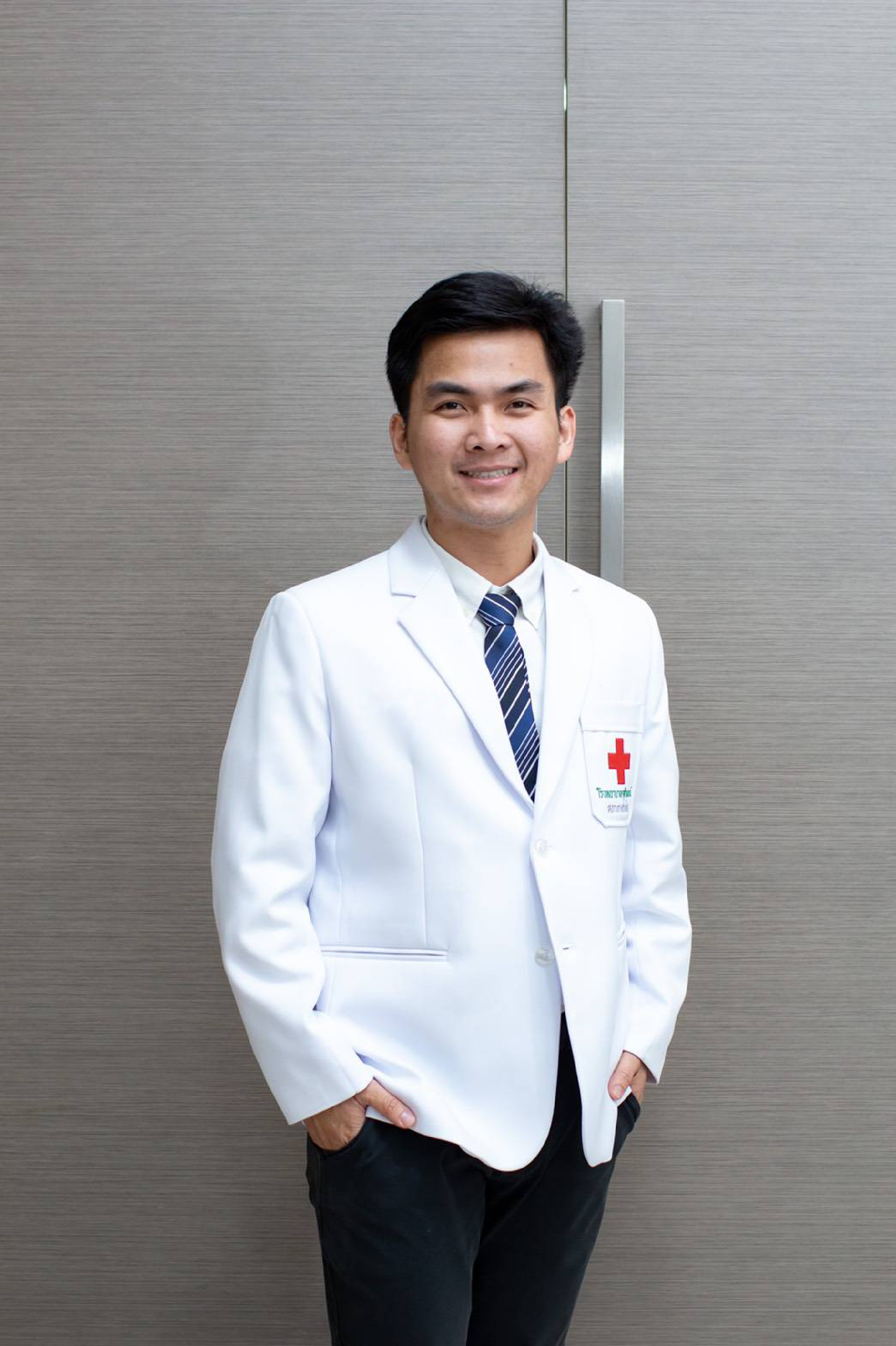
Dr. Thanapob Bampenkiatkul, MD. Special Lecturer in Gender Medicine and Menopause
Dr. Thanapob Bampenkiatkul, MD. Special Lecturer in Gender Medicine and Menopause, Department of Obstetrics and Gynecology, Faculty of Medicine, and a specialist at the Gender Health Clinic explained that “consultation depends on the way an individual patient wants to change his/her body to feel good. We provide information on the safest and most appropriate ways to become the person he/she wants to be.
For some, just to behave in the manner of their desired gender, such as cross-dressing, using pronouns, breast compression, or augmentation, can make them satisfied and happy without having to undergo hormone replacement therapy or sex reassignment surgery. Some may be content with just getting hormone pills without sex reassignment surgery. Even among patients who undergo sex reassignment surgery, they are satisfied with different things too.
The danger of hormone replacement
Hormone replacement therapy for a sex change is a popular method used by transgender people to transform their physique into their desired gender. Many people use it without consulting a doctor because they are unaware of the danger, especially from birth control pills. Using the wrong types and/or doses can adversely affect the cardiovascular system, one of the most common causes of death among transgenders.
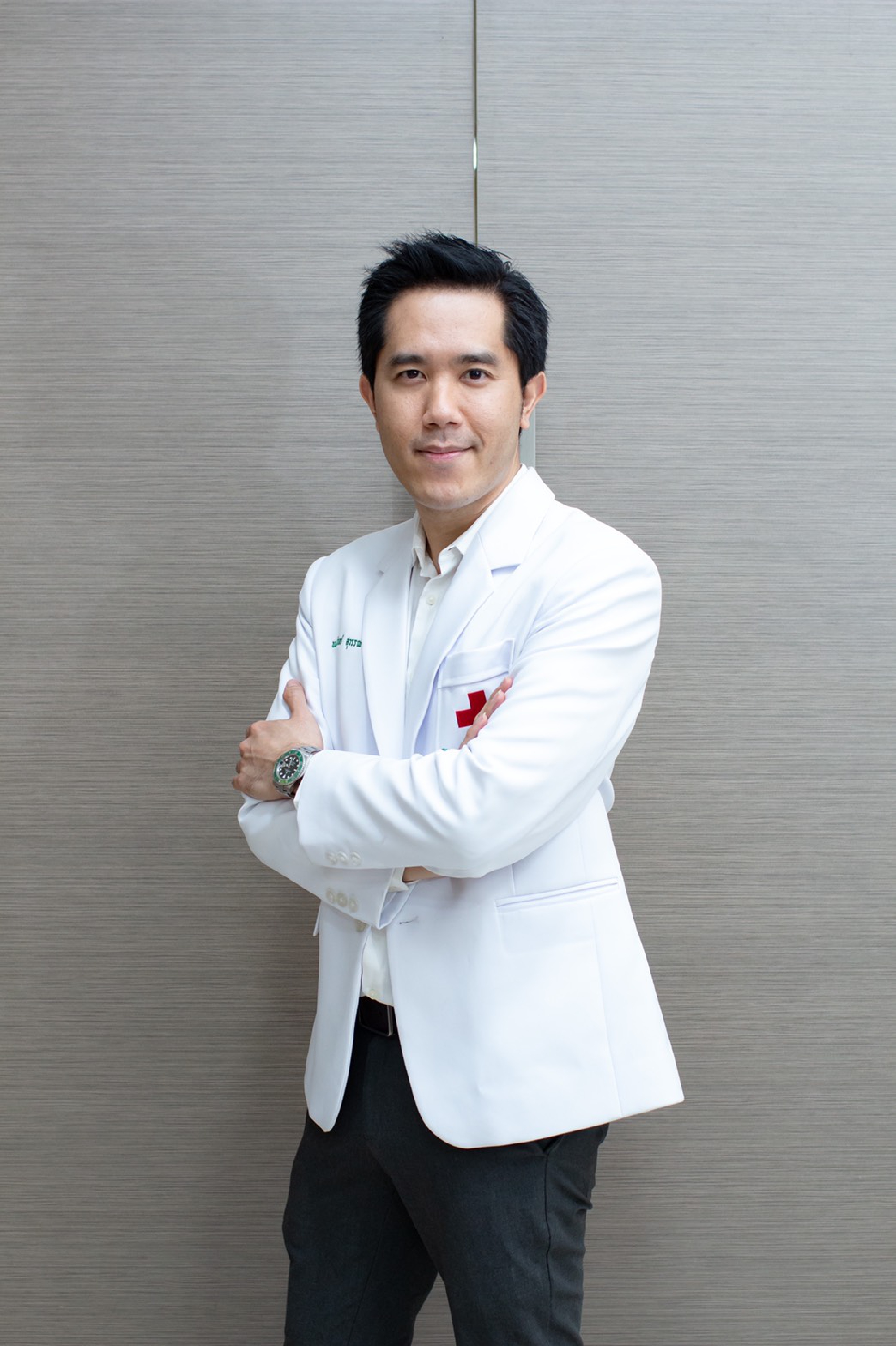
Amarin Suwan, M.D., a lecturer of Gender Medicine and Menopause
Amarin Suwan, M.D., a lecturer of Gender Medicine and Menopause, Department of Obstetrics and Gynecology, Faculty of Medicine, and a specialist at the Gender Health Clinic, opined that “every person’s body is different and requires different drugs/doses to suit the body. Some people are better suited for pills taken orally, while others are better with topical drugs, or they may get the same drug but at different dosages, which the doctor will recommend the best.”
Most importantly, hormone replacement therapy is not for everyone. People with breast cancer, myocardial infarction, coronary artery disease (CAD), coagulopathy, polycythemia vera, or patients with abnormal liver or lipid profiles, etc. are barred from hormone therapy.
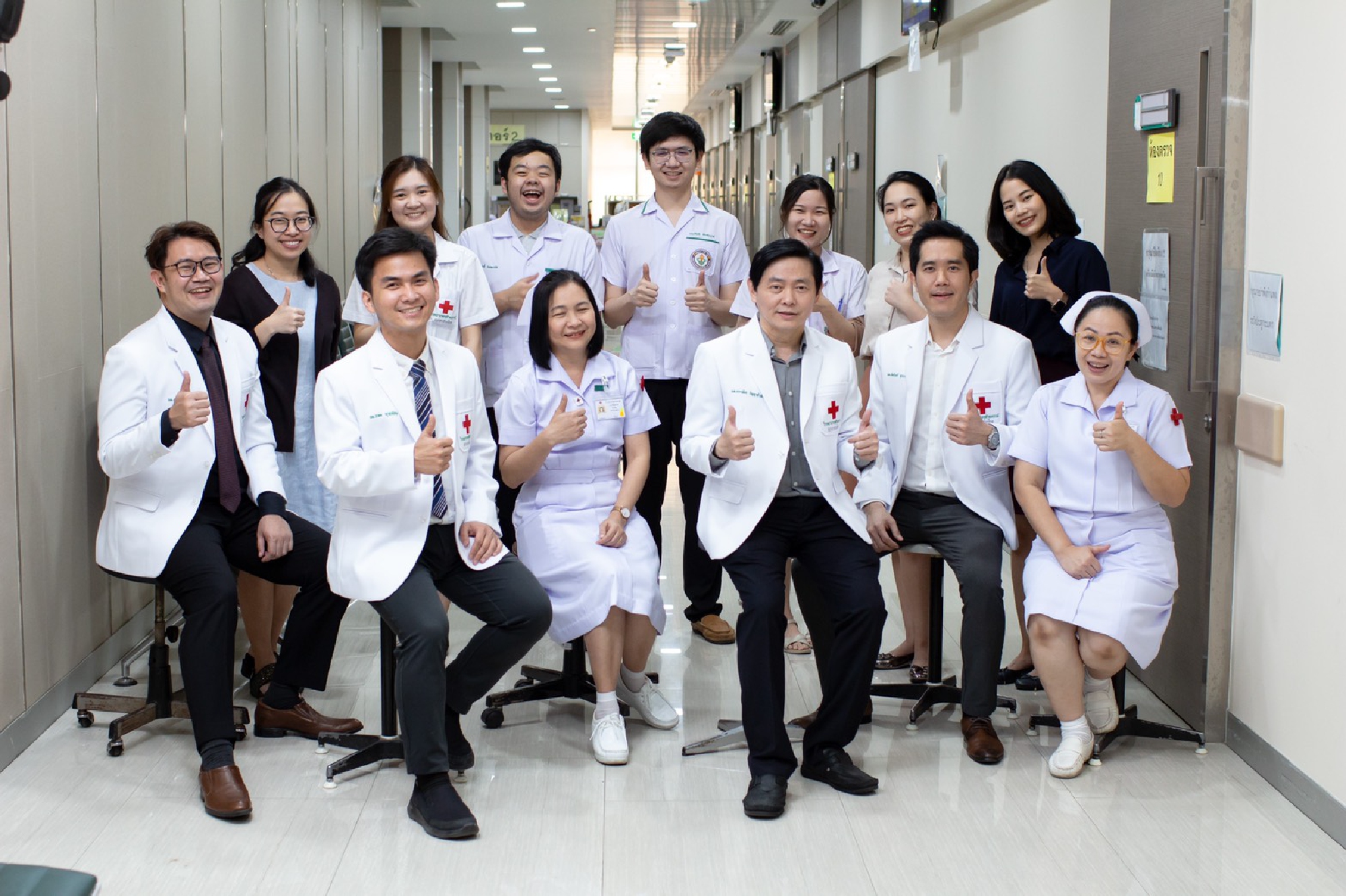
Chula Gender Health Clinic Team
ADVERTISEMENT
Gender Reassignment Surgery
Dr. Thanapob said, “transgenders have diverse needs. For instance, most trans men want their ovaries and uterus gone because they don’t belong to their body, while some people don’t mind them as much. Some may want to get pregnant or have vaginal sex, so they don’t have a hysterectomy, while only 3-4 percent of all trans men worldwide undergo penile reconstruction surgery. So, to each his own.”
The Gender Health Clinic offers gender reassignment surgery services for both transgender men and women, by working with a transgender surgery clinic. There are three types of surgical procedures:
1. Top Surgery consisting of breast reduction and breast enlargement.
2. Bottom Surgery consisting of hysterectomy, removal of ovaries, and fallopian tubes , penile and vaginal reconstruction, as well as castration.
3. Other surgeries including hips augmentation, Adam’s apple sharpening, jaw sharpening, face shape change.
Patients are carefully considered in detail in accordance with Thailand’s standards before they undergo each type of surgery. Initially, they must undergo psychiatric evaluation and be cleared by a psychiatrist that they really wish to undergo the operation and it’s not just a passing whim, because the surgery can only be done once and is irreversible. Without endorsement from a psychiatrist, surgery cannot be performed. This is forbidden at the Clinic. In addition, they may need to have been living a transgender lifestyle for at least one year. People who are allergic to anesthetics or unable to undergo surgery will not receive the service either.
The importance of psychiatric evaluation before sex reassignment surgery
To receive sex reassignment services, everyone must always receive a psychiatric evaluation. Many people mistakenly believe that seeing a psychiatrist implies a mental disorder. This is far from the truth. The psychiatrist is there to determine that the client is true to his/her will and will not regret it later, or the will is not caused by the confusion that might occur with schizophrenia patients who are delusional about their desire to be transgender, have personality problems or are sexually happy from cross-dressing only.
“There is nothing wrong with people who want to love and spend their lives with a same-sex partner, and current medical textbooks are going write transgenders off of Mental Health problems list, and classify them under the Sexual Health category, because wanting to live as another gender is not being mentally dysfunctional,” Assoc. Prof. Doctor Krasian said.
At what age can I undergo a sex-change operation?
There is no clearly specified age that is appropriate for sex reassignment surgery. It depends mainly on the needs of the service recipients because some people want to be transgender in their teens, others may come out in their 40s. Only those who are 18-20 years of age must always have the consent of their parents or legal guardians. Based on the Medical Council of Thailand’s Regulations on the Ethics of Medical Professionals Regarding the Criteria for Gender Reassignment treatment, B.E. 2552 (2009), the Gender Health Clinic will primarily care for adult patients.
Adolescents under 18 years of age are treated on a case-by-case basis. The clinic has specialized endocrinologists and child and adolescent psychiatrists from the Integrative Adolescent Health Clinic. All of this is for service recipients to have a better quality of life and mental health.
Among other services, the Gender Health Clinic also offers counseling services for gender-related health problems, such as menopause, vaginal dryness, endocrinological disorders related to sex hormones, and the consequential unsatisfying sex, such as lack of sex drive, pain from sexual intercourse, etc.
Gender Health Clinic opens for service every Monday from 13.00-15.30 hrs. To make an appointment for a consultation with specialists, call Tel 0-2256-5286 and 0-2256-5298, or follow the Facebook page: “Gender Health Clinic Chulalongkorn Hospital” – https://www.facebook.com/KCMHCMG/.
Dream of starting a business from home? Talk to the cactus guy
Although many people dream of starting their own business, most don’t know where to begin. The best place to find inspiration is often close to home – in the hobby that you love.
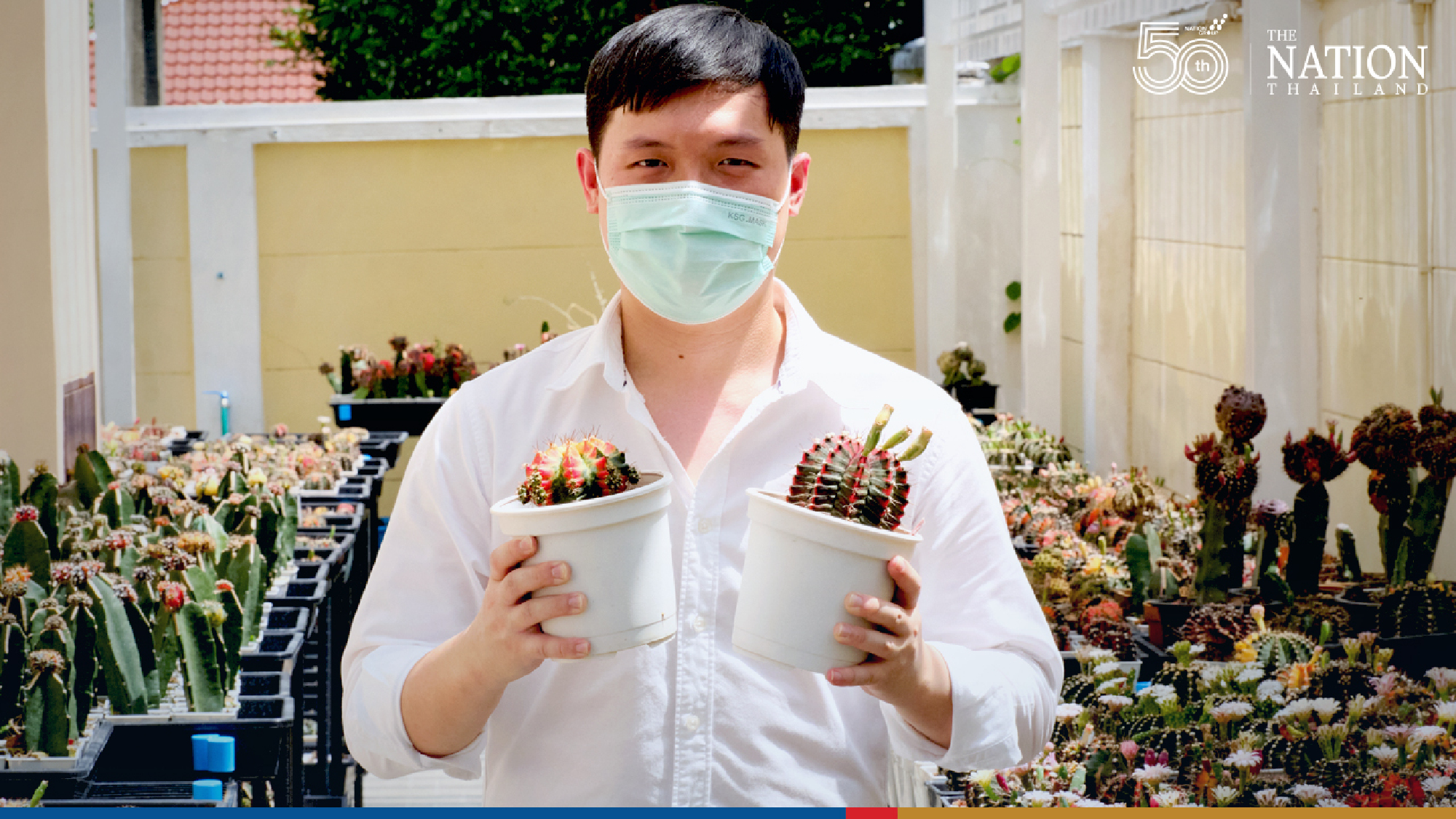
No one knows this better than Teerawat Ananpiriyakul, a 25-year-old who has grown his passion for cacti into a thriving enterprise.
Last week, The Nation Thailand interviewed Teerawat at his home on a Chom Thong housing estate in Thonburi, Bangkok. His house doubles as a cactus farm and shop, demonstrating that you don’t need big fields to become a commercial grower.
We chose him because he launched his cactus business at the young age of 21 when many of his peers were still students. Four years later, it’s still going strong even as other businesses wilt under the pressure of Covid-19.
Teerawat began by explaining that he runs his farm as a part-time job alongside his main duties in the family business.
Although growing cacti is not his main career, returns from the business are impressive and depend on the amount of work and time he puts in.
Dream of starting a business from home? Talk to the cactus guy
“There is no set value for cacti, so the plants are normally traded at prices agreed between sellers and buyers,” he said. “Cactuses are more like collectables than plants. People will generally agree to pay as much as necessary for the plant they want to collect.”
Teerawat said he became interested in cacti around 5 or 6 years ago, when growing the spiky desert plants began trending in Thailand.
He was living in a townhouse at the time, and when his collection of plants grew too large for the limited space, he decided to start selling them. He soon realised that his hobby could also make money.
He faced a steep learning curve, however. Cultivating cactuses was a new world for Teerawat. The plant was popular in Thailand since it needs less space and attention than other garden plants. But there are more than 1,700 species of cactus, and each requires different amounts of water and sunlight.
And as well as the challenges of growing and propagating cactuses, he had to learn how to cultivate his customer base. It took around 3 to 4 years until he was professional enough to build a following of loyal customers.
Dream of starting a business from home? Talk to the cactus guy
Teerawat said joining the world of cactus sellers was easier than people might think. “If you are skilful enough to produce beautiful plants, customers eventually get to know you alongside established names in the market,” he explained.
Turning to the subject of Covid-19, Teerawat said physical trade in cacti has suffered badly during the pandemic. But the absence of cactus fairs and exhibitions has been compensated by a surge in online trade. “Basically, I can say that my business was not hit hard by Covid-19, thanks to online channels.”
Though based at home, Teerawat also has customers from overseas, namely China and Singapore. Foreign clients place their orders via his “Cactus in Wonderland” channels on Facebook and Instagram. The purchased specimens are then hand-delivered to their homes abroad.
However, overseas trade has gone quiet during the pandemic. “I expect the situation to improve once the Covid-19 crisis is over,” he said.
Teerawat’s story demonstrates that success in business is not some faraway dream, but the result of hard work, strategy, skill and time.
Asked what he would say to anyone planning to start their own business, he said one easy way was to think about how you can make money from your favourite activity or hobby. “When you realise that you can make cash, you need the courage to turn your hobby into your own business,” he added.
Dream of starting a business from home? Talk to the cactus guy
Published : June 23, 2021
By : Thanachart Chuengyaempin, The Nation Thailand
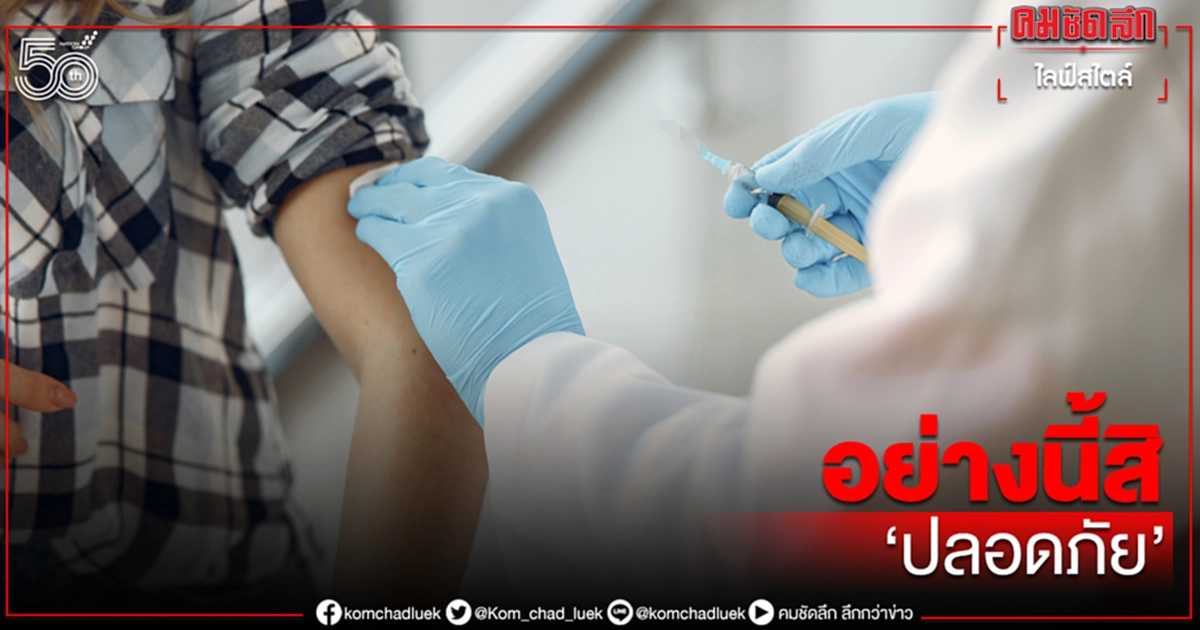
AstraZeneca jabs can protect you from Indian variants, study shows
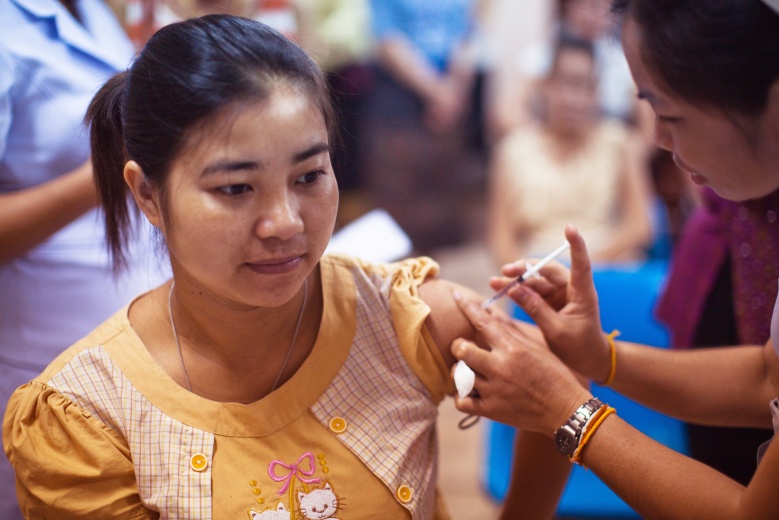
A recent study from Oxford University shows that the vaccines currently available, including AstraZeneca, will provide protection against the Delta (B.1.617.2) and Kappa (B1.617.1) variants, formerly known as the “Indian” variants.
The study investigated the ability of monoclonal antibodies in sera from recovered people and from vaccinated people to neutralize the two variants.
Neutralisation against the Delta and Kappa variants was comparable with that seen against the Alpha (B.1.1.7; formerly Kent) and Gamma (P.1; formerly Brazilian) variants, with no evidence of widespread antibody escape as seen with the Beta (B.1.351; formerly South Africa) variant.
This may provide an initial indication that similar levels of protection could be achieved in a real-world setting. Sub-analysis of the Phase III trial in the UK demonstrated vaccine efficacy of 70.4 per cent at preventing symptomatic Covid-19 against the Alpha variant when measured more than 14 days after a second dose.
These results build on the recent analysis by Public Health England showing early evidence of real-world data that two doses of AstraZeneca’s Covid-19 vaccine are effective against the Delta variant, with similar levels of protection as those seen against the Alpha variant.
Mene Pangalos, executive vice president of BioPharmaceuticals R&D, said: “We are encouraged to see the non-clinical results published from Oxford and these data, alongside the recent early real-world analysis from Public Health England, provide us with a positive indication that our vaccine can have a significant impact against the Delta variant. This gives us great hope that even as these new variants continue to spread, our vaccine would continue to provide protection for people across the world and help turn the tide for the people of India.”
While data is still building, early studies have now demonstrated the vaccine’s ability to have a positive impact against all the key global variants of concern and support the World Health Organisation’s (WHO) Strategic Advisory Group of Experts on Immunisation recommendation on the use of AstraZeneca vaccine in countries where new variants are prevalent.
The Indian variant is a key contributor to the current wave of infection ravaging the Indian subcontinent, and it has recently been classified as a variant of concern by the WHO. These data are very encouraging and demonstrate that AstraZeneca’s vaccine, which currently comprises over 90 per cent of all doses being supplied in India, and as of June represents over 90 per cent of all doses supplied through COVAX globally, will have a significant impact as cases of these two new variants increase.
Virologist predicts spread of Delta, urges better, faster vaccine rollout
Thailand’s well-known virologist Dr Yong Poovorawan on Wednesday urged the government to inoculate as many people as possible to prevent an outbreak of the Covid-19 Delta strain.
Citing a study by the Department of Medical Sciences, his Facebook post said 90 per cent of Covid-19 infections in Thailand were from the Alpha strain, followed by Delta strain (9 per cent) and Beta strain (1 per cent).
However, he predicted that the number of Delta-strain infections, found mostly among young workers, would gradually rise in the next three to four months.
He also pointed out that the vaccines currently administered in Thailand only offer protection against the Alpha strain.
“It will soon become necessary to monitor the spread of each strain to improve disease control,” he said, adding that more variants of the virus could emerge in the future.
“We believe new Covid-19 vaccines will be produced next year to deal with the different strains,” he said.






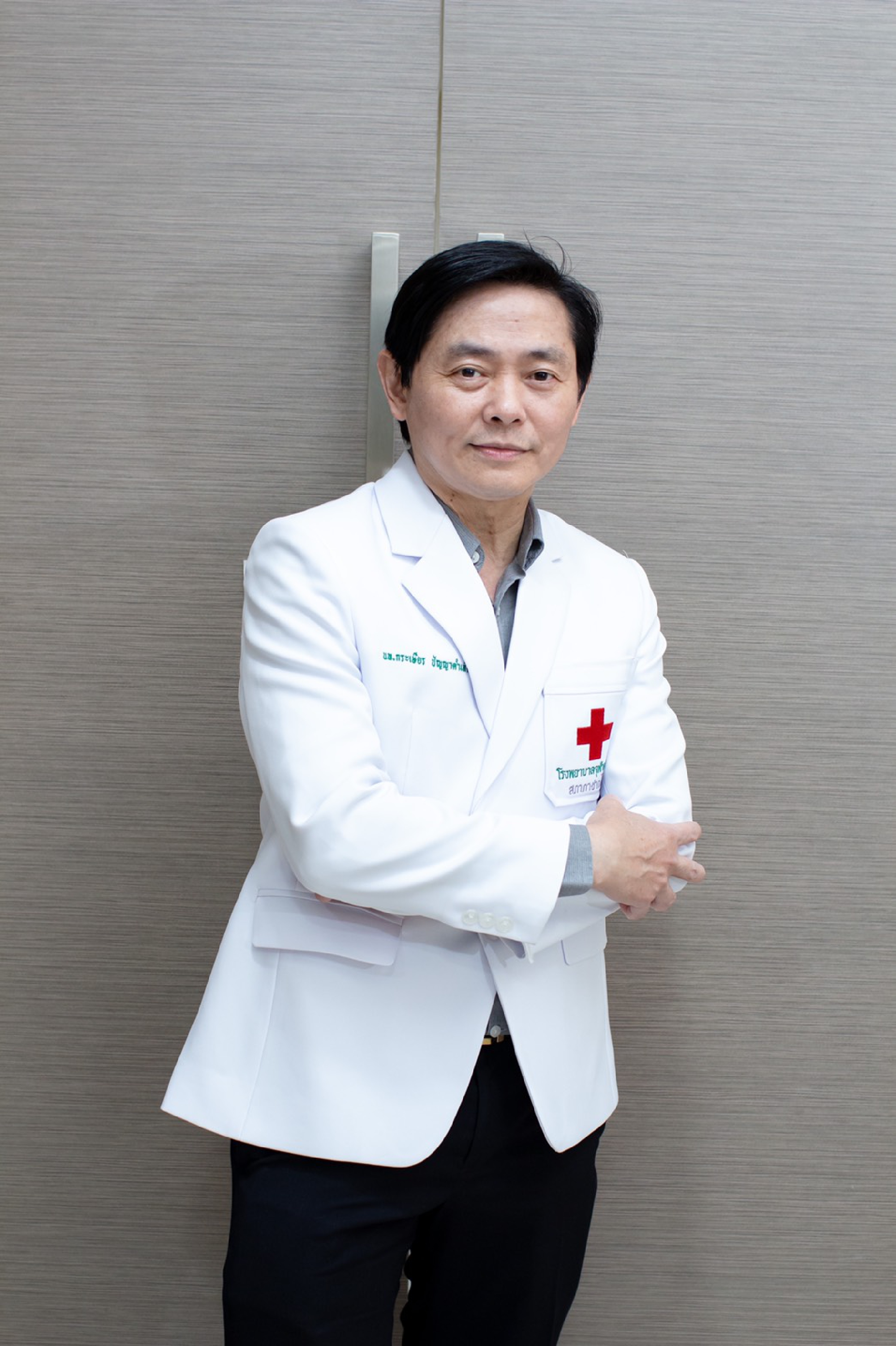 Associate Professor Krasian Panyakhamlert, M.D., Head of Gender Medicine and Menopause
 Dr. Thanapob Bampenkiatkul, MD. Special Lecturer in Gender Medicine and Menopause
 Amarin Suwan, M.D., a lecturer of Gender Medicine and Menopause
 Chula Gender Health Clinic Team
 Dream of starting a business from home? Talk to the cactus guy
 Dream of starting a business from home? Talk to the cactus guy
 Dream of starting a business from home? Talk to the cactus guy