By Syndication Washington Post, Bloomberg · Robert Langreth
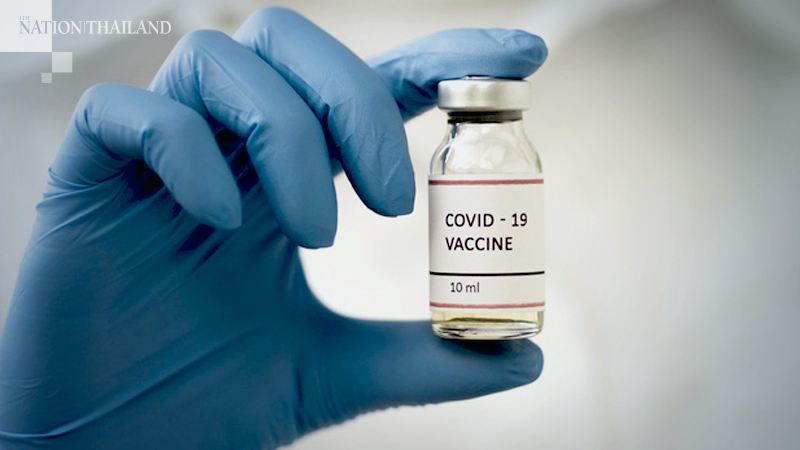
Pfizer Inc.’s coronavirus vaccine remained highly effective after six months, according to new long-term results that the company said could be used to seek an expansion of its regulatory status.
Follow-up data from a final-stage trial of 46,307 people showed the vaccine was 91.3% effective in preventing symptomatic cases starting one week after the second dose through as long as six months. In the U.S. alone, the efficacy rate was 92.6%, according to a report Thursday by Pfizer and its partner BioNTech SE.
At the same time, the companies provided some of the first data on how their vaccine might handle the immune-evading B.1.351 variant that arose in South Africa. Nine of 800 trial participants in that country got sick with covid, including six infected with B.1.351. However, all were in the placebo group, suggesting the shot retains efficacy against the variant.
Albert Bourla, Pfizer’s Chief Executive Officer, said in the statement that the results “position us to submit a Biologics License Application to the U.S. FDA.”
The vaccine has already secured an emergency use authorization from the Food and Drug Administration, which means it’s only in effect until the emergency ends and it can be revoked or changed at any time. Formal approval is for the long term.
Pfizer shares rose 0.5% in premarket trading while BioNTech gained as much as 1.4%. Pfizer will soon share the data with regulators around the world and submit it for publication in a scientific journal, Pfizer spokeswoman Amy Rose said in an email.
The six-month result is only slightly lower than the 95% efficacy rate that was originally found for the vaccine, based on much shorter term results. The two-shot vaccine also prevented all or nearly all severe cases of the disease over six months, depending on the exact definition used.
The companies said that no new serious safety concerns were identified.
The data was released in a joint company statement and hasn’t been independently reviewed and published in a scientific journal. Nonetheless, it provides an early reassuring sign that the vaccine’s strong efficacy seen in the short-term results will hold up and not fade away quickly.
The Pfizer-BioNTech vaccine was safe and effective in adolescents as young as 12, the drug companies announced Wednesday in a joint news release.
Data from a trial of the vaccine in nearly 2,300 people between the ages of 12 and 15 will be submitted to the Food and Drug Administration in the coming weeks, with the hope that vaccinations could begin before the next school year.
“Across the globe, we are longing for a normal life. This is especially true for our children. The initial results we have seen in the adolescent studies suggest that children are particularly well protected by vaccination,” said Ugur Sahin, chief executive of BioNTech, the German company that developed the vaccine in partnership with U.S. pharmaceutical giant Pfizer.
The vaccine was 100% effective at preventing symptomatic illness within the trial, with 18 cases of covid-19 in the group that received a placebo and none in the group that received the vaccine, the companies said. The vaccine triggered immune responses that were even more robust than those seen in young adults.
The data is the beginning of what many families, eager for normalcy to return, have been waiting to see. The Pfizer-BioNTech vaccine is currently authorized by the FDA for emergency use for people 16 and older. If regulators extend the authorization to younger age groups, Pfizer chief executive Albert Bourla said that vaccinations could begin before the school year.
Last week, Pfizer-BioNTech also started a trial in younger children, ages 6 months to 11 years. That trial will step down in age, establishing a safe dose first in children 5 to 11, then in 2- to 5-year-olds and then in children from 6 months to 2 years.
U.S. biotech firm Moderna is also conducting similar trials to test its coronavirus vaccine in teenagers and young children. Its vaccine is authorized by the FDA for emergency use for people over age 18.
Stepping into 50 years of excellence, Bangkok Hospital under the management of Bangkok Dusit Medical Services Public Company Limited (BDMS), one of the largest healthcare networks in Asia, is entirely committed to deliver excellent healthcare experiences with the concept of “ABSOLUTE CARE”
ABSOLUTE SURGERY
Nearly 50 years of expertise supported by cutting-edge technology, our surgeries conducted by highly experienced surgeons for your safety and trust in every step. These include all systems in the body, ranging from general surgery, obstetric-gynecologic surgery, orthopedic surgery, spine surgery, cardiovascular surgery, eye surgery, urologic surgery, otorhinolaryngologic surgery and plastic surgery.
Special promotion: Free! 4 items for surgical packages over 100,000 THB.
Free! Medical clearance prior to surgery based on selected surgical packages
▪︎ Free! COVID-19 Tests (RT-PCR) through oral and nasopharyngeal swabs for patient and one relative prior to surgery
▪︎ Free! Medical equipment, medical supply, medicine used for wound dressing and post-operative doctor fee of surgeon first visit after surgery
▪︎ Free! Doctor fee for internal medicine doctors during hospitalization specified in selected packages
Terms and conditions:
▪︎ This promotion is valid from 1 Feb – 30 April 2021.
▪︎ This promotion applies to surgical packages available in Bangkok Hospital, Bangkok International Hospital, Bangkok Heart Hospital and Bangkok Cancer Hospital Wattanosoth.
▪︎ Surgical package for each patient depends on surgeon’s consideration.
▪︎ For more information, please contact +662-310-3000 or 1719 (local calls only).
If you have experienced hip pain, chances are you have probably told yourself it is just part of getting older. If other treatments simply aren’t working and you frequently have hip pain that keeps you from getting a restful night’s sleep, walking up stairs and the activities you enjoy, the Anterior Approach hip replacement surgery may be an option. Read on to find out more about the potential benefits of this procedure.
Potential Benefits of Hip Replacement
▪︎ Pain Relief
▪︎ Improved Mobility
▪︎ More freedom to pursue everyday activities, such as walking and climbing stairs
Hip Anatomy
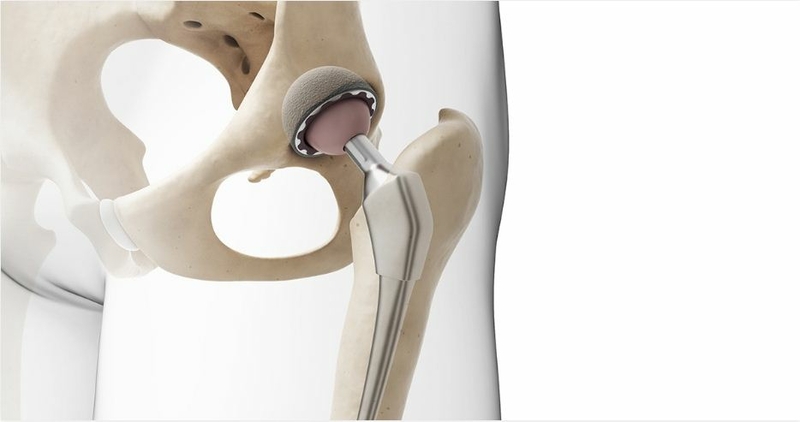
A joint is a point where multiple bones meet and work together so that you can perform daily tasks like sit, climb stairs and walk comfortably. The hip joint is described as being a “ball and socket” joint due to the joint’s appearance of a ball (femoral head) fitting snugly in a cup-like socket (acetabulum). The ball (femoral head) is located at the top of the thigh bone (femur) and the socket (acetabulum) is part of the pelvis. The area where the bones meet is covered by a slick but firm tissue called cartilage, allowing the joint to move smoothly.
Hip Replacement Overview
All total hip replacements have the same goal: remove the portions of damaged hip joint and replace them with an implant. The implant used is made up of several different components. The individual components are available in many different sizes and materials so that your surgeon can decide which options will be the best fit for your individual needs. These include:
▪︎ Stem: Inserted into the thigh bone (femur) and anchors the implant in place
▪︎ Ball: attaches to the stem and recreates the ball (femoral head)
▪︎ Liner: recreates the smooth cartilage and allows the new ball (femoral head) to glide and rotate
▪︎ Cup: recreates the hip socket (acetabulum)
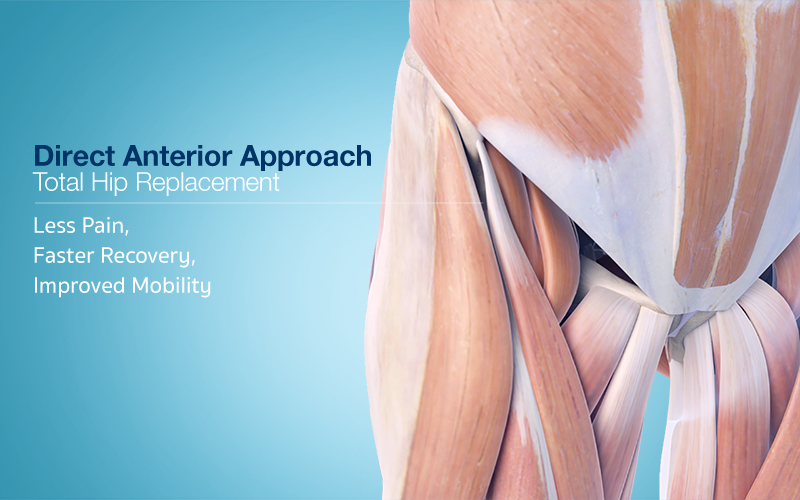
Direct Anterior Approach Overview
The surgical approach (sometimes called the surgical technique) is the way the surgeon makes their incision so that they can operate on the bones that make up the joint. Most surgeons use what is called the traditional approach, but more are starting to use the Anterior Approach.
Direct Anterior Approach is a relatively new technique in the Southeast Asia region and requires extensive training and expertise. Dr.Phonthakorn Panichkul of the Hip and Knee Center indicates that “Currently, this technique is widely utilized with a high percentage of success in the United States, Canada, and Europe. However in Thailand, with the exception of our team at the Bangkok Hip and Knee Center, this procedure is not as yet readily available. We expect the Direct Anterior Approach to become the standard for hip replacement surgery in the near future”.
The Goals of the Anterior Approach
▪︎ Accelerated recovery time because key muscles are not detached during the operation.
▪︎ Fewer restrictions during recovery. Although each patient responds differently, this procedure seeks to help patients more freely bend their hip and bear their full weight soon after surgery.
▪︎ Reduced scarring because the technique allows for one relatively small incision. Since the incision is on the front side of the leg, you may be spared from the pain of sitting on scar tissue.
▪︎ Stability of the implant sooner after surgery, resulting in part from the fact that they key muscles and tissues are not disturbed during the operation.
▪︎ The Anterior Approach usually requires less tissue disruption, which may lead to faster rehabilitation.
Things to Consider with Your Surgeon before an Anterior Approach Hip Replacement
▪︎ Am I candidate for the Anterior Approach?
▪︎ What are the other hip replacement techniques and technologies available? How do they compare to the Anterior Approach?
▪︎ What are the benefits and risks of Anterior Approach hip replacement surgery?
▪︎ How long will it take to recover and rehabilitate from an Anterior Approach hip replacement surgery?
▪︎ What is my role in recovery and rehabilitation?
▪︎ If I choose to undergo an Anterior Approach hip replacement surgery, will I be able to resume daily activities?
Preparing for SurgeryTo prepare for surgery you need to:
▪︎ Compile a list for your surgeon of all your medications including over-the-counter medications and supplements
▪︎ Quit smoking for at least two weeks prior to surgery (if you currently smoke)
▪︎ Lose weight (based on your surgeon’s directions)
▪︎ Prepare your home for your return from hospital
▪︎ Discuss your recovery with relative and friends who may be caring for you after you leave the hospital
Hospital Stay
During that time, your hip rehabilitation will begin as ordered by your surgeon and physiotherapist. Your physiotherapist may instruct you to:
▪︎ Begin isometric exercise (tighten muscles without moving the joint) a number of times per day while you are still in bed
▪︎ Move your ankle and other joints
▪︎ Understand the do’s and don’ts of joint replacement recovery
Depending on your individual recovery, your physiotherapist may help you start walking with your new hip.
Returning Home
nce you return home, it is still important to continue rehabilitation as instructed by your doctor and physiotherapist.
The goals of rehabilitation are to:
▪︎ Improve your muscle strength
▪︎ Increase the movement in your new hip joint
▪︎ Protect your new hip
▪︎ Help you resume most of your normal activities
Rehabilitation takes time and commitment. Each person is different and the length of recovery is dependent on your particular situation, overall health and your rehabilitation. When your surgeon feels you are ready, you should be able to resume some, if not most, of your daily activities. Hip replacements may take three to six months to make a full recovery.
Activity after Surgery
After undergoing hip replacement surgery, it is important you have realistic expectations about the types of activities you may participate in during your recovery phase. These activities may include:
▪︎ Driving
▪︎ Sexual Activity
▪︎ Leisure and Sports Activities
▪︎ Work Activities
Activities that may cause high-impact stress on the implant should be avoided.
For Caregivers
One of the important ways to support your loved one is to ensure he or she receives the best medical care possible by acting as their patient advocate. This means asking questions when you don’t understand something, educating yourself, being an active member of your loved one’s care team and seeking guidance from qualified medical professionals. This is especially important when your loved one is not able to communicate with their health care providers on their own.
While a caregiver may not have a medical or healthcare background, his or her day-to-day experiences with a loved one can provide critical information, so it is important to stay involved. Your health care professional may rely on this information in order to care for your loved one.
Communicating with Health Care Providers
Avoid communication barriers
▪︎ Talk about how your loved one communicates his/her feelings and concerns – physically, verbally, and emotionally
▪︎ Ask questions when you or loved one have them and make sure you fully understand the information being given to you or the patient
▪︎ Feel comfortable with staff
Your Questions Answered
Here are some common questions people have about hip replacement surgery, rehabilitation, and recovery.
Q: I am a candidate for Anterior Approach hip replacement surgery?
A: Only your orthopedic surgeon can decide if hip replacement is the appropriate treatment for you. You situation will be discussed and the various treatment options available will be provided. The risks and benefits of each will be explained so that an informed decision about your future course of treatment can be made.
Q: Am I too young for hip replacement?
A: Hip replacement is related to need, not age. Total hip replacement surgery is considered to be an effective procedure that can help patients resume a more active lifestyle.
Q: Do I need to take any precautions before future medical procedures?
A: From now on, you must inform any doctors, including dentists, treating you that you have undergone hip replacement surgery. More than likely, antibiotics will be prescribed before a procedure to avoid infection.
Q: I live by myself. To whom can I turn for help during recovery and rehabilitation?
A: You will likely need assistance with your daily activities for several days to a few weeks following hip replacement surgery. If family members or friends are unable to assist you, ask your surgeon about being admitted to a rehabilitation facility for a few days following surgery to get the assistance you need.
Q: How can I help protect my new hip implant?
A: Hip replacements are designed for the normal activities of daily living. Avoiding trauma and high impact activities are helpful in caring for your new hip implant.
For further information contact the Hip and Knee Center
1st floor, Bangkok International Hospital
Open Monday-Friday 08.00 – 20.00 | Sat – Sun 08.00 – 17.00.
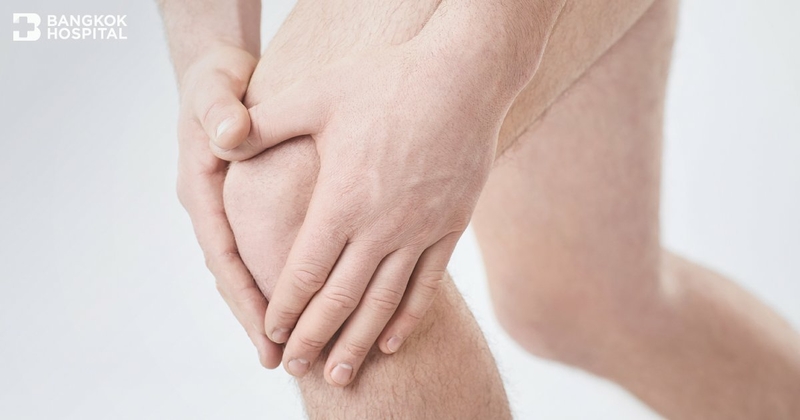
If you have torn your meniscus which is a piece of cartilage that is located in the knee joint, you might experience these following signs and symptoms in your knee: knee pain, swelling or stiffness with a popping sensation, especially when twisting or rotating the knee and difficulty straightening knee fully as well as feeling as though the knee is locked in place when trying to move it. Not only accidents, but a torn meniscus can also result from any activity that causes the knee to forcefully twist or rotate, such as aggressive pivoting, certain sports and exercise, falls, sudden stops and turns. Meniscus tears can happen to anyone at any age. Nevertheless, in older adults, degenerative alterations of the knee can potentially contribute to a torn meniscus with little or no trauma. If a torn meniscus is overlooked, it might potentially lead to osteoarthritis in the injured knee.
Get To Know Meniscus
The meniscus is a C-shaped piece of tough, rubbery cartilage that is located in the knee joints between the femur and tibia bones (thighbone and shinbone). The meniscus acts as a shock absorber to cushion the lower part of the leg from the weight of the rest of the body during activities that cause impact to the knee, including standing, walking, running, jumping and other daily tasks. As a shock absorber, the meniscus helps absorb the pressure exerted on the knee joint. It also provides stability and helps distribute body weight by keeping the bones from rubbing together.
Since the meniscus is a relatively avascular structure with a limited peripheral blood supply, if a torn meniscus happens, the poor blood supply to the inner portion of the meniscus makes it difficult for the meniscus to heal. As a result, meniscus tear leads to inability to fully move the affected knee with persistent knee pain. If left untreated, it eventually causes osteoarthritis of the knee.
Signs And Symptoms Of A Torn Meniscus
▪︎ Knee pain, especially when twisting or rotating the knee such as kneeling and squatting;
▪︎ Swelling that might happen suddenly after knee injury or appear temporarily, depending on intensity of activity that involves knee movement;
▪︎ Knee stiffness or difficulty straightening the knee fully and
▪︎ A popping sensation or feeling as though your knee is locked in place when trying to move it.
Diagnosis And Treatment Of A Torn Meniscus
A torn meniscus often can be identified by sports medicine physician during a physical exam. MRI, an imaging test is frequently used to detect this condition by producing detailed images of both hard and soft tissues within the knee. If a meniscus tear is diagnosed, recommended treatments include:
▪︎ Rest and stop using the knee.
▪︎ Avoid activities that aggravate knee pain, especially any activity that twists, rotates or pivots the knee. If knee pain is severe, using crutches can take pressure off the knee and promote healing.
▪︎ Use cold compression. A cold pack or a towel filled with ice cubes can reduce knee pain and swelling. Keeping the knee elevated and taking over-the-counter pain relievers can also help ease knee pain
▪︎ If affected knee remains painful despite rehabilitative therapy, arthroscopic meniscus repair is highly recommended. Since this standard procedure is minimally invasive surgery to repair a torn meniscus, it results in smaller incision, less pain, lowered postoperative complications and reduced traumatic damages to surrounding areas, such as muscles, tissues and other organs, leading to a faster recovery time and a quick return to daily life.
Arthroscopic Meniscus Repair
Since the meniscus acts as a shock absorber to cushion the lower part of the leg from the weight of the rest of the body, knee pain and disability associated with a torn meniscus prompt many people to seek emergency care. If a torn meniscus develops, surgical procedure to repair torn meniscus, known as arthroscopic meniscus repair is vital in order to reduce knee pain and restore knee functions for daily activities, sports and exercise. More importantly, if a torn meniscus is appropriately repaired in time, it can substantially reduce the risks of developing osteoarthritis of the knee in the future. On the contrary, if meniscus tear is left untreated, or tear happens in the location with extremely low blood supply, meniscus repair might not be applicable. In such a case, the meniscus might be surgically trimmed.
Less Pain With Faster Recovery Time
Arthroscopic meniscus repair is a minimally invasive surgical approach. During this procedure, an instrument called arthroscope is inserted through a tiny incision near the affected knee. An arthroscope contains a light and a small camera which transmits enlarged images of the inside of the knee onto a monitor, enabling visualization and therapeutic treatment of the interior of a joint. If necessary, surgical instruments can be inserted through the arthroscope or through additional small incisions in the knee to trim or repair the tear. Due to smaller incision, it results in less pain and damages to surrounding areas as well as faster recovery time and fewer postoperative complications such as stiff knee syndrome (arthrofibrosis) which is the buildup of scar tissue inside the knee, causing the knee joint to shrink and tighten.
After surgery, knee pain will be appropriately managed by interventional pain specialists. The physical therapy process is dependent on the patient’s general physical health and condition following surgery. Postoperative rehabilitation can normally start as soon as possible in order to maintain muscle strength and stability as well as to regain full knee motion and return to normal activity. In some serious cases, patients must refrain from putting weight on that affected knee and limit their knee movement for 4-6 weeks.
Even though a torn meniscus is not considered a life-threatening problem, it largely disturbs daily life and activities. Not only impair quality of life, but untreated meniscus tear can also lead to knee arthritis which is irreversible condition. Ensuring that meniscus is healthy helps prevent degenerative arthritis. If sign or symptom of a torn meniscus indicates, immediate medical attention must be sought to receive accurate diagnosis and effective treatments.













 Hip Anatomy
 Direct Anterior Approach Overview
 Things to Consider with Your Surgeon before an Anterior Approach Hip Replacement
 Your Questions Answered