รัฐ-เอกชนร่วมใจ ให้บริการฟรี รับ-ส่ง ร่วมงานวันพ่อ ที่สนามหลวง 5 ธ.ค.63 #SootinClaimon.Com

#SootinClaimon.Com : ขอบคุณแหล่งข้อมูล : หนังสือพิมพ์คมชัดลึก

รัฐ-เอกชนร่วมใจ ให้บริการฟรี รับ-ส่ง ร่วมงานวันพ่อ ที่สนามหลวง 5 ธ.ค.63 (komchadluek.net)

รัฐ-เอกชนร่วมใจ ให้บริการฟรี รับ-ส่ง ร่วมงานวันพ่อ ที่สนามหลวง 5 ธ.ค.63
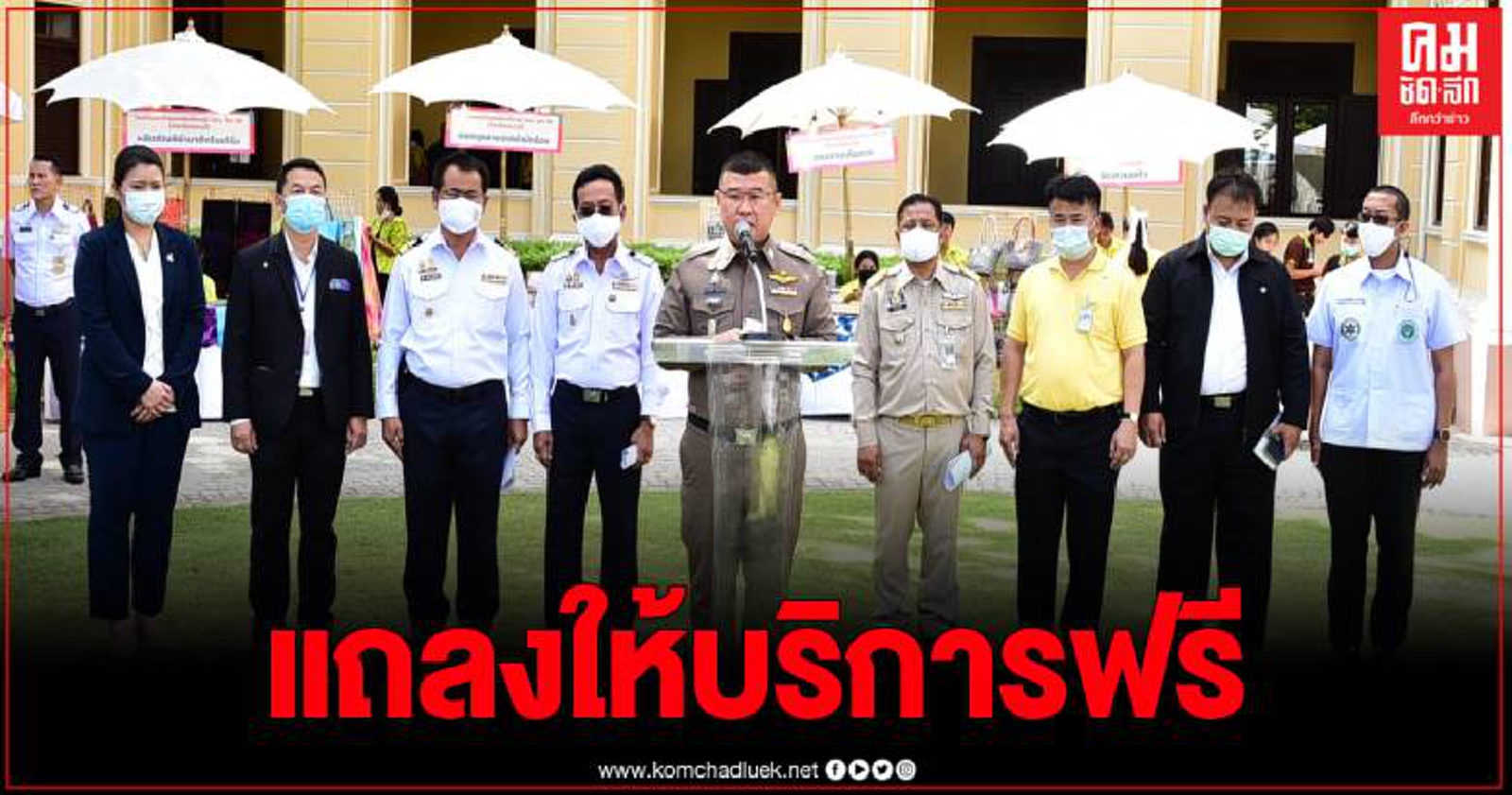
รัฐ-เอกชนร่วมใจ ให้บริการฟรี รับ-ส่ง ร่วมงานวันพ่อ ที่สนามหลวง 5 ธ.ค.63

2 ธันวาคม 2563 – 17:41 น.

ร่วมแถลงข่าวการจัดกิจกรรมเนื่องในวันคล้ายวันพระราชสมภพพระบาทสมเด็จพระบรมชนกาธิเบศร มหาภูมิพลอดุลยเดชมหาราช บรมนาถบพิตร วันชาติและวันพ่อแห่งชาติ ในวันที่ 5 ธันวาคม 2563 ร่วมกับประชาชนทั่วประเทศ

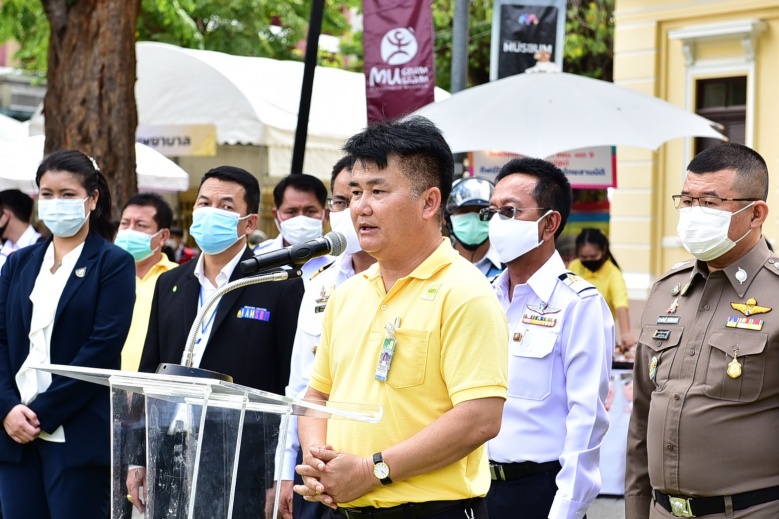
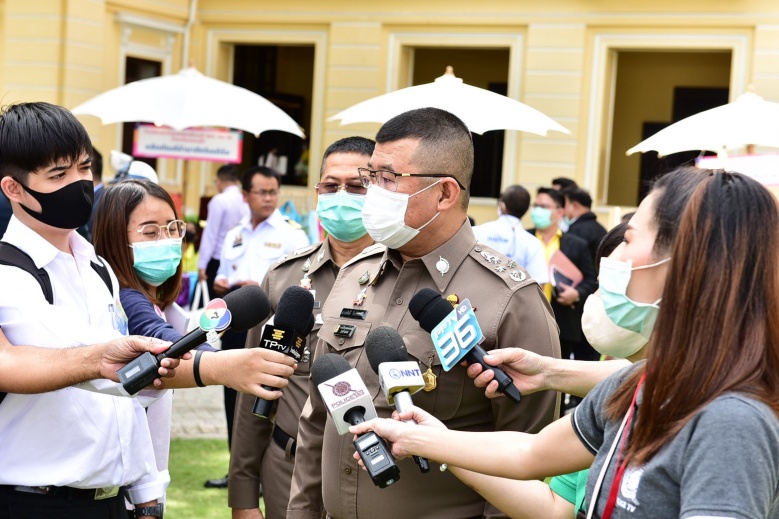
วันที่ 2 ธ.ค. 63 เวลา 10.00 น. พล.ต.อ.ดำรงศักดิ์ กิตติประภัสร์ รอง ผบ.ตร./ผอ.กอร.ฯ พร้อมด้วย ผู้แทน กทม. ,ผู้แทน สปน. ,ผู้แทน ขสมก. ,ผู้แทนกรมเจ้าท่า ,ผู้แทนการรถไฟแห่งประเทศไทย ,ผู้แทนกระทรวงสาธารณสุข ,ผู้แทนBTS ,ผู้แทนMRT และเจ้าหน้าที่ที่เกี่ยวข้อง ร่วมแถลงข่าวการจัดกิจกรรมเนื่องในวันคล้ายวันพระราชสมภพพระบาทสมเด็จพระบรมชนกาธิเบศร มหาภูมิพลอดุลยเดชมหาราช บรมนาถบพิตร วันชาติและวันพ่อแห่งชาติ ในวันที่ 5 ธันวาคม 2563 ร่วมกับประชาชนทั่วประเทศ ณ มิวเซียมสยาม หรือ พิพิธภัณฑ์การเรียนรู้ ถนนสนามไชย แขวงพระบรมมหาราชวัง เขตพระนคร กรุงเทพมหานคร
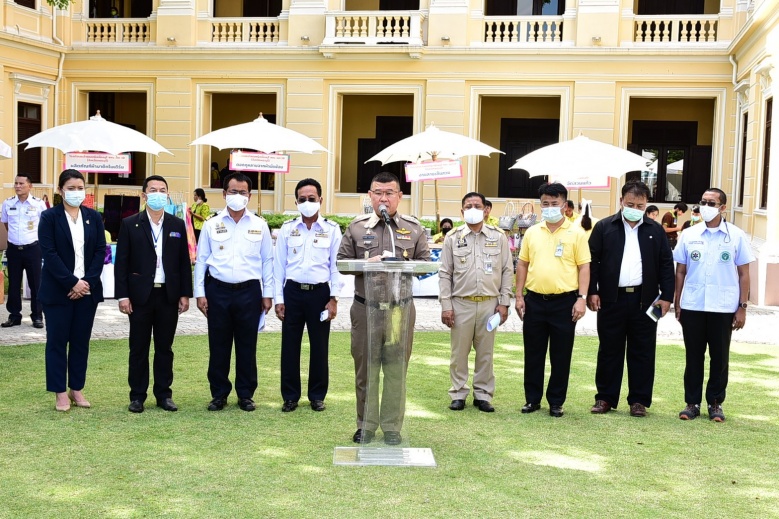
รัฐ-เอกชนร่วมใจ ให้บริการฟรี รับ-ส่ง ร่วมงานวันพ่อ ที่สนามหลวง 5 ธ.ค.63

รัฐบาลขอเชิญชวนหน่วยงานภาครัฐ ภาคเอกชน และประชาชนร่วมกิจกรรมเนื่องในวันคล้ายวันพระบรมราชสมภพพระบาทสมเด็จพระชนกาธิเบศร มหาภูมิพลอดุลยเดชมหาราช บรมนาถบพิตร วันชาติ  และวันพ่อแห่งชาติ 5 ธันวาคม 2563 ดังนี้

1. กิจกรรมวันพ่อแห่งชาติ  ระหว่างวันที่ 1 – 6 ธันวาคม 2563  เวลา 10.00 – 21.00 น.  ณ ถนนสนามไชย สวนสราญรมย์ และมิวเซียมสยาม

2. กิจกรรมพิธีจุดเทียนมหามงคลเพื่อสดุดีพระเกียรติคุณและน้อมรำลึกในพระมหากรุณาธิคุณของพระบาทสมเด็จพระบรมชนกาธิเบศร มหาภูมิพลอดุลยเดชมหาราช บรมนาถบพิตร เนื่องในโอกาสวันคล้ายวันพระบรมราชสมภพพระบาทสมเด็จพระบรมชนกาธิเบศร มหาภูมิพลอดุลยเดชมหาราช บรมนาถบพิตร วันชาติ และวันพ่อแห่งชาติ  5  ธันวาคม 2563  ในวันเสาร์ที่ 5 ธ.ค. 63 เวลา 19.19น. ณ มณฑลพิธีท้องสนามหลวง

กองอำนวยการร่วมการจัดกิจกรรมเนื่องในวันคล้ายวันบรมราชสมภพ พระบาทสมเด็จพระบรมชนกาธิเบศร มหาภูมิพลอดุลยเดชมหาราช บรมนาถบพิตร วันชาติ และ วันพ่อแห่งชาติ  5 ธันวาคม2563ได้บริหารจัดการในการอำนวยความสะดวกประชาชน ที่มาชมงานวันพ่อแห่งชาติ โดยเฉพาะอย่างยิ่ง
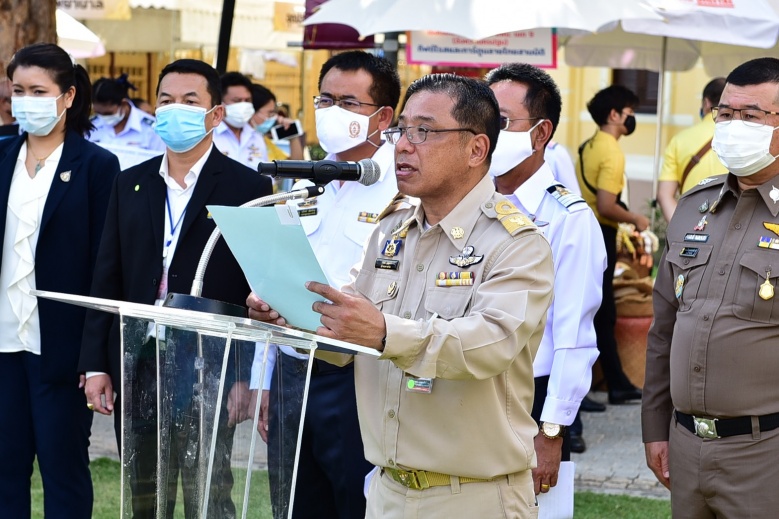
รัฐ-เอกชนร่วมใจ ให้บริการฟรี รับ-ส่ง ร่วมงานวันพ่อ ที่สนามหลวง 5 ธ.ค.63

วันเสาร์ที่ 5 ธันวาคม 2563 ให้แต่ละหน่วยงานบริการฟรี ดังนี้

1.ขสมก.
ขสมก. จัดรถ shuttle bus 8 เส้นทาง คือ กทม. 2, ศูนย์ราชการแจ้งวัฒนะ, เมกาบางนา, พุทธมณฑล สาย4 ,สนามศุภชลาศัล, วงเวียนใหญ่, สถานีหัวลำโพง, อนุสาวรีย์ชัยสมรภูมิ (ฝั่งเกาะพญาไท) และรับส่งประชาชนจากจุดจอดรถมาสู่สนามหลวง

รัฐ-เอกชนร่วมใจ ให้บริการฟรี รับ-ส่ง ร่วมงานวันพ่อ ที่สนามหลวง 5 ธ.ค.63

2. กรมเจ้าท่า

2.1 กรมเจ้าท่าให้บริการเรือข้ามฟากฟรี 3 ท่าเรือ ในแม่น้ำเจ้าพระยา เส้นทาง ท่าเรือท่าช้าง-ท่าเรือวัดระฆัง-ท่าเรือวัดอรุณ ให้บริการ ตั้งแต่เวลา 08.00-20.00น หรือจนกว่าจะแล้วเสร็จ เรือออกทุก 15 นาที

2.2 คลองแสนแสบ กรมเจ้าท่าร่วมกับบริษัท ครอบครัวขนส่ง 2002 จำกัด ให้บริการเรือฟรี เส้นทาง ท่าเรือประตูน้ำ-ท่าเรือผ่านฟ้าลีลาศ ให้บริการตั้งแต่เวลา 06.00-19.00น  เรือออกทุก 10 นาที

2.3 แม่น้ำเจ้าพระยา กรมเจ้าท่าร่วมกับบริษัท เรือด่วนเจ้าพระยา จำกัด ให้บริการเรือฟรี

– ช่วงเช้า 2 เส้นทาง เวลา 10.00น และเวลา 12.00น

     ท่าเรือนนทบุรี-ท่าเรือท่าช้าง

     ท่าเรือสาทร – ท่าเรือท่าช้าง

– ช่วงเย็น 2 เส้นทาง เวลา 18.00น

     ท่าเรือท่าช้าง – ท่าเรือนนทบุรี

     ท่าเรือท่าช้าง – ท่าเรือสาทรรถไฟ. 
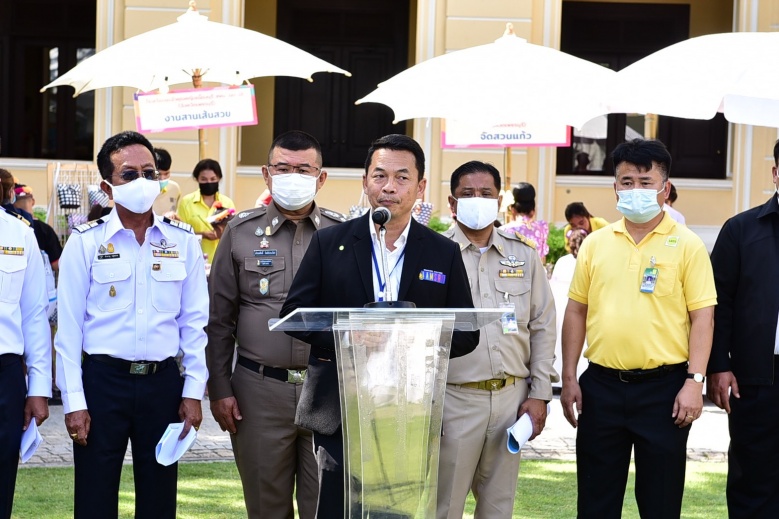
รัฐ-เอกชนร่วมใจ ให้บริการฟรี รับ-ส่ง ร่วมงานวันพ่อ ที่สนามหลวง 5 ธ.ค.63

3. การรถไฟแห่งประเทศไทย

การเดินทางมีการเพิ่มตู้รถไฟฟรี 4 เส้นทาง ดังนี กทม.-อยุธยา, กทม.-ฉะเชิงเทรา, กทม.- นครปฐม, มหาชัย – วงเวียนใหญ่

คุณนริศรา ศรีสันต์ (ที่ปรึกษากลยุทธ์สื่อสารองค์กร บีทีเอสกรุ๊ป )การให้บริการประชาชน วันเสาร์ที่ 5 ธันวาคม 2563วันพ่อปีนี้ คุณพ่อโดยสารรถไฟฟ้าบีทีเอสฟรี ตั้งแต่เวลา 06.00 – 24.00 น.ซึ่งพ่อและลูกจะต้องขึ้น/ลงสถานีเดียวกันเท่านั้นติดต่อขอรับบัตรโดยสารฟรี ได้ที่ห้องจำหน่ายบัตรโดยสารบีทีเอส ต้องสวมหน้ากากอนามัย/หน้ากากผ้า ก่อนเข้าระบบรถไฟฟ้า ตลอดเวลาใช้บริการ สอบถามรายละเอียดได้ที่ ศูนย์ลูกค้าสัมพันธ์  หมายเลขโทรศัพท์  02 617 6000

นายณัฐภัทริ์ อุณหคงคา (ผู้อำนวยการฝ่ายปฏิบัติการการรถไฟฟ้าขนส่งมวลชนแห่งประเทศไทยให้บริการฟรี 2 สายคือ สายสีม่วง สายสีน้ำเงิน เวลา 06.00-24.00 น.ติดต่อขอรับบัตรโดยสารฟรี ได้ที่ห้องจำหน่ายบัตรโดยสาร
รัฐ-เอกชนร่วมใจ ให้บริการฟรี รับ-ส่ง ร่วมงานวันพ่อ ที่สนามหลวง 5 ธ.ค.63

4. ด้านการแพทย์

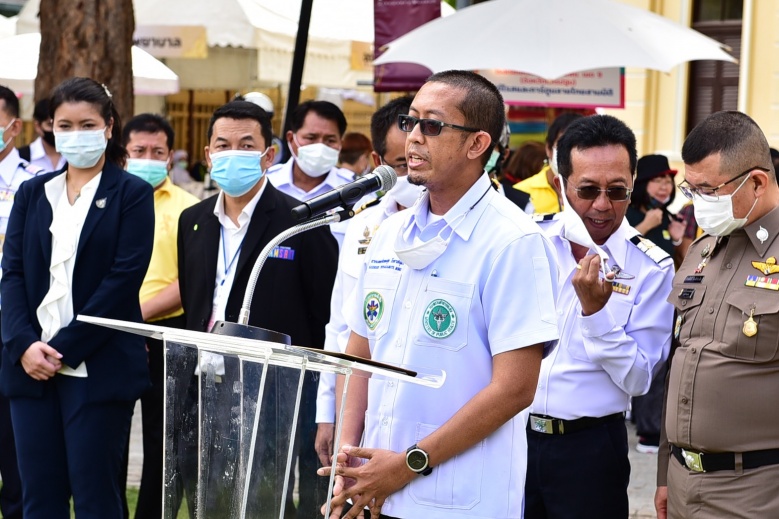
นายแพทย์เกษมสุข โยธาสมุทร (นายแพทย์ชำนาญการ) สำหรับการให้บริการทางการแพทย์ วันชาติและวันพ่อแห่งชาติในวันที่ 5 ธันวาคม 2563 ที่จะถึงนี้ ทางกระทรวงสาธารณสุขและหน่วยร่วมปฏิบัติด้านการแพทย์ ซึ่งประกอบด้วยหน่วยงานสังกัดสำนักการแพทย์และสำนักอนามัยกรุงเทพมหานคร โรงเรียนแพทย์ หน่วยแพทย์สังกัดกระทรวงกลาโหม โรงพยาบาลตำรวจ วิทยาลัยพยาบาลบรมราชชนนี กรุงเทพมหานคร และอาสามัครมูลนิธิ ได้จัดทีมแพทย์ขั้นสูงและขั้นพื้นฐาน พร้อมให้การดูแลพี่น้องประชานที่มาร่วมงาน ที่บริเวณพื้นที่สนามหลวงและบริเวณใกล้เคียงตลอดงาน

โดยมีจุดให้บริการทางการแพทย์หลักจำนวน 8 จุด ประกอบด้วยจุดบริการในพื้นที่สนามหลวงจำนวน 6 จุด และพื้นที่รอบสนามหลวงอีกจำนวน 2 จุด ที่มีทีมแพทย์พร้อมให้การรักษาและดูแลประชาชนอย่างทั่วถึงและยังได้มีการจัดเตรียมรถพยาบาลไว้รองรับในกรณีที่มีการเจ็บป่วยที่ต้องนำส่งโรงพยาบาล นอกจากนั้นยังมีทีมเดินเท้าที่คอยดูแลพี่น้องประชาชนในพื้นที่ในการให้การดูแลพี่น้องประชาชนในเชิงรุก โดยถ้าประชาชนมีการเจ็บป่วยสามารถขอความช่วยเหลือได้
รัฐ-เอกชนร่วมใจ ให้บริการฟรี รับ-ส่ง ร่วมงานวันพ่อ ที่สนามหลวง 5 ธ.ค.63

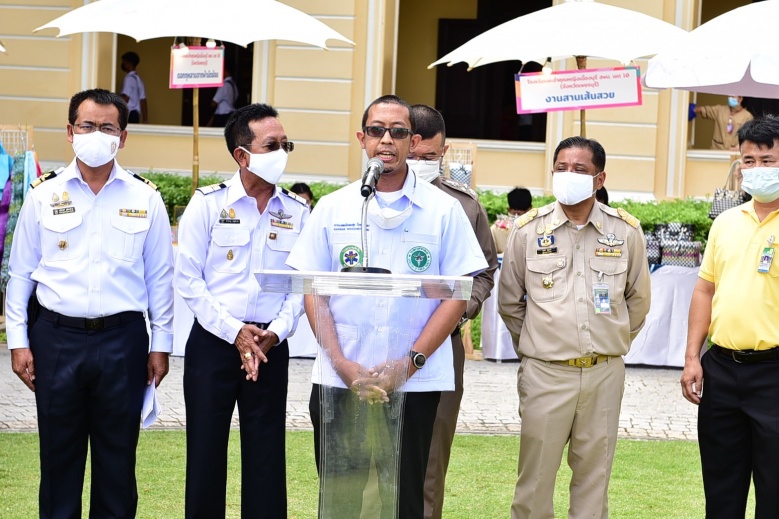
สำหรับมาตรการในการป้องกัน COVID-19 ซึ่งทั่วโลกยังมีการระบาดอยู่ ทางทีมด้านสาธารณสุขได้จัดเตรียมมาตรการไว้ โดยจะมีการวัดไข้ผู้ที่จะเข้าร่วมงาน มี alcohol แจกเพื่อให้ทุกท่านล้างมือ ซึ่งจะขอเชิญชวนพี่น้องประชาชนในการใส่หน้ากากอนามัยหรือหน้ากากผ้าตลอดงาน ท่านใดลืมหรือทำหน้ากากหล่นหายก็สามารถมารับที่เจ้าหน้าที่ด้านการแพทย์ได้ครับ

ขอฝากในเรื่องการเตรียมตัว ที่เป็นเรื่องสำคัญสำหรับผู้ที่จะมาร่วมงาน ท่านใดที่มีโรคประจำตัวขอให้พกยาติดตัวมาด้วยช่วงกลางวันอาจมีแสงแดดที่ร้อนเตรียมหมวกเตรียมร่มมา แล้วดื่มน้ำให้พอเพียง ไม่ต้องกลัวว่าจะไม่มีสุขา เพราะได้มีการเตรียมรถสุขาไว้บริการเป็นที่เรียบร้อย ช่วงเย็นๆหรือกลางคืนก็อาจมีอากาศเย็น ก็ขอให้มีการแต่งกายที่อบอุ่นและที่สำคัญ หลายท่านอาจจะมีความประสงค์ที่จะมาเตรียมรับเสด็จแต่เนิ่นๆ ก็ขอให้มีการพักผ่อนที่เพียงพอมาคืนก่อนหน้านั้น
รัฐ-เอกชนร่วมใจ ให้บริการฟรี รับ-ส่ง ร่วมงานวันพ่อ ที่สนามหลวง 5 ธ.ค.63

สำหรับส่วนภูมิภาคทุกจังหวัดจัดพิธีพร้อมกับส่วนกลาง ณ ศาลากลางจังหวัด หรือ สถานที่ที่เหมาะสม ส่วนในต่างประเทศ ให้สถานกงสุลพิจารณาจัดพิธีตามที่เห็นสมควร

ขอเชิญประชาชนทุกคนแต่งกายด้วยชุดประจำชาติ ชุดไทย ผ้าไทย ชุดย้อนยุค ชุดพื้นเมือง ชุดท้องถิ่น ตามขีดความสามารถ หรือสวมใส่ชุดสุภาพ สีตามอัธยาศัย ขอความร่วมมืองดใส่สีดำเข้าร่วมกิจกรรมในครั้งนี้โดยพร้อมเพรียงกันทั่วประเทศ

รัฐ-เอกชนร่วมใจ ให้บริการฟรี รับ-ส่ง ร่วมงานวันพ่อ ที่สนามหลวง 5 ธ.ค.63

เทคโนโลยีในการผ่าตัดหัวใจและทรวงอก (ตอนที่ 1) #SootinClaimon.Com

#SootinClaimon.Com : ขอบคุณแหล่งข้อมูล : หนังสือพิมพ์คมชัดลึก

เทคโนโลยีในการผ่าตัดหัวใจและทรวงอก (ตอนที่ 1) (komchadluek.net)

เทคโนโลยีในการผ่าตัดหัวใจและทรวงอก (ตอนที่ 1)

1 ธันวาคม 2563 – 09:20 น.

เทคโนโลยีในการผ่าตัดหัวใจและทรวงอก (ตอนที่ 1) โดย อ.นพ.ภูวดล ฐิติวราภรณ์ หัวหน้าศูนย์ศัลยกรรมหัวใจและทรวงอก โรงพยาบาลเจริญกรุงประชารักษ์  

ในแต่ละปีมีผู้เสียชีวิตจากโรคที่ไม่ติดต่อ (Non-Communicable Disease, NCD) สูงถึง 41 ล้านคน ซึ่งนับเป็น 60-70 เปอร์เซ็นต์ ของสาเหตุการตายทั้งหมดทั่วโลก โดยที่สาเหตุการตายอันดับที่ 1ของโรคในกลุ่มนี้ คือโรคหัวใจและหลอดเลือด สำหรับประเทศไทยก็เช่นกัน จากสถิติล่าสุดของกระทรวงสาธารณสุขปี พ.ศ. 2561 พบว่า ประเทศเรานั้น มีประชากรที่เสียชีวิตจากโรคหัวใจและหลอดเลือดสูงเป็นอันดับ 1 โดยสูงถึง 72 เปอร์เซ็นต์ ของสาเหตุการเสียชีวิตทั้งหมด และมีแนวโน้มสูงขึ้นทุก ๆ ปี เนื่องด้วยปัจจัยทั้งภายในและภายนอก ได้แก่ บุหรี่ มลภาวะฝุ่นควัน การบริโภคอาหารที่เต็มไปด้วยไขมันชนิดไม่ดี การไม่ออกกำลังกายและโรคประจำตัวเรื้อรังที่ไม่ได้รับการรักษาหรือควบคุมได้ไม่ดีพอ เช่นโรคเบาหวาน โรคความดันสูง ไขมันในเลือดสูง โรคไตวาย/เสื่อม เป็นต้น 

ถึงแม้ว่าปัจจุบันจะมีการกระตุ้น รณรงค์เพื่อส่งเสริมสุขภาพ ป้องกันโรคต่าง ๆ ทั้งจากภาครัฐและเอกชน อาทิเช่น กระทรวงสาธารณสุข มูลนิธิหัวใจไทย สมาคมแพทย์โรคหัวใจแห่งประเทศไทย และในขณะเดียวกันก็มีมาตรการในการดูแลรักษาผู้ป่วยกลุ่มนี้เพิ่มมากขึ้น ทั้งจากการให้ผู้ป่วยเข้าถึงสถานบริการได้ครอบคลุมมากขึ้น มีการสร้างเครือข่ายและการจัดระบบส่งต่อผู้ป่วยในกลุ่มเส้นเลือดหัวใจขาดเลือดเฉียบพลัน การให้ผู้ป่วยเข้าถึงยาที่จำเป็น และการดูแลผู้ป่วยโรคหัวใจที่ต้องได้รับการผ่าตัด แต่กระนั้นการดูแลรักษาผู้ป่วยในกลุ่มนี้ โดยเฉพาะโรคหัวใจที่ต้องได้รับการผ่าตัด ก็ยังนับว่ายังขาดแคลนมาก    

โรงพยาบาลเจริญกรุงประชารักษ์ เป็นโรงพยาบาลแห่งแรกและแห่งเดียวในสำนักการแพทย์ กรุงเทพมหานคร (ซึ่งมีโรงพยาบาล 11 แห่งในสังกัด) ที่มีความสามารถในการดูแลผู้ป่วยโรคหัวใจอย่างครบวงจร ทั้งการดูแลรักษาโรคหัวใจ หัวใจวาย หัวใจเต้นผิดจังหวะด้วยการให้ยาและการจี้ไฟฟ้า การทำกายภาพหัวใจ การฉีดสีและเดินสายพาน และการผ่าตัดหัวใจ ทั้งโรคเส้นเลือดหัวใจตีบ โดยการทำการผ่าตัดบายพาส การผ่าตัดเปลี่ยนหรือซ่อมลิ้นหัวใจ การผ่าตัดเส้นเลือดแดงโป่งพองทั้งการผ่าตัดและการใส่ขดลวด การผ่าตัดหัวใจพิการแต่กำเนิดในเด็กเบื้องต้น การใช้เครื่องพยุงหัวใจ (ExtraCorporeal Membrane Oxygenator, ECMO) เป็นต้น โดยโรงพยาบาลเจริญกรุงประชารักษ์ได้ดำเนินการผ่าตัดมาแล้วเป็นปีที่ 5 และมีแนวโน้มสูงขึ้นเป็นลำดับ โดยทางโรงพยาบาลเจริญกรุงประชารักษ์นั้น  ได้รับความช่วยเหลือจากอาจารย์แพทย์ ผู้มีประสบการณ์ ทั้งจากโรงพยาบาลจุฬาลงกรณ์และจากโรงพยาบาลศิริราช รวมถึงทีมงานอาจารย์แพทย์หลากหลายสาขามาช่วยเหลือในกรณีที่การผ่าตัดนั้นมีความซับซ้อน ซึ่งก็ทำให้การผ่าตัดสำเร็จลุล่วงด้วยดีเสมอมา    

จากสถิติการผ่าตัดหัวใจจากสมาคมศัลยแพทย์หัวใจแห่งประเทศไทยปีพ.ศ. 2561 นั้นพบว่า การผ่าตัดหัวใจบายพาส (Coronary artery bypass surgery, CABG) เป็นการผ่าตัดหัวใจที่สูงเป็นอันดับ 1  และมีแนวโน้มสูงขึ้นทุกปี โดยเพิ่มขึ้น57 เปอร์เซ็นต์ในช่วงเวลา 10 ปีที่ผ่านมา (จาก 3,790 เป็น 5,970ราย/ปี) การผ่าตัดหัวใจนั้นไม่ได้น่ากลัวอย่างที่หลายคนจินตนาการ ปัจจุบันมีการใช้เทคโนโลยีต่าง ๆ เข้ามาช่วยให้การผ่าตัดดีขึ้น ทั้งในแง่ของการพักฟื้นที่เร็วขึ้น แผลเล็กลง ภาวะแทรกซ้อนที่ลดน้อยลง โดยหลังผ่าตัดผู้ป่วยจะเริ่มรู้ตัวประมาณ 1-2 ชั่วโมงและสามารถรับประทานอาหารได้ใน 8-12 ชั่วโมง ระยะเวลานอนโรงพยาบาลเฉลี่ยประมาณ 5-7 วันหากไม่มีภาวะแทรกซ้อน หลังจากที่ผู้ป่วยเริ่มตื่นรู้ตัว ลุกนั่ง ทางทีมงานกายภาพบำบัดหัวใจก็จะเข้ามาดูแล สอนการออกกำลังกายเพื่อให้ร่างกายและหัวใจฟื้นตัวได้เร็วที่สุด หลังจากนั้นทางทีมกายภาพบำบัดหัวใจจะนัดผู้ป่วยมาเดินสายพานหรือปั่นจักรยานเพื่อเรียกความฟิตของหัวใจกลับคืนมาให้มากกว่าเดิม    

ปัจจุบันการผ่าตัดหัวใจมีแนวโน้มที่จะผ่าตัดด้วยเทคโนโลยีที่มีความทันสมัยมากขึ้น มีการใช้การผ่าตัดร่วมกับการใส่ขดลวดในผู้ป่วยรายเดียวกัน เพื่อลดระยะเวลาการผ่าตัดและลดภาวะแทรกซ้อนที่อาจเกิดขึ้น มีการฉีดสีเพื่อวินิจฉัยพร้อมควบคู่กับการผ่าตัดรักษา หรือการจี้หัวใจพร้อมกับการผ่าตัดในคราวเดียวกัน ซึ่งการที่จะทำสิ่งเหล่านี้ได้ต้องมีเครื่องมือ และห้องผ่าตัดที่มีความจำเพาะ มีศักยภาพ ในห้องผ่าตัดไฮบริด (Hybrid operating room) ซึ่งทางโรงพยาบาลของเราเล็งเห็นความสำคัญและกำลังอยู่ในแผนพัฒนา 

สุดท้ายแล้วอยากให้ประชาชนคนไทยดูแลสุขภาพของตนเองและคนใกล้ชิด ควบคู่ไปกับการรักษาหากเป็นโรคหัวใจอยู่แล้ว เพราะโรคหัวใจไม่ได้น่ากลัวอย่างที่เรากังวลกันครับ  ดังนั้นทาง ศูนย์ผ่าตัดหัวใจและทรวงอก โรงพยาบาลเจริญกรุงประชารักษ์ จึงขอเชิญประชาชนผู้สนใจเข้าร่วมงานเสวนาภาคประชาชน ในโครงการให้ความรู้ประชาชน เรื่อง “เทคโนโลยีในการผ่าตัดหัวใจและทรวงอก” ในวันอังคารที่ 15 ธันวาคม 2563  เวลา 09.00-12.00 น. ห้องประชุมอุดมสังวรญาณ ชั้น 23  อาคาร ๗๒ พรรษา มหาราชินี โรงพยาบาลเจริญกรุงประชารักษ์  ผู้ที่สนใจสามารถขอรับคำปรึกษาและตรวจคลื่นหัวใจ ได้ฟรีไม่เสียค่าใช้จ่าย ลงทะเบียนเข้าร่วมงานได้ที่  โทรศัพท์ 062-416-4536  หรือร่วมบริจาคเพื่อสร้างห้องผ่าตัดหัวใจไฮบริดได้ที่ สำนักงาน มูลนิธิโรงพยาบาลเจริญกรุงประชารักษ์ เพื่อห้องผ่าตัดหัวใจ หมายเลขโทรศัพท์ 02-289-7368 หรือทางเว็บไซต์ http://www.ckphosp.go.th

โดย อ.นพ.ภูวดล ฐิติวราภรณ์
หัวหน้าศูนย์ศัลยกรรมหัวใจและทรวงอก โรงพยาบาลเจริญกรุงประชารักษ์  

Fears of coronavirus jump intensify in Thanksgiving’s aftermath #SootinClaimon.Com

#SootinClaimon.Com : ขอบคุณแหล่งข้อมูล : หนังสือพิมพ์ The Nation.

Fears of coronavirus jump intensify in Thanksgiving’s aftermath (nationthailand.com)

Fears of coronavirus jump intensify in Thanksgiving’s aftermath

Health & BeautyNov 29. 2020

By The Washington Post · Sarah Kaplan · NATIONAL, HEALTH, SCIENCE-ENVIRONMENT, HEALTH-NEWS 
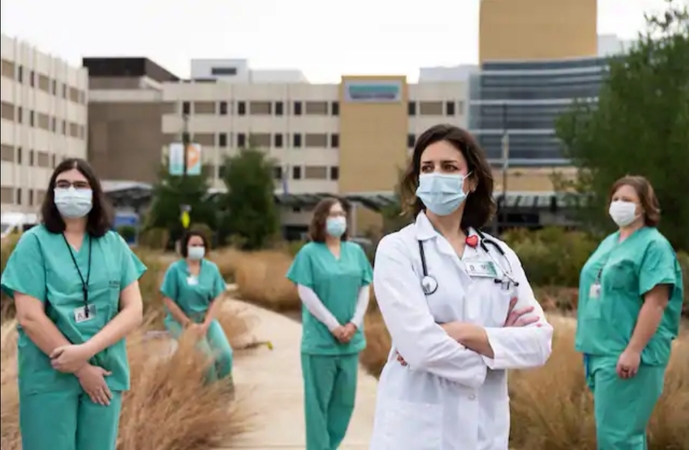
At a rural health system in Wisconsin, officials and medical experts began drawing up protocols for the once unthinkable practice of deciding which patients should get care.

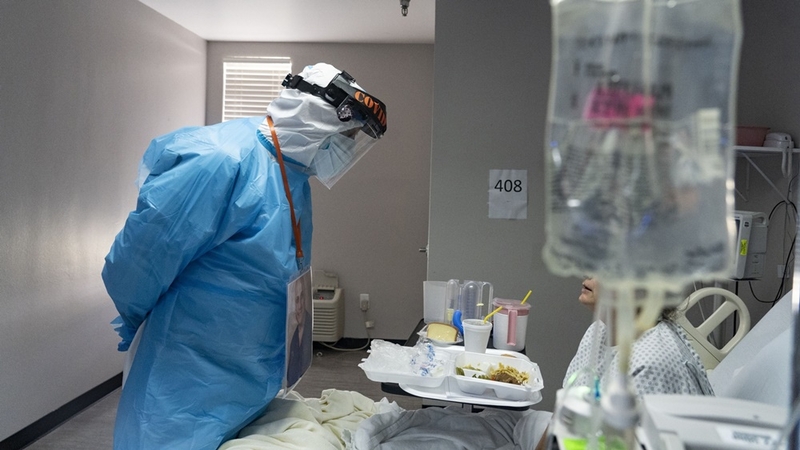
The chief quality officer of a major New York hospital network double- and triple-checked his system’s stockpile of emergency equipment, grimly recalling the last time he had to count how many ventilators he had left. In Arizona, a battle-weary doctor watched in horror as people flooded airports and flocked to stores for Black Friday sales, knowing it was only a matter of time before some of them wound up in his emergency room. 

Days after millions of Americans ignored health guidance to avoid travel and large Thanksgiving gatherings, it’s still too soon to tell how many people became infected with the coronavirus over the course of the holiday weekend. But as travelers head home to communities already hit hard by the disease, hospitals and health officials across the country are bracing for what scientist Dave O’Connor called “a surge on top of a surge.”

“It is painful to watch,” said O’Connor, a virologist at the University of Wisconsin at Madison. “Like seeing two trains in the distance and knowing they’re about to crash, but you can’t do anything to stop it.”

“Because of the decisions and rationalizations people made to celebrate,” the scientist added, “we’re in for a very dark December.” 

The holiday, which is typically one of the busiest travel periods of the year, fell at a particularly dire time in the pandemic. Some 4 million Americans have been diagnosed with the coronavirus in November – twice the previous record, which was set last month. More than 2,000 people are dying every day. Despite that, over a million people passed through U.S. airports the day before Thanksgiving – the highest number of travelers seen since the start of the outbreak. 

Many states did not report new case counts over the holiday, and it typically takes about a week for official records to catch up after reporting delays, said Caitlin Rivers, an epidemiologist at the Johns Hopkins Center for Health Security. 

But in two to three weeks, she said, “I fully expect on a national level we will see those trends continue of new highs in case counts and hospitalizations and deaths.”

The nation has already notched several bleak milestones over the holiday weekend. On Thanksgiving Day, hospitalizations in the United States exceeded 90,000 people for the first time. The following day, the country hit 13 million cases. At least nine states have seen 1 in every 1,000 residents die from the coronavirus.

Mark Jarret, the chief quality officer for New York’s Northwell Health system, said he understood that many people are tiring of constant vigilance after nine months of isolation and Zoom gatherings and waving at people from six feet away.

“But we’re so close to getting some control,” he said, noting that federal officials are on the verge of authorizing one or more vaccines against the virus next month. “This is not the time to let up. This is the time to put on the best defense we can to prevent further spread, further death.”

Officials urged people who traveled or spent time with people outside their household to stay at home for 14 days to avoid further spread of the virus. And some jurisdictions are moving toward lockdown measures not seen since the spring. Los Angeles County on Friday issued a three-week “safer at home” order, limiting business capacity and prohibiting gatherings other than religious rervices and protests. 

Meanwhile, the December holidays are looming.

“Hopefully people will try to minimize their risks around Christmas, especially if there’s data that show Thanksgiving was really harmful,” O’Connor said. 

To Cleavon Gilman, a Navy veteran and emergency room doctor in Yuma, Ariz., the wave of holiday travel was “a slap in the face.”

“It’s as if there’s not a pandemic happening,” he said. “We’re in a war right now, and half the country isn’t on board.”

On Friday, members of the University of Arizona coronavirus modeling team issued an urgent warning to state health officials, projecting that the state will exceed ICU capacity by the beginning of December.

“If action is not immediately taken, then it risks a catastrophe on a scale of the worst natural disaster the state has ever experienced,” the team wrote in a letter to Steven Bailey, chief of the Bureau of Public Health Statistics. “It would be akin to facing a major forest fire without evacuation orders.”

Arizona has no statewide mask mandate, and businesses in many parts of the state, including indoor dining at restaurants, remain open.

Gilman said the intensive care unit at his hospital is full, and there’s nowhere to transfer new patients. When he’s home, his mind echoes with the sound of people gasping for breath. He and his colleagues are exhausted, and with cases spiking across the country, he worries there is no way they can handle the surge that will likely follow Thanksgiving celebrations.

In La Crosse, Wis., Gundersen Health System chief executive Scott Rathgaber echoed that fear. “We’ve had to tell our hard-working staff, ‘There’s no one out there to come rescue us,'” he said.

Like many in his college town, Rathgaber is anxious about what will happen when students who spent the holiday with their families return to campus. Though the University of Wisconsin and other schools shifted classes online for the remainder of the semester, he anticipate students who have jobs and apartments in La Crosse will return to town.

“We had trouble the first time the students came back,” Rathgaber said, noting that the start of college classes in September preceded outbreaks in nursing homes and a spike in deaths in La Crosse County. “I will continue to implore, to beg people to take this seriously.”

Gundersen has already more than tripled the size of the covid-19 ward at its main hospital, and even before this week it was almost entirely full. Physicians from the system’s rural clinics have been reassigned to La Crosse to help in the ICU. Staff who were exposed to the virus are being called back before completing their 14-day quarantine. And Rathgaber now attends regular meetings with ethicists and end-of-life caregivers to figure out Gundersen’s triage protocol if the hospital becomes overwhelmed. 

“We’re not at a breaking point, but we are getting there,” Rathgaber said. “I’m concerned about what the next two weeks will bring.”

Two-dose coronavirus vaccine regimens will make it harder to inoculate America #SootinClaimon.Com

#SootinClaimon.Com : ขอบคุณแหล่งข้อมูล : หนังสือพิมพ์ The Nation.

Two-dose coronavirus vaccine regimens will make it harder to inoculate America (nationthailand.com)

Two-dose coronavirus vaccine regimens will make it harder to inoculate America

Health & BeautyNov 28. 2020On the road outside rural Wessington Springs, S.D., where 1 in 37 people had the virus this month. MUST CREDIT: Photo for The Washington Post by Jenn AckermanOn the road outside rural Wessington Springs, S.D., where 1 in 37 people had the virus this month. MUST CREDIT: Photo for The Washington Post by Jenn Ackerman 
By The Washington Post · Frances Stead Sellers · NATIONAL, HEALTH, SCIENCE-ENVIRONMENT, HEALTH-NEWS, HEALTH-FEATURES

When Molly Howell talks about the two-shot regimen needed to vaccinate residents of North Dakota’s 210 long-term-care facilities against the coronavirus, she sounds like a general mobilizing a massive air lift without knowing how many planes she will have.

As the state’s immunization program manager, Howell is on top of mass vaccinations for seasonal flu, essentially a one-stop shot. And she is well versed in serial immunizations, like the two-step shingles shots. But for the current coronavirus vaccines, which require two injections spaced either three or four weeks apart, she anticipates clinicians having to make many more than two visits to facilities. Will health-care workers be considered a high-priority group and thus scheduled for vaccination sooner than at-risk residents? How should shift workers be accommodated? And what about the many people who move in or out of facilities in the window between shots?

“It definitely will be an iterative process,” Howell said, as she multiplied those problems through jails, group homes and homeless shelters, wondering how not to waste precious doses if somebody doesn’t show up as expected for their second shot, leaving a precious vial in the refrigerator.

“Do you use second doses for first doses?” Howell speculated.

As the nation gears up to vaccinate tens of millions of Americans against the novel coronavirus, public health officials like her are facing novel dilemmas, driven by the urgency of the pandemic, the fact that only a small minority may have immunity from prior exposure and by the vaccine available at each site, with the differing intervals between shots depending on the manufacturer.

They will need to keep track of people who have received one dose in order to send a reminder about the need to return a few weeks later. They worry that the first vaccine may make people feel just sick enough that they won’t want to go through the ordeal again. And they foresee hitches if people get their first dose at, say, Walgreens and go to CVS for their second, or, worse still, if they cross state borders, moving from one health department’s registration system to another.

“Two doses more than doubles the logistical challenges of administering the vaccines,” said Jeffrey Duchin, health officer for public health in Seattle and King County, Wash. “The moving parts have to align.”

A two- or three-dose dose regimen is routine for building immunity against many illnesses, but it is unprecedented in a pandemic when the public health goal is to vaccinate 60 to 70% of the population within months to reach herd immunity and stop the virus’s spread.

“This is the only time we’ve faced a serious, immediate threat to the entire population that requires a two-dose vaccine,” said Kelly Moore of the Immunization Action Coalition, who was director of Tennessee’s program in 2009 during the H1N1 pandemic and recalls her relief when she learned everyone but young children would need only one shot.

That was possible because unlike covid-19, which is caused by a novel virus, an influenza similar to H1N1 had previously circulated in humans giving many people partial immunity. Clinical trials showed that protection was afforded with only one injection.

With Ebola, Moore said, both single- and two-dose vaccines exist and experts have been figuring out how best to deploy them both in and around outbreaks, depending on the availability of supplies.

It’s not unusual for a vaccine to require re-upping in order to provoke the immune system to respond more effectively. The classic schedule for vaccines that target proteins like the spike protein on the surface of this coronavirus, Moore said, is three shots – “prime, prime, boost” – with the second and third shots coming one and six months after the first injection. Each of the first two shots primes the immune system and is typically followed by a modest drop-off in antibodies. The third shot, usually at least six months after the first one, can give long-term protection by boosting the immune system’s memory cells, which by that point have matured and are ready to respond.

It’s not yet clear whether any of the new coronavirus vaccines in the pipeline will ultimately work best with a third shot capable of boosting long-term protection.

“Memory cells increase stepwise during at least six months,” said Claire-Anne Siegrist, a professor of vaccinology at the University of Geneva and head of the World Health Organization’s Collaborating Center for Vaccine Immunology. The urgency of the increasing infection rates and death tolls has led to the promotion of an immediate two-shot solution.

“In a ramping pandemic, where efficacy should be elicited as rapidly as possible, giving two primary vaccine doses and following to see whether and when a booster might be needed is a most reasonable choice,” she said.

It’s also possible that fewer doses may prove sufficient.

“For all we know, all these two-dose vaccines may work in one dose,” Duchin said.

Data will be gathered as populations are immunized, providing further information about how best to vanquish this particular disease.

“I think we have to learn what is needed to keep immunity,” said Bruce Gellin, president of global immunization at the Sabin Vaccine Institute, fine-tuning strategies and policies based on the evolving science, with the potential for revaccination in the future, as with the annual flu vaccine.

“There are a lot of missing data points,” said John Brownstein, chief innovation officer at Boston Children’s Hospital, who runs Vaccine Finder, a system developed by Google a decade ago to help deploy the H1N1 vaccine.

The Vaccine Finder is designed to help people find providers of vaccines, from flu to shingles, close to where they live. The system doesn’t collect personal data, however, which would be necessary to send out reminders to individuals about a second coronavirus shot, for example.

“Right now, it’s a one-way push,” said Brownstein, who described his ambitions to rebuild the infrastructure so people could receive updates and information about scheduled vaccines.

The challenges of registering individuals and reminding them electronically about their second shots are daunting, said Sacramento County Health Director Peter Beilenson, who like Howell is concerned about the potential inefficiency of staggered staff and residents’ immunizations in long-term-care and other residential facilities.

The two-shot emergency schedule will upend the way many health departments have organized mass vaccination programs in recent years. For a decade, the Vanderbilt University School of Medicine has developed a program to immunize students, faculty, staff and volunteers against the flu – a one-shot-and-you’re-done deal that has succeeded in immunizing as many as 15,000 people in a single day.

Many of those efficiencies won’t be possible with the two-shot regime.

“It does impact staffing resources” at a time when health-care workers are already stretched thin, said Vanderbilt infectious-disease chief Thomas Talbot.

The coronavirus vaccines may give headaches, fevers and other unpleasant symptoms – all good signs of the body’s immune system getting to work – but Talbot is concerned they may prevent people from returning for their second dose.

Moore, who has studied another painful vaccine – two-dose shingles shots – says she is heartened by the way a vast majority of people who are educated about what to expect come back for their second doses despite the discomfort.

“I am very encouraged that our experience with Shingrix is that motivated people will come back as long as they are properly prepared to do so,” Moore said.

And while the challenges ahead are daunting, Howell said she is glad to be able to think them through with other experts.

“It’s comforting that we are all in same position,” she said. “All of us are going to figure this out.”

Hospitals race to set vaccine priorities for health-care workers #SootinClaimon.Com

#SootinClaimon.Com : ขอบคุณแหล่งข้อมูล : หนังสือพิมพ์ The Nation.

Hospitals race to set vaccine priorities for health-care workers (nationthailand.com)

Hospitals race to set vaccine priorities for health-care workers

Health & BeautyNov 28. 2020

By Syndication Washington Post, Bloomberg · Angelica LaVito · NATIONAL, HEALTH, HEALTH-NEWS

Large hospital systems are grappling with how best to decide which health-care workers will be vaccinated first for covid-19, a daunting task when it’s unclear which shots they’ll get, how many and when they’ll arrive.

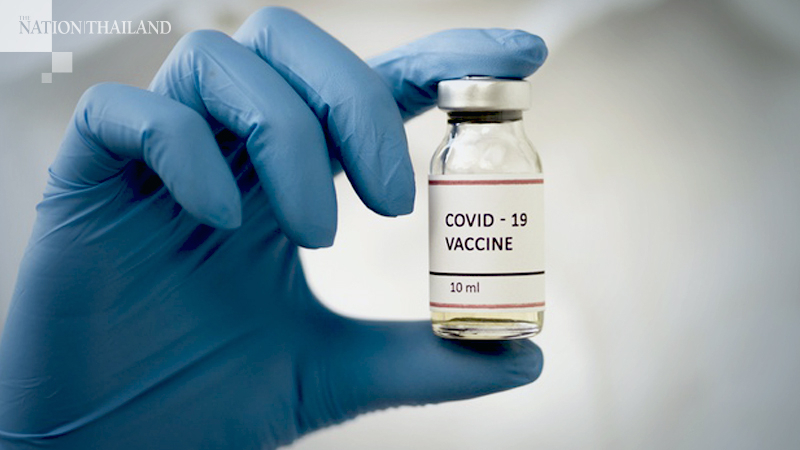
The first covid-19 vaccine could be cleared for U.S. use as soon as next month, with Pfizer Inc. and BioNTech SE’s candidate already under review and Moderna Inc.’s shot not far behind. Federal officials, meanwhile, have signaled that health-care workers and older Americans at high risk should be vaccinated as step one in what could set off months of fraught decisions involving other key priority groups.

But following those initial guidelines could prove difficult. With 21 million health-care workers in the U.S., there almost certainly won’t be enough doses to reach them all at once. That’s forcing hospitals to categorize their workers based on best-guess distribution estimates, a task made even more complex for some systems by a patchwork state-by-state approach.

Minnesota’s Allina Health system, which employs 15,600 workers who have direct contact with patients in Minnesota and Wisconsin, is estimating it could get 3,000 to 4,000 doses initially. The plan: Prioritize those that interact directly with coronavirus patients by listing each worker by their job type and the units they work in.

“We’re looking at all employees, where they work, what their roles are and what their exposure risk is,” said Ryan Else, a doctor who is overseeing the coronavirus response in Allina Health’s hospitals.

Health systems that operate across state lines face an even bigger challenge. While states are taking cues from federal guidelines, they are developing their own priority lists, creating a situation where some employees in one state might get vaccinated before their peers in another.

“How fair does that feel to people in the same system?” said Amy Compton-Phillips, a doctor and chief clinical officer at Providence, which operates 51 hospitals, as well clinics and medical offices across seven states.

Like Allina, Providence also plans to vaccinate workers based on their roles in an attempt at fairness. The health system will notify workers when it’s their turn to get vaccinated. It is also creating an appeal process if people think groups were misclassified. “When things are in short supply, you make really hard decisions. They don’t feel good,” Compton-Phillips said.

Federal officials plan to initially send 6.4 million doses across the country, according to Gus Perna, Operation Warp Speed’s chief operating officer. More doses will then be sent out on a weekly basis with the goal of distributing 40 million doses by the end of the year, Perna said on a call with reporters Tuesday.

Shipments will be divvied up across states based on the size of their adult populations, and not in response to any virus surges, U.S. Department of Health and Human Services Secretary Alex Azar said on the call.

“We wanted to keep this simple, first because we’re seeing nationwide spread and susceptibility to the disease,” Azar said. “But also, once we pass through these initial tranches where we’re in much more of a scarcity situation, we’re eventually going to get to the point where it would need to be per capita. So instead of having multiple methodologies, we thought it best to keep it simple.”

Some health systems are taking a more granular approach in preparing for use of the shots.

Advocate Aurora Health Inc., with 26 hospitals and even more clinics and doctors across Illinois and Wisconsin, is identifying workers at greatest risk of severe illness, anticipating it will not receive enough doses to cover employees evenly. That means factoring in details like how prevalent the coronavirus is in a particular community, as well as employees’ risk factors, said Robert Citronberg, a doctor and executive medical director of infectious disease and prevention.

“We want to target as best as possible the people who are most likely to get severely ill from covid, and we know those are older people, people with underlying medical conditions,” Citronberg said.

New York’s Northwell Health, with 23 hospitals, has already compiled a spreadsheet of its 74,000 workers that categorizes them by their risk of catching the novel coronavirus on the job, according to Mark Jarrett, who is a doctor and the system’s chief quality officer.

Northwell’s calculation weighs how much employees interact with infected patients and, like Advocate Aurora, how prevalent the virus is in the community. That second data point could change at times, resulting in people working in areas with more spread being vaccinated first.

And Jarrett brings another issue to the table. He’s worried less about people clamoring for a vaccine and more about workers not wanting one, a fear other hospital executives across the country echoed.

Health systems already had to contend with anti-vaccination movements when concerns about the quick speed of covid-19 vaccine development further spooked workers, Providence’s Compton-Phillips said.

Allison Suttle, a doctor and chief medical officer of Sioux Falls, South Dakota-based Sanford Health, hopes clinical trial data will reassure the system’s workers. Internal surveys found more people said they would take a covid-19 vaccine after Pfizer and Moderna released early results showing their candidates were each around 95% effective.

“I’m optimistic, cautiously optimistic, and proud of our health-care workers that they’re willing to jump up, stick out their shoulder and get the vaccine,” Suttle said.

If and when the Food and Drug Administration authorizes vaccine candidates, the Centers for Disease Control and Prevention will make its final recommendations for whom to vaccinate. Members of the CDC’s immunization committee will review the data for clues on whether the formulas work better in some groups than others.

In the meantime, health systems will continue preparing as best they can. When asked whether Northwell knows how many doses it will receive, Jarrett laughed.

“Nope,” he answered. Any estimates are likely to change, Jarrett said, and even the smallest of fluctuations could make a big difference.

AstraZeneca eyes extra global vaccine trial as questions mount #SootinClaimon.Com

#SootinClaimon.Com : ขอบคุณแหล่งข้อมูล : หนังสือพิมพ์ The Nation.

AstraZeneca eyes extra global vaccine trial as questions mount (nationthailand.com)

AstraZeneca eyes extra global vaccine trial as questions mount

Health & BeautyNov 28. 2020

By Syndication Washington Post, Bloomberg · Suzi Ring, James Paton · NATIONAL, BUSINESS, HEALTH, HEALTH-NEWS

AstraZeneca’s covid-19 vaccine looks as if it’s headed for an additional global trial as the drugmaker tries to clear up uncertainty and confusion surrounding favorable results in its current study.

The company wants the new test to confirm the 90% efficacy rate that the shot showed in a portion of an existing trial, Chief Executive Officer Pascal Soriot said. It’s favoring that option rather than adding an arm to a separate study that’s already underway in the U.S.

Questions are mounting over one of the fastest-moving shots after the company acknowledged that a lower dosage level that appeared more effective resulted from a manufacturing discrepancy. The company and its partner, the University of Oxford, didn’t initially disclose the error and other key details, leading to concern over their transparency.

“Now that we’ve found what looks like a better efficacy we have to validate this, so we need to do an additional study,” Soriot said in his first interview since the data were released. It will probably be another “international study, but this one could be faster because we know the efficacy is high so we need a smaller number of patients.”

Soriot said he didn’t expect the additional trial to hold up regulatory approvals in the U.K. and European Union.

U.K. Health Secretary Matt Hancock asked the nation’s medical regulator to potentially bypass its E.U. counterpart and approve the supply of AstraZeneca’s vaccine to speed its deployment. Until the end of the year, when the U.K. exits a post-Brexit transition period, vaccines must be authorized by the European Medicines Agency. But on Friday, Hancock said he invoked a special rule allowing Britain’s regulator to authorize a temporary supply of the vaccine if the data is robust enough.

Clearance from the U.S. Food and Drug Administration may take longer because the regulator is unlikely to approve the vaccine on the basis of studies conducted elsewhere, especially given the questions over the results, Soriot said. Authorization in some countries is still expected before the end of the year, he said.

“The question for us was, will we need the U.S. data to get approval in the U.S. or can we get approval in the U.S. with international data, and it was never clear,” said Soriot, who is in quarantine after arriving in Australia. “Now with those results it’s more likely that we will need the U.S. data.”

Astra and its CEO are facing scrutiny as the drugmaker responds to growing confusion over the vaccine. The company’s late-stage data initially increased confidence that the world would soon have multiple shots to combat the pathogen, following positive reports from front-runners Pfizer Inc. and Moderna Inc. But scant disclosures and the manufacturing discrepancy have sparked doubts among scientists and investors.

Astra shares fell 0.8% by 8:57 a.m. in London trading Friday, bringing the decline this week to about 8% amid questions about the trial results.

Astra and Oxford reported Monday that a lower initial dose of the vaccine, followed by a full dose, produced a 90% efficacy rate in a smaller set of participants, compared with 62% for two full doses.

A day after the data were unveiled the head of Operation Warp Speed, the U.S. vaccine program, said that the regimen showing the higher level of effectiveness was tested in a younger population. He also said the half-dose was given to some people because of an error in the quantity of vaccine put into some vials. None of those details were disclosed in Astra or Oxford’s original statements.

Soriot disputed the idea that the half-dose regimen was an error, saying that after researchers realized the dosing discrepancy they formally changed the trial protocol with the blessing of regulators.

“I won’t tell you we expected the efficacy to be higher,” said Soriot. But “people call it a mistake — it’s not a mistake.”

The company has previously said it might add a new arm to its U.S. trial to test the lower dosage.

Astra and researchers have declined to provide more data ahead of a peer-reviewed analysis that is expected to be published in the coming weeks. Results have been submitted to an undisclosed journal, Astra said in a statement.

Astra’s is one of three vaccines that could be approved before the end of the year. Pfizer and Moderna, which have both created shots using messenger RNA, published data earlier this month that showed their vaccines were about 95% effective, and Pfizer has applied to U.S. regulators for emergency approval.

There’s added pressure on the Astra shot to succeed because it’s easier to store and the company is selling it at cost during the pandemic, which means many low- and middle-income countries are relying on it.

RBSO จัดคอนเสิร์ต “Beethoven the Creator” #SootinClaimon.Com

#SootinClaimon.Com : ขอบคุณแหล่งข้อมูล : หนังสือพิมพ์คมชัดลึก

RBSO จัดคอนเสิร์ต “Beethoven the Creator” (komchadluek.net)

RBSO จัดคอนเสิร์ต “Beethoven the Creator”

RBSO จัดคอนเสิร์ต "Beethoven the Creator"

27 พฤศจิกายน 2563 – 08:01 น.

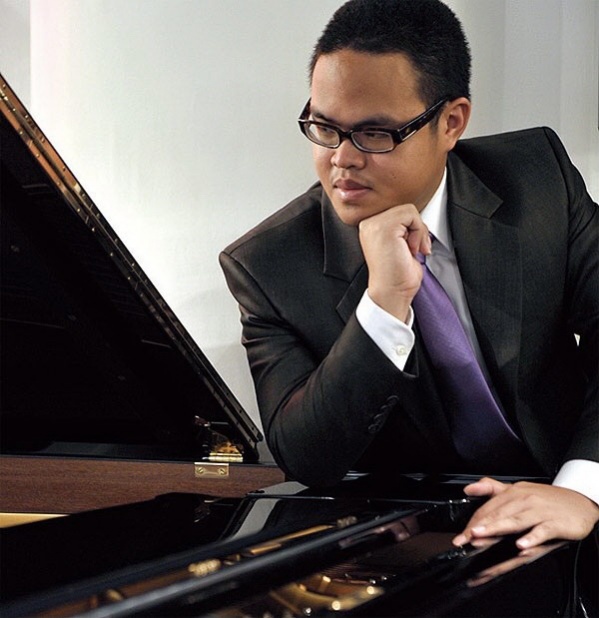
RBSO จัดคอนเสิร์ต “Beethoven the Creator” บรรเลงผลงานของเบโธเฟนร่วมด้วย ชญณัฐ วิสัยจร ศิลปินนักเปียโนระดับแนวหน้าของไทย

มูลนิธิรอยัลแบงค์คอกซิมโฟนีออร์เคสตร้า ในพระอุปถัมภ์สมเด็จพระเจ้าลูกเธอ เจ้าฟ้าสิริวัณณวรี นารีรัตนราชกัญญา และการท่องเที่ยวแห่งประเทศไทย  โดยความสนับสนุนของบี.กริม, BDMS,เมืองไทยประกันภัย และมูลนิธิเอสซีจี ขอเชิญชมคอนเสิร์ตรายการ “Beethoven the Creator” บรรเลงผลงานของ ลุดวิก ฟาน เบโธเฟน คีตกวีผู้ยิ่งใหญ่ชาวเยอรมัน บรรเลงโดยวงรอยัลแบงค์คอกซิมโฟนีออร์เคสตร้า (RBSO) ร่วมด้วย ชญณัฐ วิสัยจร ศิลปินนักเปียโนระดับแนวหน้าของไทย บรรเลงเดี่ยวเปียโนคอนแชร์โตหมายเลข 1 ในบันไดเสียง C เมเจอร์ ประพันธ์โดย ลุดวิก ฟาน เบโธเฟนและบทเพลงซิมโฟนีหมายเลข 3 ในบันไดเสียง E แฟลท เมเจอร์ นิคเนมว่า “Eroica” ผลงานระดับมาสเตอร์พีซที่นิยมฟังและบรรเลงมากที่สุดในบรรดาบทเพลงซิมโฟนีทั้ง 9 บทของเบโธเฟน อำนวยเพลงโดย มิเชล เทลคิน (Michel Tilkin) ผู้อำนวยการด้านดนตรีวง RBSO

RBSO จัดคอนเสิร์ต "Beethoven the Creator"

คอนเสิร์ต “Beethoven the Creator” บรรเลงผลงานของ ลุดวิก ฟาน เบโธเฟน นักประพันธ์เพลงชาวเยอรมันผู้ยิ่งใหญ่แห่งยุคโรแมนติค  บทเพลงแรกคือ เปียโนคอนแชร์โตหมายเลข 1 ในบันไดเสียง   C เมเจอร์ ผลงานลำดับที่ 15 ท่อนแรก เริ่มด้วยทำนองหลักที่อาจหาญ ช่วงแรกๆฟังเหมือนเป็นดนตรีของไฮเดินและโมสาร์ท แต่เบโธเฟนเขียนให้กลองและทรัมเป็ตบรรเลงเพลงอย่างรุนแรงสอดแทรกเข้าไปในทำนองหลักที่ไพเราะ ศิลปินเดี่ยวเปียโนได้นำทำนองหลักที่ถูกนำมาพัฒนามาบรรเลงได้อย่างสวยงาม นักเปียโนได้นำทำนองมาบรรเลงคล้ายการด้นสดเพื่ออวดฝีมือ ท่อนที่สอง ฟังดูเหมือนอ่อนหวานด้วยการ  เติมสร้อยในทำนอง ทว่าเบโธเฟนได้ใส่อารมณ์เข้าไป ทำให้ผู้ที่ได้ฟังครั้งแรกถึงกับหลั่งน้ำตา ทั้งยังให้  คลาริเน็ทเล่นเดี่ยวคลอตอบโต้กับเปียโน  ท่อนสุดท้าย สนุกสนาน มีชีวิตชีวา ศิลปินเดี่ยวเปียโนบรรเลง ด้นสด อวดฝีมืออีกครั้ง และจบลงด้วยความประทับใจ         

ซิมโฟนีหมายเลข 3 ในบันไดเสียง E แฟลท เมเจอร์ “Eroica” เป็นอีกผลงานอันยิ่งใหญ่ที่ประพันธ์โดยเบโธเฟน บทเพลงเปี่ยมไปด้วยอารมณ์ ความรู้สึก แสดงพลังอย่างกล้าหาญ สง่างาม และเป็นเสียง   แห่งชัยชนะ เป็นซิมโฟนีที่ยิ่งใหญ่ อมตะมาจนทุกวันนี้  เบโธเฟนประพันธ์งานชิ้นนี้ด้วยความรัดทดใจ และความสิ้นหวังเนื่องมาจากอาการหนูหนวก เดิมเขาตั้งใจจะอุทิศงานชิ้นนี้ให้กับนโปเลียน โบนาปาร์ต               

ซึ่งขณะนั้นกำลังทำสงครามกับฝรั่งเศส หลังจากได้รับชัยชนะ ด้วยความมักใหญ่ใฝ่สูง นโปเลียนกลับสถาปนาตนเองเป็นจักรพรรดิ ทำให้เบโธเฟนผิดหวังเป็นอย่างมาก ความขัดแย้งนี้ได้แปรเปลี่ยนเป็นพลังในการสร้างสรรค์ เบโธเฟนได้แหกกฎเกณฑ์และรูปแบบการประพันธ์เชิงขนบดนตรียุคคลาสสิกพร้อมกับแสดงความรู้สึกและอารมณ์อย่างรุนแรง  ดนตรีท่อนแรก องอาจ สง่างาม พร้อมที่จะต่อสู้กับชะตากรรม         

RBSO จัดคอนเสิร์ต "Beethoven the Creator"

จบลงด้วยเสียงดนตรีที่เร้าใจ ท่อนที่สอง “ขบวนแห่ศพ” (Funeral March) ทำนองเศร้าสร้อย หดหู่ อาลัยอาวรณ์ เสียงดนตรีแผ่วเบาดำเนินไปอย่างเชื่องช้า เสมือนขบวนแห่ศพ สะท้อนความรัดทดใจในชะตากรรม ท่อนนี้มีชื่อเสียงมาก มักถูกนำไปบรรเลงในขบวนแห่ศพของบุคลสำคัญ อาทิ ในพิธีแห่ศพประธานาธิบดี จอห์น เอฟ เคนนาดีแห่งสหรัฐอเมริกา ท่อนที่สาม กระฉับกระเฉง มีชีวิตชีวา เสียงกลุ่มฮอร์นเล่นทำนองสง่างามคล้ายสัญญาณแตรที่ใช้ล่าสัตว์ ท่อนสุดท้าย ดนตรีเข้มข้น เบโธเฟนได้นำทำนองต่างๆที่เคยประพันธ์ไว้และเขียนขึ้นใหม่ มาบรรเลงพร้อมกันทั้งวง ในแบบแวริเอชั่นหลายบท เสียงดนตรีที่สลับซับซ้อนงดงาม แสดงอารมณ์สุดขั้ว จบลงด้วยดนตรีที่มีความรุนแรง โหมกระหน่ำดุจพายุ ซิมโฟนี “EROICA” เป็นการเริ่มต้นเข้าสู่ “ดนตรียุคโรแมนติค” ตั้งแต่นั้นเป็นต้นมา บทเพลงนี้เป็นงานประเภทซิมโฟนีที่ถูกนำออกแสดงกันทั่วโลกมากที่สุด การบรรเลงในครั้งนี้เป็นโอกาสที่แฟนเพลงจะได้ร่วมกันรำลึกถึงเบโธเฟน ซึ่งทั่วโลกต่างร่วมเฉลิมฉลองครบรอบ 250 ปีการเสียชีวิตของเขา         

ชญณัฐ วิสัยจร ศิลปินนักเปียโนระดับแนวหน้าของไทย มีผลงานทั้งในประเทศและต่างประเทศ ล่าสุดเขาได้บรรเลงบทเพลง Piano Concerto หมายเลข 5 ของเบโธเฟน ร่วมกับวง RBSO ภายใต้การควบคุมวงของ Kah Chun Wong ผู้อำนวยเพลงชื่อดังชาวสิงคโปร์ และร่วมบรรเลงกับนักฟลุตชั้นนำของโลก Jasmine Choi  ชญณัฐเคยเป็นอาจารย์ผู้ช่วยสอนที่สถาบันดนตรีระดับโลกอย่าง Indiana University Jacobs School of Music เขามีประสบการณ์การเรียนดนตรีแบบเชมเบอร์มิวสิคกับนักดนตรีที่มีชื่อเสียง อาทิ Luba Edlina Dubinsky (สมาชิกวงเชมเบอร์มิวสิคในตำนาน Borodin Trio), Alexander Kerr (อดีต Concertmaster ของวง Royal Concertgebouw แห่งประเทศเนเธอร์แลนด์) นอกจากนี้เขายังได้เข้าเรียนแบบมาสเตอร์คลาสกับปรมาจารย์นักเปียโนระดับโลกอย่าง Dominique Merlet, Robert Levin และ Andrzej Jasinski, Robert McDonald, Phillipe Entremont, Gary Graffman และ Arie Vardi อาจารย์ผู้สอนหลักของชญณัฐประกอบด้วย Panayis Lyras, Emile Naoumoff และ Jean-Bernard Pommier        

คอนเสิร์ตตัดแสดงในวันเสาร์ที่ 26 ธันวาคม 2563  เวลา 19.30 น.ณ หอประชุมใหญ่ ศูนย์วัฒนธรรมแห่งประเทศไทย บัตรราคา 300, 700, 900, 1200, 1500 บาท ลด 50% สำหรับนักเรียน/นักศึกษา และผู้มีอายุ 60 ปีขึ้นไป จองบัตรได้ที่ ThaiTicketmajor โทร. 02 262 3456 หรือ www.thaiticketmajor.com
สอบถามรายละเอียดได้ที่สำนักงานมูลนิธิ RBSO โทร.02 255 6617-8 / 02 255 9191-2
Email: rbso@bangkoksymphony.org    

งานเดียวครบทั้งจิวเวลรี่และนาฬิกาที่สุดแห่งข้อเสนอระดับระดับพรีเมียม ในงาน “Central Watch & Jewelry Expo” #SootinClaimon.Com

#SootinClaimon.Com : ขอบคุณแหล่งข้อมูล : หนังสือพิมพ์คมชัดลึก

งานเดียวครบทั้งจิวเวลรี่และนาฬิกาที่สุดแห่งข้อเสนอระดับระดับพรีเมียม ในงาน “Central Watch & Jewelry Expo” (komchadluek.net)

งานเดียวครบทั้งจิวเวลรี่และนาฬิกาที่สุดแห่งข้อเสนอระดับระดับพรีเมียม ในงาน “Central Watch & Jewelry Expo”

งานเดียวครบทั้งจิวเวลรี่และนาฬิกาที่สุดแห่งข้อเสนอระดับระดับพรีเมียม ในงาน "Central Watch & Jewelry Expo"

27 พฤศจิกายน 2563 – 07:19 น.

ครั้งแรก กับมหกรรมนาฬิกาและจิวเวลรี่  “เซ็นทรัลเมกาบางนา” ที่สุดแห่งข้อเสนอระดับระดับพรีเมียม ในงาน “Central Watch & Jewelry Expo”

“ห้างเซ็นทรัล” ผู้ริเริ่มการจัดมหกรรมนาฬิกาประจำปีที่ยิ่งใหญ่ในประเทศไทย จัดงาน “Central Watch & Jewelry Expo” (เซ็นทรัล วอทช์ แอนด์  จิวเวลรี่ เอ็กซ์โป) ยกมหกรรมนาฬิกาและจิวเวลรี่ ไปไว้ที่ ห้างเซ็นทรัลเมกาบางนา ครั้งแรก!  ภายใต้คอนเซ็ปต์ “งานเดียวครบทั้งจิวเวลรี่และนาฬิกา พร้อมที่สุดแห่งข้อเสนอระดับพรีเมียม” ครบครันด้วยสุดยอดแบรนด์นาฬิการะดับเวิลด์คลาส แบรนด์เอ็กซ์คลูซีฟ นาฬิกาไฮไลต์ที่มีจำหน่ายเฉพาะภายในงานนี้  รวมถึงคอลเลกชั่นนาฬิกา-จิวเวลรี่ สุดเอ็กซ์คลูซีฟ และรุ่นลิมิเต็ด เอดิชั่น  จากแบรนด์ดังมาให้อัปเดตพร้อมกัน 

งานเดียวครบทั้งจิวเวลรี่และนาฬิกาที่สุดแห่งข้อเสนอระดับระดับพรีเมียม ในงาน "Central Watch & Jewelry Expo"

ภายในงานวันนี้ จัดขึ้น ณ  โซนแฟชั่นแกลอเรีย ชั้น 1 ห้างเซ็นทรัลเมกาบางนา ได้รับเกียรติจาก อรวรรณ ทิพย์สุวรรณพร Head of  Merchandising Men’s Fashion, Watches, Fine Jewelry and Luggage บริษัท สรรพสินค้าเซ็นทรัล จำกัด ในเครือเซ็นทรัล รีเทล ฌาน ชานนท์ ผู้อำนวยการอาวุโสฝ่ายประชาสัมพันธ์ บริษัท สรรพสินค้าเซ็นทรัล จำกัด ในเครือเซ็นทรัล รีเทล พลินี คงชาญศิริ รองประธานเจ้าหน้าที่บริหาร ศูนย์การค้าเมกาบางนา ร่วมด้วยผู้บริหารแบรนด์นาฬิกาชั้นนำ ทิพาณัท เลณบุรี, ฮิโรยูกิ อากาชิ, นรากร สะสม, โคจิ ชินโจ, เต็ม มหาดำรงค์กุล, ชวภัทร ตัณมานะศิริ  ตลอดจนเหล่าเซเลบริตี้ ที่หลงใหลเรือนเวลาและจิวเวลรี่ อาทิ ลักษิกา กรรณสูตร, ศิรประภา จีระพันธุ, พิมพัชรา บุรพงศ์บัณฑิต, กันต์ รตนาภรณ์, พิชาพัฒน์ รัตนกุล เสรีเริงฤทธิ์, เมจกา สุพิชญางกูร

งานเดียวครบทั้งจิวเวลรี่และนาฬิกาที่สุดแห่งข้อเสนอระดับระดับพรีเมียม ในงาน "Central Watch & Jewelry Expo"

โดยภายในงานถูกตกแต่งขึ้นท่ามกลางนาฬิกาและจิวเวลรี่จากหลากหลายแบรนด์ อาทิ LONGINES (ลองจินส์) GRAND SEIKO (แกรนด์ไซโก) MAURICE LACROIX (มอริส ลาครัวซ์) RADO(ราโด) FREDERIQUE CONSTANT (เฟรเดอริค คองสตองท์) ORIS (โอริส) GUCCI (กุชชี่)  MIDO (มิโด) CASIO (คาสิโอ้) SEIKO (ไซโก ) CARL F. BUCHERER (คาร์ล เอฟ บุคเคอเรอร์) JUBILEE DIAMOND (ยูบิลลี่ ไดมอนด์) PRIMA DIAMOND (พรีม่า ไดมอนด์) BEAUTY GEMS (บิวตี้ เจมส์) ฯลฯ 

งานเดียวครบทั้งจิวเวลรี่และนาฬิกาที่สุดแห่งข้อเสนอระดับระดับพรีเมียม ในงาน "Central Watch & Jewelry Expo"

สัมผัสนวัตกรรมเรือนเวลาและจิวเวลรี่ได้ที่งาน “Central Watch & Jewelry Expo” (เซ็นทรัล วอทช์ แอนด์  จิวเวลรี่ เอ็กซ์โป) ที่ ห้างเซ็นทรัลเมกาบางนา งานเดียวครบทั้งจิวเวลรี่และนาฬิกา พร้อมที่สุดแห่งข้อเสนอระดับพรีเมียม  รับโปรโมชั่นส่วนลดสูงสุด 30 % พร้อมลดเพิ่มสูงสุด 12.5 % เมื่อใช้คะแนน The 1  พิเศษ! รับส่วนลดเพิ่มสูงสุด 80,000 บาท เมื่อช้อปครบตามเงื่อนไข ระหว่างวันที่ 20 พ.ย. – 1 ธ.ค. 63 

งานเดียวครบทั้งจิวเวลรี่และนาฬิกาที่สุดแห่งข้อเสนอระดับระดับพรีเมียม ในงาน "Central Watch & Jewelry Expo"

Wyoming’s governor, who resisted calls for a mask mandate, now has the coronavirus #SootinClaimon.Com

#SootinClaimon.Com : ขอบคุณแหล่งข้อมูล : หนังสือพิมพ์ The Nation.

Wyoming’s governor, who resisted calls for a mask mandate, now has the coronavirus (nationthailand.com)

Wyoming’s governor, who resisted calls for a mask mandate, now has the coronavirus

Health & BeautyNov 26. 2020

By The Washington Post · Tim Elfrink · NATIONAL, HEALTH, HEALTH-NEWS 

Earlier this month, with coronavirus cases rising dramatically across Wyoming, a coalition of medical experts and nearly every county health officer in the state wrote to Republican Gov. Mark Gordon with an urgent demand: to issue a statewide mask mandate.

Gordon declined. While he has stressed the importance of wearing masks, he has also argued that it’s an individual choice to do so.

“It is incredibly important that we take personal responsibility for our actions and understand how those actions can implicate others,” Gordon said last month.

Now Gordon, 63, has tested positive for the virus, his office announced Wednesday. “He only has minor symptoms at this time and plans to continue working on behalf of Wyoming remotely,” Gordon’s office said in a news release.

Throughout the pandemic, a number of Republican governors have resisted mandating face coverings, with some questioning their effect – an echo of President Donald Trump’s dismissive attitude toward masks – and others, like Gordon, calling for personal responsibility. But in recent weeks, with the pandemic dramatically worsening and evidence mounting that mask mandates can reduce transmission, several have reversed course.

GOP-led states including Utah, West Virginia and North Dakota all recently tightened mask rules, and Iowa Gov. Kim Reynolds, a Republican who had previously called such rules “feel-good” measures, put a limited mandate into effect earlier this month.

Gordon, though, has held firm against any statewide mask rules even as Wyoming, like other states in the West and Midwest, has seen coronavirus cases increase significantly this fall. The state has now topped 30,000 cases and recorded at least 215 deaths, according to The Washington Post’s coronavirus tracker.

While some counties in Wyoming have issued local mask requirements, health experts say they’re often ignored – and enacting new rules on the county level hasn’t been easy.

When commissioners in Natrona County, which includes Casper, the state’s second-largest city, invited health officials to discuss a possible mask mandate this month, the meeting had to be adjourned early because of incessant heckling. Anti-mask protesters have repeatedly gathered at the state Capitol in Cheyenne as well.

On Nov. 12, Wyoming public health experts urged Gordon to reconsider a statewide mask rule. A letter signed by 21 county health officers and the heads of the state’s medical society and hospital association noted that recommendations alone weren’t driving enough people to mask up.

“Education and encouragement alone have not achieved desired outcomes. Our health care resources are becoming critically strained with hospitalizations and deaths increasing,” the letter said.

Last week, Gordon responded to the record case numbers by issuing new restrictions, including reducing the size of indoor and outdoor gatherings. And he urged residents to wear masks.

“The Governor reminded residents to practice the three Ws – wash your hands, watch your distance and wear a face covering,” his office said Nov. 19.

But Gordon again stopped short of issuing a mask mandate.

Coronavirus cases are skyrocketing again in cities #SootinClaimon.Com

#SootinClaimon.Com : ขอบคุณแหล่งข้อมูล : หนังสือพิมพ์ The Nation.

Coronavirus cases are skyrocketing again in cities (nationthailand.com)

Coronavirus cases are skyrocketing again in cities

Health & BeautyNov 26. 2020

By The Washington Post · Brittany Shammas, Mark Guarino, Jacqueline Dupree · NATIONAL, HEALTH, HEALTH-NEWS 
For a few months, coronavirus-weary Chicago residents got a reprieve from the strict regulations that shuttered the nation’s third-largest city during the spring.

After infections plummeted in early June, restaurants welcomed diners back inside. Movie theaters, fitness centers and bowling alleys reopened their doors. And the barriers came down on the bike pathway along the city’s cherished lakefront.

But with new coronavirus cases surging beyond the springtime peak, Chicago is now hunkering down. Statewide measures have closed some businesses and limited the capacity at others, while officials are urging residents to stay home. Again.

“We’ve been through a heck of a lot this year,” Lori Lightfoot, the city’s Democratic mayor, said during a recent news conference. “And it’s not over.”

Across much of America, the picture is similar. Major metropolitan areas were the face of the pandemic before being overtaken by spikes in less populated parts of the country in September. Since then, the nation’s worst outbreaks have been concentrated in rural parts of the Upper Midwest.

Yet dramatic increases have been reported in many major American cities in recent weeks, with some being hit harder than they were during their previous peaks. Testing has greatly ramped up since the start of the pandemic, but that alone does not explain the growing caseloads.

“The dreaded fall wave, in many places, is upon us,” said Josh Michaud, an epidemiologist and associate director for global health policy at the nonprofit Kaiser Family Foundation. “And that includes in metropolitan areas.”

In Cook County, where Chicago is located, the seven-day average of new cases hit a record high of 4,654 on Nov. 17 – far outpacing the peak of 1,690 during the spring surge. Deaths are lower than the numbers seen in the spring but have climbed in recent weeks.

With winter approaching, business owners who stayed afloat by turning to outdoor service have been investing in heating lamps, hoping to keep customers coming even in temperatures that can drop below freezing.

Michelle Foik, co-owner of Eris Brewery & Cider House, said she saw the shutdown of indoor dining as inevitable. The facility’s patio has been “our saving grace,” she said, but she worries about what will happen this winter. She’s torn between relief that the rise in cases was met with more restrictions and concerned over the impact on her business.

“Believe me, we need the money,” Foik said. “We’re a start-up. We are investing in our future, but if this become a longtime shutdown, it just hurts everything.”

At NorthShore University HealthSystem, infectious-disease specialist Kamaljit Sandhu Singh said he and other health-care workers were “exhausted physically and mentally” as hospitalizations and intensive care unit admissions increased.

He said the pandemic reminded him of growing up during the Vietnam War: “I could never wrap my name around the number of soldiers’ lives lost, but the pictures were compelling.”

Cases are surging on Chicago’s West and Southwest sides, where the virus spread at a disproportionate rate in the spring and the majority of residents are Black or Latino. Kiran Joshi, senior medical officer at the Cook County Department of Public Health, said “a myriad of factors” play into why those areas are surging highest, but that a common attribute is that people there “experienced structural racism over decades.”

The second peak in Chicago mirrors those in metropolitan areas across the country. In recent weeks, counties home to cities including Philadelphia, Los Angeles, Detroit, Las Vegas and Minneapolis have seen new cases surpass their past highs. Miami-Dade County has been trending up again, while Salt Lake County is experiencing its first major peak of the pandemic, with cases and hospitalizations rising since early October.

In Maricopa County, which includes Phoenix, Valleywise Health “had a little breather” after the summer’s surge in Sun Belt states, said Michael White, the health system’s chief clinical officer. But the seven-day average of new cases, which hovered around 500 a day in late October, exceeded 2,000 on Monday.

“We’re hanging in there is how I would describe it,” White said. “Our biggest concern always is, as we continue to see this case count rise, that that certainly can lead to more folks needing hospitalization down the road, on top of a time where we usually see a higher rate of hospitalizations for non-covid-related illnesses.”

Phoenix-based Banner Health is projecting that 125 percent of the system’s licensed hospital beds will be full by the first week of December. Hospital administrators believe they have stocked up on enough personal protective equipment, ventilators and beds to weather the surge, Chief Clinical Officer Marjorie Bessel said during a news conference Tuesday. They worry most about staffing – they’ve hired nearly 1,000 health-care workers from out of state and are recruiting 900 more.

The health system always beefs up its staff for the winter months, Bessel said, but the coming weeks are expected to be markedly different from previous years and even the Sun Belt’s summer surge.

“The entire country is surging at the same time,” she said.

Health officials attribute the virus’s resurgence in cities to several factors, including eased restrictions, increased gatherings and what’s being called “covid fatigue.” Eight months into the pandemic, “there is no longer that sense of urgency,” said Mouhanad Hammami, chief health strategist in Wayne County, home to Detroit. “When you live with something, it is no longer urgent, and you tend to get desensitized to it.”

Some authorities in Chicago blamed rock-bottom hotel prices and the state-imposed indoor dining ban, suggesting it may have caused parties to relocate to hotel rooms or other spaces, such as Airbnb rentals. On Nov. 12, Lightfoot told reporters that current restrictions apply to both.

“I know the hotel industry was hit hard and is in many instances is on life support, but that cannot include parties,” she said. “I urge the hotel industry to be much more diligent about who is coming in. … People think it’s party time. It’s not.”

Officials in many hard-hit cities also point to increasingly widespread transmission across the United States, which has been reporting record-setting numbers of infections. Over the past week, the country had well over 150,000 new cases each day. Ahead of Thanksgiving, traditionally a time of significant travel and extended family get-togethers, health experts feared the number would only continue to climb.

“We would love to be that shining city on the hill where we’re avoiding all this,” said Philadelphia Department of Public Health spokesman James Garrow. “But I don’t know that anybody’s going to be able to avoid this.”

Mortality rates have improved from earlier in the pandemic – a change attributed to improved therapeutics and knowledge of how to handle covid-19, the disease caused by the virus. Still, authorities in areas that are seeing spiking infections have reacted with alarm, noting that the explosion in cases will inevitably drive up the death toll.

In Los Angeles County, where hospitalizations are up and deaths increased slightly last week, Public Health Director Barbara Ferrer on Friday described the data as looking “really bad right now” and added that the county had experienced “three terrible days in terms of case rates and increases in hospitalizations.” She said health officials were hoping deaths “don’t go up … as much as earlier in the pandemic.”

With rapidly rising case numbers has come a return to some of the restrictions of the spring. In Los Angeles, health officials suspended outdoor dining for the first time since May. They warned that a stay-at-home order could follow if the situation worsens. 

Wayne County’s health department on Friday strongly recommended that schools shift to virtual instruction through mid-January, noting that the current wave “is at a level higher than the first peak in April 2020.”

Philadelphia on Nov. 20 imposed new “Safer at Home” restrictions, which required schools to shift to online learning, restaurants to suspend indoor dining, and gyms and indoor fitness classes to close. Movie theaters, casinos and bowling alleys were also shuttered and indoor gatherings of more than one household prohibited.

“The hope is that by implementing these restrictions as soon as we could – and we’re doing it ahead of at least a lot of surrounding counties and states – that we’ll be able to head off getting to a point where we outstrip our capacity and get to a point worse than we were in April,” Garrow said.

Months after the first shutdowns in the United States, a better understanding of how the coronavirus spreads means that this latest wave of restrictions can be more targeted, Michaud said. Authorities can focus on what is believed to carry the greatest risk of transmission: venues where people are crowded together indoors for extended periods of time.

“In the spring, we didn’t know a whole lot about the virus and exactly what were the activities that were the riskiest,” he said. “We know a whole lot more now. And that means that we don’t have to put in a Chinese-style lockdown to have an effect on transmission. You can be much more surgical in your approach.”

But among some already battered by earlier shutdowns, the new restrictions drew frustration.

The Illinois Restaurant Association released a statement objecting to the state’s ban on indoor dining, arguing that it “will force people into less controlled, private gatherings with no safety precautions – resulting in the exact opposite of slowing the spread” of the virus. The organization said that without being allowed to serve indoors in some capacity, “our state’s largest private sector employer will be pushed to the brink of permanent devastation.”

Mark Domitrovich, co-owner of Chicago restaurants Ina Mae Tavern and Frontier, said he was trying to “string together as much as an outdoor dining situation as we can get” because takeout and delivery alone weren’t enough to get by.

“At this point we’re trying to grind it out. To try to drive as much business as possible,” he said. “It’ll run out at some point and it doesn’t seem like the cavalry is on the way either, so we’re just praying right now.”