A “Soothing” Idea of Art for “Natasha”

#SootinClaimon.Com : ขอบคุณแหล่งข้อมูล : หนังสือพิมพ์ The Nation.

https://www.nationthailand.com/blogs/lifestyle/art-culture/40021427

A “Soothing” Idea of Art for “Natasha”

A “Soothing” Idea of Art for “Natasha”

THURSDAY, OCTOBER 27, 2022

Chiang Rai-born artist Angkrit Ajchariyasophon’s new work for Singapore Biennale 2022 is a few decades in the making

“The work [collectively called The Sanctuary (2022)] actually in two parts. One is my garden sanctuary in Chiang Rai and the other two videos [“The Sanctuary”, 27 minutes and 30 seconds; and “Rain”, 14 minutes and 23 seconds] about it that you can watch in the same room at a new venue Singapore Art Museum (SAM) at Tanjong Pagar Distripark. I told the curator [June Yap, one of the four co-artistic directors of Singapore Biennale 2022] that this work’s actually my gardening practice,” says Angkrit Ajchariyasophon, founder of Angkrit Gallery Chiang Rai and ARTIST+RUN in Bangkok.

The 46-year-old Chiang Rai native artist, curator and gallerist then explains the background of this 60-rai garden sanctuary, “My dad bought this plot of land around 1989. As you’d find out in the first video, he’s a Bangkok-born pharmacy salesman who about 50 years ago moved to Chiang Rai—where I was born—to open a drugstore. He dreamed of owning a plot of land there, having lived in rental places for most of his life. He loves gardening and agriculture. He started from 10 rai and kept buying: now it’s about 60 rai. I named it Anuson Garden after his name which also has a good meaning [Anuson means ‘memorial’]. He didn’t name it at first: our family had been calling it ‘Daddy’s Garden’. I used to come here to play with my friends in middle school. It wasn’t until two years after I graduated from Chiang Mai University, though, that I started planting trees and got serious with it.”

A “Soothing” Idea of Art for “Natasha”

Angkrit credits his love of gardening to ex-senator Rosana Tositrakul’s Thai translation of Japanese philosopher Masanobu Fukuoka’s The One-Straw Revolution which he read in his last year of high school. The manifesto about farming, eating and limits of human knowledge was quite a contrast to the period when he was studying for the university entrance examination.

He says, “I came to realize that we humans could create our freedom. Fukuoka explained this through the do-nothing agriculture which struck the right chord with me. This book has played an important part in my artistic career.”

His gardening approach is quite different from his father’s as he, for example, plants more local trees.

“I’d like to make sure that the environment of this garden is convenient for other animals, not just humans. I’m not its owner; just one of its inhabitants and so I’m neither bringing in nor taking out anything.”  

“Anyone could come in and some were herding animals there while others hunting in the forested parts and fishing in the large pond. As the nearby forests were gradually becoming farming areas, many wild animals fled to our area. Many years ago, I had an octagon pavilion built next to the pond. I recently put a Buddha image there and then held a ceremony to officially announce that it’s a khet aphaiyathan (“animal sanctuary”) which you see in the first video. An interesting fact is that most villagers in the area, including my main gardener Nui whom you see in the first video, are Christians,” says Angkrit with a smile. 

“Knowing about this, some friends have bought cows from nearby cattle farms, saving them from the slaughterhouse and putting them in the garden. I also allow visitors to pick fruits, like bananas, or vegetables, like bamboo shoots, for their consumption, not for sale. Nearby villagers are also welcomed to plant vegetables or fruits here.”

A “Soothing” Idea of Art for “Natasha”

The journey to the Singapore Biennale took more than a decade, as Angkrit explains, “11 years ago, my friend June Yap, who’s working at The Guggenheim at the time, visited this garden and became very interested in an artist’s sustainable practice of. I told her, ‘But there’s no art in it. It’s purely nature and I come here regularly because I love planting trees. That’s it.’ She also planted a Malabar ironwood tree. Earlier this year she came back to see how it’s already fully grown. Actually, any friends who’ve visited me here would plant a tree. June then invited me to join Singapore Biennale but then I said, ‘I don’t want to be making art [out of this garden]’ and then she responded, ‘It’s an idea of art, not making art, and this may reflect many other things.’ We then discussed what we’d actually exhibit. It’s the same time I was planning the aforementioned ceremony for the animal sanctuary. I was wondering whether she’d need to exhibit this Buddha image in Singapore but she said, ‘No!’ So we agreed to make videos instead: the actual work is here in Chiang Rai and planting trees in Singapore for me just doesn’t make sense.”

For the other video titled “Rain”, Angkrit has been working on its concept since 2008.

“On YouTube, I’ve been posting videos, with various lengths, of this garden taken by either my mobile phone or compact camera on a tripod. I sent June this collection and she commented that they’re very soothing. For Singapore Biennale, since I’m not a professional video artist, I asked my junior friend Sakan ‘Bomb’ Ayuraphong, also a Chiang Rai native, to create a similar video. You can see me in the video, sitting and doing nothing, like the way I do when I’m there, as opposed to the hyperactive me away from it.”

One of Angkrit’s takeaways from The Sanctuary experience is that “I’ve come to realize that the scope of contemporary art is really wide, wider than most of us think. It’s about our stories here and now and not ideals or imagination. Besides, art doesn’t belong to any particular person; anyone can be part of art in their own particular way.” 

“As I grow older, gardening is more than a fun hobby. It has more benefits for others too. Spending time in this garden for 20 years has taught me many lessons and inspired me as much as when I look at art works.” 

The ongoing Singapore Biennale 2022, named “Natasha”, is conceived as a series of spaces inviting the audience to come in and explore. Angkrit notes, “I think every art biennale strives to be different, either in its theme or concept. This is the fifth edition of Singapore Biennale and so they’re trying to introduce new concepts. For me, ‘Natasha’ reminds me of names of typhoons or hurricanes, like Noru and Katharina. It sounds friendlier and this biennale has four co-artistic directors—all female [the other three are Binna Choi, Nida Ghouse and Ala Younis]. It sounds more intimate when someone says ‘Let’s visit Natasha’, instead of ‘Let’s visit Singapore Biennale’, doesn’t it? I think they’re trying to convey certain concepts that are different from those we usually attach to art biennales. That’s intriguing.”

You can visit “Natasha” at many locations throughout the island state—including the famous Singapore Flyer, the lesser known Southern Islands as well as regional libraries—until March 19, 2023. For more details, visit https://www.singaporebiennale.org/

The writer wishes to thank Tate Anzur’s Natalie Sim for all kind assistance.

Pawit Mahasarinand

Photo: courtesy of Angkrit Ajchariyasophon

DTGO builds team with focus on culture

#SootinClaimon.Com : ขอบคุณแหล่งข้อมูล : หนังสือพิมพ์ The Nation.

https://www.nationthailand.com/business/corporate/40021392

DTGO builds team with focus on culture

DTGO builds team with focus on culture

THURSDAY, OCTOBER 27, 2022

THE NATION

Human resources is often considered to be the people who look after documents, holidays, and benefits. But human resources is more than that, especially for DTGO.

At DTGO, human resources follows the concept of “Do Good, Do Great, Do It with Happiness”. Ms. Kannikar Sethi, Executive Vice President, explains the group’s culture, which recently won the HR Asia Best Companies to Work for in Asia 2022 (Thailand Edition) award from HR Asia magazine.
 

Q: How does DTGO develop its people under the concept of “Do Good, Do Great, Do It with Happiness”?

A: At DTGO, human resource management is called “Corporate Culture Development”, we believe that culture is the key to developing human potential. Building a corporate culture is therefore our main task. We don’t have employees but “organization members” because membership means participation in a society with duties and roles.

This is about “People Branding” or creating a society of smart and good-hearted people according to the DTGO “Core Values”. We look to develop talented and ethical people who enjoy giving. Before our members can apply our core values in the world, they must have coherent principles and values to succeed.

DTGO builds team with focus on culture

Our organization’s name reflects its values in 4 letters: D, T, G, O.

D is for “Dynamic”, which means to honor your words and your time. Keeping your word is to honor yourself and others so that you receive trust and support in everything you do. Our time in life is precious and limited. Once it’s gone, we cannot regain even a second. We must throw ourselves into what we aim to do. If we follow both principles, we’ll be dynamic and successful. T is for “Teamwork”. We must work as a team, always ready to help one another, respectful of others and grateful for their differences, which lets everyone reach their potential to bring success to the team. G is for “Goodwill”, which involves “Good thoughts, good words, good deeds”, the basis of humanity in every society. O is for “Open-Minded”, to listen and think positively. Open-mindedness and positive thinking are the key to happiness. Generosity helps us listen carefully and opens a boundless sea of knowledge.

Apart from the “Core Values” that help enhance our corporate culture, we have 21 “Good People” life principles and the 14 precepts of our “Moral Code”, which guide our members in how to think, speak, and treat each other, aiming to create community full of love and unity to benefit people at large.

In the part of “Do Great”, we support limitless learning for our members, under a “University Model” for them to select and manage their personalized training. We have career choices for members to choose a path aligned with their interests and abilities. They can plan their roadmap through an “Individual Development Plan”, setting challenges and creating constant diverse career opportunities.

Finally, we believe everyone performs well when they are happy. We take care of our members in all aspects, including their physical, emotional, economic, and social well-being. An appropriate workplace helps ensure good quality of life, and happiness, leaving members free from stress and ready to work and live a meaningful life each day.

DTGO doesn’t prioritize profit. We create a culture where members think of contributing to society first, under the philosophy of Senior Chairman Dhanin Chearavanont: “All our undertakings, to which we devote our intellect, our strength, and our time, must benefit the people at large, the society we live in, our organization, and all other stakeholders.”


Q: Which key factor led DTGO to become one of the best organizations to work for in Asia?

The HR Asia Best Companies to Work for in Asia 2022 (Thailand Edition) award from HR Asia Magazine comes from building the strong corporate culture I’ve described.

DTGO has a “Mother Tree” concept. We see DTGO as a forest. Big trees pass on nutrients, information, and alerts to other plants to keep the forest in balance.

DTGO’s organigram therefore has top management at its base not its top. They are like the roots that help their subordinates – the trunk, leaves, and branches – to grow and bear fruit. What matters most is a nurturing leader with a giving mindset who can inspire subordinates to grow happily, bloom and bear fruit, creating a strong ecosystem. We believe in roles rather than positions, so we use forest roles. The Chairman, for example, is Taproot Captain and the CEO is Root Captain, moving along the tree to the tips of the leaves. Our understanding of our roles lets us work across functional lines to be flexible, not sticking to the original format.


Q: How did DTGO develop into a learning organization?

A: We believe that everyone who joins us is talented. But we want to help people gain new skills. We have a wide variety of businesses, not just real estate but also finance, investment, entertainment. Everyone who works with us, regardless of their expertise, will eventually gain new skills.

For our people to learn new skills we also need a learning strategy that meets different needs and levels of expertise. We have compulsory courses for core values. Other skills are in the “Individual Development Plan”, which always assesses core competencies. We also encourage members to study outside the organization.


Q: Can you explain DTGO’s work anywhere policy, predating COVID?

A: In a few months it’ll be 2023. We’re going through a pandemic that has changed the whole world of work. People are now used to working together without having to sit in the same place.

But this is not unusual for us. The company’s “Work Anywhere” policy was piloted before the COVID-19 pandemic because we understand the world must change. The new generation has different needs from the old generation. We looked into it and found there was no need to come and sit and work at the office for effective working.

With our mission to be a global organization, flexible remote working lets us work across the world with foreign partners. This policy is therefore a key element to achieve that goal.

Next year, DTGO will focus even more on diversity and inclusion. This is another challenge in the world of work as everything changes fast. The group now has many generations as well as members working in branches around the world.

It’s crucial to create an organizational culture that values diversity and participation. The ultimate answer is giving everyone equal opportunities, regardless of age or gender, under the vision of an organization that nurtures everyone’s happiness, goodness, and talent.

THE NATION

Thai corporates investing THB300m in 5G pro hub to promote e-sports and digital tech

#SootinClaimon.Com : ขอบคุณแหล่งข้อมูล : หนังสือพิมพ์ The Nation.

https://www.nationthailand.com/business/corporate/40021421

Thai corporates investing THB300m in 5G pro hub to promote e-sports and digital tech

Thai corporates investing THB300m in 5G pro hub to promote e-sports and digital tech

WEDNESDAY, OCTOBER 26, 2022

Nongluck Ajanapanya

Three Thai corporate giants, Siam Piwat, True Group and Kantana, have teamed up to launch “True 5G Pro Hub” in an effort to support and advance the nation’s e-sports community.

The space is also intended to encourage and educate the country’s young generation about digital technology.

Kantana will be in charge of running the hub, while True will support digital technology devices and equipment, including the 5G network, and Siam Piwat Group will provide the location and oversee the hub’s decoration and maintenance.

Each party will contribute around 100 million baht, for a total of 300 million baht, to run the hub for three years.

(From Left) Jatuporn Laosongchitra, Piroon Paireepairit and Jiraj Kaljaruek(From Left) Jatuporn Laosongchitra, Piroon Paireepairit and Jiraj Kaljaruek

Piroon Paireepairit, strategy committee and head of working group 5G, True Corporation, said at a press conference on Wednesday that the fund includes a budget for holding events, such as e-sport tournaments during this time period.

“This area is expected to be a one-stop shop for e-sports, with space for large tournaments and a community that caters to the needs of both amateurs and professionals. It will also be a new world in which new generation people will be able to use cutting-edge technology to endlessly expand their future skills,” said Piroon.

He insisted that the “True 5G Pro Hub” will accommodate the needs of the three new generation lifestyles of gamers and e-sports participants, Generation Z lifestyles, and future skills.

The hub is currently under construction on the 4th floor of Siam Discovery, said Jatuporn Laosongchitra, senior vice president – core business development, Siam Piwat. One-third of the 2,000 square metres of space have been completed.

It will be officially opened for full service on December 20.

“We believe that ‘True 5G Pro Hub’ will be a new destination for new generation people in the future, full of opportunities for expanding business,” Jatuporn noted.

Jiraj Kaljaruek, director of content and marketing at Kantana Group, a leading content and production company in Thailand, said that the “True 5G Pro Hub” will be another important milestone in driving Thailand’s digital economy to sustainable growth with an economic value of up to 37.6 billion baht.

Thai corporates investing THB300m in 5G pro hub to promote e-sports and digital tech

He emphasised that this is not only an extension and development of the e-sports industry but also skills and lifestyles that the younger generation are interested in, as well as future skills with digital connections.

The hub will be divided into five zones: gaming zone for amateur players to share their skills, private VIP zones for professional players seeking privacy, arena zones for events and e-sports competitions, future skills training zones, and food and beverage services.

The partnership of these three leading companies in real estate, technology and content production highlights the potential growth of Thailand’s e-sports and gamers industry. According to statista.com, the revenue in the e-sports market could reach $5.94 million in 2022. Meanwhile, revenue is expected to grow at a 12.25 per cent per annum, resulting in a market volume of $10.58 million by 2027.

Nongluck Ajanapanya

Academics divided on the impact of conditions set for True-DTAC merger

#SootinClaimon.Com : ขอบคุณแหล่งข้อมูล : หนังสือพิมพ์ The Nation.

https://www.nationthailand.com/business/corporate/40021420

Academics divided on the impact of conditions set for True-DTAC merger

Academics divided on the impact of conditions set for True-DTAC merger

WEDNESDAY, OCTOBER 26, 2022

The conditions for the merger of True Corporation and Total Access Communication (DTAC) will benefit the telecom industry, a telecommunications academic said on Wednesday.

Suebsak Suebpakdee said the conditions should be applied to all operators in the industry to ensure maximum benefits for consumers.

The regulator, National Broadcasting and Telecommunications Commission (NBTC), last Thursday voted 3:2 in favour of the proposed merger.

The conditions set for the merged entity include service fee controls and ceiling, independent verification of cost structures and service pricing for at least five years after the merger, market space for the operation of mobile virtual network operators, and separate rates for voice, data and messaging services.

In addition, True and DTAC must use their existing brand names – True Move H Universal Communications (TUC) and Dtac TriNet (DTN) – for three years before they can adopt a new brand name and share their respective frequencies.

“We are confident that the merger will not cause unfair competition or negatively impact consumers,” he said, adding that the merger will instead improve the telecommunication sector’s efficiency and regional competitiveness.

However, Assistant Prof Suchart Tripopsakul, from Bangkok University’s School of Entrepreneurship and Management, said earlier that conditions prioritising consumer benefits may disrupt True and DTAC’s future strategy.

Suchart said the three-year embargo would affect True and DTAC’s plan to combine their strengths to attract more users, the core purpose of the merger. This condition alone would cost True and DTAC the opportunity to become the market leader immediately after the merger, he added.

Pentagon successfully flight tests hypersonic weapon components

#SootinClaimon.Com : ขอบคุณแหล่งข้อมูล : หนังสือพิมพ์ The Nation.

https://www.nationthailand.com/world/us-canada/40021453

Pentagon successfully flight tests hypersonic weapon components

Pentagon successfully flight tests hypersonic weapon components

THURSDAY, OCTOBER 27, 2022

The US Navy and Army blasted off a rocket from a seaside launch pad in Virginia to test nearly a dozen hypersonic weapons on Wednesday, the Pentagon said, calling the test successful.

Sandia National Laboratories ran the test from Nasa’s Wallops Flight Facility in Virginia, which evaluated hypersonic weapon communications and navigation equipment as well as advanced materials that can withstand the heat in a “realistic hypersonic environment”, according to a Navy statement.

Hypersonic glide vehicles are launched from a rocket in the upper atmosphere before gliding to a target at speeds of more than five times the speed of sound, or about 6,200 km per hour.

The United States and its global rivals have quickened their pace in building hypersonic weapons, the next generation of arms that rob adversaries of reaction time and defeat traditional mechanisms.

To speed up the development, the Pentagon launched these experiments and prototypes using a sounding rocket, a smaller and therefore more affordable test vehicle, to fill a critical gap between ground testing and full-system flight testing.

Wednesday’s test was intended to validate future aspects of the Navy’s Conventional Prompt Strike system and the Army’s Long Range Hypersonic Weapon.

Glide bodies are different from their air-breathing hypersonic weapon cousins, which use scramjet engine technology and the vehicle’s high speed to forcibly compress incoming air before combustion to enable sustained flight at hypersonic speeds.

Companies such as Lockheed Martin and Raytheon Technologies are working to develop the US’s hypersonic weapons capability.

Reuters

Four Mekong countries take part in river patrol

#SootinClaimon.Com : ขอบคุณแหล่งข้อมูล : หนังสือพิมพ์ The Nation.

https://www.nationthailand.com/world/asean/40021445

Four Mekong countries take part in river patrol

Four Mekong countries take part in river patrol

THURSDAY, OCTOBER 27, 2022

Thailand, Laos, Myanmar and China kicked off another joint round of patrols on the Mekong on Wednesday to prevent illegal activities along the international river.

Law enforcers from the riparian counties are taking part in the four-day patrol, which will cover a distance of more than 600 kilometres, China Radio International (CRI) reported.

Four patrol vessels are taking part in the latest security mission. Two Chinese vessels departed Yunnan’s Xishuangbanna Dai Autonomous Prefecture on Wednesday morning to join two other vessels from Laos and Myanmar downstream.

Prior to the patrol, law enforcers from these countries held online talks to analyse criminal movements and the Covid-19 situation along the Mekong.

So far, the Mekong countries have conducted at least 120 joint patrols on the river that runs through their territories.

The Mekong River, or Lancang River as it is known in China, is a vital waterway for cross-border shipping and trading.

Thailand, Laos, Myanmar and China have been conducting joint patrols on the river since December 2011.

Over the decade, the security situation in the Mekong River basin has improved significantly and remains largely stable, Xinhua reported, citing the Yunnan provincial public security department.

Vientiane Times

Asia News Network

Robotic technology gives a new lease of life to dying Malaysian shadow puppetry

#SootinClaimon.Com : ขอบคุณแหล่งข้อมูล : หนังสือพิมพ์ The Nation.

https://www.nationthailand.com/world/asean/40021442

Robotic technology gives a new lease of life to dying Malaysian shadow puppetry

Robotic technology gives a new lease of life to dying Malaysian shadow puppetry

THURSDAY, OCTOBER 27, 2022

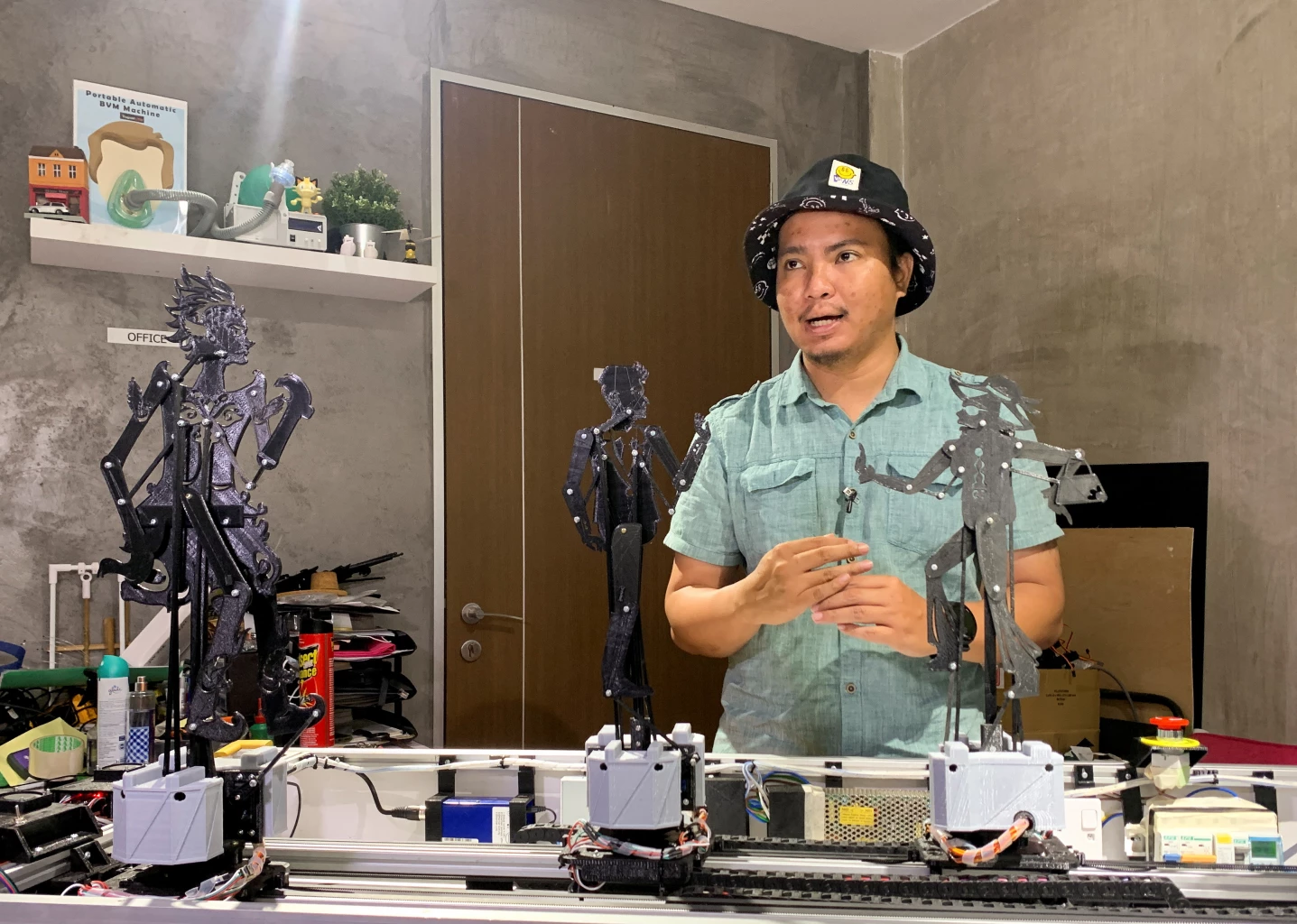
At a large mall on Malaysia’s Penang Island, curious shoppers stop in front of a makeshift stall to watch black, shadowy figures move and dance across a white screen.

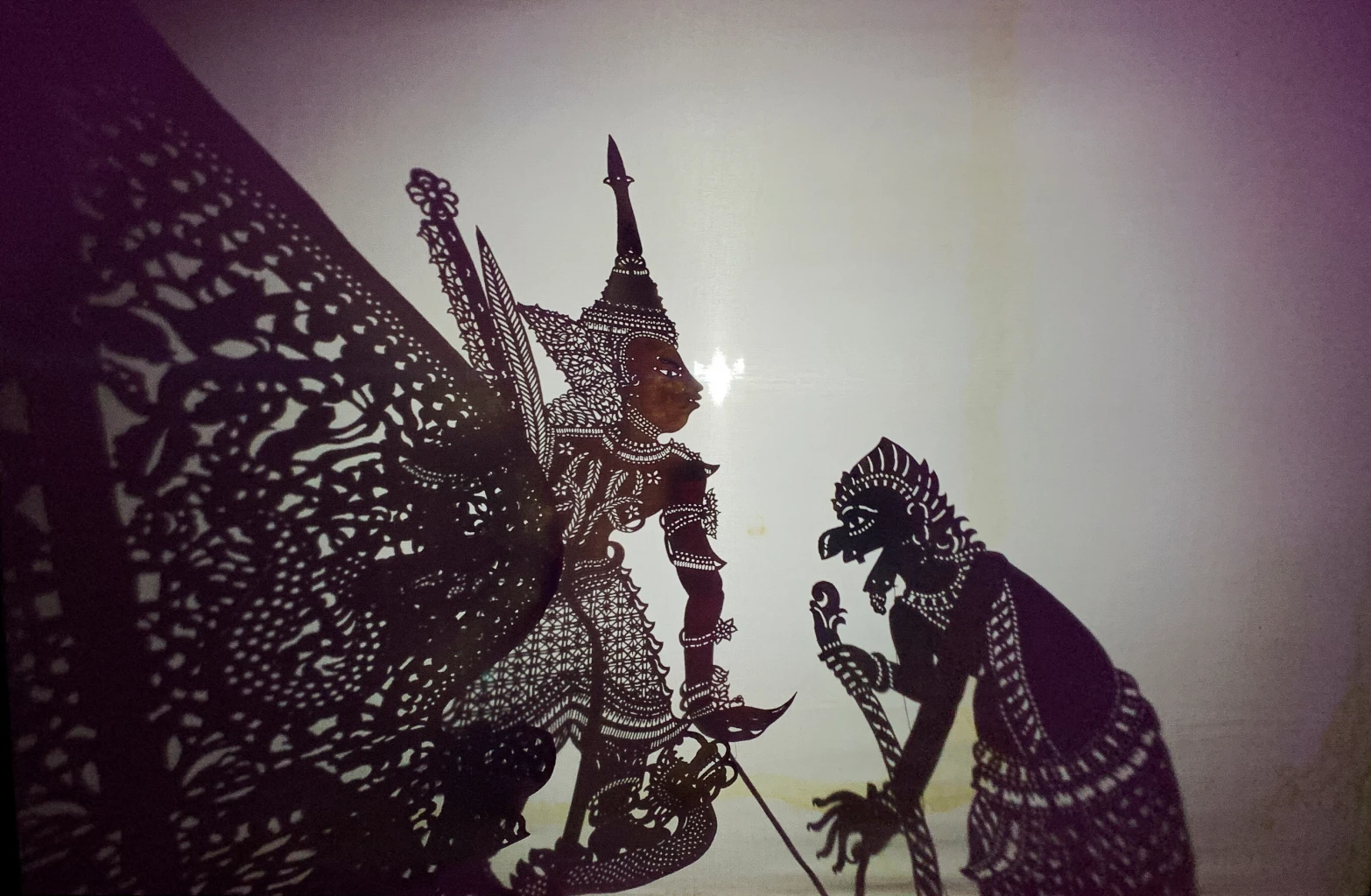
It is the performance of “wayang kulit“, or shadow puppetry, a theatrical art form once popular across Southeast Asia, particularly Malaysia and Indonesia.

Unlike traditional shadow puppetry, which includes meticulous efforts to craft puppet figurines out of buffalo skin and lengthy rehearsals among dozens of artists, this modern animatronic show uses 3D-printed characters controlled by robotics with their movements choreographed and programmed by one person — its young creator, Ahnaf Hakimi Ahmad.

The love for shadow puppets’ ability to tell stories of ordinary people through dialogue, music and visuals prompted the 33-year-old to start the project in July 2021 to “save” the heritage with a government grant of Malaysian ringgit 20,000 (160,000 baht).

In the face of fading heritage due to film, television and social media, the multimedia lecturer said he hoped robotic technology can help shadow puppets to be seen more often “whenever and wherever”.

Efforts to preserve the art form have been hampered in recent years not just by a lack of public interest, but also by criticism in the Muslim-majority country that the stories and characters surrounding shadow puppet performances, often based on Hindu gods and epics like the Ramayana, were “un-Islamic”.

The number of active shadow puppet troupes in Malaysia have dwindled to around eight, following a ban on shadow puppetry in the 1990s in its home state of Kelantan.

Robotic technology gives a new lease of life to dying Malaysian shadow puppetry

The animatronic puppet show has drawn some criticism from the traditionalists, said Ahnaf Hakimi. But he aims to keep it as original as possible by using music from traditional performances and designing the characters based on traditional puppets.

Back in the Penang mall, shoppers were impressed by the puppets with a modern twist, that tell contemporary stories that resonate with modern viewers.

Mohd Jufry Yusoff, a puppet master with over 40 years of experience who advised on the robotic show, was optimistic that with new technology the culture of shadow puppetry can grow.

Moving forward, Ahnaf Hakimi said he would like to tell more stories of ordinary people while making the show mobile for more people to access.

Reuters

Samsung’s Lee Jae-yong promoted to chairman

#SootinClaimon.Com : ขอบคุณแหล่งข้อมูล : หนังสือพิมพ์ The Nation.

https://www.nationthailand.com/world/asia-pacific/40021437

Samsung’s Lee Jae-yong promoted to chairman

Samsung’s Lee Jae-yong promoted to chairman

THURSDAY, OCTOBER 27, 2022

Samsung Electronics vice chairman Lee Jae-yong was promoted to chairman on Thursday, taking the top post of the world’s largest chipmaker held by his father, who died two years ago.

The company said in an announcement that the board of directors approved the appointment of Lee as executive chairman.

Samsung Electronics Board chairman Kim Han-jo recommended the appointment, which was followed by the board’s approval, it added.

The board cited the “current uncertain global business environment” and “the pressing need for stronger accountability and business stability” in approving the recommendation.

Samsung added that the 54-year-old’s inauguration ceremony is not scheduled for Thursday.

Lee appeared at a district court on Thursday morning for a trial surrounding his alleged involvement in the controversial 2015 merger of Samsung C&T and Cheil Industries into a de facto holding company of the Samsung conglomerate.

Lee, who joined Samsung in 1991, has held the vice chairman post for a decade.

The Korea Herald

Asia News Network

‘Disinformation can be a hurdle to achieving economic goals’

#SootinClaimon.Com : ขอบคุณแหล่งข้อมูล : หนังสือพิมพ์ The Nation.

https://www.nationthailand.com/blogs/world/40021423

‘Disinformation can be a hurdle to achieving economic goals’

‘Disinformation can be a hurdle to achieving economic goals’

WEDNESDAY, OCTOBER 26, 2022

Fake news affects more than holiday discussions over dinner. It can even hamper regional economic goals.

In November 2020, the Apec Policy Support Unit published a report which served as a recap of what would turn out to be the first year of the still ongoing Covid-19 crisis.

Assessing the then-raging pandemic, a section of that instalment of the Apec Regional Trends Analysis was headlined, “New virus, old challenges”. That is, the strain of coronavirus may be novel, but it has exposed and amplified old issues which have been inadequately addressed by policymakers up and until they faced the perfect storm that was the last three years.

The virus called our attention to gaps in environmental protection, for example, and to faltering cooperation between governments which would have helped stymie the virus before it swelled to pandemic proportions. The crisis has shown the fragility of some supply chains among economies and exposed the dangers of growing economic and social inequalities within them.

And, for better or worse, it has amplified the already speedy trend of digitalization, seeing as in-person interaction and travel were halted for months at a time. Failure to go online was basically a death sentence for most businesses—especially micro, small and medium enterprises—and almost every office had to mutate into a hybrid online-offline version of itself to keep operations going. This evolution cannot be reversed, and so society will have to live with and adapt to both the advantages and pitfalls of the accelerated digitalization of everything, including an explosion in and, daresay, normalization of information disorder.

Information disorder is a catch-all phrase for the spread of false information which may cause negative societal and even economic harm—whether or not the harm was the intent of the creators and spreaders. It can be divvied into three categories: misinformation, or the sharing of falsities but with no intent to harm anyone; disinformation, or the sharing of false information with the intent to do harm; and misinformation, or the repurposing or recontextualization of facts, also with harmful intent. All three are reliant on how fast stories can be spread online to dangerous effect.

False information, online or off, has been prevalent before 2020, but as with other things, the pandemic has made its consequences both more immediate and deeply concerning. Misinformation, disinformation, and various conspiracy theories alleged that Covid-19 vaccines were ineffective, harmful, or contaminated—with microprocessors, poisons, or pork products—and were promoted for the purpose of any number of shadowy interests, from the profit-oriented to the perverted. A false rumour about the dangers of vaccination, if gone viral, can contribute to the spread of illness into multiple communities, and many possible preventable deaths. It can erode trust in the prevailing authorities, which may result in delinquencies in following prescribed safety measures. 

The virus should be seen as an eye opener to how much attention policymakers should pay to online information disorder. Even after Covid-19 eases, the dangers of erosion of trust will continue, and possibly worsen with beefed-up post-pandemic digital platforms. This will be true not just for each economy, but also at the regional level.

Any policy, specifically those that are reform-oriented and inclusive, needs community-level trust to be effective. When people have a high degree of institutional trust, they are more inclined to believe policymakers have their interests as the highest priority, and to agree that these institutions are performing effectively and ethically.
 
On the other hand, a lack of trust in institutions, coupled with other factors, such as growing inequality and fraying social cohesion, can hinder the effectiveness of reform policies, and in some cases even of cooperation among economies, by fueling protectionist and anti-globalization sentiments. 
 
During crises that require interlinked efforts across multiple governments—such as during the pandemic, or, in the broader scope, climate change—information disorder can erode domestic support for the pertinent policies, thus creating weak links.

Long-term regional goals—such as the Apec vision for “quality growth that brings palpable benefits and greater health and wellbeing to all” within the next 20 years—will meet speedbumps, A lack of trust in authorities can proliferate, in underserved communities for example, which would cripple the ability of Apec economies to achieve inclusion goals. More generally, the same could apply to climate goals, education rates, income gaps and stability.
 
While every government must approach the problem of information disorder according to their respective domestic situations, they must also come together to begin a process of examining its challenges to develop a concerted strategy. This would be a long-term and wide-scope endeavour; a policy brief published by the Apec Policy Support Unit gives three recommendations for how to start.
 
First, as it is a relatively new and complex subject, Apec economies must seek to understand information disorder. This would entail a multidisciplinary effort to which the Apec forum, with its many workstreams, would be suited. Most research on the subject takes place in silos; economies should bring them together to take a broader perspective and engage experts who can best assess their impact on the most vulnerable sectors, such as the poor, seniors, and even the youth. Best of all, governments will have the ability to engage with the companies that have created the digital environments where information disorder thrives. They can foster relationships and get access to data essential to forming countermeasure policies at the local and regional levels.
 
Secondly, governments must build their capacity to address the issue in the long term and in anticipation of the changing environment of information disorder. This may involve the need for major organizational changes within government, to enhance coordination and information—sharing among agencies and with the private sector—regarding online threats, rapid response, as well as the need for domain-specific monitoring of the information space during crises.
 
And third, governments should take active steps to strengthen institutional trust—in government institutions, yes, but equally important, in unbiased third-party sectors that can corroborate and fact-check information. This includes the media and research institutes, as well as multilateral groupings like Apec, which could bring different players together and engage them, and their own membership, in dialogue. As a compliment to organizational-level action, economies should also invest in digital literacy, to ensure citizens are aware of the threat and nuances of information disorder and appreciate the institutional ecosystems that keep it at bay.
 
On a final note, a crucial aspect of trust building is not adding to the problem. People look to their governments as sources of authoritative, reliable, and truthful information. It should be assumed that governments will not knowingly spread falsehoods to their own people, but mistakes in the form of misinformation disseminated by official sources can and do happen. Governments and intergovernmental bodies should establish clear mechanisms to not only rectify the misinformation but also to minimize its occurrence by establishing clear frameworks for transparency and accountability. Because information disorder can generate unpredictable and often chaotic outcomes, a focus on information consistency, stability, and trust is needed to ensure the achievement of quality growth priorities.
 
Emmanuel A. San Andres is a Senior Analyst in the Apec Policy Support Unit. He is a co-author of the policy brief, “Putrajaya Vision 2040, COVID-19 and Information Disorder.”

Children face the brunt of a rapidly heating planet

#SootinClaimon.Com : ขอบคุณแหล่งข้อมูล : หนังสือพิมพ์ The Nation.

https://www.nationthailand.com/pr-news/world/40021422

Children face the brunt of a rapidly heating planet

Children face the brunt of a rapidly heating planet

WEDNESDAY, OCTOBER 26, 2022

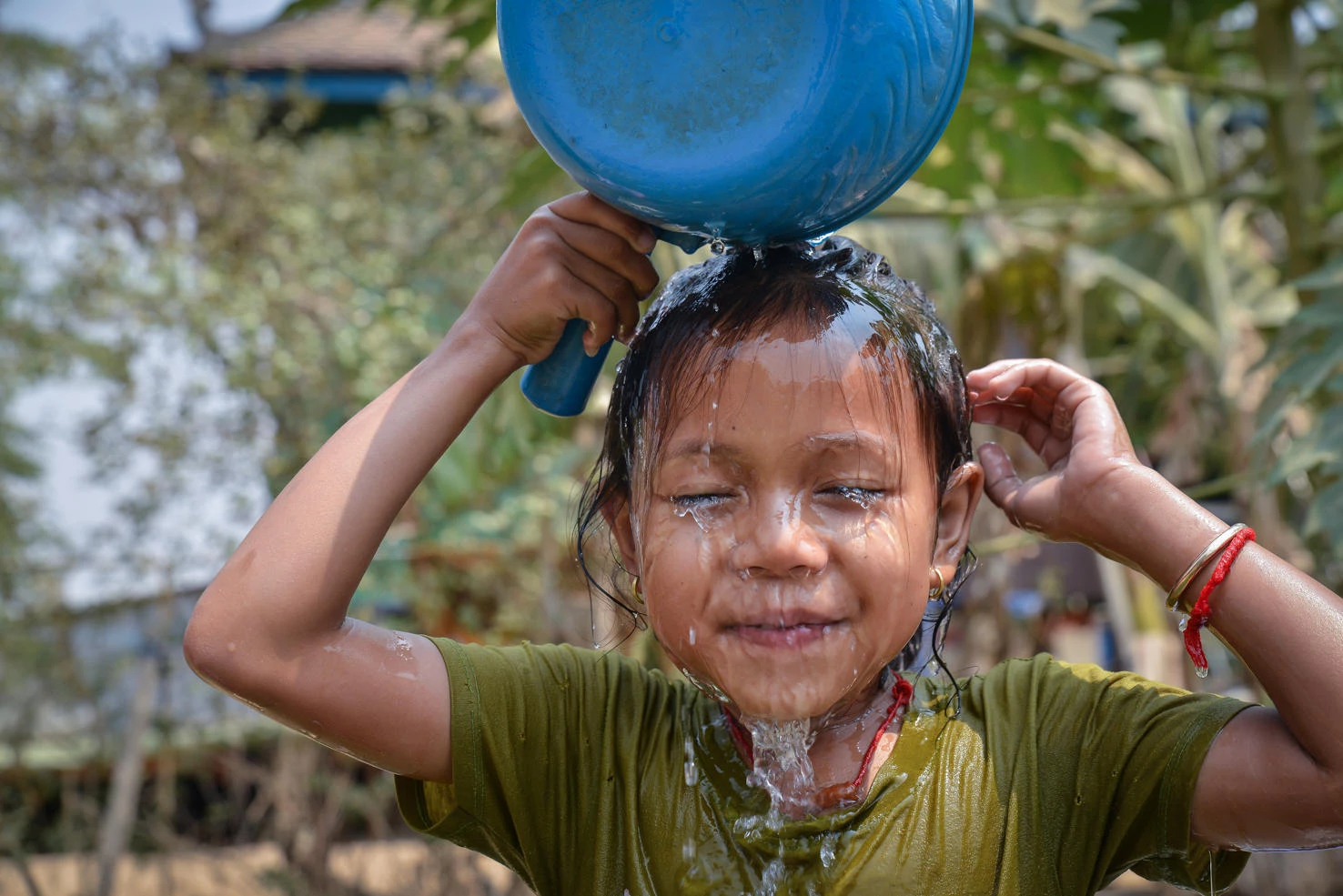
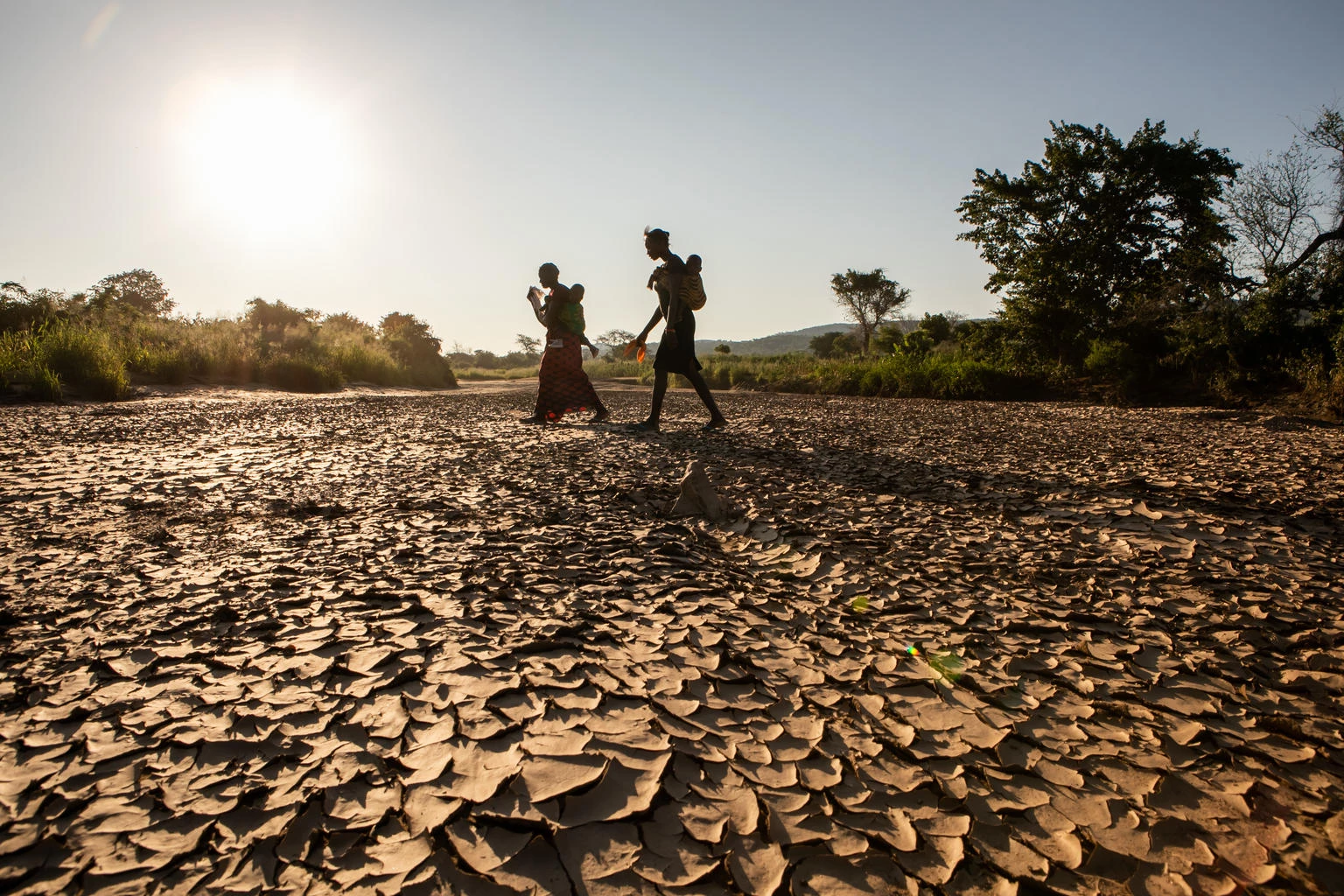
More than 2.02 billion children globally face the risk of exposure to high heatwave frequency by 2050.

New research by Unicef has shown that some 559 million children are currently exposed to high heatwave frequency. Furthermore, 624 million children are exposed to one of three other high heat conditions — high duration of heatwave, high severity and extremely high temperatures.

During a year in which heatwaves in both the southern and northern hemispheres broke records, The Coldest Year Of The Rest Of Their Lives: Protecting Children From The Escalating Impacts Of Heatwaves highlights the already extensive impact of heatwaves on children and reveals that, even at lower levels of global heating, in just three decades, more regular heatwaves are unavoidable for children everywhere.

The report estimates that by 2050, all of the world’s 2.02 billion children are expected to be exposed to high heatwave frequency, regardless of whether the world achieves a ‘low greenhouse gas emission scenario’ with an estimated 1.7 degrees of warming in 2050 or a ‘very high greenhouse gas emission scenario’ with an estimated 2.4 degrees of warming in 2050.

In Thailand, the report showed an alarming rate of children’s exposure to high heat factors in 2020, in which Thailand has faced problems with high heatwave frequency. Over 75 per cent of children under 18, or around 10.3 million, have been exposed to it. If no action is seriously taken, almost every child under 18 in Thailand will suffer high heatwaves more often and longer in 2050.

Children face the brunt of a rapidly heating planet

Produced in collaboration with The Data Collaborative for Children and launched in partnership with Unicef Goodwill Ambassador Vanessa Nakate and the Africa-based Rise Up Movement, these findings underscore the urgent need to adapt the services children rely on as unavoidable impacts of global heating unfold. It also makes a case for continued mitigation, to prevent the worst impacts of the other high heat measures, including longer and hotter heatwaves and higher extreme temperatures.

“The mercury is rising and so are the impacts on children,” Unicef Executive Director Catherine Russell said. “Already, 1 in 3 children live in countries that face extremely high temperatures and almost 1 in 4 children are exposed to high heatwave frequency, and it is only going to get worse. More children will be impacted by longer, hotter and more frequent heatwaves over the next thirty years, threatening their health and well-being. How devastating these changes will depend on the actions we take now. At a minimum, governments must urgently limit global heating to 1.5 degrees Celsius and double adaptation funding by 2025. This is the only way to save children’s lives and futures – and the future of the planet.”

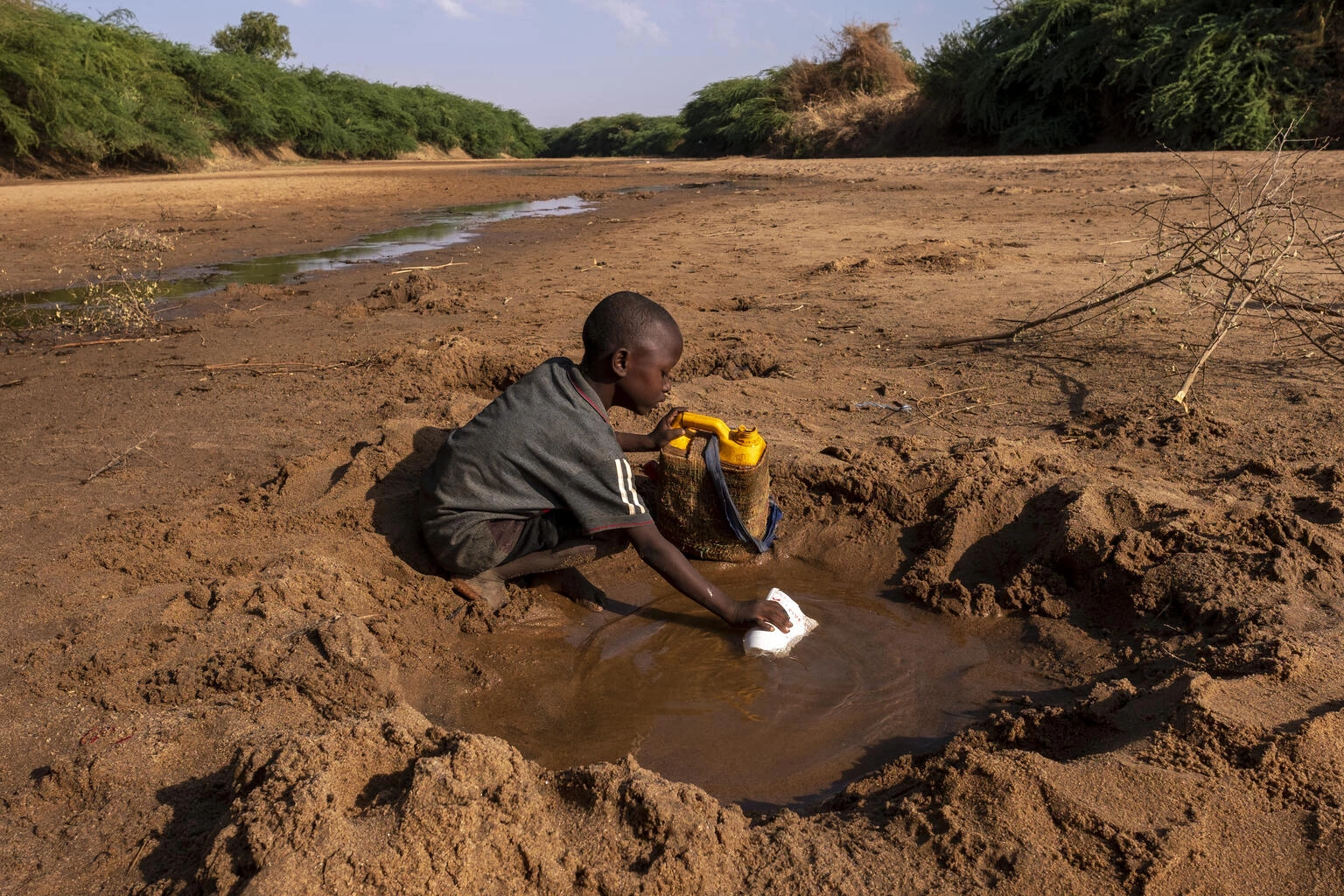
Heatwaves are especially damaging to children, as they are less able to regulate their body temperature compared to adults. The more heatwaves children are exposed to, the greater the chance of health problems including chronic respiratory conditions, asthma, and cardiovascular diseases. Babies and young children are at the greatest risk of heat-related mortality. Heatwaves can also affect children’s environments, their safety, nutrition and access to water, and their education and future livelihood.

Children face the brunt of a rapidly heating planet

The report found high heatwave duration currently impacts 538 million, or 23 per cent of, children globally. This will rise to 1.6 billion children in 2050 at 1.7 degrees warming, and 1.9 billion children at 2.4 degrees warming, emphasising the importance of urgent and dramatic emissions mitigation and adaptation measures to contain global heating and protect lives.

Millions more children will be exposed to high heatwave severity and extremely high temperatures depending on the degree of global heating reached. Children in northern regions, especially Europe, will face the most dramatic increases in the high severity of heatwaves and, by 2050, nearly half of all children in Africa and Asia will face sustained exposure to extremely high temperatures.

Currently, 23 countries fall into the highest category for child exposure to extremely high temperatures. This will rise to 33 countries by 2050 under the low emissions scenario and 36 countries under the very high emissions scenario. Burkina Faso, Chad, Mali, Niger, Sudan, Iraq, Saudi Arabia and India are among the countries expected to remain in the highest category in both scenarios.

“The climate shocks of 2022 provided a strong wake-up call about the increasing danger hurtling towards us,” said Vanessa Nakate, climate activist and Unicef Goodwill Ambassador. “Heatwaves are a clear example. As hot as this year has been in almost every corner of the world, it will likely be the coldest year of the rest of our lives. The dial is being turned up on our planet and yet our world leaders haven’t begun to sweat. The only option is for us to continue to turn up the heat – on them – to correct the course we are on. World leaders must do this at COP27 for children everywhere, but especially the most vulnerable children in the most affected places. Unless they take action, and soon, this report makes it clear that heatwaves will become even harsher than they are already destined to be.”

Unicef is calling on governments to:

PROTECT children from climate devastation by adapting social services. Every country must adapt critical social services – water, sanitation and hygiene (WASH), health, education, nutrition, social protection and child protection – to protect children and young people. For example, food systems must be strengthened to withstand hazards and ensure continued access to healthy diets. Increased investments must be made in the early prevention, detection and treatment of severe malnutrition in children, mothers and vulnerable populations. At COP27, children and their rights must be prioritized in decisions on adaptation.

PREPARE children to live in a climate-changed world. Every country must provide children and young people with climate change education, disaster risk reduction education, green skills training and opportunities to meaningfully participate and influence climate policymaking. COP27 must-see countries strengthen the focus on children’s climate education and empowerment in the ACE action plan, adopt it, and implement previous commitments to build youth capacity.

PRIORITIZE children and young people in climate finance and resources. Developed countries must deliver on their COP26 agreement to double adaptation funding to $40bn per year by 2025 at a minimum, as a step toward delivering at least $300bn per year for adaptation by 2030. Adaptation funding must make up half of all climate finance. COP27 must unlock progress on loss and damage, placing the resilience of children and their communities at the centre of discussions on action and support. 

PREVENT a climate catastrophe by drastically reducing greenhouse gas emissions and keep 1.5 degrees Celsius alive. Emissions are projected to rise by 14% this decade, putting us on a path to catastrophic global heating. All governments must revisit their national climate plans and policies to increase ambition and action. They must cut emissions by at least 45% by 2030 to keep heating to no more than 1.5 degrees Celsius. 

Children face the brunt of a rapidly heating planet