Bangkok governor Chadchart Sittipunt has ordered a crackdown on illegal gambling after the discovery of a casino close to City Hall.
Chadchart said on Friday he had ordered all district offices to collect information on underground casinos operating in their jurisdictions and forward it to the police for legal action.
The governor added that the Bangkok Metropolitan Administration (BMA) is powerless to arrest gambling operators. However, Bangkokians could report suspicious gambling activity on the Traffy Fondue platform, which is connected to 88 police stations across the capital.
Chadchart said no complaints about illegal gambling had been filed on Traffy Fondue, perhaps because people mistakenly think the issue is not related to the BMA.
He also said the BMA does not inspect areas under its jurisdiction for gambling dens as this was not a priority.
Chadchart was asked about a casino in Din Daeng district near City Hall that was raided by police this week after reports it had been robbed. The governor said BMA officials should have been patrolling the area on the lookout for illegal gambling.
Reports are rife of Bangkok officials turning a blind eye to gambling in exchange for kickbacks, but Chadchart has vowed to stamp out the practice.
The governor emphasised that Bangkokians could report any issue on Traffy Fondue, from building regulation violations to public health hazards.
He added that he would collaborate on the casino crackdown with his adviser, Pol Gen Adis Ngamchitsuksri.
General Prayut Chan-o-cha intends to continue working as Defence Minister until the Constitutional Court issues a ruling on his tenure as prime minister, a source said on Friday.
The source said Prayut quietly showed up at the Ministry of Defence headquarters in Bangkok’s Phra Nakhon district in his personal car at around 10am on Friday.
Prayut reportedly headed to his office on the second floor without giving any interviews or exchanging pleasantries with ministry officials.
The source said only deputy defence minister General Chaichan Chanmongkol and permanent secretary General Worakiat Ratananont were informed of Prayut’s visit on Friday. They were both reportedly instructed not to have officials form a line to welcome Prayut, as he did not want “boisterous” greetings on his arrival.
The source added that Prayut said he intended to work in his capacity as the Defence Minister until the Constitutional Court gives a ruling on his tenure as the prime minister.
On Wednesday, Constitutional Court judges voted 5:4 to accept a petition seeking a ruling on Prayut’s tenure and suspended him as PM until a verdict is issued. The court’s order automatically put first Deputy Prime Minister Prawit Wongsuwan in charge as caretaker PM.
Opposition MPs invoked the Constitution’s Article 82 to launch a petition, asking the court whether Prayut had completed eight years in office as stipulated by the 2017 charter.
They insist that his tenure should be calculated from August 24, 2014, when he took over as PM after leading a military putsch to oust the elected government of Yingluck Shinawatra. Such a calculation would mean his tenure should have ended on August 23, 2022.
Earlier on Thursday, Prayut attended the Defence Council meeting virtually, while appearing calm and collected. Prayut told meeting attendees not to worry about him and urged everyone to focus on doing their duties.
A Bangkok woman, trapped inside a toilet in her home for three days, has been rescued by police. The 54-year-old told police who came to her rescue that she thought she might die there because nobody seemed to hear her calls for help.
She had written a goodbye message on the wall of the toilet with cream, telling her family what to do about her will and property after her death.
Also, her message mentioned her ordeal when she was convinced she would die there.
“Trapped in here since August 22. … Drinking tap water to survive. If water runs out, I would be dead. I tried to pry and smash my way out. I shouted but no one heard me,” read her message on the wall.
According to police, the woman blamed faulty installation of the toilet’s doorknob, whose lock button was on the outside, instead of inside the room. She said the door lock was activated when she closed the door.
The woman was living alone in a four-storey townhouse in the On-nut area of Bangkok’s Suan Luang district. The toilet is on the third floor.
Her sister alerted the police on Thursday night after failing to reach her for three days.
Officers from the Phra Khanong Police Station used pliers to cut a lock at the house gate and entered the premises. Upon reaching the third floor, they heard loud knocks and calls for help from the toilet and found the woman trapped inside.
She appeared exhausted so the police advised her family to take her to a hospital for examination.
Khao Yai National Park on Friday announced the closure of five waterfalls as monsoon rains in Nakhon Nayok increased risks for visitors.
Haew Narok, Khao Yai’s largest waterfall, will be closed as per the rainy season schedule until September 30, according to the park’s official Facebook page.
Haew Narok (Hell’s Ravine) is notorious as an elephant graveyard, with dozens of the animals found dead after plummeting down the 150-metre falls in the rainy season over recent years.
Meanwhile, four other waterfalls have been temporarily shut due to the danger of flash floods.
Shuttered until further notice are Nang Rong Waterfall, Sarika Waterfall, Haew Su Wat Waterfall and Takhro Waterfall.
Nakhon Nayok was hit by more heavy rain on Friday, with the provincial Public Relations Office sharing videos of flash flooding in some areas of the province.
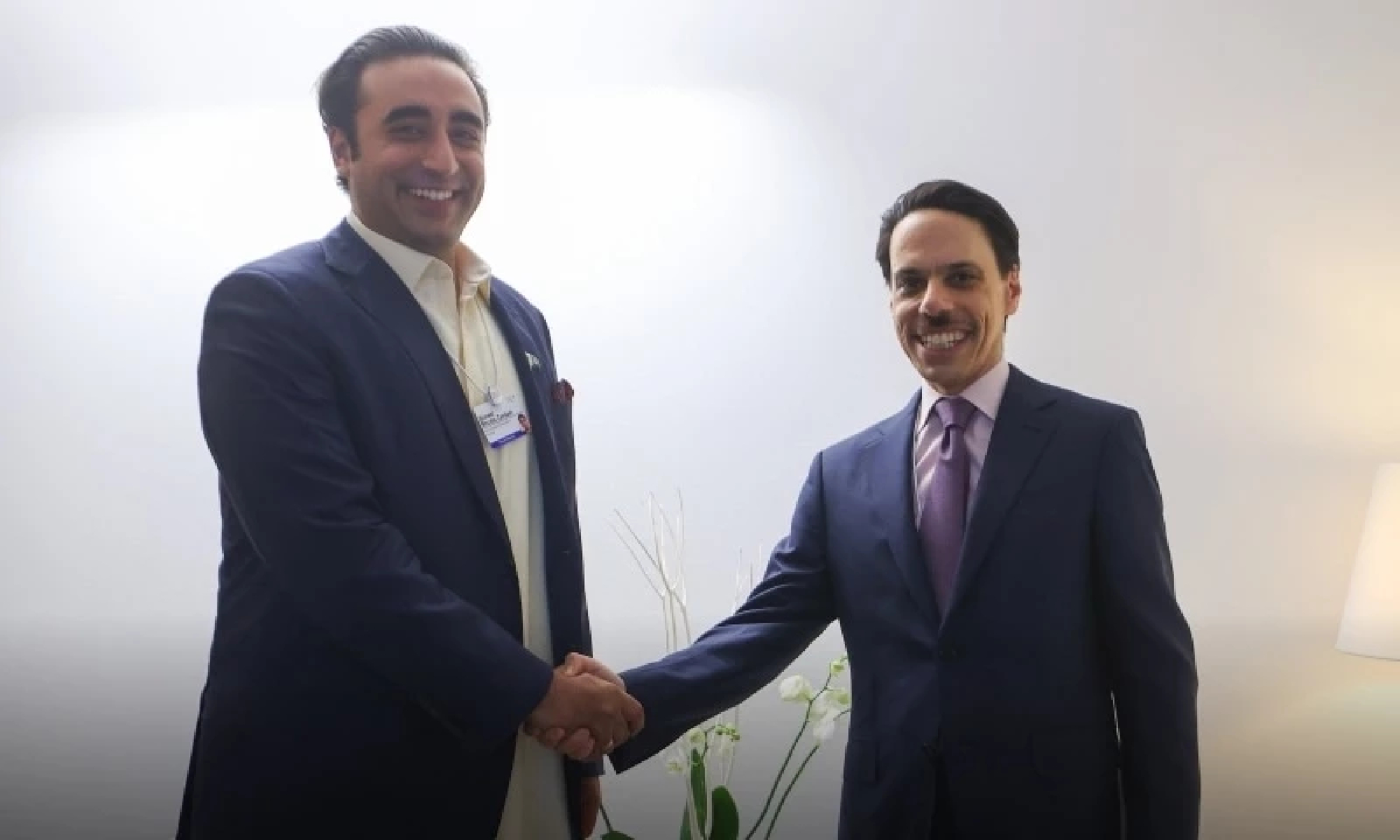
King Salman bin Abdulaziz has directed the Saudi government to invest $1 billion in Pakistan as a confirmation of the kingdom’s “support for the Pakistani economy and the Pakistani people”, a report from the Saudi Press Agency (SPA) said on Thursday.
The message about the king’s directive was relayed during a phone call between Saudi Foreign Minister Prince Faisal bin Farhan al Saud and Foreign Minister Bilawal Bhutto Zardari. Bilawal tweeted earlier on Friday about the interaction and welcomed the investment commitment. He said he had briefed his Saudi counterpart on the flood situation in Pakistan.
The SPA report said that the two leaders also discussed “strong Saudi-Pakistani relations and ways to boost them, as well as regional and international issues of common interest”.
Earlier this week, State Bank of Pakistan’s acting governor, Murtaza Syed, had announced $4 billion in financing for Pakistan from friendly countries.
“Pakistan will get $2 billion from Qatar, $1 billion from Saudi Arabia under the umbrella of deferred oil facility, and $1 billion investments from the UAE in various sectors,” he had said.
Pakistan’s gross financing needs would be around $30 billion for fiscal 2023, including the amount required for cash against documents for international transactions and debt repayments.
He added that the available financing against this requirement is estimated at $37 billion for fiscal 2023. The amount increased after Pakistan secured $4 billion financing from friendly countries.
Dawn
Asia News Network
Asia News Network: The Nation (Thailand), The Korea Herald, The Straits Times (Singapore), China Daily, Jakarta Post, The Star and Sin Chew Daily (Malaysia), The Statesman (India), Philippine Daily Inquirer, Yomiuri Shimbun and The Japan News, Gogo Mongolia, Dawn (Pakistan), The Island (Sri Lanka), Kuensel (Bhutan), Kathmandu Post (Nepal), Daily Star (Bangladesh), Eleven Media (Myanmar), The Phnom Penh Post and Rasmei Kampuchea (Cambodia), The Borneo Bulletin (Brunei), Vietnam News, and Vientiane Times (Laos).
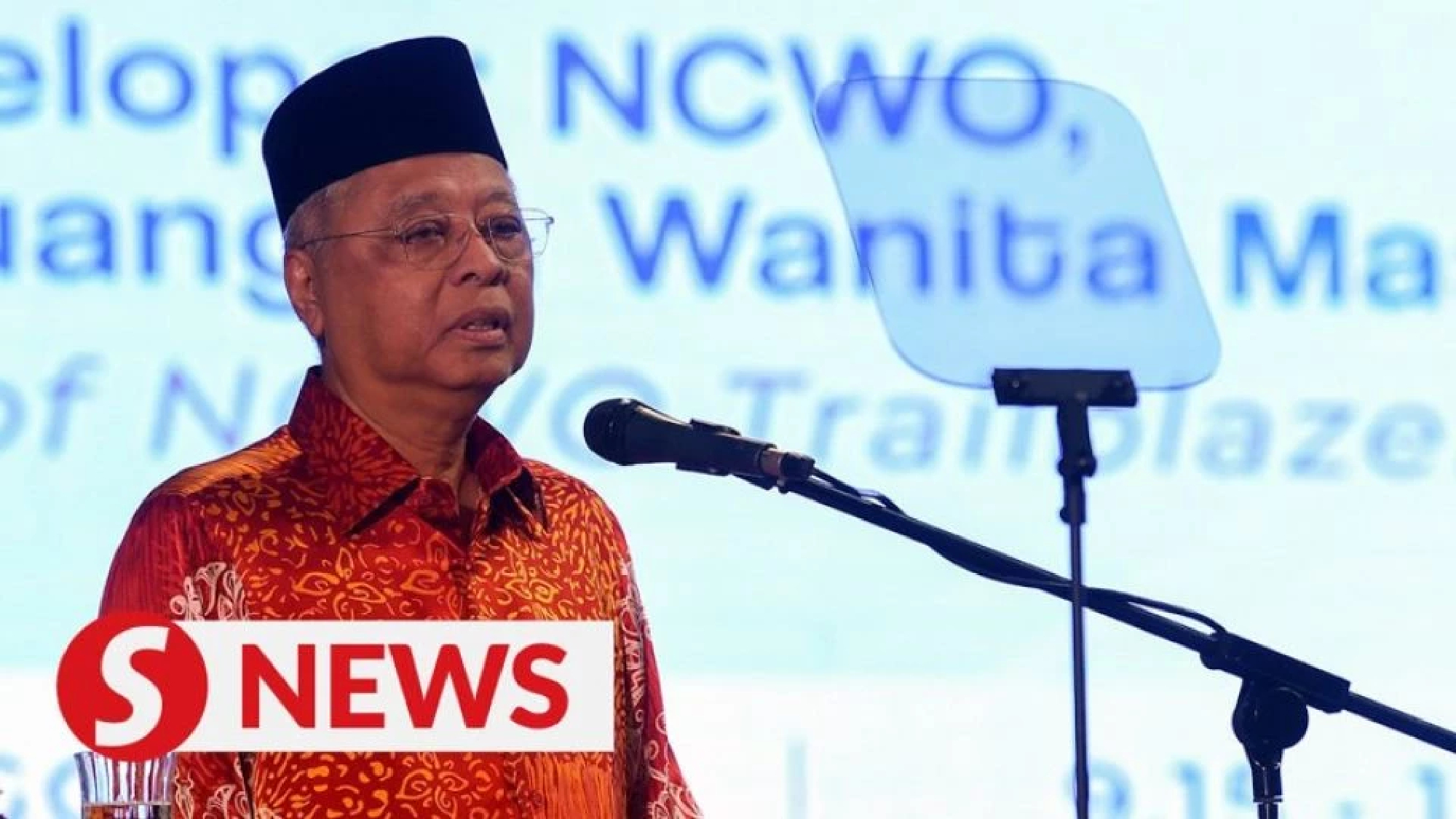
An action plan to address underage marriage is in the works, with policies and legislation also being formulated to make them more gender-sensitive, says the Prime Minister.
Ismail Sabri Yaakob said all states should address child marriage issues, pointing out that Kedah had already gotten the ball rolling.
“I hope this will be followed by other states to ensure that the problem of underage marriage can be resolved,” he said at the 60th National Women’s Day Celebration held here yesterday.
Gracing the event was Raja Permaisuri Agong Tunku Hajah Azizah Aminah Maimunah Iskandariah.
On July 18, the Kedah State Assembly passed the amendment to the Islamic Family Law Enactment Bill 2022 on the age limit for marriage and polygamy law.
Among others, the amendment raised the age of marriage for women from 16 years to 18. Punishment was also introduced for polygamy without prior permission from the court.
Ismail Sabri said the Federal Government would do its part by continuing to improve legislation and spearheading more gender-sensitive programmes.
He said these included the review and renewal of the National Women’s Policy and the drafting of gender-sensitive bills.
“For example, the Anti-Sexual Harassment Bill 2021 was passed with a majority in the Dewan Rakyat on July 20 and the Dewan Negara on Aug 11.
“The anti-stalking Bill was also tabled for first reading in the Dewan Rakyat on Aug 4,” the Prime Minister said.
Ismail Sabri added that to address issues related to female participation in the labour force, gender would be mainstreamed in the planning and implementation of the government’s policies as well as initiatives.
He said this would be done through the introduction of a Gender Focal Point and a Gender Focal Team at every ministry, as approved by the government.
“Malaysia is currently facing a challenge because while females comprise 47.7% of the total population, only 55.1% within this populace was in the labour market as of 2021.
“This rate is lower compared with Singapore’s 69.7% and Thailand’s 66.8%,” he said.
While the enrolment rate of women at all education levels was high, the same was not reflected in the labour market, Ismail Sabri added.
He also said the Finance Ministry and women-related NGOs had been entrusted with the responsibility of preparing a gender-responsive Budget for the B40 group starting next year.
He said the budget initiative, which would be based on gender-disaggregated data, would identify the target groups and distribute the allocations according to the needs of the recipients.
The Star
Asia News Network
Asia News Network: The Nation (Thailand), The Korea Herald, The Straits Times (Singapore), China Daily, Jakarta Post, The Star and Sin Chew Daily (Malaysia), The Statesman (India), Philippine Daily Inquirer, Yomiuri Shimbun and The Japan News, Gogo Mongolia, Dawn (Pakistan), The Island (Sri Lanka), Kuensel (Bhutan), Kathmandu Post (Nepal), Daily Star (Bangladesh), Eleven Media (Myanmar), The Phnom Penh Post and Rasmei Kampuchea (Cambodia), The Borneo Bulletin (Brunei), Vietnam News, and Vientiane Times (Laos).
South Korea’s resort island of Jeju will launch air routes for Urban Air Mobility (UAM) and drone taxis dedicated to tourists in the island by 2025, as the first municipality in the country to do so.
Aimed at offering quick and accessible air mobility in the near future, the routes will connect the island’s popular tourist spots through the coast with quick and accessible air mobility in the near future, an executive who devised the idea told The Korea Herald on Thursday.
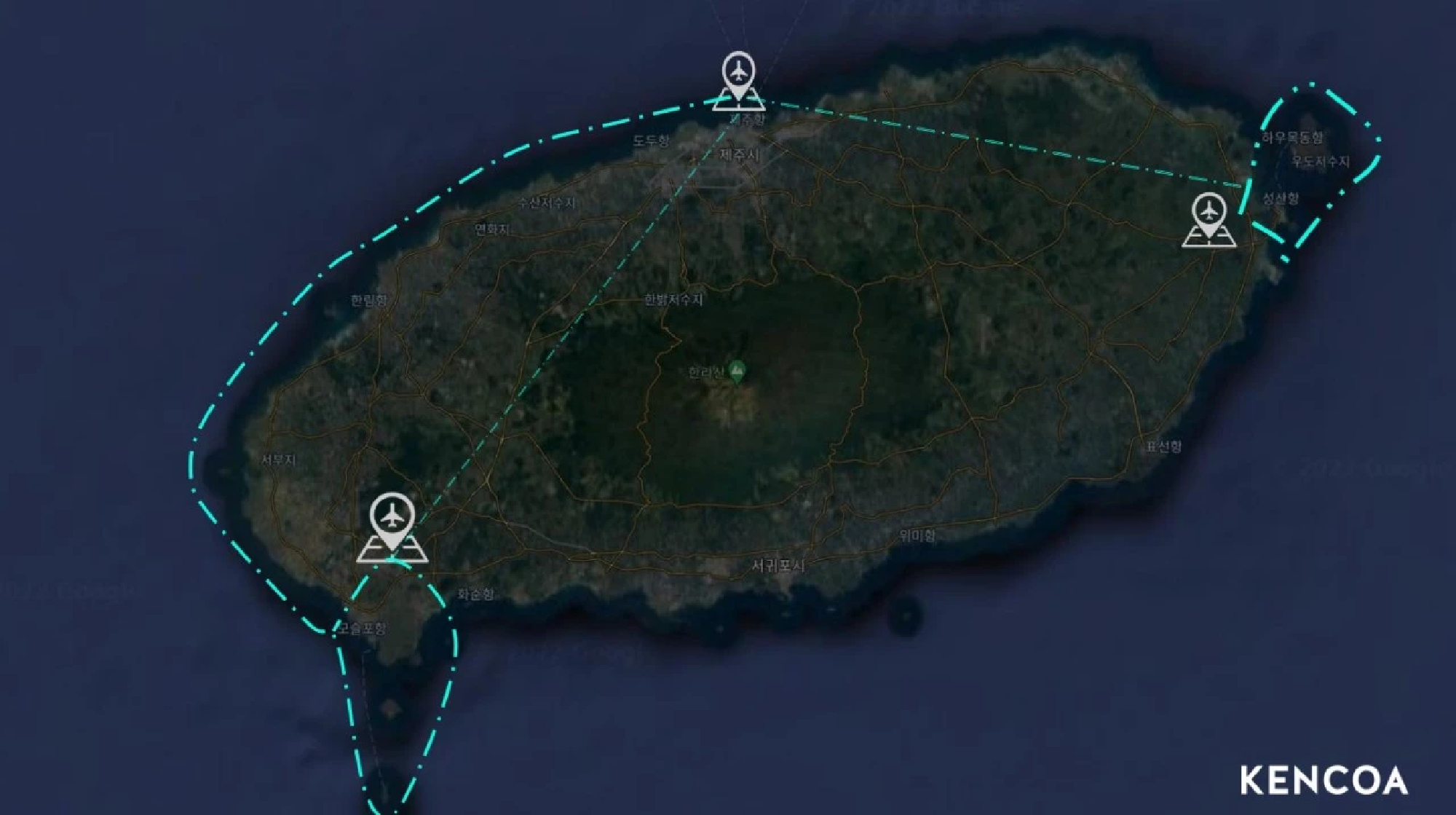
Jeju Island, together with South Korean aviation company Kencoa Aerospace and the Jeju Free International City Development Center (JDC), has devised three types of UAM routes on the island.
The first route connects Jeju International Airport to the island’s southern Mosupo area, which then links Moseulpo to further down to Gapado and Marado. The third route moves along the east coast near Seongsan Ilchulbong, a popular site also known as Sunrise Peak.
“This would allow tourists to hop on the electric vertical take-off and landing (eVTOL) aircraft at Jeju airport to directly land at tourist spots and transfer to drone taxis nearby. The time frame would be around 2025,” said Kencoa Aerospace Executive Chung Chan-young.
Jeju Special Self-Governing Province also plans to set up a Vertiport –- a helipad-like area that can be on land, water or a structure on which eVTOLs can take off and land — at large-scale hotels where many visitors stay.
Jeju’s idea of deploying UAM as tourist transportation is highly feasible and can happen early, Chung said, citing Seoul City’s plan to “test” a UAM route that connects Gimpo International Airport to central Yongsan-gu, Seoul.
The plan, however, has hit a snag as the presidential office was relocated to Yongsan-gu in May.
“Flying a UAM aircraft through the coast in the island faces less trouble compared to running an air taxi in Seoul, where flying drones or aircraft in areas like Yongsan is heavily restricted by government regulations,” said Chung.
According to the Transport Ministry, major districts in Seoul and the entire airspace along the Han River are no-fly zones.
“Jeju works as a perfect test bed and the best location to leverage UAM for the area’s advantages. Examining geographical features through the coastline is less complicated, and establishing a Vertiport on the sea can also work,” Chung added.
Meanwhile, the Transport Ministry has submitted its draft of a bill that would set up requirements and regulations for UAM, The Korea Herald learned through interviews. It is the first of its kind in the world, according to sources. If approved by the National Assembly, South Korea would become the first country to have regulations dedicated to UAM, the sources added.
The special law is expected to separate UAM from the legal boundary of the current aviation law. Flying cars would be advised not to fly within the altitude of helicopters, which is at around 450 meters above ground. The rule for UAM could range between 300 to 600 meters above land.
Under the government’s plan to commercialize UAM in central cities by 2025, the Transport Ministry kicked off a K-UAM Grand Challenge in February to coordinate all of South Korea’s UAM-related activities as part of its focus to enable emerging aviation markets.
Major firms like SK Telecom, Hyundai Motor Group and Hanwha Systems have formed consortiums to participate in the government-led evaluation and demonstration test, which will take place in Goheung, South Jeolla Province from next year.
Kim Da-sol The Korea Herald Asia News Network
Asia News Network: The Nation (Thailand), The Korea Herald, The Straits Times (Singapore), China Daily, The Jakarta Post, The Star and Sin Chew Daily (Malaysia), The Statesman (India), Philippine Daily Inquirer, Yomiuri Shimbun and The Japan News, Gogo Mongolia, Dawn (Pakistan), The Island (Sri Lanka), Kuensel (Bhutan), Kathmandu Post (Nepal), Daily Star (Bangladesh), Eleven Media (Myanmar), The Phnom Penh Post and Rasmei Kampuchea (Cambodia), The Borneo Bulletin (Brunei), Vietnam News, and Vientiane Times (Laos).
Australian police said on Friday it had seized some A$1.6 billion ($1.1 billion) worth of crystal meth, also known as ‘ice’, concealed within marble stones in several sea freight containers, in what it said was the biggest ever haul of the drug in the country.
More than 1,800 kg (3,968 lbs) of methylamphetamine were found in containers arriving in Sydney port over recent weeks hidden in marble stone slabs, New South Wales (NSW) state police said in a statement. Just over 1,000 kg of methylamphetamine were found in the latest seizure, police said on Friday after about 750 kg of ice were confiscated last week.
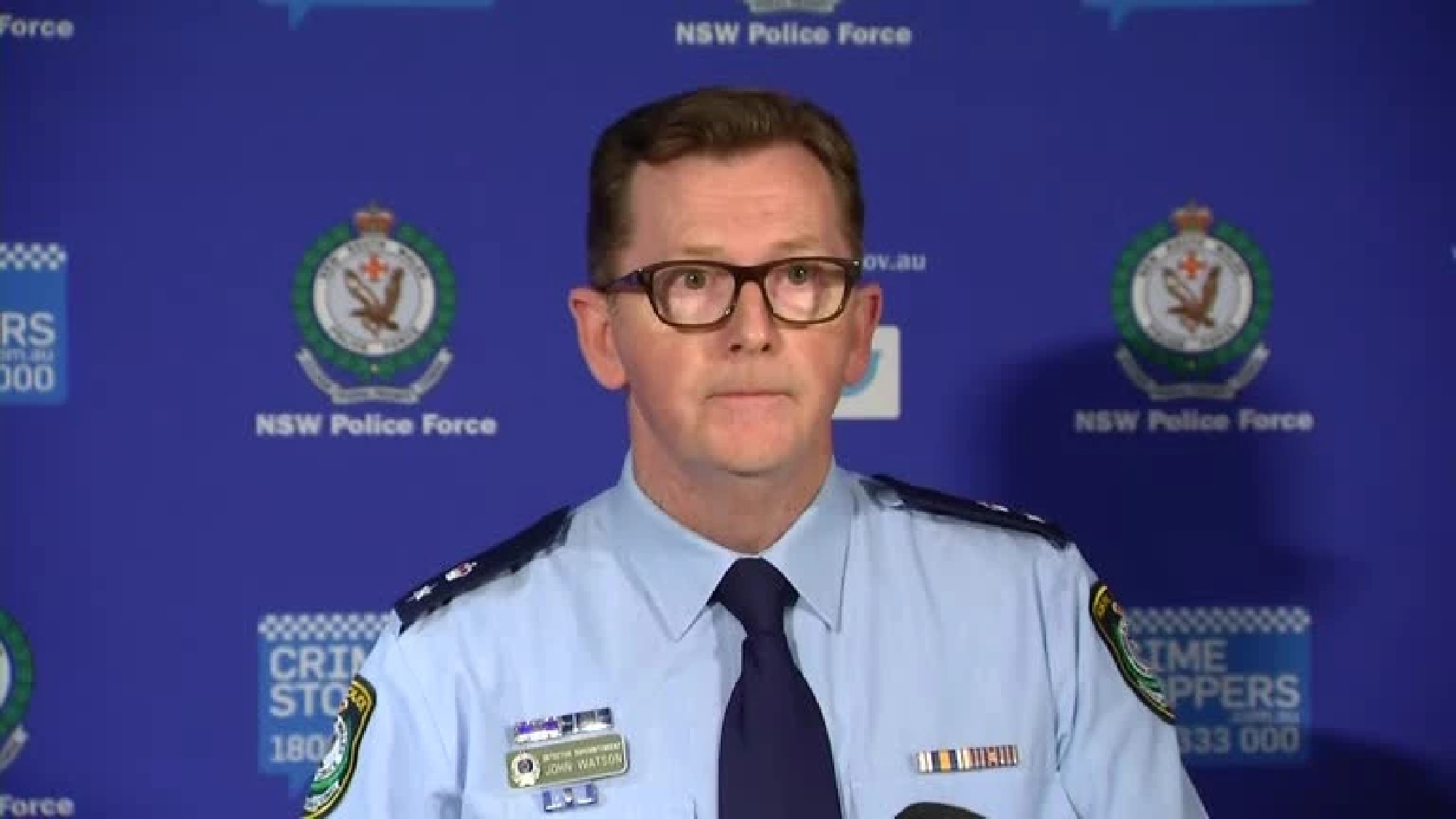
“The capability that this syndicate has demonstrated to us, in terms of volume and size is enormous. These figures are staggering,” NSW Detective Chief Superintendent John Watson said during a media briefing.
All shipments originated in the Middle East region with the consignment details of both drug seizures identical, Watson said. No charges have been made in relation to the latest seizure but police arrested three men over the drugs found last week.
The Central Committee of Karen National Union (KNU) on Wednesday announced that flash fighting between the Tatmadaw[military] and the KNU took place in KNU Brigade 6 area of Dupalaya district in the KNU-controlled area of Kawthulay has forced up to over 90,000 villagers to flee their homes.
The announcement said that 33 clashes between Karen National Liberation Army (KNLA), the unite under KNU’s brigade-6 and coalition forces and security forces and the Border Guard Force took place in Kawthulay, an area controlled by KNU starting from August 1st to 20th.
Fighting mostly occurred in Brigade 18 and Brigade 27 areas in Kawkayeik Township, Kayin State. The fighting was intensifying in the areas being stationed in Cobra Column under the KNU’s Brigade-27, according to the KNU’s statement.
The KNU central committee said that due to air strikes and artillery shells used during the fighting in KNU Brigade 6 area of Dupalaya district in the KNU-controlled area of Kawthulay, a local died and then there have been 904,291 internally displaced people and unrecorded IDPs.
Asia News Network: The Nation (Thailand), The Korea Herald, The Straits Times (Singapore), China Daily, Jakarta Post, The Star and Sin Chew Daily (Malaysia), The Statesman (India), Philippine Daily Inquirer, Yomiuri Shimbun and The Japan News, Gogo Mongolia, Dawn (Pakistan), The Island (Sri Lanka), Kuensel (Bhutan), Kathmandu Post (Nepal), Daily Star (Bangladesh), Eleven Media (Myanmar), The Phnom Penh Post and Rasmei Kampuchea (Cambodia), The Borneo Bulletin (Brunei), Vietnam News, and Vientiane Times (Laos).
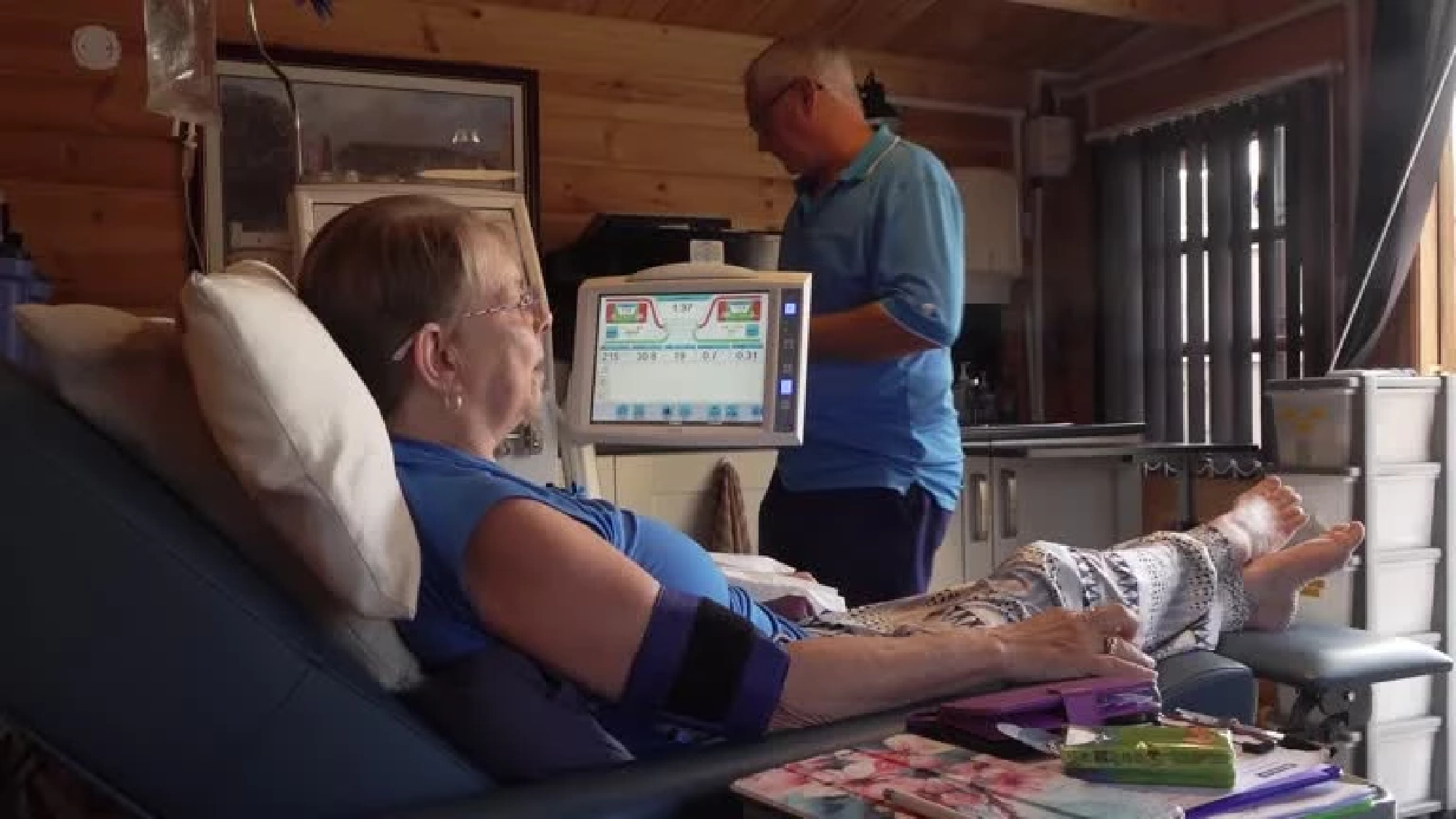
Sitting next to her dialysis machine for four hours each day, Dawn White says she fears Britain’s spiralling energy costs mean she will no longer be able to afford the life-saving treatment.
She uses the machine five days a week to pump clean blood around her body, replacing the work her kidneys would normally do.
Speaking in a purpose-built cabin in the garden of her home in southeast England, 59-year-old Dawn told Reuters that her condition would be fatal without intensive use of the machine.
White, who has renal failure, is one of 5,000 people who dialyse at home, out of 30,000 people on dialysis around the country, according to the patient advocacy group Kidney Care UK.
Britain will raise its energy price cap on Friday (August 26), meaning average annual bills for gas and electricity will jump markedly from October, with further hikes set for January and April.
The government has promised action to help those facing the predicament, saying on Monday that about 6 million disabled people in Britain would receive a one-off 150 pound Cost of Living payment next month on top of other financial help with rising energy bills.
For Dawn and Paul, her husband of 36 years, there is fear about what the next few months will bring.
If the couple cannot keep up with the higher charges, Dawn will have to receive treatment at the local hospital, which only has the capacity to treat her for 12 hours a week.
She said that would leave her feeling less well, reduce her independence and potentially make her less viable for a potentially life-changing transplant should her condition deteriorate.
Dawn estimates the machine already costs 200 pounds to run per month at current prices, and electricity bills are only set to go up.
Paul cares for Dawn full time and no longer works himself, so the couple’s income is limited to a carers allowance and government disability payments.
They have already cut back on energy use and are preparing to reduce the use of their central heating to try and save money.
Speaking during an uncharacteristically hot summer and with prices set to climb far higher, Paul, 61, said the couple “can’t do anymore” than they already have.
For Dawn, the looming winter months are a cause for concern, during which an electric heater uses power around the clock to maintain the equipment’s efficiency by keeping the temperature above 17 Celsius.
Kidney Care UK director Fiona Loud told Reuters that, without intervention from the government or the National Health Service (NHS), ever-rising energy costs will cause a crisis.
Loud explained that guidance from NHS England says hospital trusts should be reimbursing patients for the cost of at-home treatment, but that many people, like Dawn, have not yet received any funds.
While she is trying not to think about the price hikes, Dawn said she remains anxious about the coming months and hopeful that a future organ transplant may provide respite both medically and financially.