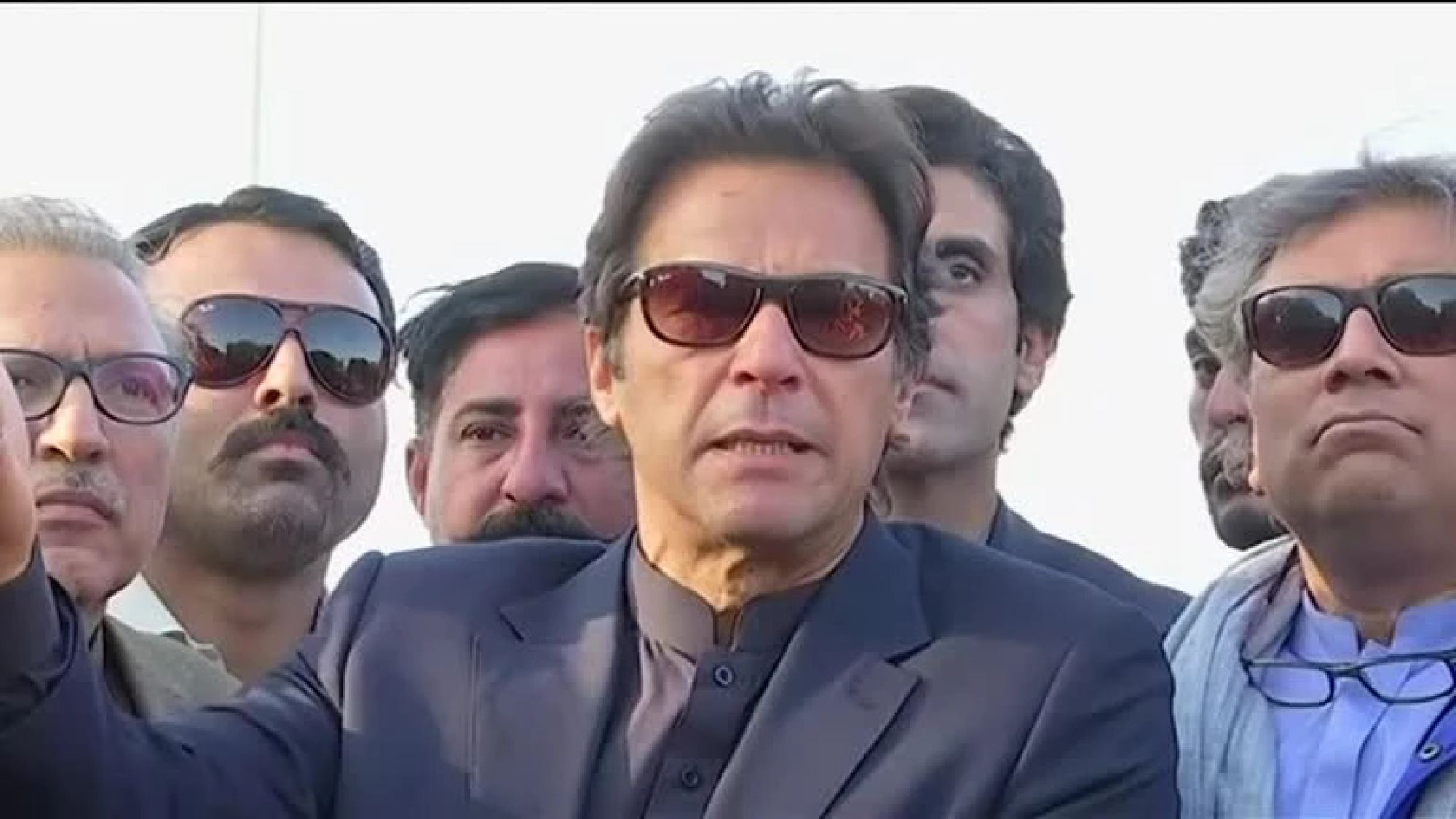
Pakistani Prime Minister Imran Khan is set to face a vote to oust him on Saturday (April 9) after a court overturned his move to block the vote.
The former cricket star had moved to break up the lower chamber ahead of a no-confidence vote against him that he had looked destined to lose. When opposition parties united against Khan last week to push for the no-confidence motion, the deputy speaker of parliament, a member of Khan’s party, threw out the motion, ruling it was part of a foreign conspiracy and unconstitutional. Khan then dissolved parliament.
The court has said in its judgment that the vote should now go ahead. Thursday’s ruling in the capital Islamabad could spell the premature end of Khan’s tenure in a country where no elected leader has finished their full term in office.
The constitutional crisis has threatened economic and social stability in the nuclear-armed nation of 220 million people, with the rupee currency hitting all-time lows earlier on Thursday and foreign exchange reserves tumbling. He is set to address the nation on Friday (April 8).
The 69-year-old, who steered Pakistan to cricket World Cup victory in 1992, came to power in 2018 after rallying the country behind his vision of a corruption-free, prosperous nation respected on the world stage.
But the firebrand nationalist’s fame and charisma may not be enough to keep him in power. He could not deliver on all of his lofty promises and failed to avert an economic decline partly sparked by the COVID-19 pandemic.
The opposition has said it wants early elections, but only after delivering a political defeat to Khan and passing legislation it says is required to ensure the next polls are free and fair. Pakistan’s election commission said on Thursday the earliest it could hold the ballot was October.
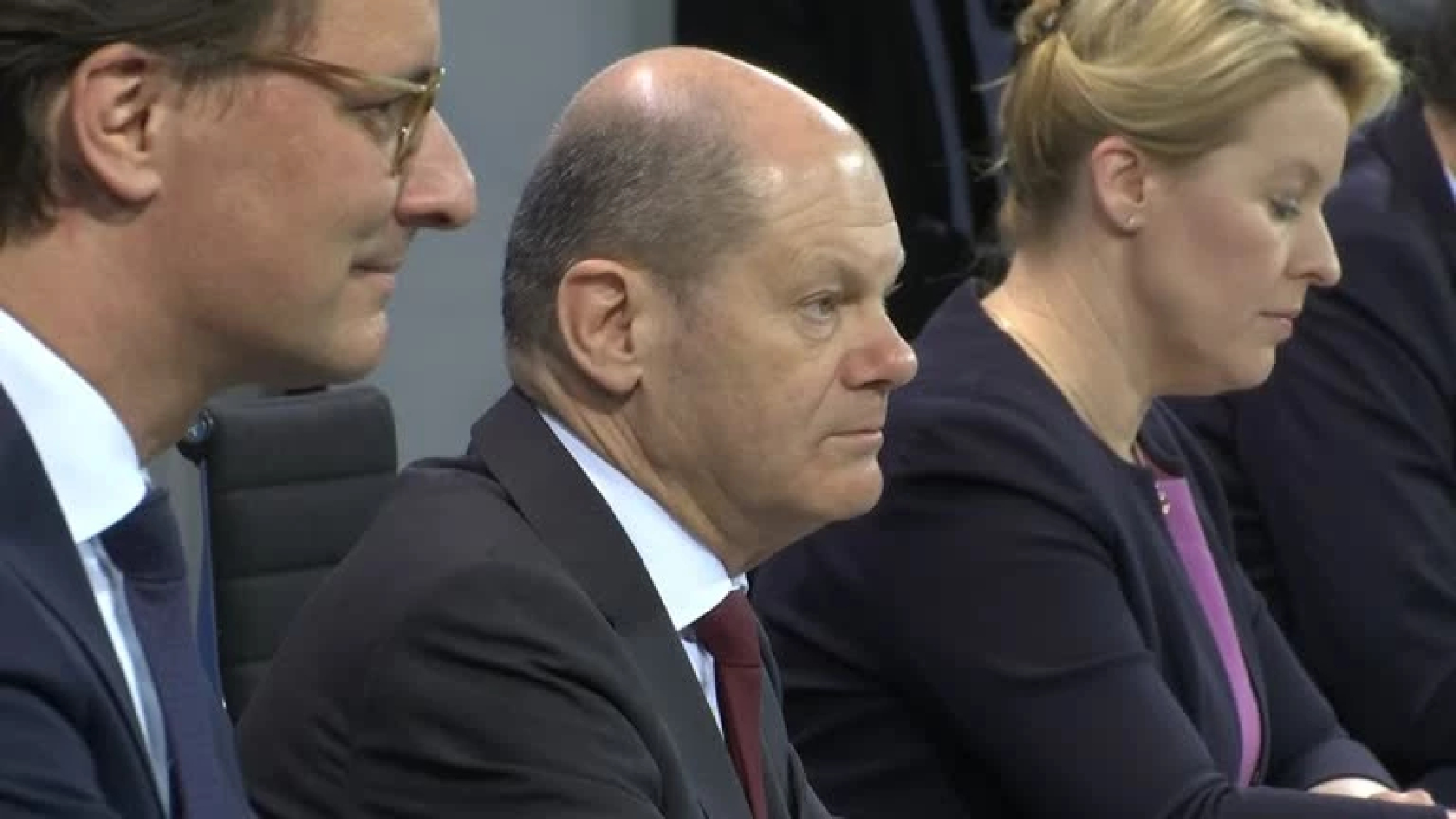
Germany will need to use the full four-month phase-out period to implement a ban on Russian coal under European Union sanctions, Chancellor Olaf Scholz said on Thursday (April 7).
The EU’s ambassadors agreed on a fifth sanctions package against Russia, including a ban on Russian coal deliveries and closure of EU ports to Russian ships.
Scholz said the sanctions were a “big, decisive further step”, adding that the sanctions showed that Russian President Vladimir Putin was destroying the future of his own country with the invasion of Ukraine.
The package includes a 120-day wind-down period to give EU member states time to find alternative suppliers.
“We will need to use this period,” Scholz told a news conference following a meeting with the leaders of Germany’s 16 federal states.
“If it’s faster, that’s good. But we will need some time, and the companies will need it as well, though they have been looking for new suppliers for a while already,” he added.
A German economy ministry report prepared for parliament warned earlier this week that the country would likely have to switch off some of its power plants if it ended Russian coal imports straight away.
Scholz also announced that the German government will give 2 billion euros ($2.2 billion) to the federal state to cover the cost of caring for and integrating Ukrainian refugees in Germany.
“This is a clear message: We are doing it better, we are doing it differently and we have learned from the mistakes of the past,” Berlin Mayor Franziska Giffey added, referring to the 2015 migrant crisis which almost toppled the Merkel government and helped the rise of the far-right AfD party.
“The agreement is a good basis for our country to stand together in the long term,” Scholz said after a meeting with the premiers of Germany’s 16 states.
“(It will) concentrate on the concrete task of providing assistance and integration instead of fighting with each other institutionally,” he added.
Germany has registered around 316,000 refugees from Ukraine, according to federal police. Berlin estimates that up to 60,000 of the refugees are currently residing in the German capital.
Berlin and the neighbouring state of Brandenburg have been calling for federal support to accommodate, care for and integrate Ukraine refugees.
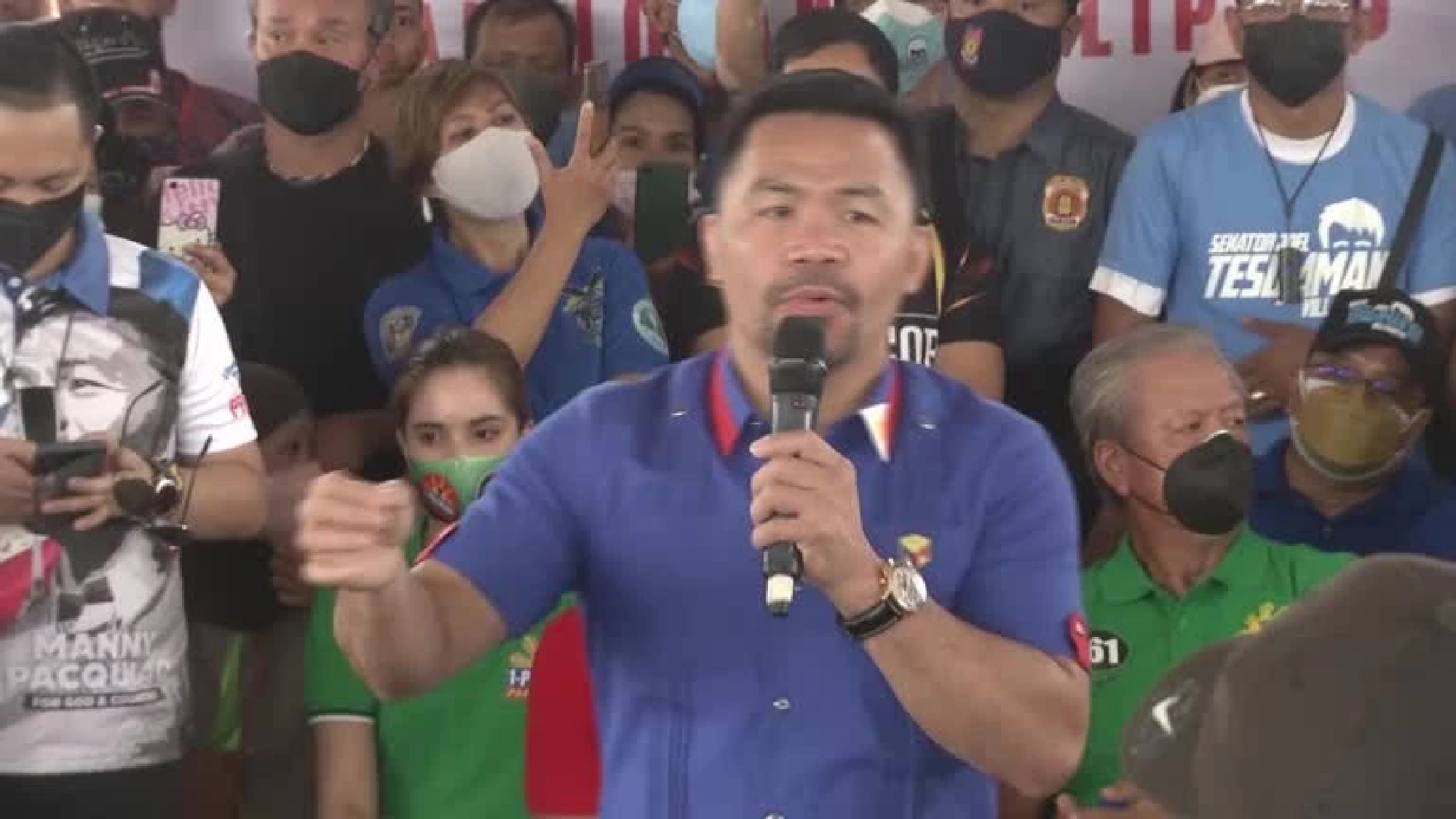
Shrugging off his low ratings in the opinion polls, Philippine politician and former boxing star Manny Pacquiao on Thursday (April 7) said his impoverished roots make him the best person to be president, as he warned voters to avoid corruption-tainted candidates.
In a jab at the current frontrunner for the May 9 election, Pacquiao questioned why people were supporting Ferdinand Marcos Jr, pointing to the plundering of the country’s wealth during the harsh authoritarian rule of his late father and namesake. Marcos’s family was accused of plundering an estimated $10 billion during his late father’s two-decade rule.
Pacquiao, an incumbent senator who has made fighting corruption a centrepiece of his presidential campaign, is trailing in fourth place on 6% in the latest opinion poll, well behind Marcos, who is leading with 56% support. If elected president, Pacquiao has vowed to strengthen efforts to recover billions of dollars missing since the fall of the Marcos dictatorship, as part of his anti-graft platform.
The only man to hold boxing world titles in eight different divisions, Pacquiao retired from boxing in September after the sport propelled him to fame and fortune from humble beginnings as a dirt-poor youngster doing odd jobs to survive.