THREAD 1/7 Intel from a Ukrainian officer about a meeting in Putin’s lair in Urals. Oligarchs convened there so no one would flee. Putin is furious, he thought that the whole war would be easy and everything would be done in 1-4 days. @EPPGroup@general_ben@edwardlucas@politicopic.twitter.com/8AoelUDWM9
President Joe Biden will play host to a special summit of the United States and leaders of Southeast Asian countries on March 28 and 29 in Washington.
The White House summit, part of U.S. efforts to step up engagement with a region Washington sees as critical to its efforts to push back against China’s growing power, had been expected earlier in the year, but scheduling was delayed by COVID-19 concerns.
White House press secretary Jen Psaki said the summit of the Association of Southeast Asian leaders (ASEAN) will commemorate 45 years of U.S.- ASEAN relations.
“It is a top priority for the Biden-Harris Administration to serve as a strong, reliable partner and to strengthen an empowered and unified ASEAN to address the challenges of our time,” she said in announcing the summit.
On a visit to Malaysia in December, U.S. Secretary of State Anthony Blinken said the 10-member ASEAN bloc was “essential to the architecture of the Indo-Pacific region.”
He said the summit was expected to discuss the crisis caused by last year’s military takeover in Myanmar and issues such as pandemic recovery, climate change, investment and infrastructure.
The Biden administration has declared the Indo-Pacific and competition with China its principal foreign policy focus, which it is keen to maintain despite the Russian invasion of Ukraine.
Biden joined ASEAN leaders in a virtual summit in October, the first time in four years Washington had engaged at the top level with the bloc.
He pledged to stand with ASEAN in defending the freedom of the seas and democracy and said Washington would start talks on developing a regional economic framework, something critics say U.S. Asia strategy has lacked since his predecessor Donald Trump quit a regional trade pact.
The Biden administration announced a 12-page strategy for the Indo-Pacific in early February, in which it vowed to commit more diplomatic and security resources to the region to counter what it sees as China’s bid to create a regional sphere of influence and become the world’s most influential power. read more
The document reiterated the U.S. plans to launch a regional economic framework in early 2022, but few details of that have emerged and the Biden administration has been reluctant to offer the increased market access Asian countries desire, seeing this as threatening American jobs
*The long-awaited negotiations between delegations from Russia and Ukraine was held in the Gomel region in Belarus and lasted for five hours with no clear breakthrough. *While the talks were going on, Putin held a telephone call with Macron, reiterating that a settlement would only be possible if Russia’s security concerns were taken into account. *Meanwhile, Moscow has taken more retaliatory measures in response to recent restrictions imposed by the West.
Russia and Ukraine concluded on Monday their first round of negotiations in Belarus with no clear breakthrough.
The talks are certainly a positive signal, observed analysts, but the negotiation process would be rather complicated.
NO BREAKTHROUGH
The long-awaited negotiations between delegations from Russia and Ukraine was held in the Gomel region in Belarus and lasted for five hours.
Headed by presidential aide Vladimir Medinsky, Moscow’s delegation was formed by representatives from the defense and foreign ministries, among others.
Ukrainian Defense Minister Olexiy Reznikov and the deputy head of the ministry of foreign affairs were among the participants from the Ukrainian side.
Before the negotiations, representatives from the Russian side said a key aim would be to achieve peace.
Belarusian Foreign Minister Vladimir Makei welcomed the participants and assured safety during the negotiation process.
After the consultations, Medinsky, head of the Russian delegation, said that the next round of peace talks would take place on the Belarusian-Polish border in the coming days.
Medinsky also said that each one of the delegations would now head back to their capitals to further discuss all negotiation positions to prepare for the next round of negotiations.
“We have found some issues on which we can predict there would be common positions,” the official said, adding that all negotiation positions were discussed in detail during the talks.
Photo provided by Belarusian Foreign Ministry shows the prepared room for the talks between Russia and Ukraine. (Belarusian Foreign Ministry/Handout via Xinhua)
HEIGHTENED TENSIONS
While the talks were going on, Russian President Vladimir Putin held a telephone call with French President Emmanuel Macron, reiterating that a settlement would only be possible if Russia’s security concerns were taken into account.
Putin said it was important to recognize “Russia’s sovereignty over Crimea,” as well as the country’s commitment to solving the tasks of Ukraine’s “demilitarization” and “denazification”, and the issue of Ukraine’s neutral status.
As for developments of Russia’s military operation, the country’s armed forces have hit 1,114 Ukrainian military infrastructure objects, according to Russian Defense Ministry spokesman Igor Konashenkov.
Russian Defense Minister Sergei Shoigu informed Putin earlier on Monday that the country’s nuclear deterrence forces have begun combat duty with reinforced staff.
Meanwhile, Moscow has taken more retaliatory measures in response to recent restrictions imposed by the West.
As a response to the ban of European states on Russian air carriers, a restriction has been introduced on the operation of flights by air carriers from 36 countries, according to aviation authorities.
The country’s economy has also been impacted. Russia’s Central Bank said Monday that “external conditions for the Russian economy have drastically changed,” announcing the decision to increase the key rate to 20 percent per annum from Feb. 28.
Photo taken on Feb. 25, 2022 shows the main building of Bank of Russia in Moscow, Russia. (Xinhua/Evgeny Sinitsyn)
COMPLICATED NEGOTIATION
The world is closely following developments with regards to the peace talks.
“The talks are certainly a positive signal,” Bogdan Bezpalko, a member of the Council for Interethnic Relations under the President of the Russian Federation, said in an interview with Xinhua on Monday.
According to the expert, Russia has shown that it is ready to solve problems through diplomacy.
Alexander Gusev, director of Russia’s Institute for Strategic Planning and Forecasting, considered the current negotiation process to be rather complicated.
“The situation that is currently developing in Ukraine is quite complicated, so it’s simply impossible to set ambitious goals when it comes to the negotiation process,” Gusev told Xinhua.
“On the other hand, the talks have shown that both sides are ready for dialogue, they have found common ground… and I am convinced that the negotiation process will continue, this is just the beginning,” he said.
The United States sees “no reason to change” its nuclear alert levels at this time, the White House said on Monday (February 28) after Russian President Vladimir Putin put Russia’s nuclear deterrent on high alert amid a barrage of Western reprisals over Moscow’s invasion of Ukraine.
“We think provocative rhetoric like this regarding nuclear weapons is dangerous adds to the risk of miscalculation, should be avoided, and will not indulge in it,” White House Press Secretary Jen Psaki said at a briefing.
The Russian invasion – the biggest assault on a European state since World War Two – has failed to achieve the decisive early gains that Putin would have hoped for.
The United States imposed new sanctions on Russia’s central bank and other sources of wealth on Monday, and many Western companies began to disentangle themselves from their Russian operations.
Over the weekend, some Russian banks were barred from the SWIFT international payments system.
Reuters
The rouble plunged 32% against the dollar before recouping about half of its losses, and Russia’s central bank cranked up its key interest rate to 20% from 9.5%. Authorities told export-focused companies to be ready to sell foreign currency.
The invasion has brought relations between the United States and Russia, the world’s two biggest nuclear powers, to their worst point in years.
The United States expelled 12 Russian diplomats at the United Nations, citing national security concerns. Russia described the move as “hostile”.
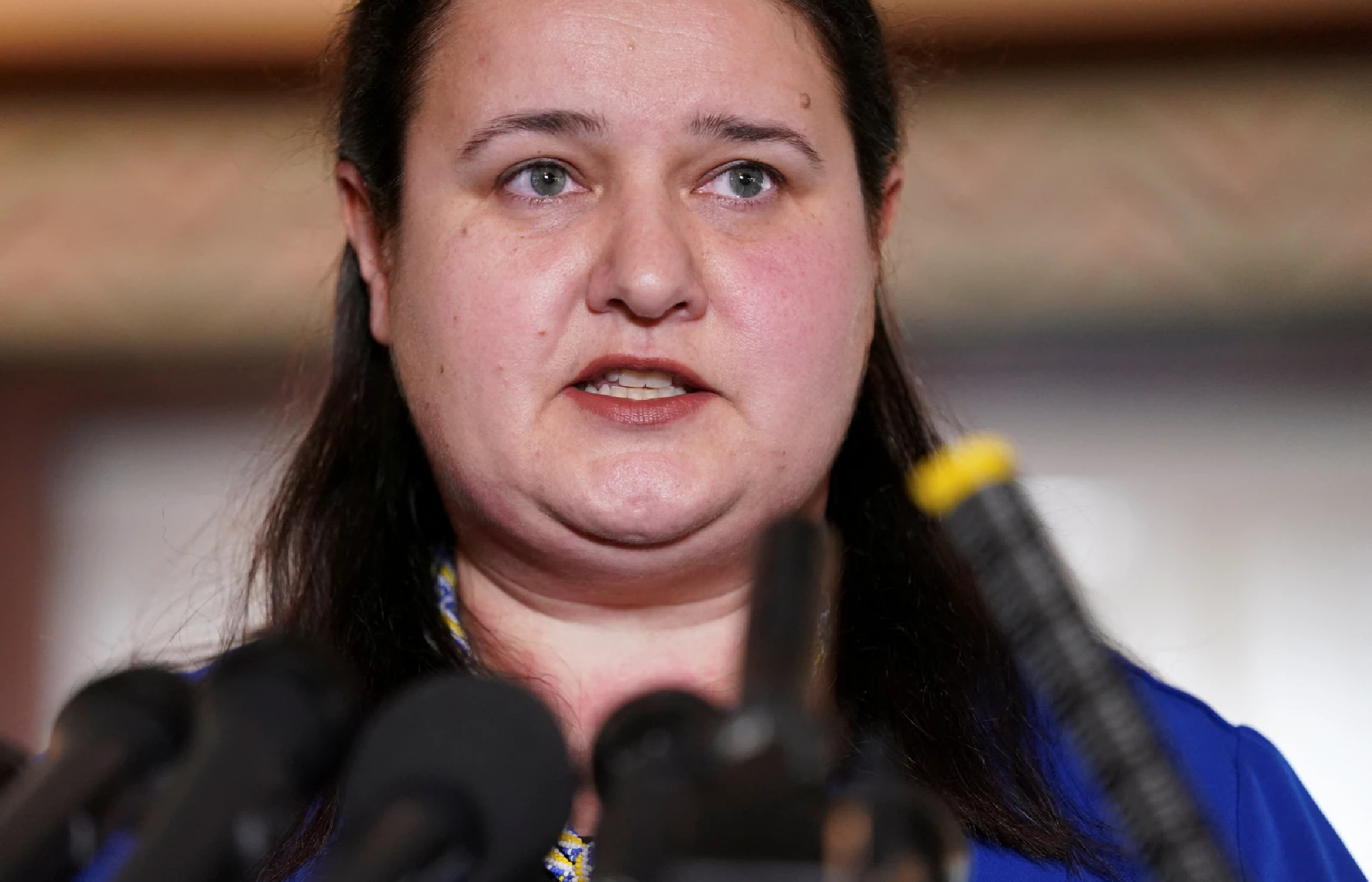
Ukraine’s ambassador to the United States appealed to members of the U.S. Congress for more assistance on Monday (February 28) as her country resists a “brutal war” from Russia, saying Russia had used a vacuum bomb on Monday in its invasion of Ukraine.
“They used the vacuum bomb today, which is actually prohibited by the Geneva convention,” Ambassador Oksana Markarova said after a meeting with lawmakers. “The devastation that Russia is trying to inflict on Ukraine is large.”
She said Ukraine was working actively with U.S. President Joe Biden’s administration and Congress to obtain more weapons and tougher sanctions.
“They should pay, they should pay a heavy price,” she told reporters after leaving the meeting.
A vacuum bomb uses oxygen from the surrounding air to generate a high-temperature explosion, typically producing a blast wave of a significantly longer duration than that of a conventional explosive.
Russia has deliberately targeted some of Ukraine’s civilian infrastructure and hospitals, she said, and Ukrainian officials are gathering war crimes evidence to present to the International Criminal Court.
Ukrainian President Volodymyr Zelenskiy remains in Kyiv and he held a “very productive” phone call with President Joe Biden on Friday, the ambassador told reporters.
After weeks of warnings from Western leaders, Russian President Vladimir Putin unleashed a three-pronged invasion of Ukraine from the north, east and south on Thursday (February 24), in the biggest attack on a European state since World War Two.
Russia has captured the defunct Chernobyl nuclear power plant, resulting in what Ukraine’s nuclear agency said was higher but not critical radiation levels.
“We need to be prepared, and we need to be ready for whatever comes next,” CDC Director Rochelle Walensky said.
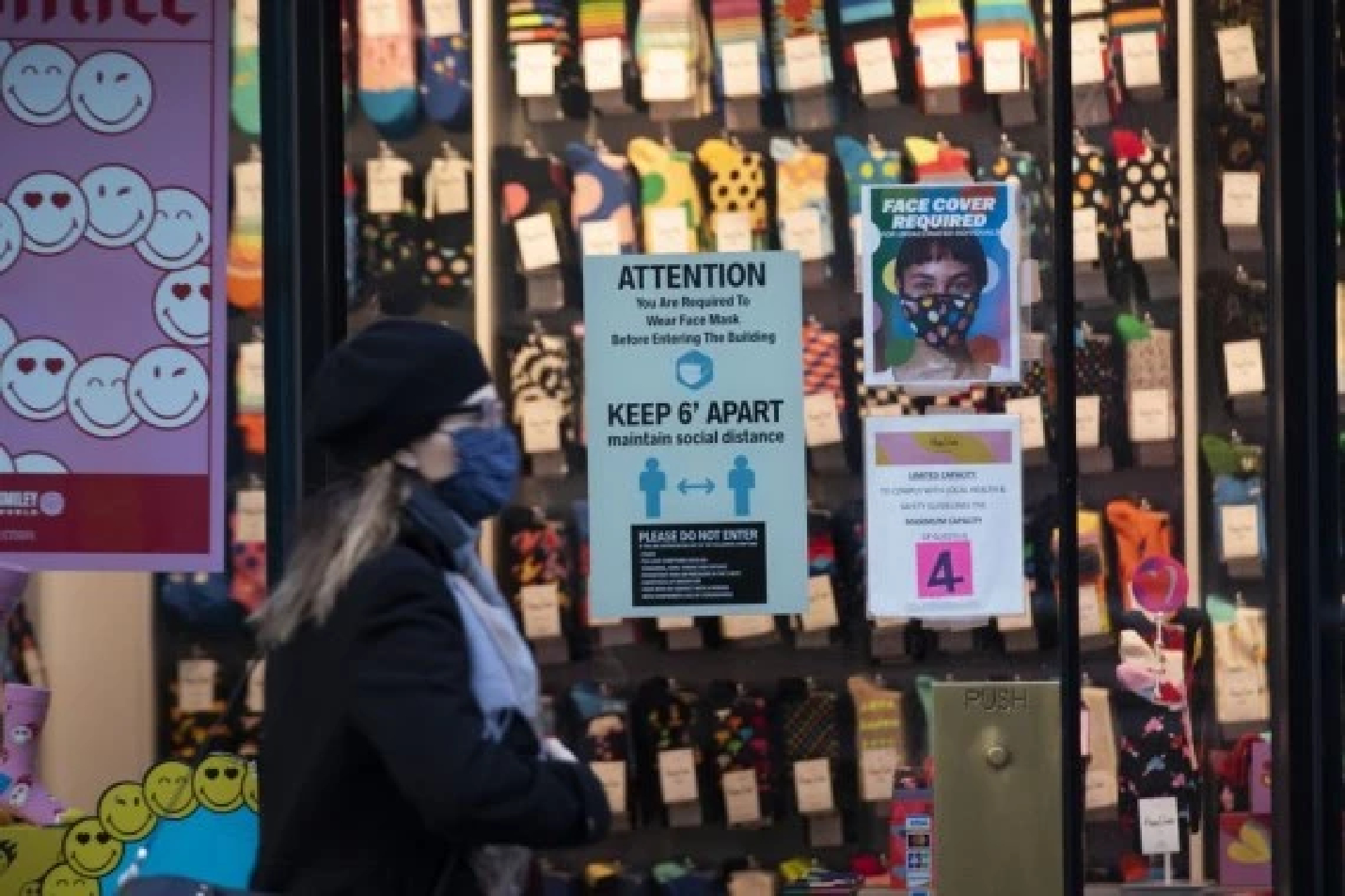
Health experts have urged the public not to let down guard against COVID-19 entirely as the U.S. Centers for Disease Control and Prevention (CDC) has updated guideline allowing most Americans to unmask indoors.
Americans should be ready to return to masking if the science changes, experts have warned.
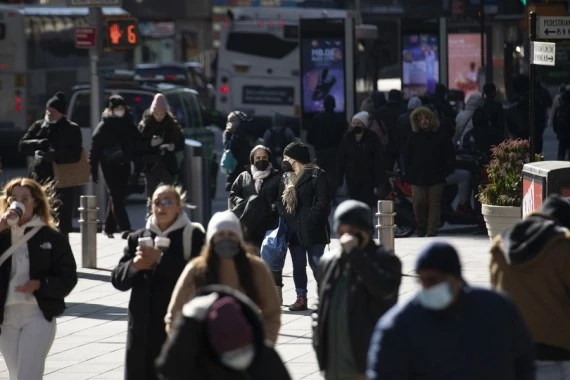
More than 70 percent of Americans should be able to remove their masks indoors, including inside schools, under the new CDC guideline announced Friday.
According to the new guideline, the CDC determines the COVID-19 community level of various regions by looking at three metrics – hospital beds being used, hospital admissions, and the total number of new COVID-19 cases.
Using these data, the COVID-19 community level is classified as low, medium, or high.
Under the updated guidance, more than 70 percent of the U.S. population is in a location with low or medium COVID-19 community levels. For those areas, there is no recommendation for indoor masking unless people are at high risk for severe illness.
People walk on the street on Times Square in New York, the United States, Feb. 14, 2022. (Xinhua/Wang Ying)
Health experts said the new move of the CDC makes sense as the vast majority of vulnerable Americans are fully vaccinated, and new cases, hospitalizations and deaths caused by the Omicron variant continue to drop.
However, some health experts warned the new metrics could lead to a rise in cases and hospitalizations. Others worry that masking guidelines may be difficult to reimpose if another variant of concern arrives and appears to evade Omicron-generated immunity.
CDC Director Rochelle Walensky warned Americans not to let down their guard entirely.
“We want to give people a break from things like masking when our levels are low, and then have the ability to reach for them again should things get worse in the future,” she said.
“We need to be prepared, and we need to be ready for whatever comes next,” Walensky said.
The country is now averaging about 75,000 daily new cases, a decrease of 37.7 percent compared with the previous week, according to the latest CDC weekly report.
The number of new hospital admissions in the country is about 6,000 each day, a 29.9 percent decrease from the prior 7-day average.
Currently about 1,700 new deaths are reported in the country daily, a decrease of 18.8 percent compared with the previous week, CDC data showed.
Sweden sent a pointed message to Thailand on Monday, urging the Asean member country to acknowledge that Russia is waging a war of aggression in Ukraine.
“To all our Thai friends. Language matters. What is happening in Ukraine is not a crisis, not two parties that need to de-escalate,” Swedish Ambassador to Thailand Jon Åström Gröndahl said.
“It is an aggression, a war. Let us not imply a parity that does not exist. Russia, and Russia alone, is responsible,” he added, posting on Twitter.
Thailand and Asean have refused to condemn either side following Russia’s invasion last Thursday, instead calling on “all relevant parties … to de-escalate tensions”.
The intervention by Sweden’s ambassador comes amid growing international sanctions against Moscow over the war. On Monday, the Russian rouble collapsed by almost 30 per cent against the dollar after sanctions on Russian banks cut them off from the global financial system.
The Embassy of Sweden in Bangkok also pledged the Scandinavian country’s support to Ukraine on Monday.
“EU and Sweden stand in unity with and reaffirm, as well as scaling up, our unwavering support for Ukraine,” the embassy said in a Facebook post.
“The EU has expanded its economic sanctions against Russia. There is 500 million euros of support for military equipment to the Ukrainian Armed Forces,” it went on. “Today, Sweden also decided to close our airspace to all Russian air traffic. Another 10 million euros is being provided for humanitarian support to invaluable partners in Ukraine.”
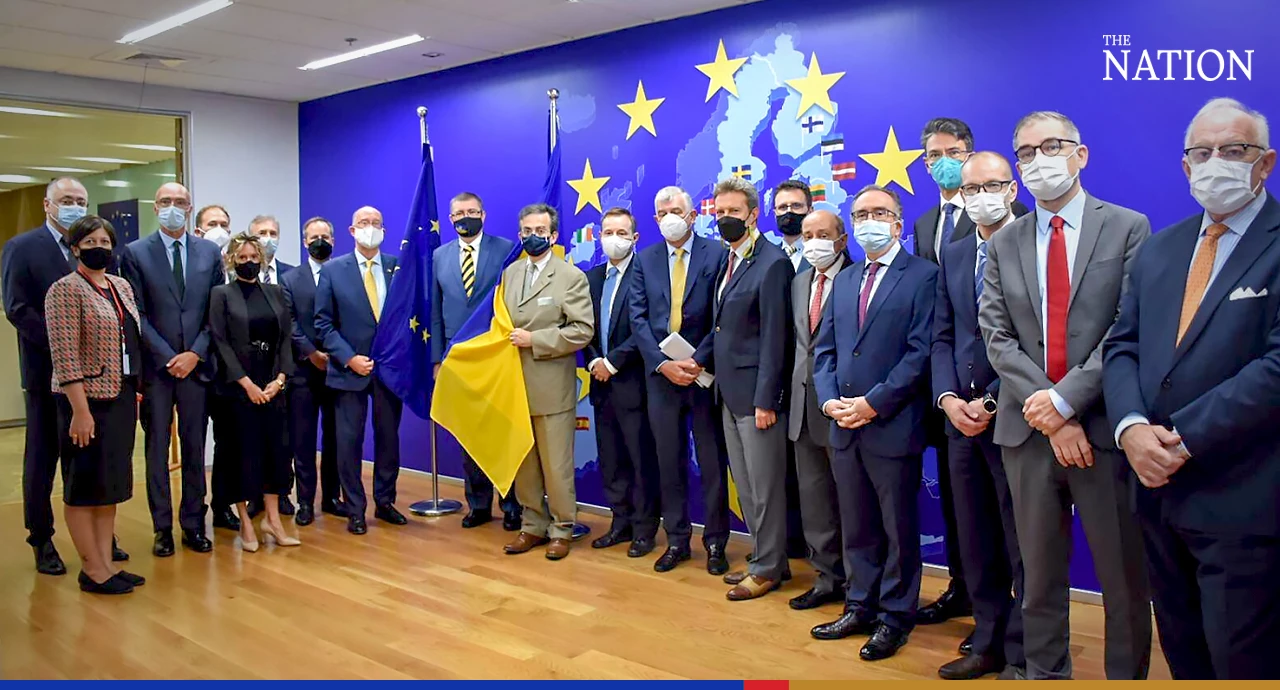
Swedish Ambassador Gröndahl said he had met with Ukrainian chargé d’affaires Pavlo Orel to reaffirm that the EU stands by Ukraine and its people. “We condemn Russian aggression [against] Ukraine’s territorial integrity and sovereignty,” he said in a separate Twitter post.
Meanwhile, Ukrainian president Volodymyr Zelensky is applying to join the European Union through an unconventional route and expects his country to be immediately admitted, the International Centre for Investigative Reporting (ICIR) reported on Monday.
The move came as delegates from Russia and Ukraine held peace talks on the Ukrainian-Belarusian border.
Arguing his country has “earned this right”, Zelenskyy has asked the EU to “immediately admit Ukraine as a member under a new special procedure”, the ICIR said. The fast-track access is unprecedented, but European Commission President Ursula Von der Leyen has said “Ukraine is one of us”.
The process of joining the EU broadly consists of three stages and membership negotiations cannot start until all EU governments agree, in the form of a unanimous decision by the EU Council, on a framework or mandate for negotiations with the candidate country.
Monday’s border reopening is the first stage of New Zealand’s five-step reconnecting plan, which allows fully vaccinated Kiwis and other current eligible travellers from Australia to enter the country without the need for managed isolation.
New Zealand officially opened its borders on Monday, lifting the COVID-19 border restrictions after two years.
Monday’s border reopening was the first stage of New Zealand’s five-step reconnecting plan, which allowed fully vaccinated Kiwis and other current eligible travellers from Australia to enter the country without the need for managed isolation.
According to Auckland International Airport, four Air New Zealand flights and one Qantas flight arrived from Australia’s Melbourne, Sydney and Perth on Monday, with more than 900 passengers arriving.
More than 300 flights will be available between New Zealand and major Australian cities in March alone, said an Auckland airport spokesperson.
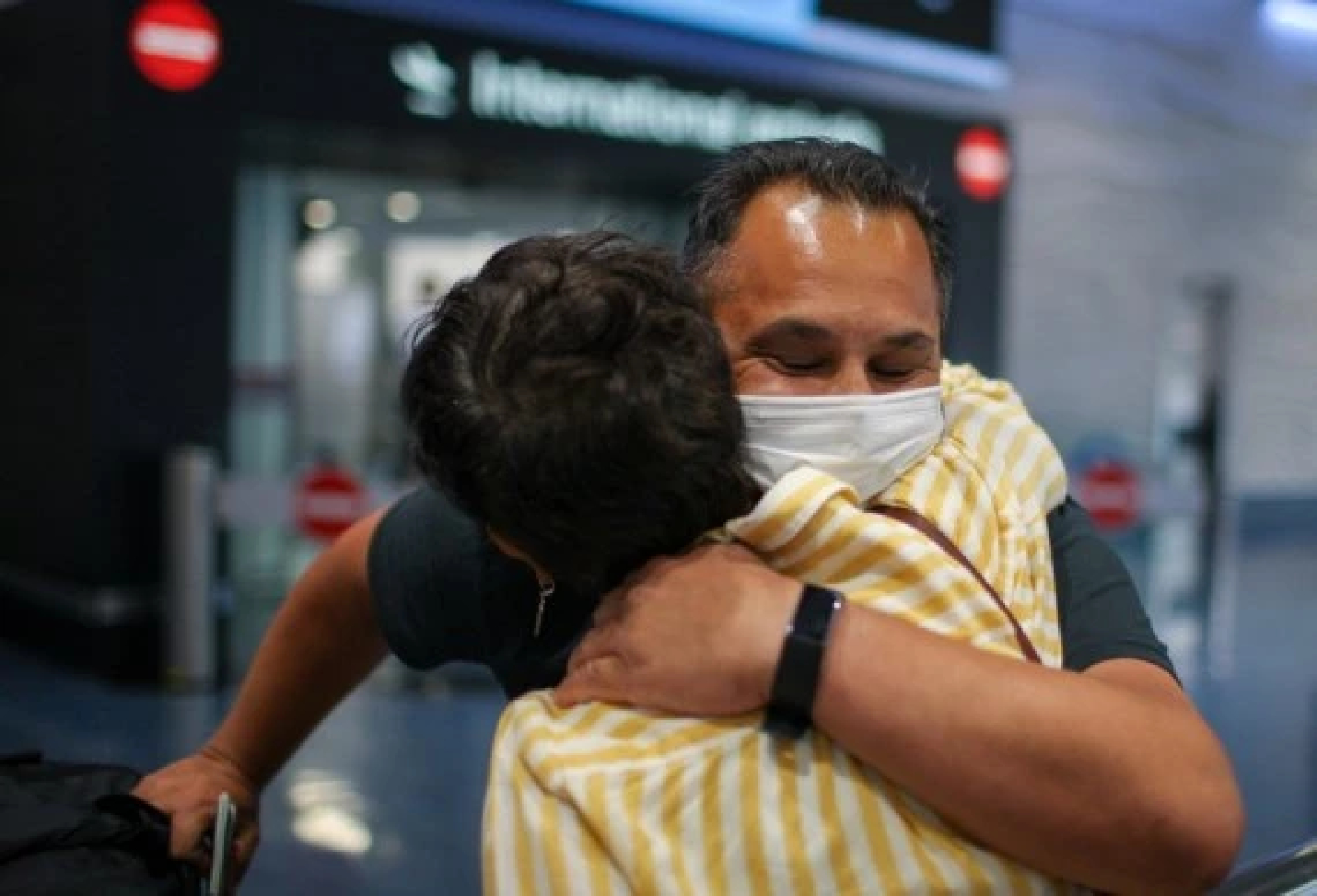
The airport’s arrival terminal was full of tears and hugs. Families who have not seen each other for over two years reunited on Monday.
People arrive at International Arrivals of Auckland Airport, New Zealand on Feb. 28, 2022. (Photo by Zhao Gang/Xinhua)
John Davis, a New Zealander returning from Australia, told local media that all he wants to do was to spend time with his family, including his granddaughter who was three years older than last time he saw her.
Under New Zealand’s requirements, all passengers are required to have a negative pre-departure test, and undertake two rapid antigen tests on arrival and at day 5/6.
People hug upon their reunion at International Arrivals of Auckland Airport, New Zealand on Feb. 28, 2022. (Photo by Zhao Gang/Xinhua)
Meanwhile, the government is removing the self-isolation requirements for vaccinated travelers to New Zealand and Kiwis returning from the rest of the world from Thursday.
“That means all Kiwis coming home and tourists entering the country will be able to step off the plane and immediately connect with family and friends and enjoy all New Zealand has to offer,” said COVID-19 Response Minister Chris Hipkins.
Travelers will still be required to be tested. If anyone returns a positive result, they will be required to report it and isolate for the same period of 10 days as a community case, Hipkins said.
People hug upon their reunion at International Arrivals of Auckland Airport, New Zealand on Feb. 28, 2022. (Photo by Zhao Gang/Xinhua)
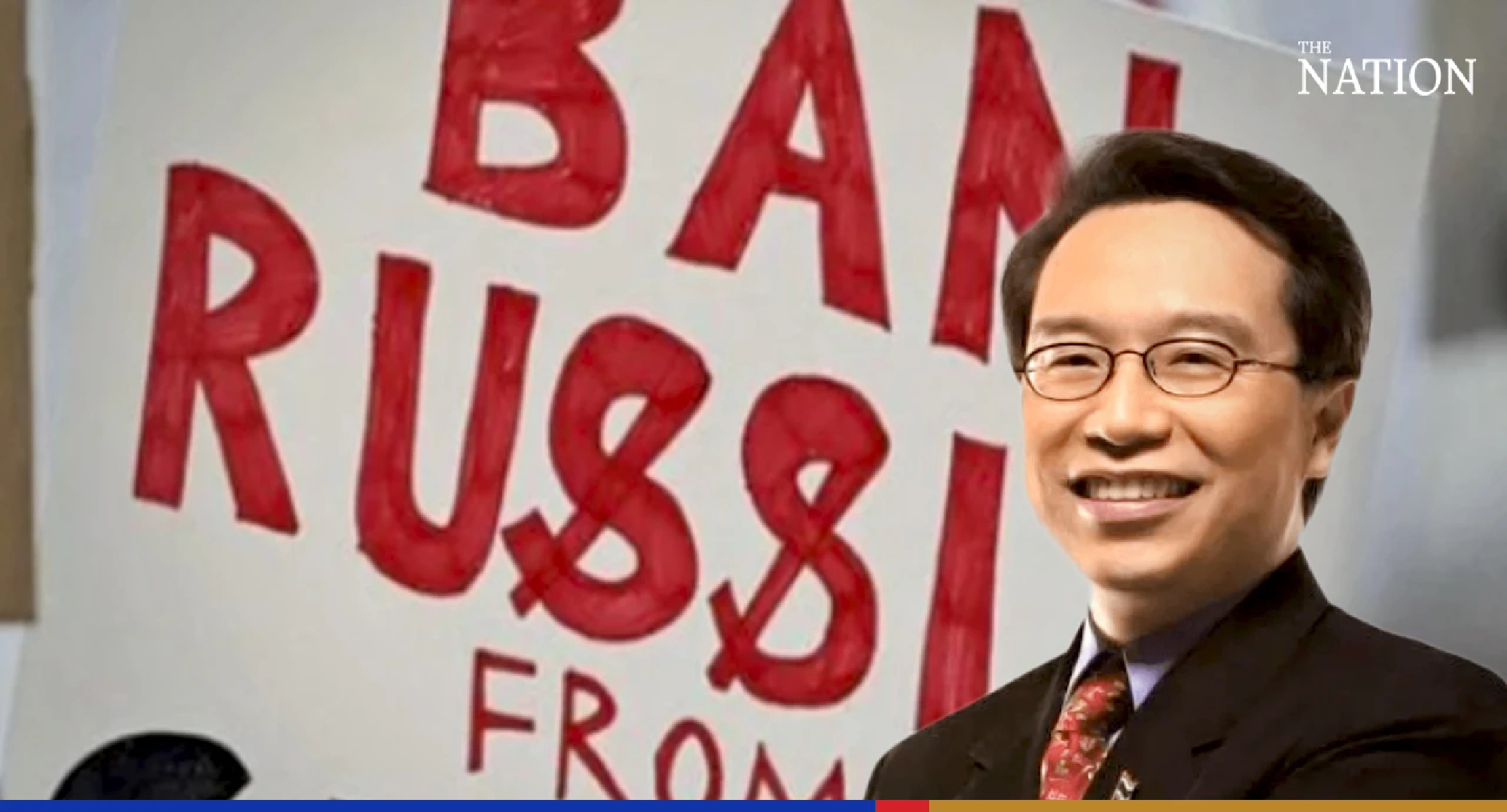
The removal of Russia from the SWIFT international transaction system will have only a limited economic impact on Moscow, an economist said on Monday.
Assoc Prof Dr Anusorn Tamajai, a former board member of the Bank of Thailand and former dean of Rangsit University’s Faculty of Economics, said the economic sanctions imposed by the United States, the European Union and United Kingdom could not do much against Russia.
Russia was removed from the Society for Worldwide Interbank Financial Telecommunication (SWIFT) on Saturday.
Russia’s banking system is not completely cut off from SWIFT and Moscow could also turn to cryptocurrency to minimise the impact, Anusorn said.
The measure could have hurt Russia because up to 40 per cent of its revenue comes from sale of oil and gas, which accounted for 60 per cent of its export value, Anusorn said.
But due to a request by Germany, the boycott was carried out in a “targeted cut-off” manner, Anusorn said.
He said Germany feared that completely cutting Russia off from SWIFT would affect German energy firms and the financial institutions of both Germany and US by being unable to communicate with financial institutions in Russia.
He said the SWIFT system links over 11,000 financial institutions in over 200 countries. When Russia is unable to carry out transactions via SWIFT, its exports would be disrupted and its gross domestic product would contract by at least 5 per cent in a year. The estimated damage could be around US$85 billion, or Bt2.72 trillion, he said.
“So, the SWIFT measure is unlikely to have much political and military impact on the government of President Vladimir Putin. And Russia may turn to use China’s Cross-Border Inter-Bank Payment System or cryptocurrency, although these solutions cannot substitute the use of SWIFT,” Anusorn added.
He pointed out that Russia was not the first nation to be removed from SWIFT in a boycott. Iran was once blocked from using SWIFT and its foreign trade value disappeared by 30 per cent. Two or three years later, Iran succumbed to the pressure and agreed to enter into negotiations with western nations on its nuclear programme.
Anusorn said western nations have also blocked Russia from accessing technologies and their financial markets and had also seized the assets of Russian leaders who are close to Putin. They have also banned exports of certain goods to Russia. Anusorn said these measures would have more impact on Putin than the SWIFT measure.
“I see cryptocurrency playing a bigger role for transactions and for payments between countries in the Russia-Ukraine conflict,” Anusorn said.
He said cryptocurrency cannot be controlled by a central government, so it can be used to cope with the economic boycott, and cryptocurrency can also be used to rally financial support for the Ukraine army.
However, he said, the use cryptocurrency created the risk of a bubble that could burst anytime, and the demand for cryptocurrencies in Russia and Ukraine would not shore up the falling prices of the digital currencies.
During this time of war, he said people in Ukraine were also turning to use Stablecoin type of cryptocurrencies, which are pegged to the US dollar, instead of carrying cash.
Anusorn said Thailand and financial institutions should be careful not to be used as a hub for Russia to circumvent the economic boycott measures.
He pointed out that damage from penalties would not be worth the financial returns from allowing Putin to use Thailand to circumvent the economic boycott measures.
Key points on SWIFT:
SWIFT stands for Society for Worldwide Interbank Financial Telecommunication. The system was invented to replace telex in 1973. Its head office is in Belgium.
SWIFT’s responsibility is to be the median for international transactions among over 11,000 financial institutions that use SWIFT payment system. The system covers 200 countries.
SWIFT works as a median for transferring and receiving international transaction information. It facilitates transactions no matter where the banks are located.
SWIFT is supervised and controlled by the Central Bank of Belgium and representatives from the US central bank, the UK central bank, the EU central bank, the Japanese central bank and central banks of other economic superpowers.
SWIFT operates only as a link, without having a deposit system or financial reserves. So it works differently from other banks.
In 2021 alone, there were 42 million transactions made via SWIFT each day, including purchase orders, payment confirmations, and currency exchange.


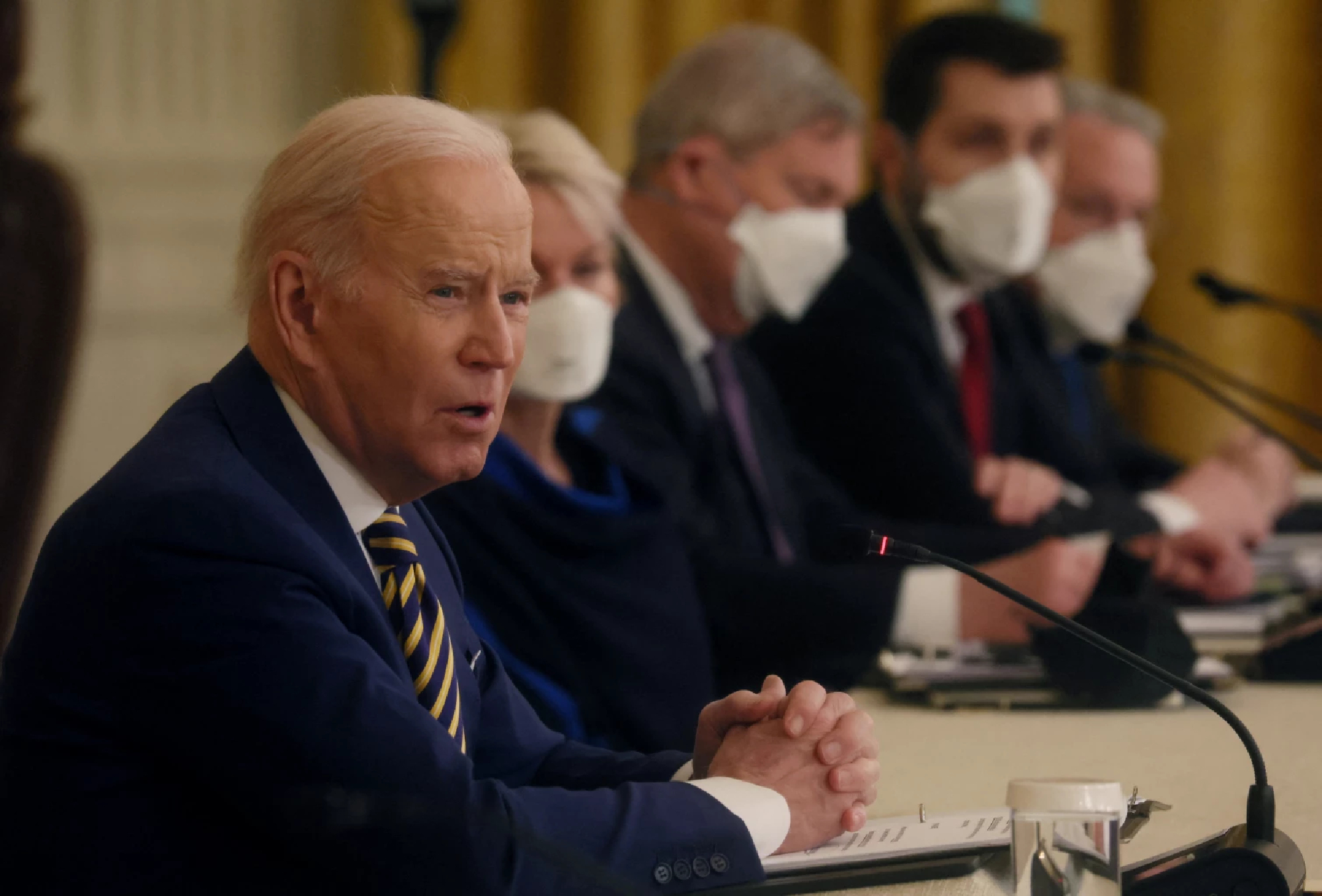
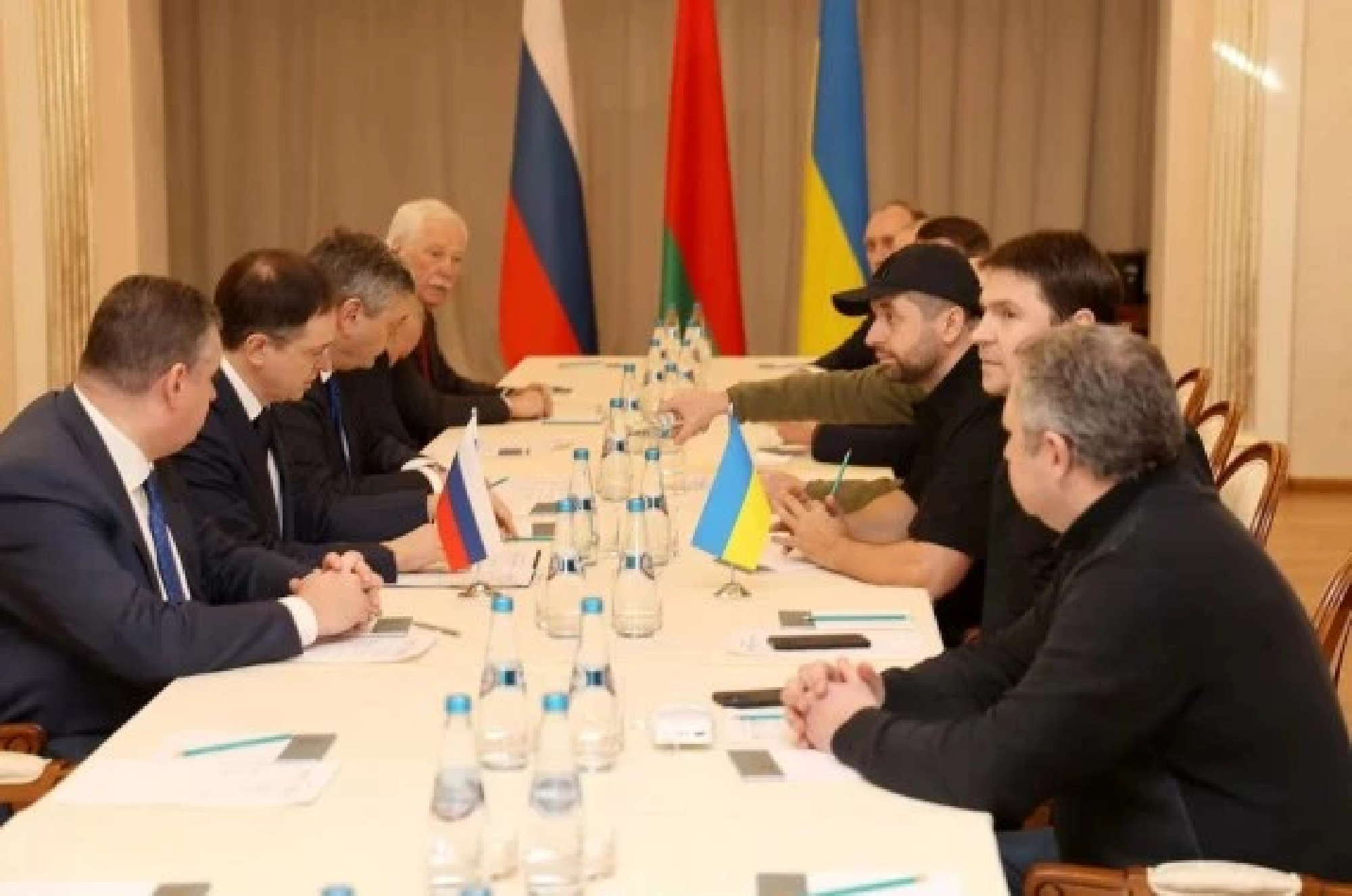
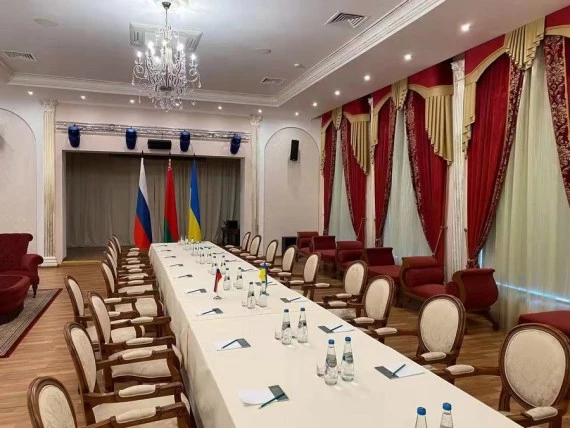 Photo provided by Belarusian Foreign Ministry shows the prepared room for the talks between Russia and Ukraine. (Belarusian Foreign Ministry/Handout via Xinhua)
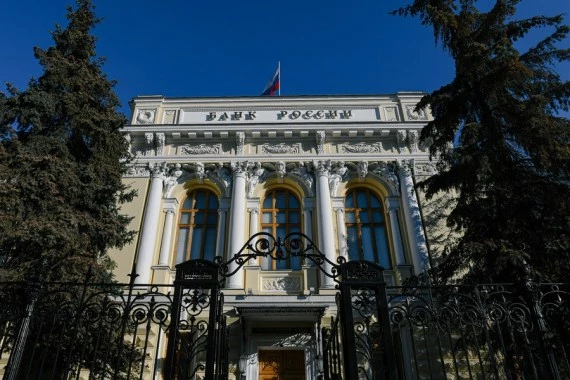 Photo taken on Feb. 25, 2022 shows the main building of Bank of Russia in Moscow, Russia. (Xinhua/Evgeny Sinitsyn)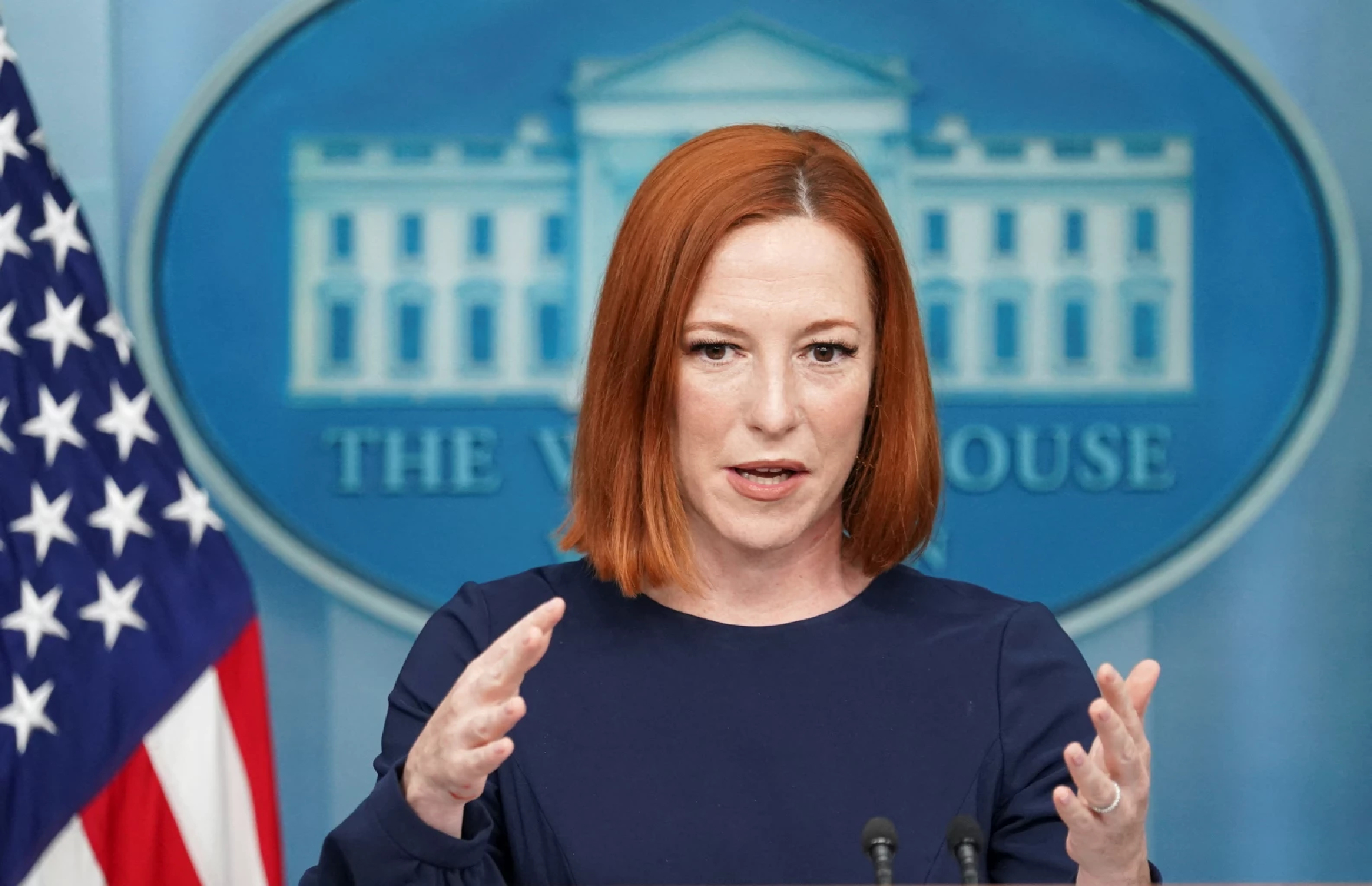
 People walk on the street on Times Square in New York, the United States, Feb. 14, 2022. (Xinhua/Wang Ying)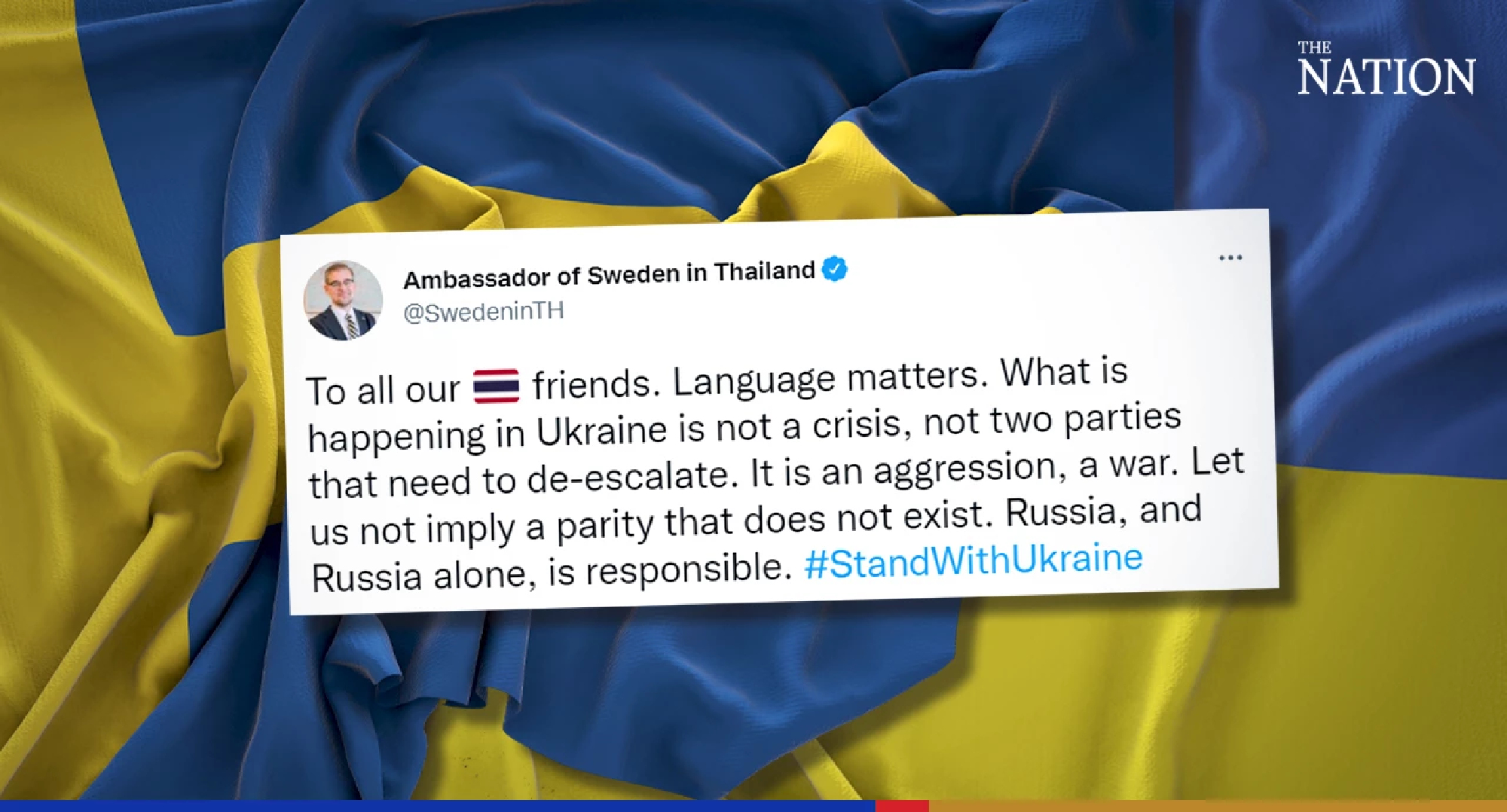
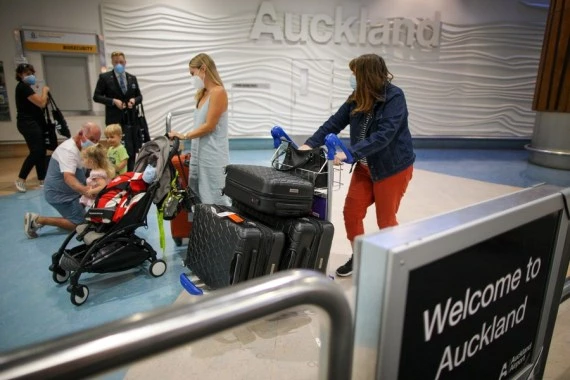 People arrive at International Arrivals of Auckland Airport, New Zealand on Feb. 28, 2022. (Photo by Zhao Gang/Xinhua)
 People hug upon their reunion at International Arrivals of Auckland Airport, New Zealand on Feb. 28, 2022. (Photo by Zhao Gang/Xinhua)
 People hug upon their reunion at International Arrivals of Auckland Airport, New Zealand on Feb. 28, 2022. (Photo by Zhao Gang/Xinhua)