The car bombing reportedly targeted the motorcade of Adens Governor Ahmed Lamlas and other high-ranking Yemeni officials, who survived the attack.
Amassive explosion struck a convoy of high-ranking Yemeni government officials in the country’s southern port city of Aden on Sunday, a security official told Xinhua.
“A booby-trapped vehicle exploded in Aden’s district of Tawahi, targeting a traveling convoy carrying a number of government officials,” the local security source said on condition of anonymity.
ADVERTISEMENT
The car bomb attack targeted the motorcade of Aden’s governor Ahmed Lamlas and other officials of the Saudi-backed Yemeni government, he said.
According to the local official, the city’s governor and the minister of the agriculture survived the bombing attack unhurt.
Witnesses said that columns of black smoke were seen rising from the bombing site in Tawahi.
Security personnel are seen at the site of a car bombing attack that killed five soldiers in Aden, Yemen, on Oct. 10, 2021. (Xinhua/Murad Abdo)
An official of Aden’s local authority confirmed to Xinhua that five soldiers in charge of guarding Aden’s governor were killed and a number of others wounded.
No group has claimed responsibility for the car bomb attack yet. However, Yemeni government officials blamed terror groups such as al-Qaida for the bomb explosions during the past months.
Local authorities are trying to maintain security and stability in the strategic Yemeni port city considered as the country’s temporary capital.
Photo taken on Oct. 10, 2021 shows a damaged vehicle at the site of a car bombing attack that killed five soldiers in Aden, Yemen. (Photo by Murad Abdo/Xinhua)
However, sporadic bombing incidents and drive-by shooting attacks still occur in Aden, where the Saudi-backed Yemeni government has been based since 2015.
Yemen has been mired in a civil war since late 2014, when the Iran-backed Houthi rebels seized control of several northern provinces and forced the internationally-recognized government of Hadi out of the capital Sanaa.
Photo taken on Oct. 10, 2021 shows damaged vehicles at the site of a car bombing attack that killed five soldiers in Aden, Yemen. (Photo by Murad Abdo/Xinhua)
Jenny Harries, chief executive of the UK Health Security Agency, warned that there could be multiple strains of flu ahead of an uncertain winter.
She said what is different this year is that COVID and flu are co-circulating, which increases the risk of serious illness and death.
Another 34,574 people in Britain have tested positive for COVID-19, bringing the total number of coronavirus cases in the country to 8,154,306, according to official figures released Sunday.
ADVERTISEMENT
The country’s coronavirus-related death toll rose by 38 to 137,735. These figures only include the deaths of people who died within 28 days of their first positive test.
There are currently 6,763 patients in hospital with COVID-19.
The data came as Jenny Harries, chief executive of the UK Health Security Agency (UKHSA), warned that there could be multiple strains of flu ahead of an uncertain winter.
People walk by the River Thames in London, Britain, on Aug. 18, 2021. (Xinhua/Han Yan)
Speaking to Sky News, she said what is different this year is that COVID and flu are co-circulating, which increases the risk of serious illness and death.
“Recent studies suggest that about 25 percent of us don’t actually understand that,” she said. “On average, over the last five years, about 11,000 people have died with flu-related conditions.”
“The important thing about this winter is we are likely to see flu, for the first time in any real numbers, co-circulating with COVID,” she added.
Early evidence suggests that those who catch both are twice as likely to die than those who just have COVID alone, according to Harries.
More than 85 percent of people aged 12 and over in Britain have had their first COVID-19 vaccine dose, and over 78 percent have received both, according to the latest figures.
People sit and chat outside a cafe in London, Britain, on Sept. 7, 2021. (Photo by Ray Tang/Xinhua)
Atotal of 64 people were poisoned by surrogate alcohol in Russia’s Orenburg region earlier this week and 32 of them died, TASS news agency reported Sunday.
Of the victims 25 have been hospitalized and seven others are receiving outpatient treatment.
ADVERTISEMENT
Methanol was found in the blood of the poisoned and in some cases its concentration was three to five times higher than the lethal dose.
So far 10 suspects have been detained for selling fake alcoholic beverages.
Local police found a warehouse and a production facility in Orenburg’s Orsk city, where 1,279 bottles of surrogate alcohol were seized. About 800 bottles of illegal alcohol were seized in 11 districts of the Orenburg region during two days of mass checks.
The problem of counterfeit alcohol poisoning has long plagued the country, despite the Kremlin’s campaign against surrogate alcohol. In December 2016, over 70 people were killed in Russia’s Irkutsk after drinking fake alcoholic beverages.
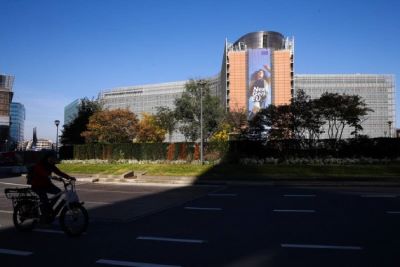
Natural gas prices in Europe have been surging and hitting record highs as demand for fuel increases globally, spurring inflation fears and threatening to cripple major industries that are hoping to recover from COVID-19.
Vehicles are seen in heavy traffic in Brussels, Belgium, Oct. 8, 2021. (Xinhua/Zheng Huansong)
Vehicles are seen in heavy traffic in Brussels, Belgium, Oct. 8, 2021.
A vehicle passes by a gas station in Rome, Italy, on Oct. 9, 2021. (Xinhua/Jin Mamengni)
ADVERTISEMENT
A customer fuels a vehicle at a gas station in Berlin, capital of Germany, on Oct. 1, 2021. (Xinhua/Shan Yuqi)
Customers fuel a motorcycle at a gas station in Rome, Italy, on Oct. 9, 2021.(Xinhua/Jin Mamengni)
Photo taken on Oct. 8, 2021 shows a gas station in Frankfurt, Germany. (Xinhua/Lu Yang)
The locally fill-and-finish Sinovac jabs have been in use in Malaysia since getting regulatory approval in April. Some 14 million doses have been completed ahead of schedule as of July.
In a low-rise building of Malaysian pharmaceutical company Pharmaniaga Life Sciences (PLS) on the outskirts of Kuala Lumpur, the fill and finish operation is going on for the Sinovac COVID-19 vaccine.
The unassuming site has run non-stop — 24 hours a day and seven days a week — as a crucial part of Malaysia combating COVID-19. It also marks the close cooperation between the Southeast Asian country and China in time of the COVID-19 crisis.
ADVERTISEMENT
Manufacturing head Mohd Saharuddin Othman was still excited when recalling the arrival of first Sinovac vaccines from China on Feb. 27.
“It was a very emotional moment when the first bulk arrived … in our warehouse, I think the team was all motivated, to start to do the fill and finish,” he said, “The team knows this is our responsibility. This is our key moment … to support the government in fighting this COVID-19 pandemic.”
Production manager Mohd Ridhwan Kalantar Mastan introduces the fill and finish operation for Sinovac vaccines at Malaysian pharmaceutical company Pharmaniaga on the outskirts of Kuala Lumpur, Malaysia, Oct. 5, 2021. (Xinhua/Zhu Wei)
Sinovac and Pharmaniaga in January signed the agreement on cooperation in localizing the fill-and-finish process of Sinovac’s CoronaVac vaccine, a move marking a milestone in Malaysia’s pharmaceutical industry.
Production manager Mohd Ridhwan Kalantar Mastan has overseen the Sinovac vaccine fill and finish operation at Pharmaniaga from the very beginning.
A technician works on the fill and finish operation for Sinovac vaccines at Malaysian pharmaceutical company Pharmaniaga on the outskirts of Kuala Lumpur, Malaysia, Oct. 5, 2021. (Xinhua/Zhu Wei)
“The moment that we find out that we will be part of this collaboration with Sinovac was a moment of relief,” said the manager. “Knowing that we can be able to produce vaccine locally, and this vaccine can be used for our people and our nation, a lot faster than what we would have if we hadn’t had Sinovac and Pharmaniaga to help us to do this.”
“So a very great sense of relief and a very great sense of pride and I’m proud as well to be part of this core team, to help the nation, to save lives and also even our family’s lives as well,” he said.
The coronavirus epidemic in Malaysia has worsened since the beginning of 2021, recording a daily high of 24,599 new cases on Aug. 26. As protracted restrictions took heavy tolls on economy and livelihoods, the Malaysian government has pinned its hope on the COVID-19 vaccine.
Mohd Ridhwan and Pharmaniaga workers have been racing against time to make sure the CoronaVac doses are available for the national inoculation program.
No public holidays for the non-stop production, Mohd Ridhwan said while observing the workflow.
They never lacked the will in preparing the vaccine for Malaysians’ fight against COVID-19, and took pride in their role in the efforts towards ending the pandemic.
“I take this role very seriously, as well because as a pharmacist, and production manager, our role is to ensure that the products being produced are safe at all times, and they are effective at all times,” he said.
A technician works on the fill and finish operation for Sinovac vaccines at Malaysian pharmaceutical company Pharmaniaga Life Sciences (PLS) on the outskirts of Kuala Lumpur, Malaysia, Oct. 5, 2021. (Xinhua/Zhu Wei)
Their efforts paid off. The locally fill-and-finish Sinovac jabs have been in use since getting regulatory approval in April.
They have completed some 14 million doses ahead of schedule as of July, according to the manager.
The Malaysian government earlier approved the Sinovac vaccine for the use for teenagers aged 12 to 17 from Oct. 1.
As of Oct. 10, 90 percent of the Malaysian adult population have been fully vaccinated.
Mohd Saharuddin said the cooperation with Sinovac and its willingness to be engaging and open in technology transfer, enables Pharmaniaga to successfully build its CoronaVac operation with the Chinese technology and expertise on human vaccines.
He said the two sides have overcome in the collaboration many difficulties due to COVID-19, especially travel restrictions by using the digital and video conferencing technology, in addition to the language barrier.
A grateful Mohd Ridhwan was proud of making the vaccine fill-and-finish process happen.
“I think this transfer of technology of COVID-19 vaccine is a big, monumental technology transfer between country to country. We can also show and prove already that it is able to be done when we have the necessary guidance, and advice and technology source, then we can also replicate that in a different factory, with the collaboration of all the people,” he said.
The smooth collaboration was noted in the phone conversation between Chinese State Councilor and Foreign Minister Wang Yi and Malaysian Foreign Minister Saifuddin Abdullah on Sept. 29.
Saifuddin thanked China on the vaccine collaboration and Wang also pledged continued support from China for Malaysia’s pandemic response including for the vaccine collaboration, as well as joint efforts in tackling post-pandemic challenges.
Manufacturing head Mohd Saharuddin Othman (C) attends a meeting about the fill and finish operation for Sinovac vaccines at Malaysian pharmaceutical company Pharmaniaga on the outskirts of Kuala Lumpur, Malaysia, Oct. 5, 2021. (Xinhua/Zhu Wei)
Technicians work in a lab for the fill and finish operation for Sinovac vaccines at Malaysian pharmaceutical company Pharmaniaga Life Sciences (PLS) on the outskirts of Kuala Lumpur, Malaysia, Oct. 5, 2021. (Xinhua/Zhu Wei)
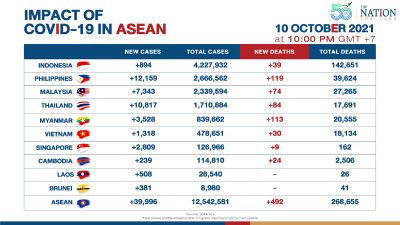
The number of Covid-19 cases crossed 12.54 million across Southeast Asia, with 39,996 new cases reported on Sunday (October 10), lower than Saturday’s tally at 41,994. New deaths are at 492, decreasing from Saturday’s number of 654. Total Covid-19 deaths in Asean are now at 268,655.
Cambodia may fully reopen its economy if the Covid-19 situation remains stable for at least 10 days after the nation celebrates the Pchum Ben religious festival between October 5 and 7. Prime Minister Hun Sen said any reopening was dependent on the people adjusting their lifestyles to live with the new normal, where Covid-19 will be viewed as endemic and no longer as a pandemic. Currently the country is reporting less than 300 new infections and about 20 Covid-19 deaths daily.
Meanwhile, Singapore is preparing to tighten rules for unvaccinated people to streamline its healthcare protocols to live with Covid-19 endemically. From October 13 onward, unvaccinated individuals in Singapore will no longer be able to dine at eateries or visit shopping malls and attractions. Exception will be made for children under 12 years and those who have recovered from Covid-19 and has negative lab testing result.
Taiwan will not “bow to pressure” from China for reunification, President Tsai Ing-wen said in a speech Sunday before a parade and military ceremony marking Taiwans National Day.
The island will continue to develop and invest in its defensive capabilities, Tsai said, “to ensure that nobody can force Taiwan to take the path China has laid out for us” – a path she said “offers neither a free and democratic way of life for Taiwan, nor sovereignty for our 23 million people.”
China sees Taiwan, separated from it by about 100 miles across the Taiwan Strait, as a breakaway province. Beijing has threatened to take control – by force if necessary – were Taiwan to move toward formal independence.
ADVERTISEMENT
The United States sells arms to Taiwan and supports its calls for a greater role in the global community, but has for decades refused to say whether it would send its military to defend Taiwan from a Chinese attack, under a policy known as “strategic ambiguity.”
The United States, like most countries, does not recognize Taiwan as an independent nation. It adheres to the one-China policy, which states that there is only one China, and which acknowledges the Chinese point of view that Taiwan is part of it.
But in recent years, as tensions have risen between the United States and China, Washington has made moves to bolster its support for Taiwan as a bulwark against Beijing.
U.S. troops have been stationed in Taiwan to train the island’s military for at least a year, the Wall Street Journal reported last week, citing unnamed U.S. government officials. China’s foreign ministry responded angrily to the report but with boilerplate language, including that “China will take all necessary measures to protect its sovereignty and territorial integrity.”
In recent days, Beijing has sent a record surge of warplanes into Taiwan’s air defense identification zone.
Now Taiwan “finds itself in a situation that is more complex and fluid than at any other point in the past 72 years,” Tsai said Sunday.
China’s President Xi Jinping on Saturday vowed to achieve what he called “the reunification of the motherland by peaceful means.”
“Compatriots on both sides of the Taiwan Strait should stand on the right side of history and join hands to achieve China’s complete unification,” Xi said during an event to commemorate the 110th anniversary of the revolution that overthrew China’s last imperial dynasty in 1911.
Some analysts view the Chinese military drills near the island as Beijing catering to domestic nationalists, or provocation aimed at Washington, but Taiwanese officials believe it shows China is ramping up its capabilities to invade their island in the next few years.
The 1911 Revolution led to the establishment of a Chinese nationalist government known as the Republic of China. After World War II, the Chinese Communist Party defeated ROC forces, which retreated to Taiwan and took over the island, whose official name is the Republic of China. The Chinese Communist Party never took control of the island.
“The historic mission of achieving the complete unification of our country must be realized, and can be realized,” Xi added.
Xi reiterated his support for Taiwanese reunification under the same “one country, two systems” model that allowed Hong Kong to be part of China but function under different laws and norms for decades after the end of British colonial rule. That approach has collapsed in recent years as Beijing has moved to exert direct control over Hong Kong, crush civil society and erode once-autonomous institutions.
In response to Xi’s speech, Taiwan’s presidential office said most Taiwanese reject that model and argued that developments in Hong Kong show how “one country, two systems” can turn on a dime.
On Sunday, at an event marking the same revolution, President Tsai called on the Taiwanese people to renew their commitment “that the Republic of China and the People’s Republic of China should not be subordinate to each other.”
Tsai, who warned recently in Foreign Affairs that “if Taiwan were to fall, the consequences would be catastrophic for regional peace and the democratic alliance system,” has sought to characterize the struggle for Taiwan’s freedom from China as a proxy battle for the broader future of global democracy, at a time when Western powers are struggling to come to terms with the rise of China.
The island is “standing on democracy’s first line of defense,” Tsai said in her speech Sunday. “Taiwan is willing to do its part to contribute to the peaceful development of the region.”
“We hope for an easing of cross-strait relations and will not act rashly, but there should be absolutely no illusions that the Taiwanese people will bow to pressure,” she said.
 เป็นครั้งแรกที่สหรัฐเอ่ยถึงปัญหาของ Evergrande ของจีน
 องค์การอนามัยโลกเตือน ยังไม่พ้นขีดอันตรายในการต่อสู้โควิด-19 แม้หลายคนคิดว่ามันใกล้จบแล้วก็ตาม
 หลังจากรัฐบาลทรัมป์ปิดบังมา 4 ปี ล่าสุดสหรัฐตัดสินใจเปิดตัวเลขหัวรบนิวเคลียร์ในคลังอาวุธโชว์ความโปร่งใส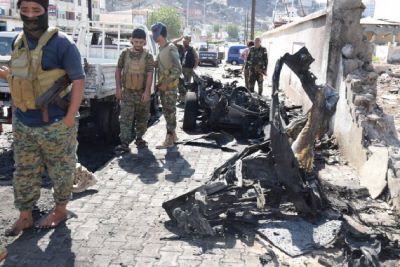
 Security personnel are seen at the site of a car bombing attack that killed five soldiers in Aden, Yemen, on Oct. 10, 2021. (Xinhua/Murad Abdo)
 Photo taken on Oct. 10, 2021 shows a damaged vehicle at the site of a car bombing attack that killed five soldiers in Aden, Yemen. (Photo by Murad Abdo/Xinhua)
 Photo taken on Oct. 10, 2021 shows damaged vehicles at the site of a car bombing attack that killed five soldiers in Aden, Yemen. (Photo by Murad Abdo/Xinhua)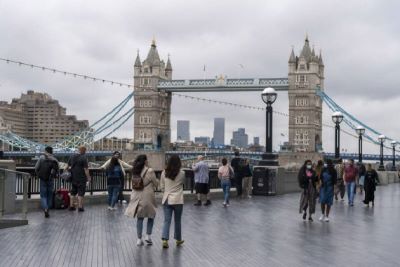
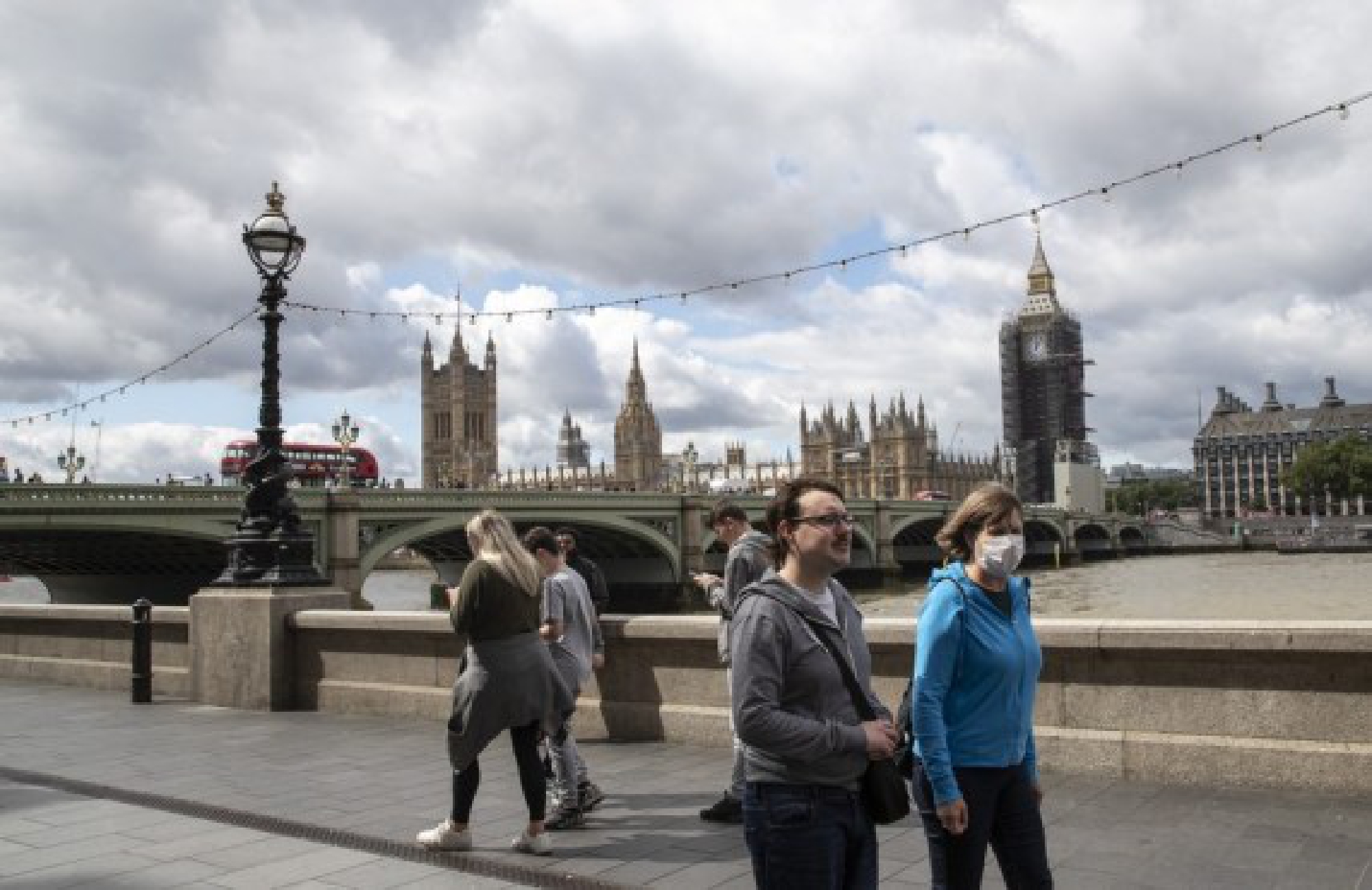 People walk by the River Thames in London, Britain, on Aug. 18, 2021. (Xinhua/Han Yan)
 People sit and chat outside a cafe in London, Britain, on Sept. 7, 2021. (Photo by Ray Tang/Xinhua)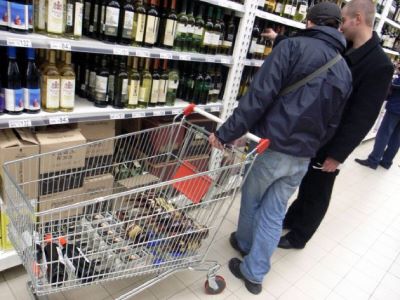
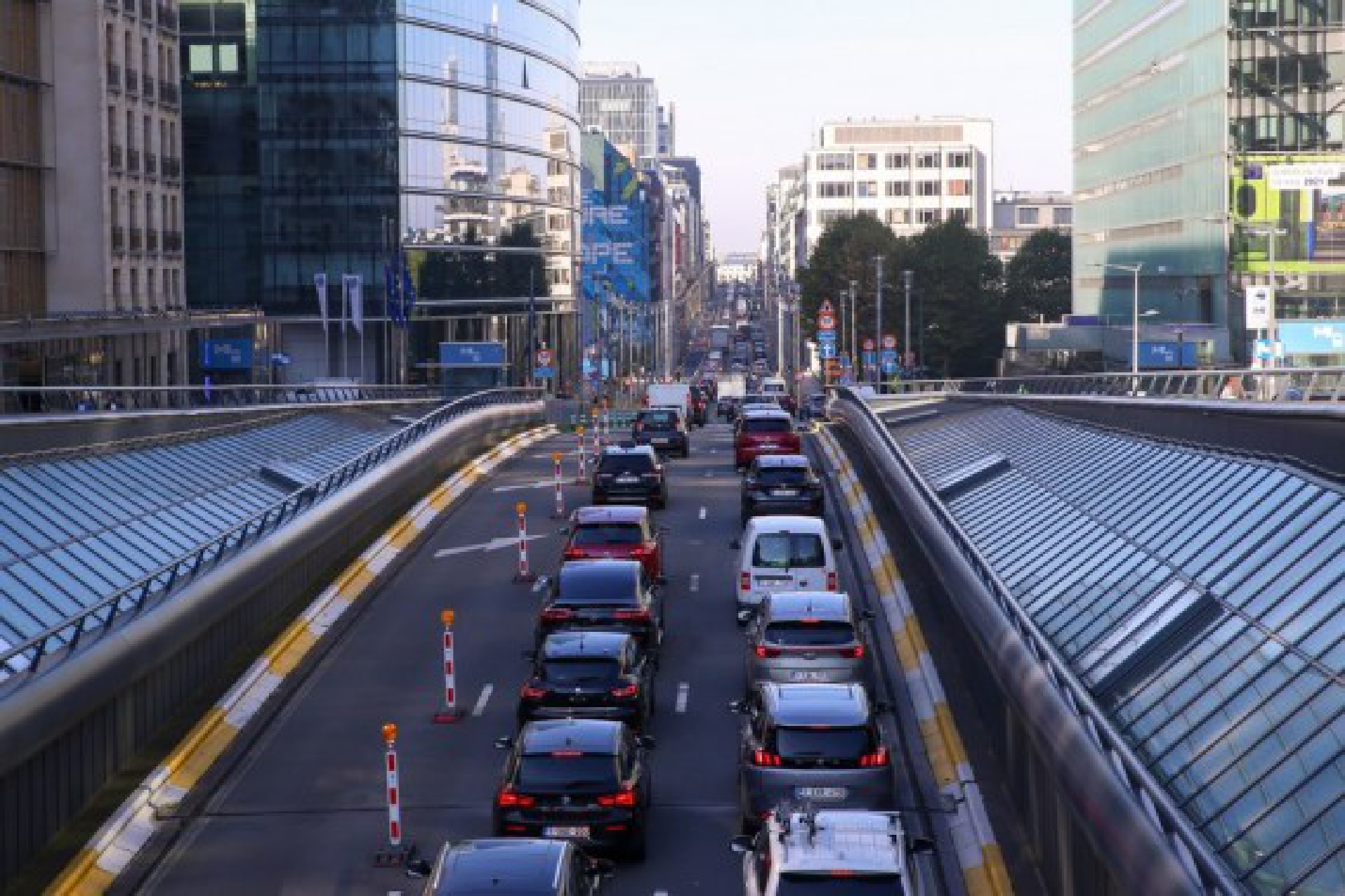 Vehicles are seen in heavy traffic in Brussels, Belgium, Oct. 8, 2021. (Xinhua/Zheng Huansong)
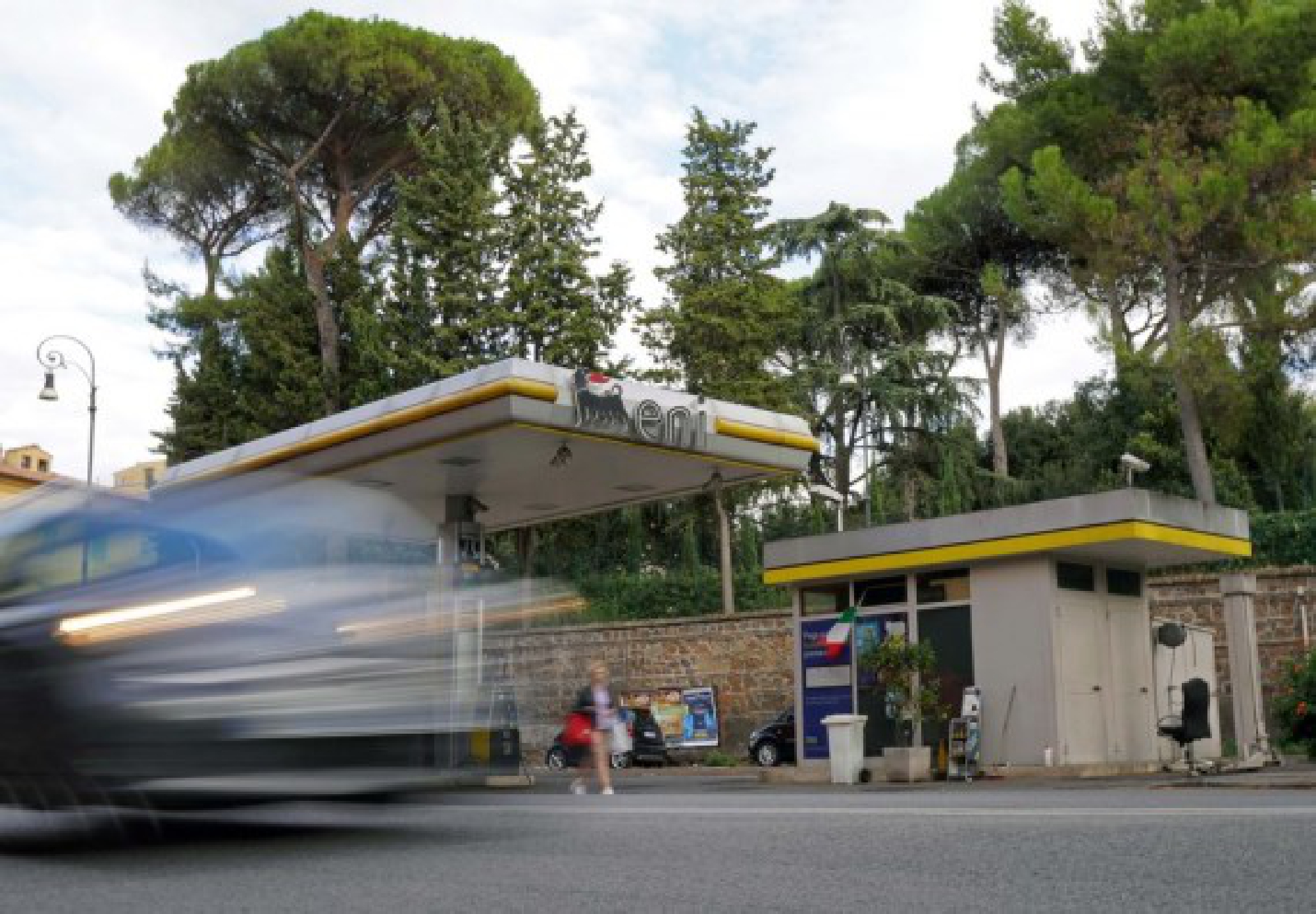 A vehicle passes by a gas station in Rome, Italy, on Oct. 9, 2021. (Xinhua/Jin Mamengni)
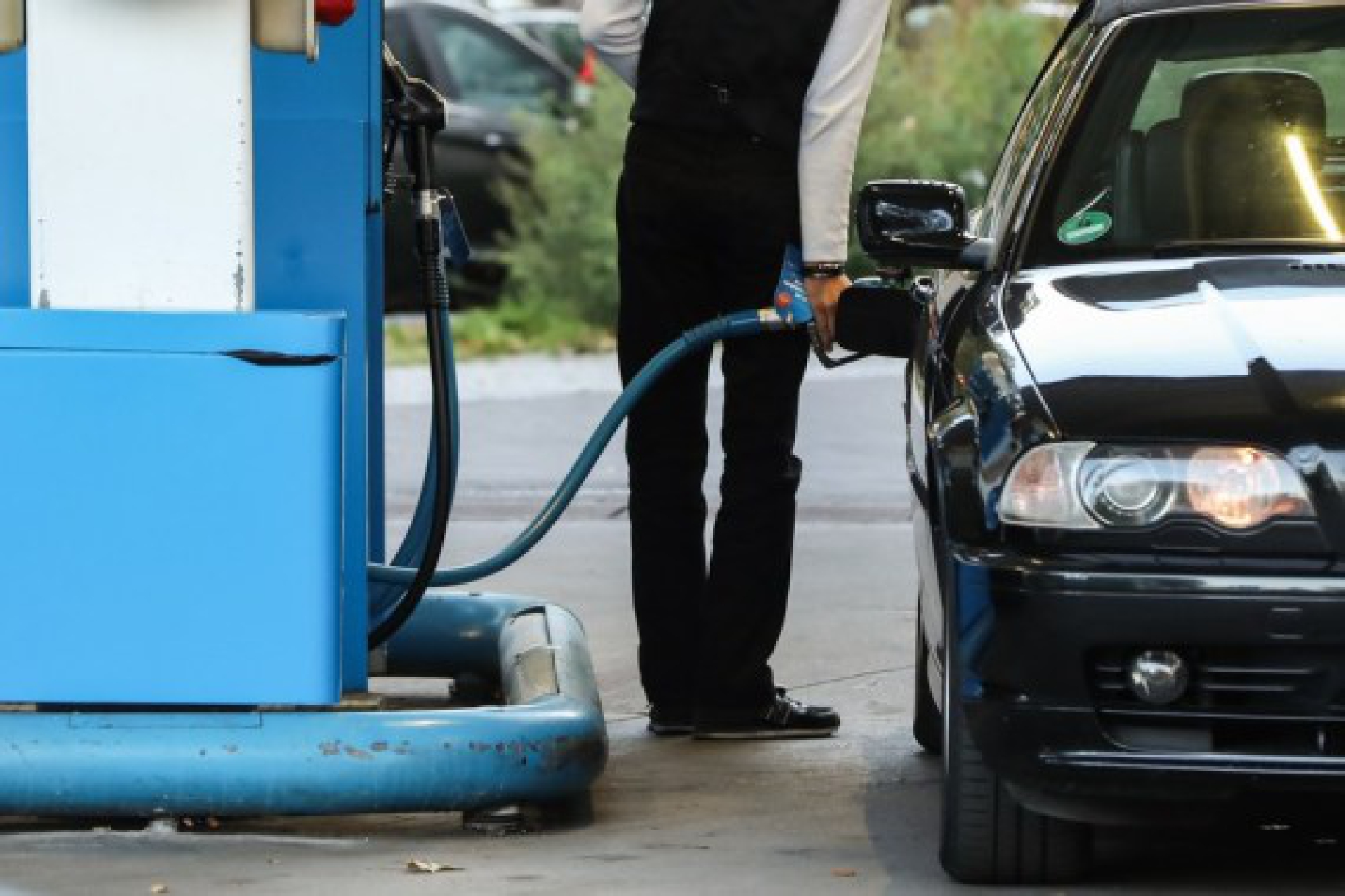 A customer fuels a vehicle at a gas station in Berlin, capital of Germany, on Oct. 1, 2021. (Xinhua/Shan Yuqi)
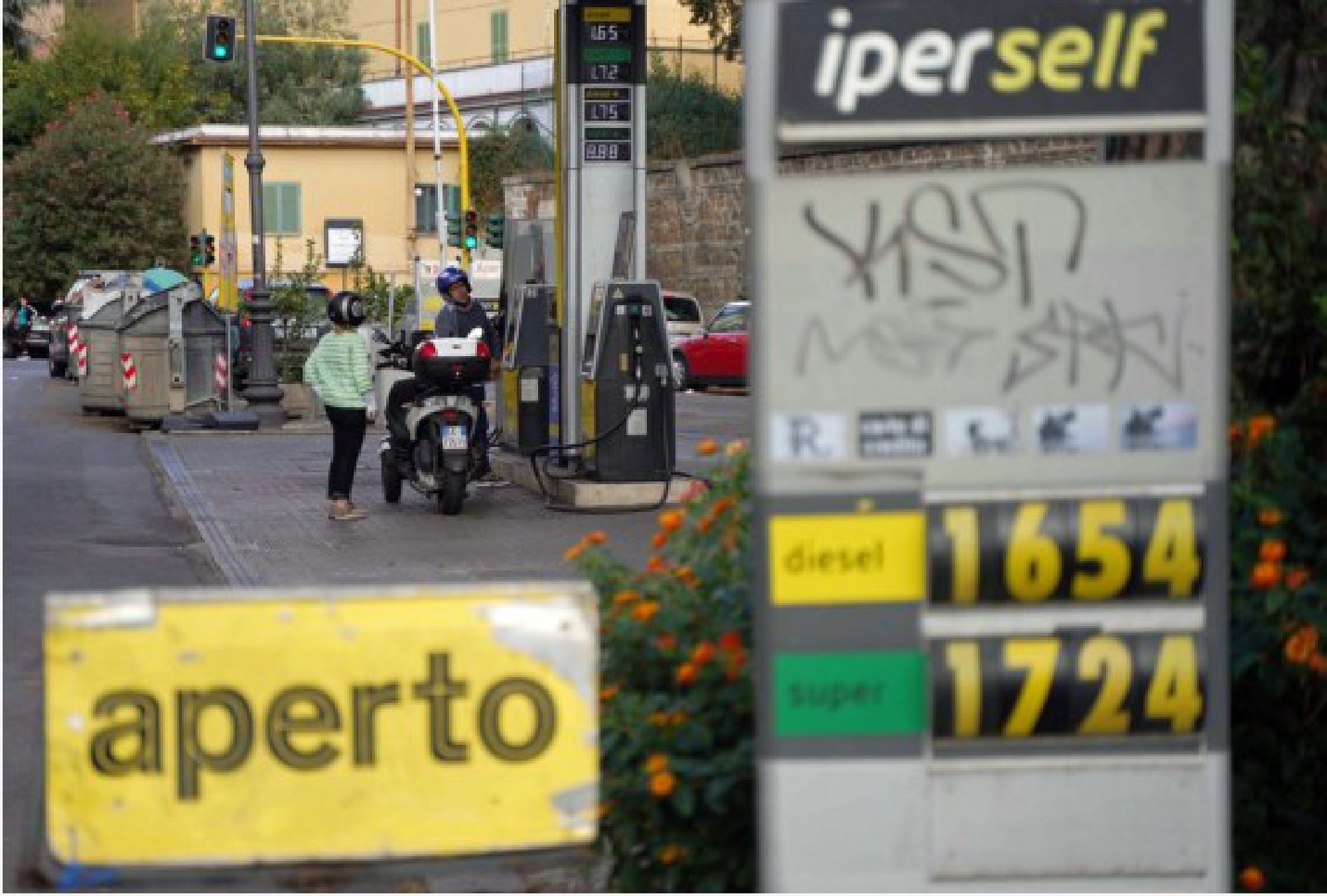 Customers fuel a motorcycle at a gas station in Rome, Italy, on Oct. 9, 2021.(Xinhua/Jin Mamengni)
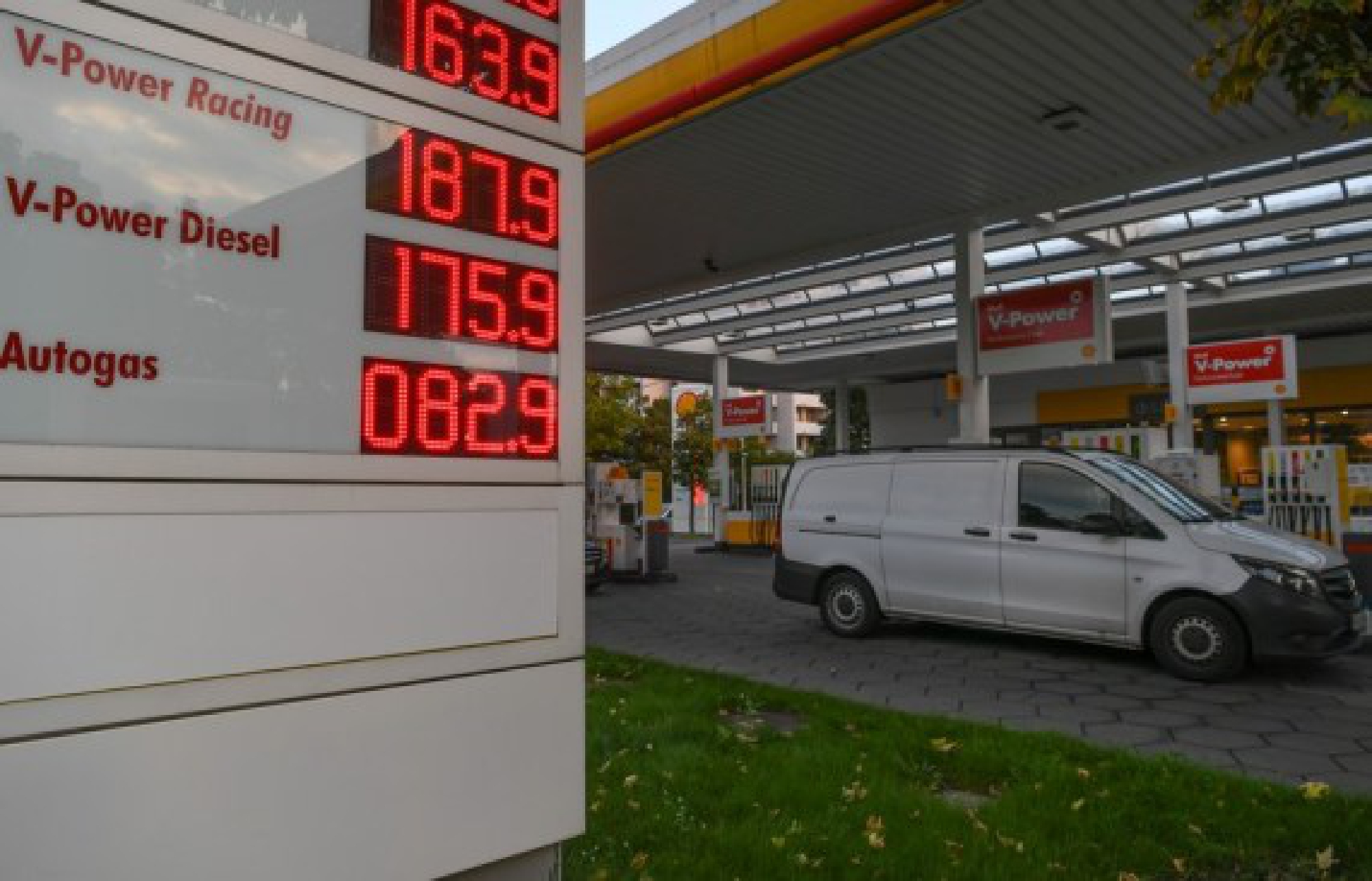 Photo taken on Oct. 8, 2021 shows a gas station in Frankfurt, Germany. (Xinhua/Lu Yang)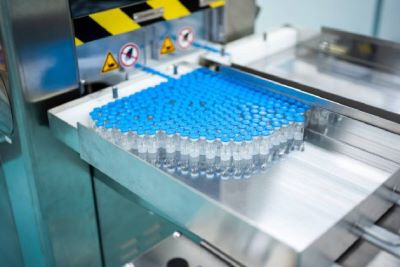
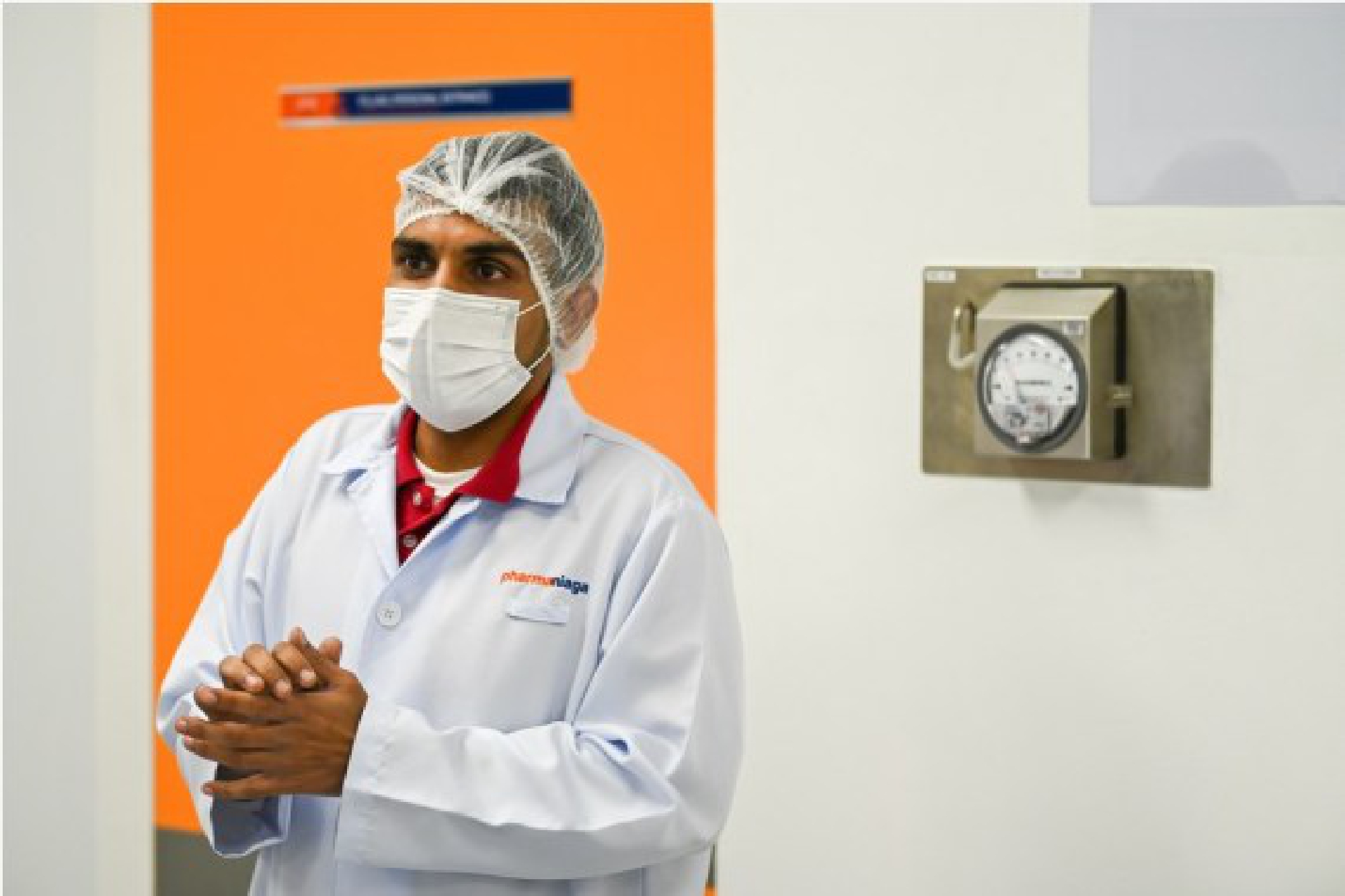 Production manager Mohd Ridhwan Kalantar Mastan introduces the fill and finish operation for Sinovac vaccines at Malaysian pharmaceutical company Pharmaniaga on the outskirts of Kuala Lumpur, Malaysia, Oct. 5, 2021. (Xinhua/Zhu Wei)
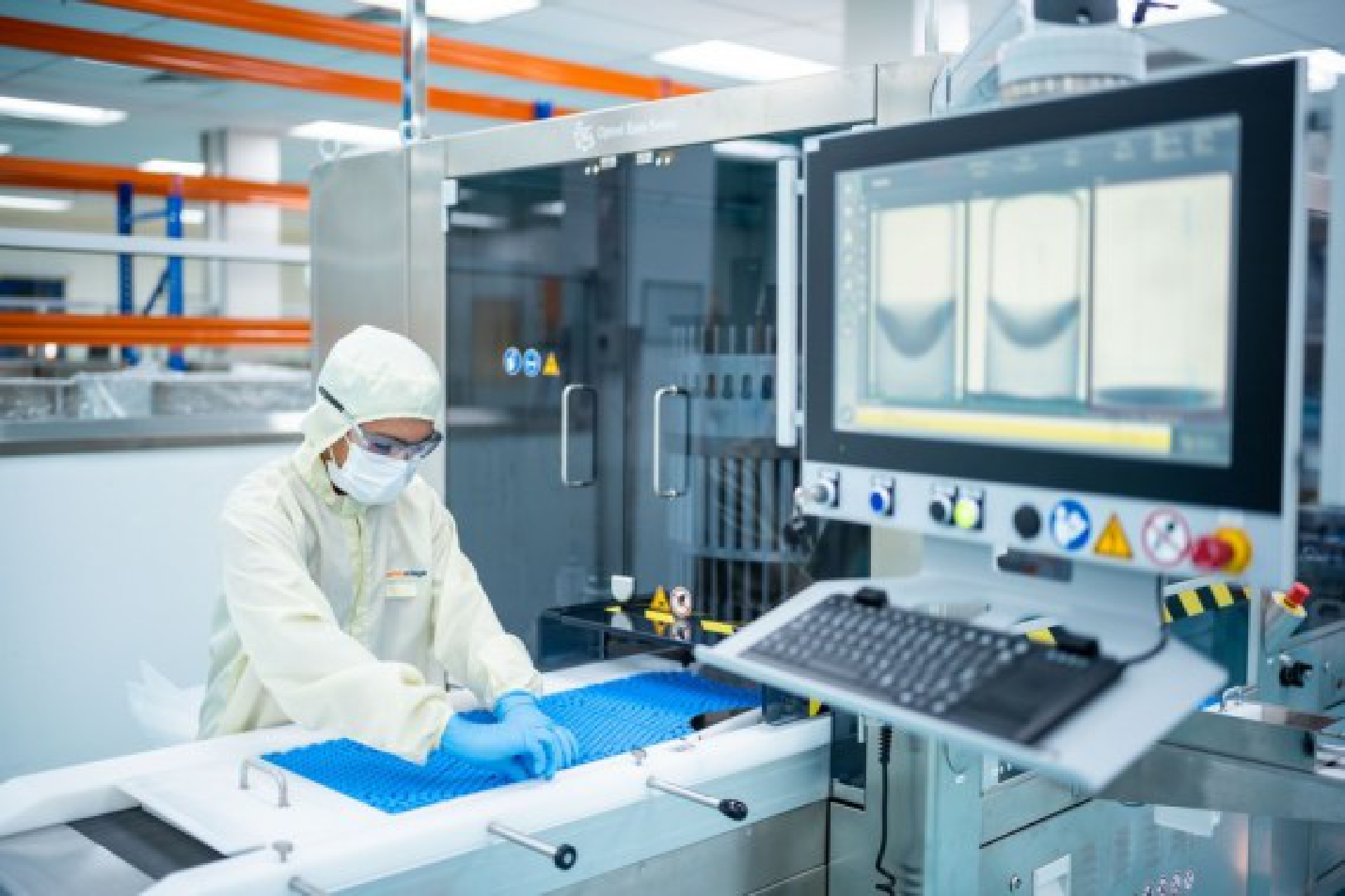 A technician works on the fill and finish operation for Sinovac vaccines at Malaysian pharmaceutical company Pharmaniaga on the outskirts of Kuala Lumpur, Malaysia, Oct. 5, 2021. (Xinhua/Zhu Wei)
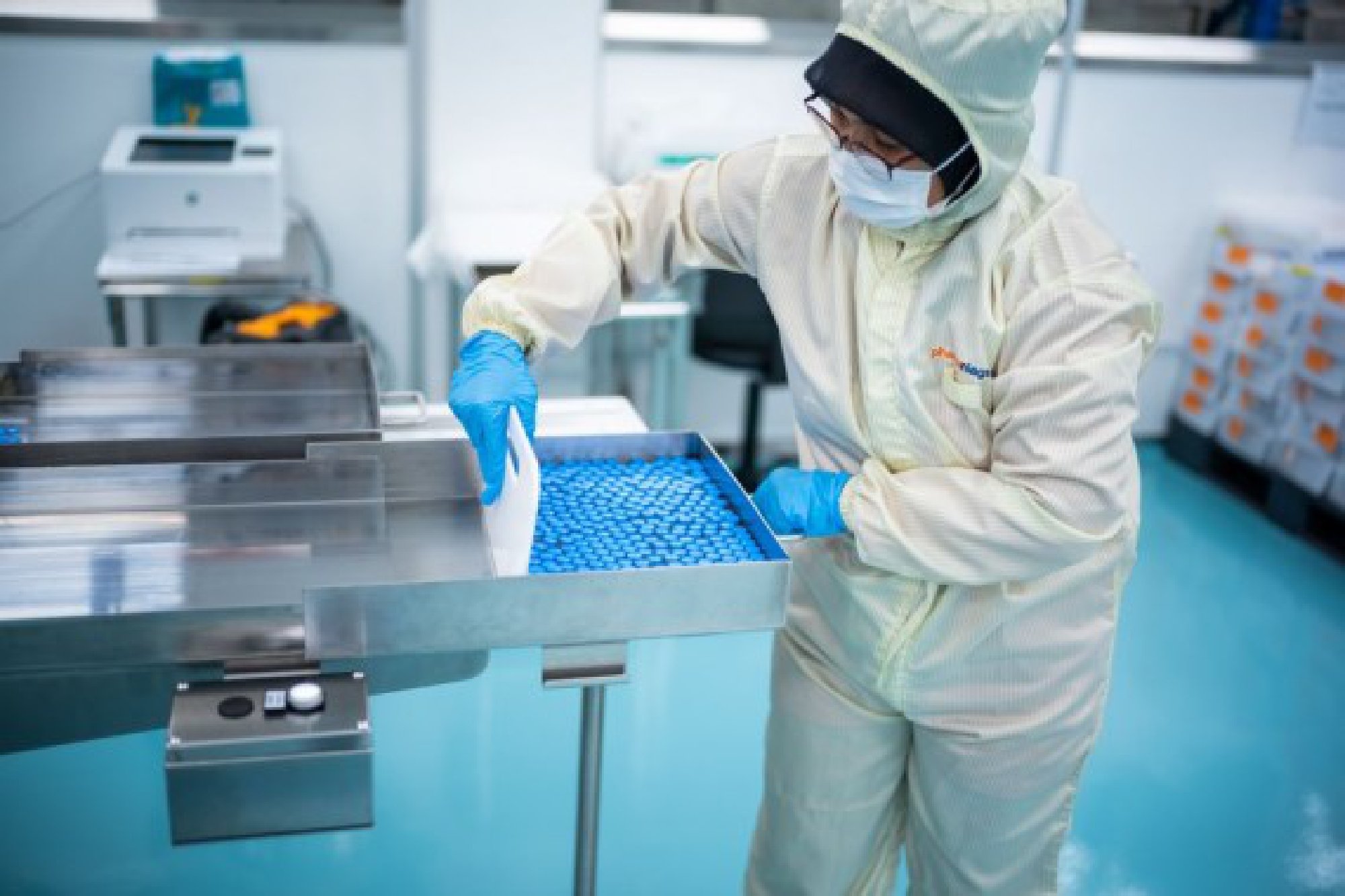 A technician works on the fill and finish operation for Sinovac vaccines at Malaysian pharmaceutical company Pharmaniaga Life Sciences (PLS) on the outskirts of Kuala Lumpur, Malaysia, Oct. 5, 2021. (Xinhua/Zhu Wei)
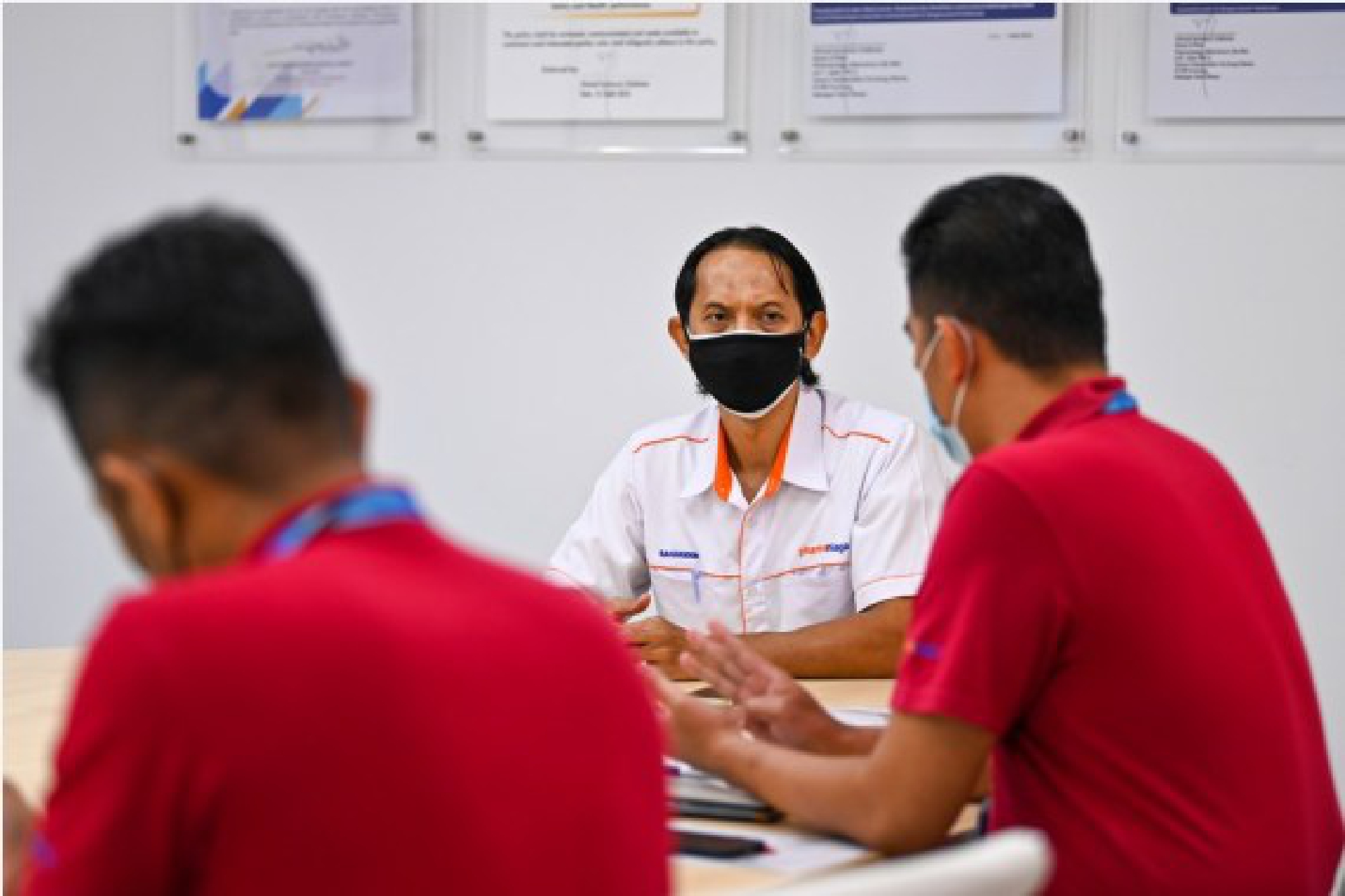 Manufacturing head Mohd Saharuddin Othman (C) attends a meeting about the fill and finish operation for Sinovac vaccines at Malaysian pharmaceutical company Pharmaniaga on the outskirts of Kuala Lumpur, Malaysia, Oct. 5, 2021. (Xinhua/Zhu Wei)
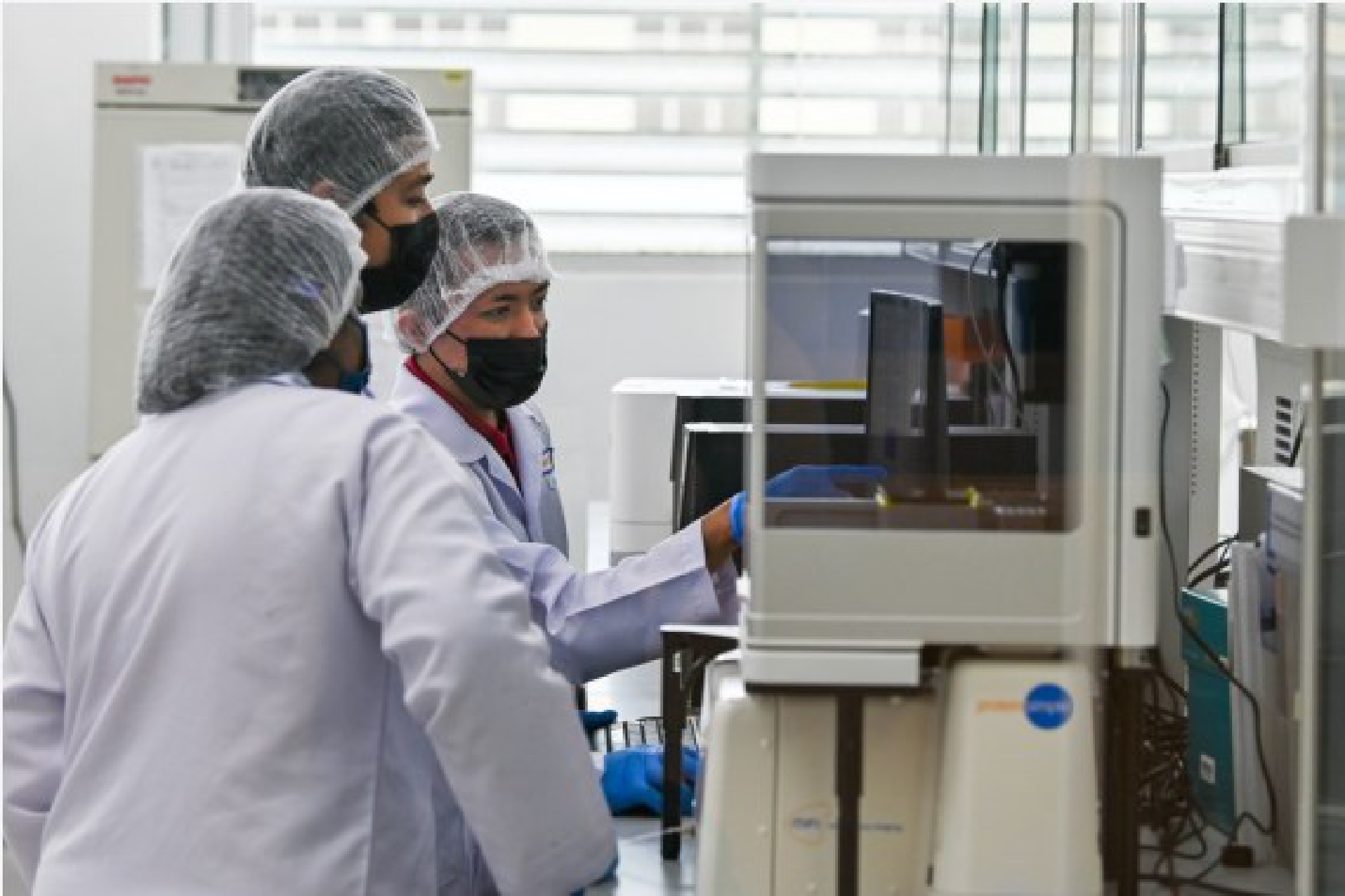 Technicians work in a lab for the fill and finish operation for Sinovac vaccines at Malaysian pharmaceutical company Pharmaniaga Life Sciences (PLS) on the outskirts of Kuala Lumpur, Malaysia, Oct. 5, 2021. (Xinhua/Zhu Wei)