Cars make a covid comeback, and that means burning more oil. #SootinClaimon.Com

#SootinClaimon.Com : ขอบคุณแหล่งข้อมูล : หนังสือพิมพ์ The Nation.

https://www.nationthailand.com/international/40000451

Cars make a covid comeback, and that means burning more oil.


Its starting to feel as commonplace as handwashing: To protect against covid, people across the globe are skipping trains and buses. Instead, theyre part of the great car comeback thats sending vehicle sales soaring and fueling a demand surge for oil and metals.

Cars make a covid comeback, and that means burning more oil.

Julie Murataj is a reluctant part of the shift. Two of her three kids are now getting dropped off at school instead of taking public transit. Then she drives her Volvo SUV to work, where she helps London schoolchildren cross the road by halting traffic with a bright, red and yellow stop sign that Brits call a “lollipop.” It’s a front-row seat to the world’s changing travel habits.

“There are many, many more cars,” Murataj said. “I’m seeing the roads busier now than they used to be pre-covid.”

After being stuck in their homes for so long, people are itching to get out again. It’s a boon to newly reopening economies, with consumers ready to start spending more at gas stations, convenience stores, restaurants, hotels and attractions. Daimler, BMW and Toyota all started the year with sales at records, and things are so hot that used car prices in the U.S. are soaring to all-time highs.

The jump in vehicle sales is a strong sign that this is more than just a passing fad. Like the ubiquitous face mask, the car renaissance could be the latest example of how covid-19 makes a lasting impact on our lives. The change could usher in an era of heavier traffic jams and longer commutes. All the extra driving will send gasoline consumption soaring, but with that also comes a rise in pollution. The increase in gasoline use that the International Energy Agency projects for this year alone would add as much as 1.5 billion pounds of carbon emissions per day.

Traffic in Hong Kong is already twice as congested as in 2019. The streets of Tel Aviv, Moscow and Bucharest are all busier now than they were before the pandemic, according to TomTom NV. In the U.S., driving miles on highways are starting to top 2019 levels, and in the U.K., fuel sales are already at similar levels to last summer’s peak.

“People have a lot of cash in their pockets, and as lockdowns ease places will open up and allow those kind of leisure trips that may have been blocked,” said Richard Bronze, co-founder of London-based consultant Energy Aspects.

Gasoline is the big winner.

Profits from making the fuel are near seasonal five-year highs and are expected to stay strong as the Northern Hemisphere heads into summer driving season. U.S. refiner Valero Energy Corp. says gasoline sales are nearly at pre-pandemic levels, and the biggest bulls are predicting demand could hit a record. The U.S. Energy Information Administration expects summer fuel prices to be the highest since 2018 this year.

The picture extends across the globe. BP said that oil demand in China is back above pre-pandemic levels. In Europe, gauges of road congestion compiled by Bloomberg and covering 15 nations just posted their strongest reading in 10 weeks as the region emerges from another wave of the virus.

In Japan, an explosion for drivers-license applications signals a lasting shift to car travel. Applications processed in Shizuoka Prefecture, south of Tokyo, rose 8.7% in 2020, according to prefectural police. It’s the first significant rise in the past decade. The bulk of applications came from people in their 20s, a marked change from pre-Covid times when younger generations were increasingly choosing to forgo car ownership.

“We’re pretty bullish on gasoline going forward,” Gary Simmons, chief commercial officer at Valero, said on a call last week.

Other commodity markets are also getting a boost. Copper, aluminum, palladium and platinum, used in car parts, are seeing strong demand. And consumption is robust for corn and sugar, used to make ethanol, as well as soybean oil, used in biodiesel. With more crops going into fuels, it’s likely to exacerbate the food inflation that’s already crimping consumer wallets.

Meanwhile, largely empty rail and metro carriages are ferrying just a handful of commuters in some of the western world’s largest cities. That’s putting a hole in the finances of mass transit systems like New York’s Metropolitan Transportation Authority, German state railway Deutsche Bahn and Transport for London, which operates the U.K. capital’s tube network.

The move away from mass transit helps explain why the world’s carbon emissions are coming back fast after last year’s historic drop.

Earlier this month on London’s Marylebone Road, which runs alongside one of the U.K. capital’s royal parks, nitrogen-dioxide levels hit the highest since before the country’s first coronavirus lockdown, according to Imperial College London. The pollutant is mainly produced by diesel traffic, according to Simon Birkett, founder of not-for-profit Clean Air in London.

London crossing guard Murataj is an asthmatic and can easily tell you about the change.

“Through the first lockdown, when literally nobody was going anywhere, my breathing improved so much,” she said. “It was like being in the country or by the sea. I didn’t need to use my inhaler.”

But now?

“It’s probably worse now than it was” before covid, Murataj said.

China, further along than most of the world in its coronavirus rebound, offers some insight on how long the car mania will last.

When lockdowns first started to ease last year, commuters in Beijing abandoned the city’s crowded metro and began commuting by car. But with the world’s second-largest economy staving off subsequent Covid waves and traffic jams in Beijing almost as bad as 2019, metro passenger volumes hit a post-Covid high this month.

The big difference, though, is the world outside of China has struggled to keep cases in check, especially in light of new virus variants. Parts of Europe have been in and out of lockdowns to deal with infection spikes, the Philippines’ case count breached 1 million this week and Japan has declared a new state of emergency in Tokyo, Osaka and two other prefectures.

Of course, the biggest virus threat is now in India, which is battling the world’s largest surge in covid-19.

Vinkesh Gulati owns dealerships of both new and used cars in Faridabad, outside of Delhi. Demand is so strong that some of his customers are on a six-month waiting list, depending on what model they’re interested in. The congested city streets mean that in years past many buyers opted to travel by two-wheeled scooter or motorcycle. But now, the open-aired vehicles are being shunned.

Customers “often tell me that they are buying cars to move around to overcome the boredom and frustration of staying at home all the time,” said Gulati, who’s also president of the Federation of Automobile Dealers Associations, which represents 90% of dealers in the country.

“They can leave on a weekend morning, drive for 200 miles and come back in the evening. It’s a good family outing.”

That desire for travel is expected to surge in the coming months, when the Northern Hemisphere basks in summer weather. Office workers have a store of vacation days to enjoy and kids will be out of school, so many families will be loading up their cars and hitting the road.

Some people are already making the move.

Saad Rahim is the Geneva-based chief economist at Trafigura Group, one of the world’s top independent commodity trading houses. He’s driving at least twice as much as he was before the pandemic began, mostly on family road trips around Switzerland.

Being in a car is like being in “your own bubble,” he said. “People are taking advantage of that.”

Published : May 02, 2021

By : Syndication Washington Post, Bloomberg · Alex Longley, Debjit Chakraborty, Andy Hoffman

India sets pandemic record with more than 400,000 new cases; Fauci says crisis is like a war #SootinClaimon.Com

#SootinClaimon.Com : ขอบคุณแหล่งข้อมูล : หนังสือพิมพ์ The Nation.

https://www.nationthailand.com/international/40000450

India sets pandemic record with more than 400,000 new cases; Fauci says crisis is like a war


NEW DELHI – In sheer numbers, it is the worst surge since the pandemic began – and it is still gathering speed.

India sets pandemic record with more than 400,000 new cases; Fauci says crisis is like a war

After a devastating week of soaring infections, India reported more than 400,000 new cases Saturday, a global record. Experts believe that number will climb even higher in the coming days, an unimaginable burden for a health system already under siege with hospitals issuing pleas for oxygen.

India’s experience underscores a sobering paradox: Even as the United States and Europe move away from the darkest days of the pandemic, other countries are engaged in a desperate struggle against the virus.

The powerful resurgence of infections in India – a country where cases had ebbed just months earlier – is also a reminder that the coronavirus is far from controlled around the world, even with vaccination rates climbing in many countries.

It remains unclear how large a role coronavirus variants are playing in the pandemic’s grip on India. But the staggering numbers themselves are leaving the country increasingly isolated. On Friday, the United States said it would restrict travel from India. Dozens of countries have begun sending aid to bolster hospitals overwhelmed by patients and short on crucial supplies.

In India’s capital, New Delhi, a hospital treating coronavirus patients ran out of oxygen on Saturday. It took an hour for fresh supplies to arrive. In the meantime, at least eight patients died, among them one of the hospital’s own doctors, said S.C.L. Gupta, the medical director of Batra Hospital.

The incident marks the second time in recent days in which an oxygen shortage at a Delhi hospital proved fatal. On April 23, a different hospital ran out of oxygen and 26 critically ill coronavirus patients died.

In New Delhi, people are waiting for hours at crematoriums to perform funeral rites for their loved ones. Dozens of pyres are being packed closely together in scenes that are without precedent. Every day people are dying outside hospitals, unable to access care.

Anthony Fauci, the Biden administration’s chief medical adviser, urged India to explore ways its military could help alleviate the calamity, saying the situation is “like a war” in an interview with the Indian Express newspaper.

He also strongly advised India to implement a nationwide shutdown. “No one likes to lock down the country,” he said. But a temporary lockdown “could have a significant impact on the dynamics of the outbreak.”

India had announced that it would open its vaccination program to all adults over the age of 18 starting Saturday, but in many parts of the country there were not enough doses available to expand the program. Several state governments said they did not know when they would obtain the necessary supplies.

The oxygen shortages and the chaotic rollout of the latest phase of the vaccine drive are adding to a deepening sense of crisis. Epidemiologists have said that the number of daily cases in India could reach 500,000 within weeks.

India has reported more than 300,000 new cases each of the past 10 days, bringing its total number of infections in the pandemic to 19 million. More than 3,500 people died in the most recent 24-hour period, according to data from the Health Ministry on Saturday.

The figure is an undercount, experts say. Recent reports from crematoriums and cemeteries in different cities and states indicate that a significant number of covid-19 deaths are missing from official statistics.

Several hard-hit areas of the country – including Delhi and the state of Maharashtra – have already announced lockdowns. On Saturday, the Delhi government said it would extend its shutdown for a third week. In a nationwide address on April 20, Indian Prime Minister Narendra Modi said that such measures were “a last option” that should be avoided.

On Friday, Modi met with his cabinet of ministers, which released a statement saying that the situation was a “once in a century crisis.” The cabinet reviewed measures to ramp up hospital beds, oxygen supply and stocks of essential medicines.

Two military transport planes carrying oxygen cylinders, rapid diagnostic tests and medical-grade masks from the United States arrived in Delhi on Friday. More aid is on its way, both governments said.

In a sign of the desperation in India’s capital, a lawyer named Amit Sharma submitted a petition to the Delhi High Court pleading for help finding a bed in an intensive care unit for his severely ill brother-in-law.

In the middle of the hearing on Friday, Sharma told the judges that his brother-in-law had died and no more efforts would be required. “I have completely failed,” Sharma said, according to media reports.

“No, the state has failed,” one of the judges replied, after a moment of stunned silence. “We all have failed.”

Volunteers are attempting to do what they can. Srinivas BV, president of the youth wing of the opposition Congress party, is leading an effort to answer distress calls on social media and the messaging platform WhatsApp. A couple of weeks ago, his group was still managing to help patients get beds in government hospitals. Now that, too, is proving nearly impossible.

“People are dying not because of [the virus] but because they’re not getting basic treatment in time,” he said.

One of them was Raja Ram Tiwari, a 64-year old retiree who used to work for India’s state broadcaster. His condition worsened on April 25. His son Shantanu spent hours the next day running around the city trying to secure an oxygen cylinder on the black market, where he was told it would cost $800 or more.

That evening, after calling dozens of hospitals, the family found a facility willing to admit Tiwari in a neighboring state, 60 miles away. Shantanu withdrew his father’s life savings to pay for the treatment and took his mother’s gold jewelry to sell in case more was needed.

He got his father into a taxi but five minutes into the ride Tiwari started to have trouble breathing. They went directly to the nearest hospital. It was too late: Doctors came outside to see Tiwari and told Shantanu his father was dead.

At the first crematorium Shantanu tried, there were already 11 bodies in line before it opened early in the morning. He went to another larger one, hoping it would have more capacity. When he arrived there at 3 a.m., it was conducting a mass cremation of dozens of bodies that had arrived earlier that day.

Shantanu watched for hours as he waited for his father’s turn. “I have never seen a night so silent and the sky lit with so many pyres,” he said.

Published : May 02, 2021

By : The Washington Post · Joanna Slater

As Israel buries the dead, questions grow over responsibility for deadly stampede #SootinClaimon.Com

#SootinClaimon.Com : ขอบคุณแหล่งข้อมูล : หนังสือพิมพ์ The Nation.

https://www.nationthailand.com/international/40000449

As Israel buries the dead, questions grow over responsibility for deadly stampede


JERUSALEM – One day after a deadly stampede killed dozens of religious pilgrims, Israelis came out by the thousands to bury the dead, keep vigil in their honor and protest the lack of government oversight that may have cost them their lives.

As Israel buries the dead, questions grow over responsibility for deadly stampede

At funerals, candlelight vigils and raucous demonstrations immediately after the end of the Jewish sabbath, citizens of all political stripes mourned and demanded to know how political and religious leaders let Friday’s overcrowded ultra-Orthodox festival take place with little oversight after years of safety warnings.

More than a dozen funerals began just after sundown, at least nine in Jerusalem, where many of the ultra-Orthodox victims lived. Grieving families managed to conduct 22 funerals before sunset Friday in keeping with religious rules to bury the dead within 48 hours.

But authorities were still identifying victims, leaving some families in agonizing limbo. By Saturday night, at least 42 bodies had been identified, according to media reports. At least four of the dead were U.S. citizens. Officials said 16 of the more than 150 injured remained hospitalized Saturday.

Some of the funerals drew hundreds of mourners. Pini Rozovsky, a 23-year-old yeshiva student, was among the crowd of men in traditional black hats and coats outside of Jerusalem’s Shamgar funeral home, where as many as six of the victims were being readied for burial.

Rozovksy’s own bus to the ill-fated festival was turned back after the stampede occurred. His friend Moshe Ben Shalom had arrived earlier, and was among those killed.

“This tragedy must be remembered for generations to come,” Rozovsky said. “There was never any like it.”

As families across Israel and in other countries began to sit Shiva, the seven-day Jewish mourning period, Neora Yaari, 36, led a candle-lighting vigil in Zion Square, a popular gathering place in the center of West Jerusalem.

As pedestrians stopped to light votives bearing the Hebrew words “Mourning Together,” the scene of the stampede in northern Israel, Yaari said she wanted to gather in “a neutral place, not connected to politics to say that we are all together and to put the disagreements aside.”

Not far away, a larger and angrier crowd swelled near the entrance to the residence of Prime Minister Benjamin Netanyahu, who has been the target of anger and blame since the tragedy that he characterized as one of the worst in Israel’s history.

The Balfour Street protests have been a weekly occurrence on Saturday’s for more than a year as Netanyahu’s opponents have called for the resignation of a prime minister who is being tried on corruption charges.

Demonstrators here – who say that Netanyahu allows the ultra-Orthodox to flout the law because they are a key part of his governing right-wing coalition – see the Mount Meron disaster as another reason for the prime minister to go.

“They dealt with Meron from a political point of view, not a safety point of view,” Avital Livny, a Tel Aviv actor. She held a sign in Hebrew: “The heart is broken. Criminals of the Meron Tragedy to court!”

It named Netanyahu and two of his close allies, Interior Minister Aryeh Deri and Public Security Minister Amir Ohana.

Ohana wrote in a lengthy Facebook post Saturday that he takes responsibility, “but responsibility does not mean blame.”

“I am ready to face any probe and answer any question,” he added. “This disaster happened this year, but it could have happened any other year.”

As Israel buries the dead, questions grow over responsibility for deadly stampede

Demonstrator Giora Ehrlich, 64, a librarian from Herzliya, near Tel Aviv, was heartened by the anger he heard from some of the ultra-Orthodox community.

“The religious are looking for who is responsible and they are coming to the same conclusion we are,” Ehrlich said, pointing his finger toward the prime minister’s residence.

Ehrlich cited a familiar complaint from Netanyhu’s critics: The prime minister relies on ultra-Orthodox communities as a core of his political support base and in return he allows the highly insular and conservative religious communities to often operate outside the state’s control.

He has been criticized by opponents throughout the pandemic for not enforcing public health restrictions in ultra-Orthodox enclaves, which often resisted the measures and saw some of the largest outbreaks.

Earlier this month, Netanyahu told representatives from United Torah Judaism, an ultra-Orthodox political party that pushed for free worship at the Mount Meron site, that there would be no limit on the number of participants at this year’s gathering, according to accounts widely reported in Israeli media at the time.

The stampede in at the packed event occurred after some 100,000 mainly ultra-Orthodox Jewish men and children had gathered at the annual commemoration at the tomb of a revered 2nd-century rabbi on Mount Meron. The night of singing and dancing and bonfires turned suddenly to tragedy as the huge crowed surged toward the exits. Some reportedly slipped on slippery steps causing crushing pileups and panic in the confined setting.

The annual event, typically Israel’s largest pilgrimage, was canceled last year because of the coronavirus. This year, it was permitted as the country reopened following a widespread vaccination program.

But various Israeli authorities had reportedly been at odds for weeks ahead of the event over whether to severely limit attendance, according to Israeli media.

Israel’s ultra-Orthodox have largely opposed coronavirus restrictions.

Israeli authorities, however, have recently imposed limits on other religious gatherings. On Saturday, just 2,500 people were permitted at the annual Orthodox Christian Holy Fire celebration at the Church of the Holy Sepulcher, which is believed to contain the tomb of Jesus. Normally, tens of thousands of people attend the pre-Easter event.

Israeli security forces in recent weeks have also prevented Palestinians from gathering in the evening outside Damascus Gate in Jerusalem’s Old City, a popular pastime during the Muslim holy month of Ramadan. Police said the restrictions were to prevent crowds from blocking access to the al-Aqsa Mosque compound, a claim Palestinians rejected.

Published : May 02, 2021

By : The Washington Post · Steve Hendrix, Miriam Berger, Shira Rubin

As the U.S. departs Afghanistan, will the old Taliban reemerge? #SootinClaimon.Com

#SootinClaimon.Com : ขอบคุณแหล่งข้อมูล : หนังสือพิมพ์ The Nation.

https://www.nationthailand.com/international/40000448

As the U.S. departs Afghanistan, will the old Taliban reemerge?


After the Talibans hard-line government collapsed in 2001, American leaders dismissed some senior militants attempts to join the new Afghan political order, shunning a group that had isolated itself from the outside world, harbored al-Qaida and relegated women out of sight.

As the U.S. departs Afghanistan, will the old Taliban reemerge?

James Dobbins, who was leading diplomatic efforts to forge a new Afghan government after the Sept. 11, 2001, attacks, describes the refusal to entertain the Taliban leaders’ overtures to cooperate or surrender as “a major blind spot.”

“It was clearly a failure to recognize that the Taliban were an important element of Afghan society that could not be completely ignored or completely exterminated,” he said.

Twenty years later, as the United States begins withdrawing its remaining military force and experts predict a Taliban return to power via force or political pact, officials caution that it is still unknown whether the group has moderated its rigid beliefs.

Whether a renewed Taliban regime, should one emerge, proves more humane and inclusive than it was in the past would be a crucial test of President Biden’s decision last month to withdraw troops from Afghanistan and end the United States’ long military endeavor there.

A May 1 deadline for a U.S. withdrawal, which was negotiated under President Donald Trump in 2020 but was extended unilaterally by Biden to allow for more time to withdraw, has focused attention on the nature of the militant group, which now appears to be on the cusp of seizing a renewed share of political power.

Experts say the group, while unwavering in its desire to make Afghanistan an “Islamic society,” has not defined a clear stance on how it would approach many issues, including freedom of expression, the rights of women and minorities, and a future political structure – either out of strategic ambiguity or because the group has not reached an internal consensus on those topics.

Thomas Ruttig, co-director of the Afghanistan Analysts Network, said he believes the Taliban is waiting to gauge its strength relative to other parties, including elements of the current Afghan government or warlords, who might contend for power after the September deadline that Biden has set for the U.S. exit.

“We will start to know when the last soldier has left,” Ruttig said of whether the Taliban has changed.

In a recent research paper, Ruttig laid out the mixed evidence of whether the Taliban’s ideology and probable governing stance had evolved since 2001. The group, which previously banned TV and most music, has, for example, embraced the Internet and social media. It appears more open to facilitating foreign aid. But in other areas, such as political freedoms, it has shown little intent to embrace major change.

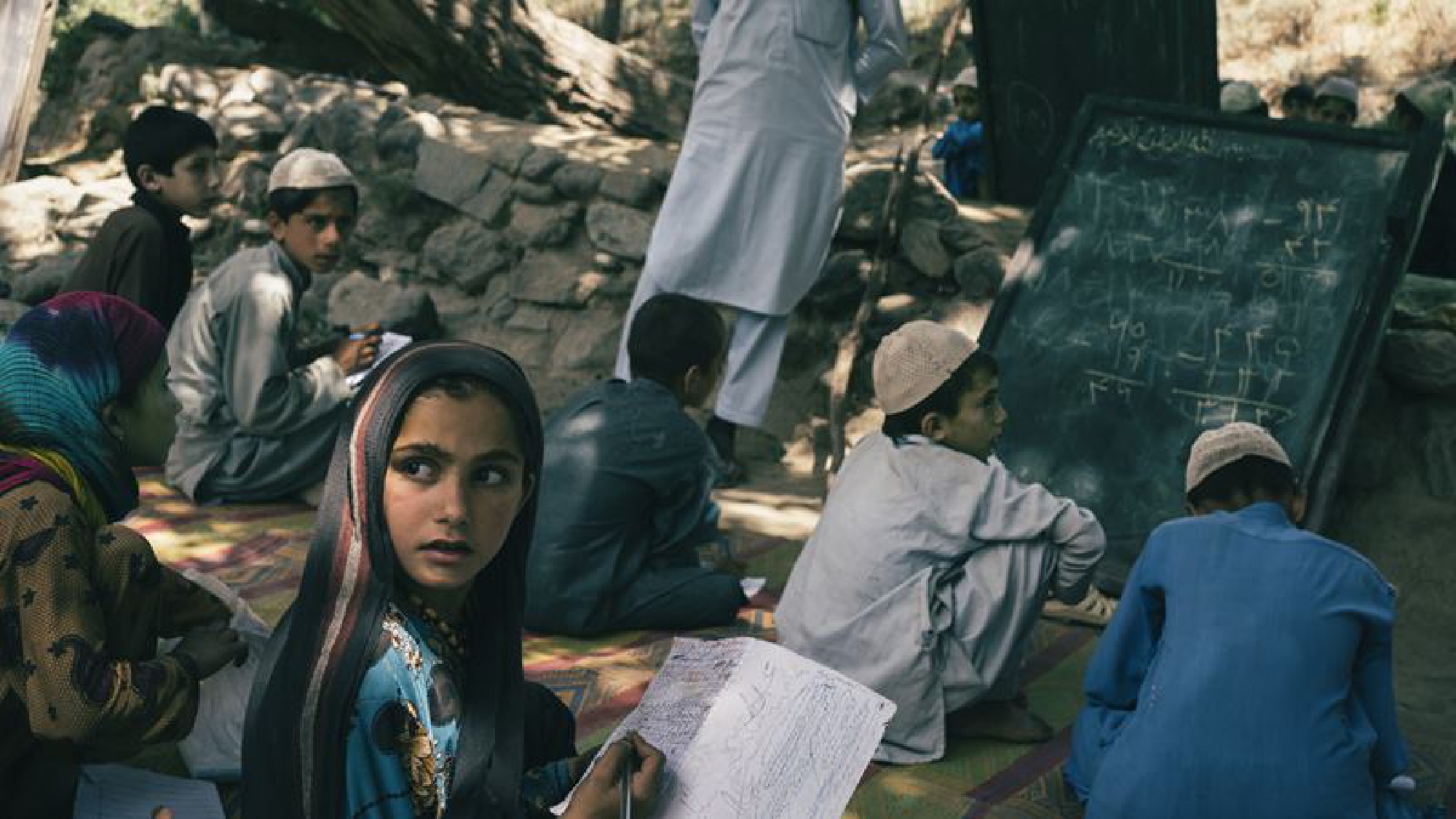
For many Americans, the Taliban’s stance toward women will be a key litmus test. After taking over in the 1990s, the Taliban largely banned women from public life, and girls were kept home from school. Over the past two decades, women have slowly claimed a greater role in economic and political life.

According to a recently declassified assessment from the National Intelligence Council, slim turnover in the Taliban’s leadership and the group’s inflexible negotiating positions are among the factors that suggest it will “roll back much of the past two decades’ progress” if it regains power.

“The Taliban’s desires for foreign aid and legitimacy might marginally moderate its conduct over time,” the assessment said. “However, in the early days of reestablishing its Emirate, the Taliban probably would focus on extending control on its own terms.”

Suhail Shaheen, a spokesman for the Taliban’s political leadership, said the group was “committed to women’s rights, whether they are in terms of [access to] education or work. So no need to worry about their basic rights.”

But experts said the Taliban’s administration of areas it now controls – which represent at least half of the country – may be the best indicator of its future actions. Even today, women are largely banned from working outside the home, except in the fields of education or medicine. Some provinces in the Taliban’s territory don’t have a single school for girls, while others allow girls to study only through primary school.

The group also represses free speech among Afghans living under its rule and regularly uses beatings and imprisonment as punishment for minor infractions.

When asked whether this kind of rule would be implemented nationwide under a Taliban government, the Taliban spokesman said he expects “there will be a review by experts to cater to essential aspects of human rights,” but any ruling would not deviate from Islamic law.

He appeared to acknowledge an expansion of access to education for women, saying “there will be need to adapt a decent uniform for girls at school and university level.” There are no universities in Taliban-controlled Afghanistan.

Sen. Jeanne Shaheen,D-N.H., citing a wave of assassinations of female activists and journalists, said the United States must do everything in its power to support the rights of women and girls in Afghanistan.

“Afghan girls should have the opportunity to grow up in a world with the freedoms their mothers fought to secure,” she said in a statement. “They are watching. We are watching.”

As the Biden administration seeks to keep a faltering peace process alive, also unknown is what sort of future Afghan government the Taliban would accept. While officials say the group appears more willing to share power, it’s not yet clear if it would seek to restore some form of its pre-2001 Islamic emirate, led by unelected clerics, or if it would accept a democratic system with elections and greater political freedoms.

Ashley Jackson, a researcher at the Overseas Development Institute, said Taliban leaders had made vague references to democracy but also expressed their goal of a “truly Islamic” form of government that would include Sharia law and would probably prioritize their religious norms.

“I would think they would be opposed to democracy, but they won’t say that publicly,” she said. “It’s hard to tell if they’re just buying time and hiding their objective, or if they have a different vision of representation and governance.”

Speaking before lawmakers this past week, U.S. envoy Zalmay Khalilzad said the promise of external funding and international recognition could act as an incentive for the Taliban to moderate its aims. The group’s previous government was recognized by only a handful of nations.

“The Talibs say they are interested in not being a pariah and being welcomed,” he said. “. . . All I can say is that we have made it clear that if they do, they can end their prior status, there can be progress in relationship with us and with others. But if they don’t, the very thing that they say they do not want to happen will be inevitable.”

While Taliban military leaders may see the benefits of global legitimacy and aid, fighters on the ground may not share those priorities.

As officials seek clues about the Taliban’s intentions, the group continues a wave of violence, which has intensified speculation that it may attempt a military takeover once local forces no longer have foreign air support. According to a new report from a U.S. watchdog, Taliban attacks were nearly 37% higher in the first quarter of the year than they were during the same period of 2020.

Yasin Zia, Afghanistan’s acting defense minister, said he believes the country’s Air Force will be able to “fill the gap,” adding that once the United States hands over military equipment, Afghan ground forces will “completely change the game.”

Still, as the original May 1 deadlines passes for the withdrawal of U.S. troops, many Afghans fear that Taliban forces will return to large-scale bombings in urban areas, a tactic the militants largely halted following the signing of the withdrawal deal last year.

On Friday, a car bomb exploded in the provincial capital of Logar, killing at least 21 people and wounding at least 91, according to the Interior Ministry. The attack, which the government blamed on the Taliban, occurred as Afghans were breaking their fast during the Muslim holy month of Ramadan.

U.S. officials are also concerned about the Taliban’s willingness – and ability – to ensure that groups such as the Islamic State and al-Qaida don’t attempt to strike the West, as al-Qaida did on 9/11. While the Taliban’s leadership committed in the 2020 deal to sever ties with al-Qaida, which maintains a small presence in Afghanistan, it did not make significant moves to do so for over a year.

Khalilzad, who was born in Afghanistan and served as U.S. ambassador in Kabul after 9/11, said the United States would seek to prevent the Taliban from resuscitating its earlier harsh governance but acknowledged that its ability to do so may be limited.

“We want our investments and sacrifices to have been worthwhile. And if we navigate the coming months appropriately, I believe that this can happen,” he said. “In the end, however, it will be up to the Afghans to seize their opportunities.”

Published : May 02, 2021

By : The Washington Post · Missy Ryan, Susannah George

GOP launches cultural attack on Bidens plan for day care, education and employee leave #SootinClaimon.Com

#SootinClaimon.Com : ขอบคุณแหล่งข้อมูล : หนังสือพิมพ์ The Nation.

https://www.nationthailand.com/international/40000447

GOP launches cultural attack on Bidens plan for day care, education and employee leave


WASHINGTON – Its not just the price tag.

GOP launches cultural attack on Bidens plan for day care, education and employee leave

Days after President Joe Biden rolled out his American Families Plan – a sprawling $1.8 trillion proposal to expand federal investment in child care, higher education, employee leave and more – Republicans have, alongside their deep fiscal misgivings, launched a broad social critique of the plan.

Key GOP voices are accusing Biden of engaging in a stealth attempt to reshape American life, trying to reframe their opposition to the plan away from dollars and cents toward the culture-war terrain on which they have recently been much more politically successful.

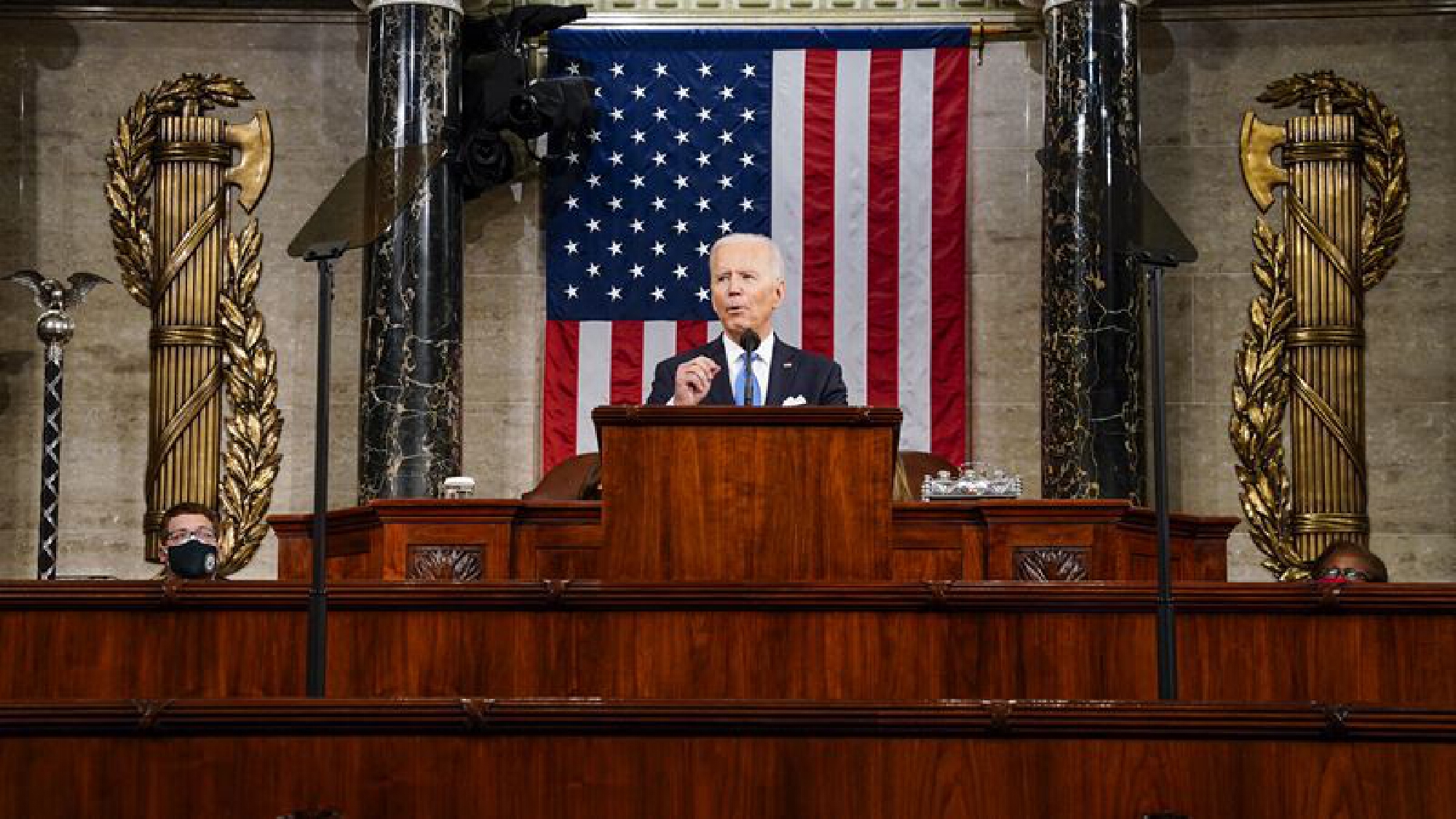
Senate Minority Leader Mitch McConnell, R-Ky., on Thursday responded to Biden’s pitch, made in a joint address to Congress, by declaring that the new administration “wants to jack up taxes in order to nudge families toward the kinds of jobs Democrats want them to have, in the kinds of industries Democrats want to exist, with the kinds of cars Democrats want them to drive, using the kinds of child-care arrangements that Democrats want them to pursue.”

That echoed a message sketched out immediately after Biden’s speech by Sen. Tim Scott, R-S.C., who gave the nationally televised GOP response and accused Democrats of wanting “to put Washington even more in the middle of your life, from the cradle to college,” and other Republicans followed suit.

“I think there’s a lot of lefty social engineering paid for by mortgaging the future of my children and my grandchildren,” said Sen. Josh Hawley, R-Mo. “It’s doubling down on the same old solutions on the left and just throwing more money at it.”

No legislation has been written to implement Biden’s proposals, and congressional Democrats are likely to finesse and amend them as they work through the legislative process in the coming months. But nothing in Biden’s blueprint would mandate that Americans attend free community college, drive electric cars or put their children in prekindergarten.

That has made the early GOP attacks especially mind-boggling for Democrats, who responded this week by arguing that they show Republicans are out of touch with the needs of most American families, especially as the country emerges from the ravages of the covid pandemic.

“I think they’re just flailing,” said Sen. Ron Wyden, D-Ore., who will play a key role in refining Biden’s proposals as chairman of the Senate Finance Committee and said his party’s aim was “to create options for families that will help us be more productive and create more high-skill, high-wage jobs.”

Sen. Bernie Sanders, I-Vt., the Budget Committee chairman, called the Republican attacks “way out of touch with common sense and where the American people are at.”

“No one is going to be coerced into anything,” he said. “But a mom or a dad who is going to work in order to provide for the family wants to know that their kids are in quality, affordable child care that exists in almost every other major country on Earth. We’ve got to do the same here.”

The Biden child-care proposal – which would establish universal pre-K for 3- and 4-year-olds and also subsidize child care for low- and middle-income families – emerged as a special lightning rod for conservatives.

Sen. Marsha Blackburn, R-Tenn., set the tone in a Fox Business Network interview Wednesday, hours after Biden released his plan, where she argued the proposals would “incentivize women to rely on the federal government to organize their lives.”

“Three-year-old pre-K, they’re going to mandate this. Two years of college, whether you like it or not. These are the things that take away choices from the American people,” she said. “It favors those who want power and control over every single minute of your day. It is disgusting.”

Later, as Biden gave his address, Blackburn tweeted a link to a 1974 New York Times story about the prevalence of affordable child care in the Soviet Union, adding: “You know who else liked universal day care.”

Some of the critiques on the right have been even more biting. J.D. Vance, a best-selling author and investor who is considering a Senate run in Ohio, said in a Thursday appearance on Tucker Carlson’s Fox News Channel program that Biden’s universal pre-K proposal was about favoring the “preferences of our ruling-class elites” over those of average Americans.

“They want strangers to raise their kids, but middle-class Americans, whatever their station in life, they want more time with their children,” he said.

Carlson interjected with further mockery of the plan, which Biden has billed as helping to improve children’s lives: “I love how they call it preschool like it’s an education initiative. It’s day care, let’s just say it out loud.”

Numerous studies, however, support Biden’s claims about the benefits of early-childhood education. Lenore Palladino, an economics professor at the University of Massachusetts Amherst, said the emerging Republican case against subsidizing child care ignores the economic realities of modern America: Not only do both parents want to work in many households, but for many more it is simply not a choice.

“I think sometimes policymakers, or people like myself who have more economic stability and are in professional settings, forget the deep reality that most families in this country need at this point two working partners to make a go of it, to be able to have a little bit of breathing room,” Palladino said. “We need a system that enables us to not be individually trying to scramble and figure out the best circumstances for child care.”

An April Yahoo News/YouGov survey found 58% of Americans in favor of providing universal pre-K for all American children, as Biden proposes, and 60% in favor of creating subsidies that would reduce the cost of child care for working parents. A majority of Democrats and independents favor child-care subsidies, while Republicans were roughly split. The poll also found most Democrats and independents in favor of universal pre-K, while slightly more Republicans were opposed than they were for child-care subsidies.

While many Republicans have made clear that they see no role for the federal government in further supporting child care, community college or employer leave, a small group of GOP lawmakers have floated alternative plans that would put cash directly into the bank accounts of American parents to spend as they wish – on child care or simply to allow a parent to stay home and provide care themselves.

“If you’re providing the service instead of the cash, what you’re saying is, we are providing you a benefit, but only if you use it in the way that we want,” said Oren Cass, executive director of the conservative think tank American Compass and an advocate for more federal support for families. “If your concern is that families are having trouble making ends meet . . . then the way that you should address that is with a program that provides more resources to families.”

Cass points to his group’s own survey research in claiming that most households prefer cash assistance to child-care subsidies, particularly down the income ladder. That argument has underpinned many of the early attacks on Biden’s plan.

Democrats, he said, “don’t just get to say, ‘We have this massive child-care plan, and you have no alternative.’ You actually do have an alternative. And, gosh, it looks like it may actually be more aligned with what middle- to working-class households would find most appealing.”

Still, the scale of the GOP plans appear to fall short of what Biden is proposing in combined child-care subsidies, universal pre-K funding and other family supports – including a $3,000-per-year child tax credit. And it is unclear how much support any of the conservative alternatives have inside the GOP congressional ranks.

The plan put forth by Hawley, for instance, would give families a refundable tax credit up to $12,000 per year, no strings attached, calculated based on earnings to encourage parents to hold jobs.

“It doesn’t pick for them the child-care solution – they have to pick. What Joe Biden wants to do is pick commercial day care,” Hawley said in an interview. “I think that’s a mistake.”

Sens. Marco Rubio, R-Fla., and Mike Lee, R-Utah, have proposed a more modest system of tax credits that would not be fully refundable, while Sen. Mitt Romney, R-Utah, has proposed a more sweeping plan that would issue monthly Social Security-like checks of up to $350 per child to most families.

Romney was among the Republicans who pooh-poohed Biden’s approach to child care this week, calling it “an incursion of the long hand of the federal government in areas where it doesn’t belong.”

“Building a national child-care enterprise of some kind, run by the federal government, is not my idea of the best way to give families the options that they would like to have,” he told reporters.

Published : May 02, 2021

By : The Washington Post · Mike DeBonis

Park Service removes National Christmas Tree near White House after it develops fungal disease #SootinClaimon.Com

#SootinClaimon.Com : ขอบคุณแหล่งข้อมูล : หนังสือพิมพ์ The Nation.

https://www.nationthailand.com/international/40000446

Park Service removes National Christmas Tree near White House after it develops fungal disease


WASHINGTON – The National Park Service says it will plant a new National Christmas Tree near the White House on the Ellipse in Presidents Park after the old tree developed a fungal disease and was removed Saturday morning.

Park Service removes National Christmas Tree near White House after it develops fungal disease

The new tree will be planted in the fall ahead of the 99th National Christmas Tree Lighting, the park agency said in a news release.

The federal government has had a living National Christmas Tree, which can be viewed year-round by the public, on the Ellipse since 1973.

The tree that was removed Saturday was a 30-foot Colorado blue spruce from Palmyra, Pa., that was planted in 2019 with the help of a crane. Officials said the tree developed needle cast, a fungal disease that causes spruce tree needles to turn brown and fall off.

Before that, officials planted a Colorado blue spruce from Virginia in Oct. 2012.

That tree sustained damaged during a 2014 windstorm and then again in 2018 when someone attempted to climb it.

The National Park Service has said that October is an ideal time to plant the tree, though there is still the risk of “transplant shock.” The park service did not say where it would get the new tree from.

Published : May 02, 2021

By : The Washington Post · Perry Stein

บิตคอยน์ผันผวนหนัก กูรูชี้มีโอกาสแตะ 100,000 เหรียญ #SootinClaimon.Com

#SootinClaimon.Com : ขอบคุณแหล่งข้อมูล : หนังสือพิมพ์โพสต์ทูเดย์

https://www.posttoday.com/world/651784

วันที่ 01 พ.ค. 2564 เวลา 17:00 น.บิตคอยน์ผันผวนหนัก กูรูชี้มีโอกาสแตะ 100,000 เหรียญช่วงนี้ราคาบิตคอยน์ยังแกว่งไปแกว่งมา ล่าสุดกลับมาอยู่เหนือราคาเฉลี่ยนในรอบ 50 วัน

ราคาบิตคอยน์ (1 พ.ค.) ฟื้นตัวกลับมาแตะระดับ 58,000 เหรียญสหรัฐ หรือ 1,806,120 บาท หลังจากที่ราคาร่วงลงไปแตะระดับ 48,000 เหรียญสหรัฐในช่วงสัปดาห์ก่อนหน้านี้

การฟื้นตัวในรอบนี้เป็นการกลับมาอยู่เหนือราคาเฉลี่ยเมื่อ 50 วันที่ผ่านมาขณะนี้นักวิเคราะห์กำลังจับตาดูว่ามูลค่าของบิตคอยน์จะสูงกว่าค่าเฉลี่ยได้ยาวนานหรือไม่

มูลค่าของบิตคอยน์ในตลาดค่อนข้างแกว่งไปแกว่งมาในช่วงไม่กี่สัปดาห์ที่ผ่านมาหลังจากพุ่งขึ้นไปทุบสถิติเมื่อช่วงกลางเดือน เม.ย.ที่ 64,000 เหรียญสหรัฐ แต่ยังมีนักลงทุนให้ความสนใจบิตคอยน์อีกจำนวนมาก

ทรอย เกย์สกี จาก SkyBridge Capital กล่าวว่า การเข้าซื้อบิตคอยน์ในช่วงเวลานี้ หรือตั้งแต่ช่วงเดือนธันวาคมที่ผ่านมา มีโอกาสที่จะเห็นการย่อตัวในระดับ 20-30% เป็นเรื่องปกติ อย่างไรก็ดี เรายังอยู่ในช่วงเริ่มต้นของวัฏจักรที่ผู้คนกำลังเริ่มให้การยอมรับบิตคอยน์มากขึ้น

ขณะที่ ไมค์ แม็คโกลน จาก Bloomberg Intelligence มองไปในทิศทางเดียวกันว่า ราคาบิตคอยน์มีโอกาสจะขยับไปได้ถึง 100,000 เหรียญสหรัฐ ด้วยแรงหนุนจากการเปลี่ยนแปลงที่รวดเร็วในยุคดิจิทัล รวมถึงการที่อัตราดอกเบี้ยยังอยู่ในระดับต่ำเป็นประวัติการณ์เช่นนี้ พร้อมกับการอัดฉีดเงินเข้าสู่ระบบการเงินอย่างต่อเนื่อง จะหนุนให้มูลค่าของบิตคอยน์พุ่งขึ้นไปได้อีก

Photo by Ozan KOSE / AFP

รัฐบาลจีนฟัน 33 แอพละเมิดกฎเก็บข้อมูลส่วนตัวลูกค้า #SootinClaimon.Com

#SootinClaimon.Com : ขอบคุณแหล่งข้อมูล : หนังสือพิมพ์โพสต์ทูเดย์

https://www.posttoday.com/world/651780

วันที่ 01 พ.ค. 2564 เวลา 15:00 น.รัฐบาลจีนฟัน 33 แอพละเมิดกฎเก็บข้อมูลส่วนตัวลูกค้า33 แอพพลิเคชั่นในจีน รวมทั้งบริษัทในเครือ Baidu และ Tencent ละเมิดกฎการเก็บข้อมูลส่วนตัวลูกค้า  

หน่วยงานบริหารไซเบอร์สเปซของจีน (CAC) ระบุว่า พบ 33 แอพพลิเคชัน รวมทั้งแอพพลิเคชันให้บริการซอฟท์แวร์นำทางของบริษัท Baidu และTencent สองบริษัทยักษ์ใหญ่ด้านเทคโนโลยี ละเมิดกฎของทางการ โดยส่วนใหญ่เก็บข้อมูลส่วนตัวของลูกค้าที่ไม่เกี่ยวข้องกับการให้บริการของตัวเอง  

จากการตรวจสอบแอพพลิเคชันที่เป็นที่นิยมของชาวจีนของ CAC ยังพบว่าแอพพลิเคชันเหล่านี้เก็บข้อมูลส่วนตัวของลูกค้าโดยไม่ได้รับความยินยอม และยังพยายามโน้มน้าวให้ลูกค้าอนุญาตให้แอพพลิเคชันเข้าถึงรายชื่อผู้ติดต่อในสมาร์ทโฟน

หลังจากนี้ ผู้ให้บริการแอพพลิเคชันดำเนินการแก้ไขให้ถูกต้องภายใน 10 วันทำการ มิเช่นนั้นจะถูกลงโทษ แต่ CAC ไม่ได้ระบุรายละเอียดเพิ่มเติม

เมื่อเดือน มี.ค.ที่ผ่านมา CAC ออกกฎห้ามผู้ให้บริการแอพพลิเคชันปฏิเสธไม่ให้บริการพื้นฐานกับลูกค้าที่ไม่ยอมเปิดเผยข้อมูลส่วนตัวที่ไม่จำเป็นซึ่งมีผลบังคับใช้วันนี้ (1 พ.ค.) และยืนยันว่าจะปกป้องสิทธิของผู้ใช้อินเทอร์เน็ตอย่างเป็นรูปธรรม

ทั้งนี้ ทางการจีนเริ่มเข้ามาควบคุมบริษัทอินเทอร์เน็ตหลังจากบริษัทเหล่านี้มีอิทธิพลกับชีวิตชาวจีนในแทบจะทุกด้าน ทั้งยังครอบครองข้อมูลส่วนตัวของลูกค้าจำนวนมหาศาลจากการให้บริการออนไลน์ อาทิ แอพพลิเคชันช็อปปิ้งออนไลน์ บริการเรียกรถสาธารณะ เป็นต้น

AFP PHOTO / FILES / FRED DUFOUR

ทุเรียนไทยขายดีในตลาดจีน สวนกระแสวิกฤตโควิด-19 #SootinClaimon.Com

#SootinClaimon.Com : ขอบคุณแหล่งข้อมูล : หนังสือพิมพ์โพสต์ทูเดย์

https://www.posttoday.com/world/651764

วันที่ 01 พ.ค. 2564 เวลา 13:00 น.ทุเรียนไทยขายดีในตลาดจีน สวนกระแสวิกฤตโควิด-19ทุเรียนหมอนทองไทยยังเป็นที่หนึ่งในใจคนจีน ปีนี้ยอดขายโตสวนกระแสวิกฤตโควิด-19

ช่วง 2 ปีที่ผ่านมานี้ จีนนำเข้าทุเรียนสดในปริมาณมากขึ้น แซงหน้าเชอร์รีและกลายเป็นผลไม้นำเข้าอันดับ 1 ของประเทศ โดยในปี 2020 จีนนำเข้าทุเรียนสดมูลค่ารวมกว่า 1.5 พันล้านดอลลาร์สหรัฐ (ราว 4.68 หมื่นล้านบาท) จากไทย เติบโตขึ้นร้อยละ 77.57 เมื่อเทียบปีต่อปี

ตั้งแต่ปี 2020 เป็นต้นมา โรคโควิด-19 ที่ระบาดในทั่วโลก ส่งผลกระทบต่อปัจจัยหลายประการในการนำเข้าผลไม้ อาทิ ราคาผลไม้ที่เพิ่มสูงในประเทศผู้ผลิต ความสัมพันธ์ด้านอุปสงค์-อุปทาน รวมถึงมาตรการด้านการขนส่งระหว่างประเทศ ทำให้ต้นทุนด้านการนำเข้าทุเรียนเพิ่มสูงขึ้น ราคาทุเรียนทั้งทางหน้าร้านและทางออนไลน์จึงสูงขึ้นกว่าปีก่อนๆ อย่างไรก็ตาม ความต้องการซื้อทุเรียนของบรรดาผู้บริโภคชาวจีนกลับไม่ได้ลดลง

หวงเฉิน เจ้าของร้านขายผลไม้รายใหญ่ในเขตชิงซิ่ว นครหนานหนิง เมืองเอกของกว่างซีเผยว่า แม้ทุเรียนจะมีราคาสูงกว่าปีก่อนๆ แต่ชาวจีนอายุน้อยจำนวนมากยังคงมาหาซื้อไปรับประทาน หวงเล่าว่าช่วงที่ผ่านมาเขาขายทุเรียนก้านยาวได้ราว 200 กิโลกรัมต่อวัน ส่วนหมอนทองก็ขายดีเช่นกัน

ปัจจุบันมีทุเรียนหลายสายพันธุ์ในท้องตลาดจีน อาทิ ทุเรียนหมอนทอง พวงมณี ชะนี และกระดุมทอง แต่พันธุ์ที่ได้รับความนิยมสูงสุดคือทุเรียนหมอนทองที่มีผลผลิตสูงและมีรสชาติหอมหวาน ขณะเดียวกันคนรักทุเรียนในจีนก็ยินดีที่จะลองกินทุเรียนสายพันธุ์ของประเทศอื่นๆ เช่น ทุเรียนมูซันคิงและทุเรียนสุลต่านจากมาเลเซีย

เมื่อไม่นานมานี้ เหว่ยพ่าน สตรีมเมอร์ชาวจีนคนหนึ่ง เดินทางจากนครหนานหนิงไปยังนครคุนหมิง เมืองเอกของมณฑลยูนนาน ทางตะวันตกเฉียงใต้ของจีน เพื่อรับทุเรียนล็อตที่สองที่เขานำเข้าด้วยตนเอง ทุเรียนหมอนทองกว่า 100 กล่องได้รับการขนส่งทางอากาศมาจากจังหวัดจันทบุรีทางตะวันออกของไทย และมาถึงยังคุนหมิงภายในเวลา  2 ชั่วโมง ก่อนจะถูกจัดส่งไปยังมือลูกค้า เหว่ยเผยด้วยว่าขายทุเรียนหมอนทอง 3 ตันหมดเกลี้ยงภายในเวลาอันรวดเร็ว

“ช่วงหลายปีที่ผ่านมากลุ่มผู้บริโภคทุเรียนโตขึ้น ผมเชื่อว่าการนำเข้าทุเรียนเป็นธุรกิจที่ยั่งยืน” เหว่ยเคยทำธุรกิจด้านการท่องเที่ยวที่เกาะสมุยของไทยเป็นเวลาหลายปี หลังกลับมาจีนแล้วเขาก็ยังติดตามข่าวสารด้านธุรกิจท่องเที่ยวและการค้าระหว่างจีนไทยอยู่เสมอ ปัจจุบันฐานลูกค้าหลักของเขาคือกลุ่มผู้ชื่นชอบทุเรียนและชาวไทยที่อาศัยอยู่ในจีน

ชาวจีนนำเข้าทุเรียนไทยผ่านการขนส่งหลายประเภท ทั้งทางอากาศ ทางบก และทางเรือ แต่ละประเภทมีข้อได้เปรียบด้านราคาและระยะเวลาที่แตกต่างกันออกไป ปัจจัยการเลือกวิธีการขนส่งมักขึ้นอยู่กับขนาดและปริมาณสินค้า รวมถึงความต้องการของลูกค้า

ปัจจุบันเหว่ยพ่านมีสินค้าที่ต้องขนส่งในปริมาณน้อย เขาเลือกใช้บริการขนส่งทางอากาศที่มีค่าใช้จ่ายสูงแต่รวดเร็วกว่า ลูกค้าหลายคนชอบทุเรียนสุกพอดี เหว่ยจึงเลือกทุเรียนห่ามและรีบจัดส่งให้ลูกค้า หลังขนส่งทางอากาศแล้ว ก็จะทำการจัดส่งด่วนภายในจีน ปกติทุเรียนจะถึงมือลูกค้าภายในเวลาเพียง 48 ชั่วโมง เหว่ยพ่านกล่าวด้วยว่าหากในอนาคตเขาได้รับคำสั่งซื้อเพิ่มมากพอจนสามารถใช้ตู้สินค้าได้ เขาจะพิจารณาการขนส่งทางบกแน่นอน

เมืองผิงเสียงของกว่างซี ตั้งอยู่บริเวณพรมแดนระหว่างจีนและเวียดนาม เป็นท่าบกที่รองรับการนำเข้า-ส่งออกผลไม้ระหว่างจีนกับกลุ่มประเทศอาเซียนในปริมาณมากที่สุด ผู้ค้าสามารถขนส่งผลไม้ไทยผ่านเวียดนามมายังจีนผ่านท่าด่านรถไฟผิงเสียงและด่านโหย่วอี้กวนของเมืองผิงเสียง

เมื่อวันที่ 21 เม.ย. ท่าด่านรถไฟผิงเสียงกลับมาดำเนินการขนส่งในระบบห่วงโซ่ความเย็นข้ามพรมแดนอีกครั้ง ทำให้มีผลไม้จากกลุ่มประเทศอาเซียนถูกขนส่งผ่านท่าแห่งนี้มากขึ้น โดยระหว่างวันที่ 21-29 เม.ย. มีตู้สินค้าบรรจุทุเรียนถูกขนส่งเข้าจีนผ่านท่าด่านรถไฟผิงเสียงจำนวน 50 ตู้ น้ำหนักรวม 1,098 ตัน

“พนักงานเก็บทุเรียนจากสวน บรรจุใส่กล่องขึ้นรถมายังสถานีรถไฟในตำบลด่งดัง ของเวียดนาม จากนั้นรถไฟจึงบรรทุกทุเรียนผ่านท่าบกเข้ามายังจีน นี่เป็นวิธีขนส่งที่เราใช้เป็นประจำ ระยะเวลารวมราว 2 วัน เทคโนโลยีการขนส่งแบบรักษาความเย็นทำให้ผู้บริโภคได้ลิ้มรสทุเรียนที่สดใหม่” คำบอกเล่าจากฟางเผิง ผู้จัดการใหญ่บริษัทขนส่งระหว่างประเทศ กว่างซี เป่าเซิง จ้งเหิง กล่าว

โดยเมื่อปีก่อนบริษัทฯ ขนส่งตู้สินค้าบรรจุทุเรียนทั้งหมด 283 ตู้ น้ำหนักรวมกว่า 5,000 ตัน ส่วนมากถูกนำไปขายในตลาดค้าส่งขนาดใหญ่เช่นในนครกว่างโจวและเซี่ยงไฮ้ ฟางคาดว่าปีนี้บริษัทจะสามารถนำเข้าทุเรียนไทยผ่านวิธีข้างต้นได้ถึง 25,000 ตัน

ผู้ประกอบการท้องถิ่นในจีนจำนวนมากต่างเฝ้ารอฤดูผลิตและค้าทุเรียน โดยพวกเขาจะเร่งเจรจากับบริษัทไทยตั้งแต่เนิ่นๆ เพื่อคว้าโอกาสทอง

หลังจากท่าเรืออ่าวเป่ยปู้ (ตังเกี๋ย) ทางตอนใต้ของกว่างซี เปิดเส้นทางเดินเรือกับท่าเรือต่างประเทศหลายแห่ง อาทิ ท่าเรือแหลมฉบังและท่าเรือกรุงเทพฯ บริษัทจีนจึงสามารถนำเข้าผลไม้ไทยผ่านการขนส่งทางเรือได้

ซูอิงไห่ จากบริษัทด้านการจัดการห่วงโซ่อุปทานกว่างซี อวี้หัว กล่าวว่าการขนส่งทางทะเลใช้เวลาราว 4 วัน มีค่าใช้จ่ายต่ำกว่าเมื่อเทียบกับการขนส่งประเภทอื่น ทั้งยังสามารถเลี่ยงการจราจรทางบกที่อาจติดขัดได้อีกด้วย

หลายปีที่ผ่านมา ไทยเป็นแหล่งนำเข้าผลไม้รายสำคัญของจีน ภายใต้กรอบการทำงานของเขตการค้าเสรีจีน-อาเซียน จีนนำเข้าผลไม้เขตร้อนจากอาเซียนมากขึ้นอย่างต่อเนื่อง นอกจากทุเรียนแล้ว ผู้บริโภคชาวจีนยังชื่นชอบผลไม้จากไทยอีกหลายชนิด เช่น มังคุด มะพร้าว มะม่วง และชมพู่

ที่มา: xinhuathai

AFP PHOTO / Romeo GACAD

ซ้ำเติมวิกฤต ไฟไหม้โรงพยาบาลอินเดียแห่งที่ 3 ไล่เลี่ยกัน #SootinClaimon.Com

#SootinClaimon.Com : ขอบคุณแหล่งข้อมูล : หนังสือพิมพ์โพสต์ทูเดย์

https://www.posttoday.com/world/651765

วันที่ 01 พ.ค. 2564 เวลา 11:00 น.ซ้ำเติมวิกฤต ไฟไหม้โรงพยาบาลอินเดียแห่งที่ 3 ไล่เลี่ยกันเกิดไฟไหม้โรงพยาบาลในอินเดียเป็นแห่งที่ 3 ในเวลาไล่เลี่ยกันท่ามกลาง Covid-19 ระบาดหนัก

เกิดเหตุไฟไหม้ที่โรงพยาบาลแห่งหนึ่งในเมืองพารัช รัฐคุชราตทางตะวันตกของอินเดียเมื่อช่วง 01.00 น.ตามเวลาท้องถิ่น ส่งผลให้มีผู้เสียชีวิตทันที 12 ราย และต่อมาเพิ่มอีก 6 ราย หน่วยกู้ภัยสามารถควบคุมเพลิงไว้ได้แล้ว

ขณะเกิดเหตุมีผู้ป่วยคนอื่นอยู่ในโรงพยาบาลอีกราว 50 ราย

เหตุการ์ล่าสุดนี้เป็นเหตุไฟไหม้ครั้งที่ 3 ในช่วงไม่กี่วันที่ผ่านมา โดยวันที่ 23 เม.ย.เกิดไฟไหม้ที่โรงพยาบาลแถบชานเมืองเมืองมุมไบ ทำให้ผู้ป่วย Covid-19 เสียชีวิต 13 ราย ไม่กี่วันหลังจากนั้นเกิดไฟไหม้ที่คลินิกแห่งหนึ่งในรัฐมหาราษฏระเช่นกัน โดยมีผู้เสียชีวิต 22 ราย

Photo by Punit PARANJPE / AFP

หมายเหตุ ภาพข้างต้นเป็นการทำพิธีเผาร่างผู้เสียชีวิตจาก Covid-19 ที่โรงพยาบาลในเมืองมุมไบ