Biden presses employers to provide paid time off for vaccine shots, recovery #SootinClaimon.Com

#SootinClaimon.Com : ขอบคุณแหล่งข้อมูล : หนังสือพิมพ์ The Nation.

https://www.nationthailand.com/international/40000083

Biden presses employers to provide paid time off for vaccine shots, recovery


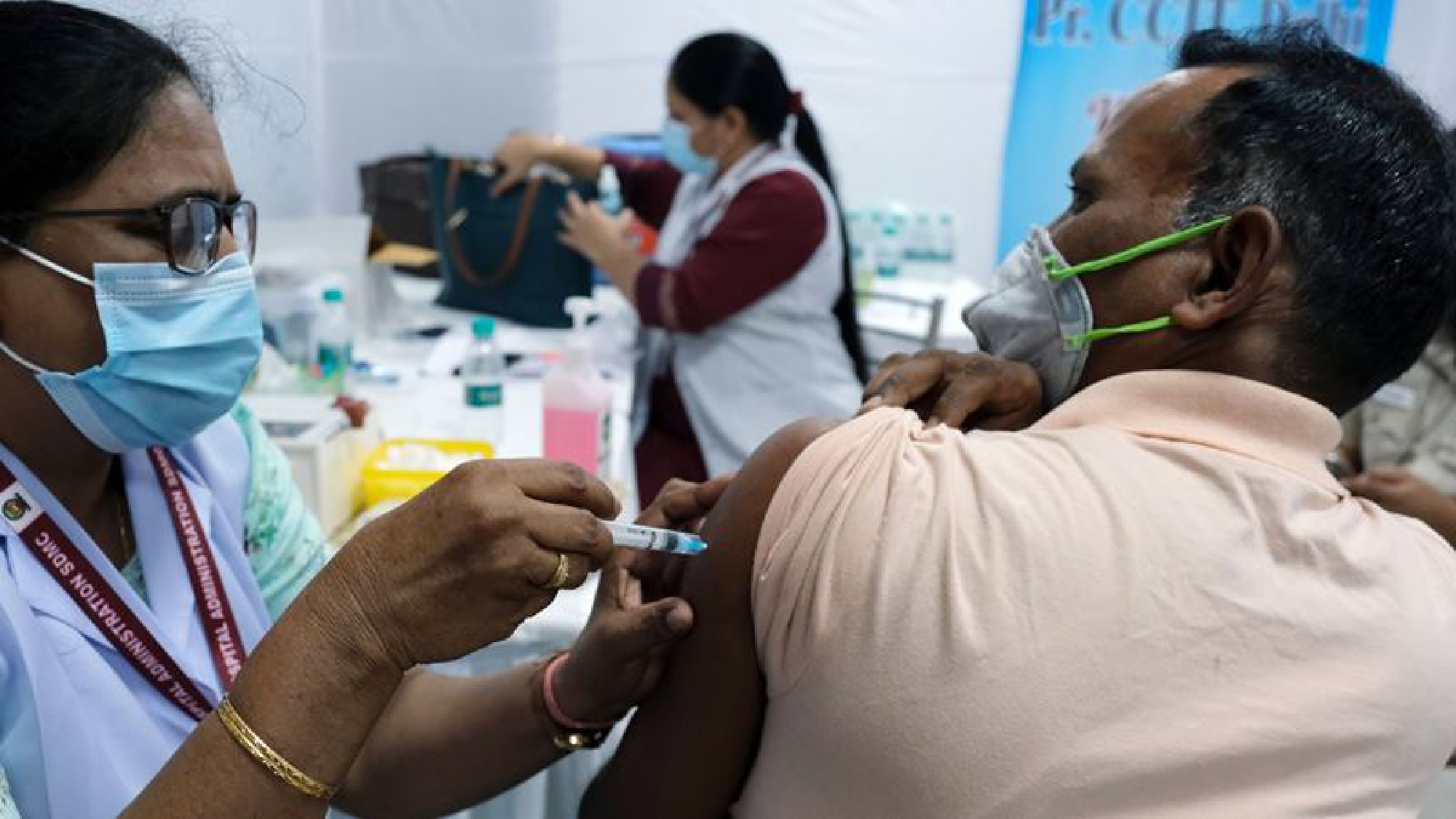
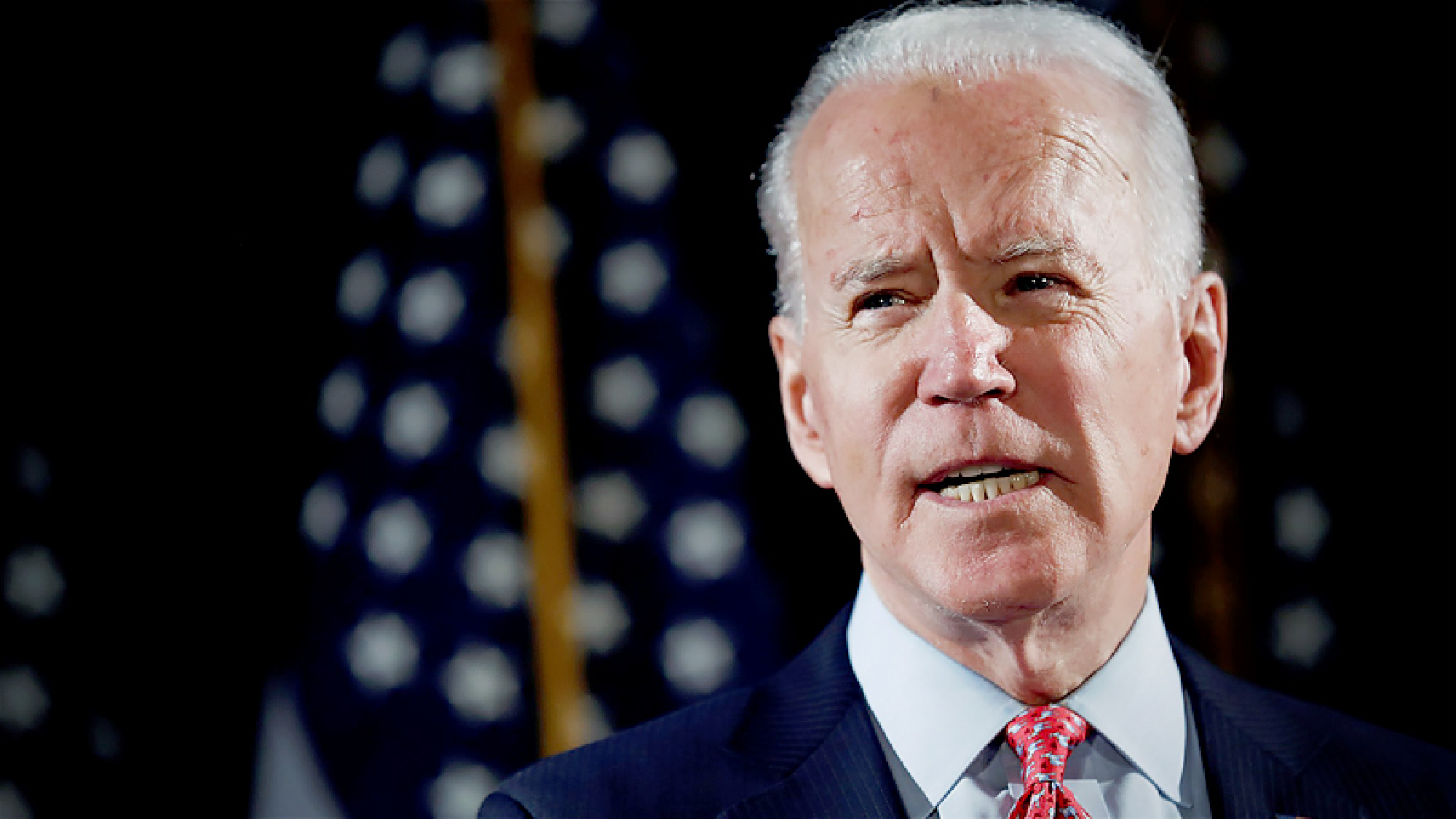
WASHINGTON – President Joe Biden on Wednesday sought to jump-start suddenly slowing vaccinations of Americans against covid-19, pressing businesses and nonprofits to give employees paid time off for the shots and touting government funding to underwrite some of the costs of that time.
Biden presses employers to provide paid time off for vaccine shots, recovery

The initiative, designed to encourage millions of unvaccinated people to get immunized, sends one of the strongest signals yet that vaccine demand is emerging as a bigger challenge than supply. It marks a shift from months of long waiting lists and limited opportunities for Americans to get vaccinated. Biden announced Wednesday that the United States will hit 200 million vaccination shots by Thursday, a target he had set out to meet by the end of April.

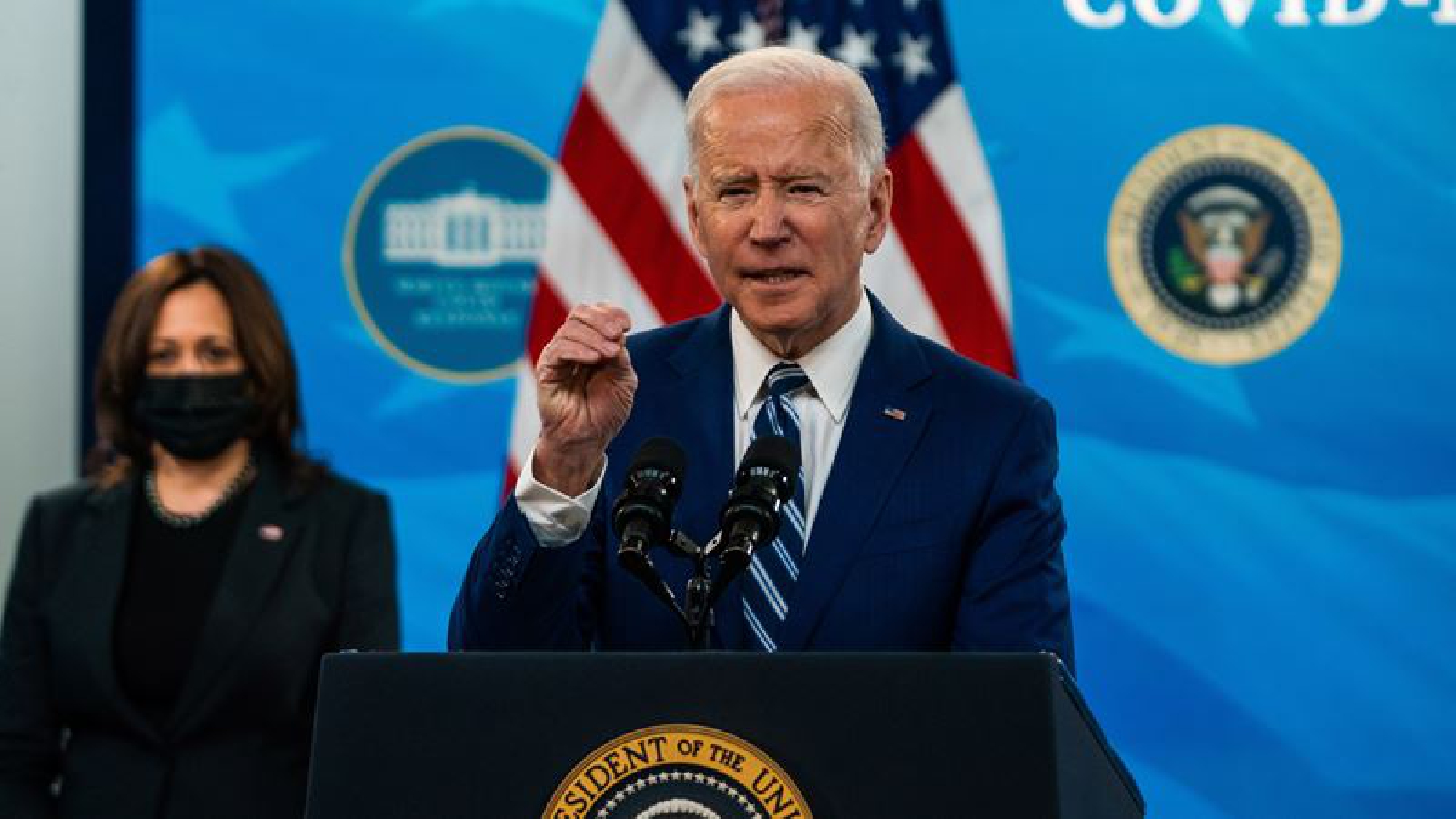
“I’m calling on every employer large and small in every state to give employees the time off they need, with pay, to get vaccinated,” Biden said. “No working American should lose a single dollar from their paycheck because they chose to fulfill their patriotic duty of getting vaccinated.”

Repeatedly declaring the country had entered a “new phase” in which all Americans ages 16 and older can get vaccinated, Biden warned that “the broad swath of American adults still remain largely unvaccinated,” and lamented that “too many younger Americans may still think they don’t need to get vaccinated.”

“To put it simply, if you’re waiting for your turn, wait no longer,” he said.

Biden’s pitch comes amid both hopeful and concerning signs in the nationwide effort to vaccinate people as quickly as possible. After weeks of accelerating daily inoculations, the average daily number of reported shots in arms slowed significantly over the past week, with an 11 percent drop in daily shots administered nationally, according to data from the Centers for Disease Control and Prevention.

More than 40% of the U.S. population has received at least one dose of the vaccine. At the same time, most Americans who haven’t been immunized say they’re unlikely to get the shots, a recent poll showed. Meanwhile, a pause in the use of Johnson & Johnson’s vaccine has complicated efforts to swiftly administer shots.

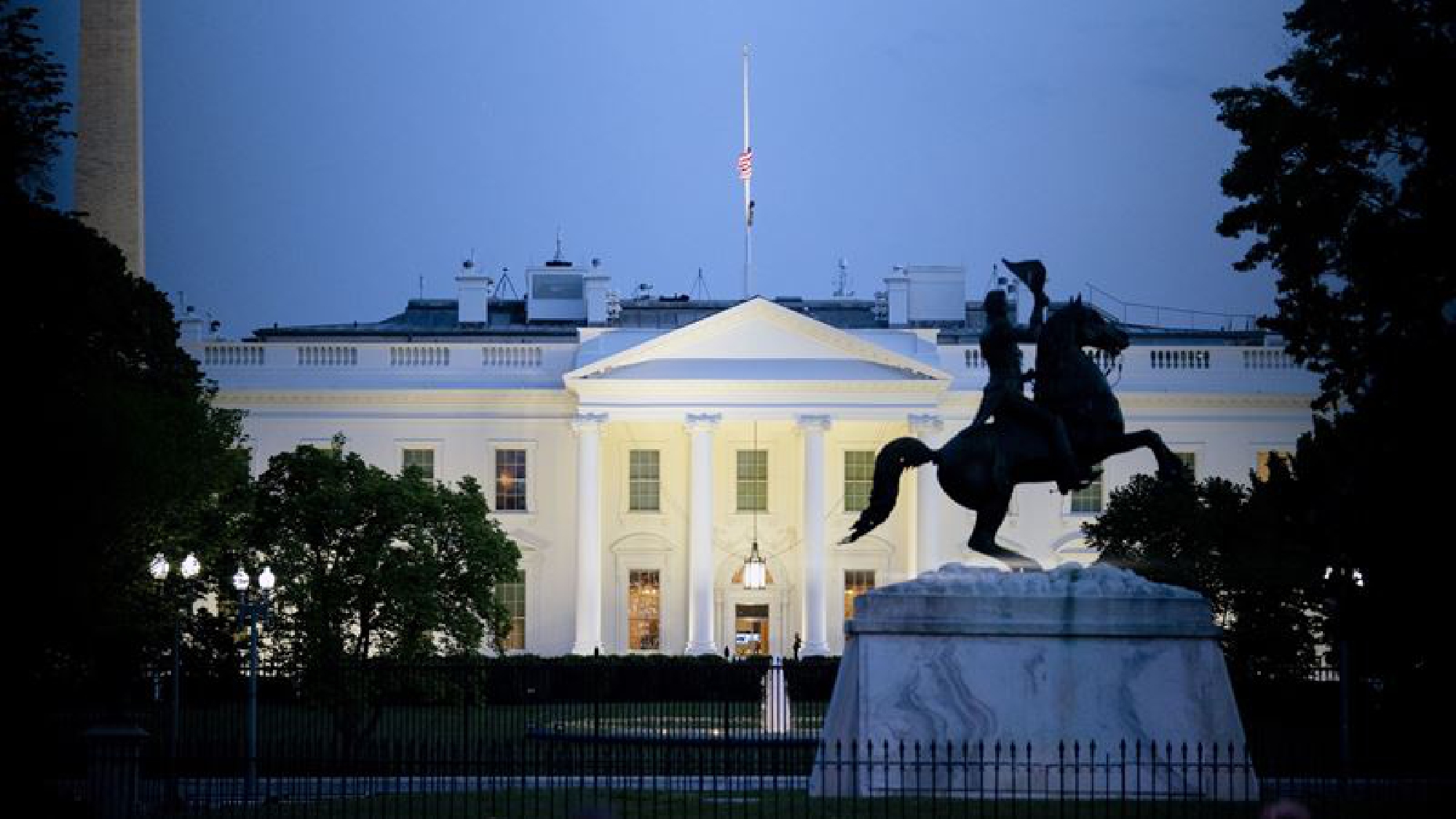
In an afternoon speech at the White House, Biden called on all companies to provide employees with paid time off to get shots and to rest if they feel unwell afterward.

The president highlighted a tax credit in his $1.9 trillion pandemic relief law, which will reimburse businesses and nonprofits with fewer than 500 employees for up to $511 per day of paid vaccination leave offered between April 1 and Sept. 30, to a maximum of 10 work days.

“Every employee should get paid leave to get a shot, and businesses should know that they can provide it without a hit to their bottom line,” Biden said. “There’s no excuse for not getting it done.”

At least 133 million people have received one or both doses of the vaccine in the United States, according to Washington Post data. More than 86 million people are fully vaccinated, the data show. By Thursday, Biden said, 80% of American seniors will have had at least one shot.

But many Americans are still reluctant to get vaccinated. Polling shows opposition to the vaccine is much more pronounced among Republicans than Democrats.

The new tax credit is part of the government’s quest to buttress efforts in the private sector aimed at encouraging vaccination. Large employers from American Airlines to Target have unveiled incentives for employees to get vaccinated, from an extra day off next year to free rides to vaccination sites.

The success of those initiatives could help determine how businesses approach requiring the vaccine for their employees – a vexed political debate that the administration has sought to leave to the private sector.

Short of mandates, however, Biden administration officials said they had examined research showing employers have outsize influence in reaching the remaining unvaccinated population. The tax credit, they said, would provide the financial support necessary to allow small businesses to make vaccination convenient for their employees.

The approach is wise, experts said, because some of the workers most at risk of coronavirus exposure may be reluctant to get vaccinated if it means sacrificing limited time off.

“I think it’s a very smart move,” said Dorit Rubinstein Reiss, a professor at the University of California Hastings College of the Law. An even more immediate way to support small businesses in guaranteeing paid time off, she said, would be to provide direct payments to employers who show that they’re providing this benefit.

Nirav Shah, director of the Maine Center for Disease Control and Prevention and president of the Association of State and Territorial Health Officials, welcomed the announcement, saying it was vital for government to help remove various “social determinants” blocking access to vaccination, from work to transportation to child care.

As Biden approaches his 100th day in office, he is eager to highlight the progress he has made in combating the pandemic. The president has made fighting the coronavirus the dominant focus of the early part of his presidency. He campaigned aggressively on the issue last year and signed the sweeping covid-19 relief bill into law earlier this year.

Biden pledged in a news conference in late March that the U.S. would administer 200 million coronavirus vaccine shots by the end of April – doubling a prior goal of 100 million shots in his first 100 days in office. On Wednesday, he called hitting that milestone ahead of that deadline an “incredible achievement for the nation.”

The president delivered his Wednesday address just days after residents 16 and older became eligible for vaccination, a dynamic Biden promoted this week in a video.

“We have enough of it, you need to be protected, and you need in turn to protect your neighbors and your family. So please, get the vaccine,” Biden says in the video.

Biden said Wednesday he hoped the U.S. could help provide other countries with vaccines to address the pandemic, but that domestic supply had not yet reached a high enough level to do that in earnest.

“We don’t have enough to be confident to give it send it abroad now. But I expect we’re going to be able to do that,” he said.

Published : April 22, 2021

By : The Washington Post · Sean Sullivan, Isaac Stanley-Becker
Verdict heard around the world: Global reactions to the George Floyd case #SootinClaimon.Com

#SootinClaimon.Com : ขอบคุณแหล่งข้อมูล : หนังสือพิมพ์ The Nation.

https://www.nationthailand.com/international/40000082

Verdict heard around the world: Global reactions to the George Floyd case


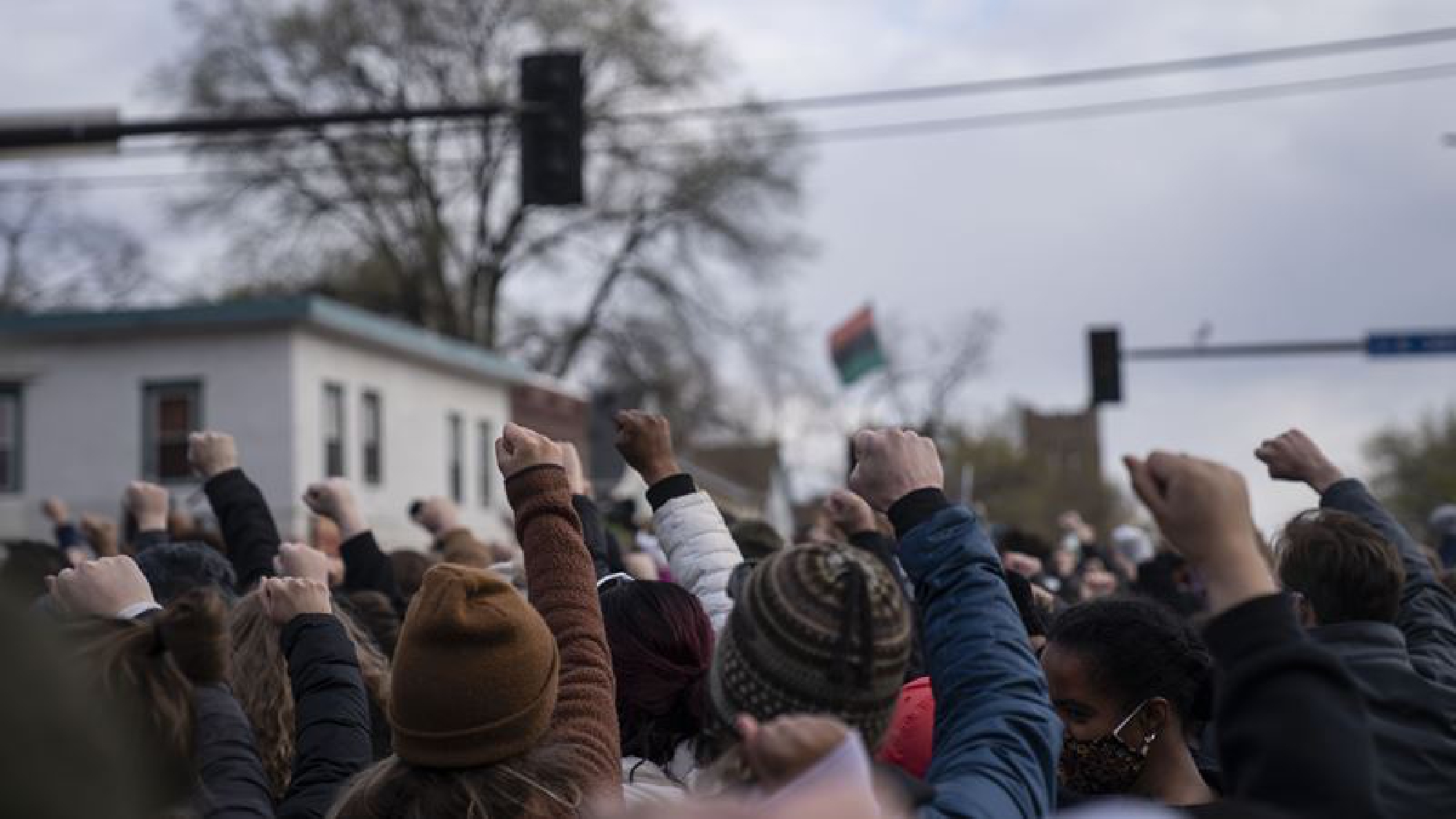
The conviction of former Minneapolis police officer Derek Chauvin in the killing of George Floyd resonated globally, with foreign dignitaries and community leaders reacting to a verdict that revived calls for an international reckoning on racial inequality in justice systems around the world.

Verdict heard around the world: Global reactions to the George Floyd case

Chauvin, who is White, was found guilty Tuesday of second-degree unintentional murder, third-degree murder and second-degree manslaughter in the death of Floyd, a Black man he pinned down outside a grocery store last year.

Foreign media outlets ran live coverage, showing how the trial resonated far beyond its national context, and highlighting the outsized role the U.S. racial justice conversation plays internationally as the rest of the world is forced to grapple with its own race relations.

“I got messages from all over the world – Ghana, London – saying we can’t breathe until you can breathe,” said George Floyd’s brother Philonise. “Well, today we are able to breathe again. Justice for George means freedom for all.”

British Prime Minister Boris Johnson wrote on Twitter on Tuesday that he “was appalled by the death of George Floyd and welcome this verdict,” while the leader of the opposition Labour Party, Keir Starmer, simply wrote “justice.”

London Mayor Sadiq Khan tweeted that the verdict itself won’t heal the pain of loss for Floyd’s family, which reverberated around the world. “The guilty verdict must be the beginning of real change – not the end.”

The ruling made the front pages of several British dailies on Wednesday – including The Times of London and The Daily Telegraph.

“Guilty, Guilty, Guilty,” read the front cover of The Metro, while The Daily Mail asked “Now can George Floyd verdict bring peace to America’s race turmoil?”

In Canada, Prime Minister Justin Trudeau welcomed the verdict but said it “underlines that there’s an awful lot of work to do.”

Floyd’s killing proved to be a moment of reckoning not only in the United States but across the world, as protesters took to the streets calling for justice in his case and pointing to what they saw as parallels in their own communities. In Britain last year, they chanted for Mark Duggan, a 29-year-old who was shot by police during his attempted arrest in 2011. In France, they said the name Adama Traoré, a 24-year-old who died in police custody in 2016.

In Japan, crowds last year gathered in Osaka holding signs that read “Black lives matter” while in Germany protesters took to the streets of Berlin holding up placards that said “white silence is violence,” and “I can’t breathe.”

Foreign news outlets featured prominent coverage of the verdict on their websites, with the Australian Broadcasting Corp. running live coverage and French newspaper Le Monde featuring it at the top of its website.

In Australia, where Floyd’s death last year spurred a resurgence in activism over Indigenous people’s deaths in custody, the guilty verdict led to fresh calls for authorities to scrutinize more than 400 Aboriginal deaths in custody, along with a painful realization that such a conviction would be unlikely there.

“Even [compared to] somewhere like America that is seen as Ground Zero for police brutality, Australia is less accountable to the brutality of its prison and police officers,” said Latoya Aroha Rule, who lost a brother, Wayne Fella Morrison, in 2016 after he was pinned down by seven correctional officers and placed facedown in the back of a prison van, his hands and feet bound with restraints and a spit-hood pulled over his head. An inquest into his death begins next week.

“An outcome like George Floyd’s case is not possible for our case,” said Rule, who helped organize Black Lives Matter rallies in cities across Australia last year. “It took more than a year and a very long history of civil rights advocacy to get to this point, to charge one officer for one murder. But it does only take one injustice sometimes, when people choose to act. I have to remain hopeful this will have some implication in the global racial violence and injustice movement.”

On Twitter, people also pointed to the case of David Dungay Jr., a 26-year-old Aboriginal man who died in similar circumstances in a Sydney correctional facility in 2015 after being restrained by five prison guards in his cell.

Video footage aired at a subsequent inquest showed Dungay telling the guards who were pinning him to his bed “I can’t breathe” at least 12 times. The inquest didn’t recommend disciplinary action against the guards.

The effort to connect George Floyd’s death to racial justice issues around the world has faced resistance from some leaders. In Australia, Prime Minister Scott Morrison and other conservative lawmakers blamed last year’s protests on fringe groups they said were using the U.S. protests to stoke divisions. Morrison’s office didn’t respond to a request for comment on the verdict.

Even as many around the world welcomed the verdict, a top police official in Australia’s most populous state appeared on television and radio decrying a Sydney school for allowing anti-police and Black Lives Matter posters in classrooms, calling it “indoctrination” and maintaining there was no “race problem” in Australia.

“The racist rants . . . lines about how white lives don’t matter or they matter too much; this is the sort of racism that gets the United States into trouble. It has got no place in Australia,” said David Elliott, the New South Wales police minister.

Published : April 22, 2021

By : The Washington Post · Siobhán O’Grady, Rachel Pannett, Jennifer Hassan

Homegrown Indian covid vaccine already in use shows 78% efficacy #SootinClaimon.Com

#SootinClaimon.Com : ขอบคุณแหล่งข้อมูล : หนังสือพิมพ์ The Nation.

https://www.nationthailand.com/international/40000081

Homegrown Indian covid vaccine already in use shows 78% efficacy


An Indian covid-19 shot showed 78% efficacy from interim data at preventing mild, moderate and severe reactions to the disease and worked against most variants of the virus as the South Asian nation struggles to contain a record surge across the country.

Homegrown Indian covid vaccine already in use shows 78% efficacy

The inoculation known as Covaxin, a two-shot injection that uses an inactivated or dead form the virus, also showed 100% efficacy at preventing severe symptoms and hospitalizations against the coronavirus, vaccine maker Bharat Biotech International and the Indian Council for Medical Research, the co-developers, said in a joint statement on Wednesday.

The data from final stage trials that enrolled 25,800 participants has yet to be peer reviewed and a final analysis will be available from June, according to the statement.

“Covaxin works well against most variants of SARS-CoV-2,” Balram Bhargava, the director general of the Indian Council of Medical Research, said in the statement, which added that several million doses of Covaxin had already been administered in the country. The medical agency also said in a Tweet that the vaccine “effectively neutralizes” a double mutant strain that has been detected and caused widespread concern in India.

The latest readings add to another interim statement last month that claimed the vaccine showed an 81% efficacy rate in those without prior infection after a second dose, adding to certainty over Covaxin after the shot was contentiously approved in January before it had completed Phase 3 testing. The vaccine was repeatedly marred by controversies almost as soon as work on its development was authorized last June. Those ranged from unrealistic government schedules for its release to sporadic reports of adverse reactions.

Now with India’s health system on the verge of collapse as it hits record rates of covid infections and deaths, the government is pressuring the country’s vaccine makers to quickly speed up their output amid a supply crunch. Bharat Biotech, which has been earmarked for a 650 million rupee ($8.6 million) government grant, said on Tuesday that it would try to scale up production of Covaxin to about 700 million doses on an annual basis and double its output by June and then push out nearly 100 million doses per month by September.

India has currently authorized three vaccines. Two of them from Astrazeneca Plc and Bharat Biotech are already in use, while the third — Russia’s Sputnik V — was greenlit last week. The South Asian nation has also fast-tracked approval for foreign vaccines.

Despite India curbing vaccine exports this month as it attempts to get a grip on a new and overwhelming wave, Bharat Biotech said more than 60 countries have expressed interest in Covaxin, which “has quietly validated our efforts,” Suchitra Ella, the company’s joint managing director, said in the statement.

However, in March Brazil’s health agency blocked the country’s importation of 20 million Covaxin doses after inspectors said Bharat Biotech’s facilities didn’t meet requirements following an audit.

Published : April 22, 2021

By : Syndication Washington Post, Bloomberg · Chris

South Korea court dismisses comfort women compensation case #SootinClaimon.Com

#SootinClaimon.Com : ขอบคุณแหล่งข้อมูล : หนังสือพิมพ์ The Nation.

https://www.nationthailand.com/international/40000079

South Korea court dismisses comfort women compensation case


A South Korean court dismissed a lawsuit against Japan to compensate women forced to work in its World War II-era front-line brothels, a boost for Tokyo amid a series of Korean court rulings awarding damages that sent relations plummeting between the U.S. allies.

South Korea court dismisses comfort women compensation case

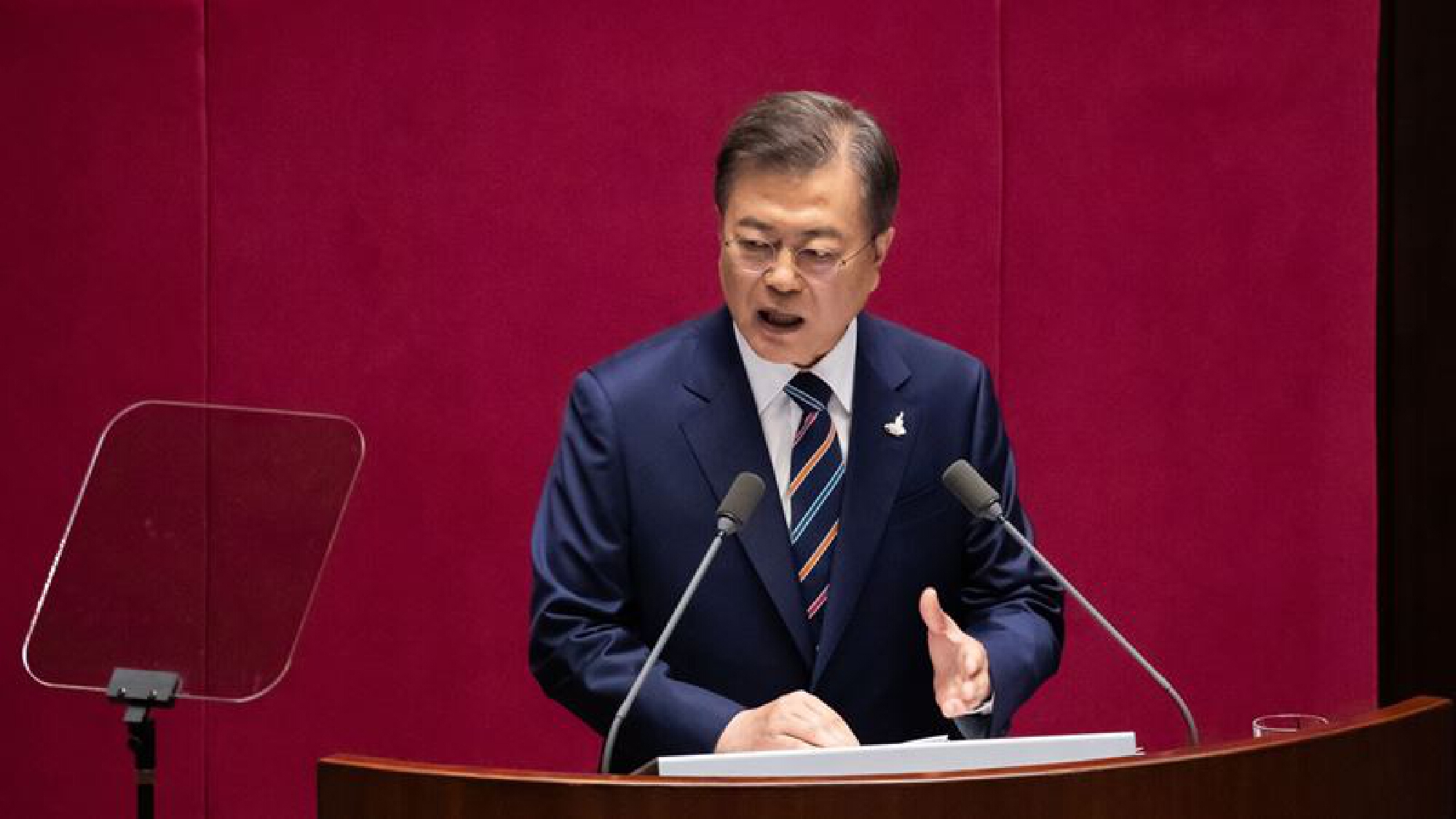
The Seoul Central District Court ruled Wednesday that Japan had sovereign immunity in the case brought on behalf of 20 plaintiffs, and as a foreign state, was not liable to pay compensation in a South Korean civil suit.

The court said in its decision that diplomatic friction with Japan would be “inevitable” if the principle of state immunity is denied. It added a 2015 bilateral agreement between South Korea and Japan that set up a compensation fund for the victims euphemistically called “comfort women” was still in effect.

The ruling came after the same Seoul court, but with a different panel of judges and plaintiffs, in January reached a landmark decision that ordered the Japanese government to pay 100 million won ($90,000) each in the case brought on behalf of 12 other women forced to work in front-line brothels

That decision, which came just before Joe Biden took office, widened the rift between the two U.S. military allies crucial to check China’s growing global clout and North Korea’s atomic ambitions. Once in the White House, Biden sent his top envoys on their debut trip abroad in their posts to Japan and South Korea to ease tensions in the two countries that host the bulk of the U.S. military presence in Asia.

Japan has said the lawsuits violated international law and should be dismissed. Tokyo also said all claims were “settled completely and finally” under a 1965 agreement, which accompanied the treaty establishing diplomatic ties between the two countries.

Japan’s top government spokesman Katsunobu Kato refrained from commenting on the Wednesday decision as Tokyo examines the ruling. He added in a news briefing, “the January ruling violated international law and the agreement between Japan and South Korea.”

South Korea’s Foreign Ministry said in a statement the government would like to refrain from making detailed comments on the court’s decision, adding Seoul will do all it can to “restore the honor and dignity” of the women. The government has previously said it believes the individual suffering of many victims was not covered by the treaty.

In 2015, Japan and South Korea announced a “final and irreversible” agreement that came with a personal apology to the women from former Japanese Prime Minister Shinzo Abe as well as about $9.3 million for a compensation fund.

But some of the women protested, arguing the deal was made without consultations and violated their constitutional rights. South Korean President Moon Jae-in, who took office in 2017, has effectively shut down the fund, made by his predecessor.

Tensions further flared between the neighbors after a series of South Korean court decisions from late 2018 demanding Japan pay compensation to Koreans conscripted to work at Japanese factories and mines during the country’s 1910-1945 colonial rule over the Korean Peninsula.

The U.S. was forced to step in when South Korea threatened in 2019 to withdraw from a joint intelligence-sharing agreement, with Moon backing down at the last minute after facing pressure from Washington.|

Historians say anywhere from 50,000 to 200,000 women — many of them Korean — were forced into service in Japan’s military brothels.

Published : April 22, 2021

By : Syndication Washington Post, Bloomberg · Jeong-Ho Lee

Airlines see covid setbacks driving industry to $48 billion loss #SootinClaimon.Com

#SootinClaimon.Com : ขอบคุณแหล่งข้อมูล : หนังสือพิมพ์ The Nation.

https://www.nationthailand.com/international/40000078

Airlines see covid setbacks driving industry to $48 billion loss


The airline industrys chief lobby group widened its estimate for losses this year by about a quarter, saying new covid-19 flare-ups and mutations have pushed back the timeline for a restart of global air travel.

Airlines see covid setbacks driving industry to $48 billion loss

Carriers will lose about $48 billion in 2021, the International Air Transport Association said Wednesday in an online presentation. It had earlier forecast a $38 billion deficit.

“This crisis is longer and deeper than anyone could have expected,” said Willie Walsh, the former chief of British Airways owner IAG, who’s now IATA’s director general. “Losses will be reduced from 2020, but the pain of the crisis increases.”

The downward pivot comes as airlines contend with new travel bans and restrictions arising from outbreaks in large aviation markets such as India and Brazil. Governments of countries that have ramped up vaccinations most quickly have become cautious about restarting travel to prevent the import of new variants that could prove resistant to jabs.

This week, the U.S. State Department said it would declare about 80% of the world’s nations no-go zones. In Europe, the U.K. has held off on confirming a plan to restart travel in mid-May, saying it will decide closer to the date. While some countries are starting to open up to vaccinated tourists, progress toward so-called vaccine passports has proven slow and complex.

After the industry lost about $126 billion in the teeth of the crisis during 2020, there were high hopes for a rebound in air travel during the first half of this year. IATA now says the crucial summer season is at risk.

Demand will reach 43% of 2019 levels during 2021 — a more optimistic outlook than issued in February, but less bullish than in December, when vaccines were first being rolled out. At that time IATA saw traffic this year recovering to about half of pre-pandemic levels.

In the U.S., investors have turned sour on the chance of a quick recovery in aviation, sending a Standard & Poor’s index of major airlines to 10 straight days of declines this month, the longest streak since at least 1989. In Europe, trans-Atlantic specialist Virgin Atlantic Airways Ltd. said Wednesday that it won’t get its fleet fully back in the air until October or November.

Regional highlights of the IATA forecast:

– North American carriers are best placed to take advantage of rapid vaccination programs because of the large domestic market in the U.S.

– Testing and increasing the pace of an unsteady vaccine roll-out is the key to recovery for the struggling market in Europe. The return to profit will take longest in this region

The new estimates assume a partial reopening of some markets in Europe in time for summer flying, and also of some trans-Atlantic services, IATA Chief Economist Brian Pearce said. These routes should be fully open in the fourth quarter, with more than 75% of relevant populations vaccinated, he said.

While optimism for the second half hinges mainly on the continuing rebound of large domestic markets like the U.S. and China, Walsh said he’s a little more upbeat about Europe than IATA’s official projections.

Testing of the group’s Travel Pass app is continuing with more than 50 airlines signed up.

Published : April 22, 2021

By : Syndication Washington Post, Bloomberg · Christopher Jasper, Siddharth Philip

Bidens mammoth education agenda would expand the federal role from cradle to college #SootinClaimon.Com

#SootinClaimon.Com : ขอบคุณแหล่งข้อมูล : หนังสือพิมพ์ The Nation.

https://www.nationthailand.com/international/40000077

Bidens mammoth education agenda would expand the federal role from cradle to college


WASHINGTON – The federal government has long been a bit player in education. Under an expansive vision being rolled out this spring by President Joe Biden, that would change.

Bidens mammoth education agenda would expand the federal role from cradle to college

Biden has proposed – or is expected to propose – a half dozen education programs that would constitute the largest federal investment in education in at least a half century. Any one of them would be significant on its own. Taken together, if approved by Congress, they form a cradle-to-college plan that aims to reduce inequities that course through American schools by infusing hundreds of billions of dollars into virtually every level of the system.

“These are truly unprecedented investments in education,” said Sarah Abernathy, executive director of the Committee for Education Funding.

Much of Biden’s strategy is focused on cold, hard cash, a show-me-the-money plan that would more than double federal support to high-poverty districts, rebuild crumbling schools and subsidize pre-K and community college alike. It’s excited educators up and down the system, but left some allies wondering if the administration is doing enough to use the money to drive policy changes by states and districts. For their part, Republicans oppose such sweeping new spending as well as the tax increases proposed to offset some of the cost.

Should Biden’s entire agenda become law, the U.S. educational system could morph from a 13-year guarantee – where children are entitled to free education from kindergarten through 12th grade – to a 17-year promise, where prekindergarten is available starting at age 3 and tuition is free through two years of community college.

“Think of it this way: Joe Biden is adding four years to a student’s education. It’s the largest increase in educational time since high school became universal,” said Rahm Emanuel, a longtime Biden ally who championed similar policies for early childhood and community college when he was Chicago’s mayor. Early-childhood education, he said, will prepare children to learn, while postsecondary programs prepare them for the workforce.

Already, Biden has signed into law the $1.9 trillion coronavirus relief package, which injects $125 billioninto the K-12 system and nearly $40 billion for higher education – more than doubling the Education Department’s annual budget. It also included a one-year expansion of the child tax credit, expected to reduce child poverty by half, that Democrats hope to make permanent.

Then Biden proposed a huge infrastructure package, which includes $100 billion to rebuild schools, plus $48 billion for the workforce development system and $12 billion for community colleges.

This month, Biden unveiled a discretionary budget proposal that seeks a 41% increase in the Education Department pre-pandemic budget, far more than any presidential request since the agency was created in 1979. It includes additional money for community schools, students with disabilities and school counselors. Biden also signaled that he would request a big increase in the Pell Grant, which subsidizes college tuition for low-income students, when he makes his full budget request.

A $200 billion pre-K plan, along with tuition-free community college and $225 billion for child care, is expected this month as part of a package the White House calls the American Families Plan.

Emanuel compared the Biden approach to the pandemic to postwar moments in American history – providing a moment to rethink the scope of what government can do. Administration officials say the shutdown of schools exposed inequities that were always present but now are impossible to ignore.

“It’s a commitment to address systemically some of the issues that have existed in our system for many, many years,” said Education Secretary Miguel Cardona. He called the pre-K and community college investments essential “bookends” to the existing K-12 system that are needed to set children on the right path and, later, prepare them for the world of work.

– – –

So far, the administration has included almost no new demands in exchange for the enormous amount of funding that would support state and local education programs. That stands in contrast to the Obama administration, which used far less money – a $4.3 billion grant program called Race to the Top – to push states to make enormous policy changes, such as adopting Common Core curriculum standards and evaluating teachers based in part on test scores.

Some Biden allies say the president should insist on equity-driven reforms by states and districts as a condition for receiving so much new money.

“If we want to close that spending gap, we really need states and districts to step up,” said former education secretary John King, who is now president of Education Trust, an advocacy and research group focused on equity issues.

For example, he said, the administration could require states to adopt more-equitable systems for distributing state funds to local school districts as a condition of receiving new federal money. King recently announced a run for Maryland governor.

A senior administration official responded that Biden has “made clear” that he plans to tie new money to ensuring that more equitable funding systems are in place, though the administration has yet to formally propose this.

Sen. Michael Bennet, D-Colo., a former superintendent of the Denver Public Schools, generally supports the new spending but said he would like to see some fundamental changes in the Title I formula to direct more money to high-poverty schools if the government is going to increase spending so dramatically. He’d also like to see the money used to drive policy. For instance, he said, he’d like to see schools incentivized to pay teachers at high-poverty schools more.

“It would be a shame if we spend all this money and we do it in ways that don’t transform outcomes for kids,” Bennet said. “We’ve got to change the system. I don’t believe the system works well for kids living in poverty.”

The Biden program could, in some cases, reach far into the middle class – such as with the pre-K and community college plans. Much of it is targeted, though, to those who need it most.

Because schools are funded primarily by local property taxes, there are large gaps between tax collections in wealthy, mostly White school districts and high-poverty districts, which are more likely to educate students of color. The big boost to Title I could close some of the gap because the funding would disproportionately aid school districts with large concentrations of poverty.

At the college level, Biden is asking for an increase of $600 million more for programs at minority-serving institutions, historically Black and tribal colleges, and community colleges. These schools have fewer resources than others, and most of their students have low incomes.

“This is a president saying I prioritize these institutions. I’m willing to put my money where my mouth is . . . and I can’t tell you the last time a president has put an investment in these schools in his budget,” said Lodriguez Murray, vice president for public policy and government affairs at the United Negro College Fund.

Proposing this agenda is, of course, different from passing it into law. Some of these ideas have been popular with Republicans, at least in the states. GOP governors in Tennessee and Maryland, for instance, have backed programs to make community college more accessible. But that’s a far cry from winning GOP votes for hundreds of billions of dollars in new spending.

After Biden put out his coronavirus rescue package in January, Rep. Virginia Foxx, R-N.C., said the plan “just throws around more taxpayer money with no regard for its efficacy and regurgitates left-wing policy priorities.” The plan got no Republican votes in the House or Senate.

Biden does enjoy support for his education agenda among liberals, who are pushing him to aggressively confront educational inequity, and centrist Democrats, who like several pieces of this package.

“He’s investing in things like apprenticeships and community colleges and pre-K and all kinds of things that moderate Democrats love,” said Lanae Erickson, who heads social policy at Third Way, a centrist Democratic think tank. “There’s something in there for everybody in the party and that’s how he’s keeping folks on board.”

– – –

It’s an obvious contrast to former president Donald Trump, who repeatedly, though unsuccessfully, asked Congress to slash education spending. It’s also a contrast to Democratic predecessors.

Former president Barack Obama favored many of the same ideas as Biden but spent much of his two terms negotiating with a GOP Congress over spending cuts, not spending increases.

Even when he had a Democratic Congress, Obama did not ask for this level of spending. After passing into law a recovery act meant to respond to the 2008 financial crisis, he telegraphed his interest in fiscal responsibility. At his first Cabinet meeting in April 2009, he announced that federal agencies would be hunting for cuts and efficiencies, saying he had challenged his secretaries to find $100 million in reductions.

Former president Bill Clinton proposed targeted programs, but famously declared that the “era of big government is over.”

“There was a big fight in the early days of the Clinton administration as to whether the first Clinton budget, which really set the tone for the entire administration, was going to be a traditional let ‘er rip public investment budget or reassuring the bond markets,” said William Galston, a senior fellow at the Brookings Institution, who served as a domestic policy adviser in the Clinton White House. Clinton chose to reassure the markets. “The Clinton administration was really focused on economic growth much more than on government growth.”

Since then, he said, there’s been a “sea change” in economic policy and an abandonment by both parties of the centrist coalition that worked to keep deficits in check.

The liberal wing of the Democratic Party has gained power, and public attitudes about the role of government have shifted. A Pew Research Center survey last summer found 59% of Americans think government should do more to solve problems, compared to 39% who said government is doing too many things best left to businesses and individuals.

The share saying government should do more has risen steadily since 2015, when it was 47%. Democrats are far more likely than Republicans to say government should do more, but the share has risen among people in both parties.

That instinct for more government involvement is manifesting itself in Biden’s focus on equity. Murray, of the United Negro College Fund, said the education proposals show Biden’s commitment to communities that helped usher him into the White House.

“It’s a recognition of who brought him to the dance,” he said. “This is the first time in a long time where African Americans aren’t served with words but served with policy rewards.”

Published : April 22, 2021

By : The Washington Post · Laura Meckler, Danielle Douglas-Gabriel

Bidens climate summit attracts 40 leaders, including Putin, Xi #SootinClaimon.Com

#SootinClaimon.Com : ขอบคุณแหล่งข้อมูล : หนังสือพิมพ์ The Nation.

https://www.nationthailand.com/international/40000076

Bidens climate summit attracts 40 leaders, including Putin, Xi


President Joe Biden will bring together this week the leaders of dozens of nations in a two-day virtual summit meant to invigorate the global fight against climate change and restore U.S. credibility on the issue.

Bidens climate summit attracts 40 leaders, including Putin, Xi

The heads of state of all 40 nations invited have agreed to attend the event, which begins on Thursday, as Biden seeks to prove the U.S. is committed to making the deep cuts to greenhouse gas emissions needed to avert the most catastrophic consequences of climate change.

The gathering is aimed at driving more aggressive climate action that can keep average temperatures from rising more than 1.5 degrees Celsius (2.7 degrees Fahrenheit), a key tipping point.

The leaders of some of the world’s top-emitting countries will appear alongside officials from smaller, island nations that are already dealing with the consequences of a warming planet. Chinese President Xi Jinping is slated to appear during the conference and Russian President Vladimir Putin is set to make live remarks.

About 18 top executives from the U.S. government, including Secretary of State Antony Blinken and Treasury Secretary Janet Yellen, will participate.

Biden administration officials said they are “upping the ante” on climate change and climate ambition and intend to utilize all the tools available, including finance. The agenda calls for a focus on nature-based solutions the first day, and investing in innovation on the second.

The administration officials, noting that the U.S. is responsible for 13% of global greenhouse gas emissions, anticipate that the participating nations will use the forum to make announcements about their own plans for combating climate change.

The officials also plan to point to sustained action by corporations and state and local governments to confront climate change as a sign of enduring U.S. progress, even amid the term of former President Donald Trump, who rolled back climate regulations.

Biden has made combating climate change a priority. He’s launched an interagency task force, deputized a White House climate czar to coordinate action and directed agencies to consider a suite of new rules meant to spur clean energy. This week’s summit marks his first big step to address climate on the global stage.

In the weeks leading up to the summit, Special Presidential Envoy for Climate John Kerry has been traveling the globe, working to coax stronger emissions-cutting pledges from U.S. allies. Some of those efforts have borne fruit, as Japan, Canada and other nations are expected to outline more aggressive targets for paring planet-warming greenhouse gases.

Even before it starts, the U.S. climate summit is helping galvanize greater ambition, said David Waskow, director of the World Resources Institute’s International Climate Initiative. Still, a key test will be how much funding the Biden administration dedicates to aiding developing nations in adapting to climate change and pursuing clean energy projects, Waskow said.

“Clearly the summit has propelled action in the early part of the year,” Waskow said. “There’s much more to be done, but this does give the traction that we need.”

Kerry’s push so far has not prompted India, the world’s third-biggest emitter, to declare a target for achieving net-zero emissions domestically. And other nations, such as Brazil, are seeking more financial support to curb deforestation in the Amazon rainforest.

Other challenges surround negotiations with China, as the U.S. seeks to compartmentalize talks on climate amid concerns around trade, intellectual property and human rights. Secretary of State Antony Blinken warned Monday that the U.S. won’t let other countries use climate progress as a chip “to excuse bad behavior in other areas.”

Xi, meanwhile, issued a veiled critique of his own on Tuesday, as he urged other nations to avoid “bossing others around,” and insisted that “the future destiny of the world should be decided by all countries.”

The U.S. pledge would require dramatic changes in the U.S. energy landscape, from the way electricity is generated to the cars traversing the nation’s highways. The U.S. would also need to curtail emissions from the industrial sector, with carbon-capture technology deployed at ethanol factories, cement makers and petrochemical plants.

Ahead of the summit Thursday and Friday, Biden is set to announce a U.S. vow to at least halve domestic greenhouse gas emissions from 2005 levels by the end of the decade, according to people familiar with the matter.

The Biden administration also is advancing a slate of policies meant to buttress that carbon-cutting pledge — including work to marshal U.S. government spending on electric vehicles and devote more money to helping other nations pursue clean energy.

The efforts are seen as critical to reassuring countries wary of the U.S. commitment, after former President Donald Trump withdrew from the Paris climate accord and dismantled domestic policies key to driving the country’s previously promised emissions cuts.

Published : April 22, 2021

By : Syndication Washington Post, Bloomberg · Jennifer A. Dlouhy, Jennifer Epstein

รู้หรือไม่อังกฤษยังมีบรรดาศักดิ์ขุนนางแห่งพม่า? #SootinClaimon.Com

#SootinClaimon.Com : ขอบคุณแหล่งข้อมูล : หนังสือพิมพ์โพสต์ทูเดย์

https://www.posttoday.com/world/6509

วันที่ 21 เม.ย. 2564 เวลา 18:30 น.

รู้หรือไม่อังกฤษยังมีบรรดาศักดิ์ขุนนางแห่งพม่า?ตระกูล “เมานต์แบตเทน” อาจไม่คุ้นหูใครหลายคนแต่หากบอกว่าเป็นตระกูลของเจ้าชายฟิลิป ดยุกแห่งเอดินบะระ พระราชสวามีของควีนเอลิซาเบธที่ 2 ทุกคนคงร้องอ๋อทันที

ในงานพระศพของเจ้าชายฟิลิป ดยุคแห่งเอดินบะระ มีบุคคลหนึ่งที่สื่อให้ความสนใจเป็นพิเศษ คือ เพเนโลพี แนทช์บูล หรือเพนนี (Penelope Knatchbull) เคาน์เตสเมานต์แบตเทนวัย 68 ปีซึ่งเป็นพระสหายขับรถของเจ้าชายฟิลิปและเป็นหนึ่งในพระสหายคนสนิทของพระองค์

เพนนี เป็นภรรยาของ นอร์ตัน แนทช์บูล บุตรของแพทริเซีย แนทชบูลล์ซึ่งดำรงยศเอิร์ลที่ 3 เมานต์แบตเทนแห่งพม่า (Earl Mountbatten of Burma)

ตระกูล “เมานต์แบตเทน” (Mountbatten) แรกเริ่มเดิมทีต้นตระกูลนี้มีต้นกำเนิดมาจากชนชั้นสูงชาวเยอรมัน โดยลูทวิช อเล็คซันเดอร์ แห่งบัทเทินแบร์ค (Ludwig Alexander von Battenberg) อดีตขุนนางชาวเยอรมันได้เสกสมรสกับเจ้าหญิงวิกตอเรีย พระราชนัดดาในสมเด็จพระราชินีนาถวิกตอเรีย และทรงมีบุตรธิดาทั้งสิ้น 4 พระองค์ ได้แก่ เจ้าหญิงอลิซ (พระมารดาในเจ้าชายฟิลิป), เจ้าหญิงลูอีเซอ, เจ้าชายจอร์จ และเจ้าชายหลุยส์ แห่งบัทเทินแบร์ค

จุดเริ่มต้นของยศขุนนางครองพม่า

เจ้าชายหลุยส์ แห่งบัทเทินแบร์ค ทรงเข้ามารับราชการในอังกฤษและเสกสมรสกับเจ้าหญิงวิคโทรีอาแห่งเฮ็สเซินและริมไรน์ พระราชธิดาองค์เล็กในสมเด็จพระราชินีนาถวิกตอเรีย ในปี 1917 พระเจ้าจอร์จที่ห้าได้ถอดฐานันดรเยอรมัน ทำให้ทรงเป็นที่รู้จักกันในนาม “ลอร์ด หลุยส์ เมานต์แบตเทน“

ในช่วงสงครามโลกครั้งที่ 2 พระองค์ทรงดำรงตำแหน่งเป็นผู้บัญชาการกองเรือสัมพันธมิตรในเอเชียตะวันออกเฉียงใต้ ในปี 1943–1946 และทรงปฏิบัติหน้าที่เกี่ยวกับการยึดอาณานิคมของพม่าและสิงคโปร์คืนมาจากญี่ปุ่น

และทรงดำรงตำแหน่งเป็นอุปราชแห่งอินเดียในปี 1947 ต่อมาทรงดำรงตำแหน่งเป็นข้าหลวงต่างพระองค์ประจำอาณานิคมอินเดียในปี 1947–1948 และทรงรับราชการในตำแหน่งสุดท้ายที่ผู้บัญชาการทหารสูงสุด

ซึ่งในช่วงปี 1946 นี้เองที่ทำให้มีการสถาปนาพระฐานันดรศักดิ์เป็น “ไวเคาน์เมานต์แบตเทนแห่งพม่า” (Viscount Mountbatten of Burma) และในปีถัดมาเลื่อนขึ้นเป็น “เอิร์ลเมานต์แบตเทนแห่งพม่า” (Earl Mountbatten of Burma) การตั้งให้ลอร์ด หลุยส์ เมานต์แบตเทนเป็น “ขุนนางแห่งพม่า” เป็นการกำหนดบรรดาศักดิ์ตามแผ่นดินที่ตั้ง (Territorial designation) ของระบบขุนนางอังกฤษ คาดว่าเพราะท่านลอร์ดเคยเป็นผู้บัญชาการที่รับหน้าที่ปลดปล่อยพม่า (เมียนมา) จากการยึดครองของญี่ปุ่นและนำกลับมาอยู่ภายใต้การปกครองของสหราชอาณาจักรในฐานะอาณานิคมดังเดิม

หากเป็นไปตามเหตุผลนี้การตั้งบรรดาศักดิ์ในกรณีของท่านลอร์ดจะเข้าข่ายการตั้งบรรดาศักดิ์ตามสถานที่ที่มีชัยชนะในศึกสงคราม (Victory title) ซึ่งโดยปกติจะอยู่นอกสหราชอาณาจักร 

เอิร์ลเมานต์แบตเทนแห่งพม่าเป็นตำแหน่งเกียรติยศไม่ได้มีอำนาจปกครองจริงๆ และเมื่อมีการอวยยศได้เพียง 1 ปี พม่า/เมียนก็ได้รับเอกราชจากอังกฤษในปี 1948

ผู้สืบทอดตำแหน่งขุนนางแห่งพม่า

เอิร์ลเมานต์แบตเทนแห่งพม่าท่านแรกถูกลอบปลงพระชนม์ในปี 1979 ต่อมาสมเด็จพระราชินีนาถเอลิซาเบธที่ 2 จึงทรงแต่งตั้ง แพทริเซีย แนทช์บูล ซึ่งเป็นธิดาในลอร์ดเมานต์แบตเทน ให้ดำรงยศเคาน์เตสที่ 2 เมานต์แบตเทนแห่งพม่า (Countess Mountbatten of Burma) แทนในปีเดียวกัน

แพทริเซีย แนทช์บูล นอกจากจะมีสถานะเป็นทายาทตำแหน่งเป็นเคาน์เตสเมานต์แบตเทนแห่งพม่าแล้ว การที่เธอสมรสกับจอห์น แนทช์บูล บารอนบราบอร์นลำดับที่ 7 ทำให้เธอเคยมีสถานะเป็นเลดี้บราบอร์นมาก่อน

ช่วงที่บิดาของเลดี้บราบอร์นยังมีชีวิตอยู่ครอบครัวของเธอก็มีส่วนร่วมอย่างใกล้ชิดในการพิจารณาหาพระชายาในอนาคตให้กับเจ้าฟ้าชายชาร์ลส์เจ้าชายแห่งเวลส์ ในช่วงต้นปี 1974 ลอร์ดเมานต์แบตเทนเริ่มเลียบๆ เคียงๆ เสนอลูกสาวของเลดี้บราบอร์นที่ชื่อ อะแมนดา (Amanda Knatchbull) ให้เป็นพระชายา ซึ่งเจ้าชายชาร์ลส์ยังเขียนถึงเลดี้บราบอร์น (ซึ่งเป็นแม่ทูนหัวของพระองค์ด้วย) เกี่ยวกับความสนใจของพระองค์ในบุตรสาวของเลดี้ซึ่งเธอตอบอย่างเห็นด้วยแต่แนะว่ายังเร็วเกินไปที่จะไปเกี้ยวพาราสีกันก่อนเวลาอันควร

แต่สุดท้ายอะแมนดาปฏิเสธข้อเสนอการแต่งงานของของเจ้าชายชาร์ลส์ในปี 1980 หลังจากการลอบสังหารปู่ของเธอหรือลอร์ดเมานต์แบตเทน และหลังจากนั้นเจ้าชายชาร์ลส์ก็ทรงเสกสมรสกับไดอานา สเปนเซอร์ ในปี 1981 ซึ่งต่อมาคือไดอานา เจ้าหญิงแห่งเวลส์ผู้โด่งดัง

เคาน์เตสที่ 2 เมานต์แบตเทนแห่งพม่าเสียชีวิตในปี 2017 จากนั้นตั้งแต่ปี 2017 นอร์ตัน แนทช์บูล บุตรของแพทริเซีย แนทช์บูลดำรงยศเอิร์ลที่ 3 เมานต์แบตเทนแห่งพม่า โดยมีภริยาคือ เพเนโลพี แนทช์บูล

เจ้าชายหลุยส์และเจ้าชายฟิลิป

อย่างที่กล่าวไปข้างต้นว่าเจ้าชายหลุยส์ หรือเอิร์ลเมานต์แบตเทนแห่งพม่าท่านแรก ทรงเป็นพระมาตุลา (น้าชาย) ในเจ้าชายฟิลิป ดยุคแห่งเอดินบะระ และทั้งสองพระองค์ทรงมีความความสัมพันธ์แน่นแฟ้น โดยลอร์ดเมานต์แบตเทนทรงเป็นผู้สั่งสอนวิธีการทางทหารเรือให้แก่เจ้าชายฟิลิป และการพบกันระหว่างเจ้าชายฟิลิปและควีนเอลิซาเบธที่ 2 ก็เกิดขึ้นโดยลอร์ดเมานต์แบตเทน

ถึงกระนั้นลอร์ดเมานต์แบตเทนทรงผลักดันให้ทายาทของควีนใช้นามสกุล “เมานต์แบตเทน” ของตนแต่ก็ไม่เป็นผลสำเร็จ ทว่าเมื่อปี 2019 เจ้าชายแฮร์รีและพระชายาทรงเผยพระนามพระโอรสของพระองค์ว่า “อาร์ชี แฮร์ริสัน เมานต์แบตเทน-วินด์เซอร์” คือใช้นามสกุลจากทั้งฝั่งของเจ้าชายฟิลิปและควีนเอลิซาเบธที่ 2 นั่นเอง

เหตุการณ์ปลงพระชนม์เอิร์ลเมานต์แบตเทนแห่งพม่า

เอิร์ลเมานต์แบตเทนแห่งพม่าท่านแรกถูกลอบปลงพระชนม์โดยกลุ่มกบฎแบ่งแยกดินแดนในไอร์แลนด์เหนือ ในคืนวันที่ 27 ส.ค. 1979 โดยนายธอมัส แม็กแมฮอน สมาชิกกลุ่มกบฎได้แอบปีนเข้าไปบนเรือและทำการวางระเบิดควบคุมโดยวิทยุน้ำหนักราว 20 กิโลกรัม เมื่อเกิดการระเบิดขึ้น เอิร์ลเมานต์แบตเทนร่วงลงไปในน้ำและถูกช่วยไว้ได้โดยชาวประมงใกล้เคียงในลักษณะขาขวาเกือบขาดแต่ก็สิ้นพระชนม์ด้วยทนพิษบาดแผลไม่ไหว

แม้เหตุการณ์จะผ่านมานานแล้วแต่ก็ยังถูกพูดถึงจนถึงปัจจุบัน โดยเมื่อวันที่ 18 เม.ย. ที่ผ่านมาแมรี ลู แมคโดนัลด์ นักการเมืองจากพรรค Sinn Féin ของไอร์แลนด์ได้กล่าวขอโทษต่อเหตุการณ์ที่เกิดขึ้น พร้อมระบุว่า “ฉันมีความรับผิดชอบอย่างแท้จริงที่จะทำให้แน่ใจว่าจะไม่มีครอบครัวใดเผชิญกับสิ่งนั้นอีก”

Photo by Glyn KIRK / AFP

โอกาส 1 ใน 140 ล้าน คนอังกฤษดวงเฮงถูกแจ็กพอต 2,500 ล้านบาท #SootinClaimon.Com

#SootinClaimon.Com : ขอบคุณแหล่งข้อมูล : หนังสือพิมพ์โพสต์ทูเดย์

https://www.posttoday.com/world/650935

วันที่ 21 เม.ย. 2564 เวลา 17:08 น.

โอกาส 1 ใน 140 ล้าน คนอังกฤษดวงเฮงถูกแจ็กพอต 2,500 ล้านบาทคนดวงเฮงจากอังกฤษถูกแจ็กพอตก้อนโตกว่า 2,500 ล้านบาท 

กองสลากยูโรมิลเลียนส์ (EuroMillions) เผยว่า การออกรางวัลงวดล่าสุด 20 เม.ย.มีชาวอังกฤษผู้โชคดีรายหนึ่งถูกรางวัลแจ็กพอต EuroMillions มูลค่า 59 ล้านปอนด์ หรือ 2,575.61 ล้านบาท โดยสลากที่ถูกรางวัลแจ็กพอตได้แก่หมายเลข 5, 17, 28, 41 และ 46 และเลขลัคกีสตาร์ 10 และ 11  

ขณะนี้ยังไม่มีการเปิดเผยชื่อผู้ที่ถูกรางวัล  

แจ็กพอตนี้เป็นรางวัลแจ็กพอตครั้งที่ 2 ของเดือน นี้ หลังจากเพิ่งมีผู้ถูกแจ็กพอตมูลค่า 122 ล้านปอนด์ หรือ 5,323.66 ล้านบาทในงวดวันที่ 2 เม.ย. 

ผู้โชคดีคนล่าสุดนี้กลายเป็นผู้ถูกรางวัลสูงที่สุดเป็นอันดับ 5 ของอังกฤษ และยังทำให้เจ้าตัวติดอยู่ในรายชื่อ 1 ใน 1,000 คนร่ำรวยประจำปี 2020 ของ  Sunday Times

ส่วนแจ็กพอตก้อนใหญ่ที่สุดในประวัติศาสตร์ของ EuroMillions มีมูลค่า 180 ล้านปอนด์ หรือ 7,852.75 ล้านบาท เป็นของชาวสวิสคนหนึ่ง แตกเมื่อเดือน ก.พ.ที่ผ่านมา 

ทั้งนี้ ลอตเตอรี EuroMillions จำหน่ายใน 9 ประเทศ ได้แก่ สหราชอาณาจักร ฝรั่งเศส สเปน ออสเตรีย เบลเยียม ลักเซมเบิร์ก ไอร์แลนด์ โปรตุเกส และสวิตเซอร์แลนด์ และออกรางวัลทุกสัปดาห์ โดยมีโอกาสถูกรางวัลแจ็กพอต 1 ใน 139,838,160

รัฐบาลไบเดนเล็งออกกฎหมายควบคุมคริปโต #SootinClaimon.Com

#SootinClaimon.Com : ขอบคุณแหล่งข้อมูล : หนังสือพิมพ์โพสต์ทูเดย์

https://www.posttoday.com/world/650924

วันที่ 21 เม.ย. 2564 เวลา 15:30 น.

รัฐบาลไบเดนเล็งออกกฎหมายควบคุมคริปโตวงในเผย โจ ไบเดน เตรียมออกกฎหมายควบคุมตลาดสกุลเงินดิจิทัล

ชาร์ลส์ กัสปาริโน ผู้สื่อข่าวสายธุรกิจของสำนักข่าว Fox News ทวีตโดยอ้างแหล่งข่าววงในในตลาดหุ้นวอลล์สตรีทว่า รัฐบาลประธานาธิบดี โจ ไบเดน ของสหรัฐ กำลังเตรียมออกกฎหมายควบคุมตลาดสกุลเงินดิจิทัล (cryptocurrency markets) รวมทั้งบิตคอยน์ (Bitcoin) โดยขณะนี้อยู่ในขั้นเริ่มแรก

กัสปาริโนระบุว่า แกรี เก็นสเลอร์ ประธานคณะกรรมการกำกับหลักทรัพย์และตลาดหลักทรัพย์ที่เพิ่งเข้ารับตำแหน่งกำลังรอการกำหนดทิศทางเกี่ยวกับนโยบายโดยรวมในการออกกฎควบคุมสกุลเงินดิจิทัลจาก เจเน็ต เยลเลน รัฐมนตรีกระทรวงการคลัง

กัสปาริโนแสดงความเห็นเกี่ยวกับความเป็นไปได้ในการปราบปราม ออกกฎควบคุม หรือการประกาศให้สกุลเงินดิจิทัลผิดกฎหมายว่า “เราไม่รู้ว่าพวกเขาจะเอายังไงกับเรื่องนี้ เราไม่รู้ว่าจะเกิดอะไรขึ้น” และกล่าวอีกว่า “ผมไม่คิดว่ามัน (การไม่รับรองสกุลเงินดิจิทัล) จะเกิดที่นี่ (สหรัฐ) ขณะนี้นักลงทุนอเมริกันหลายคนอยู่ในตลาดนี้”

กัสปาริโนเชื่อว่ารัฐบาลจะไม่กำหนดให้สกุลเงินดิจิทัลเป็นสิ่งผิดกฎหมาย แต่อาจมีกฎระเบียบควบคุมมากขึ้น

อย่างไรก็ดี ขณะนี้ยังไม่มีการยืนยันอย่างเป็นทางการจากทำเนียบขาวหรือคณะกรรมการกำกับหลักทรัพย์และตลาดหลักทรัพย์ ทว่ากัสปาริโนอ้างว่ากฎใหม่อาจได้รับการอนุมัติภายใน 4 สัปดาห์ ซึ่งอาจตรงกับการเปิดตัว ETF บิตคอยน์ตัวแรกของสหรัฐ

ทั้งนี้ เมื่อต้นปีที่ผ่านมามีรายงานข่าวว่ารัฐบาลไบเดนกำลังกังวลเกี่ยวกับสถานการณ์ตลาดสกุลเงินดิจิทัล รวมทั้งการเข้ามาของเงินหยวนดิจิทัล ขณะที่ เจเน็ต เยลเลน เคยเอ่ยหลายครั้งว่าอาจมีการใช้สกุลเงินดิจิทัลในการฟอกเงินหรือธุรกรรมทางการเงินที่ผิดกฎหมาย

Photo by JACK GUEZ / AFP