
China tycoon who lost $32 billion tries to salvage an empire #SootinClaimon.Com

#SootinClaimon.Com : ขอบคุณแหล่งข้อมูล : หนังสือพิมพ์ The Nation.

https://www.nationthailand.com/news/30403941

China tycoon who lost $32 billion tries to salvage an empire

InternationalMar 21. 2021A closed AMC movie theater in Tucson, Ariz., in June 2020. MUST CREDIT: Bloomberg photo by Cheney Orr.A closed AMC movie theater in Tucson, Ariz., in June 2020. MUST CREDIT: Bloomberg photo by Cheney Orr.

By Syndication Washington Post, Bloomberg · Shirley Zhao, Venus Feng, Rebecca Choong Wilkins

Wang Jianlin used to be Asia’s richest person, busy expanding his Dalian Wanda Group Co. by acquiring trophy assets overseas, all aided by easy credit.

Now the 66-year-old doesn’t even figure among China’s top 30 richest people, having lost about $32 billion of his personal fortune in less than six years — the most for any tycoon in that period. As Wang seeks to cut the group’s total debt from 362 billion yuan ($56 billion) and turn his entertainment-to-property empire around, he’s facing skeptical bond investors.

Braced for a wall of maturing onshore notes peaking this year, some of Wanda’s dollar bonds were among the first to tumble earlier this month, when a broader decline hit the Asian credit market. The selloff, partly triggered by concerns over the looming payments, came as a warning from investors eager to see how Wang will manage to steer his group clear of the debt risks that convulsed peers such as HNA Group Co., China Evergrande Group and Anbang Group Holdings Co.

“The group’s liquidity is a key consideration for investors,” said Dan Wang, an analyst at Bloomberg Intelligence. A representative for Wanda didn’t respond to requests for comment on the debt risks.

Wanda’s Wang, who once purchased Spanish soccer club Atletico Madrid as part of the binge-buying and aspired to compete with Walt Disney Co., is still shedding some of those assets. The latest came last week, when Wanda gave up control of AMC Entertainment Holdings Inc., with its stake now representing less than 10% of the world’s largest movie-theater chain. Its chief executive officer said the company would be governed by a wide group of shareholders, and the stock has surged more than 42% in the past three days.

Despite the disposals following a government crackdown on credit-fueled expansion, Wanda Group’s debt as of June ballooned to the highest since 2017. The pandemic has only added to the woes, dealing a blow to its cinemas, malls, theme parks, hotels and sports events.

As China stabilizes its economy after containing the virus, the reopening of movie theaters and malls is providing Wang the much-needed time to steady his ship. He’s pressing ahead with a strategy he’s advocated for years, called the “asset-light” model, to reduce leverage.

That means spending less by cutting back on land purchases. Dalian Wanda Commercial Management Group Co., one of the world’s biggest mall operators that accounts for almost half of the group’s revenue, will stop buying plots starting this year and license its brand to partners instead, the company’s President Xiao Guangrui told mainland media in September.

“Wanda had no real alternative to its new asset-light strategy,” said Brock Silvers, chief investment officer at Kaiyuan Capital in Hong Kong, who doesn’t hold any Wanda unit shares or bonds. “The company’s debts were unsustainable.”

The effect of the pandemic on Wanda has been astounding.

Movie producer and cinema operator Wanda Film Holding Co. said it may have racked up a record $1 billion in net loss last year. Despite becoming a favorite in the recent Reddit-fueled share rally, AMC warned several times it was near the brink of insolvency and reported its worst-ever annual loss as revenue plunged 77%. Wanda Commercial Management said sales and profit fell nearly 50% in the first nine months of 2020, while Wanda Sports Group Co.’s American depositary receipts were delisted in January after losing more than two-thirds of their value since they began trading in July 2019.

Even if Wanda’s businesses tide over the global health crisis, there’s no certainty creditors will be kind after the developments at other indebted Chinese conglomerates such as HNA, Evergrande and lately at Suning Appliance Group Co.

In an offering circular in September, Wanda told investors that the group’s level of indebtedness may “adversely affect” some operations. The conglomerate is also facing tighter credit rules in the real estate sector as Chinese regulators look to curb financial risk.

Wanda and its units raised about 48.2 billion yuan in local and offshore debt last year, the most since 2016. A part of it was used to pay older obligations as the group needs to refinance or repay about 32 billion yuan of domestic bonds due in 2021.

While the group’s dollar bonds have almost erased their losses since tumbling earlier this month — their worst week in almost a year — credit traders cited concerns over the group’s maturing local bonds and a selloff in some of its onshore notes.

Wanda Commercial Management’s debt is rated non-investment grade by Fitch Ratings, S&P Global Ratings and Moody’s Investors Service.

In his heyday, Wang — a former People’s Liberation Army soldier — jetted around in his Gulfstream G550 private plane, paying top prices for assets including a luxury property in Beverly Hills, Hollywood studio Legendary Entertainment and One Nine Elms in London, one of Europe’s tallest residential towers.

His fortune took a dive as China started to crack down on such expansion and capital outflows. His wealth has shrunk to about $14 billion from a peak of $46 billion in 2015, when he was crowned Asia’s richest person, according to the Bloomberg Billionaires Index.

“Wanda gained surprisingly little from its period of unconstrained investment opportunity,” said Kaiyuan Capital’s Silvers. “The company has since been quicker to shed assets than other conglomerates, but it still has far to go.”

The asset-light strategy would help generate sustainable recurring rental income for Wanda Commercial Management, the “cash cow” of the group, said Chloe He, corporate-rating director at Fitch. It can also prevent the company from committing heavy capital expenditure and taking on too much debt, she added.

“This is going to be very helpful for them to deleverage in the future, provided they don’t invest in something else,” He said.

In this Nigerian city, Pfizer phobia looms over the vaccine rollout #SootinClaimon.Com

#SootinClaimon.Com : ขอบคุณแหล่งข้อมูล : หนังสือพิมพ์ The Nation.

https://www.nationthailand.com/news/30403940

In this Nigerian city, Pfizer phobia looms over the vaccine rollout

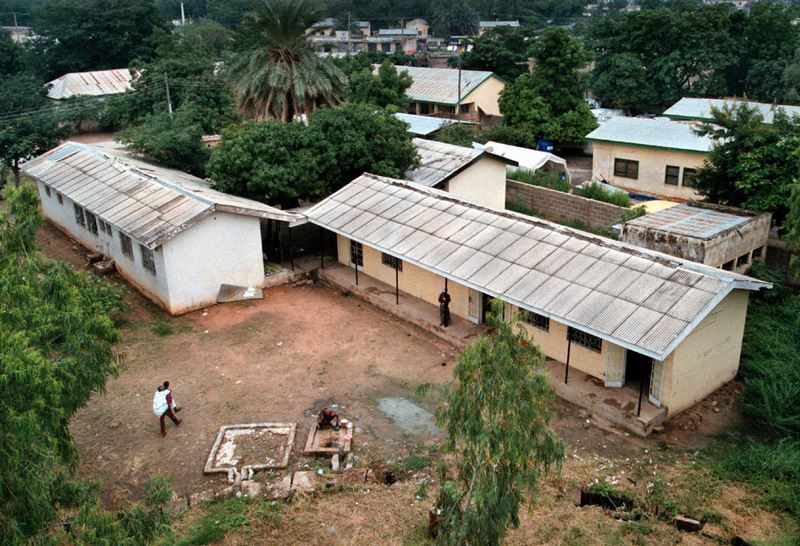
InternationalMar 21. 2021A makeshift pharmacy at Kano state's Infectious Diseases Hospital in 2000 is adorned with stickers promoting American drug companies. MUST CREDIT: Washington Post photo by Michael S. WilliamsonA makeshift pharmacy at Kano state’s Infectious Diseases Hospital in 2000 is adorned with stickers promoting American drug companies. MUST CREDIT: Washington Post photo by Michael S. Williamson
By The Washington Post · Ibrahim Garba, Danielle Paquette

KANO, Nigeria – By the time Pfizer arrived, the meningitis epidemic had struck hundreds of children, leaving many dead or partially paralyzed.

The American pharmaceutical giant pledged to fight the 1996 outbreak in West Africa while testing a new drug, enrolling 200 stricken young patients in a clinical trial. Eleven died of the brain infection – an outcome Pfizer said could not have been prevented – and families in Kano, along with the state government, later received millions of dollars in a lawsuit settlement.

Now the memory looms over the coronavirus vaccine rollout in Nigeria’s second-largest city, sowing doubts around foreign-made shots that officials are rushing to distribute.

“I don’t trust anything from the West,” said Abubakar Sadiq Sulaiman, a 20-year-old college student in Kano, “because of what happened here.”

Vaccine fears driven by the history of medical experimentation in Africa threaten to undermine the battle to end the pandemic, health officials say, as several nations kick off inoculation campaigns this month.

Nigeria has sought to soothe anxieties, deploying teams of public health educators to meet with religious leaders, village chiefs, shop owners, fishermen – voices with sway in their communities. Hesitancy to accept medicine from overseas slowed polio eradication in some areas, and leaders don’t want to see a repeat.

But videos invoking the Pfizer trial and other controversial cases continue to circulate on WhatsApp and Twitter.

“We cannot just dismiss the skepticism,” said Faisal Shuaib, head of the National Primary Health Care Development Agency, which is in charge of the rollout. “We have to recognize that people have their own concerns. We need to listen to them, and then we have to do the extra work that is required.”

A recent survey by the Africa Centers for Disease Control and Prevention of 15,000 people across 15 African nations found that 79% would take a coronavirus vaccine if it were safe – but a quarter thought it would be unsafe. The Nigerians polled were slightly more reluctant to accept a shot at 76%.

An Afrobarometer survey of neighboring countries – Benin, Liberia, Senegal, Niger and Togo – uncovered a far less optimistic outlook: Just 4 in 10 said they’d probably try to get vaccinated, according to the early March findings.

Mistrust is rooted in a variety of factors, researchers say, including painful medical encounters of the past. Western scientists have long faced accusations of exploiting poverty, weak access to health care and flimsy clinical trial oversight in the developing world to fast-track cures.

American researchers, for instance, gave placebo pills to pregnant women with HIV during 1994 trials of a drug meant to stop mother-to-child transmission in Zimbabwe. About 1,000 babies contracted the virus despite the availability of a proven regimen, triggering global backlash.

Even during the pandemic, a French doctor sparked outrage by suggesting on television that the first coronavirus vaccines be tested somewhere in Africa, where people “don’t protect themselves.”

An ill man is carried into the Infectious Diseases Hospital in Kano, Nigeria, in 2000. MUST CREDIT: Washington Post photo by Michael S. Williamson

An ill man is carried into the Infectious Diseases Hospital in Kano, Nigeria, in 2000. MUST CREDIT: Washington Post photo by Michael S. Williamson

Then there are the scars of the Pfizer trial in Kano.

The ancient walled city of 4.1 million in Nigeria’s north was the epicenter of a meningitis epidemic that killed more than 15,000 people across West Africa.

Researchers camped for weeks at a local field hospital, administering an experimental antibiotic called Trovan – which was not yet approved in the United States – to 100 children and infants with brain infections. They gave the standard treatment to 100 others.

At the same hospital, a Doctors Without Borders team worked only to save lives. Several expressed concerns about Pfizer’s work to The Washington Post in a 2000 investigation.

“In an epidemic, where you have a very high number of cases who will die, you don’t go and experiment,” one said. “You are talking about human beings, after all.”

The young patients arrived in grave shape, The Post investigation found: Some could no longer talk or move their limbs, and it was unclear if their parents – all of whom were under extreme stress – truly understood they had options. Pfizer said its researchers obtained verbal consent.

“The local Nigerian nurses explained – in the native language, Hausa – the details of the study to parents or guardians, including that participation was voluntary,” the company said in a statement.

Five children died after receiving Pfizer’s experimental antibiotic. Others developed signs of arthritis – though there is no evidence the drug caused it. Six more died while taking the standard treatment. Pfizer has maintained that the children died of meningitis.

“The 1996 Trovan clinical trial was approved by U.S. and Nigerian health officials, was conducted with the consent of parents or guardians,” the company said in a statement, “and the treatment saved lives and proved to be at least as effective as the gold standard treatment available at the time.”

Some medical experts questioned why the company did not switch to the proven pills when it was clear the young patients were approaching death.

Pfizer said Trovan was “at least as effective as the gold standard treatment,” adding, “There is no basis on which to conclude that a change in treatment would have improved outcomes.”

The Food and Drug Administration never approved Trovan for the care of children in the United States. The drug was later linked to reports of liver damage and deaths in adults. European regulators outlawed it entirely.

Fury erupted in Nigeria.

Pfizer conducted “an illegal trial of an unregistered drug,” a Nigerian panel of medical experts wrote, according to a document The Post obtained in 2006, and a “clear case of exploitation of the ignorant.”

The state of Kano and the Nigerian federal government filed criminal and civil lawsuits against Pfizer in 2007. Two years later, the company agreed to pay $75 million to the state and relatives of children who died or were disabled during the trial.

One of the settlement recipients, a 70-year-old man, recalls feeling hopeful in 1996 when a neighbor told him about the American doctors in town helping children. He spoke on the condition of anonymity because he signed a nondisclosure agreement to receive the settlement money.

He didn’t question anyone’s motives. His sole focus was saving his 4-year-old daughter. Today, she cannot walk and requires full-time care.

“I was excited that the treatment was free, but that excitement was short-lived,” he said. “She lost the function of her limbs. Our happiness vanished into thin air.”

The experiment shaped public perception of Western drugs in the region. Parents told their children about it. Teachers lectured about Pfizer in classrooms. Pundits spoke of Western physicians seeking human guinea pigs.

“If I had an enemy, I would not let him take their drugs,” said Najib Ibrahim, a 19-year-old tailor in Kano.

By 2003, three northern states – including Kano – were boycotting polio vaccination campaigns, citing, among other reasons, the Pfizer trial. The resistance added years to Nigeria’s fight against the virus.

So public health officials have doubled down on coronavirus vaccine safety messaging even as recent surveys show rising confidence.

“We’ve been confronted with this problem,” said Chikwe Ihekweazu, director of the Nigeria Center for Disease Control in the capital, Abuja. “We know how much of an impact it had – how much it took us back. We can’t take anything for granted.”

President Muhammadu Buhari received his jab live on television, urging viewers to follow his lead. The nation aims to inoculate 80 million people this year, starting with doses from AstraZeneca through the World Health Organization’s Covax initiative.

Pfizer shots are expected to arrive, officials said, once Nigeria ramps up its ultracold storage capacity.

“Pfizer’s vaccine and the other vaccines are outperforming everybody’s wildest expectations,” said Ihekweazur. “It’s how we will save lives and end this pandemic.”

By Monday, the country had recorded 161,000 cases and 2,013 deaths after enduring a second wave this winter. Officials say the national surveillance system offers only a conservative estimate.

One in 5 people in Lagos state alone – a metropolitan sprawl of 21 million – may have caught the coronavirus by last October, according to a recent antibodies survey from the Nigeria Center for Disease Control. That would be more cases than every African country combined has confirmed.

In Kano, more than 500 medical clinics are being transformed into vaccination centers. The city received its first 200,000 shots in early March.

Local health officials are preparing for the deliveries with “fact and myth” seminars, hoping to boost enrollment.

Musa Abdullahi Sufi, a public health doctor, estimates that 20% of Kano residents would be ready today to accept a dose.

“But that will move to 80 percent,” he said, “once we build more trust.”

Some in town say that hope is futile.

Abdul Murtala, a 45-year-old trader, remembers reading about the 1996 Pfizer trial as the details emerged. The experience changed him, he said.

“Pfizer reminds me of recklessness with human lives,” he said. “It makes me want to forever avoid receiving vaccines from foreign establishments.”

Pakistan’s prime minister contracts coronavirus two days after his first vaccine dose #SootinClaimon.Com

#SootinClaimon.Com : ขอบคุณแหล่งข้อมูล : หนังสือพิมพ์ The Nation.

https://www.nationthailand.com/news/30403939

Pakistan’s prime minister contracts coronavirus two days after his first vaccine dose

InternationalMar 21. 2021

By The Washington Post · Shaiq Hussain, Susannah George

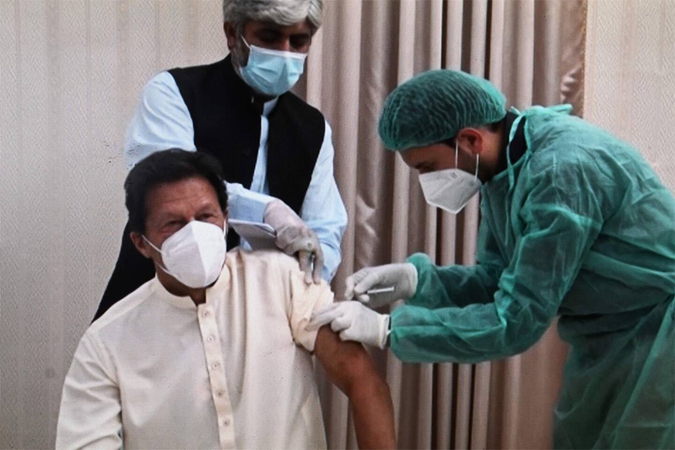
ISLAMABAD, Pakistan – Pakistan’s prime minister, Imran Khan, tested positive for the coronavirus Saturday, two days after receiving his first dose of a vaccine, raising fears among health professionals that the news could heighten vaccine skepticism in a country already deeply wary of inoculation.

Khan was injected with China’s Sinopharm vaccine on Thursday and was probably infected before then, according to Pakistan’s Health Ministry. The Sinopharm vaccine requires two doses about a month apart and can take up to 21 days after the second injection to become fully effective.

Minutes after the news broke of Khan testing positive, debate about the vaccine’s effectiveness heated up on social media in Pakistan and Sinopharm began trending here on Twitter.

The Health Ministry quickly responded that the prime minister was not fully vaccinated when he contracted the virus.

“He only got the first dose merely two days ago which is too soon for any vaccine to become effective. Antibodies develop two to three weeks after the second dose of two-dose covid vaccine,” it said in a tweet.

But doctors and experts fear such statements will not be enough.

“In Pakistan, we already have skepticism, conspiracy theories and negative propaganda about vaccines,” said Javed Akram, one of the country’s top doctors and the vice chancellor of the University of Health Sciences, Lahore.

“Look at what people think of the vaccine for polio, a disease which has been eliminated across the world, nearly,” he said. Many Pakistanis refuse to allow their children to get a polio vaccination because of allegations spread by hard-line religious leaders that it will render them infertile. Pakistan remains one of just two countries in the world where polio is endemic.

“Imran Khan tested positive even after receiving the vaccine, this shows that vaccines imported into Pakistan are of no use,” read one tweet by a Pakistani user from Peshawar who identified himself as Lawangeen Khan.

Another user agreed that the prime minister’s infection proves the vaccine fails to protect against the virus.

Khan from Peshawar added, “May God recover him [from his illness] soon.”

Some trials have shown China’s Sinopharm to be less effective than its Western counterparts, but others have shown that its efficacy is on par with that of vaccines manufactured by Pfizer-BioNTech and Moderna. However, little clinical data on Sinopharm has been released publicly.

China was the first country to provide Pakistan with coronavirus vaccines, a sign of growing ties between the two. The country also completed trials for the drug that drew thousands of participants, despite fears and skepticism.

Pakistan is experiencing a third wave of coronavirus infections and imposed new lockdown measures Saturday after recording nearly 4,000 new cases, the highest in a single day in eight months.

The number of daily hospital admissions and people receiving critical care is rising fast, Asad Umar, the minister leading the government’s response to the coronavirus, warned in a tweet. He said if Pakistanis do not comply with the current restrictions, a tighter lockdown will be imposed.

“Please be very very careful. The new strain spreads faster and is more deadly,” he said, referring to the variant of the coronavirus first detected in the United Kingdom.

Khan’s positive test was announced by Faisal Sultan, his aide, who said in a tweet that the Pakistani leader is self-isolating at home but did not elaborate on his condition.

Ethereum อาจจะแซง Bitcoin หลังปฏิรูปครั้งใหญ่ #SootinClaimon.Com

#SootinClaimon.Com : ขอบคุณแหล่งข้อมูล : หนังสือพิมพ์โพสต์ทูเดย์

https://www.posttoday.com/world/648439

วันที่ 21 มี.ค. 2564 เวลา 15:49 น.Ethereum อาจจะแซง Bitcoin หลังปฏิรูปครั้งใหญ่การเปลี่ยนแปลงรูปแบบครั้งใหญ่ที่เรียกว่า Ethereum 2.0 กำลังจะเกิดขึ้นอีกไม่นาน และอาจทำให้เงินสกุลนี้แซง Bitcoin ในที่สุด

ไรอัน แวทกินส์ นักวิเคราะห์ของ Messari บริษัทวิจัยคริปโตเคอร์เรนซี่บอกกับ Fintech Today ว่าเขาเชื่อว่าอีเธอเรียม (Ethereum) สามารถแซงบิตคอยน์ (Bitcoin) และกลายเป็นสกุลเงินดิจิทัลที่มีมูลค่ามากที่สุด

แวทกินส์กล่าวว่าการเปลี่ยนของอีเธอเรียมหรืออีเธอร์ครั้งใหม่ หรือ Ethereum 2.0 จะนำมาซึ่งการเปลี่ยนแปลงบางอย่างในลักษณะทางการเงินของเงินสกุลนี้ ซึ่งอาจนำไปสู่การที่อีเธอร์เข้ามาเป็นผู้นำสกุลเงินดิจิทัลในอนาคต เพราะความต่างด้านลักษณะทางการเงินของมันจากบิตคอยน์

“ผมคิดว่าการเปลี่ยนไปใช้ Ethereum 2.0 และการพิสูจน์ว่ามีส่วนได้ส่วนเสีย (PoS) ซึ่งเป็นเหมือนวิธีใหม่ในการรักษาความปลอดภัยบล็อกเชนของอีเธอเรียม …. จริงๆ แล้ว อีเธอเรียมอาจปลอดภัยกว่าบิตคอยน์” เขากล่าว

ทั้งนี้ การพิสูจน์ว่ามีส่วนได้ส่วนเสีย หรือ PoS คือแนวแนวคิดระบุว่าบุคคลสามารถหนึ่งๆ ขุดหรือตรวจสอบธุรกรรมบล็อกได้ตามจำนวนเหรียญที่เขาหรือเธอถือ นั่นหมายความว่ายิ่งนักขุดเป็นเจ้าของบิตคอญน์หรือสกุลเงินอื่นๆ (เช่น อีเธอเรียม) มากเท่าไหร่เขาก็ยิ่งมีอำนาจในการขุดมากขึ้นเท่านั้น

ส่วน Ethereum 2.0 เป็นการอัปเกรดเป็นเครือข่ายอีเธอเรียมซึ่งปรับปรุงความเร็ว ประสิทธิภาพ และความสามารถในการปรับขนาดของเครือข่าย เช่น เพิ่มแบนด์วิดท์เครือข่ายอย่างมากและลดต้นทุนการใช้พลังงาน โดยเฉพาะการใช้วิธี PoS ซึ่งเป็นวิธีการบำรุงรักษาเครือข่ายที่ประหยัดพลังงานมากขึ้น นักขุดและนักลงทุนต่างตื่นเต้นกับ Ethereum 2.0 กันมากและเชื่อกันว่ามันคงจะเริ่มต้นได้ในเวลาอันใกล้นี้

แวทกินส์ชี้ให้เห็นว่านโยบายการเงินใหม่ที่ Ethereum 2.0 นำมาใช้จะทำให้อีเธอเรียมเป็นสินทรัพย์เงินฝืด (deflationary asset) เพราะจำนวนมันจะน้อยลงไปเรื่อยๆ จากโทเค็นที่หายไป ในลักษณะเดียวกับบิตคอยน์ที่มีจำนวนคงที่ที่ 21 ล้านและจะไม่มีการเพิ่มจำนวน

ข้อมูลจาก Blockchain Center แสดงให้เห็นว่า อีเธอเรียมได้แซงบิตคอยน์ไปแล้วในแง่ของจำนวนยืนยันการทำธุรกรรม (Node) และค่าธรรมเนียมการทำธุรกรรมทั้งหมด อย่างไรก็ตามในแง่ของมูลค่าตลาดมูลค่า 2 แสนล้านดอลลาร์ของ อีเธอเรียมยังห่างไกลจากมูลค่าตลาดของบิตคอยน์ที่ 1 ล้านล้านดอลลาร์

อย่างไรก็ตาม แวทกินส์บอกว่าอีเธอเรียมมีมูลค่าเทียบได้กับจีดีพีหลายประเทศใหญ่ๆ ในโลก

AFP PHOTO / OZAN KOSE

การค้นพบต้นกำเนิดอารยธรรมที่อาจเปลี่ยนประวัติศาสตร์จีน #SootinClaimon.Com

#SootinClaimon.Com : ขอบคุณแหล่งข้อมูล : หนังสือพิมพ์โพสต์ทูเดย์

https://www.posttoday.com/world/648431

วันที่ 21 มี.ค. 2564 เวลา 13:50 น.การค้นพบต้นกำเนิดอารยธรรมที่อาจเปลี่ยนประวัติศาสตร์จีนจีนพบ ‘หลุมบูชายัญ’ ซุกวัตถุโบราณพันปี ต้นกำเนิดอารยธรรมจีน

เฉิงตู, 20 มี.ค. (ซินหัว) — คณะนักโบราณคดีของจีนประกาศการค้นพบครั้งสำคัญรอบใหม่ในซากโบราณซานซิงตุย (Sanxingdui Ruins) ทางตะวันตกเฉียงใต้ของจีน ซึ่งช่วยอธิบายต้นกำเนิดของอารยธรรมจีน ที่มีทั้งความเป็นหนึ่งเดียวและความหลากหลาย

วันเสาร์ (20 มี.ค.) สำนักบริหารมรดกวัฒนธรรมแห่งชาติ (NCHA) เปิดเผยว่าคณะนักโบราณคดีค้นพบหลุมบูชายัญใหม่ 6 หลุม และขุดพบวัตถุมากกว่า 500 รายการ ซึ่งมีความเก่าแก่ราว 3,000 ปี ที่ซากโบราณซานซิงตุย มณฑลซื่อชวน (เสฉวน)

ปัจจุบันคณะนักโบราณคดีขุดพบวัตถุวัฒนธรรมสำคัญมากมายจากหลุมบูชายัญ 4 หลุม อาทิ ชิ้นส่วนหน้ากากทองคำ แผ่นทองคำเปลว หน้ากากสัมฤทธิ์ ต้นไม้สัมฤทธิ์ งาช้าง รวมถึงชิ้นส่วนงาช้างแกะสลักขนาดเล็ก เมล็ดข้าวที่กลายเป็นถ่าน และเมล็ดพันธุ์ต้นไม้

ภาพจากสำนักข่าวซินหัว คณะนักโบราณคดีของจีนประกาศการค้นพบครั้งสำคัญรอบใหม่ในซากโบราณซานซิงตุย (Sanxingdui Ruins)

“นับเป็นเรื่องน่าตื่นตาตื่นใจ เราขุดพบเครื่องสัมฤทธิ์บางส่วนที่ไม่เคยพบมาก่อน” เหล่ยอวี้ เจ้าหน้าที่สถาบันวิจัยวัตถุวัฒนธรรมและโบราณคดีมณฑลซื่อชวนกล่าว “ตัวอย่างเช่น เครื่องสัมฤทธิ์ขนาดใหญ่และประณีตที่มีลวดลายมังกรหรือวัวรูปลักษณ์แปลกประหลาด”

ถังเฟย หัวหน้าทีมขุดสำรวจและผู้อำนวยการสถาบันฯ ระบุว่ามีการขุดพบกากใยไหมและสิ่งทอในซากโบราณซานซิงตุยเป็นครั้งแรกด้วย ซึ่งบ่งชี้ “อาณาจักรสู่ (SHU) ในอดีตกาลเป็นหนึ่งในต้นกำเนิด ‘ไหม’ แห่งสำคัญในยุคจีนโบราณ”

หลุมบูชายัญกลุ่มใหม่มีรูปทรงสี่เหลี่ยม ขนาดระหว่าง 3.5-19 ตารางเมตร ตั้งอยู่ถัดจากหลุมบูชายัญ 2 หลุม ที่ค้นพบเมื่อปี 1986 โดยหลุมบูชายัญทั้งหมดถือเป็นสถานที่ที่ผู้คนในอารยธรรมสู่ใช้บวงสรวงสวรรค์ โลก และบรรพบุรุษ รวมถึงขอความร่ำรวยและความสงบสุข

ภาพจากสำนักข่าวซินหัว คณะนักโบราณคดีของจีนประกาศการค้นพบครั้งสำคัญรอบใหม่ในซากโบราณซานซิงตุย (Sanxingdui Ruins)

สำนักบริหารมรดกวัฒนธรรมแห่งชาติระบุว่าปฏิบัตการขุดสำรวจรอบล่าสุดมีสถาบันต่างๆ เข้าร่วมมากกว่า 30 แห่ง และมีการประยุกต์ใช้เทคโนโลยีสมัยใหม่ ตลอดการบูรณาการการขุดสำรวจและการอนุรักษ์เข้าด้วยกัน

ซากโบราณซานซิงตุยเป็นหนึ่งในสุดยอดการค้นพบทางโบราณคดีอันยิ่งใหญ่ที่สุดของมนุษยชาติแห่งศตวรรษที่ 20 ซึ่งถูกค้นพบโดยเกษตรกรที่กำลังขุดดินในช่วงทศวรรษ 1920 มีขนาด 12 ตารางกิโลเมตร ตั้งอยู่ในเมืองก่วงฮั่น เชื่อกันว่าเป็นซากอาณาจักรสู่ที่มีความเก่าแก่ราว 4,800 ปี

ย้อนกลับเมื่อปี 1986 มีการขุดพบโบราณวัตถุจำนวนมากในหลุมหมายเลข 1 และหมายเลข 2 ซึ่งดึงดูดความสนใจจากทั่วโลก โดยปัจจุบันนักโบราณคดีขุดพบโบราณวัตถุจากซากโบราณซานซิงตุยมากกว่า 50,000 รายการแล้ว

ภาพจากสำนักข่าวซินหัว คณะนักโบราณคดีของจีนประกาศการค้นพบครั้งสำคัญรอบใหม่ในซากโบราณซานซิงตุย (Sanxingdui Ruins)

อนึ่ง ทางการจีนจัดให้ซากโบราณซานซิงตุยอยู่ภายใต้การคุ้มครองระดับรัฐในปี 1988

“เราจำเป็นต้องกอบกู้โบราณวัตถุทั้งหมดอย่างระมัดระวังขั้นสุด” เจียงลู่ม่าน เจ้าหน้าที่สถาบันฯ ซึ่งเป็นหนึ่งในทีมงานประจำหลุมหมายเลข 5 กล่าว พร้อมเสริมว่ามีการใช้ถุงมือ มีดผ่าตัดทางการแพทย์ และซีกไม้ไผ่ ในการกอบกู้วัตถุโบราณด้วย

“ชิ้นส่วนงาช้างจำนวนมากที่ถูกค้นพบใหม่อยู่ในสภาพบอบบางมาก เราต้องใช้สารพัดมาตรการเพื่อรักษาความชื้นและอุณหภูมิให้คงที่ โดยตอนนี้เรากอบกู้วัตถุวัฒนธรรมจากหลุมได้มากกว่า 100 รายการแล้ว” เจียงกล่าว

ภาพจากสำนักข่าวซินหัว คณะนักโบราณคดีของจีนประกาศการค้นพบครั้งสำคัญรอบใหม่ในซากโบราณซานซิงตุย (Sanxingdui Ruins)

คณะนักวิจัยของจีนเสริมว่าเครื่องสัมฤทธิ์บางส่วนที่ขุดพบในซากโบราณซานซิงตุย สามารถพบได้ในเขตที่ราบลุ่มตอนกลาง (Central Plains) หรือพื้นที่อื่นๆ ตามแนวแม่น้ำแยงซี ซึ่งถือเป็นหลักฐานบ่งชี้อย่างหนักแน่นว่ามีการแลกเปลี่ยนบ่อยครั้ง

“การค้นพบรอบใหม่นี้จะเสริมสร้างและเพิ่มพูนความเข้าใจเกี่ยวกับวัฒนธรรมซานซิงตุยยิ่งขึ้น” ซ่งซินเฉา รองผู้อำนวยการสำนักบริหารมรดกวัฒนธรรมแห่งชาติกล่าว

ภาพจากสำนักข่าวซินหัว คณะนักโบราณคดีของจีนประกาศการค้นพบครั้งสำคัญรอบใหม่ในซากโบราณซานซิงตุย (Sanxingdui Ruins)

คณะนักโบราณคดีกล่าวว่าหน้ากากทองคำ หน้ากากสัมฤทธิ์ และรูปปั้นมนุษย์ที่ค้นพบใหม่ ล้วนเป็นสิ่งสะท้อนเอกลักษณ์โดดเด่นเฉพาะตัวและความคิดสร้างสรรค์ของอารยธรรมสู่

เจย์สวี่ ผู้อำนวยการพิพิธภัณฑ์ศิลปะเอเชียแห่งซานฟรานซิสโก กล่าวกับสำนักข่าวซินหัวว่าศิลปะเครื่องสัมฤทธิ์ที่มีพัฒนาการสูงของซานซิงตุย “ฉายความโดดเด่นในหมู่อารยธรรมระดับภูมิภาคของจีน รวมถึงอารยธรรมโบราณอื่นๆ ซึ่งจะเป็นที่สนใจจากทั่วโลกอย่างมาก”

อนุเคราะห์ข่าวโดยสำนักข่าวซินหัว “จีนพบ ‘หลุมบูชายัญ’ ซุกวัตถุโบราณพันปี ต้นกำเนิดอารยธรรมจีน” 

Lamborghini เซอร์ไพรส์ กำไรพุ่งทั้งๆ ที่เจอโควิด #SootinClaimon.Com

#SootinClaimon.Com : ขอบคุณแหล่งข้อมูล : หนังสือพิมพ์โพสต์ทูเดย์

https://www.posttoday.com/world/648430

วันที่ 21 มี.ค. 2564 เวลา 12:48 น.Lamborghini เซอร์ไพรส์ กำไรพุ่งทั้งๆ ที่เจอโควิดซีอีโอของ Lamborghini เซอร์ไพร์สที่บริษัทประสบความสำเร็จสุดๆ และปีที่เกิดการระบาดของโรคโคโรนาไวรัสเป็นปีที่ทำกำไรได้มากที่สุดของ Lamborghini อีกด้วย

ค่ายรถหรู Lamborghini มียอดสั่งซื้อของลูกค้าและการส่งมอบรถยนต์ในเดือนมกราคมและกุมภาพันธ์ของปีนี้มากกว่าที่เคยทำในช่วงสองเดือนแรกของปี 2020 ก่อนที่จะเกิดการระบาดของโคและตอนนี้มียบอดสั่งซื้อครอบคลุม 9 เดือนของปีนี้แลัวและซีอีโอของบริษัทหวังว่าปีนี้จะเป็นปีที่ดี

รุ่นที่ขายดีสุดๆ ของ Lamborghini คือ Urus SUV ที่ประสบความสำเร็จอย่างมาก และการขายรถซูเปอร์คาร์ เช่น Sian มูลค่า 3.3 ล้านดอลลาร์ รวมแล้ว Lamborghini ส่งมอบรถยนต์ 7,430 คันทั่วโลกในปี 2020 เป็นรองปี 2019 ที่ส่งมอบถึง 8,250 คัน

“เราประหลาดใจมาก” สเตฟาน วิงเคิลมันน์ (Stephan Winkelmann) ซีอีโอคนใหม่ (และเคยเป็นอดีตมาก่อน) วัย 58 ปีของ Lamborghini กล่าวผ่านวิดีโอคอลส่วนตัว 15 มี.ค. กับสำนักข่าว Bloomberg “การผสมผสานรูปแบบที่ลงตัวและการปรับแต่งผลิตภัณฑ์ของเราที่เพิ่มมากขึ้นช่วยผลักดันผลกำไรไปยังระดับสูงสุด”

Lamborghini ปฏิเสธที่จะระบุอัตรากำไรจากการดำเนินงานหรือเปอร์เซ็นต์ของการเพิ่มขึ้นจากปี 2019 แต่กล่าวว่ามีมูลค่าการซื้อขาย 1,610 ล้านยูโร ลดลง 11% จากปี 2019 การลดลงเป็นผลมาจากการหยุดผลิต 70 วันเมื่อช่วงฤดูใบไม้ผลิที่แล้ว แต่เมื่อเทียบกันแล้วผลกำไรสุทธิของคู่แข่งอย่าง Ferrari ลดลงเกือบ 13% ในปี 2020

ตลาดสหรัฐที่มีการส่งมอบ 2,224 คันยังคงเป็นตลาดอันดับต้นๆ ของยอดขาย Lamborghini โดยเยอรมนีมาเป็นอันดับ 2 ด้วยยอดขาย 607 คันและอันดับ 3 เป็นของจีนมียอดขาย 604 คัน แต่จีนมียอดขายที่แข็งแกร่งขึ้นทุกปี สเตฟาน วิงเคิลมันน์บอกว่าจีนจะอยู่ในอันดับที่ 2 ในปีนี้

ในช่วงไม่กี่ปีที่ผ่านมาผู้ซื้อรถยนต์ชาวจีนต้องการรถ SUV ระดับสุดหรูจาก Rolls-Royce, Bentley และ Lamborghini (Ferrari มีแผนจะเปิดตัวรถ SUV ของตัวเองในปี 2022) ในประเทศจีนเช่นเดียวกับที่อื่นๆ รถ SUV สมรรถนะสูง ราคา 6 หลักเหล่านี้ขายดีกว่ารถซีดานและรถสปอร์ตจากแบรนด์ต่างๆ ที่เอ่ยมา ปีที่แล้วรุ่น Urus มียอดขายคิดเป็น 59% ของยอดขาย Lamborghini ทั่วโลก

วิงเคิลมันน์ปฏิเสธที่จะกล่าวถึงการคาดเดาในตลาดเกี่ยวกับรถไฮยริด Urus แต่บอกว่าให้ถามเรื่องนี้อีกครั้งในอีกไม่กี่สัปดาห์ เขากล่าวว่าในปีหน้าจะมุ่งเน้นไปที่การเปิดตัวของ Huracan STO และรถยนต์อีกสองรุ่นที่อิงกับรุ่น V12 โดยไม่ได้เสนอรายละเอียดใด ๆ เพิ่มเติม

Photo by Tobias SCHWARZ / AFP

ญี่ปุ่น-สหรัฐยืนยันช่วยไต้หวันหากเกิดการปะทะกับจีน #SootinClaimon.Com

#SootinClaimon.Com : ขอบคุณแหล่งข้อมูล : หนังสือพิมพ์โพสต์ทูเดย์

https://www.posttoday.com/world/648427

วันที่ 21 มี.ค. 2564 เวลา 11:52 น.ญี่ปุ่น-สหรัฐยืนยันช่วยไต้หวันหากเกิดการปะทะกับจีนรัฐมนตรีกลาโหมญี่ปุ่นและสหรัฐยืนยันความร่วมมือเกี่ยวกับเหตุฉุกเฉินของไต้หวัน

รัฐมนตรีกลาโหมญี่ปุ่นและสหรัฐได้ตกลงกันในการประชุมล่าสุดที่โตเกียวเพื่อร่วมมือกันอย่างใกล้ชิดในกรณีที่มี การปะทะกันทางทหารระหว่างจีนและไต้หวันแหล่งข่าวของรัฐบาลญี่ปุ่นกล่าวเมื่อวันเสาร์

ลอยด์ ออสติน รัฐมนตรีว่าการกระทรวงกลาโหมของสหรัฐนำประเด็นดังกล่าวมาพูดคุยกับโนบุโอะ คิชิ รัฐมนตรี ว่าการกระทรวงกลาโหมของญี่ปุ่นเมื่อวันอังคารที่ผ่านมาแม้ว่าจะไม่มีการหารือว่าประเทศของตนควรประสาน การตอบสนองต่อเหตุฉุกเฉินดังกล่าวอย่างไร

ทั้งนี้ นโยบายของโตเกียวเกี่ยวกับความสัมพันธ์จีน – ไต้หวันคือการส่งเสริมให้มีการเจรจาเพื่อการแก้ปัญหาความตึง เครียดข้ามช่องแคบอย่างสันติ

เกี่ยวกับปัญหาไต้หวัน แถลงการณ์ที่ออกหลังจากการเจรจาของคิชิและออสติน รวมถึงแอนโทนี บลิงเคนรัฐมนตรี ต่างประเทศสหรัฐและโทชิมิตสึ โมเตงิ รัฐมนตรีว่าการกระทรวงการต่างประเทศญี่ปุ่นซึ่งจัดขึ้นเมื่อวันอังคารที่ผ่าน มา เพียงแต่เรียกร้องให้มีสันติภาพและเสถียรภาพในช่องแคบไต้หวันเท่านั้น

ในการพบปะกับออสตินก่อนหน้านี้ คิชิอ้างถึงการเพิ่มจำนวนเครื่องบินสงครามของจีนที่ข้ามเส้นค่ามัธยฐานใน ช่องแคบไต้หวันเมื่อไม่นานมานี้ และต้องการศึกษาวิธีการที่กองกำลังป้องกันตนเองของญี่ปุ่น (SDF ) จะร่วมมือ กับกองกำลังสหรัฐที่ช่วยปกป้องไต้หวันหาเกิดการรุกรานของจีนรัฐบาล

โตเกียวกำลังตรวจสอบความเป็นไปได้ในการออกคำสั่งให้ส่ง SDF เพื่อปกป้องเรือรบและเครื่องบินทหาร ของสหรัฐในกรณีที่เกิดวิกฤตระหว่างจีนและไต้หวัน เนื่องจากความใกล้ชิดทางภูมิศาสตร์ของช่องแคบและความ เป็นไปได้ที่จะเกิดความขัดแย้งทางอาวุธ ส่งผลกระทบต่อความปลอดภัยของพลเมืองญี่ปุ่น

Photo by elliot Schaudt / US NAVY / AFP

ทหารเมียนมาใช้ปืนจี้เกณฑ์แรงงานประชาชนรื้อสิ่งกีดขวางของผู้ต่อต้าน #SootinClaimon.Com

#SootinClaimon.Com : ขอบคุณแหล่งข้อมูล : หนังสือพิมพ์โพสต์ทูเดย์

https://www.posttoday.com/world/648426

วันที่ 21 มี.ค. 2564 เวลา 10:46 น.ทหารเมียนมาใช้ปืนจี้เกณฑ์แรงงานประชาชนรื้อสิ่งกีดขวางของผู้ต่อต้านฝันร้ายบุคเผด็จการกลับมาอีกครั้ง เมื่อกองทัพเมียนมาใช้วิธีการดั้งเดิมในการกดขี่ประชาชน ด้วยการสั่งเกณฑ์แรงงานมาทำงานหนัก

เครื่องกีดขวางชั่วคราวที่ทำจากไม้ไผ่ อิฐ และยางรถยนต์ทำให้ถนนในเมืองที่ใหญ่ที่สุดของเมียนมากลายเป็นเขตสงครามในเมือง และตอนนี้ทหารกำลังบังคับให้พลเรือนรื้อพวกมันทีละชิ้น โดยใช้ปืนจ่อไปที่พวกเขาเพื่อบีบบังคับ

สิ่งกีดขวางสร้างขึ้นโดยใช้วัสดุที่พอหาได้เกิดขึ้นทั่วย่างกุ้ง เป็นป้องกันที่ช่วยได้เพียงเล็กน้อยต่อการยิงกระสุนจริงของกองกำลังความมั่นคง

ผู้ประท้วงมีจำนวนมาก แต่ไม่มีวิธีการต่อสู้กับแก๊สน้ำตากระสุนยางและปืนไรเฟิลของกองทัพและตำรวจอย่างแท้จริง

กลุ่มตรวจสอบของสมาคมช่วยเหลือนักโทษการเมืองชี้ให้เห็นว่ามีผู้เสียชีวิตจากเหตุการณ์ความไม่สงบประมาณ 230 คนและเชื่อว่าตัวเลขที่เกิดขึ้นจริงทั่วประเทศจะสูงกว่านี้มาก

เครื่องกีดขวางได้กลายเป็นสัญลักษณณ์การต่อสู้ของผู้ประท้วง พวกเขาทำการปิดกั้นถนนสายหลักและใช้ทุกอย่างตั้งแต่ถุงปูนซีเมนต์ ทราย และฉากกั้นไม้ไผ่ ไปจนถึงถังขยะขนาดใหญ่ และอิฐสร้างบ้าน พวกเขาประสบความสำเร็จบางส่วนในการชะลอการเคลื่อนไหวของกองกำลังความมั่นคง

แต่ตอนนี้พวกทหารและตำรวจเริ่มบังคับให้ผู้อยู่อาศัยในท้องถิ่นรวมทั้งผู้ที่ไม่เกี่ยวข้องกับการประท้วงรื้อถอนและนำสิ่งกีดขวางออกไป

สำนักข่าว AFP สัมภาษณ์ ตุน ลา (Tun Hla) วัย 60 ปีซึ่งอยู่ที่บ้านเมื่อเจ้าหน้าที่ติดอาวุธกระแทกประตูของเขาและสั่งให้เขาออกมาทำงานด้วยการเคลียร์กำแพงกั้นที่สร้างขึ้นในละแวกบ้านของเขา

“ผมเคยเจอเหตุการณ์แบบนี้มาก่อนและมันไม่ควรเกิดขึ้นอีก” ตุน ลา ซึ่งไม่ใช่ชื่อจริงของเขาบอกกับ AFP

การรัฐประหารเมื่อเดือนกุมภาพันธ์ทำให้การทดลองกับประชาธิปไตยในเมียนมาสิ้นสุดลงอย่างกะทันหัน ก่อนหน้านี้เมียนมาเคยอยู่ภายใต้การปกครองของกองทัพที่เข้มงวดมาเป็นเวลา 5 ทศวรรษ ภายใต้คณะรัฐบาลทหารในช่วงเวลานั้น เป็นเรื่องปกติที่เจ้าหน้าที่ทหารทั่วประเทศจะสั่งให้ครอบครัวประชาชนจัดหาคนฉกรรจ์หนึ่งคนเพื่อทำงานใช้แรงงานอย่างหนัก

“การใช้แรงงานบังคับนี้ไม่ใช่เรื่องใหม่ในเมียนมา” จอห์น ควินลีย์ แห่งองค์กร Fortify Rights กล่าวและเสริมว่านี่เป็น “กลยุทธ์ที่โหดร้ายที่ใช้เพื่อสร้างสภาพแวดล้อมแห่งความกลัวและการข่มขู่”

แม้จะได้รับความเจ็บปวดจากอาการปวดหลังเรื้อรัง ตุน ลา ก็ไม่มีทางเลือกอื่นนอกจากทำตามคำสั่งของเจ้าหน้าที่ โดยซ่อนลูกๆ ของเขาไว้ที่บ้าน และร่วมกับเพื่อนบ้านในการรื้อกระสอบทรายและเสาไม้ไผ่ที่กองอยู่บนถนน

“ผมเป็นห่วงๆ ของผมตั้งแต่ … มีคนหนุ่มสาวเสียชีวิต” เขาบอก

ย่างกุ้งซึ่งเป็นเมืองหลวงและศูนย์กลางการค้าในอดีตของเมียนมาเป็นจุดสำคัญของการต่อต้านการรัฐประหารและในเมืองนี้ กองกำลังรักษาความมั่นคงกำลังลาดตระเวนและเปิดฉากยิงอย่างไม่เลือกหน้า

มีการบังคับใช้กฎอัยการศึกใน 6 เขตย่างกุ้ง ทำให้ประชาชนเกือบ 2 ล้านคนอยู่ภายใต้การควบคุมโดยตรงของผู้บังคับบัญชาทหาร

ซาเบลอายุ 20 ปีกล่าวว่าเธอและแม่ที่เป็นม่ายของเธอถูกทหารเอาปืนจี้ แล้วบังคับให้ต้องรื้อสิ่งกีดขวางริมถนนในละแวกของพวกเขา

“ฉันไม่เคยทำแบบนี้มาก่อนในชีวิต” เธอกใช้นามแฝงบอกกหับสื่อเพราะกลัวผลกระทบที่จะตามมา

ซาเบลและแม่ของเธอถูกบังคับให้รื้อถุงหนักห้าแถวที่เต็มไปด้วยทรายหินอ่อน

“ฉันมีรอยฟกช้ำที่มือ ฉันเจ็บมาก” เธอบอกและเสริมว่าเธอเห็นเจ้าหน้าหันกระบอกปืนไปที่เด็กหนุ่ม 2 คนขณะที่พวกเขาพยายามยกกระสอบทรายและรื้อรั้วไม้ไผ่

ชาวย่างกุ้งคนหนึ่งที่เติบโตในรัฐชินทางตอนเหนือซึ่งเป็นพื้นที่แห่งความขัดแย้งอันยาวนานระหว่างทหารและกลุ่มชาติพันธุ์ที่ติดอาวุธ เขาเล่าว่าเขาอายุเพียง 10 ขวบภายใต้ระบอบทหารก่อนหน้านี้เ ขาถูกบังคับให้ขุดสนามเพลาะและโค่นต้นไม้รอบบ้านเกิดของเขา

“ผมไม่อยากให้ลูกชายของผมต้องเจอกับฝันร้ายแบบนั้น” เขาบอกกับ AFP

ภาพประกอบ – ผู้ประท้วงเสริมเครื่องกีดขวางระหว่างการปราบปรามโดยกองกำลังความมั่นคงในการประท้วงต่อต้านการรัฐประหารในย่างกุ้งเมื่อวันที่ 20 มีนาคม 2564 (ภาพโดย STR / AFP)

ทหารเมียนมาเหิมเกริมบุกปล้นบ้านเรือนประชาชนในย่างกุ้ง #SootinClaimon.Com

#SootinClaimon.Com : ขอบคุณแหล่งข้อมูล : หนังสือพิมพ์โพสต์ทูเดย์

https://www.posttoday.com/world/648393

วันที่ 20 มี.ค. 2564 เวลา 18:00 น.ทหารเมียนมาเหิมเกริมบุกปล้นบ้านเรือนประชาชนในย่างกุ้งทหารเมียนมาปล้นทรัพย์สินประชาชนในนครตูนเตชานเมืองย่างกุ้งได้ทรัพย์สินไปกว่า 400,000 บาท 

สำนักข่าว The Irrawaddy รายงานว่า ทหารเมียนและตำรวจที่มากับรถบรรทุกของกองทัพ 4 คัน บุกปล้นทรัพย์สินประชาชน อาทิ เงินสด เครื่องประดับ กล้องถ่ายรูป อาหาร ถังแก๊ส และปลาตากแห้ง ในบ้านอย่างน้อย 5 หลังในนครตูนเต ชานเมืองย่างกุ้ง โดยใช้ปืนบังคับขู่เข็ญ ได้ทรัพย์สินรวมมูลค่าเกือบ 20 ล้านจั๊ต หรือราว 437,881 บาท 

ในหมู่บ้านพยาจี ทหารบุกปล้นบ้านหลังหนึ่งซึ่งเป็นร้านขายไอศกรีม โดยขโมยเงินสดที่เก็บไว้ในตู้เสื้อผ้า ทองมูลค่ากว่า 6 ล้านจั๊ต หรือ 131,364 บาทตามมูลค่าตลาดปัจจุบัน ไอแพด 1 เครื่อง กล้องถ่ายรูปมูลค่า 2 ล้านจั๊ต หรือ 43,788 บาท และนาฬิกา 2 เรือน

เจ้าของบ้านเผยว่า “พวกเขาเข้ามาในบ้านและเอาไอศกรีมไป แล้วยังเอากล่องใส่เงินไปด้วย คาดว่าได้เงินจากการขายไอศกรีมไปกว่า 10 ล้านจั๊ต หรือ 218,940 บาท” และยังบอกอีกว่า แม้จะต้องเสียทรัพย์สินแต่ก็คุ้มค่าถ้าชาวเมียนมาได้ประชาธิปไตย

ชาวบ้านอีกรายหนึ่งเผยว่า “มันคือการปล้น พอรถจอดพวกเขาก็เขามาในบ้านผมแล้วเปิดฉากยิง ยิงแม้แต่กุญแจประตูบ้านผมแล้วเอาทุกอย่างไป”

ชาวบ้านยังเผยอีกว่า นักเคลื่อนไหวและคนที่สนับสนุนการเงินให้ผู้ประท้วงตกเป็นเป้าการบุกปล้นของทหารและตำรวจเมียนมา

Photo by STR / AFP

ไปอีกราย บริษัทฝรั่งเศสหยุดโครงการโรงไฟฟ้าพลังน้ำในเมียนมา #SootinClaimon.Com

#SootinClaimon.Com : ขอบคุณแหล่งข้อมูล : หนังสือพิมพ์โพสต์ทูเดย์

https://www.posttoday.com/world/648390

วันที่ 20 มี.ค. 2564 เวลา 16:00 น.ไปอีกราย บริษัทฝรั่งเศสหยุดโครงการโรงไฟฟ้าพลังน้ำในเมียนมา บริษัทพลังงานในฝรั่งเศสระงับโครงการสร้างเขื่อนผลิตกระแสไฟฟ้าพลังน้ำในเมียนมาหลังรัฐประหาร

บริษัทผลิตพลังงาน Electricite de France (EDF) ของฝรั่งเศสยืนยันว่าได้ยุติโครงการโรงไฟฟ้าพลังน้ำ Shweli 3 ในเมียนมา ซึ่งกำลังอยู่ในช่วงเริ่มต้นการวางแผน เนื่องจากกังวลเรื่องปัญหาสิทธิมนุษยชนหลังการทำรัฐประหารเมื่อวันที่ 1 ก.พ.ที่ผ่านมา 

EDF ยังเผยอีกว่า ทางบริษัทกำลังติดตามสถานการณ์ในประเทศด้วยความร่วมมืออย่างใกล้ชิดกับทางการฝรั่งเศสและสหภาพยุโรป 

โครงการนี้มีแผนจะสร้างเขื่อนผลิตกระแสไฟฟ้าพลังน้ำขนาด 671 เมกะวัตต์บนแม่น้ำชเวลี

จากรายงานประจำปีของ EDF โครงการนี้เป็นการร่วมลงทุนระหว่าง EDF, Marubeni Corp ของญี่ปุ่น, Ayeyar Hinthar Holdings ของเมียนมา และกระทรวงไฟฟ้าและพลังงานของเมียนมา

Photo by LYNN Bo Bo / POOL / AFP