
Biden aide feels heat from all sides on White House equality vow #SootinClaimon.Com

#SootinClaimon.Com : ขอบคุณแหล่งข้อมูล : หนังสือพิมพ์ The Nation.

Biden aide feels heat from all sides on White House equality vow

InternationalFeb 15. 2021Rep. Cedric Richmond, D-La., speaks during a news conference on Capitol Hill on July 1, 2020. MUST CREDIT: Bloomberg photo by Erin ScottRep. Cedric Richmond, D-La., speaks during a news conference on Capitol Hill on July 1, 2020. MUST CREDIT: Bloomberg photo by Erin Scott

By Syndication Washington Post, Bloomberg · Mario Parker

As President Joe Biden seeks to address racial inequities across the U.S., he’s turned to former congressman Cedric Richmond to help keep a promise to end discriminatory practices ranging from housing to voting rights – a task complicated by the risk of alienating Republicans whose support is needed on key legislative priorities.

Richmond, a Louisiana lawmaker who led the Congressional Black Caucus during the Trump administration, heads Biden’s Office of Public Engagement. There, he’s the counterpart for outside groups and activists ready to hold the president accountable for his pledge to address the nation’s deep-seated racial divisions.

Together with his promise to fight inequality across all policies, Biden campaigned on healing the nation’s political rifts and working across the aisle to restore civility in Washington. But many Republicans have rejected the president’s call to address racial disparities – and even the notion that institutionalized racism exists – setting up a potentially persistent conflict for Richmond to negotiate.

“We’re listening to everybody and we’re going to take input, but that doesn’t mean that we’re going to compromise our values,” Richmond said in an interview. “I’ll just give you one old African proverb as a way to think about it: When two elephants fight only the grass suffers. And so we want to make sure that the people are not the grass – that you have endless fighting and they never get help.”

Biden has staked his presidency on bringing the coronavirus pandemic to heel and reinvigorating the U.S. economy after the crisis dealt a disproportionate blow to minorities.

But aside from immediate relief, civil rights groups demand structural changes that would help address racial economic disparities and rights going forward. That includes passing a new voting rights law to expand ballot access, even as Republican legislatures attempt to enact measures that would tighten rules on voting – moves that would disproportionately affect minority groups, their advocates say.

“It’s important that President Biden has named racism as one of the crises that he must attack, along with covid, along with the climate crisis and the economy,” said Judith Browne Dianis, executive director of the Advancement Project National Office, a civil rights group. “And so our task, as the outside groups, is to make sure that they are being real on their commitment.”

As the main conduit between Biden and outside liberal groups pushing to undo former President Donald Trump’s policies and advance a progressive agenda, Richmond will deal with issues ranging from unequal health care to police brutality. Other important administration figures on those issues, Dianis said, include Catherine Lhamon, who’s in charge of racial justice and equity on the Domestic Policy Council; Kristen Clarke, Biden’s nominee for assistant attorney general for the Civil Rights Division; and Vanita Gupta, his nominee as associate attorney general.

“I might be what my dad used to call a jack of all trades, a master of none. In baseball terminology, more of a utility player,” said Richmond, a former college ballplayer who helped Democrats dominate Republicans in their annual charity game.

Biden, Richmond recounted, “said over and over on the campaign trail that he wants to be a very transformational president, that he wants to empower groups that generally were not empowered. And he wants his legacy to be that of the most empowering president to ever govern.”

Biden made significant moves in his first weeks in office, issuing directives to rescind Trump’s ban on diversity training for federal workers, prevent discrimination in housing and end the use of private prisons. The president has infused his pandemic response with measures to address the virus’s out-sized toll on Black and Brown Americans, and has outlined plans to invest $150 billion in minority-owned small businesses and increase spending for Historically Black Colleges and Universities.

Richmond said these early steps are a key signal to the public that Biden’s pledge to work toward equity was serious.

“That is a big deal. That means we are looking for and watching and being intentional about equity throughout government. So that means advertising, procurement, that means education,” Richmond said in an interview. “But even within our Covid package and Covid response, so far we’ve done it through a lens of racial equity, too.”

Richmond, 47, graduated from Morehouse College, a Historically Black College and University in Atlanta, before earning his law degree from Tulane University in New Orleans.

He was first elected to Louisiana’s House of Representatives when he was 26 years old, and served for 11 years before being elected to the U.S. House in 2010. He chaired the Congressional Black Caucus from 2017 to 2019 – a period characterized by deep racial strife as Trump’s divisive rhetoric helped fuel a resurgence of white supremacism.

Under Richmond’s leadership, the caucus delivered a 125-page report to Trump rebutting his “what have you got to lose?” pitch to Black voters during his 2016 campaign. The report was titled: “We Have a Lot to Lose: Solutions to Advance Black Families in the 21st Century.”

The group champions many of the issues on Biden’s agenda, such as criminal justice reform, eliminating health disparities and addressing the wealth gap. But Richmond can also help Biden reach across the aisle; as a lawmaker, he cultivated relationships with key Republicans including Steve Scalise of Louisiana, the second-ranking GOP member in the House, who calls Richmond a “close friend.”

Republicans have already signaled that an uphill battle awaits Biden’s initiatives on race.

Senate Minority Leader Mitch McConnell refused to allow a floor vote on the voting rights bill when his party controlled the chamber under Trump. Sen. Tom Cotton of Arkansas has taken issue with Biden’s plan to end systemic housing discrimination and boost home ownership in communities of color.

“Is it ever appropriate for the government to treat people differently based on their race?” Cotton asked during a confirmation hearing for Marcia Fudge, Biden’s nominee for secretary for Housing and Urban Development.

And Sen. Rand Paul, R-Ky., said that Biden’s inaugural address, which focused heavily on inequality, amounted to an allegation that Republicans were racist.

But Joe Trippi, a Democratic strategist, said Biden and Richmond may be able to win “surprise” Republican votes on some equity measures. For example, he said former Sen. Doug Jones, D-Ala., whom he previously worked for, cosponsored legislation with Sen. Ted Cruz, a Texas Republican, on reviving cold cases from the Civil Rights era.

In Richmond, Biden has “an astute politician” who can manage the challenge, said James Clyburn, the third-ranking Democrat in the House.

Clyburn – who is largely credited with saving Biden’s faltering campaign when he endorsed him ahead of South Carolina’s Democratic primary – was instrumental in introducing Biden to Richmond, leading to the prominent White House role. Clyburn is a powerful political figure among Black Americans and civil rights groups and said he expects Richmond to be involved in all major policy discussions at the White House.

“He will make a very effective adviser to the president,” Clyburn said, cautioning Biden to heed Richmond’s counsel. “If he doesn’t, he’ll hear from me.”

Biden has signaled he has no intention of defining Richmond’s role narrowly or limiting him to inequality issues. On Feb. 5, for example, Richmond was part of an Oval Office meeting to discuss the pandemic relief package with House Democrats.

Richmond is “a young man but a seasoned politician,” said Marc Morial, president of the National Urban League and former mayor of New Orleans, who has known Biden’s aide since his political career began two decades ago.

“The president needs him around the table on every big decision.”

‘Dearest Sweetheart’: The passion and poignancy of wartime love letters #SootinClaimon.Com

#SootinClaimon.Com : ขอบคุณแหล่งข้อมูล : หนังสือพิมพ์ The Nation.

‘Dearest Sweetheart’: The passion and poignancy of wartime love letters

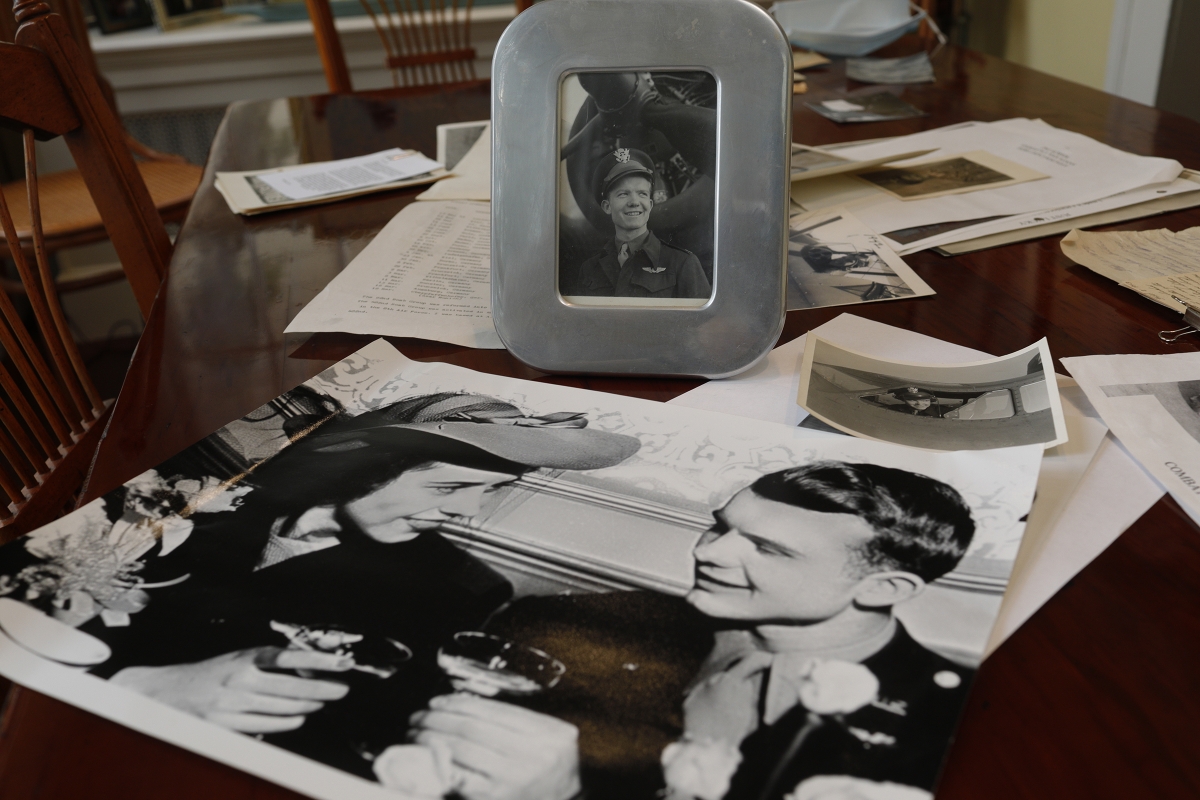
InternationalFeb 15. 2021Celia Straus shows her collection of letters and photos from her parents, Raymond and Patricia Brim, to historian Andrew Carroll of the Center for American War Letters. MUST CREDIT: Photo for The Washington Post by Robb HillCelia Straus shows her collection of letters and photos from her parents, Raymond and Patricia Brim, to historian Andrew Carroll of the Center for American War Letters. MUST CREDIT: Photo for The Washington Post by Robb Hill

By The Washington Post · Gillian Brockell

“Darling, I hope you like this rather weird pose. This was the surprise I had for you and I do hope you like it. I love to keep you well supplied with pictures, so you won’t ever have a chance to forget me … so this photo is from me … Lots of love and millions of kisses, Pat.”

Those are the words Patricia Brim, 20, wrote to her husband, Raymond, on Valentine’s Day 1944, with a photo of her “rather weird pose” attached. Raymond was in the Army Air Corps, fighting the Nazis in Europe on dangerous bombing runs. A little more than a year earlier, he had gone AWOL from his air base in Wyoming for 48 hours so he could quickly marry Patricia in Utah before being sent overseas.

“My dad said a hundred times, a thousand times: ‘I swore to myself I would come home to Pat,'” said their daughter Celia Straus on Saturday.

He did. Now, 77 years later, Straus, who lives in Washington, D.C., is handing her mother’s love letters over to a longtime acquaintance, historian Andrew Carroll.

“These are really rare,” Carroll told The Washington Post. “Back then it was mostly men writing home to their wives, so they (the wives) could keep the letters. But if the wives wrote the husbands, they (the husbands) couldn’t in many cases hold onto them.”

A photo of Patricia Brim, which she had taken on Valentine's Day 1944, to give to her husband, Raymond, who was serving in World War II. Two love letters she wrote to him are with the photo. MUST CREDIT: Photo for The Washington Post by Robb Hill

A photo of Patricia Brim, which she had taken on Valentine’s Day 1944, to give to her husband, Raymond, who was serving in World War II. Two love letters she wrote to him are with the photo. MUST CREDIT: Photo for The Washington Post by Robb Hill

Carroll knows this better than anyone; he has been collecting war letters since his sophomore year of college in 1989. His family home in D.C.’s Georgetown neighborhood burned down that year. He was upset over the loss of family memorabilia, so, perhaps to console him, an older cousin showed him a letter the cousin had sent his wife during World War II.

When Carroll tried to return the letter, the cousin told him, “Keep it. I probably would have thrown it away anyway.”

“And that was the spark,” Carroll said.

Since then, Carroll has collected more than 100,000 war letters. He has letters from American conflicts from the Revolutionary War through the wars in Iraq and Afghanistan (which now come in email form). He has often picked up old letters in person, earning him the nickname “the historian who makes house calls.”

There was a book compilation of the letters, a PBS documentary, and a play that made it to the Kennedy Center. The latest iteration is a podcast, called “Behind the Lines,” with journalist Barbara Harrison.

Other than descriptions of combat, the most common subject of the letters is love.

“Everything becomes more vivid in the prism of warfare,” Carroll said, “The letters of faith are a little more philosophical; the letters of love are a little more impassioned, because a lot of them realize this might be the last letter their spouse receives.”

There are tragic ones. During World War II, a woman named Gene Sobolewski, who was in the Women’s Army Auxiliary Corps, sent a letter to her fiance on the front lines:

“Dearest Sweetheart,

I didn’t write to you last night, Honey, but I guess you won’t miss one letter. You get my mail in bunches anyhow. Besides, I always write about the same subject, hundreds and thousands of books were written about it also. I’m talking about ‘love.'”

Months later, the letter was returned to her unopened with red letters on the envelope: “Deceased.”

“It’s heartbreaking,” Carroll said. “Because they weren’t married, she was not officially notified. His parents got the official notification, so this was how she found out the love of her life was gone forever.”

Sobolewski eventually married another service member and had children, but she kept the unanswered letter her entire life. Her daughter donated it to Carroll.

There are happy stories, too. Nathan Hoffman had gone on only five dates with Evelyn Giniger in New York City before he was shipped overseas during World War II. They wrote each other every day, and because of Hoffman’s assignment as an Army clerk, he was able to keep her letters. When he returned to his hometown of Waco, Texas, 16 months later, she was there waiting for him. They married soon afterward.

They were still happily married in 1999 when they donated their complete collection – more than 2,000 letters, Carroll said. Months later, director Steven Spielberg contacted Carroll. Spielberg said was directing a special millennium celebration show for CBS and hoped to have an elderly couple read their World War II letters onstage; might Carroll know anyone who fit the bill?

That was how the Hoffmans found themselves on the steps of the Lincoln Memorial on New Year’s Eve, surrounded by celebrities and in front of President Bill Clinton, reading their sweet nothings aloud.

“My dearest Evelyn, in leaving I have only one regret – that I was unable to see you just one last time. There was so much that we didn’t get around to talking about, a great deal that I’m sure each of us would have said that now will have to wait . . .”

“My dear, every day I miss you a little bit more. And today, I miss you like tomorrow. The knowledge that you’re getting closer to the front makes me tremble every time I think of it. I wonder how you must feel. All I can do is pray and keep a hopeful heart …”

Nathan Hoffman died in 2005, Evelyn Hoffman in 2011. They were married for 59 years.

Raymond and Patricia Brim married on Dec. 7, 1942, at St. Mark's Cathedral in Salt Lake City. To do so, he went AWOL from his base in Cheyenne, Wyo., for 48 hours. His crew covered for him. MUST CREDIT: Photo for The Washington Post by Robb Hill

Raymond and Patricia Brim married on Dec. 7, 1942, at St. Mark’s Cathedral in Salt Lake City. To do so, he went AWOL from his base in Cheyenne, Wyo., for 48 hours. His crew covered for him. MUST CREDIT: Photo for The Washington Post by Robb Hill

Carroll has acquired letters from gay and lesbian service members, but none of them are love letters – an empty space he very much hopes to fill. He is still haunted by a radio interview he did 15 years ago, when a man called in and said he and his boyfriend used to send each other love letters in code during the Vietnam War. Carroll told the man he would be honored to have the letters; the man said he would consider it, but Carroll never heard from him again.

He has tried, without success so far, to contact Secretary of Transportation Pete Buttigieg, about a letter he spoke of on the campaign trail. Buttigieg described writing a “just in case” letter to his parents in 2014 before leaving for Afghanistan. He vowed to come out of the closet if he returned home safely.

“It’s funny to think that I wrote that trying to project a sense that I didn’t have any resentment over missing out on things, when what I was missing out on then was now the most important thing in my life,” Buttigieg told USA Today in 2019. He met his husband, Chasten, after returning from Afghanistan in 2015.

For a time, Carroll rented the apartment next door to his own just to store the letters. In 2013, he donated the collection to Chapman University in California, and it became the Center for American War Letters, where they will be preserved and digitized.

He was still making house calls on the center’s behalf when the pandemic hit. Though the work has been put on hold for nearly a year, the center is still accepting submissions. “We’ve actually seen a huge uptick in donations throughout the pandemic, and it’s because people are trapped in their homes,” Carroll said.

Straus, who works with veterans experiencing PTSD and traumatic brain injury, has known about Carroll and his letter-collecting mission for years; they have worked together on veteran support projects. Her parents were happily married for 65 years until her mother’s death in 2007. Her father died in 2019, and she inherited the old manila folder stuffed full of letters. Reading them is inspiring, she said, because the immediacy “makes me grasp the bravery of these kids.”

Straus has received the coronavirus vaccine, and Carroll followed strict guidelines so he could safely meet with her Saturday and accept the letters.

“I hope their story inspires others to save their letters from relatives who served, because they are so important to our country,” she said. “Particularly right now.”

So, in honor of Valentine’s Day, here is a transcript of one her mother’s letters, written for a different holiday, Christmas 1943:

– – –

My darling,

This is just to try and half express what I feel – because it’s Christmas and because you’re over there and I’m here so far away from you. Of course, I’m writing it way ahead of time but the feeling is the same and always will be, dearest, for that matter.

To say that I am thinking of you, dear, is not to touch it. Christmas Eve is when it will be the worst, because all I’ll see is us last year – having our little supper and our tree – and church in the snow and all that. We were afraid we’d be homesick and darling, I can truly say I’ve never in my life been less homesick or more happy. It was all heaven, every moment with you – loving you as I do, and knowing that I have a husband who is so wonderful and sweet and tender and loves me so terribly.

Darling, I’ve missed you terribly since you went away, but it’s nothing to how I’ll feel when you read this. I’ve tried to send a few things to help make it a better Christmas but perhaps I can promise that next year, when we’re together, we’ll have our love and happiness and the most perfect Christmas in the world. Ray, my dearest darling, I love you. I love you with all my heart and body and soul. Nothing can ever change it. And so, darling, a Merry Christmas and God keep you always,

Your own,

Pat

Agency founded because of 9/11 shifts to face threat of domestic terrorism #SootinClaimon.Com

#SootinClaimon.Com : ขอบคุณแหล่งข้อมูล : หนังสือพิมพ์ The Nation.

Agency founded because of 9/11 shifts to face threat of domestic terrorism

InternationalFeb 15. 2021Kevin McAleenan, the acting homeland security secretaryKevin McAleenan, the acting homeland security secretary

By The Washington Post · Nick Miroff

WASHINGTON – On a Saturday morning in August 2019, a 21-year-old White man with ear protectors, safety glasses and an AK-47-style rifle walked into a crowded Walmart in El Paso, Texas, his pockets bulging with ammunition. He had driven hundreds of miles across the state, prosecutors say, because he wanted to kill Latinos.

Kevin McAleenan, the acting homeland security secretary, was at a Coast Guard picnic in Virginia that day, and soon the urgent messages began arriving. A sinking feeling of horror set in as the magnitude of the attack became clear. “It was devastating,” he said.

Twenty-three people were killed in the deadliest attack targeting Hispanic people in modern U.S. history.

About 5,000 U.S. Customs and Border Protection (CBP) employees live in El Paso, and six lost family members that day. “To have an individual attack us, at one of the home bases of our agency and specifically going after Hispanic Americans who make up a majority of our employees in that area, was very personal for us, and it galvanized an effort that was already underway,” McAleenan said.

For years leading to the El Paso attack, the Department of Homeland Security (DHS) – created to prevent another attack like the ones on Sept. 11, 2001 – had been under growing pressure to do more to address domestic extremism. Within seven weeks of the El Paso massacre, McAleenan released a plan for “countering terrorism and targeted violence” in the department’s pivot from foreign threats to homegrown ones. It was the first time the DHS had identified the extent of the danger posed by domestic violent extremists and white supremacists.

The plan got little attention or support from the White House, and although the DHS was more direct about domestic threats, the effort made little difference on Jan. 6, when the department was one of several federal agencies caught flat-footed. Since the attack on the Capitol, calls have intensified for the DHS to turn its attention inward and do more to protect Americans from other Americans.

The Jan. 6 attack has left many lawmakers, and especially Democrats, insisting that domestic terrorism has eclipsed the threat from foreign actors such as the Islamic State and al-Qaida. The DHS and its agencies are responsible for securing the country’s borders, ports, transportation and cybersystems, generally leaving the monitoring of extremist groups and terrorism investigations to the FBI. But the DHS and its agencies have nearly eight times as many employees as the FBI, and calls for the department to play a more muscular role in combating domestic extremism have policymakers looking at new ways to use its resources.

The proposals have revived some of the civil liberties concerns that arose after the creation of the department as a large, internal security bureaucracy with a broad mandate. And the possibility of the department scrutinizing Americans has added to the unease, because providing homeland security is less controversial when the threats are foreign.

The DHS used its National Terrorism Advisory System to warn the public about attacks by domestic groups for the first time last month, citing “a heightened threat environment across the United States” in a bulletin issued a week after President Joe Biden’s inauguration.

“Ideologically-motivated violent extremists with objections to the exercise of governmental authority and the presidential transition, as well as other perceived grievances fueled by false narratives, could continue to mobilize to incite or commit violence,” the warning stated.

Rep. Bennie Thompson, D-Miss., chairman of the House Homeland Security committee, has long insisted that the DHS should protect Americans from the gravest dangers they face; domestic extremists and white supremacists, he said, present the most urgent, lethal threat.

“A lot of them mask themselves under some guise of being patriots or some form of citizen, but the question is, what do they advocate? It’s violence. It’s overthrowing legitimately elected officials,” Thompson said in an interview.

“So in my mind, those types of individuals who want to exercise violence to bring change, they are domestic terrorists, and we have the obligation to identify who they are and prosecute them to the fullest extent of the law.”

During a hearing Thompson held this month, lawmakers of both parties spoke favorably of new legislation to address domestic terrorism. Experts warned that the Jan. 6 attack was viewed as a “victory” for extremists and a “watershed moment for the white supremacist movement.”

Rep. Michael McCaul, R-Texas, the committee’s former chairman, joined lawmakers calling for specific federal sanctions for domestic terrorism, potentially applying the same penalties as exist for terrorism that originates overseas. Such legislation could include penalties for providing material support to domestic groups, as well as laws holding technology companies responsible for violent and extremist content on their platforms.

“It sends a strong message about where Congress is that we’re going to treat domestic terrorism on an equal plane as international terrorism,” McCaul said.

– – –

Contrary to some television portrayals, the DHS does not have a standing contingent of armed homeland security agents with a specific mandate to stop domestic terrorism. But it has agencies and programs that could expand to devote more attention and resources to risks posed by homegrown extremists.

The DHS’s Office of Intelligence and Analysis collects information from the FBI, private contractors and state and local law enforcement agencies to organize and disseminate threat reports. Its employees and contractors generally lack the training and experience of FBI investigators, and they rely heavily on open-source material.

The office did not generate a specific warning about the possibility of right-wing groups storming the Capitol on Jan. 6 in an attempt to keep President Donald Trump in power.

Homeland Security Investigations, a branch of U.S. Immigration and Customs Enforcement (ICE), has about 6,000 agents nationwide who investigate drug smuggling, human trafficking and illicit goods or currency. The branch has not focused on countering domestic extremism, but it’s an armed component of the DHS that, in theory, could have a more hands-on role stopping homegrown terrorists and white supremacists.

The DHS’s most tangible institutional response is the Office for Targeted Violence and Terrorism Prevention, founded in 2019 to address “a growing threat from domestic actors – such as racially and ethnically motivated violent extremists, including white supremacist violent extremists, anti-government and anti-authority violent extremists, and others.”

Its work is primarily preventive, not investigative, providing grants to state and local law enforcement programs and issuing threat briefings and assessments. The office remains relatively small, with a staff of about 30, but it’s expected to grow in the coming years with more congressional funding.

“In the post-9/11 world, the threat was foreign terrorism,” said Tom Ridge, the first DHS secretary. “The CIA and the military were the tip of the spear, and we filled the defensive gap. But now there’s another adjective in front of terrorism: domestic terrorism.”

The well-known failure of law enforcement and security agencies to properly share information ahead of the 9/11 attack was a justification for the creation of the DHS, Ridge noted. So an immediate challenge for the department will be coordination among federal agencies that collect and share information on domestic groups, he said.

Much of it arrives through state and local law enforcement agencies, and the DHS’s biggest asset, Ridge said, “is its relationships with state and local authorities.”

Yet Ridge cautioned against the DHS turning its attention away from foreign threats and other priorities. “What people don’t understand – and people need to understand – is that DHS has so many other tasks embedded in its mission,” he said. “It’s a multitask organization, and DHS has to be careful moving in that direction because I still don’t think it’s their primary job.”

Another risk is partisanship, and the perception that the DHS will be used to stigmatize or harass groups that do not support the party in power.

In September, the former head of the DHS’s Intelligence and Analysis Office, Brian Murphy, filed a whistleblower complaint that included allegations that senior DHS officials sought to minimize warnings of the threat posed by white supremacists while giving more prominence to left-wing antifascists and anarchists. Murphy told his supervisors that it would constitute “censorship of analysis and the improper administration of an intelligence program,” according to his account.

His claims remain under investigation with the DHS’s inspector general. Other former DHS officials, including some who are critical of Trump, insist that the department did not play down the threats of right-wing and white supremacist groups. They point to new DHS programs and strong language in recent reports clearly identifying the threat posed by domestic extremists.

McAleenan, the former acting DHS secretary, also noted a major increase in FBI investigations of domestic extremists and white supremacists in recent years.

“What was missing was a whole-of-government approach and an emphasis from the White House that it was a priority,” McAleenan said.

McAleenan had taken over the DHS after Trump soured on Kirstjen Nielsen and removed her in April 2019. Nielsen directed staffers to develop plans for countering targeted violence and domestic hate groups, particularly after the 2017 mass shooting in Las Vegas and the 2018 attack on the Tree of Life synagogue in Pittsburgh.

Then came El Paso.

“We’d been tracking domestic terrorist threats and increased threats from white supremacists, but El Paso brought it home in a visceral way,” McAleenan said.

The gunman posted a missive before the rampage at Walmart espousing racist theories of demographic replacement that echoed Trump’s statements about an immigrant “invasion.”

“El Paso made it clear we needed a reorientation of DHS towards the current threat, both with respect to white supremacy but also domestic extremism more broadly,” said Daveed Gartenstein-Ross, a counterterrorism consultant who worked with McAleenan to come up with the plan for the DHS’s expanded role countering targeted violence and terrorism.

An effort by a DHS analyst in 2009 to identify white supremacists and other extremists groups as a growing threat had fallen apart amid a backlash from Republicans who viewed it in partisan terms. The chilling effect lingered for years and discouraged analysts from devoting time and resources to domestic threats that lacked a link to foreign groups.

The Strategic Framework after the El Paso attack was a “green light” from DHS leadership, Gartenstein-Ross said, signaling that hateful, racist and violent Americans were an urgent threat, and a priority for the department.

– – –

In October, the DHS identified violent extremism in the United States as the leading domestic terrorism danger, noting that white supremacists were responsible for more killings in 2018 and 2019 than any other type of attacker.

“The primary terrorist threat inside the United States will stem from lone offenders and small cells of individuals,” said the department’s first Homeland Threat Assessment. “Some U.S.-based violent extremists have capitalized on increased social and political tensions in 2020, which will drive an elevated threat environment at least through early 2021.”

The coronavirus pandemic was making matters worse, the report noted, by creating an environment that could “accelerate some individuals’ mobilization to targeted violence or radicalization to terrorism.”

It was a description, in general terms, of the anger and fury that fueled the Capitol attack.

Chad Wolf, the former acting DHS secretary who published the threat assessment, said the DHS had a contingent of border officers and agents on standby on the day of the Capitol riot, but they were not called on by Capitol Police. “We don’t have jurisdiction for the protection of the U.S. Capitol,” he said.

During last summer’s street protests after the death of George Floyd in Minneapolis police custody, Wolf was criticized by Democrats and former homeland security leaders for sending DHS agents and officers to quell civil unrest and use force against sometimes-violent protests targeting a federal courthouse in downtown Portland, Ore.

Trump was campaigning on a “law-and-order” message, echoed by DHS leaders, that fueled the politicization of the department’s domestic role. And the scenes of CBP and ICE tactical officers in military fatigues stuffing suspects into rental vehicles in Portland quickly became a symbol of heavy-handed federal law enforcement.

Wolf said he welcomed the bipartisan calls after Jan. 6 for a greater DHS focus on domestic extremism. “On the same token, I get frustrated because when we were in the thick of it last summer in Portland, there were no huge calls, except for vocal Republicans, saying we have to call out violence. I think there’s a fine line – and we dealt with it – between protected First Amendment speech and what is considered hate and criminal activity,” he said.

In a House hearing this month about new domestic terrorism legislation, former DHS adviser Elizabeth Neumann warned committee members that the threat probably would persist for “10 to 20 years.”

Neumann, who was a DHS counterterrorism adviser in the Trump administration, helped oversee the creation of a new contingent of DHS “regional coordinators” who work with state and local officials to prevent radicalization and recruitment by hate groups.

The approach places a greater emphasis on the social and psychological factors that lead to extremist violence. The DHS has a dozen regional coordinators across the country, and Neumann said the goal is to expand their presence to every state.

“What we have been seeing the last five to six years is individuals with unmet needs who quickly radicalize according to whatever ideology they stumble upon,” Neumann said in an interview.

“We’re dealing with a phenomenon in this country of vulnerable, disaffected individuals who are being preyed upon, or seeking it out themselves. And when it comes to prevention, what we’ve learned is that law enforcement agencies aren’t necessarily the best to do interventions,” she said.

“If someone has planned an attack, that is law enforcement territory. That person is too far gone. But when a person is on that journey to radicalization, their family members and loved ones notice changes in their behavior.”

Neumann predicted that it will take five to 10 years to build out a more robust effort at the DHS to prevent radicalization and extremism. What’s challenging about the current moment, Neumann added, is the speed with which radicalization occurs, as individuals can quickly go from embracing an ideology to planning an attack.

“We have so many people talking online and using war metaphors,” she said. “Are they using those terms to actually mean war? It’s very hard to discern when you have so many people participating in angry rhetoric.”

กองทัพเมียนมาขนรถถัง-รถหุ้มเกราะออกวิ่งในหลายเมือง #SootinClaimon.Com

#SootinClaimon.Com : ขอบคุณแหล่งข้อมูล : หนังสือพิมพ์โพสต์ทูเดย์

https://www.posttoday.com/world/645371

วันที่ 14 ก.พ. 2564 เวลา 22:05 น.กองทัพเมียนมาขนรถถัง-รถหุ้มเกราะออกวิ่งในหลายเมืองมีรายงานว่ามีการพบเห็นรถถังและรถหุ้มเกราะของกองทัพเมียนมาออกวิ่งตามท้องถนนในหลายพื้นที่

จากรายงานข่าวพบว่ามีการนำรถถังออกมาที่เมืองย่างกุ้ง ที่เมืองซิตตเวในรัฐยะไข่ เมืองเชียงตุงในรัฐฉาน ขณะนี้ยังไม่ทราบเหตุผลที่นำรถถังออกมาประจำการและวิ่งไปตามท้องถนนของเมืองต่างๆ แต่มีรายงาจากบางพื้นที่ว่าทางการสั่งให้ประชาชนอยู่แต่ในบ้านหลังจากที่ทหารเริ่มแสดงเขี้ยวเล็บครั้งแรกหลังทำรัฐประหาร

ด้านสถานทูตสหรัฐในเมียนมาเรียกร้องให้ประชาชนชาวอเมริกัน “อยู่ในสถานที่พัก” โดยอ้างรายงานความเคลื่อนไหวทางทหารในเมืองย่างกุ้งหลังจากมีผู้พบเห็นรถหุ้มเกราะเป็นครั้งแรกนับตั้งแต่รัฐประหารเมื่อวันที่ 1 ก. พ.

สถานทูตยังกล่าวอีกว่ามี “ความเป็นไปได้ที่การสื่อสารโทรคมนาคมจะหยุดชะงักในชั่วข้ามคืนระหว่างเวลา 01:00 น. ถึง 09:00 น.”

สำนักข่าวรอยเตอร์รายงานว่าตำรวจที่รับกะฉิ่นมีการยิงปืนเพื่อสลายการชุมนุมแล้ว แต่ยังไม่เป็นที่แน่ชัดว่าเป็นปืนจริงหรือปืนยิงกระสุนยาง รายละเอียดของเรื่องนี้ต้องติดตามต่อไป

อียิปต์ขุดพบโรงงานผลิตเบียร์ที่เก่าแก่ที่สุดในโลก #SootinClaimon.Com

#SootinClaimon.Com : ขอบคุณแหล่งข้อมูล : หนังสือพิมพ์โพสต์ทูเดย์

https://www.posttoday.com/world/645357

วันที่ 14 ก.พ. 2564 เวลา 20:38 น.อียิปต์ขุดพบโรงงานผลิตเบียร์ที่เก่าแก่ที่สุดในโลกกระทรวงการท่องเที่ยวกล่าวเมื่อวันเสาร์ว่าโรงเบียร์ที่มีปริมาณการผลิตสูงซึ่งเชื่อว่ามีอายุมากกว่า 5,000 ปีถูกค้นพบโดยทีมนักโบราณคดีในสุสานโบราณทางตอนใต้ของอียิปต์

กระทรวงกล่าวว่าไซต์โรงงานเบียร์โบราณประกอบด้วยหม้อดินเผาประมาณ 40 ใบเรียงเป็นสองแถวถูกค้นพบที่เมืองอาบีดอสตอนเหนือ โดยทีมร่วมชาวอียิปต์ – อเมริกันกระทรวงกล่าวในแถลงการณ์บนหน้า Facebook

โรงเบียร์ดังกล่าอาจมีอายุจะย้อนกลับไปในยุคของกษัตริย์นาร์เมอร์ เลขาธิการสภาโบราณวัตถุสูงสุดของอียิปต์ โมสตาฟา วาซีรี กล่าวว่าการค้นพบนี้ถือเป็น “เป็นโรงเบียร์ที่มีการผลิตสูงที่เก่าแก่ที่สุดในโลก”

ฟาโรห์นาร์เมอร์ซึ่งปกครองอียิปต์โบรารเมื่อ 5,000 ปีก่อนได้ก่อตั้งราชวงศ์ที่หนึ่งและรวมอียิปต์บนและล่างเป็นหนึ่งเดียว

นักโบราณคดีชาวอังกฤษค้นพบว่ามีโรงเบียร์ในสมัยอียิปต์โบราณเป็นครั้งแรกเมื่อต้นศตวรรษที่ 20 แต่ไม่เคยระบุตำแหน่งได้อย่างแม่นยำ จนกระทั่งทีมร่วมอียิปต์ – อเมริกัน “สามารถค้นพบที่ตั้งและพบวัตถุเกี่ยวกับโรงงานได้อีกครั้ง”

วาซิรีเผยว่าโรงเบียร์ประกอบด้วยพื้นที่ขนาดใหญ่แปดส่วนซึ่งใช้เป็นหน่วยพื้นที่สำหรับการผลิตเบียร์ แต่ละหน่วยมีหม้อดินเผาประมาณ 40 ใบเรียงเป็นสองแถว

การผลิตเบียร์จะใช้ส่วนผสมของธัญพืชและน้ำแล้วนำไปต้มหท้อถังโดยแต่ละหม้อจะยึดกันไว้ด้วยคันโยกที่ทำจากดินเหนียววางในแนวตั้งในรูปของวงแหวน

แมทธิว อดัม นักโบราณคดีจากมหาวิทยาลัยนิวยอร์กซึ่งเป็นหัวหน้าภารกิจร่วมกับ เดบอราห์ วิสแชก จากมหาวิทยาลัยพรินซ์ตันกล่าวว่าการศึกษาแสดงให้เห็นว่าเบียร์ถูกผลิตในปริมาณมากโดยผลิตได้ครั้งละประมาณ 22,400 ลิตร

เขากล่าวว่าโรงเบียร์อาจถูกสร้างขึ้นในสถานที่แห่งนี้โดยเฉพาะเพื่อใช้ในพิธีกรรมของราชวงศ์ที่จัดขึ้นภายในสถานที่จัดงานพระศพของกษัตริย์แห่งอียิปต์

“พบหลักฐานการใช้เบียร์ในงานราชพิธีระหว่างการขุดค้นในสถานที่เหล่านี้” แถลงการณ์ระบุ ซึ่งหลักฐานการผลิตเบียร์ในอียิปต์โบราณไม่ใช่เรื่องใหม่และการค้นพบในอดีตช่วยทำให้เกิดความกระจ่างในการผลิตดังกล่าวได้มาก แต่การค้นพบล่าสุดคือการยืนยันตัวตนของโรงงานการผลิตระดับใหญ่

Photo by – / Egyptian Ministry of Antiquities / AFP

ประท้วงเมียนมาจะซ้ำรอยอดีตหรือไม่ #SootinClaimon.Com

#SootinClaimon.Com : ขอบคุณแหล่งข้อมูล : หนังสือพิมพ์โพสต์ทูเดย์

https://www.posttoday.com/world/645362

วันที่ 14 ก.พ. 2564 เวลา 19:01 น.

ประท้วงเมียนมาจะซ้ำรอยอดีตหรือไม่

PostToday Podcast The Expert : ประท้วงเมียนมาจะซ้ำรอยอดีตหรือไม่

PostToday Podcast The Expert : ประท้วงเมียนมาจะซ้ำรอยอดีตหรือไม่

ติดตาม PostToday Podcast ได้ที่ https://soundcloud.com/posttoday 

https://w.soundcloud.com/player/?url=https%3A//api.soundcloud.com/tracks/985314937&color=%23ff5500&auto_play=false&hide_related=false&show_comments=true&show_user=true&show_reposts=false&show_teaser=true&visual=true

PostToday · ประท้วงเมียนมาจะซ้ำรอยอดีตหรือไม่

ผลวิจัยเผยยิ่งตีเด็ก เด็กยิ่งก้าวร้าว #SootinClaimon.Com

#SootinClaimon.Com : ขอบคุณแหล่งข้อมูล : หนังสือพิมพ์โพสต์ทูเดย์

https://www.posttoday.com/world/645356

วันที่ 14 ก.พ. 2564 เวลา 18:18 น.ผลวิจัยเผยยิ่งตีเด็ก เด็กยิ่งก้าวร้าววิจัยคาด ‘ฟาดไม้เรียว’ ส่งผลเด็กยิ่งก้าวร้าว ชี้สร้างประสบการณ์เลวร้าย

สำนักข่าวซินหัวรายงานการศึกษาจากมหาวิทยาลัยมิชิแกน (UM) ของสหรัฐฯ บ่งชี้หลักฐานว่าวิธีลงโทษอย่าง “การตี” และ “การมีประสบการณ์เลวร้ายในวัยเด็ก” (ACE) ส่งผลกระทบต่อปัญหาพฤติกรรมการแสดงออกที่ก้าวร้าวขาดการควบคุม (EB) ในเด็กอายุไม่เกิน 6 ปี

การมีประสบการณ์เลวร้ายในวัยเด็กครอบคลุมการทำร้ายทางร่างกายและจิตใจ การเพิกเฉยละเลย การใช้ความรุนแรงในคู่รัก (IPV) ปัญหาสุขภาพจิตของพ่อแม่ การใช้สารเสพติดของพ่อแม่ กรณีพ่อแม่ต้องโทษจำคุก และกรณีพ่อแม่เสียชีวิต

คณะนักวิจัยวิเคราะห์ข้อมูลจาก 2,380 ครอบครัวของการศึกษาครอบครัวเปราะบางและความเป็นอยู่ที่ดีของเด็ก (Fragile Families and Child Wellbeing Study) โดยกลุ่มคุณแม่รายงานปัญหาพฤติกรรมก้าวร้าวและพฤติกรรมเก็บกดในเด็กอายุ 5 ปี และการมีประสบการณ์เลวร้ายและการถูกตีในเด็กอายุ 3 ปี

การศึกษาพบว่าเด็กอายุ 3 ปี ที่มีประสบการณ์เลวร้ายและถูกลงโทษด้วยการตี สุ่มเสี่ยงจะมีปัญหาพฤติกรรมการแสดงออกที่ก้าวร้าวขาดการควบคุมเพิ่มขึ้นเมื่ออายุ 5 ปี โดยผลการศึกษานี้สนับสนุนข้อเรียกร้องพิจารณาการลงโทษทางร่างกายเป็นหนึ่งในการมีประสบการณ์เลวร้ายในวัยเด็ก

“ผลการศึกษาบ่งชี้ว่าการตีและการมีประสบการณ์เลวร้ายในวัยเด็กมีแนวโน้มส่งผลกระทบเชิงลบที่เป็นอันตรายเหมือนกัน” จูเลีย มา ผู้เขียนหลักของงานวิจัยและผู้ช่วยศาสตราจารย์ด้านสังคมสงเคราะห์ประจำมหาวิทยาลัยมิชิแกนในเมืองฟลินต์กล่าว

อนึ่ง ผลการศึกษาถูกเผยแพร่บนเว็บไซต์มหาวิทยาลัยฯ เมื่อวันพฤหัสบดี (11 ก.พ.) และตีพิมพ์ลงวารสารกุมารเวชศาสตร์ (Journal of Pediatrics)

Photo by Prakash SINGH / AFP

เมียนมารวมพลังป้องกันชุมชน ไล่ตำรวจไม่ให้ค้น #SootinClaimon.Com

#SootinClaimon.Com : ขอบคุณแหล่งข้อมูล : หนังสือพิมพ์โพสต์ทูเดย์

https://www.posttoday.com/world/645341

วันที่ 14 ก.พ. 2564 เวลา 16:39 น.เมียนมารวมพลังป้องกันชุมชน ไล่ตำรวจไม่ให้ค้นประชาชนชาวเมียนมาในชุมชนต่างๆ ร่วมกันดูแลชุมชนของตนเองจากการก่อกวนของอันธพาลและตำรวจที่มักเข้ามาก่อกวนและจับกุมผู้คนเวลาค่ำคืน

ชาวเมืองย่างกุ้งกล่าวว่าพวกเขารวมกลุ่มกันเพื่อลาดตระเวนตามท้องถนนในเมืองย่างกุ้งที่ใหญ่ที่สุดของเมียนมาในเวลากลางคืนโดยเกรงว่าผู้ที่ไปประท้วงจะถูกเจ้าหน้าที่จับกุมหลังการรัฐประหารโดยกองทัพ และเพื่อป้องกันอาชญากรรมต่างๆ ที่มีวี่แววจะเพิ่มมากขึ้นหลังจากรัฐบาลทหารสั่งให้ปล่อยตัวนักโทษนับหมื่นคน

ในพื้นที่ต่างๆ ของเมืองย่างกุ้ง กลุ่มชายหนุ่มส่วนใหญ่ตีหม้อและกระทะในช่วงคืนวันเสาร์เพื่อส่งเสียงเตือนชาวบ้าน และช่วยกันไล่ตามบุคคลที่พวกเขาเชื่อว่าเป็นพวกที่ทำตัวน่าสงสัย

“ถนนทุกสายที่อยู่ใกล้ๆ กำลังสร้างกลุ่มเพื่อป้องกันตัวเองจากผู้ก่อเหตุเหล่านี้ด้วย” เมียวเทิน ชาวบ้านในเขตโอกกะลาปาใต้กล่าวกับ Reuters ซึ่งพร้อมเผยว่าวางแผนที่จะลาดตระเวนตลอดทั้งคืน

“เราจัดตั้งหน่วยลาดตระเวนร่วมกับผู้เฒ่าและผู้ชาย ที่ปลายถนนมีการวางแนวปิดกั้น” พูพู หญิงในเมืองมายานโกนกล่ากับ Reuters “พวกเราสาวๆ รออยู่หน้าบ้านของพวกเราโดยถือไม้เอาไว้ในมือ”

ภาพจากโซเชียลเน็ตเวิรืกแสดงให้เห็นว่าไมเฉพาะแต่ในย่างกุ้งแต่ในหลายพื้นที่ก็มีการวางกำลังชุมชนลาดตระเวนและวางแนวกั้นเข้าเขตชุมชน

ความกลัวตำรวจเพิ่มขึ้นหลังจากมีรายงานการจู่โจมในเวลากลางคืนซึ่งมีเป้าหมายเป็นผู้วิพากษ์วิจารณ์รัฐบาลทหารที่เข้ายึดอำนาจเมื่อวันที่ 1 กุมภาพันธ์ สำนักงานสิทธิมนุษยชนแห่งสหประชาชาติกล่าวเมื่อวันศุกร์ว่ามีผู้ถูกจับกุมมากกว่า 350 คนตั้งแต่การรัฐประหาร

ความกังวลเกี่ยวกับอาชญากรก็เพิ่มสูงขึ้นตั้งแต่วันศุกร์เมื่อรัฐบาลทหารประกาศว่าจะปลดปล่อยนักโทษ 23,000 คนโดยกล่าวว่าการเคลื่อนไหวดังกล่าวสอดคล้องกับ “การสร้างรัฐประชาธิปไตยใหม่ที่มีสันติภาพการพัฒนาและระเบียบวินัย” และจะ“ ทำให้ประชาชนพอใจ”

มีการโพสต์รูปภาพที่ไม่ได้รับการยืนยันว่าเป็นเท็จจริงหรือไม่บนโซเชียลมีเดียจนทำให้เกิดข่าวลือที่ว่าอาชญากรพยายามปลุกระดมความไม่สงบโดยการวางเพลิงหรือวางยาพิษในแหล่งน้ำ

Photo by YE AUNG THU / AFP

Photo by Sai Aung Main / AFP
Photo by YE AUNG THU / AFP
Photo by STR / AFP

ไทยได้เปรียบดุลการค้าถึง 144.5% สูงสุดในอาเซียน #SootinClaimon.Com

#SootinClaimon.Com : ขอบคุณแหล่งข้อมูล : หนังสือพิมพ์โพสต์ทูเดย์

https://www.posttoday.com/world/645332

วันที่ 14 ก.พ. 2564 เวลา 14:37 น.ไทยได้เปรียบดุลการค้าถึง 144.5% สูงสุดในอาเซียนอาเซียนโดยรวมการส่งออกลดลงแค่ 2.2% ทั้งๆ ที่เผชิญกับการระบาดอย่างหนักไปทั่วโลก

องค์การส่งเสริมการค้าต่างประเทศแห่งญี่ปุ่น (Japan External Trade Organization หรือ JETRO) เปิดเผยว่า การเกินดุลการค้าโดยรวมของสมาชิกอาเซียน 6 ประเทศเพิ่มมากกว่าสามเท่าเป็น 133,660 เหรียญสหรัฐเมื่อปี 2020 อันเป็นผลมาจากจากราคาพลังงานที่ลดลงและอุปสงค์ภายในประเทศที่ลดลง ทำให้การนำเข้าลดลงมากกว่าการส่งออก

เมื่อแยกเป็นประเทศจะพบว่าไทยเกินดุลการค้าเพิ่มขึ้น 144.5% เทียบกับเวียดนามที่เพิ่มขึ้น 83.5% สิงคโปร์เพิ่มขึ้น 43.9% และมาเลเซีย 25.6%

ประเทศที่ขาดดุลแต่น้อยลง คือ ฟิลิปปินส์ลดการขาดดุลการค้าลง 46.3% เป็น 21,840 ล้านเหรียญสหรัฐ อินโดนีเซียเกินดุลการค้า 21,740 ล้านเหรียญสหรัฐพลิกกลับจากการขาดดุล 3,600 ล้านเหรียญสหรัฐในปี 2019

สำหรับมูลค่าการค้าทั้งหมดประเทศไทยอยู่ในอันดับที่ 3 ของกลุ่ม สิงคโปร์มีมูลค่าการค้ามากที่สุดคิดเป็น 27.43% ของการค้ารวม 6 ประเทศตามมูลค่าในปี 2020 ตามด้วยเวียดนามที่ 21.33% ไทย 17.13% มาเลเซีย 16.53% อินโดนีเซีย 11.93% และฟิลิปปินส์ 5.83%

อย่างไรก็ตาม เมื่อแยกออกมาเป็นการส่งออก ในบรรดา 6 ประเทศอาเซียนที่ทำการสำรวจ มีเพียงเวียดนามเท่านั้นที่มีการส่งออกเพิ่มขึ้นในปี 2020 โดยเพิ่มขึ้น 7.0% เป็น 282,6600 ล้านเหรียญสหรัฐ โดยการส่งออกไปยังสหรัฐเพิ่มขึ้น 25.7% และไปยังจีนเพิ่มขึ้น 18.0% จากข้อมูลของกรมศุลกากรเวียดนาม

อย่างไรก็ตามการเกินดุลการค้าของเวียดนามที่เพิ่มขึ้นกับสหรัฐและการที่เวียดนามแทรกแซงตลาดแลกเปลี่ยนเงินตราต่างประเทศทำให้เมื่อเดือนธันวาคมปีที่แล้วกระทรวงการคลังของสหรัฐระบุเป็นครั้งแรกว่าเวียดนามนี้เป็นประเทศที่ควบคุมค่าเงิน

ในบรรดาสมาชิกอีก 5 ประเทศของสมาคมประชาชาติแห่งเอเชียตะวันออกเฉียงใต้ระบุว่าฟิลิปปินส์ส่งออกลดลงมากที่สุด 10.1% ตามด้วยการหดตัว 6.0% ของไทย สิงคโปร์ลดลง 4.1% และลดลง 2.6% ในส่วนของมาเลเซียและอินโดนีเซีย

Photo by Lillian SUWANRUMPHA / AFP

ประกาศิตวิญญาณศักดิ์สิทธิ์ ลั่นไม่เอาทหารยึดอำนาจ #SootinClaimon.Com

#SootinClaimon.Com : ขอบคุณแหล่งข้อมูล : หนังสือพิมพ์โพสต์ทูเดย์

https://www.posttoday.com/world/645327

วันที่ 14 ก.พ. 2564 เวลา 12:38 น.ประกาศิตวิญญาณศักดิ์สิทธิ์ ลั่นไม่เอาทหารยึดอำนาจบรรดาคนทรง “นะ” พากันร่วมการชุมนุมประท้วงการรัฐประหารบางคนบอกว่าวิญญาณที่พวกเขาเป็นคนทรงให้ไม่ยอมรับการทำรัฐประหารครั้งนี้

สำนักข่าว AFP รายงานว่า คนทรงเจ้าในเมียนมาเผยว่าสิ่งนี้ลับกำลังไม่พอใจนายพลที่อยู่เบื้องหลังการทำรัฐประหารของเมียนมา พวกเขาพากันแต่งตัวหรูหราเหมือนกำลังจะเข้าทรงดวงวิญญาณ แต่แล้วกลับเข้าร่วมการประท้วงบนท้องถนนเพื่อประณามการที่ประเทศหันกลับไปใช้การปกครองภายใต้อำนาจทหารอย่างไม่ทันตั้งตัว

ในสัปดาห์นี้กลุ่มผู้มีญาณทิพย์เดินขบวนเคียงข้างข้าราชการ คนงานโรงงานตัดเย็บเสื้อผ้า และนักศึกษาในเมืองย่างกุ้ง เมืองหลวงทางเศรษฐกิจของบเมียนมาเพื่อเรียกร้องให้ปล่อยตัวอองซานซูจีผู้นำที่ถูกยำอำนาจไปโดยกองทัพ

พวกเขาคือคนทรงวิญญาณ “นะ” หรือนัต (Nat) เป็นผีหรือเทพผู้ยิ่งใหญ่ 37 องค์ที่ได้รับการยกย่องในเมียนมา ซึ่งเป็นประเทศที่คนส่วนใหญ่นับถือศาสนาพุทธ แต่ก็ยังลัทธินับถือผีและความเชื่อเรื่องโชคลางเป็นส่วนหนึ่งของชีวิตประจำวันสำหรับบางคน

“นะไม่ต้องการการปกครองของทหาร” อาเชนตัน มาน เก อู วัย 48 ปียืนยัน “พวกเขาต้องการปล่อยตัวแม่ซูด้วย” (แม่ซูหมายถึงออซานซูจี ซึ่งคนเมียนมาเรียกด้วยความรักว่าอะแหม่ซู)

เป็นที่ประจักษ์แก่คนทรงทั้งหลายว่าวิญญาณเหล่านี้ “ไม่พอใจ” กับการสิ้นสุดระบอบประชาธิปไตยของเมียนมาอย่างกะทันหัน 48 ปีอาเชนตันกล่าวกับ AFP

“ใบหน้าที่ห่อเหี่ยวของพวกคนทรงแสดงให้เห็นถึงความไม่พอใจของพวกดวงวิญญาณ” เธอกล่าวเสริม

Photo by STR / AFP

การปรากฏตัวของ อาเชนตัน มาน เก อู และคนทรงอื่นๆ ในหมู่ผู้ประท้วงต่อต้านรัฐประหารอาจดูเหมือนเป็นเพียงเรื่องแปลกตาสำหรับคนนอกประเทศเมียนมา

แต่ระดับนำของกองทัพของเมียนมาเอาจริงเอาจังกับการกวาดล้างพวกคนทรงผีนะที่ได้รับความนิยม ส่วนหนึ่งอาจเป็นเพราะคนเหล่านี้มีอิทธิพลต่อประชาชนทั่วไป

ในช่วงยุคอาณานิคมของอังกฤษและครึ่งศตวรรษของการปกครองของรัฐบาลทหาร คนทรงผีนะได้ยกระดับตัวเองเป็น “วิกซา” (weikza) หรือ วิชชาธร หมายถึงผู้มีวิชาอาคม เป็นนักบุญชาวพุทธกึ่งเทพ เพื่อต่อสู้กับผู้กดขี่ของพวกเขานั่นคือเจ้าอาณานิคมอังกฤษและเผด็จการทหารเมื่อหลายสิบปีก่อน

คนกลุ่มนี้มีลูกศิษย์ลูกหาเป็นจำนวนมากจนกลายเป็นนิกาย แต่นิกายเหล่านี้ส่วนใหญ่ถูกยุบหรือถูกบีบจากกองทัพให้ต้องเคลื่อนไหวใต้ดิน แต่ก็มีรายงานว่าระดับนำในกองทัพก็ไปขอคำปรึกษาจากผู้วิเศษเหล่านี้ด้วย

ตาน ชเว อดีตผู้นำเผด็จการของเมียนมามีข่าวลือว่าเป็นลูกค้าประจำของหมอผีคนหูหนวกที่มีชื่อเสียงซึ่งเคยตรวจดวงชะตาของพ. ต. ท. ทักษิณชินวัตรอดีตนายกรัฐมนตรีของไทย

แต่ในคราวนี้เริ่มมีการกวาดล้างคนทรงกันแล้ว หมอผีหนุ่มยอดนิยมรายหนึ่งที่มีคนติดตามบนเฟซบุ๊กจำนวนมากถูกตำรวจพาออกไปในเวลากลางคืนหลังจากเข้าร่วมการประท้วงที่ย่างกุ้ง

เขามีชื่อว่า ลิน โญ ตายา ได้อธิษฐานให้รัฐบาลทหารใหม่ต้องล่มสลาย เรื่องนี้ ตน ทุต พ่อบุญธรรมและที่ปรึกษาด้านเวทมนตร์ของเขาเปิดเผยกับ AFP

Photo by Ye Aung THU / AFP

ขณะนี้พ่อผีหนุ่มวัย 25 ปีต้องเผชิญกับโทษจำคุก 2 ปีภายใต้กฎหมายยุยงปลุกปั่นที่ตราขึ้นตั้งแต่สมัยยุคอาณานิคม

“ผมไม่ชอบการเมืองแบบพรรคพวกหรือเผด็จการ … แต่ผมก็ปล่อยให้ลูกๆ ทำในสิ่งที่พวกเขาเชื่อ” ติน ทุต กล่าวด้วยความโกรธที่ลูกของเขาถูกปฏิเสธการประกันตัว

วิดีโอทั้งหมดที่โพสต์โดย ลิน โญ ตายา นับตั้งแต่การรัฐประหารถูกลบออกจาก Facebook

แต่ผู้ติดตามของเขาบอกว่าเขาอาจมีญาณทิพจ์มองเห็นการล่มสลายของประชาธิปไตยของเมียนมาโดยชี้ไปที่คำทำนายที่เขาเผยแพร่ในวันสุดท้ายของปี 2020 ที่ว่า “องค์กรสูงสุดในเมียนมาร์จะมีการเปลี่ยนแปลงมากมาย”

เขาเขียนว่า “ในระดับสากลข่าวเมียนมาจะอยู่ในอันดับต้นๆ ในเรื่องที่ดีและไม่ดี”

อาเชนตัน มาน เก อู กล่าวว่าไม่ควรประมาทวิญญาณเหล่านี้และเสริมว่าเธอรู้สึกได้รับการปกป้องแม้จะมีคำเตือนจากรัฐบาลทหารถึงการดำเนินการกับผู้ประท้วง

“ฉันไม่กังวลเลยเรื่องการปราบปรามของพวกนั้น” เธอกล่าว “ถ้ามันเกิดขึ้นฉันก็พร้อมที่จะสละชีวิต”

Photo by Ye Aung THU / AFP และ STR / AFP