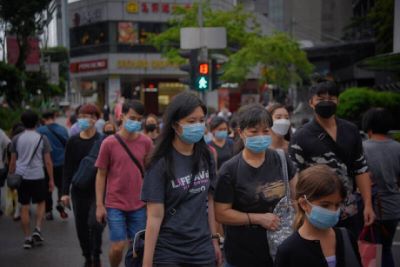
SINGAPORE – More than 1,000 new Covid-19 infections were reported in Singapore for the second day in a row on Sunday (Sept 19).
There were a total of 1,012 new Covid-19 cases, the highest daily number since April 23 last year when there were 1,037 new cases.
Of the local cases, 919 were in the community and 90 cases were among dormitory residents, said the Ministry of Health (MOH). Of these, 321 are seniors above 60 years old.
The remaining three cases were imported.
The total number of Covid-19 infections in Singapore now stands at 77,804.
There were also two new Covid-19 clusters reported at nursing homes, with transmission detected among residents and staff, said MOH.
Woodlands Care Home has a total of 12 cases, of which 11 are residents.
Windsor Convalescent Home in Pasir Panjang has 10 cases, of which nine are residents.
A new cluster also surfaced in My Little Campus (Yishun), with transmission detected among staff and pre-schoolers in the school. Of the 11 cases in the cluster, two are staff and nine are pre-schoolers.
MOH said two new cases were added to the cluster at Block 210 Toa Payoh Lorong 8 Market and Food Centre, which now has 41 cases. The cluster comprises 24 staff and 17 household contacts, the ministry said, adding that all workers at the market and food centre will be tested.
These four new clusters are among 16 clusters that MOH is monitoring.
There are currently 873 Covid-19 patients in the hospital, up from 863 the day before.
Those in need of oxygen supplementation rose from 105 the day before to 118. There are also 21 in critical condition in the intensive care unit, up from 18.
Of the patients who have fallen very ill, 116 are seniors above the age of 60.
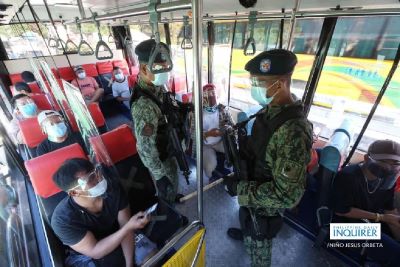
MANILA, Philippines — The Philippines is experiencing its fourth and “most severe” wave of COVID-19 infections without any sign of the virus spread slowing down, the president of the Philippine College of Physicians warned on Sunday.
The current positivity rate, or the number of infected among tested individuals, was just too high at nearly 30 percent, as opposed to only 5 percent to indicate a situation is under control.
“Definitely at this point, and this is my personal (opinion), this is already unacceptable,” said Dr. Maricar Limpin.
She said the current wave was likely fueled by the Delta variant as cases continued to surge even when vaccines have become available.
In a text message, she said Delta was the most virulent so far and highly transmissible, with some fully vaccinated healthcare workers still succumbing to the disease.
Further rise
ADVERTISEMENT
In a health workers’ forum on Sunday, Limpin agreed with the Department of Health’s (DOH) assessment that the current wave has yet to reach its peak, even after a single-day case count of more than 26,000.
Limpin referred to a Sept. 9 article published in the online media platform “The Conversation” that identified the Philippines’ first wave in April 2020, which was “modest” with a peak of 316 seven-day rolling case average.
In August 2020, the Philippines experienced its second wave, peaking at 4,300 daily cases. It was also when doctors called for a “timeout.”
“We equated that ‘timeout’ to the last two minutes in a basketball game when you huddle and talk about (strategies) to win. At that time, we didn’t know much yet (in terms of treatment and quarantine). We did what the US and Europe were doing,” she said.
Limpin said the third wave occurred in April 2021 and it reached a peak of 11,000 average daily cases.
Hospital lack
The previous waves, however, were nothing compared with the present surge.
Limpin said that this time, the number of cases and deaths were much higher.
One contributing factor to the increase in fatality, she noted, was that patients were dying while looking for hospitals to help them.
The government reported a 77-percent utilization rate of intensive care units (ICUs), but Limpin said the situation was different in the hospital emergency rooms.
“I don’t know how they compute that. When we (doctors) talk among ourselves, everyone is saying ICU and (COVID) wards are full,” she said.
In a separate Facebook post, health advocate Dr. Tony Leachon said the government metrics were “wrong, misleading and dangerous for our policymakers (as they) give us a diluted picture of our health-care system.”
He said the DOH must conduct a daily census of the emergency rooms to see the new cases, hospital admissions, hospital transfers and even the rate of patients declared dead on arrival.
Booster shots
Given the current surge in cases and a waning efficacy against the Delta variant, healthcare workers said that — if they were to decide — they should already be given a third dose of the COVID-19 vaccine.
They were not only willing to take boosters, but it was a part of their demands, along with better salaries and protection, from the government, said Jao Clumia, president of St. Luke’s Medical Center Employees Association in Quezon City.
“Our stand on this is that, based on emerging science, vulnerable sectors, especially health workers, should be given the most efficacious vaccine booster. But considering the (national) vaccination rate, it pains us to be demanding for boosters when a bigger segment of the population has not had a single (dose) yet,” said Sean Velchez, president of the National Orthopedic Hospital Workers Union.
National Task Force Against COVID-19 chief Secretary Carlito Galvez Jr. said the government was working out a deal to buy a total of 90 million reformulated doses from Pfizer, Moderna, AstraZeneca, and Sinovac.
The booster rollout, however, may not happen until early next year.
The government’s Vaccine Experts Panel early this month recommended boosters for the highly exposed hospital workers as well as the immunocompromised individuals.
However, Health Undersecretary Maria Rosario Vergeire had said this was still being discussed, with many considerations such as the cost-effectiveness of a booster brand.
New cases
The DOH on Sunday reported 19,271 new COVID-19 infections, bringing the total to 2,366,749 confirmed cases to date.
In the past week, an average of 20,000 daily cases have been reported.
The death toll rose to 36,788 after the DOH reported 205 more fatalities, including 94 people who were originally reported as recovered.
While 91 percent or 2,126,879 have recovered from the disease, 178,196 people were still infected with the virus. The majority or 92.3 percent of the active cases were mild.
The DOH reported a positivity rate of 25.1 percent out of 70,571 people who were tested last Sept. 17. Two laboratories did not submit the results.
By: Dona Z. Pazzibugan, Maricar Cinco – Philippine Daily Inquirer
Give up your car for a day. Car Free Sunday is being held here in the Belgian capital on Sunday, offering the public an opportunity to rediscover the city using alternative means of transport.
During the day, the whole Brussels Region is closed to traffic from 9:30 a.m. till 7 p.m., with the exception of public transport, taxis, emergency and security forces.
People ride bikes on Car Free Sunday in Brussels, Belgium, Sept. 19, 2021. (Xinhua/Zheng Huansong)
ADVERTISEMENT
People ride bikes on Car Free Sunday in Brussels, Belgium, Sept. 19, 2021. (Xinhua/Zheng Huansong)
People ride bikes on Car Free Sunday in Brussels, Belgium, Sept. 19, 2021. (Xinhua/Zheng Huansong)
A woman rides a bike on Car Free Sunday in Brussels, Belgium, Sept. 19, 2021.(Xinhua/Zheng Huansong)
National Institutes of Health Director Francis Collins told Fox News on Sunday that the guidance issued on Friday by the FDA panel is in line with what the U.S. administration planned for a booster rollout, though not identical.
Health officials on Sunday voiced their support for the recommendation from the Food and Drug Administration (FDA) advisory panel that COVID-19 booster vaccines be limited to those 65 years and older and individuals at high risk, with some hoping for a broader use of booster shots at a later date.
Meanwhile, a “test-to-stay” strategy is gaining popularity among American schools to help more students stay on campus, while the pandemic continues to claim more victims in the United States.
According to The New York Times (NYT), the 7-day average of confirmed cases of the pandemic stood at 148,252 nationwide on Saturday, with its 14-day change striking an 8-percent fall. COVID-19-related deaths were 2,012 on Saturday, with the 14-day change realizing a 30-percent rise.
SUPPORT FOR FDA PROPOSAL
ADVERTISEMENT
U.S. health officials have supported the recommendation from the Food and Drug Administration (FDA) advisory panel that COVID-19 booster vaccines be limited to those 65 years and older and individuals at high risk for severe disease despite the expectation that the additional shots would be suggested for everyone who received the initial vaccination.
National Institutes of Health Director Francis Collins told Fox News on Sunday that the guidance issued on Friday by the FDA panel is in line with what the U.S. administration planned for a booster rollout, though not identical. “I think there’s less difference between where we were in the middle of August and what the advisory committee said this past Friday,” he said.
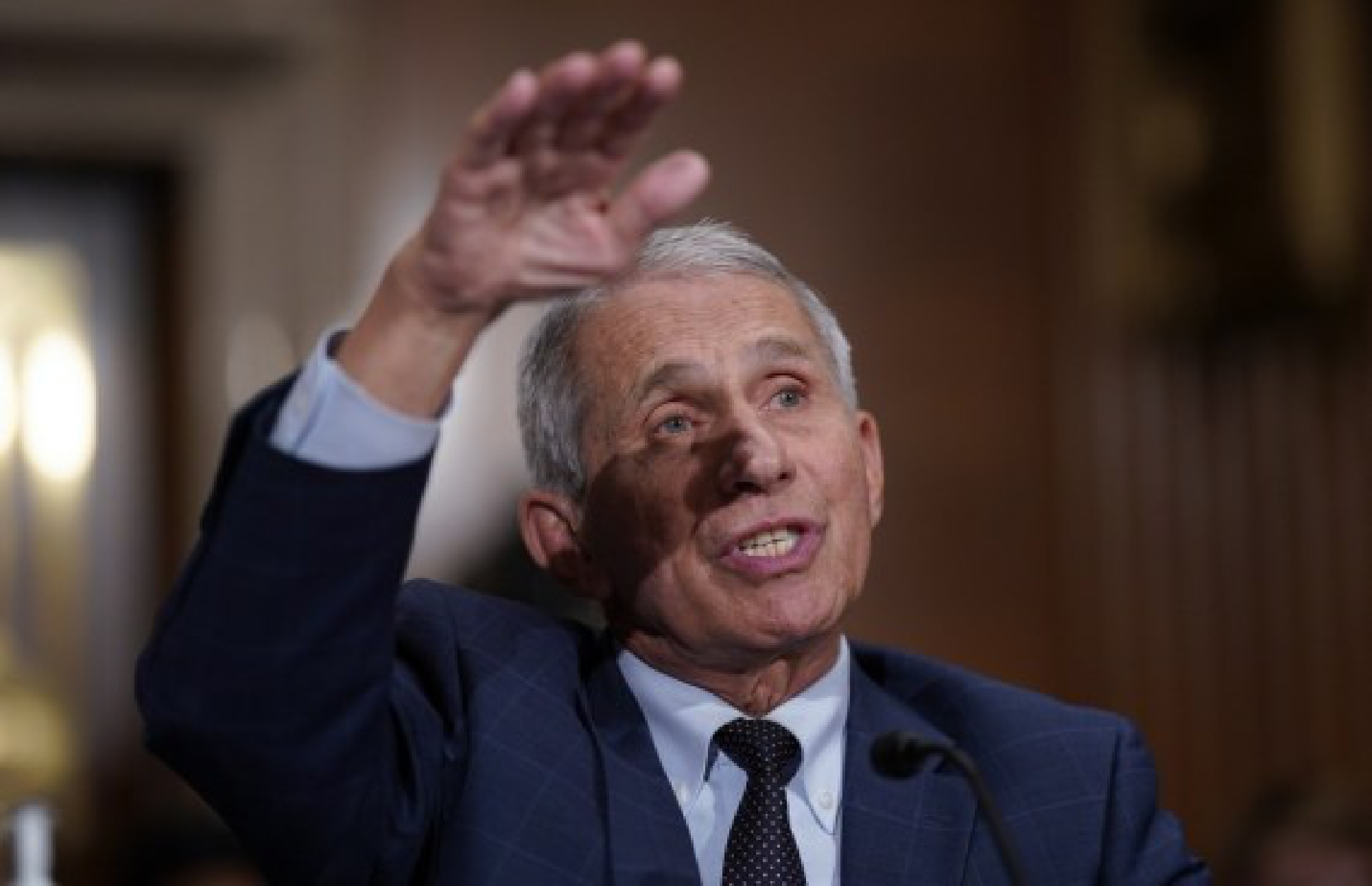
Anthony Fauci, director of the U.S. National Institute of Allergy and Infectious Diseases, speaks during a hearing of Senate Health, Education, Labor and Pensions Committee titled “The Path Forward: A Federal Perspective on the COVID-19 Response” in Washington, D.C., the United States, on July 20, 2021. (J. Scott Applewhite/Pool via Xinhua)
The administration announced in August that a rollout plan was being put in place for booster shots that would be initiated Sept. 20, but also specified that the plan itself was pending recommendations from the FDA. The people eligible for a booster would be those who received their second dose six or eight months earlier.
Anthony Fauci, director of the National Institute of Allergy and Infectious Diseases, told NBC on Sunday that the plan initially announced by the White House is in line with the advisory panel’s recommendation. Ultimately, he thought the “proper regimen” will include the original two shots plus a booster for everyone, though it may not be necessary right now.
“You want to do that according to what the data tells you, including the risk-benefit ratio, particularly for the younger people who do not generally get as much severe disease as the elderly and others,” Fauci said. “So, I believe that there’s a good chance that as we get into the coming months, into the next year, that you will see the data pointing to the benefit of having a much broader blanket of people.”
A decision about boosters from the FDA is expected by next week, and an advisory committee of the Centers for Disease Control and Prevention (CDC) is slated to meet on Wednesday and Thursday to recommend how a third shot should be used. The FDA advisory committee, following Pfizer’s lead, recommended that the third shot be given at least six months after the second.
TEST TO STAY
An increasing number of school districts are turning to testing to keep more children in the classroom and avoid disrupting the work lives of their parents, reported NYT on Sunday. The resource-intensive approach, sometimes known as “test to stay” or modified quarantine, allows students who have been exposed to the virus to stay in school as long as they take frequent COVID-19 tests and adhere to other precautions.
Allowing children who have been exposed to the virus to remain in school does pose a potential transmission risk, and the CDC said that it “does not have enough evidence” to support the approach. Instead, it recommends that close contacts who have not been fully vaccinated quarantine for as long as 14 days.
“At this time, we do not recommend or endorse a test-to-stay program,” the CDC told media, adding that “however, we are working with multiple jurisdictions who have chosen to use these approaches to gather more information.”
“Experts agree that children who are infected with the virus should isolate at home, but the question of what to do about their classmates poses a dilemma,” said the report.
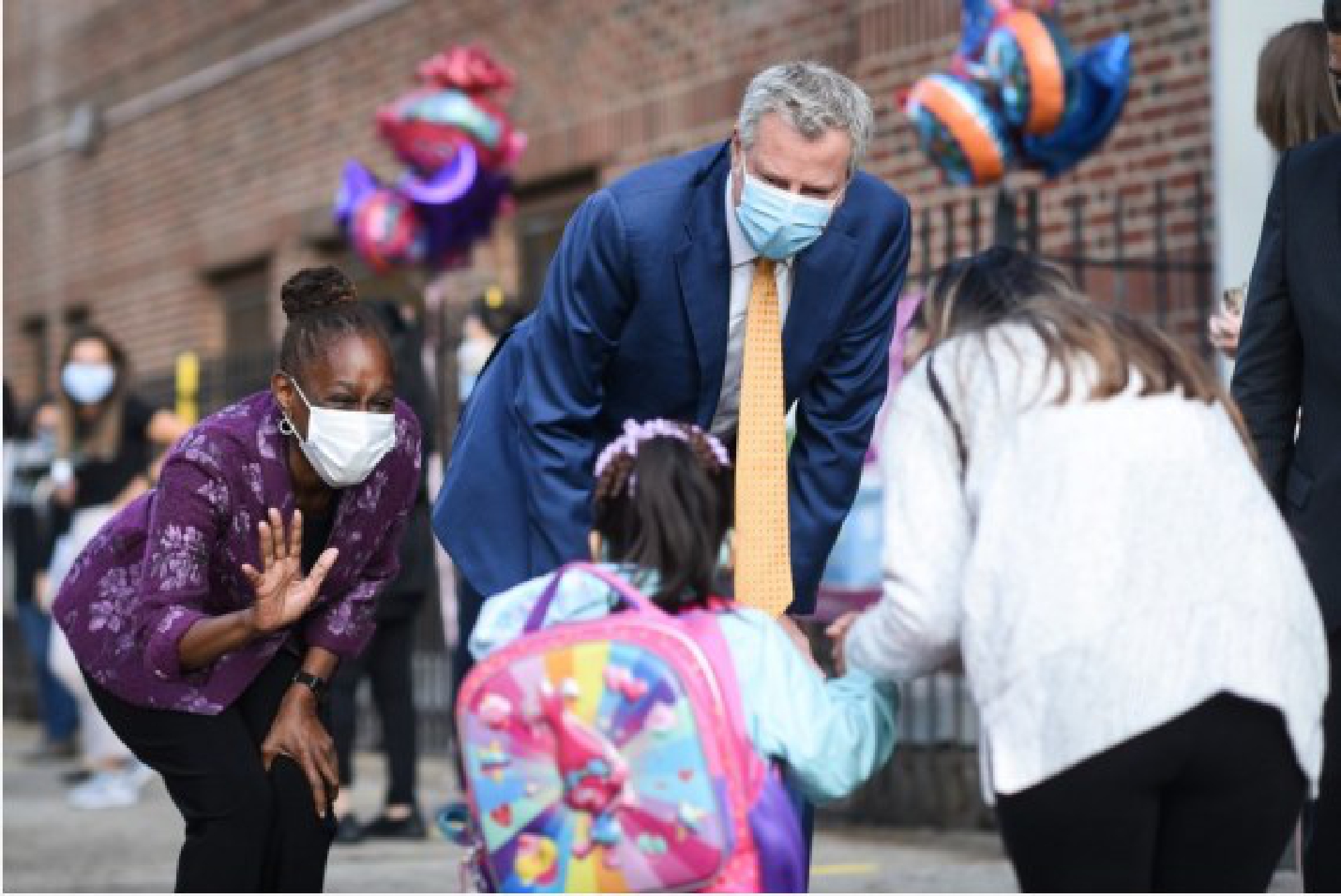
The CDC guidelines mean that a single case of COVID-19 in an elementary school, where students are generally too young to be vaccinated, can force an entire classroom of children out of school. New York City’s school guidelines also stipulate that all unvaccinated students must quarantine for seven to 10 days if one of their classmates contracts the virus.
File photo taken on Sept. 21, 2020 shows that New York City Mayor Bill de Blasio (C) and his wife Chirlane McCray (1st L) welcome Pre-K students back to school at the Mosaic Pre-K Center in Queens, New York, the United States. (Photo by Michael Appleton/Mayoral Photography Office/Handout via Xinhua)
With the academic year barely underway, some districts in Florida, Louisiana, Missouri and other COVID-19 hot spots have already had to quarantine hundreds or even thousands of students. In mid-August, Mississippi had nearly 30,000 students in quarantine, according to data reported to the state.
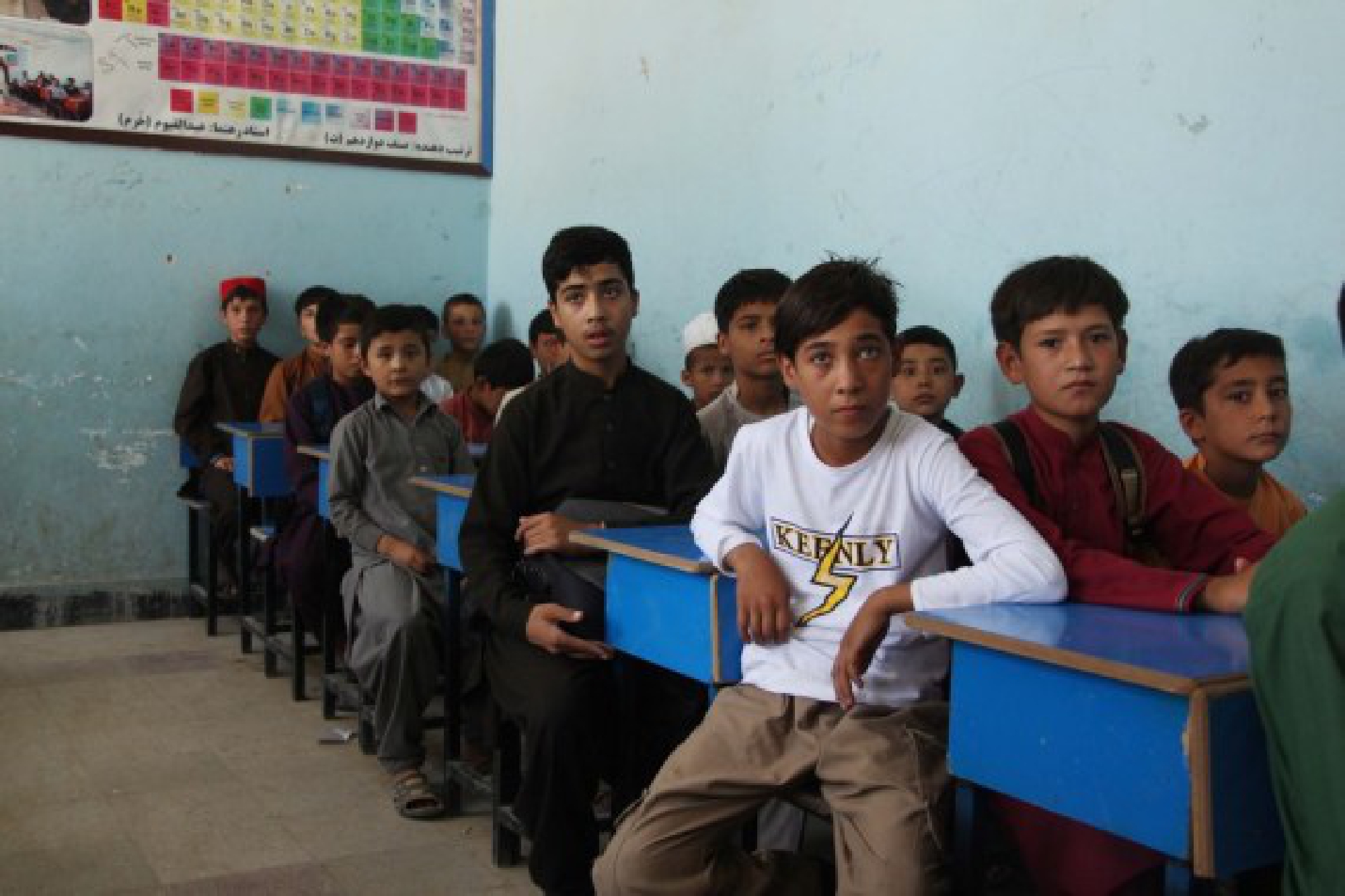
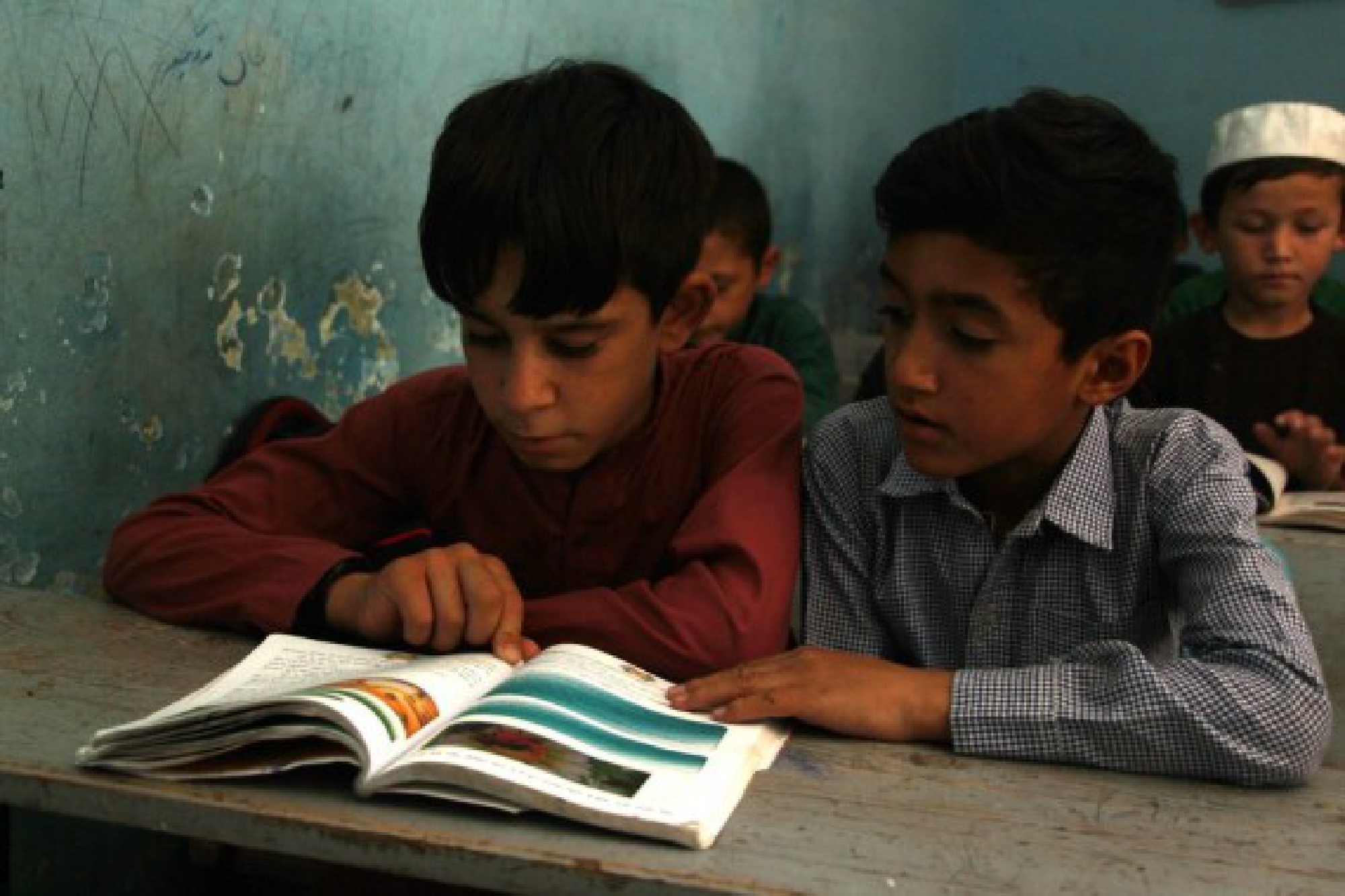
According to the Afghan Ministry of Education in Afghanistan, boy students and male teachers are required to return to schools in all 34 provinces. While the secondary and high schools for girls are still closed, a Taliban spokesman said the issues including the allocation of teachers and classrooms for the girls are still being discussed.
Sunday is the second day of reopening the secondary and high schools in Afghanistan.
In the Central Asian country, secondary schools, high schools and madrasas or religious schools reopened on Saturday, more than a month after the Taliban takeover of the country, the Ministry of Education said.
“Boy students and male teachers of all private and government-run secondary, high schools, and madrasas or religious schools are asked to return to schools in all 34 provinces of Afghanistan on Saturday,” the ministry said in a statement.
ADVERTISEMENT
The ministry didn’t say when the girls’ schools would reopen.
Primary schools for boys and girls have already reopened and the government-run universities have remained closed.
Afghan school students attend a classroom at a local school after the Taliban have taken control of the country in Kunduz province, Afghanistan, Aug. 22, 2021.
The education ministry said in another statement on Sunday that all the male personnel of the ministry should resume their duties and attend their offices from Monday.
The continued closure of the secondary and high schools for girls has caused concerns among the Afghan females who have termed the decision as a violation of the women rights.
“I want to become a doctor in the future but depriving me of education will bury my dream,” a girl student, Nadia, said.
Nadia, a ninth grader in a local school, said, “Going to school and getting education is my natural right.”
Taliban leaders have repeatedly said that Afghan women and girls have the right to study and work but only within the framework of Sharia or Islamic law.
Afghan women have demanded the country ensure their rights including study and work outside home.
Taliban spokesman Zabihullah Mujahid has said that girls’ schools will reopen and the newly formed caretaker government has been working on the procedure on how to separate the classrooms and teachers for girls.
Afghan school students attend a classroom at a local school after the Taliban have taken control of the country in Kunduz province, Afghanistan, Aug. 22, 2021.
Southeast Asia reported the lowest number of new Covid-19 cases and related deaths in months on Sunday.
Asean countries confirmed 63,862 new cases, lower than Saturday’s 69,759, and 1,094 deaths, down from the previous day’s 1,251.
The number of Covid-19 cases crossed 11.47 million with 252,056 deaths.
Indonesia’s Ministry for Maritime and Investment Affairs announced that it will reopen the country’s resort island of Bali for international visitors in October, as the number of Covid-19 cases has been declining. Indonesia will prioritise tourists from countries with controlled Covid-19 cases such as Singapore, Japan, South Korea and New Zealand. Bali Island had to postpone its reopening plan from July this year as cases of the delta variant was climbing, but the latest report confirmed that currently 96 per cent of island residents have been vaccinated with at least one shot.
Meanwhile, Laos’ Ministry of Health has officially approved vaccinations for students aged 17 years and above who will travel for the purposes of education, or who are preparing for tertiary entrance examinations at universities or other educational institutions. The recommended vaccine for this group is either Pfizer or Sinopharm. The country reported 371 new cases and no new deaths on Sunday, bringing cumulative cases in the country to 19,185 patients with 16 deaths.
MANILA – Filipino boxing legend Manny Pacquiao on Sunday officially announced he was running for president in next years elections, potentially facing off with incumbent state leader Rodrigo Dutertes chosen successor.
Pacquiao, 42, was nominated by a faction of PDP-Laban, the ruling party that fielded Duterte in 2016.
“I am a fighter and I will always be a fighter inside and outside the ring,” Pacquiao said at the party’s assembly over the weekend.
The news comes as no surprise to people in the Philippines, where the lines between celebrity and politics often blur.
Up until this year, the boxer-turned-senator was supportive of Duterte, the populist president who is most known for a bloody war on drugs that has left thousands dead. Duterte is expected to run for vice president, in what analysts and critics say is a move meant to circumvent a single-term limit on the presidency.
But since June, the pair have clashed publicly, with Pacquiao criticizing the president’s policies toward China and corruption.
Pacquiao chaired the PDP-Laban until he was unseated by Duterte’s allies in July.
ADVERTISEMENT
“When you are a champion in boxing, it does not mean to say that you are a champion in politics,” Duterte said of Pacquiao in July, adding that the star had, for years, heaped praise on his leadership.
Since taking office five years ago, Duterte has torn up the political playbook and has been widely condemned for his derogatory remarks against women and incitations to kill drug addicts and communists, among other outrageous statements.
The other party faction has nominated senator Christopher “Bong” Go, a former Duterte aide.
Analysts expect Go to be a proxy for Duterte, who is bound by a single-term limit as president and must stay in power in order to avoid potential arrest by the International Criminal Court. The ICC announced last week it would proceed with an investigation of killings under Duterte’s term.
Pacquiao is the only eight-division world champion in boxing’s history and, in 2019, was listed by Forbes as one of the world’s highest paid athletes with earnings of around $26 million.
Pacquiao has continued his matches while juggling a career in politics – first as a congressman, and then a senator – resulting in criticism about his absenteeism. In 2016, he came under fire and lost sponsorship from sportswear giant Nike when he called gay couples “worse than animals.”
Duterte’s daughter and Davao City mayor Sara Duterte-Carpio, who has led pre-election surveys, is also another contender for the presidency. Both Go and the younger Duterte denied they would seek the position – but nothing is final until the filing of candidacy closes in October.
“Work hard in silence, let success be the noise,” Pacquiao tweeted last week.
For years, the Netherlands has held the world title for having the tallest people on the planet. But new data from the office for national statistics suggests that the height of the average Dutch person is shrinking. And scientists are puzzled as to why.
At just over 6 feet for men and about 5-foot-6 for women, the Dutch are still the world’s tallest population. But the growth that has seen the country to the top of global height charts for decades appears to have ground to a halt.
“In the course of the last century we have become taller and taller, but since 1980 the growth has stopped,” government statisticians said Friday in a report on the findings written in Dutch.
Dutch women born in 2001 are, on average, more than half an inch shorter than those born in 1980, while for men the decline is 0.39 of an inch, or 1 centimeter.
The statisticians said the decrease relates partly to “the increased immigration of shorter new population groups and the children born from them in the Netherlands.”
Still, that doesn’t account for why growth also stagnated in the generations in which both parents were born in the Netherlands or in the generations in which all four grandparents were born in the Netherlands. “Men without a migration background did not get any taller, and women without a migration background show a downward trend,” the statisticians added.
The new data were based on a number of surveys by health officials of 719,000 Dutch-born individuals between the ages of 19 and 60, who self-reported their height, and used the average height at age 19 as a benchmark.
ADVERTISEMENT
Scientists have offered a number of explanations – including the possible economic ramifications of the 2007 financial crisis, the increased consumption of unhealthy food or even a shift from meat to plant-based diets, while noting that such theories are speculative at this stage.
Previous studies have shown that while the rest of the world got taller in recent years, Americans plateaued – growing heavier rather than taller; a change some experts have pegged to poor nutrition and shifts in migration. The average American man between the ages of 20 and 39 weighed about 197 pounds and stood at 5 feet 9 inches tall, according to a 2015-2016 health survey by the National Center for Health Statistics. The average woman of that age range was roughly 5 feet 4 inches tall and weighed about 168 pounds.
Such height studies are important, scientists say, because taller people generally live longer. They are less likely to have difficult pregnancies or to develop heart or respiratory diseases. Taller people may also earn more money and be more successful in school.
Majid Ezzati, an expert in global environmental health at Imperial College in London, said it would take a few more years of data to confirm whether the Dutch are experiencing a new trend. If they are, he said, it will most likely come down to nutrition. He told the Guardian newspaper that a Dutch school milk program was thought to be one reason the population had grown so tall in recent decades. In recent years, though, demand for fast-food has boomed.
It remains unclear whether poorer nutrition is limited to certain demographics, Ezzati said, or whether it reflects new fashions and social trends nationwide. He downplayed the role of migration, saying it wasn’t of a scale that would lead to a change in height.
Gert Stulp, an expert at the University of Groningen’s faculty of behavioral and social sciences, said that similar height trends in the United States indicate that fast food could be a factor.
“Diets may have changed,” Stulp told the Guardian. “This is believed to be the reason why the Americans are shrinking; poorer diets, more calories, but fewer nutrients.”
Previous studies have suggested that plant-based diets also could be playing a role, although Stulp said that remains speculative and “there is no evidence for that.”
The Islamic State affiliate in Afghanistan claimed responsibility Sunday for a series of blasts over the weekend in the countrys east that reportedly killed several people and injured tens more in another escalation of violence as the Taliban works to consolidate its control.
The improvised explosive devices were set off Saturday and Sunday around the city of Jalalabad, capital of the eastern province of Nangahar and known as a stronghold for the Islamic State-Khorasan (ISIS-K). Though they are both Islamist groups, ISIS-K opposes the Taliban, which it accuses of not being extreme enough.
The Islamic State group’s Amaq News Agency said on its Telegram channel that six attacks Saturday and Sunday killed or injured over 35 Taliban members, Reuters reported.
Bilal Karimi, a Taliban spokesman, said a bombing Sunday in Jalalabad targeted a Taliban vehicle, killing one child and injuring two people, among them a Taliban member.
“We have started investigations into the incident to reach the culprits,” Karimi said.
But three residents, speaking on the condition of anonymity because they feared angering the Taliban, told The Washington Post that at least three civilians were killed, including a child, and scores more injured in the attack. Residents said the blast also knocked down a major power line, though it was restored later in the day.
ADVERTISEMENT
The violence followed a series of explosions Saturday. One resident said four people were killed and 22 injured in five incidents in the city.
Karimi said that only “minor blasts” took place Saturday and “a number of casualties were reported,” without providing specifics.
ISIS-K previously claimed responsibility for an attack at the Kabul airport on Aug. 26, which killed some 170 Afghan civilians and 13 U.S. service members at the already chaotic end of the U.S. withdrawal of troops after two decades in Afghanistan.
The Taliban rapidly regained control of the country amid the hasty exit of U.S. forces last month. The extremist group has since faced pockets of public opposition, including a resistance movement in Panjshir province and street protests by women who oppose the Taliban’s brutal gender-based restrictions.
At the same time, the political vacuum left by the swift fall of Afghanistan’s Western-backed government could further embolden ISIS-K, analysts have warned. The Taliban and U.S. forces previously found common ground fighting the Islamic State affiliate.
The Taliban leadership has said the group has softened its stances since it last ruled Afghanistan, from 1996 to 2001, when it became an international pariah for policies such as banning education for girls. Over its last month in power, however, the Taliban has formed an all-male government, imposed dress codes and segregated women at universities, and told female employees to stay home. On Friday, the group ordered high schools for male students to reopen – but made no mention of schools for female students.
SYDNEY – Australias Prime Minister Scott Morrison said Sunday it had “deep and grave” concerns about the diesel-powered submarines it planned to buy from France – and that Paris knew this well before Canberra abruptly canceled that deal in favor of sharing nuclear submarine technology with the United States and Britain.
Morrison was pushing back on criticism from France that it left the country in the lurch by secretly negotiating the new three-nation pact, called AUKUS, even as he acknowledged only telling France about the new deal on the day it was announced.
“I think they would have had every reason to know that we had deep and grave concerns that the capability being delivered by the Attack Class submarine was not going to meet our strategic interests,” Morrison told reporters Sunday.
“This is an issue that had been raised by me directly some months ago and we continued to talk those issues through, including by defense ministers and others.”
France recalled its ambassadors from Australia and the United States – and lashed out at Australia’s “treason” – in the fray that has escalated tensions among allies.
The Biden administration’s surprise decision to share sensitive nuclear submarine technology with Australia also prompted a swift backlash from China – the apparent target of the pact announced Wednesday by Biden, Morrison and British Prime Minister Boris Johnson.
Under the previous $66 billion deal with Paris inked in 2016, Australia would have purchased 12 French diesel-powered submarines.
French Foreign Minister Jean-Yves Le Drian has said Australia told Paris about its plans just one hour before the announcement by the three leaders Wednesday.
ADVERTISEMENT
French government spokesman Gabriel Attal told French television on Sunday that President Joe Biden has requested a phone conversation with President Emmanuel Macron and that the exchange is expected to take place in the coming days.
While Morrison has previously said he had warned Macron of problems with the French contract during a visit to Paris in June, a French diplomatic official on Friday countered that in their meetings the Australians only asked whether the French submarines were still adequate for the changing threat environment.
Nuclear-powered submarines have a longer range, and they can travel underwater at a higher sustained speed than their diesel-electric-powered equivalents. That may offer advantages in a head-to-head with the Chinese military, which has significantly grown its navy in recent years and plans to expand its fleet of nuclear-powered submarines.
Australia’s defense minister, Peter Dutton, also defended his country’s handling of the French submarine contract on Sunday, describing his government as “upfront, open and honest” about its concerns with the deal. He noted the changing security dynamic in the Indo-Pacific region, where he said “the Chinese are pumping out submarines and frigates and aircraft carriers at a record rate.”
“We can understand of course, the French are upset at the cancellation of a contract but in the end, our job is to act in our national interest,” Dutton told Sky News.


 People ride bikes on Car Free Sunday in Brussels, Belgium, Sept. 19, 2021. (Xinhua/Zheng Huansong)
 People ride bikes on Car Free Sunday in Brussels, Belgium, Sept. 19, 2021. (Xinhua/Zheng Huansong)
 People ride bikes on Car Free Sunday in Brussels, Belgium, Sept. 19, 2021. (Xinhua/Zheng Huansong)
 A woman rides a bike on Car Free Sunday in Brussels, Belgium, Sept. 19, 2021.(Xinhua/Zheng Huansong)
 Anthony Fauci, director of the U.S. National Institute of Allergy and Infectious Diseases, speaks during a hearing of Senate Health, Education, Labor and Pensions Committee titled “The Path Forward: A Federal Perspective on the COVID-19 Response” in Washington, D.C., the United States, on July 20, 2021. (J. Scott Applewhite/Pool via Xinhua)
 File photo taken on Sept. 21, 2020 shows that New York City Mayor Bill de Blasio (C) and his wife Chirlane McCray (1st L) welcome Pre-K students back to school at the Mosaic Pre-K Center in Queens, New York, the United States. (Photo by Michael Appleton/Mayoral Photography Office/Handout via Xinhua)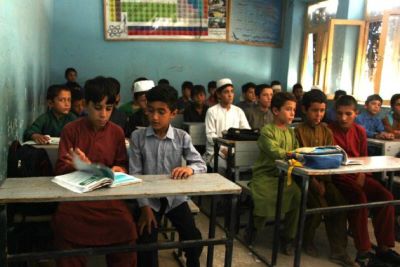
 Afghan school students attend a classroom at a local school after the Taliban have taken control of the country in Kunduz province, Afghanistan, Aug. 22, 2021.
 Afghan school students attend a classroom at a local school after the Taliban have taken control of the country in Kunduz province, Afghanistan, Aug. 22, 2021.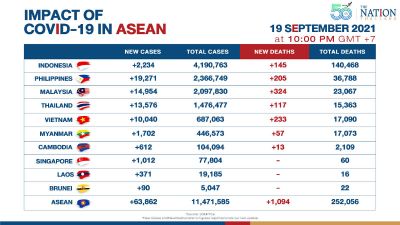

 SootinClaimon.Com