Taliban calls for peaceful solution of Panjshir standoff
A Taliban senior leader said that the Taliban in spite of deploying troops around Panjshir would continue dialogue, urging the people of Panjshir to help stabilize peace and security in the country.
ATaliban senior leader Mullah Amir Khan Mutaqi has stressed for peaceful solution of the standoff in Afghanistan’s Panjshir province, urging the people of Panjshir to help stabilize peace and security in the country.
“Panjshir as a part of Afghanistan deserves to live in peace. The Islamic Emirate has declared general amnesty and there is no reason to fight. War is enough, let’s stop fighting and live in peace,” Mutaqi said in a message on Wednesday posted in Taliban’s Twitter account.
Panjshir is the only province among Afghanistan’s 34 provinces which has remained out of Taliban’s control since the fall of major cities including capital Kabul.
Since Monday, there are reports of skirmishes between Taliban forces and the anti-Taliban fighters in areas bordering Panjshir valley.
Ahmad Masoud, the son of late anti-Taliban resistance leader Ahmad Shah Masoud, who is leading an anti-Taliban resistance in Panjshir valley, has reportedly said that he is going to find negotiated solution for the standoff, though in the meantime, ready for defending the valley.
Mutaqi in his message said that the Taliban in spite of deploying troops around Panjshir would continue dialogue.
Military vehicles run in Mazar-i-Sharif, capital of northern Balkh province, Afghanistan, Aug. 31, 2021.
The number of Covid-19 cases in Southeast Asia crossed 10.14 million, with 73,964 new cases reported on Wednesday, higher than Tuesday’s tally of 76,800. Asean also saw an additional 2,189 deaths, increasing from Tuesday’s 1,236 and taking total coronavirus deaths to 225,346 so far.
Indonesian President Joko Widodo said on Tuesday that his country would receive an additional 331 million doses of Covid-19 vaccines through to the end of the year.
To date, at least 35.85 million people in the country have received two shots of vaccines, while 63 million have had their first dose, according to the Health Ministry.
The second wave of Covid-19 triggered by the Delta variant is easing in Indonesia, with declining infection and bed occupancy rates.
Meanwhile, Cambodian Prime Minister Hun Sen said on Tuesday that the kingdom has seen a dramatic drop in new cases and deaths, especially in the capital Phnom Penh and its adjacent Kandal province, where herd immunity has been achieved.
He asked his education minister to consider reopening schools in non-infectious locations, especially in rural areas, which have been closed since February after the third Covid-19 wave hit.
So far some 10.7 million people, or 66.8 per cent of the country’s population, have received at least one vaccine dose, while 8.45 million have received both required shots.
Covid-zero wavers in Australia as Melbourne sets vaccine target
Australias Covid-Zero policy is under renewed pressure after a second state indicated it was abandoning attempts to eliminate the highly-contagious delta variant.
Melbourne set a 70% first-dose vaccination rate target to begin easing its Covid-related restrictions — some of the toughest in the world — on Wednesday, as Victorian Premier Daniel Andrews, previously a strong proponent of Covid-Zero, laid out a roadmap to reopening the state.
Regional areas of Victoria could exit lockdown as early as next week, he added. Still, Andrews didn’t specify a date when stay-at-home orders would be removed for metropolitan Melbourne.
The Covid-Zero strategy has seen Australia rely on closed international borders, rigorous testing and lockdowns to eliminate community transmission, earning it the nickname “Fortress Australia” and raising questions about how long it could afford to remain isolated not just from the world but across state borders. Victoria joins neighboring New South Wales in shifting toward a reopening that will see more than half the nation’s population learn to live with the virus, rather than seek to eliminate it.
The 70% threshold will allow rules limiting residents to an area within five kilometers of their homes to extend to 10, and see three hours of daily outdoor exercise permitted instead of the current limit of two, Andrews said. Playgrounds will reopen late Thursday, he said.
He said the state — which recorded two deaths and 120 new virus infections overnight — could reach the inoculation target around September 23. Some 35% of Victorians over age 16 are fully vaccinated, and 56% have had their first dose.
“I much prefer to be here announce that we’re opening up,” Andrews said. Regarding a full lifting of the lockdown, he added that there would “be a time for that, but it simply can’t be before” at least 70% of people are fully vaccinated.
Australia has imposed restrictions ranging from stay-at-home orders to the closure of venues on its residents more frequently than any other country outside of China during the pandemic, according to Bloomberg analysis of Oxford University’s Stringency Index, which assesses how many times nations see significant upward changes in the severity of their lockdowns.
Victoria’s announcement was criticized by peak employer lobbyist Ai Group, which contrasted Andrews’ incremental easing with the bid outlined by New South Wales Premier Gladys Berejiklian earlier Wednesday seeking to reopen Sydney’s international border by November.
“Our two largest states need to get on the same page as soon as possible and this will be best achieved by Victoria raising its aspirations for Covid freedom,” Ai Group’s chief executive, Innes Willox, said in an emailed statement. “If the aim is to shutter many more businesses in the state, Victoria is moving in the right direction.”
Roughly half of Australia’s population remains under stay-at-home orders. Melbourne has seen six lockdowns numbering a total of 213 days since the pandemic began, while Sydney has been under similar restrictions for more than two months and residents of Canberra, the national capital, are following such measures through September 17.
The outbreak started in Sydney in mid-June, when an unvaccinated chauffeur became infected while transporting international flight crew.
Australia’s sluggish vaccine rollout, one of the slowest in the developed world, has picked up speed since the outbreak. But its slowness has forced health authorities to continue to resort to lockdowns until immunization rates catch up, even as nations like the U.S. and U.K. return to relative normality.
New South Wales recorded four deaths and 1,116 new infections on Wednesday as authorities focus on inoculations as a pathway to removing restrictions. More than 22,500 people have been infected in the state, mostly in Sydney, since the outbreak started.
“The escape of the delta variant before vaccinations reached herd-immunity levels is a major disaster for Australia,” said Bloomberg Economics’s James McIntyre. “The recalibration of restriction thresholds — and sharper focus on vaccination rollout — offers a glimmer of hope that the full reopening of the economy may eventuate sooner than anticipated, albeit with significant damage in the meantime.”
EU mulls 300 million euros to accept refugees amid Afghan strife
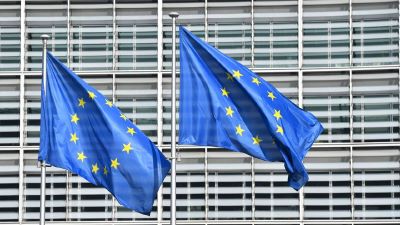
The European Union has floated a plan to spend 300 million euros ($355 million) to resettle about 30,000 refugees inside the bloc in a bid to avert a migration crisis following the withdrawal of U.S. troops from Afghanistan.
The European Commission, the bloc’s executive arm, made the proposal to EU ambassadors at an Aug. 26 meeting on Afghanistan, according to a diplomatic note seen by Bloomberg. The commission added that additional funds could be made available.
An EU spokesperson said the funding isn’t limited to Afghan refugees, but EU home affairs commissioner Ylva Johansson said Tuesday that she plans to convene a high-level resettlement forum this month to address the Afghan situation. Specific resettlement pledges would have to made by individual EU governments.
The EU is eager to avoid a repeat of the 2015 refugee crisis caused by the Syrian war when more than a million migrants entered the bloc. The EU will focus on development aid, including support for refugees in Afghanistan’s neighbors like Pakistan and Tajikistan to prevent migration flows from reaching the EU, according to the note.
“The EU will engage and strengthen its support to third countries, in particular the neighboring and transit countries, hosting large numbers of migrants and refugees,” according to a statement after a Tuesday emergency meeting of EU home affairs ministers in Brussels. “The EU will also cooperate with those countries to prevent illegal migration from the region.”
An email seeking comment from the commission wasn’t immediately returned.
Support for refugees is a fraught topic in the bloc, with several member states firmly opposed to accepting any migrants. Janez Jansa, prime minister of Slovenia, which currently holds the rotating presidency of the EU, said on Twitter last month that Europe shouldn’t open any humanitarian migration corridors for Afghanistan to avoid the “strategic mistake” of 2015.
Even though about 500,000 people have been displaced in Afghanistan this year, flows of people into neighboring countries have been muted, according to the note, which added there had been no significant movements toward the EU.
The EU has currently suspended development aid to Afghanistan following the Taliban takeover of the country but has earmarked about 1 billion euros under its current budget, according to the note. These funds would be conditional on a number of factors, including allowing safe passages, the respect of human rights, fighting terrorism and the creation of an inclusive government, the note said.
The number of those fleeing Afghanistan is expected to rise, according to the note, with officials agreeing on the need for security checks and to address the risk of irregular migration and human smuggling. Officials also highlighted the risks posed by Afghanistan becoming a haven for terrorists, the dangers posed by the large amounts of weapons left behind by the U.S. and the Taliban becoming an inspiration for extremist movements and disinformation, including in the EU.
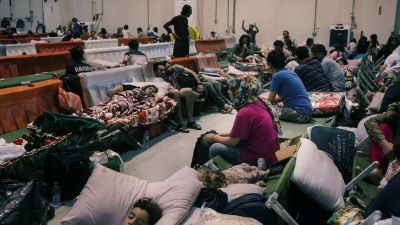
WASHINGTON – The Biden administration is preparing to screen and resettle tens of thousands of Afghan evacuees in the United States over the coming weeks and months, but the majority will arrive without visas as “humanitarian parolees,” lacking a path to legal U.S. residency and the benefits and services offered to traditional refugees, according to U.S. officials and worried aid groups working closely with the government.
Afghan parolees who have arrived at U.S. military bases will be eligible for an ad hoc State Department program that provides limited assistance for up to 90 days, including a one-time $1,250 stipend. But they will not have the full range of medical, counseling and resettlement services available to immigrants who arrive through the U.S. refugee program.
The nonprofit organizations that work with the government to resettle refugees and that are assisting with Afghan evacuees say Congress will need to provide billions in emergency funding to help the Afghans start over and ensure they can be successfully and safely integrated into the United States.
“We’ve been heartened by the administration’s efforts to ensure some minimal support, but 90 days is meager compared to the massive need,” said Krish O’Mara Vignarajah, president and chief executive of the Lutheran Immigration and Refugee Service. “These Afghans feared for their lives and faced floggings on the way to the airport, and the last thing we want them to face here is a tangled web of backlogs and bureaucratic hurdles.”
Afghan evacuees to U.S. face tenuous path ahead
More than 31,000 evacuees from Afghanistan arrived to the United States between Aug. 17 and 31, according to the latest Department of Homeland Security data. That included about 7,000 U.S. citizens and legal residents, as well as nearly 24,000 labeled “Afghans at Risk.”
While some of those evacuees include Special Immigrant Visa (SIV) holders or applicants who worked for the U.S. government, officials acknowledge that there is a larger number of parolees who will enter as “vulnerable Afghans.”
Some may have few or no U.S. ties but successfully boarded U.S. military flights in the chaotic hours and days after the fall of Kabul, hoping to reach the United States.
Pentagon officials said Wednesday that the U.S.-led airlift evacuated nearly 125,000 Afghans overall, but the Biden administration has not said how many it expects to resettle in the United States.
Gen. Mark Milley, chairman of the Joint Chiefs of Staff, told reporters Wednesday that approximately 43,000 Afghan evacuees are waiting at transit sites in Europe and the Middle East. Some evacuees have gone to third countries such as Albania.
U.S. officials say their ability to more carefully select who was able to pass Taliban checkpoints and board evacuation flights improved through “pragmatic” communication with Taliban authorities.
“We got better at prioritizing and focusing on those populations that matter most of all to us,” said a senior State Department official involved in the evacuation effort who briefed reporters under rules of anonymity set by the department.
“In the best of all possible worlds, you have the time and space to very thoroughly vet people,” the official said. “But as we clearly saw, the length of time required for some of that vetting hampered our ability to move some of those populations as early in the process as we could have.”
When organizations that were involved in human rights advocacy provided the United States with lists of people seeking to evacuate, officials didn’t have time to determine whether they were qualified, the official said. “We essentially took the nature of the organization and their affirmation that these people were who they were and just assumed it was an at-risk organization.”
The Biden administration has directed DHS to coordinate Afghan resettlement, and on Monday, Homeland Security Secretary Alejandro Mayorkas named Robert Fenton Jr., a veteran Federal Emergency Management Agency official, to lead the effort.
DHS officials say about 300 staffers from U.S. Customs and Border Protection, U.S. Immigration and Customs Enforcement and the U.S. Coast Guard have been deployed to the transit sites – referred to as “lily pads” – that are designated as the primary screening locations.
“The federal government has established a robust and multi-layered screening and vetting process with dual goals of protecting the homeland and providing protections for vulnerable Afghans,” DHS spokesperson Sarah Peck said in a statement.
Afghan evacuees are required to provide biometric and biographic information, but many of the evacuees lack passports and other documents that typically facilitate the process, officials acknowledge.
The Biden administration has not said what it will do with evacuees who have derogatory information that raise security concerns during the vetting process, but officials say they will work with allies and partners to resettle at-risk Afghans in third countries.
Homeland security officials say only Afghans who can be safely vetted will be allowed to travel to the United States.
Tom Warrick, a former DHS and State Department official who worked on the Special Immigrant Visa program for Iraqis, said U.S. screeners can still conduct robust vetting on Afghans who lack documentation or a record of working for Western governments and organizations.
“There are still substantial numbers of ways to validate information given during interviews,” said Warrick. “This is what [U.S. Citizenship and Immigration Services] does when adjudicating people from countries without a substantial U.S. military presence – to check facts in their stories, and cross-check what is known historically if someone claims they were in fear of persecution as a member of a particular religious or ethnic minority.”
Another 80 staffers from USCIS are helping to process evacuees at Dulles International Airport in Virginia and Philadelphia International Airport, the two designated arrival points for the commercial and charter aircraft bringing Afghans to the United States. CBP personnel at those locations conduct a secondary “cross-check” on arriving Afghans to verify their information, DHS officials said.
From there, the evacuees are transferred to military sites, where they undergo medical screening, including coronavirus tests, and are offered vaccines. After processing, the evacuees are issued temporary work authorization and referred to refugee resettlement organizations.
Afghans who don’t speak English or have ties to the U.S. government or U.S. organizations are particularly vulnerable, say refugee organizations who are attempting to raise private funding to help with housing, medical bills and other support services.
Mark Hetfield, president of the Hebrew Immigrant Aid Society (HIAS), a group that resettles refugees, said his organization is preparing for the potential arrival of 50,000 Afghans who will enter as parolees, with a provisional residency status that expires after two years.
Hetfield said Congress needs to prepare a large appropriation to the Office of Refugee Resettlement (ORR), the State Department and USCIS. “The number we’ve been floating around, just on the back of the napkin, is $5 billion for ORR, $2 billion for State, and $1 billion for USCIS, at a minimum,” he said. “That would give parolees the same amount of assistance as refugees or SIVs would get.”
Hetfield said the short-term funding from the State Department won’t cover many expenses, let alone provide families with essential tools like Internet access and mobile connectivity. “They need things like smartphones,” he said. “Those are not luxuries, they are necessities. You can’t access the job market without access to the Internet.”
One administration official, who was not authorized to speak to reporters, said the Biden administration is looking at ways to boost funding and support for Afghan resettlement.
Another looming issue is their legal status as parolees. Congress could create a mechanism to allow them to “adjust” to legal permanent residency, aid groups say, along the lines of the Cuban Adjustment Act of 1966 or more recent programs to aid Iraqis.
The parolees could apply for asylum, stating a fear of persecution if returned to Afghanistan, but the U.S. asylum system is badly overloaded by applicants from the Mexico border.
The capacity of the U.S. refugee system is also depleted, aid groups say, following deep cuts to the program under the Trump administration.
“The refugee resettlement system has been decimated, so our local offices are unable to accept parolees right now without an assurance of our ability to cover costs like medical expenses immediately,” said Vignarajah.
“We are fundraising, but it’s a piecemeal, time-intensive process to secure private contributions,” she said. “And we don’t want to end up with our case managers doing check-ins with families under overpasses.”
Mae Hong Son unveils 2 natural wonders to attract tourists
Mae Hong Son launched a drive to attract domestic tourists for its high season on Thursday, highlighting two natural wonders of the northern province.
Governor Sithichai Jindaluang led a team to the waterfall at Namtok Mae Surin National Park, where work is underway to boost safety and convenience for visitors. A major tourism magnet, the 180-metre-tall waterfall in Khun Yuam district is currently closed but will open on October 1.
Sithichai also revealed efforts to upgrade the Bua Tong wild sunflower fields that carpet the slopes of Doi Mae U Kho in the same district. The forest park has been planted with pine trees and wild Himalayan cherry trees, adding even more colour to the mountain scenery.
Mae Hong Son unveils 2 natural wonders to attract touristsOfficials are busy preparing for the local tourism festival from November 1-10, upgrading campsites, restrooms, tourist reception buildings and various tourism activities, to generate much-needed tourism income for locals.
Mae Hong Son unveils 2 natural wonders to attract touristsMae Hong Son unveils 2 natural wonders to attract tourists
Chiang Mai ready to share its ‘charms’ under new travel scheme
The Tourism Council of Chiang Mai plans to launch the “Charming Chiang Mai” scheme on October 1 in a bid to bring tourists back to the North.
Council president Punlop Saejew said the scheme is over 90 per cent ready and is waiting for the Centre for Covid-19 Situation Administration’s approval.
Like Phuket Sandbox and other schemes launched to boost tourism, Charming Chiang Mai will also have tourists visiting under specific conditions.
Punlop said tourists will be given several options under the scheme, like spending only five days in Chiang Mai before flying back home or dividing their first 14 days between Chiang Mai and Phuket before being allowed to travel elsewhere in Thailand.
He said travellers going for the five-day option will only be allowed to stay in specific hotels and visit golf clubs.
However, if they choose to spend 14 days in Chiang Mai or divide the period between the North and Phuket in the South, they will be allowed to travel around Thailand once that period is completed, and they test negative for Covid-19.
The areas earmarked for the Charming Chiang Mai scheme are Muang, Mae Taeng, Mae Rim and Doi Tao districts and the initial target are travellers from Singapore, Malaysia, South Korea, Japan, Hong Kong and Taiwan before it expands to travellers from China and India.
Punlop believes the scheme should generate up to 100 million baht for the province if it can be launched without any problems.
He explained that Chiang Mai’s earnings from tourism had dropped to 60 billion baht in 2020 from 1.2 trillion baht the year earlier.
“Over the past one year and eight months, when foreign tourists were banned from entering Chiang Mai, the province has lost at least 180 billion baht in tourist dollars,” he added.
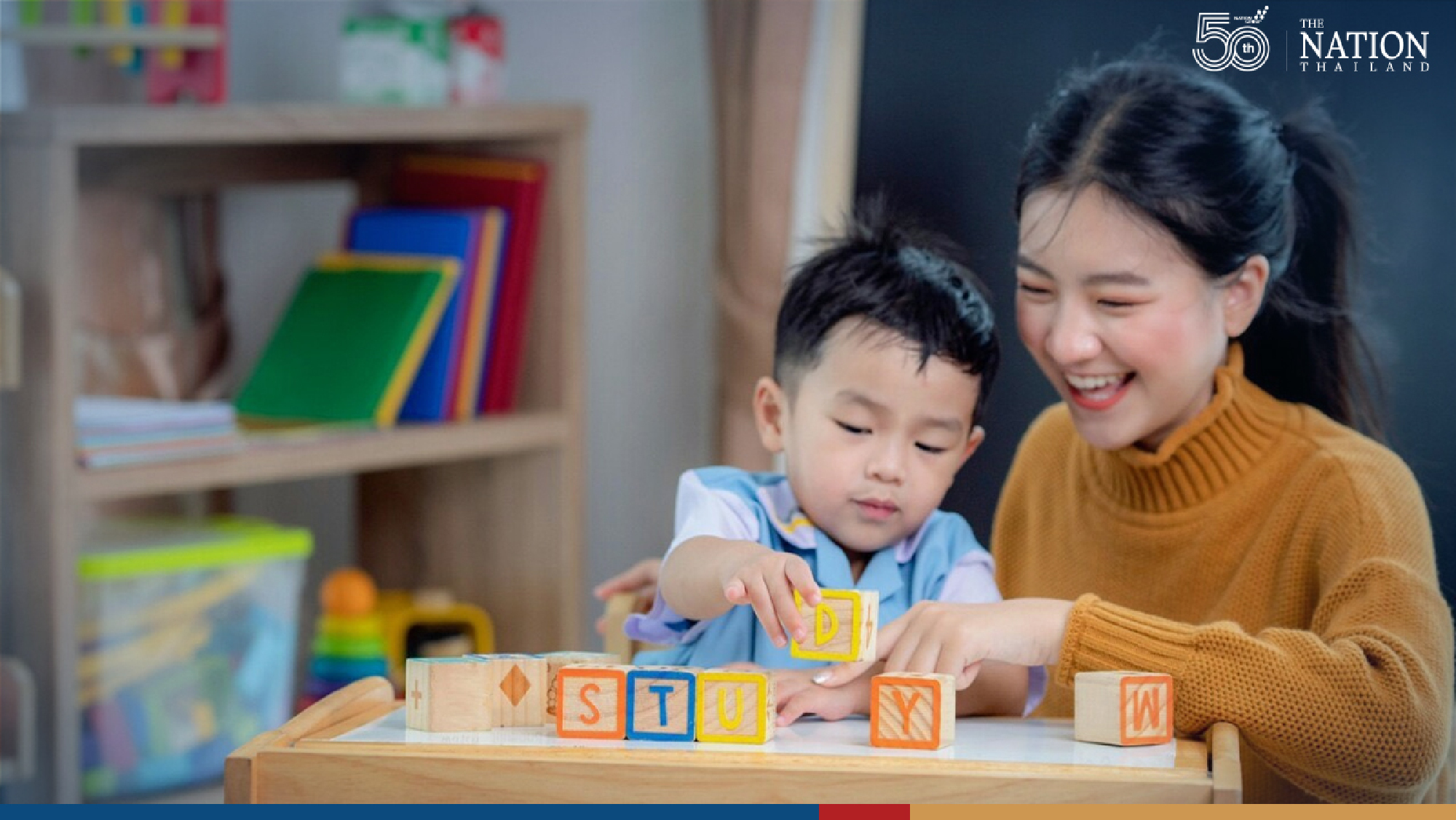
The role parents play with children attending classes at home
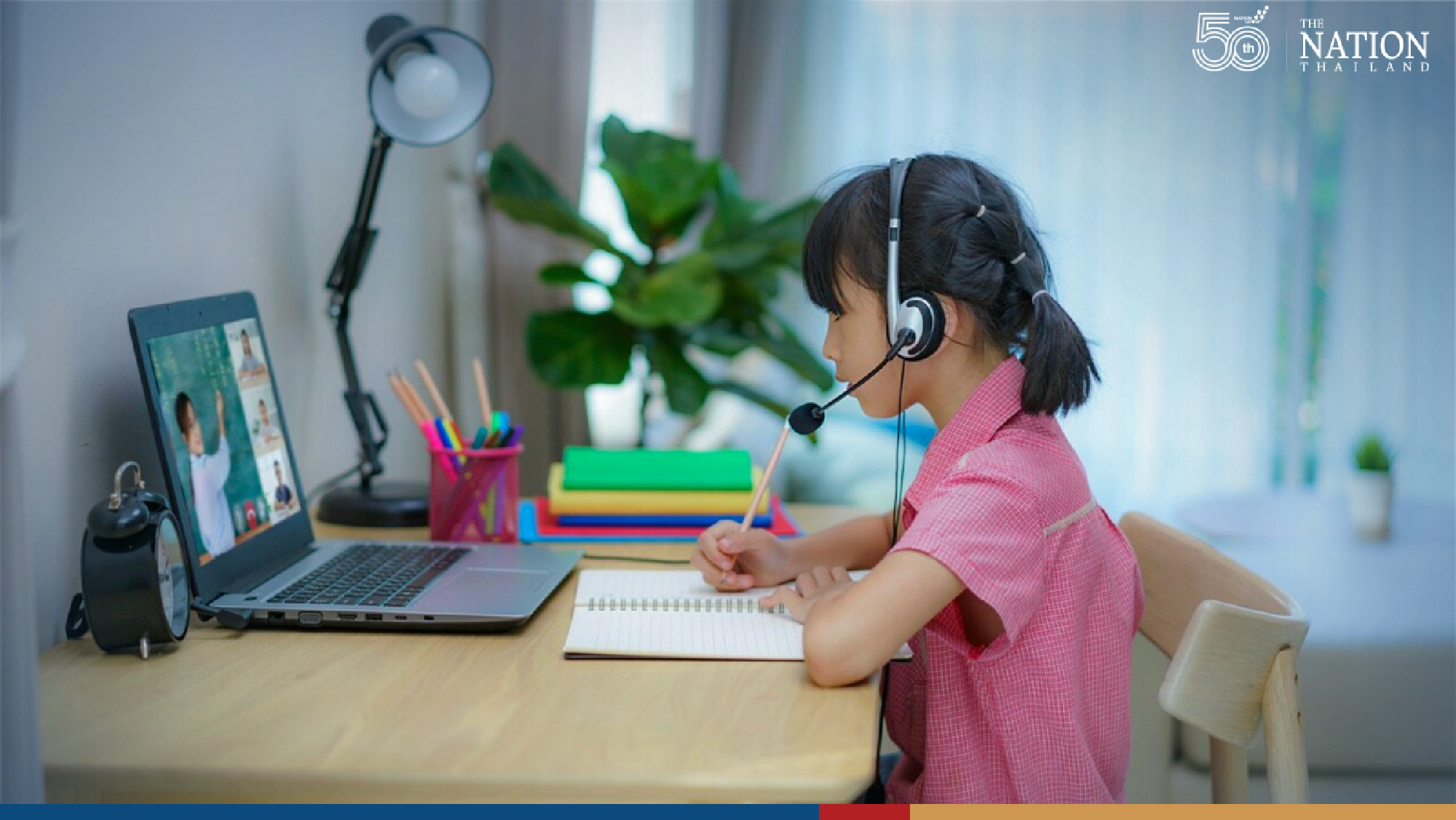
Owing to the Covid-19 pandemic, Thailand’s educational sector has had to transition from classrooms to online learning. As per the Office of the Basic Education Commission (Obec), schools must continue using online learning/teaching methods through the first semester of the 2021 academic year given the surge in infections.
For this new system to be successful, cooperation is required between the Education Ministry, school principals, teachers, students and most importantly, parents, who need to spend more time understanding the change in their children’s needs.
When a child, especially the very young, has to study online, it inevitably becomes the parents’ duty to provide the resources and manage the setup. This in many cases becomes challenging because remote study is still a new concept.
The role parents play with children attending classes at homeThe role parents play with children attending classes at home
Children also must adapt to the new set up and change in their learning environment. Also, the lack of physical activity may cause additional stress for children. Online learning may not be suitable for young children, but most of us have no chance but to adapt to the “new normal”.
To make online learning effective for young children, parents must develop methods and techniques to get their kids happily involved in learning by doing the following:
The role parents play with children attending classes at home
Start with an open mind
Parents must open their minds to online learning, so they can make adjustments to ensure positive outcomes.
They should encourage their children to practice social skills, albeit virtually, by interacting with their teachers and friends.
Online learning also helps develop children’s IT skills and parents should set up a variety of online activities daily.
With the absence of school, children may start losing the discipline of waking up early, getting to school and sitting in their classroom focusing on what the teacher is saying. Parents, however, must be open-minded and accept that learning online can be more difficult, especially when children do not have other classmates sitting with them.
The role parents play with children attending classes at home
Setting up a schedule
Firstly, parents must know and understand their children’s concentration and attention level, as well as ability to learn certain subjects.
Without the need to go to school, a child’s daily life changes completely. They have more free time, and they may become fussy or refuse to pay attention when their class begins. To avoid this, parents should set up a daily “activity schedule” for their children.
Getting children involved in setting up a schedule that covers activities like waking up, studying, playing, eating, bathing, resting and going to bed will also give them a sense of purpose.
The role parents play with children attending classes at home
The second factor is setting up the right environment. Parents need to provide a suitable spot for their children to sit and study. The desk and chair should be of the right size to ensure the child has the correct sitting posture. The study area should also be quiet, not crowded or have any stimuli that may distract the child. School supplies should also be available and ready to use.
Parents must also understand teaching styles and coordinate with teachers to learn about their children’s potential, so appropriate arrangements can be made.
Parents also need to understand technology because online learning can be conducted via different devices, including computers, notebooks and tablets.
These devices and learning methods may be new to both parents and children, and it may take time for them to learn about the applications required for distance learning. Parents must also have to learn how to set up parental controls on the internet, but most importantly, they must set up rules for their children to follow.
The role parents play with children attending classes at homePay attention
Parents must also explore their own physical and emotional readiness, including their stress levels. Keep in mind that being irritated, stressed or losing your temper can affect your children’s studies. If parents are able to control their emotions, stay calm and cope with situations, children will also learn to do the same.
Pay special attention to preparing your child for online classes. Normally, children have activities before starting classes such as breakfast with friends, playing and doing morning exercise routines.
Parents should also set up similar activities for children to do before they start their online classes, such as doing some cardio exercise.
Spending at least 20 minutes on physical activity, such as running, cycling or kicking a football will help prepare the body and stimulate the brain to release dopamine and norepinephrine, key neurotransmitters associated with attention, concentration and self-control. However, do not do too much heavy exercise or it may make the child tired and sleepy.
Parents must also understand that children cannot be expected to always focus on the screen. In classrooms, children have a lot of distractions, and it is normal sometimes for them to lose interest in what is being taught.
Hence, parents should focus on what will keep their kids engaged as well as whether their children are understanding the lesson and if they can answer questions.
Parents should also do away with negative words like “no, don’t, not or stop” to prevent children from developing a bad attitude towards learning. For instance, sentences like “why don’t you listen to your teacher” or “don’t be silly, baby” will make them anxious and stop them from wanting to learn.
Instead, parents should show appreciation to their children for focusing on their studies and completing their assignments.
The role parents play with children attending classes at homeMany parents think their children get to interact with their teachers and classmates during classes, so no other activities need to be planned.
However, activities are necessary, not just for helping children relax after school but to also help them develop and strengthen familial bonds.
However, the most important thing is caring and realizing that online classes alone cannot help with children’s cognitive development.
For this, parents can invite their children to read, describe the environment around them or practice daily routines. Children should also be given simple household chores.
But the most important job for parents is to be by their children’s side when they are in trouble because for children, their parents are always their “important teachers, friends and toys”.
The role parents play with children attending classes at home
THAILANDS KIRADECH FACES MENTAL HURDLE IN BID FOR PGA TOUR RETURN
Thai golf star Kiradech Aphibarnrat admits he needs to overcome a mental hurdle if he is to regain his PGA TOUR card via the Korn Ferry Tour Championship presented by United Leasing & Finance this week.
The 32-year-old enters the last event of the Korn Ferry Tour Finals in 22nd position of the ranking, with the top-25 earning PGA TOUR memberships for the new season on Sunday. With his golfing fate in his own hands, Kiradech is determined to step on the plate and produce the right result to regain his playing rights after finishing outside the top-125 of the FedExCup standings at the end of the PGA TOUR Regular Season last month.
“I believe every player is going to get some pressure going into the next four days. It can cost almost a whole year. Players between 15th to 25th in the ranking will feel it the most. I have to do really well in this last event. I know there will be a lot of stress and pressure on the final nine holes on Sunday,” said Kiradech.
The burly Thai has stumbled across the finish line over the last two weekends. He was tied second going into the final round of the Albertsons Boise Open presented by Chevron before finishing tied 20th with a closing 74 and at the Nationwide Children’s Hospital Championship, he was cruising in the top-10 before dropping four bogeys on his back nine.
“Last three months, I feel more comfortable with how I’m swinging the golf club. Only one part of my game is the mental side. I can’t control myself well enough to get the job done. The last two weeks, I was tied second and shot 3-over. Last week, I was in the top-10 and shoot four over on the back and. There are a lot of good things, a lot of positive things but I can’t get my mental (strength) back at the same time. Hopefully I can do it this weekend,” said Kiradech.
“Going into Sundays, I can’t seem to get into tempo, can’t get the momentum that I used to get and I always do well in the final round. I guess it takes time. I don’t think it’s too far away.”
If things don’t fall to plan, Kiradech says he has the option to return and compete on the European Tour where he is a four-time winner. The European Tour and PGA TOUR also have a strategic alliance and will co-sanction three tournaments in the new season.
“The PGA TOUR is one of the biggest in the world, and everyone wants to be part of this TOUR. I grew up in a small country in Asia, dreaming of playing on the PGA TOUR and I’ve managed to do it for three years. I think it’s been a success as it’s always been my goal to play here,” he said.
“If you look at my career, I’ve played well on the European Tour and if I don’t play well this week, I have my European Tour card in my pocket. In my career so far, I have four wins there and my world ranking came up through the European Tour. Of course I still want to be part of the PGA TOUR but it’s not easy to stay here. It’s a high standard and young college players come out every year and they are hungry too.
“I just want to enjoy my game in the next four days. I will try to enjoy the week and see what happens the next four days.”
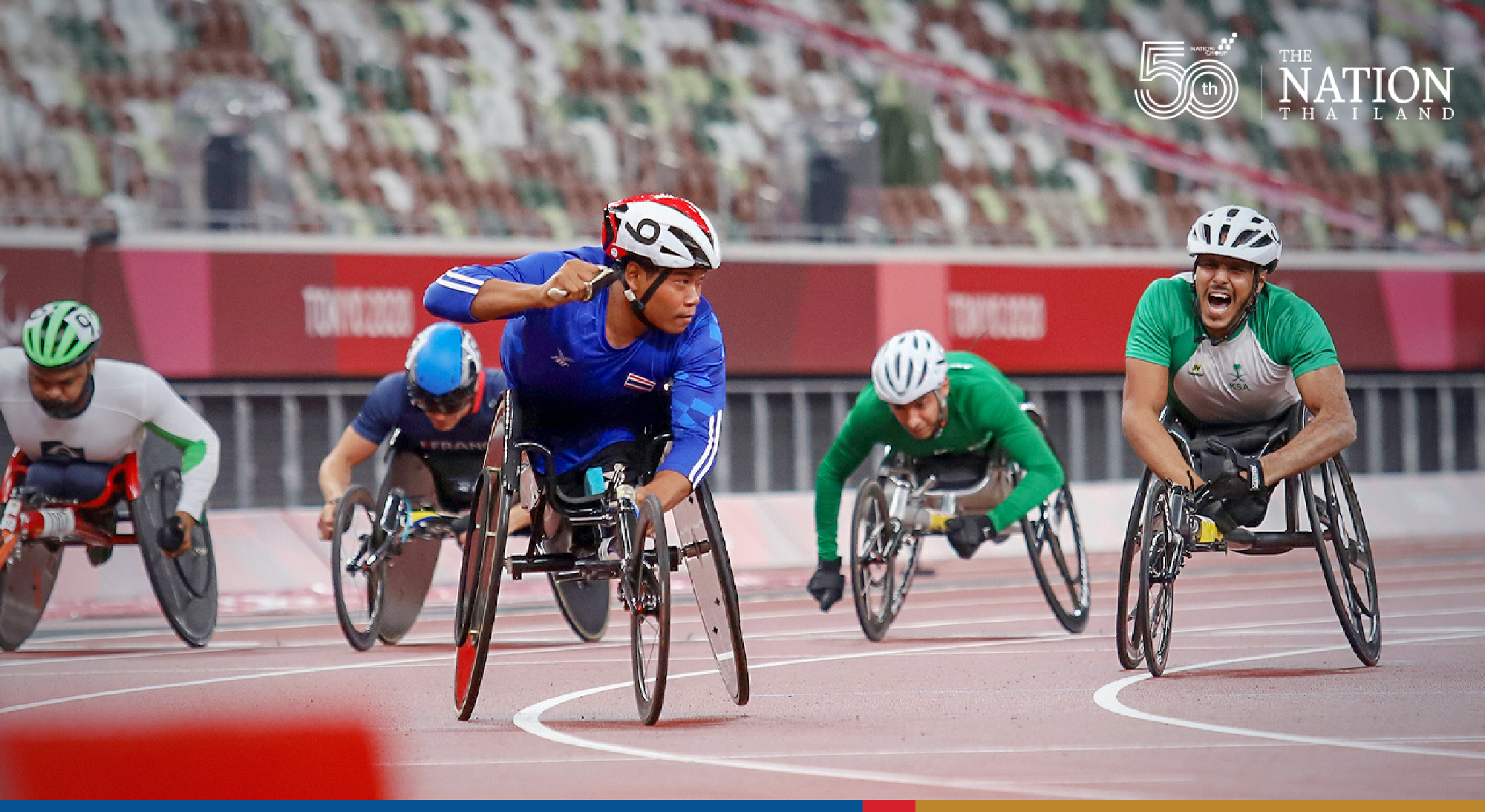
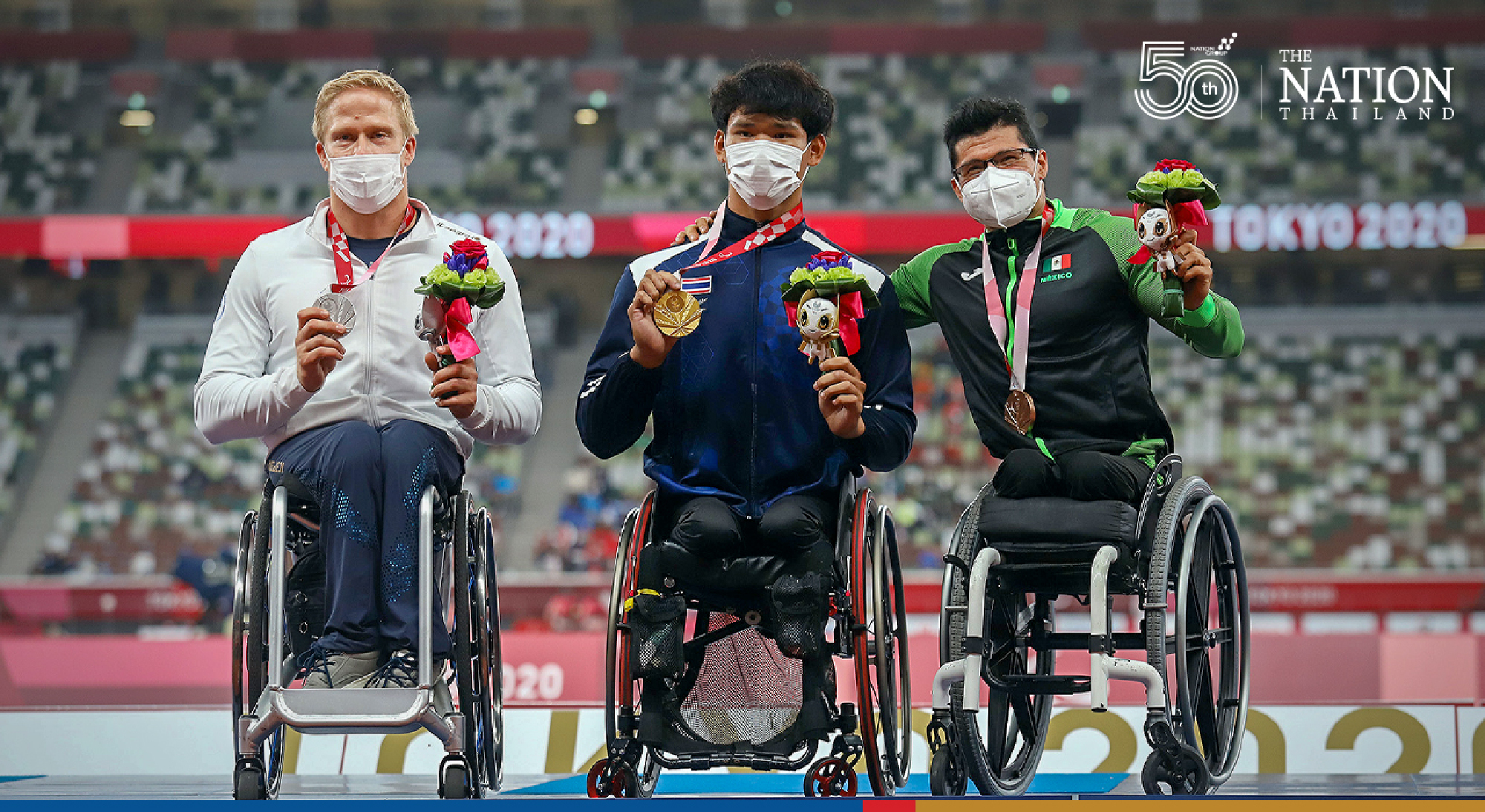
Two Thai wheelchair racers strike gold at Paralympics
Thailand grabbed two gold medals at the Tokyo 2020 Paralympic Games on Wednesday as Thai wheelchair sprinters showed why they are feared in international competition.
Pongsakorn Paeyo claimed the gold in the men’s 100 metres T53 wheelchair race – his second gold medal of this Games after he won the 400 metres in a world record time on Monday.


 Military vehicles run in Mazar-i-Sharif, capital of northern Balkh province, Afghanistan, Aug. 31, 2021.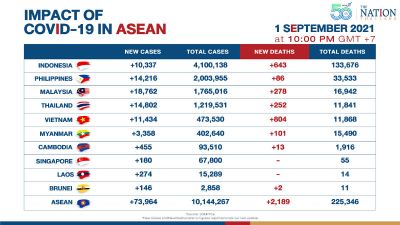
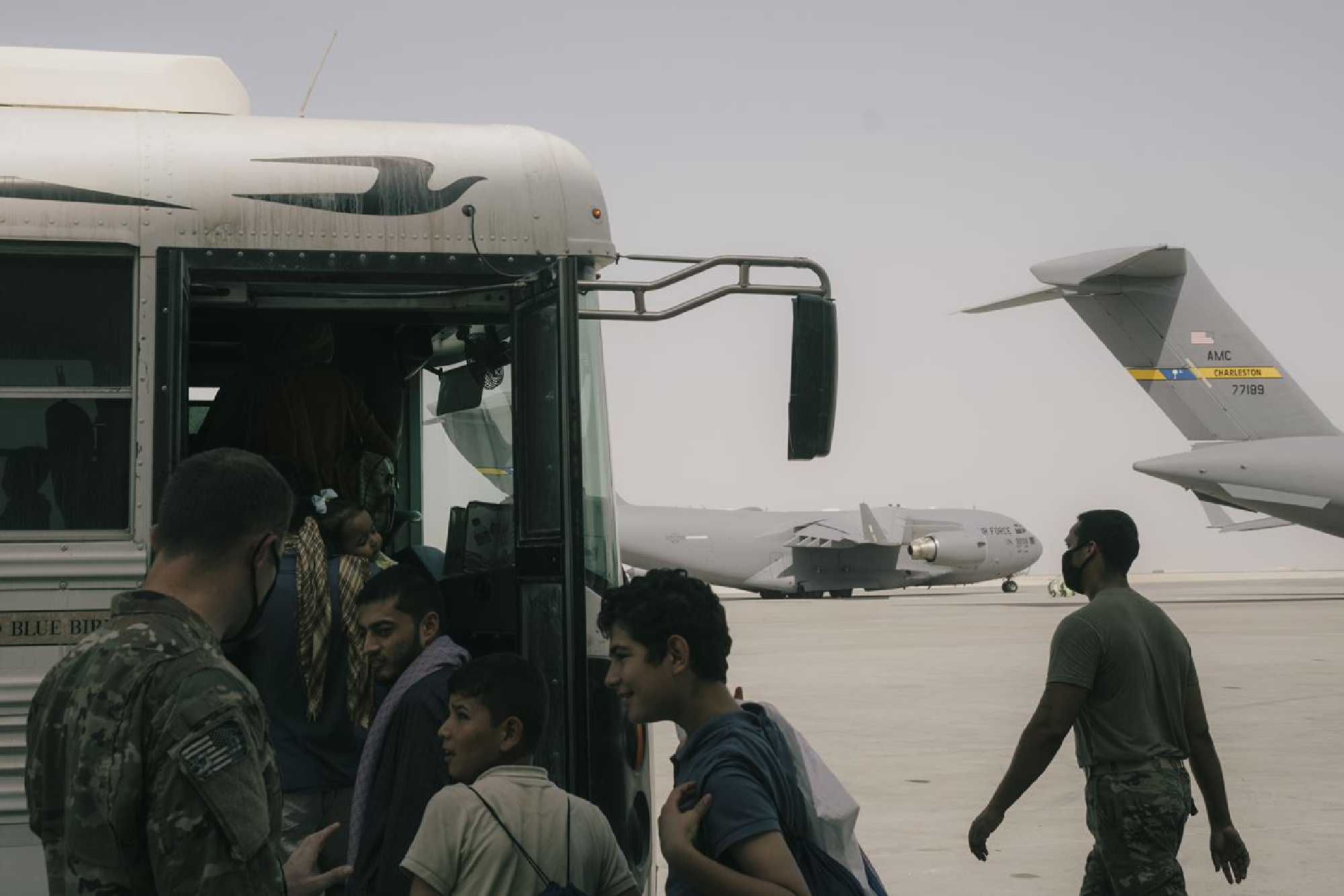 Afghan evacuees to U.S. face tenuous path ahead
 Mae Hong Son unveils 2 natural wonders to attract touristsOfficials are busy preparing for the local tourism festival from November 1-10, upgrading campsites, restrooms, tourist reception buildings and various tourism activities, to generate much-needed tourism income for locals.
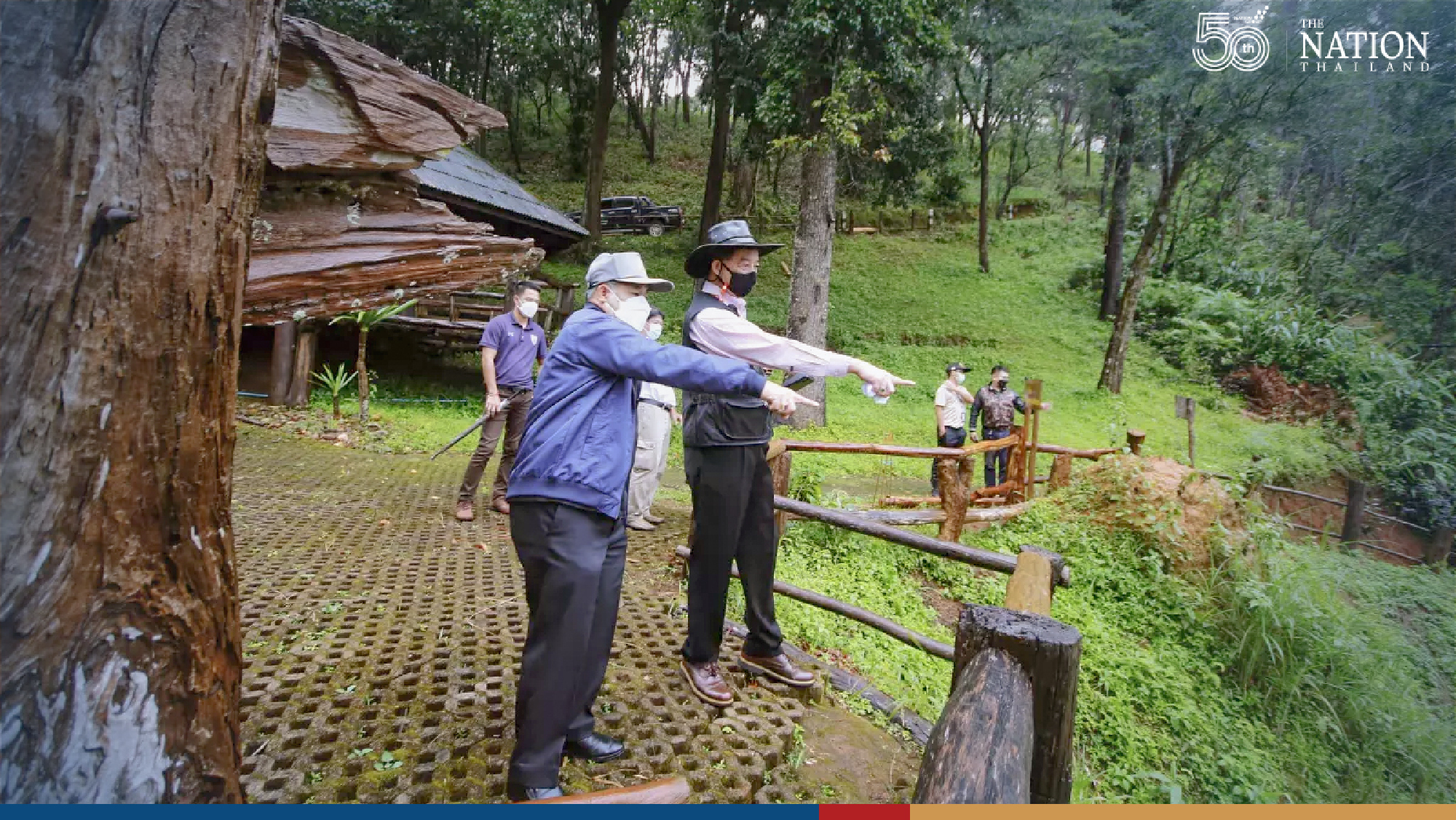 Mae Hong Son unveils 2 natural wonders to attract tourists
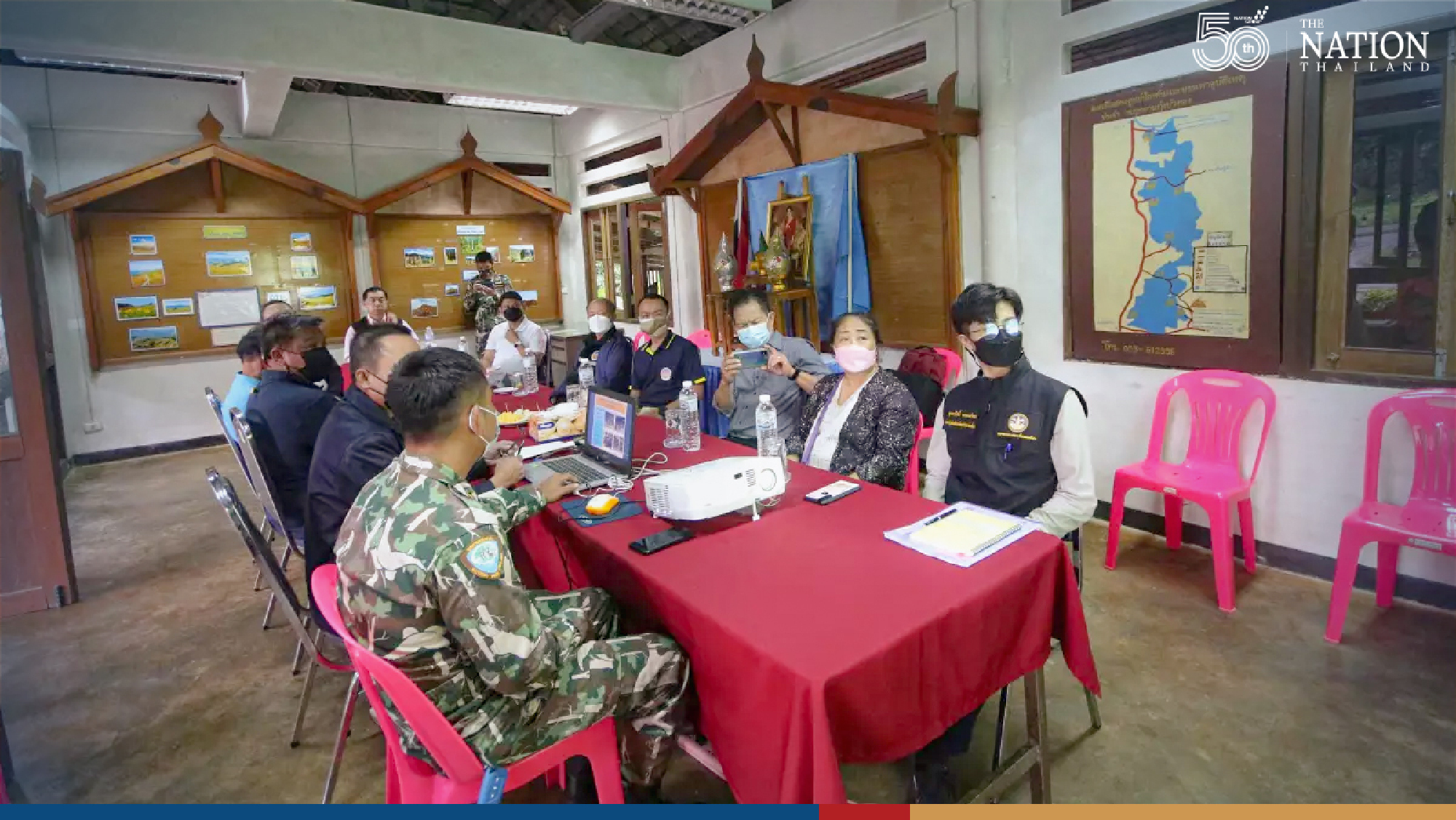 Mae Hong Son unveils 2 natural wonders to attract tourists
 The role parents play with children attending classes at home
 The role parents play with children attending classes at home
 The role parents play with children attending classes at home
 The role parents play with children attending classes at home
 The role parents play with children attending classes at home
 The role parents play with children attending classes at homePay attention
 The role parents play with children attending classes at homeMany parents think their children get to interact with their teachers and classmates during classes, so no other activities need to be planned.
 The role parents play with children attending classes at home

 Pongsakorn Paeyo claimed the gold in the men’s 100 metres
 Pongsakorn Paeyo claimed the gold in the men’s 100 metres
 Pongsakorn Paeyo claimed the gold in the men’s 100 metres
 Athiwat “Few” Pang-nuea, in the men’s wheelchair
 Athiwat “Few” Pang-nuea, in the men’s wheelchair
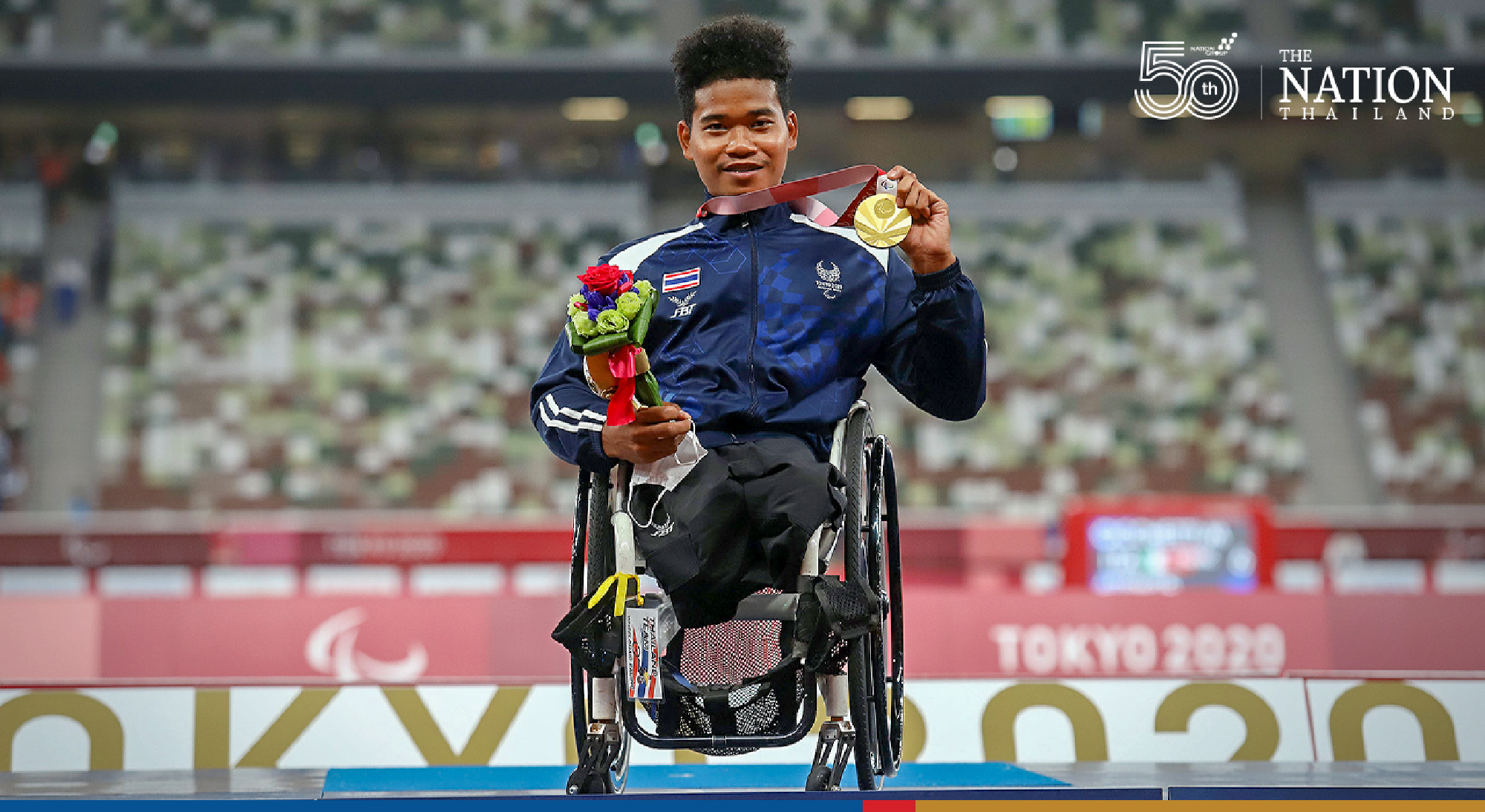 Pongsakorn Paeyo
 SootinClaimon.Com