Indonesia plans Moderna booster for doctors, as Asean sees sharp drop in new cases
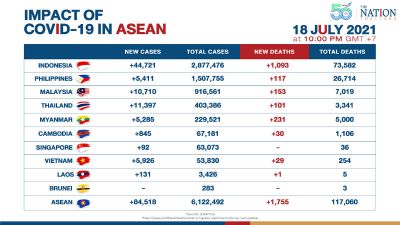
Southeast Asia saw a sharp drop in new Covid-19 cases on Sunday, but deaths were up marginally, collated data showed.
Asean recorded 84,518 new cases compared to Saturday’s 90,830, and 1,755 people died, up from 1,750 the previous day.
The number of Covid-19 cases in the region crossed 6.12 million, while the death toll rose to 117,060.
Indonesia reported a sharp drop in cases from 51,952 on Saturday to 44,721.
The Indonesian Medical Association revealed that from July 1-17, 114 doctors had died of Covid-19, accounting for 20 per cent of the total 545 deaths of doctors since the outbreak, despite up to 95 per cent of medical professionals in the country having been vaccinated. The government is planning to give mRNA Moderna vaccine as a booster shot to medics who have been vaccinated with two doses of Sinovac.
Vietnam announced a two-week lockdown starting from Sunday midnight to combat rising infections in the country. The lockdown areas will cover the Mekong delta and Ho Chi Minh City which has a population of more than 35 million, or one-third of the country. Public gathering of more than two people is prohibited with some exceptions. People are allowed to leave their homes only to buy food, drugs or for emergency.
Private Israeli spyware used to hack cellphones of journalists, activists worldwide
Military-grade spyware licensed by an Israeli firm to governments for tracking terrorists and criminals was used in attempted and successful hacks of 37 smartphones belonging to journalists, human rights activists, business executives and two women close to murdered Saudi journalist Jamal Khashoggi, according to an investigation by The Washington Post and 16 media partners.
The phones appeared on a list of more than 50,000 numbers that are concentrated in countries known to engage in surveillance of their citizens and also known to have been clients of the Israeli firm, NSO Group, a worldwide leader in the growing and largely unregulated private spyware industry, the investigation found.
The list does not identify who put the numbers on it, or why, and it is unknown how many of the phones were targeted or surveilled. But forensic analysis of the 37 smartphones shows that many display a tight correlation between time stamps associated with a number on the list and the initiation of surveillance, in some cases as brief as a few seconds.
Forbidden Stories, a Paris-based journalism nonprofit, and Amnesty International, a human rights group, had access to the list and shared it with the news organizations, which did further research and analysis. Amnesty’s Security Lab did the forensic analyses on the smartphones.
The numbers on the list are unattributed, but reporters were able to identify more than 1,000 people spanning more than 50 countries through research and interviews on four continents: several Arab royal family members, at least 65 business executives, 85 human rights activists, 189 journalists, and more than 600 politicians and government officials – including cabinet ministers, diplomats, and military and security officers. The numbers of several heads of state and prime ministers also appeared on the list.
Among the journalists whose numbers appear on the list, which dates to 2016, are reporters working overseas for several leading news organizations, including a small number from CNN, the Associated Press, Voice of America, the New York Times, the Wall Street Journal, Bloomberg News, Le Monde in France, the Financial Times in London and Al Jazeera in Qatar.
The targeting of the 37 smartphones would appear to conflict with the stated purpose of NSO’s licensing of the Pegasus spyware, which the company says is intended only for use in surveilling terrorists and major criminals. The evidence extracted from these smartphones, revealed here for the first time, calls into question pledges by the Israeli company to police its clients for human rights abuses.
The media consortium analyzed the list through interviews and forensic analysis of the phones, and by comparing details with previously reported information about NSO. Amnesty’s Security Lab examined 67 smartphones where attacks were suspected. Of those, 23 were successfully infected and 14 showed signs of attempted penetration.
For the remaining 30, the tests were inconclusive, in several cases because the phones had been replaced. Fifteen of the phones were Android devices, none of which showed evidence of successful infection. However, unlike iPhones, Androids do not log the kinds of information required for Amnesty’s detective work. Three Android phones showed signs of targeting, such as Pegasus-linked SMS messages.
Amnesty shared backup copies of data on four iPhones with Citizen Lab, which confirmed that they showed signs of Pegasus infection. Citizen Lab, a research group at the University of Toronto that specializes in studying Pegasus, also conducted a peer review of Amnesty’s forensic methods and found them to be sound.
In lengthy responses, NSO called the investigation’s findings exaggerated and baseless. It also said it does not operate the spyware licensed to its clients and “has no insight” into their specific intelligence activities.
ADVERTISEMENT
NSO describes its customers as 60 intelligence, military and law enforcement agencies in 40 countries, although it will not confirm the identities of any of them, citing client confidentiality obligations. The consortium found many of the phone numbers in at least 10 country clusters, which were subjected to deeper analysis: Azerbaijan, Bahrain, Hungary, India, Kazakhstan, Mexico, Morocco, Rwanda, Saudi Arabia and the United Arab Emirates. Citizen Lab also has found evidence that all 10 have been clients of NSO, according to Bill Marczak, a senior research fellow.
Forbidden Stories organized the media consortium’s investigation, titled the Pegasus Project, and Amnesty provided analysis and technical support but had no editorial input. Amnesty has openly criticized NSO’s spyware business and supported an unsuccessful lawsuit against the company in an Israeli court seeking to have its export license revoked. After the investigation began, several reporters in the consortium learned that they or their family members had been successfully attacked with Pegasus spyware.
Beyond the personal intrusions made possible by smartphone surveillance, the widespread use of spyware has emerged as a leading threat to democracies worldwide, critics say. Journalists under surveillance cannot safely gather sensitive news without endangering themselves and their sources. Opposition politicians cannot plot their campaign strategies without those in power anticipating their moves. Human rights workers cannot work with vulnerable people – some of whom are victims of their own governments – without exposing them to renewed abuse.
For example, Amnesty’s forensics found evidence that Pegasus was targeted at the two women closest to Saudi columnist Khashoggi, who wrote for The Post’s Opinions section. The phone of his fiancee, Hatice Cengiz, was successfully infected during the days after his murder in Turkey on Oct. 2, 2018, according to a forensic analysis by Amnesty’s Security Lab. Also on the list were the numbers of two Turkish officials involved in investigating his dismemberment by a Saudi hit team. Khashoggi also had a wife, Hanan Elatr, whose phone was targeted by someone using Pegasus in the months before his killing. Amnesty was unable to determine whether the hack was successful.
“This is nasty software – like eloquently nasty,” said Timothy Summers, a former cybersecurity engineer at a U.S. intelligence agency and now director of IT at Arizona State University. With it “one could spy on almost the entire world population. … There’s not anything wrong with building technologies that allows you to collect data; it’s necessary sometimes. But humanity is not in a place where we can have that much power just accessible to anybody.”
ADVERTISEMENT
In response to detailed questions from the consortium, NSO said in a statement that it did not operate the spyware it licensed to clients and did not have regular access to the data they gather. The company also said its technologies have helped prevent attacks and bombings and broken up rings that trafficked in drugs, sex and children. “Simply put, NSO Group is on a life-saving mission, and the company will faithfully execute this mission undeterred, despite any and all continued attempts to discredit it on false grounds,” NSO said. “Your sources have supplied you with information that has no factual basis, as evidenced by the lack of supporting documentation for many of the claims.”
The company denied that its technology was used against Khashoggi, or his relatives or associates.
“As NSO has previously stated, our technology was not associated in any way with the heinous murder of Jamal Khashoggi. This includes listening, monitoring, tracking, or collecting information. We previously investigated this claim, immediately after the heinous murder, which again, is being made without validation.”
The company added: “NSO Group will continue to investigate all credible claims of misuse and take appropriate action based on the results of these investigations. This includes shutting down of a customers’ system, something NSO has proven its ability and willingness to do, due to confirmed misuse, done it multiple times in the past, and will not hesitate to do again if a situation warrants.”
Thomas Clare, a libel attorney hired by NSO, said that the consortium had “apparently misinterpreted and mischaracterized crucial source data on which it relied” and that its reporting contained flawed assumptions and factual errors.
“NSO Group has good reason to believe that this list of ‘thousands of phone numbers’ is not a list of numbers targeted by governments using Pegasus, but instead, may be part of a larger list of numbers that might have been used by NSO Group customers for other purposes,” Clare wrote.
In response to follow-up questions, NSO called the 50,000 number “exaggerated” and said it was far too large to represent numbers targeted by its clients. Based on the questions it was being asked, NSO said, it had reason to believe that the consortium was basing its findings “on misleading interpretation of leaked data from accessible and overt basic information, such as HLR Lookup services, which have no bearing on the list of the customers targets of Pegasus or any other NSO products … we still do not see any correlation of these lists to anything related to use of NSO Group technologies.”
The term HLR, or Home Location Register, refers to a database that is essential to operating cellular phone networks. Such registers keep records on the networks of cellphone users and their general locations, along with other identifying information that is used routinely in routing calls and texts. HLR lookup services operate on the SS7 system that cellular carriers use to communicate with each other. The services can be used as a step toward spying on targets.
Telecommunications security expert Karsten Nohl, chief scientist for Security Research Labs in Berlin, said that he does not have direct knowledge of NSO’s systems but that HLR lookups and other SS7 queries are widely and inexpensively used by the surveillance industry – often for just tens of thousands of dollars a year.
“It’s not difficult to get that access. Given the resources of NSO, it’d be crazy to assume that they don’t have SS7 access from at least a dozen countries,” Nohl said. “From a dozen countries, you can spy on the rest of the world.”
Pegasus was engineered a decade ago by Israeli ex-cyberspies with government-honed skills. The Israeli Defense Ministry must approve any license to a government that wants to buy it, according to previous NSO statements.
The numbers of about a dozen Americans working overseas were discovered on the list, in all but one case while using phones registered to foreign cellular networks. The consortium could not perform forensic analysis on most of these phones. NSO has said for years that its product cannot be used to surveil American phones. The consortium did not find evidence of successful spyware penetration on phones with the U.S. country code.
“We also stand by our previous statements that our products, sold to vetted foreign governments, cannot be used to conduct cybersurveillance within the United States, and no customer has ever been granted technology that would enable them to access phones with U.S. numbers,” the company said in its statement. “It is technologically impossible and reaffirms the fact your sources’ claims have no merit.”
Apple and other smartphone manufacturers are years into a cat-and-mouse game with NSO and other spyware makers.
“Attacks like the ones described are highly sophisticated, cost millions of dollars to develop, often have a short shelf life and are used to target specific individuals,” said Ivan Krstić, head of Apple Security Engineering and Architecture. “While that means they are not a threat to the overwhelming majority of our users, we continue to work tirelessly to defend all our customers, and we are constantly adding new protections for their devices and data.”
Some Pegasus intrusion techniques detailed in a 2016 report were changed in a matter of hours after they were made public, underscoring NSO’s ability to adapt to countermeasures.
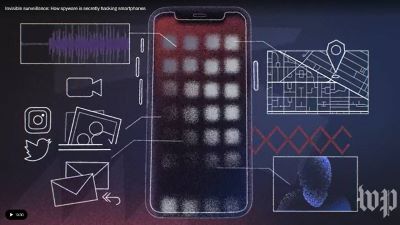
Pegasus is engineered to evade defenses on iPhones and Android devices and to leave few traces of its attack. Familiar privacy measures like strong passwords and encryption offer little help against Pegasus, which can attack phones without any warning to users. It can read anything on a device that a user can, while also stealing photos, recordings, location records, communications, passwords, call logs and social media posts. Spyware also can activate cameras and microphones for real-time surveillance.
“There is just nothing from an encryption standpoint to protect against this,” said Claudio Guarnieri, a.k.a. “Nex,” the Amnesty Security Lab’s 33-year-old Italian researcher who developed and performed the digital forensics on 37 smartphones that showed evidence of Pegasus attacks.
That sense of helplessness makes Guarnieri, who often dresses head-to-toe in black, feel as useless as a 14th-century doctor confronting the Black Plague without any useful medication. “Primarily I’m here just to keep the death count,” he said.
The attack can begin in different ways. It can come from a malicious link in an SMS text message or an iMessage. In some cases, a user must click on the link to start the infection. In recent years, spyware companies have developed what they call “zero-click” attacks, which deliver spyware simply by sending a message to a user’s phone that produces no notification. Users do not even need to touch their phones for infections to begin.
Many countries have laws pertaining to traditional wiretapping and interception of communications, but few have effective safeguards against deeper intrusions made possible by hacking into smartphones. “This is more devious in a sense because it really is no longer about intercepting communications and overhearing conversation. … This covers all of them and goes way beyond that,” Guarnieri said. “It has raised a lot of questions from not only human rights, but even national constitutional laws as to is this even legal?”
Clare, NSO’s attorney, attacked the forensic examinations as “a compilation of speculative and baseless assumptions” built on assumptions based on earlier reports. He also said, “NSO does not have insight into the specific intelligence activities of its customers.”
The Pegasus Project’s findings are similar to previous discoveries by Amnesty, Citizen Lab and news organizations worldwide, but the new reporting offers a detailed view of the personal consequences and scale of surveillance and its abuses.
The consortium analyzed the list and found clusters of numbers with similar country codes and geographical focus that align with previous reporting and additional research about NSO clients overseas. For example, Mexico has been previously identified in published reports and documents as an NSO client, and entries on the list are clustered by Mexican country code, area code and geography. In several cases, clusters also contained numbers from other countries.
In response to questions from reporters, spokespeople for the countries with clusters either denied Pegasus was used or denied that their country had abused their powers of surveillance.
Hungarian Prime Minister Viktor Orban’s office said any surveillance carried out by that nation is done in accordance with the law.
“In Hungary, state bodies authorized to use covert instruments are regularly monitored by governmental and non-governmental institutions,” the office said. “Have you asked the same questions of the governments of the United States of America, the United Kingdom, Germany or France?”
Moroccan authorities responded: “It should be recalled that the unfounded allegations previously published by Amnesty International and conveyed by Forbidden Stories have already been the subject of an official response from the Moroccan authorities, who have categorically rejected these allegations.”
Vincent Biruta, Rwanda’s foreign affairs minister, also denied the use of Pegasus.
“Rwanda does not use this software system, as previously confirmed in November 2019, and does not possess this technical capability in any form,” Biruta said. “These false accusations are part of an ongoing campaign to cause tensions between Rwanda and other countries, and to sow disinformation about Rwanda domestically and internationally.”
Carmen Aristegui, one of the most prominent investigative journalists in Mexico, is routinely threatened for exposing the corruption of the nation’s politicians and cartels. She was previously revealed as a Pegasus target in several media reports. (Bernardo Montoya/AFP/Getty Images)
Carmen Aristegui, one of the most prominent investigative journalists in Mexico, is routinely threatened for exposing the corruption of the nation’s politicians and cartels. She was previously revealed as a Pegasus target in several media reports. (Bernardo Montoya/AFP/Getty Images)
Some expressed outrage even at the suggestion of spying on journalists.
A reporter for the French daily Le Monde working on the Pegasus Project recently posed such a question to Hungarian Justice Minister Judit Varga during an interview about the legal requirements for eavesdropping:
“If someone asked you to tape a journalist or an opponent, you wouldn’t accept this?”
“What a question!” Varga responded. “This is a provocation in itself!” A day later, her office requested that this question and her answer to it “be erased” from the interview.
In the past, NSO has blamed its client countries for any alleged abuses. NSO released its first “Transparency and Responsibility Report” last month, arguing that its services are essential to law enforcement and intelligence agencies trying to keep up with the 21st century.
“Terror organizations, drug cartels, human traffickers, pedophile rings and other criminal syndicates today exploit off-the-shelf encryption capabilities offered by mobile messaging and communications applications.
“These technologies provide criminals and their networks a safe haven, allowing them to ‘go dark’ and avoid detection, communicating through impenetrable mobile messaging systems. Law enforcement and counterterrorism state agencies around the world have struggled to keep up.”
NSO also said it conducts rigorous reviews of potential customers’ human rights records before contracting with them and investigates reports of abuses, although it did not cite any specific cases. It asserted that it has discontinued contracts with five clients for documented violations and that the company’s due diligence has cost it $100 million in lost revenue.
“Pegasus is very useful for fighting organized crime,” said Guillermo Valdes Castellanos, head of Mexico’s domestic intelligence agency CISEN from 2006 to 2011. “But the total lack of checks and balances [in Mexican agencies] means it easily ends up in private hands and is used for political and personal gain.”
Mexico was NSO’s first overseas client in 2011, less than a year after the firm was founded in Israel’s Silicon Valley, in northern Tel Aviv.
In 2016 and 2017, more than 15,000 Mexicans appeared on the list examined by the media consortium, among them at least 25 reporters working for the country’s major media outlets, according to the records and interviews.
One of them was Carmen Aristegui, one of the most prominent investigative journalists in the country and a regular contributor to CNN. Aristegui, who is routinely threatened for exposing the corruption of Mexican politicians and cartels, was previously revealed as a Pegasus target in several media reports. At the time, she said in a recent interview, her producer was also targeted. The new records and forensics show that Pegasus links were detected on the phone of her personal assistant.
“Pegasus is something that comes to your office, your home, your bed, every corner of your existence,” Aristegui said. “It is a tool that destroys the essential codes of civilization.”
Unlike Aristegui, freelance reporter Cecilio Pineda was unknown outside his violence-wracked southern state of Guerrero. His number appears twice on the list of 50,000. A month after the second listing, he was gunned down while lying in a hammock at a carwash while waiting for his car. It is unclear what role, if any, Pegasus’s ability to geolocate its targets in real time contributed to his murder. Mexico is among the deadliest countries for journalists; 11 were killed in 2017, according to Reporters Without Borders.
“Even if Forbidden Stories were correct that an NSO Group client in Mexico targeted the journalist’s phone number in February 2017, that does not mean that the NSO Group client or data collected by NSO Group software were in any way connected to the journalist’s murder the following month,” Clare, NSO’s lawyer, wrote in his letter to Forbidden Stories. “Correlation does not equal causation, and the gunmen who murdered the journalist could have learned of his location at a public carwash through any number of means not related to NSO Group, its technologies, or its clients.”
Mexico’s Public Security Ministry acknowledged last year that the domestic intelligence agency, CISEN, and the attorney general’s office acquired Pegasus in 2014 and discontinued its use in 2017 when the license expired. Mexican media have also reported that the Defense Ministry used the spyware.
Today’s thriving international spyware industry dates back decades but got a boost after the unprecedented 2013 disclosure of highly classified National Security Agency documents by contractor Edward Snowden. They revealed that the NSA could obtain the electronic communications of almost anyone because it had secret access to the transnational cables carrying Internet traffic worldwide and data from Internet companies such as Google and giant telecommunications companies such as AT&T.
Even U.S. allies in Europe were shocked by the comprehensive scale of the American digital spying, and many national intelligence agencies set out to improve their own surveillance abilities. For-profit firms staffed with midcareer retirees from intelligence agencies saw a lucrative market-in-waiting free from the government regulations and oversight imposed on other industries.
The dramatic expansion of end-to-end encryption by Google, Microsoft, Facebook, Apple and other major technology firms also prompted law enforcement and intelligence officials to complain they had lost access to the communications of legitimate criminal targets. That in turn sparked more investment in technologies, such as Pegasus, that worked by targeting individual devices.
“When you build a building, you want to make sure the building holds up, so we follow certain protocols,” said Ido Sivan-Sevilla, an expert on cyber governance at the University of Maryland. By promoting the sale of unregulated private surveillance tools, “we encourage building buildings that can be broken into. We are building a monster. We need an international norms treaty that says certain things are not okay.”
Without international standards and rules, there are secret deals between companies like NSO and the countries they service.
The unfettered use of a military-grade spyware such as Pegasus can help governments to suppress civic activism at a time when authoritarianism is on the rise worldwide. It also gives countries without the technical sophistication of such leading nations as the United States, Israel and China the ability to conduct far deeper digital cyberespionage than ever before.
Azerbaijan, a longtime ally of Israel, has been identified as an NSO client by Citizen Lab and others. The country is a family-run kleptocracy with no free elections, no impartial court system and no independent news media. The former Soviet territory has been ruled since the Soviet Union collapsed 30 years ago by the Aliyev family, whose theft of the country’s wealth and money-laundering schemes abroad have resulted in foreign embargoes, international sanctions and criminal indictments.
Despite the difficulties, roughly three dozen Azerbaijani reporters continue to document the family’s corruption. Some are hiding inside the country, but most were forced into exile where they are not so easy to capture. Some work for the Prague-based, U.S.-funded Radio Free Europe/Radio Liberty, which was kicked out of the country in 2015 for its reporting. The others work for an investigative reporting nonprofit called the Organized Crime and Corruption Reporting Project, which is based in Sarajevo, the Bosnian capital, and is one of the partners in the Pegasus Project.
The foremost investigative reporter in the region is Khadija Ismayilova, whom the regime has worked for a decade to silence: It planted a secret camera in her apartment wall, took videos of her having sex with her boyfriend and then posted them on the Internet in 2012; she was arrested in 2014, tried and convicted on trumped-up tax-evasion and other charges, and held in prison cells with hardened criminals. After global outrage and the high-profile intervention of human rights attorney Amal Clooney, she was released in 2016 and put under a travel ban.
“It is important that people see examples of journalists who do not stop because they were threatened,” Ismayilova said in a recent interview. “It’s like a war. You leave your trench, then the attacker comes in. … You have to keep your position, otherwise it will be taken and then you will have less space, less space, the space will be shrinking and then you will find it hard to breathe.”
Last month, her health failing, she was allowed to leave the country. Colleagues arranged to test her smartphone immediately. Forensics by Security Lab determined that Pegasus had attacked and penetrated her device numerous times from March 2019 to as late as May of this year.
She had assumed some kind of surveillance, Ismayilova said, but was still surprised at the number of attacks. “When you think maybe there’s a camera in the toilet, your body stops functioning,” she said. “I went through this, and for eight or nine days I could not use the toilet, anywhere, not even in public places. My body stopped functioning.”
She stopped communicating with people because whoever she spoke with ended up harassed by security services. “You don’t trust anyone, and then you try not to have any long-term plans with your own life because you don’t want any person to have problems because of you.”
Confirmation of the Pegasus penetration galled her. “My family members are also victimized. The sources are victimized. People I’ve been working with, people who told me their private secrets are victimized,” she said. “It’s despicable. … I don’t know who else has been exposed because of me, who else is in danger because of me.”
The fear of widespread surveillance impedes the already difficult mechanics of civic activism.
“Sometimes, that fear is the point,” said John Scott-Railton, a senior researcher at Citizen Lab, who has researched Pegasus extensively. “The psychological hardship and the self-censorship it causes are key tools of modern-day dictators and authoritarians.”
When Siddharth Varadarajan, co-founder of the Wire, an independent online outlet in India, learned that Security Lab’s analysis showed that his phone had been targeted and penetrated by Pegasus, his mind immediately ran through his sensitive sources. He thought about a minister in Prime Minister Narendra Modi’s government who had displayed an unusual concern about surveillance when they met.
The minister first moved the meeting from one location to another at the last moment, then switched off his phone and told Varadarajan to do the same.
Then “the two phones were put in a room and music was put on in that room … and I thought: ‘Boy, this guy is really paranoid. But maybe he was being sensible,'” Varadarajan said in a recent interview.
When forensics showed his phone had been penetrated, he knew the feeling himself. “You feel violated, there’s no doubt about it,” he said. “This is an incredible intrusion, and journalists should not have to deal with this. Nobody should have to deal with this.”
Priest reported from Ankara, Istanbul and Washington, Timberg from Washington and Mekhennet from Berlin. Michael Birnbaum in Budapest, Mary Beth Sheridan in Mexico City, Joanna Slater in New Delhi, Drew Harwell and Julie Tate in Washington, Miranda Patrucic from the Organized Crime and Corruption Reporting Project in Sarajevo contributed to this report.
Forbidden Stories, a Paris-based journalism nonprofit, and Amnesty International had access to a list of phone numbers concentrated in countries known to surveil their citizens and also known as clients of NSO Group. The two nonprofits shared the information with The Post and 15 other news organizations worldwide that have worked collaboratively to conduct further analysis and reporting over several months. Forbidden Stories oversaw the Pegasus Project, and Amnesty International provided forensic analysis but had no editorial input.
Published : July 19, 2021
By : The Washington Post · Dana Priest, Craig Timberg, Souad Mekhennet
Memorial service held for victims of KyoAni attack
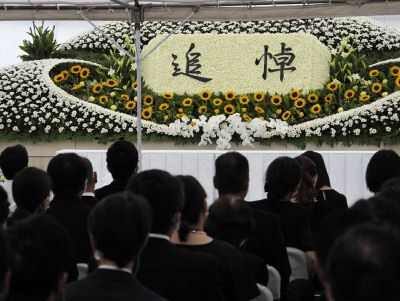
KYOTO — A memorial ceremony was held Sunday to mark two years since the deadly arson attack at Kyoto Animation Co.s No. 1 studio in Fushimi Ward, Kyoto, in which 36 people were killed.
Amoment of silence was observed during the ceremony which began at 10:30 a.m. at the former site of the studio. Kyoto Animation President Hideaki Hatta and family members of the victims were among the attendees.
The company asked fans to refrain from coming to the ceremony, to prevent the spread of the novel coronavirus. Instead, a video commemorating the victims was broadcast on the company’s YouTube channel.
The video featured anonymous comments from the victims’ families and people connected with Kyoto Animation.
“I just want to see you, I just want to see you. I know it’s impossible, but that’s been my wish since that day,” a family member said.
A staff member said to the victims: “It’s so painful; it breaks my heart to know that my precious friends, who I believed I would build the future with, are not here now.”
The attack occurred at about 10:30 a.m. on July 18, 2019. The assailant sprayed gasoline in the three-story studio and set it on fire.
Of the 70 people inside, 36 were killed and 32 seriously injured.
Boris Johnson back in coronavirus quarantine on eve of Britains Freedom Day
LONDON – First, the new British Health Secretary Sajid Javid – three weeks on the job, in the middle of an explosion in cases, who had declared it was time to “live with the virus”- announced on Saturday that hed tested positive for the coronavirus and would self-isolate.
Then on Sunday, Prime Minister Boris Johnson and Finance Minister Rishi Sunak said they’d been alerted by the National Health Service that since they had been in close contact with an infected individual – i.e., Javid – they must immediately quarantine at home.
The quarantine of the top leadership in a British government struggling to manage the pandemic comes less than 24 hours before Johnson plans to end almost all government mandates in England for mask-wearing and social distancing. On Monday, dubbed “Freedom Day” by the press, it will be a “personal choice” whether to mask or distance in most settings. A number of health experts have condemned the opening as a reckless experiment. Others say it is about time – and prudent given the lower numbers of hospitalizations and deaths.
Johnson got the word that he must quarantine while he was spending the weekend at Chequers, the prime minister’s official countryside estate. According to his spokesman, the prime minister will spend Freedom Day not out and about, but instead conducting business, again, via remote teleconference.
The prime minister’s quarantine comes as coronavirus infections explode in Britain, driven by the highly infectious delta variant, first detected in India. There were more than 53,969 new infections recorded in Britain on Saturday, almost double the number of recent cases in the United States and orders of magnitude more than the few thousand a day recorded in Britain in May.
Johnson was stricken by covid-19 early in the pandemic and spent days in an ICU on supplemental oxygen. He is fully vaccinated today, but his need to quarantine is, in part, his own doing.
Even as he will end all “legal diktats,” as he put it, to enforce social distancing measures, his government continues to run its test-trace-isolate mobile phone app, which “pings” people if they have been in close contact with a newly infected individual.
This new phenomenon, called by wags a “pingdemic,” saw more than 500,000 people pinged by the app last week and told to stay home. Employers and others fear that in a few weeks’ time, millions of people in England and Wales could be sidelined from work, even if they are fully vaccinated, like the prime minister, and show no symptoms of infection.
In what is viewed by many as another fumbling of messaging by the prime minister, who rose to fame as a flamboyant newspaper columnist, Downing Street initially said that Johnson and Sunak could skip the self-quarantine by taking part in “a testing pilot.”
“The Prime Minister and Chancellor have been contacted by NHS Test and Trace as contacts of someone who has tested positive for Covid,” a spokesman said early Sunday. “They will be participating in the daily contact testing pilot to allow them to continue to work from Downing Street.”
Michael Gove, a senior minister, also joined that pilot scheme and was able to avoid self-quarantine last month when he was pinged following a trip to Portugal to watch a soccer final.
On Twitter on Sunday morning, the reaction was fierce, with #oneruleforthem trending, and people pouring on the abuse, calling out this government as one that lives by double standards.
Keir Starmer, the leader of the opposition Labour Party, said the prime minister and chancellor had been “busted yet again for thinking the rules that we are all following don’t apply to them.”
“The way the prime minister conducts himself creates chaos,” Starmer charged, “and makes for bad government and has deadly consequences for the British public.”
Rachel Clarke, a palliative care doctor, said that “NHS staff all over the country are protecting patients & colleagues by isolating, if contacted by the App.”
ADVERTISEMENT
She posted: “Our rota gaps & hence workload are horrendous. But we have to do the right thing. Why don’t @BorisJohnson & @RishiSunak?”
New figures published last week show that the NHS covid app sent more than 520,000 self-isolation alerts in a single week – a record high, and up 46% from the previous week.
Factories, pubs, restaurants and other businesses are reporting staff shortages, with those getting pinged advised to quarantine at home for 10 days.
In schools in England, which are still in session, more than 800,000 students – or 1 in 9 – were out last week for virus-related reasons.
The self-quarantining rules are in place for another month. Many businesses have called for their fully vaccinated staff to be allowed to take a test rather than quarantine.
ADVERTISEMENT
Some people, fed up, are simply deleting the app.
Andrew Marr, a BBC presenter, put it to Communities Secretary Robert Jenrick on his Sunday morning show that people were asking themselves why they should self-quarantine if senior figures in the government were not.
“This is about moral authority,” Marr said. “This is the kind of thing that makes people ask: Why should we self isolate? Why should we keep our apps on when the prime minister and chancellor and other ministers seem to get outside the system?”
Jenrick said that the testing pilot applied to many front-line workers, not just Downing Street, which allowed them to continue their work. But he also said that if other members of the public are pinged, they should self-quarantine.
Johnson and his team heard the outcry. Within hours, the prime minister’s spokesman said the prime minister will isolate at Chequers.
“He will continue to conduct meetings with ministers remotely. The Chancellor has also been contacted and will also isolate as required and will not be taking part in the pilot,” according to the spokesman.
Sunak addressed the screeching U-turn directly.
Writing on Twitter, he said: “Whilst the test and trace pilot is fairly restrictive, allowing only essential government business, I recognize that even the sense that the rules aren’t the same for everyone is wrong. To that end I’ll be self isolating as normal and not taking part in the pilot.”
Published : July 19, 2021
By : The Washington Post · William Booth, Karla Adam
Germany comes to grips with massive flood damage as some regions brace for more rains
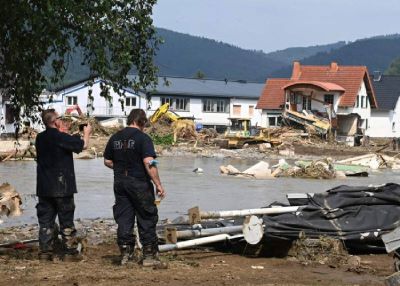
COLOGNE, Germany – The death toll in the devastating floods that hit Europe climbed to 184 on Sunday as rescue workers searched for bodies amid the receding waters while new storms hit alpine areas further south.
Heavy rain drenched parts of the German states of Bavaria and Saxony overnight as flooding spread to Austria and Switzerland.
At least 157 people have died in Germany alone since once-in-a-century summer rainfall caused rivers and dams to burst. So far 27 people have died in Belgium.
On Saturday night, areas of Bavaria were declared a disaster zone as the southern state on the border with Austria was hit by flash floods. At least one person died in the Berchtesgadener district.
The receding waters in parts of Germany have allowed the first assessments of the scale of the damage. Finance Minister Olaf Scholz told Germany’s Bild am Sonntag newspaper that he would submit a plan for at least 300 million euros in emergency aid to the cabinet this week.
As new areas prepared for flooding, others were still reeling from the earlier inundations. German Chancellor Angela Merkel visited the village of Schuld in the state of Rhineland Palatinate on Sunday, where entire homes were swept away last week by the swollen Ahr river, a tributary of the Rhine.
She described herself as “shocked” by the devastation and said the situation was “terrifying” in the affected areas. She pledged rapid, immediate help.
“Thankfully in Germany, we are living in a prosperous country, Germany is a strong country and we will counteract this natural disaster,” she said, adding that in the long term the government would “focus policymaking more on climate protection than we have in recent years.”
Human-caused climate change is believed to have affected the intensity of the rains.
Picture-perfect villages along the Ahr, with stone bridges and traditional timber-frame houses, were some of the worst hit. At least 110 people died in the state, according to police.
Another 45 were killed in neighboring North Rhine Westfalia. The death tolls are expected to rise as rescue workers pick their way through flooded homes checking for bodies. Teams with sniffer dogs have been sweeping mounds of debris clogging streets.
The force of the water ripped facades off houses, left cars hanging in trees and crumpled roads and bridges. Many died as the surging waters turned roads into rivers or drowned as they went to scoop floodwater out of their basements.
German military personnel and fire crews were still working to winch cars and trucks off a submerged highway on Sunday. Rescue workers said they did not know if people had enough time to get out of their cars before the floodwaters rose.
Thousands had to be rescued from rooftops. “The street was like a running creek,” said Williams Horst, 71, who was trapped overnight Wednesday with his 86-year-old landlady and her caregiver. They were all helicoptered out in harnesses, picked from the backyard of the house in water up to their chests.
In Austria, floodwaters swept through the town of Hallen, near Salzburg, picking up cars and debris, but no fatalities were reported as of Sunday morning. Residents were told to stay out of basements. In Germany’s Saxon Switzerland, a hilly national park around the Elbe, some areas were cut off due to the flooding, ZDF television reported.
Chinas Mars rover travels over 509 meters on red planet
Chinas Mars rover Zhurong has traveled more than 509 meters on the surface of the red planet as of 11 p.m. Saturday, according to the Lunar Exploration and Space Program Center of the China National Space Administration.
The rover will soon arrive at the second sand dune on its journey on the red planet. It will carry out a detailed survey of the dune and surrounding environment, said the administration.
As of Saturday, Zhurong has been operating on the surface of Mars for 63 Martian days. A Martian day is approximately 40 minutes longer than a day on Earth.
China’s Tianwen-1 spacecraft, consisting of an orbiter, a lander and a rover, was launched on July 23, 2020. The lander carrying the rover touched down in the southern part of Utopia Planitia, a vast plain in the northern hemisphere of Mars, on May 15.
About 375 million km away from Earth, the orbiter of Tianwen-1 has operated in orbit for 359 days as of Saturday. The delay of its one-way communication was around 21 minutes.
Both the Mars rover Zhurong and Tianwen-1 spacecraft are working in normal conditions, with their subsystems operating normally, according to the administration.
China to extend mass vaccination program to minors aged 12-17
A number of provinces, regions and municipalities across China have announced they will phase in COVID-19 vaccination for minors aged between 12 and 17.
Northeast China’s Heilongjiang Province plans to administer vaccines to middle and high school students between the ages of 12 and 17 from July, according to the provincial center for disease control and prevention.
Before vaccination, a minor’s legal guardian will be provided with all relevant information to ensure his or her child is informed, consenting and voluntarily vaccinated. The guardian should remain with their child during vaccination, said the center.
Heilongjiang is expected to carry out mass vaccination for minors in stages and by age, from senior students to those in junior grades. The province’s initial plan is to complete the two-dose process in September.
South China’s Guangxi Zhuang Autonomous Region will first vaccinate teens aged between 15 and 17 in July, and start vaccinating those aged 12 to 14 in August. The region’s 12-17 age group is expected to complete vaccinations by the end of October this year, said the region’s health authorities on Tuesday.
Most students from primary, junior high and senior high schools, secondary vocational schools and technical schools are included in the targeted age groups. Parents or guardians are required to read consent forms thoroughly and sign their informed consent before vaccination, and accompany their children on-site while they are being vaccinated.
Consultation hotlines will be opened to answer questions related to vaccination. Minors aged between 12 and 17 and senior citizens over 60 will be the region’s focus in its vaccination strategy in the second half of this year, said the region’s health commission.
The city of Jingzhou in central China’s Hubei Province will focus on vaccinating minors aged between 12 and 17 and people over 60 from August, according to the city’s health authorities.
Guangzhou, the capital of south China’s Guangdong Province, will research and draw up vaccination plans for the city’s residents aged 12 to 17, said the city’s health commission on Friday.
Zheng Huizhen, the chief expert of disease control at the Guangdong Preventive Medicine Association, said that as China builds its immunity barrier, its order of inoculation starts with adults of working age, then moves to senior citizens, and finally to minors.
“Though children and adolescents present with mild or asymptomatic clinical manifestations of the novel coronavirus, there still remains a risk of severe development among minors compared with adults. Children and adolescents could play an important role in the spread of the virus in communities, so it is important to conduct research into the safety and efficacy of vaccines among the young population,” said Gao Qiang, general manager of Sinovac Life Sciences Co., Ltd.
China’s mass vaccination campaign currently mainly targets adults aged over 18, with nearly 1.44 billion doses of COVID-19 vaccines administered across the country as of Friday.
In June, China approved the emergency use of its domestic inactivated COVID-19 vaccines on minors aged from 3 to 17.
The British government has confirmed that most COVID-19 restrictions in England will end on Monday as part of the final step or Step Four of Englands roadmap out of the lockdown. But scientists have warned that lifting all restrictions at this stage could increase likelihood of dangerous variants.
Britain has reported another 54,674 coronavirus cases in the latest 24-hour period, bringing the total number of coronavirus cases in the country to 5,386,340, according to official figures released Saturday.
The figure is up from 51,870 cases reported on Friday, which was the highest since mid-January.
The country also recorded another 41 coronavirus-related deaths, with the total number of coronavirus-related deaths in Britain now standing at 128,683. These figures only include the deaths of people who died within 28 days of their first positive test.
British Health Secretary Sajid Javid said Saturday that he has tested positive for COVID-19 after feeling “a bit groggy” last night.
He said on Twitter that he has had two jabs of the vaccine and his symptoms were “mild”. He is now self-isolating at home with his family.
People wearing face masks are seen at Piccadilly Circus in London, Britain
The British government has confirmed that most COVID-19 restrictions in England will end on Monday as part of the final step or Step Four of England’s roadmap out of the lockdown. But scientists have warned that lifting all restrictions at this stage could increase the likelihood of dangerous variants.
About 87.8 percent of adults in Britain have received the first jab of COVID-19 vaccine and 67.8 percent have received two doses, the latest official figures showed.
In addition to COVID-19 vaccination, there are plans to offer free flu vaccines to children aged two to 16 and people aged 50 and over or in “at-risk” groups this winter in England, amid the double threat of coronavirus and influenza, the BBC reported Saturday.
The government is also considering a booster program of COVID-19 vaccines for the most vulnerable in the coming months.
To bring life back to normal, countries such as Britain, China, Russia, the United States as well as the European Union have been racing against time to roll out coronavirus vaccines.
Visitors wearing face masks queue to board the London Eye in London, Britain
Asean sees a slight decline in new Covid cases and deaths
The number of new Covid-19 cases and deaths in Asean countries declined on Saturday compared to Friday.
There were 90,830 new Covid-19 cases and 1,750 deaths compared to 93,745 and 1,784, respectively, on Friday.
Malaysia said it had given the first vaccine shot to 38.6 per cent of its citizens and 17.8 per cent had got the second shot.
Malaysian Prime Minister Muhyiddin Yassin said the campaign to vaccinate the elderly was going well and the number of elderly who developed severe Covid-related symptoms had declined.
He added that the government has decided to give the first shot to adults in Selangor and Kuala Lumpur to contain the spread of the virus.
Of 33 million citizens in Malaysia, 8 million people were living in Selangor and Kuala Lumpur, while Selangor had reported the highest daily Covid-19 cases so far.
Brunei reported one Covid-19 case on Friday night, bringing the national tally to 283, according to Brunei’s Ministry of Health.
The new patient is a 38-year-old man who arrived in the country from Indonesia via Singapore on July 9 and showed symptoms on the fourth day after his arrival during quarantine.
The investigation found eight close contacts who had travelled with him from Indonesia.
The country has gone 436 days without any local Covid-19 cases, with a total of 142 imported cases.
Asean sees a slight decline in new Covid cases and deaths
NASA photos show devastating effects of drought in U.S. California
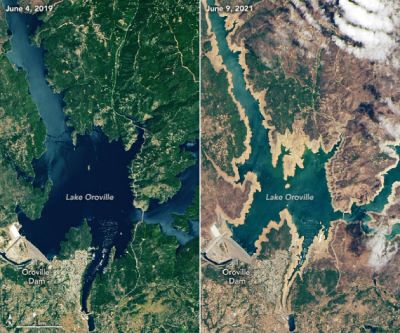
Shasta Lake, the largest reservoir in California, saw its lake level drop 106 feet in elevation in two years, NASA said. The water level of Lake Oroville, the second-largest reservoir in the state, dropped 190 feet in that time.
New images taken by NASA satellites have highlighted the devastating effects of the persistent drought plaguing California, local media reported, adding a major lake has seen its water level drop over 100 feet in two years.
According to pictures posted by local CBS news channel Friday, the progression of melting snow in the Sierra Nevada, a key source of water for the Golden State, was much faster than normal. After a below-average snowfall season, the snow melted away completely nearly a month ahead of schedule.
On July 7, the snow had fully vanished, the images taken by Moderate Resolution Imaging Spectroradiometer on NASA’s Terra satellite showed. It explained why major reservoirs in the state lost their necessary water supply for the drier months in summer and fall.
In any given year, Sierra Nevada snow makes up about 30 percent of California’s water supply, the report said. This year, however, about 685,000 acre-feet (844.9 million cubic meters) of expected water runoff never reached the intended reservoirs.
This loss means about 40 percent water that Los Angeles, the second largest city in the United States, uses in a year.
An additional series of images, taken by the Operational Land Imager on the Landsat 8 satellite, show Shasta Lake and Lake Oroville’s worsening conditions between June of this year and June 2019.
Shasta Lake is the largest reservoir in California, and Lake Oroville, located in the Northern California, is the second-largest reservoir in the state. Both are treated as keystone facilities within the California State Water Project.
Shasta Lake saw its lake level drop 106 feet (32.3 meters) in elevation in the two years since the first image was captured, the space agency said, while local authority’s data showed that as of last month, the lake held 1.87 million acre-feet (2.3 billion cubic meters) of water, about 41 percent of its capacity, and 49 percent of the historical average for the season.
Lake Oroville’s lake level dropped 190 feet (57.9 meters) in that time. The record low for the lake is 645 feet (196.6 meters), set in September 1977, according to CBS. John Yarbrough, deputy director of the California Department of Water Resources State Water Project, predicted that record could be broken this summer.




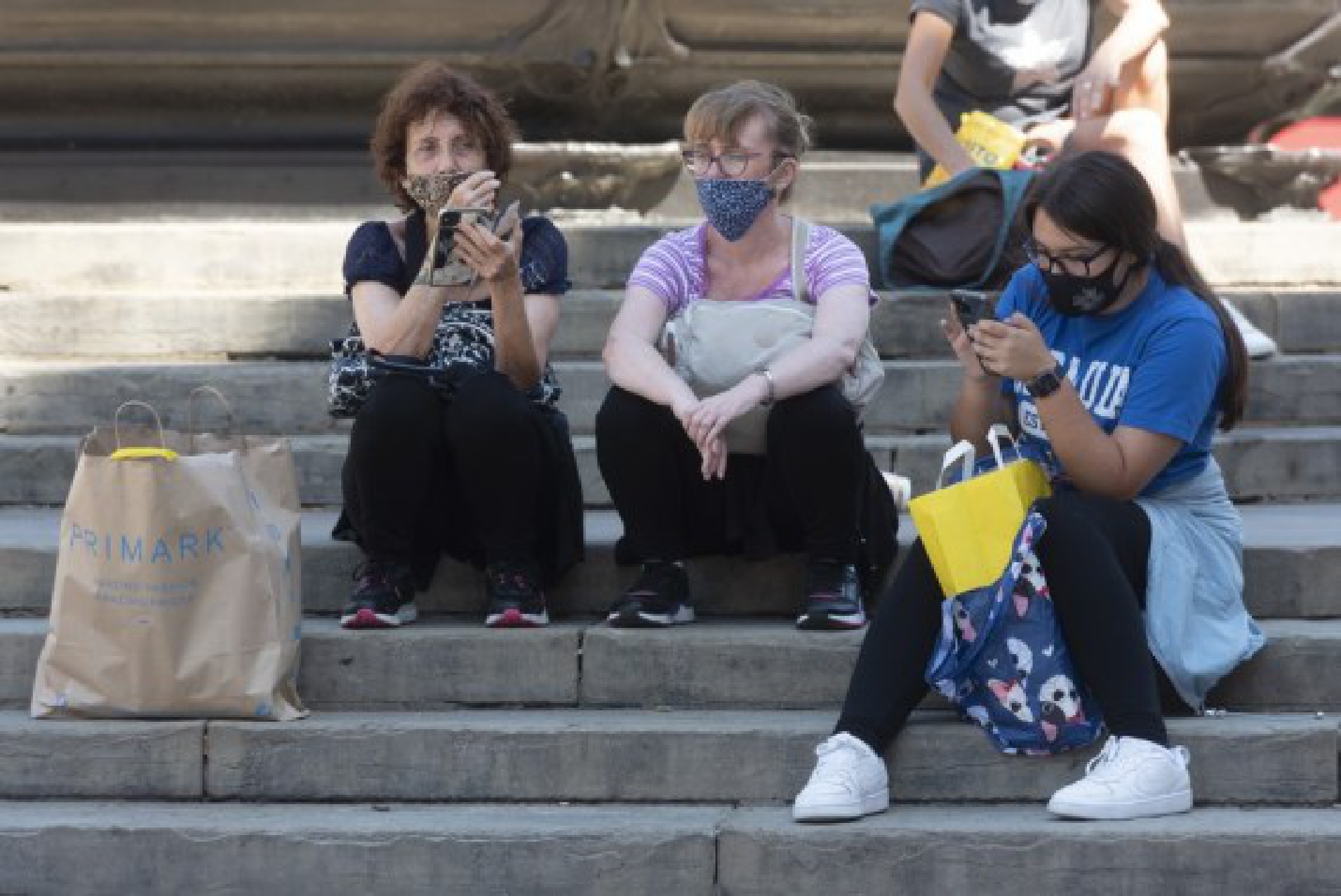 People wearing face masks are seen at Piccadilly Circus in London, Britain
 Visitors wearing face masks queue to board the London Eye in London, Britain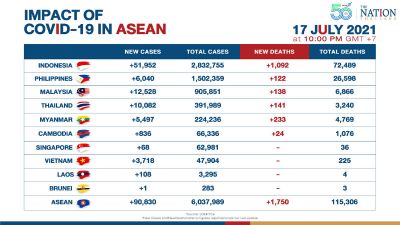
 Asean sees a slight decline in new Covid cases and deaths