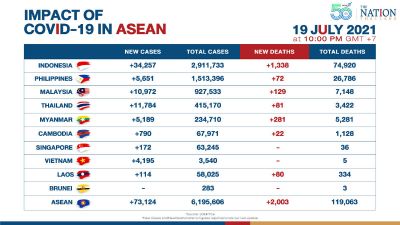
New Covid cases fall in Asean but deaths cross 2,000
Southeast Asia reported a sharp decline in new Covid-19 cases, but deaths hit record numbers on Monday, collated data showed.
Asean saw 73,124 new cases on Monday, lower than Sunday’s 84,518, but deaths climbed to 2,003, increasing from the previous day’s 1,755.
The number of Covid-19 cases in the region since the outbreak crossed 6.19 million, with 119,063 deaths.
Indonesia’s ministry of finance announced an increase in the public health budget by 744.75 trillion rupiah (THB1.67 trillion) to fight the outbreak. About one-third of this budget will be used to build permanent and field hospitals, while the rest will be used for vaccine procurement, hiring of doctors and nurses and supporting the operations of existing medical professionals countrywide related to Covid-19.
Indonesia has seen a sharp fall in cases from over 50,000 last week to 34,257 on Monday.
Malaysia reported 10,972 new cases and 129 deaths on Monday, bringing cumulative cases in the country to 927,533 with 7,148 deaths.
Malaysian Prime Minister Muhyiddin Yassin set the target of vaccinating all senior citizens in the country within October by giving 500,000 jabs per day to stop the spread of Covid-19. The country has ordered over 76 million doses of vaccine, 70 per cent of which are Pfizer’s mRNA vaccine.
German floods shake up campaign as climate change hits home
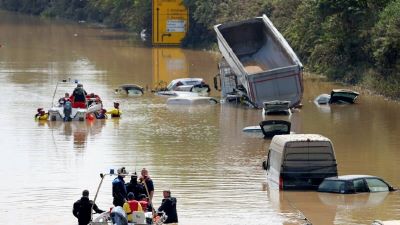
Germanys devastating flood damage has shifted the dynamic in the countrys election campaign, potentially redrawing political lines in the contest to succeed Chancellor Angela Merkel.
Images of battered cars piled up in swollen gullies and floodwater surging through sleepy half-timbered villages have shocked German voters. With the authorities looking ill-prepared and climate concerns back on top of the public agenda, the Green party has gained an opening.
Conservative front-runner Armin Laschet hampered his bid by jesting in the midst of the catastrophe, which has galvanized the German government into action. Merkel’s cabinet will meet on Wednesday to approve emergency aid for the worst-hit regions.
Finance Minister Olaf Scholz, the Social Democrats’ candidate, promised at least $354 million (300 million euros) and a reconstruction program.
Merkel on Sunday toured the damage from one of Germany’s worst natural disasters in decades. The floods, which began last week, mainly hit Laschet’s home state of North Rhine-Westphalia and neighboring Rhineland-Palatinate. Torrential rains cut off villages as rivers burst their banks. The death toll has approached 200 and scores are still missing.
The situation in the flooded areas in western Germany is now largely stable. Critical dams like the Steinbachtalsperre near Cologne have held, and rescue workers from across the country joined locals to clear roads. But heavy rainfall and flooding in southern Germany underscored how quickly the situation can change.
“It is terrifying,” Merkel, who leaves office after the Sept. 26 national vote, said Sunday as she surveyed the damage in Rhineland-Palatinate. “There are barely words in the German language to describe the devastation that’s been wrought here.”
Laschet, the Christian Democratic Union leader seeking to succeed Merkel, made himself vulnerable by chuckling on camera, as German President Frank-Walter Steinmeier solemnly promised disaster aid and offered sympathy to victims.
The gaffe was pilloried on social media and opened a line of attack for the Greens and Social Democrats accusing him of a lack of empathy. Laschet apologized on Twitter and appeared Sunday evening in a television address, looking the part of a premier from a region hit hard by the floods.
The 60-year-old, who shouldered his way to the party leadership and the chancellery candidacy this year, said the damage is “beyond imagination” and addressed critics who’ve taken a dim view of his commitment on climate, saying global warming must be addressed “more quickly and more forcefully.”
“We will be dealing with the wounds of the past few days for a long time,” Laschet said. “Reconstruction will take months, even years.”
With flood warnings sounding in Germany’s southern and eastern states of Bavaria and Saxony, the specter of more frequent weather disasters has resounded for German voters.
“We clearly see a link to climate change,” Ernst Rauch, chief climate scientist for German reinsurer Munich Re, said in a Bloomberg TV interview. “The frequency and intensity of these events is going to increase.”
That’s timely for the Greens. Rooted in anti-nuclear activism of the 1980s, the party has already displaced the Social Democrats as the leading center-left force. It surged past Merkel’s CDU in the spring to top voter polls for the first time after nominating 40-year-old Annalena Baerbock to run for the chancellery.
But Baerbock’s star dimmed after accusations she embellished her credentials and cribbed passages for a book she wrote. That put Laschet, the premier of Germany’s most-populous state, ahead in the polls to succeed Merkel.
The CDU’s lead over the Greens narrowed to 10 percentage points, with Laschet’s bloc at 28% support, according to a poll published Sunday by Bild am Sonntag. The Social Democrats were close behind the Greens at 17%.
Now, the campaign may end up turning on the biggest floods since the Middle Ages for parts of Germany.
While all main parties have honed ambitions to achieve a carbon-neutral economy by 2045 or earlier, the Greens are proposing the most ambitious action, aiming for emissions-free cars and phasing out coal-fired plants by the end of the decade, making short-haul flights redundant and jacking up carbon pricing.
There’s precedent for a Green surge: a decade ago, the party soared in the polls after the Fukushima nuclear disaster in Japan and before the coronavirus crisis it was on par with the conservatives amid a historic drought. A repeat could put Laschet’s bloc on the back foot in an election that’s 10 weeks away.
For her part, Baerbock cut short a vacation last week to survey flood damage. She attacked the federal government for being too slow to act and ill prepared.
“Climate protection is now,” she said on Twitter. “The events make it abundantly clear that we must better protect our residential areas and infrastructure from extreme weather.”
Flood politics has a history in Germany. Gerhard Schroeder strapped on rubber boots and waded into ravaged regions along the Elbe river in 2002, a move widely viewed as helping him secure reelection as chancellor that year.
Merkel has avoided the election-season fray. She was on a visit to Washington for talks with President Joe Biden as the scale of the disaster became clear. After a breakfast with Vice President Kamala Harris, she made a statement to the German press on the floods.
The chancellor made it to the affected areas for the first time Sunday, visiting Schuld, a devastated town in Rhineland-Palatinate. Merkel said she wanted to gather a “real picture of what I must say is a surreal and haunting situation.”
Published : July 20, 2021
By : Syndication Washington Post, Bloomberg · Patrick Donahue
Europe gets tough on vaccinations as threats replace incentives
In Athens, a coronavirus vaccine will help get you into a bar. In Prague, it might win you an iPhone. But in some places, youll need it to keep your job.
As governments across Europe push to get everyday life back to normal, the carrot-and-stick approach to inoculations is shifting more to the latter. In France, President Emmanuel Macron pledged a “summer of mobilizing for vaccinations,” with compulsory shots for health-care workers. Italy, Greece and the U.K. are going down the same road, moving toward making vaccinations a requirement for some.
After months of strife earlier this year over a limited supply of vaccines, European Union leaders now face the opposite problem: plenty of doses, and signs of a slowdown in demand to get them.
The debate is heating up over how hard to nudge Europeans toward getting a shot, pitching authorities into a complicated morass of ethical questions on preventing public harm, consent and privacy.
With the contagious delta variant spreading rapidly, some leaders see a need for tough steps to get past a pandemic that’s killed more than four million people worldwide, and financially and psychologically devastated many more. Others say that forcing people to get shots could backfire and break down public confidence in the inoculation drive.
“We have no intention of going down this road that France has now suggested,” German Chancellor Angela Merkel said this week. “I don’t think that we can win trust by changing what we’ve said before, no compulsory vaccinations.”
The stance differs from that at some U.S. institutions, including Michigan-based Trinity Health and Boston-based Mass General Brigham, which have announced that vaccines would be required for staff.
Across the EU, about 42% of the population are fully vaccinated. Far higher levels will be necessary to erase concerns about the virus into the colder months of the European winter. In Germany, the RKI public-health institute estimated that 85% of people aged 12 to 59 would need to be vaccinated to reach so-called herd immunity, along with 90% of those over the age of 60.
Meanwhile, loosened restrictions on travel and activity have allowed larger gatherings, feeding a spike in cases among younger people who haven’t yet been vaccinated.
In France, health passes showing proof of testing or immunization will also be mandatory for theater, cinemas, sports venues or festivals with an audience of more than 50 people. The edict will be expanded to restaurants in August.
To further push people to vaccinate, Macron will end free tests in the fall for those who want to travel or attend events without getting their shots.
The effect was dramatic: A record 926,000 people made an appointment on Monday via medical booking site DoctoLib. As of Thursday, 2.6 million people had booked a vaccine following the president’s speech, 62% of whom were younger than 35.
But the idea of compulsory vaccines remains controversial. Some medical experts are critical, while French protesters skirmished with police this week in response to Macron’s measures.
“It is the start of a slippery slope,” Allyson Pollock, a clinical professor of public health at the University of Newcastle, said after lawmakers voted to require vaccinations for nursing-home workers in England starting in October. “It overturns 120 years of vaccination legislation and policy which has been built on trust, medical confidentiality and informed consent.”
Numbered inoculation and registration booths at a covid-19 vaccination center in the Erika-Hess ice rink stadium in Berlin on June 11, 2021. MUST CREDIT: Bloomberg photo by Krisztian Bocsi
In Italy, coronavirus vaccines have been compulsory for health-care workers since May. Support there is growing for broader use of the EU digital vaccine certificate, currently only mandatory for big events, some foreign travel and nursing home visits.
Some 68% of Italians would be in favor of allowing only fully vaccinated people to go to restaurants, hotels, cinemas, trains and planes, according to a Euromedia Research poll published in La Stampa newspaper on Thursday. About the same share would back the removal of medical staff who aren’t fully vaccinated by mid-September.
Other countries, including Ireland, are also linking indoor dining with inoculation. Deputy Prime Minister Leo Varadkar acknowledged the plan was “imperfect,” but said it was the best option available.
In Greece, workers in homes for the elderly have until Aug. 16 to get vaccinated, or face suspension. Shots will be compulsory for health-care workers as of Sept. 1. And as of Friday, a health pass showing either a negative test or vaccine is required to go into restaurants or bars — though terraces and patios, popular in the summer, will remain open to all.
After almost a year and a half of pandemic restrictions, hospitality businesses are struggling to revive. Verifying certificates will be just one more chore for workers, said Orestis Beikos, owner of the Botella bar which sits in a popular nightlife district about a 15-minute walk from the Acropolis.
“You can’t constantly act as a policeman looking over the client’s shoulders,” Beikos said. “It’s not easy at all.”
Published : July 20, 2021
By : Syndication Washington Post, Bloomberg · Naomi Kresge, Sotiris Nikas
BAGHDAD – At least 31 Iraqis were killed in Baghdad on Monday, local officials said, when an explosion ripped through a market filled with families doing their shopping ahead of the Islamic Eid al-Adha celebration.
Video footage from the scene showed chaos in the aftermath. People ran toward the scene of the blast to find and care for casualties. “Children are dead,” another man could be heard shouting.
The explosion occurred in Sadr City, a sprawling majority-Shiite suburb with dilapidated public services and scant access to electricity. Earlier in the day, the director of the area’s main hospital had written on his Facebook page that the facility was struggling to cope in the face of surging coronavirus cases. Iraq’s Health Ministry said Monday night that it stood ready to provide additional support to treat the wounded. Health officials, speaking on the condition of anonymity because they were not authorized to talk to the media, said 60 people were being treated for their wounds.
Iraq was already experiencing a tragic summer. Two major fires have ripped through coronavirus wards in three months, killing more than 140 people between them and stoking anger at a government, led by Prime Minister Mustafa al-Kadhimi, that has promised to tackle rampant corruption and neglect but achieved little of substance.
Iraqi security forces said Monday that the explosion appeared to have been caused by an improvised explosive device. It did not attribute blame for the attack, and there was no immediate claim of responsibility.
A butcher working in the market, 31-year-old Mohammed al-Mutlabi, described the period leading up to the blast as one of festive excitement.
“This market was filled with people, you couldn’t even stand still, you had to keep walking,” he said. “The explosion shook everything. Women were covered in blood, women were yelling out for their children.”
In January, a similar attack on another crowded marketplace in Baghdad was claimed by the Islamic State militant group. The group still operates in Iraq, several years after its official defeat, but its strength is much diminished, and attacks tend to be small and opportunistic, and rarely take place in urban centers.
The future of several thousand U.S. troops still stationed in Iraq to fight the Islamic State will be on the table when Kadhimi visits Washington next week. The force has been halved over the past year after President Donald Trump’s decision to order the assassination of Maj. Gen. Qasem Soleimani, the leading Iranian military strategist, as he left the Baghdad airport on Jan. 3 last year. Iraq’s parliament responded by urging the expulsion of U.S. forces, and Iran-backed militias now launch regular rocket and drone attacks on facilities housing the remaining U.S. troops.
The Sadr City market attacked Monday was among the area’s most popular, selling inexpensive goods to families already struggling through a severe economic crisis.
The explosion occurred in the early evening, as the brutal summer heat subsided and families came out to make final preparations for Eid al-Adha, which will take place over the coming days. Witnesses described the winding market as a warren and said ambulances had been unable to reach the area. The dead and wounded were carried out on motorized rickshaws driven by day laborers who usually ferry families to and fro.
Published : July 20, 2021
By : The Washington Post · Louisa Loveluck, Mustafa Salim
Canada to open border to fully vaccinated U.S. citizens on Aug. 9
TORONTO – Canada on Monday said it will begin to ease pandemic restrictions at the U.S.-Canada border next month, allowing U.S. citizens and permanent residents living in the United States who are fully vaccinated with Canadian-authorized vaccines to enter for nonessential travel without quarantining.
The decision, which takes effect Aug. 9, follows months of criticism from U.S. lawmakers across the political spectrum, business groups and some travelers over what they said was an overly cautious approach to lifting curbs that have split families, battered the tourism sector and upended life in close-knit border communities.
To be eligible for entry, fully vaccinated U.S. citizens and permanent residents must be asymptomatic and present a negative coronavirus molecular test taken within 72 hours of flight departure or arrival at a land crossing.
They will also be required to upload proof in English, French or certified translation that they have received a full series of an authorized coronavirus vaccine at least 14 days before departure to the Canadian government’s ArriveCan app or website. They must also present an original copy.
Officials said Canada will open its borders for discretionary travel to fully vaccinated travelers with Canadian-authorized vaccines who live in any country beginning Sept. 7, “provided that Canada’s covid-19 epidemiology remains favorable.”
Children under 12 who are not yet eligible to receive an authorized coronavirus vaccine and are traveling with fully vaccinated parents will be exempt from the quarantine requirements, but officials said that they should avoid group settings such as camps or day-care facilities during the first 14 days after their arrival. They will also be required to take a coronavirus test on the first and eighth days after entering Canada.
Canadian Public Safety Minister Bill Blair said the government’s easing of restrictions for fully vaccinated Americans before the rest of the world “is an acknowledgment and recognition of our shared border, and our close relationship.”
Canada and the United States agreed to ban nonessential crossings at their 5,500-mile land border in March 2020, and they have extended the prohibition month by month. Canada also banned nonessential travel at its air and marine borders, though Canadians have been able to fly to the United States for recreation and tourism.
The United States has not said whether it will allow Canadians to enter across the land border for nonessential travel. White House spokeswoman Jen Psaki told reporters on Monday that the country continues to review its travel restrictions.
“Any questions about reopening travel will be guided by our public health and medical experts,” Psaki said. “We take this incredibly seriously, but we look and are guided by our own medical experts and . . . I wouldn’t look at it through a reciprocal intention.”
Blair said he spoke to Homeland Security Secretary Alejandro Mayorkas last week and outlined the steps Canada would be taking. He said Mayorkas told him that the United States had not yet made a decision and that the secretary anticipated the measures would likely be rolled over for another month.
Officials here have faced mounting pressure to lift border measures as case counts and hospitalizations dropped and the lucrative summer travel season approached. They said they preferred a gradual and phased easing, beginning with fully vaccinated travelers, in part because of the spread of the more transmissible delta variant.
They had also suggested that a full reopening of the border to tourism wouldn’t happen until at least 75% of Canadians are fully vaccinated.
Canada’s vaccine rollout got off to a sluggish start, marred by supply issues that had some Canadians eyeing the U.S. performance with envy, but its performance has improved significantly. The country has now administered more doses per capita than the United States, according to Oxford University’s Our World in Data.
Seventy percent of people in Canada have received at least one dose of a coronavirus vaccine, according to the data; roughly half are fully vaccinated. In the United States, some 55% of people have been given at least one dose and 48% are fully vaccinated.
Rep. Brian Higgins, D-N.Y., co-chairman of the Congressional Northern Border Caucus and one of the loudest voices calling for Canada to ease border restrictions, applauded Canada’s move. He directed his ire at the U.S. government, saying that the lack of binational cooperation will cause confusion.
“We have missed you Canada and we are thrilled at the opportunity to return soon,” he said in a statement. “This measure can’t come soon enough.”
Goldy Hyder, chief executive of the Business Council of Canada, said that establishing “clear guidelines and dates will instill confidence and . . . provide much-needed hope for Canada’s hard-hit travel, tourism and hospitality sectors.” He said he will be watching closely to see how the rules are implemented.
At the pandemic’s onset, Canada and the United States also agreed to turn back asylum seekers trying to enter either country between unofficial land crossings along their shared border. Officials here did not say when or whether that prohibition would be lifted.
Canadian regulators have greenlighted vaccines from Pfizer-BioNTech, AstraZeneca, Moderna and Johnson & Johnson. That includes all vaccines authorized for use in the United States. But it excludes those made in Russia and China, including some that have been authorized by the World Health Organization.
Canadian Health Minister Patty Hajdu said the government could adjust its stance “as our officials feel comfortable.”
On England Freedom Day, masks tossed aside, even as coronavirus cases approach peak
LONDON – At the stroke of midnight on Monday, for the first time in 17 months, the staff of the Piano Works nightclub pushed back the tables, cranked up the volume and threw open the dance floor to mark “Freedom Day,” a go-for-it gambit by Prime Minister Boris Johnson to end almost all legal requirements to maintain coronavirus social distancing measures in England.
“You could just feel it. The pent-up demand. It was like a jack-in-a-box. It just went pop! And everyone went berserk,” Tristan Moffat, operations director of the club, told The Washington Post.
“You could sing. You could dance,” activities that have been “forbidden” since March 2020, he said. “I’ve been in this business for 21 years, and I’ve never seen anything like it. It was electric. It was buzzing.”
And the masks? Moffat estimated that three-quarters of the 300 clubgoers in the converted Victorian warehouse in the Farringdon neighborhood took their face coverings off.
It’s now their legal right.
On Monday, almost all remaining coronavirus restrictions in England were lifted. Scotland, Wales and Northern Ireland are still maintaining some measures, at least in the near term.
Also on Monday, the U.S. Centers for Disease Control and Prevention raised its covid-19 risk assessment for Britain to the highest level, and the State Department issued a do-not-travel advisory.
The changes reflect an exponential rise in coronavirus cases, propelled by the highly contagious delta variant. The United Kingdom reported 48,161 new coronavirus cases on Sunday. In a few days, the caseload could match January’s peak.
This time, however, there are far fewer deaths and hospitalizations. And Johnson’s government is convinced that the country’s inoculation campaign – with 68.5 percent of Britain’s adult population fully vaccinated – will protect the population and the National Health Service (NHS).
“It is right to proceed cautiously in the way that we are,” Johnson said at a Monday news conference, “but it is also right to recognize that this pandemic is far from over.”
He urged nightclubs to check people’s NHS covid passes, which provide proof of vaccination, recent testing or immunity after having recovered from the virus. And he said that, starting the end of September, those who aren’t fully vaccinated won’t be allowed entry into nightclubs or other crowded venues.
Johnson, who is vaccinated, is in quarantine after being in contact with an infected individual – none other than his health secretary.
The British government denies that it is trying to hasten the arrival of “herd immunity” – the point where the virus has no place to go because the percentage of people vaccinated or protected by past infection breaks the chain of the contagion.
But many scientists say that this is essentially what the policy implies. Some health experts have called it a reckless experiment with dangerous consequences for the world. Others say it is reasonable.
In England, concert halls, theaters, sports arenas, nightclubs and other entertainment venues are now allowed to open with no capacity limits.
Want to get married? Or attend a funeral? Go ahead. Invite as many people as you want. The government is also urging workers to return to their offices.
ADVERTISEMENT
There are no more legal requirements to wear masks – although there is plenty of confusion. The government said it “expects and recommends” that masks be worn in crowded and enclosed places, and some shops and businesses are asking customers to don the face coverings.
At Waterloo station, a major transport hub in central London, mask guidance depends on where exactly a person is standing. In the subway area of the station, people are still supposed to mask up. But in the train station, masks are only encouraged, according to the signs, “out of respect to others.”
On Monday, Pat Price, 79, was wearing a blue mask and sitting in the train station next to her husband, Tony Price, 75, who was not wearing a mask.
Pat, who is fully vaccinated, said she always wears a mask when she’s out, adding, “The majority of people are quite happy wearing a mask.” She said she welcomed “Freedom Day.”
“They have got to open up; you can’t keep shutting it down,” she said. “I don’t think we can be mollycoddled to live in a bubble the whole time.”
ADVERTISEMENT
Tony Price said he took off his mask to sit and read the paper. “I have had it on all morning,” he said. “I don’t like wearing a mask, but I still will. . . . I think now it should be up to the individual. I agreed in the past when it was mandatory. But we have to look to the future and getting back to normal, and normal isn’t that.”
Tony Carter, 39, a chef sitting on a bench at Waterloo station, said now that mask-wearing isn’t mandatory, it puts vulnerable people at risk.
He said he wears a mask all the time, even at work, where his restaurant’s rules state that it is mandatory only if more than four people are in the kitchen.
“It’s got to be done until we can at least get cases down,” he said of mask-wearing. “If cases can stay down, by all means take the masks off, and then it can be a proper Freedom Day. Until then, it’s not really freedom.”
Outside, thousands of anti-shutdown protesters gathered near Parliament, holding signs that read, “No to vaccine passports” and “Leave our DNA alone” and “Covid is a scam.”
Megan Bullen, 25, an artist, said, “We are here today to stand for freedom.”
Asked whether it wasn’t, in fact, Freedom Day, she responded: “We don’t think it’s over yet. They are still mandating masks in supermarkets, people are still wearing masks, and they will try and roll out vaccines in September for the children.”
She added: “We don’t feel like it’s freedom. It’s a veil, and I think it’s only a matter of time before we go back into lockdown.”
The few people at the rally wearing masks, mostly reporters, were heckled and urged to uncover their faces.
England is already confronting a “pingdemic,” with more than half a million people in a single week “pinged” by the NHS mobile phone app telling them to quarantine for 10 days because they had been in close physical contact with a person who tested positive. The guidance applies regardless of vaccination status, at least until Aug. 16, when the guidelines will change again.
More than 500,000 people were pinged last week. The number will probably increase this week, even as many people begin to delete the app from their phones.
Richard Walker, managing director of the Iceland Foods supermarket chain, told the BBC that his company has more than 1,000 people out – about 4 percent of the workforce – because they are quarantining after coronavirus exposure or isolating after a positive test. He said the company is hiring an additional 2,000 people “to give us a deeper pool of labor, because so many people are now getting pinged.”
“A number of stores have had to close, and the concern is that as this thing rises exponentially, as we have just been hearing, it could get a lot worse, a lot quicker,” he said.
For theater impresario Andrew Lloyd Webber, Freedom Day was anything but. For weeks, Lloyd Webber has been pledging to open his new musical, the $8.2 million “Cinderella,” “come hell or high water.” The show had been in socially distanced previews at the Gillian Lynne Theatre in London’s West End.
In a post Monday on social media, he said he was forced to close the show after a member of the cast tested positive over the weekend. He called the government’s isolation guidance a “blunt instrument.”
“Cinderella was ready to go,” he wrote. “My sadness for our cast and crew, our loyal audience and the industry I have been fighting for is impossible to put into words. Freedom Day has turned into closure day.”
Published : July 20, 2021
By : The Washington Post · Karla Adam, William Booth
U.S., allies accuse China of hacking Microsoft and condoning other cyberattacks
The United States, the European Union, NATO and other world powers on Monday accused the Chinese government of a broad array of malicious cyber activities, blaming its Ministry of State Security and hackers allegedly linked to it for a sophisticated attack on Microsofts widely used email server software earlier this year.
The condemnations represent the first time NATO, a 30-nation alliance, has denounced alleged Chinese cyberattacks and follow the Biden administration’s pledge in June to rally U.S. allies against Beijing’s behavior. The number of nations involved amounts to the largest condemnation of China’s cyber aggressions to date, U.S. officials said.
The joint statements stopped short, however, of punishing the country for its alleged actions, exposing the challenge of an alliance with deep business ties to China trying to confront the world’s second-largest economy.
China’s “pattern of irresponsible behavior in cyberspace is inconsistent with its stated objective of being seen as a responsible leader in the world,” the White House said in a statement Monday.
This is the first time Washington and other U.S. allies have assigned blame for the Microsoft Exchange hack, which compromised more than 100,000 servers worldwide. Microsoft alleged in March that its Exchange servers were compromised by a Beijing-backed hacking group that exploited several previously unknown flaws in the software.
By singling out China’s Ministry of State Security (MSS) and hackers operating “with its knowledge,” the United States and its allies are seeking to put forward a common cyber approach with allies and lay down “clear expectations on how responsible nations behave in cyberspace,” said a senior administration official speaking on the condition of anonymity in advance of the allies’ collective statements under ground rules set by the White House. Administration officials have raised concerns with senior Chinese officials about the Microsoft incident and broader malicious cyber activity, “making clear that [China’s] actions threaten security, confidence and stability in cyberspace,” the official said.
Merely affixing blame but failing to impose a consequence will not deter future activity, some analysts said.
“The lack of any sanctions by the U.S. government against Chinese cyberthreat actors is a huge problem that transcends four administrations,” said Dmitri Alperovitch, chairman of Silverado Policy Accelerator, a think tank. He noted that the E.U., which has lagged the United States in publicly attributing cyberattacks to foreign governments, last year imposed the first cyber sanctions, against two Chinese nationals and a Chinese company for a supply-chain hack known as Cloud Hopper.
“We need to stop treating China as if they have a special immunity to being held accountable, and we need to act in parity, as we have with the other major malicious cyber actors, including Russia,” Alperovitch said.
The Biden administration is “not ruling out further action to hold [China] accountable,” the senior administration official said. “We’re also aware that no one action can change behavior, and neither can one country acting on its own,” the official added. “So we really focused initially on bringing other countries along with us.”
The allies and partners are also condemning Beijing for working with criminal hacker groups involved in ransomware attacks, which lock down computer systems pending payment, including at least one effort to extort a U.S. company for millions of dollars, the official said. Cybersecurity analysts have tracked ransomware attacks by Chinese criminals for years, and these incursions are generally not of the same scale as those conducted by Russia-based hackers.
“Showing how the MSS is using criminal contract hackers to conduct unsanctioned cyber operations globally, including for their own personal profit . . . is very significant,” the official said.
The official added that Washington and its allies would be exposing “50 tactics, techniques and procedures Chinese state-sponsored cyber actors used when targeting U.S. and allied networks, along with advice for technical mitigations to confront this threat.”
The E.U. denounced “malicious cyber activities” emanating from China in its statement Monday, saying the actions are “in contradiction with the norms of responsible state behavior.” NATO said it stood in solidarity with allies Canada, Britain and the United States in attributing the attack to China and called on all countries, including China, to act “responsibly” in cyberspace.
For much of January and February, the Chinese theft of email seemed stealthy and targeted, analysts said. Then suddenly in late February, shortly before Microsoft issued a patch to address the vulnerability, the illicit activity exploded. Hackers seemed to be dropping “webshells” – malware designed to install a back door into targeted systems – on anyone running an Exchange server. Some 140,000 servers were hit worldwide, White House deputy national security adviser Anne Neuberger said recently. The victims were mostly small-to-medium-size businesses and included no federal agencies.
The U.S. government initially feared the campaign could result in other hackers taking advantage of the vulnerabilities to carry out ransomware attacks. At the White House’s urging, Microsoft released a second patch – a “one click” tool that was easier to deploy – and the administration made a concerted communications push to encourage businesses to install it. That brought the number of affected servers down from 140,000 to fewer than 10,000 in the space of a week, Neuberger said.
In April, the Justice Department and FBI for the first time launched an operation, using a court order, to remove hundreds of webshells that remained on certain U.S.-based computers still running Microsoft Exchange software. “We believe it reduced the Chinese ability to sneak back in and conduct more disruptive activity,” the official said.
Separately, the Justice Department on Monday announced indictments against three MSS officers whom the United States has tied to hacking schemes targeting companies, universities and government entities in other countries, allegedly to benefit Chinese research and development work.
Published : July 20, 2021
By : The Washington Post · John Hudson, Ellen Nakashima
Venice bans large cruise ships to save World Heritage title amid mixed reviews
This week, in what Minister of Culture Dario Franceschini called a “historic” move, Italys cabinet of ministers approved a ban on ships weighing more than 25,000 metric tons or longer than 180 meters (590 feet) entering the lagoon basin near Venices St. Marks Square, the narrow Giudecca Canal and the surrounding areas starting Aug. 1.
taly’s decision earlier this week to ban oversized cruise ships from sailing into Venice is bound to reset the balance between the environmental and safety needs of the canal city and its status as one of Italy’s top tourist destinations. But some key observers are already complaining that the new rules do not go far enough.
The presence of large, multi-storey cruise liners in and around Venice has been a source of frustration for locals for more than a decade now. But the problem was put on the back burner during the coronavirus pandemic: the city was free of cruise ships between February 2020 and last month, when the 2,500-passenger MSC Orchestra entered the Venetian Lagoon amid protests from locals.
This week, in what Minister of Culture Dario Franceschini called a “historic” move, Italy’s cabinet of ministers approved a ban on ships weighing more than 25,000 metric tons or longer than 180 meters (590 feet) entering the lagoon basin near Venice’s St. Mark’s Square, the narrow Giudecca Canal and the surrounding areas starting Aug. 1.
For comparison, the MSC Orchestra weighs more than 90,000 tons and is 295 meters (965 feet) in length. The largest cruise liners that docked in Venice before the pandemic sometimes topped 200,000 tons, according to news reports.
The decree was front-page news in Italy, and elicited praise from environmentalists and culture advocates alike, especially after the United Nations Educational, Scientific and Cultural Organization (UNESCO) warned that Venice’s status as a UNESCO World Heritage site could be put in jeopardy by the ships.
Photo taken on May 21, 2017 shows the Majestic Princess cruise ship at the port of Civitavecchia in Rome, Italy
But it earned mixed reviews from the city’s beleaguered business community, which is highly dependent on tourism. After nearly a year and a half of travel restrictions, the city’s restaurants, shops and tour companies had been banking on a strong tourist season this year. The cruise ship ban will cut into that.
According to Gianfranco Lorenzo, head of research at the Center for Tourism Studies in Florence, the ban is likely to reduce the number of tourists arriving by cruise ship by half over the long haul, from an average 1.3 million to 1.5 million per year before the pandemic. But he told Xinhua that, overall, tourism revenues would probably suffer just a modest impact.
“Without the signature view of St. Mark’s Square and the rest of Venice, coming to Venice on a cruise will surely seem less attractive to some tourists,” Lorenzo said. “But the city has already said it will focus on more high-level tourism, and if it does that the huge cruise ships would be less relevant anyway. Over time, the impact from the ban will diminish.”
The ships have proved controversial because of their negative effects on the local ecosystem and air quality, plus what Andreina Zitelli, a professor and activist member of the Venice Environmental Association, called the “unknown” impacts on the city’s ancient infrastructure of bridges and buildings with underwater foundations.
But Zitelli worried that the new ban does not go far enough. She noted that the big ships that once passed through the Giudecca Canal will after Aug. 1 be rerouted 22 kilometers (13.8 miles) to the mainland port of Marghera through a far less picturesque route, unseen from the center of Venice. Still, she said, the ships will continue to do damage even on the new route and therefore they should eventually be banned completely.
“We won’t see the ships, but they’ll still do damage,” Zitelli said. “We have to do what is necessary to protect our fragile city.”
Photo taken on Feb. 23, 2020 shows a view in Venice, Italy.
Philippine poll body forbids baby-kissing, shaking hands in coming campaign trail
As the Philippines is battling a sustained increase in COVID-19 infections, the Philippines Commission on Elections (Comelec) is crafting new election guidelines for next years presidential elections which has effectively jettisoned ingrained features of political campaigning, particularly kissing babies and pressing the flesh.
Philippine politicians will have to innovate their ways for public displays of affection in the coming election campaign trail due to COVID-19 pandemic.
The Philippines’ Commission on Elections (Comelec) is crafting new election guidelines for next year’s presidential elections which has effectively jettisoned ingrained features of political campaigning, particularly kissing babies and pressing the flesh.
Given existing evidence about the importance of hand hygiene and social distancing in curbing the spread of the highly contagious coronavirus, the Comelec advised against greetings such as hugging, kissing, and shaking hands when politicians go on the hustings.
“Public displays of affection used to be part of the whole idea of campaigning (such as) politicians go out to shake hands and kiss babies. You’re not going to be able to do it anymore,” Comelec spokesperson James Jimenez said during a webinar hosted by the House of Representatives earlier this week.
“That will certainly be risky behavior, and yes, that will have to be strictly regulated,” Jimenez said.
Before the pandemic, political candidates hit the campaign trails across the archipelago to woe people’s votes during political rallies. Politicians may entertain voters by singing and dancing on stage in a rally.
“Now, all possible venues in any particular location will have to have stated capacities on record. This will allow us to regulate attendance levels at events held in those areas,” Jimenez said, adding that there will be “a restriction on the granting of permits.”
The poll body is not planning to impose a ban on face-to-face campaigns, Jimenez said, explaining it will be unfair to candidates who cannot afford expensive print and broadcast media advertisements.
Giving an example of the new campaign rules amid the pandemic, Jimenez said the practice of distributing food packs to people attending political rallies will be discouraged.
The Philippines, which still battles a sustained increase in COVID-19 infections, still bans mass gatherings. The country is bracing itself for the threat posed by the emergence of virus variants, including the highly contagious Delta variants.
People wearing protective masks are seen inside a mall in Manila, the Philippines
Residents wearing protective masks are seen as they line up for free goods from a community pantry in Manila, the Philippines
The Southeast Asian country has reported a total of 1,507,755 confirmed cases as of Sunday, including 26,714 deaths.
The government is ramping up efforts to accelerate vaccination amid the limited vaccine supply. Nearly 4 million people have been fully vaccinated so far while the government aims to vaccinate up to 70 million Filipino this year.
The election on May 9 next year will decide the country’s 17th president, the vice president, 12 senators, and local officials, including the congressional members. The campaign period will officially start on Feb. 8 for national posts and March 25 for local posts.
Jimenez said the poll body is also crafting “comprehensive guidelines on coverage, particularly with regard to safe coverage practices.”
As in previous electoral contests, the presidential hopefuls mount large-scale media campaigns on TV and social media months before the official campaign period begins.
Another common practice is putting their names on giant billboards announcing the completion of infrastructure projects such as roads, highways and bridges.
Carlito Galvez, chief implementer of the government’s measures to combat COVID-19, has urged politicians to stop displaying tarpaulins or posters bearing their names at vaccination sites.
Residents are inoculated with COVID-19 vaccine from inside a hospital in Manila, the Philippines
OPEC+ agreed higher output quotas from May 2022 for several members, including the UAE, Saudi Arabia, Russia, Kuwait and Iraq.
The Organization of the Petroleum Exporting Countries (OPEC) and non-OPEC countries, known as OPEC+, agreed in an online meeting on Sunday to boost oil production by 400,000 barrels a day as demand increases.
OPEC and its non-OPEC allies also reached a deal to phase out the cut of 5.8 million barrels per day of oil production by September 2022 “subject to market conditions.”
Last year OPEC+ cut production by a record 10 million barrels per day (bpd) amid a pandemic-induced decrease in demand and dropping prices. The adjustment was slowly reduced and currently stands at 5.8 million barrels.
In its statement, OPEC+ said that countries had agreed to adjust upward their overall production as from August and then assess market developments and participating countries’ performance in December.
The meeting noted the ongoing strengthening of market fundamentals, with oil demand showing clear signs of improvement and OECD stocks falling, as the economic recovery continued in most parts of the world with the help of accelerating vaccination programs.
The meeting also resolved to continue monthly meetings to assess market conditions and decide on production level adjustments for the following month, endeavoring to end production adjustments by the end of September 2022.
According to the statement, OPEC+ also agreed higher output quotas from May 2022 for several members, including the UAE, Saudi Arabia, Russia, Kuwait and Iraq.
The UAE will see its baseline production from current 3.168 million bpd to 3.5 million bpd from May 2022, while that of Saudi Arabia and Russia each from 11 million bpd up to 11.5 million bpd. And Iraq and Kuwait each will see their baselines climb by 150,000 bpd.
Thus, from May 2022, the baseline production of OPEC+ will be adjusted upward from current 43.853 million bpd to 45.485 million bpd.

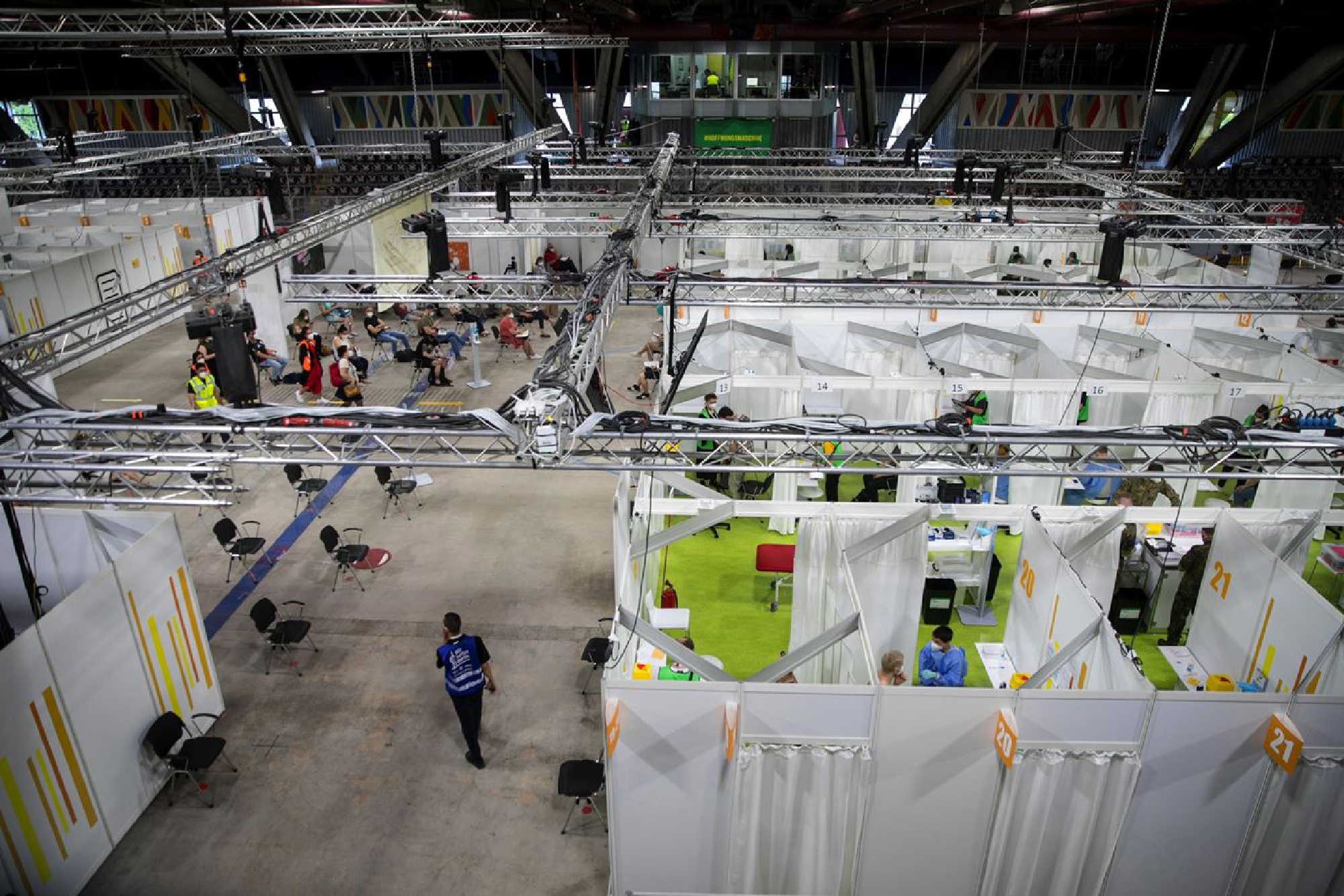 Numbered inoculation and registration booths at a covid-19 vaccination center in the Erika-Hess ice rink stadium in Berlin on June 11, 2021. MUST CREDIT: Bloomberg photo by Krisztian Bocsi


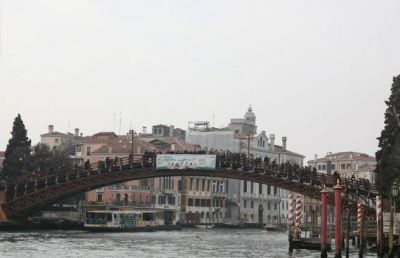
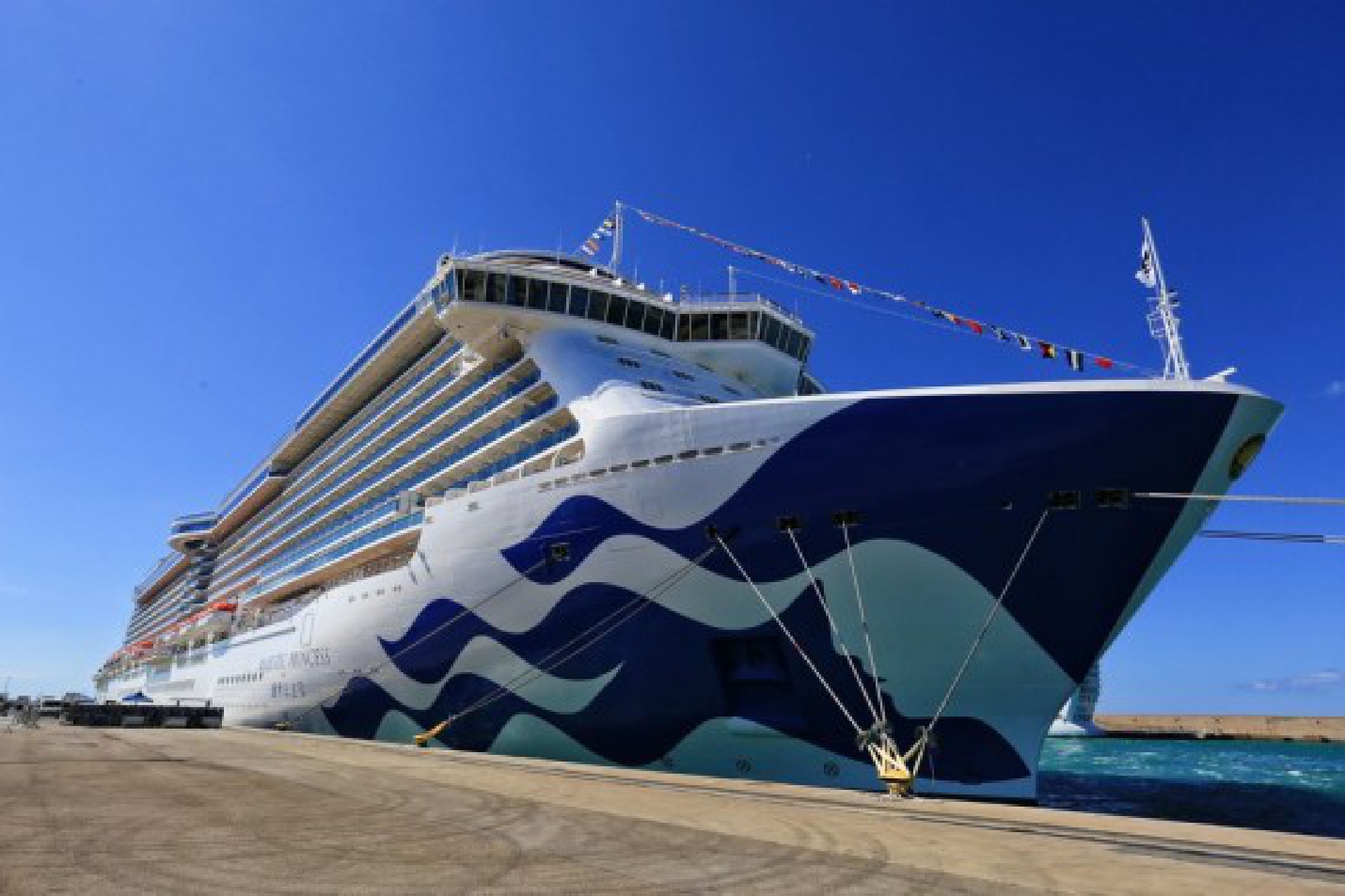 Photo taken on May 21, 2017 shows the Majestic Princess cruise ship at the port of Civitavecchia in Rome, Italy
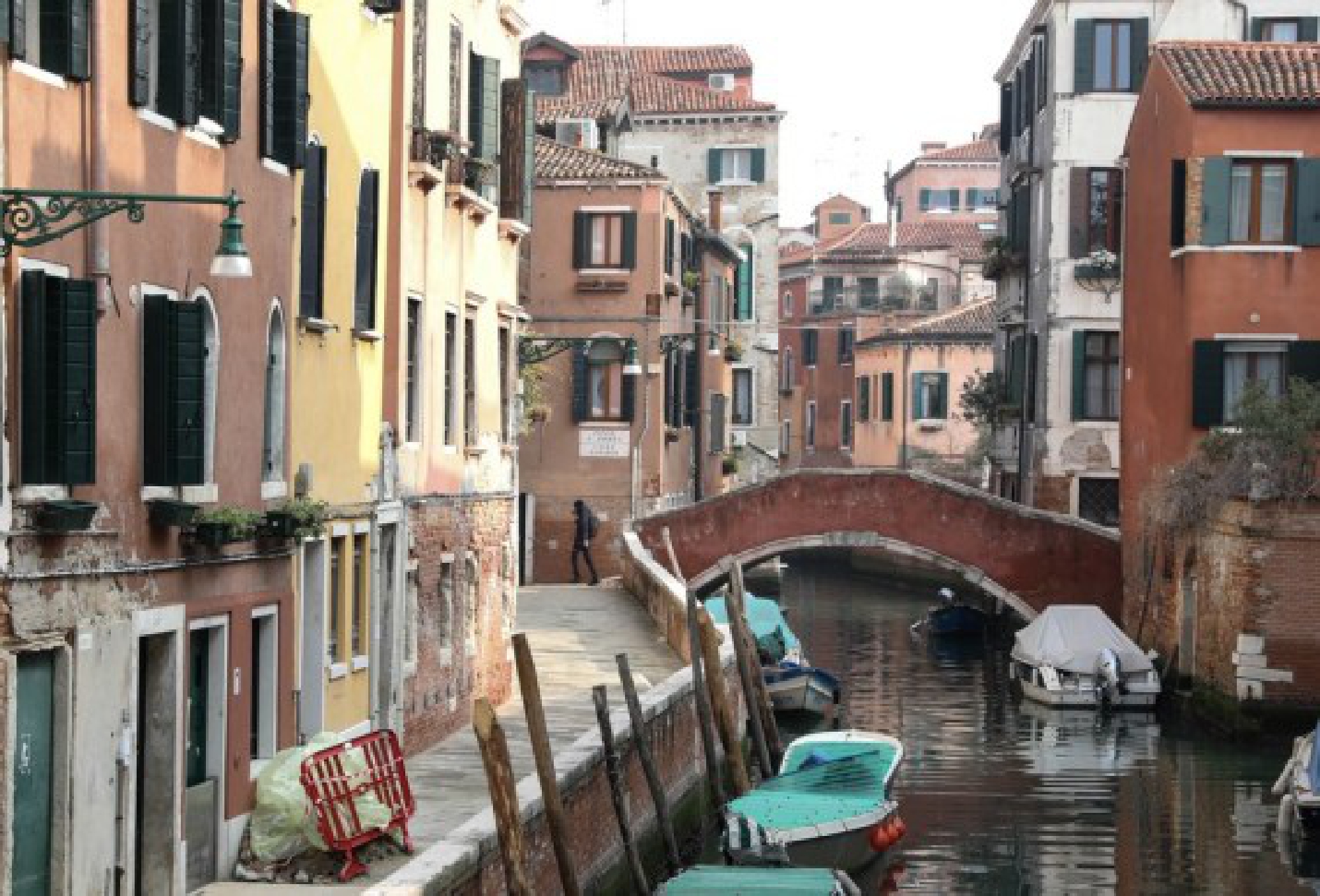 Photo taken on Feb. 23, 2020 shows a view in Venice, Italy.
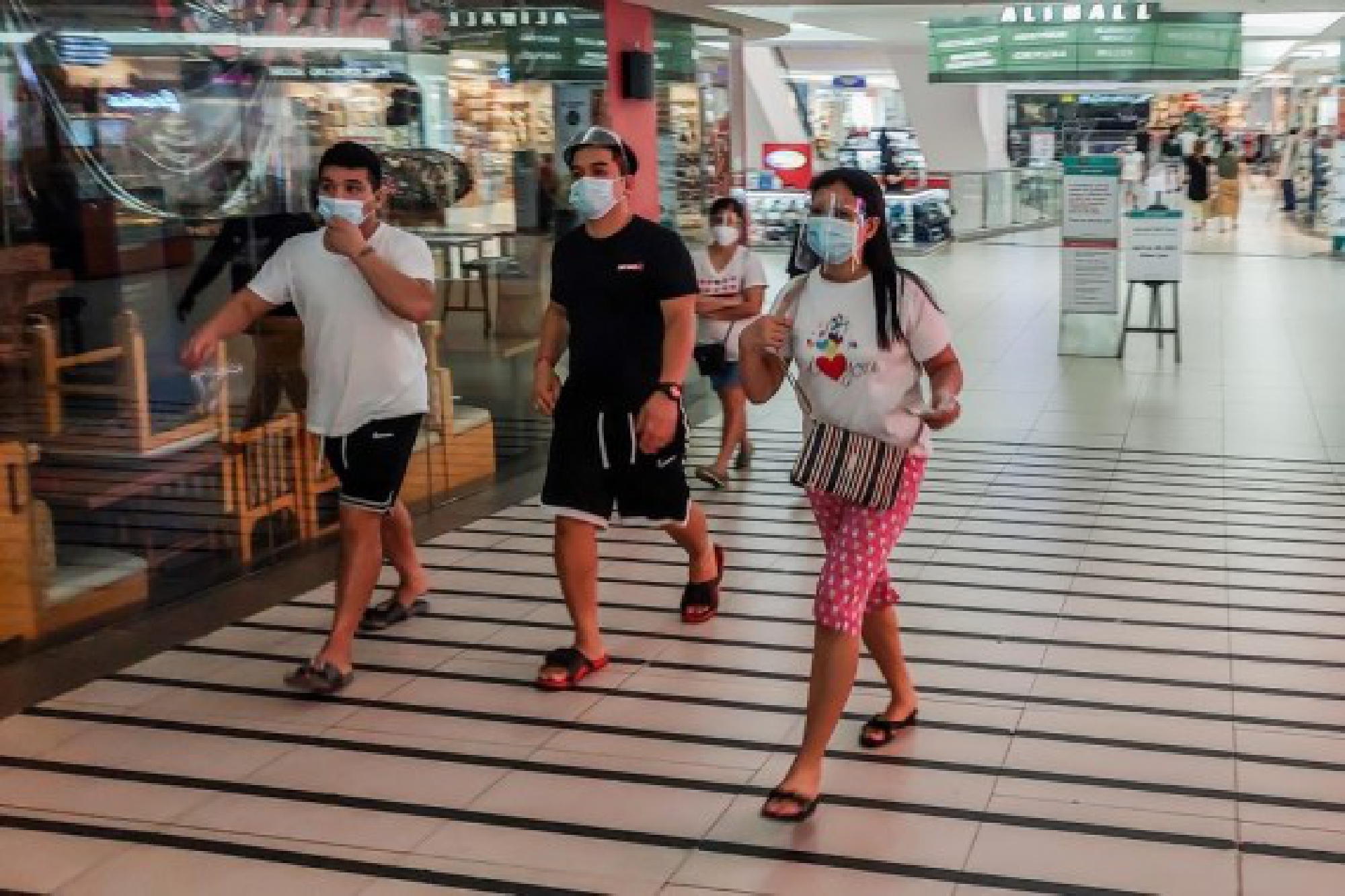 People wearing protective masks are seen inside a mall in Manila, the Philippines
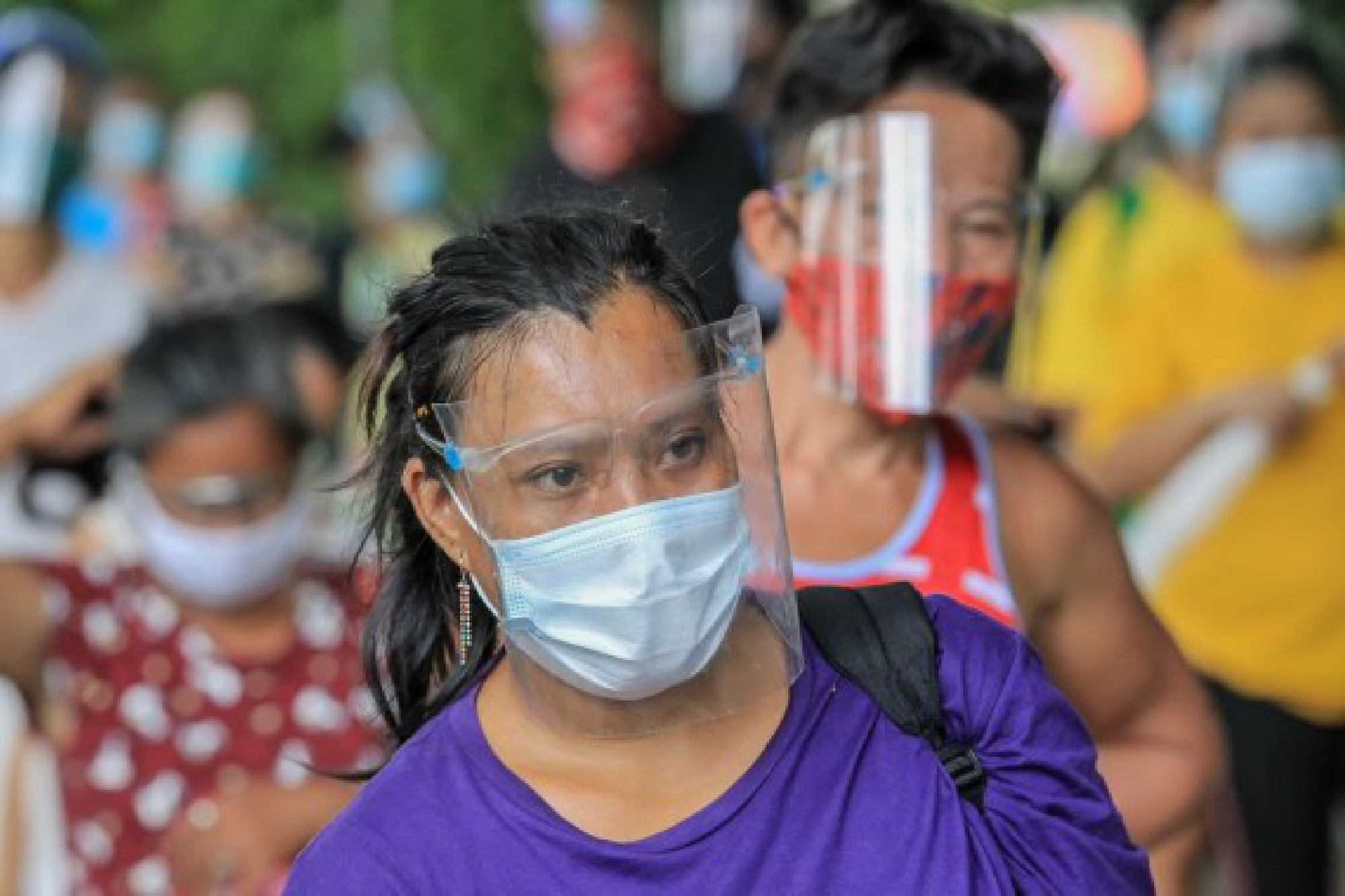 Residents wearing protective masks are seen as they line up for free goods from a community pantry in Manila, the Philippines
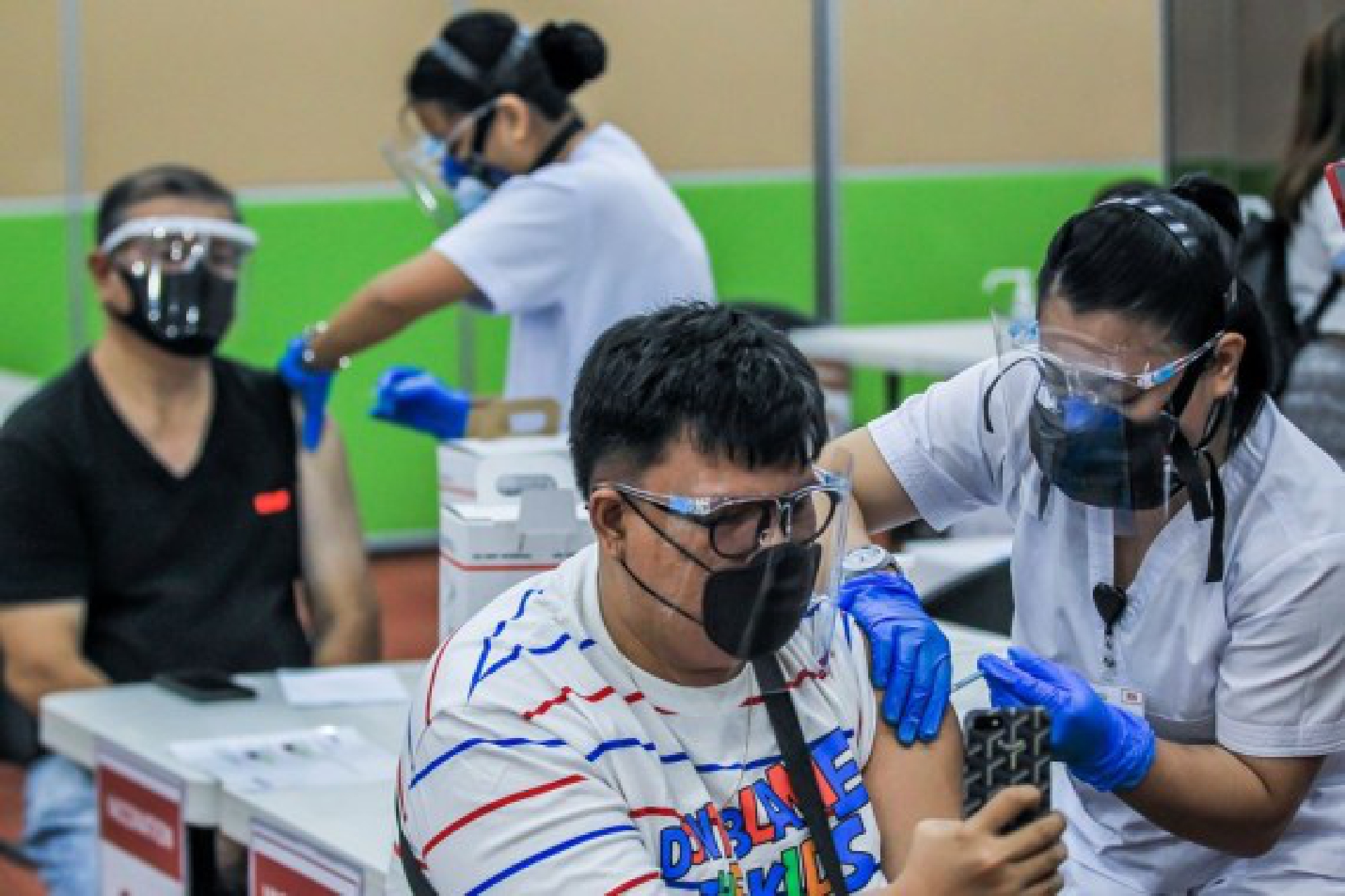 Residents are inoculated with COVID-19 vaccine from inside a hospital in Manila, the Philippines