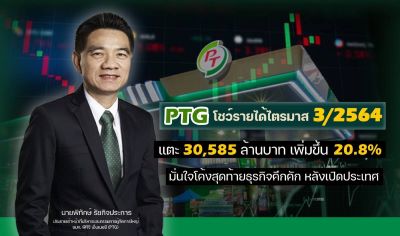
PTG Energy has announced a 20.8 per cent growth in the third quarter and expects further expansion in the fourth quarter thanks to the easing of restrictions and reopening of the country.
PTG Energy has announced a 20.8 per cent growth in the third quarter and expects further expansion in the fourth quarter thanks to the easing of restrictions and reopening of the country.
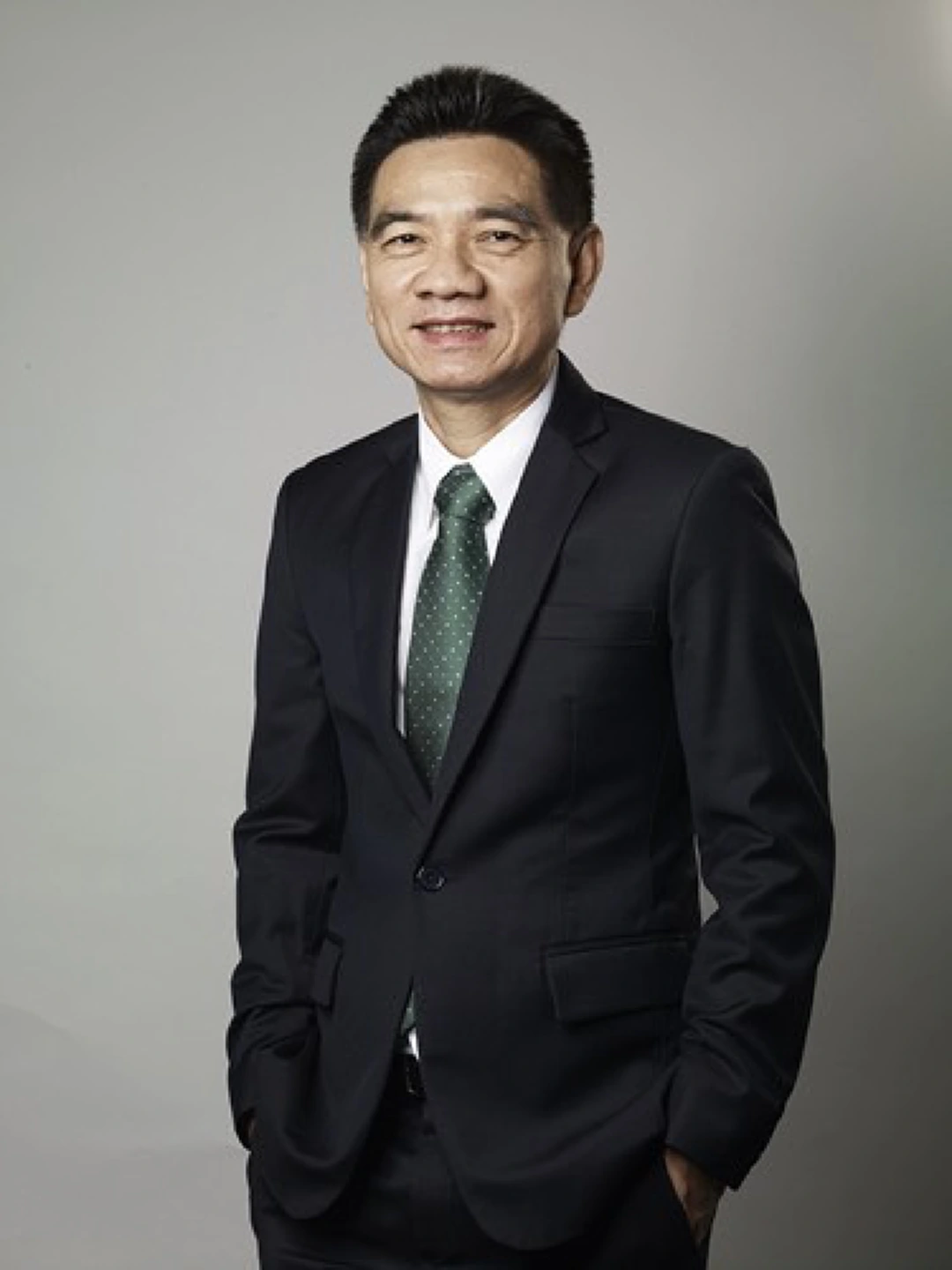
Pitak Ratchakitprakarn, PTG president and CEO, said the company’s third-quarter revenue stood at 30.59 billion baht, up 20.8 per cent year on year. This resulted in a 65 million baht net profit from the oil business, the value of which has dropped 87.4 per cent or 448 million baht due to the Covid-19 pandemic.
Revenue from the company’s retail and servicing sectors rose by 20.8 per cent year on year due to the 34.5 per cent rise in retail oil price per litre, while revenue from non-oil business grew by 19.3 per cent or 1.413 billion baht year on year from liquefied petroleum gas (LPG) business and “Phan Thai Coffee” food and beverage business.
However, he said, earnings from the sale of oil dropped by 10.3 per cent or 1.106 billion litres year on year as the demand for oil nationwide has dropped by 20.1 per cent due to the prolonged Covid-19 pandemic and flood crisis.
“In comparison, sales and management costs have risen by 11.3 per cent year on year as more petrol stations and non-oil business branches have been set up,” he said. “However, the company has made 4.2 per cent more profit from joint ventures, especially the palm complex project.”
PTG Energy reports 20.8% growth in Q3
Pitak said the company is prepared to deal with fluctuations in both oil and non-oil businesses and has adjusted its investment strategy for 2021 in line with the country’s reopening plans.
He added that the company also boosted its liquidity to preserve financial stability in case there is a new wave of Covid-19.
“The company’s earnings before interest, taxes, depreciation and amortisation [EBITDA] is expected to drop to between 0 per cent and a contracted 5 per cent in response to a 1 to 4 per cent growth in the sale of oil and 70 per cent contraction from LPG sales amid uncertain circumstances,” he said.
“However, we expect the Covid-19 situation to be a short-term challenge and expect the situation to return to normal soon.”
GC the first petrochemical company in Thailand to achieve honor for three consecutive years
Dr. Kongkrapan Intarajang, Chief Executive Officer of PTT Global Chemical Public Company Limited (“GC”), confirmed GC has been recently rated number one in the world for sustainability in the 2021 Dow Jones Sustainability Indices (DJSI) chemicals sector for the third consecutive year – the first Thai petrochemical company to achieve this for three years, driven by combining environmentally friendly innovations with advanced technologies. The ranking reflects GC’s commitment to applying an integrated and sustainable business approach through environment, social and governance & economic factors (ESG).
GC is focused on maximizing efficiency across all assets – guided by digitalization and the ‘5Rs’ principle to Reduce unnecessary or repetitive processes or uses; Reuse solutions to prolong service life; Recycle to utilize them more; Reject substances that are not environmentally friendly and leverage Renewable resources to optimize processes and reduce energy consumption.
The company successfully outperforms its benchmarks by utilizing existing and adopting new low carbon technologies, as well as increasing the use of low carbon processes, to overcome current technological limitations. Moreover, GC recognizes that climate change is one of the most significant issues globally and has set a clear roadmap with increased medium-term targets to reduce greenhouse gases by 20 percent within 2030 on the journey to achieving Net Zero by 2050 in line with the Paris Agreement.
GC consistently adheres to social sustainability principles, whether during normal periods or times of crises. This was particularly evident during COVID-19, where GC maintained its social contributions at the grassroots, provincial, and national levels, applying circular economy principles and expertise to deliver innovative, safe, and environmentally friendly solutions to patients and medical personnel during the pandemic.
This included expanded collaboration with partners to produce medical equipment as part of its “Millions Support… Ensuring A Safe Space for All” project, providing personal protective equipment (PPE) under the Greater Care by GC brand and resulting in the donation of waterproof PE gowns made of high-quality polyethylene (PE) plastic resins, coveralls made from 100% recycled PET (rPET) – that can be reused for up to 20 times, and HDPE field beds that could be reused and ultimately recycled.
GC remains committed to sustainable business processes underpinned by good corporate governance and transparent economic management. Further, GC plays an important role in driving the BCG (Bio-Circular-Green) economic model in line with the government’s policy for Thailand’s economic future.
The Dow Jones Sustainability Indices (DJSI) was jointly established by S&P Dow Jones Indices serving as an index to evaluate the expertise in sustainable development of leading globally listed companies ensuring that they have operated by focusing on society and the environment under good corporate governance while delivering returns and value to investors and stakeholders.
Singha Estate reveals Q3/2021 performance with 2,127-million-baht revenue, increased 20% from last year backed by the performance of United Kingdom hotel portfolio. Announces successfully Sold Out of Santiburi the Residences, the Ultra-luxury Housing Segment.
Singha Estate Public Company Limited reported its total revenue of 2,127 million baht in Q3/2021, a 20% increase from the same period last year. Our financial performance continued to show strong improvement for the third consecutive quarter, affirming the business recovery. The total revenue composed of revenue from residential development of 436 million baht, revenue from commercial business of 238 million baht and revenue from hospitality business or 1,422 million baht and revenue from other businesses of 31 million baht.
Effective cost management, 44% cut selling expense in particular, coupled with share of the gain from handing over units at The ESSE Sukhumvit 36. Singha Estate, therefore, report positive EBITDA at 351 million baht, or 16% improvement from the same period last year.
Singha Estate reveals Q3/2021 performance with 2,127-million-baht revenue
Despite the deconsolidating NVD from Singha Estate’s consolidated financial statement since the beginning of 2021, total revenue increased 20% thanks to the strong performance of hospitality business. In said quarter, the revenue form hospitality business stood at 1,410 million baht, improved drastically by more than 1000% form Q3/2020. This was mainly represented the revenue recognition of UK hotels portfolio after becoming the single shareholder. The decision to allocate portfolio and expand business in a new source of revenue has emphasized the Company’s success direction to capture the potential business which has a faster recovery.
For Q3/2021 is a very good quarter of UK Portfolio, benefited significantly from the lifting all the COVID-19 measures and entering into high season. As a results, the Revenue Per Available Room (RevPAR) during the Q3/2021 has reached 95% of RevPAR during the same period in pre-COVID-19 levels, brought up the performance of UK portfolio breaks the bottom line in third quarter. Aforementioned factors definitely push the overall hospitality performance, despite the gradual recovery of tourism industry in Thailand, Mauritius and Fiji.
Mrs. Thitima Rungkwansiriroj, Chief Executive Officer of Singha Estate Plc
Mrs. Thitima Rungkwansiriroj, Chief Executive Officer of Singha Estate Plc, or “S”, revealed that the robust contribution of UK Portfolio performance is the starting point to confirm the strength of the tourism industry, particularly in leisure segment. We are confident that the positive momentum in hospitality business has continued towards Q4/2021 and the beginning of next year, reinforced by performance of CROSSROADS Project in Maldives. We expected REVPAR of CROSSROADS in the fourth quarter this year to reach Pre-COVID19 levels and foreseen the positive sign of tourism recovery in Thailand and Mauritius as well.
CROSSROADS is the one and only integrated leisure and lifestyle destination in Maldives, perfectly located just a 15-minute speedboat ride from Velana International Airport. In Q4/2021, we expect an increase in number of high spending customer such as tourists from the United State, United Kingdom and other countries in Europe which have positive impact to the REVPAR of this portfolio to once again reach the Pre-pandemic level.
Singha Estate reveals Q3/2021 performance with 2,127-million-baht revenue
Looking ahead, we expect that hotel operations will have stronger trends across all geographies which have clear directions for opening borders from the government as CROSSROADS project. We foresee the positive signs from the Outrigger Mauritius Beach Resort, which has reopened its door on October 1st, 2021, in accordance with the welcoming international visitors to the country. In October which is the first operating month after the lockdown, the occupancy rate recovers strongly to 40% with solid momentum, predicted throughout the high season.
In respect of commercial business, Singha Estate still managed to let out additional space as well as renewed the space under the existing lease contracts. Consequently, the average occupancy rate remained high at 87% during the nine-month period of 2021. This reflected the Company’s effective selection of the target customers, focusing on high-growth industries led to the potential expanding of the business and rental space in the long run.
“With the success of Sold Out in every unit sold at Santiburi the Residences, reaffirmed customer confidence toward the Singha Estate brand which emphasizes enriching a quality of living for residents through three elements: smart living, healthy living and sustainable living. We have paid attention to every detail and use only finely selected materials to offer the best-in-class projects that suit every stage of life. Besides that, we continue to develop projects of detached house, reinforcing leadership in the luxury housing segment. With its current progress of development, the Company expects to launch the first project at Pattanakarn 32 within Q2/2022.” Thitima said.
Thai Airways reports the operational performance results of the nine months period of THAI and its subsidiaries with the operating loss excluding the one-time transactions at 21,491 million baht.measures in accordance with the business plan.
Thai Airways International Public Company Limited (THAI) reports the operational performance results of the nine months period of THAI and its subsidiaries with the operating loss excluding the one-time transactions at 21,491 million baht. The total revenue was 14,990 million baht, lower than last year by 29,230 million baht or 66.1%. The expenses were 36,481 million baht, which is 41,695 million baht or 53.3% lower than last year due to the operations expenses which varied directly to the decreased production and transport volume as well as the cost control measures in accordance with the business plan. THAI and its subsidiaries reported net one-time revenue 73,084 million baht as a result of the implementation of the rehabilitation plan such as debt restructuring, sales of asset, and organization restructuring. Therefore, THAI and its subsidiaries reported net operating profit of 51,115 million baht in the nine months period of 2021.
As of 30 September 2021, the total assets of THAI and its subsidiaries were 163,703 million baht, which decreased by 45,594 million baht or 21.8% on 31 December 2020. The total liabilities were 240,196 million baht, a decrease by 97,766 million baht or 28.9%.
Shareholders’ equity amounted to -76,493 million baht, which is a negative decrease of 52,172 million baht compared to as of 31 December 2020.
THAI financial status and cashflow are sufficient for operations during the earning of a new loan, which would enhance the Company’s ability in implementing the rehabilitation plan in Q1/2022.
In addition, THAI increases its revenue competency through the development of ticket agent system, direct marketing, and the utilization of the information technology with the purpose of continual revenue and sustainable profit in the future.
From this November, THAI and Thai Smile have increased flight services and flight frequencies in 44 main domestic and international destinations with over 400 flights per week connecting Thailand to the world. THAI and Thai Smile have served over one million passengers in a month. Passenger revenue is expected to reach one trillion baht in 2022. THAI, as the national flag carrier, will be part of the efforts in driving Thailand’s economy and tourism industry.
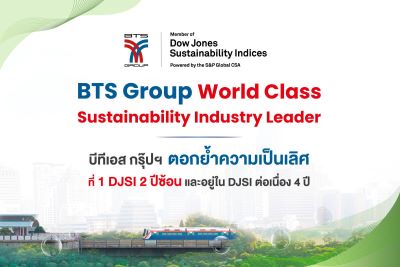
BTS Group has been selected as DJSI member for the fourth consecutive year, ranking first globally in the industry for two consecutive years, as well as the third-time inclusion in the THSI list
BTS Group Holdings Public Company Limited or BTS Group has been selected as an index constituent of the Dow Jones Sustainability Indices (DJSI) 2021 in the DJSI Emerging Markets or DJSI EM for the fourth year running. From this year’s evaluation, BTS Group remains the only Thai rail transportation company ranked amongst world class DJSI Index members. In addition, this is another year that the Company is also ranked first globally in the Transportation and Transportation Infrastructure Industry. These achievements are a strong endorsement of BTS Group’s sustainability efforts, which are set to align with the strictest domestic and international standards.
Further, on 15 November 2021, BTS Group was selected by the Stock Exchange of Thailand to be a member of the Thailand Sustainability Investment List (THSI) 2021 as a third-time member in the Service category. This reflects the commitment of BTS Group to create and operate sustainable businesses, as well as to focus on responsibility for the environment, society and governance (ESG) aspects for the ultimate benefit of all stakeholders.
BTS Group Holdings Public Company Limited or BTS Group has been selected as an index constituent of the Dow Jones Sustainability Indices (DJSI) 2021 in the DJSI Emerging Markets or DJSI EM for the fourth year running. From this year’s evaluation, BTS Group remains the only Thai rail transportation company ranked amongst world class DJSI Index members. In addition, this is another year that the Company is also ranked first globally in the Transportation and Transportation Infrastructure Industry. These achievements are a strong endorsement of BTS Group’s sustainability efforts, which are set to align with the strictest domestic and international standards.
Further, on 15 November 2021, BTS Group was selected by the Stock Exchange of Thailand to be a member of the Thailand Sustainability Investment List (THSI) 2021 as a third-time member in the Service category. This reflects the commitment of BTS Group to create and operate sustainable businesses, as well as to focus on responsibility for the environment, society and governance (ESG) aspects for the ultimate benefit of all stakeholders.
Mr. Keeree Kanjanapas, Chairman of BTS Group and the Sustainability Committee stated that “this is an outstanding achievement of the Company and the country being acknowledegd for excellent corporate ESG performances and showcasing Thailand’s progress in sustainable development. Furthermore, this recognition marks BTS Group’s strong commitment to sustainable business practices in line with the UN Sustainable Development Goals and management disciplines during challenging period”.
The Dow Jones Sustainability Indices or DJSI, under the collaboration between S&P Global and SAM, are a family of indices evaluating the sustainability performance of corporates, broadly recognised worldwide. The evaluation aims to ensure companies’ commitment to management disciplines, which have been demonstrated in prudent financial and investment practices, sustainable management policies and viable business progression, covering all three sustainability dimensions; ESG as well as responsibility for all stakeholders. In 2021, over 5,300 companies in over 60 industries across the world were invited to participate in SAM’s Corporate Sustainability Assessment (CSA).
The THSI contains listed companies that operate sustainable businesses with due regard for ESG best practices. It is another factor for investors to consider, as it takes into account ESG elements into their investment decisions along with analysing the company’s financial data.
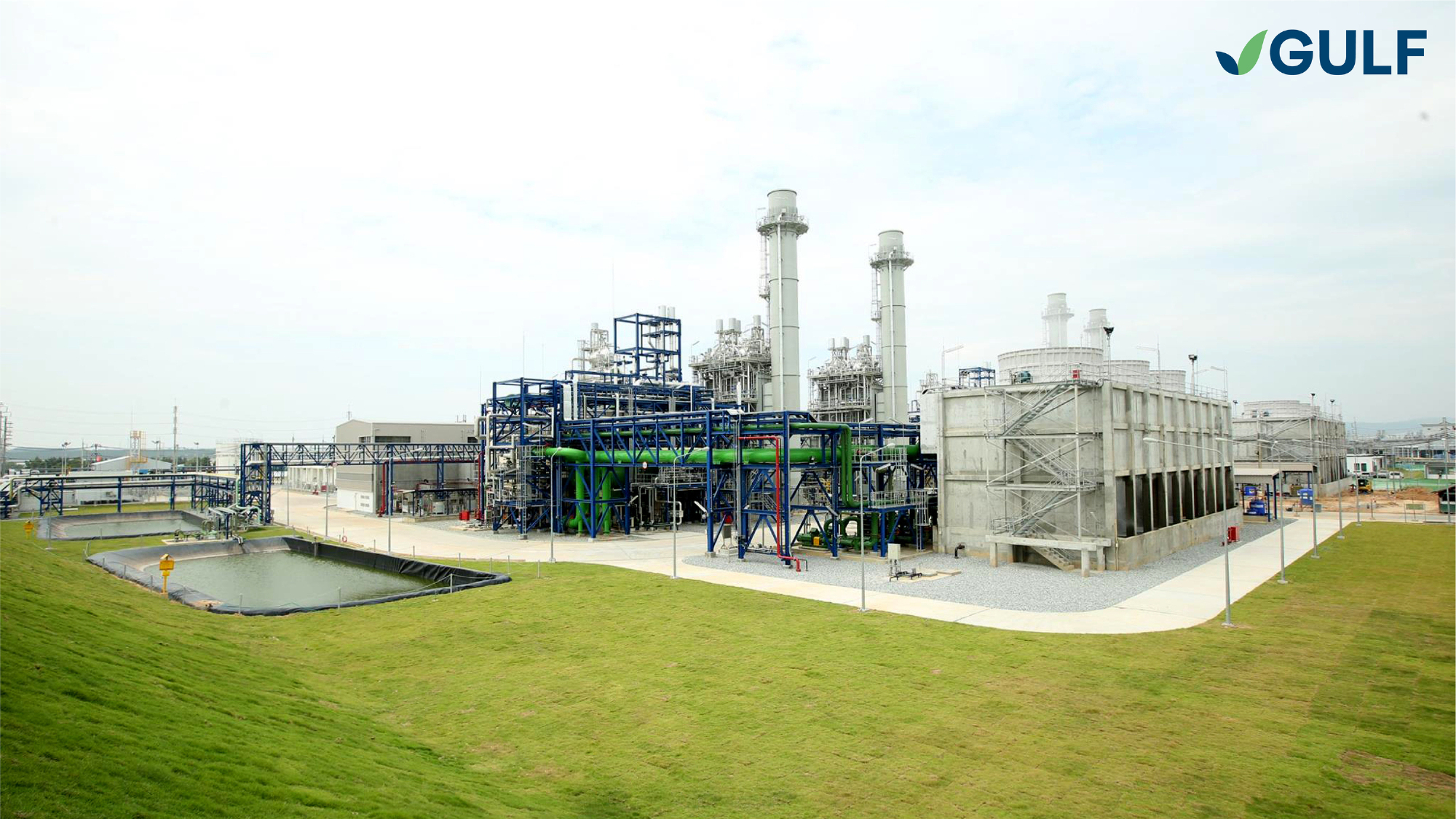
In Q3’21, GULF recorded net profit attributable to the parent company, which includes the impact from foreign exchange rate, of THB 1,588 million, an increase of 71% YoY compared to THB 970 million in Q3’20.
Ms. Yupapin Wangviwat, Executive Director and Chief Financial Officer of Gulf Energy Development Plc. (GULF), revealed that for Q3’21, GULF recorded core profit of THB 2,293 million, an increase of THB 968 million or 73% year-on-year (YoY). The growth mainly came from the dividend income of THB 1,666 million from Intouch Holdings Public Company Limited (INTUCH) and profit from Gulf SRC (GSRC), an IPP with total installed power generation capacity of 2,650 MW, following the commercial operation of its first unit (installed power generation capacity of 662.5 MW) on March 31, 2021. The rise in core profit also came from the higher volume of electricity sold by 12 SPPs under GMP group to the Electricity Generating Authority of Thailand (EGAT) and industrial customers, especially from the jewelry, electronic components, and packaging sectors. The average load factor of industrial customers for the 12 SPPs was 59% compared to 57% last year. Additionally, the 7 SPPs under GJP group also recorded higher volume of electricity sold to industrial customers, especially from the textile and electronic components sector, with the average load factor of 61% compared to 60% last year. However, Gulf Nong Saeng (GNS), one of the IPPs under GJP group, underwent maintenance for 10 days, resulting in a decline in GJP’s core profit YoY.
In Q3’21, GULF recorded net profit attributable to the parent company, which includes the impact from foreign exchange rate, of THB 1,588 million, an increase of 71% YoY compared to THB 970 million in Q3’20. This resulted from the unrealized loss of THB 767 million due to the depreciation of the THB against USD from 32.22 THB/USD at the end of Q2’21 to 34.09 THB/USD at the end of Q3’21.
GULF announces 3Q21 core profit at THB 2,293 million, an increase of 73% YoY
Total revenue for Q3’21 was recorded at THB 13,780 million, an increase of THB 5,035 million or 58% YoY. The increase is mainly from the revenues from GSRC Unit 1’s commercial operation in Q1’21, Borkum Riffgrund 2 offshore wind power project (BKR2) in Germany, which was recognized for the first time in Q4’20, higher electricity and steam sales to industrial customers of the 12 SPPs and the dividend income from INTUCH. Meanwhile, electricity sales from Gulf Tay Ninh 1 (GTN1) and Gulf Tay Ninh 2 (GTN2) solar farms in Vietnam dropped slightly due to the temporary curtailment following the spread of COVID-19 pandemic, causing nationwide lockdown and affecting Vietnam’s electricity demand.
Gross profit margin for this quarter was 24.6%, a decrease from 25.9% in Q3’20 due to the increase in natural gas costs by 14%, from 235.22 THB/MMBTU to 268.61 THB/MMBTU while the average Ft rate decreased by 29% from Q3’20, from -0.1188 THB/kWh to -0.1532 THB/kWh. However, since GULF sells 90% of its electricity to EGAT, the cost of natural gas is passed through to EGAT. Industrial customers account for only 10% of GULF’s electricity sales; therefore, there was limited impact from the spike in natural gas prices. GULF’s EBITDA margin was 44% this quarter compared to 40% in Q3’20 mainly due to the dividend income from INTUCH.
As of September 30, 2021, GULF had net interest-bearing debt to equity ratio of 2.34 times, an increase from 1.75 times at the end of Q2’21. This was mainly due to loans from financial institutions of approximately THB 48,612 million for the acquisition of INTUCH shares from the tender offer. However, the net interest-bearing debt to equity ratio is expected to decrease to approximately 2.00 times in Q4’21 following the change in accounting treatment of GULF’s investment in INTUCH to equity method, resulting in an increase in shareholders’ equity from the gain on adjustment of average cost of INTUCH to fair value as of October 1, 2021 (effective date for applying equity method).
Ms. Yupapin Wangviwat, Executive Director and Chief Financial Officer of Gulf Energy Development Plc. (GULF)
Ms. Yupapin added that in Q3’21, GULF has issued debentures totaling THB 30,000 million to institutional investors and high-net-worth individuals. The debentures have an average maturity of 6 years at an average interest rate of 2.5%. The proceeds have been used for partial loan repayment for the acquisition of INTUCH shares and future investments. Moreover, on September 29, 2021, BGSR 6 and BGSR 81, a joint venture company of GULF, BTS Group Holding Public Company Limited (BTS), Sino-Thai Engineering and Construction Public Company Limited (STEC) and RATCH Group Public Company Limited (RATCH), signed the public private partnership (PPP) contract with the Department of Highways for a period of 30 years to operate the Bang Pa-In – Nakhon Ratchasima M6 Intercity Motorway project, with a distance of 196 kilometers, and the Bang Yai – Kanchanaburi M81 Intercity Motorway project, with a distance of 96 kilometers. The project is expected to start the civil works in December 2021 and scheduled to commence commercial operation in 2024.
In addition, GULF has always recognized the importance of sustainable business development and operations and has developed business strategies in accordance with the global shift towards clean energy in a move to support the company’s business expansion in the future. As such, GULF has recently restructured the Group’s business by establishing Gulf Renewable Energy Company Limited, a subsidiary in which GULF holds 100% equity stake, to operate businesses related to renewable energy such as wind energy, solar farm, solar rooftop, biomass and hydropower, including feasibility studies for renewable projects in Thailand and overseas. GULF has strictly adhered to the No Coal Policy and set a target to increase the proportion of installed power generation capacity from renewable energy to more than 30% of the company’s total gross installed power capacity within 2030.
Ms. Yupapin stated that GULF continues to make key progress in Q4’21. On October 1, 2021, the second unit of GSRC power plant, with installed power generation capacity of 662.5 MW, commenced commercial operation as planned. The Laem Chabang Port Phase 3, Terminal F project, a joint development between GULF, PTT Tank Terminal Company Limited and CHEC OVERSEA INFRASTRUCTURE HOLDING PTE. LTD. to operate a deep-sea container port, is expected to sign the PPP contract with the Port Authority of Thailand within November this year. Finally, the 912-MW Pak Beng and the 770-MW Pak Lay hydropower projects in Laos are expected to sign the Tariff MOU with EGAT by the end of this year.
The new service will commence with flights from 16 December 2021 and will be followed by three-time weekly scheduled seasonal services from March 2022, with a further review and potential increase in frequency based on demand and regulatory approval
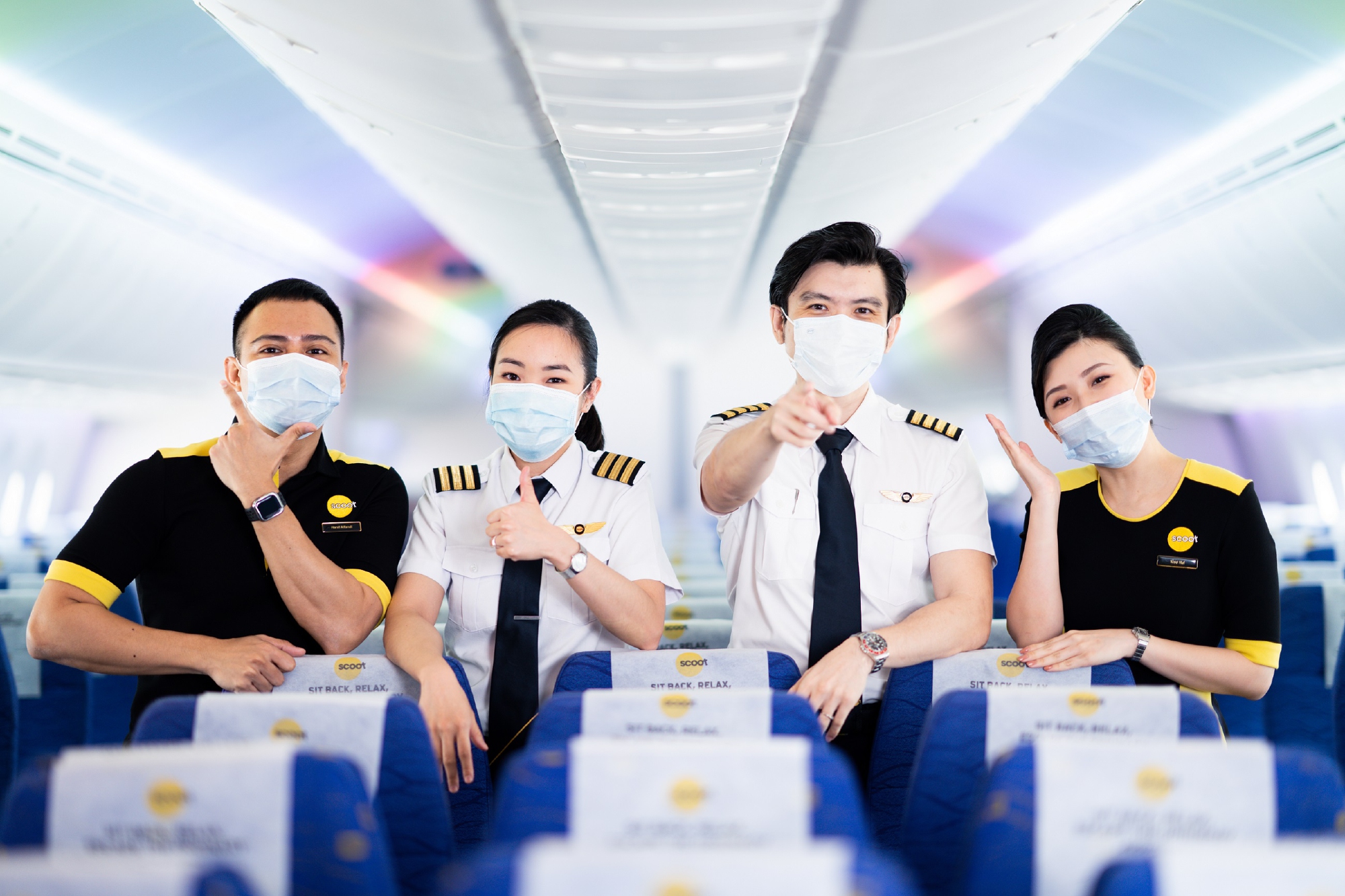
Scoot, the low-cost subsidiary of Singapore Airlines (SIA) that was recently named the World’s Best Long-Haul Low-Cost Airline, celebrates yet another milestone with the announcement of a new non-stop service between Bangkok’s Suvarnabhumi Airport and London’s Gatwick Airport.
Scoot’s entry on this popular leisure route comes hot on the heels of the borders reopening between the United Kingdom (UK) and Thailand, enabling travel without quarantine at either end. Scoot currently offers the only low-cost direct flights between the UK and Thailand.
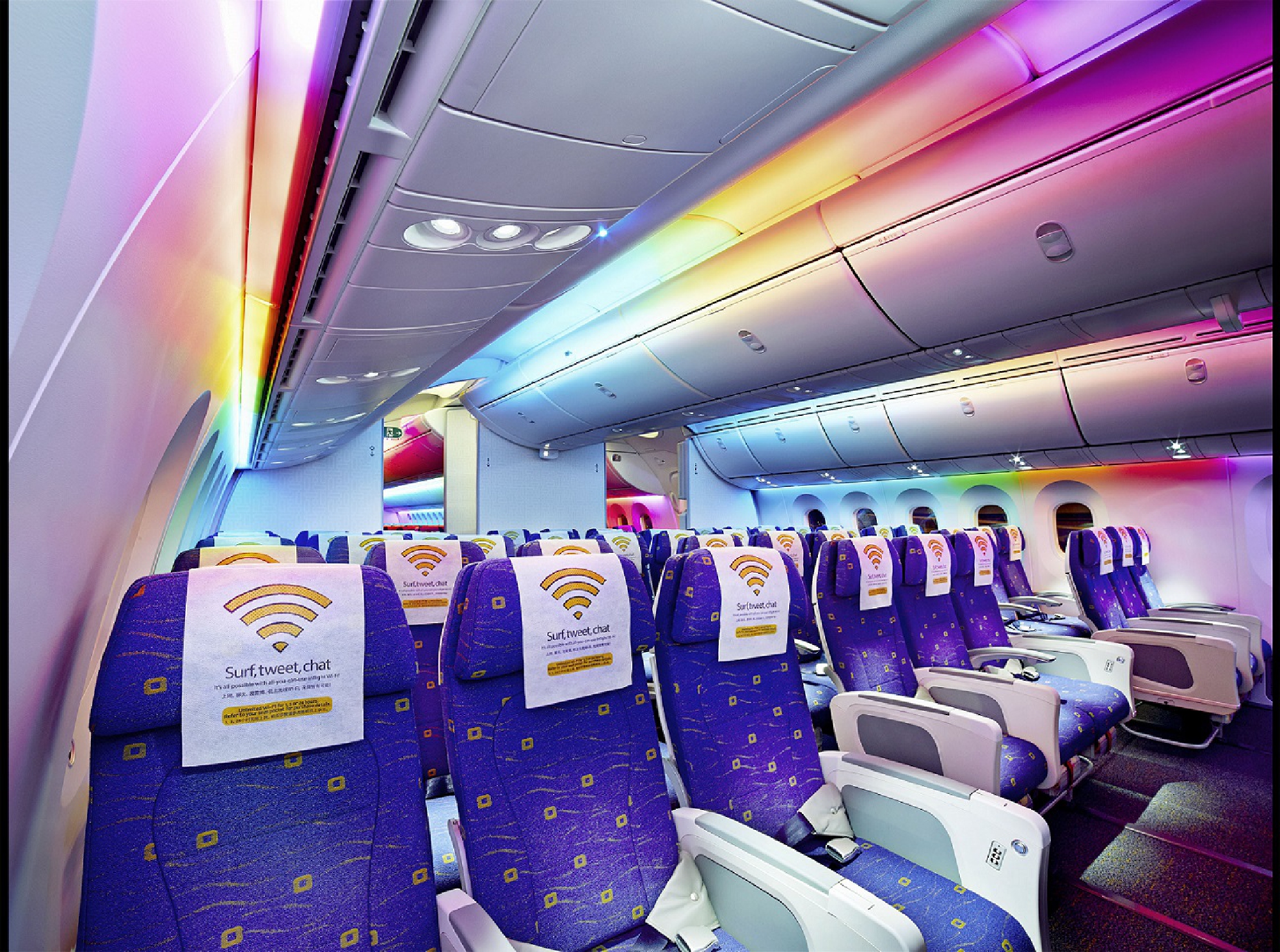
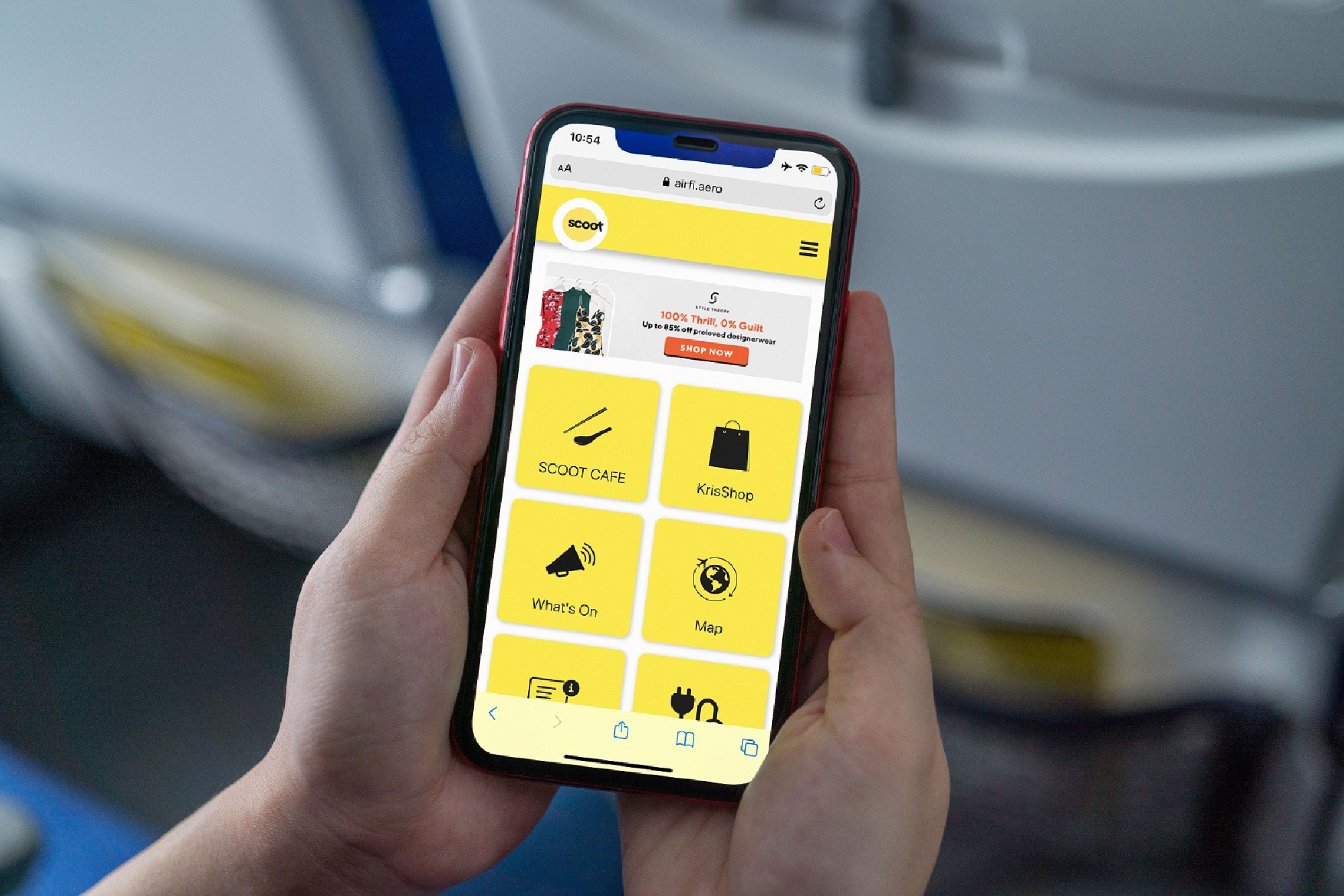
The new service will commence with flights from 16 December 2021 and will be followed by three-time weekly scheduled seasonal services from March 2022, with a further review and potential increase in frequency based on demand and regulatory approval. All services will be operated by Scoot’s widebody Boeing 787 Dreamliners offering both Economy and ScootPlus cabins, sporting features such as inflight Wi-Fi, and the ability to upgrade to Scoot Plus or to Scoot-in-Silence – Scoot’s offering of a quiet-zone.
To celebrate the launch, Scoot has released attractive fares to London starting from THB5,500 one-way on Economy, and THB9,900 on ScootPlus (including taxes).
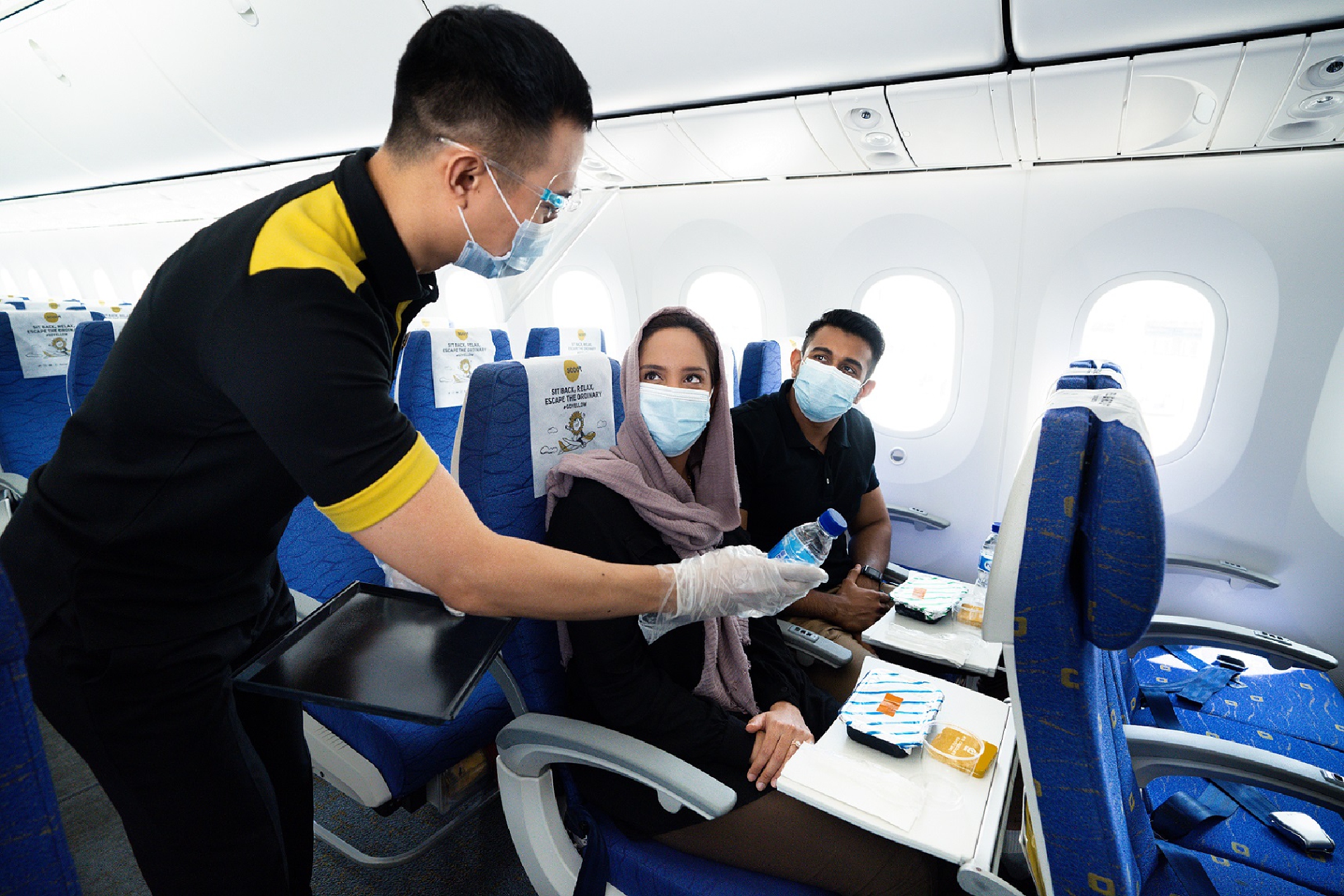
Scoot to Launch Non-Stop Flights between Bangkok and London
Mr. Campbell Wilson, Scoot’s Chief Executive Officer, said “The progressive relaxation of border restrictions presents new opportunities for airlines and travelers alike. Scoot is excited to add flights between Bangkok and Gatwick to our network, offering our unique combination of great value and great experience with a touch of Scootitude. Scoot empowers travelers to customize their flight experience as they prefer, whether it be with extra legroom, checked baggage, 10kg free cabin baggage allowance, inflight Wi-Fi, tasty meals, Scoot-in-Silence or just enjoy an unbeatable airfare. With Gatwick being a 30-minute rail journey to central London, and Bangkok the main city and travel hub of Thailand, there’s no better opportunity to reignite your wanderlust with Scoot’s new service.”
Scoot to Launch Non-Stop Flights between Bangkok and London
Scoot was the first low-cost carrier in the world to be awarded the highest health safety ratings by Skytrax and APEX/SimpliFlying for its measures to ensure the health and safety of passengers and crew, and the first low-cost carrier in the world to operate flights with fully-vaccinated crew. Scoot delivers further peace of mind by offering customers the flexibility of a free one-time date change .
With the addition of London, Scoot will serve over 30 destinations in December 2021 as it progressively builds back to its pre-COVID coverage of 68 cities. A link to Scoot’s current and pre-COVID network is here.
Scoot to Launch Non-Stop Flights between Bangkok and London
Travelers on Scoot, being part of the Singapore Airlines Group, can earn and redeem KrisFlyer loyalty points on their journey. Please refer here for more details on membership and benefits.
Promotional fares are available till 15 December 2021, or whilst stocks last, so book your holiday now at www.flyscoot.com or the Scoot mobile app!
For travel and immigration regulations into UK, please refer here.
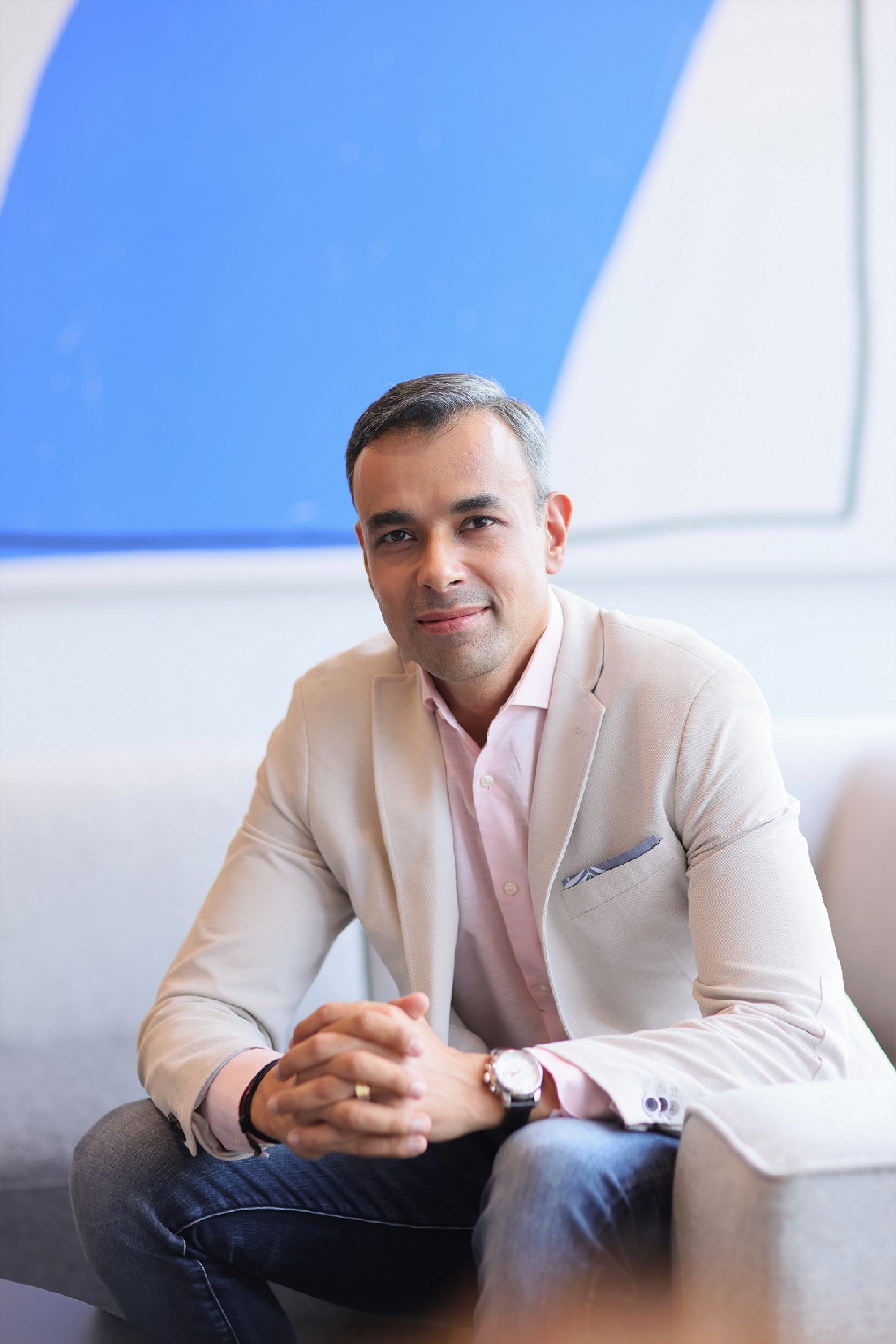
CARS24 is one of Asias fastest growing auto tech Unicorn, building an online brand of pre-owned cars. The company was incorporated in Singapore and proved the model in India by becoming the number one player in the used car category within 3 years of launch.
Thailand has been an automotive manufacturing hub for the South East Asian region for a while. It is also a market where the average per capita car ownership is higher than many ASEAN countries with further room to grow. Used cars sales already outpace new car sales by approximately 2:1. Experts believe this car ownership number will increase with more households choosing personal cars as a safe mode to travel in the aftermath of COVID. “We strongly believe that Thailand will be at the forefront of the changing trends in the auto industry in the region, and we hope to play our part as CARS24 in enabling it” said Abhijeet Dabas, CEO of CARS24 South East Asia
Thai consumers are amongst the most digitally savvy in the region; spending almost 4 hours a day online and moving more and more of their purchases online with Ecom set to grow +25% YoY.
CARS24 Revs Into Town Used car segment, the new frontier for ecommerce
Thai consumers are becoming more value conscious due to the effect of the pandemic. Pre-owned cars are becoming a smart choice for customers looking for value. The pandemic has delayed purchasing; however, this pent-up demand is expected to manifest in an upsurge in transaction bulge in the coming quarters. Today there are more than 3.5 million Thais who are intending to buy a car within the next 12 months, according to AC Nielsen. “The demand for pre-owned cars in Thailand is rising. However, the current process is not so convenient for consumers, creating barriers to purchase. We hope to be able to bring forth a never-seen-before seamless experience of buying and selling pre-owned cars to consumers in Thailand, while continuously learning from them on how to improve our offering”, said Abhijeet.
CARS24 is one of Asia’s fastest growing auto tech Unicorn, building an online brand of pre-owned cars. The company was incorporated in Singapore and proved the model in India by becoming the number one player in the used car category within 3 years of launch. It is now set for expansion across Asia and Australasia; launching business in UAE and Australia this year with Thailand as a fast follow. “The journey of CARS24 started 6 years ago with the goal of transforming the used car buying and selling experience for consumers in India. However, over the last year we have transformed our ambition to becoming a leading global auto-tech platform. While we have many valuable learnings from the first 6 years in India, we treat each new market with the same curiosity and respect as we treated the first one, and try to create solutions that work for that market as opposed to adopting a one-size-fits-all approach” Said Abhijeet
With the ambition to become a true game-changer and the undisputed leader in the Thailand pre-owned car market, Abhijeet added, “Our vision is to provide a seamless and fully online experience and become the ‘default’ choice for Thais looking to buy or sell pre-owned cars. Pre-owned cars are a large and growing category, but almost all transactions currently happen offline and with many pain-points. We hope to be at the forefront of driving a change in consumer behavior to adopt online car buying and selling as the norm rather than as an exception and make it a truly ‘joyful’ experience.”
A rising star in Thailand’s startup industry, CARS24 looks all set to transform and lead the auto category into the new era of Ecom. “We believe that, with our customer centricity, innovation, and service model, CARS24 will not only close the gaps in the current pre-owned cars landscape but will also redefine what a great car buying experience should be. We believe that when it comes to buying pre-owned cars, Thais deserve better, and CARS24 only offers the best!” Abhijeet concluded.
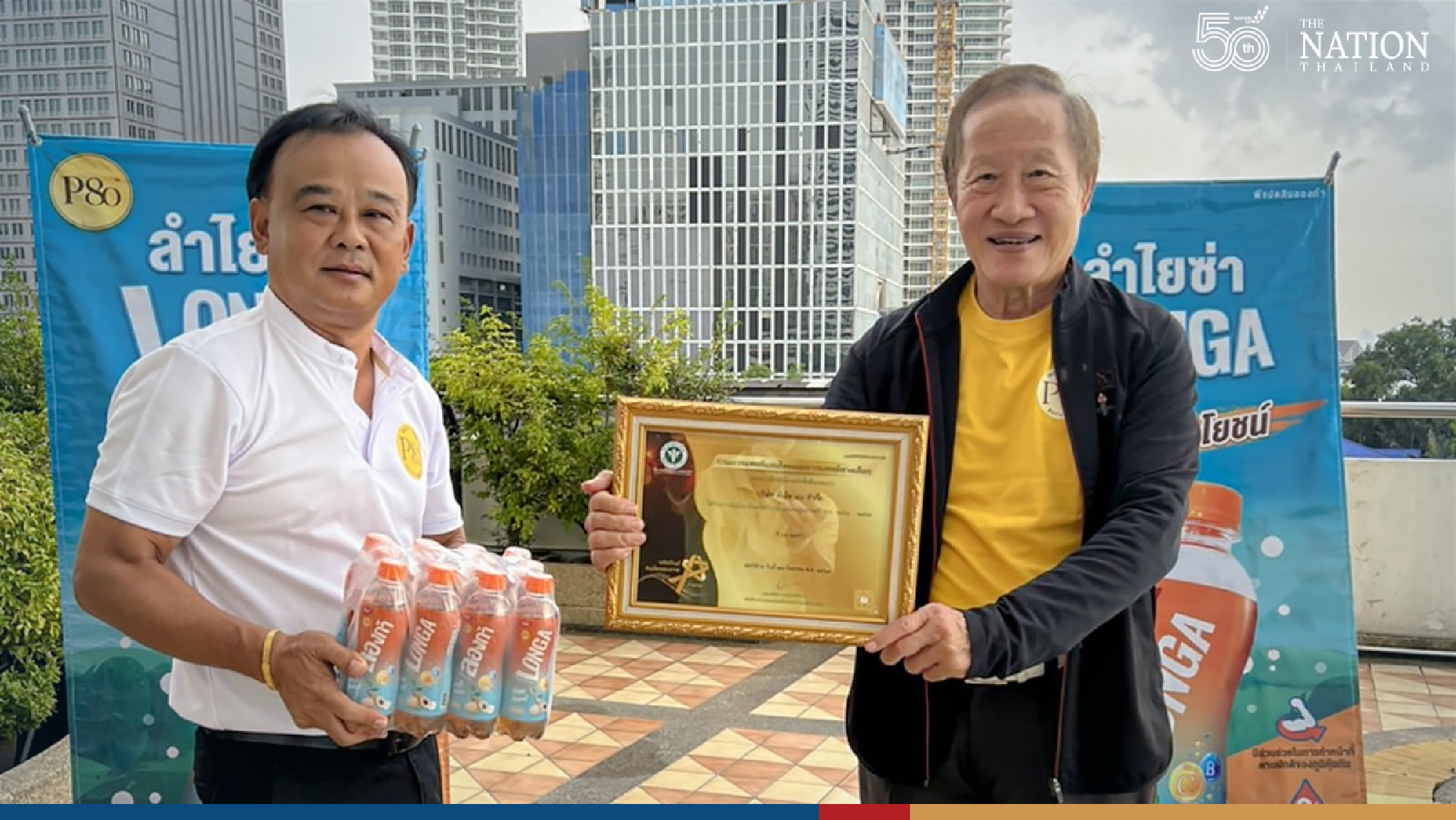
The herbal drink P80 Longa, created by PM80 Ltd, won the Department of Thai Traditional and Alternative Medicines second Premium Herbal Product award on September 27, the company’s chairman Prayudh Mahagitsiri said on Friday.
He explained that 50 products from 23 firms had passed the department’s criteria and received a certificate. The products include seven traditional medicines, eight food supplements, 13 foods and beverages and 22 cosmetics and personal goods.
Longan-based health drink P80 Longa wins Thailand’s Premium Herbal Product award
Meanwhile, Sorakrit Wannalak, PM80’s senior adviser for public communications, said P80 Longa was a health drink produced from the longan fruit. He added that the drink can now be bought at all 415 branches of Tesco Lotus nationwide.
Alongside the 26th United Nations Framework Convention on Climate Change (COP26) in Glasgow, Scotland, Thailand held the virtual “Climate Action Leader Forum 2021”.
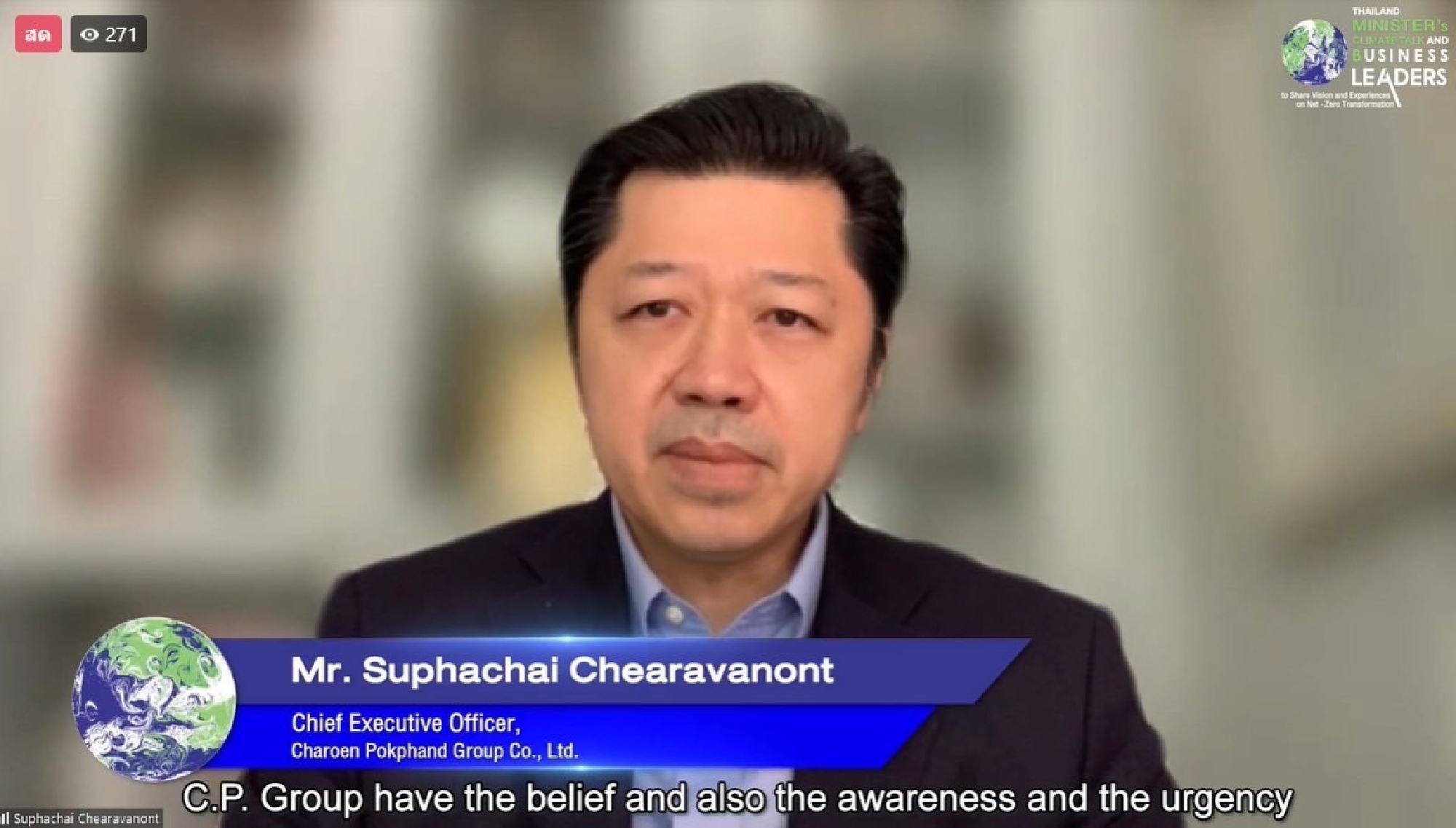
At the COP26 parallel summit organised by Thailand, Charoen Pokphand (CP) Group’s CEO Supachai Chearavanont announced that his company was ready to become a “net-zero” organisation by 2030. Alongside the 26th United Nations Framework Convention on Climate Change (COP26) in Glasgow, Scotland, Thailand held the virtual “Climate Action Leader Forum 2021”. This forum brought together business leaders, state and private agencies as well as other institutions to share their visions on net-zero transformation and pursue the goal of keeping global temperature from rising above 1.5 degrees Celsius. At the forum, Supachai said the business and industry sectors were facing serious problems from climate change, which is also affecting food security for a rising population.
He said production waste and greenhouse gas emissions will continue rising, this unstoppable trend is forcing industries to become sustainable and move towards zero-emission options. He added that as a member of the UN Global Compact Lead, CP has set its goal to become a Zero Food Waste and Zero-Emission organisation by 2030. Supachai said the company has already put in motion preparations to achieve this goal, including creating new opportunities in the renewable energy industry. He said the CP Group’s business model has been adapted to a sustainable business model from many dimensions, both in retail and telecommunications, as well as business operations in 21 countries and economic zones. As for the agriculture industry, CP is working to introduce sustainability throughout the supply chain.
CP Group Joins Battle To Save Planet, Promises Zero Emissions by 2030
The CEO also said many businesses have come up with innovations that make manufacturing economical and more sustainable such as smart farming, automated production processes, use of renewable energy as well as the development of various platforms and solutions. The CEO said these innovations are a key resolution to this crisis. “We may be questioning what we do today as we have not seen clear results, but doing the right thing does not need to be evaluated with numbers. The way humans consume and use natural resources nowadays has created greenhouse gases and waste, all of which are not sustainable,” he said. “I believe there are opportunities in every crisis. In this climate change crisis, we have the opportunity to build sustainability to deal with the impact of climate change on the world. Therefore, the business sector should seriously invest, not just in renewable energy but also in other relevant technologies. We must continue to take responsibility for not emitting more emissions and continue improving ourselves to move towards the net-zero goal. The CP Group hopes to continue sharing lessons and successes in sustainable business development with relevant industries,” Supachai said. Noppadol Dej-Udom, CP’s chief sustainability officer, who was also at the forum, said all businesses under the CP Group have agreed to work together to help keep global temperatures from rising above 1.5 degrees Celsius. He said each business has implemented projects to reduce greenhouse gases throughout the production chain, from the acquisition of raw materials via precision technology and efficient use of fertilisers to turning waste into energy.
As a result, Noppadol said, CP Group’s total emissions are low compared to the global industry average. He put CP Group’s success down to five formulas created based on the CEO’s guidelines, namely: • Setting clear goals that help everybody understand that climate change is an important issue and that steps must be taken immediately to save the planet. • Reporting all details related to carbon emission to the public transparently. • Using market mechanisms as a motivation to reduce greenhouse gas emissions for businesses and consumers. • Applying technology and innovations to business operations, including the use of renewable energy, carbon capture and storage. • Boosting cooperation between sectors to jointly find solutions that will bring carbon emissions to net-zero.

 PTG Energy reports 20.8% growth in Q3

 Singha Estate reveals Q3/2021 performance with 2,127-million-baht revenue
 Mrs. Thitima Rungkwansiriroj, Chief Executive Officer of Singha Estate Plc
 Singha Estate reveals Q3/2021 performance with 2,127-million-baht revenue

 GULF announces 3Q21 core profit at THB 2,293 million, an increase of 73% YoY
 Ms. Yupapin Wangviwat, Executive Director and Chief Financial Officer of Gulf Energy Development Plc. (GULF)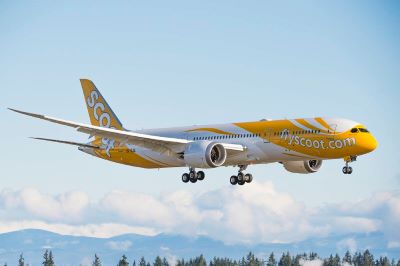
 Scoot to Launch Non-Stop Flights between Bangkok and London
 Scoot to Launch Non-Stop Flights between Bangkok and London
 Scoot to Launch Non-Stop Flights between Bangkok and London
 Scoot to Launch Non-Stop Flights between Bangkok and London
 CARS24 Revs Into Town Used car segment, the new frontier for ecommerce
 Longan-based health drink P80 Longa wins Thailand’s Premium Herbal Product award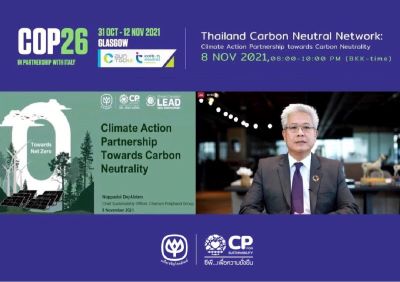
 CP Group Joins Battle To Save Planet, Promises Zero Emissions by 2030
