How countries around the world have tried to contain the coronavirus #ศาสตร์เกษตรดินปุ๋ย

#ศาสตร์เกษตรดินปุ๋ย : ขอบคุณแหล่งข้อมูล : หนังสือพิมพ์ The Nation

https://www.nationthailand.com/lifestyle/30384108?utm_source=category&utm_medium=internal_referral

How countries around the world have tried to contain the coronavirus
Mar 15. 2020
By The Washington Post · Adrian Blanco, Marisa Bellack · NATIONAL, WORLD, HEALTH
How does the coronavirus pandemic end? Governments around the world are trying to figure that out, along with what role they can play. Some countries – including China, South Korea and Japan – appear to have had some success in slowing the rate of infection. But the United States and many European nations are still seeing exponential growth in cases.

How many cases a country has confirmed reflects, in part, how many people it has tested. South Korea and Italy have conducted widespread testing; the United States and Japan have not. Certain factors may also make some societies more vulnerable than others. The virus has proved deadliest for older people, and Japan, Italy and Germany have the oldest populations in the world. Some researchers have further theorized that weather could have something to do with the spread, just as seasonal flu has a winter peak in the Northern Hemisphere. Others have suggested that population density and the degree of physical contact societies are accustomed to could affect transmission. All of that remains highly uncertain.

https://www.washingtonpost.com/video/c/embed/ea4bdf93-731f-4b4a-ad22-199ca0dc1b65

But epidemiologists say how and when governments impose containment and mitigation measures can make a difference. China, after initially denying any problem and moving to silence whistleblowers, has gone after the virus aggressively with a mandatory quarantine in Hubei province. Italy has now extended its lockdown to the entire country, restricting freedom of movement on a scale unprecedented in a democracy – but it is still playing catch-up, trying to control a virus that spread in the country for weeks before anyone noticed. Other nations are beginning to promote social distancing, while assessing how much economic fallout, curtailment of civil liberties and disruption of routine their populations will tolerate.

– – –

Measures taken by countries experiencing outbreaks

– – –

114.84 cases per 100,000 people in Hubei province; 5.81 cases per 100,000 people in all of China

The first inkling of serious trouble came on Jan. 8, when Chinese authorities and the World Health Organization revealed that scientists in China had discovered a new strain of coronavirus responsible for a mysterious surge of pneumonia cases. The timing could not have been worse, coming just as millions of Chinese citizens were preparing to travel for the Lunar New Year holiday.

Authorities soon began taking temperature checks at airports and tracing contacts between infected individuals and others in the community. It was already too late. Wuhan, an industrial city where an exotic animal market is believed to have been the source of the virus, became the epicenter of the outbreak and soon found its nearly 12 million residents under a mandatory quarantine. On Jan. 23, that lockdown was extended throughout Hubei province, home to Wuhan, trapping roughly 50 million people in their homes. The lockdown continues today.

Most means of transportation, including bus and train travel, have also been shut down in Hubei province; international travel to and from China largely remains off limits. President Xi Jinping has been criticized for refusing to give international medical experts access to its findings and processes.

His government has also been pilloried for relying on draconian measures, including silencing and punishing a young doctor and whistleblower who alerted a small group of friends and family about the coronavirus’s existence. That doctor, Li Wenliang, died in early February after contracting the virus. He was 34.

Although China continues to lead the world in the number of confirmed cases (about 81,000) and deaths (nearly 3,100), it has recently begun to slow the rate of infections.

– – –

Japan

0.50 cases per 100,000 people

Most of Japan’s initial cases had a directly traceable link back to China. The first documented case was that of a Chinese man in his 30s, living outside Tokyo, who had just returned from visiting Wuhan. He was hospitalized with a fever on Jan. 3, but discharged after five days, only to test positive for coronavirus on Jan. 15. Japan imposed its first travel restrictions 2½ weeks later, on Feb. 1, with a ban on travelers from Hubei province in China. Restrictions were gradually expanded to cover visitors from parts of South Korea, Iran and Italy. Nevertheless, clusters of infections began to emerge around the country.

On Feb. 3, the Diamond Princess cruise ship docked in the port of Yokohama. With a former passenger having contracted the virus, the boat was soon placed under quarantine. For the next two weeks, the fate of its 3,711 passengers and crew transfixed the world. In the end, about 700 people contracted the virus and seven died.

Onshore, a key moment came in mid-February, when several infections in the eastern prefecture of Wakayama could not be traced back to China. Experts said they believed an invisible chain of transmission had begun.

Japan has continued to focus on identifying clusters and tracing contacts, rather than widespread testing. Prime Minister Shinzo Abe recommended on Feb. 26 that organizers should cancel, scale back or postpone large events, and on Feb. 27, he recommended that schools across the country close until the end of spring break, in early April. Although some companies are allowing employees to work from home, commuter trains are still fairly crowded. So far, Japan has conducted more than 22,000 tests, with 725 positive cases and 21 deaths as of March 14, not including the people who contracted the virus on the Diamond Princess.

– – –

South Korea

15.23 cases per 100,000 people

South Korea began conducting one-on-one temperature checks on visitors from Wuhan, China, as early as Jan. 8, and it identified its first coronavirus case on Jan. 20, in a woman who had flown from Wuhan and was isolated upon entry after displaying a fever. For a time, the temperature checks appeared to help prevent a wider outbreak, with only 30 new cases of the virus reported in the weeks after that first confirmed infection. President Moon Jae-in said on Feb. 13 that the virus would “disappear before long” and urged citizens to resume regular economic activities.

However, after a 61-year-old woman was diagnosed with the virus on Feb. 18 in Daegu, the southern city saw an exponential growth in infections. Most were traced to a local branch of Shincheonji church she attended, and health authorities ordered coronavirus tests on more than 200,000 members of the church nationwide.

South Korea has done the biggest number of covid-19 tests per capita, with more than 10,000 people tested daily over the past few weeks. People can even submit test samples at drive-through centers. Health authorities conduct robust contact tracing on all confirmed patients, then test identified contacts. Most controversially, the South Korean government is publishing the movements of people before they were diagnosed with the virus – retracing their steps using tools such as GPS phone tracking.

The government has dismissed the idea of lockdowns. People can still travel in and out of Daegu. Local governments across the country promote social distancing, but there is no ban on mass gatherings, only recommendations. In late February, the Seoul mayor banned mass demonstrations typically held in the city center on weekends, but many protesters crowded Seoul’s main square the following weekend anyway. The Education Ministry has postponed the start of the new school year by three weeks to March 23.

On March 13, South Korea reported more recoveries than new cases for the first time, though an emerging outbreak in Seoul threatens to undermine progress. In total, the country has confirmed more than 8,000 cases and reported 72 deaths.

– – –

France

3.40 cases per 100,000 people

France announced Europe’s first known coronavirus cases on Jan. 24, one in Bordeaux and two in Paris, all affecting people who had recently been in China. By Feb. 8, a small cluster of cases was identified among British nationals who stayed at a ski chalet in the French Alps. Almost all of the 12 people diagnosed in late January and early February recovered; an 80-year-old tourist from China’s Hubei province, died at a Paris hospital on Feb. 14, becoming Europe’s first coronavirus death.

The French government has lagged behind others on the continent with its interventions. While the streets of Rome emptied, life in Paris remained largely unchanged. On Feb. 29, after an emergency Cabinet meeting at a point when the country had 100 cases and two deaths, the French government announced a ban on gatherings of more than 5,000 people, leading to the cancellation of the Paris Book Fair. On March 3, Education Minister Jean-Michel Blanquer announced the closure of 120 schools, mostly in Brittany and the Oise region north of Paris, where clusters of community transmission were detected. “We will not paralyze the economic and social life of the country,” Health Minister Olivier Veran said in an interview published March 5.

The tone in France has shifted abruptly. On March 6, President Emmanuel Macron urged French citizens to “avoid visiting our elders as much as possible,” to protect that vulnerable population. On March 8, with nearly 1,230 confirmed cases and 19 deaths, the government revised its restrictions on public gatherings, banning events larger than 1,000 people. On March 12, Macron announced that schools and universities would close nationally starting Monday. And on March 14, with more than 3,600 cases and 79 deaths, the government moved to close all nonessential businesses, including cafes and restaurants.

– – –

Germany

2.50 cases per 100,000 people

Germany’s initial outbreak is thought to have begun with a Chinese woman who traveled to the Bavarian town of Stockdorf for a workshop at a car parts factory on Jan. 21. On Jan. 27, a German man who participated in the workshop became the country’s first confirmed case. The factory closed for two weeks and asked all employees and their family members – some of whom were diagnosed in subsequent days – to stay home.

Airline employees were asked to look out for sick passengers arriving from China as early as Jan. 24, but they did not administer temperature checks. Health Minister Jens Spahn said on Feb. 12 that checking temperatures “makes no sense,” because so many people with the virus are asymptomatic. He said flight passengers may be questioned about recent contacts.

While Germany’s first cluster could be controlled through contact tracing and isolation, by Feb. 26, the country was starting to see cases that were harder to track; Spahn created a crisis management committee and told German states to activate their pandemic plans. On March 9, with more than 1,150 cases in Germany, Spahn said events with more than 1,000 people should be canceled. But this is only a recommendation; it’s up to each German state to decide what to do. The German government has issued travel warnings but no restrictions. Some state governments have closed schools, and Berlin is reducing public transport and shuttering all bars starting Tuesday.

Germany reported its first two deaths related to the virus on March 9. Two days later, Chancellor Angela Merkel warned that coronavirus could spread to two-thirds of the country’s population before the end of the outbreak, but she did not announce new control measures. As of March 14, Germany had nearly 4,000 confirmed cases and eight deaths.

– – –

Italy

20.62 cases per 100,000 people

Italy’s first detected cases of coronavirus involved two Chinese tourists visiting Rome. The couple tested positive on Jan. 31; Italy immediately declared a six-month state of emergency and suspended flights from China. “The system of prevention put in place by Italy is the most rigorous in Europe,” Prime Minister Giuseppe Conte said.

Infectious disease specialists now believe the virus may already have begun spreading in communities in northern Italy by that point. The first identified case resulting from apparent community transmission was that of a 38-year-old man in the town of Codogno, outside Milan. He sought medical attention multiple times, starting on Feb. 14, but he wasn’t diagnosed until Feb. 21 (after he infected his wife, hospital staff, several patients and others). The next day, Feb. 22, Conte announced a lockdown affecting 50,000 people, who are prohibited from leaving hotspot towns in the Lombardy and Veneto regions without specific permission.

Italy expanded its restrictions in phases. On March 4, with more than 2,500 cases confirmed, it announced the closure of schools and universities nationally. On March 8, with nearly 5,900 cases confirmed, the government ordered a lockdown for 16 million people in the north, while also closing museums and theaters across the country. On March 9, with nearly 7,400 total cases, the lockdown was extended to the rest of the country, limiting travel abroad and across regions. On March 11, with nearly 12,500 cases, the government ramped up the lockdown even further, halting nearly all commercial activity aside from supermarkets and pharmacies.

Italy has been testing fairly widely, performing more than 50,000 swabs. That partially explains why it has identified so many cases. The country, with the world’s second-highest proportion of seniors, is also particularly vulnerable. As of March 13, Italy had recorded more than 17,600 total cases and 1,266 deaths.

– – –

United States

0.50 cases per 100,000 people

The United States identified its first coronavirus case on Jan. 21, the day after a 35-year-old man who recently returned from Wuhan, China, showed up coughing at a clinic in Washington state. A few major airports had already begun screening passengers arriving from Wuhan. Health officials began tracing his contacts right away, locating 60 people, who all tested negative, and on Jan. 31, they established mandatory quarantines for certain passengers traveling from China.

That wasn’t enough. Washington state has emerged as the pandemic’s largest foothold in the United States, with new cases confirmed every day across the country. On Feb. 6, the Centers for Disease Control and Prevention began sending out test kits, which turn out to be flawed, and weeks passed before new kits could be delivered. In that time, the virus continued to spread, and health officials were left blind. By the end of February, new cases had arrived from Italy and South Korea. “CDC and my Administration are doing a GREAT job of handling Coronavirus, including the very early closing of our borders to certain areas of the world,” President Donald Trump said on Feb. 25.

The country marked its first case of apparent community transmission in California on Feb. 28. Until late February, testing criteria remained narrow. A 56-year-old woman in Chevy Chase, Maryland, who returned in February from northern Italy and who had suffered from a cough and flu-like symptoms for 10 days, told The Washington Post that she could not get a coronavirus test at a hospital because she was not hospitalized or severely ill. The CDC approved widespread testing on March 3, but complaints about the availability of testing continued to mount.

In the first two weeks of the month, a new normal rapidly emerged, with school and universities closures, workplaces going remote, state and local governments banning large gatherings, and sports leagues suspending their seasons. By mid-March, the virus had spread to at least 11 nursing homes in the Seattle area, and facilities around the country were on lockdown. On March 10, New York Gov. Andew Cuomo declared a one-mile containment zone in the town of New Rochelle, the center of a growing outbreak in Westchester County. The National Guard was deployed to deliver food. On March 11, Trump placed travel bans on most of Europe, to the surprise of many officials there, adding to restrictions already in place on travel from China and Iran.

On March 13 – with more than 2,100 cases confirmed in nearly every state, and after the worst day for U.S. stocks since 1987 – Trump declared a national emergency and pledged to increase testing. The House passed a relief bill on March 14, dedicating tens of billions of dollars for paid sick leave, unemployment insurance, free testing and other measures. The Senate is expected to pass the legislation this coming week.

Pollution is plummeting in Italy in the wake of coronavirus, emissions data show #ศาสตร์เกษตรดินปุ๋ย

#ศาสตร์เกษตรดินปุ๋ย : ขอบคุณแหล่งข้อมูล : หนังสือพิมพ์ The Nation

https://www.nationthailand.com/lifestyle/30384090?utm_source=category&utm_medium=internal_referral

Pollution is plummeting in Italy in the wake of coronavirus, emissions data show

Mar 14. 2020
File photo of a scene in Italy by Syndication Washington Post

File photo of a scene in Italy by Syndication Washington Post
By The Washington Post · Chris Mooney, John Muyskens, Brady Dennis, Andrew Freedman

First it happened in China. Now, Italy. The coronavirus struck hard, and authorities responded with sweeping interventions to keep people from spreading the disease further. As citizens hunkered down at home, businesses and roads suddenly fell empty and silent. One startling result: a decline in air pollution and greenhouse gas emissions.

The Washington Post this week analyzed data from the European Space Agency’s Sentinel-5P satellite, which can measure concentrations of greenhouse gases and other pollutants in the lower atmosphere. It shows that between Jan. 1 and March 12, concentrations of nitrogen dioxide, or NO2, fell drastically, especially over hard-hit northern Italy.

Nitrogen dioxide is not one of the major greenhouse gases linked to climate change. But it is produced from combustion – by cars, power plants, and other industrial sources. So it serves as a proxy for other emissions that warm the atmosphere. It also is a pollutant that can increase the risk of asthma, inflammation of the lungs and other harmful health conditions. Several experts told The Washington Post that the changing concentrations probably reflect the decline of driving in particular, in a country in which more than half of cars burn diesel.

“I guess this is mostly diesel cars out of the road,” Emanuele Massetti, an expert on the economics of climate change at Georgia Tech University who has studied Italy’s climate policies, said in an email.

“I expect pollution to drop even further as the particles in the atmosphere (concentration) get either dispersed or absorbed,” he continued. “In a few days, they will enjoy the cleanest air ever in northern Italy.”

That shift is little comfort, of course, to a region in the grips of a deadly outbreak, wrestling with an overwhelmed health system and understandably focused on the crisis at hand rather than the long-term effects of climate change. At the same time, the stark changes offer yet another example of the impact humans have on the environment – and how swiftly emissions can vanish when humans drastically reduce the burning of fossil fuels.

Despite the wide use of diesel engines, Italy’s electricity sector doesn’t burn a massive amount of coal, Massetti said – rather, it is driven largely by natural gas and renewable energy.

Greenhouse gas emissions in the country also have plummeted in recent years. That’s one reason Massetti said he thinks the emissions decline mainly represents a steep decrease in the driving of diesel vehicles. The transportation sector produces more than 70 percent of all nitrogen dioxide emissions in Milan, according to a recent analysis by the European Commission’s Joint Research Center.

“This makes a lot of sense especially since it shows that the highest decrease in concentration has happened in Lombardy, where the most stringent choices were taken first,” Edoardo Marcucci, who directs the Transport Research Lab at Roma Tre University in Rome, said in an email. “I would expect that to become true for the whole country in the next few days.”

Riccardo Valentini, a professor at Italy’s University of Tuscia and director of the impacts division of the Euro-Mediterranean Center on Climate Change, said in an email that the country’s aggressive measures to contain the virus have had a profound effect on everyday life – and by extension, on emissions.

“Nobody can go out from homes unless for precise working duties and/or food purchase or health emergency,” he said. “For sure, there has been a decline of car traffic everywhere. This explains the NOx emission decline.”

He added that Italy’s troubles could potentially soon extend throughout the region and to other parts of the globe. “We are the first E.U. country to get the epidemic outbreak, but numbers are increasing in Spain, France and Germany, plus the others,” Valentini wrote, adding, “The real impact on climate policies could vary country by country depending on the size of the containment measures.”

In the United States, for example, school closures, event cancellations and work-from-home policies will mean millions of people are no longer commuting by car during rush hour, resulting in pollution declines here, too. Beyond the public health and economic crises, he said, the pandemic ultimately could trigger the most significant reduction of greenhouse gas emissions of the past century.

While the ongoing crisis has drastically slowed emissions in China, Italy and potentially elsewhere, that has offered little cause for celebration.

“It is, of course, not a good thing,” Valentini wrote. “This is not the way to reduce emissions!”

Climate advocates agree, saying the current catastrophe is not the way any reasonable person would envision the world lowering its carbon footprint. In addition, the outbreak has halted meetings to plan for public protests for climate action in the coming months, as well as the global push to get nations to commit to more ambitious emission reduction plans at a key U.N. summit scheduled for this fall.

Moreover, the drop in emissions is expected to be temporary. “This will have just a minor effect of global concentrations of CO2, unless it leads to a really long depression of the world economy,” Massetti said.

Italy has been a world leader in its reductions of greenhouse gases in recent years. Carbon dioxide emissions in the country declined by over 30 percent between 2004 and 2018. Last year, Italy announced that it planned to become the first country to make it mandatory for schoolchildren to learn about climate change and sustainable development.

Italian education minister Lorenzo Fioramonti said at the time that beginning this September, teachers in all state schools and all grades would dedicate 33 hours per year – nearly an hour per week of instruction – to issues related to climate change and environmental sustainability.

For now, however, all schools in Italy remain closed.

Coronavirus curve shows much of Europe could face Italy-like surge within weeks #ศาสตร์เกษตรดินปุ๋ย

#ศาสตร์เกษตรดินปุ๋ย : ขอบคุณแหล่งข้อมูล : หนังสือพิมพ์ The Nation

https://www.nationthailand.com/lifestyle/30384080?utm_source=category&utm_medium=internal_referral

Coronavirus curve shows much of Europe could face Italy-like surge within weeks

Mar 14. 2020
Photo by: The Washington Post — The Washington Post

Photo by: The Washington Post — The Washington Post
By The Washington Post · Loveday Morris, William Booth · WORLD, HEALTH, EUROPE 

BERLIN – Some of the world’s top experts tracking the spread of the coronavirus predict that in a matter of weeks much of Europe could be facing a surge in cases similar to the one that has locked down Italy, overwhelmed its hospitals in the north and brought the country of 60 million to a standstill.

Mathematical models developed by epidemiologists to track the virus show a sharp trajectory of infections in Spain, Germany, France and Britain. Spain, which declared a state of emergency Friday, showed particularly concerning exponential growth, experts said.

The U.S. has a similar number of coronavirus cases as Italy had 11 days ago, on Feb. 27 Photo by: The Washington Post — The Washington Post

The U.S. has a similar number of coronavirus cases as Italy had 11 days ago, on Feb. 27 Photo by: The Washington Post — The Washington Post

The modelers in Europe say a similar arc is likely in the United States, but anticipating the spread is made more difficult by the lack of widespread testing. U.S. officials are working with 50 academic modeling groups, but no forecasts have been released by the Centers for Disease Control and Prevention or the White House coronavirus task force. One model, for the American Hospital Association, projects a worst-case scenario of hundreds of thousands of deaths.

“Italy is about two weeks ahead of Britain and the rest of Europe,” said Francois Balloux, director of the Genetics Institute at University College London.


Observations by epidemiologists show that if unchecked, the number of infections double approximately every five days, with infected individuals, on average, capable of passing the virus on to an average of about 2.5 people.

“What we are seeing is not rocket science,” Balloux said. “You have two cases, then four, then eight, then 16.”

Epidemiologists say that decisive action is required to change the rate of infection and “flatten the curve.” That reality appeared to sink in for some political leaders in the United States and Europe this week, as countries closed schools, encouraged working from home, banned large gatherings and imposed new travel restrictions. French Health Ministry Director General Jérôme Salomon said France must prepare itself for “the Italian scenario.”

Still, some experts worry that governments aren’t doing enough to reduce rates of transmission so cases don’t soar exponentially and overwhelm health systems. A lack of urgency in previous weeks may have wasted valuable time, they say.

On Friday, the director-general of the World Health Organization, Tedros Adhanom Ghebreyesus, said, “Europe has now become the epicenter of the pandemic, with more reported cases and deaths than the rest of the world combined, apart from China.”

Irish doctors on Friday warned in a letter to the British Medical Journal that the country is “exactly 14 days behind Italy.” They said only stringent measures could head off a medical crisis like Italy’s and produce a more manageable outbreak like South Korea’s.

At the beginning of an outbreak, experts say viral spread can be contained by isolating individuals and tracing those in contact. But when cases begin to emerge where the infection source is unknown, as they have in parts of Europe and the United States, mass behavioral changes and social distancing appear to be the better strategy.

Italy is one country that has had to accept quickly the need for drastic action. Just three weeks ago, it did not have much of a coronavirus problem. Now it has had more than 15,000 confirmed cases. Prime Minister Giuseppe Conte extended a lockdown on a handful of small villages to wide swaths across northern Italy on Sunday morning and then to the entire country Monday night. On Wednesday, he went even further, with the announcement of a shutdown of most commercial activity.

Italy may have been particularly hard hit in part because the virus spread in the community for several weeks unchecked, and the government has had to play catch-up.

Dirk Brockmann, a professor at the Humboldt University in Berlin who does infectious-disease modeling for Germany’s Robert Koch Institute, the federal agency tasked with disease control, said looking at the number of confirmed cases at a particular moment can be misleading – if people think it is just a few thousand cases here and there.

“It’s almost like taking a still picture of cars on a highway, it doesn’t tell you anything,” he said. “It’s about how the numbers change.”

The current snapshot may be as much as two weeks old, given the time it may take for the virus to cause symptoms and for patients to be tested and diagnosed.

Britain’s chief science adviser, Patrick Vallance, said Thursday that the United Kingdom had 600 confirmed cases, which he said means that 5,000 to 10,000 people there probably are infected.

If the virus continues to infect people at its current rate, which is not a certainty, a European country such as Spain, with 3,000 cases, could see 250,000 infected individuals in about a month, based on doubling times of five days.

“Those are the numbers that epidemiologists are expecting,” said Roy Anderson, professor of infectious disease at Imperial College London.

“I think it’s highly likely we all go the way of Italy” in the coming weeks, he said.

Whether the caseloads explode will depend in part on public health controls, decisions by governments and businesses, and individual actions, the disease modelers say.


Many people were taken aback when Chancellor Angela Merkel on Wednesday warned that 60 to 70 percent of Germany’s population of 83 million could contract the disease.

But infectious-disease specialists say that’s quite possible.

“If governments do nothing, or do things that are not effective, and the population does nothing, then you certainly could see 60 percent of a population infected,” Anderson said.

Some European countries appear to be “renouncing efforts to contain the epidemic,” said Giovanni Rezza, director of the Infectious Disease Department at the Italian National Institutes of Health.

“We are applying very tough measures” in Italy, he said. “But in other countries where the incidents of the disease are increasing, it’s like they are not looking at Lombardy,” he added, referring to the Italy’s worst-hit region.

“For the other countries around us, we should be a lesson. They know the virus is there, so they should act more promptly,” Rezza said.

For the United States, Rezza said, there was still a “window of opportunity” to try to contain the virus, given the large geographical area and isolated outbreaks.


Infectious-disease specialists say it is possible the case numbers in the Northern Hemisphere will soar in March, and then begin to go down if the coronavirus proves to be seasonal, like common flu, which produces less infection in the warmer summer months.

The British government, especially, appears to be hoping the infection rate drops in April and May, but so far there is no evidence to support the optimism.

In northern Italy, where the wards are running out of beds for all the coronavirus patients, doctors report they are battling out-of-control transmission.

Earlier, a group of Italian doctors sent out an appeal to their colleagues working in intensive care units in Europe.

“Get ready,” they wrote.

Angelo Pan, head of infectious diseases at a hard-hit hospital in Corona, Italy, warned that without effective containment measures, a similar scenario could be ahead for France, Germany and possibly the United States.

“It’s just a matter of time,” he said. “I think we are just maybe 10 days ahead.”

Benjamin Maier, who is Brockmann’s research partner at Robert Koch Institute, has plotted the infection curves of countries in Europe and Asia that have seen outbreaks.

Spain is showing galloping exponential growth, he said, while Britain, Germany and France are still on a steep trajectory.

“You can see that many countries will follow Italy’s example if they don’t follow strict and stricter measures,” Maier said.

Those measures can have a significant impact on how many cases develop. Brockmann and Maier examined the epidemiological curves of the outbreak in China. Although Hubei province initially had an exponential growth rate, the government’s massive containment effort, involving mandatory behavior changes, managed to slow the rate of infection.

South Korea, which has carried out widespread testing, has identified nearly 8,000 cases, but the numbers of new infections are tapering off. Singapore, Malaysia and Japan also have seen flatter growth.

For those countries facing steep increases in coming weeks, all is not lost, said Alexander Kekulé, a German virologist who heads the institute of medical microbiology at the University of Halle.

Acting in advance, rather than in reaction to numbers that lag behind the picture on the ground by weeks, he said, can make a huge difference.

“This really decides if you win the battle, or you lose it,” he added. For weeks, Kekulé has publicly urged Germany to act more swiftly with measures to ban mass events, close schools and test everyone who has flu-like symptoms.

But China’s swift and drastic action is more of a challenge in Western democracies.

Politicians in Europe have been slow to make proactive decisions that could be lifesaving until the danger has sunk in for the public, said Kekulé, meaning they are reacting, rather than getting ahead of the curve.

The fact that German Health Minister Jens Spahn recommended events with more than 1,000 people be stopped on the same day that the first German national died was no coincidence, he said.

“It’s always the problem of a Democratic system; you have to explain yourself to your voters on why this measure has to be taken,” he said. “You have to wait until it’s hurting.”

Trump had photo taken with infected Brazilian official but does not plan to get tested for coronavirus #ศาสตร์เกษตรดินปุ๋ย

#ศาสตร์เกษตรดินปุ๋ย : ขอบคุณแหล่งข้อมูล : หนังสือพิมพ์ The Nation

https://www.nationthailand.com/lifestyle/30383981?utm_source=category&utm_medium=internal_referral

Trump had photo taken with infected Brazilian official but does not plan to get tested for coronavirus

Mar 13. 2020
By The Washington Post · Anne Gearan, Josh Dawsey, Terrence McCoy · NATIONAL, WORLD, HEALTH

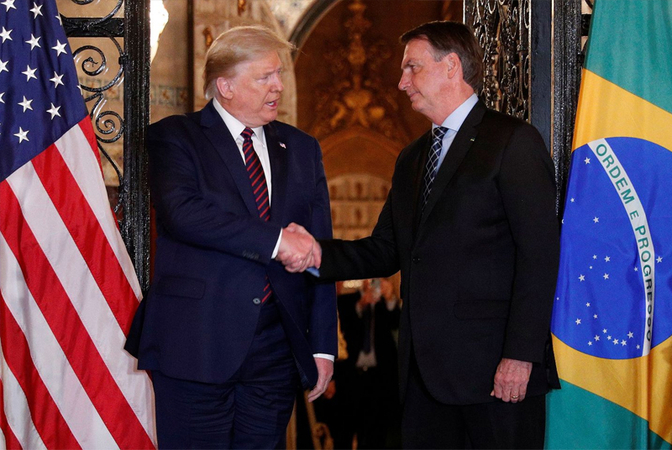
A senior Brazilian official who dined and was photographed with President Donald Trump and Vice President Mike Pence last weekend in Florida is infected with the coronavirus, marking the closest known contact between Trump and someone carrying the highly communicable illness that has shuttered many aspects of daily life across the globe and cratered financial markets.

Fabio Wajngarten, communications secretary for Brazilian President Jair Bolsonaro, posed for a photograph with Trump and Pence at a dinner for Bolsonaro at Mar-a-Lago, the president’s private club in Palm Beach, on Saturday.

Prominent members of the Trump administration and Trump family members also attended either the dinner or a party the same night in honor of former Fox News host Kimberly Guilfoyle, who is dating Donald Trump Jr.

Trump’s contact with Wajngarten is the latest example of a potential coronavirus close call for the president, who says he is following at least some of his administration’s advice about preventing the spread of the disease but also continues to play down the threat of a potentially deadly illness.

“Let’s put it this way: I’m not concerned,” Trump said Thursday as news broke that Wajngarten had fallen ill and tested positive for the virus after returning to Brazil.

Bolsonaro underwent testing and is awaiting results. Trump is not being tested and brushed off the risk Thursday.

“Yeah, I did hear something about that. We had dinner together in Florida in – at Mar-a-Lago, with the entire delegation,” Trump said. “I don’t know if the press aide was there. If he was there, he was there.”

“But we did nothing very unusual. We sat next to each other for a period of time, had a great conversation. He’s doing a terrific job in Brazil,” Trump said, referring to Bolsonaro. “And we’ll find out what happens. I guess they’re being tested right now, right?”

Trump did not seem to remember Wajngarten well, but a photo the aide posted on social media shows him standing shoulder to shoulder with Trump, with Pence on the president’s other side.

The interaction follows several instances in which Trump has spent time with members of Congress and others who had been in contact with an attendee at the Conservative Political Action Conference in late February who tested positive for the coronavirus after the conference ended. But word of the infection did not come until after Reps. Douglas Collins, R-Ga., and Matt Gaetz, R-Fla., had spent time with Trump.

Both congressmen opted to self-quarantine until it was clear they were not infected. Sen. Lindsey Graham, R-S.C., announced Thursday that he is doing the same “as a precautionary measure” after attending the Mar-a-Lago dinner. Like many Americans, Graham will be working from home.

Sen. Rick Scott, R-Fla., another dinner guest, announced a self-quarantine Thursday because of attendance at Mar-a-Lago, as did the mayors of Miami and Miami-Dade County.

No such announcements of quarantines or testing came on behalf of anyone at the White House – though Trump advisers Jared Kushner and Ivanka Trump, acting director of national intelligence Richard Grenell, national security adviser Robert O’Brien and others close to the president attended the dinner.

Donors who saw Trump in small settings this past weekend in Florida were asked when they last left the country and whether they’d had any flu-like symptoms but were not asked to undergo any additional screening, said people familiar with the arrangements who spoke on the condition of anonymity to discuss the sensitive issue. Trump attended at least four fundraisers over the weekend, some with dozens of attendees.

On Saturday, Trump interacted with a much larger group of people, including many who had not been asked screening questions. After dinner with the visiting Brazilian delegation, Trump went into the ballroom at Mar-a-Lago and stood amid the crowd and gave a toast to Guilfoyle.

He was seen shaking dozens of hands throughout the packed club, attendees said.

One person who was present said there is no way to know whether fellow guests were sick.

“You don’t get a health screening at Mar-a-Lago obviously,” this person said, speaking on the condition of anonymity to discuss private events at the club.

White House officials have sought to limit foreign leader contact at the White House going forward, according to a senior administration official.

Sitting alongside visiting Irish prime minister Leo Varadkar at the White House on Thursday, Trump acknowledged that he has adjusted his routine a bit.

“Well, we didn’t shake hands today. And we looked at each other. We said, ‘What are we going to do?’ You know, it’s sort of a weird feeling,” Trump said to laughter.

Varadkar said that the two leaders had opted for clasping their own hands together in front of their chests. He demonstrated, with a small tilt of the head.

Trump noted that in other cultures, in places such as India and Japan, people do not routinely shake hands, virus or no virus, and he seemed to approve.

“They were ahead of the curve, OK?” Trump said.

“It’s a very strange feeling,” he said. “You know, I was never a big hand-shaker, as you probably heard. But once you become a politician, shaking hands is very normal.”

Trump has described himself as a germaphobe, but since entering politics he has made peace with the rope line and the rally. Trump’s rallies often place thousands of people in close quarters for hours, something the president acknowledged Thursday he is reconsidering because of the virus risk.

But his motivation to continue with public events and to resist getting tested may be rooted in his aversion to any sign of weakness. People close to Trump described him as uninterested in being tested. He has told at least two advisers that if he gets sick, he will get tested.

A former aide said Trump never wanted to be viewed as sick, because he saw it as being weak. So even when Trump would come down with a cough or lose his voice, he would try to keep a strong public face – or staffers would come up with other reasons to move events. The former aide spoke on the condition of anonymity to describe Trump’s behavior.

Sounding somewhat dejected Thursday, Trump said he is unlikely to hold big rallies for a while. He has canceled events this weekend in Nevada and Colorado and said a previously unannounced event in Tampa is unlikely to go forward.

The Secret Service has not advised Trump to stay close to home, he said.

“They have not, but it’s common sense,” Trump said. “You know, a lot of it is – and what I say is: Use common sense, like washing your hands and, you know, certain things. Keep a little bit of distance away.”

But still, no test, according to White House press secretary Stephanie Grisham.

“Exposures from the case are being assessed, which will dictate next steps,” she said in a statement Thursday. “Both the President and Vice President had almost no interactions with the individual who tested positive and do not require being tested at this time.”

She added that under guidelines from the Centers for Disease Control and Prevention, “there is currently no indication to test patients without symptoms, and only people with prolonged close exposure to confirmed positive cases should self-quarantine.”

Meanwhile, test results for Bolsonaro, who sat next to Trump at dinner, were expected Friday.

“The medical service of the presidency of the Republic has adopted and is adopting all of the necessary preventive measures to preserve the health of the President of the Republic and the entire presidential committee that accompanied him in the recent official trip to the United States,” the presidential press office said in a statement.

Coronavirus can live in patients for five weeks after contagion #ศาสตร์เกษตรดินปุ๋ย

#ศาสตร์เกษตรดินปุ๋ย : ขอบคุณแหล่งข้อมูล : หนังสือพิมพ์ The Nation

https://www.nationthailand.com/lifestyle/30383957?utm_source=category&utm_medium=internal_referral

Coronavirus can live in patients for five weeks after contagion

Mar 12. 2020
File photo

File photo
By Syndication Washington Post, Bloomberg · Claire Che · HEALTH 

Patients with the new coronavirus keep the pathogen in their respiratory tract for as long as 37 days, a new study found, suggesting they could remain infectious for many weeks.

In yet another sign of how difficult the pandemic may be to contain, doctors in China detected the virus’ RNA in respiratory samples from survivors for a median of 20 days after they became infected, they wrote in an article published in the Lancet medical journal.

The new coronavirus has spread to 118 countries and infected about 125,000 people since first emerging in Wuhan, China, at the end of last year, evading drastic efforts by local authorities and subsequent containment attempts in other nations.

The findings have “important implications for both patient isolation decision-making and guidance around the length of antiviral treatment,” Fei Zhou from the Chinese Academy of Medical Sciences and the other authors wrote.

Currently, the recommended isolation period after exposure is 14 days to avoid spreading the virus. But if people remain contagious long after their symptoms have vanished, they may unwittingly propagate the pathogen after they return from quarantine.

By comparison, only a third of patients with SARS still harbored the virus in their respiratory tract after as long as four weeks, the Chinese scientists said. They studied the medical records and laboratory data from 191 Covid-19 patients treated at Jinyintan Hospital and Wuhan Pulmonary Hospital, including 54 who died from the infection.

The best hope for coronavirus treatment is an experimental drug that fizzled against Ebola #ศาสตร์เกษตรดินปุ๋ย

#ศาสตร์เกษตรดินปุ๋ย : ขอบคุณแหล่งข้อมูล : หนังสือพิมพ์ The Nation

https://www.nationthailand.com/lifestyle/30383889?utm_source=category&utm_medium=internal_referral

The best hope for coronavirus treatment is an experimental drug that fizzled against Ebola

Mar 11. 2020
File photo

File photo
By The Washington Post · Christopher Rowland · BUSINESS, HEALTH, SCIENCE-ENVIRONMENT, US-GLOBAL-MARKETS

Medical researchers spent much of the past year trying to save Ebola victims in Congo using a clutch of experimental drugs. Of the four medications being tested, researchers said, one demonstrated especially poor ability to save patients from the deadly virus.

The drug, called remdesivir, had blocked the Ebola virus in laboratories and in animal experiments. But it did such a bad job extending survival in humans compared to two of the other treatments that researchers decided in August not to try it on any more patients.

Now the drug, created by pharmaceutical giant Gilead Sciences, is being tested in new clinical trials, and global health authorities deem it the most promising of possible treatments for people who are severely ill with the novel coronavirus, which causes the covid-19 disease. Because it is a “broad spectrum” drug that has been effective against multiple viral targets in the lab and in animals, the strategy could work, experts said.

The drug’s journey – from failing to prolong the lives of Ebola patients in sub-Saharan Africa just last year to being rushed into coronavirus clinical trials in China and the United States this year – symbolizes a dire lack of antiviral drugs that can fight emerging infectious threats.

As the outbreak spreads worldwide, a vaccine to prevent infection remains at least a year away. Meanwhile, there is no approved treatment to stop the virus once someone is infected, and the severe and sometimes fatal respiratory distress that afflicts a minority of patients.

The hope is that remdesivir will show better results with the coronavirus than it did with Ebola, which is from a different viral family, officials said. The first trial results could be available in April.

Gilead, the National Institutes of Health and Chinese health authorities are racing to test it on hundreds of people in controlled clinical trials, including a patient who was quarantined in Nebraska after being removed from the Diamond Princess cruise ship. Axios reported this month that Gilead acted so quickly that it did not even wait for required approval by the Food and Drug Administration before it shipped doses to China. Asked to respond, Gilead said it thinks its “limited shipments” were made in compliance with U.S. law.

“I just hope remdesivir works, because we really need a therapeutic that can intervene in this crisis,” said Richard Whitley, director of an NIH-funded research effort involving the world’s most dangerous viruses.

Gilead did not respond directly about the drug’s failure in the Ebola trial. “Covid-19 is a coronavirus that is unrelated to Ebola virus,” the company said. “Covid-19 is associated with different symptoms, pathology, and a different course of disease.”

Invented by Gilead about a decade ago, remdesivir has been proven to stop certain viruses from replicating in lab experiments and in animals. It has been researched in academic labs in North Carolina and Tennessee with backing from federal taxpayers since 2014, as part of a $37.5 million effort by NIH to find treatments for infectious diseases.

Until Monday, when it fell in a brutal market rout, Gilead’s stock price had defied the overall market decline of recent weeks, rising almost 20 percent from Feb. 21 to March 6, on hopes that the drug could provide the first treatment for covid-19.

The lack of treatment helps explain why. The stock price increased 5% on Feb. 24 alone when a top official of the World Health Organization pinned much of the world’s hopes for a treatment on the drug.

“There is only one drug right now that we think may have real efficacy, and that’s remdesivir,” said Bruce Aylward, WHO’s assistant director general. Ten days later, RBC Capital Markets gave it only a 50 percent chance of succeeding as a treatment.

The mixed signals have done little to dampen interest. There have been desperate pleas for supplies to treat patients on a “compassionate use” basis.

Although Gilead leads the pack on treatments, large drug companies such as Merck, Johnson & Johnson and Sanofi, as well as lesser-known companies Regeneron and Moderna, are pursuing coronavirus vaccines and medications, and executives estimate that at least 40 small biotech companies are developing drugs to fight it.

Every time there is a new virus, “we get started, but we don’t cross the finish line,” Julie Gerberding, a former director of the Centers for Disease Control and Prevention who is now the executive vice president and chief patient officer at Merck, said at a news briefing in Washington last week. This time, she said, industry is committed to pushing a vaccine to cross the line for regulatory approval.

“If we don’t cross it, it will be because it’s scientifically hard,” she said, “not because of the will or the investment.”

But drug companies also have been accused of not pursuing vaccines and antiviral treatments aggressively because the commercial markets for such drugs are weak.

The potential patient pool for clinical trials dries up once a new infectious outbreak subsides, so investment can be frozen in partly completed projects. And the pool of medical customers for a drug can be short-lived, if a seasonal epidemic quickly disappears, offering little chance to recoup an investment of what could be hundreds of millions of dollars.

Vaccine and treatment development tailed off after outbreaks of the earlier coronavirus cousins, severe acute respiratory syndrome (SARS) and Middle East respiratory syndrome (MERS). The drug industry’s lobbying arm, the Pharmaceutical Research and Manufacturers of America (PhRMA), said that at least half of its members have mobilized in various ways to fight the new coronavirus in recent weeks.

“We need to encourage as many shots on goal as possible,” Stephen J. Ubl, PhRMA’s chief executive officer, told reporters.

Government efforts to spur development have produced sporadic progress. In the nearly 20 years since the SARS outbreak, the National Institutes of Health has spent nearly $700 million on research and development efforts around coronavirus, according to a survey by the advocacy group Public Citizen, which criticized the pharmaceutical industry for a “lack of interest that has left us lagging behind.”

Every epidemic presents uncertainty for drug companies, said Amesh Adalja, a senior scholar for the Center for Health Security at Johns Hopkins University.

“You never know how long it’s going to last. You never know what the market size is going to be,” he said. “Every conversation about price is when you’re in the middle of an emergency.”

Given the large degree of public financial support, debates are already flaring about how much Gilead should charge for its treatment if it ever makes it to market.

Congress and President Trump authorized up to $3 billion last week for efforts by academic researchers and drug companies to develop vaccines and treatments for coronavirus, part of an $8.3 billion emergency spending bill. The industry successfully opposed efforts by some House Democrats to attach guarantees for affordable prices for vaccines or treatments that result.

Gilead said it is too soon to discuss potential markets, in written responses to The Washington Post.

“We are focused on the potential clinical value that remdesivir may bring to patients and doing our part to respond to the coronavirus outbreak,” the company said.

Earlier testing of remdesivir has been performed by a partnership of university academics and the National Institutes of Health called the Antiviral Drug Discovery and Development Center, coordinated by the University of Alabama at Birmingham. It is focused on finding treatments for the family of coronaviruses, as well as Ebola, Zika, dengue and chikungunya.

Gilead said it donates free drug samples for the government-funded research of remdesivir and helps design scientific studies and clinical trials. Whitley, an infectious-disease expert who leads the drug development center in Alabama, credited Gilead for staying focused on fighting viral infections despite the poor market incentives.

“Drug companies don’t have an interest in emerging infectious diseases,” he said.

The public should not be excessively discouraged by the negative Ebola results last year, Whitley added. The trial in rural areas of Congo, a conflict zone with rudimentary conditions, was complicated by the fact that remdesivir’s correct dosage was unknown, he said. Also, it required a cumbersome daily IV administration, after being reconstituted from a freeze-dried form used for shipping in the uncontrolled climate conditions.

The drug has not been studied in human trials for SARS or MERS, because there are not enough patients, Gilead said.

“The number of clinical MERS infections was limited, with almost exclusive localization in the Kingdom of Saudi Arabia, and there were no SARS infections,” the company said.

In the new coronavirus outbreak, it said, it is reviewing individual requests from physicians to provide the drug on a “compassionate use” basis but only to patients who are hospitalized and showing “significant clinical manifestations.”

Coronavirus: This is the way we wash our hands, wash our hands, wash our hands… #ศาสตร์เกษตรดินปุ๋ย

#ศาสตร์เกษตรดินปุ๋ย : ขอบคุณแหล่งข้อมูล : หนังสือพิมพ์ The Nation

https://www.nationthailand.com/lifestyle/30383803?utm_source=category&utm_medium=internal_referral

Coronavirus: This is the way we wash our hands, wash our hands, wash our hands…

Mar 10. 2020
By The Washington Post · Amy Joyce · FEATURES, PARENTING 

We have by now all heard the best way to prevent catching the coronavirus is by making sure to properly wash hands. Easy, right?

Well, for small children, and their parents, handwashing is not exactly the easiest task. It has to be taught. It’s especially important now, of course, because even though children don’t seem to be getting hit hard by this virus yet, they are major germ carriers. So teaching them to wash their hands helps not only them but everyone who comes in contact with them.

“A lot of us don’t think about it,” says Elizabeth Meade, a pediatrician and national spokeswoman for the American Academy of Pediatrics based in Seattle. It’s so second nature to so many of us, parents often forget it’s a skill they need to teach. “The most important thing is to start early with kids, when they’re toddlers,” Meade says.

So how do we teach these amazingly wonderful and absolutely germ-filled little people how (and why) to wash their hands regularly? We make it fun, and let them know this is a regular part of our lives: Look! Parents do it too!

It’s important to “make it a habit, a standard,” Meade says. Explain that we always wash before we eat, after using the bathroom and after playing with animals, for example.

It’s not easy to get those little uncoordinated hands to scrub all those germs away (coronavirus and others). The best thing to use is warm water, which has been proven to kill germs more than cold. Soap up, and sing either “Happy Birthday” or “Row, Row, Row Your Boat” for 20 seconds, at least, while rubbing your hands together, covering every surface with suds. You can even make a game out of it, she suggests, to see who can get the most soap bubbles on their hands and between their fingers.

Using fun soap, such as those with characters on them, or even soaps that change color when used long enough, will help encourage kids. “We want to teach them to wash all parts of their hands,” Meade says. (I remember watching my son put soap on his palm, rinse it off, then proclaim “Done!” when he was small.) Washing all parts of their hands means the fronts, the backs, between the fingers, their nails and even their wrists.

The other very important thing is to not make this seem like a chore. Have fun, sing along, talk to them, Meade says, about being “germ-busting superheroes” and explain that’s how they can save the world.

Sometimes, they are so small, it’s actually uncomfortable to reach the sink and wash hands, so make sure they have a step stool so they can reach the faucets and water. Hand sanitizer also works, but the CDC recommends washing hands with soap and water above all else. Sanitizer can be used when soap and water aren’t available, but kids still have to get to all the hidden germy spots, so much of the lessons here still apply. And on that note: This is a good time to remember how many germs can live under nails, so keep them trimmed and clean, too.

Meade admits that yes, even a pediatrician like herself has to work on this at home. She has a 5-year-old stepson who is “quite reluctant to handwash.”

Time to pull out the superhero cape and your best version of “Happy Birthday.”

Fake coronavirus treatments bring warnings from federal agencies #ศาสตร์เกษตรดินปุ๋ย

#ศาสตร์เกษตรดินปุ๋ย : ขอบคุณแหล่งข้อมูล : หนังสือพิมพ์ The Nation

https://www.nationthailand.com/lifestyle/30383726?utm_source=category&utm_medium=internal_referral

Fake coronavirus treatments bring warnings from federal agencies

Mar 10. 2020
By  Syndication Washington Post, Bloomberg · Jacquie Lee · NATIONAL, BUSINESS 

Seven companies are violating federal law and putting patients at risk by falsely claiming their products, including essential oils and teas, can prevent or treat the coronavirus, the FDA and FTC said in joint warning letters released Monday.

No treatments or vaccines have been approved for Covid-19, a virus spreading across the globe that can kill vulnerable populations. As of Monday morning eleven people have died in the U.S. from the virus, according to a tally from the Centers for Disease Control and Prevention.

“There already is a high level of anxiety over the potential spread of coronavirus,” Federal Trade Commission Chairman Joe Simons said in a statement. “What we don’t need in this situation are companies preying on consumers by promoting products with fraudulent prevention and treatment claims.”

Simons said the agency will take enforcement actions against companies that continue to “market this type of scam.” Enforcement could mean demanding financial relief for customers or imposing civil penalties on the companies.

The Food and Drug Administration is especially concerned patients will delay or stop getting treatment for the virus because of false promises made by the companies. The agencies sent letters to N-Ergetics, GuruNanda LLC, Herbal Amy LLC, the Jim Bakker Show, Quinessence Aromatherapy, Vital Silver, and Vivify Holistic Clinic.

THB sets up new facility for Covid-19 cases #ศาสตร์เกษตรดินปุ๋ย

#ศาสตร์เกษตรดินปุ๋ย : ขอบคุณแหล่งข้อมูล : หนังสือพิมพ์ The Nation

https://www.nationthailand.com/lifestyle/30383695?utm_source=category&utm_medium=internal_referral

THB sets up new facility for Covid-19 cases

Mar 09. 2020
Inside Triage building

Inside Triage building
By The Nation

Thonburi Bamrungmuang Hospital in collaboration with the Department of Disease Control recently organised a seminar on Coronavirus (Covid-19) Prevention.

Thonburi Bamrungmuang Hospital has opened a new facility for Covid-19 cases, led by a multidisciplinary medical team.

In view of the virus outbreak causing widespread concerns among the general public and foreigners residing in Thailand, Thonburi Bamrungmuang Hospital (THB), a personalised healthcare centre with advanced technology, hosted the seminar “International Practice Guideline for the Prevention of Coronavirus Disease (COVID-19)” to create awareness and advise preventive measures in tackling spread of the virus.

Dr Boon Vanasin (left) and Dr Jurai Wongsawat (right)

Dr Boon Vanasin (left) and Dr Jurai Wongsawat (right)

Speakers featured at the seminar were two highly-experience doctors: Dr Boon Vanasin, Chairman of the Board of Directors, Thonburi Healthcare Group, and Dr Jurai Wongsawat, MD, Senior Expert in Prevention Medicine, Bamrasnaradura Infectious Diseases Institute, Department of Disease Control, Ministry of Public Health.

Dr Boon said the target customers of Thonburi Bamrungmuang Hospital include both locals and foreigners. As such, it is mandatory for the hospital to have the highest level of screening and monitoring practice. It has set up a separate facility, staffed by a team of multidisciplinary medical professionals for the diagnosis and treatment of patients suspected of contracting Covid-19.

Dr Jurai Wongsawat summarised the present situation, saying: “At the moment, the outbreak in Thailand is under control. Our public health officers have managed to keep the level of disease spreading at ‘Phase 2’ – which means the outbreak is not severe but the disease is spread easily from person to person – for more than a month since the first confirmed case was reported. To prevent the domestic outbreak from entering ‘Phase 3,’ government agencies and public health officers are working as hard as they can with help from various parties, including private organisations and the general public.

First health checkpoint before entering

First health checkpoint before entering

“Furthermore, the government and the Ministry of Public Health have implemented policies to prevent the spread of Coivid-19, both personal and national levels, such as screening measures at airports and monitoring process at medical facilities. There are also proactive measures to help prevent communal spread, particularly among people who are most at risk such as embassy workers, tourism and hospitality workers, and travellers from affected areas.

“The Ministry of Public Health has also recommended people returning from affected areas to impose self-quarantine at home for at least 14 days, in order to prevent potential transmission and closely monitor their symptoms. If they develop a fever with respiratory symptoms such as cough, sore throat or runny nose, they should seek medical attention at the hospital and provide travel history to healthcare workers immediately”.


Negative pressure room

Negative pressure room

Meanwhile, foreigners living in Thailand are urged to be vigilant and follow preventive measures to reduce the risk of infection.

Dr Boon Vanasin affirmed that Thonburi Bamrungmuang Hospital is well-prepared to serve all international customers, especially Middle Eastern and Chinese patients who have been its biggest target groups.

The new facility will ensure that every patient receives the best healthcare services in every step of the way, he added.

Trump ‘didn’t know people died from the flu.’ It killed his grandfather. #ศาสตร์เกษตรดินปุ๋ย

#ศาสตร์เกษตรดินปุ๋ย : ขอบคุณแหล่งข้อมูล : หนังสือพิมพ์ The Nation

https://www.nationthailand.com/lifestyle/30383620?utm_source=category&utm_medium=internal_referral

Trump ‘didn’t know people died from the flu.’ It killed his grandfather.

Mar 08. 2020
President Trump/ File photo by Syndication Washington Post

President Trump/ File photo by Syndication Washington Post
By The Washington Post · Gillian Brockell · NATIONAL, HEALTH 

In Atlanta on Friday, President Donald Trump talked about the number of people infected with the novel coronavirus in other countries vs. the United States. He also compared coronavirus disease with influenza.

“Over the last long period of time, you have an average of 36,000 people dying” a year, the president said, gesturing toward National Institute of Allergy and Infectious Diseases Director Anthony Fauci, who nodded confirmation.

Trump continued: “I never heard those numbers. I would’ve been shocked. I would’ve said, ‘Does anybody die from the flu? I didn’t know people died from the flu.’ . . . And again, you had a couple of years where it was over a 100,000 people died from the flu.”

The president is correct. Seasonal influenza has killed 12,000 to 61,000 people in the United States every year since 2010, according to the Centers for Disease Control and Prevention. There have been several years where more than 100,000 Americans were killed by particularly nasty influenza strains.

One of those episodes was the 1958 pandemic, which killed 116,000 in the United States.

Another was 1918.

That is the year Trump’s paternal grandfather died.

He died of the flu.

In 1918, Friedrich Trump was a successful, 49-year-old businessman, husband and father of three living in Queens, according to Gwenda Blair in her 2001 book “The Trumps: Three Generations That Built an Empire.” One day in May, he came home from a stroll feeling sick. He died almost immediately.

He was a victim of the first wave of the Spanish flu pandemic. A second, deadlier wave hit in the fall. All told, the pandemic killed at least 50 million people worldwide and 675,000 in the United States, according to the CDC.

Friedrich’s eldest son, Frederick, was only 12 when his father died, but he and his mother would pick up the family business. It would be another 28 years before Fred and his wife would have their fourth child, a boy they named Donald.

This same grandfather’s biography has come up as a sticking point before. Friedrich came to the United States at 16 from Germany and today would be classed as an “unaccompanied alien child,” experts told The Washington Post in 2018. Trump has come under fire for his administration’s treatment of unaccompanied minors and other children from Central America trying to enter the country via the southern border.

In his 20s, Friedrich Trump made his way to the Pacific Northwest, where he made his fortune opening taverns, restaurants and hotels, usually in red-light districts, in Gold Rush-era mining towns.

He also attempted a return to Germany in his 30s but was deported because he had avoided the military draft as a teenager.

The president is at least partially aware of his grandfather’s biography. As recently as February 2019, he said in a speech, “My grandfather was up in Alaska for a long time. He was looking for gold. He was searching for gold. He didn’t find it, but he started opening up little hotels for those looking for gold. And it worked out.”

At other times, he has said erroneously that his father, not his grandfather, was born in Germany. His father was born in New York.

At the same news conference Friday where Trump appeared unaware of his grandfather’s cause of death, he cited another family member – a “super-genius uncle,” his grandfather’s youngest son – as having given him the family genes to understand the science of the coronavirus outbreak.

“People are really surprised I understand this stuff,” he said. “Every one of these doctors said, ‘How do you know so much about this?’ Maybe I have a natural ability.”