How doctors treat the sickest coronavirus patients #ศาสตร์เกษตรดินปุ๋ย

#ศาสตร์เกษตรดินปุ๋ย : ขอบคุณแหล่งข้อมูล : หนังสือพิมพ์ The Nation

https://www.nationthailand.com/lifestyle/30383609?utm_source=category&utm_medium=internal_referral

How doctors treat the sickest coronavirus patients

Mar 08. 2020
File photo

File photo
By The Washington Post · William Booth · NATIONAL, WORLD, HEALTH 

It is now surely one of the most-read medical reports among caregivers in intensive care units around the world who are bracing for the novel coronavirus. The paper, published in the British medical journal the Lancet last month by a team of doctors working at the center of the outbreak, is the first study to characterize the clinical course, treatment and mortality of a group of critically ill patients infected by the new SARS-CoV-2 virus.

The report is highly valuable, say clinicians in the United States and Europe, because it details the course of the disease in critically ill patients – that small but worrisome subset who end up in ICUs. The 52 patients were treated at the Jinyintan Hospital in Wuhan, China, during the first month of the epidemic, from the end of December through January.

The authors tracked the constellation of life-threatening symptoms, what drugs patients were given to try to combat the infection’s assault on the lungs, how supplemental oxygen was administered, and the outcomes – whether patients survived or died in the ICU.

The grim conclusion: For patients infected with the novel coronavirus who became critically ill with pneumonia and entered their ICU, the doctors recorded “high” numbers of fatalities. Of the 52 people included in the sample, 32 died in the 28-day span of the study, revealing a death rate of 61 percent. Most died within seven days of being admitted to the ICU.

For comparison, mortality rates generally ranging between 30 and 40 percent are observed for patients who are sickened by ordinary seasonal flu and are fighting pneumonia and acute respiratory distress syndrome in ICUs.

Specialists outside of China applaud the treatment given by the Chinese doctors to their patients in the study, saying that similar levels of care would be found in American and European critical care units.

Like the doctors in China before them, health-care workers in South Korea and Italy are seeing their ICUs filling with critically sick patients. In Lodi, in northern Italy, one infectious-disease doctor told The Washington Post that coronavirus had hit “like a tsunami” at his hospital, where more than 100 out of 120 people admitted with the virus also developed pneumonia.

Clinicians and researchers interviewed by The Post, all of whom had read the Lancet study by Xiaobo Yang and his colleagues, said they could only imagine – reading between the lines in the dry clinical data presented in the seven-page paper – what those ICUs were like.

“They had an explosion of cases in China that overwhelmed hospitals,” said Kristina Crothers, a pulmonary and critical care medicine specialist and a professor of medicine at the University of Washington.

“Those doctors were making heroic efforts to keep their patients alive,” said James Chalmers, a clinical professor at the School of Medicine at the University of Dundee in Scotland. “They were doing everything they could.”

There are no targeted therapeutics or vaccines for the new virus – and so doctors and nurses in the ICUs are left to administer drugs and oxygen to keep the patients alive long enough for their bodies to fight the infection and repair lungs ravaged by pneumonia.

As the virus attacks the lungs, it becomes harder and harder for patients to get enough oxygen into their blood streams to support their kidneys, livers and hearts.

In the worst cases in the Wuhan ICU, the viral pneumonia led to acute respiratory distress syndrome, or ARDS, a life-threatening inflammation in the lungs.

Of the 52 patients with pneumonia, most had to be given supplemental oxygen – 37 were put on mechanical ventilators.

Recently, the WHO sent a team of international experts to China to investigate the clinical course and treatment of patients, including the seriously ill. They found that 5 percent of the novel coronavirus cases required artificial respiration, and 15 percent needed to be given highly concentrated oxygen – the kind a patient may breathe through a tube leading to the nostrils.

The WHO reported that 45 hospitals were operating in Wuhan. The experts noted that 80 percent of the people infected had only mild disease, but that the most seriously ill needed supplemental oxygen to recover – and that the recovery period was three to six weeks.

“The mass and duration of the treatments overburdened the existing health care system in Wuhan many times over,” the WHO team concluded.

A steep wave of very sick patients with pneumonia could outstrip not only available beds in ICUs but also the number of ventilators available in many countries. In the Northern Hemisphere, the outbreak of the novel coronavirus is coming on top of the winter influenza season.

The Chinese doctors gave their patients antibiotics to fight secondary infections, and antivirals, including medicines considered experimental. They also tried antibodies and steroids.

“They were losing patients left and right. They’re trying their best. They’re using every tool in the toolbox,” said Charles Dela Cruz, an associate professor of pulmonary care medicine at the Yale School of Medicine. “They’re doing the right things . . . everything that might help and not hurt.”

And they were still losing many patients.

The WHO report and the Chinese study found that those who died were older and had preexisting conditions such as cardiovascular disease, uncontrolled diabetes, high blood pressure, chronic respiratory diseases and cancer.

The Chinese report on the 52 patients did not list a cause of death for the 32 who did not make it out of the ICU.

But doctors with long experience treating serious pneumonia and ARDS assume that the Chinese caregivers saw their patients’ inflamed lungs overwhelmed by fluids, their blood pressure dropping dangerously, and their organs failing and then shutting down as they were starved of oxygen.
Researchers explore ways to capture brain signals that can then be used to restore some movement to paralyzed participants #ศาสตร์เกษตรดินปุ๋ย

#ศาสตร์เกษตรดินปุ๋ย : ขอบคุณแหล่งข้อมูล : หนังสือพิมพ์ The Nation

https://www.nationthailand.com/lifestyle/30383596?utm_source=category&utm_medium=internal_referral

Researchers explore ways to capture brain signals that can then be used to restore some movement to paralyzed participants

Mar 08. 2020
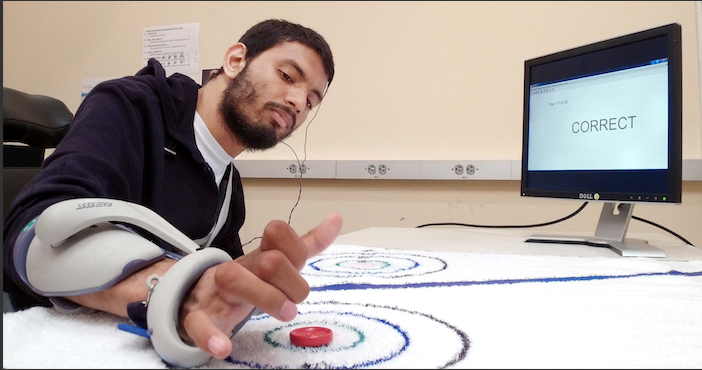
German Aldana, who has paralysis, participates in experimental trials of what are called brain-computer interfaces. Scientists are trying to read the brain cell activity connected to his thoughts about physical movement and use that to trigger actions - either from a computer cursor, a keypad or assistive devices. MUST CREDIT: Robert Camarena/University of Miami-Miami Project

German Aldana, who has paralysis, participates in experimental trials of what are called brain-computer interfaces. Scientists are trying to read the brain cell activity connected to his thoughts about physical movement and use that to trigger actions – either from a computer cursor, a keypad or assistive devices. MUST CREDIT: Robert Camarena/University of Miami-Miami Project
By Special To The Washington Post · Karen Weintraub · HEALTH

At age 16, German Aldana was riding in the back seat of a car driven by a friend when another car headed straight for them. To avoid a collision, his friend swerved and hit a concrete pole. The others weren’t seriously injured, but Aldana, unbuckled, was tossed around enough to snap his spine just below his neck. For the next five years, he could move only his neck, and his arms a little.

Right after he turned 21 and met the criteria, Aldana signed up for a research project at the University of Miami Miller School of Medicine near his home.

Researchers with the Miami Project to Cure Paralysis carefully opened Aldana’s skull and, at the surface of the brain, implanted electrodes. Then, in the lab, they trained a computer to interpret the pattern of signals from those electrodes as he imagines opening and closing his hand. The computer then transfers the signal to a prosthetic on Aldana’s forearm, which then stimulates the appropriate muscles to cause his hand to close. The entire process takes 400 milliseconds from thought to grasp.

As German Aldana thinks about opening and closing his hand, engineers

As German Aldana thinks about opening and closing his hand, engineers

A year after his surgery, Aldana can grab simple objects, like a block. He can bring a spoon to his mouth, feeding himself for the first time in six years. He can grasp a pen and scratch out some legible letters. He has begun experimenting with a treadmill that moves his limbs, allowing him to take steps forward or stop as he thinks about clenching or unclenching the fingers of his right hand.

But only in the lab. Researchers had permission to test it only in their facility, but they’re now applying for federal permission to extend their study. The hope is that by the end of this year, Aldana will be able to bring his device home – improving his ability to feed himself, open doors and restoring some measure of independence.

Aldana is one of a small number of people with paralysis nationwide participating in experimental trials of what are called brain-computer interfaces. Although people like him can no longer move their limbs at will, they still can think about moving them. Scientists are trying to read the brain cell activity connected to those thoughts and use that to trigger actions – either from a computer cursor, a keypad or assistive devices, like Aldana’s prosthetic.

Brain-computer interfaces today are about where the personal computer was in the early 1980s, said A. Bolu Ajiboye, an associate professor of biomedical engineering at Case Western Reserve University in Cleveland. In the not-too-distant future, he said, “they’re going to get exponentially better.”

Through efforts like these and others, conditions are slowly changing for the 12,000 to 13,000 people a year who suffer a spinal cord injury, said David Putrino, director of the Abilities Research Center at Mount Sinai Health System in New York.

Long told all the things they would never do again, patients, with the help of technologies like brain-computer interfaces, are now able to imagine resuming many activities, said Putrino, a physical therapist with a PhD in neuroscience.

“People are waking up to this new and wonderful world where there are all these new technologies we can use to trick the nervous system into getting a little bit more out of the body when an injury has occurred,” he said.

Researchers are exploring three different ways to capture brain signals that can then be used to restore some movement to paralyzed participants: One approach measures EEG brain waves from outside the brain; the Miami approach embeds electrodes just inside the skull; and a third places them inside the brain, close enough to pick up the activity of individual neurons.

The first approach is like listening to a concert while standing across the street from the concert hall, Ajiboye said. You might be able to hear some music, but it would be hard to discern the tune. The Miami approach – reading brain waves from under the skull – is like standing in the lobby of the theater, where you can make out the music, but not individual instruments. And the third approach is like sitting on the stage, where you can pick out the notes an instrument plays.

Each approach has its advantages and disadvantages, Ajiboye said. And all of the devices will have to be approved by the Food and Drug Administration before they can be used outside of a research setting, so they are years from being publicly available.

All three approaches share three big challenges, said Jennifer Collinger, a biomedical engineer and assistant professor at the University of Pittsburgh:

– Making the technology more robust so people can do more of the activities they want and gain more independence.

– Shrinking the systems without losing effectiveness, to make them more portable and less intrusive.

– Bringing the technology out of the lab to make it more useful and usable in everyday life.

The advantage of using a simple EEG to read brain waves from outside the body is clear: no need for brain surgery. But it’s nearly impossible to get any precision from EEG readings, Ajiboye said, so it’s unlikely to support many movements.

In May 2019, Carnegie Mellon University in Pittsburg received a $19 million federal grant to hopefully improve on this noninvasive type of brain-computer interface, using light and ultrasound, perhaps in conjunction with EEG.

Ajiboye’s own approach – similar to Miami’s – uses recording technologies with electrodes that penetrate the brain, he said. In 2017, his team showed that by implanting electrodes shallowly in the brain and inside paralyzed arm muscles, they were able to get a 53-year-old volunteer with paralysis to reach out, grasp and hold an object, feed himself and bring a cup to his face.

Miami’s innovation is that there’s no need to plug Aldana in. The brain wave reading technology in his head can “speak” remotely to a computer, meaning it should be easier to get him out of the lab and into the outside world.

The third approach, which puts the electrodes right onto the stage, to use Ajiboye’s metaphor, was pioneered at Brown University in Providence, R.I., in 2004 with a project called BrainGate. BrainGate, which has had a total of 14 volunteer participants, can read more complex thoughts than the other approaches, such as which key to type on a keyboard. In late 2018, BrainGate researchers demonstrated that they could enable people with ALS, also known as Lou Gehrig’s disease, to control a typical tablet computer simply with their thoughts.

Participants have been using BrainGate at home, but one near-term goal is to get the technology to work when a trained technician or even a caregiver isn’t around to help, said Leigh Hochberg, a professor of engineering at Brown and a neurologist at Massachusetts General Hospital in Boston, who helps lead BrainGate.

“The real hope of these technologies is that they’ll provide true independence,” said Hochberg, who also works for the Providence VA Medical Center.

Ultimately, the technology should be small enough to fit in someone’s pocket, he said, rather than requiring racks of neural signaling processing hardware.

– – –

The Miami experiment appealed to Aldana, now 23 and a sophomore at Miami Dade College majoring in computer science.

Jonathan Jagid, a neurosurgeon and associate professor at the University of Miami, has been working for about a decade on the technology now implanted just underneath Aldana’s skull.

“We truly believe this type of device is going to get somebody much more quickly to a therapeutic use rather than a laboratory use,” Jagid said, citing its versatility, longevity and that it doesn’t require Aldana to be plugged in.

Abhishek Prasad, assistant professor of biomedical engineering at the University of Miami, said the system works in near real-time, taking about 400 milliseconds for the signal being recorded in the brain to be transmitted to the computer. That compares to about 60 to 120 milliseconds for a normal person’s thought to be transmitted from the brain down the spinal cord to their muscles to cause natural movement, he said.

Right now, Prasad said, the signal processing is done by a nearby laptop, but he hopes eventually to enable the system to work with a cellphone.

Prasad and Jagid said the work could not progress without Aldana, who comes into the lab several days a week, and is a great collaborator.

Brain-computer interface research cannot involve a lot of volunteers because of the complexity of the work and risks involved with surgery, but the learning process can be intense.

At the University of Pittsburgh, for instance, Collinger said she works with research volunteers three times a week for four hours a time – roughly 600 hours of testing per year. “We’re really indebted to the people who are willing to be the early pioneers,” she said.

Hard work is a necessary part of the process of retraining the brain, said Putrino of Mount Sinai. The technology is important, he said, but “in every single case, it comes down to really awesome technology paired with intensive work on the patient’s end.”

Right after his implant surgery, Aldana said, it took a lot of concentration to control his hand movements, but now all he has to do is imagine.

“I think of squeezing and it closes and stays closed until I’m ready to let go,” he said. “It opens quickly, closes faster. It’s more accurate.”

Aldana said he decided a couple of days after his accident that “I’m going to try my hardest to get as well as I could.” Being in the trial is part of that commitment to himself – and to others like him, whom he hopes he is helping by participating in the research.

“I’m doing it for me, but also to help other people,” he said. “I saw a lot of people [with similar injuries] who were basically giving up. That wasn’t me.”

His goal is to work with researchers as a participant – and once he has his degree – as a peer, to improve brain-computer interfaces and related devices. Eventually, he thinks, they could enable people with paralysis to do nearly everything an able-bodied person can.

Aldana said he’s satisfied with the progress he and the brain-computer interface have been able to make together so far.

“It’s gotten a lot better, so I’m happy,” he said, “and I’m waiting to see what other things come our way, what more stuff we can do with it.”

Japan’s school closures offer lessons in managing family stress during coronavirus fight #ศาสตร์เกษตรดินปุ๋ย

#ศาสตร์เกษตรดินปุ๋ย : ขอบคุณแหล่งข้อมูล : หนังสือพิมพ์ The Nation

https://www.nationthailand.com/lifestyle/30383527?utm_source=category&utm_medium=internal_referral

Japan’s school closures offer lessons in managing family stress during coronavirus fight

Mar 06. 2020
Parents check in their children March 5, 2020, at Kitaurawa Elementary School in Japan's Saitama prefecture. The school lets their students use its rooms to study on their own, an alternative offered by some institutions after Japan ordered all schools closed to prevent the spread of coronavirus. MUST CREDIT: Photo for The Washington Post by Shiho Fukada

Parents check in their children March 5, 2020, at Kitaurawa Elementary School in Japan’s Saitama prefecture. The school lets their students use its rooms to study on their own, an alternative offered by some institutions after Japan ordered all schools closed to prevent the spread of coronavirus. MUST CREDIT: Photo for The Washington Post by Shiho Fukada
By The Washington Post · Simon Denyer, Akiko Kashiwagi · WORLD, ASIA-PACIFIC

TOKYO – A week after Japan closed its schools in an attempt to check the spread of coronavirus, Yuko Hashimoto is still struggling to figure out child care for her three children.

She and her husband each spent a day each working from home, but that is not a full-time option.

So on Thursday, the kids took the train across Tokyo to her mother’s house, a 90-minute journey each way. On Monday and Tuesday, Hashimoto left them lunch. The children, a 13-year-old boy, and two daughters, 11 and 9, stayed home alone.

She’s most worried about her son, whose week-long swim camp during Spring Break has already been canceled.

“He has nothing to do except play with his phone,” she said. “He plays games all the time, and that just makes me angry at him. If this goes on for a month, that’s what I stress about the most.”

This one parent’s anxiety is echoed in millions of variations in places such as Italy and Iran, where schools also have been shut to try to curb the spread of the virus. The Hashimoto family is also a potential peek into what’s ahead for many in the United States if school closures expand beyond the current few, concentrated at the moment in the Seattle area.

The U.N. cultural agency UNESCO estimated Wednesday that more than 290 million students – from prekindergarten to grade 12 – have had their education disrupted by the school closures linked to the coronavirus.

In Japan, the government of Prime Minister Shinzo Abe shuttered nearly 38,000 schools, disrupting the education of nearly 14 million children and leaving millions of working parents scrambling.

Hashimoto’s friend, Miki, works in a children’s hospital three days a week. Miki’s husband, a consultant, is working from home to look after their three children.

Miki is most worried about her 11-year-old daughter Manoka, who is studying for fiercely competitive school entry exams. Not only is school canceled, but so are her after-school cram classes: four hours a night, three days a week.

“It’s so difficult. If I’m home I can check if she is doing her homework, but my husband can’t be angry with his daughter,” said Miki, who asked that her family name not to be used for publication for reasons of privacy,

“When she starts crying or arguing, [my husband] doesn’t want to be the bad guy, and tells her just to finish what she is doing, and then have a snack or watch some TV.”

“I’m the one who has to be the bad guy,” she said, “and be angry with both of them.”

Miki said working from home has been a real eye-opener for her husband on the routines of domestic life. One discovery: The children’s rooms get messy and they need to be told to tidy up.

“At first he was quite enjoying the situation, but now he seems to be very tired,” she said. “He’s getting irritated with the kids fighting each other.”

Abe’s snap decision didn’t take only parents and schools off guard. It came as a surprise to his own education ministry and the government’s medical experts.

Hiroyuki Noda, a senior official in government agency responsible for measures against infectious diseases, acknowledged there is “no scientific evidence” on what would be most effective in curbing the spread of the new coronavirus among children.

He noted, however, there was ample evidence from around the world that fatality rates are extremely low among children – and that infection rates are also very low among the young.

That could be because children are more resistant to catching the virus, are becoming infected but not showing symptoms, or simply because relatively few children have come into contact with it.

Yet it is better, Noda noted, to be better to be safe than sorry.

“The government’s priority,” he said, “is to protect the safety of children.”

Still, with parents still commuting to work in packed subway cars, many experts are asking if mass school closures should really be the priority right now. There has been a storm of criticism of Abe’s decision.

The move has also brought its share of contradictions.

Mika’s son Kota still plays soccer and baseball with friends. Her youngest daughter Konoha goes to the park with friends, which is crowded with people. Her soccer has been canceled, but an after-school running club has restarted after parents complained their kids needed exercise.

Abe exempted kindergartens and day-care centers from the closures to provide some relief for working parents.

But Yuji Suehisa says he’s reluctant to send his 9-year-old son Haruma to his local day-care center. “It’s not that spacious,” he said, and kids could be a higher risks of illness from tumbling around together at play.

Instead, Suehisa brought his son to workthis week.

He’s lucky. His employer, Pasona, a recruitment and staffing agency, has converted a senior manager’s office into an improvised nursery, with a playmat and toys for preschoolers and space at a meeting table for Haruma to study alongside his father.

“I did some homework, played a game, read a book and studied again,” the boy said, as he practiced writing Japan’s kanji script in a schoolbook. “I’m enjoying myself, but I miss my friends.”

In the city of Saitama, north of Tokyo, the education board has left schools open as impromptu day-care centers for parents.

That created an eerie scene at Kitaurawa Elementary School: a few children wearing medical face masks, sitting at a safe distance from each other, studying by themselves in complete silence. The windows were wide open for ventilation.

The principal, Satoshi Masuko, said there are just 30 to 40 children out of a total enrollment of 703 attending this week. Parents have to bring in materials to keep the children busy. It would unfair on others, the school staff decided, if the school continued to teach.

But every so often, a teacher will suggest to a small group of children they get up and collect some books from the library, go to the television room to watch an educational program – or just stretch their legs with a stroll down the hall.

Seven-year-old Akane Karasawa insists she is “fine” with the arrangements. She loves reading books anyway. “We are trying not to get infected,” she said simply.

In Funabashi, west of Tokyo, Megumi Takahashi has had to take her 4-year-old son Kaname to a babysitter after his kindergarten closed.

She and her husband both work in elderly care centers and can’t take time off easily. Her biggest concern: how long this situation will last?

“I am worried as much about my son missing kindergarten as I am about the virus,” she said. “Children need to do exercise, play outside.”

She ponders, too, whether the government should have devoted more attention to boosting coronavirus protections for the elderly in Japan, which has the world’s largest proportion of people above 65 years old.

“I wonder if there are other things that should have been done first, rather than closing schools,” she said.

Still one online opinion poll this week showed slightly more than half of respondents supported the schools’ closure. Despite her struggle to find child care, Hashimoto is one of them.

“Our kids are our treasure,” she said. “We can’t take a risk.”

Pence’s virus tour takes him to mask-maker 3M, Washington State #ศาสตร์เกษตรดินปุ๋ย

#ศาสตร์เกษตรดินปุ๋ย : ขอบคุณแหล่งข้อมูล : หนังสือพิมพ์ The Nation

https://www.nationthailand.com/lifestyle/30383473?utm_source=category&utm_medium=internal_referral

Pence’s virus tour takes him to mask-maker 3M, Washington State

Mar 06. 2020
By Syndication Washington Post, Bloomberg · Mario Parker, Emma Kinery · NATIONAL, HEALTH 

Vice President Mike Pence is visiting surgical-mask maker 3M Co. and one of the U.S. areas hardest hit by the novel coronavirus on Thursday, as the Trump administration tries to show it has the outbreak under control.

Pence will meet 3M executives in Minneapolis to discuss ramping up mask production. From there, he’ll travel to Olympia, Washington, to meet with Gov. Jay Inslee after the state reported its 10th death from the illness.

The trip comes amid criticism that President Donald Trump’s administration has fumbled the distribution of coronavirus test kits, reinforcing uncertainty over how widely the virus has spread in the U.S. Pence, who is leading the White House coronavirus task force, has repeatedly said the risk to Americans remains low.

So far, 11 people have died from coronavirus in the U.S. The deaths have centered around a nursing home in Kirkland, Washington — near Seattle — where there are a large number of suspected patients.

Pence said Wednesday that he had no reservations about visiting Washington, and he complimented the work of Inslee, a Democrat, in dealing with the outbreak.

“I have no hesitation at all,” Pence said. “The job that Washington state has done in confronting the coronavirus infections in the Seattle area has really been inspiring.”

There may still be tensions at the meeting. Inslee ran for the Democratic nomination to challenge Trump for the White House and he has criticized the administration’s response to coronavirus, even accusing it of lying in a Feb. 27 tweet from his personal account.

In a subsequent tweet Wednesday from his official account, Inslee thanked the administration for lifting restrictions on testing, changes that he had asked for: “I appreciate the responsiveness to state requests on COVID-19.”

Trump said Feb. 29 the U.S. had about 43 million surgical masks stockpiled to protect health-care workers who handle coronavirus patients. The Department of Health and Human Services has said the U.S. will require 3.5 billion face masks if the coronavirus outbreak reaches pandemic levels.

Pence said Wednesday that 3M “is poised to literally begin manufacturing millions more masks for our healthcare workers.” He added that “there’s no need for Americans to buy masks,” which should be reserved for health-care professionals.

Stock markets have been volatile as the virus has continued to spread. The S&P 500 dropped about 2.5% on Thursday. On March 3, the Federal Reserve cut interest rates outside of a normal policy schedule — the first emergency move since the 2008 financial crisis.

In a locked-down lab, the coronavirus hunter races for answers #ศาสตร์เกษตรดินปุ๋ย

#ศาสตร์เกษตรดินปุ๋ย : ขอบคุณแหล่งข้อมูล : หนังสือพิมพ์ The Nation

https://www.nationthailand.com/lifestyle/30383419?utm_source=category&utm_medium=internal_referral

In a locked-down lab, the coronavirus hunter races for answers

Mar 05. 2020
Ralph Baric at a University of North Carolina lab. MUST CREDIT: Bloomberg photo by Christopher Janaro

Ralph Baric at a University of North Carolina lab. MUST CREDIT: Bloomberg photo by Christopher Janaro
By Syndication Washington Post, Bloomberg · Robert Langreth · NATIONAL, HEALTH, SCIENCE-ENVIRONMENT

The deadly coronavirus arrived by courier Feb. 6, delivered to a windowless, air-locked laboratory in a secret location on the University of North Carolina at Chapel Hill campus. It came sealed in two 500-microliter vials, wrapped inside plastic pouches, placed inside a third sealed plastic container, all packed with dry ice.A team of scientists — protected head-to-toe by Tyvek body suits with battery-powered respirators — opened the vials, got down to work and haven’t stopped since.

Members of an elite lab of virologists at the university’s Gillings School of Global Public Health, their mission is to come up with a drug to treat the pathogen that has already infected over 90,000 people and killed more than 3,000.

Lisa Gralinski, assistant professor on the virology team, suits up. MUST CREDIT: Bloomberg photo by Christopher Janaro

Lisa Gralinski, assistant professor on the virology team, suits up. MUST CREDIT: Bloomberg photo by Christopher Janaro

For veteran researcher and lab leader Ralph Baric, it’s the moment he has both long feared and expected. As early as the 1990s, Baric’s work was raising red flags: Coronaviruses — so named for the crown-like spikes that help them invade cells — had an extraordinarily high ability to mutate and adapt. That suggested new coronaviruses might spread into humans in the future. In one study, he showed coronaviruses that infected mice could rapidly adapt to invade hamster cells.

“It was not that difficult to evolve strains that could jump between species,” Baric says.

Almost 30 years later, that’s exactly what’s occured with the deadly new coronavirus known as SARS-CoV-2. Scientists believe it began in a cave somewhere in China, with bats flying off to spread the virus to other animals in the wild. Some of those animals eventually wound up in one of China’s open-air, or so-called wet, markets where live animals are caged in close proximity — a perfect setting for transmitting viruses to humans.

Until two months ago, Baric was little known outside academic circles. When he began his career, coronaviruses were understood as causing little more than a common cold in people. But his work has suddenly taken on new urgency with the appearance of the new coronavirus.

Baric’s 30-person team was one of the first in the U.S. to receive samples of the virus isolated from a patient in Washington by the Centers for Disease Control and Prevention. A handful of other labs are also racing to find anything that might slow the virus’ spread or ease its symptoms, the University of Maryland School of Medicine and Vanderbilt University School of Medicine among them.

Baric’s team is growing as much of the virus as it can to test possible drugs for their ability to inhibit it inside human lung cells in a test tube. This first round of testing will likely wrap up soon. If it works, scientists will test a slew of new drugs in mice that have been engineered to carry human lung receptors that the coronavirus can infect.

“Now that we have the virus, it is a lot of people working all the time,” says Lisa Gralinski, an assistant professor under Baric.

The pace is just as frenzied at the few other labs with samples. “It has been 18-to-20-hour days for the last two months,” says Matthew Frieman, a University of Maryland virologist and a Baric protégé, who was also among the first to receive the virus.

Researchers at the World Health Organization have called Gilead Sciences Inc.’s remdesivir, developed with Baric’s assistance, as the most promising agent identified so far against the new virus. Trials of the drug are underway in hard hit areas of China, and Gilead says it expects results by April.

To speed the efforts, government agencies are redirecting existing funds to bolster coronavirus research. Congress is close to an agreement to greenlight about $7.5 billion in emergency funding, some of which will be for drug and vaccine development. The government is working with Regeneron Pharmaceuticals Inc. and Johnson & Johnson to create new drugs or identify existing ones in the hope of quickly finding something that can slow down the global scourge.

“There are hundreds and hundreds of new technologies. Our job is to comb through those as quickly as possible,” says Rick Bright, director of the U.S. Biomedical Advanced Research and Development Authority, a branch of the Department of Health and Human Services. “The ultimate goal is to get as many ideas going” as they can.

No one is more aware of that urgency than Baric, who stands out as a leader in the campaign. Suddenly at the center of the action, he seems uneasy in the limelight, preferring to focus on his work in his office piled high with research papers, virology books and framed patents he hasn’t gotten around to hanging up.

His warnings about the dangers of coronaviruses were first proven on the mark when SARS, or Severe Acute Respiratory Syndrome, swept through China and other countries in 2002 and 2003, eventually killing almost 800. The virus originated in bats and is thought to have passed through palm civets on its way to people. By 2012, a deadly pathogen from camels, Middle East respiratory syndrome (MERS), began killing people in the region. Eventually, more than 850 died. In 2015, Baric and his colleagues were able to show that SARS-like viruses in Chinese horseshoe bats posed a particular threat to cause a new outbreak. The virus spike in the bat coronavirus was unusually adaptable, allowing it to recognize receptors in multiple species, including human lung cells.

Over the last five years, Baric, working closely with Vanderbilt University infectious-disease specialist Mark Denison, tested almost 200,000 drugs against SARS, MERS and other bat coronavirus strains. He found at least two dozen that appeared to hinder the virus.

Among the most promising was Gilead’s remdesivir, a drug that fared poorly when used against a recent Ebola outbreak in Africa. In the lab, it worked against numerous coronavirus strains, including SARS and other bat coronaviruses that are similar to the new strain. Every coronavirus it was tested on, “it had high potency and efficacy,” Denison says.

That work was fortuitous. In early January, Baric got an urgent call from an infectious-disease colleague to send his unpublished data on remdesivir to colleagues in China who were dealing with a then-mysterious outbreak. Baric says he “was shocked” to see how fast the coronavirus was spreading.

Since then, work at his lab has been virtually nonstop. Each scientist puts in from one to six hours inside two different clean rooms equipped to handle the virus. The lab’s workday begins at 6 a.m. and often goes until 11 p.m. Individual sessions are short for safety and practical reasons — researchers aren’t permitted to eat, drink or visit the bathroom once inside the lab. Everyone has to pass an FBI background check and undergo months of safety training.

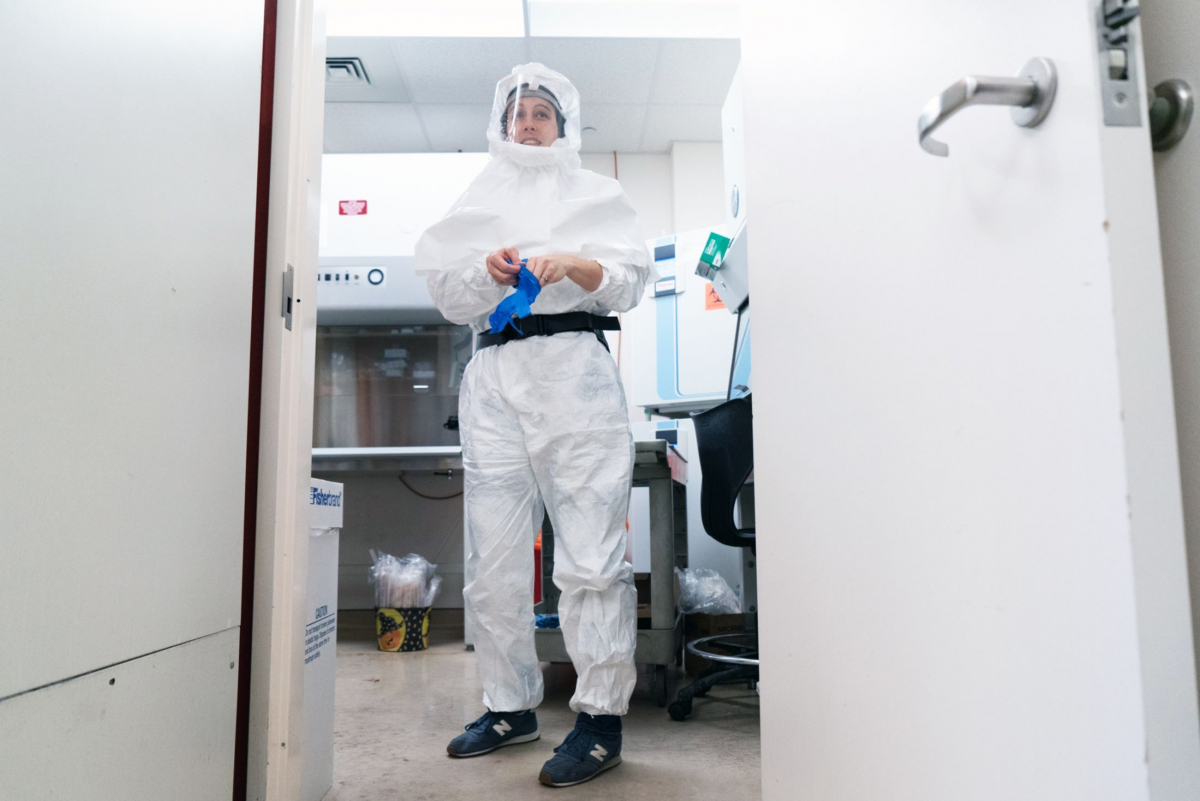
Scrubbing up and gowning takes 15 minutes, a laborious process that includes putting on multiple layers of Tyvek suits, nitrile gloves and booties, along with an air-purifying respirator powered by a battery that belts around the waist. Exiting the lab is just as exacting and involves researchers spraying themselves down repeatedly with 70% alcohol as they take off each layer of protective clothing to kill any stray viral particles.

The workload, Baric says, is “overwhelming” as companies and researchers around the globe turn to his lab for help. He’s narrowed down the search to about 100 drugs that are likely to show promise against coronaviruses. Even if the Gilead drug works — a big if — it would have drawbacks: It can’t be offered in pill form, for instance, but must be infused in a hospital or doctor’s office.

More crucially, other drugs may need to supplant it to fight even newer coronaviruses. So Baric is moving forward to find yet other treatments that could succeed against the numerous coronaviruses now lurking in bats and other mammals, poised to jump to humans at any moment.”The goal of our program is to find broad-based inhibitors that work against everything in the virus family,” Baric says . That makes the challenge sound matter of fact, but Baric knows the road ahead will be long and hard.

“I have a lot people who are really tired,” he says. “They are working really hard.”

The U.S. health system is showing why it’s not ready for a coronavirus pandemic #ศาสตร์เกษตรดินปุ๋ย

#ศาสตร์เกษตรดินปุ๋ย : ขอบคุณแหล่งข้อมูล : หนังสือพิมพ์ The Nation

https://www.nationthailand.com/lifestyle/30383402?utm_source=category&utm_medium=internal_referral

The U.S. health system is showing why it’s not ready for a coronavirus pandemic

Mar 05. 2020
File photo/ Syndication Washington Post

File photo/ Syndication Washington Post
By The Washington Post · Christopher Rowland, Peter Whoriskey · NATIONAL, BUSINESS, HEALTH

The growing coronavirus outbreak in the United States is revealing serious gaps in the health system’s ability to respond to a major epidemic, forcing hospitals and doctors to improvise emergency plans daily, even as they remain uncertain how bad the crisis will get.

As California announced its first coronavirus-linked fatality on Wednesday, bringing the U.S. death toll to 11, nursing homes were emerging as especially vulnerable to the virus, with more than a million residents, many of them frail. Many of the facilitieshave a history of struggling to contain even mundane infections.

But the care gaps are spread out across the country and affect medical facilities of all types.

In Rhode Island, where two cases have been detected, doctors in protective gear were testing patients with mild symptoms in a hospital parking lot rather than allowing them to enter the emergency room. Officials said the emergency measure was being wound down Tuesday as the state’s testing capacity grows.

Officials in King County, Wash., this week said they were purchasing a motel to house patients who needed to be placed in isolation.

In rural areas of Texas and elsewhere, small hospitals do not have test kits, and central labs for testing samples are hours away.That means hospitalswill be unable to conclusively determine whether they have people with covid-19 among their usual seasonal surge in influenza patients.

“There’s not anywhere near a sufficient number of kits to confirm or deny virus, or quarantine or control all these patients,” said John Henderson, who heads the association for Texas’s rural hospitals.

Ventilators and intensive care units, necessary to keep the most acutely ill patients alive, are largely limited to larger hospitals and academic medical centers in cities.

Front-line providers are dusting off old protocols for handling previous global health threats including severe acute respiratory syndrome (SARS), Middle East respiratory syndrome (MERS), H1N1 and Ebola. But the coronavirus is spreading rapidly and, with mild symptoms that mimic the flu, difficult to detect.

Nationwide, worries are growing about a lack of hospital beds to quarantine and treat infected patients. Major medical centers are typically full even without a flood of coronavirus patients.

“We just don’t have the capacity in the hospitals and health systems to deal with a massive influx of patients and keep them isolated,” said Gerard Anderson, a professor of health policy and management at Johns Hopkins University.

Despite weeks of preparations, health planners continue to fret about shortages of protective masks and gowns for hospital staff, as well as lifesaving mechanical respirators for patients with severe cases of the disease.

“We need masks, we need ventilators for our medical facilities, and we need it fast,” said Democratic Sen. Patty Murray of Washington, which has experienced the largest fatal outbreak in the country, said Tuesday.

The World Health Organization warned Tuesday that panic-buying and hoarding was creating a dangerous, global shortage of protective equipment. China, the origin of the virus outbreak, has stopped exports.

Budget-conscious health systems do not maintain large volumes of reserve supplies just for the possibility of a pandemic, said William Jaquis, president of the American College of Emergency Physicians. That leaves the system vulnerable.

“We don’t necessary have the backup readiness all the time for these issues,” he said. “And they do keep repeating.”

Federal funding for emergency preparedness in health care has been in a slow, steady decline for more than 15 years.

The amount of federal funding given to state and local officials to prepare for health emergencies has been cut in half or more over the past couple of decades, according to Crystal Watson, senior scholar at Johns Hopkins’s Center for Health Security.

The two key federal programs amounted to $1.4 billion in 2003. Those two programs amount to $662 million this year.

“Every administration has made cuts to these programs,” Watson said. “It’s been in a downward trend for a long time.”

Four of the six deaths in the United States have been linked to the Life Care Center nursing home in Kirkland, Wash., and that has focused attention on the nation’s more than 15,000 nursing homes and 20,000 residential care facilities.

At risk at both those kinds of facilities are more than two million Americans.

Some homes are prepared for the outbreak, and some are not, according to Lisa Sweet, chief clinical officer of the National Association of Health Care Assistants, a group that represent nursing aides.

“It runs the gamut – there are some good providers who are really on the ball,” said Sweet, who keeps up with reports from members at nursing homes.

At the better facilities, she said, managers have scrambled to take special measures: taking the temperatures of workers as they report for work; warning family members and vendors not to visit if they are not feeling well; and running special training and reminders for infection control.

At others, members have reported to Sweet, there seems to be no urgency to prepare.

“They’re not prepared at all,” Sweet said. “They are putting their residents in jeopardy.”

One of the particular challenges at nursing homes, aside from the vulnerability of residents, is one worker, if infected, can become a “super-spreader,” said Lauren Ancel Meyers, a professor at the University of Texas at Austin who has studied infectious disease surveillance.

Moreover, many nurse’s aides at nursing homes may be reluctant to stay home if they are not feeling well because they may not be given sick leave.

“The consensus [among her members] is that they don’t get sick leave,” Sweet said. “There’s a large proportion of single mothers in this group who need to put food on the table, and they’re incentivized to work when sick, unfortunately.”

A survey of hundreds of nursing homes published in JAMA in 2008 showed that slightly more than half lacked any plan to deal with a pandemic. Only about half had stockpiled supplies such as gloves, alcohol rub, surgical masks and antiviral medications, the study found.

The nursing homes surveyed for the study were in Nebraska and Michigan, but experts said the findings were likely representative of the nation.

Advocates of the nursing home industry said the facilities are better prepared now because of new regulations in 2016 regarding emergency preparedness and infection control.

“All facilities need to have an infection control plan in place, which includes what to do during an outbreak,” said Beth Martino, senior vice president, public affairs, American Health Care Association. “These plans include the infection control strategies a center has in place for surveillance of new infectious cases, who to report to and the steps to take to minimize the spread of an illness and manage the ill residents.”

A similar study of assisted living facilities published in 2014 found that 41 percent had no pandemic plan in place.

Lona Mody, a professor at medicine at the University of Michigan, a co-author of both studies said she thinks many nursing homes have improved in the 12 years since the study, but that more needs to be done.

Doctors interviewed by The Washington Post said hospital staff are better trained and are closely counseled not to work if they are feeling Ill.

Federal officials estimated in 2005 that in the event of a severe pandemic, such as the 1918 flu, more than 740,000 people would require ventilators for breathing. But there are only roughly 200,000 ventilation machines in U.S. medical facilities and a national stockpile, according to experts.

“If it is the severe scenario, we will not have enough ventilators,” said Watson, of Johns Hopkins Center for Health Security.

“I don’t think this [the novel coronavirus] is the severe scenario, but if it is, we will have to make some difficult decisions.”

Similarly, a separate analysis for Texas, published in 2017, showed that the state supply of ventilators would come up short in an extreme event.

“I don’t want to imply that Covid -19 is in the severe class of pandemics – it could be anywhere from mild to severe given the uncertainty in the data,” said Meyers, who was principal investigator on the study.

But in the situation they studied, “there would have been a huge gap in the amount of ventilators in the stockpile and what we would have needed in a severe pandemic.”

The makers of ventilators said that, indeed, they have seen a dramatic uptick in demand.

“We are seeing – and I suspect all the players are seeing – an increased demand for ventilators,” said Elijah White, President of ZOLL Resuscitation. “It’s not just China, it’s not just the United States, it’s all over the place.”

If the epidemic expands and individual states have hundreds or thousands of patients instead of just a few, regional plans must be established to coordinate care, said Christopher Greene, an emergency room doctor at the University of Alabama, Birmingham.

Severely ill patients will need to be placed on mechanical ventilators, but not all hospitals have them. Many rural hospitals in Texas, have none, for instance. Infected patients needing that level of care would have to be moved to hospitals with higher levels of care; that presents another level of challenges for ambulance operators and staff, Greene said.

“This is a rapidly evolving thing. In a matter of days you can go from 60 cases to many, many more,” he said. Large hospitals are devising contingency plans for a growing epidemic, he said, but “we want to see that level of urgency at the federal level as well,” he said.

Leaders at Rhode Island Hospital in Providence have been planning for weeks for the arrival of coronavirus. The virus appeared last week in one student and one staff member who traveled to Italy on a trip sponsored by a parochial high school in Pawtucket. As worry spread through the state, patients who called the hospital in advance to seek a test were asked to remain in their cars until a doctor could go out to screen them.

“We have a physician in protective equipment go out to the car, and put masks on anybody in the car, and take a history, and do a limited screening exam, and then do the testing, which in most cases is a nasal swab,” said John B. Murphy, president of Rhode Island Hospital and Hasbro Children’s Hospital. With the two positive cases, the results were available in four hours.

Now Rhode Island officials are tracing contacts of all students and staff on the trip to Italy.

Rhode Island hospital has 70 “negative-pressure” patient rooms, which means airborne particles cannot escape, that can be used to isolate patients. The hospital’s engineers are analyzing how to turn entire floors of the hospital into isolation wards.

The hospital has about 25 patients on ventilators on an average day. It can treat more than 100 patients on ventilators in a demand surge, Murphy said. Beyond that, he said, in the worst case, the hospital would be forced to work with state officials to find outside facilities to isolate and treat patients.

U.S. reports 9th coronavirus death as the virus continues to spread; Fed cuts interest rate #ศาสตร์เกษตรดินปุ๋ย

#ศาสตร์เกษตรดินปุ๋ย : ขอบคุณแหล่งข้อมูล : หนังสือพิมพ์ The Nation

https://www.nationthailand.com/lifestyle/30383318?utm_source=category&utm_medium=internal_referral

U.S. reports 9th coronavirus death as the virus continues to spread; Fed cuts interest rate

Mar 04. 2020
By  The Washington Post · Adam Taylor, Rick Noack, Teo Armus, Miriam Berger · NATIONAL, WORLD, HEALTH ·

Washington state reported new deaths from coronavirus on Tuesday, raising the U.S. death toll from the virus to nine. With the coronavirus spreading unpredictably and Americans bracing for an increasing impact at home, the Federal Reserve made an emergency interest rate cut earlier on Tuesday, slashing the benchmark U.S. rate by half a percentage point.

The central bank has not made an emergency move like this since late 2008. It was also a sign that global central banks are prepared to act to contain the economic fallout from the coronavirus. The move came after President Donald Trump, in a tweet, called for a “big” interest rate cut by the Federal Reserve “to make up for China’s coronavirus situation and slowdown.”

The markets quickly rallied after the Federal Reserve announced the decision. The rebound came after a volatile morning, with futures pointing positive and then making a U-turn. The Dow Jones industrial average sank nearly 3 percent, or close to 800 points, and the yield on the U.S. 10-year Treasury bond — a foundation of global finance — briefly fell below 1 percent, before recovering slightly, as investors fled equities for the safety of bonds.

Meanwhile, South Korean President Moon Jae-in declared “war” on the coronavirus as government officials were placed on 24-hour alert and health tests expanded in virus-hit areas. The number of confirmed cases in South Korea tops 5,000, the most outside China. About 70 countries have reported incidences of the virus, with the number of cases in the United States topping 100 across 15 states.

China, the epicenter of the outbreak and still the worst-hit, announced its lowest number of new cases since late January – 125 in 24 hours – and 31 deaths, bringing its totals to 80,151 infections and 2,943 deaths. The country has pledged to help other nations hit by the outbreak, offering advice to Iran, which has reported 2,336 confirmed cases and 77 deaths.

The World Health Organization said that covid-19 has killed about 3.4% of those diagnosed with the illness globally – higher than what has previously been estimated.

By comparison, seasonal flu generally kills far fewer than 1% of those infected, said WHO Director General Tedros Adhanom Ghebreyesus. Earlier estimates had put the coronavirus death rate in a range of about 2%t, but officials have been hamstrung by the difficulty in getting an accurate count of those who may have had mild illnesses and not sought treatment.

Despite a total of 90,893 reported cases of covid-19 globally, including 3,110 deaths, containment is still possible — and necessary — to save lives, Tedros said. The biggest impediment to doing so, he said, is “the severe and increasing disruption to the global supply of personal protective equipment — caused by rising demand, hoarding and misuse.”

He called on governments and manufacturers to boost production and secure supplies for critically affected and at-risk countries.

Meanwhile, President Donald Trump informed local government officials that he had asked drug company executives to do “him a favor” and “speed it up” on developing a coronavirus vaccine. He added, “And they will. They’re working really hard and quick.”

Trump made these comments while addressing the National Association of Counties Legislative Conference in Washington. The president remarked on how the coronavirus shows that in government, one never knows what will be a concern on any given day.

“Six weeks ago, eight weeks ago, you never heard of this. All of a sudden, it’s got the world aflutter,” Trump said. “But it’ll work out.”

Trump also assured the county officials that his administration is working with Congress to pass supplemental funding for the coronavirus response to ensure that “state and local health departments get everything they need.”

New York state reported its second coronavirus case, a 50-year-old man in Westchester County, a suburb of New York. New York Gov. Andrew Cuomo said he is pushing to provide paid sick leave and job protection for coronavirus patients. North Carolina officials said that the state has its first coronavirus case, which they linked to the outbreak at a long-term residential facility in Washington state.The office of North Carolina Gov. Roy Cooper said the presumptive positive test was conducted by a state laboratory and will still have to be confirmed by the U.S. Centers for Disease Control and Prevention.

In a statement, Cooper’s office identified this person only as someone from Wake County, who “traveled to the State of Washington and was exposed at a long-term care facility where there is currently a COVID-19 outbreak.” The Life Care Center in Kirkland, Washington, has dozens of residents and staff members reportedly ill with symptoms linked to the virus.

Chile and Argentina reported their first infections, as cases of the virus slowly start to increase in Latin America.

India restricts exports of common drugs on fear of coronavirus shortages #ศาสตร์เกษตรดินปุ๋ย

#ศาสตร์เกษตรดินปุ๋ย : ขอบคุณแหล่งข้อมูล : หนังสือพิมพ์ The Nation

https://www.nationthailand.com/lifestyle/30383295?utm_source=category&utm_medium=internal_referral

India restricts exports of common drugs on fear of coronavirus shortages

Mar 04. 2020
By Syndication Washington Post, Bloomberg · Drew Armstrong, Ari Altstedter · NATIONAL, WORLD, HEALTH, ASIA-PACIFIC

U.S. health regulators are watching for potential drug shortages after India restricted the export of some raw pharmaceutical ingredients, a move that has potential to disrupt the global supply chain of drugs manufactured around the world.

Earlier Tuesday, India said it would limit export of some common medicines as concerns grow over shortages of chemical ingredients. Many manufacturers in China are shut due to the novel coronavirus outbreak.

The drugs include over-the-counter painkiller and fever reducer paracetamol and finished pills that include it. Similar export restrictions have been placed on the common antibiotic metronidazole, various versions of vitamin B and eight other medicinal chemicals, according to a notice from the Indian government Tuesday.

“India has restricted the export of 26 active pharmaceutical ingredients for export, which represents about 10% of their export capacity,” U.S. Food and Drug Administration Commissioner Stephen Hahn told Congress at a hearing Tuesday in Washington.

“We’re working very closely to look at that list to determine how that will affect the medical supply chain,” Hahn said. So far, there’s only been one drug that’s gone into short supply because of coronavirus-related supply-chain issues, Hahn said. He declined to identify the drug, and said alternatives are available.

Though India is the source of about 20% of the world’s generic-drug supply, the country is dependent on China for about 66% of the chemical components needed to make them. A recent analysis by the Indian government found that as many as 450 drug ingredients could be affected by China’s efforts to contain the coronavirus, which include a complete lockdown of Hubei province, a center of the country’s drug industry.

“I think there will be in the short term or midterm some shortages,” said Jagdish Dore, who runs pharmaceutical-industry consultancy Sidvim LifeSciences in Mumbai. “The whole supply chain will be disrupted, partly from China and partly from India.”

Drugmakers often hold between two and three months stock of key ingredients but with factories in Hubei shut for a sixth week those supplies may be starting to dwindle. Even though the coronavirus outbreak seems to be slowing in China, its continued spread around the world is hampering economic output and trade.

“If there is a potential shortage building up of critical medicines, then there has to be affirmative action taken to ensure that supplies are available to Indian citizens,” said Ranjit Shahani, a former head of Novartis’s Indian unit. “If there’s total lockdown in some of the states or area where these things are made then it’s going to impact the world.”

FIVE questions – and answers – on face masks #ศาสตร์เกษตรดินปุ๋ย

#ศาสตร์เกษตรดินปุ๋ย : ขอบคุณแหล่งข้อมูล : หนังสือพิมพ์ The Nation

https://www.nationthailand.com/lifestyle/30383257?utm_source=category&utm_medium=internal_referral

FIVE questions – and answers – on face masks

Mar 03. 2020
By The Nation

Q: Do you really need to wear a face mask in the present situation?

The Public Health Ministry: Patients or sickly persons should wear a mask all the time. Those who are healthy don’t need to wear one except when among a community or crowed area.

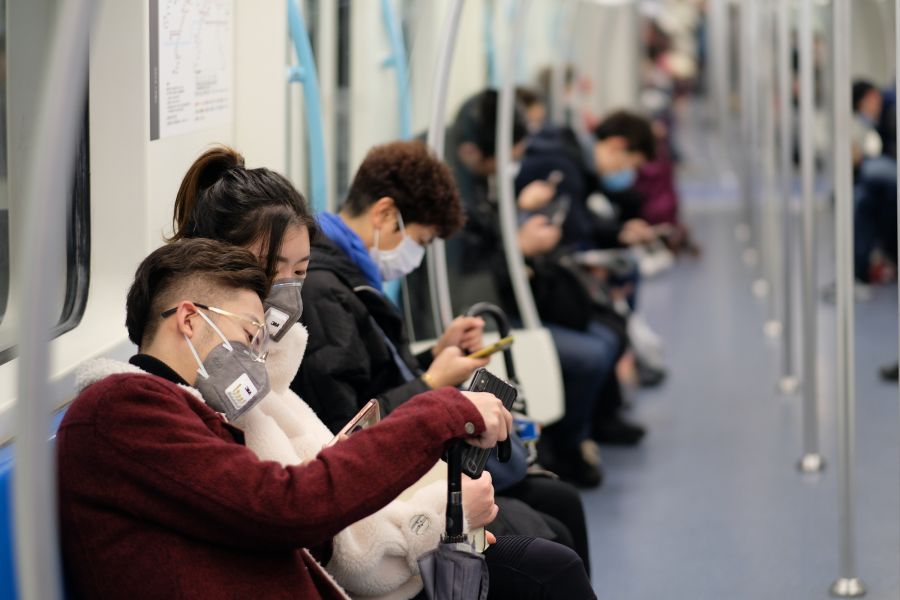
Medical Services Department director-general Somsak Akkslip: Healthy people who visit crowded areas or use public transportation or go to a hospital or visit high-risk areas should wear face masks. If you stay in your house or in an open space you do not need one.

Thiravat Hemachudha, head of King Chulalongkorn Memorial Hospital’s Centre for Emerging Diseases: Doctors and nurses are normally required to wear face masks under sanitation standards. But people carry the risk of contracting body fluid droplets from others in a 1-2-metre radius via the mouth or nasal mucosa.

WHO Thailand: Wearing medical masks is one of the preventive measures to limit the spread of respiratory diseases, which includes the new type of coronavirus. The use of masks alone is not enough to protect one fully. Therefore, it’s also necessary to wash one’s hands.

The World Health Organisation does not recommend the use of masks for healthy people unless such a person has to take care of another with respiratory symptoms.


Q: Which type of face mask can prevent contracting the virus?

Public Health Ministry: Fabric masks, surgical face masks, or N95 masks.

Communicable Diseases Institute director Dr Sopon Iamsirithawon: For a healthy person, a fabric mask is enough. When the swine flu (H1N1) pandemic occurred in 2009, we also suggested using fabric masks.

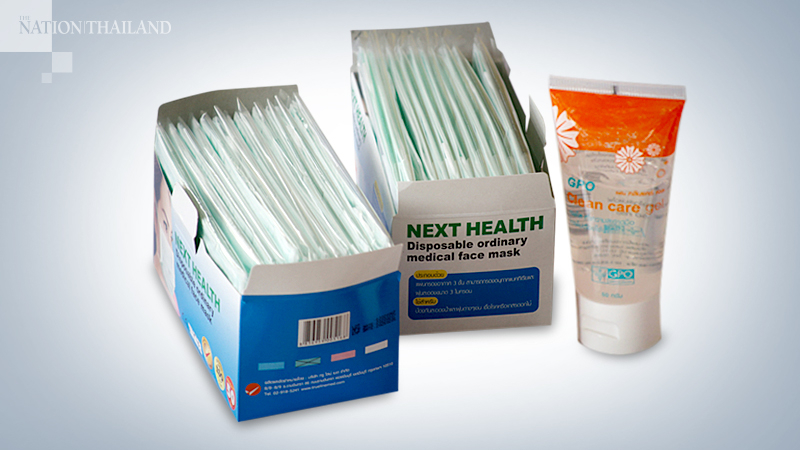
For those with pneumonia, use a surgical mask which has blue or green on one side. When wearing a face mask, the patient should flip the coloured side to face out as the white side can absorb water, nasal fluids and saliva. Adjust the mask to fit your face – do not forget to pinch the wire to fit your nose securely and pull the mask down to cover your chin. N95 masks are more suited for medical teams who have to take care of patients and need maximum protection.

WHO Thailand: For suitable protection, wear a surgical mask.

Q: Can I re-use the mask?

Public Health Ministry: Fabric masks can be washed and re-used. A surgical mask is made for single use only.

Department of Health director-general Panpimol Wipulakorn: Physically fit people and those not in crowded areas or not taking public transportation don’t need to wear a mask. A healthy person can also protect himself/herself by wearing a clean cloth mask. The advantages of the cloth mask is to help prevent ingestion of large dust particles. It can also be washed and re-used and even sewn by yourself if need be.

WHO Thailand: Medical masks should not be used again and again. These masks must be discarded after they are used once.

Q: Can you make your own mask?

Public Health Ministry: Yes.

WHO Thailand: Not specified. But it is not recommended to use a cloth mask (such as one from cotton or mesh cloth) instead of a surgical mask.

Q: Which side of the mask should face outside?

Public Health Ministry: Flip the coloured side to face out and use the side with the wire edge up. Secure the mask in place.

WHO Thailand: Health management suggests masks should be worn carefully, covering your mouth and nose. Tighten the mask strap and attach the mask to your face as tight as possible to reduce the gap between the face and the mask.

Supreme Court will once again consider fate of Affordable Care Act #ศาสตร์เกษตรดินปุ๋ย

#ศาสตร์เกษตรดินปุ๋ย : ขอบคุณแหล่งข้อมูล : หนังสือพิมพ์ The Nation

https://www.nationthailand.com/lifestyle/30383222?utm_source=category&utm_medium=internal_referral

Supreme Court will once again consider fate of Affordable Care Act

Mar 03. 2020
The United States Supreme Court. MUST CREDIT: Washington Post photo by Jonathan Newton

The United States Supreme Court. MUST CREDIT: Washington Post photo by Jonathan Newton
By The Washington Post · Robert Barnes · NATIONAL, HEALTH, POLITICS, COURTSLAW, CONGRESS

WASHINGTON — The Supreme Court on Monday said it will review the latest Republican efforts to doom the Affordable Care Act, guaranteeing that partisan battles over health care will remain at the forefront of public debate in the closing weeks of the presidential campaign.

The justices will review a federal appeals court decision that found part of the law unconstitutional and raised questions about whether the law in its entirety must fall. The Trump administration agreed with the lower court’s decision but said it was premature for the court to join the legal fight now.

Democrats seemed delighted that the court had decided to ignore that advice. They said the focus on health care will help their candidates, as polls show it did in 2018 when Democrats won back the House majority, and increase the importance of the Supreme Court with their voters.

“Today’s Supreme Court announcement ensures health care will remain front and center throughout 2020 and that House Republicans won’t be able to hide from their long history of attacking Americans with preexisting conditions,” said Robyn Patterson of the Democratic Congressional Campaign Committee.

Democratic presidential candidate Joe Biden, the vice president when President Barack Obama secured his most important domestic achievement, issued a statement: “This fall, Donald Trump will be trying to get the Supreme Court to strike down Obamacare — ripping health insurance away from 30 million Americans, ending protections for 100 million more with preexisting conditions, destroying families, and costing a million jobs. I’ll be fighting to end Donald Trump’s administration.”

Republican reaction was almost nonexistent, even though President Donald Trump has made abolishing the law a priority. While he has said he will preserve some of the program’s most popular provisions — such as guaranteed coverage for preexisting conditions — he has not put forward a plan.

The court’s review will come in the term that begins in the fall. It is one of the first cases accepted for that docket, and if the court follows its usual pattern, oral arguments would be in October. But the timing is up to the justices.

A decision would not be likely until the spring or summer of 2021. The law remains in effect during the legal challenges.

It will be the Supreme Court’s third consideration of the legal merits of the Affordable Care Act. And while the court has become more conservative with the addition of Trump’s two nominees, the majority of five justices who have sided with the ACA in the past remains intact.

In both cases, Chief Justice John Roberts has joined with the court’s liberals — Justices Ruth Bader Ginsburg, Stephen Breyer, Sonia Sotomayor and Elena Kagan — in voting against the challenges. Some Democrats were open in their hopes that the court take up the next challenge before there were any changes to that group.

The court had earlier turned down a request from Democratic-led states and the House of Representatives to hear the case this spring.

The latest ACA suit was organized by Republican attorneys general in Texas and other red states. When the Trump administration declined to defend the law, a coalition of Democratic-led blue states entered.

“As Texas and the Trump Administration fight to disrupt our health care system and the coverage that millions of people rely upon, we look forward to making our case in defense of the ACA,” California Attorney General Xavier Becerra, whose office had led the Democratic effort, said in a statement after the court’s announcement. “American lives depend upon it.”

Texas Attorney General Ken Paxton was one of the few Republicans commenting Monday on the court’s decision to take the case, and said he looks forward to defending the decision of the U.S. Court of Appeals for the 5th Circuit.

“Without the individual mandate, the entire law becomes unsupportable,” Paxton said in a statement. “The federal government cannot order private citizens to purchase subpar insurance that they don’t want, and I look forward to finally settling the matter before the U.S. Supreme Court.”

Paxton’s case began after the Republican-led Congress in 2017, unable to secure the votes to abolish Obamacare, reduced the penalty for a person not buying health insurance to zero. Paxton argued that in doing that, Congress had removed the essential tax element that the Supreme Court had found made the program constitutional.

A district judge in Texas agreed and said the entire law must fall.

The Trump administration eventually agreed with that assessment

On Monday, House Speaker Nancy Pelosi, D-Calif., chastised the administration for targeting the law while health officials throughout the United States race to contain the spread of a highly infectious respiratory disease that has caused more than 3,000 deaths globally.

“Even in the middle of the coronavirus crisis, the Trump Administration continues to ask the court to destroy protections for people with preexisting conditions and tear away health coverage from tens of millions of Americans,” she said in a statement, calling the law “even more critical during a dangerous epidemic.”

When the 5th Circuit considered the district judge’s decision, the panel split 2 to 1.

The two Republican-appointed judges on the panel — Kurt Engelhard and Jennifer Walker Elrod — said that because Americans are free to ignore the insurance requirement with no risk of penalty, the “attributes that saved the statute because it could be read as a tax no longer exist.”

They voted to send the case back to the district judge for a closer look at whether parts of the law could survive.

In her dissent, Judge Carolyn Dineen King, nominated by President Jimmy Carter, wrote that “questions about the legality of the individual ‘mandate’ are purely academic, and people can purchase insurance — or not — as they please.”

As for sending back to the lower court the question of whether the rest of the law remains intact, King wrote: “Answering that question should be easy, since Congress removed the coverage requirement’s only enforcement mechanism but left the rest of the Affordable Care Act in place.”

The Supreme Court’s decision essentially short-circuits the decision about the need for further lower court review, and the justices will make such decisions on their own.

In 2012, the court upheld the mandate that most Americans obtain insurance or pay a penalty, saying it fell under Congress’ taxing power. Roberts drew the lasting enmity of some conservatives when he said the court’s job was to save the work of Congress if there was a way to square it with the Constitution.

In 2015, Roberts and the court’s liberals were joined by Justice Anthony Kennedy, who is now retired, in upholding the law against another challenge. It involved tax subsidies.