Hundreds of miles from Hubei, another 30 million Chinese are in coronavirus lockdown #ศาสตร์เกษตรดินปุ๋ย

#ศาสตร์เกษตรดินปุ๋ย : ขอบคุณแหล่งข้อมูล : หนังสือพิมพ์ The Nation

https://www.nationthailand.com/lifestyle/30381828?utm_source=category&utm_medium=internal_referral

Hundreds of miles from Hubei, another 30 million Chinese are in coronavirus lockdown

Feb 08. 2020
By  The Washington Post · Anna Fifield · WORLD, HEALTH, ASIA-PACIFIC
WENZHOU, China – More than 500 miles from the epicenter of the coronavirus outbreak, 30 million people are in lockdown – some quite literally locked in their homes – as Chinese authorities resort to extreme lengths to curb the spread of a respiratory illness that has stubbornly defied containment.

Across the coastal province of Zhejiang, the worst-hit area after Hubei province, four big cities have essentially put their populations under a form of house arrest: Only one person from each household is allowed to leave, and only every second day, to buy supplies.

To leave their residential compounds and to enter supermarkets, residents must have their government-issued ticket – a kind of passport to the outside world – stamped or their special identification codes scanned. Their temperatures are recorded at every gate.

“Every home has shut its doors,” said Chen Zongyao, a 55-year-old man in northern Wenzhou who, fortuitously, had stocked up on rice and fish before the outbreak reached Zhejiang. “We are totally isolated.”

The world’s attention has been focused in recent weeks on Hubei province and its capital, Wuhan, the root of a coronavirus outbreak that has killed more than 720 people in China and infected more than 34,000. Chinese authorities have launched a military-style effort to contain the virus in Hubei, building new hospital wards and fashioning huge isolation centers in gyms and stadiums.


But a similar situation is unfolding in Zhejiang, one of China’s most prosperous regions. Alibaba, the megalithic e-commerce company, is headquartered in the provincial capital, Hangzhou, and Xi Jinping, China’s current president, ran the province as party secretary here from 2002 until 2007.

Zhejiang has the most coronavirus infections after Hubei, leading to draconian restrictions in the main cities, from Hangzhou and Ningbo, one the world’s biggest ports, in the north to Taizhou and Wenzhou in the south.

The most severe are in Wenzhou, which has 421 confirmed cases of infection, the highest of any city outside Hubei province. More than 100,000 people from Wenzhou live in Wuhan, and many of them came home for the Lunar New Year holiday, bringing the infection with them.

Public transportation in Wenzhou has been shuttered since Jan. 31, and businesses were ordered to close until at least Feb. 18. Funerals and weddings have been banned.

“I’m telling you, this place is just like Wuhan now. It’s the second Wuhan,” said a woman who works at a rest stop by the southern toll gate into the city, gesturing toward Wenzhou on the other side. She asked that her name not be used.

The tollgate was closed except for two lanes, where police in full protective gear were checking paperwork and temperatures. Only registered city residents were allowed in – and they were told they would not be allowed back out.

“For your health, please be cooperative during the checkup,” a sign said. The cars contained families with babies, grumpy business executives, young couples, all wearing masks.

They joined the line with trucks laden with sweet potatoes and bearing banners on their hoods declaring they were bringing in food supplies. Authorities are sending food – fruit, porridge, bread, instant noodles – to trapped citizens every day.

There has been talk in town about food shortages. At a Walmart in Wenzhou, there were long lines of people – sometimes stretching for more than two hours – waiting to buy rice, instant noodles and canned foods. The store was completely out of fresh food, one shopper said.

As the outbreak took hold, about 20,000 people were placed under “centralized quarantine” in Wenzhou hotels, where they are now joined by anyone who has had contact with an infected person or has been to Hubei in the previous two weeks.

Chen Bin, a lawyer, was sent to centralized quarantine after returning from his hometown in Hubei, along with his two children and his in-laws.

Now, they are all in different rooms in the same hotel and can communicate only through their phones. At the beginning, Chen said, he couldn’t sleep because he was worried that “even the air is filled with germs.”

“I’m going crazy,” a quarantined woman wrote on Douyin, as TikTok is called in China, from a Wenzhou hotel room. “Not comfortable with sleeping, not comfortable sitting. My whole body is aching,” she wrote, taking selfies.

Others are even less happy.


When police with SWAT-style gear including plastic shields showed up at the home of one Wenzhou woman who had close contact with a confirmed case, she refused to go into centralized quarantine.

“I don’t need it!” the woman, in pink pajamas, yelled at the police.

“It’s a must! It’s a government order!” the officer yelled back, a video of the encounter shows.

The woman stabbed at them with a knife to try to fend them off. They eventually subdued her and got her into quarantine.

But she is an unusual case. There has been relatively little grumbling here: Wenzhou people can see all too clearly, thanks to the example of Wuhan, what happens when movement is allowed.

“I think people understand and agree with the policy of shutting everything down,” Chen said. “They are scared of the virus.”

In an apartment complex nearby, a 32-year-old mother who uses “Lemon” as her English name said she had learned to cook during the lockdown, which she is spending in her apartment with her husband and 4-year-old daughter.

“I’m fine with staying at home, even for longer,” Lemon, who works in a government-related job and also did not want to be identified, said over the phone as her daughter giggled nearby. “She’s too small to understand what’s happening. She just knows that ‘the virus that wears a crown’ is terrible and we can’t leave home.”

A woman who runs a small hardware factory in the area was matter-of-fact about having to close her business for an unspecified period. “Life is more important than making money,” said the woman, who wanted to be identified only by her surname of Xia.

Still, the situation in the city has led to an outbreak of anti-Wenzhou sentiment similar to the ostracism people from Hubei have described. People who were ordered to quarantine themselves at home found they were unwelcome in their compounds, with their neighbors directing them to a hotel instead.


Some people in other parts of Zhejiang reported extreme responses when they returned from trips to Wenzhou.

Local authorities put a “No visitors allowed” sign on Allen Li’s family home in Hangzhou and locked the door with a metal chain from the outside. “We argued with them, but they said it’s a decision from above,” Li told the South China Morning Post. “We understand we should not go out. But this is not humane. What if there’s a fire at our home at midnight and we can’t get anyone to unlock it?”

For now, people are hunkering down. Chen, the well-stocked resident from northern Wenzhou, expects to be at home for weeks: “I think there’s no hope for the lockdown finishing this month.”
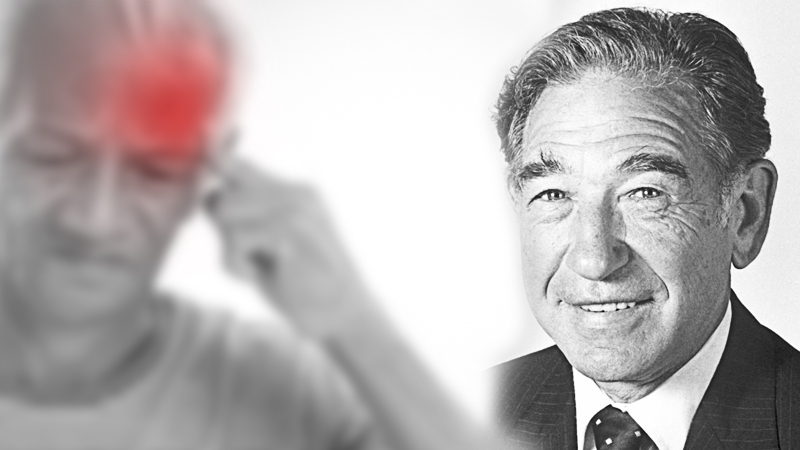
Stanley Cohen, Nobel Prize-winning scientist who studied cellular growth, dies at 97 #ศาสตร์เกษตรดินปุ๋ย

#ศาสตร์เกษตรดินปุ๋ย : ขอบคุณแหล่งข้อมูล : หนังสือพิมพ์ The Nation

https://www.nationthailand.com/lifestyle/30381770?utm_source=category&utm_medium=internal_referral

Stanley Cohen, Nobel Prize-winning scientist who studied cellular growth, dies at 97

Feb 07. 2020
By The Washington Post · Matt Schudel · NATIONAL, OBITUARIES

Stanley Cohen, a biochemist who was awarded the Nobel Prize for his research on the growth of cells and helped build a foundation for other scientists studying cancer, dementia and other disorders, died Feb. 5 at a retirement community in Nashville, Tennessee. He was 97.

The death was announced in a statement from Vanderbilt University, where he was a longtime professor of biochemistry. The cause was not disclosed.

Cohen made his early scientific breakthroughs in the 1950s, when he was at Washington University in St. Louis. Rita Levi-Montalcini, his colleague at the time, had made a seminal discovery of a protein known as nerve growth factor, which stimulated the growth of nerve cells in laboratory mice.

The two scientists identified the chemical properties and molecular structure of nerve growth factor, or NGF, which marked the first time a biochemical agent that controlled cellular growth had been isolated.

“I did the chemistry, she did the biology,” Cohen told The Washington Post in 1986. “It was a completely collaborative effort.”

After moving to Nashville in 1959 to teach at Vanderbilt, Cohen continued his research in a small laboratory, assisted only by a technician and one postdoctoral student. He often walked the halls, puffing on a corncob pipe as he devised basic experiments that would have far-reaching and even profound effects.

In perhaps his most significant experiments, he injected proteins from the salivary glands of adult mice into newborn mice. He found that those mice opened their eyes and developed teeth several days sooner than usual.

Cohen determined that this early development was spurred by a substance similar to NGF, which he called epidermal growth factor, or EGF. In other experiments, he learned that EGF appeared to stimulate growth in other organs throughout the body and also promoted the healing of damaged skin and other cells.

“It was very simple thinking,” he told The New York Times in 1986. “We were speeding up a natural process, and since nature has spent so many millions of years perfecting her processes, it must be of interest to know how we change the normal program.”

Another of Cohen’s major discoveries was the protein on the cell membrane to which the EGF binds. He called the protein the epidermal growth factor receptor, or EGF receptor.

When the EGF and the receptor proteins interact, or bind, the result is “a signaling cascade from the receptor to the cell nucleus,” Robert Coffey, a cancer researcher and onetime colleague of Cohen’s at Vanderbilt, said in an interview. “It was a foundational discovery. He’s left a very rich legacy in our understanding of precise signaling pathways, and we continue to learn new lessons from his work.”

Mutations in the EGF receptors have been linked with certain forms of lung cancer and brain cancer. Using the building blocks Cohen put in place, researchers have discovered that EGF receptors can be targeted with specific drugs to inhibit their unchecked growth, holding a possible key to treating cancer and other diseases.

The importance of Cohen’s and Levi-Montalcini’s research was not fully understood at first. Over time, however, it has become a paradigm for scientists studying cellular development and seeking possible treatments for cancer, dementia, burns and other maladies.

“The idea is it gives an inkling as to what controls cell growth,” Cohen said in 1986. “A cancer cell is a normal cell that’s gone wild. If we don’t even know what goes on in a normal cell, how do we know what makes that one go wild?”

Cohen and Levi-Montalcini, who died in 2012, shared the 1986 Nobel Prize in physiology or medicine.

“On our own we were good and competent,” Cohen said of their experimental work. “Together we were marvelous.”

Stanley Cohen was born Nov. 17, 1922, in Brooklyn. His father was a tailor, his mother a homemaker.

Cohen, who had polio as a child, walked with a limp throughout his life. He graduated in 1943 from Brooklyn College, which he said he could afford only because the college had free tuition at the time.

He received a master’s degree in zoology from Ohio’s Oberlin College in 1945 and a doctorate in biochemistry from the University of Michigan in 1948. He taught at the University Colorado before joining the faculty of Washington University in 1952.

He and Levi-Montalcini, who was denied opportunities to teach and practice medicine in her native Italy because of her Jewish heritage, formed an innovative scientific partnership.

“When we started, we were following a little trail of interesting observations,” Cohen told the Los Angeles Times in 1986. “We had no expectation it would open up a whole field of research.”

He was named to the National Academy of Sciences in 1980 and was awarded the National Medal of Science in 1986. When Cohen received the Nobel Prize, Coffey said, nothing changed about his manner, his spartan laboratory or his casual wardrobe.

His marriage to Olivia Larson ended in divorce. Survivors include his wife since 1981, Jan Jordan of Nashville; a stepson and two children from his first marriage; and two granddaughters.

After retiring from Vanderbilt in 2000, Cohen lived for several years in Arizona, where he was part of program in which scientists mentored elementary and high school students.

“Many new things are found by accident,” he told a student group in 2007. “If you’re prepared to see the accident, you can find it.”

Another 41 people test positive for coronavirus on quarantined cruise ship in Japan, health minister says #ศาสตร์เกษตรดินปุ๋ย

#ศาสตร์เกษตรดินปุ๋ย : ขอบคุณแหล่งข้อมูล : หนังสือพิมพ์ The Nation

https://www.nationthailand.com/lifestyle/30381753?utm_source=category&utm_medium=internal_referral

Another 41 people test positive for coronavirus on quarantined cruise ship in Japan, health minister says

Feb 07. 2020
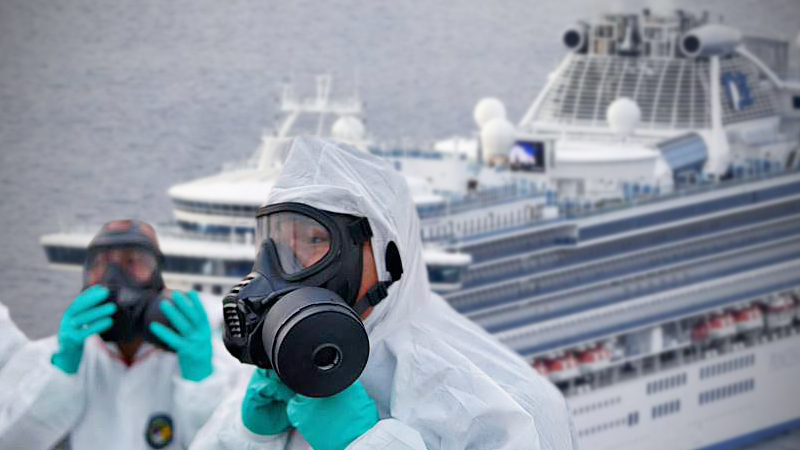
Diamond Princess cruise ship/Credit: Japan News-Yomiuri

Diamond Princess cruise ship/Credit: Japan News-Yomiuri
By The Washington Post · Simon Denyer, Akiko Kashiwagi 

TOKYO – Another 41 people have tested positive for coronavirus on the quarantined Diamond Princess cruise ship, bringing to 61 the number of people aboard who have been diagnosed with the virus, Japan’s health minister said Friday.

The latest test results came from the final 171 tests carried out on people aboard. A total of 273 people on the ship were tested for the virus, out of 3,711 passengers and crew. The tests were carried out on people deemed at highest risk of having caught the virus, either because they showed symptoms or because they had mixed with a passenger from Hong Kong who is believed to have carried the virus onto the ship.

Japan’s Health Minister Katsunobu Kato said Thursday that the quarantine would not “in principle” be extended, but he has not ruled out testing more people.

The people who tested positive will be taken to local hospitals, he said Friday.

Speaking about the people still aboard, he said: “We will give the highest priority to ensuring their health, and in order to prevent the spread of infection, we will implement measures thoroughly.”

Chinese health officials said Friday morning that they had confirmed more than 31,000 cases of the novel coronavirus, including 16 on the self-governing island of Taiwan. More than 4,800 of the cases were considered severe.

The death toll rose to more than 630, up from about 560 the previous day. The deaths remain almost entirely confined to China, with the exception of a man who died in the Philippines. That man, 44, was a resident of Wuhan in Hubei province, the epicenter of the outbreak.

Japanese Prime Minister Shinzo Abe told lawmakers that there was no discussion of canceling the 2020 Summer Olympics, which will be held in Tokyo in a few months, despite the outbreak.

“In terms of whether to hold the Tokyo Games, I’d like to make it clear that there have been no talks or plans being considered between organizers and the International Olympic Committee since the World Health Organization declared an emergency,” Abe told parliament Thursday, Kyodo News agency reported.

The reassurance comes as the coronavirus spreads, causing travel chaos across the region. Japan has 45 confirmed cases of the virus.

The Olympic torch is due to arrive in the country’s northern Miyagi prefecture in six weeks, with the games themselves set to begin July 24. The virus has already disrupted some Olympic qualifiers, causing officials to worry.

“We might possibly even see another outbreak in the middle of the Olympics,” Hitoshi Oshitani, a virology professor at Tohoku University’s School of Medicine, said in an interview last week. “We have to be well prepared for that possibility. It is not something unthinkable.”

In Washington, Defense Secretary Mark Esper identified 11 military installations that could house quarantined travelers returning to the United States if Department of Health and Human Services facilities become filled, the Defense Department said Thursday.

Each installation pairs with one of the 11 airports where flights from China have been directed to land because of the coronavirus outbreak. As many as 20 people could stay at each installation during their mandatory 14-day quarantine, DOD said in a statement.

HHS will bring any evacuee who is ill to a civilian hospital and ensure that they do not go to a DOD facility. The Defense Department also plans to provide office space for HHS employees through Feb. 22.

The military facilities, and their corresponding airports, are: JB Pearl Harbor-Hickam in Hawaii (Honolulu); Naval Station Great Lakes in Illinois (Chicago O’Hare); Naval Air Station Joint Reserve Base in Texas (Dallas-Fort Worth); March ARB in California (Los Angeles); Travis AFB in California (San Francisco); Dobbins ARB in Georgia (Atlanta); Fort Hamilton in New York (JFK); Naval Base Kitsap in Washington state (Seattle/Tacoma); Joint Base Anacostia in the District of Columbia (Washington-Dulles); Joint Base McGuire-Dix-Lakehurst in New Jersey (Newark); and Fort Custer Training Center in Michigan (Detroit).

The World Health Organization will convene a global research and innovation forum on Tuesday and Wednesday to coordinate international responses for containing and combating the outbreak.

“The aim is to fast-track the development of effective diagnostic tests, vaccines and medicines,” WHO Director General Tedros Adhanom Ghebreyesus told reporters Thursday in Geneva. “One of the key challenges is coordinating research funds to support key priorities.”

Tedros said scientists from all over the world, including China, would attend the conference both in person and by a remote video connection. The WHO is based in Geneva.

“A lot of donors want to help, but we need to direct them to support agreed priorities, rather than going off in different directions,” Tedros said of the forum’s intent. “I have said we need to be led by facts, not fears, and science, not rumors. And that’s exactly what we’re doing. We’re letting science lead.”

The Gates Foundation has pledged $100 million to stop the quickly spreading coronavirus.

Meanwhile, scientists are wrestling with the sticky question of what to call the novel coronavirus. Right now, it is officially “2019 nCoV,” which is inelegant at best and does little to describe either the virus or the resulting disease in humans.

But the virus could acquire a new, more easily communicated name in the coming days. It could be a variant of an existing name, SARS, which stands for severe acute respiratory syndrome, according to two scientists involved in the decision.

The SARS virus emerged in southern China in 2002 and killed more than 700 people before it was contained. The new virus is genetically similar. Both are coronaviruses of the type found in bats.

“They likely had a common ancestor in the bat population,” said Stanley Perlman, a virologist at the University of Iowa who is part of the Coronavirus Study Group, a subset of the International Committee on the Taxonomy of Viruses.

“It’s like a cousin. They probably started from a common ancestor some years ago in bats, and they mutated and evolved, and that’s what you have now,” he said.

He said the committee favors including SARS in the name of the new virus.

“It’s close to SARS. But it’s not SARS. You could say a SARS-like virus, slash Wuhan, slash 2019,” he said. “From a taxonomic point of view, it’s so related to the previous virus, it needs to be included in its name.”

Of the roughly 30,000 nucleotides (or “letters”) in the virus genome, about 6,400 are different, according to Benjamin Neuman, a virologist at Texas A&M at Texarkana who is also in the Coronavirus Study Group.

A Chinese doctor who was silenced by police for trying to share news about the coronavirus long before Chinese health authorities disclosed its full threat died Thursday from the disease, his friends and colleagues said.

Li Wenliang, 34, an ophthalmologist at Wuhan Central Hospital, became a national hero and a symbol of the Chinese government’s systemic failings last month. Li had tried to warn his medical school classmates on Dec. 30 about the existence of a contagious new virus that resembled the deadly SARS.

Word began to spread in China thanks to Li, but his posts were censored and he was detained on Jan. 1 for “rumor-mongering.”

The full outlines of his story, which came to light in recent weeks as the Wuhan outbreak exploded into an international emergency, set off a swell of outrage in China, where citizens have long chafed at the government’s penchant for relentlessly snuffing out any speech deemed threatening to social stability.

Africa has 1.2 billion people and only six labs that can test for coronavirus. How quickly can they ramp up? #ศาสตร์เกษตรดินปุ๋ย

#ศาสตร์เกษตรดินปุ๋ย : ขอบคุณแหล่งข้อมูล : หนังสือพิมพ์ The Nation

https://www.nationthailand.com/lifestyle/30381706?utm_source=category&utm_medium=internal_referral

Africa has 1.2 billion people and only six labs that can test for coronavirus. How quickly can they ramp up?

Feb 06. 2020

Photo by The Washington Post

Photo by The Washington Post
By The Washington Post · Danielle Paquette, Max Bearak, Lenny Bernstein
DAKAR, Senegal – After Africa’s first suspected case of the Wuhan coronavirus emerged last month in the Ivory Coast, doctors sent a sample from the coughing college student to the closest equipped lab – 4,500 miles north, in Paris.

Officials said the wait for the results, which came back negative, highlighted the need to rapidly expand testing capacity on the continent, where health authorities are scrambling to prepare for a potential outbreak.

No cases have been confirmed so far in any of Africa’s 54 countries, but the risk of an outbreak is high, World Health Organization leaders say. Africa is home to 1.2 billion people, including an estimated 1 million Chinese nationals, who tend to work in business, construction, oil and mining – a testament to Beijing’s increasingly tight relationship with Senegal, Nigeria, Ethiopia and beyond.

Flights from the Asian power bring at least 1,000 travelers to the continent each day. But as of this week, only six labs could test for the coronavirus. (In the United States, all cases were tested at the headquarters of the Centers for Disease Control and Prevention in Atlanta until Wednesday, when test kits were sent to more than 100 state labs.)

“Our greatest concern is about the potential for spread in countries with weaker health systems,” which lack the capacity to detect the virus, WHO Director General Tedros Adhanom Ghebreyesus said Wednesday.

To address that concern, medical teams from 15 African nations are convening in Dakar on Thursday for an emergency workshop on the first layer of readiness: diagnosing the new virus. WHO officials said 24 countries, encompassing most of Africa’s population, will receive the material needed to conduct the tests by the end of the week.

“We can do a test in four hours,” said Amadou Alpha Sall, general administrator of the Institut Pasteur in Dakar, the region’s top biomedical research facility, “and our goal is to spread that capability.”

The lab was one of only two on the continent that had testing capabilities before Nigeria, Ghana, Madagascar and Sierra Leone received the supplies this week, the WHO said. (The other one was in South Africa.)

The WHO has fielded dozens of alerts about possible infections from 20 African countries since late January. African governments are rushing to ramp up their preparedness, including by building isolation wards, but more specialized training is needed to address a new and fast-spreading problem.

The number of people infected in China climbed sharply this week, with nearly 3,700 new cases reported on Wednesday alone, bringing the country’s total to more than 28,000. China has reported more than 560 deaths. More than 190 cases have been counted in 24 countries, including the United States, Canada and Australia.

As the United States denies entry to foreign nationals coming from China, and as European nations impose varying levels of travel restrictions, countries across Africa are deploying less stringent tactics.

Countries with large numbers of travelers arriving from China are screening at airports with thermal monitors and isolating anyone who shows symptoms.

Mozambique stopped issuing visas for Chinese nationals. South Africa’s postal service no longer accepts packages from China. Six African airlines halted flights they have deemed hazardous, but Ethiopian Airlines has maintained 17 weekly flights to four Chinese cities, not including Wuhan.

In a global ranking last October of 195 countries on their level of preparedness for a “biological threat” by experts at Johns Hopkins University, African nations ranked toward the bottom of the list – with Equatorial Guinea placing last.

“I still think there are places that are flat-out bald in parts of Africa where the coronavirus could just race through,” said J. Stephen Morrison, director of the Global Health Policy Center at the Center for Strategic and International Studies, a Washington think tank.

Sall, head of the Institut Pasteur in Dakar, disputed such characterizations.

“It’s not right to say Africa is the most vulnerable and least prepared,” he said. “That’s based on how they see Africa and not on what’s actually happening.”

Police stopped two Chinese businessmen at Senegal’s border with Gambia last week. No thermal cameras greeted the visitors, who had arrived days earlier from Beijing. No one quarantined them. And no one panicked.

“Police took their addresses and phone numbers,” said El Hadji Mamadou Ndiaye, head of prevention at Senegal’s Ministry of Health. “We’re checking in with them every day for 14 days, and if any sign of the virus arrives, we’re ready for it.”

Thirty-eight others who have entered the West African country from China since Jan. 28 have received the same treatment of daily phone calls and doctor visits.

“We can’t afford quarantine,” Ndiaye said. “So we track their whereabouts. If they show even the slightest sign, we come and pick them up.”

A college student who returned to Dakar from China last week with a fever and a cough was tested and cleared, he said, in one afternoon.

Hanging over the response to the coronavirus is the memory of the Ebola epidemic that killed roughly 11,000 people in West Africa from 2014 to 2016.

Doctors know to report cases sooner, Sall said, and quickly share information across borders. Authorities are in regular contact with the WHO, the Africa CDC and Chinese worker associations.

Governments have launched campaigns to educate people about coronavirus symptoms and what to do if they manifest, but authorities have kept a tighter lid on medical data.

Senegalese health officials declined to say how many samples the Institut Pasteur has tested and from which countries.

Cities across sub-Saharan Africa – thought to be the fastest-growing region on Earth – are densely crowded, which elevates the risk for respiratory contagion, experts say.

Multiple outbreaks are ongoing in other parts of Africa, including simultaneous Ebola and measles outbreaks in eastern Congo. If the coronavirus were to arrive in Africa, some resources probably would have to be diverted away from the response in Congo, complicating already fraught efforts there.

Congo’s Health Ministry is generally regarded as competent at containing outbreaks, but health workers have been repeatedly targeted by Congo’s numerous militias, as well as locals suspicious of the motives behind the WHO’s large-scale intervention.

The Ebola outbreak has infected nearly 3,500 and killed 2,250.

Harnn allures with ‘Sign of Love’ Valentine gifts #ศาสตร์เกษตรดินปุ๋ย

#ศาสตร์เกษตรดินปุ๋ย : ขอบคุณแหล่งข้อมูล : หนังสือพิมพ์ The Nation

https://www.nationthailand.com/lifestyle/30381698?utm_source=category&utm_medium=internal_referral

Harnn allures with ‘Sign of Love’ Valentine gifts

Feb 06. 2020
The Angel Hand set

The Angel Hand set
Thai organic therapy and skincare brand Harnn has unveiled the “Sign of Love” collection just in time for Valentine’s Day.

It features rose exact and other essential ingredients from nature in a skincare lotion and perfume.

The Angel Hand includes aromatic Jasmine and Pomegranate Hand Cream, Oriental Rose Hand Balm with Coenzyme Q10 and Cymbopogon Herbal Aroma Hand Cream.

The Aromatic oil perfume set borrows from the holistic Asian philosophy utilising the five elements to help restore mental and spiritual balance.

Aromatic oil perfure

Aromatic oil perfure

The Oriental Rose Hand Balm is a rich mix of all-natural active ingredients such as Organic Rose Water, Shea Butter, Panthenol and Coenzyme Q10 to keep hands hydrated and soft and fingernails strong and beautiful.

Oriental Rose Hand Balm

Oriental Rose Hand Balm

A 10 per cent discount is available right through February with every Bt3,000 spent at any Harnn store and online.

Lockdown of Hubei province upends daily life along Yangtze River #ศาสตร์เกษตรดินปุ๋ย

#ศาสตร์เกษตรดินปุ๋ย : ขอบคุณแหล่งข้อมูล : หนังสือพิมพ์ The Nation

https://www.nationthailand.com/lifestyle/30381624?utm_source=category&utm_medium=internal_referral

Lockdown of Hubei province upends daily life along Yangtze River

Feb 05. 2020
Police guard a barricaded bridge from virus-stricken Hubei Province, which is under quarantine. A loudspeaker warns Hubei residents and vehicles that they may not enter. MUST CREDIT: Washington Post photo by Gerry Shih

Police guard a barricaded bridge from virus-stricken Hubei Province, which is under quarantine. A loudspeaker warns Hubei residents and vehicles that they may not enter. MUST CREDIT: Washington Post photo by Gerry Shih
By The Washington Post · Gerry Shih · WORLD, ASIA-PACIFIC 

JIUJIANG, China – One hand clutching her furry bunny purse and another propping up her disabled grandmother, Shi Zhiyu hobbled down the empty highway on a one-way journey across the Yangtze River.

Home never seemed so far from here.

“You won’t be able to come back,” a police officer warned at the last checkpoint before the bridge rose then disappeared toward Hubei – the locked-down heart of the coronavirus outbreak.

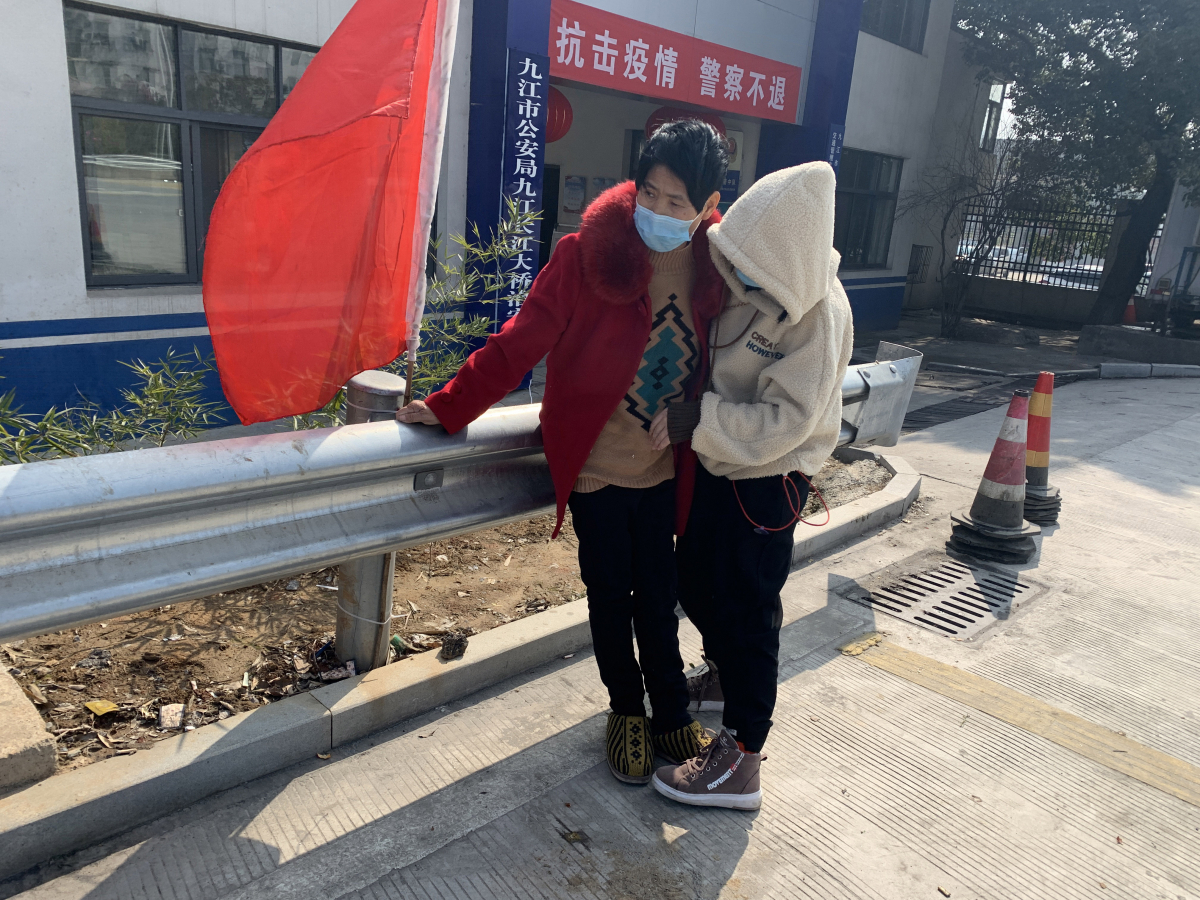
Shi Zhiyu, 15, helps her grandmother Ying Quanlong, 55, cross a bridge back home. They have been separated from their family for nearly two weeks after the closure of the bridge. MUST CREDIT: Washington Post photo by Gerry Shih

Shi Zhiyu, 15, helps her grandmother Ying Quanlong, 55, cross a bridge back home. They have been separated from their family for nearly two weeks after the closure of the bridge. MUST CREDIT: Washington Post photo by Gerry Shih

Since Jan. 24, a once-busy bridge connecting eastern Hubei to Jiujiang in Jiangxi province – and the outside world – has been shut as part of an unprecedented Chinese effort to contain the epidemic. Eighteen police officers guard the bridge on each shift, while a loudspeaker warns that “Hubei residents and vehicles are prohibited” from entry.

For a lucky few who have the right documents and appear healthy, the bridge is in fact a rare escape hatch. For Hubei residents locked on the outside and trying to get home, such as Shi and her grandmother, it’s a passage into a surreal confinement that will last weeks, if not months.

For the country, the bridge symbolizes the sudden isolation imposed over Hubei, a swath of China’s densely interconnected heartland that is now physically cut off.

As the epidemic radiated in recent weeks out from Hubei’s capital, Wuhan, the Chinese have turned against those who hail from the province – a domestic microcosm of the stigma that their compatriots now face internationally.

Hotels reject travelers with a Hubei identification card. Nervous workers screening passengers emerging from trains routinely ask whether they traveled from Hubei. Those from Hubei found in other parts of China are tracked down, accosted and sequestered at home by neighbors. When a man tried to escape Hubei by floating down the Yangtze River on a wooden raft last week, he was “educated” then turned back, Jiujiang police said.

Those who are found to “willfully” spread the disease by flouting quarantine rules could be punished by death, national authorities have warned. On social media, Chinese people have condemned the 5 million so-called “public enemies” – Wuhan residents who fled the city in the days before and immediately after the government’s lockdown order.

Here in Jiujiang, a lush corner of Jiangxi province 140 miles down the Yangtze from Wuhan, residents say proximity to the crisis has meant disease and paranoia, disrupted lives and commerce. But for a region historically bound to Hubei by trade, culture and blood, it’s also more complicated than that.

The bridge suddenly closed in January while Shi, who lives on the Hubei side of the river, was visiting her grandmother Ying Quanlong, who was hospitalized on the Jiangxi side after suffering a stroke.

“We come here all the time for movies and shopping. It’s a 20-minute bus ride,” said Shi, 15, as she set Ying on a wool blanket and waited for police approval for her father to drive an SUV across the empty bridge to pick her up. “Now, it’s another world.”

Hauling her luggage the other direction toward Jiujiang was a saleswoman surnamed Gui, who got up at 8 a.m. for a long taxi ride, then a 90-minute hike over the bridge. Like a trickle of other pedestrians, Gui was one of the few allowed to pass the police barricade and leave Hubei because she showed proof that she purchased train tickets onward to Shenzhen well before the quarantine announcement – and she had passed a temperature test for fever.

“I don’t blame” the quarantine, Gui said, laughing and seemingly relieved at her escape. “The country has to do what it has to do.”

Less than a quarter-mile away, in an alley off a deserted commercial drag, shopkeeper Zhang Hubin was less pleased about his city’s neighbors.

“It’s not right to be prejudiced, but when I hear a customer with a Wuhan accent, I get nervous,” said Zhang, who has seen his business grind to a halt as Jiujiang authorities ordered shops near the Hubei border closed and residents voluntarily stay indoors.

City officials have reported more than 87 coronavirus cases. Two Jiujiang hospitals last week posted requests on social media for donated masks and protective suits. The hospital seemed calm and sparsely populated on a recent afternoon, but two nurses confirmed that there was still a shortage of supplies.

Fear has spread beyond the immediate provincial border. On a country road outside Jiujiang, a red government banner proclaims: “Don’t run around if you just came back from Wuhan – it’s all over if you spread the disease.” Another reads: “You go running door-to-door? Death will show up at your door!”

In the foothills of the steep Mount Lu, a half-dozen thickset men loitered around a roadblock they constructed out of bamboo poles.

They were volunteers assigned by local officials to keep visitors – and the risk of infection – out of Shimendong Village. Other men were tasked with keeping fellow villagers inside, explained a volunteer surnamed Hu: many families in the village had migrant workers returning home from Hubei before the Lunar New Year holiday. They needed to be cautious.

“The village committee went door to door accounting for everyone who came back from Hubei,” Hu said. “We have them all isolated at home and under surveillance. Thankfully, no one is sick.”

He added: “This should be understandable.”

Those from Hubei have aired their despair about the fear and loathing they face. A woman told the Chinese newspaper Time Weekly that her housemates locked her out of her Beijing apartment. In the northern city of Shijiazhuang, neighborhood committees offered bounties of $280 to anyone who reported someone who had visited Wuhan. An apartment block in Shenzhen cut off water to force tenants from Hubei to register after returning to the southern city.

In Jiangxi’s provincial capital, Nanchang, hotels asked guests to answer surveys asking whether they had traveled to Hubei. A receptionist at a major international chain assured a visitor that there were no guests from Hubei in the building. “We’ve rejected them all,” he said.

Some officials, including the Communist Party chief of Wuhan, have taken notice and urged Chinese people not to treat their compatriots with scorn. The People’s Daily, the party’s official mouthpiece, instructed citizens to “not hold prejudice or treat cold-heartedly” people from Wuhan.

“They wish more than anyone to eliminate the epidemic,” the paper wrote. “They want safety, assurance and care.”

On an abandoned boulevard in Jiujiang, Tian Hongfa, a 62-year-old flower arranger, said he depended for years on a flow of tourists and flower purveyors from Hubei to sustain his business. He feared that Hubei’s isolation would plunge his city and much of central China into prolonged misery.

“We had already been having five years of slowing economy – and now this disease,” Tian said. “It’ll be a long time before we can lift our heads out of this.”

Jiangxi’s destiny is tied to Hubei, in the past and the present, Tian said. Like the ancestors of many in these parts, Tian’s father fled the Japanese invasion of Wuhan in the 1930s with two sacks of his belongings strapped to a bamboo pole across his shoulder and settled in Jiujiang, he said.

“I say we should have sympathy for those in Hubei,” Tian said. “We’re one family, of the river.”

Ten passengers infected with coronavirus on quarantined cruise ship with thousands aboard #ศาสตร์เกษตรดินปุ๋ย

#ศาสตร์เกษตรดินปุ๋ย : ขอบคุณแหล่งข้อมูล : หนังสือพิมพ์ The Nation

https://www.nationthailand.com/lifestyle/30381619?utm_source=category&utm_medium=internal_referral

Ten passengers infected with coronavirus on quarantined cruise ship with thousands aboard

Feb 05. 2020
By The Washington Post · Derek Hawkins · WORLD, HEALTH, ASIA-PACIFIC
Ten people aboard a cruise ship anchored off the coast of Yokohama, Japan, tested positive for the new coronavirus, Japanese media reported Tuesday. The news comes as the number of reported infections outside China continues to grow.

The roughly 3,500 passengers and crew aboard the British-flagged ship, the Diamond Princess, have been quarantined for more than a day after a traveler from Hong Kong was diagnosed with the new coronavirus.

All the infected passengers were in their 50s or older, with some in their 80s, Japan’s health and labor minister said, according to the news agency Jiji. Three were said to be Japanese nationals.

More than 270 people are being tested, said Katsunobu Kato, Japan’s minister of health, labor and welfare, the Nikkei Asian Review reported.

“We ask passengers to remain in the ship for at most 14 days,” Kato said. “We would like to take thorough measures.”

Those testing positive are being brought to medical institutions on land, he added.

The original infected passenger embarked in Yokohama on Jan. 20 and disembarked in Hong Kong on Jan. 25, Princess Cruises said in a statement Tuesday. During that time, he did not visit the ship’s medical center or report any symptoms, according to the company. Six days after leaving, he tested positive for the coronavirus in a Hong Kong hospital, Princess Cruises said.

Japanese health officials began screening passengers Monday night, focusing on those showing symptoms and others who had contact with potentially infected people, according to NHK, Japan’s public broadcasting network.

“The safety, security and well-being of all guests and crew is our absolute priority,” Princess Cruises said. “The review of the arriving guests and crew, by Japanese health authorities, is standard practice after a guest tested positive for coronavirus and we are working closely with the local authorities to provide detailed records to facilitate their review.”

Officials from the World Health Organization said nine countries outside China have confirmed 27 instances of human-to-human transmission, while cases continued to soar in China, where the outbreak began in Wuhan, a city of 11 million.

The most common symptoms are fever and cough, officials said.

On the Diamond Princess, passengers and crew remained on lockdown aboard the ship, according to the British channel ITV. Most people self-quarantined in their rooms while they awaited medical checks, passengers told the channel.

One passenger, David Abel, said he had to cancel a Monday night flight back to Oxfordshire, England, after the ship was denied permission to dock.

“The ship is like a ghost town,” he told ITV. “It’s really weird.”

Key evidence about coronavirus spread is retracted as public health decisions loom #ศาสตร์เกษตรดินปุ๋ย

#ศาสตร์เกษตรดินปุ๋ย : ขอบคุณแหล่งข้อมูล : หนังสือพิมพ์ The Nation

https://www.nationthailand.com/lifestyle/30381609?utm_source=category&utm_medium=internal_referral

Key evidence about coronavirus spread is retracted as public health decisions loom

Feb 05. 2020
File Photo:  Syndication Washington Post, Bloomberg

File Photo: Syndication Washington Post, Bloomberg
By The Washington Post · Carolyn Y. Johnson, Lena H. Sun · NATIONAL, WORLD, HEALTH

Last week, a medical journal reported that a business traveler from China had infected at least one person in Germany with coronavirus even though she had no symptoms. It was decisive evidence that the virus could spread undetected and a critical piece of information, one of the key factors U.S. officials weighed when formulating unprecedented quarantines and travel restrictions announced by health officials at the White House.

Now, interviews with the woman have revealed a fundamental mistake in the report, which appeared in the prestigious New England Journal of Medicine. It turns out the woman did have symptoms while she was in Germany. They were “mild unspecific symptoms,” including back pain, for which she took a fever-reducing Tylenol-like drug, according to Marieke Degen, a spokeswoman for the Robert Koch Institute, a German research institute and governmental public health agency that was following up on the case.

The revelation underscores how the urgency to make sweeping public health decisions about the spread of the coronavirus is clashing with the uncertainties surrounding a novel virus. The essential question public health experts are grappling with is how easily the virus spreads, particularly from people who have very mild symptoms. And despite the error in the report from Germany, it’s still possible that people can spread it before they have symptoms. Public health measures that depend on isolating people who could transmit the virus could become difficult to implement if the virus spreads before people realize they have been infected.

The new information could intensify an already challenging public health situation, experts said. The United States imposed wide-ranging quarantine and isolation measures that took effect Sunday, including barring non-U.S. citizens who recently visited from China from entering the United States. U.S. officials will also quarantine Americans who visited Hubei province, where the outbreak began, for 14 days.

“We can’t isolate everyone who has a headache and took a Tylenol,” said Marc Lipsitch, an epidemiologist at the Harvard T.H. Chan School of Public Health. If there is spread of disease when someone is not yet showing signs of illness, “it becomes a considerably bigger public health challenge.” he said. “The isolation of ill cases would not be effective if there’s transmission to a considerable degree before people are really sick.”

Swedish health officials leaped on the error to inform the public on its website that the evidence the virus could spread without symptoms was not based on science. The World Health Organization issued a report saying it is “aware of possible transmission” before symptoms, but noted that study continues on the “few instances” where it may have occurred.

Nine countries outside China have confirmed 27 instances of human-to-human transmission of the infection, WHO officials said Tuesday during an executive board meeting at WHO headquarters in Geneva, a worrisome sign for containment of the disease.

In China, cases continue to soar. Chinese officials on Tuesday reported a total of 20,438 confirmed cases of infection – an increase of 3,235 from Monday, the biggest daily jump since the National Health Commission began releasing statistics. Almost 3,000 of the infected are in critical condition.

WHO officials also said 2% to 3% of patients have gastrointestinal problems. The most common symptoms are fever and cough, officials have said.

The HO declared the outbreak a global health emergency Thursday and warned countries against imposing travel and trade restrictions on China. WHO Director-General Tedros Adhanom Ghebreyesus reiterated that call Tuesday, noting that 22 countries have reported such restrictions. The United States is one of them.

“Such restrictions can have the effect of increasing fear and stigma, with little public health benefit,” he said. In countries that have imposed them, he called for them to be short, proportionate to the public health risks, and be reassessed regularly.

He chided “some high-income countries” with confirmed cases that are “well behind” in sharing complete data about their cases. “I don’t think it’s because they lack capacity,” he said. Without better data, it’s difficult for the WHO to assess how the outbreak is evolving, or what impact it could have.

Hong Kong became the second place outside mainland China to report a fatality, after China reported 425 deaths, bringing the overall toll to 427. A 39-year-old man who died had a preexisting condition and had traveled to Wuhan last month. He was hospitalized Friday.

More infections were announced outside China, including six more in Thailand and Singapore, suggesting that the virus is gaining steam internationally.

In the United States, the top official at the Centers for Disease Control and Prevention overseeing the coronavirus response has cited the NEJM report about asymptomatic transmission as one of several “worrisome data points” about a serious public health situation.

“We are aware of the correction to the NEJM article on asymptomatic transmission and the fact that this patient did have mild symptoms is consistent with what we know of other cases,” a CDC spokeswoman said Tuesday.

She said the “enhanced response posture” of the federal government is based on “a dramatic increase in the number of cases reported, supporting efficient person-to-person spread, the geographic expansion of the outbreak, and continued reports of severe illness including those resulting in death.”

Anthony Fauci, the director of the National Institute for Allergy and Infectious Diseases, who has often been the official called on by the past six presidents to explain outbreaks to the American public, said he still believes it is possible for the virus to spread from someone who is not showing symptoms. Fauci had initially said the report had served as an important confirmation of rumors and anecdotes that had been filtering in from China, and he mentioned it at a White House briefing Friday.

“One of the problems with when the virus is transmitted in an asymptomatic way and has its implications – it puts a terrible burden on the screening process. How do you screen somebody?” Fauci said last week, when referencing the NEJM report. “You know, remember back with Ebola? Ebola doesn’t get transmitted unless you’re actively very ill, and you know that. It’s very, very clear.”

Upon learning of the journal error, Fauci said he picked up the phone and talked to a top public health official and scientist in Beijing who told him that the disease could spread without symptoms.

“I think it’s a double-edged sword. I think it’s important to get information out quickly when you’re dealing with an emerging and evolving public health issue, but there is a danger in that and we have just seen now a classic example of this danger,” Fauci said Tuesday. But he said his conversation made him confident that while the report was incorrect, the phenomenon it described is real.

Other clinicians said patients often recall their symptoms differently when multiple people ask them, said Trish Perl, chief of infectious diseases and geographic medicine at the University of Texas’s Southwestern Medical Center, who has fought other respiratory virus outbreaks, including severe acute respiratory syndrome, or SARS, which also emerged in China and infected about 8,000 people and killed nearly 800 between 2002 and 2003.

“Stuff you might not consider a symptom, like a little bit of a runny nose, is something people kind of ignore,” she said.

The information about the German case was published as a letter in the NEJM last Thursday, which – like other scientific and medical journals – has vowed to make emerging scientific information available rapidly available. That speed has been praised because information-sharing is essential in a public health emergency, but also opens the door for more errors.

A spokeswoman said the NEJM “is looking into the matter,” but the journal has not posted a correction or update. Degen, at the Robert Koch Institute in Berlin, said that its researchers had submitted its findings and that “it is still open when (and in which journal) this will be scientifically published.” The main author of the letter did not immediately respond to questions about the report.

The report could still have value, experts said, because it shows that a person with mild symptoms can transmit the illness initially.

Lipsitch added that public policy should be flexible in the face of an emerging threat, in order to take into account information that may change or evolve. The travel restrictions announced by the White House late last week stated that policy should be reevaluated at least every 15 days.

Lauren Ancel Meyers, a mathematical epidemiologist at the University of Texas at Austin, said that she is gearing up to simulate scenarios in which the disease spreads in the United States to help with preparation and planning for countermeasures. But much depends on information that is still murky: how soon after contracting the virus people can begin to spread it, how readily it spreads and other factors.

“There is so much uncertainty, and the information is changing every day about what is going on with the virus,” Meyers said.

Hong Kong resists China border closure over coronavirus threat as city reports first death #ศาสตร์เกษตรดินปุ๋ย

#ศาสตร์เกษตรดินปุ๋ย : ขอบคุณแหล่งข้อมูล : หนังสือพิมพ์ The Nation

https://www.nationthailand.com/lifestyle/30381575?utm_source=category&utm_medium=internal_referral

Hong Kong resists China border closure over coronavirus threat as city reports first death

Feb 04. 2020
By The Washington Post · Shibani Mahtani · WORLD, HEALTH

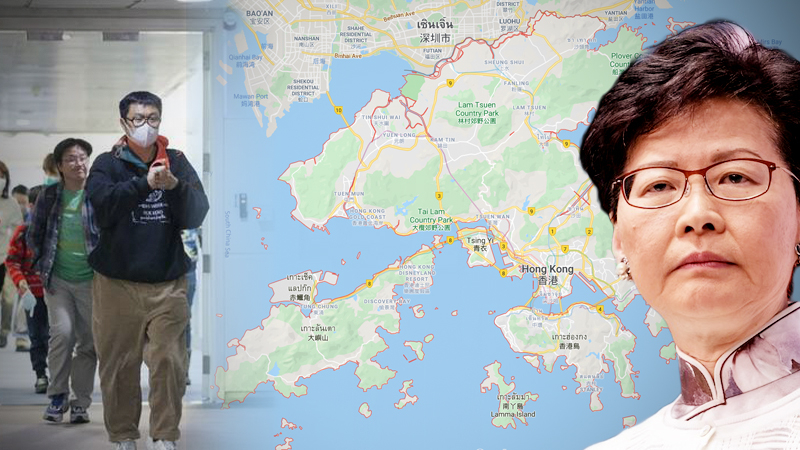
HONG KONG – Chief Executive Carrie Lam on Monday further restricted the territory’s border crossings with mainland China to curb the coronavirus outbreak but stopped short of a blanket closure demanded by hospital workers who will now execute a five-day strike.

The strike – organized by a pro-democracy union formed after months of political unrest – represents a conundrum for Lam. Beijing’s handpicked leader, who must weigh the intensifying public health crisis and widespread disaffection toward her government against her obligations to, and instructions from, the Chinese Communist Party.

On Tuesday, Hong Kong reported its first death from the coronavirus outbreak. The 39-year-old man had been in stable condition late last week, according to the Center for Health Protection, but deteriorated quickly in recent days. He had traveled to Wuhan on Jan. 21, returned to Hong Kong two days later and was admitted to the hospital last Friday.

Hong Kong, which has its own immigration system but is under China’s sovereignty, has reported 15 cases of the novel coronavirus infection. More than 17,000 cases and 360 deaths have been confirmed in mainland China, prompting many nations – the United States, Singapore and Italy to name a few – to impose sweeping and unprecedented travel restrictions on Chinese nationals and foreign travelers who have passed through the country.

China’s neighbors such as North Korea and Mongolia have sealed their borders in an effort to halt the spread of the virus, which has reached more than 20 countries.

Lam said Monday she would leave open only three of the financial center’s 14 crossing points with mainland China, including the airport. Hong Kong had already closed six border checkpoints, but Lam said there was a need to take further steps “because of the latest developments in the outbreak.” She said she hoped the closure would make it inconvenient for people to travel to mainland China, and provide a disincentive for people to cross.

But a full border closure was untenable, she said, because of the “almost unique” situation between Hong Kong and mainland China, including a “very close relationship” between the people on both sides.

There is “very legitimate and genuine cross-border traffic that we have to handle, otherwise we will end up with more troubles for this city and the seven million people in Hong Kong,” she said, citing cases of people who live in Hong Kong but work in the mainland, and vice versa.

She added that her government is “not the enemies of the Hong Kong people,” and is working in their best interest. Calls to shut the border have come from across the political spectrum.

Her moves, however, were insufficient to appease thousands of medical workers, who on Monday launched the first wave of a gradual strike designed to pressure the Hong Kong government to fully close the border.

The striking doctors, nurses and others are from the Hospital Authority Employees Alliance, a union formed following anti-government protests that rocked Hong Kong last year over fears that the city has been losing autonomy and ceding control of its affairs to Beijing.

The union on Monday said it will escalate the strike to involve more of its 18,000 members – including front-line medical workers – citing the government’s unwillingness to cede to their demands and a breakdown in talks with the Hospital Authority, which manages the territory’s government hospitals.

“Our actions have forced the government to gradually close the border,” said union chairwoman Winnie Yu, speaking after Lam’s announcement. Yet, she added, the government “has not directly responded to our demands.”

“We cannot see [Lam’s] sincerity to shut down all the borders, and to cut off the source of the virus,” Yu added.

Long lines formed at hospitals on Monday as nurses and doctors signed up at designated booths to register their participation in the strike. Across the city, residents wore white ribbons in solidarity with medical workers.

Employees in Hong Kong’s financial district, which is quieter than usual as companies institute work-from-home arrangements to halt the spread of the virus, held a small lunchtime protest supporting the medical workers, reminiscent of demonstrations at the height of the political unrest late last year. Some wore full-face respirators.

Tony Ko, the chief executive of the Hospital Authority, said Monday that the strike was already affecting services. Cardiac surgeries have had to be rescheduled, he said, and a shortage of staff members has been reported in pediatric wards.

“We are seriously concerned about the situation,” he said. “Patients may be put at unnecessary risk.”

Lam, eager to quash any perception that civil resistance can sway her government, said her decision to widen the border closures has “absolutely nothing to do” with the medical workers’ strike.

“If anyone thinks that by resorting to such extreme measures, the government will be made to do something that is not rational or will harm the public good, they will not get anywhere,” she said.

“This is a tactic that smacks of political considerations. We believe it really doesn’t help protect public health and the fight against the disease.”

Why does the state of New York have the nation’s lowest suicide rate? #ศาสตร์เกษตรดินปุ๋ย

#ศาสตร์เกษตรดินปุ๋ย : ขอบคุณแหล่งข้อมูล : หนังสือพิมพ์ The Nation

https://www.nationthailand.com/lifestyle/30381528?utm_source=category&utm_medium=internal_referral

Why does the state of New York have the nation’s lowest suicide rate?

Feb 04. 2020
Jessica Lioy took part in a brief intervention program in New York.

Jessica Lioy took part in a brief intervention program in New York. “They … make you focus on the worst thing in your life and then coach you through it,” Lioy says. MUST CREDIT: Courtesy of Jessica Lioy
By Special To The Washington Post · Michelle Andrews · HEALTH 

“I just snapped” is how Jessica Lioy describes her attempt in April to kill herself.

After a tough year in which she’d moved back to her parents’ Syracuse, New York, home and changed colleges, the crumbling of her relationship with her boyfriend pushed the 22-year-old over the edge. She impulsively swallowed a handful of sleeping pills. Her mom happened to walk into her bedroom, saw the pills scattered on the floor and called 911.

In 2017, 1.4 million adults attempted suicide, while more than 47,000 others did kill themselves, making suicide the 10th-leading cause of death in the United States, according to the Centers for Disease Control and Prevention. And the rate has been rising for 20 years.

Like other states, Jessica Lioy’s home state of New York has seen its rate increase. But New York has consistently reported rates well below those of the United States overall. Compared with the national rate of 14 suicides per 100,000 people in 2017, New York’s was just 8.1, the lowest suicide rate in the nation.

What gives? At first glance, the state doesn’t seem like an obvious candidate for the lowest rank. There’s New York City, all hustle and stress, tiny apartments and crowds of strangers. And upstate New York, often portrayed as bleak and cold, is famously disparaged in the Broadway musical “A Chorus Line” with the comment that “to commit suicide in Buffalo is redundant.”

Experts say there’s no easy explanation for the state’s lowest-in-the-nation rate. “I can’t tell you why,” said Jay Carruthers, a psychiatrist who is the director of suicide prevention at the New York State Office of Mental Health.

There is no single answer, but a number of factors probably play a role, Carruthers and other experts on suicide said.

Low rates of gun ownership are likely key. Guns are used in about half of suicide deaths, and having access to a gun triples the risk that someone will die by suicide, according to a study in the Annals of Internal Medicine. Because guns are so deadly, someone who attempts suicide with a gun will succeed about 85 percent of the time, compared with a 2 percent fatality rate if someone opts for pills, according to a study by researchers at the Harvard Injury Control Research Center.

“The scientific evidence is pretty darn good that having easy access to guns makes the difference whether a suicidal crisis ends up being a fatal or a nonfatal event,” said Catherine Barber, who co-wrote the study and is a senior researcher at the Harvard center.

New York has some of the strongest gun laws in the country. In 2013 – after the mass shooting at Sandy Hook Elementary School in Newtown, Connecticut – the state broadened its ban on assault weapons, required recertification of pistols and assault weapons every five years, closed a private sale loophole on background checks and increased criminal penalties for the use of illegal guns.

Last year, the state enacted laws that, among other things, established a 30-day waiting period for gun purchases for people who don’t immediately pass a background check and prevented people who show signs of being a threat to themselves or others from buying guns, sometimes referred to as a “red flag” or “extreme risk” law.

The population is also heavily concentrated in urban areas, including more than 8 million people living in New York City. According to the Census Bureau, nearly 88 percent of the state’s population lived in urban areas in the 2010 census, while the national figure is about 81 percent.

Suicide rates are typically lower in cities. In 2017, the suicide rate nationwide for the most rural counties – 20 per 100,000 people – was almost twice as high as the 11.1 rate for the most urban counties, according to the CDC. The trend is accelerating. While the suicide rate in the most urban counties increased by 16 percent from 1999 to 2017, it grew by a whopping 53 percent in the most rural counties.

Loneliness, isolation and access to lethal weapons can be a potent combination that leads to suicide, said Jerry Reed, who directs the suicide, violence and injury prevention efforts at the Education Development Center. The center runs the federally funded Suicide Prevention Resource Center, among other suicide prevention projects.

People in rural areas may live many miles from the nearest mental health facility, therapist or even their own neighbors.

“If your spouse passes away or you come down with a chronic condition and no one is checking on you and you have access to firearms,life may not seem like worth living,” Reed said.

New York’s efforts to prevent suicides include conducting a randomized controlled trial to test the effectiveness of a brief intervention program developed in Switzerland for people who have attempted suicide – because they are at risk for trying again.

The trial has yet to get underway, but clinicians at the Hutchings Psychiatric Center in Syracuse were trained in the Attempted Suicide Short Intervention Program, as it’s called. They began testing it with some patients in 2018.

Jessica Lioy was one of them. After her suicide attempt, she spent a week at the inpatient psychiatric unit at Upstate University Hospital in Syracuse. A social worker approached her about signing up for that outpatient therapy program.

The program is simple. It has just four elements:

In the first session, patients sit down with a therapist for an hour-long videotaped discussion about why they tried to kill themselves.

At their second meeting, they watch the video to reconstruct how the patient moved from experiencing something painful to attempting suicide.

During the third session, the therapist helps the patient list long-term goals, warning signs and safety strategies, along with the phone numbers of people to call during a crisis. The patient carries the information with them at all times.

Finally, during the next two years, the therapist writes periodic “caring letters” to the patient to check in and remind them about their risks and safety strategies.

In the Swiss trial, about 27 percent of the patients in the control group attempted suicide again during the next two years. Only 8 percent of those who went through the intervention program reattempted suicide during that time.

“The difference with ASSIP is the patient involvement. It’s very patient-centered,” said Seetha Ramanathan, the Hutchings psychiatrist overseeing the program. It’s also focused on the suicide attempt, not on other issues like depression or post-traumatic stress disorder, she said.

Lioy said that, at the beginning, she didn’t have high hopes for the program. She had already told her story to many doctors and mental health therapists. But this felt different, she recalled.

“They steal you for an hour from the universe and make you focus on the worst thing in your life and then coach you through it,” Lioy said. “They force you to feel something, and they force you to just reflect on that one situation and how to move forward to not end up back in that place. It’s very immediate.”

It hasn’t all been smooth sailing. Shortly after returning home, Lioy felt depressed and couldn’t get out of bed. But she had learned the importance of asking for help, and she reached out to her parents.

“I was able to talk with them, and it felt amazing,” she said. “I’d never done that before.”

There have been other changes. Since returning home, Lioy finished her bachelor’s degree in molecular genetics and is working as a pharmacy technician. She’s applying to doctoral programs, and she has a new boyfriend, although she said she no longer needs a boyfriend to feel OK about herself.

“It’s been a really big journey,” Lioy said.