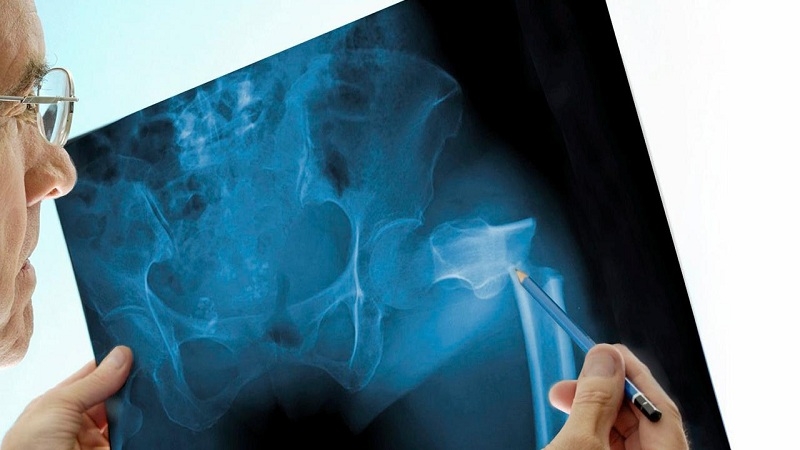
300,000 break their hips each year. Calcium and vitamin D could cut that number, research says. #ศาสตร์เกษตรดินปุ๋ย

#ศาสตร์เกษตรดินปุ๋ย : ขอบคุณแหล่งข้อมูล : หนังสือพิมพ์ The Nation

https://www.nationthailand.com/lifestyle/30381526?utm_source=category&utm_medium=internal_referral

300,000 break their hips each year. Calcium and vitamin D could cut that number, research says.

Feb 04. 2020
By Special To The Washington Post · Linda Searing · HEALTH

A fractured hip – one of the most common bone breaks experienced by the elderly – sends more than 300,000 people 65 and older to the hospital each year, according to the Centers for Disease Control and Prevention. New research, however, suggests that taking both calcium and vitamin D supplements could trim that number.

Analyzing data from 17 studies, involving nearly 84,000 people, most in their upper 60s or older, researchers found that those who took both supplements were about 16% less likely to break a hip and 6% less likely to break any bone. By comparison, no protection from bone breaks of any sort was found for those who took only vitamin D, according to the research published in the journal JAMA Network Open. Long billed as essential for healthy bones, calcium and vitamin D work together.

Calcium is a key nutrient for building strong, dense bones and protecting them from the weakening effects of osteoporosis. But the body needs vitamin D to absorb calcium. Good sources of calcium include milk, cheese, yogurt, broccoli, cabbage, leafy greens, and food and drink fortified with calcium, such as cereals and orange juice. For most people, sunlight is the main source of vitamin D. It is naturally present in only a few foods – egg yolks and fatty fish, for instance, as well as milk fortified with vitamin D.

Among the thousands of hip fractures each year, women experience three-fourths of them, and more than 95% are the result of a fall, according to the CDC. To prevent these fractures, experts recommend weight-bearing and other exercises that strengthen bones and muscles, such as walking, running, climbing stairs and lifting weights. Needed amounts of the two key nutrients vary by age, but most recommendations for adults suggest 1,000 milligrams (mg) of calcium daily from food and – if necessary – supplements, increasing to 1,200 mg for women 50 and older and men 70 and older.

For vitamin D, if food and sunshine prove insufficient, adults 50 and older should get 800 to 1,000 IU of vitamin D daily from a supplement, according to the National Osteoporosis Foundation. Talk with your doctor before taking supplements.

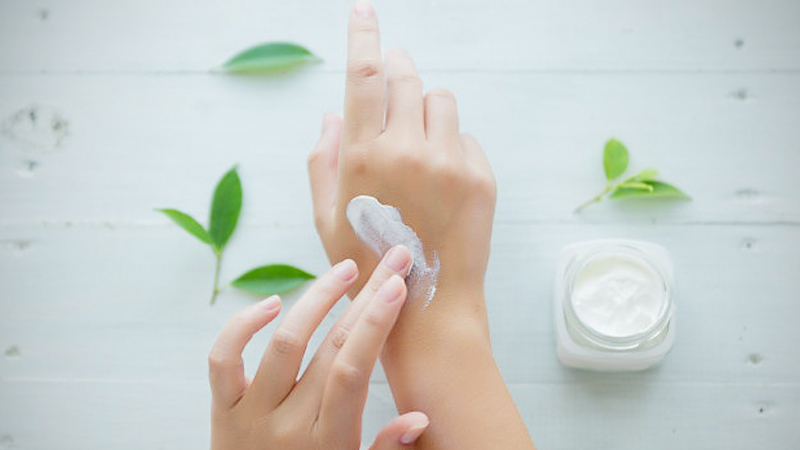
Winter dries out skin, but moisturizing helps #ศาสตร์เกษตรดินปุ๋ย

#ศาสตร์เกษตรดินปุ๋ย : ขอบคุณแหล่งข้อมูล : หนังสือพิมพ์ The Nation

https://www.nationthailand.com/lifestyle/30381445?utm_source=category&utm_medium=internal_referral

Winter dries out skin, but moisturizing helps

Feb 02. 2020
By Special To The Washington Post · Jill U. Adams · HEALTH
My hand lotion dispenser gets a workout in the winter.

I wash my hands a lot to prevent whatever virus is making the rounds of my neighborhood. Afterward, I lotion up to prevent the dry skin that often seems to accompany cold weather.

And it’s not just hand washing that may lead to dry skin. In a study of German hairdressers, who presumably have similar routines regardless of season, researchers noticed more complaints about dry and irritated skin during cold winter months.

What is it about winter that causes skin to be more dry?

“It’s multifactorial,” says Daniela Kroshinsky, a Harvard University dermatologist. Humidity is a big reason. Outdoors, the cold air holds less moisture. Indoors, heating systems also dry out the air.

If you take long, hot showers, that will add to the problem because you’re washing away some of the natural oils in your skin. Harsh soaps, Kroshinsky says, can strip even more oils out.

“But soap is not the main thing,” she says. “Humidifiers are wonderful.”

Studies on human skin function found that the top layers of skin holds less water in low-humidity conditions.

If you want to humidify your home, Kroshinsky recommends a high-capacity machine. “Smaller units probably don’t change the humidity level effectively,” she says.

A humidity gauge will ascertain that the machine is having an effect – 45% to 55% relative humidity is a typical target.

The main problem with dry skin is that it is uncomfortable. And sometimes kind of gross. My lips may crack and I can shake dander out of my clothes at the end of the day.

A review of the scientific literature on climatic conditions found this general truth: Low humidity and low temperatures reduce the skin’s capacity to serve as a barrier and increase the risk of dermatitis – itchy, dry and often inflamed skin.

Patients with atopic dermatitis – the most common form of eczema with its characteristic red, itchy skin – are particularly sensitive to winter dryness and can experience flare-ups.

Patients complaining of itchy skin are not uncommon beginning in November or December, says Gary LeRoy, a family physician in Dayton, Ohio, who is president of the American Academy of Family Physicians.

“When did you turn on your heat in your house and close all your windows? Do you take really hot baths or showers? Do you pat or rub dry? Rubbing can exfoliate the skin and can add to drying out,” he says.

LeRoy recommends taking showers that aren’t too long or too hot, patting yourself dry and applying moisturizer while your skin is still damp. Also, “an oatmeal bath can help with itchy sensation,” he says.

The easiest route to managing dry skin in winter is to use a moisturizer. They come in varying packaging – pump or pour lotions, creams in a tube or jar, and ointments, such as petroleum jelly – and contain a dizzying array of ingredients.

They don’t actually add water to your skin. Rather, they keep water from escaping. Some substances, such as shea butter and lanolin, which are emollients, are intended to make your skin feel softer.

LeRoy says lotions with a lactic acid base are “pretty doggone good.” Other ingredients to look for are salicylic acid, glycolic acid, and urea.

Kroshinsky says helpful ingredients include ceramides, glycerin and hyaluronic acid.

Ceramides are naturally occurring compounds in the skin that impede water loss. Both urea and lactic acid work in part by stimulating the skin to make more ceramides.

One study compared six commercially available moisturizers that contain different mixes of therapeutic agents on the skin of 80 people with moderately or severely dry skin. Applied twice a day for four weeks, all the products improved symptoms.

The researchers concluded that “consistent and regular moisturizer use is much more important than the moisturizer’s particular formulation.”

Kroshinsky agrees. She tells her patients to choose a moisturizer that they will use: “If you don’t like the feel or the smell, that’s not good. Because you have to actually use it.”

Moisturizing twice a day seems to be the ideal treatment. “You’ll get the most bang for your buck after the shower,” Kroshinsky says.

That is because the lotion or cream will trap moisture gained from your shower. Plus, she says, cream-based moisturizers go on easier when your skin is damp and feels less greasy.

Both doctors agree that it’s best to avoid fragrances and color dyes, which can be irritating. Beware: A lotion labeled “fragrance-free” means just that, while “unscented” lotions are formulated to not have a noticeable odor, but may still contain fragrance compounds.

When should you see a doctor for dry skin? “When you become concerned about it,” LeRoy says. “Because it’s compromising your lifestyle or common fixes aren’t helping.”

Other things that should be checked out are rashes that won’t go away or are getting worse, and any sign of infection – skin that’s hot to the touch, painful or weeping.

Kroshinsky says a good dermatologist will check for other causes of dry skin. Maybe it’s not just winter drying out your skin. It could be a health condition or your medication.

Some people are more sensitive to changes in climate, especially the very young and the very old.

“As we age, the oil components of our skin diminish,” Kroshinsky says. Also, skin is thinner in older people.

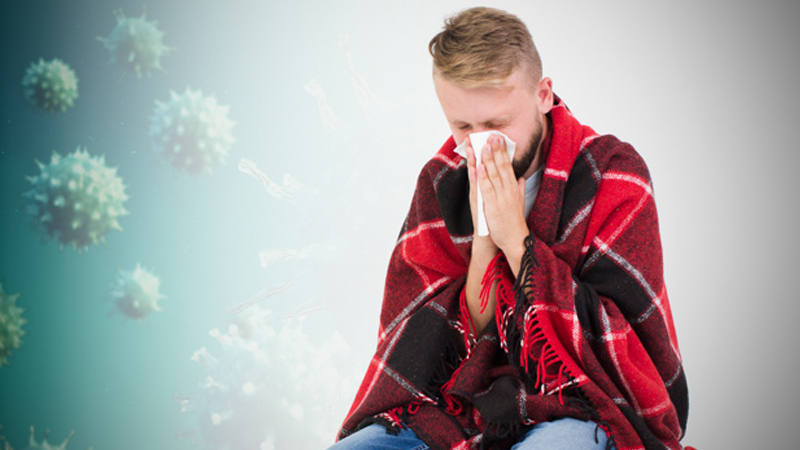
Flu is a much bigger threat than coronavirus #ศาสตร์เกษตรดินปุ๋ย

#ศาสตร์เกษตรดินปุ๋ย : ขอบคุณแหล่งข้อมูล : หนังสือพิมพ์ The Nation

https://www.nationthailand.com/lifestyle/30381435?utm_source=category&utm_medium=internal_referral

Flu is a much bigger threat than coronavirus

Feb 02. 2020
By The Washington Post · Lenny Bernstein · NATIONAL, HEALTH 
The rapidly spreading virus has closed schools in Knoxville, Tennessee, cut blood donations to dangerous levels in Cleveland and prompted limits on hospital visitors in Wilson, North Carolina. More ominously, it has infected as many as 26 million people in the United States in just four months, killing up to 25,000 so far.

In other words, a difficult but not extraordinary flu season in the United States, the kind most people shrug off each winter or handle with rest, fluids and pain relievers if they contract the illness.

But this year, a new coronavirus from China has focused attention on diseases that can sweep through an entire population, rattling the public despite the current magnitude of the threat. The flu poses the bigger and more pressing peril; just seven cases of the new respiratory illness have been reported in the United States, none of them fatal or apparently even life-threatening.

“Anything that we don’t feel we have sufficient information about feels like a threat,” said Lynn Bufka, senior director of practice research and policy at the American Psychological Association and an expert on anxiety. “The flu doesn’t feel novel. Most people’s experience with the flu is they’ve had it, they’ve recovered, it’s not a big deal – despite the fact that thousands of people die every year.”

According to the Centers for Disease Control and Prevention, 8.6 million to 12 million people have visited health-care providers complaining of influenza-like symptoms, such as fever, coughing, sneezing and aches since the flu season began Oct. 1. As many as 310,000 people have been hospitalized, and 68 children have died.

On the CDC’s map of flu activity, most of the nation is a deep red, indicating the highest level of “influenza-like illness” activity.

The entire school district serving Knoxville and Knox County, Tennessee, which has 57,800 students, shut down this week because of flu circulating among students and staffers. In Cuyahoga County, Ohio, which includes Cleveland, 218 people have died; 2,500 have shown up in emergency rooms in the city alone, said Merle Gordon, director of the city’s Department of Public Health. In Arkansas, nine school districts have closed, 33 people have died and hospitalizations have increased sharply in the past two weeks.

“We’re being hit right now, a lot of communities at the same time,” said Jennifer Dillaha, medical director for immunizations and outbreak response for the Arkansas Department of Health.

More than 173 million doses of flu vaccine have been administered to date, much less than needed to cover the nation. During the 2018-2019 flu season, the latest with complete data available, 45.3% of adults and 62.6% of children received flu shots, according to the CDC.

Two types of flu are circulating, increasing risk. They seem to be producing fewer fatalities among older people, who typically comprise most of the deaths during flu season, but they are hitting children hard. The current season does not appear to be as severe as 2017-2018, when the flu reached epidemic proportions and as many as 95,000 people died, according to CDC estimates.

But no amount of flu can mitigate public fear and interest in the new coronavirus, which is spreading inexorably out of China, where it has killed more than 250 people and infected more than 11,000.

“I would say that there’s good interest in both,” Dillaha said. “I think people are a little bit panicked about coronavirus and want to know what steps to take, thinking that it’s circulating in the state.” So far it isn’t, she said.

“Any time someone asks about the flu they talk about coronavirus, and any time they talk coronavirus, they ask about the flu,” she said.

Anthony Fauci, director of the National Institute of Allergy and Infectious Diseases and a member of the government task force coordinating the response to the coronavirus, said he is often asked why the government is focusing on coronavirus when so many are dying of seasonal influenza.

“I often get asked: ‘We have an influenza outbreak here, we have about 8,000 deaths already, 100,000 hospitalizations. Why are we paying such attention” to coronavirus?

“The reason is, despite the morbidity and mortality with influenza, there’s a certainty of seasonal flu. I can tell you as we get into March and April, the cases are going to go down.”

Until officials can offer that kind of certainty about the coronavirus, even if it does not seem as dangerous as the flu, anxiety levels will not decline, Bufka said. While public health officials are urging handwashing, staying home when sick and keeping a distance from obviously ill people, Bufka suggests a different calculation for mental health.

When she counsels anxious clients, they “try to get a good assessment of what is actually the risk,” she said. “How likely is it? And try to distinguish between possibility and probability.

“Sure it’s possible there will be more cases in the U.S. It’s probable there will be more cases in the U.S. But it’s not likely to be the person standing next to me in the grocery store.”

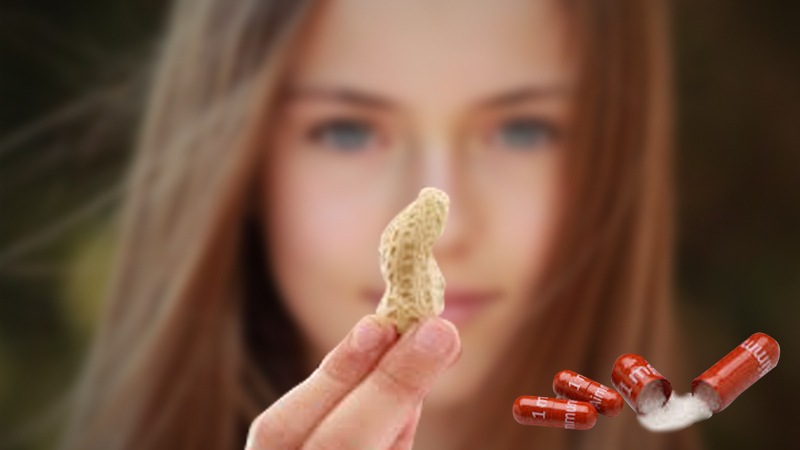
First peanut allergy drug approved by FDA #ศาสตร์เกษตรดินปุ๋ย

#ศาสตร์เกษตรดินปุ๋ย : ขอบคุณแหล่งข้อมูล : หนังสือพิมพ์ The Nation

https://www.nationthailand.com/lifestyle/30381393?utm_source=category&utm_medium=internal_referral

First peanut allergy drug approved by FDA

Feb 01. 2020
By The Washington Post · Carolyn Y. Johnson 
The first drug to prevent potentially life-threatening allergic reactions to peanuts was approved Friday, providing children and families who live with the fear of accidental exposures a long-awaited treatment option.

The therapy, Palforzia, isn’t a cure and comes with significant risks of triggering the very reactions it is supposed to quell. But for families and children who have re-engineered their routines to minimize potential exposures – changing how and whether they travel, eat out, socialize and feel safe in their daily lives – it could offer an important layer of protection and relief.

Palforzia is seen as an important test case for a new generation of therapies expected to transform how a rising epidemic of food allergies are treated. Doctors who have had few tools other than counseling their patients to assiduously avoid peanuts expect that other drugs will follow – additional drugs for peanut allergy, as well as egg and tree nut allergies. Aimmune Therapeutics, which makes Palforzia, has several other food allergy treatments in its pipeline.

“Even with strict avoidance, inadvertent exposures can and do occur. When used in conjunction with peanut avoidance, Palforzia provides an FDA-approved treatment option to help reduce the risk of these allergic reactions,” said Peter Marks, director of the Food and Drug Administration’s Center for Biologics Evaluation and Research.

Allergists have emphasized that the drug will not be appropriate for every family. It is approved for children ages 4 to 17 and requires children to eat increasing doses of peanut protein to gradually desensitize their allergies. That means patients must intentionally expose themselves to the very substance that causes trigger a life-threatening reaction under the regimen, called oral immunotherapy. Due to the risks, patients must take some doses under a doctor’s supervision. The drug can cause severe allergic reactions and require epinephrine injections. It’s unclear how long patients will have to stay on the drug.

Palforzia, which will carry a list price of $890 per month, could also reignite discussions about high drug prices – although the company will offer an assistance program to drop patient’s share of the cost to as low as $20. Some physicians have already used this oral immunotherapy approach to desensitize people to peanut allergies using commercially available, inexpensive peanut flour. Proponents of Palforzia argue that having a drug available could standardize the treatment, provide a way for insurance to cover it and also ensure that there isn’t variability in the amount of allergen in different batches of peanut flour.

But a study by the Institute for Clinical and Economic Review, which evaluates whether drugs are worth the price, found that there wasn’t sufficient evidence that Palforzia was better than strictly avoiding peanuts or than current immunotherapy that uses peanut flour.

The therapy has been life-changing for Giuliana Ortega, 8 of Hughesville, Maryland. Her mother, Alicia, vividly recalls when Giuliana ate a peanut butter cracker when she was two and a half years old. She was vomiting white foam by the time a steroid finally started to combat the reaction. Later, in pre-kindergarden, a friend who had eaten a peanut butter sandwich hours earlier handed her his kazoo. After she blew into it, she had a severe reaction.

Giuliana has been taking Palforzia through a clinical trial since she was four and said that the therapy has changed her life. Now, she can choose whether to sit at the peanut-free table at lunch or with the other kids, take a flight to Florida and even hug family members without having to ask them if they’ve eaten peanuts recently.

“I’ve gone on a vacation, can sit at a normal table with the normal kids when I want to, go to the theater without wiping the seat down, can go to a hotel safely, can fly on a plane now,” Giuliana said. She said the first time that her mom told her she could sit at the lunch table where kids might be eating peanut butter sandwiches or other food with peanuts she was scared, but that she felt fine.

But Giuliana’s experience also demonstrates how much commitment the drug will take, and that it may not be for everyone. As part of the treatment, she went to the hospital every other Friday to be bumped up to a higher level of the drug under medical supervision. The medicine caused some allergic reactions and stomach cramps, and her parents had to be careful that their daughter, who loves to dance, stayed calm and still after she took the drug. If she ran up the stairs, for example, it could cause her to metabolize the drug too fast and trigger a reaction.

Under the standards set in the trial, Giuliana didn’t have a clear cut success – she was not able to eat the equivalent of 2 peanuts without having a reaction. But her mother, Alicia, said that the drug has been critical in giving the family a new level of confidence.

They have begun to eat at new places – including a special breakfast each week when her dad would bring back doughnuts. One day last summer, after Giuliana ate the same doughnut she’d had safely many times, Alicia noticed that her daughter was getting a puffy, swollen look around her eyes that usually preceded a reaction. Alicia called the shop and found out that a new doughnut of the month had just been introduced that contained peanut, possibly cross-contaminating the one her daughter was eating. But the miraculous thing was that Giuliana took a Claritin, and her reaction subsided.

“That’s kind of what we wanted, just a normal life,” Alicia Ortega said. They’re still vigilant about peanuts, but it has been life-changing. “It’s given us a confidence that we would never have had.”

In an angry America, a new remedy emerges: Compassion #ศาสตร์เกษตรดินปุ๋ย

#ศาสตร์เกษตรดินปุ๋ย : ขอบคุณแหล่งข้อมูล : หนังสือพิมพ์ The Nation

https://www.nationthailand.com/lifestyle/30381338?utm_source=category&utm_medium=internal_referral

In an angry America, a new remedy emerges: Compassion

Jan 31. 2020
Susan O'Mara, chair of Emergency Medicine at MedStar Washington Hospital Center, recently took a compassion training. MUST CREDIT: Washington Post photo by Michael Robinson Chavez.

Susan O’Mara, chair of Emergency Medicine at MedStar Washington Hospital Center, recently took a compassion training. MUST CREDIT: Washington Post photo by Michael Robinson Chavez.
By The Washington Post · Michelle Boorstein · NATIONAL, SCIENCE-ENVIRONMENT 

As the head of a big-city hospital’s emergency department, Susan O’Mara has always focused on providing quick answers to people in crisis: A relative desperate for information.

An injured person facing a very long wait. A colleague exhausted from dealing with fed-up patients. But until a special training a few months ago, O’Mara didn’t consider whether there were ways to be more compassionate in her response.

The training taught the doctor to pause and listen, and not jump to fix or respond defensively if an angry patient is on the offense. She said it has helped her focus better and find a deeper well of sympathy, even as she deals with trying situations at MedStar Washington Hospital Center in the nation’s capital.

“You want to get patients from Point A to Point B with compassion, and also not internalize and feel badly yourself,” she said. “To approach someone who is sad, scared, angry – to approach someone who is angry with compassion is the Holy Grail of emergency medicine.”

Defined as the ability to notice suffering (in ourselves and others) and then the desire to take action to alleviate it, “compassion” has become the buzzword for an angry nation. It is increasingly being held up by neuroscientists, corporations, business schools and psychologists as a concrete, powerful health strategy – and a successful business model.

Universities have opened centers devoted to compassion. Marianne Williamson and Cory Booker talked about it as an urgent American need during their presidential campaigns. Job networker LinkedIn and wealth manager Brighton Jones both recently created a director of compassion position.

Experts say this shift is the result of new research showing compassion’s impact, as well as an urgent desire to address rising rates of depression and anxiety among young people, and a steep climb of rates of suicide among all ages.

The idea that it’s good to be “compassionate” to yourself or someone else is obviously not new. But these uber-studied, emerging methods are very deliberate, part of a generation of neuroscience and genetic research into how the brain and body interact, and how relations with others have an impact on our health. The research looks at how compassion influences everything from the length of your life to how much you contribute to your employers’ bottom line.

Techniques used to train people to practice compassion range from O’Mara’s deep listening of others to hugging yourself, stroking your skin, and talking to yourself in a calming way. Experts use teachings, including about the interconnectedness of all people; exercises such as deep breathing or having a dialogue with a hurting body part, and practices like volunteering.

A group at the University of Helsinki studying compassion at work asks employers to run through a checklist about their employees: Am I showing interest? Understanding? Respect? Fairness? Offering the person a sense of control?

The focus on compassion comes more than a decade after the explosion in the U.S. of “mindfulness” – practices focused on attention, awareness and breathing. Health experts say compassion is the next phase, kind of mindfulness 2.0.

Stanford University neurosurgery professor James Doty, whose 2016 best-selling memoir about compassion became the subject of a hit Korean pop song, said the compassion center he runs was the only one of its kind when it opened 12 years ago. Now, he said he has research collaborations worldwide. “Millions of dollars are being given to support this research,” he said. “Compassion is no longer a ‘soft’ science.”

No one is saying the country or the world is getting more compassionate. In fact, some widely cited research says young Americans are becoming less empathetic. But a compassion industry is rising in opposition.

The movement is fueled by a belief that “the level of suffering and the visibility of suffering has made compassion essential,” said Jane Dutton, a professor at the University of Michigan who studies compassion in the workplace. Traditionally nurturing institutions like family and church are disintegrating at the same time social media is exploding, Dutton said, “compelling a certain level of urgency – and maybe some optimism, that this can be learned and facilitated.”

At the same time, Silicon Valley is leading a quest for higher productivity, complete with research about group psychology and values and what makes people work well (the best-known example is Project Aristotle, part of Google’s multimillion-dollar dive into what makes teams thrive).

Elina Lampinen, a bank executive in Helsinki, spent a year taking classes and doing exercises aimed at understanding and improving emotional skills around compassion. Lampinen, 55, now works in risk management, and she said she feels much more compassionate and better able to have difficult conversations with employees.

“I’ve always had a positive understanding of people, but I’d say I’m more tolerant and understand why people do things the way they do – including myself,” she said. “What I learned is that between stimulus and reaction, there is freedom of choice. And for me, that’s a big change.”

Nearly 100,000 people signed up for a 10-day online “compassion challenge” launched this month by popular Washington-area meditation and mindfulness author and teacher Tara Brach, who recently changed one of the acronyms she uses in her teaching to include the compassion-related concept of nurturing.

” ‘We’re not survivors of the fittest, we’re survivors of the nurtured,’ ” Brach said in an interview, citing a quote by psychologist Louis Cozolino.

The word “compassion” conjures different images. It can be a broad synonym for, essentially, being nice, being empathetic. And “self-compassion” can be shorthand for “taking care of yourself.” The new movement seeks to narrow the word to more specific skills and actions.

Doty, Brach and others say the compassion movement is a recognition that mindfulness – however healthy – is limited, focused on being aware in a nonjudgmental way about your thoughts, feelings and narratives.

“You could be a Type A ruthless person, and mindfulness could make you more self-absorbed, for some people,” Doty said. “In mindfulness, compassion is implicit. And in my view, it needed to be more explicit.”

The movement also aims to define the difference between empathy – the ability to put ourselves in someone else’s shoes, in situations positive or negative – and compassion, which includes the motivation to do something to ease suffering.

Compassion debates have emerged. Is there such a thing as too much compassion? In workplaces, can compassion undercut other imperatives such as efficiency? Is compassion a feeling or a learned practice?

Joan Brown Campbell, a minister and interfaith activist who has been involved with pro-compassion campaigns for decades, said she worries about the term getting trendy and superficial.

” ‘Compassion’ is a very hard word. Some see being compassionate as easygoing, not challenging. For many, ‘compassion’ seems not risky enough. It’s not something you wake up and say: ‘I think I’ll be compassionate,’ ” she said. “Compassion is a way of living in a diverse world.”

For a year now, Scott Shute has been head of mindfulness and compassion at the 16,000-person LinkedIn. As part of its focus on compassion, the firm decided to shift its primary success metric of its job list from how many jobs are on LinkedIn to how many people get jobs on LinkedIn. “It’s from a self-centered metric to an other-centered metric,” Shute said.

He teaches a class called “From Me to We,” which at times is about putting all company stakeholders – not just shareholders – in equal regard. Other times, it’s something that sounds like corporate self-help.

“The ‘me’ part is having a growth mind-set. The ‘we’ is compassion,” he said. “No matter what’s happening you can do something. Going from pessimistic to optimistic.”

A 2017 review of Harvard graduates who had been followed for 80 years concluded connection and relationships were the best indicators of longevity. A similar correlation is made about volunteering, a University of Michigan study found. Other compassion-related research is more neurological or genetic.

Parneet Pal is chief science officer at Wisdom Labs, which consults workplaces on how to improve resiliency and decrease stress. New MRIs, she said, are being used to show which brain networks or hormone levels are affected when someone is being empathetic, which are affected when someone is being compassionate, and the importance of learning the difference when working with others’ pain.

Doty studies how heart-rate variability is associated with being able to handle caring for those who are suffering without getting physically or psychologically overwhelmed yourself.

O’Mara, of Washington Hospital Center, decided to study compassion in her early 50s. With kids leaving the house and a new big job, she was looking closely at self-care. Aside from exercise and eating, she realized she needed a plan that would help patients and her staff thrive while keeping her from “drowning in other people’s difficulties.”

When she first heard of an intensive training through Georgetown University’s School of Medicine, “I asked: ‘Is there crying?’ My friend said: ‘There’s 100% crying.’ I thought: vulnerability is not my thing.”

She aims now for some daily yoga or meditation, and feels the compassion training has changed her interactions with patients and colleagues.

“I had felt my mind and body were not connected, and I want to move into the second half of my life aware,” she said. “I see that as the next frontier.”

Coronavirus vaccine research is moving at record speed #ศาสตร์เกษตรดินปุ๋ย

#ศาสตร์เกษตรดินปุ๋ย : ขอบคุณแหล่งข้อมูล : หนังสือพิมพ์ The Nation

https://www.nationthailand.com/lifestyle/30381331?utm_source=category&utm_medium=internal_referral

Coronavirus vaccine research is moving at record speed

Jan 31. 2020
By  The Washington Post · Carolyn Y. Johnson

In a suburb south of Boston, robots have already started manufacturing a potential vaccine against the fast-spreading coronavirus.

Another candidate vaccine – developed when a similar virus terrified the world – sits in deep freeze in a repository in Houston, ready to be thawed and formulated into thousands of vials for further testing. Yet another is being put together at facilities in San Diego and Houston, with projections that it could be tested in people by summer.

To scientists, the work to create a vaccine against the new coronavirus is advancing with a speed they could barely have imagined a decade ago. At the same time, it’s not even close to quick enough to contain the spreading infection – and in many ways, the outbreak will test the capacity of science to react in real time to a new and unknown “pathogen X” that takes the world by surprise.

“Traditional vaccine development efforts have usually taken decades, not months,” said Barney Graham, deputy director of the Vaccine Research Center at the National Institutes of Health, which hopes to have a vaccine in human testing by April. “This is, first, a response to this new virus, but it’s also a drill for pathogen X . . . press the system, to see how rapidly we can go.”

When a mysterious new illness emerges and public alarm is at its peak, there’s a race to develop a way to prevent or treat the disease. But by the time a promising candidate is ready, it’s often too late for it to be helpful against the outbreak that triggered the rush. Public interest, funding and the urgency that drove the early vaccine development can quickly taper.

“We were getting candidate vaccines, the epidemics would die down and they’d get put back on the shelf,” said Jacqueline Shea, chief scientific officer of Inovio, a biotech company that has been developing vaccines for Zika, Ebola and Middle East respiratory syndrome.

That’s what happened with severe acute respiratory syndrome (SARS), to the dismay of Peter Jay Hotez, co-director of the Texas Children’s Hospital Center for Vaccine Development. Eight years ago, he and his co-director, Maria Elena Bottazzi, won federal funding to create a vaccine against SARS, a coronavirus that emerged in 2002 and infected 8,000 people and killed nearly 800. By 2016, they had manufactured enough of the potential vaccine to get through toxicology tests and human safety trials.

But the team tried and failed to win various grants to bring their experimental vaccine through further testing. They say about $2 million could have funded essential and time-consuming toxicology studies and ready it for phase 1 trials – the technical term for the first-in-human studies that typically determine the dosing and safety of a drug. Although the threat of SARS has receded, it was becoming increasingly clear that coronaviruses, long thought to cause mild illness, were able to cause serious pandemics.

When the new coronavirus genome sequence was posted to an online genetic databank in early January, Hotez immediately saw the close similarity to SARS and realized that the samples sitting in storage had the potential to defend against the new coronavirus.

“Had we been able to secure the investment, we could have done all the phase 1 trials. We could have potentially been ready to vaccinate in China, now,” Hotez said. “This is the problem with the whole vaccine infrastructure – it’s reactive, not anticipatory enough. ‘Oh, SARS is gone now, let’s move on.’ ”

What the scientific response to the new coronavirus has shown so far is how the first step in the process – designing and even beginning to manufacture the vaccine – can happen nearly overnight, due to the emergence of new technologies.

Scientists at the National Institutes of Health were strategizing with a Massachusetts biotech company, Moderna, over the winter holiday break, about collaborating to build a vaccine for the virus. As soon as the genome of the virus was posted online in early January, the NIH designed the piece of the vaccine that should trigger the immune system to recognize and disable the virus. NIH sent their design to Moderna, which could integrate it into its virus platform and rapidly scale up manufacturing. The NIH hopes to have the vaccine in the first safety trials by April.

At Inovio, a biotech company headquartered outside Philadelphia, a team began working on designing a vaccine hours after the sequence appeared, said Shea, Inovio’s chief operating officer. The company farmed out production of one piece of its vaccine to a contract laboratory in Houston and is making the other component at its facility in San Diego. The company is gearing up for the lab and animal tests that will be necessary before safety trials in people.

Pharmaceutical giant Johnson & Johnson has also jumped into the vaccine effort and estimates that it will be eight to 12 months before their candidate is ready for testing in people. Many countries are also working on different approaches, in parallel.

“The actual technical feat of making a vaccine against this virus is probably not going to be that hard,” Hotez said. “The problem is you can’t avoid, or even compress the timelines very much for safety testing.”

That means scientists are flooded with public interest in their vaccine efforts right now and must temper their excitement with the reality that there will be a months-long wait, at minimum, for a vaccine that’s ready for its first tests in people.

“What is the value of a vaccine if development takes a year in the context of the current situation, which seems to be moving very rapidly? The value of a vaccine is we don’t actually know what the trajectory of the epidemic could be,” said Richard Hatchett, chief executive of the Coalition for Epidemic Preparedness Innovations, a global alliance that is funding the Inovio and Moderna efforts and another vaccine being created by researchers at the University of Queensland in Australia.

For example, if the outbreak is still raging after initial safety tests, it is possible that experimental vaccines could be used to protect people on the front lines of treating the disease or in emergency situations, before they are approved for the general population, as happened with Ebola. When Ebola devastated west Africa in 2014, a vaccine was not ready. But when Ebola resurfaced in 2019 in Congo, more than 200,000 people were vaccinated.

If the infections have begun to subside by the time vaccines are through the first round of safety testing, getting a vaccine approved would still be useful in case the virus flares again – but showing that it is safe for healthy people in the general population will take time and continued effort.

In the meantime, researchers are also looking at ways of quickly repurposing existing antiviral drugs to see whether any might work against the coronavirus. Paul Stoffels, chief scientific officer of Johnson & Johnson, said the company had donated 100 boxes of an HIV medication, Prezcobix, to clinicians in Shanghai to see whether it showed any efficacy against the illness. Purdue University researchers hope to test experimental drugs that were initially developed against SARS. At the University of North Carolina at Chapel Hill, researchers have been gearing up to test remdesivir, an experimental antiviral drug that has shown promise against other coronaviruses but failed against Ebola.

But every step takes time. Even having the right laboratory tests, ingredients and animal models of the disease are crucial and time-consuming steps. Laboratories have been waiting for the viral genome to be synthesized by companies and are anxious to get samples of the actual virus.

A decade after SARS, another coronavirus emerged that caused Middle East Respiratory Sydrome (MERS). Many think the coronavirus in China is a lesson that this family of viruses will continue to cross from animals into humans and cause potential pandemics. That means they would like to be prepared, with vaccine platforms that can be readily adapted to new infections, and antiviral drugs that work broadly for multiple diseases.

“Emerging viruses, they’re a moving target. They come and they go, and sometimes they come and they don’t go. But it’s impossible to predict the trajectory of an emerging virus,” said Timothy Sheahan, assistant professor at the Gillings School of Global Public Health at UNC. “So one way we’re trying to maximize the utility of a given antiviral drug is to develop broad-spectrum antivirals. Rather than have one drug for one bug, we want one drug for many bugs.”

Proportion of drivers in fatal crashes who tested positive for THC doubled after marijuana’s legalization, study finds #ศาสตร์เกษตรดินปุ๋ย

#ศาสตร์เกษตรดินปุ๋ย : ขอบคุณแหล่งข้อมูล : หนังสือพิมพ์ The Nation

https://www.nationthailand.com/lifestyle/30381302?utm_source=category&utm_medium=internal_referral

Proportion of drivers in fatal crashes who tested positive for THC doubled after marijuana’s legalization, study finds

Jan 30. 2020
By  The Washington Post · Fredrick Kunkle · NATIONAL, HEALTH 

The percentage of Washington state drivers involved in fatal crashes who tested positive for marijuana has doubled since the state legalized the drug for recreational use, a new study has found.

The study by the AAA Foundation for Traffic Safety suggests the growing use and acceptance of marijuana could be increasing the risks of driving, AAA officials said.

“If a state were to legalize marijuana for recreational use, it’s reasonable to assume that THC-positive drivers will start to show up more in fatal crashes,” said Jacob Nelson, AAA director of traffic safety advocacy and research.

But AAA officials also acknowledge that the study found only a correlation, not a causative link. Over the study period, traffic fatalities declined overall. The study also reflects some of the unknowns and difficulties that remain in consistently analyzing marijuana’s effects on drivers and creating the sort of legal framework and law enforcement methods used to combat drunken driving.

Yet safety activists said the more researchers learn, the greater the urgency in assessing the impact of marijuana’s legalization on highway safety and taking government action to address it.

“We know that marijuana impairs drivers,” said Helen Witty, president of Mothers Against Drunk Driving (MADD). “And while MADD doesn’t take a position on the legalization of recreational marijuana, we do strongly take a position on driving after using marijuana or alcohol, or any drug, simply because it kills people.”

The AAA Foundation found that the percentage of Washington state drivers in fatal crashes who tested positive for THC increased from about 9 percent in the five-year period before legalization to about 18 percent in the five years afterward. About 1 in 5 drivers involved in fatal crashes in 2017 tested positive for THC, which stands for tetrahydrocannabinol, the psychoactive ingredient in marijuana.

Initiative 502 legalized possession of small amounts of marijuana for recreational use in Washington as of December 2012. The law also set a legal threshold for marijuana use for drivers that is similar to the blood alcohol limits of 0.08 percent in most states. It prohibits driving at 5 or more nanograms of THC per milliliter of blood, AAA says. There is zero tolerance, however, for drivers under the age of 21.

The AAA study, relying on 10 years of Washington state traffic data, expands on a previous look at the possible effects on traffic safety there after marijuana became legal for recreational use.

There were 6,721 drivers involved in fatal crashes in the state over the 10-year period, and nearly 90 percent of them died. AAA says the study accounts for variations in the percentage of victims who were tested for drugs and alcohol, and further variations as to whether authorities conducted blood or urine tests. By 2017, 89 percent of all those who died were subjected to blood tests, the study says.

Other studies have provided evidence that legalizing marijuana for recreational use has increased the dangers of driving. The Insurance Institute for Highway Safety reported in 2018 that, on the basis of collision claims, the crash rates in Colorado, Nevada, Oregon and Washington rose by as much as 6 percent since the first of those states legalized marijuana in 2012, compared with neighboring states that had not legalized it.

And yet Washington state’s fatal crash rate per miles traveled has been lower than the national average and generally has followed the same downward trend since 1980, according to annual collision data from the Washington State Transportation Department. There were 480 fatal crashes in 2008, compared with 403 in 2012.

Meanwhile, developing a consistent method of testing for and assessing a person’s level of impairment has been difficult. Science is still not clear on a consistent link between THC blood levels and impairment, which can vary widely depending on a user’s habits, body type and other factors. Metabolism can diminish the psychoactive effects from anywhere to 90 minutes to three hours or so after use.

There is no testing device for marijuana that’s widely accepted by law enforcement or thought to be as generally reliable as the Breathalyzer or other breath-testing methods.

“The scary thing about marijuana is we don’t have the standard for impairment on marijuana as we do for alcohol,” Witty said. But she also said the same simple message that applies to alcohol applies to marijuana or opioids and other powerful, mind-altering prescription drugs: If you use them, don’t drive.

Nelson, citing a 2018 AAA driver survey, said about 27 percent of respondents thought it was very likely that a driver would be caught by police if the person was driving with a blood alcohol level above the legal threshold for being intoxicated. But only about 10 percent thought that would be true of someone driving an hour after using marijuana. Too many people, he said, apparently think they can avoid getting busted – or having a crash – after getting high on weed.

“It’s not surprising then to see what we see in Washington state,” Nelson said. “We have a lot of work to do.”

Key decline spurs rise in U.S. life expectancy #ศาสตร์เกษตรดินปุ๋ย

#ศาสตร์เกษตรดินปุ๋ย : ขอบคุณแหล่งข้อมูล : หนังสือพิมพ์ The Nation

https://www.nationthailand.com/lifestyle/30381291?utm_source=category&utm_medium=internal_referral

Key decline spurs rise in U.S. life expectancy

Jan 30. 2020
Life expectancy and health spending as a share of gross domestic product in the United States compared with the average of countries in the Organization for Economic Cooperation and Development, 1980-2018*

Life expectancy and health spending as a share of gross domestic product in the United States compared with the average of countries in the Organization for Economic Cooperation and Development, 1980-2018*
By The Washington Post · Joel Achenbach · NATIONAL, HEALTH

The number of fatal drug overdoses declined for the first time in 28 years, and U.S. life expectancy at birth ticked upward for the first time since 2014, according to long-awaited numbers for 2018 published Thursday by the U.S. Centers for Disease Control and Prevention.

A decline in the death rate from cancer is the single largest driverof the small increase in life expectancy,the CDC reported. Five of the other nine leading causes of death also showed declines in death rates, including the top cause, heart disease, as well as unintentional injuries (which include overdoses), chronic lower respiratory diseases, stroke and Alzheimer’s disease. Two more, diabetes and kidney disease, were essentially unchanged. Deaths from suicide and influenza and pneumonia increased.

Despite the encouraging elements of the CDC mortality report, the broader pattern for American health remains sobering. Life expectancy improved by the tiniest of increments, from 78.6 to 78.7 years. That figure remains lower than the peak in U.S.life expectancy, at 78.9 years,in 2014.

It is also identical to life expectancy in 2010, and it appears unlikely that U.S. longevity will show any significant improvement over the entire decade of the 2010s. The United States is continuing to fall behind similarly wealthy countries – a phenomenon that experts refer to as the U.S. “health disadvantage.”

“It’s good news that there was an increase in life expectancy. That’s what we want to see, but it doesn’t really alter the long-term picture. We still have a very bleak situation at this point,” said Steven Woolf, director emeritus of the Center on Society and Health at Virginia Commonwealth University.

Woolf was the co-author of a report published in November in the JAMA, the American Medical Association’s journal, that revealed a long-term increase in death rates in the United States for people in the prime of life – from 25 to 44. That study was based on mortality data from 1959 to 2017, and showed that improvements in life expectancy and a lowering of death rates peaked in the 1970s, with more gradual increases after that. In 1998, the United States for the first time fell behind the average life expectancy in peer nations, Woolf said.

“As a country, we are not doing as well as we should, and other high-income countries are outperforming us and continue to outperform us. There is a lot of American exceptionalism at work here. The U.S. is on a very distinct path when it comes to our health, our well-being and our survival,” said Laudan Aron, senior fellow at the Urban Institute, a Washington-based nonpartisan research organization.

She said the long-term health trends are driven by socioeconomic factors “that are really proving to make life very challenging for many Americans.”

Another new overview of American health, released early Thursday by the Commonwealth Fund, a health-care research organization based in New York, noted that the United States has a lower life expectancy than 10 peer nations – Germany, Britain, Canada, Australia, France, the Netherlands, New Zealand, Norway, Sweden and Switzerland – despite spending far more per capita on health care than any of them. The suicide rate, at 14 per 100,000 people, is twice that of Britain, the report said.

“We live sicker and die younger than our counterparts around the world – despite spending around twice as much as other nations on health care,” said Roosa Tikkanen, a research associate at the Commonwealth Fund and the lead author of the report.

“We can do better,” she added.

David Blumenthal, president of the Commonwealth Fund, said Wednesday that the poor health outcomes are due to a “very inadequate primary care system” in which too few people have access to medical care, with costly consequences such as trips to the emergency room and preventable illnesses. The report said the United States, compared with peer countries, has the highest rate of hospitalization from preventable causes and the highest rate of “avoidable deaths.”

In recent years, obesity has increased death rates for heart disease, diabetes and other ailments: About 4 out of 10 adults age 20 and older in the United States are considered obese, and another 3 out of 10 are overweight, according to the CDC.

The CDC’s annual report on life expectancy had been dismaying the previous three years, with the number dropping or remaining flat each year as the United States dealt with a wave of drug overdoses from illicit fentanyl flooding communities with high levels of opioid addiction. The CDC has linked the addiction epidemic of the past two decades to the widespread marketing and distribution, starting in the late 1990s, of prescription opioids.

As the epidemic blew up into a national crisis, doctors in 2013 began prescribing fewer painkillers, and deaths from pill overdoses gradually declined. But deaths from street drugs soared.

Governments and public health groups have dramatically increased the amount of naloxone, an anti-overdose medication, in communities across the nation. Billions of dollars have been poured by federal, state and local governments into drug treatment and other support services. The new report shows the first drop in the death rate per 100,000 people from overdoses since 2012 and the first decline in the raw number of deaths since 1990 – from 70,237 in 2017 to 67,367 in 2018.

That remains a staggering death toll, higher than the fatalities from motor vehicle accidents. The figure includes deaths from opioids, 46,802, a slight drop from the previous year’s total of 47,600. By comparison, a decade earlier, in 2008, fatal opioid overdoses had not yet topped 20,000.

Still rising: fatal fentanyl overdoses, a subset of the opioid number. There were 31,335 in 2018, up from 28,466 in 2017 and a 10-fold increase from the number five years earlier.

Also up are overdose deaths from cocaine and psychostimulants such as methamphetamine – 14,666 and 12,676, respectively. The latter number is about triple the number from just four years earlier.

The American drug abuse crisis continues to evolve, with meth a growing cause of fatalities. There are ominous indications that the downward trend in fatal overdoses will not hold when the 2019 mortality data comes out. (The CDC usually takes about one year to produce final mortality data.) Earlier this month, the CDC released provisional drug overdose data – numbers that include “predicted” deaths, using an algorithm that adjusts for likely undercounts – that showed a slight increase nationally in drug deaths over the first six months of 2019.

Most of that increase has been seen in states west of the Mississippi. Experts on drug use in the West say that fentanyl, which became widespread initially in the eastern United States, has begun to play a bigger role in the western U.S. drug supply.

Drug overdoses play an outsize role in life expectancy because they often claim the lives of young people, cutting off many years of life, whereas a disease such as cancer typically affects people who are much older, noted Otis Brawley, an oncologist at Johns Hopkins University School of Medicine. “The average age of someone who dies from cancer is in their early 70s,” he said.

Life expectancy at birth for females in 2018 remained five years greater than that of males: 81.1 and 76.1, respectively. That gap narrows with age because men are more likely than women to die young. At the age of 65, men have a life expectancy of 18 additional years and women 20.6.

Wuhan virus: Singapore confirms 5th case; patient from Wuhan stayed at her family’s home in Ceylon Road #ศาสตร์เกษตรดินปุ๋ย

#ศาสตร์เกษตรดินปุ๋ย : ขอบคุณแหล่งข้อมูล : หนังสือพิมพ์ The Nation

https://www.nationthailand.com/lifestyle/30381158?utm_source=category&utm_medium=internal_referral

Wuhan virus: Singapore confirms 5th case; patient from Wuhan stayed at her family’s home in Ceylon Road

Jan 28. 2020
The 56-year-old woman from Wuhan, who arrived in Singapore with her family on Jan 18, is currently warded in an isolation room at the National Centre for Infectious Diseases and her condition is stable.PHOTO: LIANHE ZAOBAO

The 56-year-old woman from Wuhan, who arrived in Singapore with her family on Jan 18, is currently warded in an isolation room at the National Centre for Infectious Diseases and her condition is stable.PHOTO: LIANHE ZAOBAO
By The Straits Times /ANN

SINGAPORE – The Ministry of Health (MOH) has confirmed a fifth case of Wuhan coronavirus infection in Singapore.

The patient is a 56-year-old female Chinese national from Wuhan who arrived in Singapore with her family on Jan 18.

The case was confirmed at 2pm on Monday (Jan 27), said MOH.

The patient was asymptomatic during the flight to Singapore.

She subsequently developed symptoms on Friday and was conveyed by ambulance to Tan Tock Seng Hospital on Sunday. She was classified as a suspect case and immediately isolated at the National Centre for Infectious Diseases (NCID).

Subsequent test results confirmed Wuhan virus infection on Monday, said MOH. She has no known links to the other confirmed imported cases.

Before being admitted to hospital, the patient stayed with her family at their home in Ceylon Road.

Since the onset of symptoms on Friday, she had remained in her home until she was brought to the hospital on Sunday, MOH said.

She is currently warded in an isolation room at the NCID and her condition is stable.

MOH said it has started epidemiological investigations and contact tracing to identify individuals who had close contact with the patient.

In its statement, the MOH also provided updates on other suspected cases.

It said that as of 2pm on Monday, 62 of the patients previously classified as suspected cases have tested negative for the coronavirus and five tested positive.

Test results for the remaining 57 suspected cases are still pending.

The MOH said contact tracing for the confirmed cases is still ongoing, adding that it has identified 115 close contacts from the first four confirmed cases.

Of the 86 contacts who are still in Singapore, 75 have been contacted and are being quarantined or isolated, the ministry said, adding that efforts are ongoing to contact the remaining 11.

“Once identified, MOH will closely monitor all close contacts. As a precautionary measure, they will be quarantined for 14 days from their last exposure to the patient.

“In addition, all other identified contacts who have a low risk of being infected will be under active surveillance, and will be contacted daily to monitor their health status.”

The ministry also advised the public to defer all travel to Hubei Province and all non-essential travel to mainland China.

It also said all travellers should monitor their health closely for two weeks upon return to Singapore and seek medical attention promptly if they feel unwell. They should also inform their doctors of their travel history.

If they have a fever or respiratory symptoms such as cough or shortness of breath, they should wear a mask and call the clinic ahead of the visit, the ministry said.

The MOH also advised the public to avoid contact with live animals, including poultry and birds, and consumption of raw and undercooked meats.

Research raises some concerns about hair dye #ศาสตร์เกษตรดินปุ๋ย

#ศาสตร์เกษตรดินปุ๋ย : ขอบคุณแหล่งข้อมูล : หนังสือพิมพ์ The Nation

https://www.nationthailand.com/lifestyle/30381106?utm_source=category&utm_medium=internal_referral

Research raises some concerns about hair dye

Jan 27. 2020
By Special To The Washington Post · Ronnie Cohen · HEALTH

When Keanu Reeves walked into a Los Angeles gala holding hands with artist Alexandra Grant, fans applauded the 55-year-old actor for choosing an “age appropriate” romantic partner. Most striking about Grant, 46, was her steel-gray hair.

Why wasn’t she coloring it? In an Instagram post, she explained: In her 20s, she began graying, and she covered it with various shades of dye until she could no longer tolerate the chemicals.

Grant is among a growing throng of women who are naturally fading to gray. More than 350,000 women have posted Instagram photos using the #grannyhair hashtag. Between 2017 and 2018, Pinterest saw a significant jump in the search term “going gray.”

“With influential people like Billie Eilish dyeing their hair gray, people of all ages are incorporating the look, and many who are naturally gray are no longer trying to cover it up,” Swasti Sarna, Pinterest’s insights manager, told The Washington Post.

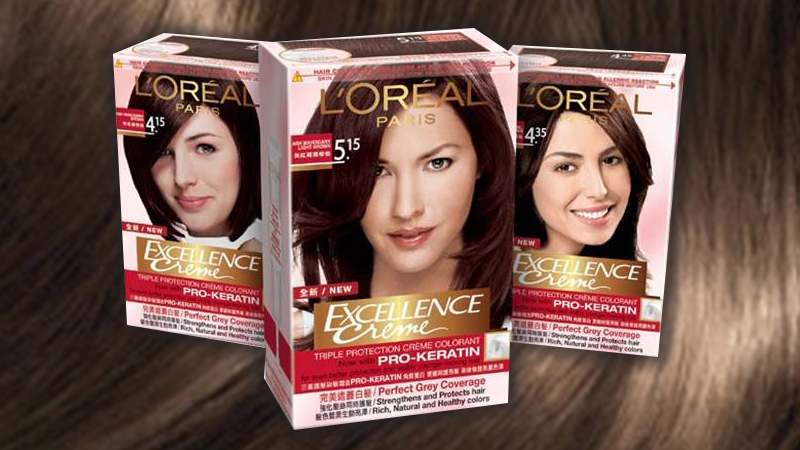
Gray’s the new blonde, or black, style writers began declaring five years ago. Last year, L’Oreal Paris and Vogue crowned silver the hair color of the year. In addition to teenage musician Eilish, celebrities from Lady Gaga to Jennifer Lawrence have walked the red carpet in silver dos.

Ironically, while young women spend as much as $1,000 to bleach and color their hair titanium, blue steel, smoky gray and gunmetal, older women continue to feel compelled to cover up their silvers.

At the same time, longtime slaves to hair color are ditching the dye.

In Facebook groups called Gray and Proud, Going Gorgeously Gray and Silver Revolution, tens of thousands of women share photos and tips on how to quit color and avoid looking like a raccoon. They ask if revealing their true color would mean losing their sex appeal, their credibility at work, their clients, their jobs?

New research adds another question. Is there a risk of harm from the chemicals?

A study published last month in the International Journal of Cancer reported that African American women who colored their hair with permanent dye every five to eight weeks were 60 percent more likely to be diagnosed with breast cancer than women who didn’t color. No cause and effect was established, and all of the women in the study had a family history of breast cancer.

For white women, the numbers were less striking but still elevated. Those who dyed their hair every five to eight weeks were 8 percent more likely to be diagnosed with breast cancer, researchers found.

Researchers and breast cancer specialists were circumspect about the findings.

“I have to say I’m not overwhelmingly convinced. This isn’t a slam dunk by any means,” said Laura Esserman, a breast surgeon who directs the Carol Franc Buck Breast Care Center at the University of California at San Francisco. She was not involved with the study. “It’s worth looking into. But this is a very small effect.”

Researchers followed 46,709 women between the ages of 35 and 74 over an average of eight years. All participants had at least one sister who had been diagnosed with breast cancer but none had been diagnosed themselves when they enrolled in the study. The majority, 55 percent, reported using permanent hair dye.

During the course of the study, 2,794 African American and white women were diagnosed with breast cancer. Black women who colored their hair with permanent dye at any point in the year before joining the study were 45 percent more likely to be diagnosed, while white women were 7 percent more likely.

To put the numbers in context, study co-author Alexandra White estimated the heightened risk as five additional cases of breast cancer for every 100 black women and one additional case of breast cancer for every 100 white women.

Breast cancer rates generally are similar for black and white women. But black women tend to be diagnosed with more aggressive forms of the disease, and it is more likely to kill them.

White, an epidemiologist who heads the National Institutes of Environmental Health and Cancer Epidemiology Group, described the new findings as “concerning” but far from definitive.

“We wouldn’t make any recommendations off these findings,” she said. “We need more evidence.”

“It’s not as clear as smoking and lung cancer,” said Doris Browne, a medical oncologist and a former president of the National Medical Association. Two of her six sisters had breast cancer, and she participated as a subject in the study.

She sees the results as a warning. “But I can’t say if you dye your hair and are African American, you are going to get breast cancer. It heightens our awareness, but we still need more data before we can say to women that it may increase breast cancer risk,” she said.

“Hair dye is just all chemicals,” said Stephanie Bernik, chief of breast surgery at Mount Sinai West in New York. “You’ve got to think something’s not good for you. We know some of these chemicals are carcinogenic.”

Yet Bernik, who was not involved with the study, and Esserman both said the findings had not persuaded them to counsel their patients on hair-dye use unless they asked.

Other recent studies also have reported increased risk for breast cancer, as well as bladder cancer, in women who dyed their hair. Although the American Cancer Society says the research is not definitive, it also points out that the U.S. National Toxicology Program has classified some chemicals used in hair dye as “reasonably anticipated to be human carcinogens.”

Some doctors advise women not to color their hair while pregnant, or at least not during the critical first trimester, according to the American Cancer Society.

White and her team found little to no increase in breast cancer risk in women who colored their hair with anything except permanent dye. But women who reported applying semi-permanent color to their friends’ or relatives’ hair at home experienced an elevated risk of breast cancer.

Permanent dye causes lasting changes to the hair shaft and stays in the hair until it grows out. Temporary dye washes out after a shampoo or two, while semi-permanent tends to hold for up to 10 shampoos.

Researchers did not ask women whether they had their hair dyed in a salon or at home. They only asked if participants dyed other people’s hair nonprofessionally. So the question remains whether black women could be more vulnerable because they are more likely than white women to color their hair at home.

Bernik suggested that women concerned about hair dye and breast cancer risk have a professional stylist color their hair with semi-permanent dye.

“If it’s done at home, you’re wearing gloves that are probably not necessarily the greatest,” she said. “The person who’s doing it nonprofessionally is getting it all over. It’s all about exposure and absorption.”

Even professionals struggle to follow manufacturer guidelines while handling dye, said Whitney Murphy, a hairstylist who advises other stylists about chemical safety and owns the Parlor Seattle.

“No one’s really taking the chemical safety part seriously,” Murphy said. She blames the chemicals in hair products for her own breathing problems, migraines and rashes and believes stylists need higher quality protective gear than what they use.

“Beauty professionals are overexposed and underprotected from harsh chemicals,” said Janette Robinson Flint, executive director of Black Women for Wellness, a Los Angeles nonprofit group.

Congress has charged the Food and Drug Administration with regulating the safety of cosmetics, including hair dye. But the FDA does not approve every ingredient and generally leaves the responsibility for product safety to manufacturers. Companies are allowed to omit chemicals from product labels if they are fragrances and if they consider them a secret ingredient in the product formula.

“Just because something is on the shelf does not make it safe,” warned Tamarra James-Todd, an epidemiologist and professor at the Harvard T.H. Chan School of Public Health in Boston.

“Chemicals are not like people, but that’s the way they’re treated,” said Jayne Matthews, co-owner of Edo Salon in Oakland, California. “They’re innocent until proven guilty.”

James-Todd, who was not involved in the study, researches the effect of hair products on black women’s health. She says that research should be done into products African American women may use daily, such as shampoos, conditioners, oils and styling products.

“We have to think about the full pattern of exposure people have,” she said.

The lack of clarity leaves some women in a quandary. Ingrid DeMoss, an African American relocation director for a luxury real estate company outside of Dallas, covers her grays with dye every six weeks.

“That is a must,” said DeMoss, who declined to state her age. “I work with relocating people in a high-end luxury brand. I have to have a corporate or professional look.”

Her mother, who is 72 and plans to go to her grave with her gray covered, has been treated for breast cancer. Consequently, DeMoss said the new study cranked up her own anxiety.

“I definitely have been thinking about it because I would rather be healthy and live than look great and die,” she said.

On the other hand, she can’t imagine walking into her office with gray hair, even though she knows attitudes are changing. Her older sister, Traci DeMoss Byerly, has scored modeling gigs with her mostly salt with a little pepper Afro and wrote a book titled “Unapologetically Gray.”

Her hair started turning when she was 18, said Byerly, who is 52 and lives in Fort Worth. “People said, ‘You really should dye your hair; you’re too young for that.’ Guys would say, ‘You’re so beautiful, but you should do something about your hair.’ ”

Then one day she looked in the mirror and said to herself: “This is me. If a man cannot appreciate me in my natural state now, he never will.”

“I began to picture my gray hair as my tiara,” she said.

Regina Berenato Tell, 52, found her first gray hair at 19 and zealously covered it from 25 through 50. Then, rather than break a date with her hairdresser, she missed her best friend’s birthday party. That is when she realized she could no longer stand the thought of being stuck in a salon chair every three weeks.

Tell, who works as a stenographer on Capitol Hill, said letting the dye grow out hasn’t led to the ageism some professional middle-aged women fear.

“As a matter of fact,” she said, “I think people take me more seriously now.”