Always focus on keeping your relationship intact with your elderly parents #ศาสตร์เกษตรดินปุ๋ย

#ศาสตร์เกษตรดินปุ๋ย : ขอบคุณแหล่งข้อมูล : หนังสือพิมพ์ The Nation

https://www.nationthailand.com/lifestyle/30381102?utm_source=category&utm_medium=internal_referral

Always focus on keeping your relationship intact with your elderly parents

Jan 27. 2020
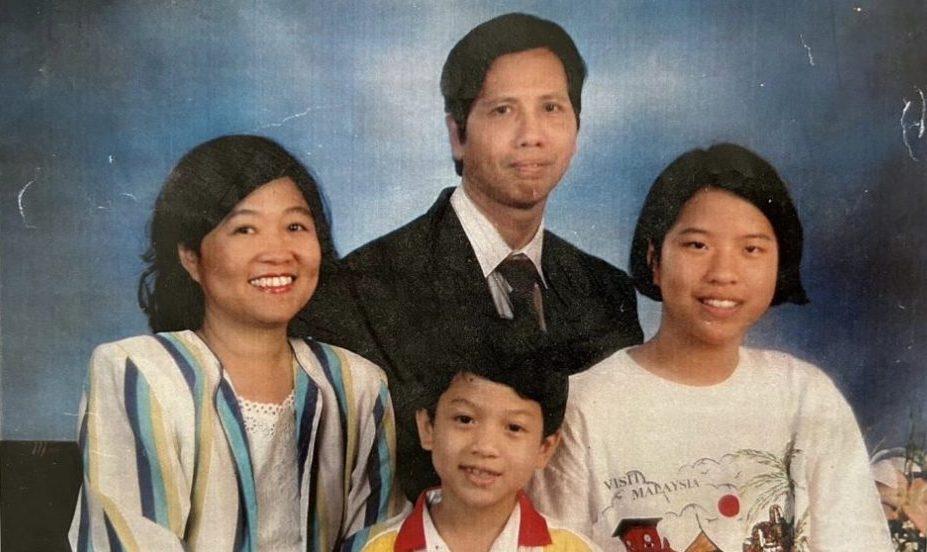
Denise Brown (center) with her siblings and parents, Sally and Roger Loeffler. MUST CREDIT: Denise Brown

Denise Brown (center) with her siblings and parents, Sally and Roger Loeffler. MUST CREDIT: Denise Brown
By Special To The Washington Post · Judith Graham · HEALTH 

David Solie’s 89-year-old mother, Carol, was unyielding. “No, I will not move,” she told her son every time he suggested that she leave her home and relocate to a senior living residence.

And it didn’t stop there. Although Carol suffered from coronary artery disease, severe osteoporosis, spinal compression fractures and unsteady balance, she didn’t want assistance. When Solie brought in aides to help after a bad fall and subsequent surgery, his mother soon fired them.
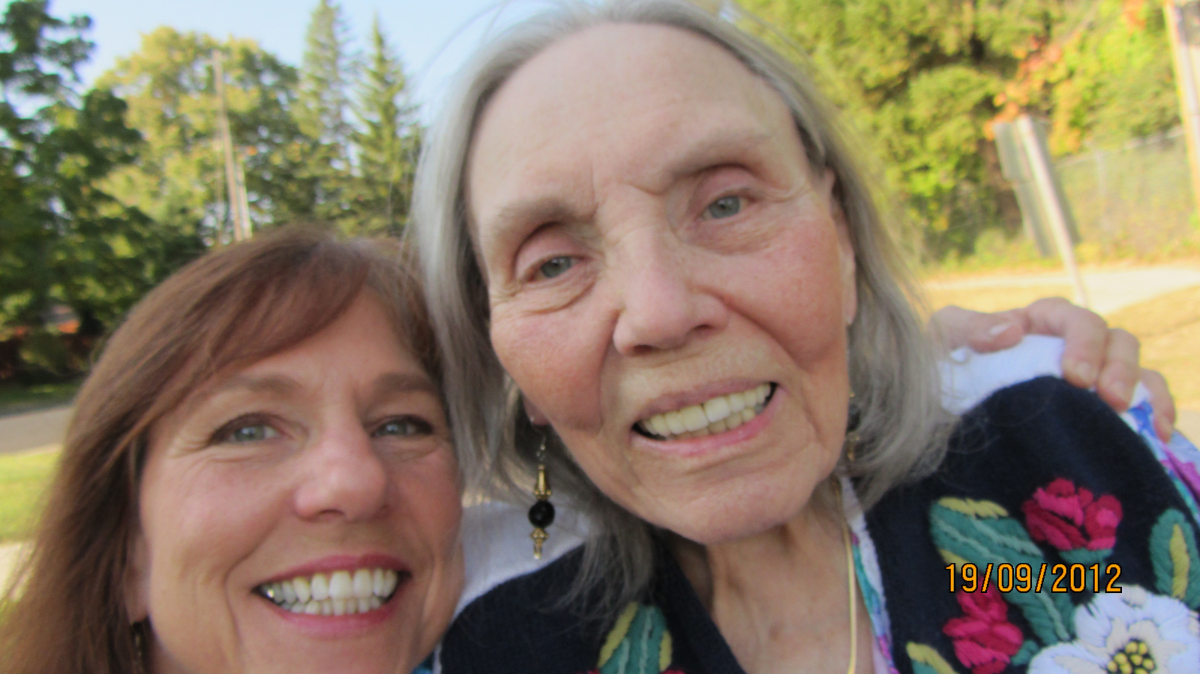
Denise Brown (center) with her siblings and parents, Sally and Roger Loeffler. MUST CREDIT: Denise Brown

Denise Brown (center) with her siblings and parents, Sally and Roger Loeffler. MUST CREDIT: Denise Brown

“In her mind, she considered it a disgrace to have anybody in her home,” Solie said. “This was her domain for over 50 years, a place where she did everything by herself and in her own way.”

Conflicts of this sort often threaten relationships between aging parents and their adult children just when understanding and support are needed the most. Instead of working together to solve problems, families find themselves feuding and riven by feelings of resentment and distress.

Solie got so worked up, he considered going to court and asking for a conservatorship – a legal arrangement that would have given him control over his mother’s affairs. (The situation was complicated because Solie’s brother, who has Down syndrome, lived at the family home.) But Solie’s lawyer advised that this course of action would destroy his relationship with his mother.

Today, Solie, a health-care consultant and writer with a well-regarded blog about aging, sounds the same theme when he consults with adult children caring for parents. Make preserving trust and keeping your relationship intact – not winning arguments – a priority, he says. What your parents most need is confidence that you’ll listen to them, take their concerns seriously and stay by their side no matter what happens, he says.

How adult children communicate with parents can go a long way toward easing tensions, Solie says. Instead of telling your parent what to do, ask how they would prefer to solve problems. Elicit their priorities and recognize their values when making suggestions. Give them choices whenever possible. Be attuned to their unexpressed needs and fears.

When Lee Lindquist, chief of geriatrics at Northwestern University’s Feinberg School of Medicine, asked 68 older adults in eight focus groups why they resisted help, the answers varied. They said they were afraid of losing their independence, becoming a burden on loved ones, being taken advantage of and relinquishing control over their lives.

Asked what might make a difference, the older adults said they liked the idea of “interdependence” – acknowledging that people need one another from childhood to older age. And they found it helpful to think that “by accepting help, they were in turn helping the person providing the help,” according to Lindquist’s study, published in the Journal of the American Geriatrics Society in August 2018.

Unfortunately, no amount of patience, compassion or forbearance will work in some conflict-ridden circumstances. But here are some of the lessons experts learned:

Be patient. Give your parents time to adjust. At first, Jane Wolf Frances’ 87-year-old mother, Lillian Wolf, wouldn’t consider moving with Jane’s father from New York to the Los Angeles area, where Frances, her only child, lived.

Although Lillian had Alzheimer’s disease and Frances had planned to give her one-story house to her parents, “I deferred to my mother’s fear that she was going to be losing something essential,” she said.

During three years of caregiving, Frances had learned to not rush her parents. She knew they had slowed down and needed time to process change.

So Frances waited until her parent’s home health aide called with concerns about their ability to live independently. After discussing the situation with their physician, Frances approached her mother again. A move to assisted living would be a fresh start, allowing the family to spend more time together, she said. After several conversations, her mother finally agreed.

Frances, a psychologist, is the author of a new book, “Parenting Our Parents: Transforming the Challenge Into a Journey of Love,” and founder of ParentingOurParents.org.

Stay calm when disagreements arise with your elderly parents and tamp down your emotional reactions, she tells families. Listen carefully to your parents’ concerns and let them know you’re trying to help them accomplish their goals, not impose your agenda.

“It’s often helpful to say to your parents: ‘I’m doing this for you. I’d like you to do something for me,’ ” Frances said. “People who are good parents perk up on that one and will ask, ‘OK, what can I do for you?’ Then, you can tell them, ‘You can let me help you more.’ ”

Let them know you’re on their side. Denise Brown was convinced her parents, Roger and Sally Loeffler, were making a terrible decision.

In the previous year, Roger, 84, had been diagnosed with bladder and prostate cancer and undergone extensive surgery. Sally, 81, had suffered three internal bleeds and had one-third of her stomach removed.

Brown didn’t think they could live on their own anymore, and her parents had moved into a retirement community upon her recommendation. But then, at a family meeting, her mother stood up and said: “I’m not dying in this dump. I hate it here.” As Brown and her siblings turned to their father, he said, “I’ll do whatever your mom wants.”

When her parents decided to move to an apartment, Brown was confrontational. “I raised my voice and said, ‘This is not good, this is terrible,’ ” she said. “They were shocked, but they said, ‘It doesn’t matter; this is what we’re going to do.’ ”

As Brown thought about her reaction, she realized she thought her parents would be safer and have a more “gentle” death in the retirement community: “Then it occurred to me – this wasn’t what my parents wanted. They valued their independence. It’s their decision about how the end of life plays out.”

Brown let her parents know she would respect their wishes but would need to set limits. Her work – Brown is the founder of CareGiving.com – had to be a priority, and her parents would need to arrange other assistance if she couldn’t be available. (Brown’s two brothers and sister help out.) And they’d have to be willing to talk openly about how their choices were affecting her.

What doesn’t work: trying to communicate when any one of them is tired or angry. “We never get anywhere,” Brown said. “Everybody gets defensive and shuts down.”

What does work: “Asking them questions like how do you think we should try to solve this problem? It’s interesting to hear their answers, and it makes working together so much easier.”

Stop expecting your parents to be as they used to be. After her father’s death, Loi Eberle was distraught when her mother, Lucille Miller, became involved with a man she and her siblings didn’t like. With his encouragement, Miller invested in real estate and lost a great deal of money.

But nothing Eberle or her siblings said could convince her mother that this relationship was destructive.

Eberle struggled with resentment and anger as her mother’s needs escalated after a heart attack and a diagnosis of myasthenia gravis, a severe neurological disease.

“Mom and I had this love/hate relationship all my life, and there was a huge need for healing in this relationship,” she said.

In 2012, Eberle moved Miller, then 89, from her longtime home in Minneapolis to a nursing home in northern Idaho, near where Eberle lives. Gradually, she realized that her mother “had transitioned to being someone else” – someone who was vulnerable and at her life’s end.

“I think for a long time I had this idea that I was going to help Mom come back to who she was, and I spent a lot of time trying to do that,” Eberle said. “I finally had to forgive myself for failure and understand that this is the life process.”

With this shift in perspective, emotional tension dissipated.

“When I’d visit, my mother was always so happy to see me,” Eberle said. Miller died in March 2017 at 94.

Letting go of unrealistic expectations can defuse conflicts.

This is the final stage of your journey with your parents. Try to put angst to one side and help make this time meaningful for them and for you. Most of all, your parents want to feel emotionally connected and accepted, even in a diminished state.


Scientists are unraveling the Chinese coronavirus with unprecedented speed and openness #ศาสตร์เกษตรดินปุ๋ย

#ศาสตร์เกษตรดินปุ๋ย : ขอบคุณแหล่งข้อมูล : หนังสือพิมพ์ The Nation

https://www.nationthailand.com/lifestyle/30381067?utm_source=category&utm_medium=internal_referral

Scientists are unraveling the Chinese coronavirus with unprecedented speed and openness

Jan 26. 2020
File Photo  of Wuhan market /Credit : China Daily/ANN

File Photo of Wuhan market /Credit : China Daily/ANN
By The Washington Post · Carolyn Y. Johnson

Just 10 days after a pneumonia-like illness was first reported among people who attended a seafood market in Wuhan, China, scientists released the genetic sequence of the coronavirus that sickened them.

That precious bit of data, freely available to any researcher who wanted to study it, unleashed a massive collaborative effort to understand the mysterious new pathogen that has been rapidly spreading in China and beyond.

The genome was posted on a Friday night on an open-access repository for genetic information. By Saturday morning, Andrew Mesecar, a professor in cancer structural biology at Purdue University, had redirected his laboratory to start analyzing the DNA sequence, which bore a striking resemblance to severe acute respiratory syndrome (SARS), the 2002 viral outbreak that sickened more than 8,000 people and killed nearly 800. Scientists at the federal Rocky Mountain Laboratories in Montana asked a company to turn the information from a string of letters on a computer screen into actual DNA they could study in lab dishes.

At unprecedented speed, scientists are starting experiments, sharing data and revealing the secrets of the pathogen – a race that is made possible by new scientific tools and cultural norms in the face of a public health emergency.

“The pace is unmatched,” said Karla Satchell, a professor of microbiology-immunology at Northwestern University Feinberg School of Medicine. “This is really new. Lots of people [in science] still try to hide what they’re doing, don’t want to talk about what they’re doing, and everybody out there is like: This is the case where we don’t worry about egos, we don’t worry about who’s first, we just care about solving the problem. The information flow has been really fast.”

Purdue University scientists are preparing to scale up production of experimental drugs that they were initially developing to fight SARS, to see if they show promise against the new coronavirus. Twelve days after the genome was posted, National Institutes of Health scientists published their first analysis, showing that the coronavirus used the same door to get into human cells as SARS. About 12 hours later, a Chinese team of scientists who had isolated the virus from patients showed, using the actual virus, that the team was correct.

Meanwhile, a team at Northwestern recently ordered about a dozen pieces of the viral genome to be synthesized by a company to enable research that will help lead to drugs, vaccines and ways to rapidly diagnose the virus.

Anthony Fauci, director of the National Institute of Allergy and Infectious Diseases, said in an interview that with the viral genome, researchers have started on developing a vaccine. He is “reasonably confident” that a safety study could begin testing it in people within three months.

“The fact that it’s about three months is really, I think, remarkable, because that would be the fastest that we have ever gotten from the time we got the sequence to the time into a human,” Fauci said. “If we can do that, it would be the fastest on the record.”

He cautioned that doesn’t mean a vaccine would be widely available in three months; larger studies would be required to determine both the safety and effectiveness of a vaccine. But it is still science at light speed; during the SARS outbreak, it took 20 months from getting the virus to genome to the first tests of a vaccine in people.

When SARS began to spread, the tools scientists needed were much less mature, including the basic infrastructure for sharing results rapidly so that anyone could build on them. It wasn’t until 2013 that Biorxiv, a preprint server to share scientific papers, was created so that scientists would have an easy way to widely share results before they had gone through the process of being vetted and accepted by scientific journals – a process that can take many months.

“This is one of the first times we’re getting to see an outbreak of a new virus and have the scientific community sharing their data almost in real time, rather than have to go through classic route of going through the journals,” said Michael Letko, a postdoctoral fellow at NIH’s Rocky Mountain Laboratories.

Andrew Mesecar, a professor in cancer structural biology at Purdue University, said that the difference in the speed of science would have been almost unthinkable when researchers were working on SARS.

“Imagine walking from Chicago to San Francisco, and then imagine taking a plane from Chicago to San Francisco. That’s kind of the difference,” Mesecar said.

His hope is that as the secrets of how the virus works are revealed, it will help calm the spreading panic. He noted that influenza sickens and kills large numbers of people in the United States and globally each year, but doesn’t trigger a worldwide panic because the risks are understood and a vaccine exists.

“When you don’t understand something, you panic. You have fear. When you gain an understanding, you don’t fear something as much – you know how it’s going to operate,” Mesecar said. “By sharing that information faster … both research as well as what’s happening on the ground with individuals, I’m hoping that panic and that fear are going to go down.”

Movenpick woos lovers with Valentine’s special #ศาสตร์เกษตรดินปุ๋ย

#ศาสตร์เกษตรดินปุ๋ย : ขอบคุณแหล่งข้อมูล : หนังสือพิมพ์ The Nation

https://www.nationthailand.com/lifestyle/30380839?utm_source=category&utm_medium=internal_referral

Movenpick woos lovers with Valentine’s special

Jan 20. 2020
By THE NATION

Mövenpick BDMS Wellness Resort, a health-focused retreat in downtown Bangkok, is inviting guests to celebrate “the most romantic month” of February with an exclusive ritual in the “Garden of Love” featuring heart-shaped mementos.

Located in Bangkok’s Sukhumvit district, this low-rise retreat is surrounded by 1.2 acres of private lush tropical gardens, giving it a soothing and secluded ambience.

Throughout February, guests will have the opportunity to stroll together through the “Garden of Love” and sign their names on a heart-shaped sign that the hotel’s carpenters have carved especially for this enchanting occasion.

Once signed, the couple can hang their personal heart on a dedicated “Love Tree”, which has been picked for its exquisite location. Guests can then capture this magical moment with a stunning Instagram shot, set against the backdrop of the resort’s outdoor swimming pool, landscaped gardens and gently rippling cascade. Hotel staff will be on hand to take the photos.

This romantic ritual will be complemented by a series of seductive culinary promotions at Mövenpick BDMS Wellness Resort’s restaurants and bars.

Tamarind, the health-focused all-day dining restaurant, has created a “Lovers’ Seafood Buffet” on Valentine’s Day, featuring indulgent oysters, Alaskan king crab, razor clams, mussels, rock lobster, snails, shrimp and more.

For dessert, sweet moments can be enjoyed with “Chocolate Indulgence”, a sublime selection of homemade chocolate pralines, delectable chocolate desserts and a spectacular chocolate fountain. This blissful buffet is priced at Bt1,500++ per person.

Guests seeking a special Valentine’s Day dinner can order the chef’s signature “Surf n’ Turf”, which includes US grade beef tenderloin, Canadian lobster tails and bisque jus, or “Surf n’ Surf” – Alaskan crab ravioli with pan-grilled scallop and truffle cream.

Every couple dining on the evening of February 14 will be treated to a complimentary heart-shaped raspberry mille-feuille with strawberry sorbet.

Couples who select the tantalising Tasting Menus at Khum Hom, the newly opened Thai restaurant in collaboration with chef Ian Kittichai, will be treated to a complimentary rose cocktail and an edible surprise.

Four-course and five-course menu options are available, priced at Bt1,990++ and Bt2,200++ per person respectively.

Alternatively, Cinnamon Lobby Lounge and Sala Pool Bar are inviting diners to savour a luxurious Chateaubriand Rossini. Priced at Bt1,990++, this platter of Chateaubriand steak, pan-grilled foie-gras, asparagus and port wine reduction is aimed as a treat for lovers to share at any time of day.

Finally Rim Klong Café, the canalside bakery and coffee shop, is celebrating Valentine’s Day with “Pink Week” from February 7-16

During these dates, guests can pick up a choice of delicacies, such as heart-shaped homemade chocolates and Champagne peach cake, red velvet cookies, pink macaroons and raspberry choux, along with a perfectly pink shrimp Marie Rose club sandwich on beetroot toast. Naturally, guests can also savour Mövenpick’s own strawberry ice-cream in wafer cones. Prices range from just Bt30 to Bt180++.

Thonburi Bamrungmuang banks on new healthcare centres for surge in revenue #ศาสตร์เกษตรดินปุ๋ย

#ศาสตร์เกษตรดินปุ๋ย : ขอบคุณแหล่งข้อมูล : หนังสือพิมพ์ The Nation

https://www.nationthailand.com/lifestyle/30380881?utm_source=category&utm_medium=internal_referral

Thonburi Bamrungmuang banks on new healthcare centres for surge in revenue

Jan 21. 2020
By Jarupong Krisanaraj

Thonburi Bamrungmuang Hospital today (January 21) launched four new medical centres, aiming to double its revenue within the fiscal year 2020 by targeting both Thai and foreign patients while drawing strengths from disruptive medical technology. The hospital, under the management of Thonburi Healthcare Group (THG), is a six-star healthcare centre in the heart of Bangkok.

Dr Boon Vanasin, Chairman of Thonburi Healthcare Group (THG), said following the official launch of Thonburi Bamrungmuang Hospital, the hospital had been very well-received by both Thai and foreign customers alike, particularly patients from the Middle East.

“Throughout the year 2019, Thonburi Bamrungmuang Hospital served more than 30,000 patients, generating more than Bt900 million in revenue, far exceeding the initial target,” he said.

“To keep up the momentum, THG decided to launch four new specialised centres, namely JIN Wellness Clinic, Heart Centre, Gastrointestinal & Liver Centre, and Aesthetics & Plastic Centre, targeting a doubling of its income through the help of advanced disruptive technology and the strength of its experienced medical specialists.”

Highlights of new centres 

Heart Centre

At the Heart Centre of Thonburi Bamrungmuang Hospital, the hospital provides a comprehensive range of cardiovascular diagnostic services including:

• 3D/4D fetal echocardiography – which is superior in the accuracy of the diagnosis compared to the standard 2D examination.

• Exercise – Dobutamine Stress Echo – a greater cardiovascular examination which has the precision rate of 85 per cent compared to Exercise Stress Test. Also, it doesn’t require injection of Iodinated Contrast Medium (ICM), making the process safer for patients with kidney diseases.

• X-ray Computer – such as CT multiline and Cardiac MRI for patients who experience cardiac arrhythmia, heart palpitations, or in some cases, fainting.

• Ambulatory Electrocardiograms – which includes Holter Monitor – a portable device that measures and records heart’s activity continuously for 24 hours, S-patch, and Event Recorder.

• Cardiovascular Treatments – a variety of procedures including open-heart surgery, coronary angioplasty, EP study (electrophysiology study), radio-frequency ablation, artificial cardiac pacemaker, and automatic implantable defibrillator.

Gastrointestinal & Liver Centre

With gastroesophageal reflux and stomach ulcer being the most common disease among Thais, the Gastrointestinal & Liver Centre provides diagnosis and treatment of digestive system, liver, bile duct, and other related organs, as well as chronic and acute diseases, with help from highly-experienced specialists and state-of-the-art technology.

Services provided at the centre include Gastric Balloon Treatment and individual microbiome test.

Dr Boon said that the centre heavily prioritises its after-treatment follow-up care as most of the patients are from the Middle East.

“This group of patient often travels with their family and has to spend an extended period of time in Thailand. Thus, the hospital establishes a high-calibre Healthcare Services Unit to care for these patients and make them, along with their family members, feel most at home,” he said.

JIN Wellness Clinic 

Believing that good health starts from the inside, JIN Wellness Clinic at Thonburi Bamrungmuang Hospital is a holistic and anti-ageing centre which brings together natural, alternative, and modern medicine to formulate a personalised preventive programme suitable for each patient.

The centre provides various medical services through disruptive technology such as a personalised check-up programme to detect potential risks and abnormalities in the cell and organ level. The data is shown in a digital file format which allows medical experts to deliver precision diagnosis and analysis to the patient and devise a treatment plan befitting each patient’s lifestyle.

Another intriguing equipment is the External Counterpulsation Therapy (ECP). It elps stimulate blood vessels and promote heart function, which in turn, improves the functions of other organs, including brain, kidney, and eyes.

Additionally, Thonburi Bamrungmuang Hospital has developed a Wellness Check-up Application which is able to provide basic health check within just a few minutes. The application analyses personal data of the patient and deliver results that can help doctors efficiently conduct the right treatment for their patients.

Aesthetics & Plastic Centre

At the Aesthetics & Plastic Centre, our teams of aesthetic medical experts offer consultations and personalised aesthetics programme designs. Beauty enhancement services provided include laser therapies and treatments, Botox, dermal fillers, and cosmetic surgery, performed by specialised experts and highly-skilled staff.

The centre also houses modern and latest model medical instruments approved by Food and Drug Administration (FDA) of both Thailand and the US to ensure the customers’ safety and satisfaction.

Dr Boon further explained that the launch of these four centres is in response to the ongoing health trend of “Personalised Healthcare” which is also the core of Thonburi Bamrungmuang Hospital. As a result, the hospital was able to make profit earlier than initially expected; since private hospitals usually take more than three years to become profitable.

“The reason why Thonburi Bamrungmuang Hospital was able to make profit much faster than expected was because we focused on delivering premium personalised healthcare with advanced medical technology to our patients, whether it be Digital Dental Centre, Thonburi Diabetic Wound Care Centre, IVF Reproductive Centre, or Personalised Wellness Check-Up Centre,” he said.

“With our strengths, we were able to draw a large number of international patients, the largest group of which are from the Middle East who make up nearly 70 per cent of our foreign customers, another 15 per cent are from China, and the rest are from Myanmar, Cambodia, Germany and the US, etc”.

He added that in addition to the premium standard of our healthcare services, another advantage the hospital has is the price range since medical services in Thailand are very affordable compared to other developed nations.

“Another factor is the blooming tourism industry of our country which attracts patients from overseas to come to Thailand to receive medical care while also enjoying a nice vacation,” he added.

“All of these factors not only support the government’s policy of establishing Thailand as an international medical hub, but also play an important role in making Thonburi Bamrungmuang Hospital successful while staying true to its vision as the ‘Lifetime Health Guardian For All’”.

Myths and misconceptions about botox #ศาสตร์เกษตรดินปุ๋ย

#ศาสตร์เกษตรดินปุ๋ย : ขอบคุณแหล่งข้อมูล : หนังสือพิมพ์ The Nation

https://www.nationthailand.com/lifestyle/30380866?utm_source=category&utm_medium=internal_referral

Myths and misconceptions about botox

Jan 21. 2020
By Thanisorn Thamlikitkul
Special to The Nation

Cosmetic procedures are rising in popularity. In 2018 alone Thailand saw 140,123 procedures, according to the data released by the American Society of Plastic Surgeons. That makes Thailand the fifth highest for cosmetic procedures in the world. Despite that, the stigma around the most popular cosmetic procedure like Botulinum Toxin injection, still remains. As a dermatologist, I’ve seen many people working hard to take care of their beauty but falling for some of the big myths about botox treatment. Let me share some of the most common:

One of the biggest myths about botulinum toxin is that it causes “frozen face”. It’s described as not being able to make facial expressions. The truth is the botulinum toxin has received approval from the Food and Drug Administration and is used in relaxing, not freezing, the muscles from contracting.

Wrinkles are formed by repetitive contraction of facial muscles. Injection of regulated quantities of botulinum toxin into specific overactive muscles causes muscle relaxation. This results in smoothing out frown lines, forehead lines and crow’s feet temporarily — for 4-6 months. Each treatment is customisable, by only injecting small doses of botulinum toxin into specific muscles. One can have a natural softening of unwanted wrinkles without compromising facial expressions. So you can have as much or as little movement as you want. With experience and precision targeting, though, a skilled dermatologist can maintain your facial expressiveness while still freshening your overall look with targeted injections to reduce wrinkles.

The most important advice from me is that botulinum toxin injection is a medical treatment. Therefore, you should find a qualified and experienced physician to perform it in a clinic or a hospital. Moreover, you need to be cautious when injectables are offered at bargain or reduced prices, because they may have been obtained through websites or offshore, they may be counterfeit and there’s no one to assure purity or content of the solution. Serious injury or personal harm may result when unknown substances are injected.

As with anything, know your facts before undergoing any beauty treatment or procedure. When it comes to beauty, knowledge is the power that allows you to weigh risk versus benefit.

Chronic inflammation is dangerous, and you may not even know you have it #ศาสตร์เกษตรดินปุ๋ย

#ศาสตร์เกษตรดินปุ๋ย : ขอบคุณแหล่งข้อมูล : หนังสือพิมพ์ The Nation

https://www.nationthailand.com/lifestyle/30380857?utm_source=category&utm_medium=internal_referral

Chronic inflammation is dangerous, and you may not even know you have it

Jan 21. 2020
A medical diagnostic center. Experts believe chronic inflammation may damage DNA and lead to heart disease, cancer, other disorders. MUST CREDIT: Washington Post photo by Michael S. Williamson

A medical diagnostic center. Experts believe chronic inflammation may damage DNA and lead to heart disease, cancer, other disorders. MUST CREDIT: Washington Post photo by Michael S. Williamson
By Special To The Washington Post · Marlene Cimons · HEALTH

Most of us think of inflammation as the redness and swelling that follow a wound, infection or injury, such as an ankle sprain, or from overdoing a sport, “tennis elbow,” for example. This is “acute” inflammation, a beneficial immune system response that encourages healing, and usually disappears once the injury improves.

But chronic inflammation is less obvious and often more insidious.

Chronic inflammation begins without an apparent cause – and doesn’t stop. The immune system becomes activated, but the inflammatory response isn’t intermittent, as it is during an acute injury or infection. Rather, it stays on all the time at a low level.

Experts think this may be the result of an infection that doesn’t resolve, an abnormal immune reaction or such lifestyle factors as obesity, poor sleep or exposure to environmental toxins. Over time, the condition can, among other things, damage DNA and lead to heart disease, cancer and other serious disorders.

“Unlike acute inflammation, which benefits health by promoting healing and recovery, chronic inflammation is characterized by persistent increases in inflammatory proteins all throughout the body and can damage health and promote several major diseases,” says George Slavich, associate professor of psychiatry and biobehavioral sciences at UCLA, referring to small proteins called cytokines that the immune system releases at the site of an injury to promote recovery.

“People typically don’t know that they have chronic inflammation until it’s too late,” he says.

Individuals often learn they have chronic inflammation when they develop an autoimmune disease, such as Crohn’s disease, lupus or Type 1 diabetes, since inflammation is a hallmark of autoimmune disorders. But experts believe chronic inflammation also plays a role in developing heart disease, cancer, kidney disease, nonalcoholic fatty liver disease, neurodegenerative disorders, cognitive decline and mental health illnesses, such as depression, post-traumatic stress disorder and schizophrenia.

Scientists are still learning about why chronic inflammation is so dangerous and how it contributes to disease. Meanwhile, they suggest actions people can take to reduce their risk, specifically by changing certain behaviors.

Numerous factors appear to raise the risk of chronic inflammation, among them social isolation, psychological stress, disturbed sleep, chronic infections, physical inactivity, poor diet, obesity and exposure to air pollutants, hazardous waste products, industrial chemicals and tobacco smoke.

Experts believe individuals can reduce their risk by adopting lifestyle changes, including eating a healthy diet, improving sleep, exercising regularly, quitting smoking and finding ways to decrease stress and exposure to environmental pollutants.

“Diet is one of the key factors that influences inflammation in the body,” Slavich says. “Whereas fried foods, red meat, sodas, and white bread and pastries that have refined carbohydrates tend to increase inflammation, fruits, nuts, green leafy vegetables, tomatoes and olive oil tend to reduce inflammation. Therefore, while diet is not the only factor that can be targeted to improve immune health, it is an important one.”

Scientists think chronic inflammation causes oxidative stress in the body, which is an imbalance between the production of dangerous free radicals, molecules that harm healthy tissue in the body, and antioxidants, substances that clean up waste products and neutralize them. This can damage DNA as well as proteins and fatty tissue, which in turn accelerates biological aging.

“Chronic inflammation is involved in not just a few select disorders but a wide variety of very serious physical and mental health conditions,” says Slavich, senior author of a recent paper signed by scientists from 22 institutions urging greater prevention, early diagnosis and treatment of severe chronic inflammation. “Indeed, chronic inflammatory diseases are the most significant cause of death in the world today, with more than 50 percent of all deaths being attributable to inflammation-related diseases.”

Researchers still don’t understand the exact mechanisms of how certain behaviors influence chronic inflammation, although a few examples are clear. In heart disease, for example, cigarette smoking and air pollution irritate the arteries, which stimulates inflammation.

“The ‘damage accumulation’ theory is a possibility, but the reality is that we do not know whether inflammation is causing these health and functional problems, or whether it’s an indication that some other process is evolving that undermines health,” says Luigi Ferrucci, scientific director of the National Institute on Aging. “The evidence is clearer for cardiovascular disease, since it has been demonstrated that blocking inflammation with specific drugs prevents cardiovascular events. For the other outcomes, it’s still uncertain.”

Chronic inflammation can contribute to cognitive decline and mental health disorders by boosting age-related immune system deterioration, known as immunosenescence, and by promoting vascular and brain aging, which, in combination, degrade neural and cognitive function, experts say.

“Chronic inflammation can also cause threat sensitivity and hypervigilance, which gives rise to anxiety disorders and PTSD, as well as fatigue and social-behavioral withdrawal, which are key symptoms of depression,” Slavich says.

Scientists say more research is needed to identify biomarkers or other substances that suggest the presence of chronic inflammation.

There are probably hundreds of these potential diagnostic tools produced by the immune system, but they remain unidentified, Slavich says.

The most widely used test measures levels of C-reactive protein (CRP) in the blood. CRP, a substance produced by the liver, rises when chronic inflammation is present, although the standard CRP test is nonspecific – that is, it indicates inflammation, but cannot pinpoint exactly where it is. A second, more sensitive test (hs-CRP) suggests a higher risk of heart attack, although it too can be imprecise.

Some doctors screen for CRP as part of routine physical exams and also among people at risk for heart disease and autoimmune conditions. Experts think wider screening could identify more patients. “This isn’t a bad idea,” Ferrucci says.

Another test – this one more specific to heart disease – screens for myeloperoxidase, or MPO, an enzyme released by white blood cells that kills harmful bacteria in inflamed blood vessels. Increases in MPO can be dangerous, causing further damage to arterial walls, which encourages the formation of clots. These, in turn, can block blood flow, leading to heart attack and stroke. MPO also reduces the effectiveness of HDL, the “good” cholesterol, and removes nitric oxide, which is important for the regulation of healthy blood flow.

The good news, however, is that people worried about developing chronic inflammation can take affirmative steps to prevent it.

“If we make people aware of these risk factors, our hope is that individuals will reduce the factors that apply to them,” Slavich says.

The Big Number: U.S. birthrate drops to all-time low of 1.73 #ศาสตร์เกษตรดินปุ๋ย

#ศาสตร์เกษตรดินปุ๋ย : ขอบคุณแหล่งข้อมูล : หนังสือพิมพ์ The Nation

https://www.nationthailand.com/lifestyle/30380846?utm_source=category&utm_medium=internal_referral

The Big Number: U.S. birthrate drops to all-time low of 1.73

Jan 21. 2020
By Special To The Washington Post · Linda Searing · HEALTH 

Women in the United States are having fewer babies than ever before, creating a fertility rate of 1.73 births per mother, according to data from the National Vital Statistics System that was analyzed by the Centers for Disease Control and Prevention.

The fertility rate peaked in 1957 at 3.77 births per woman, declined to 1.84 births in 1980, increased slightly to 2.08 by 1990 and started declining again in 2007, reaching the record low by the end of 2018. The 1.73 number is below what is considered the replacement rate – producing as many births each year as deaths. That requires a fertility rate of 2.1 births per woman, according to the CDC.

The agency’s report did not address reasons the fertility rate has fallen. But other data in the report showed that women are having children later in life, with fewer births than in the past from the teen years to early 30s and more births than in the past from ages 35 to 44. The age at which women first become mothers also has increased. Today, U.S. women are, on average, 26.4 years old when they have their first child, according to a Pew Research Center study based on international data from the Organization for Economic Cooperation and Development.

The wild ride of East Africa’s favorite stimulant #ศาสตร์เกษตรดินปุ๋ย

#ศาสตร์เกษตรดินปุ๋ย : ขอบคุณแหล่งข้อมูล : หนังสือพิมพ์ The Nation

https://www.nationthailand.com/lifestyle/30380783?utm_source=category&utm_medium=internal_referral

The wild ride of East Africa’s favorite stimulant

Jan 19. 2020
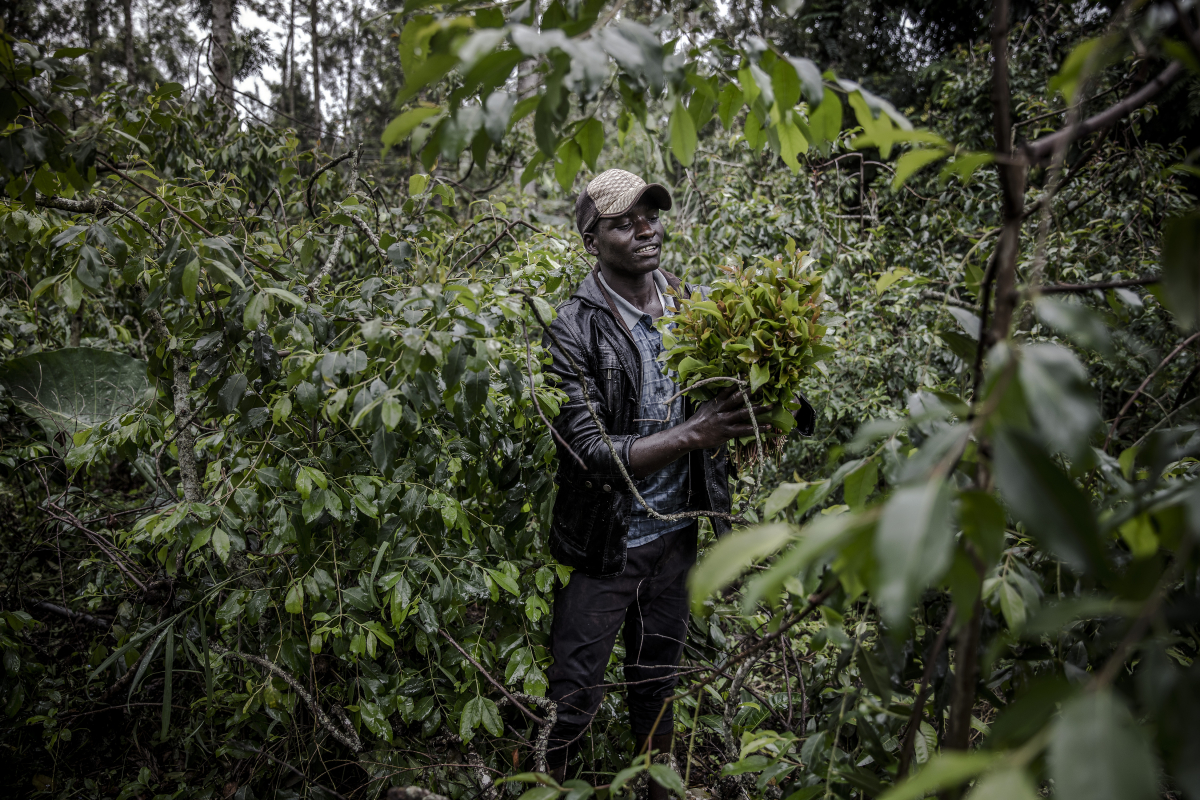
A worker shows the miraa leaves he picked at a farm near Maua. MUST CREDIT: Photo for The Washington Post by Luis Tato

A worker shows the miraa leaves he picked at a farm near Maua. MUST CREDIT: Photo for The Washington Post by Luis Tato
By The Washington Post · Max Bearak 

MAUA, Kenya – It’s an unassuming little red-and-green leaf, but the powers unlocked by chewing it have hooked millions of people around the world, made it one of Kenya’s leading exports and gotten it banned in the United States and much of Europe.

Known as miraa in Kenya and Somalia and qat, or khat, in Arabic, its users say munching it for a few hours makes them alert and talkative, much like coffee would. But the potency of the leaf starts to wane as soon as it is picked off the tree, presenting a major challenge to suppliers in this more than $400-million-a-year industry: how to get it from the hills of central Kenya – the miraa heartland – to Nairobi, Mogadishu and other hubs of its biggest fans – the Somali community – without delay.

A picker works under the rain picking miraa from a farm located near Maua, Kenya in November 2019. MUST CREDIT: Photo for The Washington Post by Luis Tato

A picker works under the rain picking miraa from a farm located near Maua, Kenya in November 2019. MUST CREDIT: Photo for The Washington Post by Luis Tato

The answer lies in a breakneck production cycle in which the leaves are plucked, sorted, bundled and shipped in wildly careening pickup trucks to distribution centers in Nairobi, 180 miles away, in just a few chaotic hours.

Workers bundle miraa for distribution in a storehouse near Maua. MUST CREDIT: Photo for The Washington Post by Luis Tato

Workers bundle miraa for distribution in a storehouse near Maua. MUST CREDIT: Photo for The Washington Post by Luis Tato

The business, which is legal in Kenya, is run by trade organizations that operate like mafias. Numerous suppliers have been investigated for allegedly using unlicensed planes to fly miraa to Somalia from Nairobi, as well as allegedly using the trade as a front for money laundering. The Washington Post witnessed evidence of child labor in one miraa sorting warehouse in Maua.

Farmers arrive to sell their fresh miraa to resellers in Maua. MUST CREDIT: Photo for The Washington Post by Luis Tato Photo by: Luis Tato — For The Washington Post

Farmers arrive to sell their fresh miraa to resellers in Maua. MUST CREDIT: Photo for The Washington Post by Luis Tato Photo by: Luis Tato — For The Washington Post

The United States, Britain and other European countries have banned the leaf, classifying it as a drug even though its addictiveness has not been proved. Producers say the bans are absurd, even racist. Half a million Kenyans rely on miraa for their livelihood, according to the Kenyan government. Daniel Ngolua, a miraa farmer, calls it a “cultural treasure for us.”

A motorbike driver leaves a market in Maua carrying miraa bunches. MUST CREDIT: Photo for The Washington Post by Luis Tato

A motorbike driver leaves a market in Maua carrying miraa bunches. MUST CREDIT: Photo for The Washington Post by Luis Tato

The bundles of delicate miraa leaves are packed in sturdier banana leaves and loaded by the ton into the beds of pickup trucks.

The ride to Nairobi from Maua is a three-hour roller coaster along winding country roads, speeding constantly at 100 mph without touching the brakes, through busy towns and villages, flying over speed bumps, running dozens of cars and pedestrians off the road along the way. Bystanders cheer the drivers on like action-movie heroes. Drivers say they are always balancing the risks with the payoff.

Benjamin Karenga speaks with clients while speeding his way to Nairobi to deliver fresh miraa. MUST CREDIT: Photo for The Washington Post by Luis Tato

Benjamin Karenga speaks with clients while speeding his way to Nairobi to deliver fresh miraa. MUST CREDIT: Photo for The Washington Post by Luis Tato

Benjamin Karengea, 30, has done the drive from Maua to Nairobi once a day, every day, for eight years. “It is a very dangerous work but, what can I do? It provides for me and my family,” he said. “I am Christian and I have faith. The only thing I can do before taking off is pray.”

At the end of the drive, miraa is unloaded at a market in Nairobi. MUST CREDIT: Photo for The Washington Post by Luis Tato

At the end of the drive, miraa is unloaded at a market in Nairobi. MUST CREDIT: Photo for The Washington Post by Luis Tato

Many of the trucks head for Nairobi’s Little Somalia, Eastleigh, while the rest goes straight to the international airport for shipment to Somalia.

The Post was granted access by the Kenya Airport Authority to witness the loading process, but hesitant traders and cargo operators blocked a photographer from taking photos.

Why laws may thwart some directives on dementia #ศาสตร์เกษตรดินปุ๋ย

#ศาสตร์เกษตรดินปุ๋ย : ขอบคุณแหล่งข้อมูล : หนังสือพิมพ์ The Nation

https://www.nationthailand.com/lifestyle/30380782?utm_source=category&utm_medium=internal_referral

Why laws may thwart some directives on dementia

Jan 19. 2020
Susan Saran, a longtime Buddhist, often drives to a nearby monastery to practice her faith. Saran is fighting her retirement community over her right to determine how she will die - even though she has made her wishes known in writing. MUST CREDIT: Photo by Heidi de Marco of Kaiser Health News

Susan Saran, a longtime Buddhist, often drives to a nearby monastery to practice her faith. Saran is fighting her retirement community over her right to determine how she will die – even though she has made her wishes known in writing. MUST CREDIT: Photo by Heidi de Marco of Kaiser Health News
By Special to The Washington Post · JoNel Aleccia · NATIONAL, FEATURES, HEALTH 

ITHACA, N.Y. – When she worked on the trading floor of the Chicago Board Options Exchange, long before cellphone calculators, Susan Saran could perform complex math problems in her head. Years later, as one of its top regulators, she was in charge of investigating insider trading deals.

Today, she struggles to remember multiplication tables.

Seven years ago, at age 57, Saran was diagnosed with frontotemporal dementia, a progressive, fatal brain disease. She had started forgetting things, losing focus at the job she had held for three decades. Then tests revealed the grim diagnosis.

“It was absolutely devastating,” Saran, 63, said. “It changed everything. My job ended. I was put out on disability. I was told to establish myself in an [extended] community before I was unable to care for myself.”

So Saran uprooted herself. She sold her home in 2015 and found a bucolic retirement community in rural New York whose website promised “comprehensive health care for life.”

And now, she is fighting with that community over her right to determine how she will die – even though she has made her wishes known in writing. Similar fights could ensnare millions of Americans with dementia and similar end-of-life directives in coming years.

In 2018, after two brain hemorrhages, Saran conferred with a lawyer and signed an advance directive for dementia, a controversial new document that instructs caregivers to withhold hand-feeding and fluids at the end of life to avoid the worst ravages of the disease.

“It’s not something that I am willing to endure,” she said. “I don’t want my life prolonged beyond the point where I’m participating in life.”

But when Saran submitted the document to her New York continuing care retirement community, Kendal at Ithaca, where she has spent more than $500,000 to live, officials there said they could not honor her wishes.

In a letter, lawyers told Saran that the center is required by state and federal law to offer regular daily meals, with feeding assistance if necessary. No provision exists, the letter said, for “decisions to refuse food and water.”

When asked about Saran, Kendal’s executive director, Laurie Mante, wrote in an email: “We recognize the great complexity in balancing our residents’ wishes with what is required of us. We have a dedicated team who works to balance those interests, and, when appropriate, work with our residents and their families to seek alternative paths.”

It’s a cruel quandary for Saran and other Americans who have turned to dementia directives that have been created in recent years. Even when people document their choices in these directives – while they still have the ability to do so – no guarantee exists that those instructions will be honored, said Stanley Terman, a California psychiatrist who advises patients on end-of-life decisions.

“It is, in my opinion, a false sense of security,” Terman said.

That may be especially true for the 2.2 million people who live in long-term care settings in the United States. People with dementia are most likely to die in nursing facilities, according to new research from Duke University and Veterans Affairs Boston Healthcare System.

“If you’ve got the resources, where you’ve got family and paid caregivers at home, you’re all set,” said Karl Steinberg, a California geriatrician and hospice physician who has written extensively about dementia directives. If you’re living in a facility, he said, “it’s not going to happen.”

One key question is whether patients with dementia – or those who fear the disease – can say in advance that they want oral food and fluids stopped at a certain point, a move that would hasten death through dehydration.

It is a controversial form of VSED – voluntarily stopping eating and drinking – a practice among some terminally ill patients who want to end their lives. In those cases, people who still have mental capacity can refuse food and water, resulting in death within about two weeks.

Many states prohibit the withdrawal of assisted feeding, calling it basic “comfort care” that must be offered. Only one state, Nevada, explicitly recognizes an advance directive that calls for stopping eating and drinking. And that’s via a little-known law that took effect in October.

Critics of such documents, however, say they could lead to forced starvation of incapacitated people. The directives may be biased, reflecting a society prejudiced against age, disability and cognitive change, said James Wright, medical director of three long-term care facilities in Richmond and lead author of a recent white paper advising facilities not to honor dementia directives.

Based on his years of clinical experience, Wright said many people with dementia become content with their situation, even when they never thought they would be.

“To enforce an advance directive on someone who may have had a complete turnaround on what they think of a life worth living is unethical and immoral,” Wright said.

The dementia directives offered in the past few years are aimed at filling what experts say has been a major gap in advance-care planning: the gradual loss of capacity to make decisions about one’s care.

One version, published in 2018 by Barak Gaster, a professor of medicine at the University of Washington, was downloaded 130,000 times after being mentioned in a New York Times story and continues to be retrieved about 500 times per week.

“This is an issue that people have really thought a lot about,” Gaster said. “They worry about it a lot. They’re so eager and excited to have a structured opportunity to make their wishes known.”

Traditional advance directives focus on rare conditions, such as a persistent vegetative state or permanent coma, Gaster said. “And yet the No. 1 reason a person would lose ability is dementia,” he said.

In addition to Gaster’s document, directives drafted in New York and Washington state have drawn hundreds of users. The aid-in-dying advocacy group Compassion & Choices released a dementia directive in December.

As the U.S. population ages, more people – and their families – are grappling with dementia. By 2050, nearly 14 million Americans 65 and older may be diagnosed with Alzheimer’s disease, according to the Alzheimer’s Association.

“We are right now experiencing the very first upswing of the giant wave of dementia that’s heading our way,” Gaster said.

Saran is on the crest of that wave.

Divorced, with no close family, she turned to Kendal – with its 236 independent units and 84-bed health center – as her final home. During her four years there, she has noticed some decline in her mental clarity.

“Even some of the simplest mathematical problems, like even seven times seven, I can’t think of it now,” Saran said.

Still, she is able to manage her affairs. She cooks her own food and cares for her three cats – Squeaky, Sweetie and Pirate, a one-eyed tabby. A longtime Buddhist, she often drives to a nearby monastery to practice her faith.

In late summer, Saran invited visitors to her small cottage at Kendal, where tapestries hang on the walls and bookshelves are filled with tomes on religion, death and dying.

Frontotemporal dementia affects about 60,000 people in the United States, and patients often die within seven to 13 years. But Saran’s disease appears to be progressing more slowly than expected.

“I think I have great capacity,” said Saran, who wears her silver hair long and favors jeans, linen shirts and turquoise jewelry.

She chain-smokes, lighting up the Seneca cigarettes she buys for $3 a pack from a nearby Indian reservation. She thought about quitting but decided it was not worth the effort and continues to indulge her habit. “If you had my diagnosis, wouldn’t you?” she said.

When Saran was hospitalized after her strokes, she suddenly understood what losing her abilities might mean.

“I realized, oh, my God, I might get stuck in a situation where I can’t take any independent action,” she recalled. “I better make sure I have all my paperwork in order.”

She was stunned to learn it might not matter, even after her local lawyer, Chuck Guttman, drafted health-care proxy documents and a power of attorney. “I thought this was it,” she said. “I thought I’d move here and everything was taken care of, everything was settled. And now it’s not.”

Mante, Kendal’s executive director, declined to comment on Saran’s specific situation, even after Saran authorized her to do so. “As with all of our residents,” she wrote, “we are working diligently to provide for an enriching, quality living environment that honors her independence and wishes.”

Saran said no one from Kendal has yet reached out to discuss an “alternative path.”

Not all dementia directives include instructions about assisted feeding. Gaster said he and his colleagues had “heated conversations” before deciding to leave that issue off their popular document.

Instead, he said, his option helps more people by addressing general goals of care for each stage of the disease. The most important thing, he said, is for people to consider their choices and share their desires with their loved ones.

The debate, Gaster said, boils down to whether “assisted feeding is basic support” or “a medical intervention that can be declined in advance.”

“There’s still a very wide perspective of viewpoints on that,” he said.

Backed by statute and practice, facilities say they are bound to offer food to all residents willing to eat, and to assist with hand-feeding and fluids if a person needs help. The controversy centers on the definition of those terms.

Wright says late-stage dementia patients who show any interest in food – a flick of the eyes, grunting or gestures, opening the mouth – should be fed until they refuse it. Steinberg and others contend the default should be “don’t feed unless they ask for it.”

It is always going to be “somewhat of a guess,” Wright said, about whether hand-feeding someone is help – or force. “I’ve not seen any guidelines that can faithfully give good unbiased guidance,” he said. “I feel that I personally can determine when food means something to my patients and when it doesn’t.”

The growing efforts to use advance directives were inspired, in part, by high-profile cases of dementia patients who were spoon-fed against their apparent wishes. In Oregon and in British Columbia, courts ruled that food and water were basic care that could not be withdrawn.

But so far, there has been no court case that says a clear advance directive for VSED “may or must be honored,” said Thaddeus Mason Pope, a professor at the Mitchell Hamline School of Law who studies end-of-life decisions.

Pope said he has heard of many people who move out – or their families move them out – of long-term care facilities to avoid assisted feeding in the last stages of dementia.

Saran has considered that, too.

“I should probably just leave,” she said, although that would mean losing the nonrefundable investment she already has made. She thinks about moving out every day, but then what? Hospice might be a solution, but only if there is room when she needs it, she said.

Saran said her situation should be viewed as a cautionary tale. She wishes she had asked more questions before moving into her community and insisted on answers about how she would die once her dementia progressed.

“I didn’t realize I was signing away my right to self-determination,” she said. “I am appalled that my future demented self takes precedence over my competent current self.”

The day I told my son about the donor egg #ศาสตร์เกษตรดินปุ๋ย

#ศาสตร์เกษตรดินปุ๋ย : ขอบคุณแหล่งข้อมูล : หนังสือพิมพ์ The Nation

https://www.nationthailand.com/lifestyle/30380780?utm_source=category&utm_medium=internal_referral

The day I told my son about the donor egg

Jan 19. 2020
By Special to The Washington Post · Caren Chesler 

As my 8-year-old son and I drive past the cow pasture near our house, he asks, “Why do they have to have bulls in there?” “So the cows can have babies,” I say. “They need a boy and a girl, a male and a female,” I correct myself, “to have babies.”

Borrowing what little I know about human anatomy and applying it to the animal kingdom, I tell him how women have eggs and men have sperm – which are like tadpoles – and that the sperm try to bust their way into the egg to fertilize it so the cow can have a baby. Humans are much the same, I say.

“So girls lay eggs, like chickens?” he asks.

“Well, they don’t lay them,” I say. As we travel down this path, I sense an opportunity to tell him something I’ve been meaning to tell him for some time. “Sometimes the girl’s eggs don’t work, so they have to use eggs from another girl.”

And then I tell him I am one of those girls.

I had my son using a donor egg. We used my husband’s sperm, and we tried to use my sister’s eggs to keep my DNA in the mix, but it didn’t work. So we used the eggs from a 20-something ballerina. The fertilized embryo was then placed inside me, and nine months later, I had my son.

Fertility clinics advise parents to tell donor egg children how they were conceived by the time they are 4 or 5, but I refused. I already thought my son and I had a tenuous – OK, nonexistent – biological bond, given that he has none of my genetic matter. I feared that telling him another woman had provided the egg from which he was made would make him feel like she – and not I – was his real mother, even though I carried him in my belly like any other “birth mother.”

For me, the notion that my son might view me as the adoptive mother and some other woman as his “real” mother is so dizzyingly painful, I haven’t wanted to tell him how he was conceived. (Honestly, until now, I couldn’t imagine how he would even understand it).

Some women are good with situations like that. They have open adoptions and encourage their kids to have a relationship with their birth mother.

I’m not. I’m aware this doesn’t say much about my self-confidence. I blame it on birth order. As the oldest of four, I was never satisfied to have my parents love all of us the same. I wanted them to love me more, because to love me equally was somehow the same as not loving me at all.

I almost got into a fistfight with a friend last year when she told me that the husband of a couple she knew – who also had a child by donor egg – wanted to tell the child the identity of a woman he believed was the egg donor. He didn’t know for sure, but he thought he’d figured it out. His wife didn’t want him to say anything.

My friend agreed with the father: The child was now old enough and “has a right to know,” she said.

A right to know a donor egg was involved, I replied. But the child “doesn’t have a right to know the donor,” I argued, unless the child “wants it – and the donor wants it. But that’s not what’s happening here.”

Besides that he might be wrong about the donor’s identity, I argued that the father had no right to drag the woman into their family, particularly when, as was apparently the case, the child had shown only minimal interest and his wife was averse to bringing the donor into their lives.

It was a matter of biological background and identity, my friend countered.

“Identity? What does that even mean?” I asked.

I went to bed, all riled up, my heart pounding, a part of me knowing what she meant. We’ve all heard the stories about twins separated at birth who find each other and instantly see similarities in their personalities, or the mother who reunites with her son and feels that bond of love instantly, as they are united by their sameness.

But I put my 47-year-old body through the ringer to have my son, subjecting myself to biweekly blood tests and weeks of daily injections of progesterone to prepare my womb and aid implantation of the embryo, even though I’m afraid of needles.

Once pregnant, I was utterly exhausted. I threw up Indian food on the street in Toronto. I was stung by a bee at a county fair, blowing up like a balloon and fearing it would hurt the baby. I developed placenta previa and had to have a Caesarean section at 38 weeks. During that surgery, my heart rate fell and I was given ephedrine, which made me puke and my heart rate spike. One of my ovaries was so misshapen and covered with endometrial tissue the doctors sent it for a biopsy.

Carrying and delivering this child may have been the hardest thing I’ve ever done.

Once I got my son home I had a difficult time breast-feeding, as my son wasn’t gaining enough weight, so I would breast-feed during the day and stay up until 2:30 a.m., watching “Frasier” reruns and pumping, to keep up, or increase, my milk production.

And I sidelined my writing career while I took care of a little boy, who would repay me sometimes by crying, stomping his feet and lashing out if he didn’t get what he wanted. And after all that work, he may want to go find his real “egg donor mother” anyway?

It reminded me of the poem by Billy Collins, called “The Lanyard,” where he writes about how his mother gave him life, “a breathing body and a beating heart, strong legs, bones and teeth, and two clear eyes to read the world,” and in return, he gave her a lanyard that he made in camp.

After the heated conversation I had with my friend, I looked up the word “identity.” The Cambridge English dictionary defined identity as “who a person is, or the qualities of a person or group that make them different from others.” No mention of genes.

Regardless, I knew I’d have to tell my son one day how he was conceived. He had a right to know, and not just for medical reasons. A person has a right to know how he came to be. And after seeing the bull in the pasture, that seemed like a good opportunity.

I told my son about how I wanted a baby so badly, but even though I tried very hard my eggs didn’t work, so I used some eggs from someone else, mixed them with daddy’s sperm, and we had you.

“So I was adopted?” he said.

“Why do you think you were adopted?” I asked.

“Because if you didn’t need the egg, she would have had me,” he said.

Children have the clarity of a box cutter.

“But the egg isn’t you,” I said. “The egg needs a sperm, too.”

I was using my husband to bail me out.

“She would have had a sperm,” he said. He only learned the word sperm today. I’m not sure how he was such an authority.

“Right, but that sperm wouldn’t have been daddy’s. Did you ever hear people say you look like daddy? Like you’re a mini-him? That’s because we used daddy’s sperm,” I said. “She would have been with somebody else and used her eggs with that person’s sperm. That would’ve made a whole different person.”

I was using semantics not even I could follow.

“The baby is just as much where it grows up in the belly, too. You grew in my belly,” I said. “We just used different seeds. Or eggs. Adopted kids don’t grow in their mothers’ bellies. You know what I mean?”

“Yeah,” he said weakly. “I didn’t really get it at first.”

He yawned.

“Do you get it now?” I asked. I had more invested in the conversation than he did.

“Yeah,” he said.

“So what do you think?”

“You didn’t adopt me,” he said.

I felt like I’d beaten him into submission.

That night, I sat on the porch and looked out onto the lake behind our house. A family of ducks glided over to my neighbor’s raft and climbed on top. There was a mother and five babies. I wondered if all those babies were from the same mother, and what would happen if a duck from another mother climbed on top of the raft. Would the mother duck accept him? Would he accept the mother?

A few weeks later, some friends took me out to dinner for my birthday. When I got home, there was a sign on the front door in my son’s distinctive hand that said: “Mom, folloe the messeges.”

I walked in to find a path of cardboard signs that ran along the floor and up the stairs, leading to his room, each with a note that read either, “I miss you, Mom,” or “I missed you,” followed by a little heart. I loved both. I ducked my head into his bunk bed and kissed him several times on his forehead.

It seems the problem is not how much he loves me. It’s me finding that to be enough.