Three electricity authorities have joined hands with automaker GWM to drive forward electric vehicle (EV) development in Thailand.
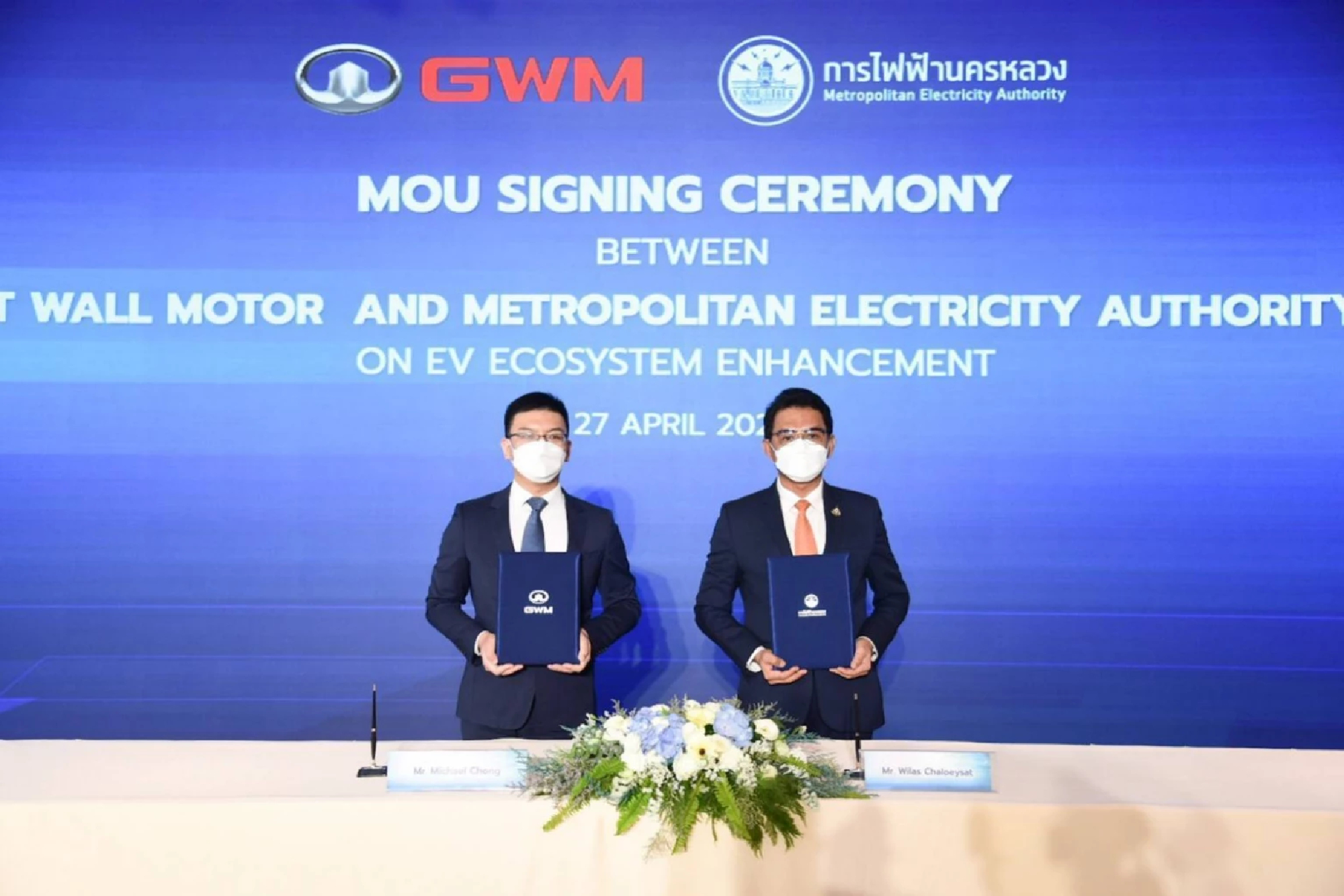
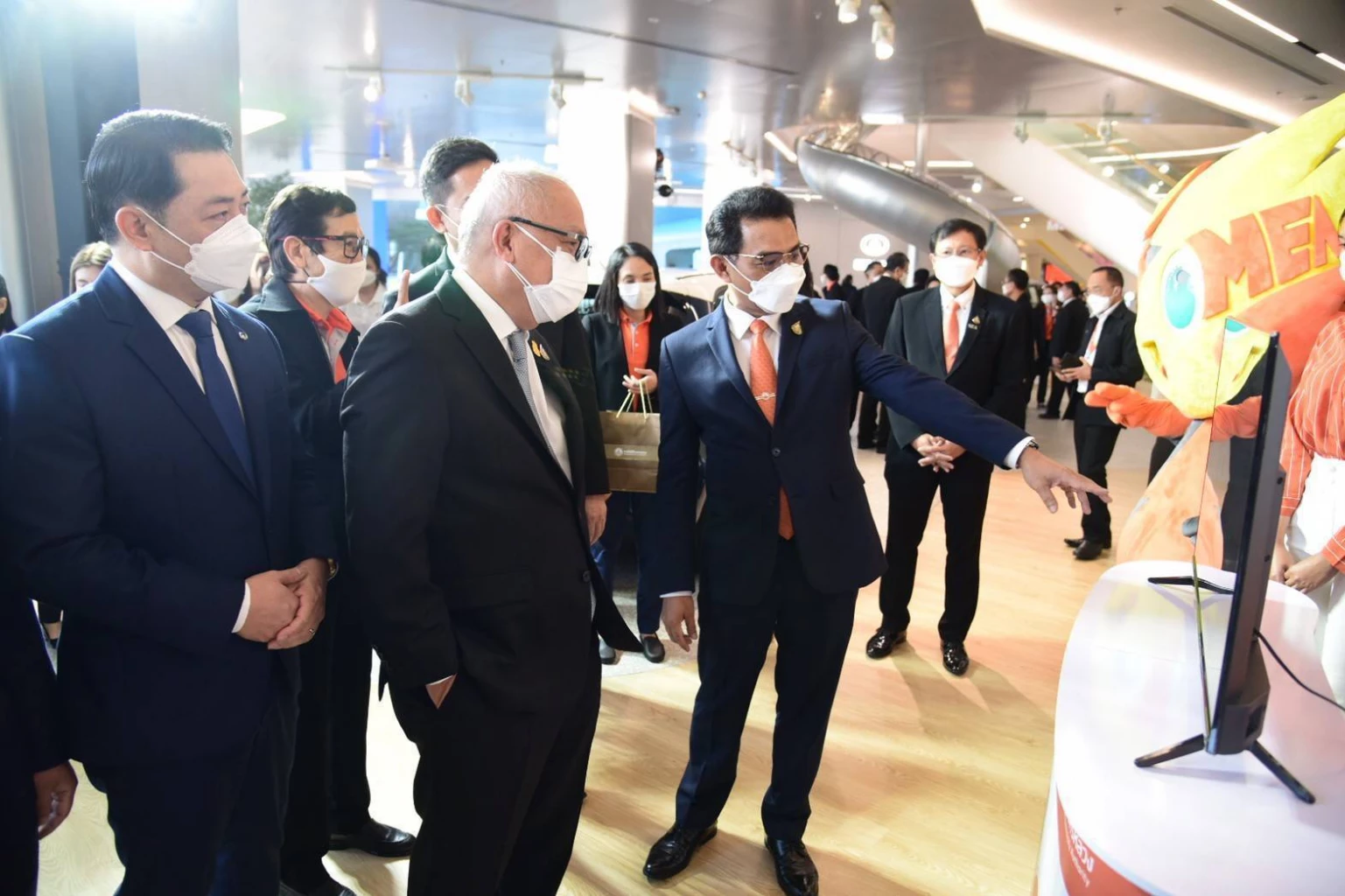
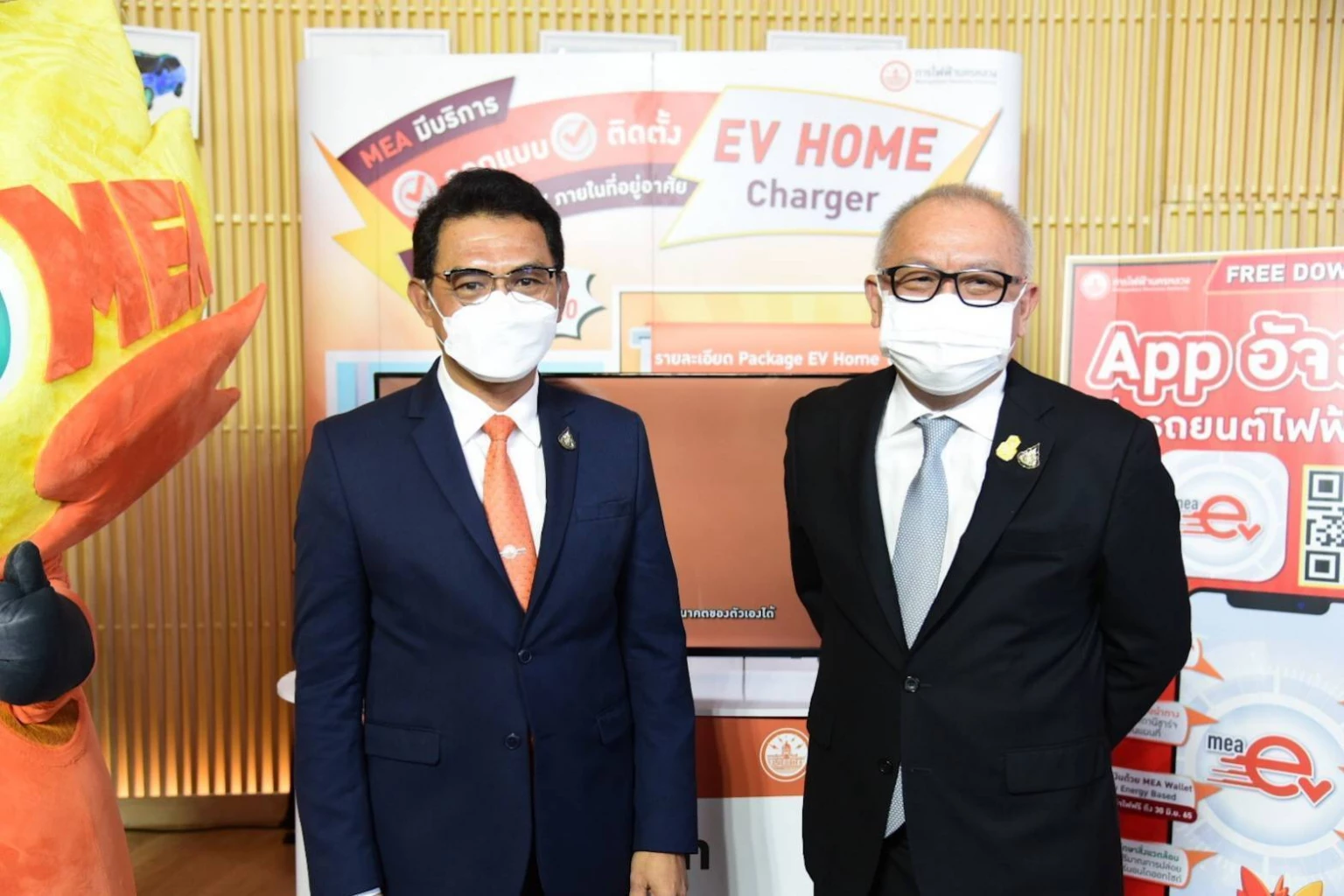
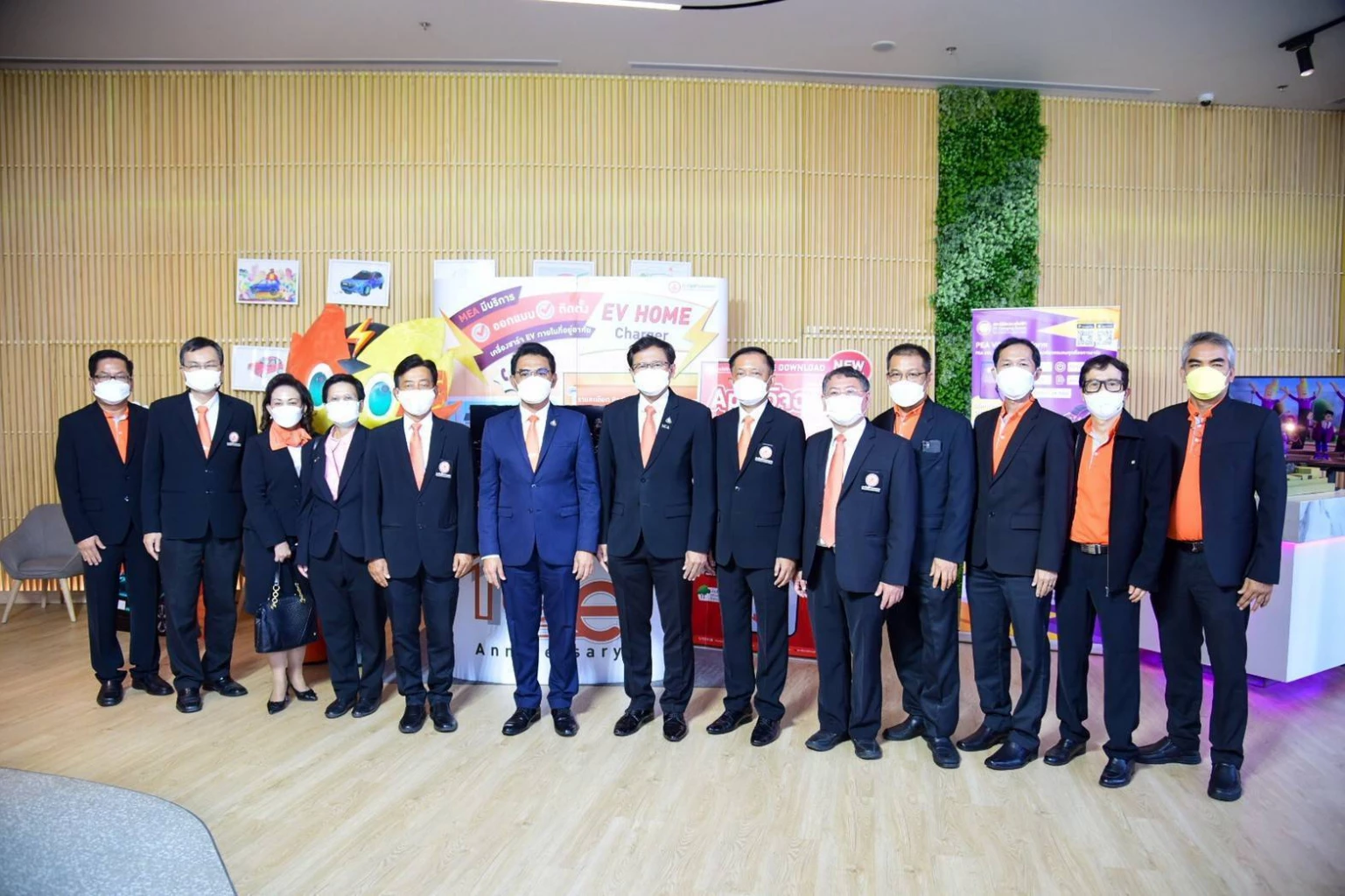
Deputy Prime Minister and Energy Minister Supattanapong Punmeechaow on Wednesday witnessed the signing of a memorandum of understanding between the Metropolitan Electricity Authority (MEA), the Provincial Electricity Authority (PEA), the Electricity Generating Authority of Thailand (Egat) and Great Wall Motor Thailand (GWM) to promote cooperation in development of EV technology and charging stations in Thailand.
The MoU signing ceremony took place at GWM Experience Centre located in Iconsiam shopping centre. The vice president of Great Wall Motor, Michael Chong, MEA governor Wilas Chaloeysat, Egat governor Boonyanit Wongrukmit, and PEA governor Supphachai Ek-Oon took part in the MoU signing ceremony.
“The MEA is a state enterprise that has been committed to promoting EV usage in Thailand for more than 10 years,” said Wilas. “The cooperation between the electricity authorities and Great Wall Motor will help prepare the country for the transition from internal combustion vehicles to electric vehicles on a large scale.”
Wilas added that the MEA will bring its experience and knowledge in EV technology that it has accumulated in the past decade to work with the PEA, Egat and GWM to promote the policies of the National Electric Vehicle Policy Committee under the Ministry of Energy, which is targeting at least 30 per cent of the country’s total automotive manufacturing output by 2030 to be zero-emission vehicles.
“This goal will bring Thailand closer to a low carbon society and fast-track us towards the target of carbon neutrality by 2050, as per the government’s pledge to the 26th Conference of the Parties to United Nations Framework Convention on Climate Change (COP26) held late last year in Glasgow, Scotland,” said Wilas.
The MEA governor elaborated that under the MoU, the authority will work with EV manufacturers to build an EV ecosystem to support the use of EV among motorists in Thailand, as well as attract new users.
“Via this ecosystem, EV users will be able to exchange information regarding each model of EV, explore the locations of EV-charging stations along their travel route, and exchange knowledge related to EV topics, such as the environmental impact of reusing and recycling EV batteries.”
The MEA is currently planning to upgrade the existing power grid in big cities into a Smart Metro Grid, which will help facilitate the public’s application to install EV-charging stations for either home or business use. In the future, the MEA will also expand its EV-charging stations to cover all areas of Bangkok, Nonthaburi and Samut Prakan provinces. All MEA-certified stations will be listed on the MEA EV application while EV users can conveniently locate the nearest stations from their smart phones.
If you are interested in installing EV-charging stations, contact MEA Call Centre 1130, Facebook @ METROPOLITAN.ELECTRICITY.AUTHORITY, Line: MEA Connect, Twitter: @mea_news.
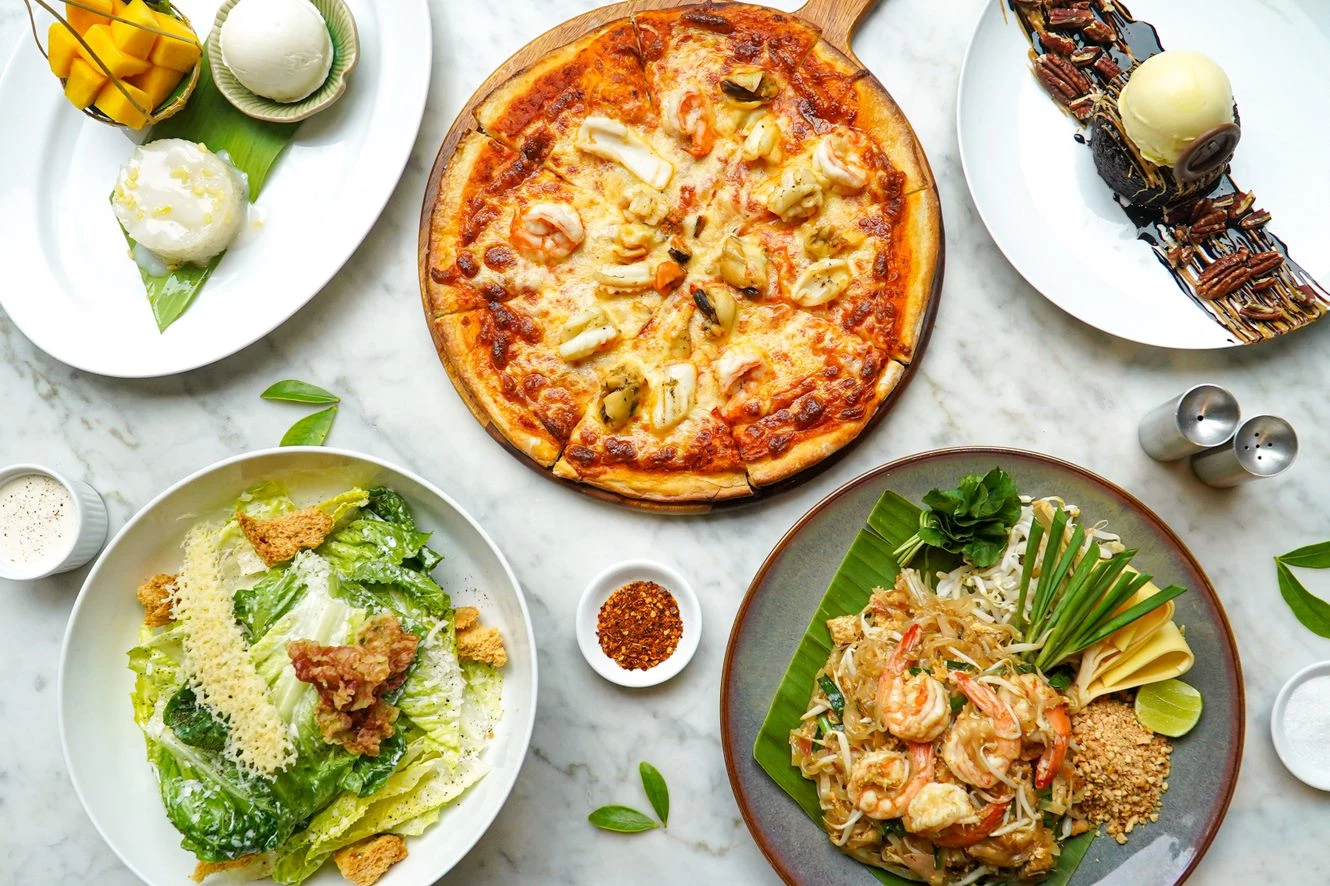
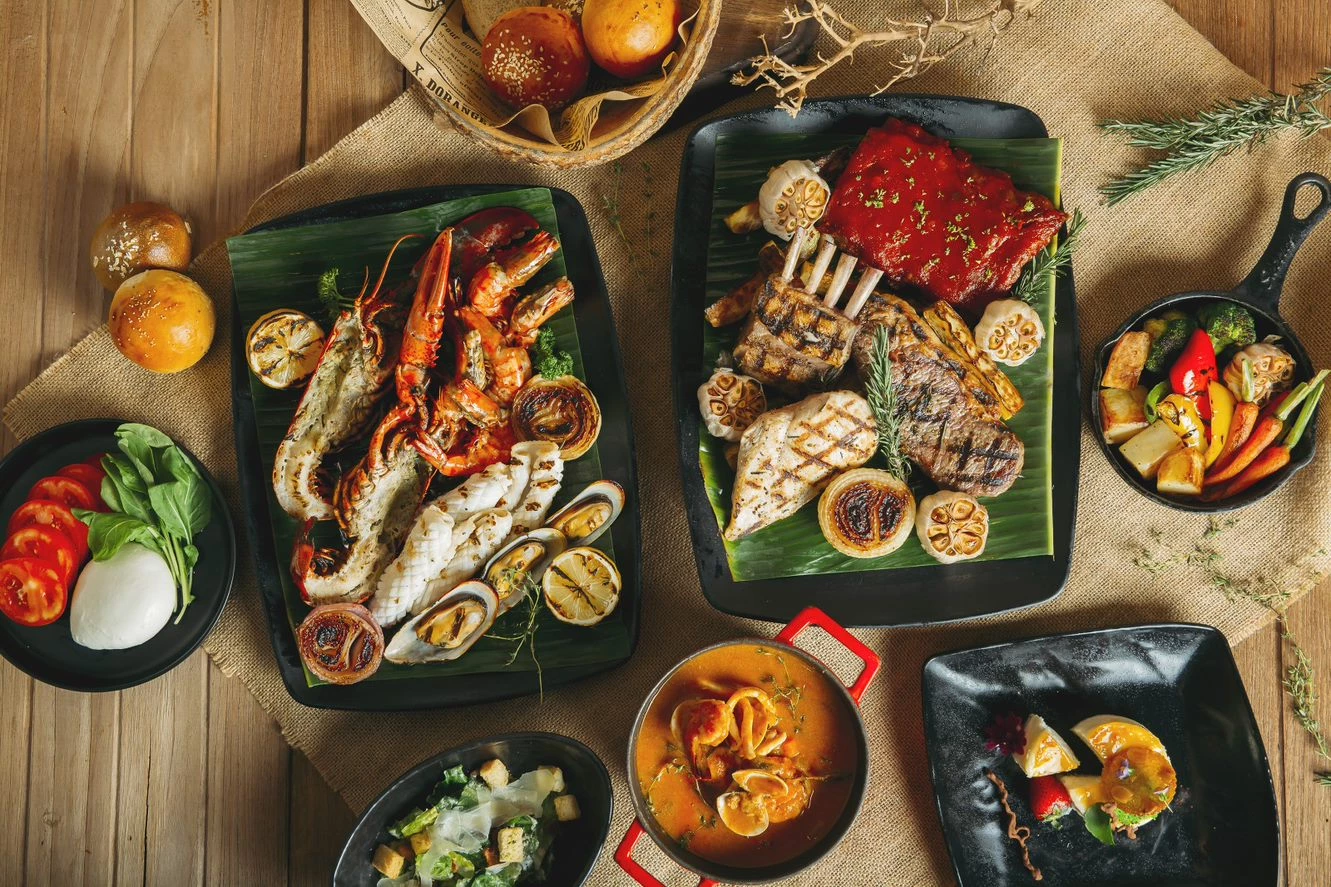
“Eat Out with Marriott Bonvoy” offers three tiers of culinary promotions throughout May and June 2022, at almost 40 hotels and resorts across the Kingdom.
[PR News] 26 April 2022, Bangkok, Thailand – Marriott Bonvoy is celebrating the timeless pleasures of good company and great gastronomy in Thailand this May and June, with the launch of “Eat Out with Marriott Bonvoy”, a nationwide food festival that promises a series of rewarding dining discounts for Marriott Bonvoy members at almost 40 hotels and resorts all across the Kingdom.
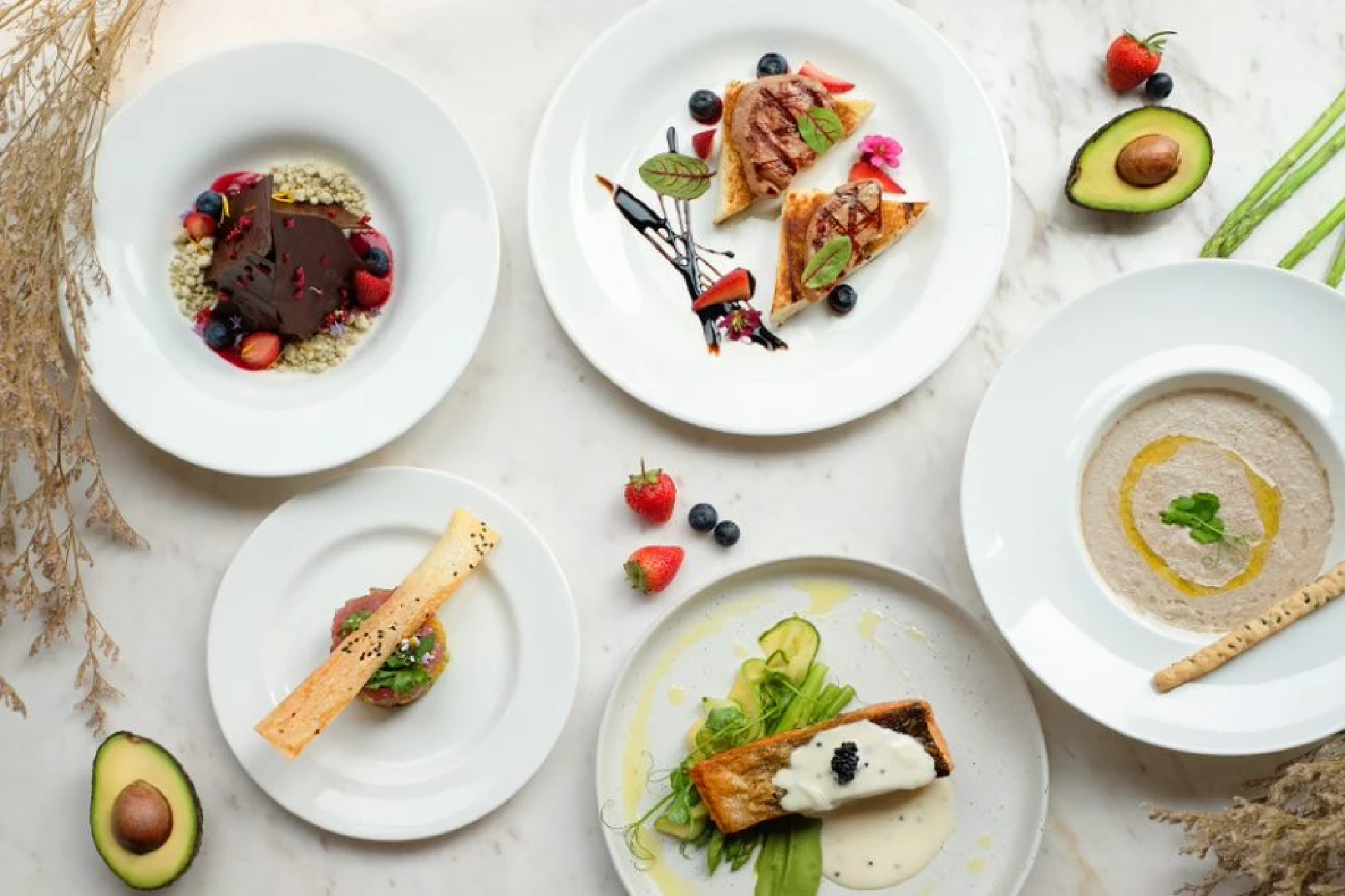
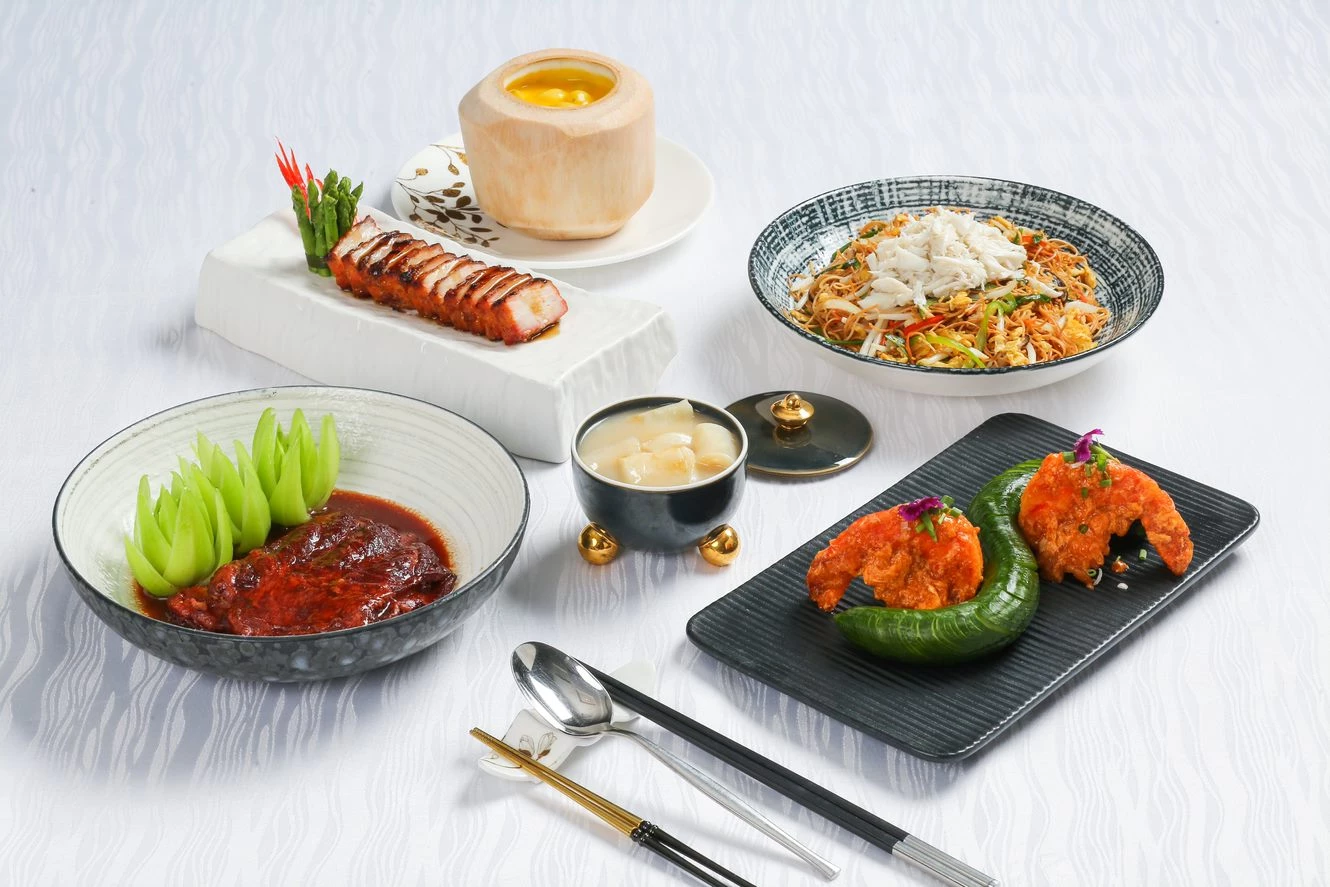
Running from 1 May to 30 June 2022, this two-month epicurean extravaganza will showcase the finest cuisine from Marriott’s hotel restaurants. Diners can take advantage of a trio of appetizing promotions: Tier 1 offers diverse culinary experiences for just THB 950, Tier 2 is priced at THB 1,150, and Tier 3 is available for THB 1,450, a fantastic discount of between 20% and 50%! These promotions apply to an amazing array of F&B events and delicious dishes at participating restaurants and bars.
In Koh Samui for example, a Tier 1 promotion is available at Long Talay, the beachside restaurant at Sheraton Samui Resort & Spa, which is offering a Southern Thai Set Menu for two people for just THB 950 – a 25% discount compared to the usual price. Up at Le Méridien Chiang Mai, Favola is offering an Italian Family Set Menu including a salad, antipasti, pasta, pizza and dessert for the Tier 1 price of THB 950.
Alternatively, Tier 2 deals can be discovered at the brand-new Courtyard by Marriott North Pattaya, where guests can savor the signature Roasted Pork Ribs at Café 22 for the tempting price of THB 1,150, and at Le Méridien Khao Lak Resort & Spa, where The Pizzeria’s authentic Italian Pizza Stella di Terra can also be enjoyed for THB 1,150.
In Bangkok meanwhile, lovers of Chinese cuisine can head to Renaissance Bangkok Ratchaprasong Hotel, where the famous Lychee Roasted Peking Duck at Fei Ya can be experienced for the Tier 3 price of THB 1,450, just like the Italian Set Menu at Giorgio’s, Royal Orchid Sheraton Hotel & Towers, which includes three sumptuous courses plus a bottle of wine and tea or coffee for two people.
And this is just the start! More hotels and resorts will be rolling out their exclusive offers in the coming weeks, creating a nationwide compendium of culinary promotions and perks. With plenty of affordable options for local residents, dining out in Thailand has never been more rewarding!
Eat Out with Marriott Bonvoy is available exclusively to Marriott Bonvoy members. Not a member yet? CLICK HERE to join today for free!
The prolonged COVID-19 pandemic has had heavy impacts on various business sectors. The tourism and hospitality industry was inevitably one of the hardest hit over the past few years. Particularly, operators of travel and hospitality businesses in Thailand’s southern region have experienced the severest impact compared to other regions in the country as the incomes of business entrepreneurs and people in the southern provinces have been estimated to come mainly from tourism, particularly since they can earn lucrative incomes from international visitors.
The government has consistently collaborated with the private sector to seek ways for greater development of tourism and its economic growth aiming to help the industry return to full strength, supported by the pilot economic development project known as ‘Andaman Wellness Economic Corridor’ launched to make southern provinces on the Andaman coast become the world’s largest health hub.
Dr. Thares Krassanairawiwong, Director-General of the Department of Health Service Support, the Ministry of Public Health, said the government has established policies to evolve Thailand into an international tourism hub, with the potential to drive growth for the health promotion and wellness tourism business, the health product and herb business, and the health tourism destinations.
Thailand is currently recognized as one of the top five health tourism destinations in the world and the market value of wellness tourism in the country has seen steady increases continuously. As the pandemic situations of COVID-19 have been expected to be lessened, the government will focus more on promoting the high end market, where medical tourism and health and wellness tourism businesses is becoming more popular among tourists.
The expenses of the two tourism groups have been estimated to cost around 80,000-100,000 baht per trip. Hence, promoting and expanding the two tourism groups will generate more stable incomes as Thailand is ready to become one of the world’s most renowned international health hubs.
According to the government, three southern provinces on the Andaman coast, including Phuket, Phang Nga, and Krabi, will serve as the must-visit tourist destinations of the ‘Smart Health and Wellness City’ concept. The idea is to bring out the strengths in service of each province, where Phuket will serve as the best medical and international convention center, Phang Nga will be recognized for its excellent elderly care services, and Krabi will be renowned for its one-of-a-kind therapeutic saltwater hot spring.
Recently, the officials of the Department of Health Service Support have made a visit to the three provinces to discuss with related network partners about the integration of health tourism aiming to support the development of the Andaman Wellness Economic Corridor (AWC) project, getting ready for being the world’s best health hub conforming to the future’s metaverse virtual world development concept. (*Source: Press Release, the Department of Health Service Support, the Ministry of Public Health, March 11, 2022)
Mr. Karn Prachumpan, CEO of The Beach Development Co., Ltd. and a highly recognized real estate developer in Phuket, unveiled COVID-19 has already changed the world. That is why Phuket has to reinvent itself rapidly to cope with all the changes. It is quite obvious that traditional tourism is no longer the answer to the question. Hence, it is necessary to emphasize more on promoting health tourism, particularly when the visitors can obtain health benefits during and after their vacations, backed by greater loyalty and wisdom in tourism that can be fostered among the tourists. This will be a new mechanism to help propel Phuket towards a world-class tourist destination in the next era.
“Our company has successfully developed The Beach Plaza Kata-Phuket as a large-scale mixed-use project situated on an approximate 15-rai area in Kata Beach in Phuket’s Karon sub-district. At the same time, we have established Phuket City Development Co., Ltd. as a social enterprise to foster successful collaboration with strategic partners, government agencies, experts, and people in society following the establishment of development strategies to push Phuket towards the city of health tourism connecting to other major cities partnered in the Andaman Wellness Economic Corridor (AWC) project. Recently, the Thai cabinet has approved Phuket to host Specialised Expo 2028 Phuket and we therefore propose The Beach Plaza Kata-Phuket to be part of a pilot project known as ‘Karon Wellness Sandbox’ accordingly.”
Mr. Sompong Daopiset, CEO of Star Home Beach Resort Co., Ltd. and a chief executive of several leading hotels in Phang Nga province, said a person cannot keep developing a city alone. It requires collaborative actions from both the public and private sectors, whether it is about city planning, budget, or local administration. It is important to proceed immediately in order to make the Andaman Wellness Economic Corridor (AWC) project happen in reality.
“Recently, La Vela Khaolak Hotel has applied the concept of sports tourism as a key to making Phang Nga stronger. We are attempting to eradicate people’s old belief that ‘Phang Nga is a city for the elderly’ and replace it with the colorfulness of fun-filled and trendy activities. In addition to having lots of fun, visitors will also be acquainted with a new image of the province, which can continue to make Phang Nga another great tourist destination, despite being a small province in the south. Currently, Thailand is not the only one to shift its focus to health and wellness, but the whole world is seriously keeping pace with the trends. Related public organizations and private entrepreneurs must work hand in hand and we believe that our Return on Investment (ROI) will bring us some good advantages, whether the investment has been made for a project launched by the public or private sector.”
Finally, Mr. Wichai Poolworaluk, Chairman of Klongtom Heritage Co., Ltd. and one of the biggest leaders in real estate development in Klongthom district, talked about the readiness of the Krabi province, stating that the Klongthom district has plenty of natural resources highlighted by Klongthom Salt Hot Springs, which is considered one of the world’s best mineral saltwater hot springs. This one-and-only underground treasure is very meaningful to local people since they use it in a rural way of life.
According to the report, a massive number of people of more than 100,000 per year have visited the saltwater hot spring following the government’s approval for the site to be open for service as well as people’s word-of-mouth belief that the amazing underground wonder can prevent and cure diseases. This has resulted in the development of the Klongtom Heritage project, located on an approximate area of 300 rai, as part of the intention to promote Krabi as a famous health city among tourists. Aside from the highlight of the inimitable saltwater hot spring, the province is also blessed with beautiful nature, seas, and mountains as well as the friendliness of local people. Krabi deserves to be a city for a well-being lifestyle.
“During the first three years, we will work on project layout and zoning, in which the tourist attractions will be equipped with different zones, for example, the patient zone, the dependency and non-dependency zone, and the retirement and pre-retirement zone, to seek potential investors who specialize in health and wellness and have a similar vision to fill the missing parts in many areas of business operations and management. This has been expected to make Krabi a new health city with several interesting activities for health lovers from all over the world. By mid-2022, the company will announce the opening of a new physical therapy hospital for rehabilitation and treatment of stroke patients, with modern technology and medical equipment as well as teams of professional doctors, nurses, physical therapists, occupational therapists, speech correctors, and psychologists who are highly skilled and experienced in traditional Thai and Chinese medicine to be combined with the distinctive properties of the saltwater hot spring. This is considered the first important business jigsaw of the Klongtom Heritage project. We believe that Phuket, Phang Nga, and Krabi can really make the Andaman Wellness Economic Corridor (AWC) project exist in reality to form an economic and wellness triangle. The strategic collaboration has led Krabi into a new dimension. We no longer promote the ‘sea, sand, and sun’ tourism concept. We are not recognized only for having good food, favorite drinks, and excellent atmosphere. We are ready to show the world that we have a miracle of nature that no one can imitate,” added Mr. Wichai.
Striving to expand renewable energy portfolio to meet Net-Zero emissions target
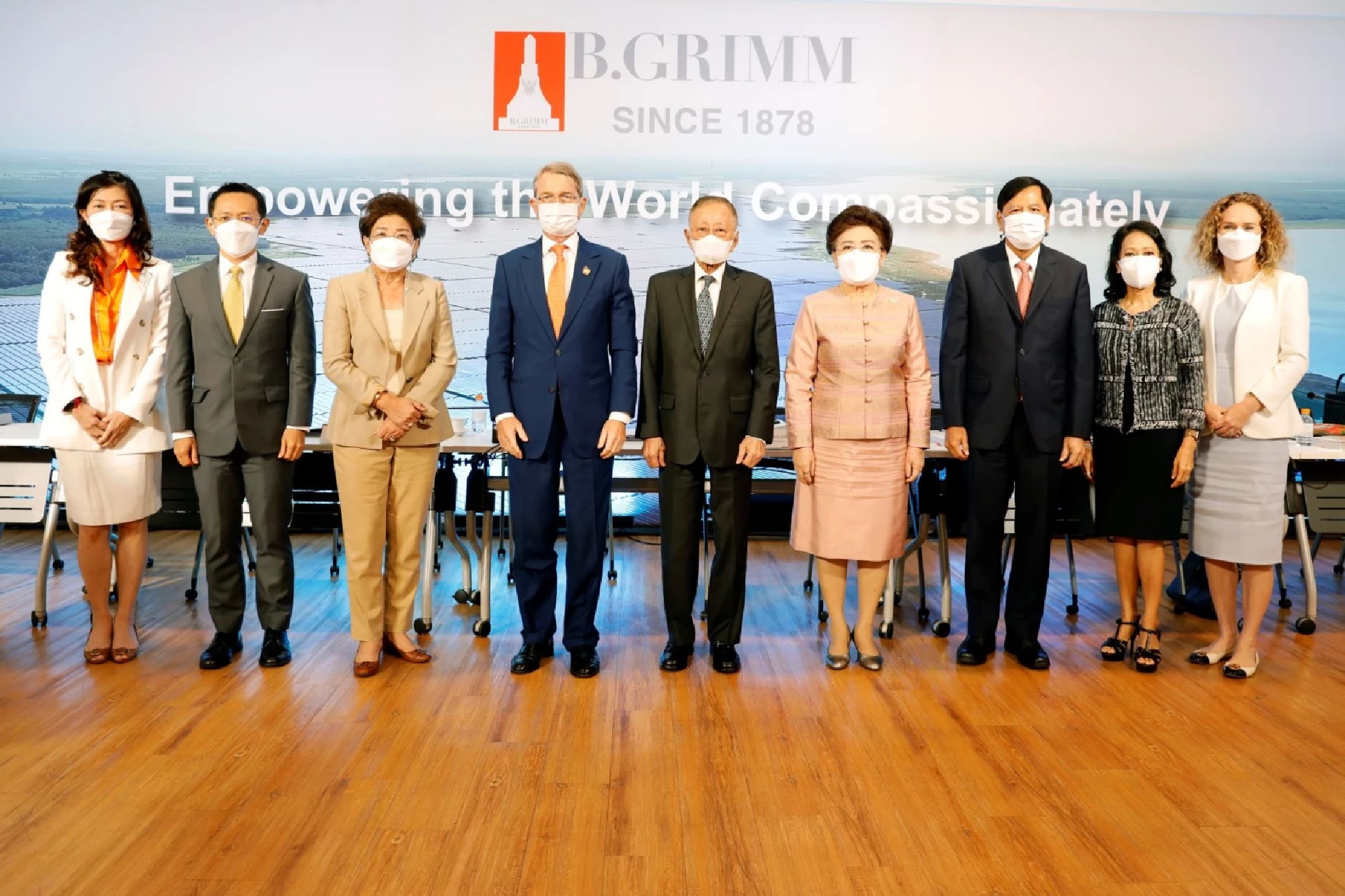
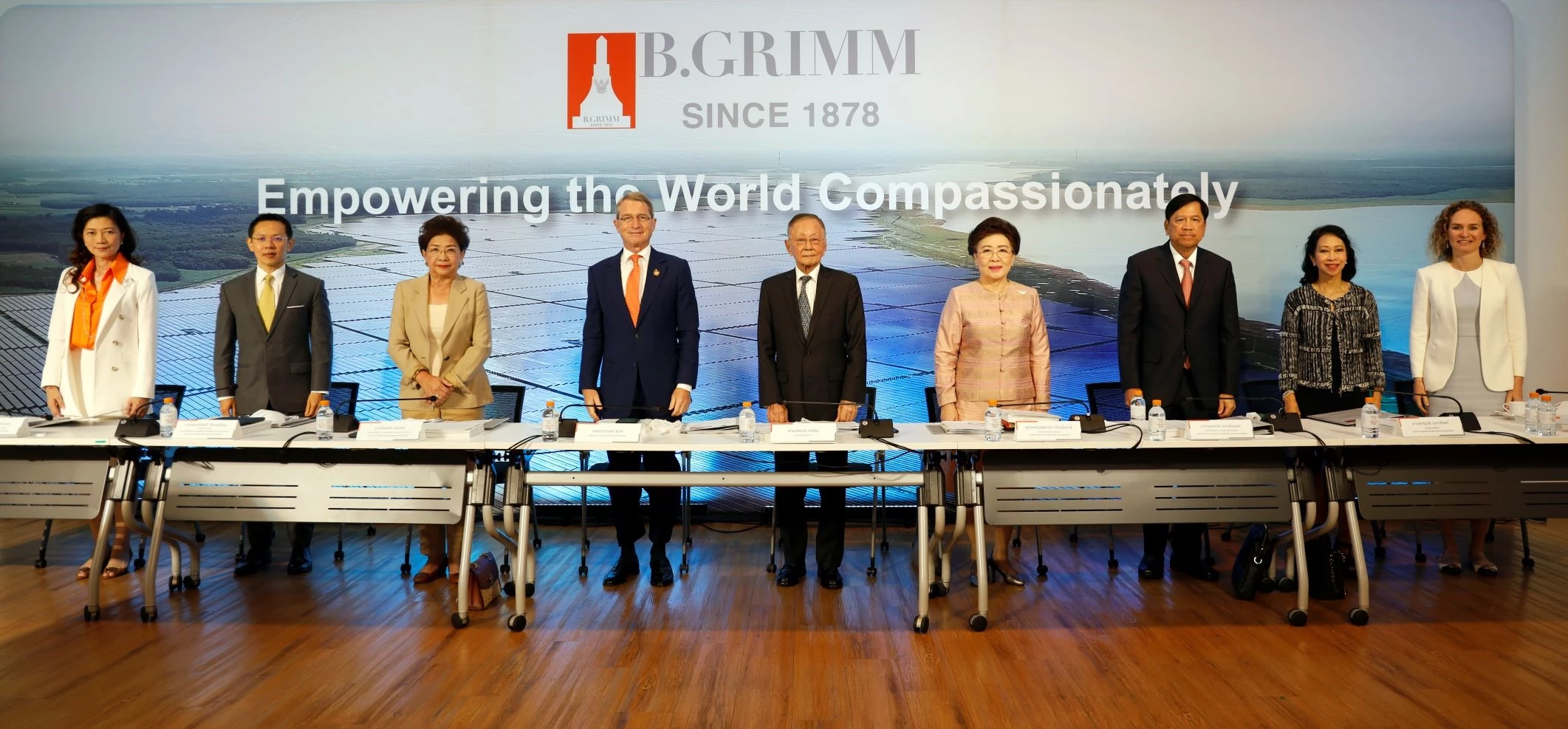
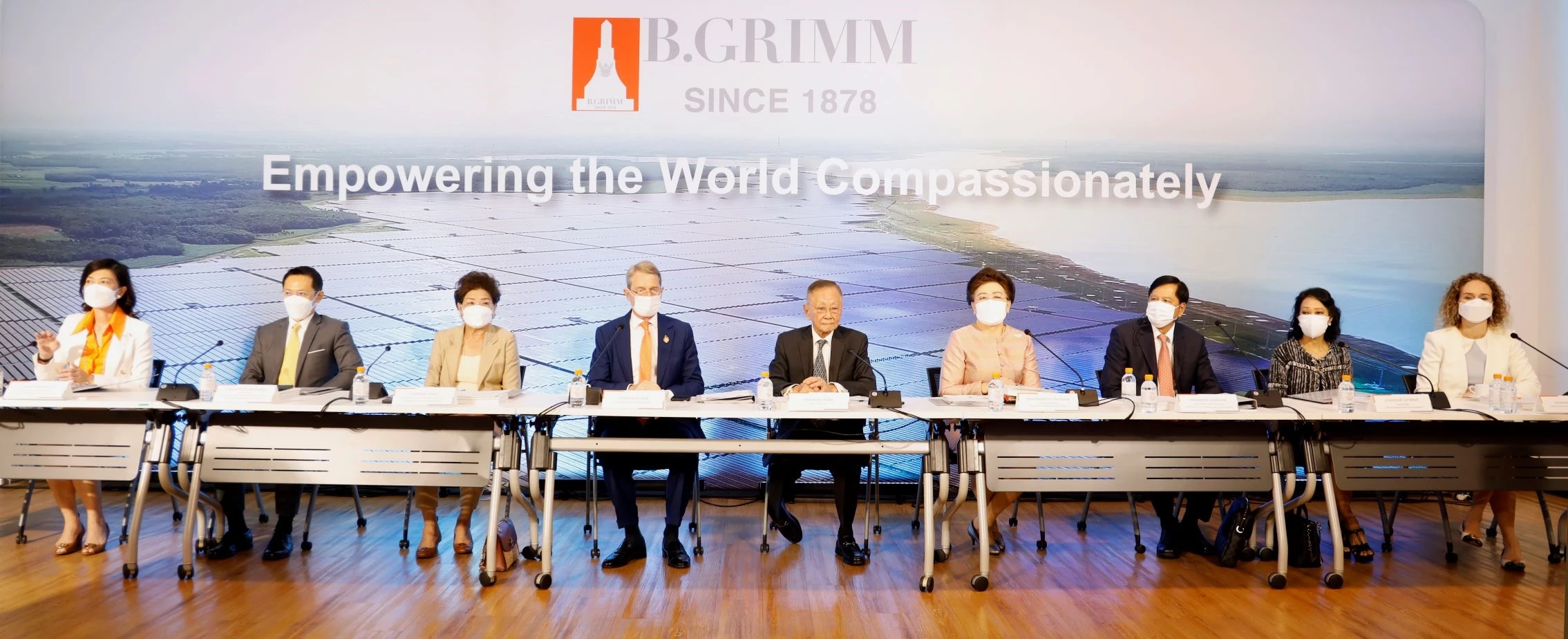
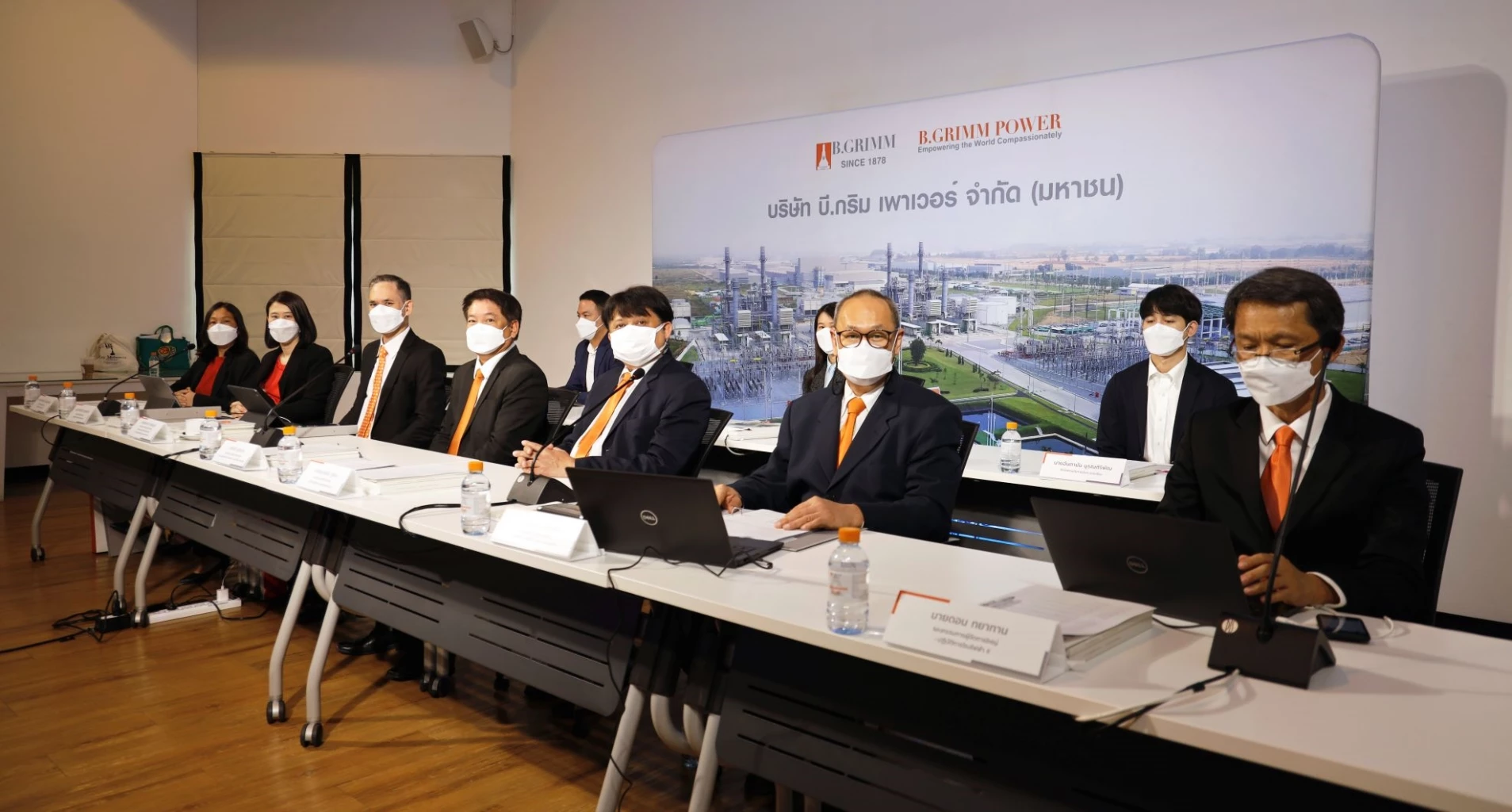
(PR News) B.Grimm Power PCL (BGRIM) on 27 April got the approval from shareholders to extend the limit of the amount of debentures issuance within 5 years (2022-2026) to 100 billion baht.
The approval from the 2022 annual general meeting of shareholders held online will prepare BGRIM financially to support its business expansion and capturing forthcoming investment opportunities.
Dr. Harald Link, President of BGRIM, noted that debenture is one of the several instruments for financial management BGRIM has effectively used.
Among them are issuing equity instruments, using assets or subsidiaries to raise funds through various means such as listing on the Stock Exchange and establishing infrastructure funds.
“BGRIM is well prepared financially, maintaining a strong financial foundation and adopting proper financial management in terms of liabilities and equity along with achieving the targeted installed capacity of 7,200 megawatts by 2025 and further to 10,000 megawatts by 2030,” Dr. Link said.
He added that BGRIM is working strenuously to expand its investment in renewable energy, including solar energy, hydropower, wind energy and energy storage systems (ESS).
Sustainable generation of electricity from clean energy under a long-term power sale agreement in Thailand and abroad has been at the forefront of BGRIM’s business strategies.
BGRIM aims to increase its power generation investment internationally over the next five years to 15 countries from 7 countries at the present.
The company is determined to achieve Net-Zero Carbon Emissions by 2050.
Meanwhile, BGRIM shareholders resolved to allocate the profit earned from the year 2021 operation as a legal reserve and paying 0.27 baht per share in dividends for operations in the second half of 2021.
When combined with the interim dividends paid in 2021, amounted to 0.15 baht per share, the overall annual dividend payment for 2021 is 0.42 baht per shares, totalling 1,094.90 million baht, to be paid on 12 May 2022.
The meeting also endorsed the election of three directors to replace those retiring by rotation.
They are Dr. Link as Director, President and Director who is authorised with contractual bindings; Khunying Suchada Kiranan as Independent Director, Chairperson of Independent Committee, Director of the Nomination and Remuneration Committee; and Mrs. Anchalee Chawanich as Independent Director, Chairperson of the Audit Committee and Member of the Corporate Governance and Sustainability Committee.
The meeting resolved to re-elect them as directors for another term.
BGRIM continues to strive to energise the global society by its “Empowering the World Compassionately” mission by adhering to the principles of generosity in business to create value for society.
“Our entry to each country is marked by being friendly to the society, helping their society and the environment, and being part of the society. This will strengthen BGRIM’s S-Curve, meaning which every country we enter, we can expand and grow sustainably,” said Dr.Link.
The Eastern Economic Corridor has linked up with PTT Plc and Rayong Provincial Administrative Organisation (PAO) to launch a project for price stability of durians in the eastern province.
EEC Policy Office secretary-general Kanit Sangsubhan signed a memorandum of understanding with Piya Pitutecha, Rayong PAO governor, and Charnsak Chuenchom, deputy managing director of PTT, on the price stability project. The signing took place at the Rayong PAO office on Thursday.
The ceremony was witnessed by representatives of concerned government agencies and representatives of major durian growers in Rayong.
Kanit said the project would guarantee that the price of durian in Rayong would have stability and would not fall too sharply when the markets are flooded with the fruit.
Kanit said the Rayong PAO would spend THB100 million to buy quality durians, which are fresh and safe for consumption, to be distributed to consumers around the country.
The PTT will assist the project by providing cold storage facilities that could freeze some 7,000 to 8,000 tonnes of durians in case they are oversupplied. The frozen durians would later be sold during the off-season so their prices would not fall too much.
Kanit said the EEC Policy Committee would help by finding market channels for the partners, such as checking with fruit processing factories to see if they need durians for their plant. The EEC Policy Office would also find market channels among tourism businesses in the eastern province, Kanit added.
He said durians are one of five major fruit clusters that the EEC Policy Office aims to develop in the eastern provinces.
The office will help the growers of durians to find markets and will assist them to use technology to add value or add products.
For example, the EEC Policy Office has joined hands with the National Science and Technology Development Agency to develop automatic watering system for durian orchards.
The office is urging durian growers to use Magik Growth polymer bags, developed by the National Metal and Materials Technology Centre, for wrapping durians. He said the wrapping bags helped durian peels to be some 30 per cent thinner, and the meat of the fruits increased by 20 to 25 per cent.
China has reopened all of its land Customs clearance checkpoints for Thai durians after closing them in the middle of this month, an adviser to the agriculture minister said on Friday.
Alongkorn Pollabutr said he had received a report from the Thai agricultural office in Guangzhou that China has allowed the import of Thai durians at the Pingxiang border checkpoint with Vietnam on Friday after it had earlier gradually reopened other border checkpoints to facilitate delivery of the fruit.
China had blocked Thai durians from April 12 to 14 after traces of Covid-19 virus were found in a fruit shipment at the Mohan border checkpoint.
Alongkorn, who is also chairman of the forward committee on solving problems related to Thai fruits, said the reopening of the Pingxiang checkpoint would speed up export of durians to China.
“All the major checkpoints have been reopened for Thai durians and other fruits, including the Youyiguan Border Gate, the Donxing Border Gate and the Mohan Border Gate,” Alongkorn said.
“This is good news for Thai farmers who grow durians and other fruits. But please make sure that your products will not be contaminated with Covid-19 virus again.”
China has a zero Covid policy and imported fruits are put through stringent tests, causing a big headache for Thai fruit exporters.
The Mohan border checkpoint in China had issued Thai durian exporters an ultimatum to resolve their Covid-19 problem in five days, starting Monday, failing which they will be banned, Sanchai Puranachaikiri, president of the Thai Fresh Fruit Traders and Exporters Association, said.
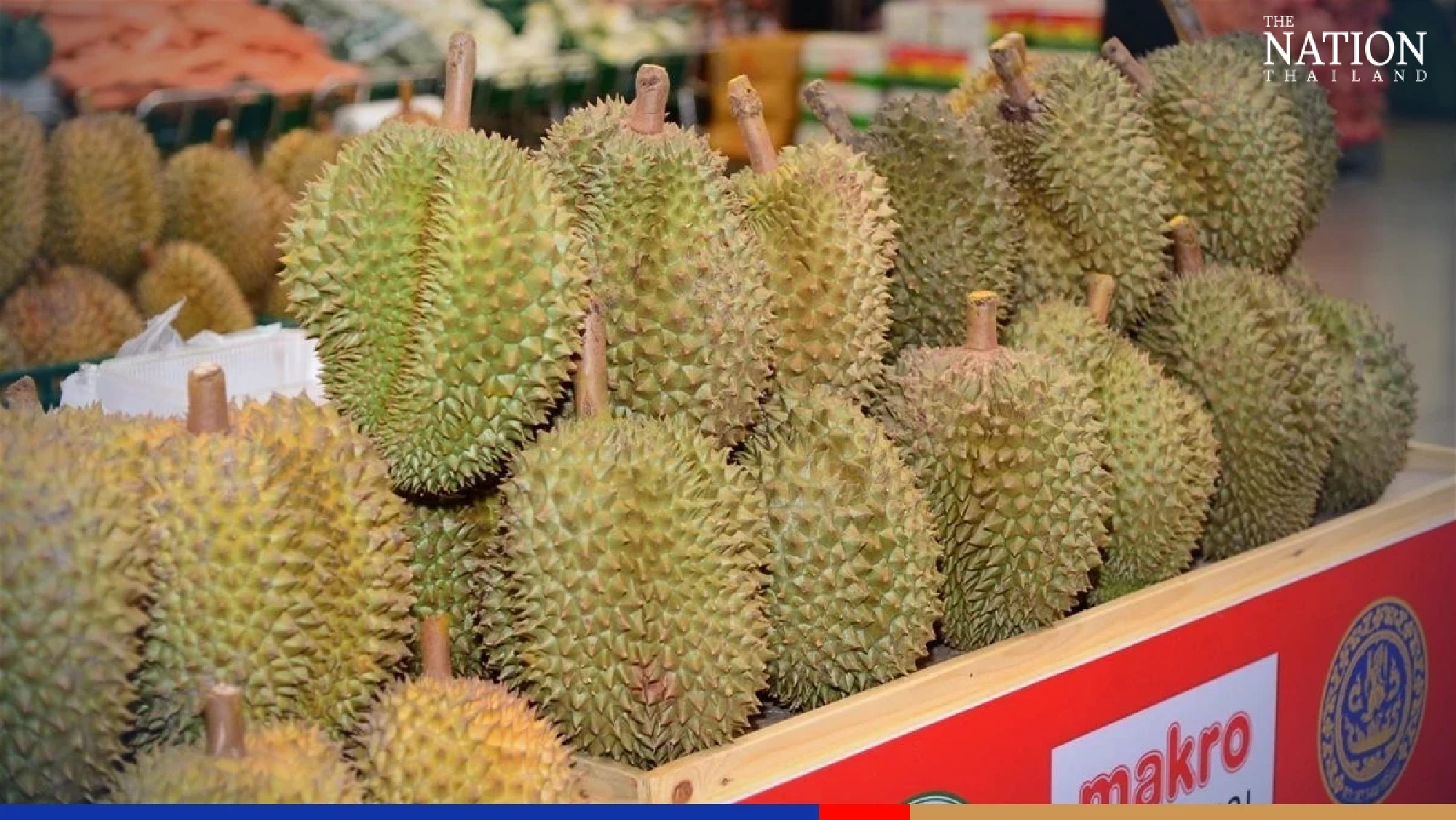
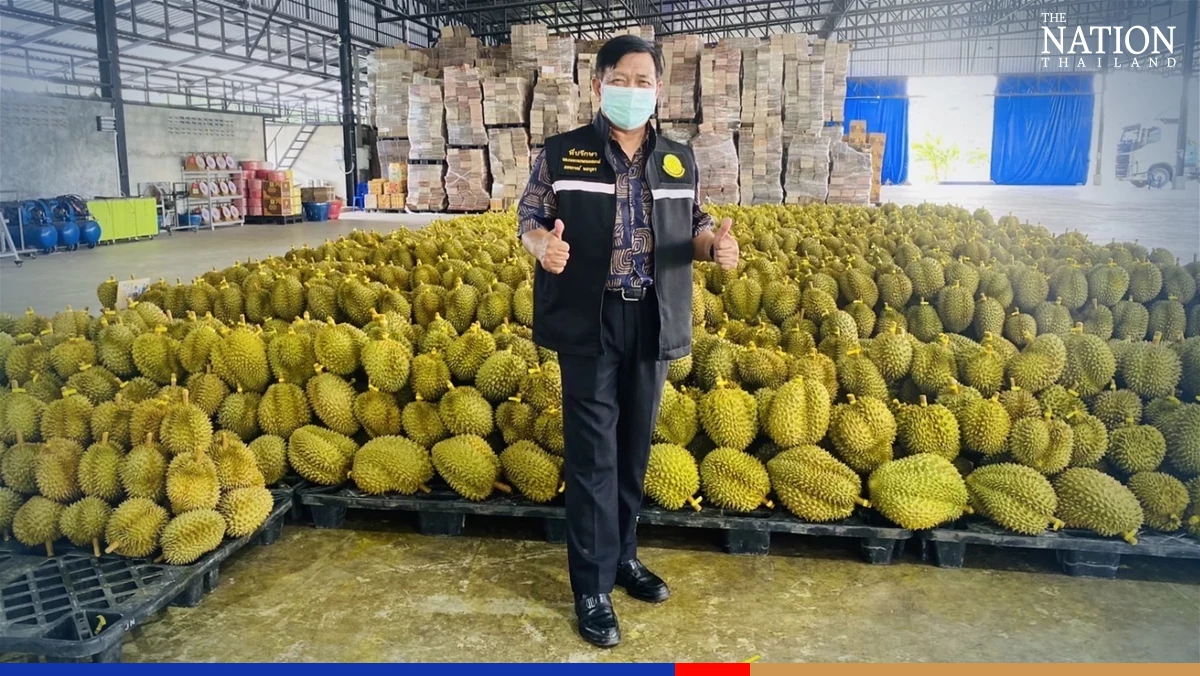
The Agriculture Ministry has also instructed all cold-chain storage operators to ensure their durians are certified under the zero Covid standard.
Last week, durian exporters in Chanthaburi province carried out a Big Cleaning Day to ensure durians from the province would not be contaminated again.
Though there are some good signs of recovery in the Thai tourism industry, hotel operators are afraid that they might not be ready to serve their guests due to a shortage in the workforce.
Speaking at the monthly conference, Marisa Sukosol Nunbhakdi, president of the Thai Hotel Association, said that many of their members are desperately looking for workers.
“Domestic and international tourists are gradually increase in numbers but not hotel employees. Many of the workers are reluctant to return to work as there are concerned about some issues, such as wages, rent and healthcare,” said Marisa.
Weerasak Kowsurat, former Thai minister of tourism and sports, suggested during the conference that apart from launching more measures to stimulate the industry, the government should closely discuss with all parties in order to sort out the most suitable measure for each party.
He added that big-sized hotels and small-sized guesthouses have different demands and needs. Therefore, it would be better to find out what those entrepreneurs really needed so that the government budget is not wasted.
In his opinion, a problem that needs an urgent solution is workforce shortage in both quantity and quality.
“The government should help the entrepreneurs quickly create a well-trained labour force and support the owners to make the employees multi-skilled and having digital expertise,” said Weerasak.
The concerns were expressed as the government has scrapped the Test & Go scheme from May 1, and many experts and analysts are expecting a surge in the number of tourists arriving in the country.
Somprawin Manprasert, first executive vice president and chief economist of the Economic Intelligence Center (EIC), Siam Commercial Bank (SCB), said that it was a positive sign for the recovery of the tourism industry. With more Covid regulations relaxed, making it more convenient for tourists to visit the county, it is expected that around 5.7 million tourists will visit the country this year.
“Although the number is less than the 5.9-million estimate preceding the Russia-Ukraine war, and far from the pre-Covid 40 million, the projected number is still 10 times higher than last year,” said Somprawin.
Assoc Prof Somchai Pakkapartwiwat, an economics expert, is also positive about the Thai tourism industry. However, Thai tourism still facing some uncertainties and is fragile, and the government will have to offer some support to prop up the industry, he said.
Marisa pointed out that the private sector could not put all their hopes on the government alone while they do nothing. She said all the members of the association have agreed to help each other find a solution to the worker shortage.
Some of the solutions are, for example, holding a short training course for employed workers and discussing with local vocational universities to seek young workers or trainees.
Marisa also suggested that hotel operators improve themselves to become more attractive to new workers. Apart from offering enough incentives, the entrepreneurs should give more chances to their employees to upskill and reskill.
Tourism and Sports Minister Pipat Ratchakitprakarn recently revealed that the country plans to fully unlock and reopen no later than June. This movement will help Thailand welcome at least 1.3 million foreign tourists during the rest of the year and generate over THB700 million revenue.
Her Royal Highness Princess Maha Chakri Sirindhorn on April 28 opened the 10th and 11th White Elephant Art Exhibition and gave awards to winners of the White Elephant Art Awards under the topics of “In the Dream” and “Thais Giving Each Other” on the 9th floor of Bangkok Art and Culture Centre in Bangkok’s Pathumwan district.
HRH Princess Sirindhorn was welcomed by Khajit Chatchawanich, Bangkok Metropolitan Administration permanent secretary, Thapana Sirivadhanabhakdi, President and CEO of Thai Beverage Public Company Limited, Kobkarn Wattanavrangkul, President of Bangkok Art and Culture Centre Foundation, Nitikorn Kraivixien, Director of Art and Culture Thai Beverage Public Company Limited, and organizer representatives.
The event will be open to the public with no admission fees from April 28 to August 28 every day except Monday from 10am to 7pm.
Moving towards Low Carbon Economy and Fully Applying BCG Economy Model
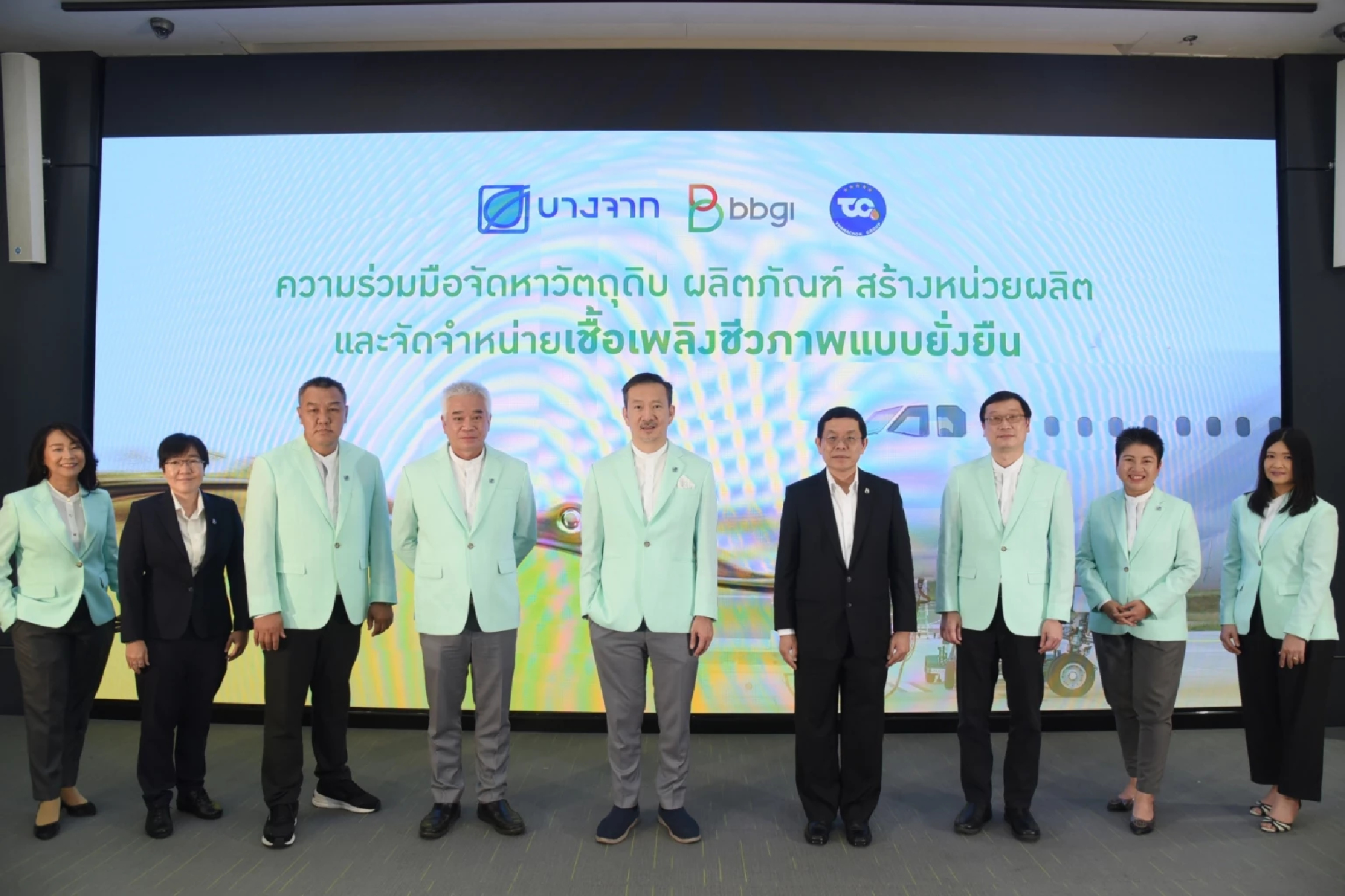
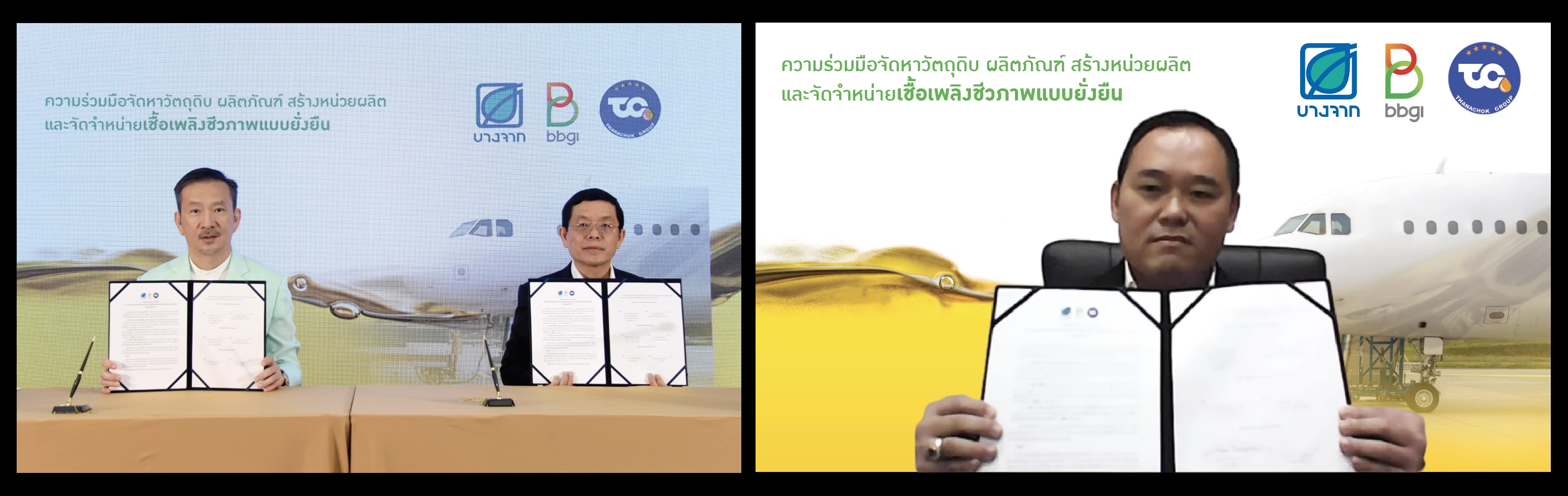
[PR News] Chaiwat Kovavisarach, President and Group Chief Executive Officer, Bangchak Group, and Kittiphong Limsuwannarot, President and Chief Executive Officer, BBGI Public Company Limited, signed a memorandum of understanding for the procurement of raw materials, products, plant construction, and retail of Sustainable Biofuels with Tanawat Linjongsubongkot, Managing Director, Thanachok Oil Light Company Limited, Thailand’s leader in integrated vegetable oil business for over 40 years, as a preparation for the construction of a new production plant within Bangchak Refinery to manufacture Sustainable Aviation Fuel (SAF) from used cooking oil, and related biofuel products for domestic and international markets.
Initial plans will soon see the commencement of SAF production at a maximum capacity of 1,000,000 liters per day.
Sustainable Aviation Fuel (SAF) is a GHG emissions reducing alternative captivating global interests due to the up to 80% reductions in carbon reductions through the entire product life cycle. Thailand’s yearly consumption of vegetable oil of around 900,000 liters, which is constantly growing, presents an opportunity of creating value from used cooking oil to address the demand for SAF, which is rising constantly, as well as reducing GHG emissions in line with Bangchak Group’s 2050 Net Zero GHG Emissions target, and fully integrating the Bio-Circular-Green (BCG) economic development model emphasized by the government in action.
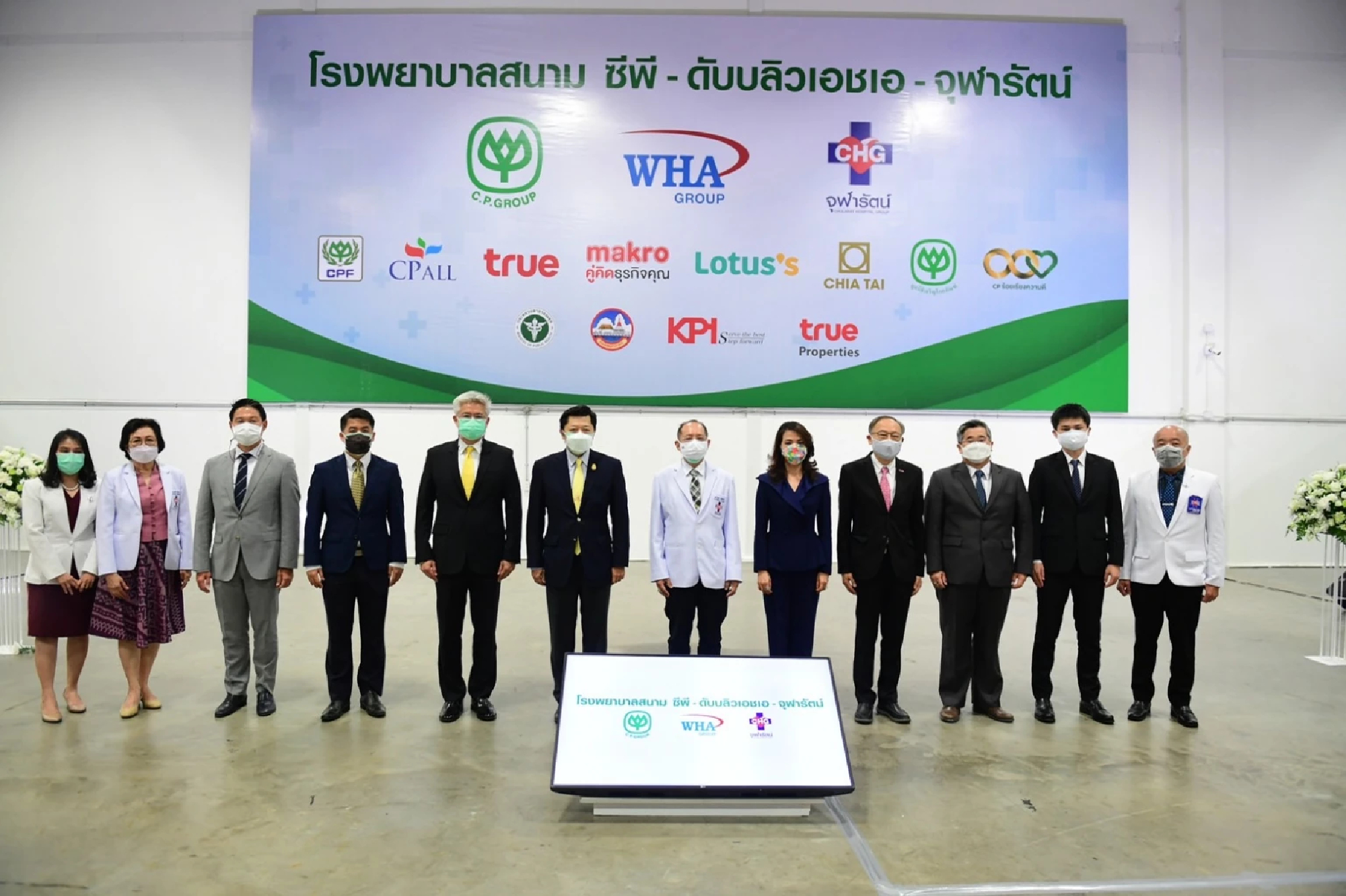
The CP Group has thanked its partners, both in the public and private sectors, for their support in the establishment and operation of “CP-WHA-CHG Field Hospital” in Samut Prakan province to care for Covid-19 patients.
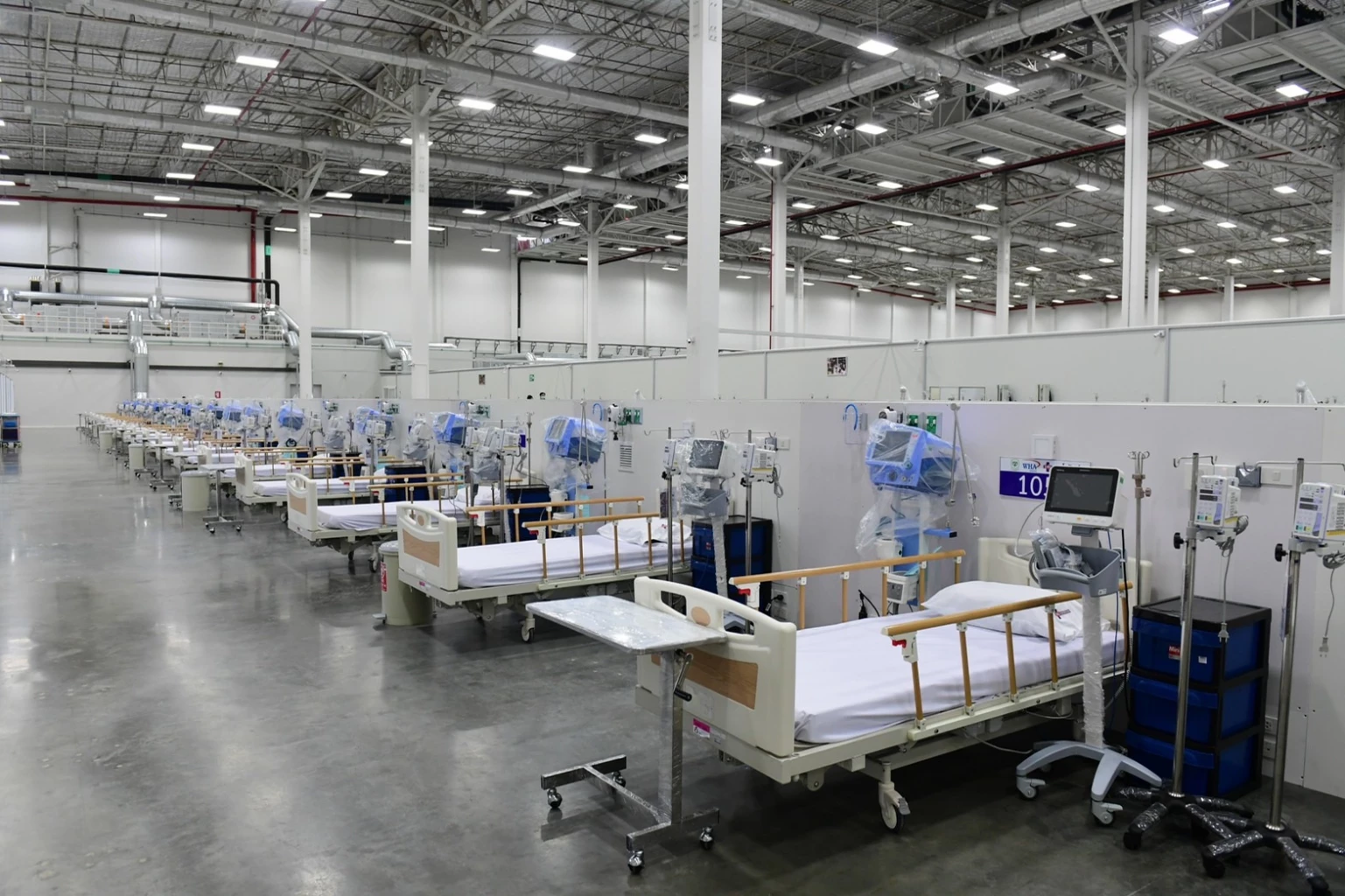
Charoen Pokphand (CP) Group chief executive officer Suphachai Chearavanont recently said that the group has been cooperating with WHA Group and Chularat Hospital Group (CHG) in establishing a 600-bed field hospital called “CP-WHA-CHG Field Hospital” at WHA Mega Logistics Center in Samut Prakan province since September last year to provide treatment to Covid-19 patients with mild to moderate symptoms. The aim was to help the authorities control and prevent the spread of the virus.
“With usable area of 15,294 square metres, the CP-WHA-CHG Field Hospital has been treating Covid-19 patients in yellow category with the same standards as modern hospitals, and has helped alleviate the burden on the country’s public health system until today,” he said.
“CP would like to thank WHA, Chularat Hospital Group, Department of Medical Services, Public Health Ministry, Samut Prakan province, and our subsidiaries including CPF, CP All, True, Siam Makro & Lotus, for making this field hospital a reality and helping society in a time of crisis,” added Suphachai.
The establishment of the field hospital is part of the “CP for Good Deeds” campaign to celebrate Charoen Pokphand’s 100 years of operation in Thailand and to inspire the good deeds in remembrance of the royal kindness of King Bhumibol Adulyadej the Great and His Majesty King Maha Vajiralongkorn towards Thai people when the country is facing a crisis.
The cooperation with private partners, including WHA Group and Chularat Hospital Group, will also likely warrant future business cooperation between industry leaders in their respective sectors.
Since the first day of the CP-WHA-CHG Field Hospital opening on September 23, 2021, CP Group has poured in support and volunteers from its subsidiaries to ensure the smooth running of the facility, including providing the latest technology and innovation in patient care, as well as foods and drinks for all medical professionals and patients’ relatives.
CP Group also provided similar support to the government-operated Lerdsin Field Hospital in Bangkok’s Bangrak district, which treats patients in the red and yellow groups, and to Ramkhamhaeng Community Isolation Centre, which treats patients in the yellow and green groups.
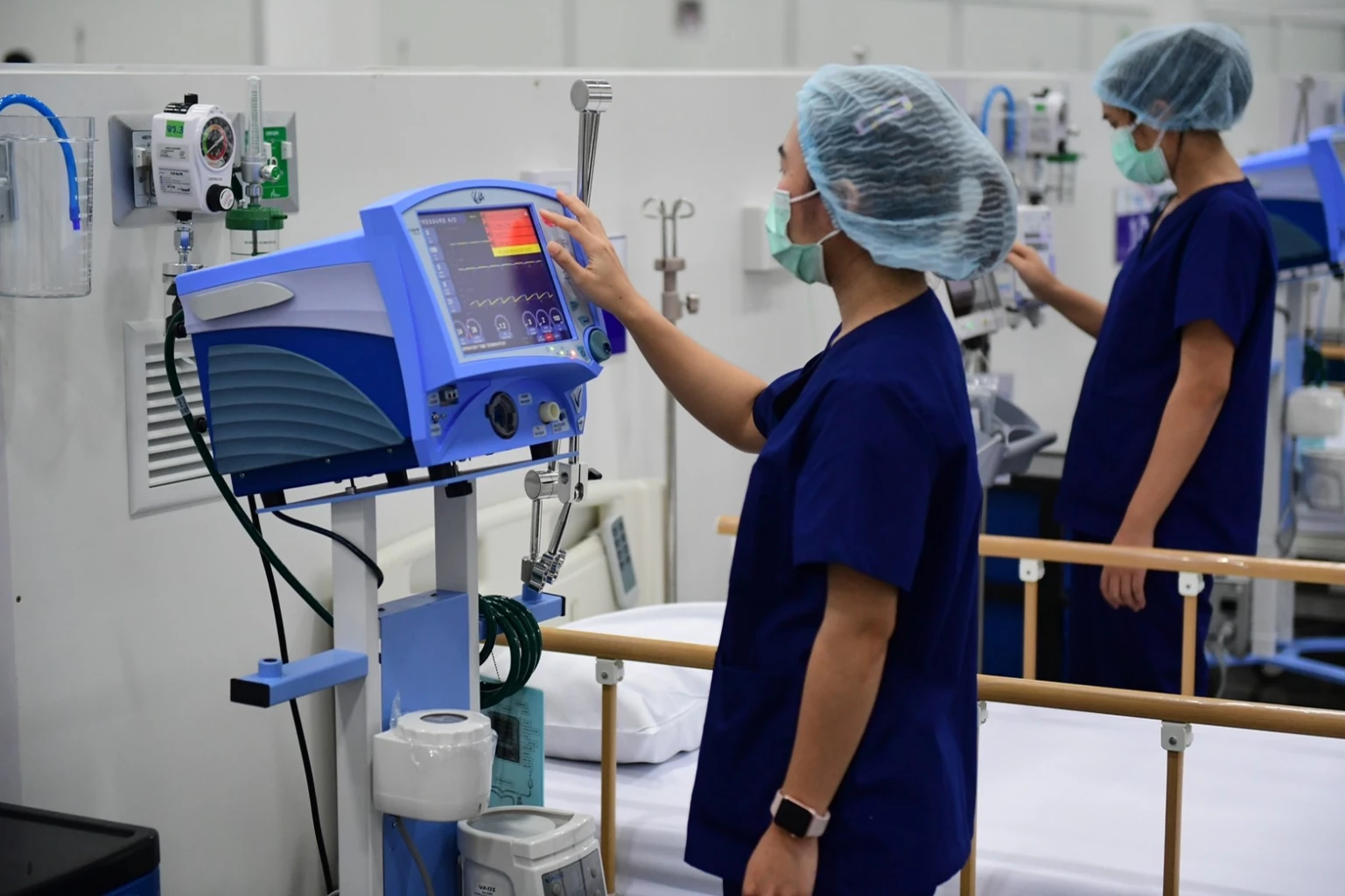
Prasit Boondoungprasert, chief executive officer of Charoen Pokphand Foods Pcl (CPF), said that CPF was proud to be a part of the establishment of CP-WHA-CHG Field Hospital. The company’s engineering team contributed to the design of the field hospital’s ventilation system and the installation of oxygenators and heart monitors that have saved lives of several Covid-19 patients.
“I believe there are opportunities in every crisis. We just have to work together and we will be able to overcome the Covid-19 crisis in no time,” he said.
Prasit added that CPF has also contributed foods and beverages to medical professionals and patients at other hospitals and field hospitals, as well as supplied foods and drinks to staffers and volunteers at 49 vaccination centres nationwide to ensure that all personnel are well-fed and ready to fight Covid-19.
CP All Plc acting chief executive officer Yuthasak Poomsurakul added that the company had donated medical supplies to 50 field hospitals, as well as necessities to temples nationwide to be allocated to people in vulnerable groups who have been affected by Covid-19 at community level.
“CP All has also reduced the price of several products during the Covid-19 situation to alleviate the cost of living of people, while our employees have volunteered to work with community leaders to make sure that all the assistance has been give to those in need,” he added.
Siriporn Dechsingha, chief corporate communication officer at Siam Makro Pcl, said that the company has donated medical equipment, PPE suits, and foods to the CP-WHA-CHG Field Hospital and other field hospitals during the outbreak with the help of volunteering Makro employees from 145 branches nationwide.
“Siam Makro is proud to be a part of the betterment of the society through volunteer work. We will continue to help and connect with local communities to ensure sustainable development as a leader in wholesale and retail,” she added.
Theeradej Damrongplasit, co-president of True Corporation Plc, added that the company has supported the implementation of smart technology in the CP-WHA-CHG Field Hospital to ensure that it operates as an international standards hospital, while all medical professionals are protected against the virus.
“With the 5G system being enabled throughout the hospital premises, patients can send message to medics when they require emergency assistance or to notify their symptoms. We have also installed comprehensive CCTV and intercom systems, as well as deployed state-of-the-art medical robots to let doctors diagnose and treat patients via a seamless telemedicine system,” he said.
“Ever since the Covid-19 outbreak in Thailand, True has been providing free SIM cards to patients in field hospitals and community isolation centres as well as to medical professionals so that they can communicate seamlessly. We will continue to help the society stay connected throughout the outbreak until we overcome this crisis together,” he added.





 The Agriculture Ministry has also instructed all cold-chain storage operators to ensure their durians are certified under the zero Covid standard.