Network communications encrypted using next-gen cryptography will be unbreakable, future-proof, and will allow for early intervention and mitigation
Network communications encrypted using next-gen cryptography will be unbreakable, future-proof, and will allow for early intervention and mitigation
The global pandemic is causing an irreversible rise in double-threat ransomware, data theft and sophisticated supply-chain attacks. Fortunately, cybercriminals have been hampered by enterprise-level data encryption, which they have not been able to bypass easily.
However, with the advent of quantum computing, even this data protection method is under threat. With massive computing power within reach, cybercriminals can find ways to crack encryption algorithms.
University research collaborations in Indonesia and Thailand have already demonstrated the practical applications of quantum computers in cryptography, and cybercriminals are also watching the developments closely.
This is why Toshiba’s work in quantum-cybersecurity research is set to level the playing field against malicious actors. In late August this year, the firm announced a collaboration with a Singapore-based quantum technology firm SpeQtral, to offer quantum secure communications solutions powered by Toshiba’s Quantum Key Distribution (QKD) technology.
What is Quantum Key Distribution?
Quantum Key Distribution (QKD) is used to distribute the secret digital keys important for protecting highly sensitive data critical to many industries. Only when the right digital keys are in hand can recipients access the unlocked data. The problem is that digital keys can be stolen or misappropriated. Cyber hackers can then unlock stolen data with the compromised keys.
The essence of QKD security relies on encoding each bit of the key upon a single photon (particle of light) transmitted, for example through an ordinary optical fiber. As any attempt to read the photons alters their encoding, and this allows the secrecy of each key to be tested and guaranteed. Unlike other existing security solutions, QKD is secure from all future advances in mathematics and computing, including the data processing power of a quantum computer.
With QKD technology, not only is the encrypted data secure from unlocking, but any hacking attempts on the digital keys can be detected at an early stage, ensuring that the data and messages are accessible only by the intended recipient.
In Southeast Asia, the National University of Singapore is working to make QKD technology available to the wider industry to incubate a new class of “quantum-resilient encryptors” in financial services, government and healthcare sectors that work with highly sensitive data.
Thailand also has a strong quantum cryptographic research sector. Chiang Mai University has collaborated with the Thailand Centre of Excellence in Physics on single-atom trapping systems; other universities exploring quantum technology include the Suranaree University of Technology; National Institute of Metrology, and even a social enterprise, Quantum Technology Foundation of Thailand. The country regularly works with world research laboratories in America, China, Japan, and Russia to exchange research ideas.
From the secure transmission of sensitive genomic data, to data transfers between critical industrial infrastructure, uses cases of QKD in today’s cybersecurity landscape are innumerable.
According to Mr Hiroshi Fukuchi, Corporate Representative – Asia Pacific, Toshiba Corporation and Managing Director, Toshiba Asia Pacific Pte Ltd: “Southeast Asia is a vast potential market and development base for QKD. Toshiba has established industry partnerships in our early deployments of quantum technology in Japan, the US, and the UK. We are excited to be part of the QKD industry’s global expansion and commercialization in Singapore and Southeast Asia.”
Tackling cybercrime with QKD
Back in 2003, Toshiba was already a pioneer in researching quantum cryptography at the Cambridge Research Laboratory of Toshiba Research Europe Limited. By 2004, the conglomerate had become the first to announce quantum key distribution over 100 kilometers of fiber, and the first to achieve a continuous key rate exceeding 1Mbps in 2010, followed by 10Mbps in 2017.
Now, with the global acceleration of digital transformation, the volume of digital data in use and at rest will skyrocket exponentially. Along with this trend we are already witnessing a massive escalation of cybercriminal threats to steal and monetize valuable data.
This is where Toshiba’s QKD technology will be more pertinent than ever. The collaboration with SpeQtral will help potential users in Southeast Asia understand the need for and consider the implementation of QKD solutions to secure their communications, with free knowledge-sharing webinars and workshops as a starting point.
As a global hub for financial applications, Singapore in particular serves as a focal point for telecommunications, data centers, and cloud connectivity infrastructure. These industries process extremely important and high-value data, and it is crucial to continually review the security of these communications and upgrade current systems to address future threats.
Additionally, as each organization has unique data connectivity configuration and security requirements, the SpeQtral-Toshiba collaboration will help provide QKD solutions to ensure needs are addressed.
Leading the world in QKD development
Toshiba’s decades of quantum research have led to the development of two practical QKD devices for installation in multiplexed (up to 70km) and long-distance (up to 120km) usage scenarios.
Being designed for flexible and cost-effective deployment the two commercially-available products will enable quantum researchers in Southeast Asia and the world to further their research and trial cost effectively and reliably.
Meanwhile, as digital economies emerge from the acceleration of technological adoption, integration of emerging telecommunications infrastructures and deployment of 5G networks, quantum key distribution is an important building block to realize safe data communications.
That is why Toshiba continues to invest in deep research into QKD and related fields of quantum science in order to benefit governments, academia and industry in preemptively blocking off cyber threats.
On a more positive note, the Quantum Internet of the Future is set to bring a new era of beneficial technological progress to the world. This is what Toshiba Corporation—with its stated mission of boosting innovation and trust to contribute to the world at every level—is fully vest in.
The Thai economy grew by 0.9 per cent as expected in December, though fears over the Omicron variant may slow things down in the first quarter of 2022, the Bank of Thailand (BOT) said.
Chayawadee Chai-Anant, senior director of BOT’s Corporate Communications Department, said that despite positive trends, people should closely monitor the Covid-19 situation as it may continue disrupting the supply chain and keep fuel prices high.
However, the central bank reckons the economy will improve if Thailand continues opening up to foreign tourists.
Meanwhile, BOT has reduced GDP growth estimation from 3.9 per cent to 3.4 per cent, because of a drop in people’s purchasing power. Also, businesses are worried about stricter prevention measures being introduced in the future.
As for the country’s monetary policy, the BOT said Thailand is different because its economy has not been able to bounce back like that of other industrialised nations. Hence, the Monetary Policy Committee will focus on economic stability before increasing the interest rate.
Chayawadee said it was important for the government to issue new stimulus schemes, adding that overall consumer confidence and improving household incomes have helped bolster the economy.
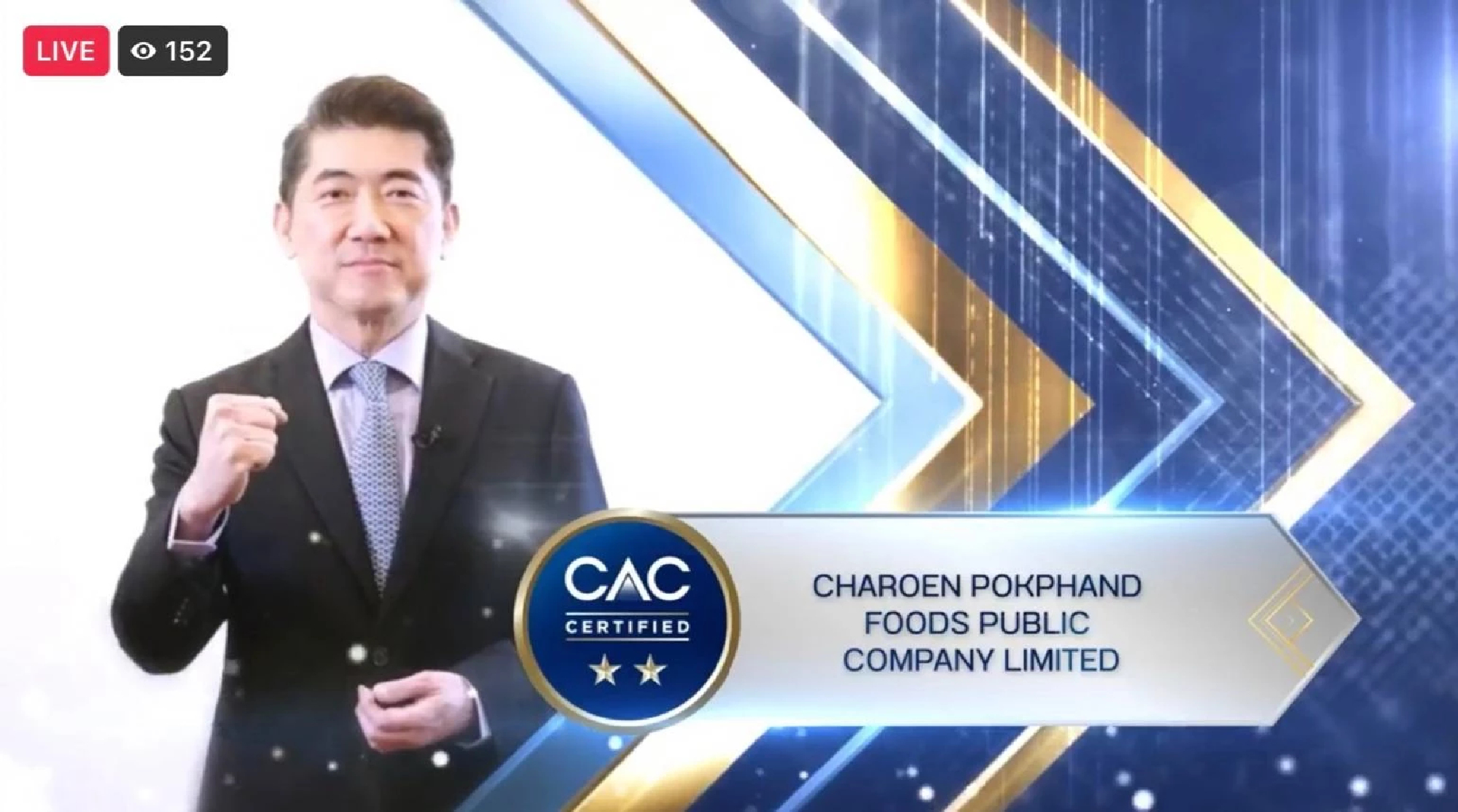
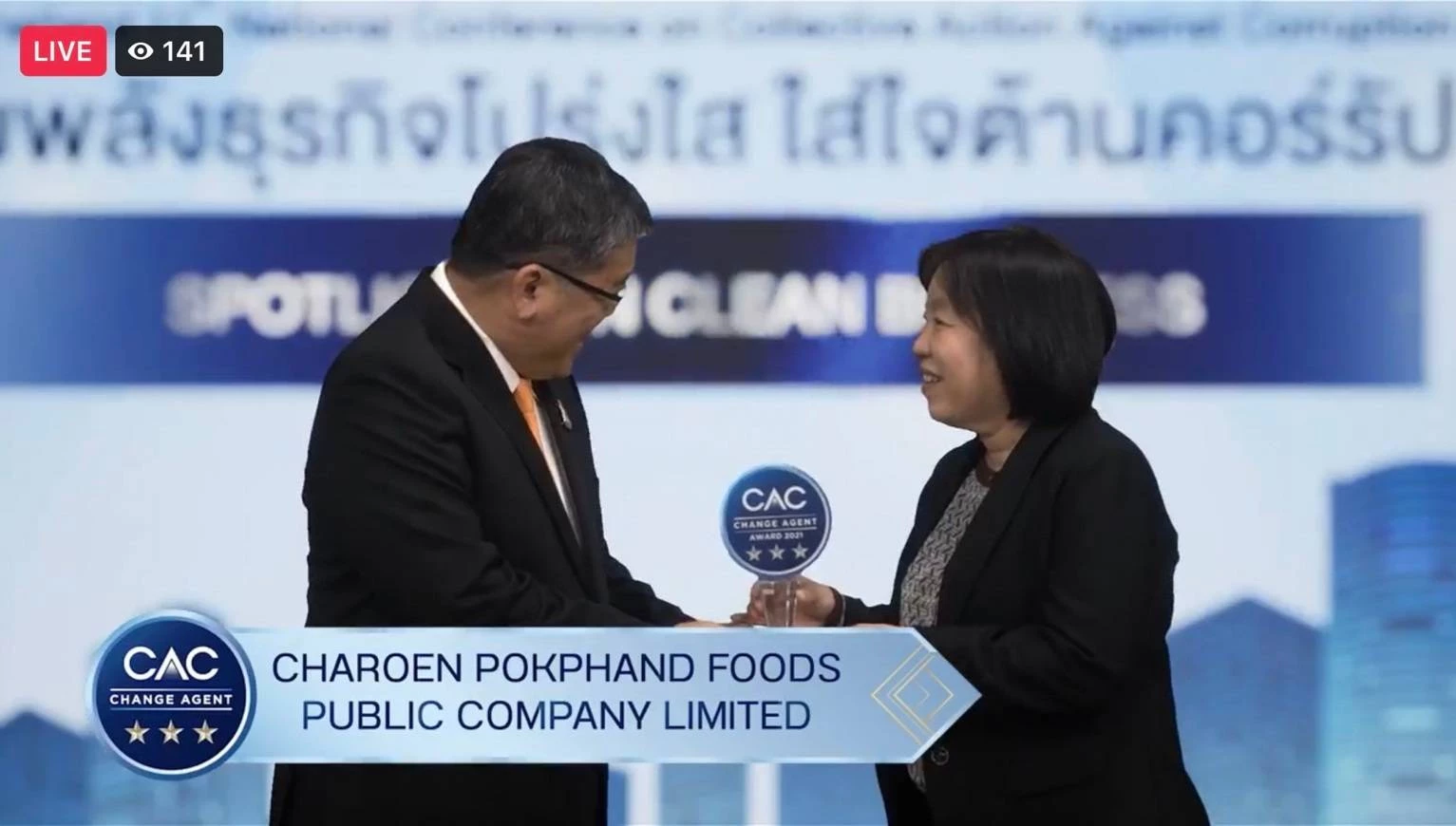
CP Foods won the Change Agent Award 2021 from Thai Private Sector Collective Action Against Corruption (CAC), recognizing the company that conducting business with transparency and encouraging SME suppliers to declare to take part in the Thai business sectors attempt to tackle corruption problem.
Charoen Pokphand Foods Public Company Limited (CP Foods) won the Change Agent Award 2021 from Thai Private Sector Collective Action Against Corruption (CAC), recognizing the company that conducting business with transparency and encouraging SME suppliers to declare to take part in the Thai business sector’s attempt to tackle corruption problem.
This year CP Foods also received a membership renewal from the Thai Private Sector Collective Action against Corruption (CAC) to join the declaration to conduct business with transparency and against all forms of corruption at the 11th CAC annual seminar (Online) on Collective Action Against Corruption.
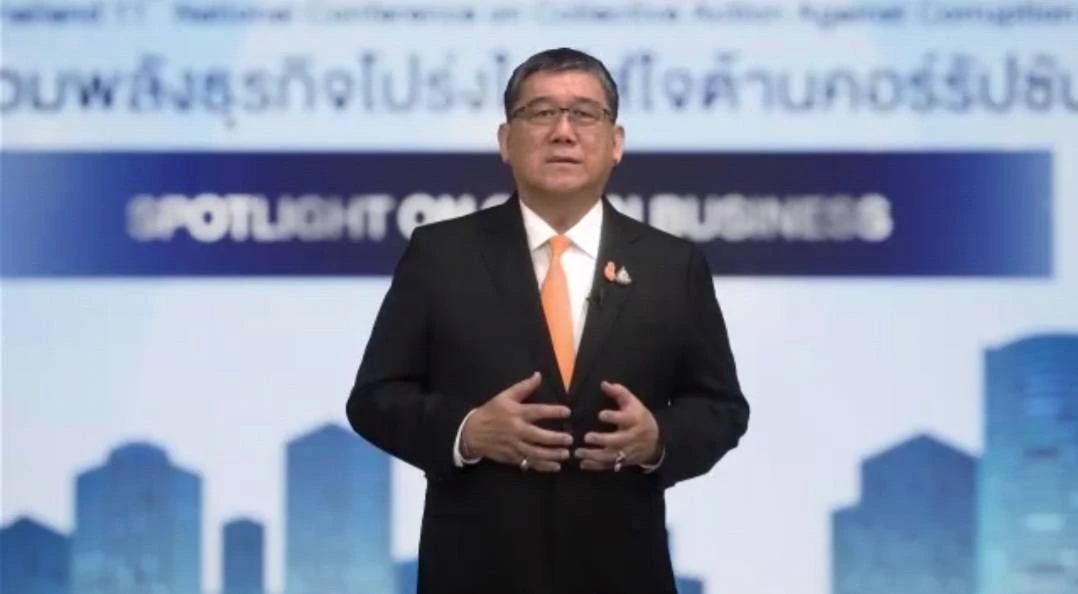
Mr. Chaiwat congratulated the organizations that have been CAC certified and received the CAC Change Agent Awards. The recognitions reflect their commitment to building a clear and transparent business alliance that is free from all forms of corruption. He emphasized that this is an important step in solving of corruption in the Thai business sector.The Change Agent Awards recognizes CAC certified companies that invited more than 10 SME partners to announce their intentions with CAC within 1 year. CP Foods has helped 20 business partners to adopt anti-corruption measures and declare their intentions.
CP Foods has joined Thailand’s Private Sector Collective Action Coalition against Corruption (CAC) since in 2017.
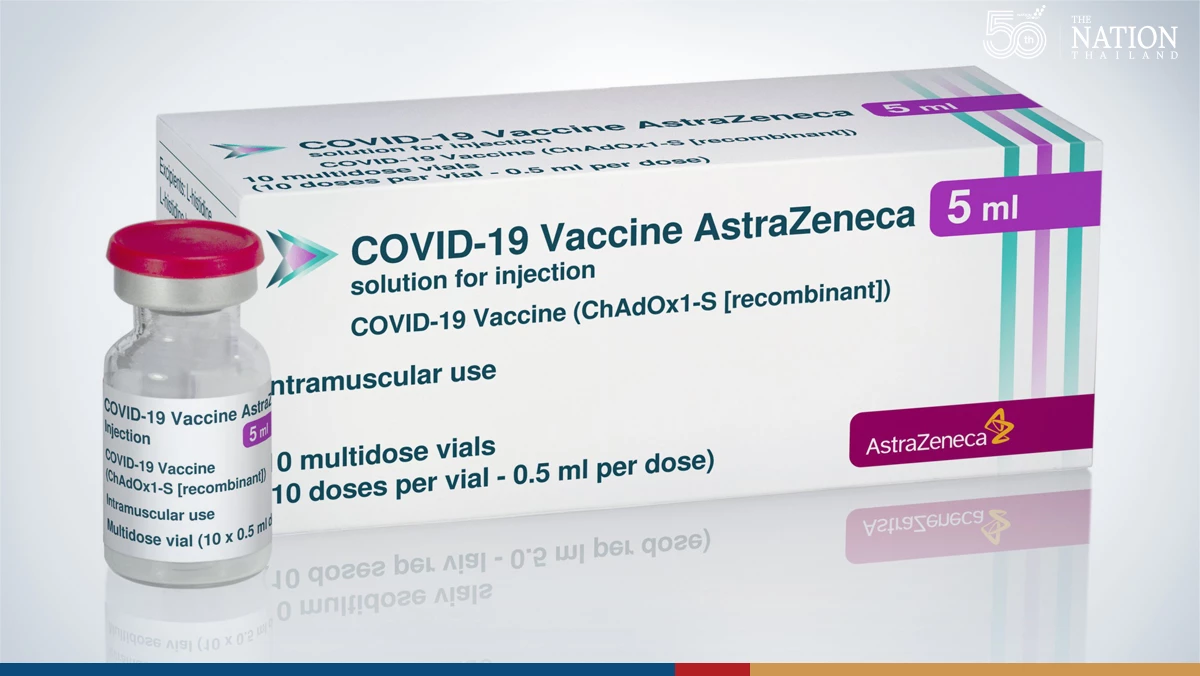
AstraZeneca announced on Thursday its delivery of more than 15 million doses of Covid-19 vaccine to the Public Health Ministry in December, to complete an initial commitment of 61 million.
It added that another 60 million doses of the vaccine will be supplied to Thailand across 2022, based on an agreement made between the company and the government in September.
James Teague, country president of AstraZeneca, Thailand said: “Supporting the Ministry of Public Health’s mass vaccination programme via the production and supply of our vaccine is our highest priority, and has gained urgency following the emergence of the new Omicron variant. We have been able to accelerate our supply over the last quarter and will continue to support Thailand in meeting the dynamic challenges of the pandemic.”
“Covid-19 vaccine AstraZeneca manufactured in Thailand has been authorised under the World Health Organisation Emergency Use Listing procedure. The authorisation recognises that vaccine doses manufactured by Siam Bioscience, AstraZeneca’s production partner in Thailand, is the same product as Covid-19 vaccine AstraZeneca manufactured elsewhere in the world,” the company said.
“To date, more than 2.3 billion doses of Oxford-AstraZeneca Covid-19 have been supplied to over 170 countries, and approximately two-thirds of these doses have been delivered to low- and lower-middle income countries. The vaccine is estimated to have helped prevent 50 million Covid-19 infections, five million hospitalisations and helped save more than one million lives due to Covid-19. From the body of evidence in clinical trials and real-world data, the vaccine has been shown to have an acceptable safety profile,” quoted the company’s statement.
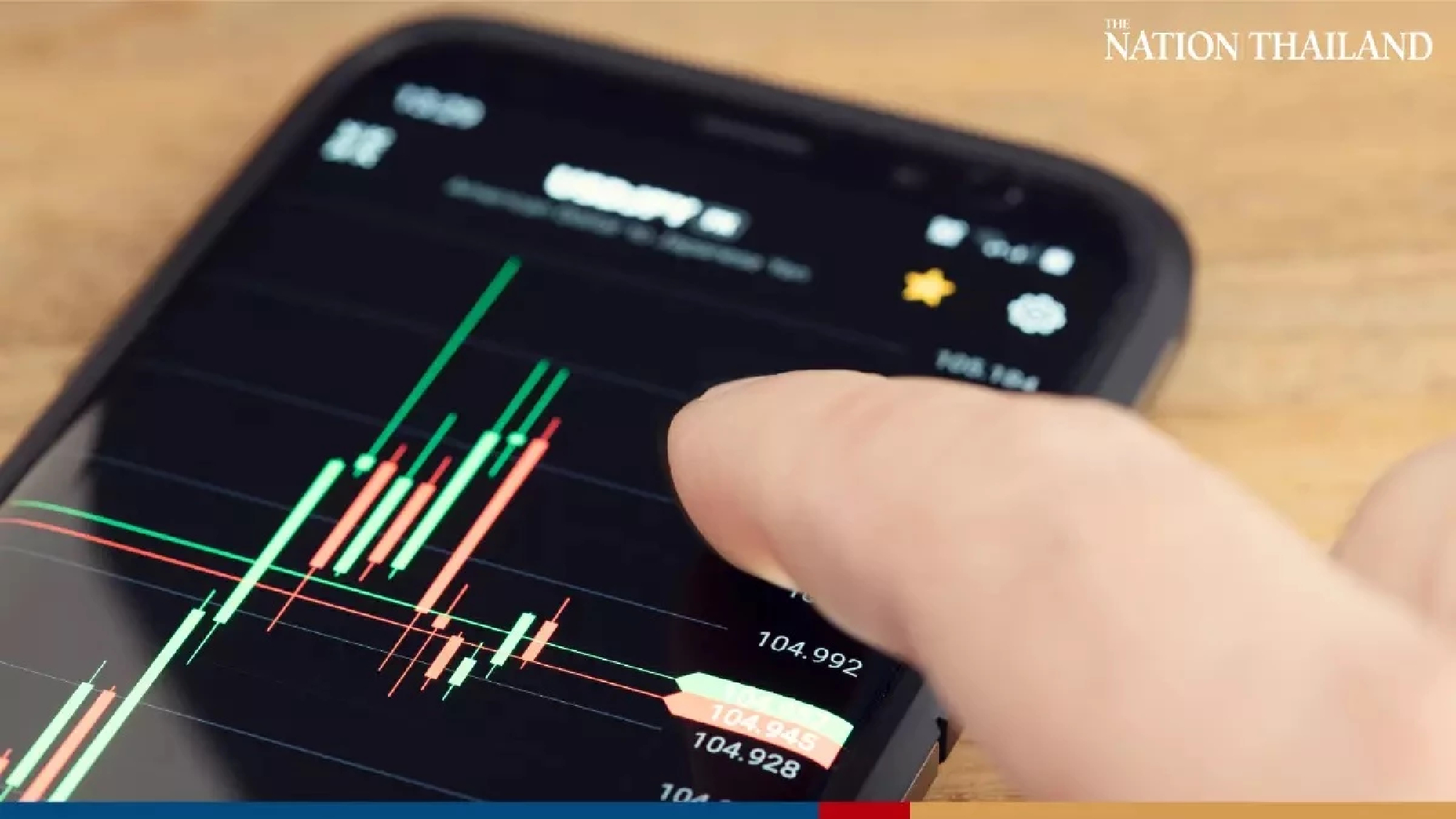
The Stock Exchange of Thailand (SET) Index closed at 1,657.62 on Thursday, up 4.29 points or 0.26 per cent. Transactions totalled 74.53 billion baht with an index high of 1,660.85 and a low of 1,652.37.
The index gained for the third day running after rising by 0.72 per cent on Wednesday and 0.31 per cent on Tuesday.
The 10 stocks with the highest trade value today were DELTA, GULF, GPSC, INTUCH, KBANK, SCB, PTT, EA, JMART and ADVANC.
Other Asian indices were mixed:
Japan’s Nikkei Index closed at 28,791.71, down 115.17 points or 0.40 per cent.
China’s Shanghai SE Composite closed at 3,619.19, up 22.19 points or 0.62 per cent, while the Shenzhen SE Component closed at 14,796.23, up 142.41 points or 0.97 per cent.
Hong Kong’s Hang Seng Index closed at 23,112.01, up 25.47 points or 0.11 per cent.
South Korea’s KOSPI Index closed at 2,977.65, down 15.64 points or 0.52 per cent.
Taiwan’s TAIEX Index closed at 18,218.84, down 29.44 points or 0.16 per cent.
The government expects to collect up to THB88 billion of ‘salinity’ tax in 2022 from high-sodium food products to promote a healthy lifestyle, the Kasikorn Research Centre said on Wednesday after a study.
Citing research by the Thai Health Promotion Foundation and the Nephrology Society of Thailand, the centre said the average daily consumption rate of sodium stands at 3,636 milligrams, or 1.8 teaspoons of salt per person, which is two times higher than the World Health Organisation’s recommendation of 2,000 milligrams, or 1 teaspoon.
Therefore, the centre said, the government is preparing salinity tax collection guidelines for next year based on the amount of sodium in food products.
The expected THB88-billion tax in 2022 would be collected from 18 per cent of the total ready-to-eat and instant food products on the market.
The centre predicted that the products most likely to be slapped with the tax would be instant noodles, frozen food, instant porridge, ready-to-eat meals, canned fish and snacks in that order.
It also said the state would use a ladder tax rate based on sodium content, which is similar to the sweet-beverage taxation. Meanwhile, the centre suggested that the salinity tax should be collected directly from manufacturers with an appropriate duration for producers to adjust.
It urged the government to educate the public on the risks of consuming a high amount of sodium, while promoting a healthy lifestyle with proper measures besides collecting the salinity tax.
The price of gold dropped by THB150 in morning trade on Thursday.
AGold Traders Association report at 9.25am said the buying price of a gold bar was THB28,400 per baht weight and selling price THB28,500, while the buying and selling price of gold ornaments is THB27,894.40 and THB29,000, respectively.
At close on Wednesday, the buying price of a gold bar was THB28,550 per baht weight and selling price THB28,650, while gold ornaments were THB28,030.84 and THB29,150, respectively.
The spot gold price on Thursday morning hovered around US$1,802 (THB60,242) per ounce after Comex gold at close on Wednesday dropped by $5.1 to $1,805.8 per ounce due to pressure from Us government bond yields rising above the 1.5-per-cent level and from selling gold as a safe-haven asset after the New York stock market’s Dow Jones Industrial Average surged several days in a row.
The baht opened at 33.50 to the US dollar on Thursday, unchanged from Wednesday’s closing rate.
The Thai currency is likely to move between 33.45 and 33.55 to the greenback during the day, Krungthai Bank market strategist Poon Panichpibool predicted.
Poon said that the baht is likely to swing sideways while the Omicron situation might pressure the baht to weaken.
However, foreign investors did not worry about the Omicron situation and continued to invest in Thai stocks this week.
Moreover, Poon said that the baht might strengthen because investors are selling gold while the dollar is weakening. He speculated the baht will be at between 33.40 to 33.50 to the dollar at the end of the year.
In 2022, Poon said the baht is likely to swing sideways at the beginning of the year due to the Omicron situation.
He said the baht is likely to strengthen in the second half of 2022 if the tourism sector greatly recovers while foreign investors invest in Thai assets.
Poon added the baht could reach the level between 31.75 to 32.00 to the dollar.
Krungsri Securities forecast the Stock Exchange of Thailand (SET) Index on Thursday (December 30) would fluctuate between 1,645-1,660 points.
It said the index still gained positive sentiment from relief in Omicron concerns, rising oil prices in response to the decline in US oil storage and hopes over Thailand economic recovery next year.
However, it predicted that mass sell-offs of shares to reduce risks during the New Year holidays would pressure the index.
It also recommended buying of the following companies’ shares as an investment strategy:
HMPRO, CPN, CRC, VGI, SYNEX, COM7 and JMART, which are domestic play stocks.
RCL, LEO, III, WICE, SONIC and JWD, which benefit from rising freight rate.
EA, GPSC, AMATA, WHA, AH and SAT, which benefit from the government’s support on electric vehicles.
PTTEP, TOP, PTTGC, IVL and SPRC, which benefit from rising oil price and gross refining margin.
BBL, TTB, KTB and KBANK, which benefit from news of interest rate hike.



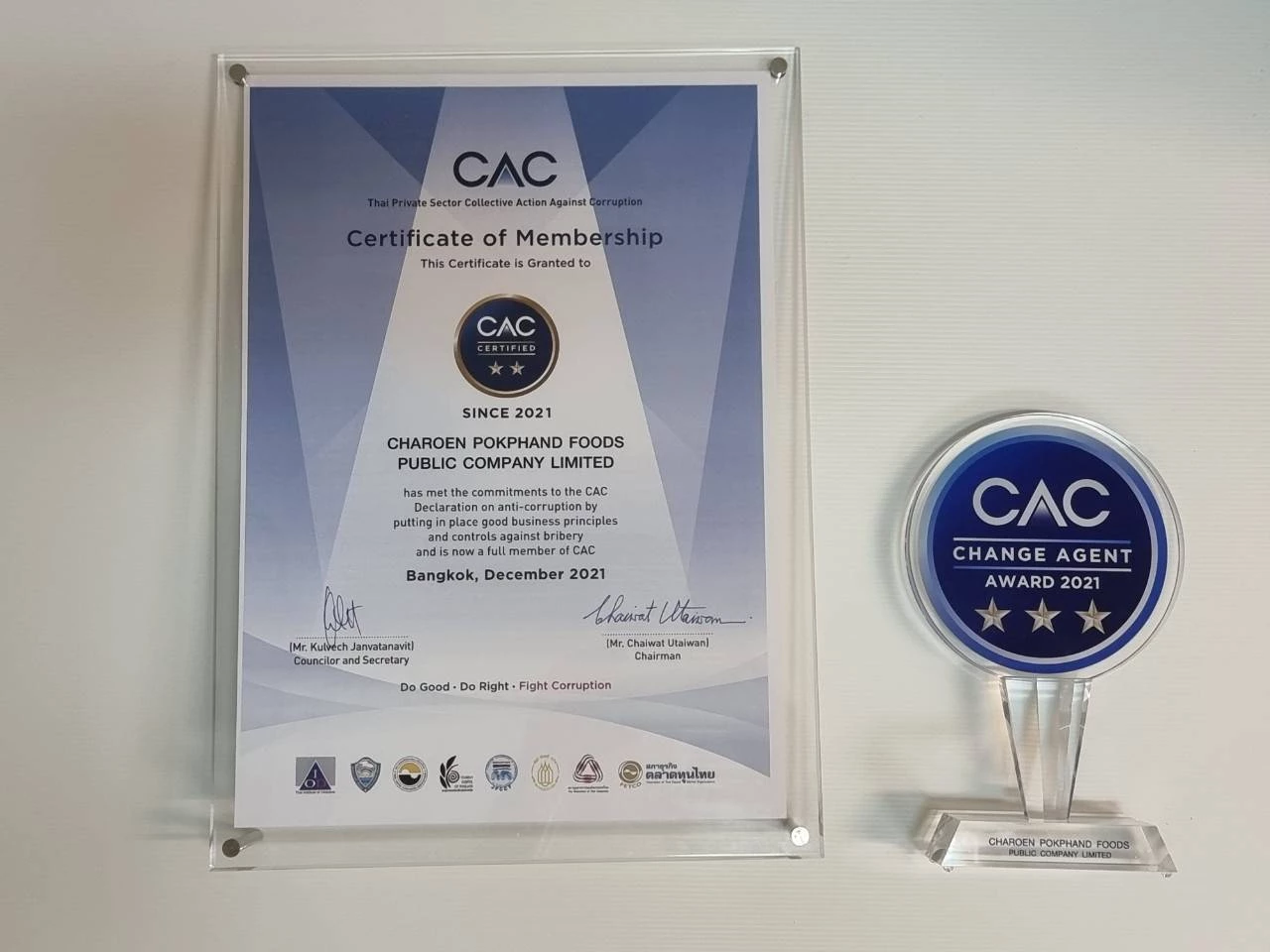
 The Change Agent Awards recognizes CAC certified companies that invited more than 10 SME partners to announce their intentions with CAC within 1 year. CP Foods has helped 20 business partners to adopt anti-corruption measures and declare their intentions.