The baht opened at 33.42 to the US dollar on Monday, weakening from the previous closing rate of 33.32.
The Thai currency is likely to move between 33.10 and 33.60 during the day and between 33.30 and 33.50, Krungthai Bank market strategist Poon Panichpibool predicted.
Poon said that the baht might strengthen with the investment from foreign investors while the dollar weakens. However, investors should be aware of domestic risk factors such as floods and the Covid-19 situation. The volatility of the gold price could also affect the baht.
Meanwhile, Poon said that the market is in a risk-on state this week, which might pressure the dollar to weaken. The dollar will not weaken much if the US Federal Reserve support the quantitive easing in next month and the US economic data is better than others.
Moreover, the baht weakening might slow down in the short term as a bearish divergence occurs.
The key resistance level for the baht would be at 33.50 to the dollar, which is the level at which exporters might sell the US currency.
The baht’s key support level would be from 33.00 to 33.10, the level some importers are waiting for so they can buy dollars, he added.
Poon said that the currency market opened for more risks last week because investors eased their worries about inflation. Moreover, companies financial results were better than expected.
Moreover, Poon added that the market is waiting for companies financial results in the third quarter and the statement of Fed officials this week.
ROJNA is investing 51% in Herb Treasure for the hemp business. Herb Treasure is well equipped to serve entire hemp value chain from upstream to downstream involving breeding, cultivation, extraction and distribution. The project starts with an initial 250 million baht investment to construct 300 greenhouses across 100 Rai (160,000 square meters), aiming to extract more than 9 tons of CBD per year, which will generate approximately 1 billion Baht revenue per annum.
Rojana Industrial Park Company Limited (ROJNA), led by Chai Vinichbutr (Vice President) and Kanawat Chantaralawan (Deputy Managing Director), established a joint venture with Herb Treasure Co., Ltd., headed by Romchalee Chanprasit (CEO) and Arisa Chitsena (Director) . Witnesses include Panuphol Rattanakanjanapatra, Chairman of Advisory Board of Tobacco Authority of Thailand, and Kittitas Phathong, Chairman of Tobacco Cures Planter and Seller Trade Association.
According to Kanawat Chantaralawan (Deputy Managing Director), three major reasons for this collaboration are: 1) Herb Treasure already secured the required licenses i.e., seed importing, cultivation and the only company who received export license 2) Herb Treasure already had customers both local and overseas 3) Herb Treasure has highly efficient, professional and experienced management team, and both companies share the same business vision. ROJNA also has extensive foreign customers both in Asia and Europe, which can extend the customer base in the future. They also intend to turn CBD into varieties of products, including food, supplements, beverages, cosmetics and especially medical products pending on the Government regulations. ROJNA’s board of directors approved 250 million baht in the first phase and plan to expand investment further to serve the increasing demand of the market.
ROJNA and Herb Treasure in a joint venture for Hemp business with an initial investment of 250 million baht, and expected annual revenue of 1 billion Baht
According to Romchalee Chanprasit, CEO of Herb Treasure, the company also plan to assist the contract farming including SME and farmers by developing commercial hemp strains to create the opportunity for the farmers, who are the backbone of the country, to have sustainable revenue. Earlier, Herb Treasure had signed MOU with Tobacco Authority of Thailand to coordinate and help the farmers under their network. This will in turn create even more opportunities in the value chain.
This is a significant cooperative venture, according to Panuphol Rattanakanjanapatra, Chairman of Advisory Board of Tobacco Authority of Thailand. He believes that this corporation will create a benefit for their business as well as for the farmers. More than 1,000 tobacco farmers have shown their interest to participate in this initiative project.
ROJNA and Herb Treasure in a joint venture for Hemp business with an initial investment of 250 million baht, and expected annual revenue of 1 billion BahtROJNA and Herb Treasure in a joint venture for Hemp business with an initial investment of 250 million baht, and expected annual revenue of 1 billion Baht
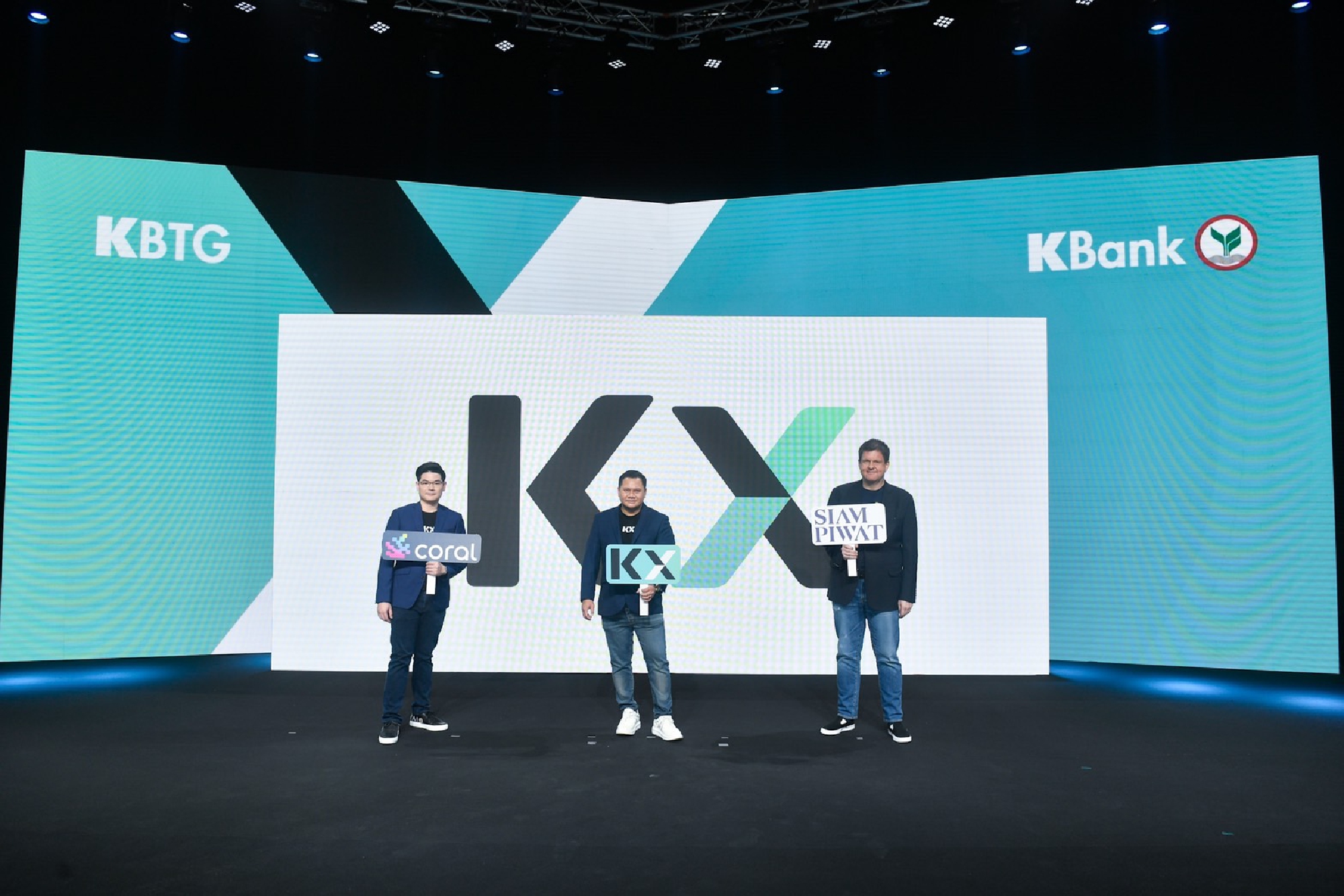
KBTG has also teamed with Siam Piwat Co., Ltd. in creating an NFT Innovation Digital Wall to unlock a new experience for audiences in closely admiring NFT artwork and collectibles.
KASIKORN Business-Technology Group (KBTG) has launched KASIKORN X, or KX, to serve as a new S-Curve factory producing startups for the decentralized finance world and beyond. In parallel, the company has debuted Coral – a non-fungible token (NFT) marketplace platform to support Thai and other Asian artists in making their artwork available for sale globally. The platform will go live by the end of this year. KBTG has also teamed with Siam Piwat Co., Ltd. in creating an NFT Innovation Digital Wall to unlock a new experience for audiences in closely admiring NFT artwork and collectibles.
Mr. Ruangroj Poonpol, Group Chairman – KBTG, revealed that to keep abreast of the evolving digital world, KBTG has established KASIKORN X, or KX – a new company within the group to pioneer S-curve businesses in the digital era. KX will act as an autonomous venture builder that will serve to produce new businesses in the decentralized finance (DeFi) world and beyond. DeFi is a decentralized finance system via blockchain that allows anybody to examine and conduct transactions without the need for intermediaries like a bank or financial institution. Thanks to this innovative technology, KX has envisaged massive opportunities in creating disruptive businesses in the realms of financial and non-financial services that are set to become increasingly popular.
“Building Trust in the Trustless World” is KX’s key mission. KX – led by Mr. Thanaarmates Arriyavet, Head of Venture Builder, KX – has been staunchly supported by both KASIKORNBANK (KBank) and KBTG to expand its presence within the Asian region. KX working processes involve incubating new ideas, scaling and then spinning off. That is to say, new companies will be launched once business directions and opportunities in the next era become clearer.
KBTG unveils KASIKORN X and its mission to innovate in the world of DeFi and beyond
Mr. Thanaarmates Arriyavat, Head of Venture Builder, KASIKORN X Co., Ltd., said that KX’s strengths include its high degree of flexibility in management and decision-making. Additionally, its business operations are independent of KBank and KBTG. KX’s venture building has been designed to be akin to startup building. The team comprises entrepreneurs and builders or engineers. Both sides work together like business and technology startup co-founders, with the objectives of conducting studies and experiments, plus designing products for the real market at startup-like speed.
KX has previously spun off a new company related to digital assets, called Kubix, which is engaged in the ICO portal business. Today, KX is launching its second business, Coral – an NFT marketplace platform which is tasked with creating limitless opportunities for artists and collectors. As Coral has been developed from a thorough understanding of the pain points of collectors, artists, and brand makers, it has a strong desire to support both Thai and Asian artists to be well-known globally.
“The Coral platform will make publishing and selling NFTs easier like general online shopping,” said Mr. Thanaarmates. “ What sets Coral apart from other NFT marketplaces is the fact that customers can purchase NFT artwork with fiat money like Thai Baht or US Dollars, while other platforms require customers to convert their fiat currencies to cryptocurrency before they can buy artwork, which is more inconvenient. Presently, there are nine Thai artists on the Coral platform, namely Pai Lactobacillus, Tikkywow, Songsin Tiewsomboon, Ekachai Milintapas, Puntita Meeboonsabai, Benzilla, Pomme Chan, IllustraTU, and Jiggy Bug. New artists and partners are always welcome to join the platform. For additional details, please visit https://coralworld.co, which is scheduled to launch for collectors by the end of 2021.”
At this time, KX would like to introduce its first partner – Siam Piwat Co. Ltd., which will collaborate with KX to build an art, cultural and lifestyle center, and promote related activities via online and offline platforms for both Thai and foreign customers.
Mr. Axel Winter, Chief Digital Officer of Siam Piwat, said, “We are very pleased to be working with the world-class team of KASIKORN X (KX) and exchanging ideas with them, jointly exploring technology-driven business models for both online and offline worlds and co-creating communities to offer exciting new opportunities to consumers everywhere. We are excited to have an opportunity to support NFTs and co-found the Coral Platform, which will lead to new developments in art, culture, and lifestyle and deliver excellent experiences to local and international visitors. We support artists and all types of creative activities under the concepts of “co-creation” and “creating shared value.”
“Through all these years, we have collaborated with local and internationally-renowned artists to make inspiring art and given opportunities for new generations of artists and students to use our venues to create works for their benefit. We are also hosting NFT Innovation Digital Walls in Siam Paragon and ICONSIAM, so that our visitors can experience and appreciate NFT art up close and personal. We believe that the partnership between KX and Siam Piwat will mark the first step in creating businesses and innovations that integrate the offline and online worlds through DeFi, which will open doors to countless opportunities for art making and provide limitless access to new products and services in the future.”
Mr. Ruangroj adds, “The collaboration between KX and Siam Piwat Co. Ltd. will serve as a monumental step in creating businesses and innovations that link the present-day society to the digital era. DeFi acts as a portal to limitless opportunities and paves the way towards offering new products, services and experiences to numerous Thais and foreigners in the near future. By combining KX’s expertise in DeFi and innovations with Siam Piwat’s prowess in arts, culture and lifestyle, plus its wealth of assets that can be accessed by consumers physically and digitally, this cooperative effort will help to trigger the creation of new opportunities and businesses on a regional scale.”
Fourgle is a vertical social community platform that offers a safe space for sharing data as well as for gathering information about specific interests.
Thai startup, “Fourgle”, has underscored its potential by securing seed funding of USD 1 million to further the development of its innovative community platform. Connecting influencers, entrepreneurs and brands with the same interests, Fourgle will launch its flagship community CookKlick, a cooking and baking community, this year.
Dr. Anuchit Anuchitanukul, CEO and founder of Fourgle (Thailand) Co., Ltd., shared that, “We began developing Fourgle in early 2021 using our core big data and machine-learning technologies to create a vertical social community. The application has been well received to date and we have secured USD 1 million seed funding from angel investors, valuing the company at 400 million baht.”
“The impact of Covid-19 has caused a change in consumer behaviour. People increasingly communicate and share their stories and experiences online,” commented Dr. Anuchit. “People have created online spaces to exchange thoughts and ideas, which has led to the creation of more online communities. We have noticed that information in these communities is in depth and shared in detail. We see that lots of this content is valuable, divergent and can influence lifestyles and businesses. This can be used to propel decision-making, establish trends, create greater understanding, provide knowledge, help with branding and stimulate related-businesses.”
Thai Startup “Fourgle” Secures Seed Funding, will Launch at Year’s End
Fourgle is a vertical social community platform that offers a safe space for sharing data as well as for gathering information about specific interests. Apart from enabling people to connect with the world through a variety of in-app features, the platform also allows users to exchange ideas and links users to new experiences as they can easily search for related information or stories aligned with their interests. Above all, users can monetize the content they create in these communities.
The Fourgle application will kick-off with a community for those who love food and baking called CookKlick. Through inquiries and topic-specific information, as well as providing a space for idea exchange, a knowledge source and recipes, CookKlick will act as an intermediary bringing the community closer together. CookKlick will enable users to share information, create content and access news updates. From amateur reviewers to influencers, entrepreneurs and brands, CookKlick will be a channel for connecting people with the same passions.
Fourgle will launch the Fourgle application in December of 2021 and future expansion plans include creating more and different communities.
Fourgle sees community platforms as an opportunity to meet the needs of the New Gen lifestyle as well as supporting business groups that are seeking a more secure way of sharing reliable information with communities. The development of the Fourgle platform is a collaboration between influencers of these communities and the Fourgle founder team, who are experienced in founding startups in both Thailand and Silicon Valley.
“We are determined to make Fourgle an extremely useful and practical platform and aim to raise Series A funding by the end of 2022 to further advance the platform’s potential and expand its services abroad,” added Dr. Anuchit.
PTG gets ready to accelerate growth in non-oil businesses Petrol service provider PTG Energy plans to expand its non-oil businesses soon and strengthen its stake as the second-largest market share holder in Thailand.
PTG president Pitak Ratchakitprakarn said the company has shown slight growth this year, with market share rising by 4.2 per cent and sales by 8.4 per cent. The factors contributing to the growth include a jump in total Max Card members to 16.3 million and more PTG petrol stations bringing the total nationwide to beyond 2,200.
Pitak reckons the company will have 30 million Max Card members by 2026 and said the card will be renamed “Max World” as it will connect users to other PTG businesses.
Once the Covid-19 situation comes to an end, PTG also plans to get listed in the Stock Exchange of Thailand. The president added that PTG is planning to boost its investment in more non-oil businesses.
For instance, he said, PTG should have up to 2,000 PunThai Coffee outlets in Thailand and CLMV countries (Cambodia, Laos, Myanmar and Vietnam) in the next five years. Of these, 70 per cent will be in PT petrol stations and the remainder elsewhere.
Pitak also said PTG’s Coffee World brand is being given a new look to make it more competitive in the market.
PTG Energy plans to expand its non-oil businesses soon and strengthen its stake as the second-largest market share holder in Thailand.
He predicts the proportion of revenue generated from PTG’s non-oil businesses will rise by around 60 to 70 per cent in the next five years. He reckons PT will open between 100 and 150 new service stations and boost the household LPG gas business by 40 to 50 per cent over five years.
The household LPG gas business is expected to grow more than 100 per cent in 2021, though LPG for vehicles should rise by 15 to 20 per cent.
Furthermore, Pitak said that his company has allowed employees to design non-oil business, such as a cannabis noodle brand. Also, there was an innovation team to design services for serving Max World members in the future.
Apart from the aforementioned business, PTG has invested in oleochemistry business, under “Palm Complex” project. Pitak explained that products from this project are made from palm, and two new products will be released within the next two months.
PTG targeted the earnings before interest, taxes, depreciation, and amortization to grow by 10 per cent from last year, which oil business had grown by 5.9 per cent from 2019.
According to Pitak, PTG oil sales in 2021 will grow between 8-12 per cent, and the company will continue having the second biggest share in the oil market.re in the oil market.
The lights stayed off for years after the 2013 closure of the Ormet Corp. aluminum plant near Hannibal, Ohio. Until someone finally noticed the valuable electrical infrastructure sitting alongside the mothballed smelting operation.
All that high-voltage wiring, and all those pipelines and barge docks on the Ohio River, looked like gold to Fortress Transportation & Infrastructure Investors. “It was the perfect spot for a power plant,” says Robert “Bo” Wholey, president of Long Ridge Energy Terminal, which is now a unit partly owned by Fortress. He bought General Electric Co.’s 7HA.02 turbine, a core component used in natural gas power plants, and set out to attract heavy-duty customers.
Then Wholey ran into a problem. He wanted to supply electricity to data centers in the region, but they didn’t want his kind of electricity. “What we found out pretty quickly is that most data center companies want carbon-free electricity,” he says. So he turned back to GE for help.
For much of its 129-year history, GE has been producing carbon dioxide emissions and selling equipment to companies that do the same. It was once among the top suppliers to coal-burning plants and provided gear and services to oil and gas drillers before largely withdrawing from both markets over the past few years. GE remains the biggest maker of jet engines, with at least 37,000 in the skies today. It’s also the top manufacturer of natural-gas-powered turbines, with more than 7,000 busy generating what the company says is about half of the world’s gas-fired electricity.
The full carbon footprint of GE’s businesses-something the company doesn’t yet disclose but independent analysts can try to estimate-is comparable to that of the Philippines, a nation of 108 million. It’s enough to put GE on the target list of 167 top emitters published by Climate Action 100+, a group coordinating climate-motivated investors with more than $55 trillion in assets. Among them: BlackRock Inc., GE’s fourth-largest shareholder, which has called for companies to figure out how they fit into a net-zero world.
Danielle Merfeld, chief technology officer of GE Renewable Energy, is seen speaking virtually during the Bloomberg Green Summit on April 26, 2021. MUST CREDIT: Bloomberg photo by Daniel Acker.
GE’s ability to move beyond its enormous legacy of greenhouse gas will likely define its future. Under pressure from climate activists and shareholders, in July it announced an aspiration to zero out CO₂ within three decades. Critically, its latest climate goal includes eliminating emissions created by the use of its products. Reaching net-zero will take more than putting some solar panels on its factories and offices. For GE to fulfill its promise, it must also prompt customers who form the backbone of today’s fossil fuel economy to ditch carbon. Success could put a company synonymous with the heyday of American manufacturing at the center of a new, cleaner industrial era.
This is where customers like Wholey come in. As it turned out, there was a fix for his problem. “What GE told us at the time was, really, with no modifications to the turbine, we could go up to a 20% hydrogen blend,” he says. Hydrogen’s major advantage over natural gas and other fossil fuels is that burning it produces water, rather than CO₂. When it’s created using renewable electricity, hydrogen is free from planet-warming emissions-making it extremely attractive to governments, industries, and investors. But it’s still difficult to produce hydrogen, especially the cleanest kind, at scale and without great expense.
The good news was that the less-clean hydrogen fuel readily available right now can blend into the natural gas used in Wholey’s power plant, slightly curbing its pollution. Eventually, GE assured him, the turbine he’d already purchased could be modified to handle 100% hydrogen.
Long Ridge plans to start with a 5% hydrogen mix when it commences operations in October, then quadruple that by 2023, on the way to producing carbon-free electricity by 2030. It’s the first U.S. power plant purpose-built to generate electricity by burning hydrogen, according to GE.
The project in Ohio is an example of how the company says it’s helping customers pivot to a cleaner future, even as much of its business remains firmly entrenched in fossil fuel. GE Chief Executive Officer Larry Culp says the energy transition is a challenge “no company is better positioned to help solve.”
He’s currently orchestrating a multiyear turnaround, partly organized around society’s lower-carbon shift. “You’ve got need, you’ve got demand, and you have, if you will, incumbency in certain places and access in others,” Culp says. “If we do our job, I think we’ve got a far better business than we have today.”
– – –
The concept of fueling natural gas turbines with hydrogen has been around for decades. Going back to the 1990s, GE has sold dozens of gas turbines operating on hydrogen blends, and all of its turbines can burn fuels that include at least some hydrogen. But that capability hasn’t been a major selling point until very recently, says Jeffrey Goldmeer, emergent technologies director at GE Gas Power and one of the company’s top hydrogen specialists. It helps that regulators are prodding utilities to slash emissions.
Overt preparation for a hydrogen future is evident in GE’s HA turbines, its newest and most advanced class of the hulking machines, which made their debut in 2014. They feature a combustion system with roots in a 2005 hydrogen push by the U.S. Department of Energy. While the HA is commercialized mostly for natural gas applications, GE tests have confirmed it can handle up to 50% hydrogen. That gives the company something to pitch to customers as a decarbonization option. The first turbine with that system began producing power last year. “Because of that legacy, now these HA machines have very high hydrogen capabilities that they can bring to the market very quickly,” Goldmeer says. “The amount of interest from our customers has grown massively in the last 18 to 24 months.”
GE has been tapped to supply Australia’s first power turbine capable of running on hydrogen and natural gas, which is set to come online by 2024. It also signed an agreement with Uniper to help curb emissions from the German company’s natural gas plants and storage facilities. Plus, there’s a hydrogen demonstration program planned on Long Island as part of a clean electricity effort by the state of New York.
Hydrogen-capable turbines are part of how GE turns its emissions-heavy power business into something that will one day be cleaner. But the company is also a large force in today’s clean energy boom. Equipment orders and revenue from GE Renewable Energy, which sells wind power turbines, have exceeded those from GE’s fossil power division for three years. GE was the top supplier of wind turbines globally last year, with installations totaling 13.5 gigawatts, according to clean energy researchers at BloombergNEF.
The company last year also secured its first orders for the Haliade-X offshore wind turbine, the largest and most powerful model to date, and it has more than 5GW of offshore orders in its pipeline. It anticipates annual offshore wind sales will reach $3 billion in 2024, in a market expected to grow rapidly over the next decade.
Within GE’s renewables unit is an electricity-grid business that, after years of restructuring, could also burst into prominence as trillions of dollars flow into upgrades of power networks. There are even greener prospects for GE Aviation, the prolific maker of jet engines, which in June announced a push alongside Safran SA of France to slash jet fuel consumption by more than 20% by 2035. The joint venture is working to incorporate biofuels and hydrogen for even deeper reductions in future designs.
Roughly half of GE’s sales today come from products that either eliminate greenhouse gases or prevent future emissions, according to estimates by Nick Heymann of investment bank William Blair & Co. That, he says, positions the company to become the largest green industrial manufacturer by the middle of the decade. “For their customer base,” Heymann says, “they’re going to want them to know that any asset they buy in this space is going to be able to be economically viable in the future.”
Still, there’s no getting around that the bulk of GE Power’s business-for now, even after rapidly shrinking-remains rooted in fossil fuels. The division reeled after former CEO Jeffrey Immelt made a gargantuan bet on fossil-generated power, acquiring parts of France’s Alstom for about $10 billion in 2015. The deal prompted a $22 billion write-down three years later, and the division ended up cutting costs and jobs as it sank from $17.1 billion of revenue in 2017 to $12.7 billion last year
In a not-unrelated development, GE Power must also contend with wind and solar emerging as the cheapest sources of new electricity in most of the world. The clearest sign of a limited future for natural gas came in May from the International Energy Agency’s road map for achieving net-zero emissions by 2050. The group called for unabated natural gas generation to peak by the end of this decade and then decline 90% by 2040. If the world doesn’t take these steps, the IEA warned, it risks blowing past climate goals and locking in majorly disruptive changes to the global climate.
Remaining natural gas plants in the IEA’s post-2040 scenarios would have to adopt low-carbon fuels such as hydrogen and carbon-capture technology. For customers interested in the latter, GE Power’s website offers both a webinar and form to contact its sales staff.
If it’s possible to squint over the horizon and imagine the green industrial supplier GE might become, it’s much harder to scrutinize the emissions that are its responsibility today. That’s because the company discloses only a tiny fraction of its total contribution to climate change-an omission that sets it apart from other big emitters, such as General Motors Co., and even some giant oil companies, like Royal Dutch Shell Plc.
It’s not just a disclosure issue; GE doesn’t know the size of its own pollution problem. The company reported to CDP, a nonprofit tracker of corporate emissions, that as of last year it had never completed a full assessment of emissions tied to its customers and supply chain. This is the category carbon accountants call Scope 3, which makes up the overwhelming majority of emissions for many large industrial companies.
GE is hardly alone in its limited approach to climate metrics and disclosures. Power turbine peers such as Siemens Energy and jet engine rival Pratt & Whitney, a part of Raytheon Technologies Corp., haven’t revealed their total emissions. And there’s no legal imperative for them to do so. But the practice violates a basic corporate sustainability principle: What isn’t measured can’t be cut. Perhaps that’s why GE also hasn’t set detailed targets for reducing customer and supplier emissions. The company has said it plans to adopt near-term targets and is working on additional climate disclosures, but there’s no timeline on either process.
For now, investors and the public can only triangulate GE’s full climate impact from bits and pieces of available information, so Bloomberg Green asked the experts at CDP to do just that. Their estimate put the 2019 emissions of GE’s suppliers and customers at 135 million metric tons of CO₂ equivalent. That means the emissions GE had disclosed-2.4 million metric tons from its own operations-account for less than 2% of its overall carbon footprint. Most of the discrepancy comes from customers that buy and use all of its planet-warming products. CDP’s analysis puts emissions from end users at about 97 million metric tons, comparable to the carbon dioxide output of Colombia or Bangladesh.
Yet GE’s true carbon footprint is almost certainly greater still. CDP derives estimates in part from a company’s revenue in a given year, and those calculations don’t account for previously sold products that remain in use. That means CDP’s estimate excludes tens of thousands of engines and turbines sold before 2019 and built for decades of action.
Disclosing emissions is just a first step. “For companies that are impacting climate change at the scale that GE is,” says Simon Fischweicher, head of corporations and supply chain at CDP, “we need to see intermediate or short-term targets.”
Naturally, GE has become a prime target for activists. Until 2019 the company remained involved in more than a dozen coal plant installations around the world, which led the Natural Resources Defense Council to call out its “coal plant profiteering.” Shareholders have weighed in, too, with 98% voting in May to approve a resolution demanding a net-zero commitment. GE’s board supported the measure.
That followed the company’s decision last year to drop the business of outfitting new coal-fired plants and work to zero out the sliver of emissions from its own operations by the end of the decade. The corporate accountability group As You Sow, which put the shareholder proposal before GE investors, called the company’s pledge this year to reach net-zero by 2050 a “major step.”
Daniel Stewart of As You Sow compares GE in the current moment to another American industrial icon: GM. The automaker has pledged to produce exclusively electric vehicles by 2035, even though the bulk of its sales and profits today come from gas-guzzling SUVs and pickups. Two of America’s long-lived corporate giants are caught between the carbon-intensive present and a cleaner future. “Before making these commitments, a lot of these companies want to have all the answers, which is impossible,” Stewart says. “So there’s a certain leap of faith.”
– – –
At GE headquarters, not everyone has made that leap with both feet. Executives frequently uphold the idea of natural gas power as a linchpin in the decarbonization process, since it tends to displace coal and provides a reliable backup for renewables that can go offline when the wind dies down. As Culp says, “We believe we’ve got to take a global view relative to gas, particularly vis-à-vis alternatives.”
The company’s gas turbines are currently being installed in Greece, Israel, and Poland, replacing 4GW of coal-fired electricity, GE Power CEO Scott Strazik told investors in March. Customers in Asia accounted for the largest share of orders for the HA-class turbines at the end of 2020, with 17 bound for Taiwan that will come online by mid-decade. A Colorado utility earlier this year purchased six of GE’s smaller gas turbines, derived from jet engines, to be a power backstop, putting a large coal plant into retirement 12 years ahead of schedule.
The executive tasked with translating GE’s net-zero ambitions for the future into action today is Roger Martella, the company’s first chief sustainability officer. He meets twice a month with the CEOs of the divisions-including Culp-and leads a working group of about two dozen people from each business charged with carrying out sustainability initiatives. “We’re going business by business to look at how we can achieve carbon neutrality,” he says.
Martella joined GE in 2017 as an environmental health and safety attorney and became the sustainability boss in June. A self-avowed environmentalist who’s active in international climate law, he co-authored a legal framework last year, published by the International Bar Association, outlining how citizens could use the courts to address government inaction on global warming. Martella was also the top lawyer at the Environmental Protection Agency in 2007, under George W. Bush, when the Supreme Court rebuked the agency for its refusal to regulate CO₂ from automobiles. Later, in private practice, he represented a coalition of industry groups that tried to stop Barack Obama’s Clean Power Plan to cut greenhouse gas from the electrical grid. The measure was eventually blocked by the Supreme Court and rescinded by Donald Trump.
Martella says his experiences should illustrate how climate progress can be undone if it rests on a shaky foundation. “If we put a lot of effort into something that’s not going to be legally sustainable,” he says, “we would lose time.”
Long Ridge’s natural-gas-to-hydrogen plant is starting to take shape. In October, Wholey will install tubes and valves used to mix 5% hydrogen into the fuel for the turbine. The hydrogen supply will come from a nearby chlorine plant, where it’s produced as a byproduct and trucked over. “It’s pretty minimal new infrastructure that needs to be built,” Wholey says. “To the extent we can use existing infrastructure to displace natural gas, that’s how this is going to move forward, at least initially.”
He’s planning to sell into the grid while working to line up customers for the part-hydrogen electricity. Although interest in low- and no-carbon power is high, cost remains a hurdle. Hydrogen is much more expensive than natural gas and expected to remain so for years. But Wholey is still all-in on the fuel because of its potential to provide continuous, carbon-free power.
Eventually he’ll need to produce hydrogen on-site, since transportation accounts for about half the cost of what he’s buying today. Wholey plans to host multiple pilot projects, trying his hand at “green hydrogen” produced with renewable energy and “blue hydrogen” derived from natural gas combined with carbon capture. H2Pro, an Israeli startup backed by New Fortress, plans to launch a zero-carbon hydrogen pilot project at Long Ridge in 2023.
By 2030, BNEF forecasts, green hydrogen will become the cheapest kind in all major markets. But Wholey wants to be ready for anything-just like GE. “There’s uncertainty. You could have said the same thing about wind and solar 10 or 15 years ago,” he says. “Do I have a concern that it will play out that way? No. Is there uncertainty around the timing involved? Of course.”
The price of gold in Thailand on Monday morning was unchanged from Saturday close.
AGold Traders Association report at 9.23am said the buying price of a gold bar was THB27,950 per baht weight and selling price THB28,050, while the buying and selling price of gold ornaments is THB27,439.60 and THB28,550, respectively.
The spot gold price on Monday morning hovered around US$1,795 (THB60,060) per ounce after Comex gold at close on Friday dropped by $29.6 to $1,768.3 per ounce due to pressure from the rise in US government bond yields, including selling gold as a safe-haven asset after the US released strong economic data.
Krungsri Securities expected the Stock Exchange of Thailand (SET) Index on Monday would fluctuate to between 1,630 and 1,650 points despite the governments plan to ease lockdown measures and reopen the country to foreign travellers.
It added that the index also gained positive sentiment from rising oil price of over US$80 per barrel.
“However, investors should beware of uncertainty over the US Federal Reserve’s plan to taper its quantitative easing programme by this year as it would pressure the index,” Krungsri Securities warned.
It also recommended buying of the following companies’ shares as an investment strategy:
▪︎ AOT, AAV, BA, MINT, KBANK, SCB, CPN, CRC, HMPRO, CPALL, AMATA, WHA, MAJOR, BTS and BEM, which benefit from the country reopening.
▪︎ PTT, PTTEP, TOP, PTTGC, SPRC and BCP, which benefit from rising oil price and gross refining margin.
The SET Index rose by 2.47 points or 0.15 per cent to 1,640.81 on Monday morning, witnessing a high of 1,645.32 and a low of 1,640.53 in opening trade.
Jordan Lemos, a writer for video games, has lived in three different cities over the past five years. He moved from Los Angeles to Quebec to Seattle, working on blockbusters such as Assassins Creed Odyssey and Ghost of Tsushima, because the jobs required it.
So when he was looking for a new gig last year, he told prospective employers he wasn’t going to do it again. He would only work remotely.
Several big game companies were quick to say no once they heard his ultimatum. But Aspyr Media Inc., the Austin, Texas-based developer behind the highly anticipated Star Wars Knights of the Old Republic remake, was fine with the arrangement, offering a contract that will let Lemos work from his apartment in Seattle even after the pandemic ends.
“Personally, any negatives that may exist from remote work are negligible to the massive amount of positives,” Lemos said. Game studios that refuse to be flexible will have to “see how much great talent they’re missing out on by forcing people to completely uproot their lives,” he said.
Like many industries, especially in the creative and entertainment fields, game production had an entrenched office culture pre-pandemic, where artists, writers and engineers collaborated in person to produce visually stunning content. The hours were often long and the lifestyle grueling. People complained, but not much changed.
Then Covid-induced lockdowns forced a rethink in the video game business, which is slowly conceding that a way of life long considered sacrosanct could see some advantages with change. The pandemic initially significantly hampered the production of video games as developers struggled to get accustomed to inferior equipment and lagging VPNs at home, leading to widespread delays in releases.
But companies adapted, buying new computers and improving their infrastructure so creatives and programmers could transfer large files more quickly. Now many video game makers say they’re just as productive as they were before the global shutdown in March 2020, even those who have not yet returned to their offices. Studies have shown that once companies can properly support their production pipelines, remote work makes people even more efficient.
Armed with evidence of success, and the release of several high-profile games this year, employees accustomed to the comfort of their own homes are now demanding that their companies rethink traditional stances. Some say that remote work has boosted morale and led to a healthier work-life balance, which has pushed game studios to be more flexible. A survey this summer by the International Game Developers Association showed that more than half of developers said their employers will continue offering some sort of work-from-home option, a reality that seemed unthinkable just two years ago.
The video game industry is unique in that it has no central hub like Hollywood or Silicon Valley. Big game companies are spread out across the globe, from Canada to Japan to France, which has forced many developers like Lemos to relocate each time they are laid off or their contracts with one studio expire. A 2019 survey showed that gaming workers had an average of 2.2 employers in five years. The cycle has led to burnout, with many developers becoming sick of packing up boxes and pulling their kids out of school every time they get a new job.
“There are only so many moves you can do before you reach your limit,” Lemos said. “Keeping senior-level folks in this industry is already difficult enough due to things like crunch and burnout. The last thing we need is more reasons for people to leave it.”
Many game companies are still finalizing their plans for remote work post-pandemic. Some, like France’s Ubisoft Entertainment, have adopted hybrid schedules, in which the majority of employees must still go to the office at least some of the time, but are allowed to work from home two or three days a week, a routine that’s likely to persist after the pandemic. But an increasing number of big game studios are doing what was once seen as impossible: hiring people anywhere, with no expectation that they’ll regularly commute to an office again.
One of the biggest developers to make such a change is Sony Group Corp.’s Insomniac Games, based in Burbank, California, which has hired dozens of remote employees and is allowing most staff to work from almost any state, according to two people familiar with operations at the studio who asked not to be identified discussing private company information. Mary Kenney, a writer at Insomniac, received approval to work remotely and moved to Chicago earlier this year. She wrote on Twitter that the video game industry would be able to attract and retain so much more talent “if people didn’t have to uproot their lives and families for every new project/studio.” Sony declined to comment.
Other companies, such as Los Angeles-based Respawn Entertainment, are telling each of their game teams to decide what fits their approach best, according to two people familiar with the studio. Some staff at Respawn, which is owned by Electronic Arts Inc., plan on permanently working from home. Others have already moved to new cities, such as Ryan Rigney, the director of communications who said earlier this year that he had received “full work remote approval” and moved from L.A. to Texas. EA didn’t respond to a request for comment.
The French game company Dontnod Entertainment, which also has offices in Canada, said last month that it was offering permanent remote work to all of its 250 employees. In an interview, Chief Executive Officer Oskar Guilbert said the company learned positive lessons from the pandemic that prompted it to change its posture on office work. “We were able to ship two games during the pandemic,” Guilbert said. “So we thought, ‘OK, it works. Let’s try to continue like this. It seems like it’s a good balance for people’s personal and professional lives.'”
Guilbert said that 65% of Dontnod’s employees are choosing to work remotely moving forward and that even those who remain mostly in the office will be able to work from home one or two days a week. “It makes, I think, employees really happier,” he said. “This is really important. If someone’s happier, they’re really efficient.”
Owlchemy Labs, a small, Google-owned studio that makes virtual reality games such as Vacation Simulator, also recently announced that it was shifting to permanent remote work. Chief Operating Officer Andrew Eiche said employees had benefited from not having to always come into the office and that “our results and quality of work remained really high.”Another advantage is that as the company grows, “going fully remote allows us to find new and exciting talent across the United States and Canada,” he wrote in an email.
But not everyone wants to work from home. Some game developers said they feel less productive while working from their bedrooms or kitchens, especially while surrounded by distractions such as pets and children. Others said they miss the social and creative benefits that come from in-person collaboration. Tina Sanchez, lead producer at the new Los Angeles-based independent studio Gravity Well, said she enjoys going into the office one or two days a week to meet up with her co-workers. “There are moments when I want to collaborate with my colleagues and we plan on being in the office at the same time,” she said. “What’s great is we schedule meeting up around how good L.A. traffic is.”
Renee Gittins, executive director of the International Game Developers Association, said some companies won’t be shifting to remote work any time soon. She said she recently spoke to the leadership of one big game studio who said it’s requiring office attendance for most creative and executive roles and that it “hoped having a strong in-office presence after the end of the pandemic would be a draw to potential employees.” She declined to identify the studio.
Game developers who have joined companies remotely “often do not feel completely connected with their teams,” Gittins said. But the benefits, such as eliminating commute time and allowing people to relocate to less expensive cities, have been tangible for many workers, she added.
“There are benefits and drawbacks to both remote work and requiring in-office support,” Gittens said. “I suspect that we will see a large number of studios provide support for remote work opportunities and many smaller studios transition to fully remote work to save on office space costs.”
Some game companies are taking a wait-and-see approach, such as hiring developers in other cities and leaving it ambiguous as to whether they will eventually have to relocate. And sometimes government oversight complicates the plans. In Quebec, which has attracted thousands of game developers by offering generous tax credits to companies that hire employees in the province, that means publishers like Ubisoft must hit certain staffing thresholds in order to continue receiving the perks. But remote workers wouldn’t count toward those totals, making it more difficult for Montreal-based game studios to be quite as flexible.
Activision Blizzard Inc., the biggest U.S. video game publisher, is allowing its individual divisions to make decisions on a case-by-case basis. A spokesman said the company will offer either a full-time in-office arrangement, a full-time remote arrangement or a hybrid approach, depending on the employee and team. “We are offering a range of options that we believe gives our employees flexibility,” the spokesman said.
The company may be presenting a plethora of choices, but it also makes its preference clear. Activision recently sent an email to employees surveying their vaccination status and saying it hopes to “fully return to our offices by January 3, 2022.”
Demand for labour in Phuket is expected to jump now that the province has eased travel restrictions to draw more tourists during the high season, the Labour Ministry said on Sunday.
Citing the Department of Employment’s survey, Labour Minister Suchart Chomklin said some 15,000 jobs are available in Phuket and at least 10,000 job seekers are expected to apply.
“The demand for labour in Phuket has risen after the province’s sandbox scheme kicked off on July 1,” Suchart said.
“Phuket is set to ease more restrictions to stimulate the economy and welcome both local and foreign tourists.”
Pairoj Chotikasathien, director-general of the Department of Employment, said businesses with the highest demand for labour include convenience stores, souvenir shops, construction sites, hotels and restaurants.
“We have to admit that the Phuket Sandbox scheme has helped create jobs for people to generate income,” Pairoj said.



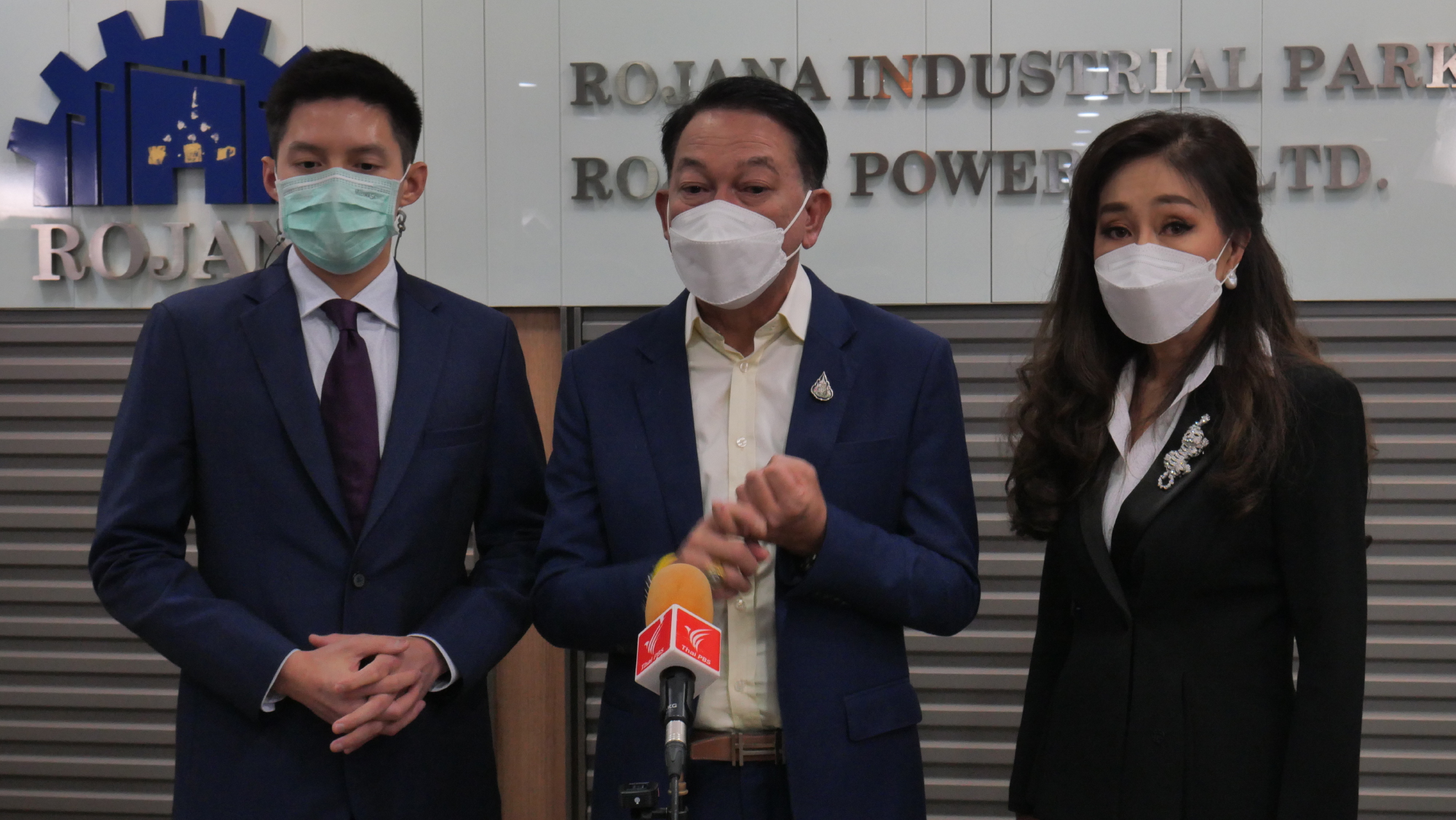 ROJNA and Herb Treasure in a joint venture for Hemp business with an initial investment of 250 million baht, and expected annual revenue of 1 billion Baht
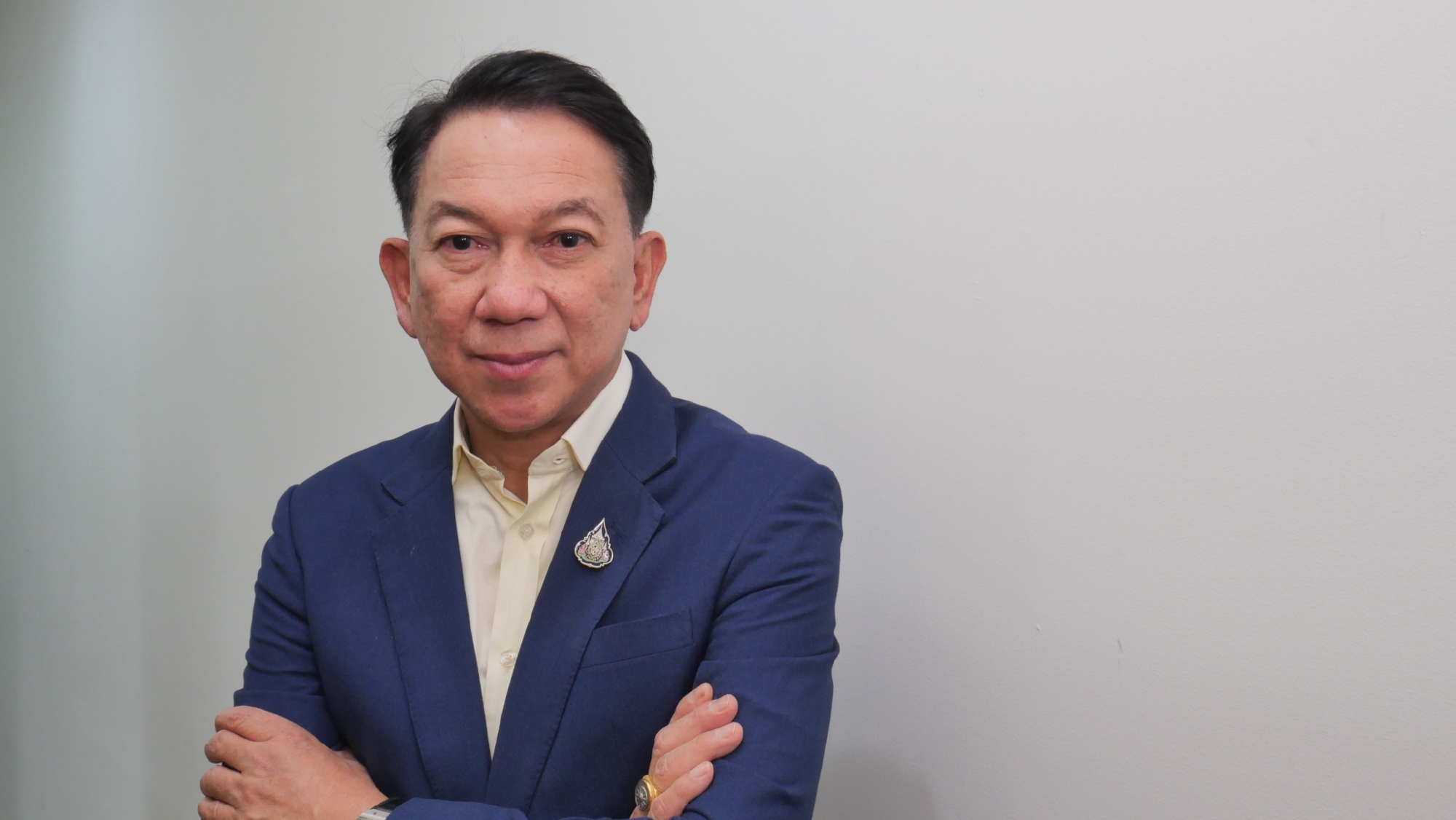 ROJNA and Herb Treasure in a joint venture for Hemp business with an initial investment of 250 million baht, and expected annual revenue of 1 billion Baht
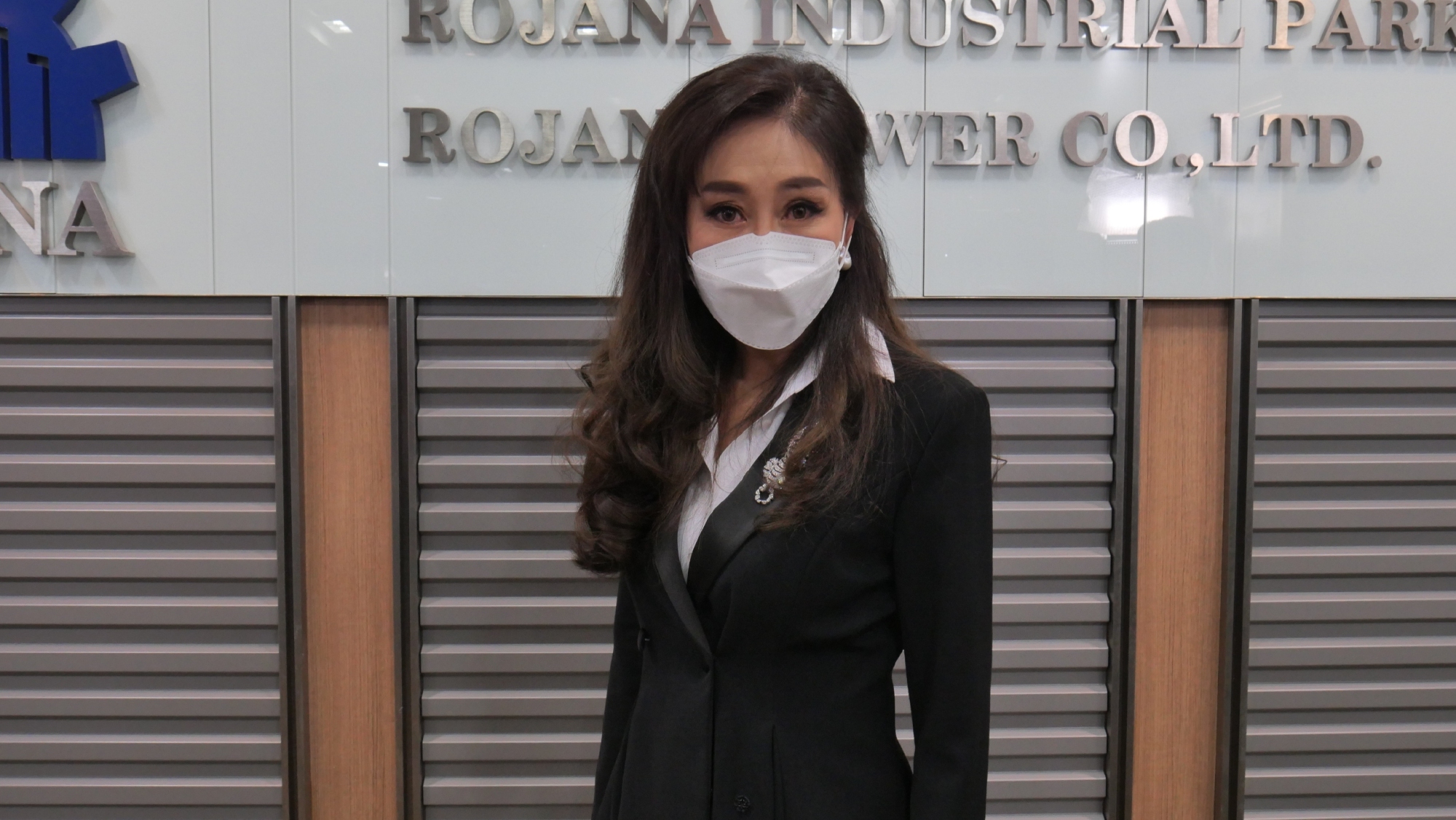 ROJNA and Herb Treasure in a joint venture for Hemp business with an initial investment of 250 million baht, and expected annual revenue of 1 billion Baht
 KBTG unveils KASIKORN X and its mission to innovate in the world of DeFi and beyond
 Thai Startup “Fourgle” Secures Seed Funding, will Launch at Year’s End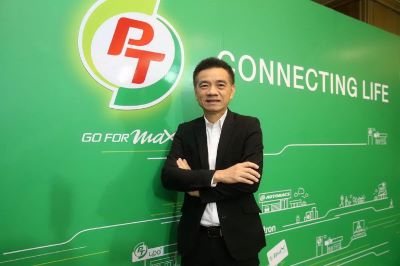
 PTG Energy plans to expand its non-oil businesses soon and strengthen its stake as the second-largest market share holder in Thailand.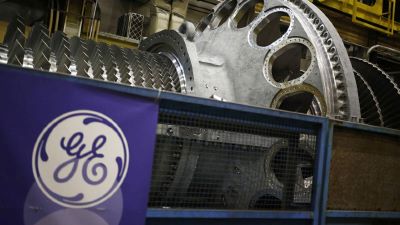
 Danielle Merfeld, chief technology officer of GE Renewable Energy, is seen speaking virtually during the Bloomberg Green Summit on April 26, 2021. MUST CREDIT: Bloomberg photo by Daniel Acker.