The price of many consumer goods jumped on Wednesday due to increasing production costs in transportation, packaging and materials, in line with rising energy prices.
Consumers are feeling the pinch even though the Commerce Ministry has placed price controls on a wide range of goods – instant noodles, eggs and meat, canned food, bagged rice, seasoning sauces, vegetable oils, soft drinks, milk and dairy products, electrical appliances, cleaning products (including detergents), fertilisers, insecticide, animal feed, iron, cement, paper, drugs and medical equipment, and services of wholesale and retail shops.
Also, the Department of Internal Trade warned that any manufacturer who raises prices of these products and services will face imprisonment and fines.
Despite this, the price of many products has risen, such as eggs which basically cost around THB3.50 each from THB3.20, beer THB70 per bottle from THB65 and energy drinks THB12 per bottle from THB10.
On Wednesday, prices were raised on a host of products:
> Softener from THB15-18 a sachet of between 550 and 600 millilitres to THB18-20.
> Toilet paper from THB69 per pack of six to THB72.
> Oyster sauce from THB37 for a 800gm bottle to THB42.
> Dishwashing liquid from THB38 per refill pack to THB40.
> Canned fish from THB10 apiece to THB12-14.
> Soy milk from THB12 per bottle to THB15.
> Soap bars from THB10-15 each to THB12-15.
> Fruit juice from THB36 per pack of four to THB42.
The wholesale price of instant noodles increased by THB10 per pack on Wednesday.
Meanwhile, the price of Pepsi has not risen right now despite the manufacturer warning that cans and bottles will cost THB1-2 more from Wednesday.
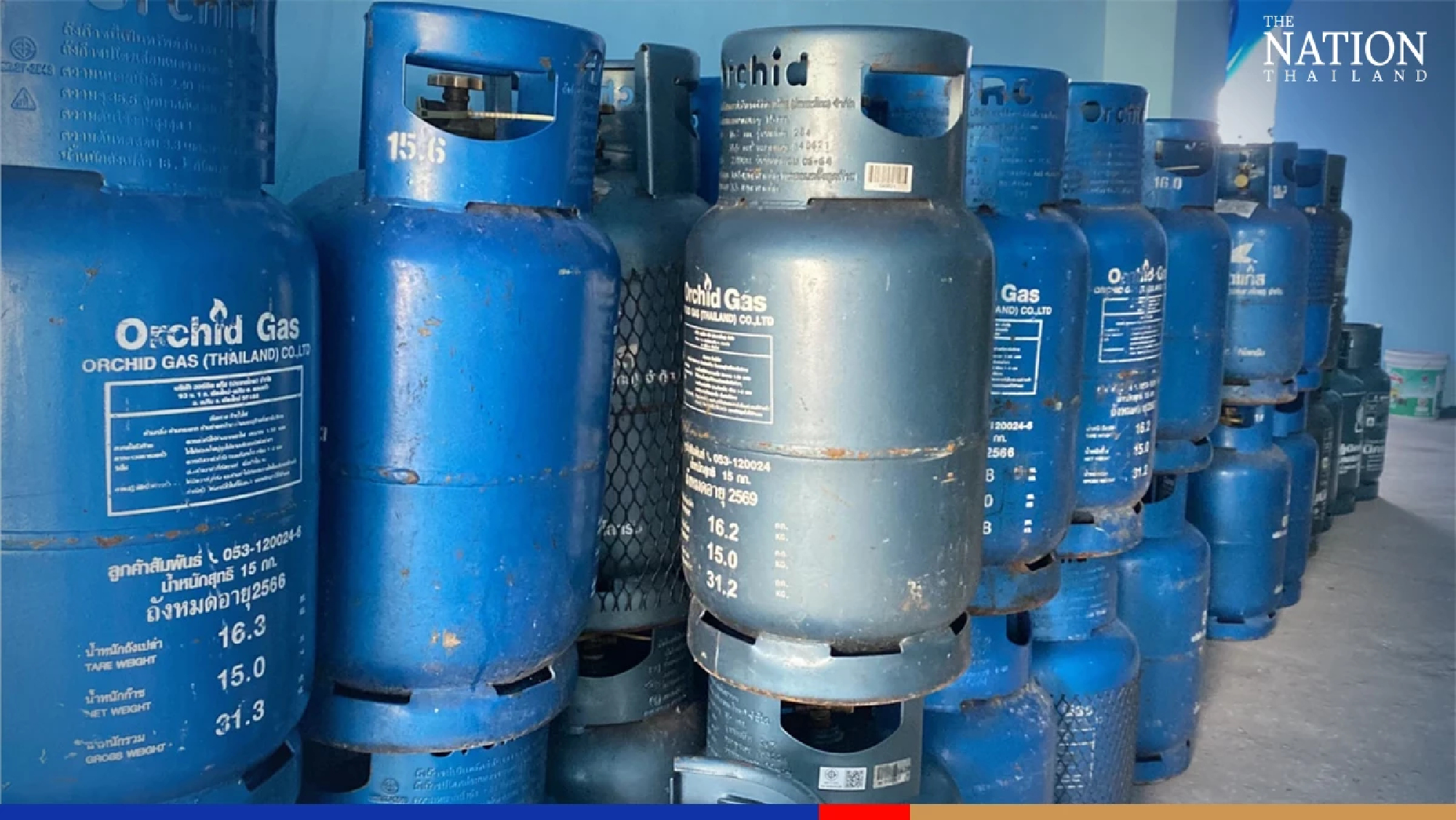
A cooking gas store in Chiang Mai is allowing some customers to pay in instalments after the price rose by one baht per kilogram on Wednesday.
The rise in cooking gas price came after the Committee on Energy Policy Administration approved raising the gas price gradually in line with the global price.
Kanya Choothong, the owner of a cooking gas store in Muang district, admitted that the price of cooking gas was the highest in a year.
“The price of a 15-kilogram cooking gas cylinder has risen to THB363 per tank from THB348 in May,” she explained. “However, many customers came to order cooking gas as usual.”
She said most customers at her store were regulars who understand the reason for the price hike. Some customers also claimed that their sales were low due to the economic slowdown and rising cost of living, she added.
“Hence, the store is allowing some customers to pay cooking gas costs in instalments in a bid to support their business,” she said.
She added that she has to monitor the situation whether customers will reduce their purchase of cooking gas in the future.
Meanwhile, Pimvipha Tempiyapol, the owner of a noodle shop in Muang district, said the rise in cooking gas price had caused a severe impact on the production cost.
Thailand’s Food and Drug Administration (FDA) launched its “Plookganja” application on Wednesday for people who want to grow marijuana and hemp at home.
The two plants will be removed from the category 5 narcotics list on June 9.
“From June 9, all parts of marijuana and hemp will not be considered a narcotics substance as long as they have tetrahydrocannabinol [THC] of less than 0.2 per cent of weight,” said FDA deputy secretary-general Dr Withit Saritdeechaikul.
“People can therefore grow these plants at home without any restrictions or having to seek permission from the FDA. However, they are required to register with the FDA and notify the agency of the number of plants and the purpose for growing them.”
Those interested in doing should either log on to http://plookganja.fda.moph.go.th or download the Plookganja application, which is available for both iOS and Android devices.
“Once you register and detail the number of plants and the purpose for growing them, you will receive an electronic notification from the FDA and can then proceed with growing the plants,” Withit explained.
He said the purpose of registration is for the FDA to record the number of marijuana and hemp plants being grown countrywide, which will be valuable statistics for businesses that wish to manufacturer products with ingredients from these plants. This also corresponds with the government’s policy of removing them from the narcotics list: to make marijuana and hemp new “economic plants”.
For more information, contact FDA call centre via 1556 and press 3.
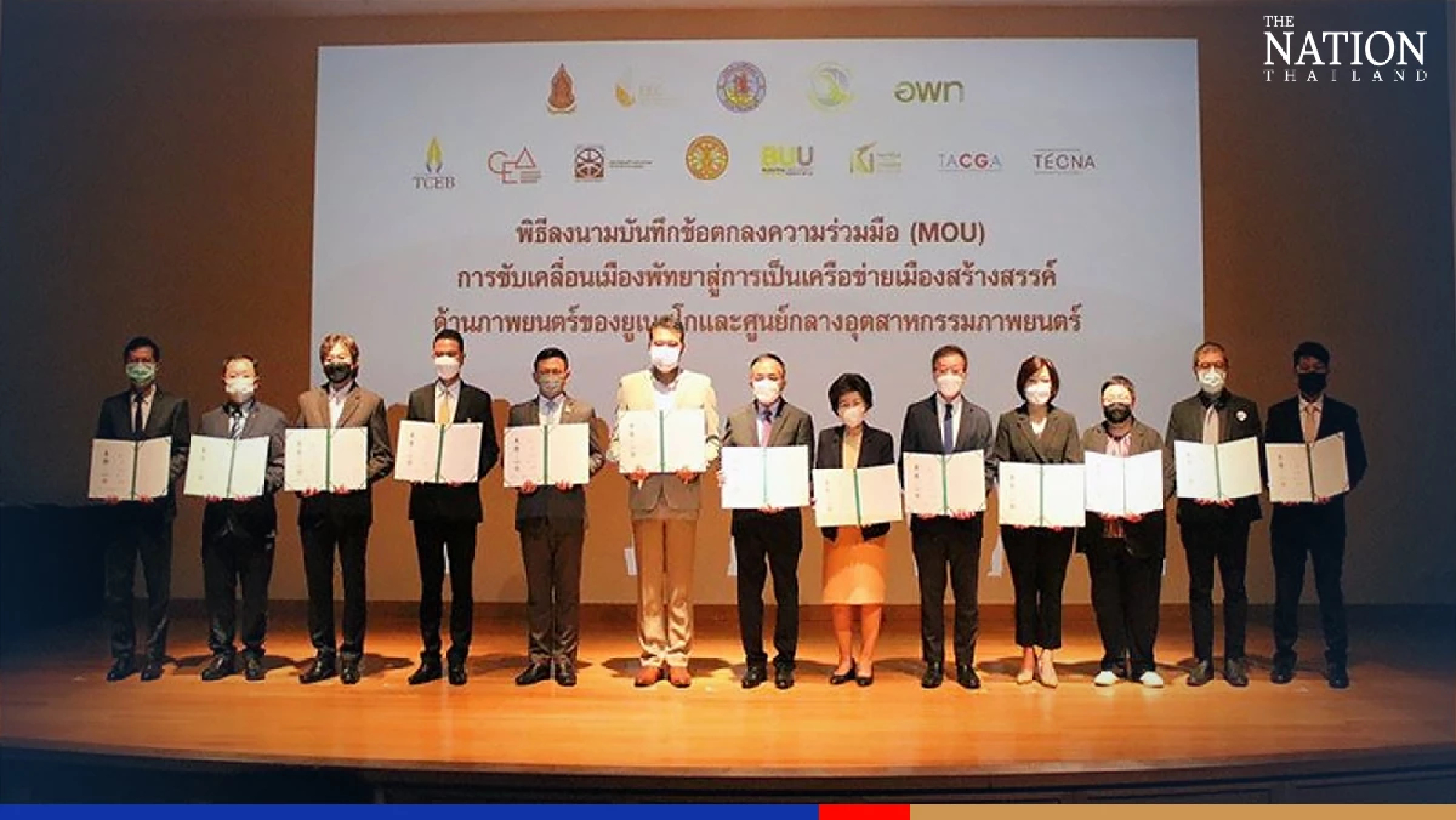
The Designated Areas for Sustainable Tourism Administration (DASTA) is promoting Pattaya as a film production centre under the Unesco Creative Cities Network (UCCN) to generate revenue for the community.
DASTA director-general Athikun Kongmee said on Tuesday that the agency would team up with 12 organisations to push Pattaya as a “City of Film” in five years – from 2022 to 2027.
It is expected to stimulate investment to create employment and generate revenue, which will in turn contribute to the overall Thai economy.
Athikun said Pattaya has suitable natural resources and city context because it possesses “cultural and tourism assets” and is an international tourist destination. It could easily welcome Thai and foreign film crews as well as additional tourists.
Thailand currently has five cities in the UCCN:
Phuket – City of Gastronomy
Chiang Mai – City of Crafts and Folk Arts
Bangkok – Design City
Sukhothai – Crafts and Folk Arts
Phetchaburi – City of Gastronomy.
DASTA successfully pushed for cities such as Sukhothai and Phetchaburi to be included in the Unesco network, Athikun said.
This year, DASTA is promoting Suphanburi as a City of Music and Nan as a City of Crafts and Folk Arts, he added.
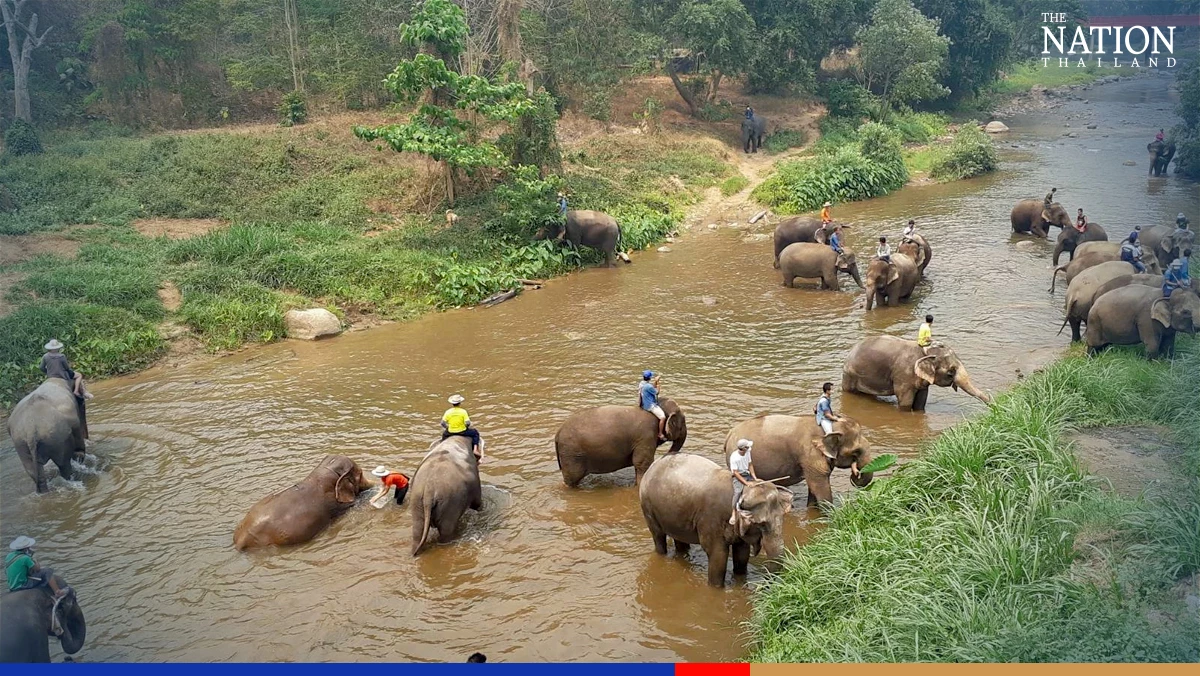
Tourism in Chiang Mai is beginning to take off again after the Centre for Covid-19 Situation Administration eased travel restrictions on Wednesday to attract more foreign visitors.
From June 1, even unvaccinated or partially vaccinated travellers can enter the country but they need a negative rapid antigen or RT-PCR test taken within 72 hours of departure.
Tourism Authority of Thailand Chiang Mai Office director Watcharayut Kuawong said hotel and tourism operators are seeing improved business, rehiring staff to welcome an increasing number of visitors.
He expected at least 1 million tourists to visit the province during the green season between May and September, generating at least THB1 billion in revenue.
More than 2,000 venues have registered for SHA standards in order to operate their businesses in the current Covid-19 situation, Watcharayut said.
However, the office has instructed them to strictly adhere to Covid-19 prevention measures.
Meanwhile, Chiang Mai Tourism Business Association president Pol Maj-General Pacha Rattanaphan said the association will intensify efforts to draw tourists to the province.
He said Chiang Mai has “limitations” in the number of international flights as currently there were flights only from Singapore and Malaysia.
The association will now seek and promote more international flights in order to stimulate tourism, Pacha added.
Maj-General Kochakorn Chaiyabutr, managing director of Khum Suea Trakarn, which operates two Tiger Kingdoms in Chiang Mai and one in Phuket, said many tourists have now visited the tiger centres in the two provinces.
However, she asked the government to seek more international flights to Chiang Mai in a bid to stimulate tourism, especially during the high season from October to January.
The Tiger Kingdoms are ready to welcome an influx of tourists under measures to contain the spread of Covid-19, she added.
Chonburi police chief Atthasit Kijjahan on Wednesday issued an order to transfer four Sriracha station police officers to inactive positions at the Chonburi police operation centre effective immediately until further notice.
The order came after the four – an investigative inspector and his deputy and two senior sergeant majors – on May 30 arrested a 55-year-old woman at her house in Bang Phra subdistrict on a charge of growing marijuana without permission. They confiscated one marijuana plant weighing around 20 grams.
The woman said she had been growing the plant for personal use to treat her diabetes.
The bust came in for wide criticisism on social media, prompting the Chonburi police chief to take action.
Atthasit also said in the order that a committee would be appointed to investigate the incident and decide appropriate disciplinary action, and that he had ordered all police officers in Chonburi to use discretion and political science principles before making such arrests, as their actions could affect the image of the Royal Thai Police.
The Public Health Ministry’s directive decriminalising marijuana as a category 5 narcotics plant will go into effect on June 9.
Minister Anutin Charnvirakul said in May that from June 9 people would be allowed to grow “as many cannabis plants” as they like in their homes.
The marijuana grown must be of medical grade and used for medicinal purposes only. Official registration is not required for growing the weed at home. However, large marijuana-related businesses must request permission from the Food and Drug Administration, he added.
The Thai Meteorological Department issued a weather warning early on Wednesday that a strong southwest monsoon prevails over the Andaman Sea, the South and the upper Gulf on Wednesday and Thursday.
Winds are expected to whip up 2-3-metre-high waves in the Andaman Sea and above 3 metres during thundershowers, the department said.
Meanwhile, waves in the upper Gulf are about 2 metres high and will be higher during thundershowers.
The department advised all ships to proceed with caution and keep away from areas experiencing thundershowers, while small boats in the Andaman Sea should remain ashore until Thursday night at least.
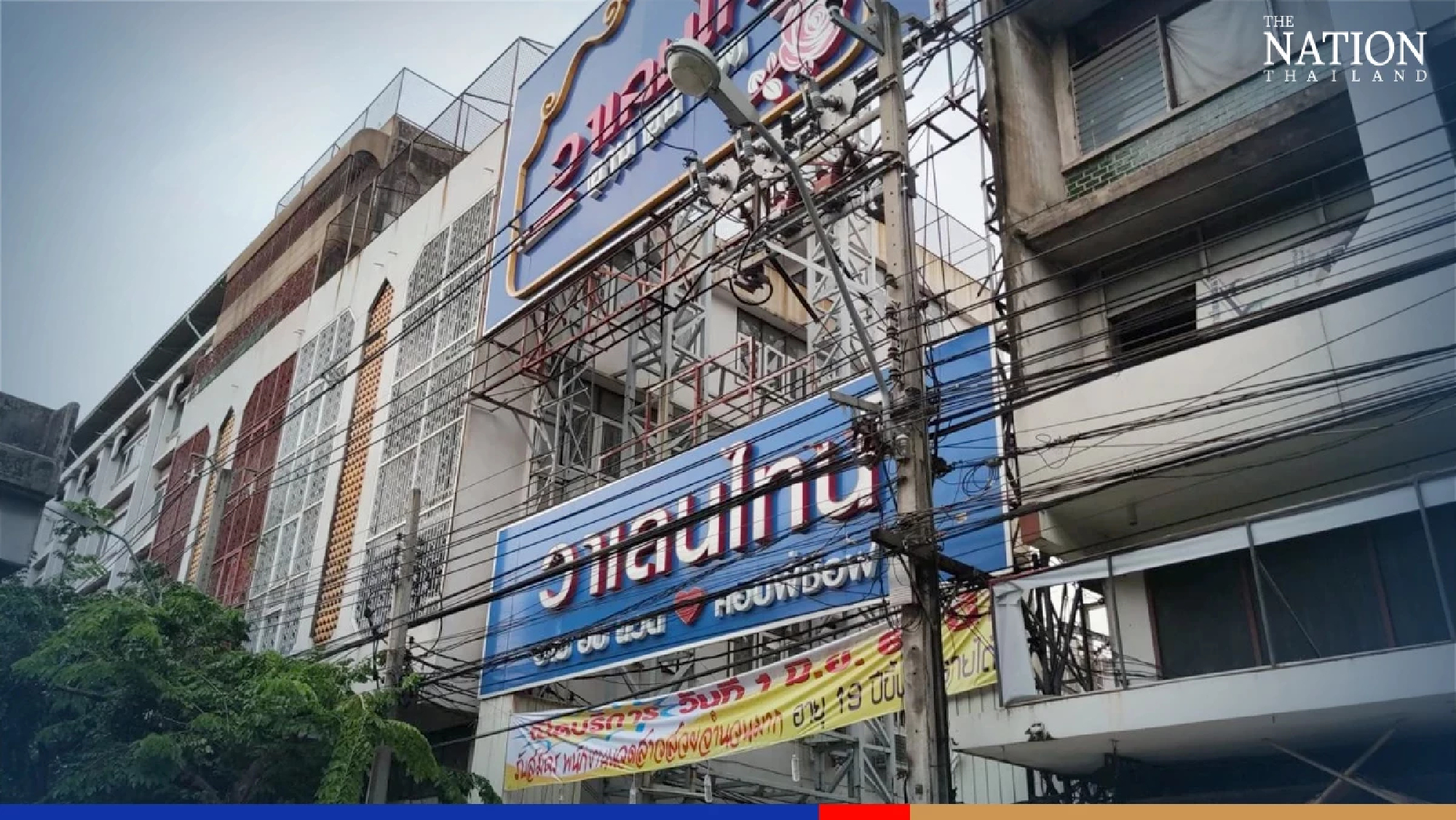
Entertainment venues including pubs, bars, karaoke joints and massage parlours are starting to reopen after more than two years of closure with the Centre for Covid-19 Situation Administration (CCSA) lifting its shutdown order from today, June 1.
The venues were the first businesses ordered closed and now the last to reopen as they had a high risk of causing Covid-19 clusters due to close contact among customers and staff as well as poor ventilation.
Nation TV reporters surveyed massage parlours in Bangkok’s Arun Amarin and Uruphong areas on Tuesday and found some of them have put up announcements calling for massage therapists and masseuses as they prepare to reopen.
For instance, a cleaning worker at an establishment on Rama VIII Road said the business had been ordered shut since the first wave of Covid-19 in Thailand more than two years ago, leading to a loss of her job. She said she was recently called back to work for a “big clean-up” to prepare for the reopening on Wednesday.
Meanwhile, a worker at a massage parlour on Uruphong Road said the parlour was preparing to reopen on June 3.
“We wanted to reopen on Wednesday, but Pathumwan district officials visited the place yesterday [May 30] and said we are still lacking Covid-19 preventive measures, including testing all employees and improving ventilation in guest reception areas,” he said.
The CCSA stipulated that customers to these entertainment venues must show a vaccine certificate of at least two doses, pass thermal scanners at the entrance, and check in via the ThaiChana platform. Face masks must be worn at all times in the establishments, except when drinking or eating.
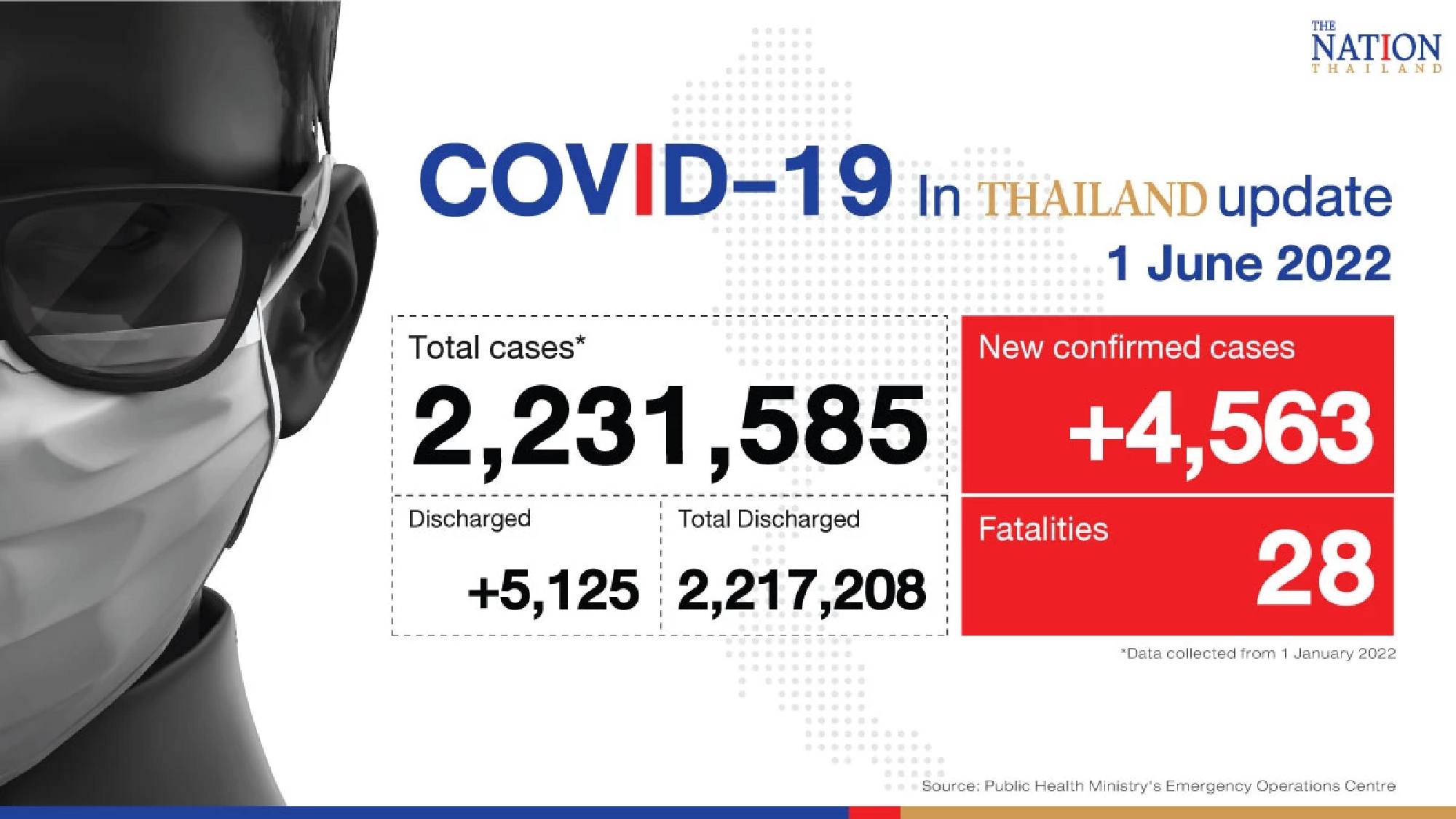
Ministry of Public Health reported on Wednesday (June 1) morning that in the past 24 hours there are 4,563 new patients who tested positive for Covid-19 in the country.
Death toll increased by 28, while 5,125 patients were cured and allowed to leave hospitals.
Cumulative cases in the country since January 1, 2022 are at 2,231,585.
The country’s total caseload from Covid-19 stands at 4,455,020 – 4,385,702 of whom have recovered, 39,271 are still in hospitals and 30,047 have died.
Separately, another 13,377 people were given their first Covid-19 shot in the last 24 hours, 35,238 their second shot and 72,124 a booster, bringing the total number of Covid-19 vaccine doses administered nationwide to 137,763,012.
According to Worldometer, confirmed cases globally had risen to 532.82 million on Wednesday, 503.89 million of whom have recovered, 22.62 million are active cases (37,406 in severe condition) and 6.31 million have died (up by 1,411).
Thailand ranks 24th in the global list of most cases, which is topped by the US with 85.9 million, followed by India with 43.16 million, Brazil with 31.02 million, France with 29.52 million and Germany with 26.37 million.
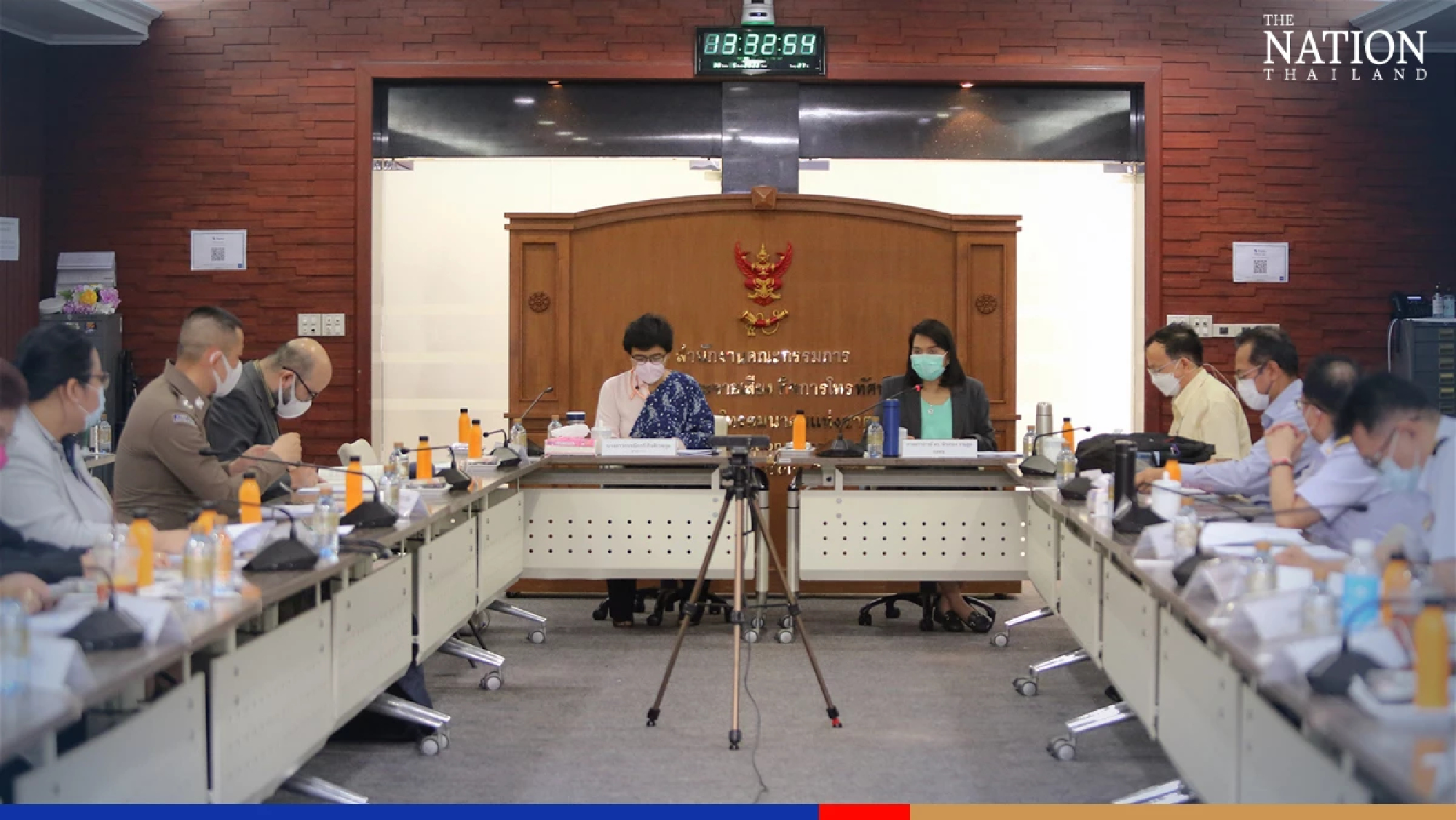
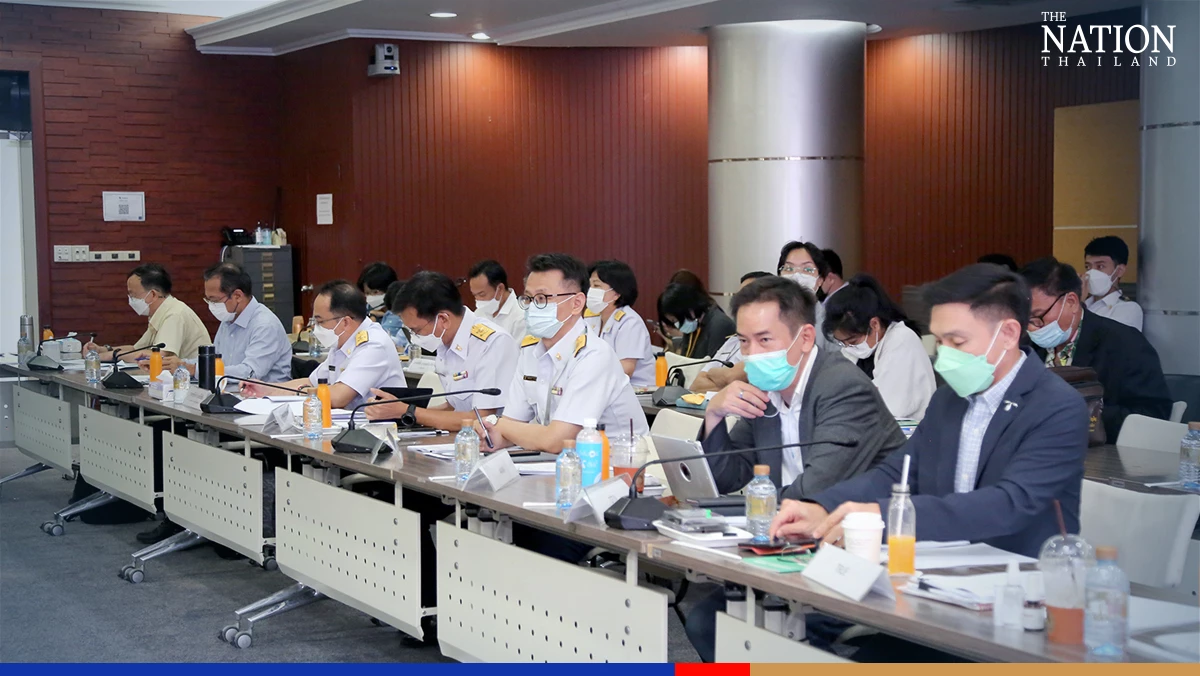
The telecoms regulator and police are launching a task force to combat scams related to Thailand’s new Personal Data Protection Act (PDPA), which comes into effect on Wednesday (June 1).
The Thailand National Broadcasting and Telecommunication Commission (NBTC) announced the move on Monday at its public forum, “PDPA Law and the New Dimension of Scam Problem Management”.
NBTC chairman Pirongrong Ramasoota said tackling scams that exploit personal data would require cooperation from the NBTC, police, telecom providers, government agencies and civil society.
She explained that the working group would combat online fraudsters that exploit the process of storing, using and communicating information on various platforms.
“As legal authorities, we should not leave consumers alone to face the threat of fraudulent schemes, which constantly change over time. Both telecom operators and related agencies must seek proactive ways to prevent the problems now rather than treating them later,” said Pirongrong.
Preventive measures may include technology guidelines designed to protect the right to privacy (Privacy by Design), system and data management, legal action and effective public awareness campaigns.
Arthit Suriyawongkul, a member of Thailand Consumers Council (TCC)’s subcommittee on communications and information technology, said many organisations in both the public and private sectors currently require people to submit their personal data before receiving services.
Loaded with such requirements, people can’t remember which organisations they have allowed to access their personal information, he said. Hence, when they are contacted by criminal gangs claiming to be representatives of organisations, people easily fall into the trap.
“Scammers use psychological models based on personal data to build trust with victims … while creating fear by impersonating government officials and asking them to transfer money to escape [fake] allegations,” said Arthit.
Pol Maj-General Niwet Arphawasin, chief of the Technology Crime Investigation and Analysis Division, added that the PDPA was a good start but legal loopholes still existed when it came to compliance with the new law.
Currently, in the case of data leaks, the law does not penalise those who agree to sell their own data but instead blames the person who stored the leaked information.
Niwet said those applying the new law need to consider the local context. In Western countries there is no problem selling personal data obtained legally, but in Thailand, obtaining and selling personal data has been a legal grey area.
“People are being deceived every day. The challenge is how to warn people directly and immediately. If people understand and are alert to any kind of scam, they can avoid becoming victims. The law should also add a category to identify the person who disclosed the data,” said Niwet.
Police say they receive an average of 10,000 complaints of online fraud every month, totalling 1.5 billion baht in damages – or at least 10 million baht per day.Therefore, public awareness campaigns are an important protective measure. Authorities also advise that if you are transferring money to another party, ask for their phone number so you can verify they have a legitimate contact.
Thosaphon Tasanakulphan, chief of the Personal Data Protection Committee, said the most vulnerable and sensitive data is information citizens must disclose to government agencies to register for various rights such as welfare. Hence, these agencies should request the minimal amount of information needed, he said.
NBTC chairman Pirongrong concluded that the PDPA represented an opportunity for all sectors to solve the problem of personal data leaks in Thailand. To overcome this challenge together, all organisations and sectors should strengthen enforcement and also awareness of personal data issues, she added.