Thailand’s two tsunami detection buoys have been out of order but they will be fixed soon, the Disaster Prevention and Mitigation Department said on Wednesday.
The department issued a statement after news widely shared on social media that the two tsunami buoys had stopped feeding information to the National Data Buoy Centre website run by the National Oceanic and Atmospheric Administration (NOAA) of the United States.
The department’s statement said Thailand had deployed one tsunami-detection buoy, called “Station 23401”, in the Indian Ocean, which is 965 kilometres west of Phuket island.
The second tsunami-detection buoy — “Station 23461” — was deployed in the Andaman Sea about 340 kilometres off the coast.
The department said the two buoys had been receiving proper maintenance every two years in accordance with the NOAA standard, but on Octobr 22, Station 23401 was swept off the deployed spot and stopped sending out signals.
The buoy was later recovered. The manufacturer will install a new buoy to replace it within November, the statement said.
The department said it had noticed that Station 23461 in the Andaman Sea was sending out irregular data on May 21 and the NOAA stopped its feeding of data to the National Data Buoy Centre website pending an investigation.
The department said it had checked the data fed by the Andaman buoy and found it had started sending correct information about the changes in sea level so the department has turned its data on on the website.
The department insisted that it had been monitoring the tsunami in accordance with the standard operating procedure and has been using overseas data for analysing tsunami risks.
As a result, it is confident it will be able to warn the public of any tsunami in the future, in time for evacuations, the statement said.
Residents of Lopburi believe the large number of monkeys in the province pose no danger, despite the increasing number of monkeypox cases in many countries.
So far, cases have been detected in the US, Australia, Belgium, Canada, France, Germany, Italy, the Netherlands, Portugal, Spain, Sweden, and the United Kingdom. However, monkeypox has not yet been detected in Thailand.
Retailers at Phra Kan Shrine in Muang Lopburi district have no concerns about monkeypox infection, claiming troops of monkeys are living in harmony with humans.
Phra Kan Shrine manager Colonel Pramot Ketampai said local officials have warned tourists not to get close to monkeys to ensure their safety.
He also confirmed that officials had undertaken random medical checkups on monkeys living near Phra Kan Shrine and Phra Prang Sam Yot every year.
Meanwhile, Lopburi Provincial Public Health Office disease control chief Dr Sudarat Lijutipoom said the office is monitoring the issue closely as monkeys are the province’s identity, while monkeypox can spread thorugh animal-to-human and human-to-human contacts.
The office is also creating awareness among residents staying in areas where monkeys live on how to take care of their health, she added.
Many people are visiting a revered “white” elephant in Saraburi’s Kaeng Khoi district each day to pay respects before it is presented as a gift to His Majesty the King.
Plai Ekachai, which is owned by Golden Elephant (Thailand) Co Ltd, has been ratified by experts and the chief of the Royal Elephant Stable as an exceptional animal with the seven attributes of a “white elephant” that is required by law to be presented to the King and regarded as owned by the state.
Thanabadee Promsuk, 38, the owner of Plai Ekachai and president of Golden Elephant, assigned dozens of staff to take care of visitors who come to pay their respects and snap photos with the revered elephant.
Plai Ekachai has been chained under a large tent and several mahouts are taking care of the rare elephant.
With Plai Ekachai having the seven attributes of a royal elephant, Thanabadee said his company is now awaiting documentation before it transports the special 36-year-old animal to the Royal Elephant Stable.
Thanabadee said Plai Ekachai has been ratified by ML Pipatnachat Disakul, chief of the Royal Elephant Stable, and experts as being qualified to become a royal elephant.
He explained that a delegation of the Royal Elephant Stable chief visited his conservation centre in late 2018 and certified that Plai Ekachai has seven attributes of a white elephant, which are white eyes, a white palate, white nails, white hair, white skin, white tail hair and a white genital area.
Thanabadee said he bought Plai Ekachai in a southern province in 2009 for about a million baht.
He said Plai Ekachai has golden and white hair all over the body and the elephant doesn’t like to be bathed by mahouts.
Thanabadee also said he placed Plai Ekachai under the tent for public visits for about a month now as he awaits the document from the Royal Elephant Stable.
A Facebook post by a popular property developer, apparently aimed at boosting its “green image”, appeared to backfire when it drew ridicule from many social networkers who commented in other words that the company was allegedly trying to avoid paying land tax.
Apost by Impact’s Exhibition Management on its Impact Arena, Exhibition and Convention Centre Facebook page boasted on Monday that the company had turned an unused 50-rai plot in a Muang Thong Thani lakeside area into a banana plantation or “green” area.
The company manages the Impact Arena Exhibition Centre and Muang Thong Thani housing estate.
“Let’s take a look at the 50-rai banana plantation near Muang Thong Thani Lakefront,” the post began.
“Everyone who has passed the Tiwanon Road exit might have noticed the changes at the lakeside. Originally, the area opposite Double Lake Condominium was deserted but now it has changed into a banana plantation with more than 10,000 trees.”
It said bananas from the plantation would be supplied to Impact Kitchen.
“As our CEO wants to make use of the 50-rai land plot near Muang Thong Thani Lakefront, the Project Management Department, Exhibition Project Department and City Management Department have been assigned the task of planting banana trees to supply Impact Kitchen,” the post went on.
“This agricultural project started at the end of last year. Our banana trees will grow and we believe they will produce fruit for us soon.”
The post received more than 5,000 reactions by Wednesday afternoon and was shared over 2,800 times.
But it drew more than 2,000 comments, mostly negative.
Most comments alleged that the project was aimed at sidestepping expensive land tax by turning an unused plot into an agricultural one that has a much lower land tax rate.
“I got it. The tax will be cheaper,” commented Kittipong Boonthong.
“So funny,” Sasinee Taptimthong said.
“The cost of planting bananas is cheaper than the tax, right? Hehe,” said Mo Na.
“People have got the true meaning,” commented Araya Patcharapa.
Taking into account the lowest rate of the median land price of THB30,000 per square wah according to the Nonthaburi land office, the 50-rai plot should be valued at a minimum THB600 million.
The tax for unused land is 0.3 per cent per year of the land value, so tax for this kind of plot should amount to around THB1.8 million. But agricultural land is taxed at only 0.01 per cent per year, so tax on the plot would be THB60,000.
The government had announced that it would collect land tax on unused land in full without reduction this year.
Bananas are one of nine crops allowed to be cited as a plantation eligible for the agricultural land tax rate.
A leading virologist of Chulalongkorn University on Wednesday played down worries about monkeypox, saying the chance is very low of it becoming a pandemic like the Covid-19 virus.
Prof Yong Poovorawan, head of the Centre of Excellence in Clinical Virology at the university’s Faculty of Medicine, posted on his Facebook wall that smallpox has been detected for decades and the virus contagious.
Yong said people would get infected only if they touched pus or excreta of the people who have already developed abscess due to the monkeypox infection.
Yong said he had written a medical article about monkeypox in 2003 and the information is still applicable now.
The World Health Organization (WHO) has reported that as of May 21, 92 laboratory confirmed cases, and 28 suspected cases of monkeypox have been reported by 12 member states that are not endemic for monkeypox virus across three WHO regions.
Yong said monkeypox was not a new disease but the outbreak happened in Africa before it spread to many states in the United States in 2003 with over 30 patients.
He said it is much harder for monkeypox to spread compared to Covid-19 and smallpox, so there is very little chance of monkeypox becoming a pandemic.
Yong also reposted his 2003 article, which said monkeypox was caused by Poxvirus that can infect both humans, and animals such as cows, monkeys, birds and chicken.
The article added that most Thais, who were born before 1974, have been vaccinated against smallpox so they should also have immunity against monkeypox.
After the WHO announced in 1980 that smallpox had been eradicated, the government has stopped giving smallpox vaccine to newborn Thais, the article added.
A much-needed all-in-one health services application has been launched to create a comprehensive health and wellness network that aims to make access to medicines and basic consultation easier and more convenient – even for people in far-flung areas.
The Yaphrom application is the result of partnership between application developer Yaphrom and the government and private sector including banks, pharmaceutical firms, local pharmacies and Thailand Post.
The Covid-19 pandemic has changed people’s behaviour and lifestyles, especially in terms of wellness, said Yaphrom Chief Executive Officer and co-founder Sirin Chatvichai. It means people place high importance on healthcare, whether it is for preventive or symptomatic treatment. However, many can’t visit a hospital easily, so they have to look for effective alternatives.
Sirin pointed out that innovation and technology provides people with an easy way to access healthcare services while reducing the risk of infection.
This has given birth to the idea to develop the Yaphrom application so that pharmacies, pharmacists, and patients can be connected easily and promptly, especially people in remote areas who will now be able to access medicine and primary consultation.
“Our ultimate objective is to use technology to support access to medicines following consultation by pharmacists, conveniently, quickly and safely for a better quality of life for all people no matter how far away you are in remote areas,” Sirin said.
Services provided by the Yaphrom app cover health and wellness and treatment of basic ailments under real-time consultation between the pharmacy and patients who need quality medicine. They can access treatment via messaging, voice chat or video call, as well as a central Pharmacist Call Centre that helps answer customers’ calls and sends orders to the nearest pharmacy. An added advantage is a geolocation system, which finds nearby pharmacies.
The company will gradually launch various service systems through the year to maximise the potential of the Yaphrom app to create better healthcare and wellness.
“Our application is different from other service providers as we emphasise cutting-edge technology and artificial intelligence-enabled interactivity systems, providing more responsive services such as preliminary symptom analysis (Yaphrom Primacy Care), a call centre for pharmacists, a pharmacy locating system (geolocation), a Drug Allergy / Drug Interaction Alert System and a Drug Notification System,” she explained.
Meanwhile, users can consult with pharmacists via messaging, voice call or video call. All treatment history will be recorded and strongly protected, Sirin promised.
The application is multi-language – Thai, English, Chinese and Burmese – responding to both Thais and foreigners living in Thailand.
Furthermore, the app also offers family counselling, a prescription system, standardised medicine transportation, and a storage system.
To add to this, pharmaceutical companies stand ready to deliver the required products and medicines to pharmacies, while a B2B system is on hand for purchasing medicine from the manufacturer, beside a smart POS (point of sale) pharmacy system.
Yet another system supports data storage as evidence when consultation is provided 24 hours a day.
Yaphrom currently has more than 5,000 pharmacy stores in its geolocation mapping. Key partners include pharmacies, pharmaceutical manufacturers, e-commerce companies such as OCC under Saha Pathanapibul Group, logistics service providers such as Thailand Post, and financial services providers such as Krung Thai Bank that has developed an online payment system under the application to help customers pay instantly for medicines and services.
The bank is also prompted to provide loans for business partners in the form of digital supply chain financing so that pharmacies have working capital when ordering and purchasing products and medicines for consumers.
“Within three years, we expect to increase the number of pharmacies in the ecosystem to 10,000 and expand the network by integrating other platforms to increase benefits for customers and entrepreneurs alike. We also expect this application to increase convenience for consumers. It’s like having a drugstore in your hands,” Sirin said.
At present, the medicine market in Thailand is worth THB136.8 billion – hospitals and clinics at THB107.6 billion and medicare products sold through pharmacies at THB29.2 billion. It is estimated the pharmaceutical market would continue to grow by 3-5 per cent this year.
The National Environment Board on Tuesday tightened safe standards for particulate matter of 2.5 micrometres or less in diameter (PM2.5) in a bid to prevent further impact on people’s health.
Under new levels, the 24-hour standard has been changed to 37.5 micrograms per cubic metre of air (μg/m3) from the previous 50 μg/m3. This standard will come into effect on June 1 next year.
Meanwhile, the annual standard has been changed to 15 μg/m3 from the previous of 25 μg/m3, which will come into effect after it is announced in the Royal Gazette.
Pollution Control Department director-general Atthaphon Charoenchansa
The adjustments come as Thailand has used the same standards for more than ten years, Pollution Control Department director-general Atthaphon Charoenchansa said.
Apart from enhancing the country’s PM2.5 standards and preventing an impact on people’s health, he said the move also aimed to meet standards implemented by the US, the European Union, South Korea, Japan and other Asean countries.
The adjustments are also in line with the Cabinet’s resolution to boost efficiency in tackling air pollution, he added.
Transfer of cryptocurrencies or digital tokens as well as digital currencies issued by the Bank of Thailand (BOT) are exempted from value-added tax (VAT) from April 1 this year to December 31 next year.
According to Royal Decrees published on the Royal Gazette website on Tuesday, the transfer of cryptocurrencies or digital tokens at digital asset exchanges under the laws has been exempted from VAT collection.
Meanwhile, the transfer of digital currencies issued by BOT for public use has also been exempted from VAT.
The finance minister will oversee this under the Royal Decrees.
The Public Health Ministry will allow people in some areas to go outdoors without face masks from the middle of June, ministry permanent secretary Dr Kiattiphum Wongrajit said on Tuesday.
However, masks will still be required if you attend gatherings or are in poorly ventilated venues. Meanwhile, the elderly, pregnant women and people with chronic diseases are all still required to wear masks.
The Covid-19 situation in the country is improving quickly and faster than expected, Kiattiphum said.
He believed Thailand would enter endemic transition in July as planned.
In this regard, public health agencies must prepare activities to encourage people to coexist safely with Covid-19, he said.
As for cannabis for medical use, Kiattiphum said people would be allowed to grow the crop from June 9, but they have to register first with the Food and Drug Administration via application or website. There will be laws to prevent the misuse of cannabis, he made clear.
Kiattiphum said related agencies will promote and encourage people to grow cannabis for household use and healthcare product development.
He added that a public event titled “What people will get from cannabis legalisation” will be held at Chang International Circuit in Buriram between June 10 and 12 to enlighten people on cannabis cultivation and use.
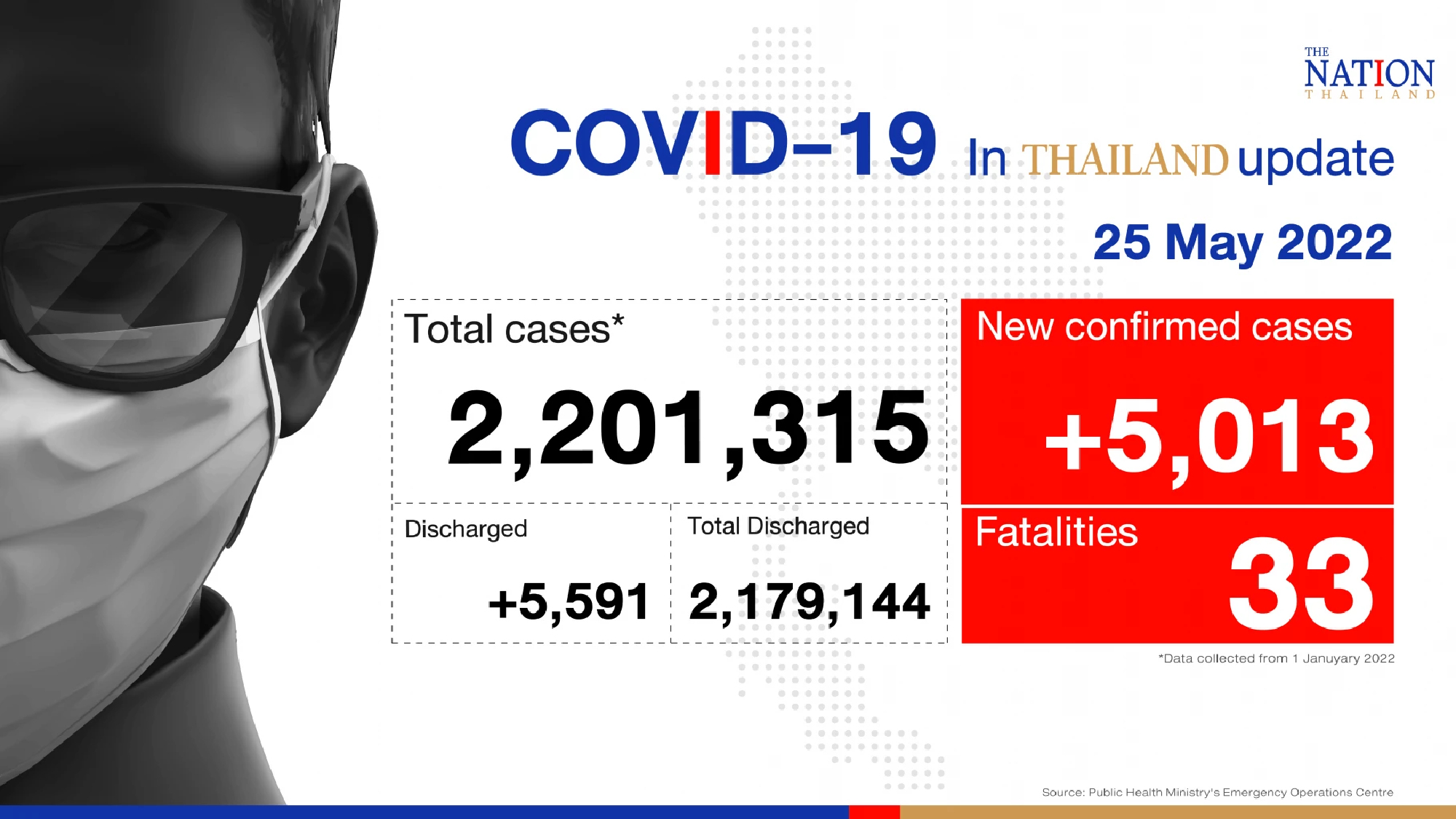
Public Health Ministry reported on Wednesday (May 25) morning that in the past 24 hours there are 5,013 new patients who tested positive for Covid-19.
Death toll increased by 33, while 5,591 patients were cured and allowed to leave hospitals.
Cumulative cases in the country since January 1, 2022 are at 2,201,315.
The country’s total caseload from Covid-19 stands at 4,424,750 – 4,347,638 of whom have recovered, 47,268 are still in hospitals and 29,844 have died.
Separately, another 16,515 people were given their first Covid-19 shot in the last 24 hours, 48,911 their second shot and 96,011 a booster, bringing the total number of Covid-19 vaccine doses administered nationwide to 136,809,719.
According to Worldometer, confirmed cases globally had risen to 529.07 million on Wednesday, 499.63 million of whom have recovered, 23.12 million are active cases (38,003 in severe condition) and 6.30 million have died.
Thailand ranks 24th in the global list of most cases, which is topped by the US with 85.24 million, followed by India with 43.14 million, Brazil with 30.83 million, France with 29.39 million and Germany with 26.15 million.
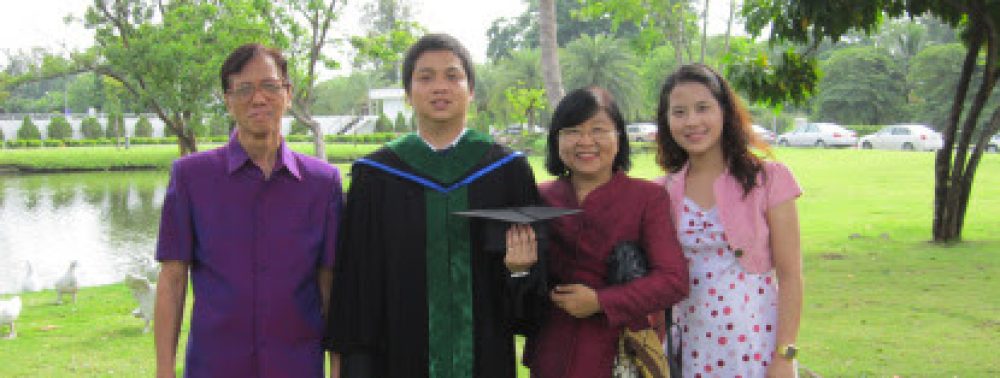


 Thanabadee said Plai Ekachai has been ratified by ML Pipatnachat Disakul, chief of the Royal Elephant Stable, and experts as being qualified to become a royal elephant.
 Thanabadee said he bought Plai Ekachai in a southern province in 2009 for about a million baht.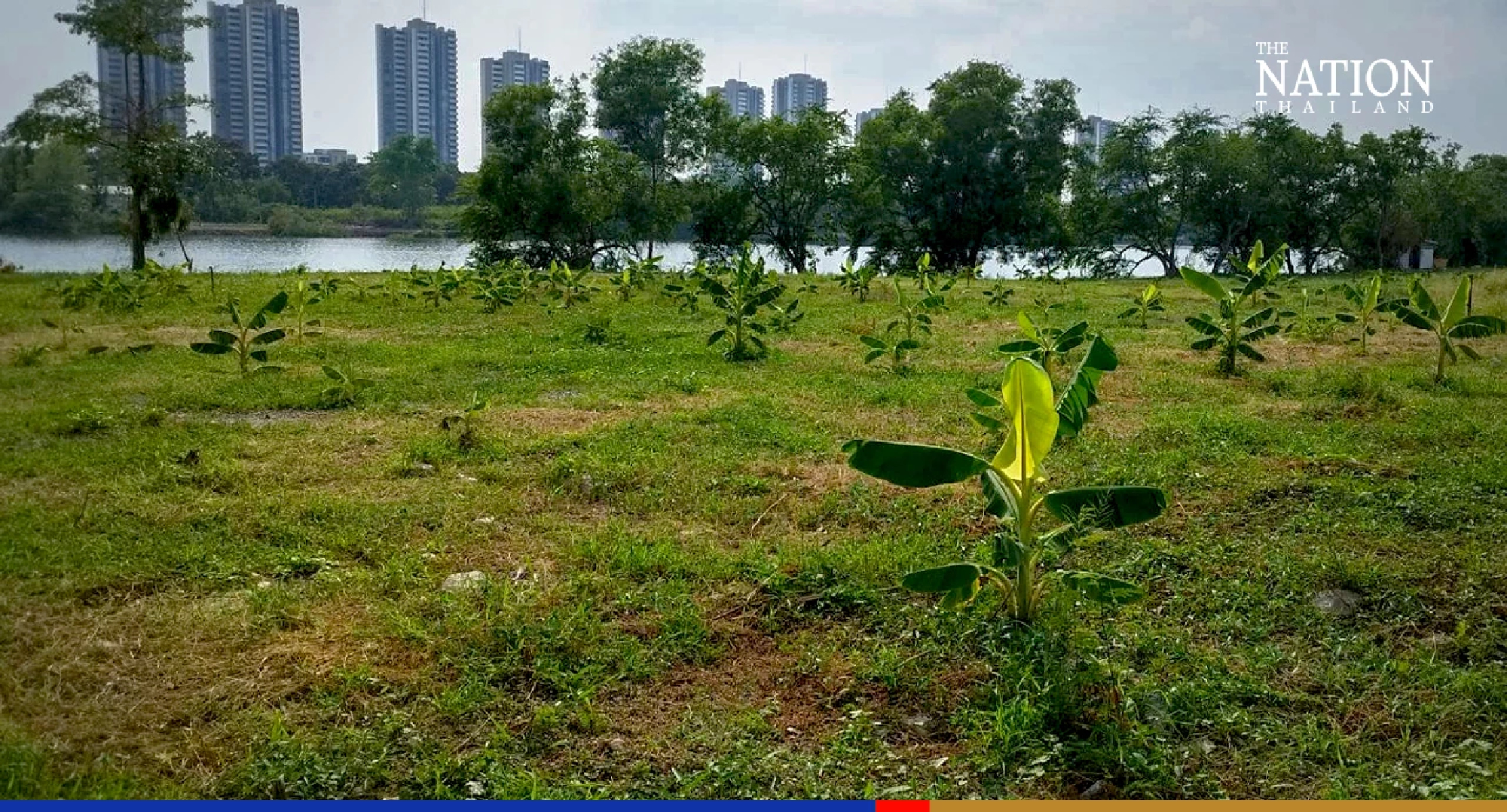
 “As our CEO wants to make use of the 50-rai land plot near Muang Thong Thani Lakefront, the Project Management Department, Exhibition Project Department and City Management Department have been assigned the task of planting banana trees to supply Impact Kitchen,” the post went on.
 The post received more than 5,000 reactions by Wednesday afternoon and was shared over 2,800 times.
 Taking into account the lowest rate of the median land price of THB30,000 per square wah according to the Nonthaburi land office, the 50-rai plot should be valued at a minimum THB600 million.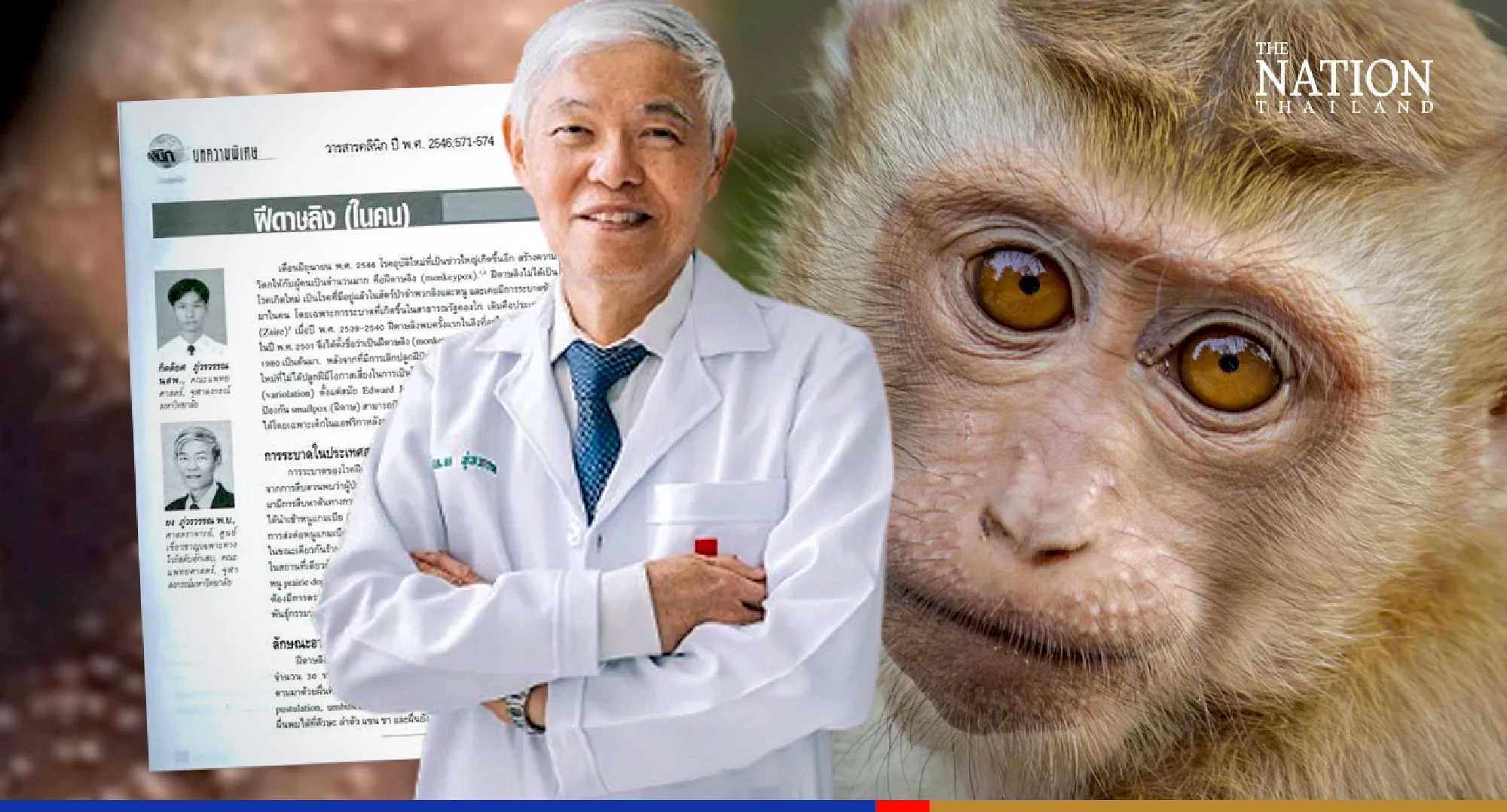


 Pollution Control Department director-general Atthaphon Charoenchansa