The United Nations Population Fund (UNFPA) has expressed its readiness to collaborate with Thailand, as the Kingdom prepares to cope with an ageing society, the Foreign Ministry said on Friday.
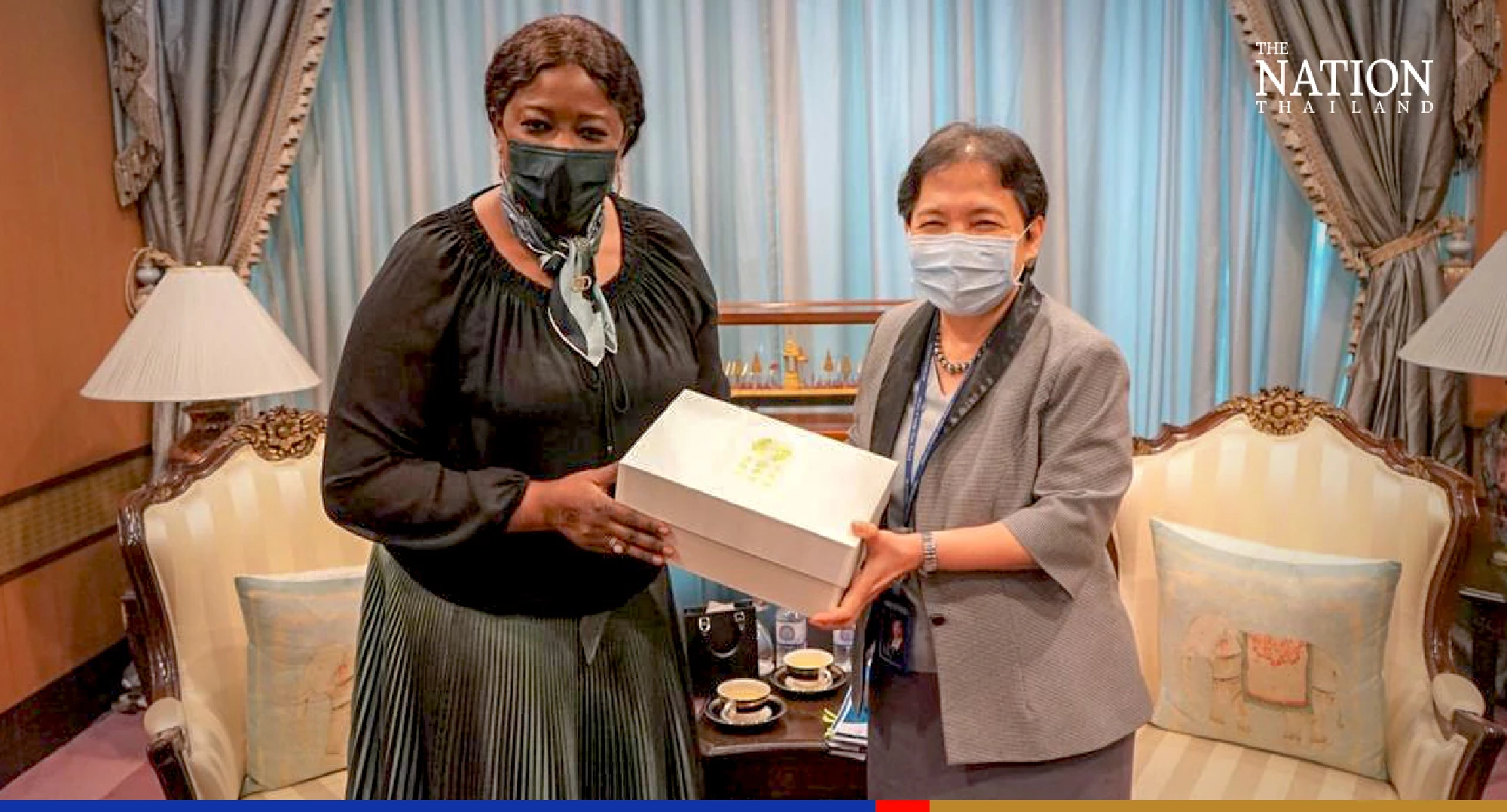
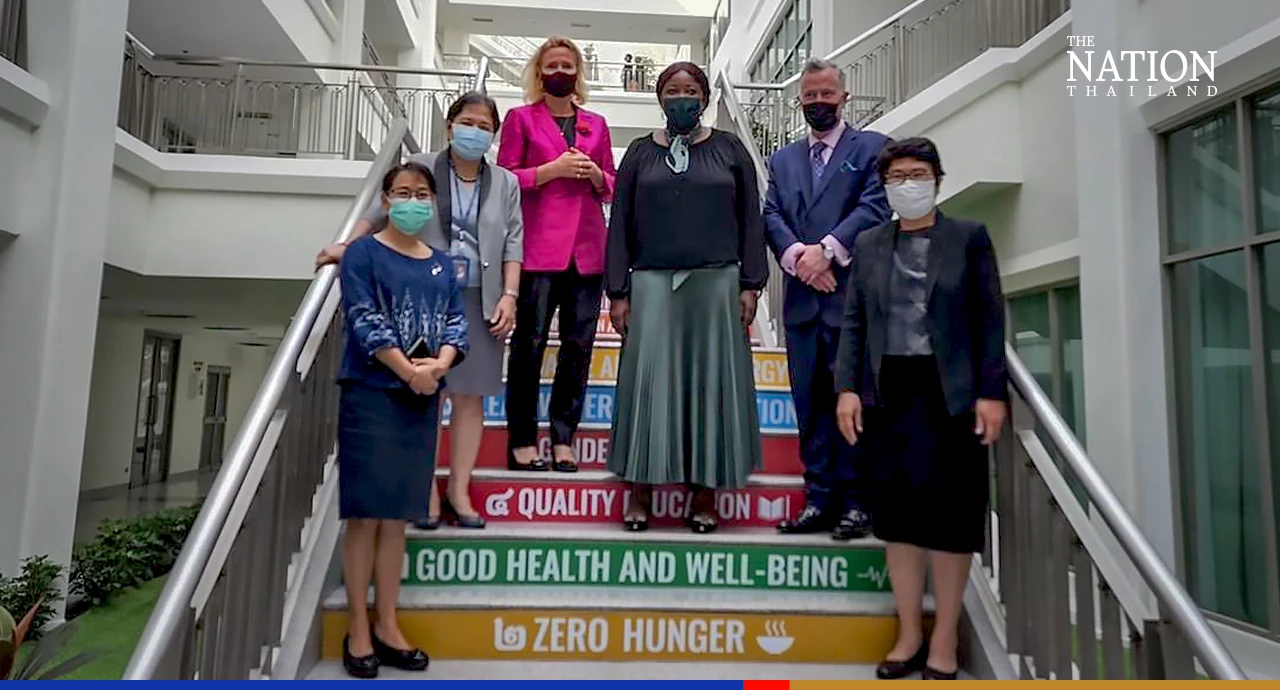
UNFPA deputy executive director Diene Keita paid a courtesy call on the ministry’s deputy permanent secretary, Chulamanee Chartsuwan, on May 11 to exchange views on further cooperation between the fund and Thailand.
Kieta praised Thailand for being at the forefront of development cooperation through South-South and Triangular Cooperation, particularly the UNFPA and Thailand’s joint projects on Health System Development in Bhutan and Midwifery Education in the Lao PDR.
The UNFPA also expressed interest to exchange knowledge and experiences on South-South Cooperation at the Global South-South Development Expo which Thailand will co-host in September this year.
Chulamanee reiterated Thailand’s readiness to work closely with the fund to implement the UNFPA Country Program Document for Thailand 2022-26 to promote access to family planning, eliminate gender-based violence, strengthen population development policy, and prepare Thailand for becoming an ageing society next year.
Thailand will be hosting the International Conference on Family Planning in November this year in Pattaya.
Thailand must use its United Nations seat to call for an immediate ceasefire in the Russia-Ukraine war and for both countries to return to the negotiating table, former foreign minister Kasit Piromya said on Friday.
He said the government should show Thailand is a peace-loving country by calling on Russia and Ukraine, as well as the United States and Nato, to secure a truce so the warring sides can solve their dispute through negotiations.
“Thailand can do this [call for a ceasefire] unilaterally through the United Nations and other international forums. We can also make the call via Asean or alongside other countries such as Turkey, China or India,” he said.
Kasit, who served as the Thai ambassador to Russia in the mid-1990s, said signs in the international community were now pointing towards this option. He noted that France, Germany and Italy have called on Russia and Ukraine to return to the negotiating table.
The war between the two neighbouring countries has raged for almost three months since Russian troops invaded Ukraine on February 24. Previous talks between the two countries failed to bring an end to hostilities.
Kasit voiced support for Thailand’s stance to condemn Russia’s invasion but opt out of US-led sanctions imposed mostly by Western countries.
“Thailand is not directly involved in the conflict,” he explained. “We have good ties with both Russia and Ukraine, as well as the whole of Europe.”
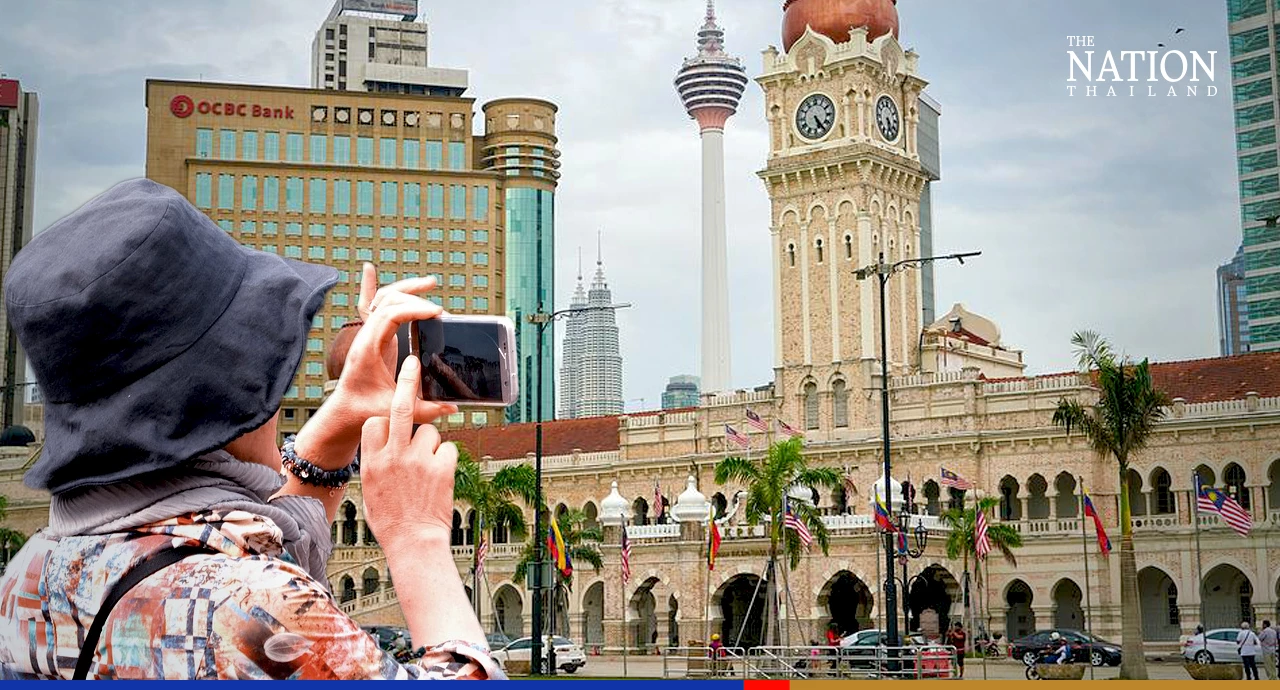
With Malaysia reopening to fully vaccinated travellers, the Malaysia Tourism Promotion Board (MTPB) has teamed up with related agencies to attract tourists once again to the country.
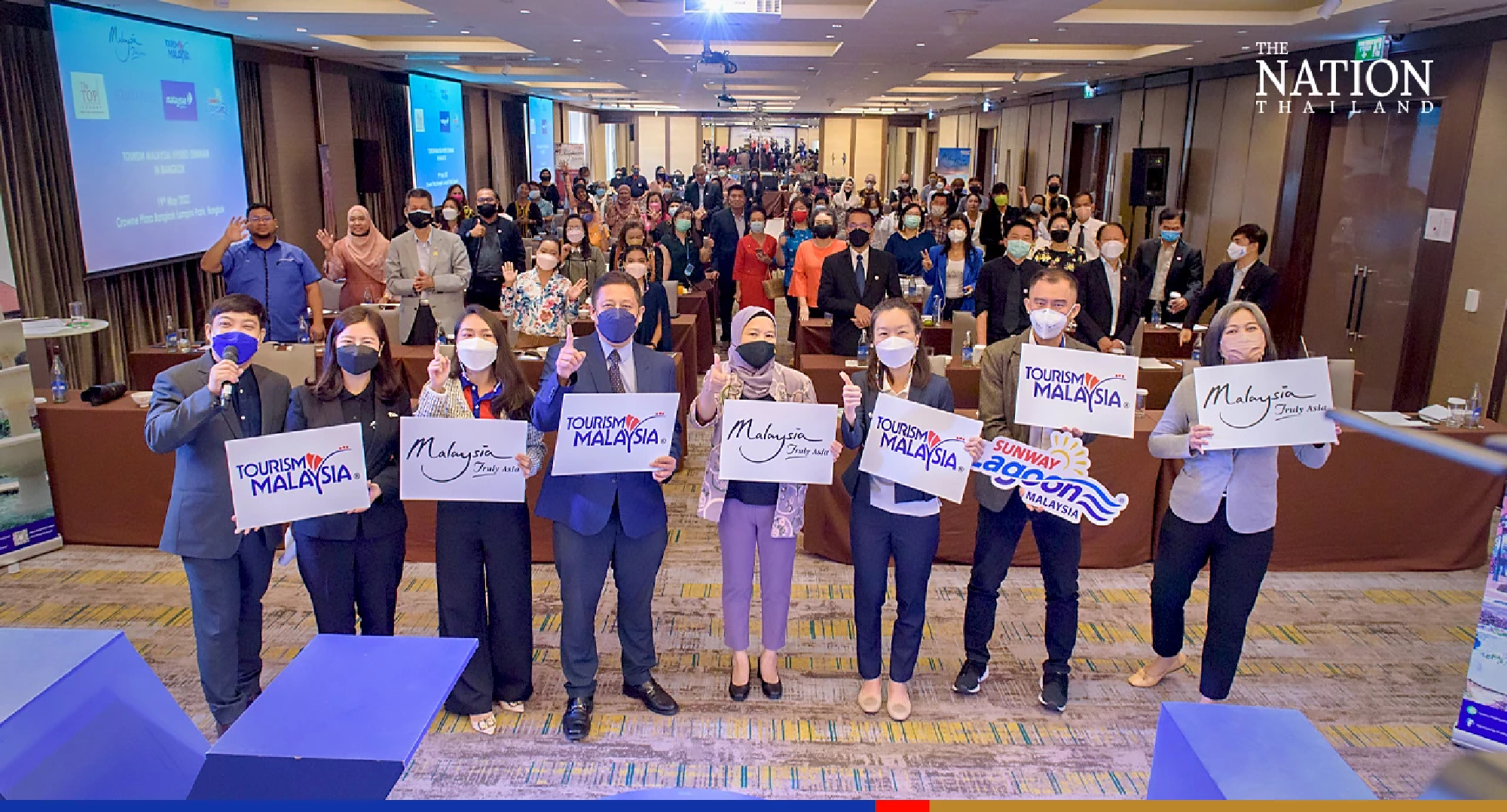
An event on Thursday titled “Tourism Malaysia Hybrid Seminar” at Crown Plaza Bangkok Lumpini Park brought together Malaysian businesses and Thai tour operators to exchange information and develop tourism packages for Thais.
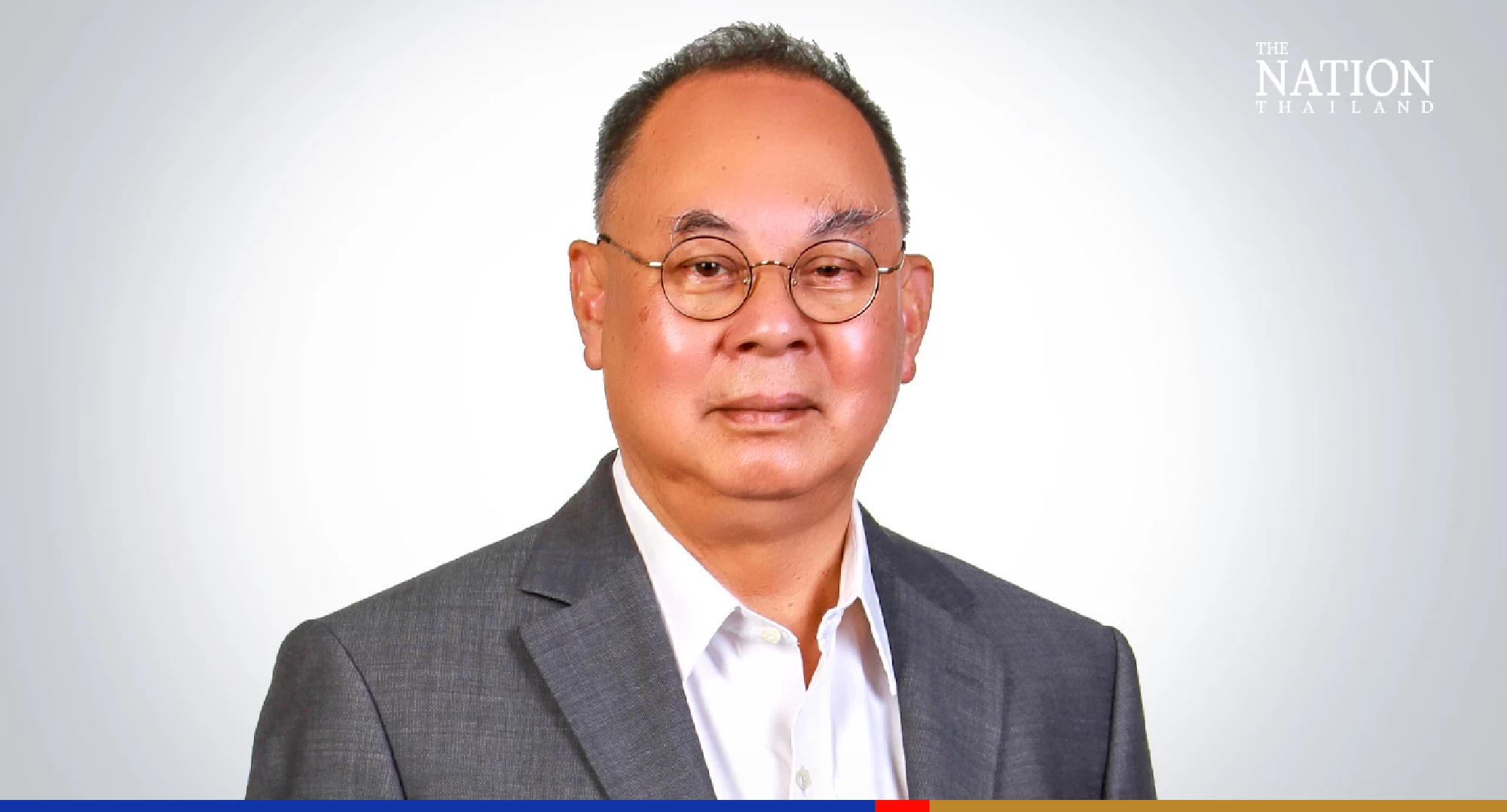
MTPB director Madzwin Zainal Abidin said the board was pleased with the Malaysian government’s move to promote international tourism.
She hoped the board would receive cooperation from airlines and businesses to promote Malaysia as an attractive and safe destination.
MTPB director Madzwin Zainal Abidin
Malaysia is ready to support all types of tourism, including family and leisure, she added.
Meanwhile, Malaysia Inbound Tourism Association president Uzaidi Udanis said the country had lined up a host of events for the remainder of the year.
He said Malaysian tourism had suffered from the Covid-19 crisis in the past two years, and added that the country would like to see 1 million tourists this year.
Malaysia has from May 1 been allowing fully vaccinated travellers to enter the country without pre-departure and on-arrival Covid-19 tests. This includes children aged 12 and below as well as those who have been infected with Covid-19 within six to 60 days of departure.
Travel insurance is also not a prerequisite now for foreigners entering the country. However, travellers who are not fully vaccinated need to undergo a RT-PCR test two days before departure as well as a rapid antigen test within 24 hours of arrival in Malaysia, and observe a five-day quarantine (quarantine exemption is only for those aged 17 and below).
Meanwhile, check-ins via the contact tracing app MySejahtera (MySJ) will no longer be required, but the MySJ Trace function needs to be activated. For updated information, visit https://www.malaysia.travel/travel-alert.
Metropolitan Electricity Authority (MEA) is holding the “Power Saving Challenge” from July to August to encourage customers in Bangkok, Nonthaburi and Samut Prakan to save energy and win further cuts to their power bills. MEA said the challenge would help reduce usage and bills amid the ongoing energy crisis.
Residential users (types 1.1, 1.2 and 1.3) who cut their electricity usage by at least 10 per cent in July and August from May will be rewarded with 3,000 MEA Points, which translates to a 300-baht cut in their power bill.
Just increasing your air-conditioner setting by one degree Celsius can cut 5 per cent off a household electricity bill.
Customers must register at https://eservice.mea.or.th/measy before August 13. The reward will be offered to 10,000 customers, prioritised by electricity saved. Winners will be announced on August 31 and September 30 via SMS and at www.mea.or.th
Meanwhile, registrants for the MEA Point programme will get 500 points instantly and another 500 points when they switch to electronic bills. Each timely bill payment is rewarded with 80 points (e-payment) and 50 points (traditional payment).
Every 1,000 points brings a 100-baht discount on power bills.
Note that May’s bill is calculated from May 14 to June 13, July’s bill: July 14 to August 13, and August’s bill: August 14 to September 13.
For more information, contact MEA Call Center 1130, Facebook: @Metropolitan.Electricity.Authority, Twitter: @mea_news, Instagram: meafanclub, Line: MEA Connect or download the “MEA Smart Life” mobile app, available for both Android and iOS users at http://onelink.to/measmartlife
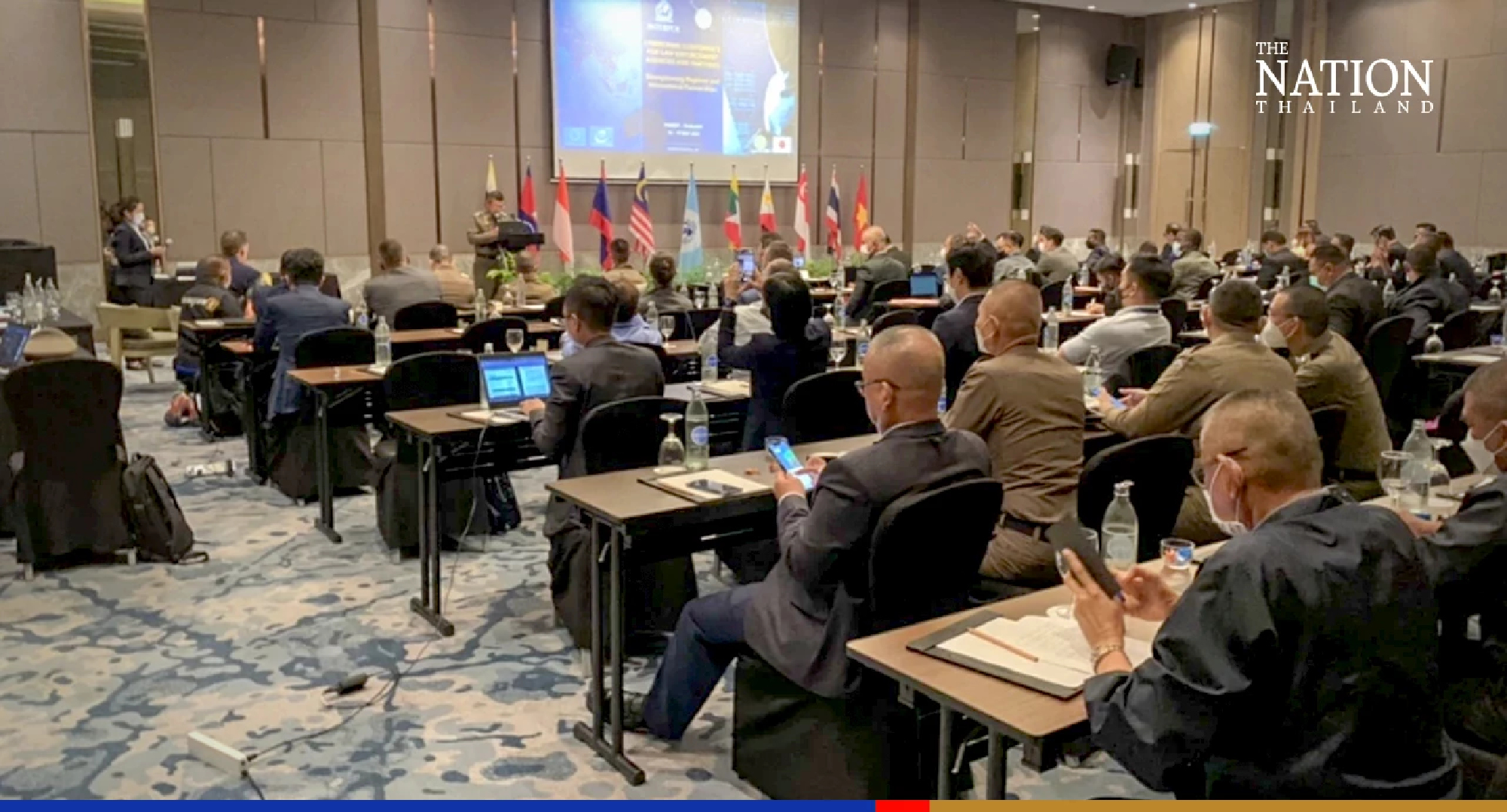
Frequent scams involving fraudulent calls from fake call centres were among the topics discussed at the just-concluded international cybercrime conference held in Phuket province.
Pol General Damrongsak Kittiprapas, director of Thailand’s Police Cyber Taskforce, said on Friday that representatives from Asean countries, including Cambodia, Laos, Philippines, Vietnam and Thailand, discussed the issues involving online crimes and the so-called call-centre scam.
“We are confident that after this meeting, Thailand will have a stronger partnership [with the neighbouring countries],” he said.
Damrongsak on Friday presided over the closing ceremony of the “Cybercrime Conference for Law Enforcement Agencies and Partners”, held at a hotel in the southern island resort province.
The conference was attended by representatives and law enforcers from member countries of the Association of Southeast Asian Nations and its seven dialogue partner countries.
Also participating in the conference were representatives from corporate partners of Interpol, including Microsoft, Trend Micro, Binance, and Meta.
Interpol is an international organisation that facilitates worldwide police cooperation and crime control.
At the meeting, participants shared their experiences and knowledge about the investigation and law enforcement regarding cybercrime.
It was agreed that Interpol would serve as the centre for exchange of information between the member countries.
Agriculture and Cooperatives Minister Chalermchai Sri-on has encouraged farmer to increase cultivation of durians to meet the growing demand in the world market.
“The Agriculture Ministry is promoting the durian in a complete cycle, from production to marketing. What the growers need to do is ensure the quality of their produce and make Thai durian the most delicious in the world,” Chalermchai said during a panel discussion on “Thai fruits for the world”.
He said that the export market for Thai fruits are worth around THB200 billion to THB400 billion, with durians being the major revenue-maker.
The minister urged growers to maintain the quality of their durians, adding that there would be no oversupply problem over the next decade.
According to him, durian exports to China have slowed down due to its strict zero-Covid policy, which rejects exported goods found to be contaminated with the coronavirus. He added that he has stressed safety measures throughout the production process to prevent contamination.
Thailand exported up to THB100 billion worth of durians last year, according to Department of Agriculture director-general Rapeepat Chansriwong said.
He added that this year’s output of the “king of fruits” was estimated at 1.2 million tonnes from about 900,000 rai (144,000 hectares) of durian plantations across the country.
“Durians have the potential to bring in a lot of revenue,” he said.
Thai Durian Association president Phanusak Saiphanich added that most of Thailand’s durian exports of 820,000 tonnes last year went to China.
He called on the government to look for new markets while catering to China’s demand for durians, as that country is regarded as the main export market.
Meanwhile, Alongkorn Ponlaboot, adviser to the agriculture and cooperatives minister, said that Thailand’s fruit exports last year were worth THB250 billion — THB180 billion as fresh fruits and THB70 billion as frozen or processed fruits.
“Durian exports were worth THB109 billion, crossing the THB100-billion milestone for the first time. That exceeded the annual export value of rice, which has never reached that level over the past three decades,” he said.
According to Alongkorn, Thai fruits made up 40 per cent of China’s imports, way ahead of 15 per cent from Chile, and 6 per cent from Vietnam.
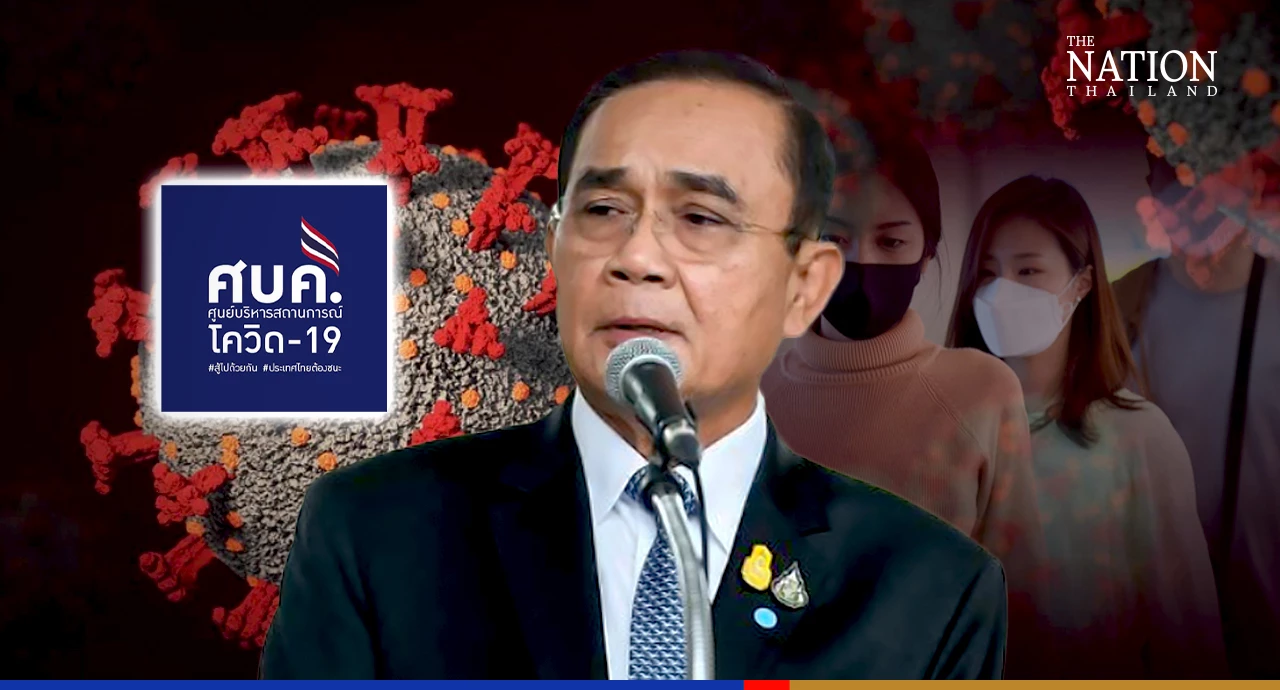
Entertainment venues in tourism pilot provinces or blue zones and those in green zone provinces can operate until midnight from June 1, the Centre for Covid-19 Situation Administration (CCSA) said on Friday.
From June 1, venues such as pubs, bars and karaoke outlets will be allowed to serve alcohol until midnight but must refrain from serving drinks that can be shared. Alcohol promotion activities will also be banned. Serving staff will be required to wear facemasks.
Venue operators must request permission from the provincial communicable disease committee before reopening. They must screen staff health and conduct rapid antigen test on them every seven days. Customers must have a vaccination certificate and follow Covid-19 prevention measures.
The CCSA has allowed people who come into contact with Covid-19 patients to return to work as usual instead of spending five days in quarantine.
However, they must observe their symptoms for 10 days and take a rapid antigen test if they experience respiratory symptoms.
The CCSA has also rearranged the zoning of provinces based on the number of Covid-19 infections. Now the yellow zone (highest surveillance) covers 46 provinces, the green zone (low surveillance) 14 provinces, while 17 provinces are under the blue zone (tourism pilot).
Yellow zone provinces, meanwhile, must refrain from gatherings of more than 1,000 people, while educational institutions can organise on-site classes, strictly following Covid-19 prevention measures.
In the case of indoor sports competitions, the number of spectators must not exceed 75 per cent of seating capacity, while social distancing principles must be implemented for outdoor sports competitions.
Meanwhile, theatres and folk performances can resume operation as usual.
The CCSA also extended the state of emergency to July 31 to maintain Covid-19 prevention measures and ensure a smooth transition to endemic status.
Beginning June 1, unvaccinated travellers can show negative rapid antigen or RT-PCR test results taken within 72 hours of departure. The unvaccinated can take a rapid antigen test upon arrival.
Thai travellers will no longer be required to register for Thailand Pass from June 1, while government officials and academics are now allowed to travel abroad.
After the CCSA meeting, Prime Minister Prayut Chan-o-cha said the number of Covid-19 infections is dropping thanks to cooperation from related agencies and citizens.
Prayut added that the CCSA will consider further easing travel restrictions to encourage foreigners to visit Thailand.
He also asked related agencies to administer as many booster shots as possible because Thailand has sufficient Covid-19 vaccines.
He said that Thailand’s revenue has dropped due to trade sanctions, the Covid-19 crisis, and conflicts, adding that he is doing his best to overcome these problems.
Foreign Minister Don Pramudwinai, who returned from a four-day visit to Saudi Arabia on Wednesday, is being treated in hospital for Covid-19, the ministry’s Department of Information said on Friday.
Before heading to Saudi Arabia to build business ties, Don had joined a Thai delegation led by Prime Minister Prayut Chan-o-cha to Washington DC. The delegation was in Washington on May 12-13 to attend the Special US-Asean Summit and meet President Joe Biden and other Asean leaders.
On Thursday morning, Don’s ATK test came back positive, and this was confirmed with an RT-PCR test later.
Don, who also doubles as deputy PM, is expected to return to work soon, the department said, adding that the minister has already received four jabs against the virus.
On Thursday afternoon, the minister had met with Japan Bank for International Cooperation governor Tadashi Maeda, who was at Government House to meet Prayut.
Though face masks were worn at the meeting, all who were present are being considered to be at risk of catching Covid-19, a source said.
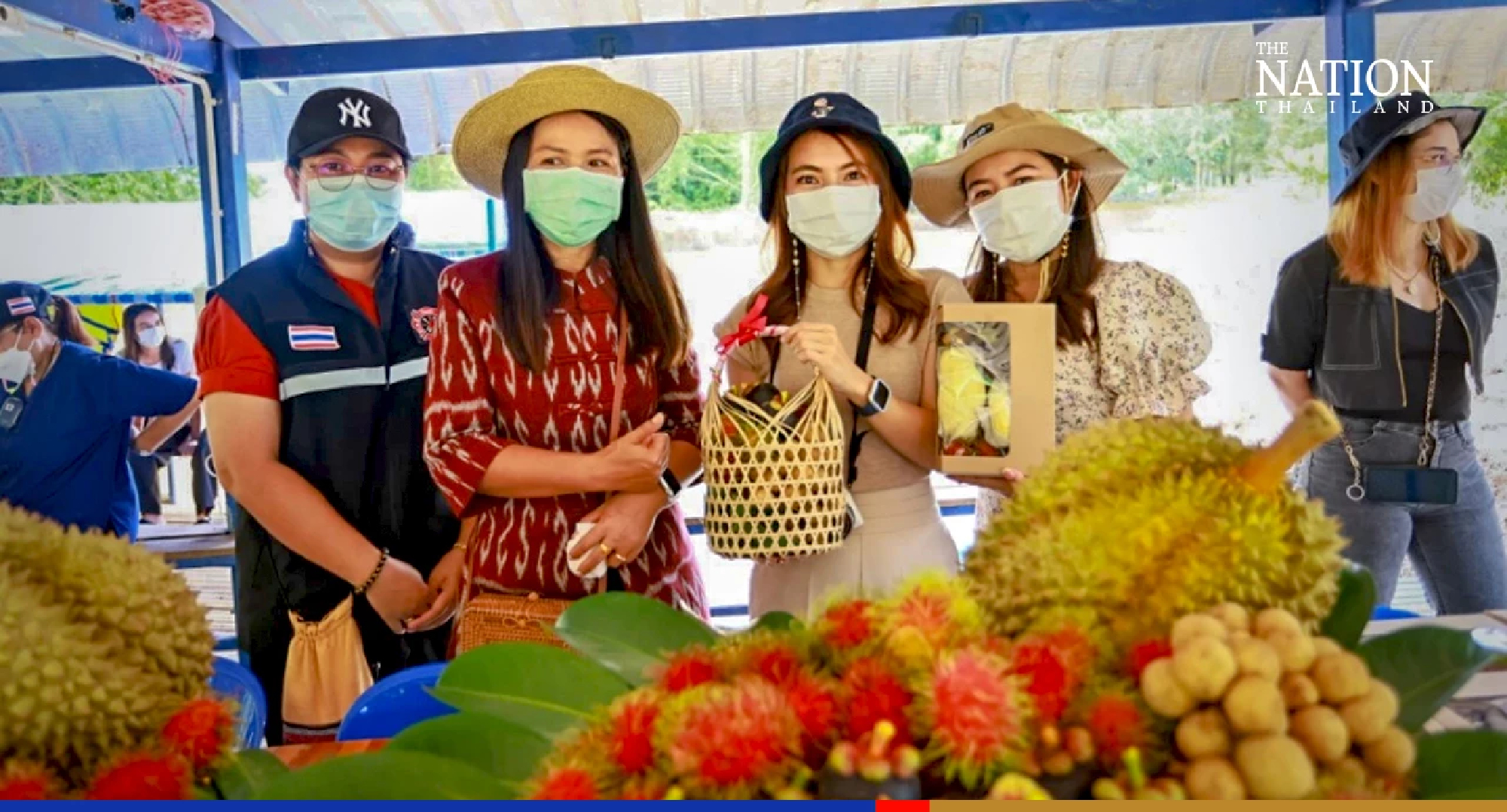
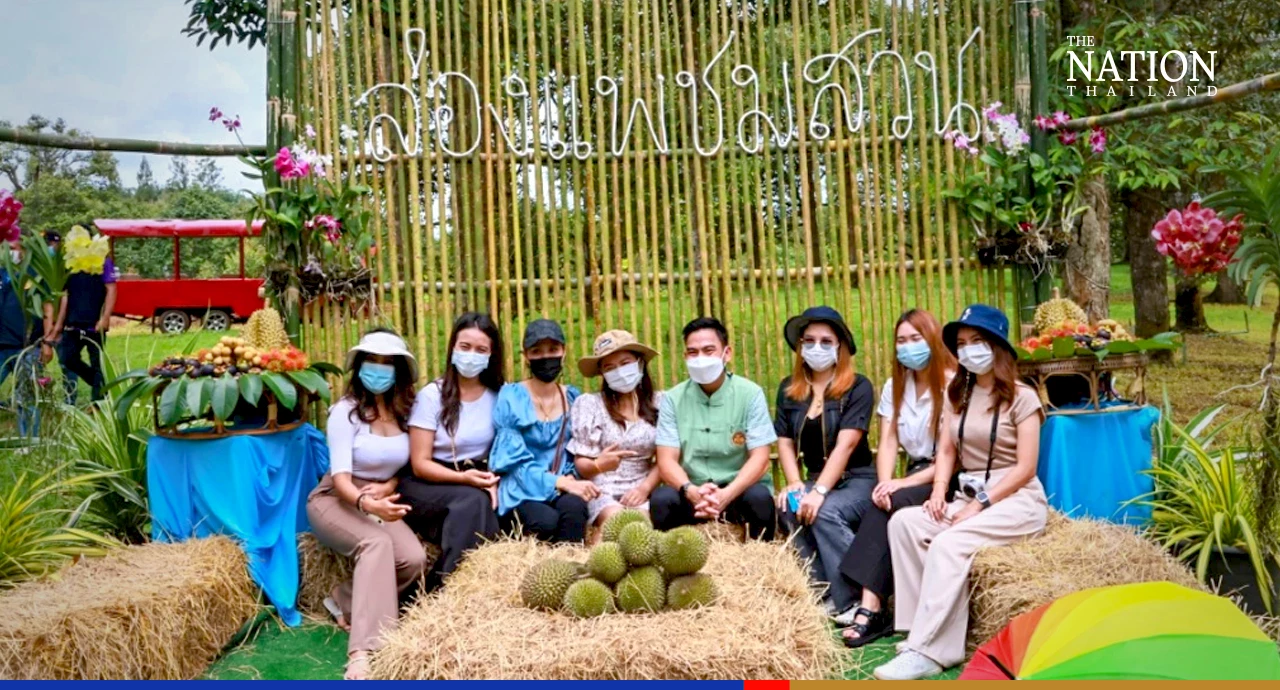
Rayong is inviting foodie tourists on a trip back through time to sample this year’s harvest in the famed fruit orchards of the eastern province.
Visitors will hop aboard trams and rafts in Wang Chan district, which is celebrated for the quality of its mangosteen, rambutans, durian and other fruit varieties.
This year’s festival will be held from May 27-31 at the fruit market in Plong Ta Iam subdistrict.
The event aims to boost farmers’ sales of fruit but will also showcase the beauty and traditions of Wang Chan as a tourism destination, said district chief Itthipong Chaktreemongkol.
Along with the orchards and their rich harvest of “nature’s candy”, the festival will also serve up contests and music concerts by famous artists.
The festival in Wang Chan has been organised since 1995 to give visitors a taste of some of Thailand’s finest fruit, fresh from the trees.
Elections for Bangkok’s governor and councillors will take place on Sunday from 8am to 5pm. For people unsure of the rules and those casting their ballot for the first time, The Nation offers a step-by-step guide on how to cast your vote successfully and avoid spoiling your ballot.
-Remember the date and time. Polling stations open on Sunday May 22 and voting will be allowed from 8am until 7pm – a total of nine hours.
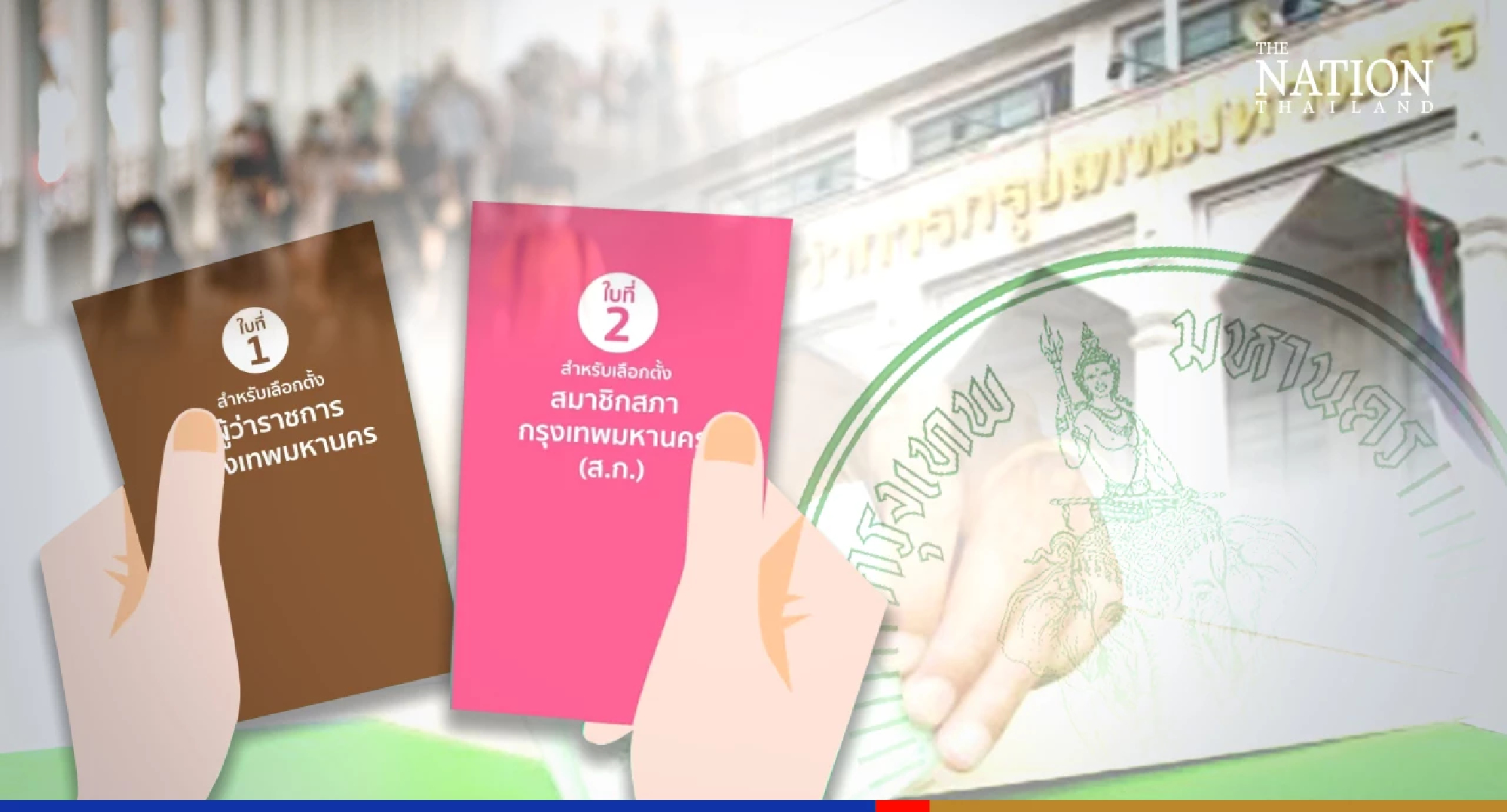
– Each voter will get two ballot papers. The A4-size brown one is for voting in the governor election. The smaller A5-size pink paper is for voting in the city council election.
– Show your ID card, or similar card issued by the government, to the polling station staff and sign your name (or use your thumbprint) on the stubs of both ballot papers to receive the ballots.
– Take both ballot papers to the voting booth. Mark “X” in the box next to the number of the candidate you wish to choose. Select ONLY ONE candidate per ballot. If you do not wish to vote for any candidate, then mark “X” in the lower right corner box which says “I do not wish to vote for anyone”.
– Remember to use an “X” – making any other symbol will mean your vote is not counted.
– When you have marked your ballot papers, put them in the corresponding ballot boxes.
Anyone unable to vote on May 22 should notify their district office so as to get permission to cast their vote 7 days before or after the election date (May 15-21 and May 23-29).




 MTPB director Madzwin Zainal Abidin