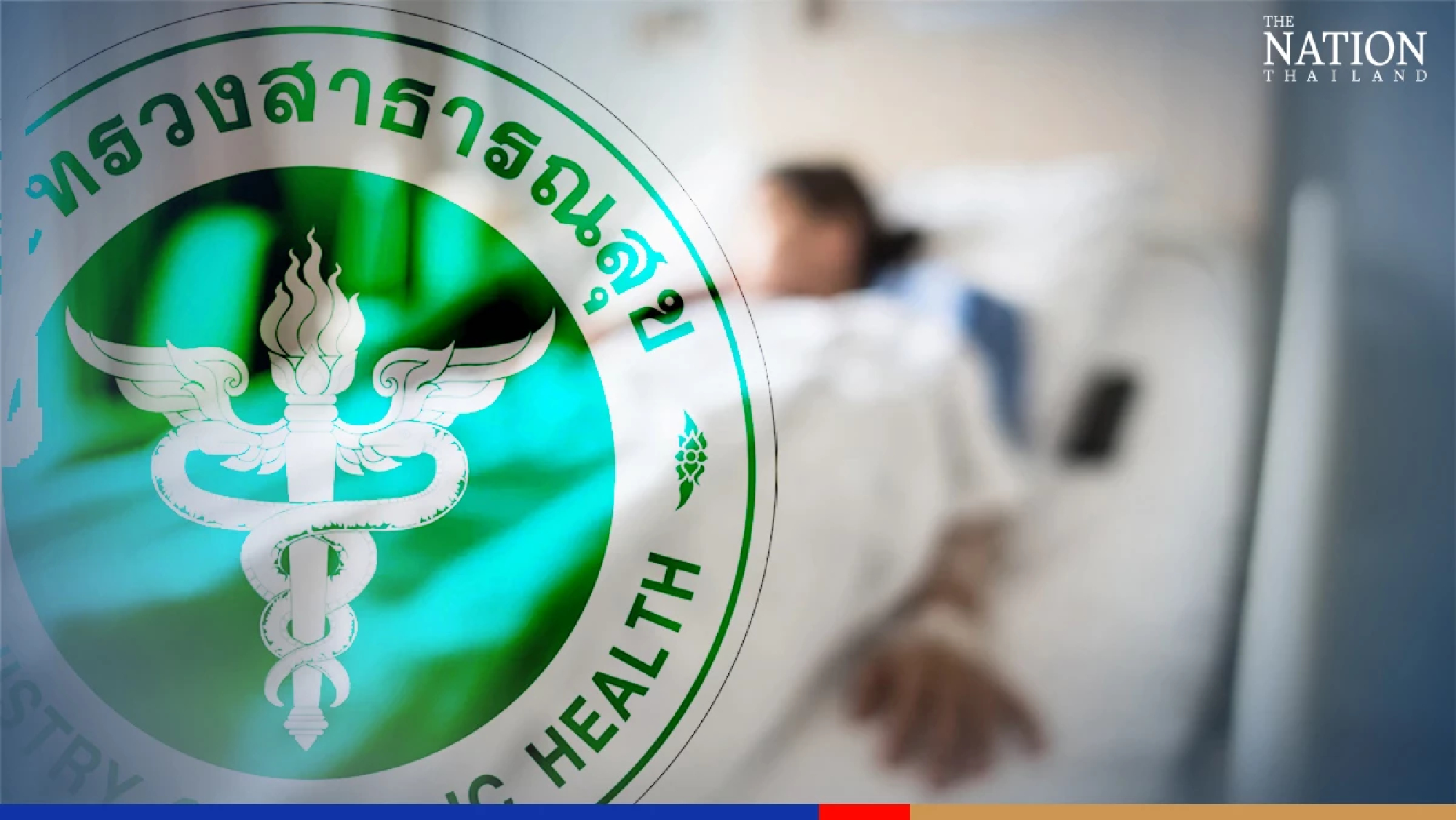
Covid-19 patients who face the risk of developing severe symptoms are entitled to free treatment at any hospital under the Universal Coverage for Emergency Patents Plus (UCEP Plus) scheme, the Department of Medical services chief said on Friday.
Dr Somsak Ankasil said this regulation applies to the “608 group” or people who are 60 and above, those who suffer from any of the seven chronic conditions aged 12 and above, and women who are 12 weeks or more into their pregnancy.
Under the UCEP Plus scheme, which has been in effect since March 1, Covid-19 patients who do not require critical care (green category) must cover their own bills at private hospitals. However, those suffering from moderate to severe symptoms (yellow and red patients) and require close monitoring or respirators can seek treatment at any hospital for free.
“Hospitals are not allowed to refuse treatment to any patient that falls under the 608 group. If no beds are free, then the hospital can transfer the patient to other hospitals nearby,” Somsak said. “In case a yellow category patient does not display any symptoms and prefers not to be admitted to hospital, the doctor may consider letting them receive treatment at home on a case-by-case basis.”
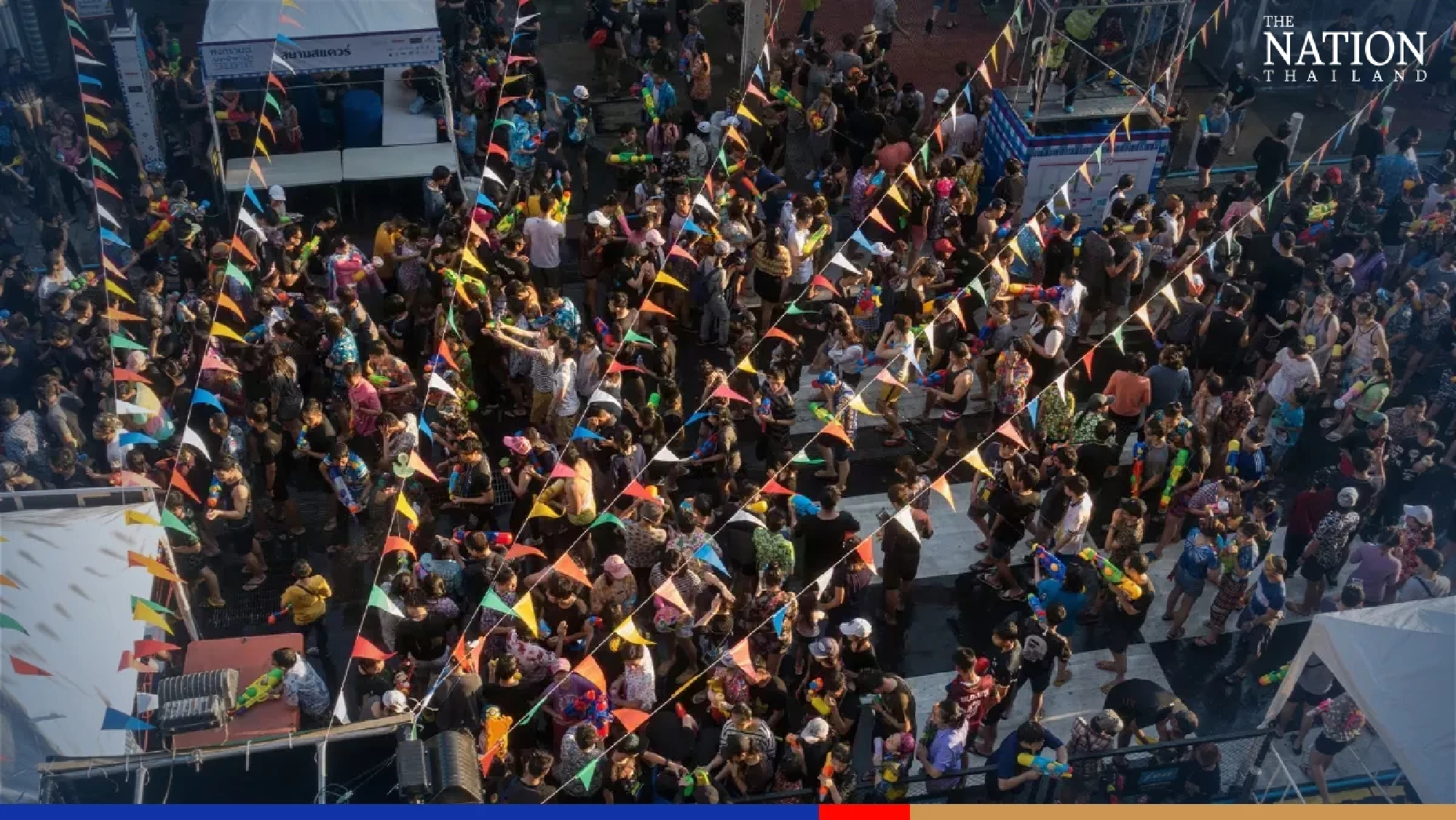
Chiang Mai has given the green light to public gatherings of up to 500 people over the Songkran holiday. However, organisers must gain permission for large events from officials, said the Communicable Disease Committee.
Gatherings of more than 500 people must provide officials with information on the purpose of the event plus Covid-Free Setting measures.
Religious activities should follow guidelines of the religious leader in charge, said authorities.
Measures for the Songkran festival in Chiang Mai have been divided into three phases: before, during, and after the holiday.
Under the first phase, every participant at Songkran events must be fully vaccinated or present a negative antigen test (ATK) taken within the previous 72 hours.
Event organisers should register at the Thai Stop Covid Plus website to evaluate their Covid Free Setting measures.
Under the second phase, permitted activities include pouring water on Buddha images or the hands of seniors, traditional rituals, cultural performances, parades, and concerts.
However, water battles, smearing powder, foam parties, and drinking or selling alcohol are banned.
Visitors will be screened and registered as they enter events while numbers will be limited to prevent overcrowding and ensure distancing of four metres between each person.
Under the third phase, participants should monitor their symptoms for seven days after Songkran and test themselves with an ATK immediately if they develop any Covid symptoms. They should avoid meeting other people in the monitoring period.
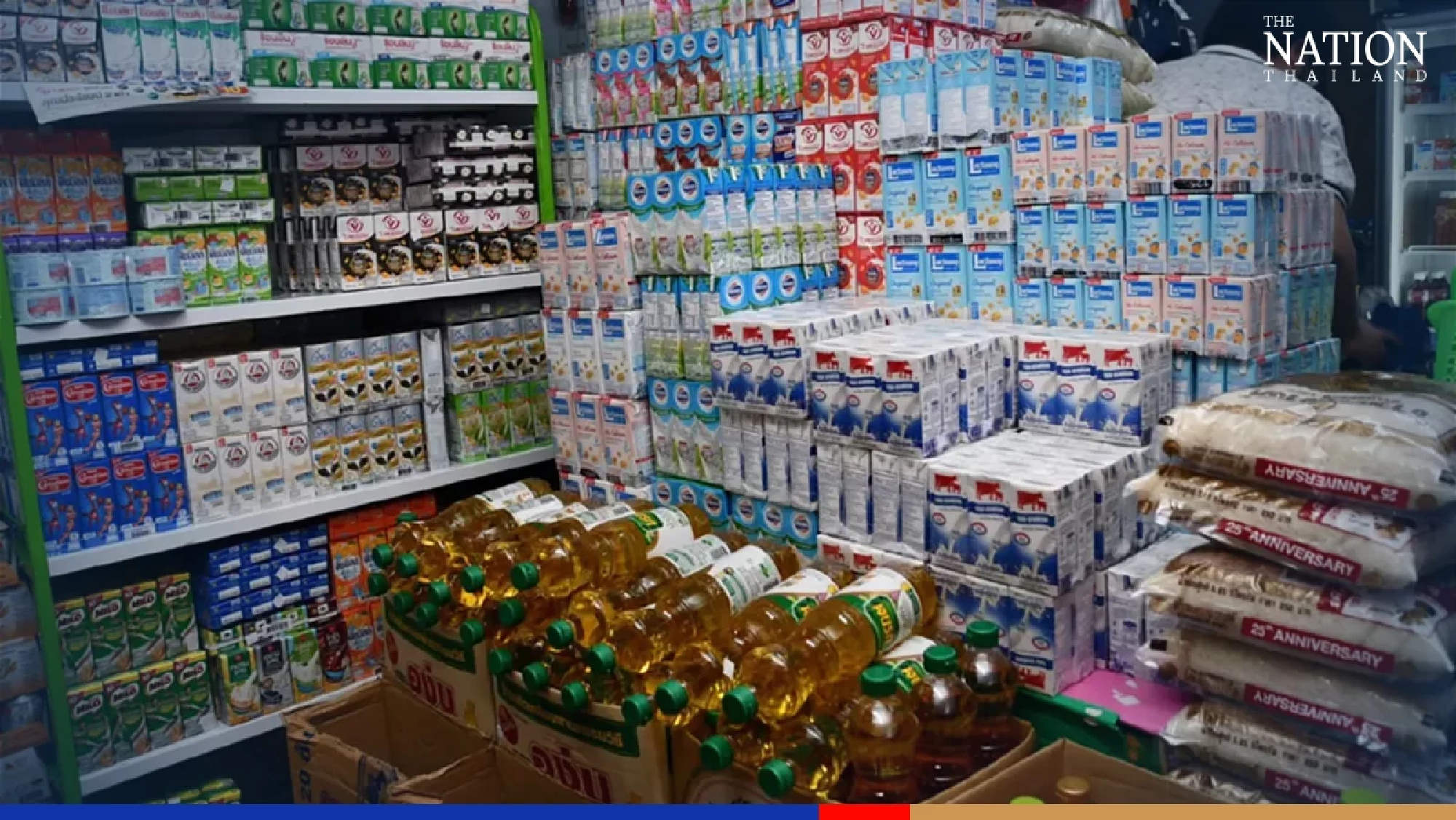
The Department of Internal Trade (DIT) has denied rumours that the price of seasoning sauces and detergent will soon go up, saying the Commerce Ministry had not approved price hikes for any household goods.
The DIT has been monitoring retail prices of consumer products closely to ensure that no manufacturers increase prices without approval, said deputy director-general Jakkra Yodmanee.
Manufacturers of 18 consumer products and services cannot raise their prices without approval from the Commerce Ministry.
The 18 price-controlled products and services are instant noodles, eggs and meats, canned foods, bagged rice, seasoning sauces, vegetable oils, carbonated drinks, milk and dairy products, electrical appliances, cleaning products (including detergents), fertilisers, insecticides, animal feed, iron, cement, paper, drugs and medical equipment, and services at wholesale and retail shops.
“The department will hold a meeting next week with manufacturers, wholesalers and retailers of these products to reiterate the price hiking issue, and also to ensure they have adequate stocks for the upcoming Songkran holiday,” said Jakkra.
He added that this month’s price hike for cooking gas (LPG) from 318 to 333 baht per 15-kilo canister would not affect restaurants’ operating costs much as one canister was enough to cook up to 300 dishes. “This should not be a reason for restaurants to increase their food prices,” he said.
Jakkra also warned that sellers failing to display their prices to customers faced a fine of up to 10,000 baht. Meanwhile, hoarding products and unfairly hiking prices hiking carried penalties of up to seven years in jail and/or a maximum fine of 140,000 baht. Violations could be reported via the 1569 hotline or provincial commerce offices.
The Office of Insurance Commission (OIC) will take legal action against executives of two companies after they failed to honour Covid-19 claims totalling more than 18 billion baht.
Southeast Insurance and Thai Insurance filed to terminate their businesses and return their licences to the OIC on January 28, after an unprecedented surge in Covid-19 claims. Both companies are subsidiaries of Thai Group Holdings.
OIC secretary-general Suttipol Taweechaikarn said the two insurers had been given time to rectify financial issues stemming from their Covid insurance policies that promised lump-sum payments to those infected by coronavirus.
However, the shareholders of both insurance companies refused to increase their capital and instead insisted on closing the businesses.
As a result, the Finance Ministry revoked their licences on April 1 to protect customers. Southeast Insurance owes 13.5 billion baht in unpaid Covid claims while Thai Insurance owes 4.6 billion baht.
“Along with their failure to increase capital to cover claims, we will investigate whether the two companies committed other offences toward the end of their business operations and pursue appropriate legal action,” said Suttipol.
A source said on Friday that Southeast Insurance and Thai Insurance will close all of their service centres immediately.
Over 8 million existing customers of both insurers have reportedly been transferred to 31 insurance companies – 15 general insurers, 10 casualty insurers and six life insurers.
The source said that around 500 out of the two companies’ 1,300 employees have been transferred to other subsidiaries of Thai Group Holdings, while about 600 have already found new jobs, leaving around 200 left unemployed by the closure.
Ministry of Public Health reported on Saturday (April 2) morning that in the past 24 hours there are 28,029 new patients who tested positive for Covid-19, 36 of whom have arrived in Thailand from abroad.
Death toll increased by 96, while 23,352 patients were cured and allowed to leave hospitals.
Cumulative cases in the country since January 1, 2022 are at 1,461,320.
The country’s total caseload from Covid-19 stands at 3,684,755 – 3,403,642 of whom have recovered, 255,795 are still in hospitals and 25,318 have died.
Separately, another 85,235 people were given their first Covid-19 shot in the last 24 hours, 37,720 their second shot and 202,371 a booster, bringing the total number of Covid-19 vaccine doses administered nationwide to 129,877,792.
According to Worldometer, confirmed cases globally had risen to 490.11 million on Saturday, 424.6 million of whom have recovered, 59.34 million are active cases (56,683 in severe condition) and 6.17 million have died (up by 3,745).
Thailand ranks 29th in the global list of most cases, which is topped by the US with 81.81 million, followed by India with 43.03 million, Brazil with 29.98 million, France with 25.76 million and Germany with 21.46 million.
The finance minister has revoked the business licences of Southeast Insurance and Thai Insurance after they failed to honour claims of more than THB18 billion from customers for Covid-19, the Office of Insurance Commission (OIC) secretary-general, Suttipol Taweechaikarn, said on Friday.
The revocation, made under the Non-Life Insurance Act with effect from Friday, was aimed at protecting the interest of both companies’ customers, he said.
Suttipol explained that the two insurers had been given time to rectify financial issues stemming from their Covid insurance policies that promised lump-sum payments to those infected by the coronavirus.
However, the shareholders of both insurance companies refused to increase their capital and insisted on discontinuing their business.
Southeast Insurance still owes THB13.5 billion as Covid claims, while Thai Insurance owes THB4.6 billion, according to the OIC secretary-general.
“As this matter threatens to affect the public interest, the OIC suggested that the finance minister make the decision to solve the problem,” Suttipol said on Friday.
Both companies are not financially capable of continuing their insurance business, as they have failed to meet the legal requirements, he explained.
The OIC would get the General Insurance Fund to supervise the liquidation and take care of both companies’ policyholders, according to Suttipol.
Next Monday, the OIC will hold a meeting with 15 insurance firms about their possible takeover of the two insurers’ non-Covid policies and possible refund of the insurance premium, he said, adding that active Covid policies have been transferred to state-owned Dhipaya Insurance.
The Sadao border checkpoint in Songkhla province reopened on Friday for the first time in two years and let 107 people into the country.
Surin Suriyawong, Sadao district chief, said this was the first group to enter the country via the Sadao crossing since it was closed in early 2020 due to Covid-19.
The other border checkpoint to be opened in the South on Friday was Wang Prachan in Satun province. These checkpoints were opened as part of the Centre for Covid-19 Situation Administration (CCSA) pilot project that allows foreigners to enter via land through the Thailand Pass system.
Surin said the 107 to cross via Sadao were Thai and Malaysian businesspeople who had registered on the Thailand Pass website.
This checkpoint has been closed to foreigners for the past two years, allowing only a handful of Thais to cross over from Malaysia on Mondays, Wednesdays and Fridays.
The arrival of the first group coincided with Malaysia’s announcement of Covid as endemic disease on April 1.
However, the Sadao district chief said tourists found the border-crossing process slow because the procedures in Thailand and Malaysia were different.
On the Thai side, tourists have to take an RT-PCR test upon arrival and wait four to six hours for results by checking into an SHA Plus hotel. The district has seven hotels that meet the SHA Plus standard, Surin added.
Sofia Toh-ahlem, the owner of a foreign-exchange shop, said she opened her shop on Friday now that the border checkpoint has reopened.
“This reopening is a tangible light at the end of the tunnel and gives hope to tourism operators again,” she said. “Though there aren’t many tourists yet, I believe when Malaysia opens its borders, more will come.”
Aiyada Ujeh, president of the Haral Thai and Asean Tourism Association, said she has spoken to some 40 tourism operators in Malaysia and learned that they are waiting for Thailand to further reduce its restrictions before organising more tours in Thailand. Aiyada reckons tourists are staying away because the restrictions make travelling to Thailand expensive, and hopes the situation would improve soon.
A 1989 European Union (EU) arms embargo imposed on China is behind Germany’s refusal to supply engines to be fitted in a submarine built in China for the Royal Thai Navy (RTN), an American media outlet reported recently.
This embargo now makes it unlikely for the submarine to arrive in Thailand next year as planned earlier, Voice of America (VOA) reported on Thursday, citing Rear Admiral Apichai Sompolgrunk, director-general of the RTN’s acquisitions management office.
“The process of building the submarine is stuck because the engine is not concluded yet. Finish the [engine] process, and the building will start again,” he was quoted as saying.
In its 13.2-billion-baht purchase deal signed in 2017 with China’s state-owned China Shipbuilding & Offshore International Co (CSOC) for the Yuan-class S26T submarine, the Thai Navy specified three MTU396 diesel engines from Germany’s Motor and Turbine Union company to run the submarine’s electric generator set.
However, the German government decided to prohibit the export of the engines to China because of their use for military purposes.
“China did not coordinate with Germany before signing the Thai-China contract, offering German MTU engines as part of their product,” Germany’s defence attaché to Thailand Philipp Doert said recently.
Germany is bound by an EU arms embargo imposed on China in 1989 after the Tiananmen Square massacre, VOA reported.
However, Germany and other EU countries have bypassed the embargo for decades by supplying China’s military with engines and other equipment, the report said, citing Jon Grevatt, an analyst covering the Asia-Pacific region for Janes defence industry publications.
Those countries exported items with the potential for both military and civilian applications, so-called dual-use items not explicitly excluded by the EU embargo, as commercial exports, even when destined for military hardware, Grevatt said.
However, he added, China’s sale of the Yuan-class submarine to Thailand, made the ruse harder to pull off.
“If this submarine wasn’t being exported to Thailand, no one would know about it and therefore it would go ahead,” he was quoted as saying.
“But the fact that it is being exported, it’s in the news and is cause for the German government to say, oh, no, no, no, we’re not allowing that. You can’t deny that the system is a defence system,” the analyst added.
MTU has fitted Chinese destroyers and submarines with over 100 of its engines from 1993 through 2020, according to Sweden’s Stockholm International Peace Research Institute, which tracks arms transfers around the globe.
Meanwhile, CSOC has offered to build another engine for the submarine, but the Thai Navy was not yet convinced the proposed replacement would do the job, RTN’s Apichai said.
“This engine is not well proven yet, so the Royal Thai Navy is still waiting for the answer from the shipyard [CSOC] to ensure that this engine is as good as the MTU,” he was quoted as saying.
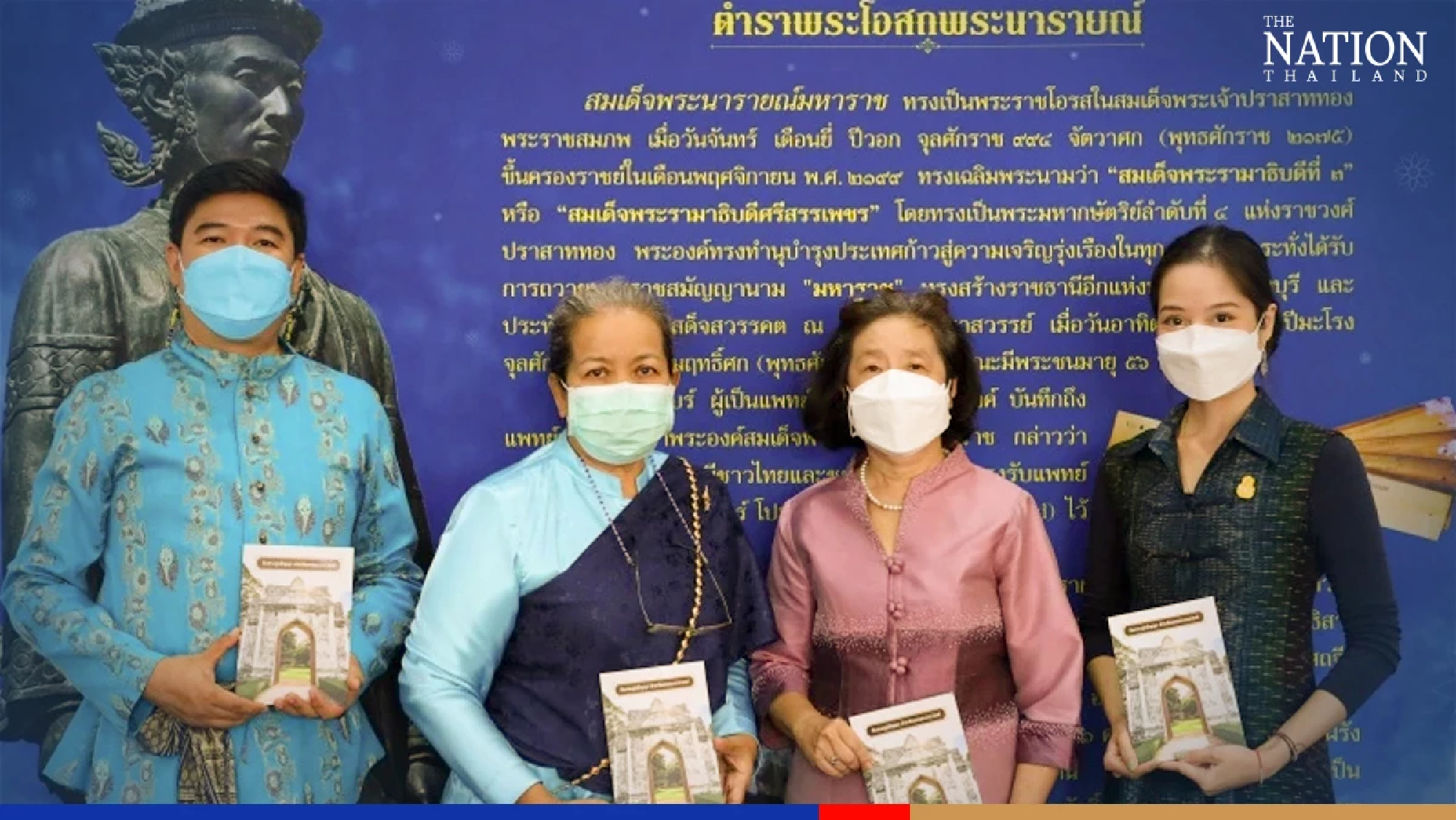
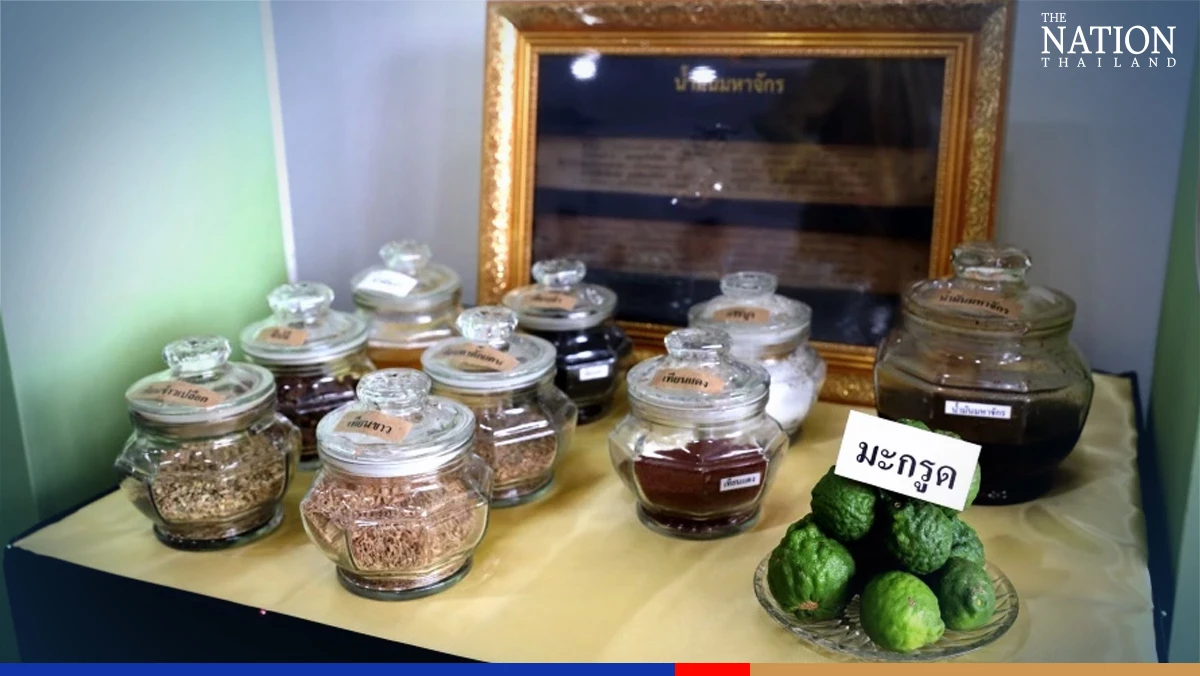
The Thai Khadi Research Institute of Thammasat University has revived four 300-year-old herbal medications that were used during the reign of King Narai.
Assoc Prof Roj Khun-anek, deputy rector of Thammasat and former director of the institute, said the studies initiated by him under the “King Narai’s herbal recipes” project found that four of them were useful for providing treatment.
King Narai the Great was the 27th king of the ancient capital of Ayutthaya.
Roj said he initiated the project because the herbal medicines used some 300 years ago during the King Narai period might have been misunderstood by some traditional medicine practitioners because they have not been used for a long time.
Roj said he started a systematic research on the herbal cures in 2009. His project has interviewed many herbalists and the information has been used to reconstruct the four herbal medications.
Roj said the institute has also published a book that details the ingredients of the four herbal medicines to sell to interested herbalists or general people.
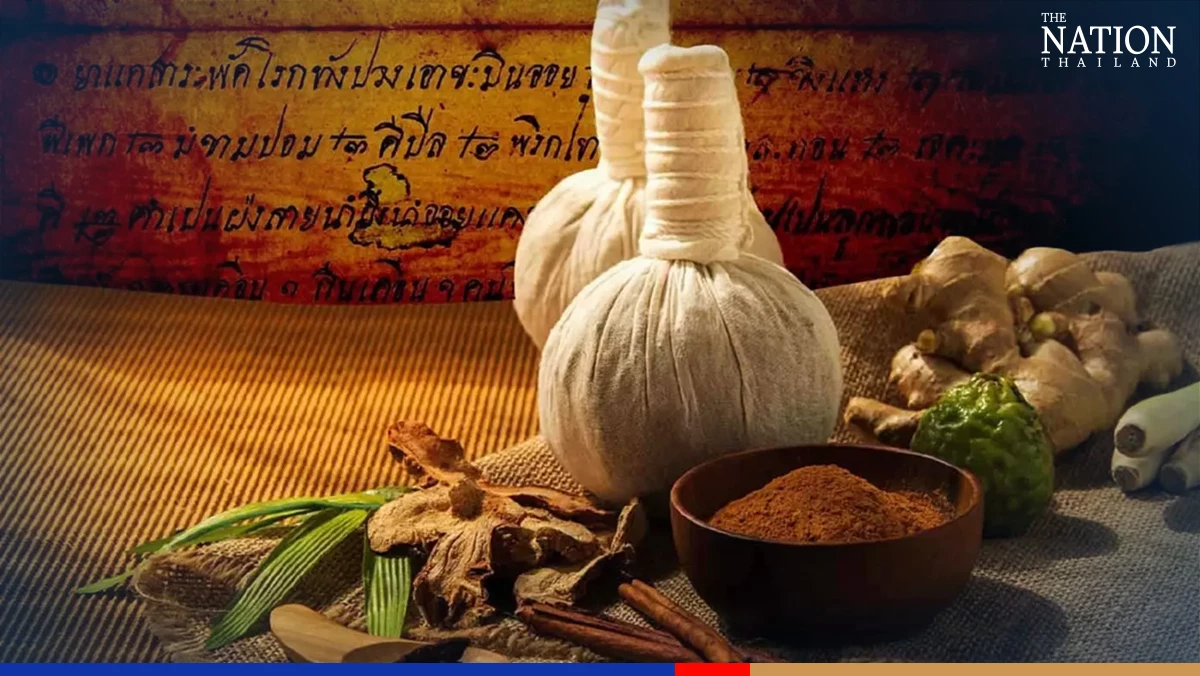
Assoc Prof Rungrawi Temsiririrkkul, of Thammsat’s Faculty of Pharmacy, said the four herbal medications are:
Ya Tha Phra Sen — a herbal ointment for rubbing painful joints, knees and ankles or swollen veins.
Phra Angkob Phra Sen Tueng Hai Yon — a herbal cloth ball used to compress on painful nerve vessels.
Nam Mun Mahajak — an oil used for reducing muscle pains and for healing wounds.
Ya Hom Dun — an aromatic herbal powder that is used to treat fever, excessive thirst, headache, muscle pain and joint pain, which are symptoms of influenza.
Asst Prof Dr Saowathan Phoklud, director of the institute, said the institute started in 1971 as the Thai Khadi Project for carrying out research into Thai society with the purpose of writing new textbooks. The project was upgraded in 1975 to an institute, which has the same status as a faculty.
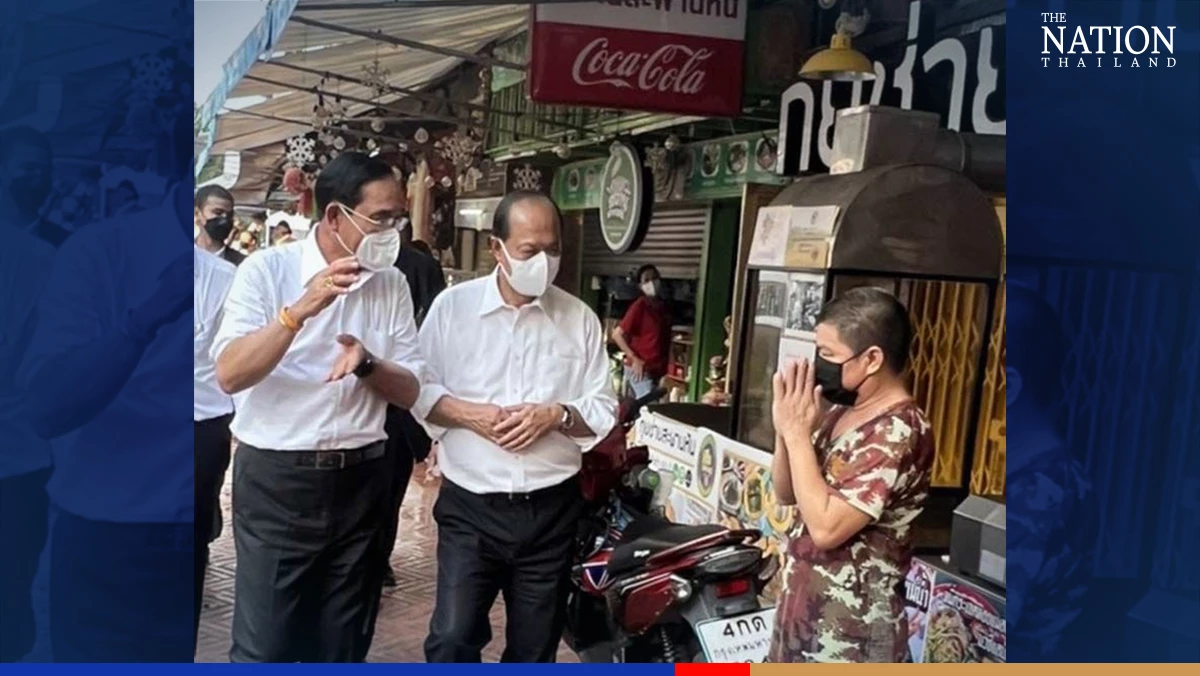
The prime minister has called on relevant government agencies to ensure all Covid-19 patients from vulnerable groups are hospitalised in a bid to minimise deaths, the government’s spokesperson said on Friday.
Ratchada Thanadirek said Prime Minister Prayut Chan-o-cha wants all Covid-19 patients who are 60 or older, those with chronic conditions and very young children to be immediately rushed to the hospital regardless of symptoms.
The spokesperson pointed out that patients from vulnerable groups tend to die from the virus. According to the Public Health Ministry, of the 92 people who died from Covid-19 on Wednesday, 86 were from the vulnerable group.
Ratchada added that the Centre for Covid-19 Situation Administration (CCSA), the Public Health Ministry and the National Health Security Office are in the process of taking steps to implement Prayut’s orders.
Initially, the CCSA and Public Health Ministry had announced that Covid-19 patients who have mild or no symptoms can recover at home after receiving medicines. They said only patients with moderate and severe symptoms should be hospitalised.




 Surin said the 107 to cross via Sadao were Thai and Malaysian businesspeople who had registered on the Thailand Pass website.
 Sofia Toh-ahlem, the owner of a foreign-exchange shop, said she opened her shop on Friday now that the border checkpoint has reopened.
 Aiyada Ujeh, president of the Haral Thai and Asean Tourism Association, said she has spoken to some 40 tourism operators in Malaysia and learned that they are waiting for Thailand to further reduce its restrictions before organising more tours in Thailand. Aiyada reckons tourists are staying away because the restrictions make travelling to Thailand expensive, and hopes the situation would improve soon.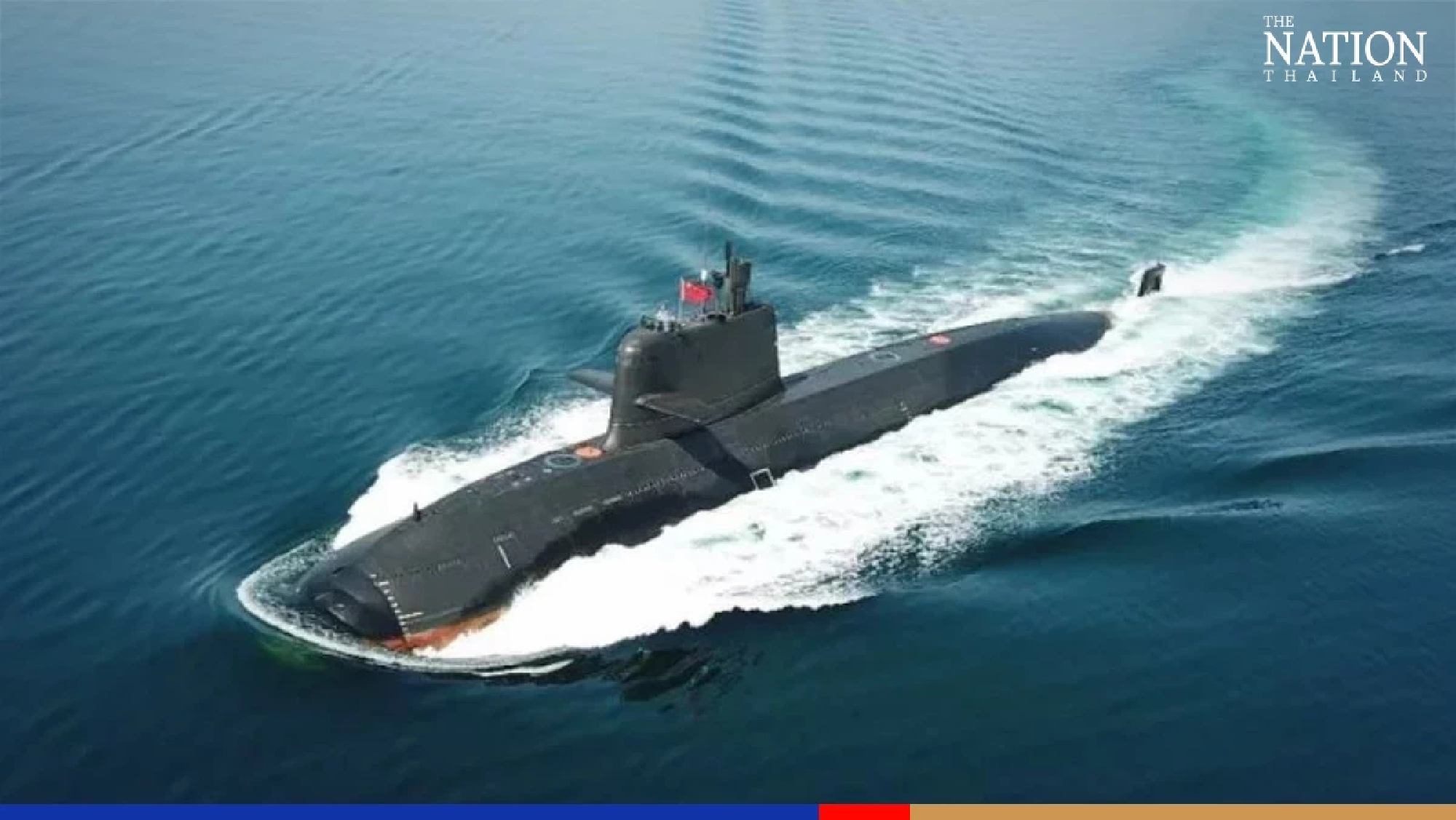

 Ya Tha Phra Sen — a herbal ointment for rubbing painful joints, knees and ankles or swollen veins.
 Asst Prof Dr Saowathan Phoklud, director of the institute, said the institute started in 1971 as the Thai Khadi Project for carrying out research into Thai society with the purpose of writing new textbooks. The project was upgraded in 1975 to an institute, which has the same status as a faculty.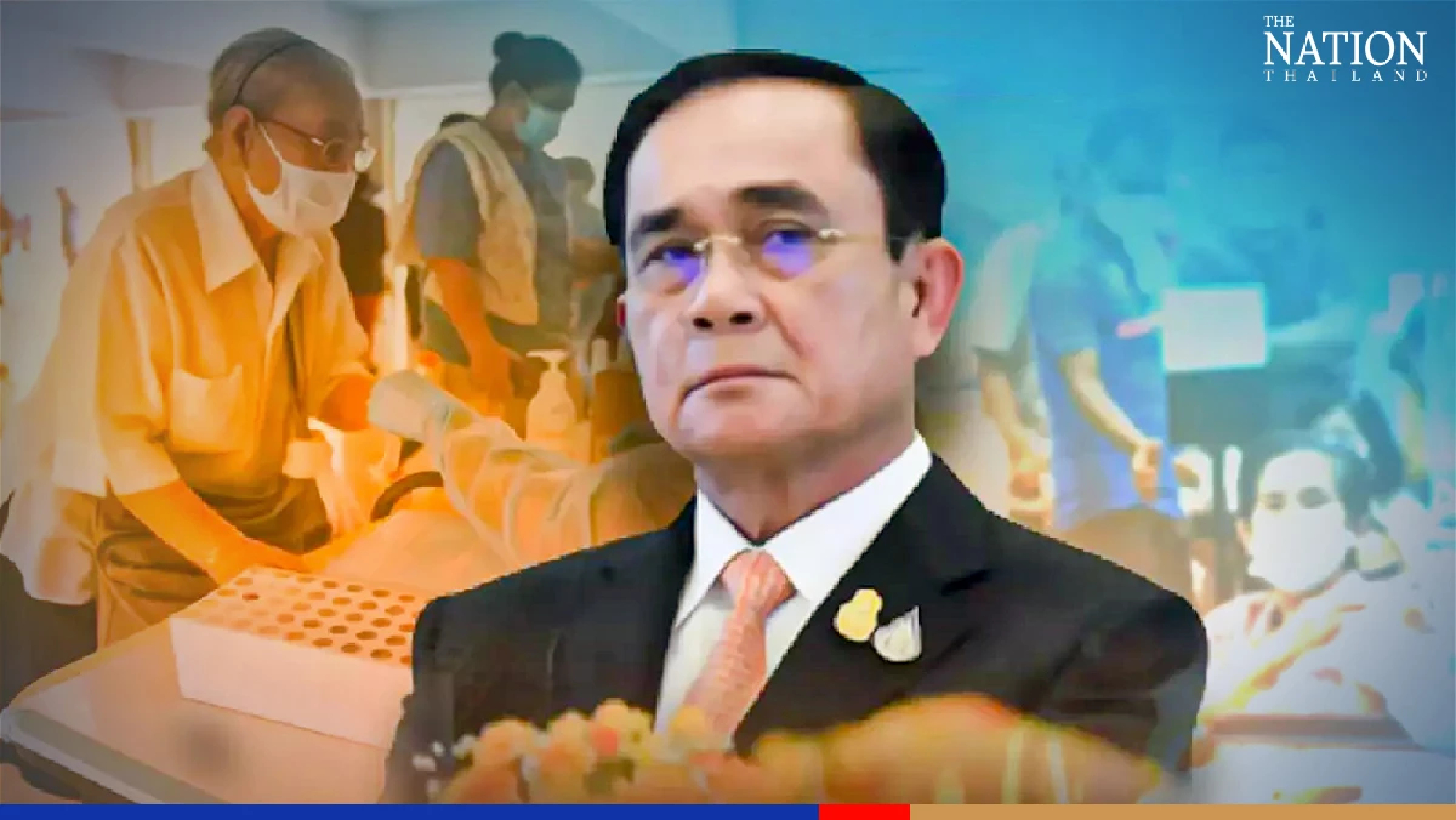
 Initially, the CCSA and Public Health Ministry had announced that Covid-19 patients who have mild or no symptoms can recover at home after receiving medicines. They said only patients with moderate and severe symptoms should be hospitalised.
