Nearly a million kilograms of allegedly illegally stored pork have been discovered at a warehouse in Nakhon Pathom province, the Department of Livestock Development said on Friday.
Of the total 1,047,600 kilograms found in the warehouse, the unnamed company could produce documents to show only 81,389kg had been legally transported and stored at this refrigerated storage, the department’s director-general, Sorrawis Thaneeto, said.
The company failed to produce certificates proving the legality of the stored pork, or any documents proving legal transport of the meat to this storage. He said the illegally stored pork would be confiscated. The alleged violator faces a heavy fine along with a possible three-year prison term.
Sorrawis said the wholesale price of pork had now gone down to an average rate of Bt100 per kilogram, while the retail price at malls had fallen to Bt166, and retail price at fresh markets was Bt198-Bt208.
Deputy Prime Minister Prawit Wongsuwan has ordered tight health and security measures for the Asia Pacific Economic Cooperation (Apec) forum in Pattaya from Tuesday.
Thailand will host its first meeting as 2022 Apec chair from February 8-27, inviting the region to plot the road to economic recovery from Covid-19.
Apec members constitute about 60 per cent of global GDP and will hold meetings in Thailand between February and May.
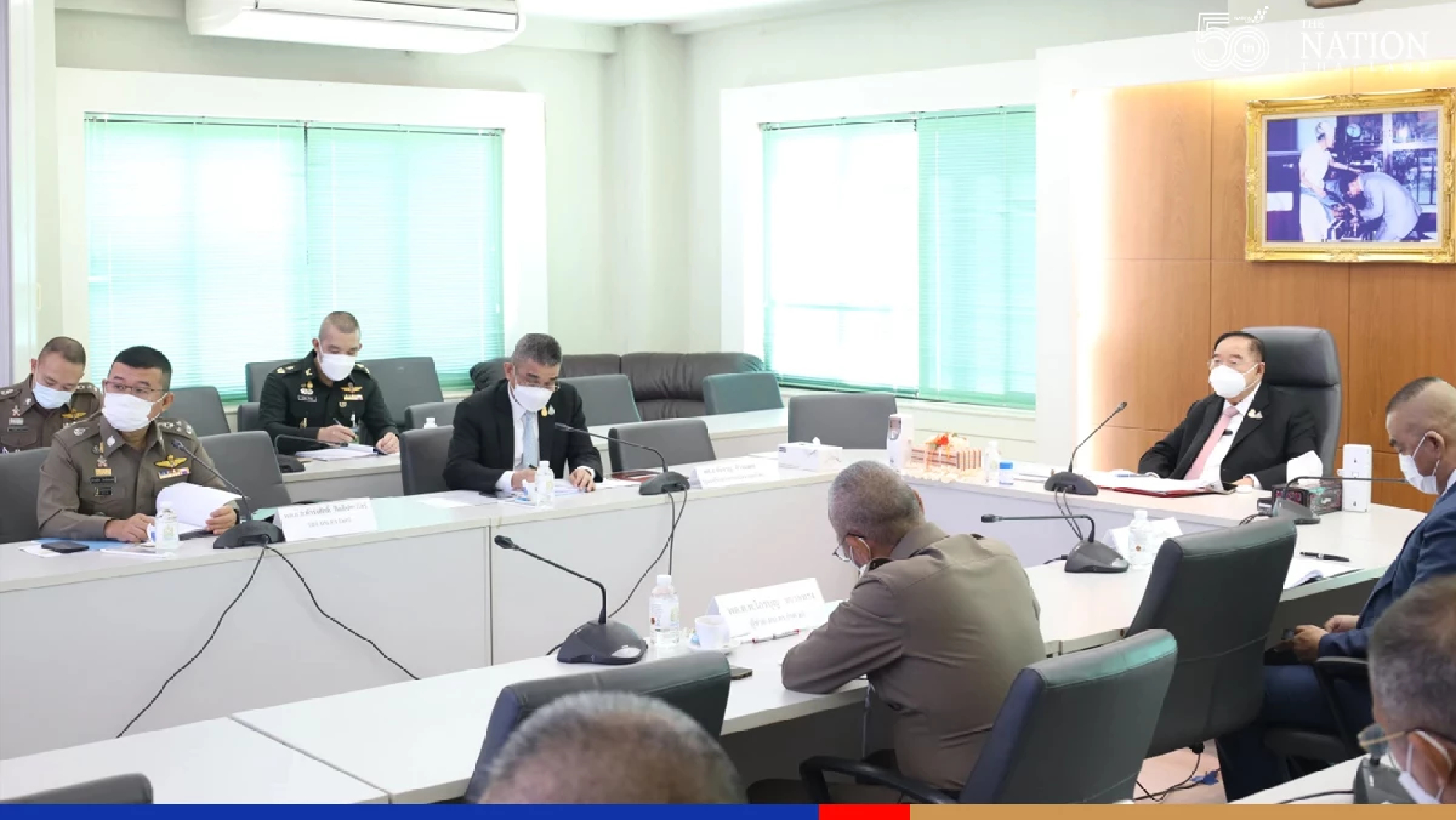
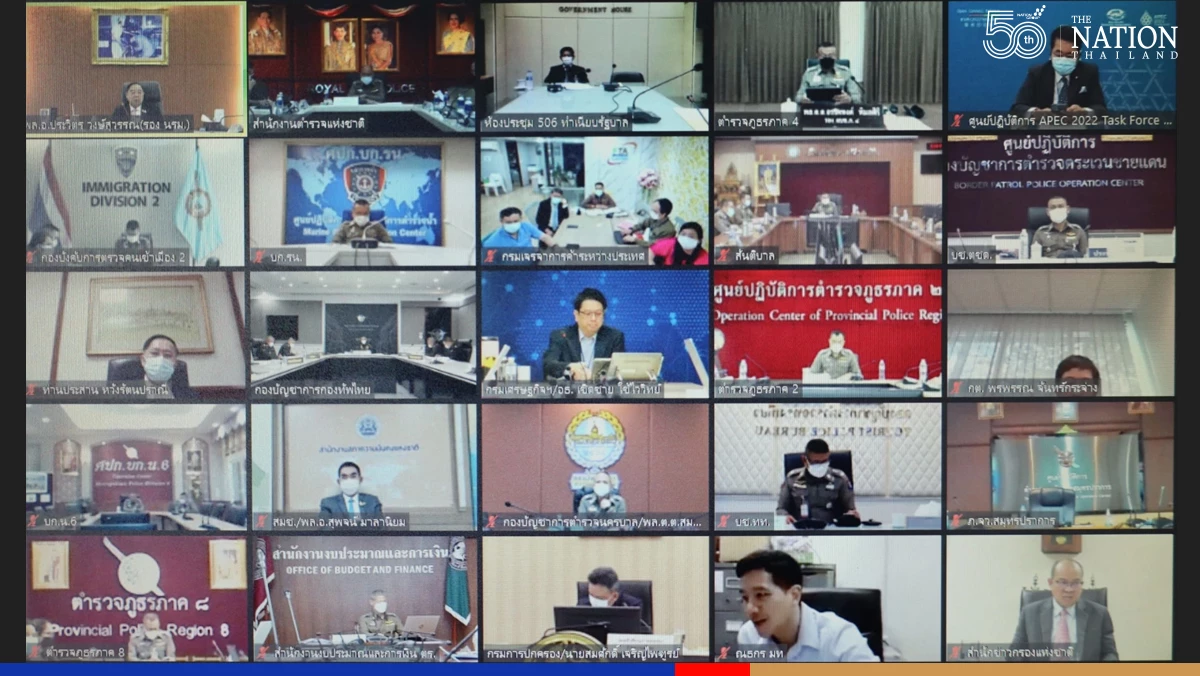
Defence Ministry spokesman General Kongcheep Tantravanich said Prawit held a video conference at the Five Provinces Bordering Forest Preservation Foundation in Bangkok on Friday to organise preparations for Apec forums.
He tasked the Army with counterterrorism security, the Public Health Ministry, Navy and Air Force with medical transportation, and the police with security and traffic plans.
Prawit emphasised that the forums were an opportunity for Thailand to build confidence with Apec members, which is crucial for the country’s recovery after the Covid-19 crisis.
Thailand took over the rotating chair of Apec from New Zealand on November 12, declaring the theme for Apec 2022 as “Open. Connect. Balance.”
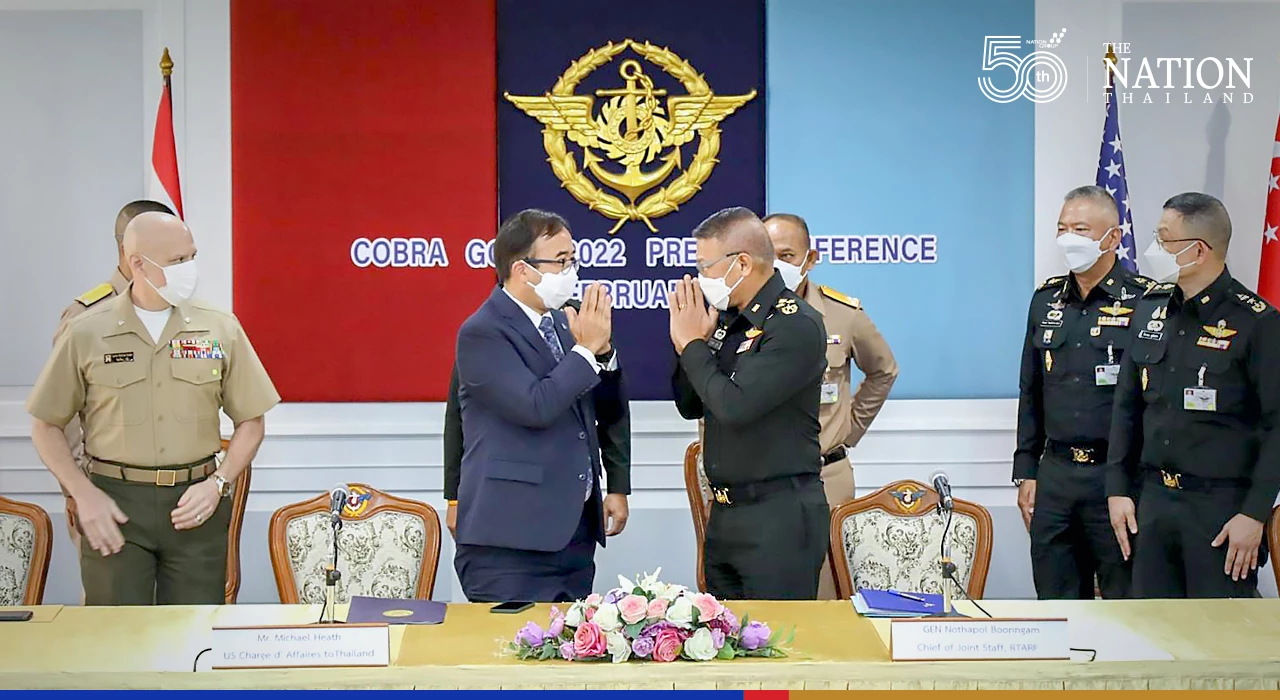
The Thai-US Cobra Gold military exercises are set to kick off later this month until early March, but this time it will be of limited scale with the 10 observing countries being excluded due to the Covid crisis.
The 41st Cobra Gold military exercises, which will run from February 20 to March 5 in Rayong’s Ban Chang district, is a “heavy year” drill, meaning equipment and hardware will be deployed at a larger scale than the event held last year.
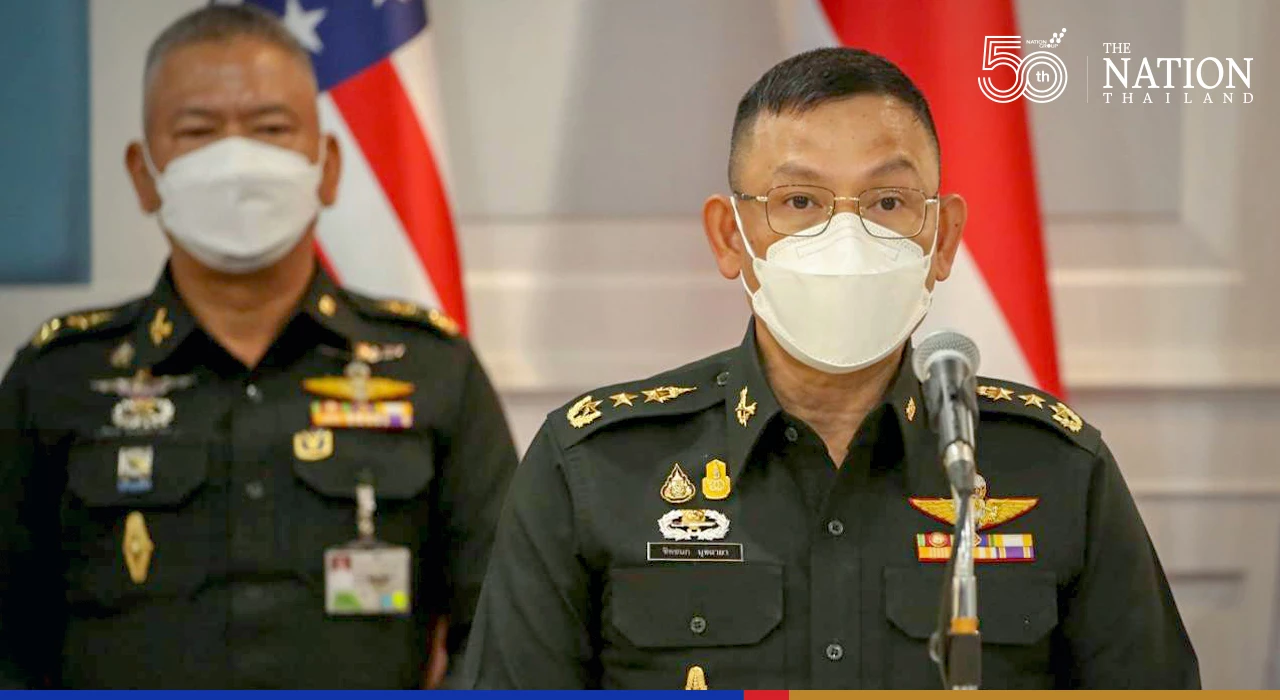
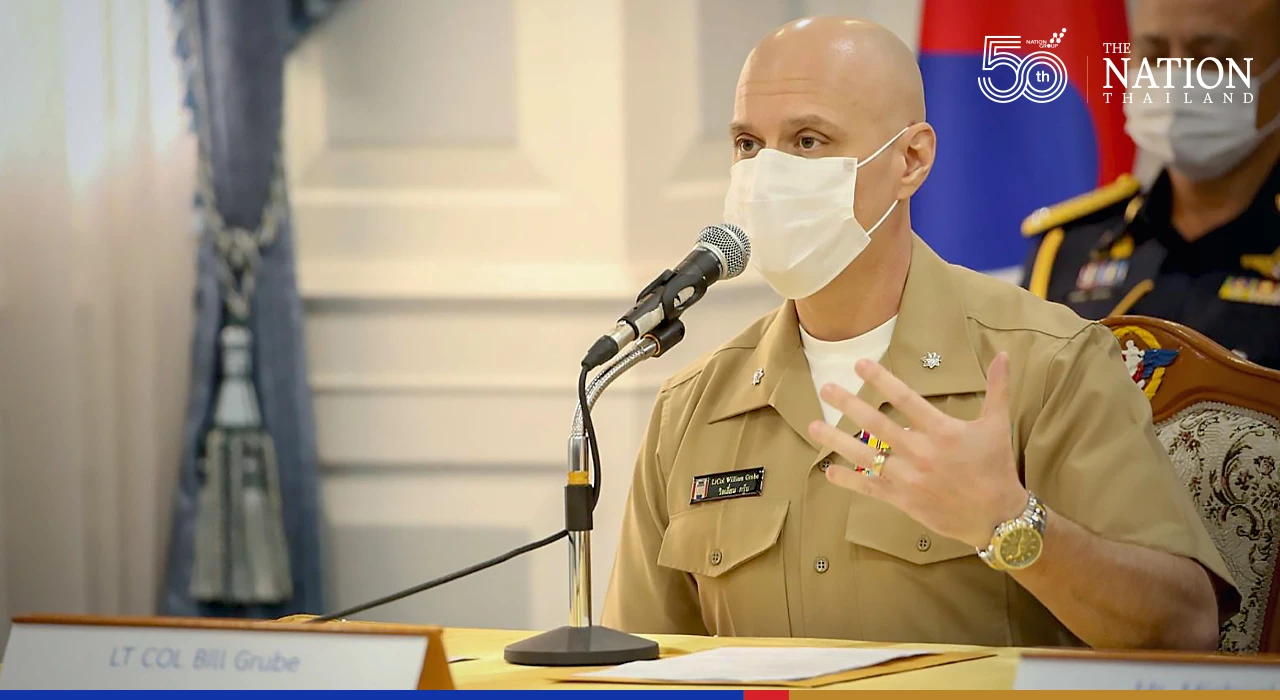
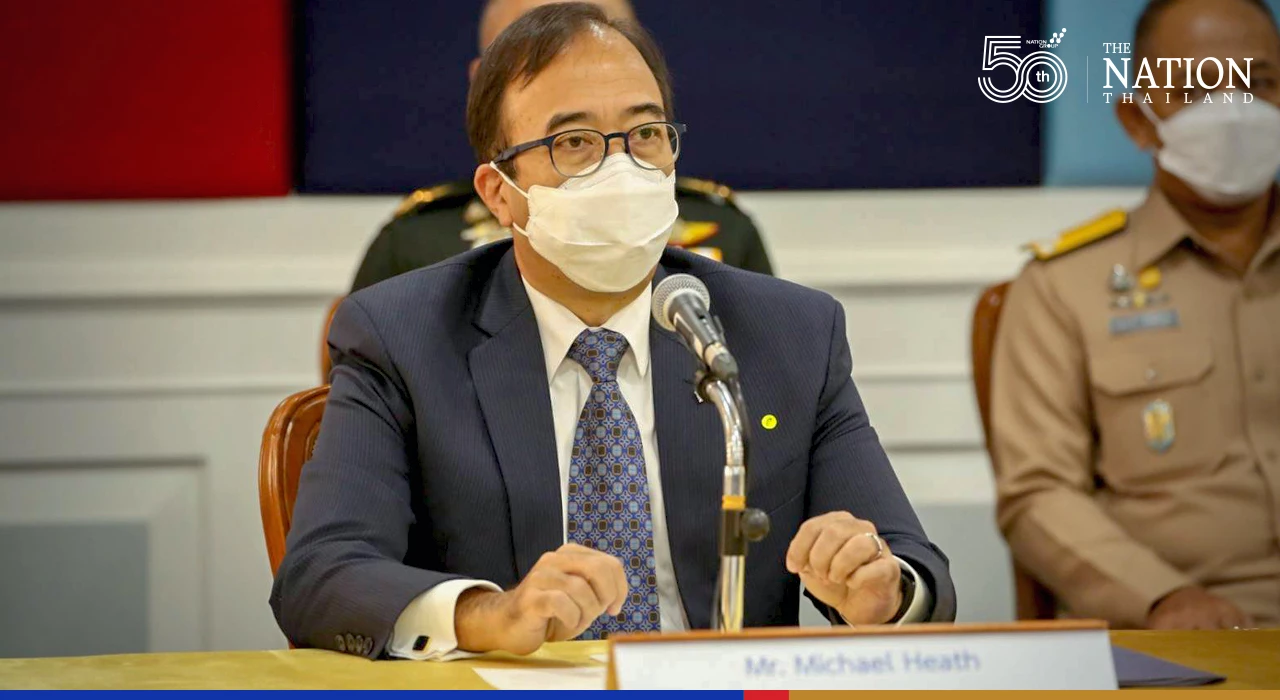
With the 10 observing countries being excluded, only 1,700 troops from the seven participating countries will be showing up, a top-brass said at a joint Thai-US press conference on Friday.
Upon arrival, the troops will be isolated for seven days and will undergo two RT-PCR tests. They will then proceed via “bubble and seal” measures and undergo ATK tests every five days during their stay in Thailand.
General Natthaphol Bunngarm, chief-of-staff with the Royal Thai Armed Forces, said amphibious landings, civilian evacuations and live-fire drills will be omitted from Cobra Gold this year, while units will be reduced to 500 in each operation.
However, all four areas of training will remain, with the one dubbed Command Post Exercise (CPX) will repeat and solving problems detected in last year’s event, he said.
Another side event on Humanitarian/Civic Assistance (HCA), which is also part of the four areas of training, began on January 28 and will wrap up on March 3. The activities involved include construction and repair work in five local schools in Rayong and four other provinces.
The Army expects to benefit from Cobra Gold on three levels: good public image on the global level, a boost in military efficiency at the national level, and strengthening of military ties with participating countries.
The exercises are also expected to result in the construction and repairing of local schools, boost revenue for local communities and spark new friendships between Thais and foreign troops.
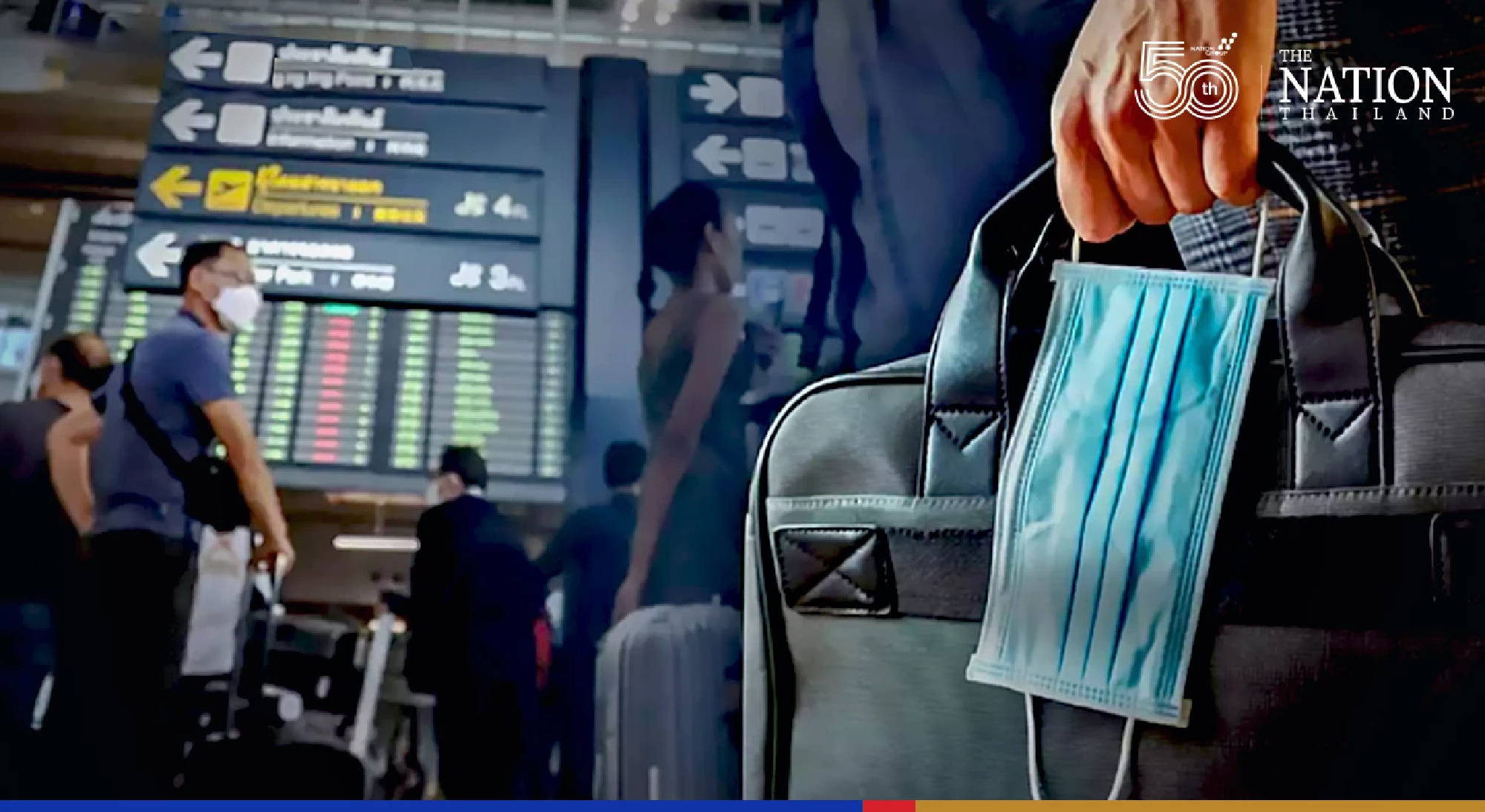
Suvarnabhumi Airport authorities on Friday warned passengers that exporting surgical masks out of the country without permission could lead to criminal prosecution.
Passengers can take no more than 30 pieces to be used outside the country or no more than 50 pieces if they have a medical certificate, the airport said.
Citing the Department of Internal Trade (DIT)’s order, the airport said passengers are barred from exporting surgical masks out of the Kingdom without the DIT secretary’s permission.
“Those who export surgical masks out of the Kingdom would face up to five years’ imprisonment or up to a 100,000 baht fine or both under Section 37 of Price of Goods and Services Act BE 2542 (1999),” the airport authorities said.
The authorities also advised passengers against discarding used surgical or fabric face masks in bins or putting them in a bag and dropping them in general bins, citing the Department of Health’s recommendation.
Thailand took delivery of 20 Chinese diesel-electric locomotives on Friday in the first move to replace its ageing fleet.
The first 20 locomotives among a batch of 50 ordered from Chinese manufacturer CRRC Qishuyan Ltd were shipped to Sriracha Train Yard in Chonburi and received by the State Railway of Thailand (SRT).
The new locomotives will replace old engines that have been in service for almost 50 years.
The locomotives were imported by SFR Consortium, which won the contract with a bid of 6.52 billion baht in August 2020. The remaining 30 locomotives along with spare parts must be delivered before February 2023, according to the contract.
“The new diesel-electric locomotives use German-made engines and have an axel load of 16 tonnes, one tonne higher than the diesel electric locomotives currently used in Thailand,” said SRT governor Nirut Maneephan on Friday. “This will help boost SRT’s efficiency in terms of train service quality, reliability and safety.”
Nirut added that the new locomotives have a maximum speed of 120 kilometres per hour while hauling passenger cars and 70kph for cargo. They come equipped with an ATP [Automatic Train Protection] brake system and CCTV cameras, have low emission rates and are compatible European Train Control System (ETCS) level 1.
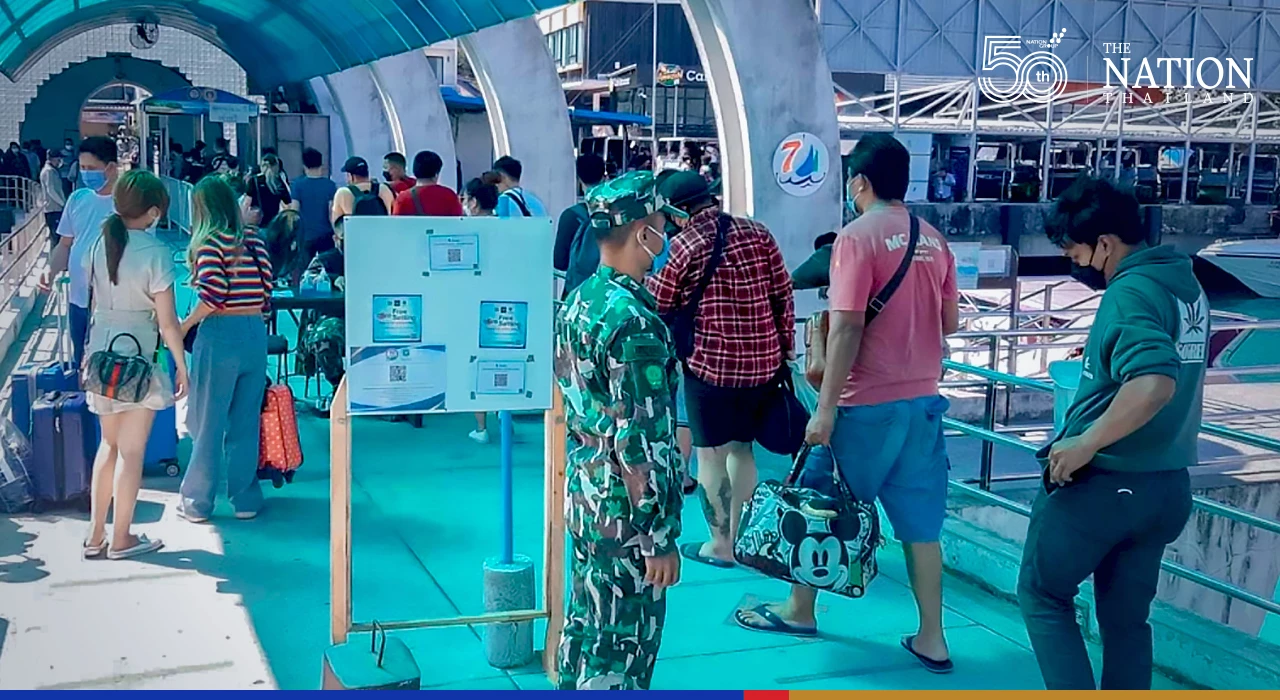
More than 60,000 people have registered for Thailand Pass to enter the country under the “Test & Go” scheme since registrations reopened on Tuesday.
“This suggests that the demand for Thailand is still high despite the criteria of the Test & Go scheme being adjusted to suit the changing situation,” Tourism Authority of Thailand (TAT) governor Yuthasak Supasorn said on Thursday.
“However, the number of people who actually enter Thailand this month is likely to be 20 to 30 per cent of Thailand Pass registrants, as they have up to 60 days after approval to enter the country.”
The Test & Go scheme was suspended in late December to curb the spread of Omicron and was reopened this month after some adjustments.
Under the new Test & Go scheme, travellers are required to book and pay for accommodation and RT-PCR tests on their first and fifth days in Thailand. Previously, travellers arriving under Test & Go were only required to spend one night in hotel and pay for one RT-PCR test.
Foreign travellers are also required to have insurance with a coverage of no less than US$50,000. If the insurance does not cover the cost of isolation after the traveller is infected or is at high risk of infection, then the traveller must cover the cost of isolation themselves.
Yuthasak added that the highest number of Thailand Pass registrations came from Russia, Germany, France and the United Kingdom. “We are seeing fewer travellers from Asian countries as many of these countries are still employing mandatory quarantine rules for returnees from countries that have an ongoing outbreak of Omicron variant, including Thailand,” he added.
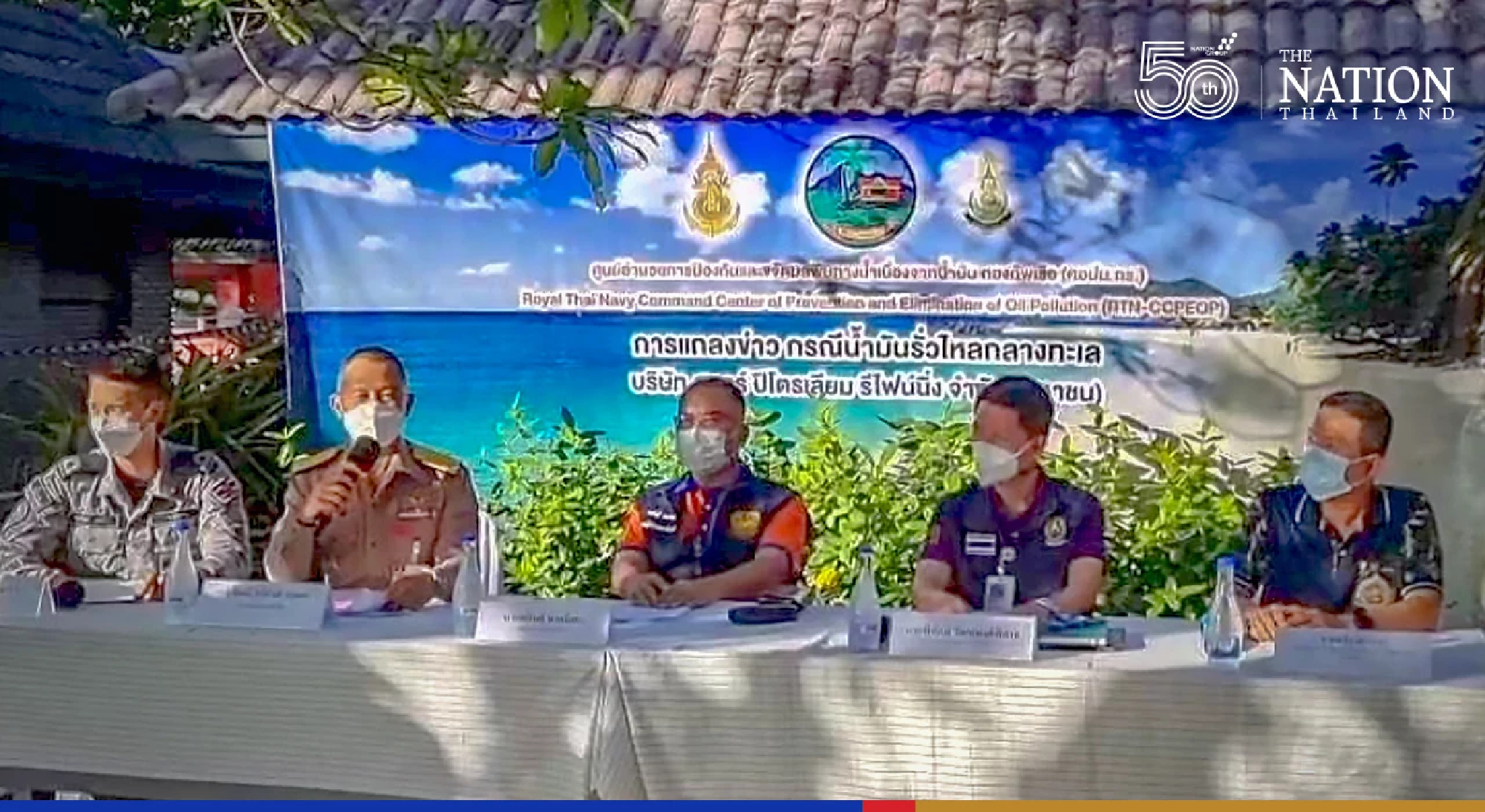
The emergency operations centre said on Thursday that it will reduce the emergency level of the Rayong oil spill now that the damage has been brought under control.
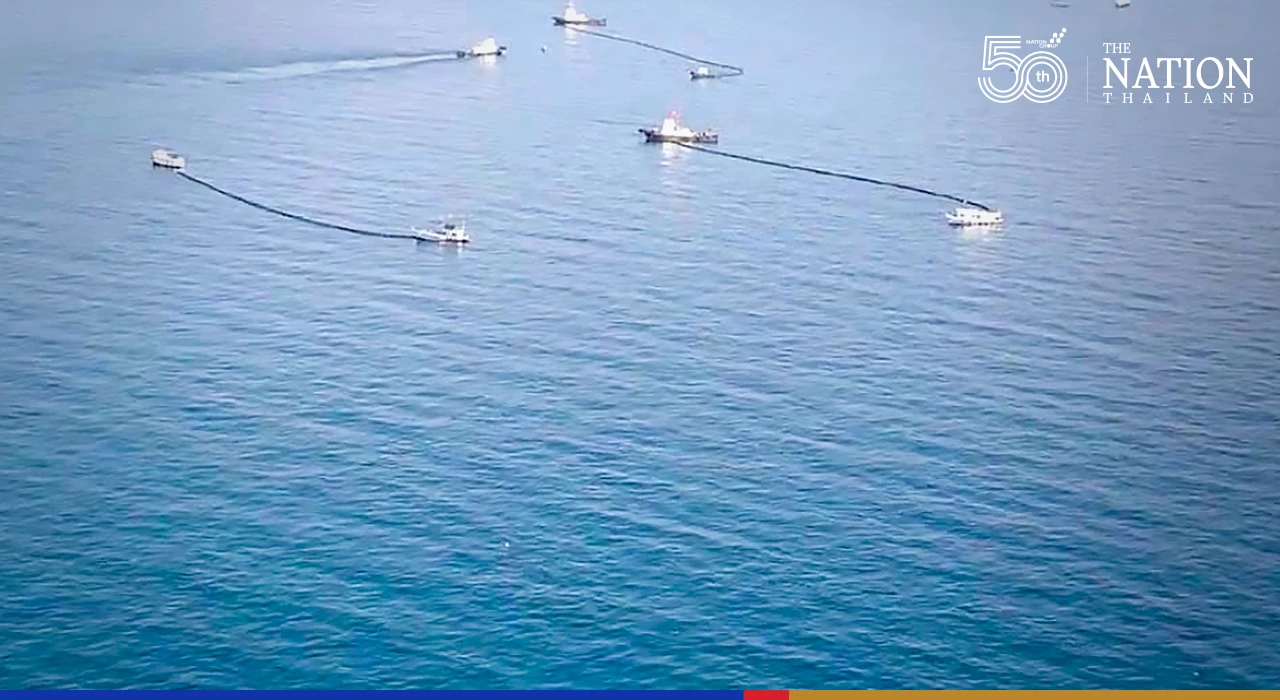
Moves to disperse the spill were kicked off immediately after an underwater pipeline owned by Star Petroleum Refining (SPRC) sprung a leak at 10.10pm on January 25, some 20km off Map Ta Phut Industrial Port.
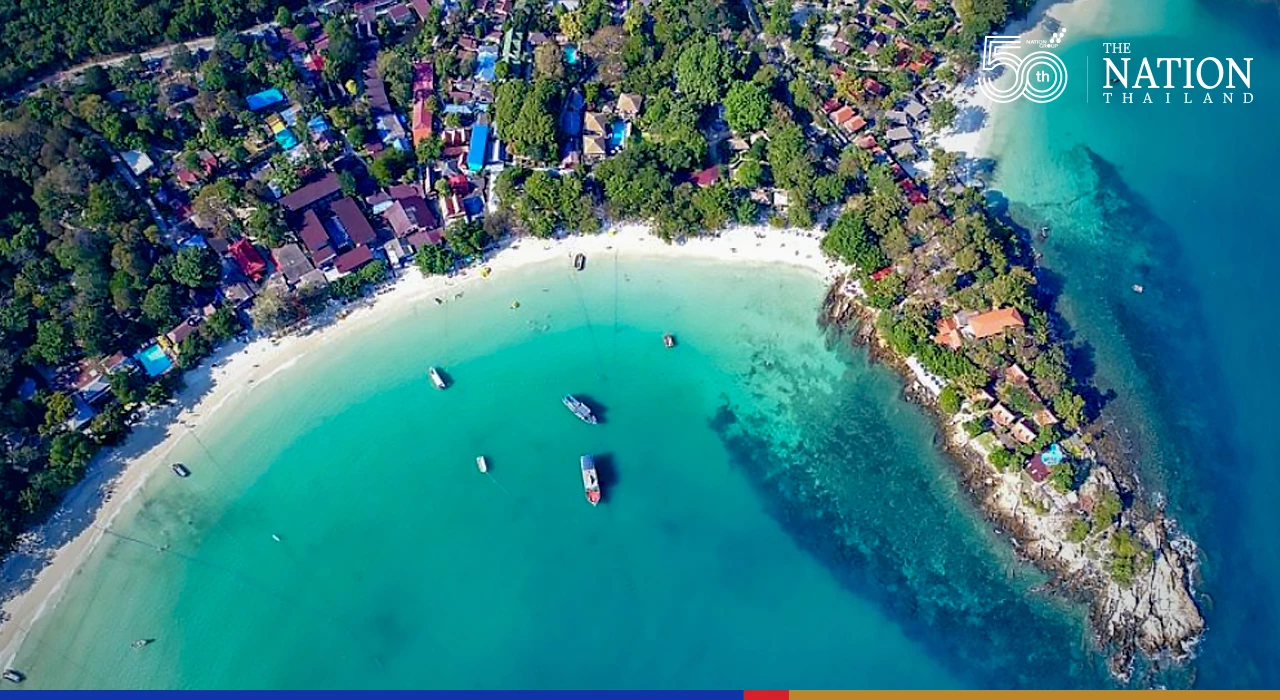
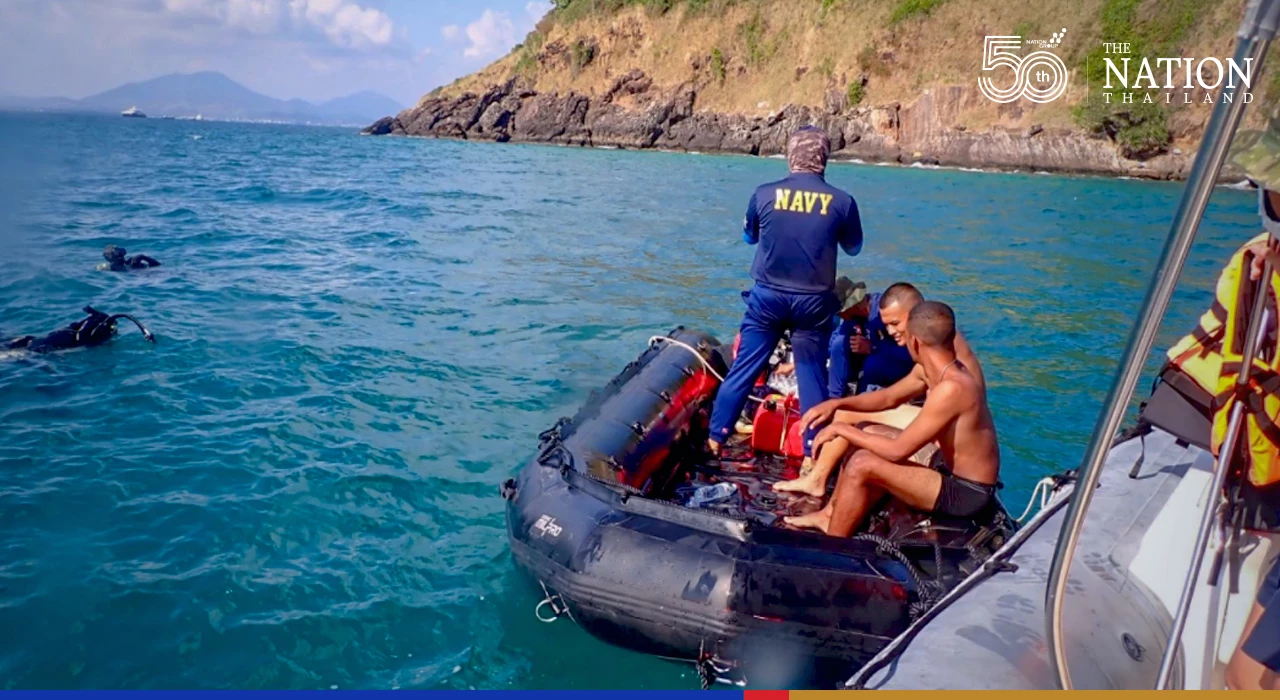
Royal Thai Navy spokesman, Rear Admiral Apichart Worapamon, said aerial images taken by Geo-Informatics and Space Technology Development Agency (GISTDA) showed that the oil slick running from Mae Ram Phueng Beach, Khao Laem Ya-Mu Ko Samet National Park and Koh Samet Island had been dispersed.
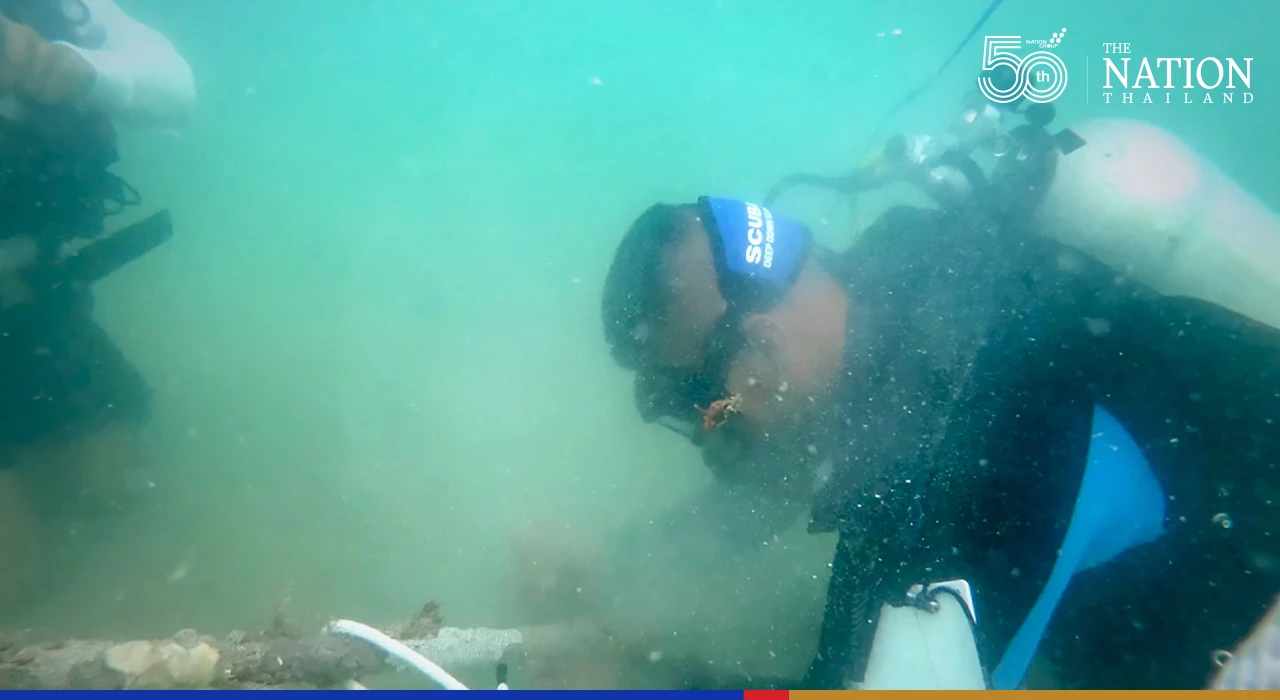
He said no traces of oil were found on the coral reefs in Ao Phrao Bay, and that water in 14 areas meets the standard and there is no oil contamination.
Khao Laem Ya-Mu Ko Samet National Park chief Thawat Jenkarn said no abnormalities were spotted on coral reefs or marine life in the national park area. He added that more diving operations will be held to ensure marine life is not affected.
Marine Department’s Marine Safety and Environment Bureau director Pitak Wattanapongpisan added that the department will monitor the situation closely to tackle emerging issues.
Rayong deputy governor Anan Nakniyom said people can file complaints at grievance checkpoints until February 11, as well as via the Rayong Provincial Government Centre and 14 Local Administrative Organisations in the area.
Separately, Conservation Area Administration Office 2 (Sri Racha) director Satit Pinkul said tourists can visit Khao Laem Ya-Mu Ko Samet National Park under Covid-19 prevention measures as usual.
The Labour Ministry is drafting a memorandum of understanding (MoU) to resume sending Thai workers to Saudi Arabia for the first time in more than 30 years.
“The Saudi deputy labour minister will visit Thailand this month to check out the career development centres under the Department of Skill Development and the Manufacturing Automation and Robotics Academy [MARA],” Labour Minister Suchart Chomklin said on Thursday. “We plan to discuss this MoU and explore the cost of living and benefits for Thai workers in Saudi Arabia, among other labour-related issues.
“The ministry expects the MoU to be ready in two months, with the first lot of Thai workers under this memorandum arriving in Saudi Arabia within six months,” he said.
Saudi Arabia lowered its diplomatic ties with Thailand, which were established in 1957, after the theft of around US$20 million worth of jewels by a Thai janitor in 1989. This sparked a long-standing row that became known as the “Blue Diamond Affair”.
Bilateral ties resumed earlier this year after Prime Minister Prayut Chan-o-cha visited Saudi Arabia on January 25-26 as a guest of Crown Prince Mohammad bin Salman, during which both leaders discussed future relations and cooperation.
“Saudi Arabia requires more than 8 million workers for its construction projects, especially high-skilled groups like engineers and architects, and medium-skilled groups like foremen, metal workers, plasterers, welders, painters and drivers,” Suchart added.
“Some 30 years ago, Thailand used to send approximately 300,000 blue-collar workers to Saudi Arabia thanks to high compensation rates. Over the years, as technology has advanced, the skills of our workers have been upgraded accordingly,” he said.
Last year, only 56 Thais went to Saudi Arabia for jobs, he said, adding that most had been taken there directly by employers to work as technicians, mechanics, welders, cooks and maids. Thai workers, meanwhile, are popular in other Middle East countries, with Israel hiring up to 20,044 Thai workers last year, followed by 931 in the United Arab Emirates, 240 in Qatar, 239 in Bahrain and 194 in Kuwait.
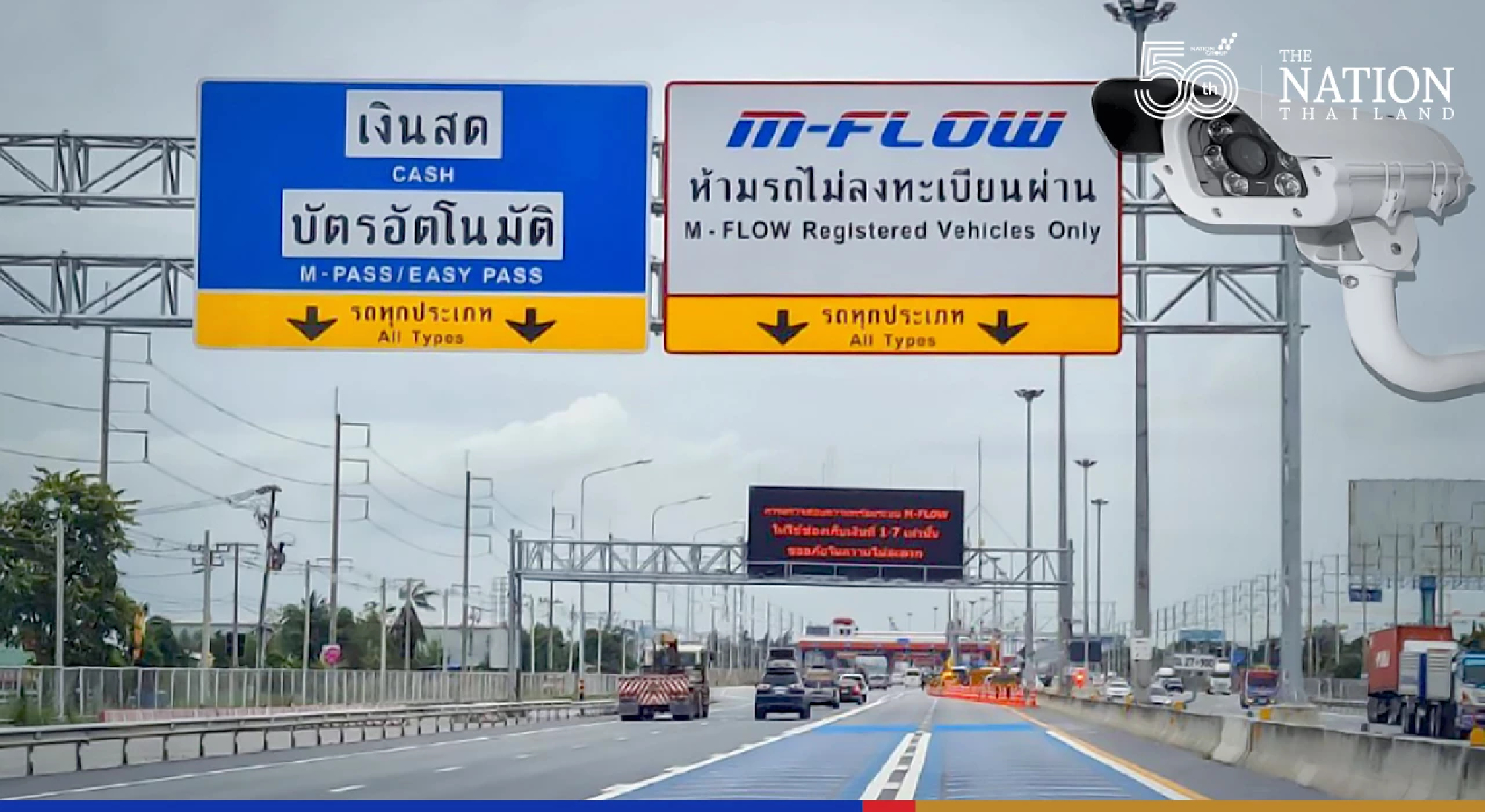
Bangkok motorists are being urged to register for M-FLOW, an automatic toll fee collection system, which will do away with toll barriers, allowing a continuous flow of traffic.
The system will be launched on February 15 on Motorway No 9 or Kanchanaphisek Ring Road (Bang Pa-in – Bang Phli) covering four checkpoints, name Thap Chang 1 and 2 and Thanyaburi 1 and 2.
“Using a video tolling system enabled by AI technology, M-FLOW can accurately detect the licence plates of passing vehicles and register the toll,” the Department of Highways said in a Facebook post on Thursday.
“Motorists can speed past toll booths at a maximum speed of 120 km/hour, and this will facilitate a traffic flow of up to 2,500 vehicles per hour. M-FLOW is about five times faster than the current toll booth system and is compatible with four-wheeled and larger vehicles,” it added.
Motorists can pay their toll via credit cards, bank transfers, M-Pass/Easy Pass account, online banking, ATMs, banks or counter services.
Visit https://mflowthai.com/mflow or download the M-FLOW mobile application and follow the instructions to register.
Applicants are required to provide a valid mobile phone number, ID card, vehicle registration document, and a photograph of the front of the vehicle. If the registrant is not the vehicle owner, then a proxy letter from the owner is required.
The Department of Highways and the Expressway Authority of Thailand (EXAT) have been doing a test run of the system on parts of Motorway No 9 since late last year and plan to expand it to other expressways and intercity highways soon.
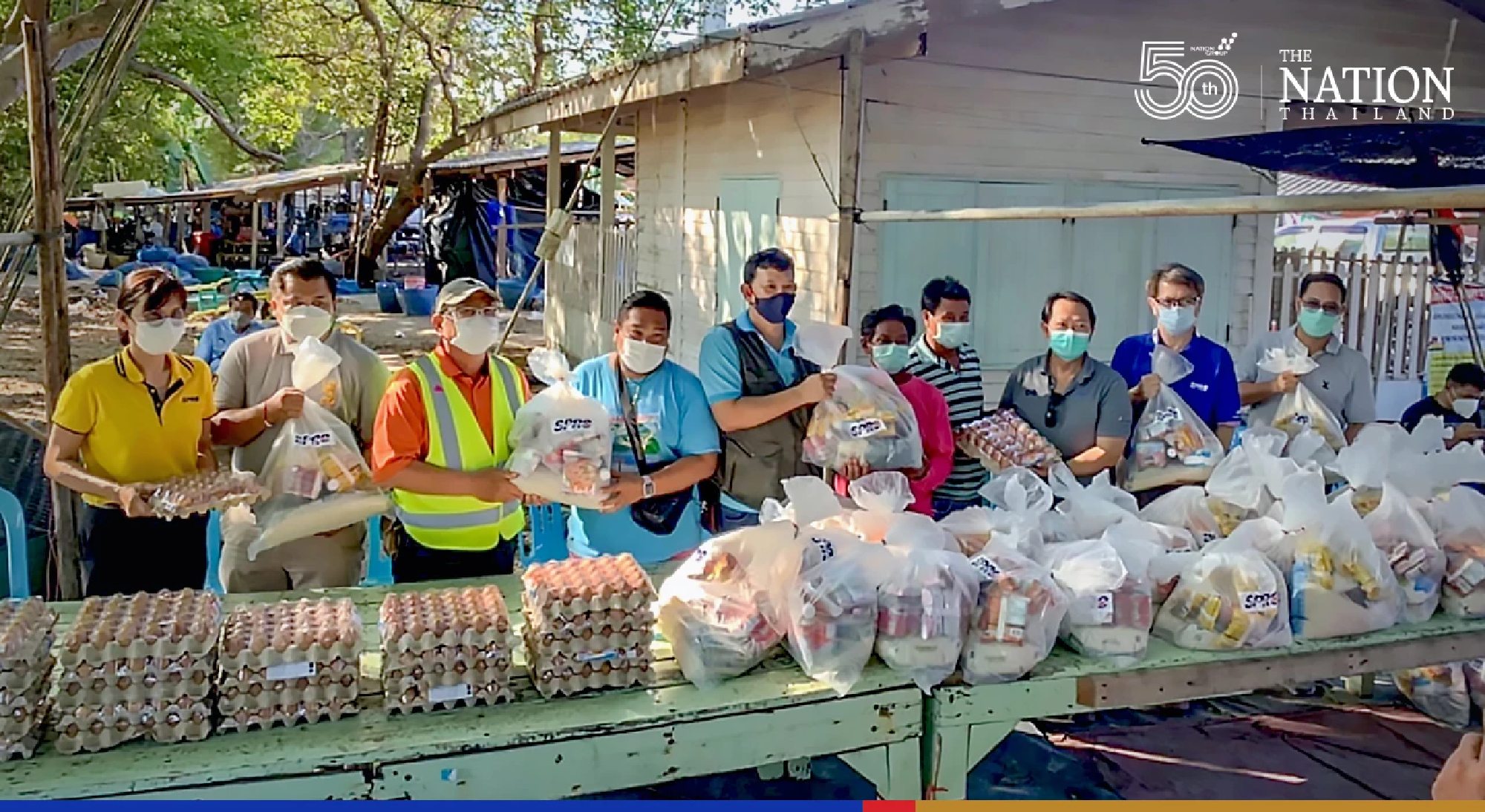
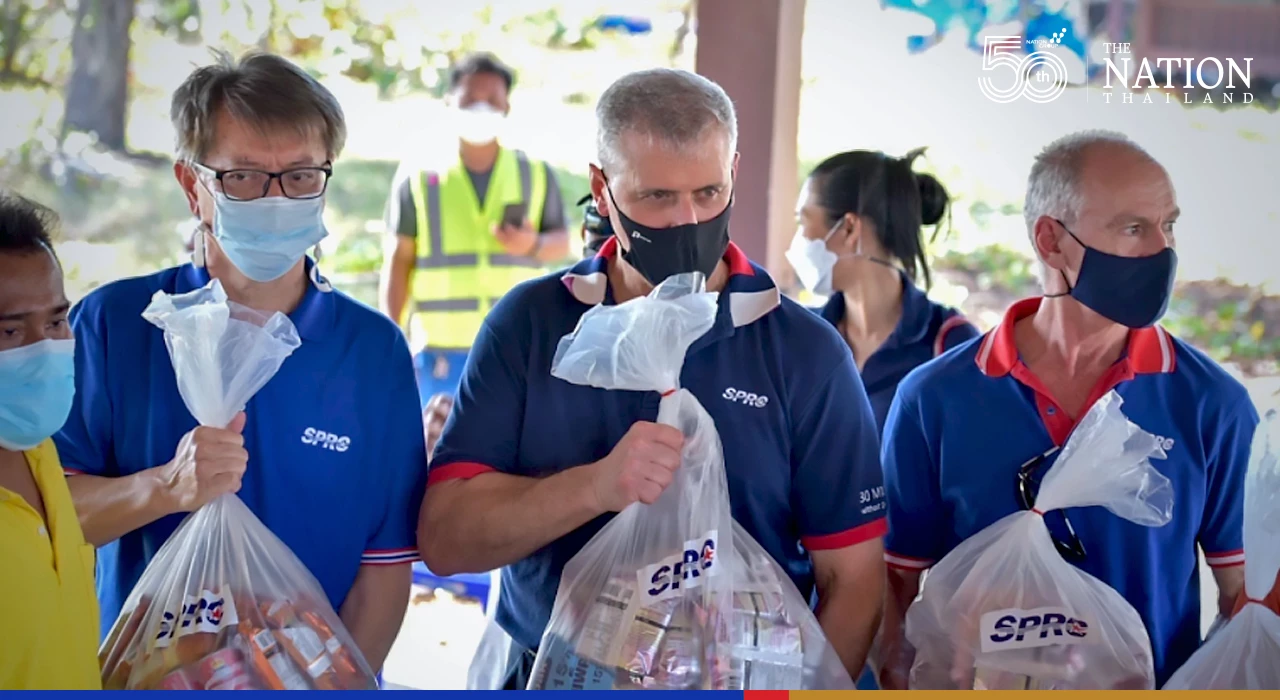
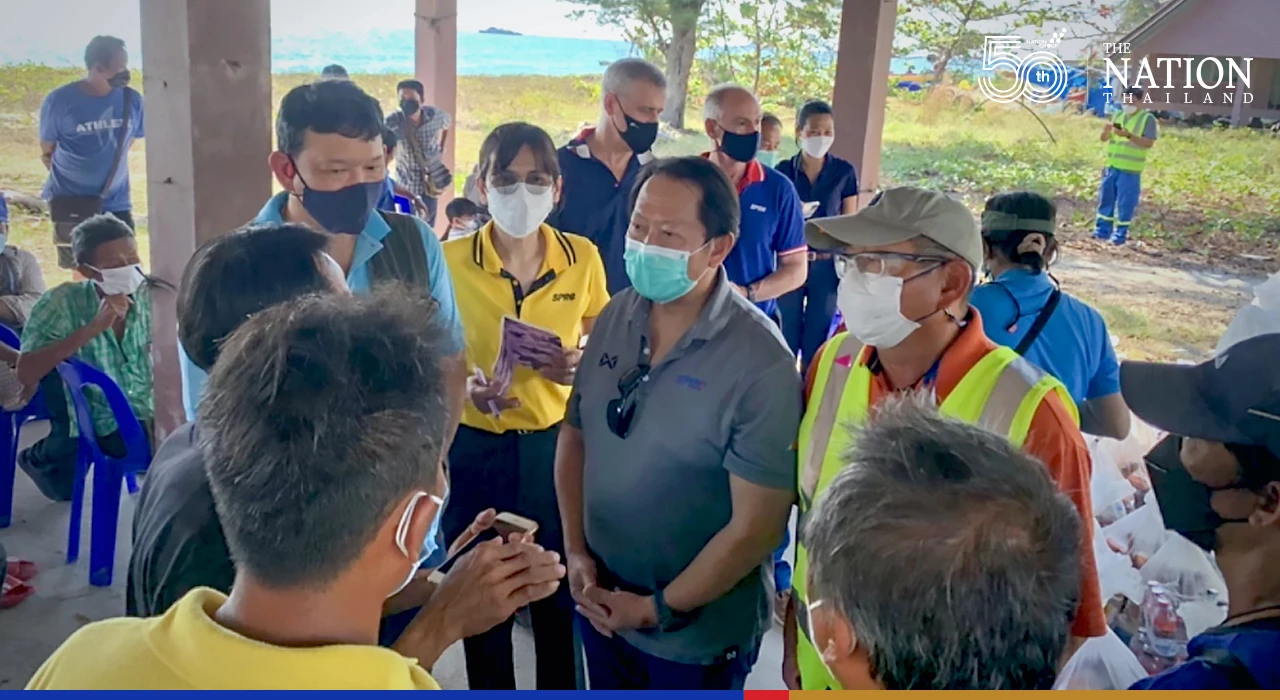
Star Petroleum Refining Pcl (SPRC) on Thursday handed out 500 care packages to fishermen in Rayong who were affected by the oil leak late last month. This was part of its efforts to compensate affected local communities.
SPRC’s underwater pipeline at the single-point mooring (SPM) area about 20km southeast of Map Ta Phut Industrial Port sprung a leak on January 25, releasing some 160,000 litres of oil into the sea before it could be plugged. On January 29, Rayong’s Mae Ram Phueng Beach was declared a disaster zone after the oil washed ashore. Satellite images showed the slick had spread across 47 square kilometres of the Gulf of Thailand.
Since the incident, SPRC and relevant agencies including the Royal Thai Navy’s Marine Pollution Prevention and Mitigation Centre, the Industrial Estate Authority of Thailand, the Marine Department, and Rayong locals have been working round the clock to clean up using absorbent sheets and chemical dispersants.
In an announcement on Thursday, SPRC said that apart from handing out care packages, it has also sent a team to study the progress in the elimination of the oil slick, as well as find out what problems local communities may have.
“The company has tied up with Rayong authorities to set up a complaint centre at Ban Sabai Sabai Resort. The centre is open daily from 9am to 3.30pm. People can also file complaints via the 1567 hotline,” the announcement said.
“So far the company has used 10 boats to deploy boom around the oil slick to stop it from floating toward the shoreline and has deployed some drones and a helicopter to monitor the slick’s movement in real-time so we can adjust the boom’s direction accordingly,” the announcement added. “More than 350 SPRC staff and volunteers have been patrolling the beaches daily to pick up trash and remove equipment used in the clean-up operation.”