Bang Sue to close walk-in jab service from Saturday – except for pregnant women
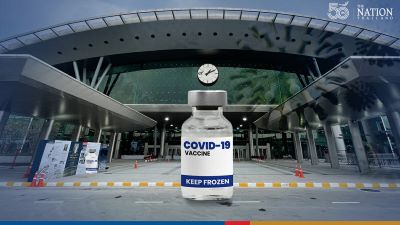
The walk-in service at Bang Sue Central Vaccination Centre will close from Saturday, except for pregnant women.
Bangkok’s main vaccination hub opened registration for AstraZeneca jabs via mobile operators on Thursday, but all available appointments were quickly snapped up.
The cancellation of walk-ins came after crowding at Bang Sue sparked fears of a Covid-19 outbreak.
Mingkwan Wichaidit, director of Bang Sue Vaccination Centre, said Bangkokians should seek out jabs closer to home.
“The Bangkok Metropolitan Administration has opened more than 20 vaccination sites, so we want people to get the best service near their homes,” Mingkwan said.
Meanwhile, staff at Bang Sue Centre are trying to reduce crowding by working faster and urging people not to arrive before the centre opens. But changing people’s behaviour has proved difficult, Mingwai admitted. For example, on Wednesday staff began working early at 6am but found queues had already built up outside. Staff then organised social distancing in the queues until the vaccination service opened at 9am.
On Thursday, appointments for 10,000 people aged 18-59 and 10,000 vulnerable people were quickly booked up via the websites of Dtac, True, AIS and National Telecom.
Bang Sue ‘sting’ identifies scammer selling jab appointments
Health officials will file a police complaint against an employee of a mobile operator who allegedly sold appointments for free jabs at Bang Sue Central Vaccination Centre.
The suspect was identified after the Bang Sue Centre reported an usual rush of appointments being made just after the centre closed, Department of Medical Services Somsak Ankasil said on Thursday.
Health officials then contacted AIS, True, Dtac, and NT – the four big mobile providing the booking service – to identify people who had bought jab appointments, Somsak explained.
“On July 28, about 100 of these people showed up at the centre. We let them in but then cancelled their appointments immediately so they would come forward and complain. We then asked them who they had contacted for the appointments. They said their contact was an employee in the mobile phone company.”
The department and the Bang Sue centre’s director have passed the information to railway police and asked them to file charges against the suspect.
Meanwhile, railway police are investigating seven volunteers at the centre who are suspected of facilitating the same scam, in which appointments were reportedly sold for 400-1,200 baht.
Somsak said another suspect is still being traced. He warned that if any medics were found to be involved in the scam, there would be serious criminal and ethical consequences.
Prime Minister Prayut Chan-o-cha will preside over a virtual soft opening ceremony of the State Railway of Thailand (SRT) Red Line from Bangkok’s Bang Sue Grand Station on Monday, August 2.
The first Dark Red Line service will leave Bang Sue for Rangsit at 6am on Monday. The Light Red Line Bang Sue-Taling Chan service will launch at the same time.
Transport Minister Saksayam Chidchob said the service will be free of charge for the first three months before fares come into operation from November.
Keng maak! Australian Embassy shows off Thai language skills
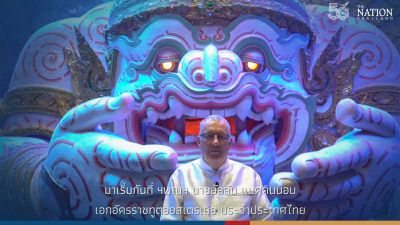
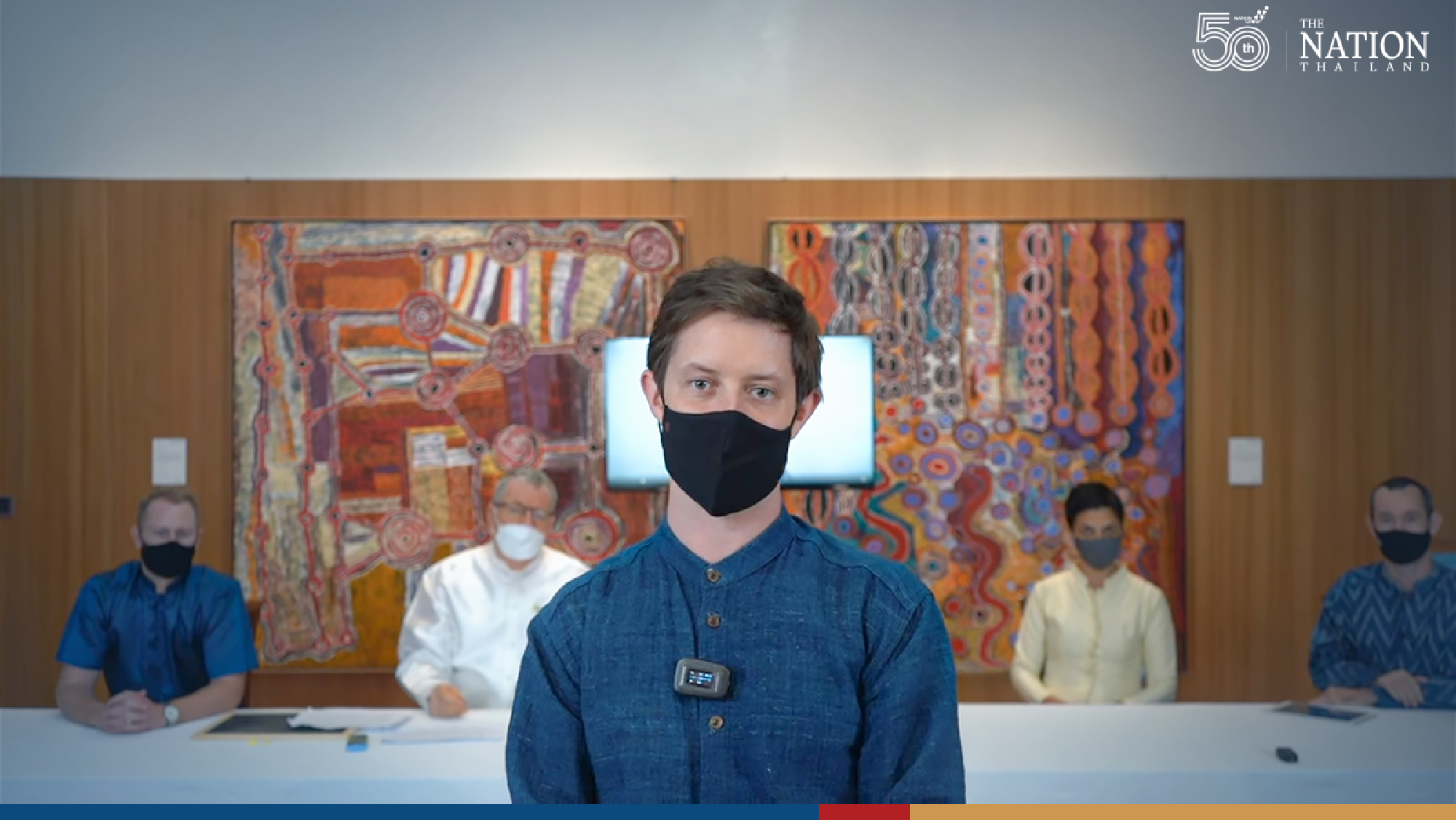
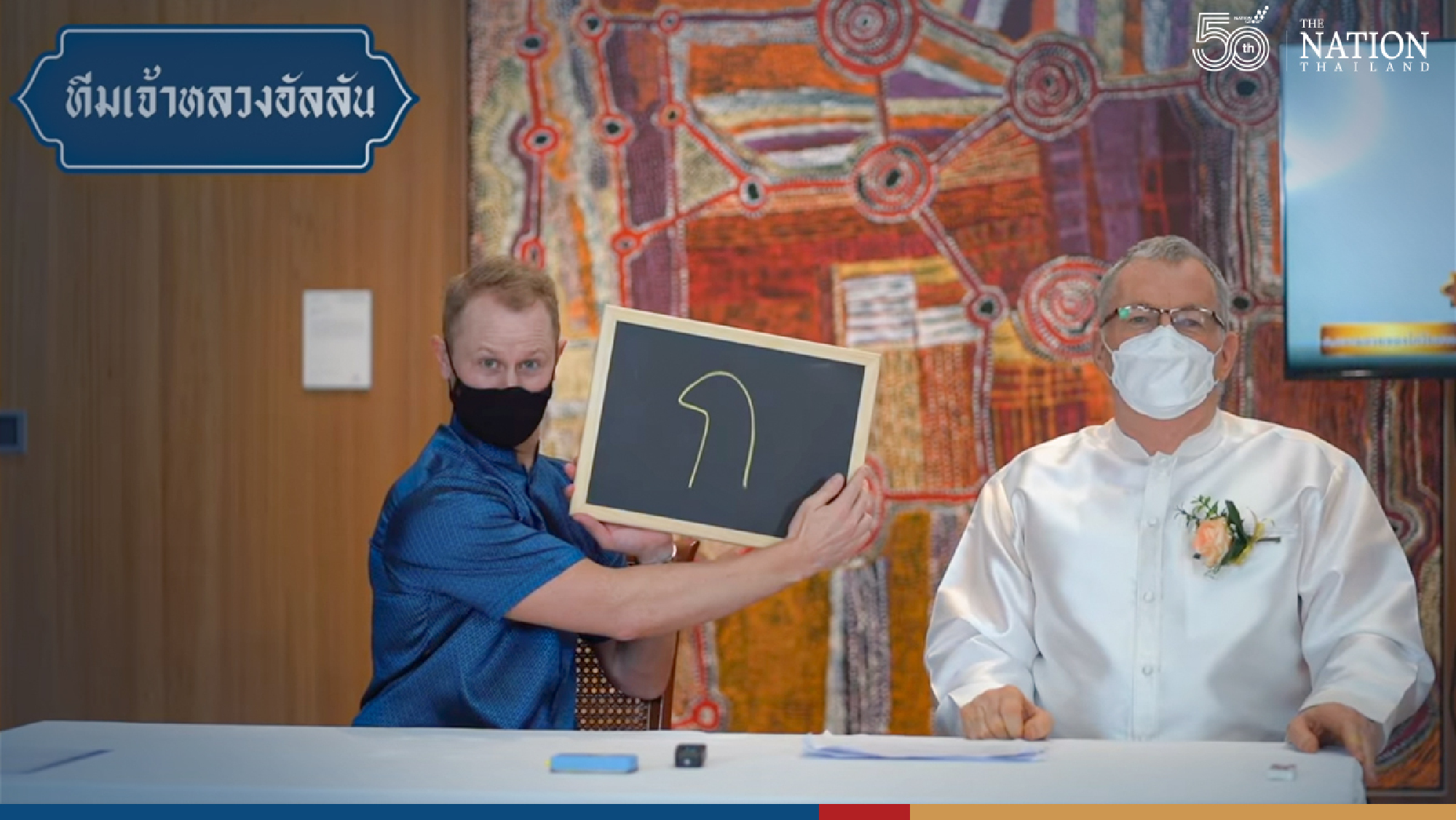
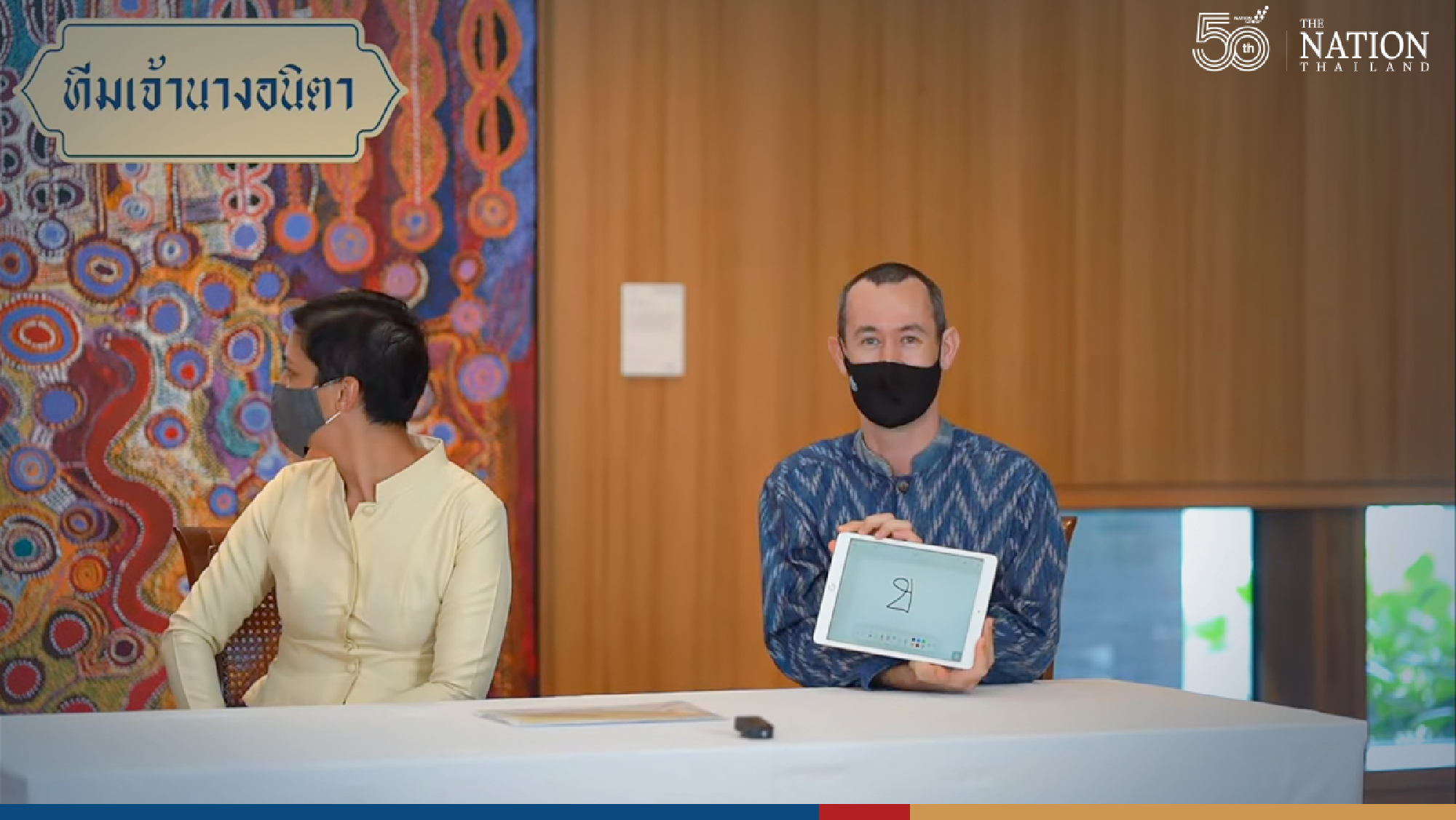
Staff at the Australian Embassy in Thailand celebrated National Thai Language Day on Thursday with a quiz on Thai slang words.
The diplomats’ knowledge of “street Thai” was tested by famous Thai social media personality VEEN.
The clip posted on the Embassy’s Facebook page shows four Aussie diplomats dressed in traditional Thai shirts and divided into two teams. After several minutes of tense competition, victory went to the team led by Ambassador Allan McKinnon. Keng maak! Australian Embassy shows off Thai language skills
Keng maak! Australian Embassy shows off Thai language skills The ambassador concluded by emphasising the importance of using the right language in the right situation. He added that all Australian Embassy staff in Thailand are eager to learn about the Thai language and Thailand’s beautiful culture. Keng maak! Australian Embassy shows off Thai language skillsKeng maak! Australian Embassy shows off Thai language skills
The Prawet intersection on Onnut Road in Bangkok became a bit of a battlefield on Wednesday evening when a pick-up truck that had been chasing a sedan squeezed it to the kerb. The pick-up driver and passenger then came out and began attacking the sedan. Drivers of both vehicles have been called in for police interrogation.
Abattle was brewing in the middle of Bangkok evening rush hour on Wednesday, with a pick-up truck chasing a sedan and eventually pushing it to the kerb. The driver and passenger in the pick-up truck were seen carrying weapons.
Once the sedan was jammed against the road barrier, two men jumped out of the pick-up. One climbed onto the roof of the sedan and began smashing the window with a long knife, while another began hitting it with a piece of wood.
The reason behind the battle is still unknown and police have taken both drivers in for interrogation.
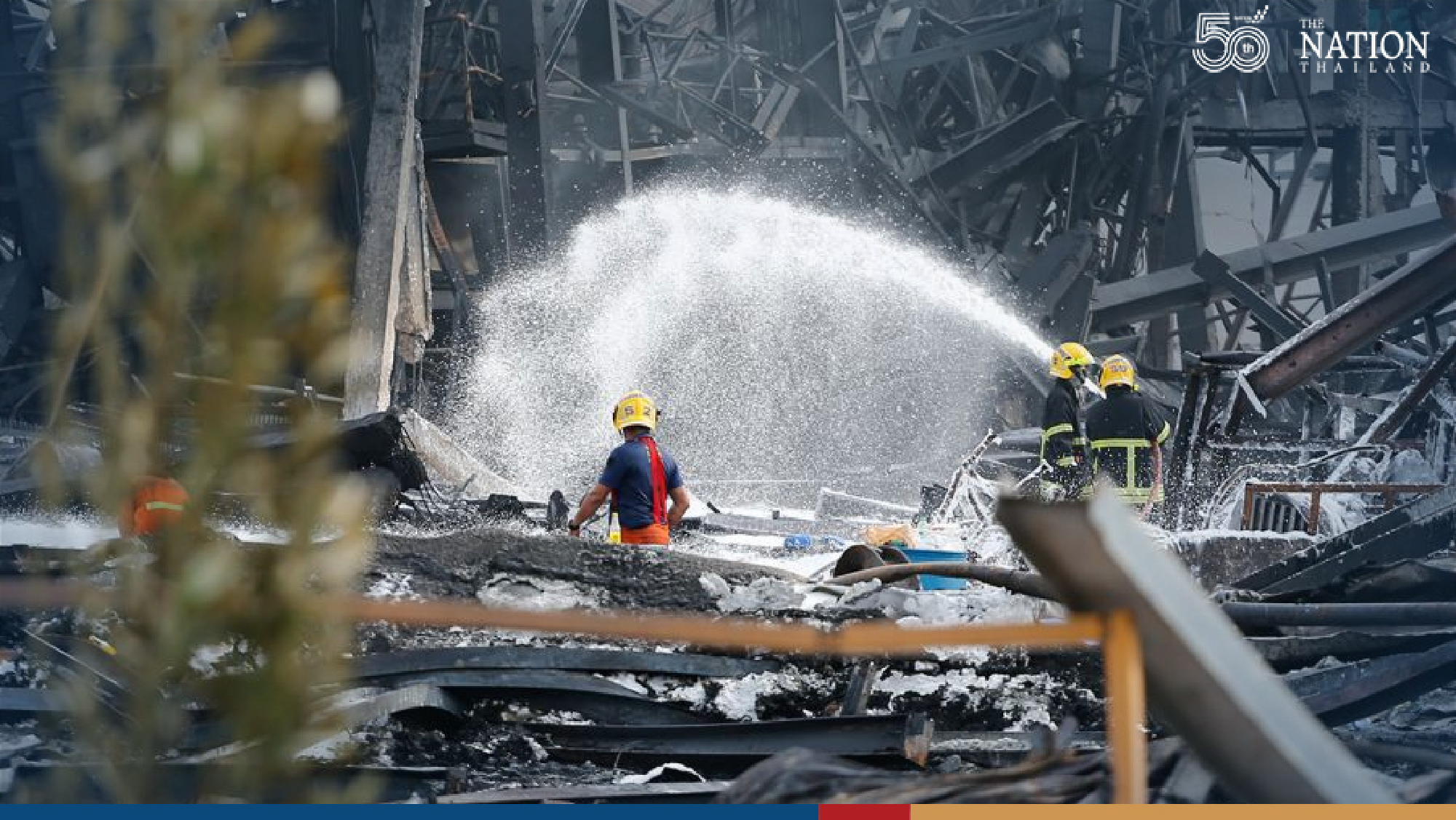
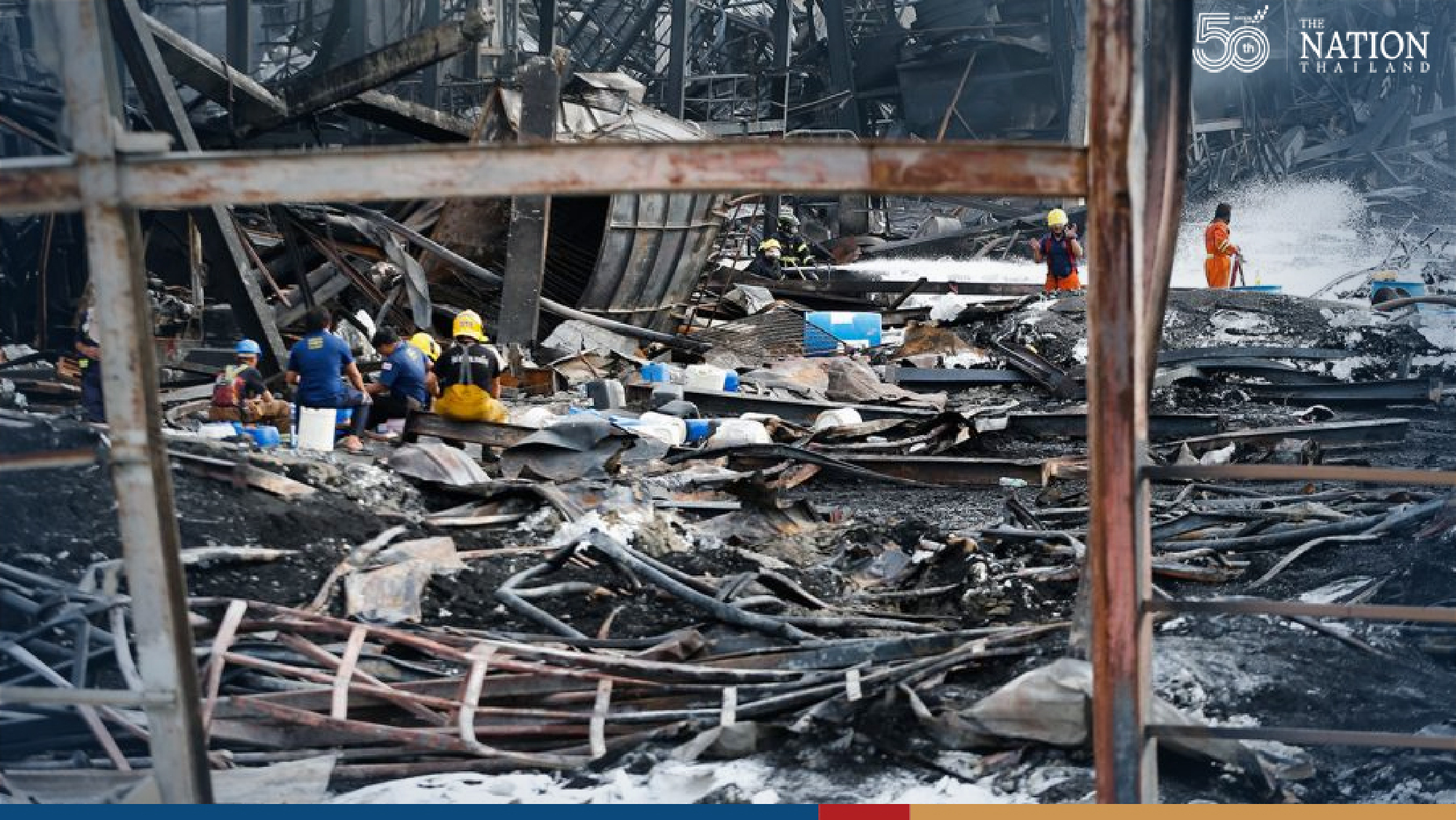
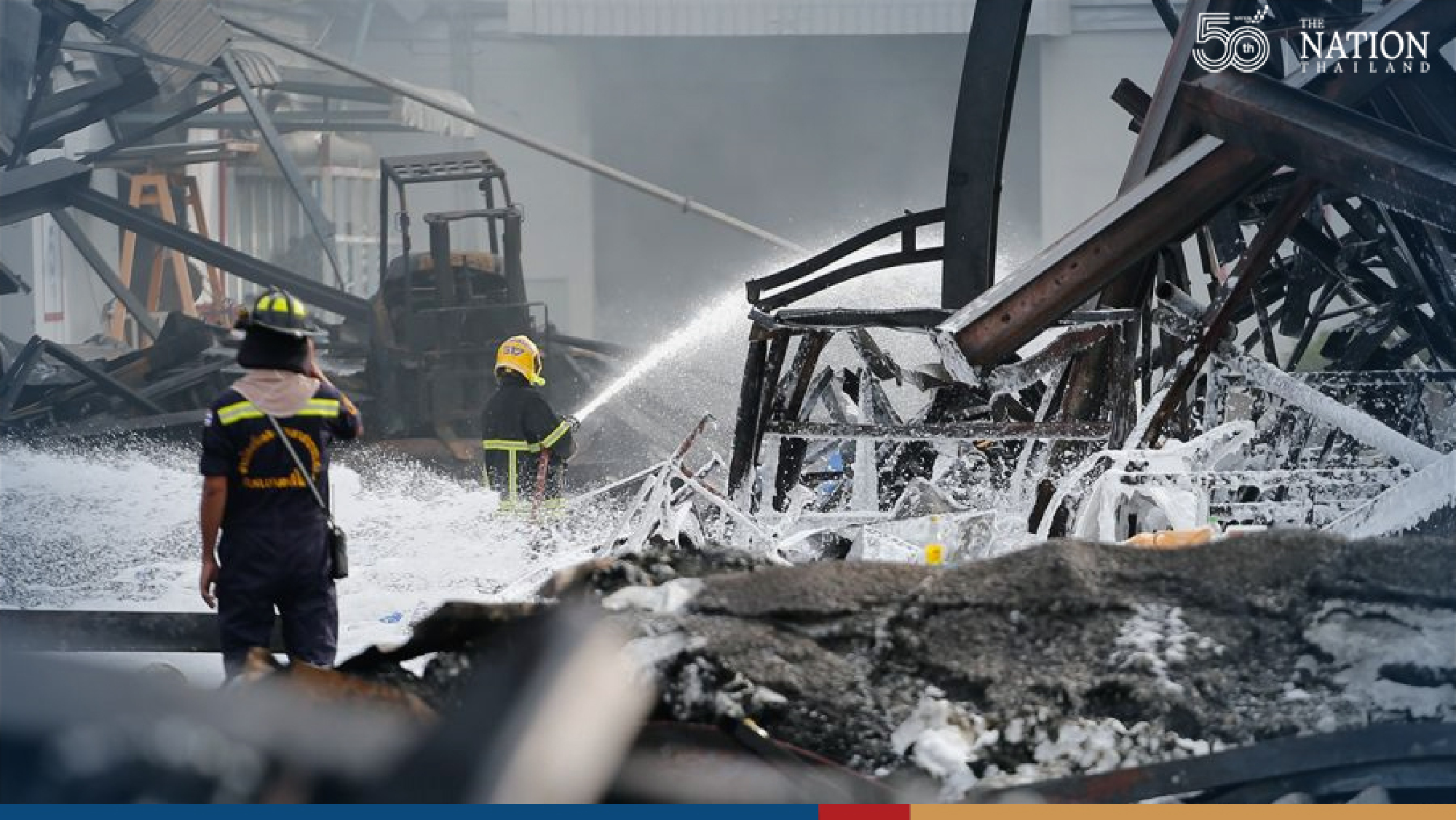
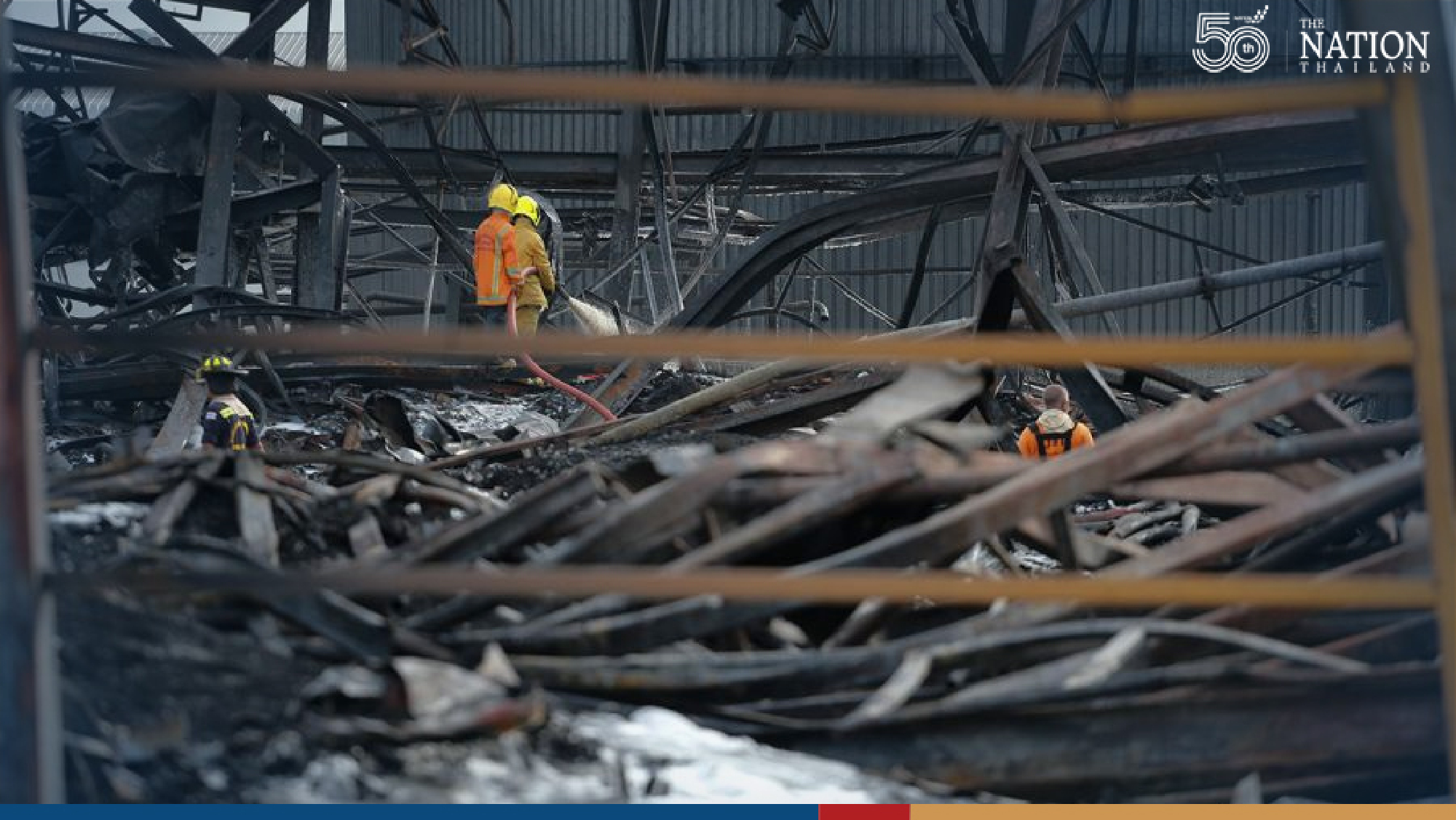
Looking at the Chemical Factory Explosion in All Dimensions
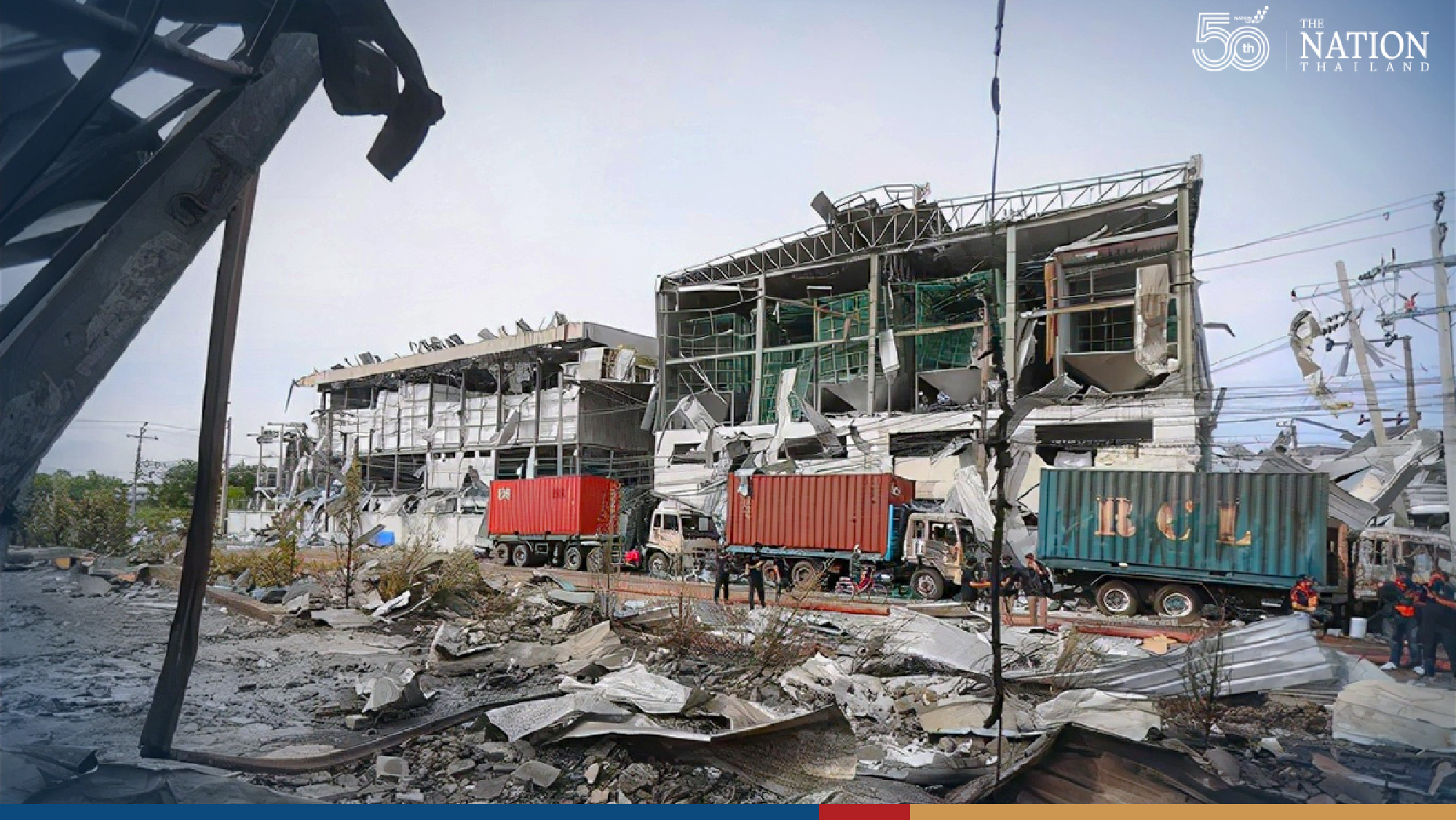
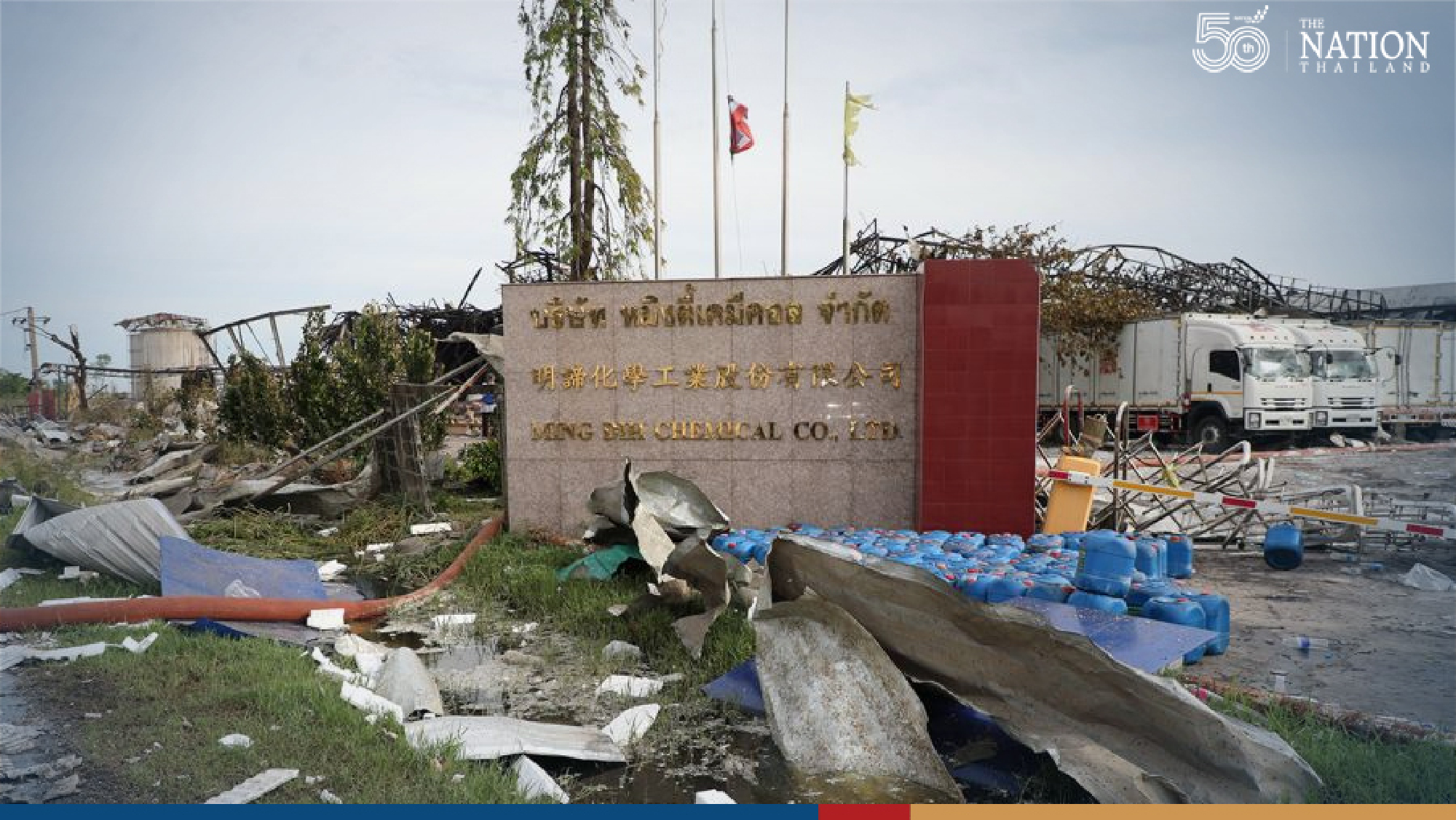
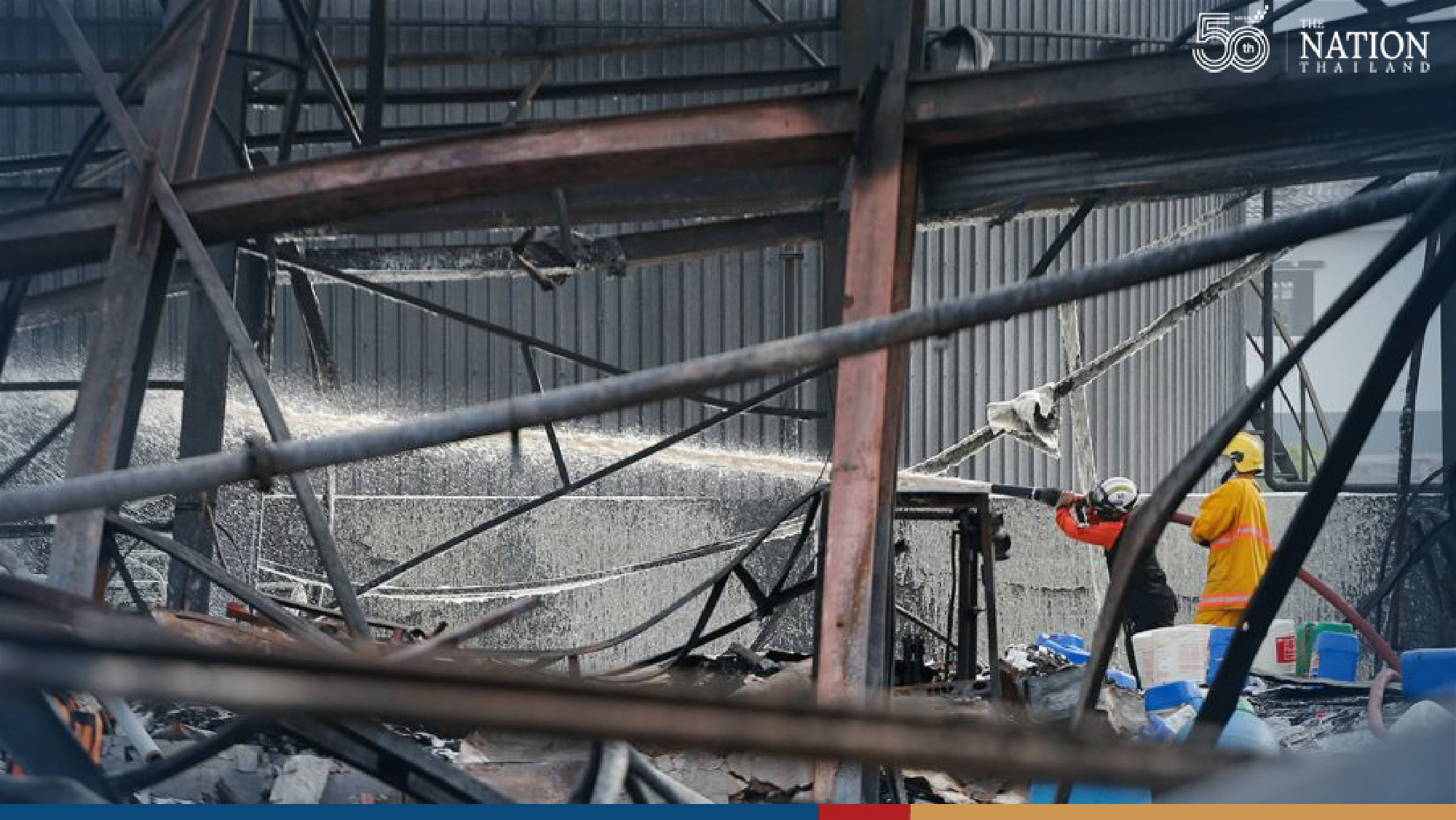
According to the online forum entitled “Looking at the Chemical Factory Explosion in All Dimensions” organized by the Risk and Disaster Management Program (RDM) together with the Safety Center Occupational Health and Environment Chulalongkorn University (SHECU), we honorably invited academics and experts in various fields from the Faculty of Engineering, Faculty of Architecture, Faculty of Science, Faculty of Medicine, Environmental Research Institute of Chulalongkorn University and the Thai Network for Disaster Resilience (TNDR) to share knowledge and experiences in the relevant dimensions related to the explosion and fire at a plastic foam factory in Soi King Kaew 21, Bang Phli Yai Subdistrict, Bang Phli District, Samut Prakan Province.
The accident caused damage and impact in various dimensions, including the chemical, engineering chemistry, social, factory safety, urban planning, environmental, and health and disaster management dimensions. The accident becomes an issue that the society pays attention to, and aims to create understanding, explain the risks, hazards, impacts, as well as guidelines for managing and dealing with the consequences of this disaster in a comprehensive manner. The moderator of this forum was Assistant Professor Dr. Natt Leelawat, Director of the RDM and Lecturer at the Department of Industrial Engineering, Faculty of Engineering Chulalongkorn University.
Dr. Phichit Rattakul, Special Advisor of the Asian Disaster Preparedness Center (ADPC) and Chairman of the Thai Network for Disaster Resilience (TNDR), spoke that the “public communication system” was still ineffective in this accident. There was a delay in communication of the warning to the surrounding communities and the public. Communication channels and communication content were insufficient and lack of clarity, making the people who were at risk did not know how to behave in the accident, how dangerous were chemicals, and how to protect themselves from danger. The effectiveness of emergency response to the incident was also limited by the insufficient emergency response kits and personnel that are and lack of expertise in response to fire and chemical spills. He also added about the importance of pre-incident preparation such as having risk assessment, emergency response plan and practicing with the community, assigning responsible persons for a chemical spill drill, learning about the dangers of chemicals, inspecting and preparing tools and equipment for emergency response. These issues should be monitored, implemented and regulated in the factory.
ADVERTISEMENTx
Looking at the Chemical Factory Explosion in All Dimensions
Professor Dr. Tirayut Vilaivan, Director of SHECU and Lecturer at the Department of Chemistry, Faculty of Science, Chulalongkorn University, discussed about the danger of chemicals from the chemical factory explosion accident that “Styrene” was the main raw material for producing plastic foam pellets in the factory. Styrene is an oil-like liquid and can easily catch fire. Styrene vapors are toxic and are classified as carcinogenic and irritant. Upon combustion, it produces carbon monoxide (CO), carbon dioxide (CO2) and polycyclic aromatic hydrocarbon (PAHs), which are toxic and harmful to humans in long term. In case of fire with oil-like chemicals and flammable vapors, foam fire extinguishers are required. The use of water can only help control the violence or prevent the spread of fire, but it cannot put the fire out. In addition, he pointed out the importance of risk assessment of factories where large quantities of chemicals are stored. This is because increasing amounts of chemicals result in a greater risk of serious accidents. Therefore, an effective emergency response plan should be prepared. Relevant personnel are recommended to study the Safety Data Sheet (SDS) and basic chemical information from the website.
Looking at the Chemical Factory Explosion in All Dimensions
Associate Professor Dr. Tharathon Mongkhonsi, Lecturer at the Department of Chemical Engineering, Faculty of Engineering, Chulalongkorn University discussed on risk management by pointing out the importance of “Risk Assessment”. If we can identify the risks, we can establish the plan to prevent and handle potential accidents. He gave an example “Curved Road and Straight Road”. Each of them has different dangerous characteristics depending on the point of view, assessor’s experience, and the circumstances of that event. Root cause investigation should be implemented to prevent recurrence by considering from 3 parts of information: 1. Who did it? 2. Who designed the process / how does the process work? 3. How did the problem occur?
Looking at the Chemical Factory Explosion in All Dimensions
Associate Professor Dr. Panit Pujinda, Head of the Department of Urban and Regional Planning, Faculty of Architecture, Chulalongkorn University, disclosed information that the exploded chemical factory was built in 1989, before the “Town Planning Act” was first enacted in 1994. Moreover, in those days, the location of the factory was far away from the city. But in the present, the city has expanded to the area around the factory causing the factory to be located in an urban area. However, the Town Planning Act stated that the factories built before the promulgation of Town Planning Act are able stay at its original site, but must not be contrary to public safety, public wellbeing, and public hygiene. If there is a need to move the factory or have adjustment, the advantaged (the surrounding communities) must pay compensation to the disadvantaged (the factory) by the surrounding community cannot force the factory to change or move out of the area, which is considered a universal principle.
Looking at the Chemical Factory Explosion in All Dimensions
Professor Dr. Pornchai Sithisarankul, MD., Lecturer at the Department of Preventive and Social Medicine, Faculty of Medicine, Chulalongkorn University, mentioned that “the people who exposed to chemicals” can be divided into 2 groups: 1. Group exposed to hazardous substances from work, such as firefighters. While working, they should wear firefighting clothing and suitable personal protective equipment (PPE). If there is insufficient air for performing duties, wear fire-fighting clothing with Self-Contained Breathing Apparatus (SCBA), and medical personnel who worked in the accident area that may be exposed to hazardous substances as well. 2. Group exposed to hazardous substances from the environment, such as people who live in the vicinity. Long-term health impacts on patients were exposed to hazardous chemicals in this accident should also be monitored and documented.
Looking at the Chemical Factory Explosion in All Dimensions
Dr. Kallaya Suntornvongsagul, Lecturer at Environmental Research Institute, Chulalongkorn University and Deputy Director of the RDM, mentioned that “the source of pollution” is styrene and various chemicals that may have different properties. When these chemicals contaminated the firefighting water, it is passed through sewers into rivers and canals, and causes negative effect to aquatic animals. And when such water seeps through the soil surface, various soil microorganisms alter styrene properties causing soil and food contamination, and may increase toxicity. Dr. Kallaya suggested that environmentalists should conduct a risk assessment and do the zoning to monitor long-term environmental impacts. She also added that pre-incident and incident response plans should be prepared to prevent chemical contaminants from entering the environment.
Looking at the Chemical Factory Explosion in All Dimensions
Professor Dr. Pisut Painmanakul, Deputy Dean and Lecturer at the Department of Environmental Engineering, Faculty of Engineering, Chulalongkorn University, said that the “Impact of Air Pollution” can be considered from 3 factors, namely, 1. Concentration (ppm). 2. Duration of exposure. 3. Health conditions of the recipient. From the explosion at chemical factory, it generated 2 groups of air pollution: 1. Gas produced by the combustion of styrene, consists mainly of volatile organic compounds (VOCs), such as carbon monoxide, carbon dioxide. These gases float in the air and harm people living in the vicinity. The affecting range depends on the wind direction. 2. Particles, clearly visible to the naked eye. They look like black soot floating in the air. Although the particles in the air can be washed away by rain, they go to the soil surface and contaminate the environment, which can enter the body by touching contaminated object and ingestion. Therefore, the people in the vicinity will have to change their behavior, such as wearing long sleeves, wearing an N95 mask or a mask coated with activated carbon to prevent exposure to such pollutants.
Looking at the Chemical Factory Explosion in All Dimensions
Mr. Kritsada Prasertsukho, Managing Director of NPC Safety and Environmental Services Co., Ltd., said that “Emergency Management in Factories” consist of 3 phases: Phase 1 Pre-incident, there should be a risk assessment process in various aspects and preparedness in order to prevent an incident, such as a warning system, guidelines and practices, etc. Phase 2 Incident, this consists of 4 steps: 1. Assess the situation. 2. Combine action plans. 3. Build a team to control the incident. 4. Surveil. Phase 3 Post-incident, residual fuel management and environment management should be performed.
Before closing the forum, Assistant Professor Dr. Natt Leelawat has summarized the issues through the perspective of the risk and disaster that the chemical factory explosion is considered an accident which cause impact in many dimensions. One of the important things is to know the definition and principles that would play a role in every crisis situation. Although we cannot prevent certain types of disasters, but abilities in risk identification, risk management, as well as designing effective countermeasures can help reduce the impact of accident that will happen.
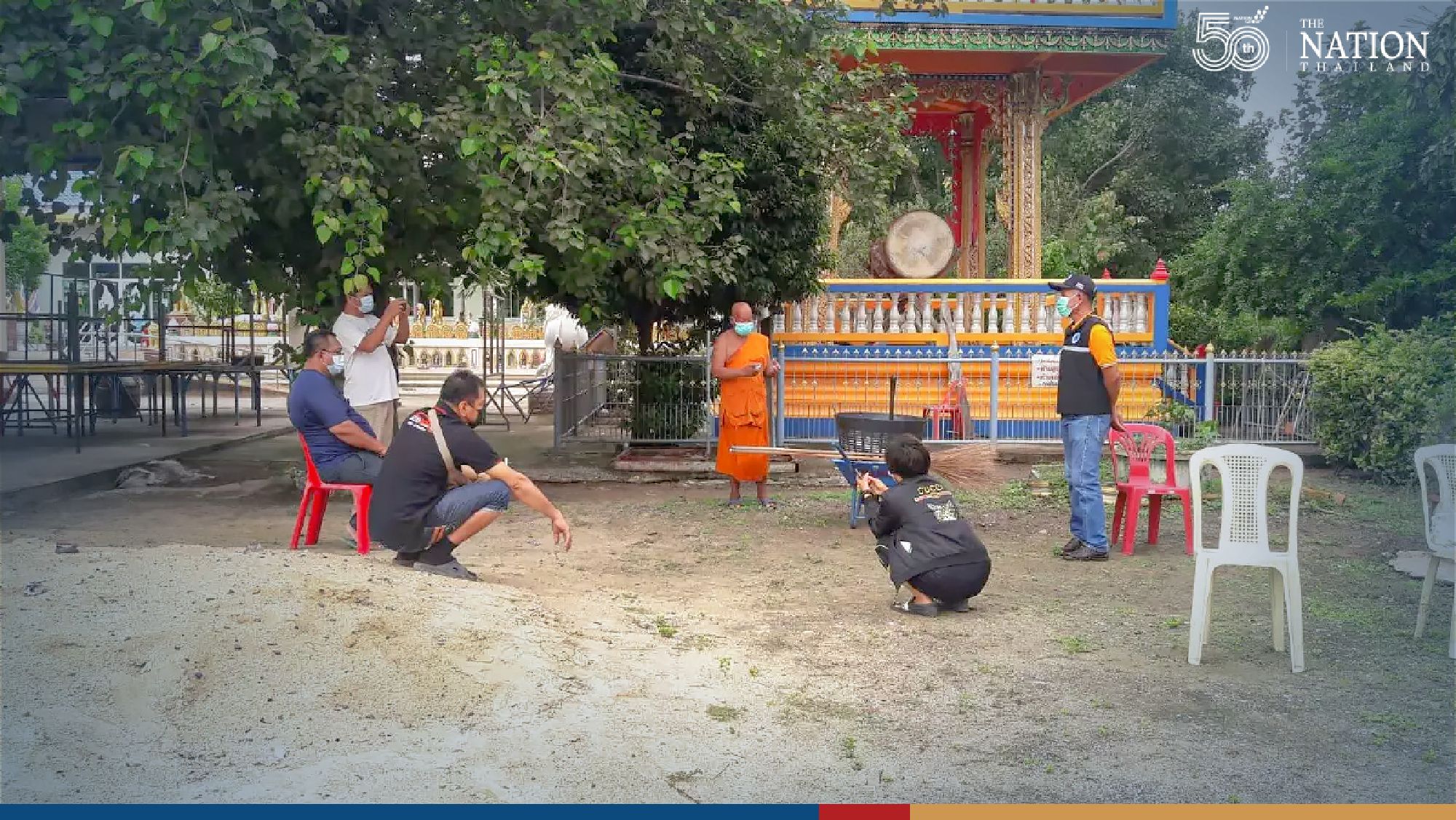
A 73-year-old monk from Nakhon Ratchasima died on Thursday after receiving his first dose of AstraZeneca vaccine two weeks ago.
Wat Khok Phai temple informed the headman of Khok Phai village that the monk was found dead inside his residence. The deceased monk was identified as Phra Guang Smajaro.
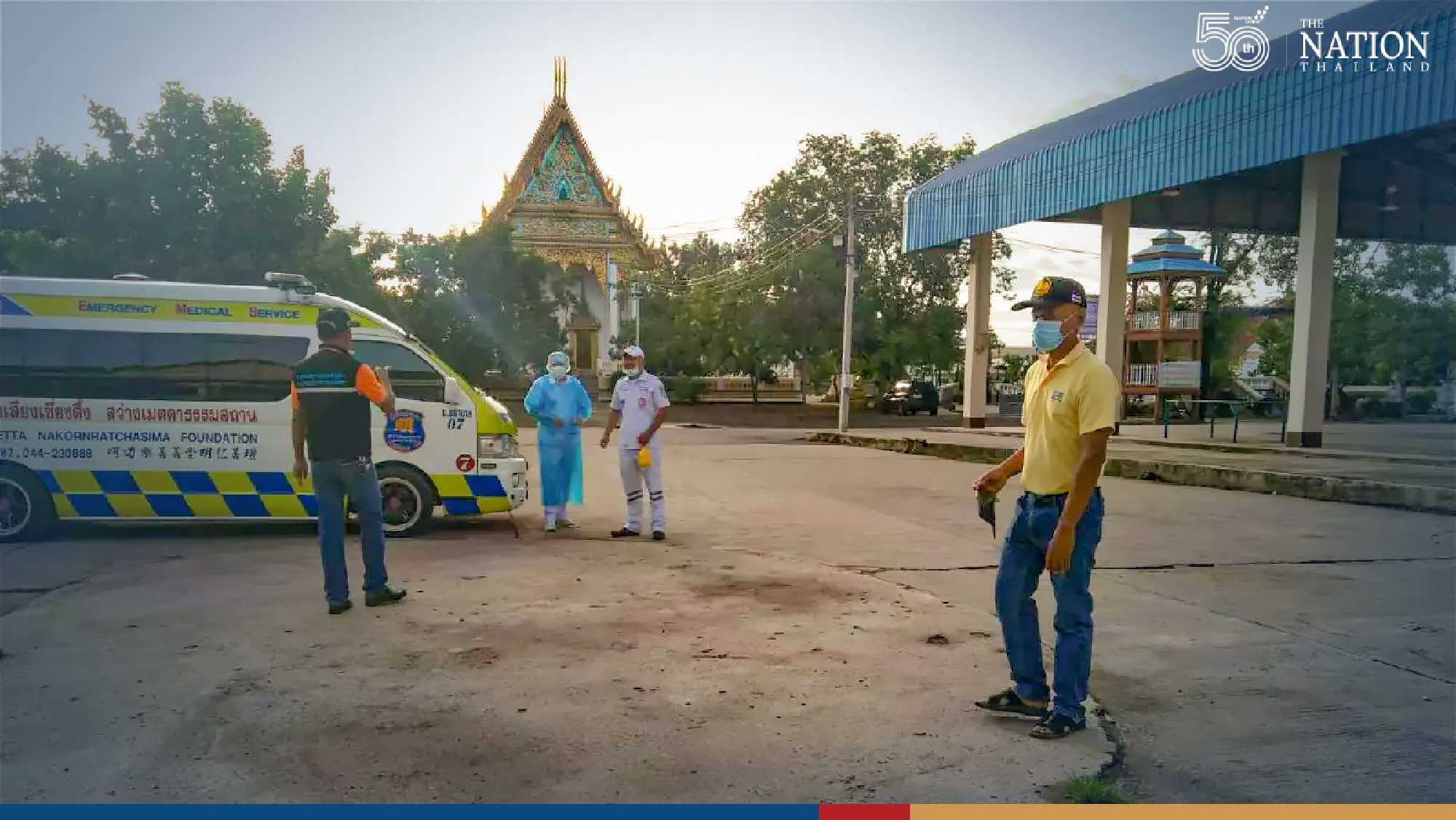
The village headman called rescue staff, but they refused to retrieve the body, fearing they might catch Covid-19.
They waited until staff from Maharat Hospital arrived wearing personal protective (PPE) suits. The staff removed the body and took it for an autopsy and Covid-19 test at Maharat Hospital.
The dead monk was described as a healthy man who had gone for his first AstraZeneca jab two weeks ago.
ADVERTISEMENTx
‘Healthy’ monk dies 2 weeks after AstraZeneca jab‘Healthy’ monk dies 2 weeks after AstraZeneca jabLast week, he complained of being exhausted and tiring easily. On Thursday morning, he conducted his alms round as normal and returned to the temple. A villager later found him sitting in his monk’s quarters. Soon after, he collapsed and died.
Labour minister clarifies compensation for Dark Red zone after complaints
Labour Minister Suchart Chomklin has clarified details of compensation for employers and workers in the Dark Red provinces after people complained they had been unfairly excluded from the scheme.
Labour Minister Suchart Chomklin has clarified details of compensation for employers and workers in the Dark Red provinces after people complained they had been unfairly excluded from the scheme.
The packages are being offered in compensation for tightened lockdown measures in 13 provinces – Bangkok, Nakhon Pathom, Nonthaburi, Pathum Thani, Samut Prakan, Samut Sakhon, Narathiwat, Pattani, Yala, Songkhla, Ayutthaya, Chonburi, and Chachoengsao.
ADVERTISEMENTx
Employers and workers insured under Article 33 of the Social Security Act are eligible for the compensation payments.
Workers will get 2,500 baht transferred into their PromptPay account, while employers will get 3,000 baht per employee, capped at 600,000 baht (200 employees).
Meanwhile, those insured under articles 39 and 40 will get 5,000 baht in compensation.
The compensation scheme covers the following businesses:
ADVERTISEMENT
• Construction
• Accommodation and food service
• Art and entertainment
• Logistics and storage
• Retail
ADVERTISEMENT
• Vehicle repair
• Management
• Science and education
• Media and information
Responding to people complaining that the Social Security Office website showed they will not be compensated despite working for eligible businesses, Suchart said compensation depended on the category under which companies were registered.
He explained that some media companies were registered under “production” or “public relations” categories.
However, he said only 2-3 percent of eligible companies had this problem and he would seek a solution with the National Economic and Social Development Council (NESDC), which is tasked with determining the categories.
“The reason the government is not compensating workers in all businesses is that some enterprises – such as auto parts and processed seafood – have not been affected much by Covid-19.”
Thailand hits new record with 17,669 cases, 165 deaths
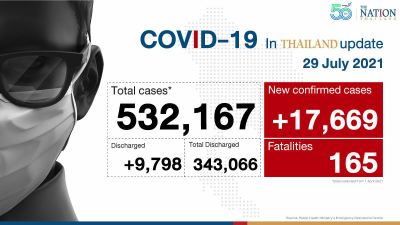
Thailand’s Covid-19 numbers soared again on Thursday with 17,669 new cases and 165 deaths, pushing the country’s total caseload to 561,030.
Meanwhile, 9,798 patients have recovered and been discharged in the last 24 hours.
Of the accumulated 561,030 cases, 370,492 have recovered and been discharged, 185,976 are still in hospitals, and 4,562 have died.
Separately, another 144,258 people were given their first Covid-19 shot in the last 24 hours, and 20,012 were given their second shot, bringing the total Covid-19 vaccines administered in Thailand to 16,591,329.
According to Worldometer, as of 11am on Thursday, the number of confirmed cases globally had risen to 196.69 million, 178.1 million of whom have recovered, 14.39 million are active cases (86,542 in severe condition) and 4.2 million have died (up by 10,135).
Thailand ranks 44th on the global list of most cases, which is topped by the US with 35.48 million, followed by India with 31.52 million, Brazil with 19.79 million, Russia with 6.19 million and France 6.05 million.
NHSO begs private clinics in Bangkok to help look after home-isolation patients
The National Health Security Office (NHSO) called on 3,000 private clinics in Bangkok on Wednesday to help treat Covid-19 patients with mild symptoms in a bid to help community clinics.
Dr Jadej Thammatacharee, NHSO secretary-general, said more than 200 community clinics have been told to provide treatment to patients with mild symptoms who are isolating at home. However, with the number of cases rising quickly, these clinics are overwhelmed, and many patients are being left behind.
“The NHSO urges the more than 3,000 privately owned clinics in Bangkok that are not under NHSO’s jurisdiction to start providing treatment for these patients. NHSO will hold a meeting via Zoom on August 3 from 9am to 11am to provide information about the system, including compensation, rapid test kits and home isolation guidelines. Clinics willing to participate can provide treatment to patients immediately after NHSO’s approval,” Dr Jadej said.
Those who want to attend the August 3 meeting can register via https://forms.gle/v19y2GPZiwh2wntu5 or call (061) 420 3025, (061) 418 6734 or (089) 969 6492.



 Keng maak! Australian Embassy shows off Thai language skills
 Keng maak! Australian Embassy shows off Thai language skills
 Keng maak! Australian Embassy shows off Thai language skills
 Keng maak! Australian Embassy shows off Thai language skills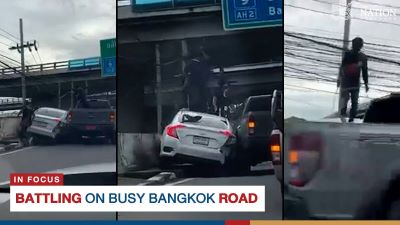

 Looking at the Chemical Factory Explosion in All Dimensions
 Looking at the Chemical Factory Explosion in All Dimensions
 Looking at the Chemical Factory Explosion in All Dimensions
 Looking at the Chemical Factory Explosion in All Dimensions
 Looking at the Chemical Factory Explosion in All Dimensions
 Looking at the Chemical Factory Explosion in All Dimensions
 Looking at the Chemical Factory Explosion in All Dimensions
 ‘Healthy’ monk dies 2 weeks after AstraZeneca jab
 ‘Healthy’ monk dies 2 weeks after AstraZeneca jabLast week, he complained of being exhausted and tiring easily. On Thursday morning, he conducted his alms round as normal and returned to the temple. A villager later found him sitting in his monk’s quarters. Soon after, he collapsed and died.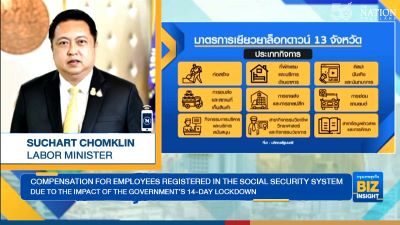
 SootinClaimon.Com