The Iranian foreign ministry denied on Monday a claim by U.S. National Security Advisor Jake Sullivan that there were direct talks between the two countries over the past few months, official news agency IRNA reported.
“Since the beginning of the negotiations on the revival of the 2015 nuclear deal in Vienna, Iran has held no direct talks with the United States,” said Saeed Khatibzadeh, the ministry spokesman, in an address to a weekly press conference.
On Friday, Sullivan told reporters in Washington that the United States has “communicated both through the Europeans and directly to Iran.”
“Iran has received some messages on the issues of negotiations in written and unwritten forms through EU mediators since the start of the talks in Vienna, to which answers were given on the spot,” Khatibzadeh noted.
In May 2018, former U.S. President Donald Trump pulled Washington out of the Iranian nuclear deal, officially known as the Joint Comprehensive Plan of Action, and reimposed unilateral sanctions against Tehran in a bid to hammer out a new deal.
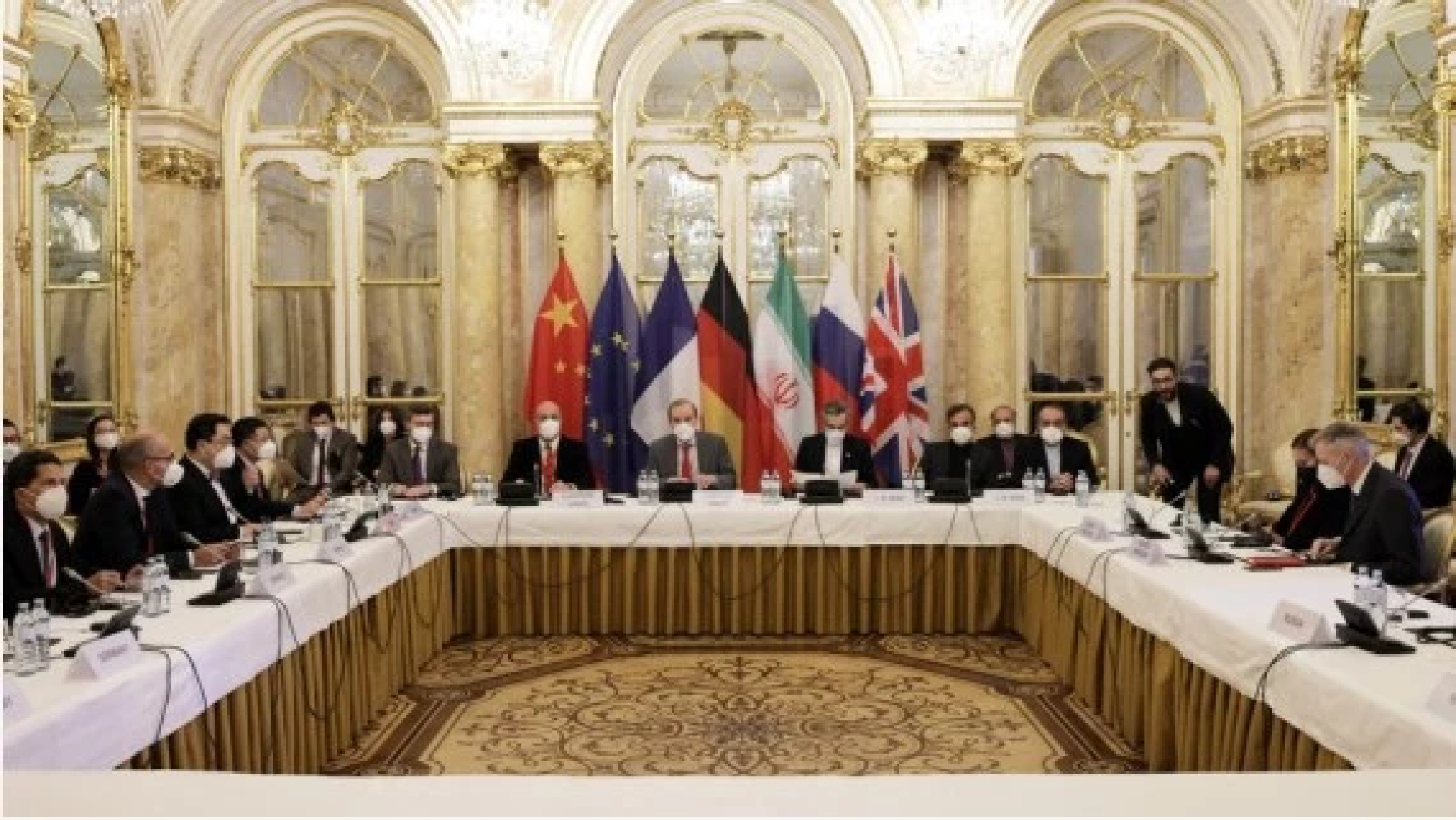
Since early April this year, representatives from China, France, Germany, Russia, Britain and Iran have held seven rounds of negotiations in the Austrian capital, with the United States involved indirectly, aiming to bring the United States back to the JCPOA and prepare the ground for its full implementation.
The seventh and latest round of the talks started on Nov. 29 and concluded on Friday.
“Today, We have two new agreed-upon texts, which are the results of the intense negotiations over the past few days in the Austrian capital,” Khatibzadeh said.
“The new texts have incorporated Iran’s views compared to the previous ones. We now have texts according to which we can continue the future talks,” he added.
On the U.S. approach to the talks and its intention, the Iranian spokesman said Washington has offered “no tangible proposal or text” to other parties, placing “a big question mark on America’s intention.”
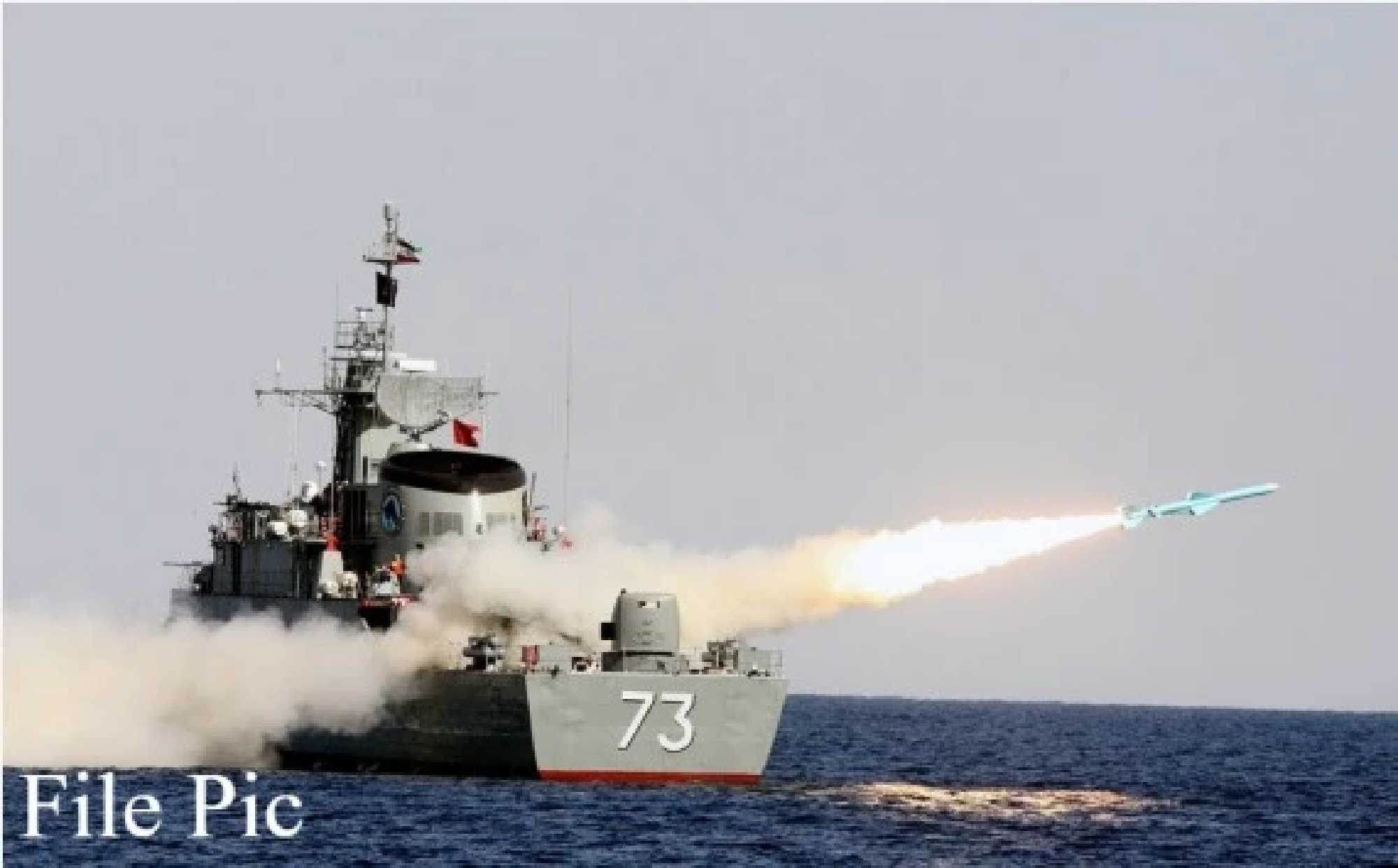
Irans Islamic Revolution Guards Corps (IRGC) staged a large-scale war game, codenamed “the Great Prophet 17,” along the southern coasts of the country on Monday, state TV reported.
The exercise, to be held for five days, involves IRGC units such as the aerospace force and the cyber-electronic division, Abbas Nilforoushan, the IRGC’s deputy chief of operations and spokesman for the drill, was quoted by Press TV as saying.
According to the general, a series of military systems and weapons recently delivered to the IRGC will be brought into action during the war game.
“The military exercise is meant to increase the preparedness of the IRGC combat units,” Nilforoushan said.
“The military drills carry the message of defending and safeguarding the national security,” he added.
Meanwhile, Gholam Ali Rashid, another IRGC senior commander, seriously warned Isreal and the United States about any threats or mischief against nuclear facilities in Iran, after Isreal threatened to launch military attacks on Iran’s nuclear program during rounds of nuclear talks.
“If such threats are carried out, Iran’s armed forces will immediately and decisively attack all centers, bases, routes, and spaces used for the aggression,” Rashid said.
The currently authorized 50-microgram booster of Modernas COVID-19 vaccine mRNA-1273 increased neutralizing antibody levels against Omicron about 37-fold compared to pre-boost levels, and a 100-microgram booster dose increased neutralizing antibody levels about 83-fold, said the company.
American biotechnology company Moderna announced Monday that preliminary data suggests its COVID-19 booster shot appears to increase antibody levels against the Omicron coronavirus variant.
The currently authorized 50-microgram booster of Moderna’s COVID-19 vaccine mRNA-1273 increased neutralizing antibody levels against Omicron about 37-fold compared to pre-boost levels, and a 100-microgram booster dose increased neutralizing antibody levels about 83-fold, said the company in a release.
A 100-microgram booster dose was “generally safe and well tolerated,” according to the company. But there was a trend toward slightly more frequent adverse reactions following the 100-microgram booster dose relative to the authorized 50-microgram booster dose, said the company.
To respond to the highly transmissible Omicron variant, Moderna will continue to rapidly advance an Omicron-specific booster candidate into clinical testing in case it becomes necessary in the future, said Stephane Bancel, Chief Executive Officer of Moderna.
The Omicron variant, which is possibly more contagious than the Delta variant, had been found in at least 47 U.S. states as of Sunday, since the first case in the country was detected in California on Dec. 1.
The Thai-Catholic communities in Sakhon Nakhon’s Tha Rae subdistrict on Wednesday launched their iconic “Star Festival” to celebrate Christmas until December 26.
The festival commenced at 7pm, with an 800-metre-long procession of “star rafts” from the Tha Rae Irrigation Office to the Municipal Public Park in Muang district adjacent to Nong Han Lake.
The rafts, which were elaborately decorated with giant five-point stars and lighting, will be floated on the lake along with a number of small boats, which have also been equipped with illuminated stars.
According to a story that has been handed down, in November 1884, 35 families – partly of Vietnamese and partly Laotian origin – arrived at the lake, led by French missionary Xavier Guego. They were looking for a place to establish a new community and, after asking for the protection of St Michael, set out in makeshift boats to “sail into the wind”, which carried them to a forested shore where Tha Rae stands today.
To celebrate the occasion, processions of vehicles decorated with stars will also take to the road in several locations in Tha Rae from December 23 to 26, including St Michael’s Cathedral and Sakon Nakhon St Joseph School.
All decorated vehicles will descend on the Municipal Public Park on December 26, giving tourists the opportunity to witness their beauty and snap pictures.
To keep Covid-19 at bay, the province has set up 15 thermal scanning checkpoints complete with hand-sanitiser dispensers at event areas, while visitors are required to wear face masks at all times.
Huawei offers leading Smart PV industry solution harnessing more than 30 years of expertise in digital information technology.
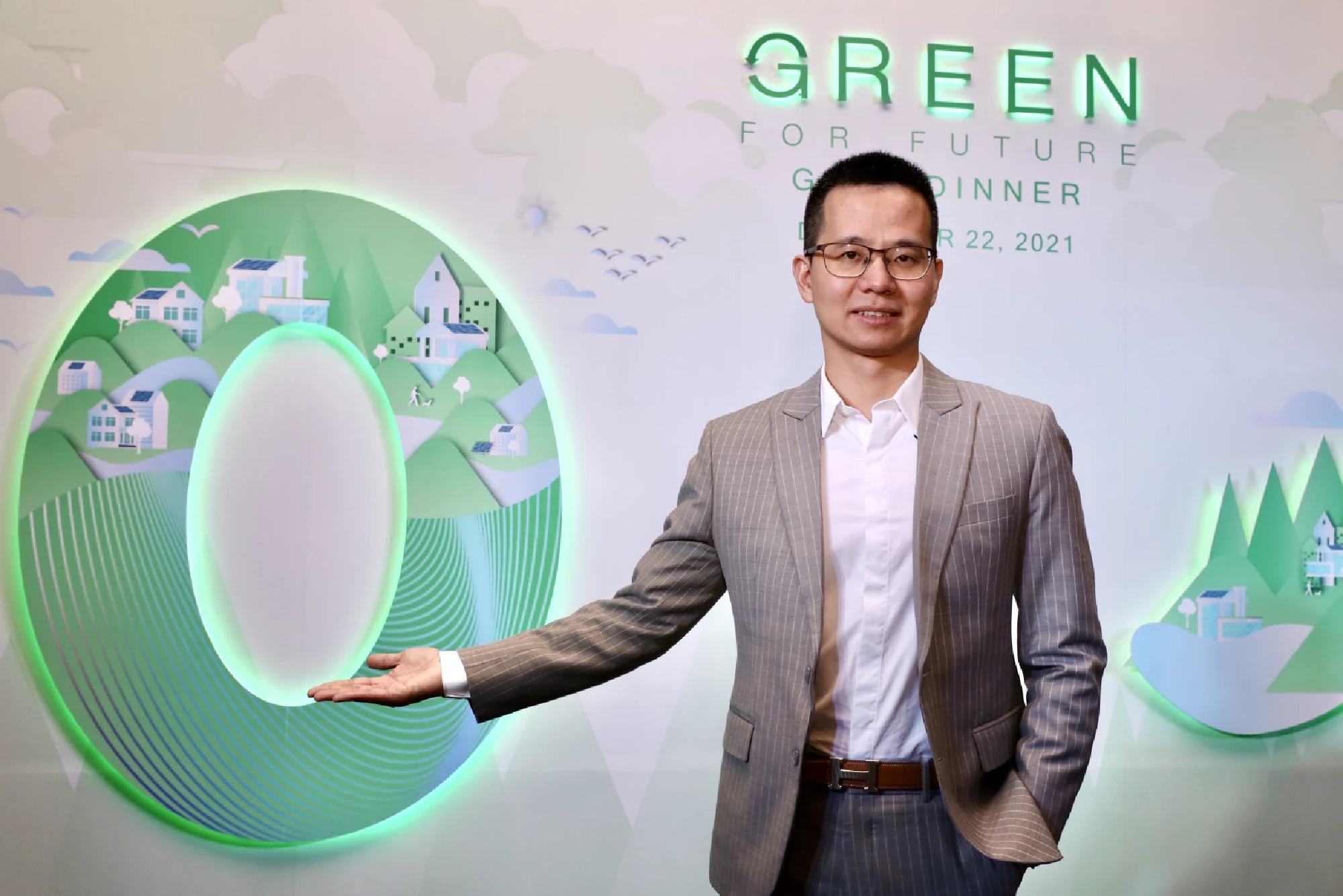
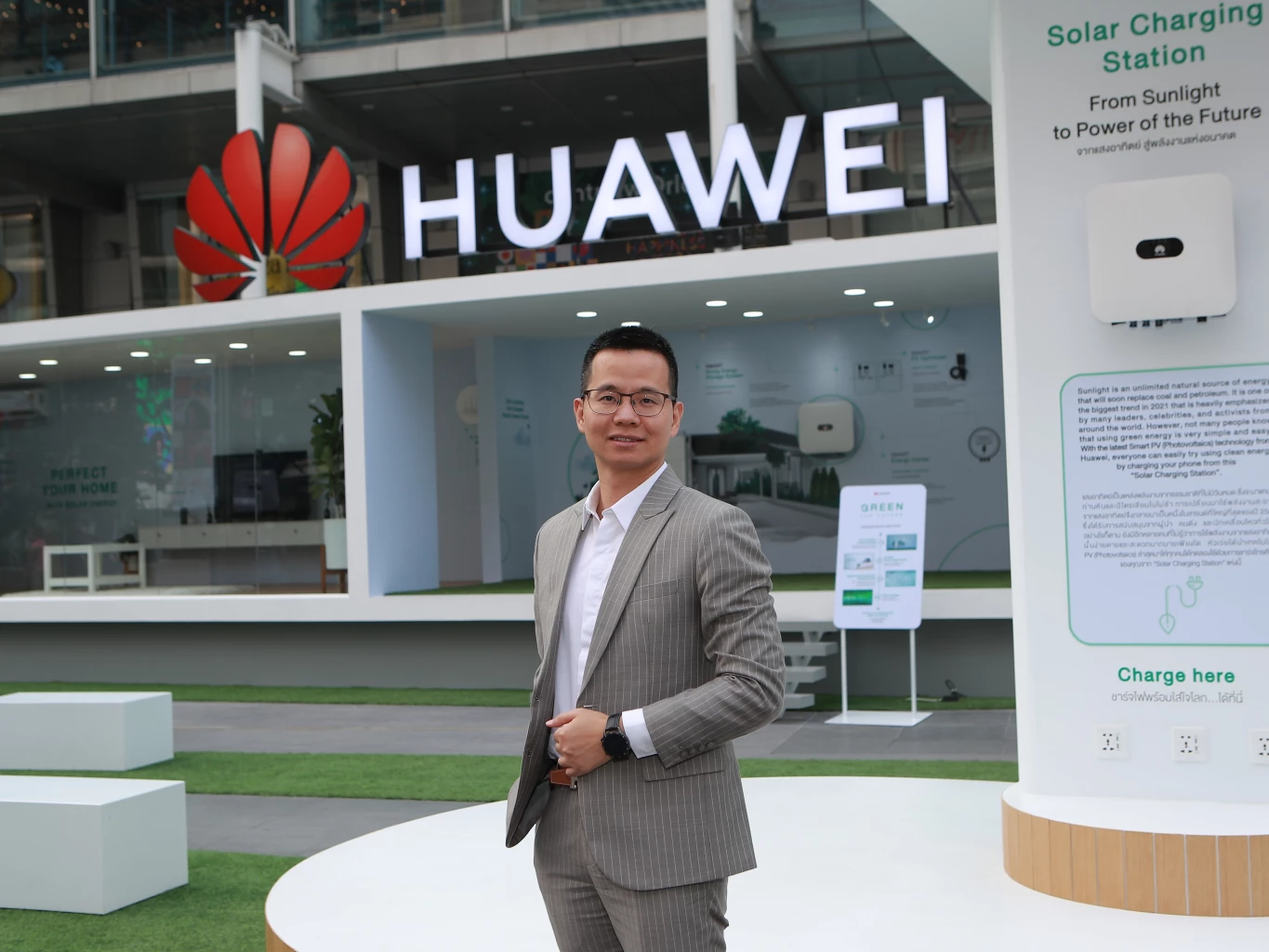
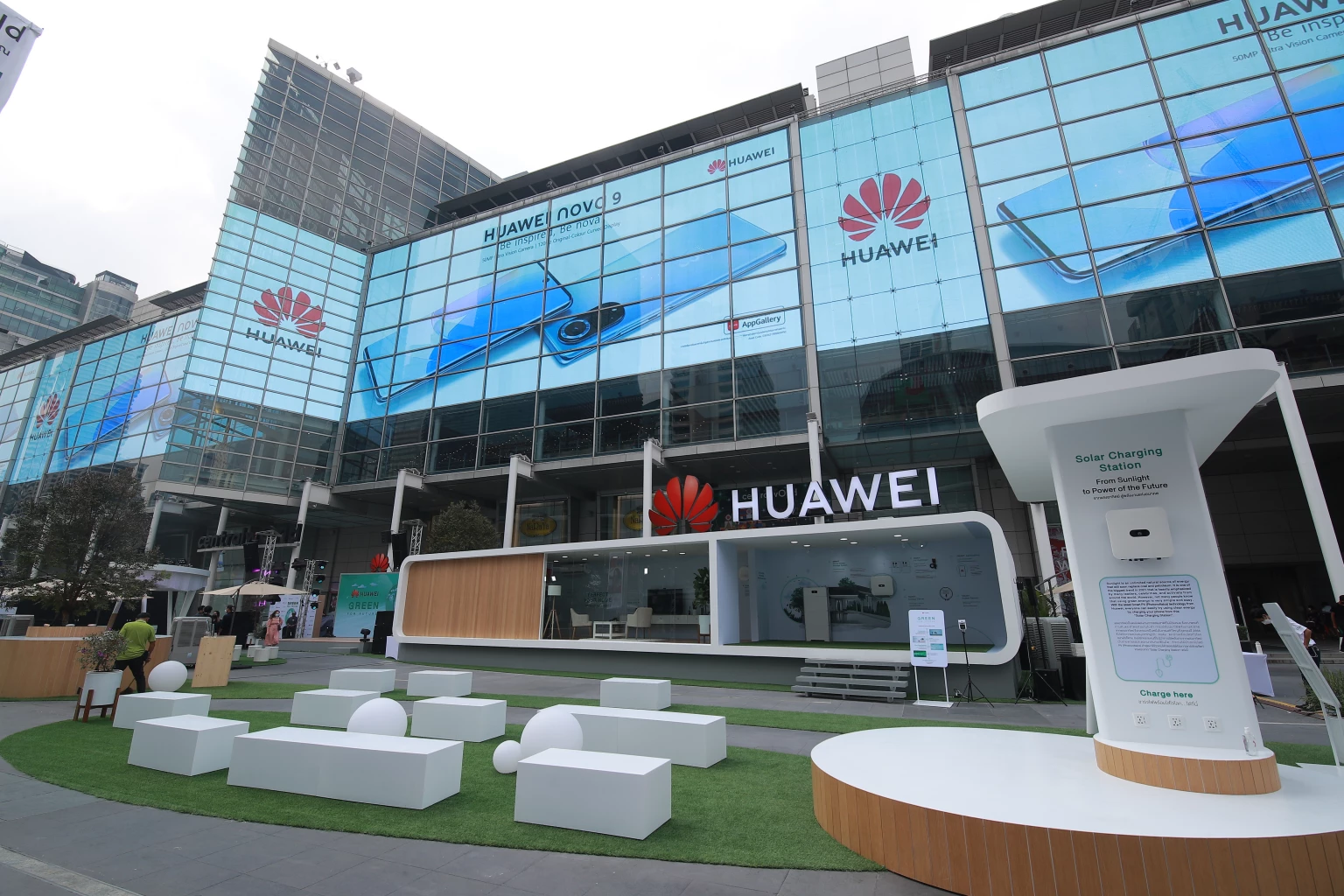
Huawei Digital Power is enabling the clean energy transition in Thailand at “Green for Future” event, with regards to the energy policy by the Ministry of Energy (Thailand), while unveiling its new Huawei FusionSolar Residential Smart PV (photovoltaics) solution to provide cost-efficient and eco-friendly residential power generation.
At United Nations Framework Convention on Climate Change Conference of the Parties: UNFCCC COP (COP26), Thailand has announced its commitment to the climate change issue as the main priority. Huawei Digital Power Business, Huawei Technologies (Thailand) Co., Ltd. complies to that commitment by hosting the “Green for Future” opening event at the Exhibition Stage in Central World, as well as the launch of the latest Huawei FusionSolar Residential Smart PV solution. The event is also in response to the Ministry’s policy to support clean residential energy production and usage.
Mr. Abel Deng, Chief Executive Officer of Huawei Technologies (Thailand) Co., Ltd., said at the collaborative launch that “Facing different uncertainties and opportunities, digitalization and low-carbonization are the two mostly embraced consensuses worldwide. According to UBS estimates, in the next ten years, global energy transition investment will reach 50 trillion USD. Thailand is ahead of many countries in both digitalization and low-carbonization, thanks to the expertise of MOE and Thai government who proposed the visionary 2050 carbon neutrality roadmap. Towards this inspiring goal, household photovoltaics play a crucial role and Thailand probably has the greatest potential to develop household green electricity, with more than 1,500 hours of sunshine annually, and over 80% of its households are single-built households. As a leading ICT partner and digital transformation enabler, we are committed to empowering Thailand as ASEAN’s Carbon Neutral Leader. With our leadership in world’s leading home green power solutions, Smart PV, Site power etc. We will work with governments and industry partners to make our planet a better place and bring digital to every person, home and organization for a fully connected, intelligent and low-carbon Thailand.”
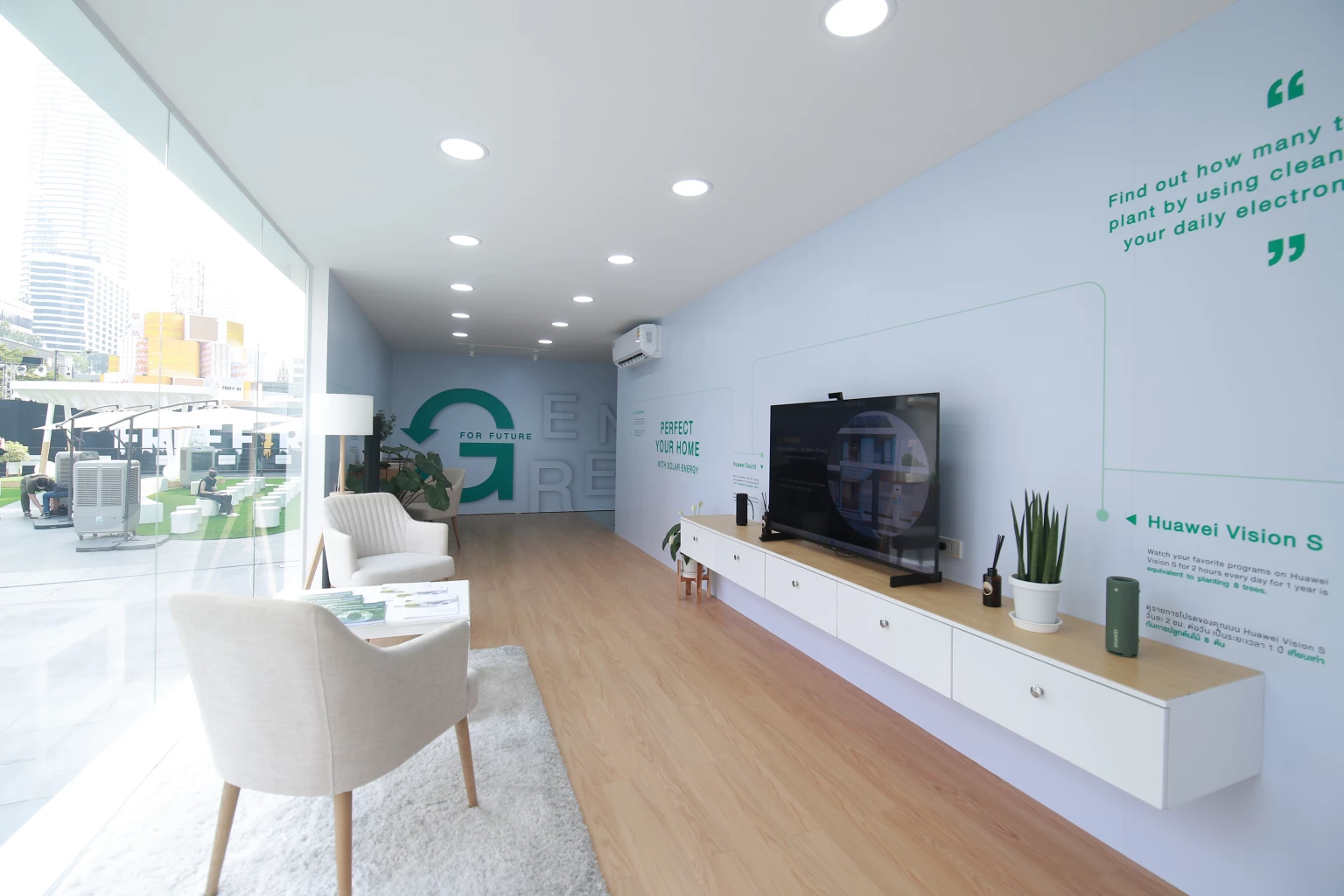
During the Opening Ceremony Gala Dinner, Mai Davika Hoorne also joined the event and was appointed by Huawei to be an official presenter for the solution in order to promote and build greater awareness of Huawei FusionSolar Residential Smart PV solution, for Thai households. The exhibition highlighting innovation and technology of digital power including Huawei FusionSolar Residential Smart PV solution will be also displayed to customers, partners and public, until December 25th, 2021, at Central World.
“The next-generation of Huawei FusionSolar Residential Smart PV solution launched today will turn household rooftops into a power plant to generate clean energy that families can enjoy at all times. Huawei integrates innovative technologies such as AI and Cloud to ensure its latest solution is highly efficient, safe, and reliable – meaning users no longer have to worry about power outages while enjoying an affordable and eco-friendly lifestyle that contributes to the transition towards sustainable energy. The solution is a part of Huawei Green Home which is the innovation of solar cells that help you store energy to consume in your house and help you reduce the emission of Carbon dioxide, absorbing solar power, and generating clean energy,” said Mr. Abel Deng.
He further highlighted the Huawei FusionSolar Residential Smart PV solution product suite’s four key devices:
• LUNA2000 String Energy Storage System (ESS) to store excess energy produced by the rooftop solar panels for uninterruptible power supply to use during day and nighttime at home
• SUN2000 Smart Energy Controller as the heart of the system to convert DC power from solar panels to AC power for household consumption
• A built-in Smart PV Optimizer Optimizer / Smart Module Controller to turn traditional modules into Smart PV modules
• FusionSolar Application enables users to control the renewable energy at their fingertips from anywhere, as well as monitor the power consumption.
Huawei offers leading Smart PV industry solution harnessing more than 30 years of expertise in digital information technology. Huawei integrates AI and Cloud with PV for optimal power generation, ensuring highly efficient, safe, and reliable performance with Smart O&M and Grid Supporting capabilities that build the foundation for solar power to become a main energy source for the future. In addition, Huawei has also launched a variety of advanced solutions for residential customers based on the ‘Optimal Electricity Cost and Active Safety’ concept. By improving the utilization of solar power, Huawei has helped to power millions of residents and hundreds of industries globally as Huawei believes that your everyday life can save the world and Huawei Green Home believes in Green for Future. And the company will continue to innovate and enable renewable energy to empower each individual, home, and organization.
WASHINGTON – Auto safety officials are probing Tesla over reports that video games came be activated on the front touch screens while the cars are being driven, according to an investigation summary posted online this week.
The National Highway Traffic Safety Administration opened the investigation, referred to as a preliminary evaluation, into an estimated 580,000 vehicles Tuesday. Officials expressed concerned that the features “may present a distraction to the driver.”
“This [evaluation] has been opened to evaluate the driver distraction potential of Tesla ‘Passenger Play’ while the vehicle is being driven,” the report said, referring to the name of the feature. Investigators “will evaluate aspects of the feature, including the frequency and use scenarios of Tesla ‘Passenger Play.'”
The office said the issue is present in Tesla Models 3, S, X and Y and that gameplay has been available to drivers since December 2020. Games range from solitaire to more advanced titles.
“Prior to this time, gameplay was enabled only when the vehicle was in Park,” the report said.
The probe brings a new measure of scrutiny to Tesla’s tech-packed cars, rooted in mounting safety concerns: that drivers making use of the features will take their eyes off the road and cause crashes or worse. The agency is also investigating the company’s Autopilot driver-assistance system over reports of a dozen crashes involving parked emergency vehicles while the system was activated. And NHTSA also over the summer began requiring companies such as Tesla and deployers of autonomous vehicles to report on crashes involving their systems within a day of learning of such incidents.
NHTSA’s statements on the video game issue tied back to the concerns about abuse of automated systems.
Tesla has two driving functions that minimize interaction from drivers, although they are supposed to be paying attention at all times. One, Autopilot, is in wide use to control cars primarily on highways, while so-called Full Self-Driving is in use by thousands of drivers in beta mode on city and residential streets.
The New York Times reported on Tesla drivers’ ability to play video games while driving earlier this month. Tesla did not immediately respond to a request for comment.
“NHTSA based its decision on reports that Tesla’s gameplay functionality is visible from the driver’s seat and can be enabled while driving the vehicle,” agency spokeswoman Lucia Sanchez said, while noting that “no commercially available motor vehicles today can drive themselves.”
Her comments reflected the prospect of increased scrutiny as Tesla pushes technology it dubs Full Self-Driving into the cabin, a driver-assistance feature that helps navigate the vehicles on city and residential streets with an attentive driver at all times.
“Certain advanced driving assistance features can promote safety by helping drivers avoid crashes and mitigate the severity of crashes that occur, but as with all technologies and equipment on motor vehicles, drivers must use them correctly and responsibly,” she said. “NHTSA is empowered with robust enforcement tools to protect the public, investigate potential safety issues, and we will act when we find evidence of noncompliance or an unreasonable risk to safety.”
Tesla has tried to make video games part of the vehicle experience, as CEO Elon Musk has sought to put some of the cars’ computing power toward immersive experiences. In a job posting for a games engineer on its website, the company boasts about its ambitions.
“Our goal is to set the bar for what video games in a car can be; much of this is uncharted territory having never been done before,” the company wrote.
Daisin is one of Thailands leading publicly-held aluminum vehicle parts manufacturers and in the Top Ten of production capacity in Thailand.
Daisin is one of Thailand’s leading publicly-held aluminum vehicle parts manufacturers and in the Top Ten of production capacity in Thailand. With a sales volume of approximately THB 6 billion per year, 52% of Daisin’s income comes from the motorcycle parts industry, 36% from the auto parts industry, and another 8% from parts production for other industries such as agricultural engines, and multipurpose engines.
For more than 42 years, Daisin has manufactured parts essential to both domestic and overseas customers, creating stability for the Thailand industrial sector by championing international quality standards.
Mr. Thanin Leegomonchai, President of Daisin Co., Ltd. stated, “As a manufacturer of auto parts for over 42 years leading up to the current COVID-19 crisis, we’ve now seen the importance of technology and automation that has led us to adapt with ‘Smart’ factories.”
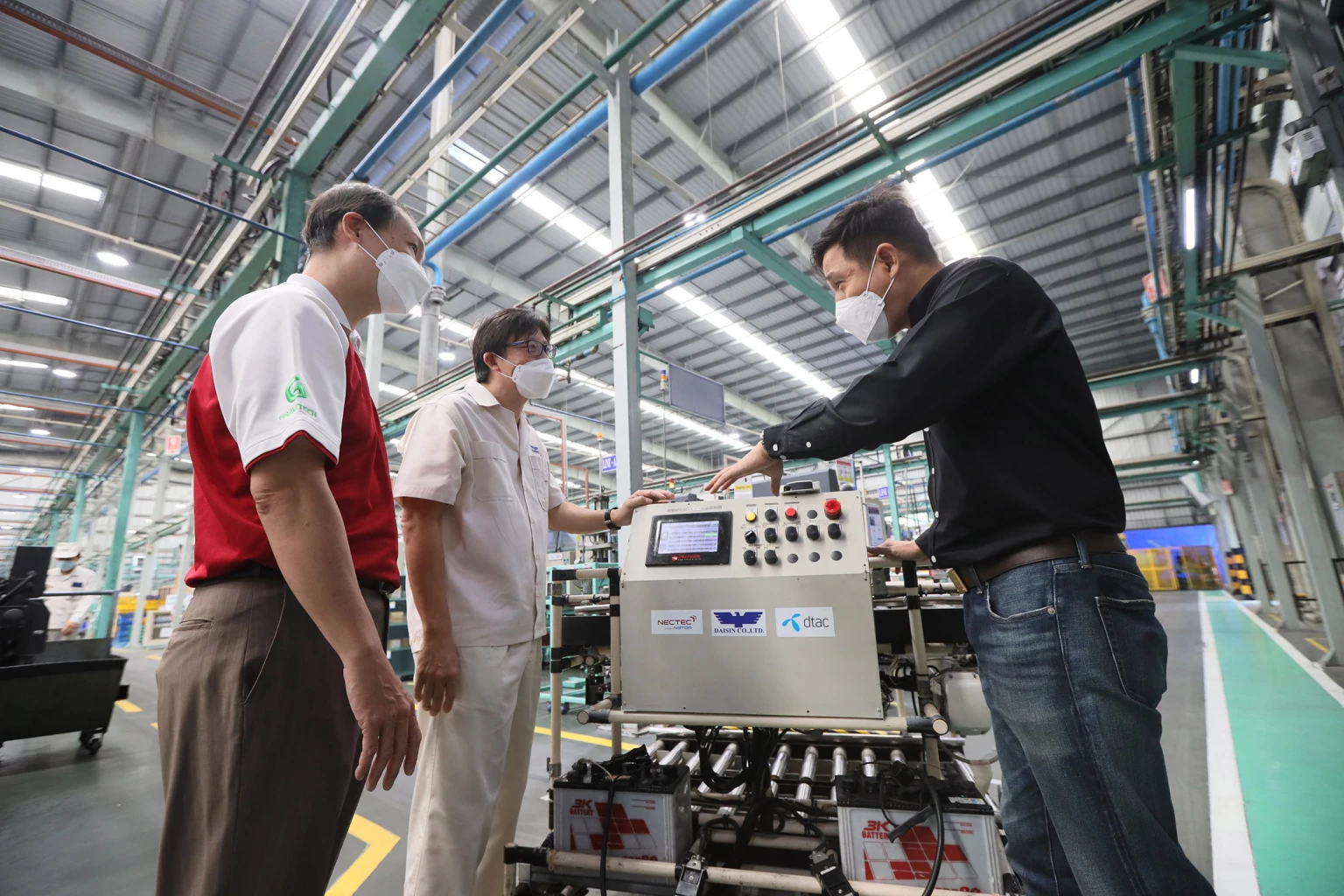
“This cooperation between NECTEC NSTDA and dtac is our first step in utilizing 5G to eliminate pain points in the manufacturing process. AGVs (Automated Guided Vehicles), can deliver parts during the production process, but cannot be accurately controlled. Specifically, keeping track of their location manually by staffs causes a loss of production time. This presents extra costs in transporting parts within the factory. It’s important to work this out because it can also present a danger from improper transportation”, Mr. Thanin said.
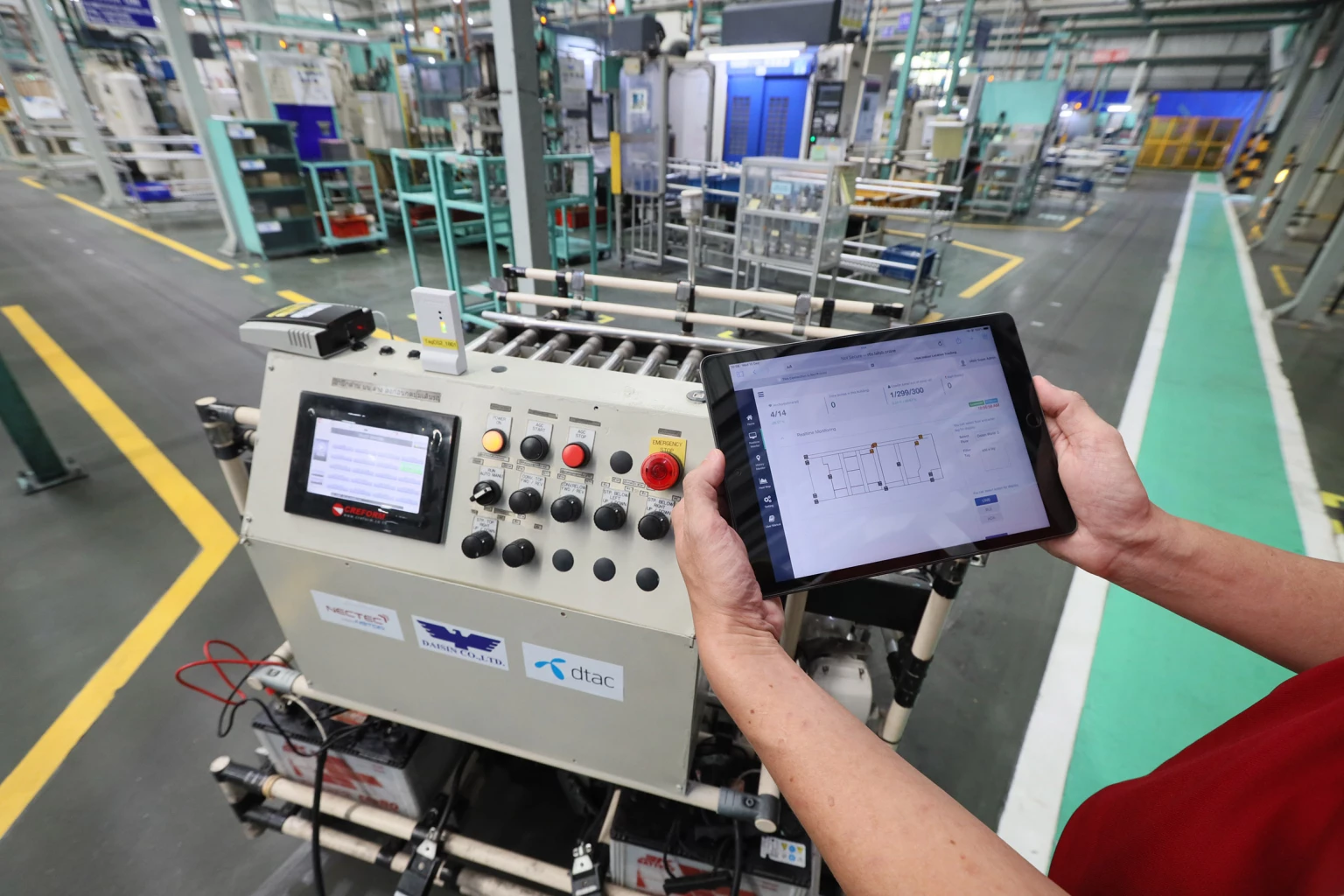
At the heart of the production process, Daisin has AGVs, or part transportation, that can be routed, then stopped by magnetic strips, but are limited to this activity. It has an adverse effect on production targets. If you want a real-time tracking system which increases map routing accuracy in delivery, the traditional AGV can no longer meet these production process requirements. This is especially true in the era of high competition with the need to reduce production-to-market times. Innovation will reduce costs, especially with accelerated production during the epidemic crisis when we need to make use the most of digital platforms and 5G.
Therefore, a 5G solution that can transmit and receive accurate data in real-time will meet the needs of smart factories with automatic controls and sensors using the Internet of Things (IoT) format. This can be developed to communicate with other IoTs and can send data to the cloud to provide data analytics, fully supporting Big Data in a digital environment. Daisin’s AGVs will have a dtac SIM installed to transmit 5G signals to the platform, precisely conveying parts to each production process. No time is wasted on surveillance tracking.
The location-tracking system used in this collaboration is the result of the LAI (Automatic Identification and Indication System) research team of NECTEC’s NSTDA, also known as the “UNAI”, or “Where are You” platform. This has been incorporated to send AGV’s current location and status information through dtac’s 5G network to the platform’s servers. An Internet of Things (IoT) network uses AGV electronic devices to link or transmit data via 5G. This enables the Daisin team to optimize the use of AGVs and to use the data to determine the number of cycles running in the production process via dtac’s 5G network.
Dr. Panita Pongpaibool, Deputy Executive Director at the National Electronics and Computer Technology Centre (NECTEC NSTDA) said, “We recognize the importance of 5G network technology as a potential tool to drive Thai industry to be more competitive. We see the country’s industrial sector as needing to adapt to the Industrial Age 4.0. Otherwise, it will not be possible to compete on the world stage. Digital technologies such as 5G, the Internet of Things, Big Data, and Artificial Intelligence must be introduced at the very beginning.”
“Entrepreneurs may not be confident in investing in technology, so NECTEC NSTDA joins with partners such as dtac to support operations to demonstrate the benefits and value of investing in technology. Hopefully, this will have an impact on factories in similar industries. For budgets used in conducting 5G use case trials for a smart factory, NECTEC NSTDA is supported by the Broadcasting and Telecommunications Research and Development Fund for Public Interest.”
Mr. Krit Prapatsakdi, Head of Enterprise Sales Division at Total Access Communication PLC or dtac said that according to data from Krungsri Research, in 2021-2022 domestic automotive production is expected to recover with an average increase of 3-4% per year, in line with the global automotive manufacturing industry.
This partnership with Daisin and NECTEC NSTDA is to further 5G technology to go beyond leveraging the use of existing production machinery systems through network leadership to using real-time data and developing it through the use of artificial intelligence. With the use of 5G technology to help manage huge amounts of data in analytics, this leads to innovation in business and economic development like never before. In this 5G use case, dtac has the opportunity to work with Daisin and NECTEC NSTDA in developing a prototype smart factory to facilitate the continued development of other factories in Thailand.
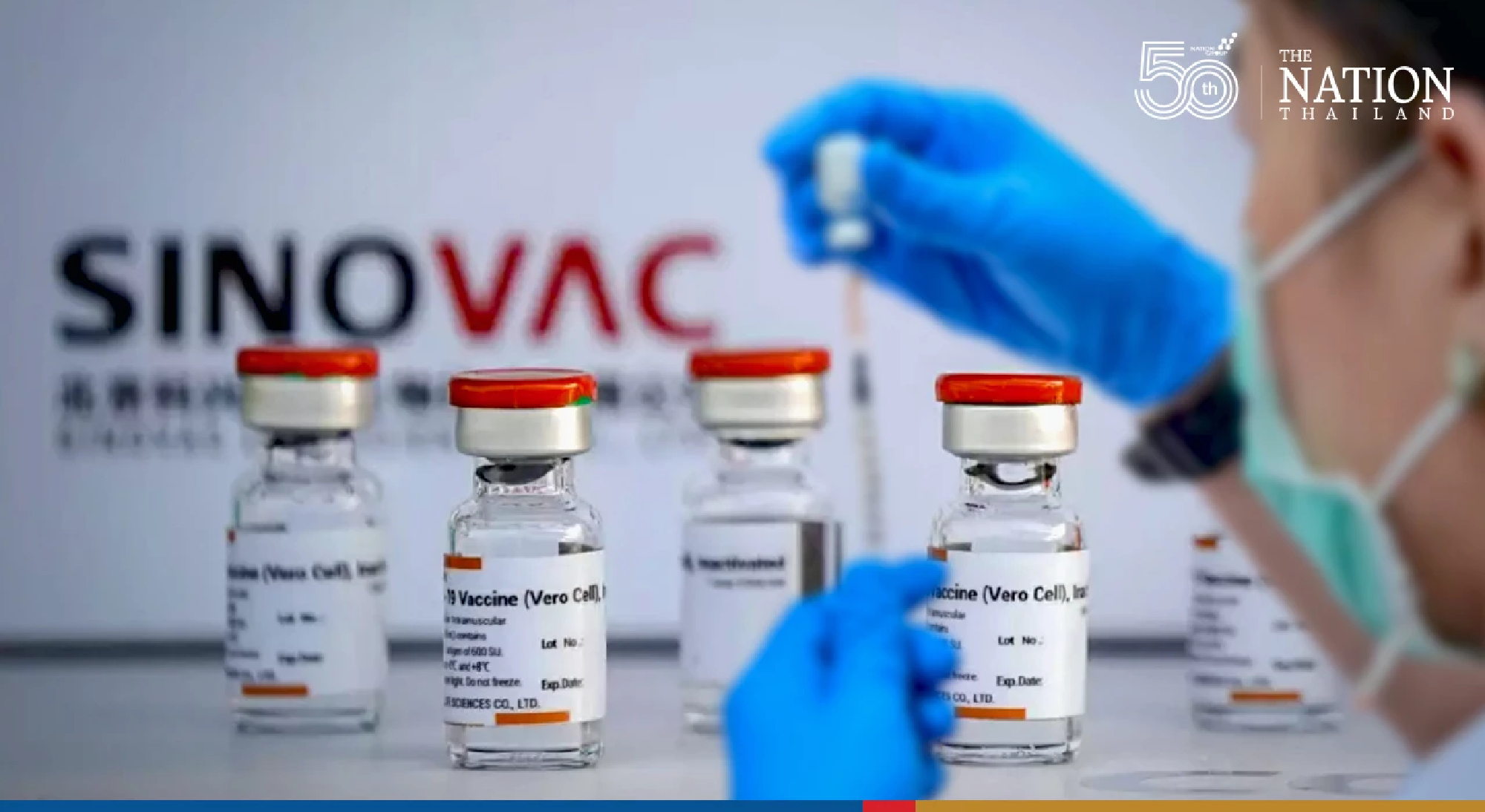
Three Sinovac Covid-19 vaccine jabs is another interesting option to deal with Omicron as it gives around 94 per cent protection against the virus, Public Health Commission vice chairman Dr Chalermchai Boonyaleephan claimed on Wednesday, citing a study.
He said Omicron has spread across 100 countries less than a month after the World Health Organisation’s variant of concern announcement on November 26, faster than the Delta variant by up to three months.
He also cited data from Pfizer, saying two Pfizer jabs provided just 33 per cent immunity against Omicron, but this immunity would increase to around 90 per cent after the third Pfizer jab.
“A recent study showed that two Sinovac jabs gave 35 per cent immunity against Omicron, but the immunity increases to around 94 per cent after receiving the third Sinovac jab. The immunity generated from three Sinovac jabs is equal to three Pfizer jabs,” he said.
“Therefore, the Sinovac vaccine is another interesting option to deal with Omicron when the development of new vaccines is not yet completed.”
Chalermchai said that apart from 1 billion Sinovac doses administered to people in China, another 800 million doses have been given to people in 44 countries, including 54 per cent of people in the Asia Pacific, 28 per cent in South America, 13 per cent in Europe and 5 per cent in Africa.
“Thailand should consider and follow studies on inactivated, viral vector and mRNA vaccines closely to be ready to deal with Omicron,” he advised.
Expert virologist Dr Yong Poovorawan took to Facebook on Wednesday to warn that the Covid-19 Omicron variant will spread in Thailand, but he would like it to be as slowly as possible.
Yong said he wants public health authorities to administer the third dose of vaccine to as many people as possible because two doses are just not enough to prevent Omicron.
He said Omicron came into Thailand quickly because foreign travellers, especially those under the Test & Go scheme, did not undergo quarantine. It was difficult to keep Omicron at bay because the variant could be in the incubation period or travellers might be infected mid-way.
Yong said Thailand must use quarantine for 7, 10, or 14 days again to prevent Omicron from spreading.
He advised the government to also suspend some activities or reduce the number of people travelling during the New Year.
He said the Omicron situation will affect the economy if it is widespread.
Yong also wrote that Thailand must realise, just like Europe and America, that it cannot fully control the variant and some countries have had to close.
The decision will be up to administrators to find a balance between safety and the economy, the virologist wrote. They must decide as quickly as possible before Omicron spreads across Thailand, he advised.
Sports Authority of Thailand (SAT) governor Kongsak Yodmanee and SAT executives held a press conference on Wednesday to announce the anti-doping law has been adjusted in line with international demands and is awaiting Cabinet approval.
Kongsak said the World Anti-Doping Agency (WADA) sent an official letter to the Doping Control Agency on July 22 asking it to amend the Anti-Doping in Sport Act BE2555 (AD 2012) by September 14 so that it conforms to the international 2021 Anti-Doping Code.
Kongsak said SAT contacted related organisations in Thailand and foreign countries to resolve the issue and prepared to adjust the law. However, the process could not be carried out in time, which resulted in WADA handing Thailand a punishment.
Kongsak said the Tourism and Sports Ministry, the Office of the Council of State, SAT and the National Olympic Committee of Thailand have now amended 24 sections of the act and this has been recognised by WADA.
He said SAT sent the draft to the Cabinet Secretariat on December 20. It was expected to be presented at a Cabinet meeting on December 28.
SAT will immediately contact WADA to reverse the punishment after the amended law has been enforced, Kongsak added.







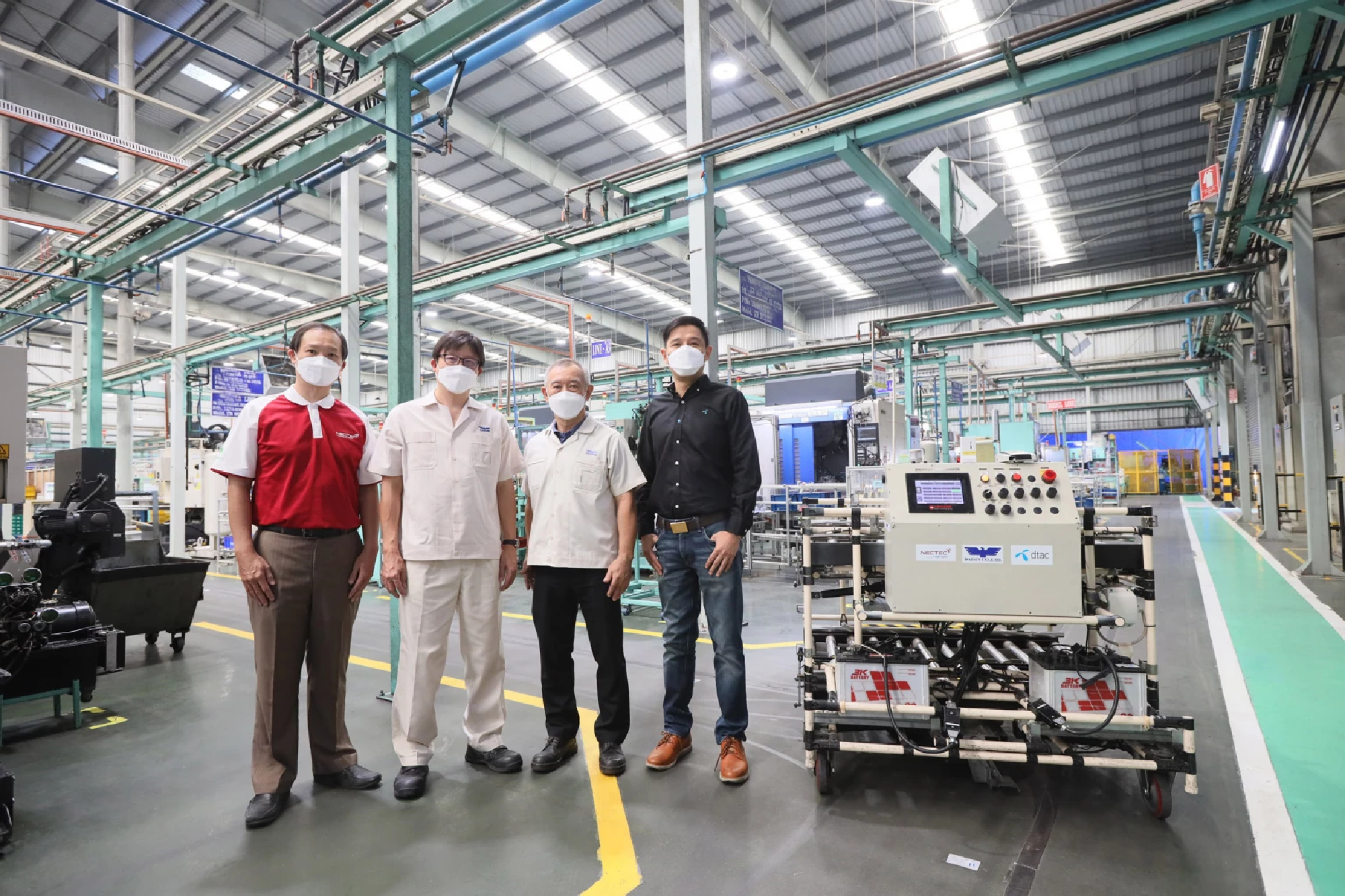
 At the heart of the production process, Daisin has AGVs, or part transportation, that can be routed, then stopped by magnetic strips, but are limited to this activity. It has an adverse effect on production targets. If you want a real-time tracking system which increases map routing accuracy in delivery, the traditional AGV can no longer meet these production process requirements. This is especially true in the era of high competition with the need to reduce production-to-market times. Innovation will reduce costs, especially with accelerated production during the epidemic crisis when we need to make use the most of digital platforms and 5G.