เมืองแฮร์ริสัน รัฐอาร์คันซอ เป็นเมืองที่มีคนผิวขาวอาศัยอยู่ราว 95% และเป็นหนึ่งในเมืองที่มีชาวผิวขาวมากที่สุดในสหรัฐ ตลอดหลายปีที่ผ่านมาเมืองนี้ถูกเรียกว่าเป็น “เมืองที่เหยียดเชื้อชาติที่สุดในอเมริกา” (The most racist town in America)
ในปี 1905 และ 1909 เกิดการจลาจลของคนผิวขาวขึ้นในแฮร์ริสันซึ่งขับไล่ชาวผิวดำออกจากพื้นที่ และในช่วงต้นศตวรรษที่ 20 มีการจลาจลทางเชื้อชาติขึ้นอีก 2 ครั้ง นอกจากนี้ยังมีการหลั่งไหลเข้ามาของลัทธิคลั่งคนผิวขาว (White Supremacist) ในช่วงปลายศตวรรษที่ 20 และต้นศตวรรษที่ 21 ด้วยเหตุนี้แหล่งข่าวหลายแห่งจึงเรียกเมืองนี้ว่า The most racist town in America
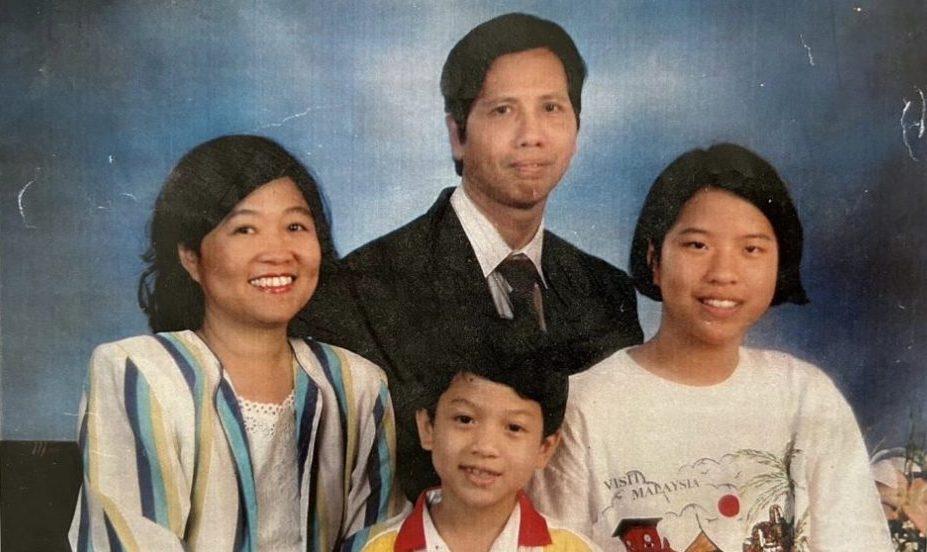
ช่อง Cantomando บนยูทูบ ชาวจีนที่อาศัยอยู่ในสหรัฐซึ่งมีผู้ติดตามกว่า 7 แสนคนได้ทดลองใช้ชีวิตในเมืองแฮร์ริสัน ในคลิปวิดีโอที่ชื่อว่า “ชีวิตของชาวเอเชียในเมืองที่เหยียดเชื้อชาติที่สุดในอเมริกา” (Day in the Life of an Asian in America’s Most RACIST Town) เพื่อดูปฏิกิริยาของผู้คนในเมืองแห่งนี้ที่มีต่อชาวเอเชีย
TOKYO (Jiji Press) — Health minister Shigeyuki Goto on Friday approved Merck & Co.’s COVID-19 pill molnupiravir for use in the country, making it the first oral treatment for coronavirus patients with mild symptoms in Japan.
The at-home antiviral pill is expected to ease burdens on patients and hospitals. It is effective against the omicron variant, health ministry officials said.
The government plans to distribute doses of the pill for 200,000 people nationwide from Sunday, making them available for use starting as early as Monday.
Molnupiravir will “play a key role in enabling people to live their lives with a sense of security,” Goto said. “I believe it will significantly advance our country’s coronavirus response.”
Medical workers are welcoming molnupiravir’s approval, as administering the pill is vastly less of a burden than using existing remedies such as the intravenous antibody cocktail Ronapreve, which requires doctors to monitor patients.
“If it is prescribed to infected people swiftly, continuous care from an early stage will become possible,” said Takafumi Nakagawa, head of a clinic in Sapporo. “It could be a game changer.”
Molnupiravir is “effective if used at an early stage,” said Akishige Obata, head of a clinic in the western city of Osaka. “If it can be used easily, COVID-19 may become an illness that can be handled with an oral remedy, like influenza.”
“The drug will help me feel at ease,” said a nurse in her 40s working at a nursing facility for elderly people in Tokyo which has many high-risk people.
On Dec. 3, a Japanese unit of the U.S. drugmaker applied to the ministry for approval of the pill, jointly developed with U.S. biopharmaceutical firm Ridgeback Biotherapeutics.
The pill will be available to high-risk patients aged 18 or older, other than pregnant women, with mild to moderate symptoms. It will be administered twice a day for five days.
The government is calling on patients to take the remedy as early as possible, as it is only shown to be effective in the first five days after the emergence of symptoms. A clinical trial found that the pill reduced risks of hospitalization and death by around 30%.
Britain became the first country to approve the pill in November. The European Union and the United States also have approved it. France, on the other hand, canceled its order for the drug, citing insufficient clinical trial results.
Merck has agreed to supply doses of the pill for 1.6 million people to the Japanese government. The country has also agreed to receive doses of another COVID-19 pill, developed by Pfizer Inc., for two million people.
Pharmaceutical firm Shionogi & Co. is also developing a COVID-19 pill.
Existing COVID-19 remedies in Japan are either medications for patients with moderate to severe symptoms who need oxygen or intravenous drugs and other treatments that are not available at home.
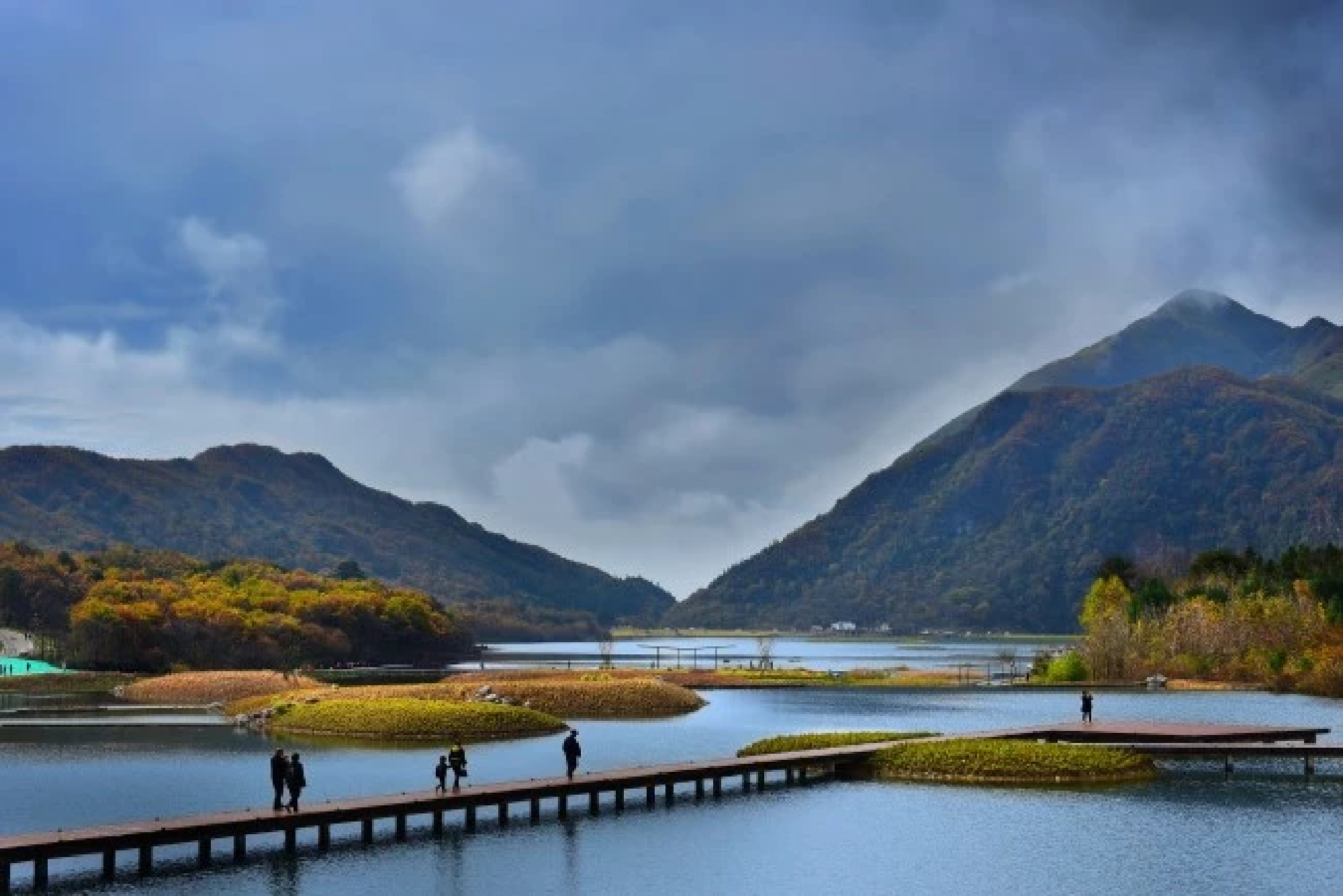
BEIJING – Chinese lawmakers on Friday voted to pass a new law on wetlands protection, establishing the countrys first specialized law on the issue.
Lawmakers approved the law, which will take effect on June 1, 2022, at a session of the Standing Committee of the National People’s Congress.
Yang Zhaoxia, an ecology expert with the Beijing Forestry University, said that the significance of the new law is that it strengthens the Chinese legal system in the area of ecology, where there were some weaknesses.
Governments at all levels should raise public awareness of protecting wetlands through various campaigns, such as setting up “wetland protection day” or “wetland protection week,” according to the law.
Education authorities and schools are also asked to enhance the awareness of students on the protection of wetlands.
According to the law, the country will exercise the administration of wetlands at different levels, and important wetland areas should be brought under the ecological conservation red lines.
A national catalog of important wetlands will be released by forestry and grassland authorities and other related departments of the State Council for the better management of wetlands. Protection signs should also be set up, according to the law.
The law prohibits any organization or individual from destroying the habitat of birds and aquatic life in wetlands.
Stipulations on the protection of peat swamps and mangrove wetlands are highlighted in the newly adopted law.
It is forbidden to exploit peat from peat swamp wetlands or to exploit their groundwater without authorization, according to the law.
It is also forbidden to occupy or dig ponds in mangrove wetlands, as well as to fell, excavate or transplant mangroves, or to over-exploit mangrove seeds, among other activities.
The law includes provisions on setting up a system of compensation for ecological conservation, requiring enhanced government funding in protecting vital wetlands.
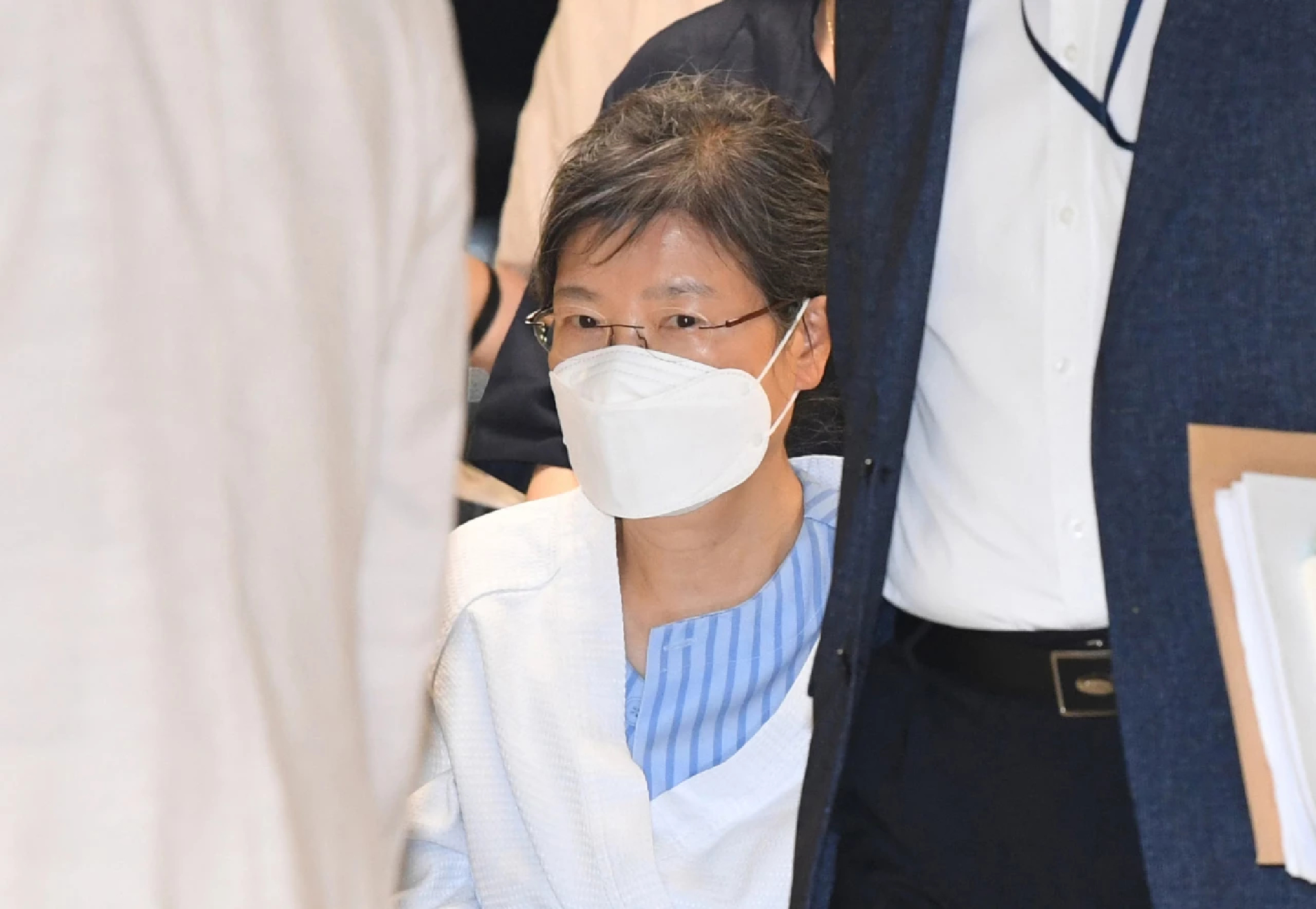
Former President Park Geun-hye is to be pardoned in the special New Year presidential pardon granted to 3,094 individuals. Former President Lee Myung-bak was not included in the list.
Park, 69, has been serving a combined 22-year term since March 2017 for charges including abuse of power and bribery, after she was impeached in the year before.
Her immediate predecessor Lee, who is currently serving a 17-year prison sentence for bribery and embezzlement, has not been given the special pardon.
“We should overcome the pain of the past era and move forward into a new era. Instead of being trapped in the past and fighting each other, we should gather forces to move onto the future,” President Moon Jae-in said in a statement, after the Justice Ministry released the list of special pardons.
“(On Park’s pardon) we also considered Park‘s deteriorating health,” Moon added and asked for understanding from those who oppose the decision.
Park was hospitalized three times due to chronic shoulder and lower back pain. She also received shoulder surgery in 2019.
Following the announcement, Park expressed gratitude to Moon via her lawyer Yoo Young-ha.
“I would like to first apolgize to the people for causing worries, and I am grateful for unwavering support,” Park said in the message delivered by Yoo who met with reporters outside the Samsung Seoul Hospital in Seoul, where she has been admitted.
“I also want to express my deep gratitude to President Moon Jae-in and the government for granting the special pardon. I will do my best to recover soon so that I can express my gratitude to the people myself.”
The pardon, which is set to take effect from Dec. 31, also includes reinstatement of former Prime Minister Han Myeong-sook, who was imprisoned from 2015 to 2017 for taking some 900 million won ($750,000) of illegal political funds.
Han served as prime minister from 2006 to 2007 under the Roh Moo-hyun administration, and was later leader of a predecessor to the ruling party.
The list also includes 38 entrepreneurs and small business operators, two political and labor activists, as well as reinstatement of one person who has been charged for illegal abortion.
The government also gave a special reduction in punisment to 983,051 people, all but 2,271 of whom had received driver’s license suspensions.
The Justice Ministry said it decided on the special pardon to relieve the burden for the people experiencing difficulties amid the COVID-19 pandemic and to promote unity in society.
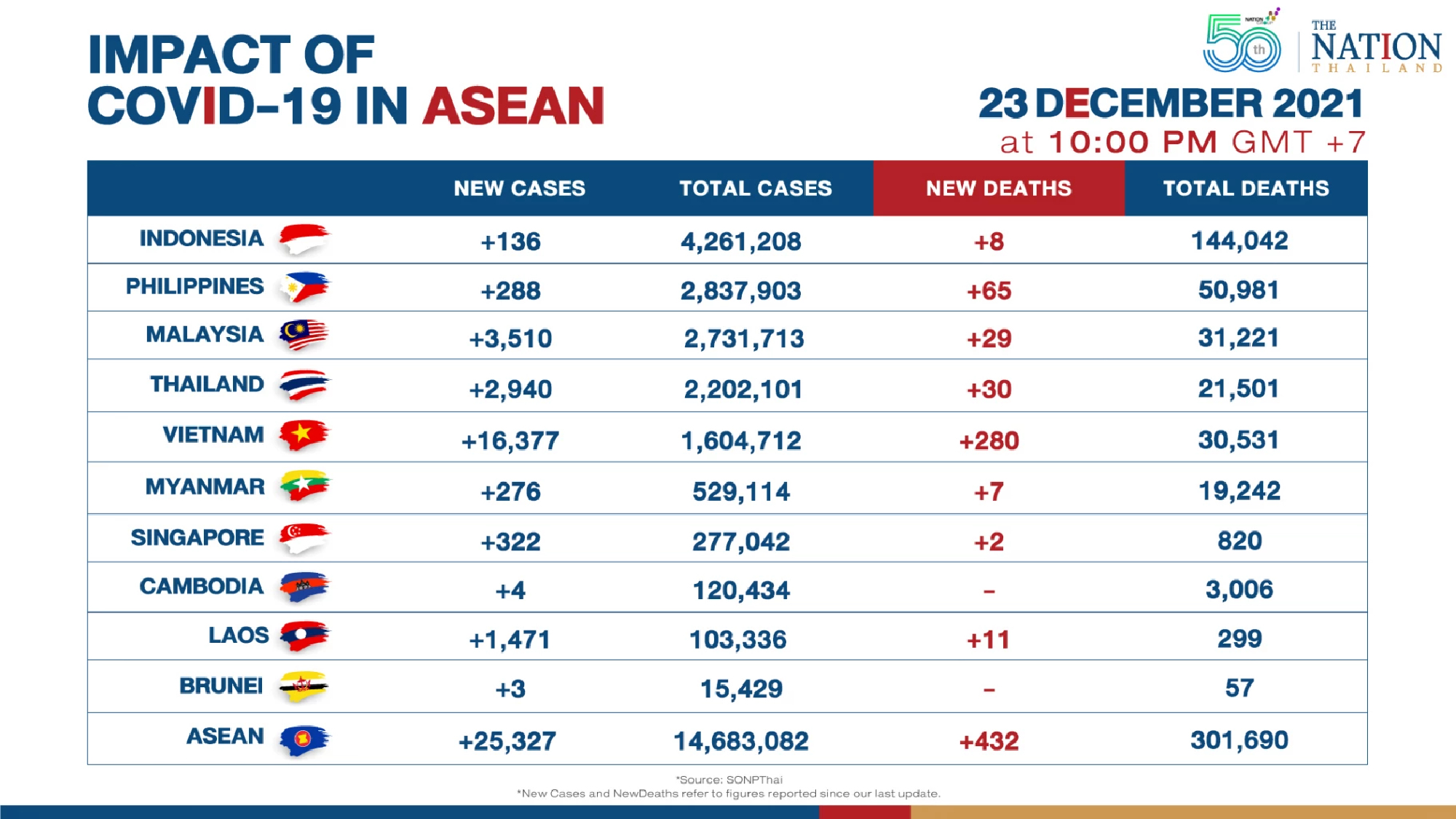
The Phnom Penh Municipal Administration on December 24 said it will kick off a new Covid-19 booster shot campaign on January 3 for people aged 12-18 who received a second dose at least four months ago, at 42 total locations in all of the capital’s 14 districts.
Earlier jab drives led to the successful first- and second-dose vaccination of members of this age group, it noted in a statement.
The Post understands that fourth doses will not be made available to the public at this time, although Prime Minister Hun Sen on December 23 announced plans to administer the second booster shots to 500,000 frontline health workers including members of the armed forces.
The Ministry of Health on December 23 reported that Cambodia had vaccinated 89.00 per cent of the estimated 16 million population with at least a first coronavirus jab. Currently only children aged five and up are eligible for a Covid shot.
More than 3.27 million people nationwide have received a booster to date, the ministry said.
SINGAPORE – Singapore is planning to nearly double the number of designated facilities for close contacts of Covid-19 cases if needed, in preparation for a possible surge in infections due to the Omicron variant.
There are 14 active designated facilities as at Wednesday (Dec 22), and the Ministry of Health (MOH) is looking to convert an additional 12 designated facilities over the next month, if required.
These facilities will be able to accommodate up to 11,000 people in total, an MOH spokesman told The Straits Times on Friday (Dec 24).
The ministry has contingency plans in place to meet various scenarios, the spokesman added.
Singapore has taken various steps to guard against the highly transmissible Omicron variant, including tightening its border measures, extending its vaccination and booster programme to more age groups, and ramping up healthcare capacity as necessary.
There are 71 confirmed Omicron cases detected in Singapore as at Monday, with 65 imported cases and six local cases.
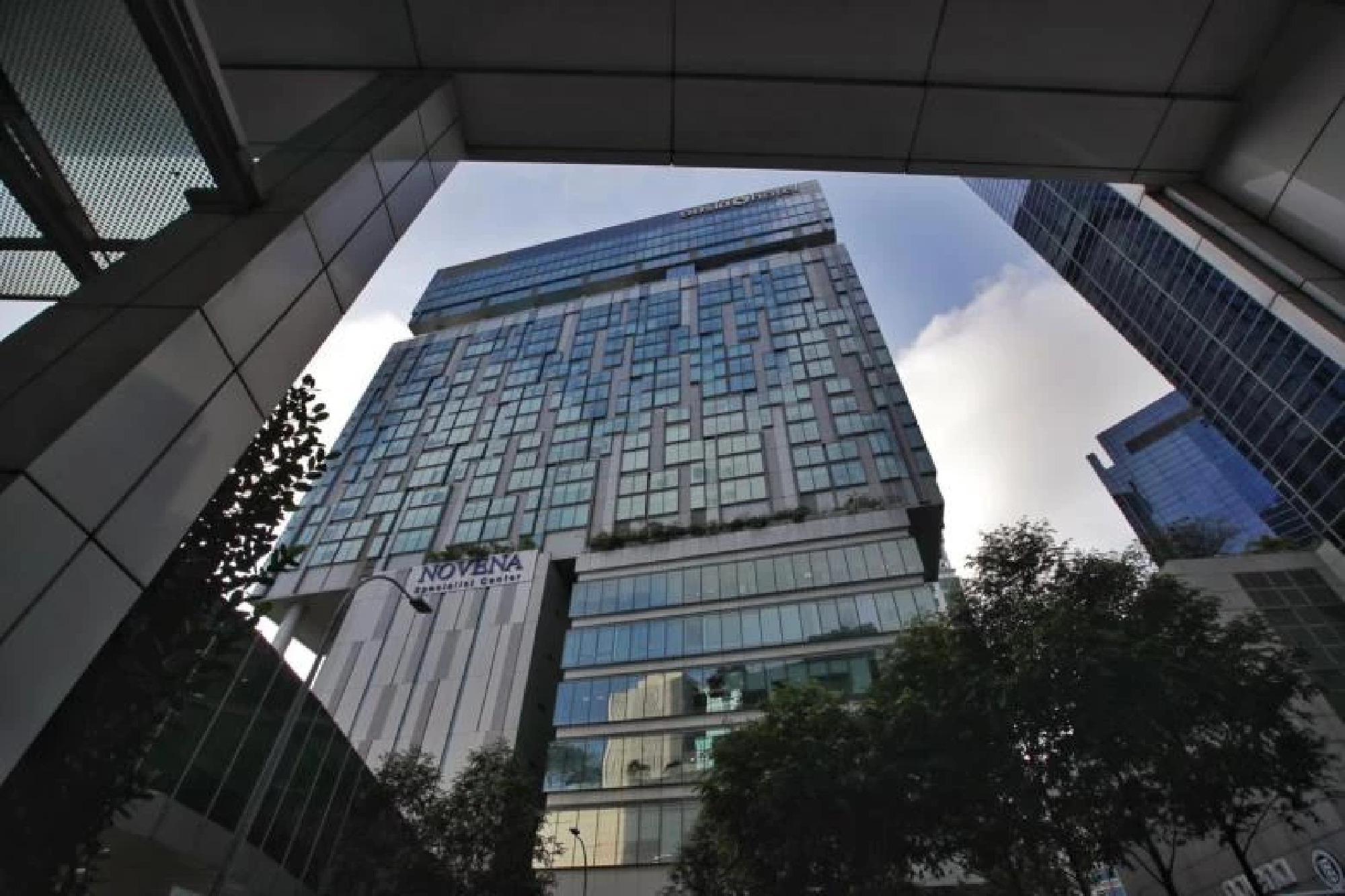
While MOH has previously said that Omicron cases will be isolated for treatment at the National Centre for Infectious Diseases (NCID), ST understands that some are now being sent to Oasia Hotel Novena for treatment.
The hotel was announced as a community treatment facility for Covid-19 cases in October, and is located near the NCID.
With the number of imported Covid-19 cases rising – hitting a record 89 cases on Thursday (Dec 23) – Singapore Airlines (SIA) crew manning flights from the United Kingdom are now required to wear protective gowns, on top of current precautions such as donning masks and goggles.
ST understands that the new precaution was introduced recently following reports of several Omicron cases among travellers from Britain.
Meal service for business class passengers for UK flights will also be scaled back to a one-tray service to limit contact between passengers and cabin crew.
The UK is among the countries that Singapore has started vaccinated travel lanes (VTLs) with, to allow eligible travellers to enter Singapore without having to serve quarantine.
It is one of the most popular markets among the 24 countries that Singapore has started VTLs for.
But the Covid-19 situation there has been rapidly worsening. The UK reported a record 119,789 new Covid-19 cases on Thursday, with 16,817 new Omicron cases.
MOH had also announced the suspension of all VTL ticket sales for entry into Singapore between Dec 23 and Jan 20, as it seeks to limit the number of imported Covid-19 cases.
SIA told ST that it follows the guidance of the authorities when informed of Omicron cases on its flights.
“Pilots and crew who operated on such flights are required to self-isolate and get tested for Covid-19, as the health and safety of our customers and staff members remain our priority,” it said.
“SIA also works with the health authorities in all necessary contact tracing efforts when such cases are detected.”
On the uncertainty surrounding the Omicron variant, Mr Alan Tan, president of the Singapore Airlines Staff Union, said: “Obviously the crew are concerned, but it’s part of our job.
“Hospital staff and many other front-liners are facing the same concerns as well.”
Typhoon Rai left a trail of destruction, killed at least 375 people with many still missing, and damaged nearly 350,000 houses, but people in the affected areas are soldiering on.
“With or without food on the table, we will celebrate Christmas,” said a survivor from Typhoon Rai that battered the central and southern Philippines last week.
The typhoon left a trail of destruction and killed at least 375 people with many still missing.
Gloria Fulido, resident from Bohol province that is one of the hard-hit provinces of Typhoon Rai, believed the festival spirit lives on despite the massive damage.
The most powerful typhoon to slam the Philippines this year knocked out power, telecommunications, and water supplies in regions in its path in the Southeast Asian country.
The national disaster agency said the estimated damage to agriculture and infrastructure has reached over 4 billion pesos (about 80 million U.S. dollars), adding that it damaged nearly 350,000 houses, including Fulido’s house.
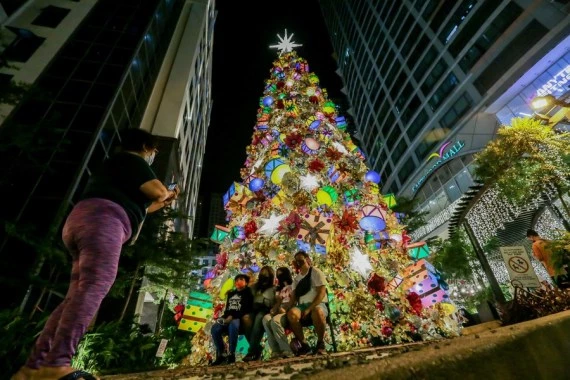
People take photos in front of a giant Christmas tree during the launch of a Christmas-themed display at a mall in Quezon City, the Philippines, on Nov. 4, 2021. (Xinhua/Rouelle Umali)
Two days before Christmas, Fulido decorated a small Christmas tree and hung the pink star-shaped lantern in front of her roofless house.
“The devastation brought about by the typhoon will not dampen our Christmas spirit,” she added.
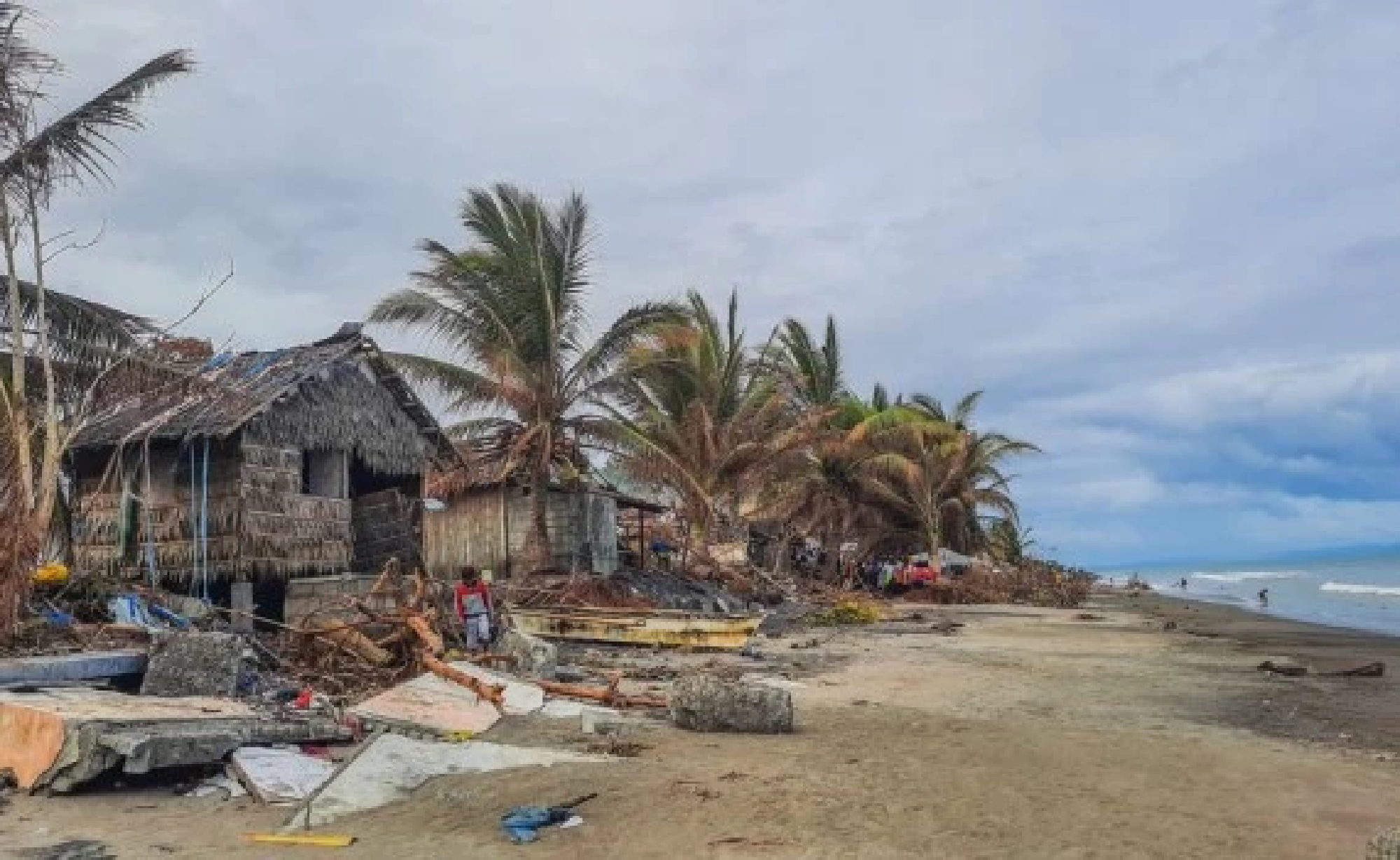
Christmas is usually marked by big celebrations in the Philippines. Traditional religious activities, family gatherings and endless parties are held during the holiday season. For the past few days, people thronged to Metro Manila bus stations and airports to head to their hometowns to celebrate the holidays season with relatives amid the threat of COVID-19 infections. But in Fulido’s neighborhood, many houses are “sky-roofed” after the typhoon. Plastic sheets are used as temporary roofs.
Photo shows a fishing community damaged by Typhoon Rai along a shoreline in Leyte Province, the Philippines, Dec. 22, 2021. (Xinhua)
Marlon Yunson, a resident of Pitogo island town in Bohol province, teared up while recalling the damage his family experienced. “We lost everything that we built for 18 years in a snap,” he lamented.
Famous for the sprawling “chocolate hills” and the cute bug-eyed tarsiers that are listed as endangered species and are kept in the protected and fenced-off sanctuary to repopulate, Bohol is also among the best diving places in the Philippines.
But the typhoon damaged four of the more than 1,200 conical mounds known as “chocolate hills” and scared off the cute bug-eyed tarsier primates in the province.
Bohol Governor Arthur Yap said 107 people perished in the province and 12 more are still missing.
Yap dissuaded the people of Bohol from using firecrackers on Christmas eve and New Year to avoid fire as the province is running low with water due to the typhoon.
Filipinos believe in welcoming the new year with a bang by literally lighting firecrackers to usher in a prosperous new year. The tradition is usually destructive, causing fire, injuries and even death.
However, despite the tragedy that befell the province, it is not a bleak Christmas. A dozen of young people gathered to help repack and distribute donated clothes and foodstuff to the victims in Loon town.
“We are also victims, but there are people who need more help such as clothes and rice,” Anthonette Mae Gupit said.
 โอมิครอนระบาดหนัก อังกฤษติดเชื้อพุ่งเป็นประวัติการณ์ ทะลุ 1 แสนรายในวันเดียว
 เมื่อคนเอเชียลองใช้ชีวิตใน “เมืองที่เหยียดเชื้อชาติที่สุดในอเมริกา”
![[Cambodia] New third-dose jab drive in capital starts Jan 3](https://media.nationthailand.com/uploads/images/md/2021/12/aANaLBpiv20YdZ8wYAIr.webp?x-image-process=style/lg)
 People take photos in front of a giant Christmas tree during the launch of a Christmas-themed display at a mall in Quezon City, the Philippines, on Nov. 4, 2021. (Xinhua/Rouelle Umali)
 Photo shows a fishing community damaged by Typhoon Rai along a shoreline in Leyte Province, the Philippines, Dec. 22, 2021. (Xinhua)
