Japanese soccer fans cheered and chanted at Tokyo’s iconic Shibuya crossing after Japan beat Spain 2-1 to surge into the last 16 at dawn Friday (December 2) Japan local time.
As Hong Kong welcomes first tour group from Thailand, officials hope arrivals will rise following the relaxation Covid-19 restrictions
FRIDAY, DECEMBER 02, 2022
Hong Kong Tourism Board chairman Pang Yiu-kai said the board welcomed the government’s decision last month to allow inbound tour groups to dine in designated areas of restaurants and cut the time they spent waiting for the results of Covid-19 tests.
Pang said, “Hong Kong is one of Asia’s most festive destinations in winter. Becoming effective before the travel peak season of Christmas and Chinese New Year, the new arrangements will help bring back short-haul visitors to experience Hong Kong’s seasonal festivity, especially those from Southeast Asia. The Hong Kong Tourism Board will continue to work closely with trade partners in promoting the diverse and exciting activities and experiences in town to attract inbound visitors to the city.”
“We are glad that the announcement of the new travel guidelines has been well received by our Southeast Asian partners and consumers “, says Raymond Chan, Regional Director, Southeast Asia, Hong Kong Tourism Board. “We will be rolling out more trade and marketing activities in the upcoming months to welcome Southeast Asian group tours to Hong Kong.”
Welcoming the First Thailand Incentive Group
Hong Kong welcomed an incentive group of Thailand’s top beauty brand IB Skincare from 25 to 28 November. It is the first of a steady stream of overseas incentive groups that the Hong Kong Tourism Board (HKTB) anticipates to return to the city following further relaxation of social measures for inbound travel since mid-November.
The group was treated to unique experiences with a “wow” factor, including a specially arranged tour of the brand-new Hong Kong Palace Museum, temple-hopping and an exclusive Christmas tree light-up moment at Hong Kong WinterFest, creating unforgettable memories in Hong Kong for the incentive group members.
Kenneth Wong, General Manager, MICE & Cruise of HKTB, said: “We’re delighted to welcome our friends from Thailand to Hong Kong again. This group marked the very first of our line-up of incentive groups from short-haul markets, with even more coming in the future. It indicates encouraging overseas demand for motivational incentive programmes in Hong Kong, especially after the recent implementation of favourable arrangements for inbound tour groups,” which refer to the special arrangements for inbound tour group travellers received by licensed travel agents with pre-registered itineraries to enter tourist attractions and dine in designated catering premises that came into effect on 18 November.
He added: “We are very pleased that they enjoyed Hong Kong’s very best East-meets-West cultural celebrations, tradition immersion and brand-new attractions.”
“We missed Hong Kong a lot! Hong Kong is full of new excitement, even in the traditional temples across the city. I am impressed with the gold foil pasting on the Holy Deer at Man Mo Temple and thankful for all the warm hospitality and authentic experiences at various temples. Everyone is very welcoming too! There’s not just cultural immersion, but also new elements that enhance the overall experience,” said Pamika Laohirun, Manager, Garey Asset.
The HKTB arranged for the group an exclusive Christmas tree light-up moment at the West Kowloon Cultural District (WKCD), the city’s new flagship art and cultural quarter, as Hong Kong prepares to celebrate the year-end festive season.
“It was incredibly amazing to personally light up the giant Christmas tree against the backdrop of Hong Kong’s skyline!” said Chanyapuk Laohirun, Owner and Director, Garey Asset.”I would like to thank the HKTB for their dedicated support. We had a memorable evening at WKCD soaking up the joyous festive atmosphere and visiting the new Hong Kong Palace Museum. It’s truly a one-of-a-kind experience immersing in some of the best-ever East-meets-West cultural celebrations in a single trip!”
Amid complaints of a shortage in stored value Beep cards in train stations in Metro Manila, the Department of Transportation on Thursday said that the card provider has promised to deliver 150,000 cards soon.
The officials said they met with representatives of AF Payments Inc (AFPI), who claimed there were several issues in making the contactless cards that replace the previous magnetic card system under a concession agreement signed in 2016.
“The shortage, according to AFPI, was due to issues in the supply chain of electronic chips and a special gas from Russia that are used in manufacturing the cards, as well as logistics, high production costs and the closure of manufacturing sites in China due to the pandemic,” said Randolph Clet, project manager of the transport department’s automated fare collection system.
However, commuters pointed out that despite the claimed shortage of Beep cards in some LRT and MRT stations, AFPI began selling cards at 188 pesos each, without load and excluding the shipping fee, on e-commerce platforms Shopee and Lazada.
In a statement on Monday, AFPI said it had launched official online stores for Beep cards to ease the shortage of cards in various train, bus and modern jeepney stations in Metro Manila, but on Facebook Marketplace Beep cards are being sold at P120-P150 without load.
Beep cards cost only P30 at train stations.
The advocacy group Digital Pinoys on Wednesday asked the department to scrap its contract with AFPI after the latter began selling more expensive Beep cards online despite supposed “supply chain” issues on top of the complaints of “overpriced” Beep cards at the height of the pandemic in 2020.
“They said the supply is not enough, [but] how come they are able to sell it in their stores on online shopping platforms for a much higher price?” Digital Pinoys national campaigner Ronald Gustilo asked.
However, Clet echoed an official statement from AFPI saying the sale of Beep cards outside of train stations was not within the concession agreement signed in 2016 and only cards sold in train stations are covered by government subsidies.
Clet also said the department and railway operators are willing to accept proposals from other fare card issuers, as long as they meet the requirements for the government’s automated fare collection system.
But that was not enough for Senator Grace Poe, chair of the Senate committee on public services, who demanded that the Department of Transportation explain its failure to correct the problem, even with the allotted funds as subsidies to the public transport sector.
“We have allocated billions for the development and modernisation of our railway system. Our people must feel the fruits of their hard-earned taxes,” she said, adding that the current situation was a step back from the aims of the government.
In a statement, Poe lamented how the shortage has added to the struggles of commuters who now have to queue up for Beep cards.
“The time spent lining up for every single-journey ticket is a moment wasted for our already weary commuters,” she said.
Laos, China to celebrate first anniversary of high-speed railway
FRIDAY, DECEMBER 02, 2022
Laos and China will mark the first anniversary of the Laos-China Railway – a key driver of economic growth in Laos – on Saturday with a series of events.
Inaugurated on December 3, 2021, the railway connects Vientiane with Kunming in southwest China’s Yunnan province over a distance of 1,035km.
During the first year of operation, the railway sparked a surge in exports and helped to revive tourism, meeting the increasing need for travel between Vientiane and the northern provinces.
According to Xinhua, to date, the Lao section of the China-Laos Railway has shipped around 2 million tonnes of goods, most of which are cross-border goods, and has carried 1.26 million passengers.
Director of Operations at the Laos-China Railway, Du Zhigang, was quoted in Xinhua recently as saying that the amount of freight transported has increased steadily since the railway came into operation.
Goods shipped by rail from Laos include rubber, barley, rice, cassava, coffee, beer, minerals and potash, while consumer goods, machinery parts, auto parts and electronic products are shipped from China.
“We are selling a large number of tickets because people are eager to experience our modern EMU (electric multiple units) trains, especially people from neighbouring countries such as Thailand,” Du said.
Vice -president of the Lao National Chamber of Commerce and Industry, Daovone Phachanthavong, told the Vientiane Times this week that the opening of the railway at the end of last year had not only been a major boost to tourism in Laos but had also improved logistics and transport, helping to boost trade between Laos and neighbouring countries.
Daovone said Laos has huge potential for investment in agriculture, especially cattle farming for export to China.
But although the railway offers opportunities for Laos to grow its economy, the government needs to do more to improve the investment climate and streamline the processing of paperwork associated with investment approval.
Daovone said the government needs to view entrepreneurs as shareholders because the growth of their businesses means more revenue generated for the country through taxes and job creation.
President of the Association of the Lao Garment Industry and vice president of the Lao National Chamber of Commerce and Industry, Xaybandith Rasphone, said that unlike big companies in Thailand and China, it is very challenging for Lao companies, due to their size, to make full use of the railway.
Xaybandith was quoted in the China Daily as saying that Lao firms lacked capacity and could not yet produce goods in sufficient volume to meet the needs of the Chinese market. More support from the government is needed, he said.
Other business leaders said improvements are needed to enable easier access to the railway by Lao businesses, saying they are disadvantaged by high logistics costs and the lack of an online train ticket booking service for passengers.
US Treasury’s Adeyemo says $60 oil price cap will limit Russia’s revenues
FRIDAY, DECEMBER 02, 2022
US Deputy Treasury Secretary Wally Adeyemo applauded a European Union deal for a $60-a-barrel price cap on Russian oil exports on Thursday, saying this was within the range of discussed price levels and would limit Moscow’s oil revenues.
Adeyemo told the Reuters NEXT conference that he believes that EU member countries will finalize the price cap agreement because they have consistently applied sanctions to punish Russia for its invasion of Ukraine.
The European Union tentatively agreed earlier on a $60 level to start the price cap, with a regular adjustment mechanism.
“It’s in the range of prices that we’ve been talking about for a while in terms of creating and helping us do two things. One is reducing Russia’s revenues. But the second one is making sure that we keep Russian barrels on the market,” Adeyemo said.
Adeyemo told also that the price of gasoline had come down from highs seen over the summer, but prices were still too high overall, and the administration was doing everything it could to ease supply chain pressures.
Legislation like the bipartisan infrastructure law, the Inflation Control Act and a law to promote domestic semiconductor production would make long-needed investments in the economy that would help bring inflation under control, he said.
“Our goal is to really try and make sure that as we bring down inflation, we’re also making the investments to make sure the American economy is competitive, not just next year, but in the decades to come.”
Japan mulls development of 10 long-range hypersonic and glide missiles
FRIDAY, DECEMBER 02, 2022
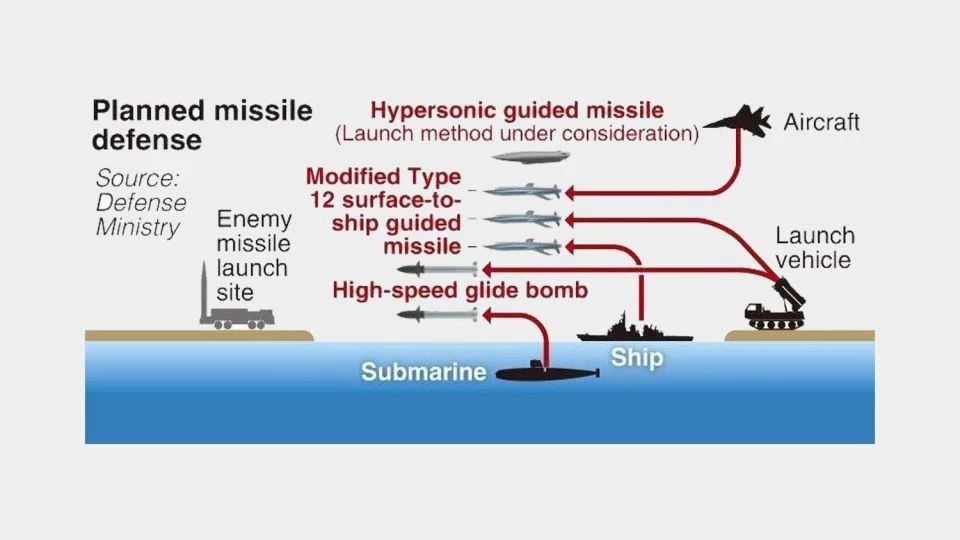
The development of at least 10 types of long-range missiles is being mulled under a Defense Ministry plan, as the nation moves toward the possession of counterattack capabilities, The Yomiuri Shimbun has learned.
According to an outline of the plan, the ministry aims to deploy hypersonic guided missiles that can fly at least five times the speed of sound operational from fiscal 2028 or later, and high-speed glide bombs that could be used for the defence of remote islands from fiscal 2030 or later.
The possession of counterattack capabilities is likely to be stipulated in the revised National Security Strategy set to be approved by the Cabinet in December.
Under the development plan, at least 10 types of missiles would be introduced to bolster Japan’s deterrence, comprising hypersonic and glide missiles that can be launched from land, sea and air.
The Defense Ministry has asked the Finance Ministry for ¥5 trillion to cover related expenditures and will officially decide on the budget and details of the plan in conjunction with the formulation of the security strategy.
The Ground Self-Defense Force’s Type 12 surface-to-ship guided missile will be the mainstay of the counterattack capabilities. The Type 12’s range will be extended and the missile will be modified so it can be launched from land, sea and air. A ground-launched version of the missile is expected to be deployed in fiscal 2026 at the earliest.
Intercepting a hypersonic missile would be difficult under Japan’s existing air defence network. The government believes that adding hypersonic missiles to the Self-Defense Forces’ arsenal would serve as a deterrent. The ministry aims to bring forward the deployment of ground-launched and other missiles from the 2030s to fiscal 2028 at the earliest.
Ground-launched glide missiles fly at supersonic speeds and can destroy enemy forces that have come ashore. A prototype is planned to be deployed in fiscal 2027, with the missiles scheduled to be rolled out in fiscal 2030 at the earliest. These missiles might feature among Japan’s counterattack capabilities if their range can be extended. The development of a submarine-launched version has also been proposed.
The ministry plans to start research into multiple types of anti-ship guided missiles as well. The government intends to purchase U.S.-made Tomahawk cruise missiles to swiftly secure counterattack capabilities and is preparing to expedite the mass production and deployment of missiles manufactured in Japan.
Bad debts by household borrowers exceed THB1 trillion in Q3
FRIDAY, DECEMBER 02, 2022
Bad debts from household borrowings have remained beyond the 1-trillion-baht mark in the third quarter of this year, despite dropping from the previous quarter, the National Credit Bureau (NCB) said.
NCB chief executive Surapol Opasatien said on Friday that non-performing loans (NPLs) from household borrowers came in at 1.09 trillion baht in the third quarter, accounting for 8.4% of total debts. That was a tiny drop from 1.1 trillion in the second quarter, which made up 8.6% of all debts.
He said at the end of the third quarter, 25 million borrowers came under the NCB system. Of their total debts, 529 billion baht came from credit cards, 2.5 trillion from personal loans, another 2.5 trillion from vehicle loans, 4.7 trillion from home mortgages and 1 trillion from farming loans.
According to the Bank of Thailand, NPLs in the banking sector only accounted for 2.77% of bad loans at the end of the third quarter, down from 2.88% in the second quarter.
Records show that 3.88 million bank loan holders came under the central bank’s debt restructuring programme as of August 31, while 135,805 people sought 339 billion baht in new soft loans for business rehabilitation.
Surapol put the huge amount of bad debts on the Covid-19 crisis. He said NPLs caused by the fallout of the pandemic totalled 400 billion baht at the end of the third quarter, double the 200 billion seen in January.
That accounted for as much as 40% of the 1.1 trillion baht in bad loans during that period.
Of all household debts, the NCB chief said personal and vehicle loans were “the most worrisome”, as most of the borrowers were Generation Y (aged 25-42). This generation is believed to be responsible for the highest number of bad debts among all age groups – 340 billion baht in the first nine months of this year.
Gen Y borrowers secured 53% of all auto loans in the first nine months of this year, and 61% of all personal loans in the same period, NCB data showed.
As for home loans, 4% or 180 billion baht have turned into bad debts, while unpaid credit card bills have risen as high as 12.2%.
Pattaya seeks solution to homelessness after 10-year-old filmed smoking ganja
FRIDAY, DECEMBER 02, 2022
The 10-year-old boy who was captured on a clip smoking marijuana in Pattaya has been returned to the shelter from where he had escaped, local officials said on Friday.
The youngster, identified only as “M”, was filmed smoking cannabis with a bamboo bong on the beach in South Pattaya in Chonburi’s Bang Lamung district.
The clip, which was widely circulated on social media, drew much criticism against authorities.
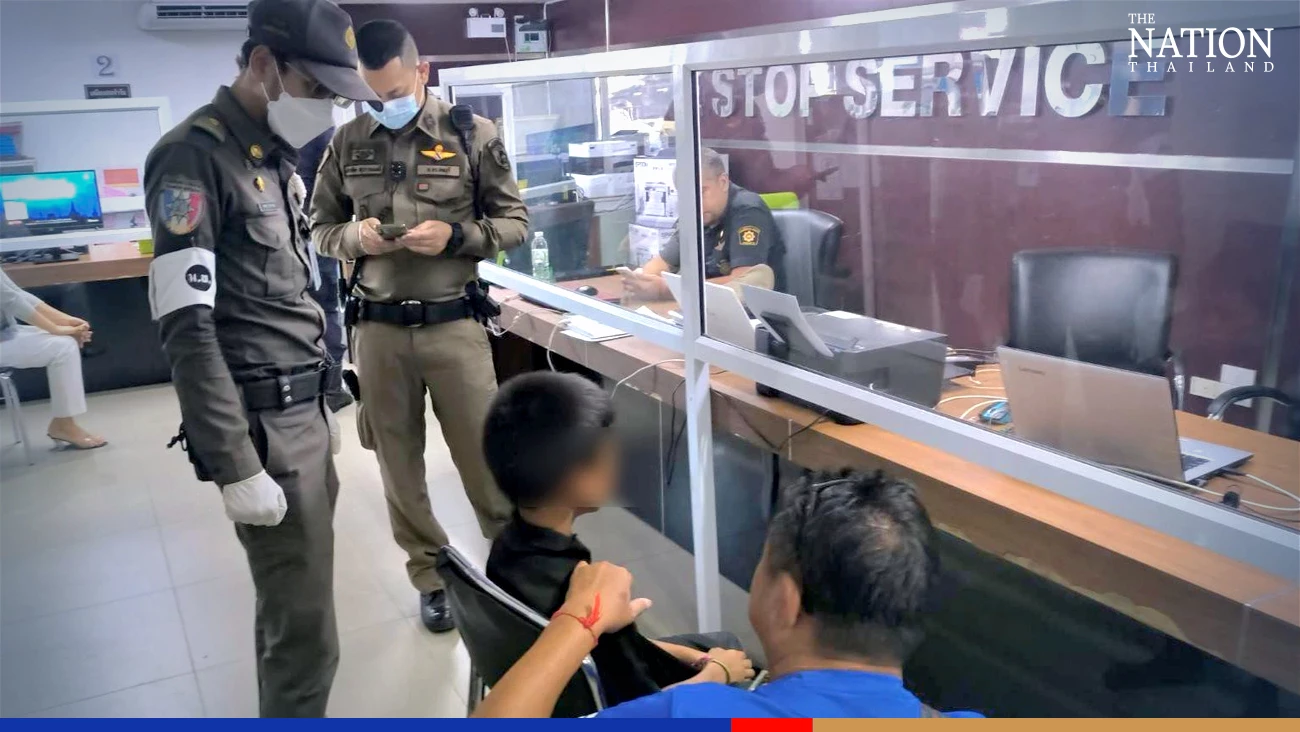
The boy was found sleeping about 100 metres from where he had been filmed smoking and taken to Pattaya police station. He was then interrogated by police for over two hours in the presence of social workers.
An official from the Social Development and Human Security Ministry said on Friday the boy is an orphan and had escaped from the Bang Lamung youth shelter. The official claimed the boy had refused to say anything about why he was smoking and that police officers had only asked him about his life and well-being.
The boy was taken to Bang Lamung Hospital for a check-up before being returned to the shelter.
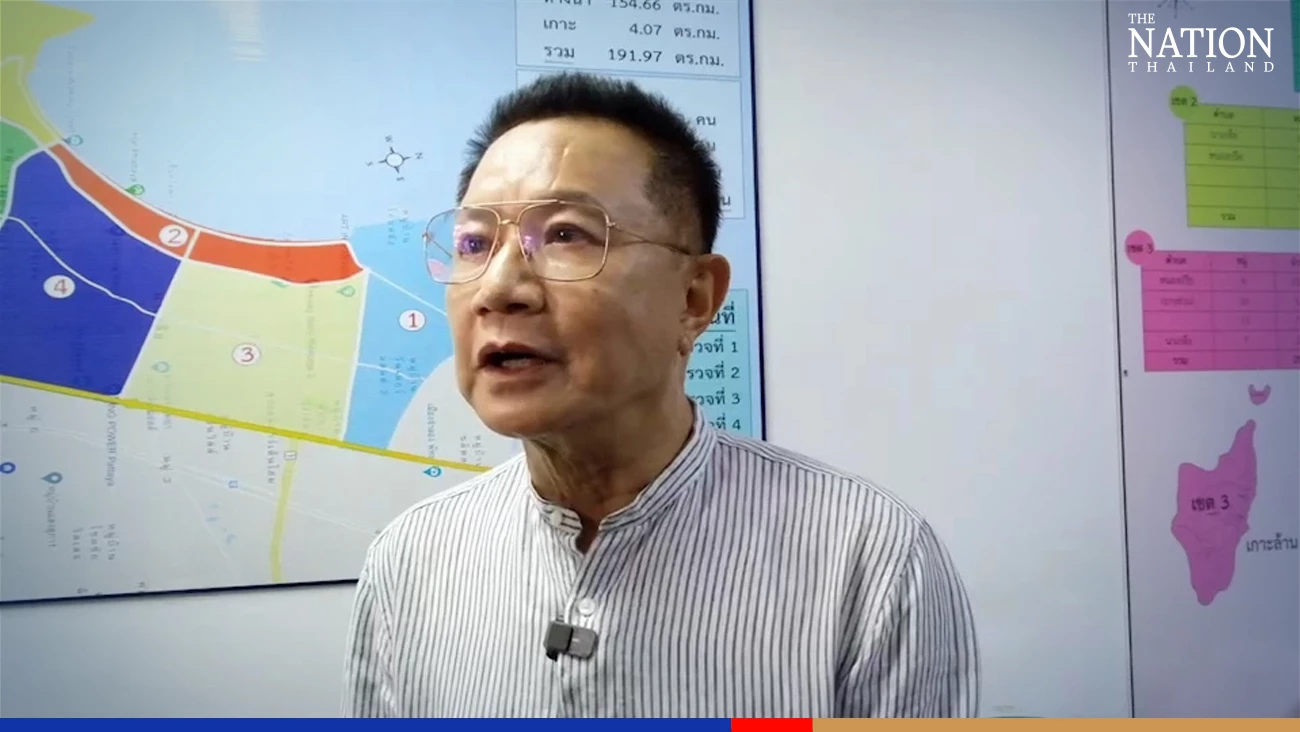
Meanwhile, Pattaya’s deputy mayor Wuthisak Rermkijakarn said on Friday that local authorities have successfully dealt with the issue of homelessness, though swift enforcement of the law is being avoided over human-rights concerns.
He said the homeless, especially youth, were sent to relevant agencies for vocational training, but many manage to escape.
“Pattaya City should review its policy and a meeting of relevant agencies will be called late this month to find a solution that seriously addresses this problem,” he said.
Blueprint ready for Fruit Metropolis in Chanthaburi to boost Thai exports
FRIDAY, DECEMBER 02, 2022
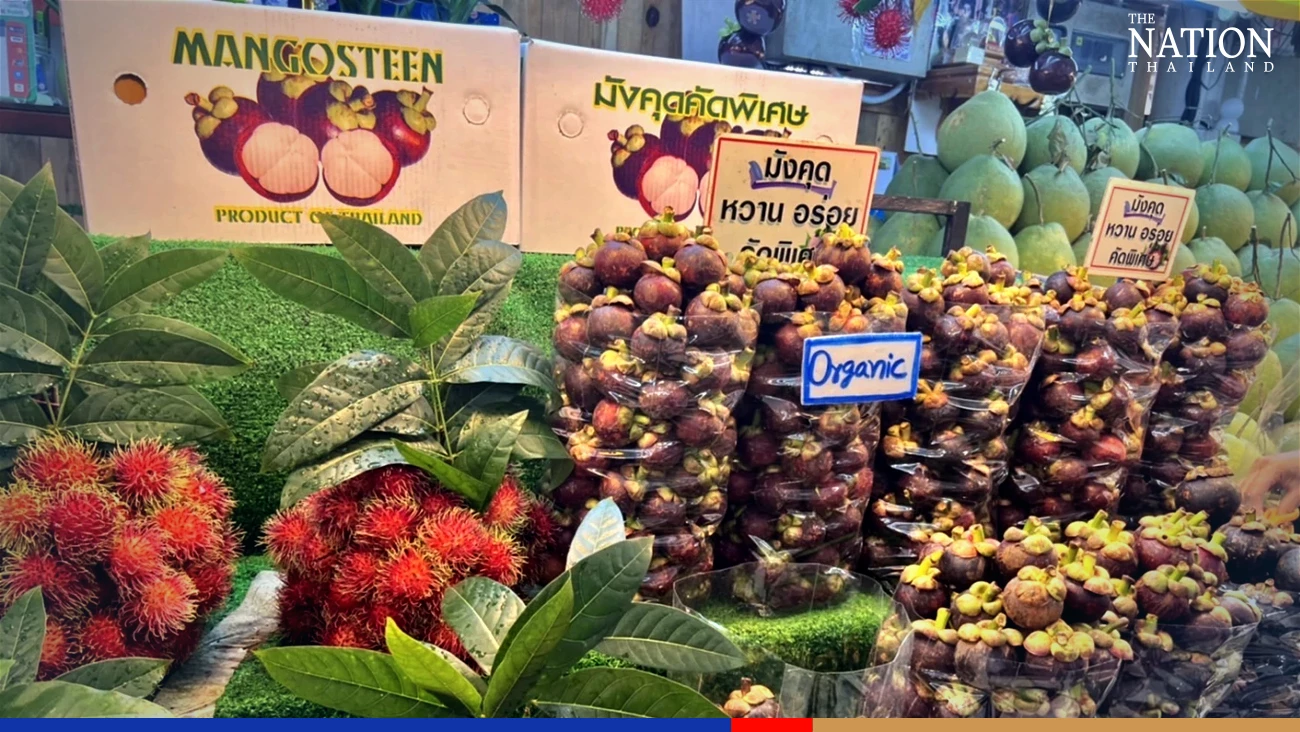
Thailand’s Fruit Board will be asked to approve a blueprint for the creation of a “Fruit Metropolis” in Chanthaburi province, the agriculture minister’s adviser, Alongkorn Ponlaboot, said on Friday.
Alongkorn, who chairs a working group on the Chanthaburi Fruit Metropolis project, said that his panel would seek the board’s endorsement at its next meeting expected late this month or early January.
The project aims to upgrade Chanthaburi and other fruit-producing provinces in the eastern seaboard — including Rayong and Trat — to become a global fruits hub, according to Alongkorn, a senior figure in the coalition Democrat Party.
He noted that Thailand is a leading global exporter of fresh fruits and fruit products, with exports exceeding 200 billion baht last year.
Alongkorn said the proposed Fruit Metropolis is planned to be located in Chanthaburi’s Na Yai Am and Tha Mai districts. Its construction will be carried out along with the upgradation of Chanthaburi Airport as a commercial airport.
The Fruit Metropolis area includes an e-commerce and online auction centre, exhibition and conference hall, fruit-processing centre, logistics centre and warehouse, cold storage, central laboratory, fruit sorting and packaging centre, fruit academy, and agri-tech and innovation centre.
He said the project is modelled after the Food Valley of the Netherlands and FKII of Japan.
Alongkorn said that the project will be a public-private partnership, with most investment coming from the private sector. A platform will be created to connect networks of cooperation between the public and private sectors, academics and farmers, as well as key export markets, including China, Japan, India, Asean countries, the United Kingdom, the United States, and Australia, Alongkorn said.
Government, ISPs focus on online safety for children as risk of cyber abuse rises
FRIDAY, DECEMBER 02, 2022
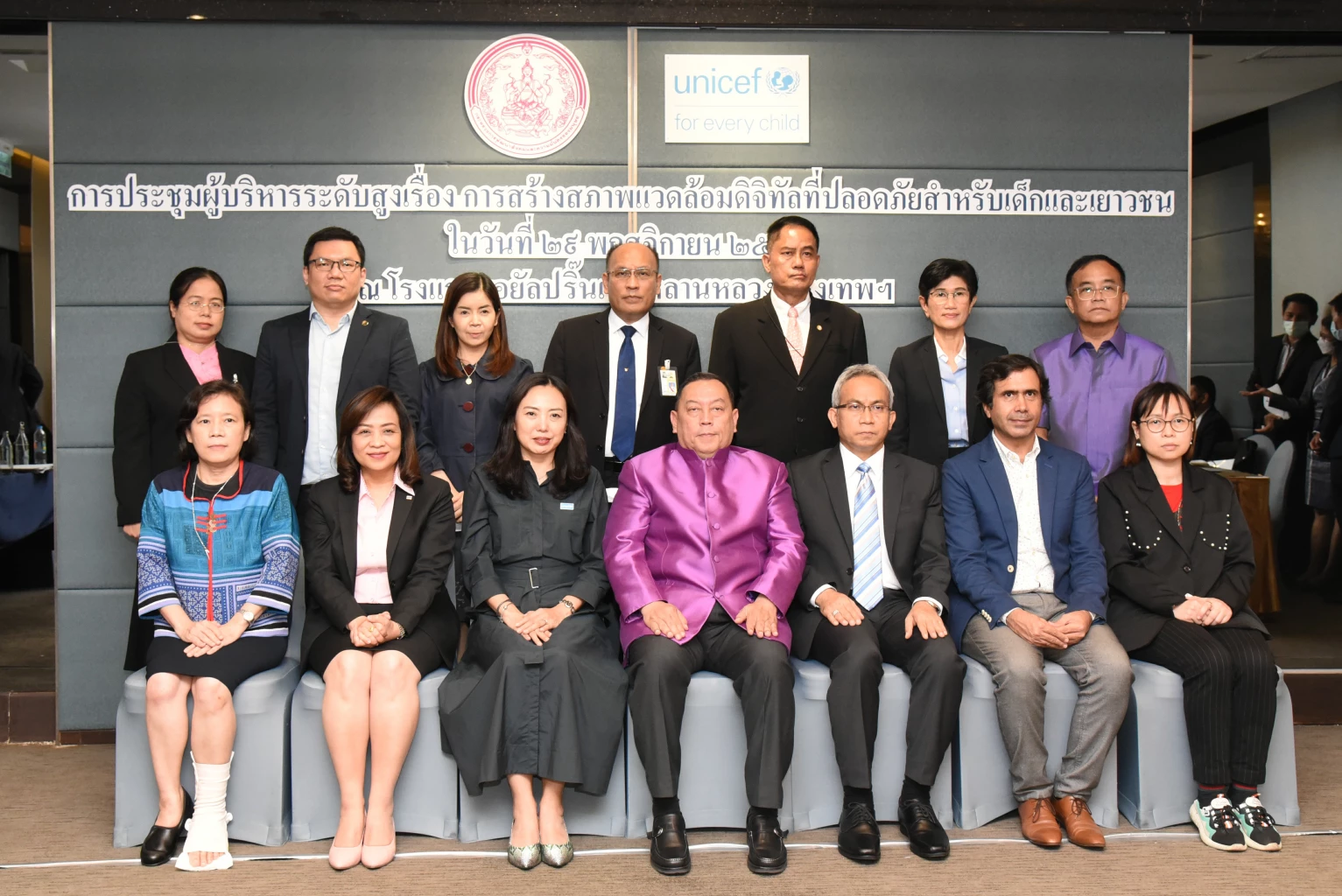
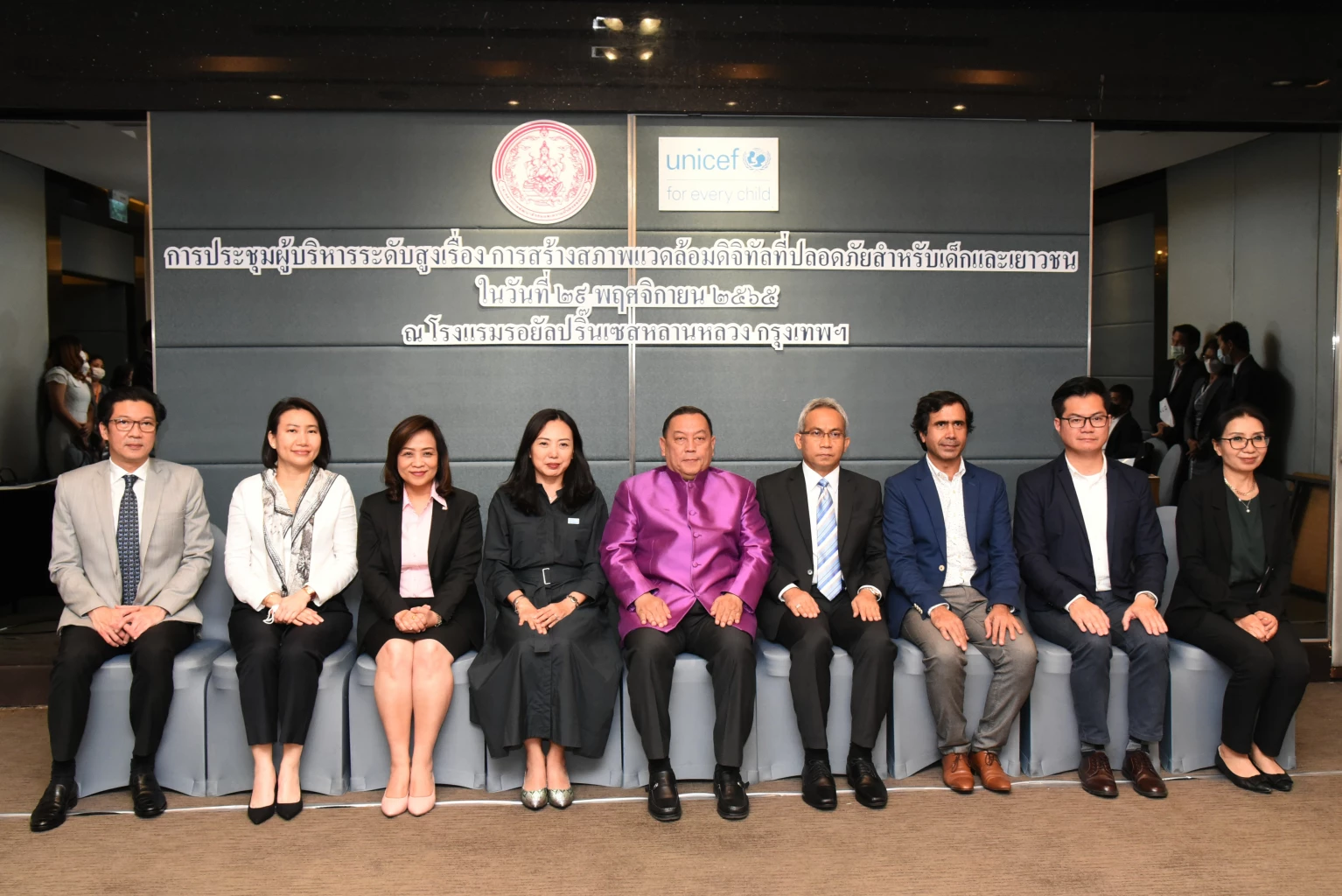
A public-private partnership has been formed to create a safer digital environment for children and youths in Thailand. The new partnership demonstrates that government officials and internet service providers (ISPs) are committed to combatting what has been described as an alarming increase in online child sexual exploitation and abuse.
Government officials will also work with ISPs to teach children and youths how to navigate the online world safely and confidently, officials said.
More than 40 senior officials and experts who focus on child-protection, health, education, law enforcement and information technology discussed and adopted a holistic and coordinated approach to address the alarming increase of online harm against children and young people, exacerbated during the Covid-19 pandemic.
Led by the Ministry of Social Development and Human Security with support from Unicef, the consultation resulted in the adoption of an innovative public-private partnership, the Thailand Safe Internet Coalition.
Thailand’s leading telecommunications companies, including AIS, DTAC and True, expressed their willingness and commitment to partnering with the government, private sector and civil society for safer digital spaces for children and young people.
Founded from a holistic, child rights approach, the Thailand Safe Internet Coalition aims to improve overall reporting of online abuse; enhance coordination among sectors, including the ICT private sector; improve service provision for victims; and build resilience among children, young people and parents to cope with online risks that children and young people face.
Its five pillars focus on safe digital experiences; child and youth engagement; accessible and responsive services; coordination and a unified message; and corporate sector engagement.
“While the internet provides unlimited opportunities for learning, communication and creativity for children and young people, it also exposes them to all kinds of risks and threats,” said Kyungsun Kim, Unicef Representative for Thailand, at the event. “The Covid-19 pandemic has only exacerbated these risks of online safety, as children are spending more and more time online. As the internet knows no bounds, no single organization can act alone in tackling online harm. That is why Unicef is supporting public-private partnerships to not only help build a safer digital environment but also ensure child rights in the online world.”
“Today marks an important step as the Thailand Safe Internet Coalition is formed,” said Juti Krairiksh, Minister of Social Development and Human Security. “It is a new dawn for public-private partnership, creating a safer internet for Thailand’s children. The only way forward is through collective commitment and coordinated action from everyone, and that needs to happen now. May this meeting be the beginning of our continued collaboration.”
According to the report Disrupting Harm in Thailand by Unicef, ECPAT and Interpol, a concerning 9 % of children aged 12-17 in Thailand, or about 400 thousand children, were victims of online sexual exploitation and abuse in 2021. These incidents include sharing sexual images of children and blackmailing or coercing children to engage in sexual activities through promises of money or gifts.
In Thailand, Unicef is helping to protect children and young people in the digital space through supporting law reform and working with the Ministry of Social Development and Human Security, Ministry of Digital Economy and Society, Ministry of Justice, Ministry of Education and law enforcement agencies to ensure that the child protection system covers online safety. Its Disrupting Harm in Thailand report features key evidence and steps to guide the government, law enforcement, social services, businesses, schools and communities in joining forces and acting now.