The baht opened at 34.68 to the US dollar on Thursday, dropping from Wednesday’s close of 34.61.
The currency is expected to move in a range between 34.60 and 34.80 on Thursday, said Krungthai Bank market strategist Poon Panichpibool.
Poon said the baht could fluctuate and weaken to test the key resistance level of 34.75 as the dollar strengthens and the Asian currency market finds itself in a risk-off state as investors are worried the US Federal Reserve would increase the interest rate.
However, foreign investment has not flowed out of Thailand in significant amounts so the baht will not weaken much, he believed.
As the US 10-year bond yield heads down, it might affect sales of long term bonds in Thailand, which would see a decrease, Poon said.
He recommended keeping a close watch on whether foreign investors would return to buy up Thai stocks as these are plunging.
Poon advised businesses to use hedging tools such as options to manage risks in the highly volatile currency market.
Prime Minister Prayut Chan-o-cha said on Wednesday that the Cabinet would deliberate next week on whether to extend the cut in diesel excise tax to help maintain its retail price.
Prayut said the Cabinet would consider the matter during its weekly meeting and a decision would be made before the current relief expires on May 20.
Currently, the excise rate on diesel oil has been cut by THB3 per litre to prevent the retail price of the oil from going higher.
Earlier, the government capped retail diesel price at THB30 per litre but after near depletion of the Oil Fuel Fund, the government decided to lower the subsidy rate, prompting the retail price to rise to THB32 per litre.
Prayut explained that he could not promise the THB3 cut in excise tax would continue because the Finance Ministry is still calculating how much the cut could be and for how long.
“We have to work step by step. We cannot just give a discount,” Prayut said.
He added that the government also needed tax revenue to solve several issues, including using it to boost the liquidity of the Oil Fuel Fund.
“We have to take everything into account. We need to wait and watch the situation for a few months before we can come up with a measure and we also have to consider the global energy situation,” Prayut added.
Deputy Prime Minister and Energy Minister Supattanapong Punmeechaow, meanwhile, said he was considering extending the THB3 cut in diesel excise and he would propose it to the Cabinet on Tuesday.
Wisak Watanasup, director of the Oil Fuel Fund Office, said the Fuel Fund Executive Committee has reviewed the retail diesel price this week and resolved to maintain it at THB32 per litre for this week to help people cope with the rising cost of living.
Deputy Agriculture Minister Mananya Thaiset opened a teleconference of agricultural ministers from Asia-Pacific Economic Cooperation nations on biotechnology.
The online meeting was called “Apec High Level Policy Dialogue on Agricultural Biotechnology Webinar, Genetic Engineering and Genome Editing in Agriculture, Application, and Challenges”.
In her opening speech, Mananya said growing global food insecurity required all sectors to deal with challenges in agriculture by using technology to create food stability and sustainability as well as making sure food is safe for global populations.
Agriculture Department director-general Rapeepat Chansriwong gave a lecture on agricultural biotechnology under the Bio-Circular-Green (BCG) economy model.
He told the webinar the Agriculture Department attached importance to the use of advanced agricultural technology and biotechnology to reform the sector, with the three goals of safety, security and sustainability in producing food.
Rapeepat said various research on biotechnology and genome editing have been carried out in the county to improve the quality and production of cash crops and herbs in accordance with the BCG model.
He cited genetic engineering of marijuana and hemp and kratom leaves to yield more substances that are useful for medical and industrial purposes.
Thailand welcomes investment from Apec members in agricultural biotechnology especially in the Eastern Economic Corridor, Rapeepat added.
The estimated education expense for parents in Bangkok and its vicinity for the 2022 semester will increase by 2 per cent year over year, Kasikorn Research Centre said.
The centre asked 500 parents in Bangkok and its surroundings about increasing living costs and education spending.
According to the survey, 71 per cent of parents are worried or have financial liquidity problems regarding education spending. Some parents have even gone for loans.
With schools reopening for on-site studies, expenses have increased as new uniforms need to be purchased while there are also expenses for travelling and activities.
The centre expects spending will total THB26.9 billion this semester, with schools scheduled to reopen on May 17.
Moreover, prices of consumer products and energy are increasing while employment and household income are still both weak.
Most parents who are worried or have liquidity problems are people with low to medium incomes. They are likely to borrow money from more than one account or source, the centre noted.
Parents are also worried about the Covid-19 situation despite students being vaccinated, but the number of daily new cases is still high.
Some 56.8 per cent of parents are not confident because their children will have to study on-site amid a fast spreading Covid-19.
However, 43 per cent are confident (mostly parents whose children are aged over 10) because their children are fully vaccinated and they trust the safety measures employed by schools.
Separately, 41.8 per cent of parents said they used their savings and got a loan via credit card, relatives or friends to pay for their children’s education, while 30 per cent used only their savings. However, 27.8 per cent of parents did not have enough savings and were forced to get a loan.
In this situation, 82.6 per cent want the government to come out with support measures to help with education or other expenses.
Tuition fees (not including international schools) have increased by 0.7 per cent on average year-on-year, or THB22.7 billion in total, the centre said. This figure is still lower than 2020, with THB22.9 billion.
It increased from the previous year because schools are reopening this year for on-site study, so tuition fees are back to the normal level.
Some students might head back to tutorial schools but parents of others are worried about the Covid-19 situation. So they might reduce or cut tutorial help altogether until the Covid-19 situation and the economy fare better.
The centre summarised that the increasing expenses this year might not reflect a good business direction. Parents might have to decrease or cut some daily expenses while finding additional sources of income, it concluded.
The baht opened at 34.63 to the US dollar on Wednesday, dropping slightly from Tuesday’s close of 34.55.
The currency is expected to move in a range between 34.50 and 34.70 on Wednesday, said Krungthai Bank market strategist Poon Panichpibool.
Poon said the baht could weaken as the dollar strengthens. However, foreign investment has not significantly flowed out of Thailand so the baht will not weaken much but could test the key resistance level of 34.75.
He said the downward direction of the baht might reverse in the short term following market reaction to April’s US inflation report and US Federal Reserve statements. If April inflation slows and the Fed declines to signal a rate rise, the dollar may weaken and the market could return to a risk-on state, causing the baht to strengthen.
Poon advised businesses to use hedging tools such as options to manage risks in the highly volatile currency market.
(PR News) Azure Rich Group on May 9 announced its USD130 million resort development in Jomtien, Thailand. The project will be one of the largest on Thailand’s Eastern Seaboard, will feature Ramada® by Wyndham and Ramada Encore® by Wyndham brands, under a franchise agreement with Wyndham Hotels & Resorts, the world’s largest hotel franchising company with 9,000 hotels across approximately 95 countries, as well as the debut of Nebu Resorts & Hotels, the first project in a series owned and managed by Azure Rich Group.
The development will join the portfolio of upscale Wyndham® branded hotels and resorts which are known for comfortable, well-designed accommodation and exceptional service in sought-after destinations all over the world, including Gold Coast, Sydney, Bali, Bangkok, Phuket, Shanghai, Athens and more.
The new resort is expected to open phase 1 by 2024 and will offer 950 rooms over 6 hotel and resort buildings, a 3,800sqm Events/Mixed-use building, an 8 island Health and Well-being enclave, over 23,000sqm of operational and commercial space and a host of leisure facilities, including a 220m long man-made sand swimming lagoon, several world-class dining outlets, and co-work facilities. The resort is the first of a new chain of resorts being developed by Azure Rich Group, with a second project in Phuket having already received EIA approval, a third site in Bangkok launching in 2022, and upcoming projects in Gold Coast Australia, and Queenstown, New Zealand.
“Having Wyndham Hotels & Resorts as a collaborator for the development is a strong vote of confidence in Thailand as a world-class tourist destination and the Eastern Seaboard in particular. Given the location and style of our resort, we feel that the Wyndham brand family is the right choice and a great fit for us. We are thrilled to join the Wyndham Hotels & Resorts network and look forward to leveraging its strong global presence and loyalty program to elevate the profile of our Nebu Resort brand for both international and domestic tourists,” said Dr. Supareak Charlie Chomchan, Managing Director of Azure Rich Group.
“The resort is an exciting development, and we are proud to introduce our Wyndham brand to the Eastern Seaboard of Thailand with a premium resort product set along one of Thailand’s beautiful coastlines,” said Joon Aun Ooi, President Asia Pacific, Wyndham Hotels & Resorts. “With its exceptional coastal location benefitting from Thailand’s Eastern Economic Corridor (EEC), a special development zone supported by the Thai Government and private sector with significant investment into infrastructure, including the expansion of the local International Airport, a high-speed railway link, highway extensions, as well as world class tourism facilities, the resort will become a favourite with holidaymakers and corporate retreats seeking all the facilities of a true Tourism Village and amazing surrounds,” he added.
Situated in Chonburi Province in Thailand, the resort is only a 1h 30m drive from Bangkok. The idyllic setting is a popular coastal retreat with millions of people visiting annually to enjoy its beaches, which are ideal for water sports, boat trips, and swimming. The region is a holiday hotspot for families and groups thanks to the local culture, island hopping, delicious seafood and fun local attractions.
“This project is a first of its kind in Thailand and will not follow a traditional resort and hotel business model. We offer an opportunity for investors to purchase a hotel room either in full, or in part, through a fractional ownership program and benefit from rental incomes and personal usage privileges. Further, we will go beyond traditional investment products and offer lower investment thresholds to appeal to a growing younger demographic, with the development of a metaverse community in the future,” said Bryan Priestley, Co-Managing Director, Azure Rich Group.
Azure Rich Group has assembled a team of renowned international and local property experts to launch its Nebu brand and through its partnership with Wyndham Hotels and Resorts, looks forward to setting a new bar height within the industry, blending cutting-edge design technology and commercial innovations to serve its investors and customers in the years ahead. www.nebuworld.com
(PR News) Great SEO is an extremely important part of running a successful business nowadays. Customers spend a huge amount of time online, so meeting them where they are is one of the best marketing approaches. You need to develop a good SEO presence to ensure that when potential customers look for businesses like yours, they encounter your website and social media pages.
One of the best ways to ensure that your company has effective digital marketing in Malaysia is to hire an SEO agency. Agencies specialise in various forms of digital marketing and can help you know the best approach for your business to reach out to new customers and increase your search engine ratings. This article will give you tips on finding the best SEO agency in Malaysia to fit your company’s needs.
Pay Attention to How They Talk
When considering an SEO agency in Malaysia, you need to pay attention to how they are talking about their services with you. Providing effective SEO services is a difficult task, but there are set approaches and processes to succeed. You should be wary of anyone who talks about their services in vague or mysterious terms.
They should explain their perspective and services to you in a clear, understandable way. Providing good SEO services requires attention to detail and regular updating of approaches based on new search engine guidelines, so anyone you talk to should communicate effectively and show that they value sharing quality information.
Communicate Your Needs
One of the most important parts of finding an SEO agency for your company in Malaysia is clearly communicating your business’ needs to any agency representative you talk to. If you can present your needs clearly, then any agency you are considering will be able to provide you with a picture of how they can use their services to help you meet your goals.
You should be able to collect potential SEO strategy plan options from different agencies you talk to, which you can compare to see which services will best meet your company’s online marketing needs.
Pick the Best Fit for You
Once you’ve put a list together of different SEO agencies in Malaysia that you are interested in and have had meetings to see what each of them can do for your business, you need to decide which agency will be the best for you. Be sure to consider the services they offer and their approach to working with their clients to make sure that it will match your company’s goals and approach to business. When you’re ready to get started, you can search online find a wide range of excellent SEO agency options in Malaysia.
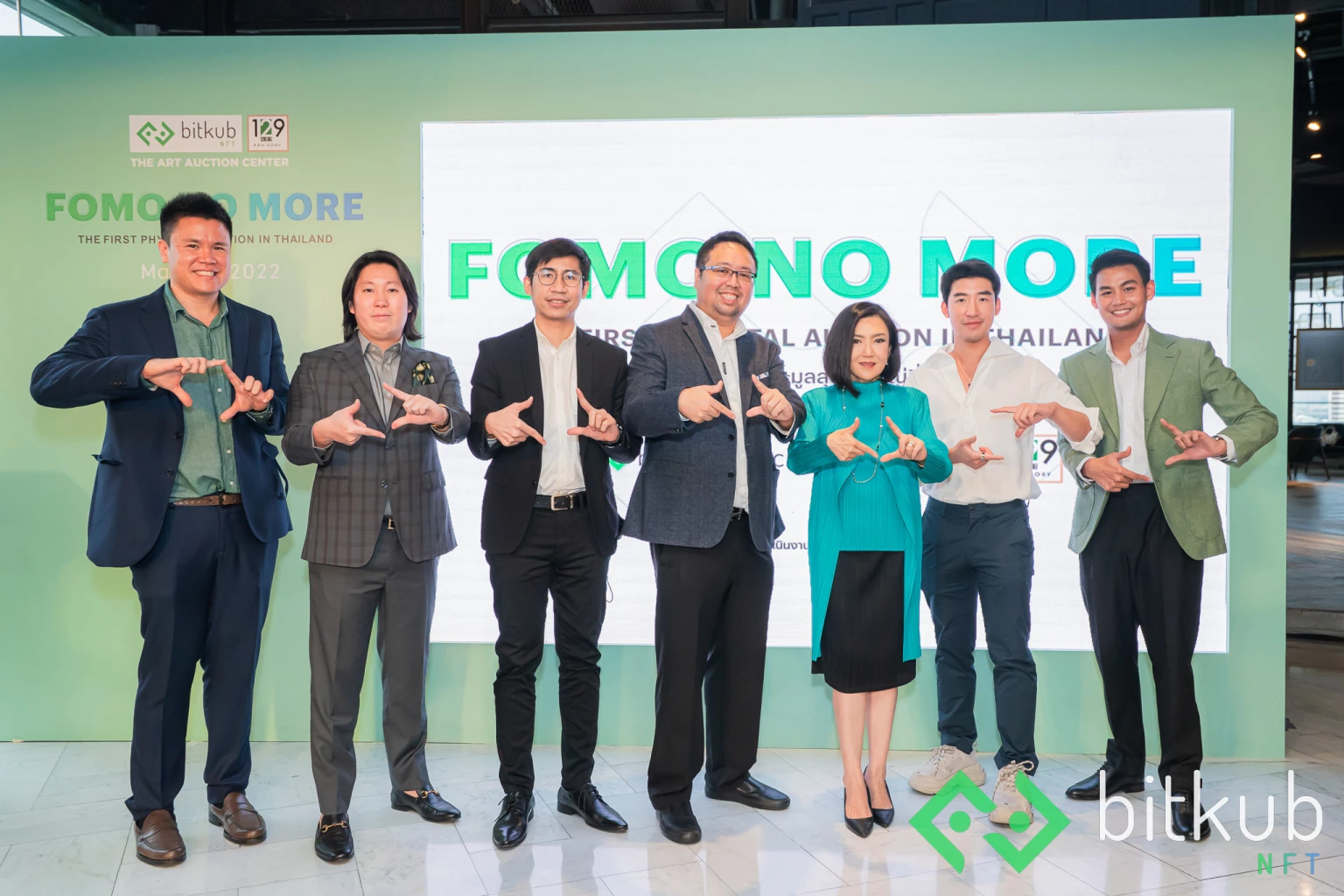
The cooperation between giants in their respective industry, digital assets and art, represented by Jirayut Srupsrisopa from Bitkub, Yaovanee Nirandorn, founder of well-known Art Museum 129 and 129 Art Advisory, and Piriya Vachajitpan, co-founder of Thai Art Collector Association, brought us Thailand’s first advance Phygital art auction in Bangkok on May 7.
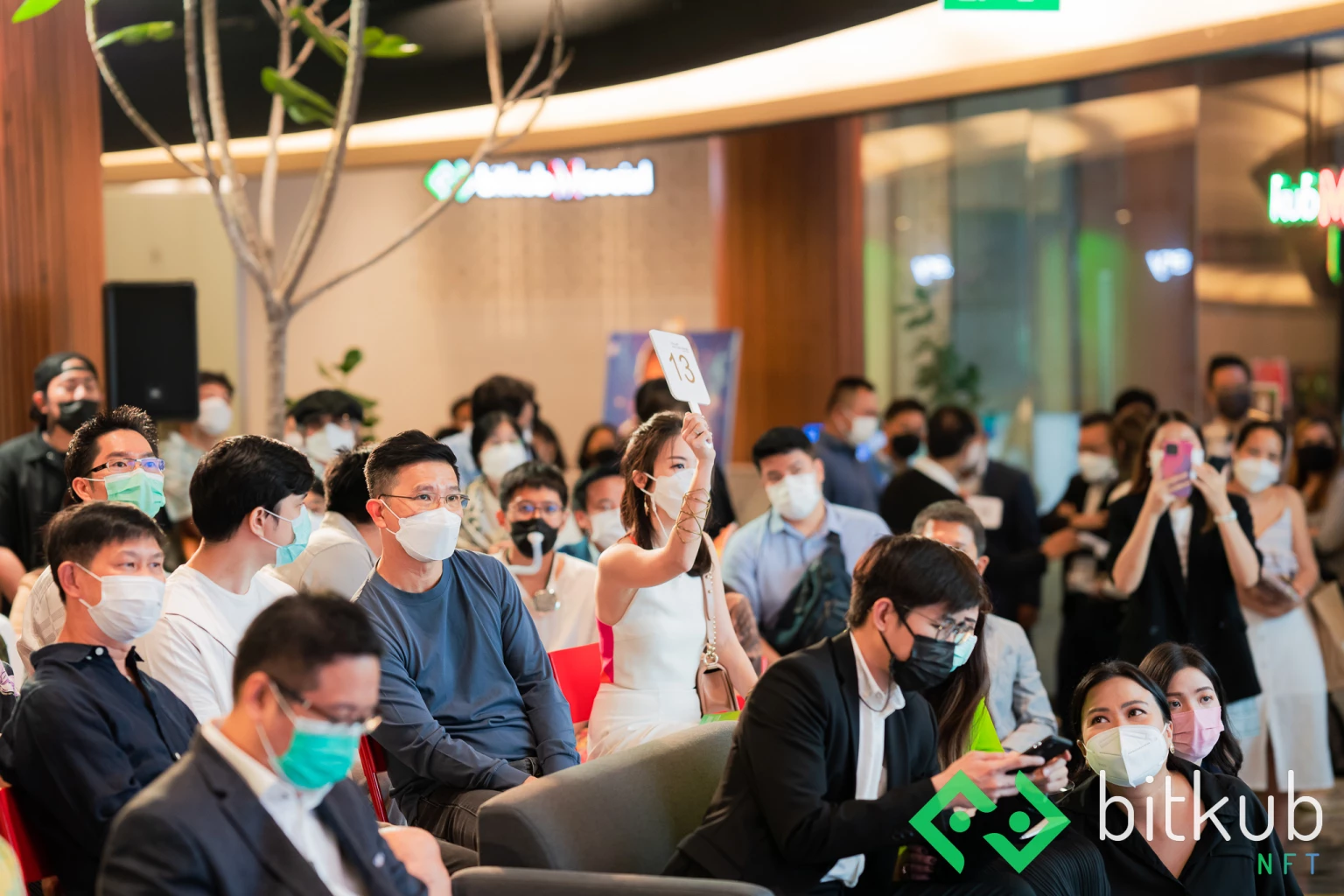
Aseamless integration of digital NFT arts in the virtual world and physical arts in the real world saw the auction event ending with the total bidding value of 81,682.36 KUB (THB11,802,285).
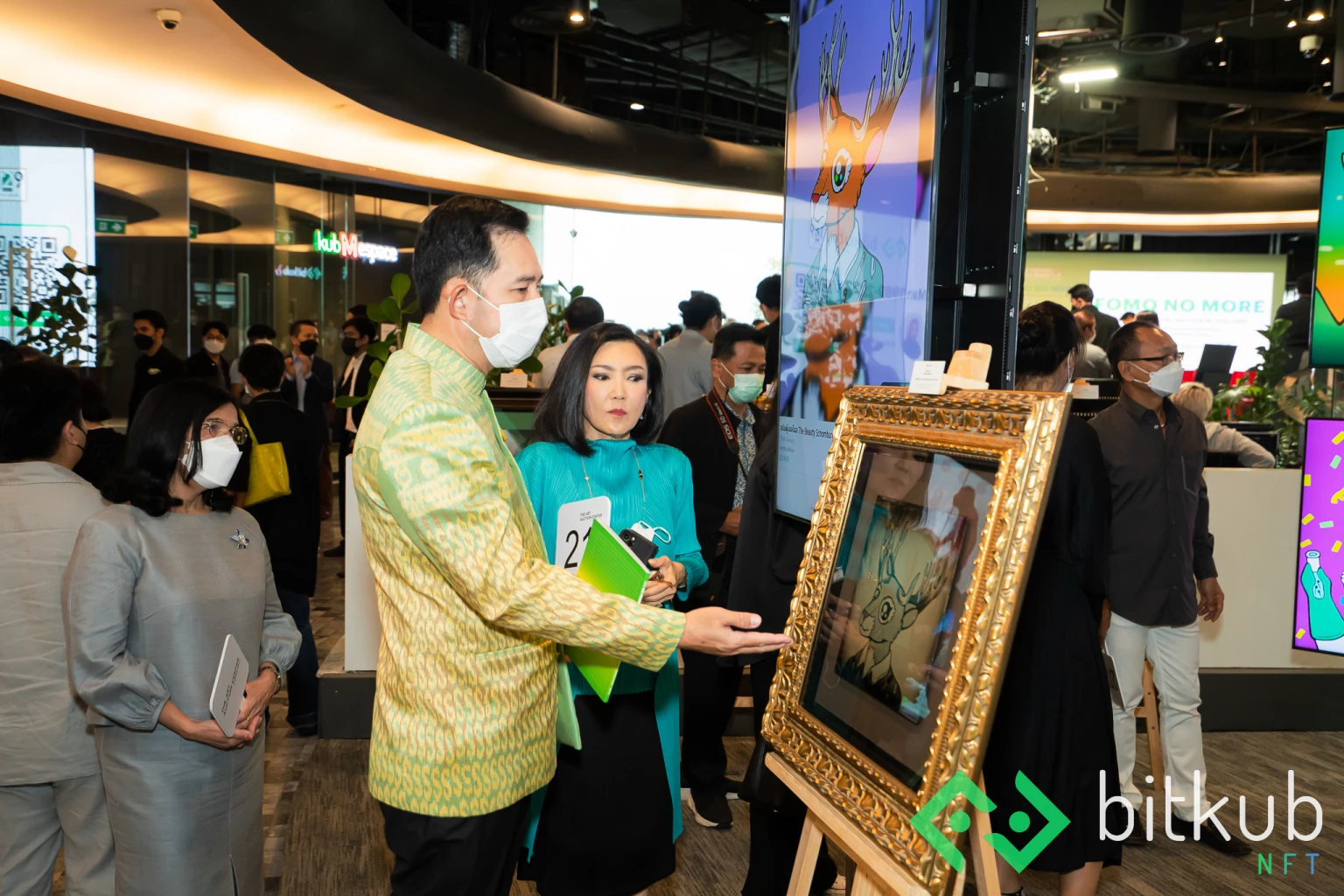
“FOMO NO MORE” is the first event to showcase new way of authentic arts at KUB M Gallery located in Bitkub M Social EmQuatier that allows users to check the auction detail, bidder list, price per bid and specify the bidding amount on Bitkub NFT platform.
Bid winners in this event will receive both physical and digital arts by using KUB coin as a medium to offer bidding price. This enabled anyone to participate the event by using Bitkub NEXT wallet via smartphone.
Several special guests attended the physical event on May 7 including Itthiphol Khunpluem, Minister of Culture as the guest of honour along with Yaovanee Nirandorn, founder of well-known Art Museum 129 and 129 Art Advisory, Piriya Vachajitpan, co-founder of Thai Art Collector Association, Sakolkorn Sakavee, chairman of Bitkub Capital Group Holdings Co Ltd, and Passakorn Pannok, CEO of Bitkub Blockchain Technology.
The event was also joined by many bidders who are passionate about arts, some of whom are in related art field. This event has become a starting point for new generation of art auction that combines blockchain technology and physical arts perfectly.
Final auction price for each artwork is as follows: 1. Leatherback Turtle the Diver by Yuree Kensaku: 722.85 KUB (THB104,445) 2. The Gentleman Bryde’s Whale by Yuree Kensaku: 1,204.75 KUB (THB174,075) 3. Dugong the Food Reviewer by Yuree Kensaku: 803.16 KUB (THB116,050) 4. The Wild Buffy by Yuree Kensaku: 1,365.38 KUB (THB197,285) 5. The Beauty Schomburgk’s Deer by Yuree Kensaku: 1,365.38 KUB (THB197,285) 6. Bitchy Javan Rhino by Yuree Kensaku: 1,204.75 KUB (THB174,075) 7. Fea’s Muntjac the Winter Lover by Yuree Kensaku: 642.53 KUB (THB92,840) 8. Ambitious Serows by Yuree Kensaku: 883.48 KUB (THB116,050) 9. Gurney’s Pitta at Krabi by Yuree Kensaku: 883.48 KUB (THB127,655) 10. WAGMI (We All Gonna Make It) by Chaiporn Panichrutiwong (Jiggy Bug): 1,204.75 KUB (THB174,075) 11. The Unicorn by Niam Mawornkanong: 5,300.92 KUB (THB765,930) 12. The Cloud by Niam Mawornkanong: 2,650.46 KUB (THB382,965) 13. The Bull by Thongchai Srisukprasert: 7,228.52 KUB (THB1,044,450) 14. To The Moon by Angkarn Kalayanapong: 7,630.11 KUB (THB1,102,475) 15. BIT-BOY by Kiatanan Iamchan (Line Censor): 12,047.54 KUB (THB1,740,750) 16. The Man by Kamin Lertchaiprasert: 19,276.07 KUB (THB2,785,200) 17. 1st NFT of your portrait by Sakwut by Sakwut Wisesmanee: 6,023.77 KUB (THB870,375) 18. Angry Marbled Cat by Yuree Kensaku: 1,204.75 KUB (THB174,075) 19. The Marathon Whale Shark by Yuree Kensaku: 1,365.38 KUB (THB197,285) 20. Ideal Love’s Heart Sarus Crane by Yuree Kensaku: 642.53 KUB (THB92,840) 21. Two Horns Hairy Rhino by Yuree Kensaku: 1,044.12 KUB (THB150,865) 22. Panicky Chinese Goral by Yuree Kensaku: 562.21 KUB (THB81,235) 23. In-Vitro (Fertilization) Eld’s Deer by Yuree Kensaku: 803.16 KUB (THB116,050) 24. White-Eyed River Martin the Princess Bird by Yuree Kensaku: 1,445.70 KUB (THB208,890) 25. The Discovery of Omura’s Whale by Yuree Kensaku: 1,606.33 KUB (THB232,100) 26. Mixed Up Tapir the Bathing Lover by Yuree Kensaku: 883.48 KUB (THB127,655) 27. Kouprey the Mystery Creature by Yuree Kensaku: 1,766.97 KUB (THB 255,310)
Total value of all artworks: 81,682.36 KUB or THB11,802,285.
To tap growth opportunities in the Thai agriculture and food industry, Betagro has unveiled an aggressive restructuring plan to enhance the company’s competitiveness in supply chain, digital technology, talented workforce and sustainability.
Vasit Taepaisitphongse, chief executive officer and president of Betagro Pcl, said currently the industry was impacted by various events like the ongoing Covid-19 pandemic, the Russia-Ukraine conflict, and the slowdown in the global economy. These factors had led to an increase in the production cost of goods and services and also brought about changes in consumer behaviour. Some more challenges, such as possible animal disease outbreaks, consumers’ expectations of business contributions towards the environment and demand for safe and high-quality products and services still need close monitoring, he said.
With these challenges, it is the company’s duty to find new measures and business models to maintain growth and increase competitiveness, Vasit said.
He added that as a leading member in the agro-industrial and food industries, Betagro has found out that digital transformation and investment in more research and development are the key solutions to those problems.
“We need to digitalise our company both on the technology side and on the management side. The focus will be on research and development to produce a variety of high-quality food innovations, biosecurity in production, and delivering new product alternatives to the market,” said Vasit.
Vasit Taepaisitphongse
He added that this transformation would be done concurrently while expanding e-commerce distribution channels and forming collaborations with startup partners to improve competitiveness and sharpen focus on sustainable development.
Dubbed the “Powering Change” strategic plan, Betagro expects to drive business growth by combining all the forces in the organisation to drive internal changes, ensuring readiness to address impending challenges and contributing to economic and food security.
The strategic framework covers the development of supply chain resilience, especially in biosecurity and livestock, the deploying of digital technology to enhance efficiency such as smart farms, the improvement of people’s digital skills, seeking business models through partnership, investment in more areas including technology and innovation to meet market demand, and prioritising sustainability of the community and environment.
The Finance Ministry will this month borrow THB30 billion from certain commercial banks to boost liquidity of the Oil Fuel Fund, a senior ministry official said on Tuesday.
Thirat Attanawanich, deputy permanent secretary for Finance, said the ministry was still in negotiations with several commercial banks, including Government Savings Bank and Krung Thai Bank. The ministry expects to wrap up the deal within this month.
Thirat said the loan amount would be THB30 billion, in line with the projected spending for fiscal year 2022 as planned by the Public Debt Management Office.
He said the Finance Ministry would borrow the full amount of THB30 billion but the Oil Fuel Fund would be topped up as required.
“The talks should be finalised this month. After we get the loan, we will gradually distribute it to the fund to boost its liquidity,” Thirat said.
He said the fund is now facing a deficit because the government has had to pay high amounts of diesel subsidies due to high global oil prices.
He said the fund needs more money in reserve for handling situations when global prices rise further and when the period of diesel excise tax cut ends on May 20.
As of May 8, the Oil Fuel Fund has a deficit of THB66.681 billion — THB33.258 deficit from diesel price subsidies and THB33.423 billion from LPG price subsidies. The fund has a cash balance of THB12.932 billion in its bank accounts.








 Vasit Taepaisitphongse

