Bitkub Ventures Co., Ltd. and Bitkub Labs Co., Ltd. have officially announced a marketing partnership with YGG SEA to push forward a jointly-created dual scholarship program. The initiative’s long-term aim is to support the understanding and usage of NFTs (Non-fungible Tokens), as well as eliminate obstructions to access play-to-earn games.
On April 30 at Bitkub M Social in EmQuartier department store, Mr. Sugrit Phutaviriya, Chief Executive Officer of Bitkub Labs Co., Ltd. together with Ms. Nauwarart Thamsauydee, Chief Executive Officer of Bitkub Ventures Co., Ltd. and Mr. Evan Spytma, Chief Executive Officer of Yield Guild Games SEA Ltd. (YGG SEA) promptly signed a partnership agreement and took celebratory photos of the ceremony to announce the partnership in collaboratively structuring the GameFi industry under the goal of democratizing access to digital assets and playing games to earn income through GameFi.
In addition, there was an offline session to provide knowledge and understanding behind YGG SEA’s future roadmap, NFT in play-to-earn games (P2E), with special AXS (Axie Infinity) token airdrops. The event revealed an announcement of a following AMA online live session to distribute knowledge and news of WonderHero, a play-to-earn game under the GuildKUB scholarship program, a venture under Bitkub Ventures Co., Ltd.
Ms. Nauwarat Thamsauydee, CEO of Bitkub Ventures, shared her insights on the venture and partnership by stating: “This collaboration is considered an important milestone as Bitkub Ventures strongly believes that blockchain technology will become an integral part of driving play-to-earn games, which has further supported the revolutionary change of the gaming industry in the past year. We have strong confidence that YGG SEA is an important factor in providing opportunities to players to build income without any initial costs or investments. With this belief, we have pushed forward this partnership to further strengthen the game-playing experience and access to digital assets of every player out there.”
Mr. Sugrit Phutaviriya, CEO of Bitkub Labs, elaborated further about the mission and goals of the partnership: “Bitkub Academy is a pillar in distributing knowledge regarding blockchain technology, digital assets, the Metaverse, and play-to-earn games to elevate the mass’ understanding of information, as well as techniques and points to be cautious of when investing or playing. Furthermore, we have supported players under the GuildKUB scholarship program in playing popular games; Axie Infinity and WonderHero. Hence, this partnership between all three companies is a hallmark in supporting the gaming community and its popularity to grow widely and sustainably.”
Mr. Evan Spytma, CEO of Yield Guild Games SEA, also added through his visionary words: “YGG SEA is a subDAO that supports NFTs and play-to-earn in the southeast Asian region immensely with the goal to building and reinforcing the community to be the biggest in the region. In this auspicious occasion, we have realized the potential of Bitkub Ventures in supporting GameFi and play-to-earn games, as well as Bitkub Labs’ expertise in creating a widely-attainable and unprivileged access to information regarding digital assets, which will all be crucial in boosting the change in the world’s gaming industry, especially with the goal of connecting players to investing of the future in a secure and effective manner. With these alignments kept in mind, we decided to promptly collaborate to build a GameFi community to progress further into the sustainable future.”
(PR News) Explore a development that is slowly changing the face of Bangkok. Mulberry Grove Villas is one facet of The Forestias development in Bangkok. People can live in a luxury private villa in the middle of a natural forest and still be within an easy commute to the city.
Bangkok is known as a vast, sprawling city that’s home to millions of people. The streets and sidewalks are clogged with car and foot traffic every day, and many people have resigned themselves to the Bangkok of today.
But one progressive developer doesn’t think that people need to accept something that can be changed. With careful planning and incorporating the natural environment into those plans, there can be pockets of greenery and natural trees that make the city more livable.
Mulberry Grove Villas
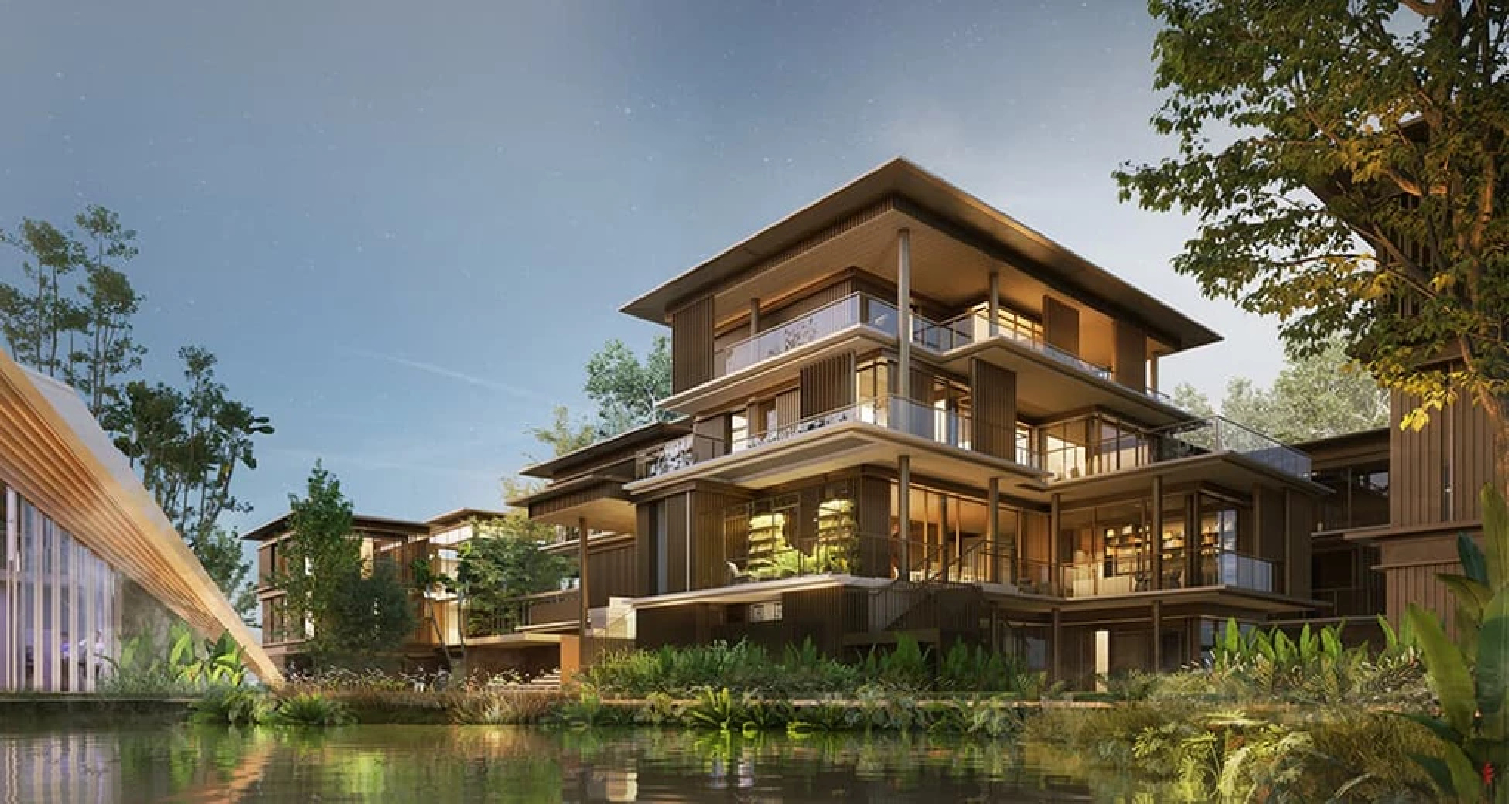
Mulberry Grove Villas are spacious, luxury private villas that provide intergenerational living space for families, surrounded by natural greenery and mature trees. Mulberry Grove is part of The Forestias development planned for the Bangna area of Bangkok.
Mulberry Grove Villas offers a clustered approach to living that creates a close-knit neighbourhood of people taking care of one another. The villas are interconnected with walkways that invite multiple generations of a family to live in adjacent villas.
The villas are designed to be flexible and offer various floor plans to comfortably accommodate small or large families. With a spacious open-air design that features large windows overlooking the surrounding natural environment, your family will feel as if they’re far away from the big city.
Purchasing the ultimate villa residence in Bangkok also entitles your family to use the Mulberry Reserve Club. This exclusive private club offers the Play Room, a room just for the kids with games, toys and activities to keep young minds active and engaged.
For adults, the club also has The Studio. This modern, air-conditioned fitness room has the best in state-of-the-art aerobic and weight-training equipment for active adults.
The Mulberry Reserve Club also features a steam room, sauna, and large, luxurious swimming pool where you can relax and play with your family and gaze out at the natural environment that surrounds you.
Close to Shopping and Other Needs
Part of the beauty of investing in a luxury villa at Mulberry Grove is that while a natural environment will surround you, you’ll still be very close to all the shopping, dining, and other facilities that a family needs to make their lifestyle complete.
The MegaBangna Shopping Mall is just a few minutes’ drive from The Forestias, and the central business district of the city is easily reached by car or by taking the Airport Express rapid transit train.
Enjoy Family Life Surrounded by Nature
The progressive concept behind the Mulberry Grove Villas allows a family to live a modern lifestyle surrounded by healthy greenery in a warm, inviting community but still enjoy all the benefits of city living.
Contact MQDC to learn more about the lifestyle that awaits you at Mulberry Grove Villas.
Indicating popularity of local eateries that allow diners to experience no additional charges and convenient use
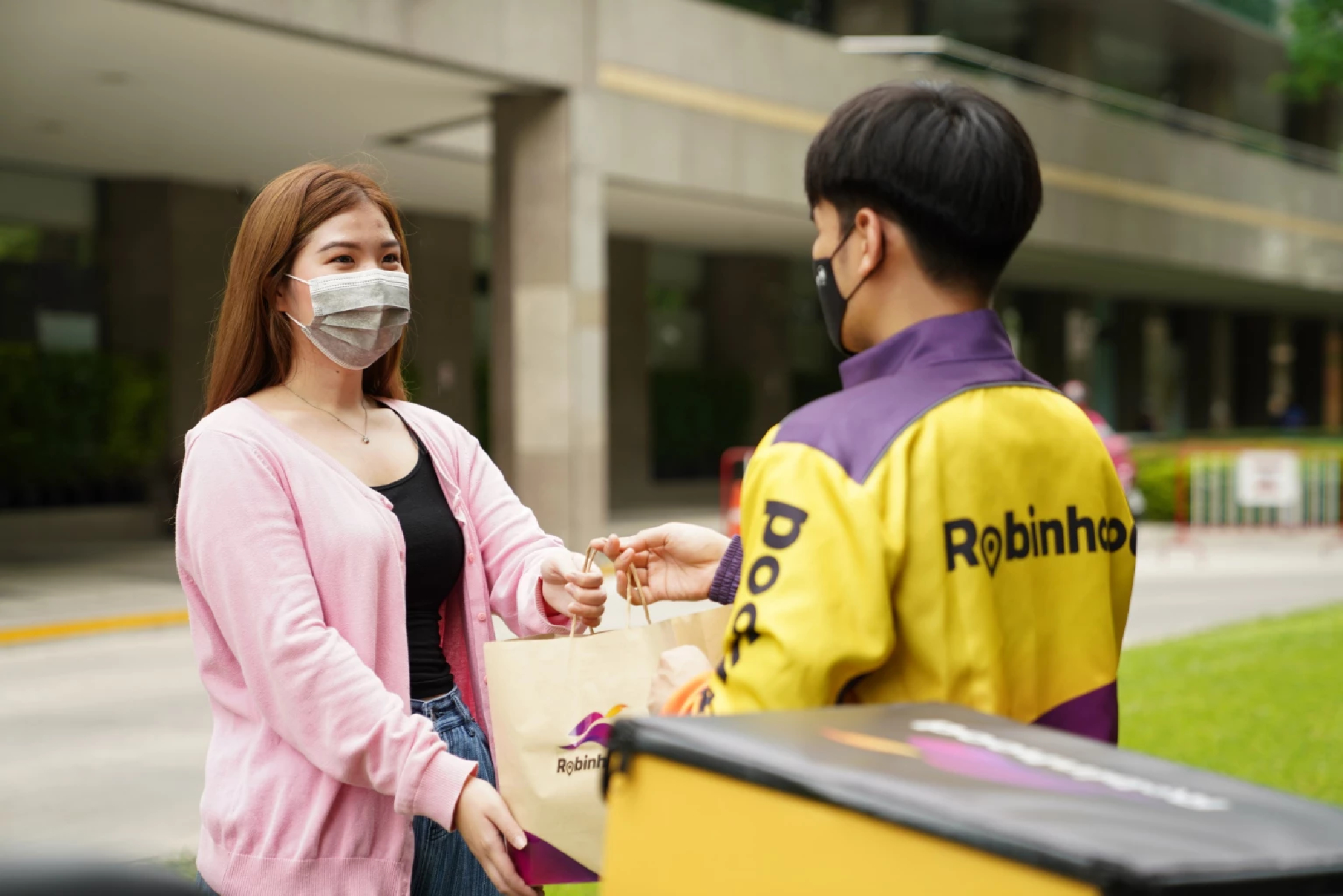
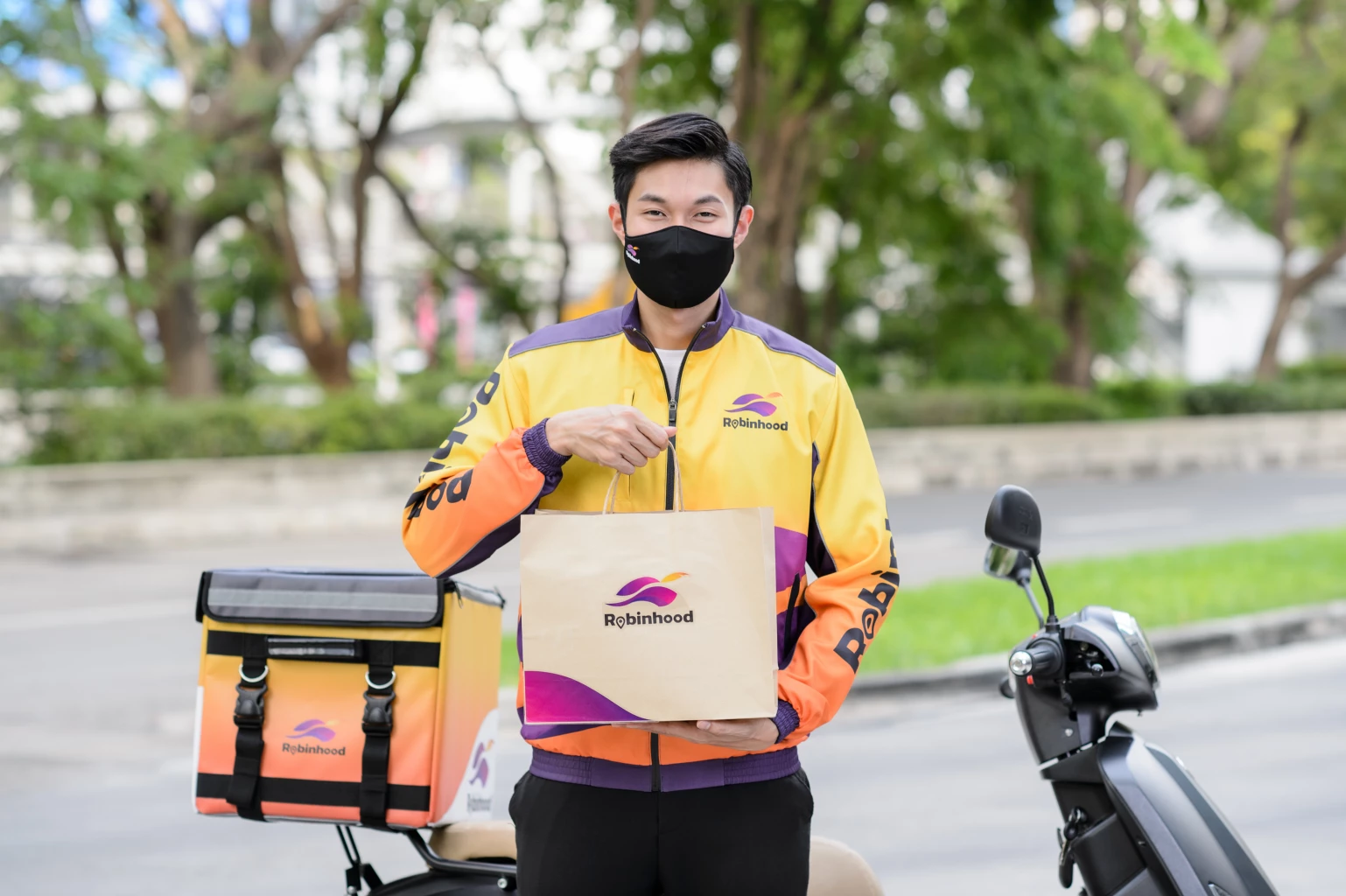
(PR News) In less than two years since its start, homegrown food delivery platform “Robinhood” reaffirms again another success in its mission to promote small businesses.
After receiving positive feedback from eateries and customers, the application recently surpassed a market share of 21% for food delivery services in the Greater Bangkok by EUREKA, an international market research company leverage on telecom and alternative data.
This time, Robinhood’s ascension to the second most popular food delivery service in Thailand indicates both its competitiveness against overseas service providers and the widespread acceptance of its service excellence by users. This success will pave the way for future growth and development, with the goal of becoming a Thai Super App as stated in the company’s plan.
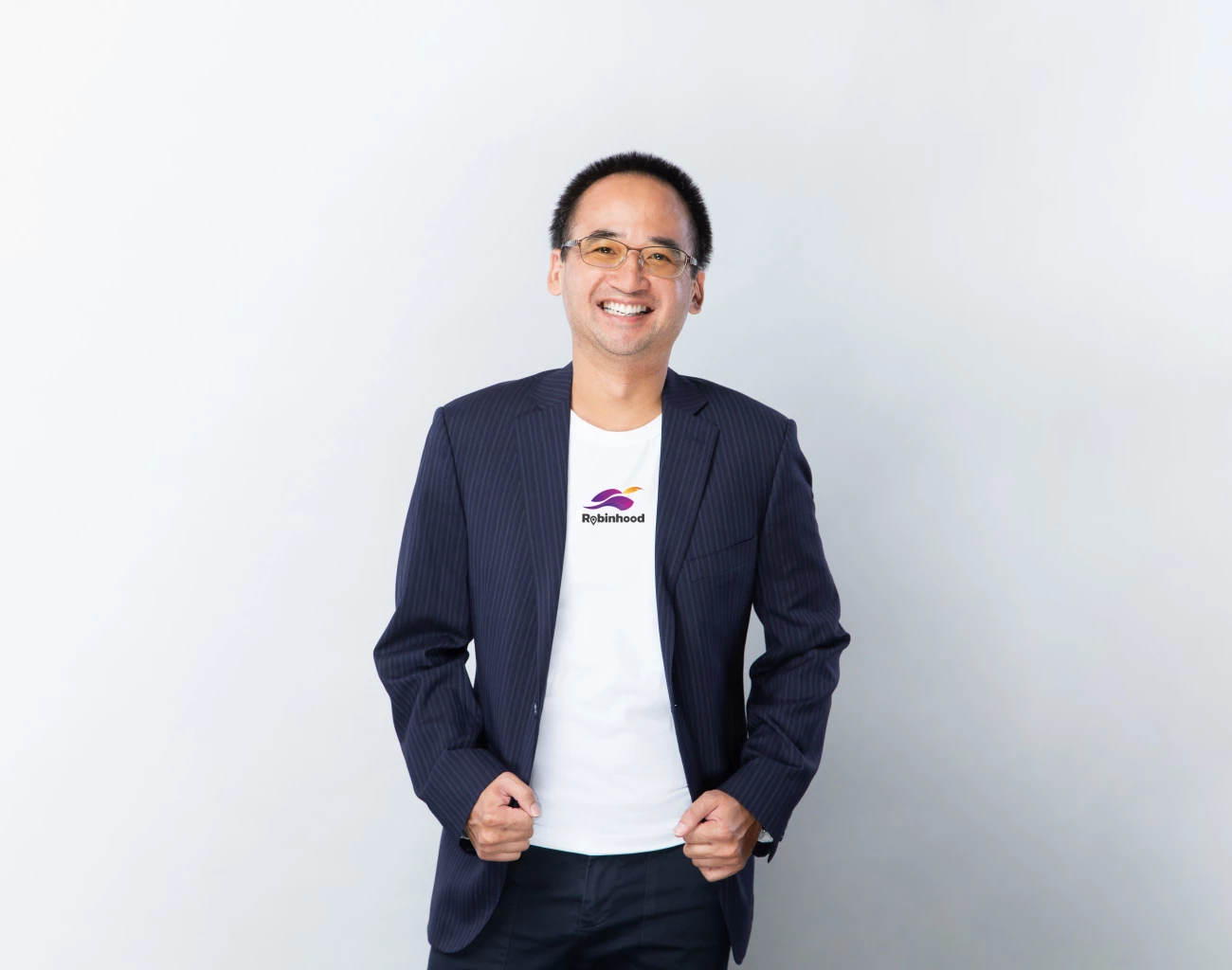
As the developer and service provider of the Robinhood platform, Purple Ventures Co., Ltd. Chairman of the Board, Mr. Thana Thienachariya recently noted that, “Our unwavering dedication to building the platform in order to assist small businesses and delivery riders in surviving COVID-19 disruption has set Robinhood apart from other food delivery service providers. This commitment has developed into the platform’s strength, allowing it to garner a positive response from users. After just 20 months in operation, Robinhood has risen to become the second most popular food delivery service provider in the Greater Bangkok, with 21% of the market, according to data analytic by EUREKA, an international market research company leverage on telecom and alternative data. Along with making the entire Robinhood team proud, this outstanding achievement demonstrates the potential and competitiveness of Robinhood internationally, as we are the only Thai food delivery platform among foreign service providers. This will create prospects for growth and diversification of the firm.”
Mr. Srihanath Lamsam, Chief Executive Officer at Robinhood developer and operator Purple Ventures Co., Ltd. noted, “Robinhood has expanded in every aspect over the course of its twenty-months since it was launched. Today, the platform has over 225,000 stores listed, over 2.8 million registered users, over 30,000 food delivery riders, and an average of 180,000 daily orders. As for Robinhood’s next step, we remain committed to establishing a social business model by expanding our variety of services to include dining, travel, shopping, and delivery. The extension of services will begin with “Robinhood Travel,” a no-commission all-in-one online travel service. We hope this provides another option for Thai businesses to avoid the increasing costs associated with using online channels to offer their rooms. The feature is now available for trial use. Following that, the platform will extend into Mart Service for grocery shipment and Express Service for general delivery, laying the groundwork for the platform to develop into a “Thai Super App ” capable of competing and growing as a regional player.”
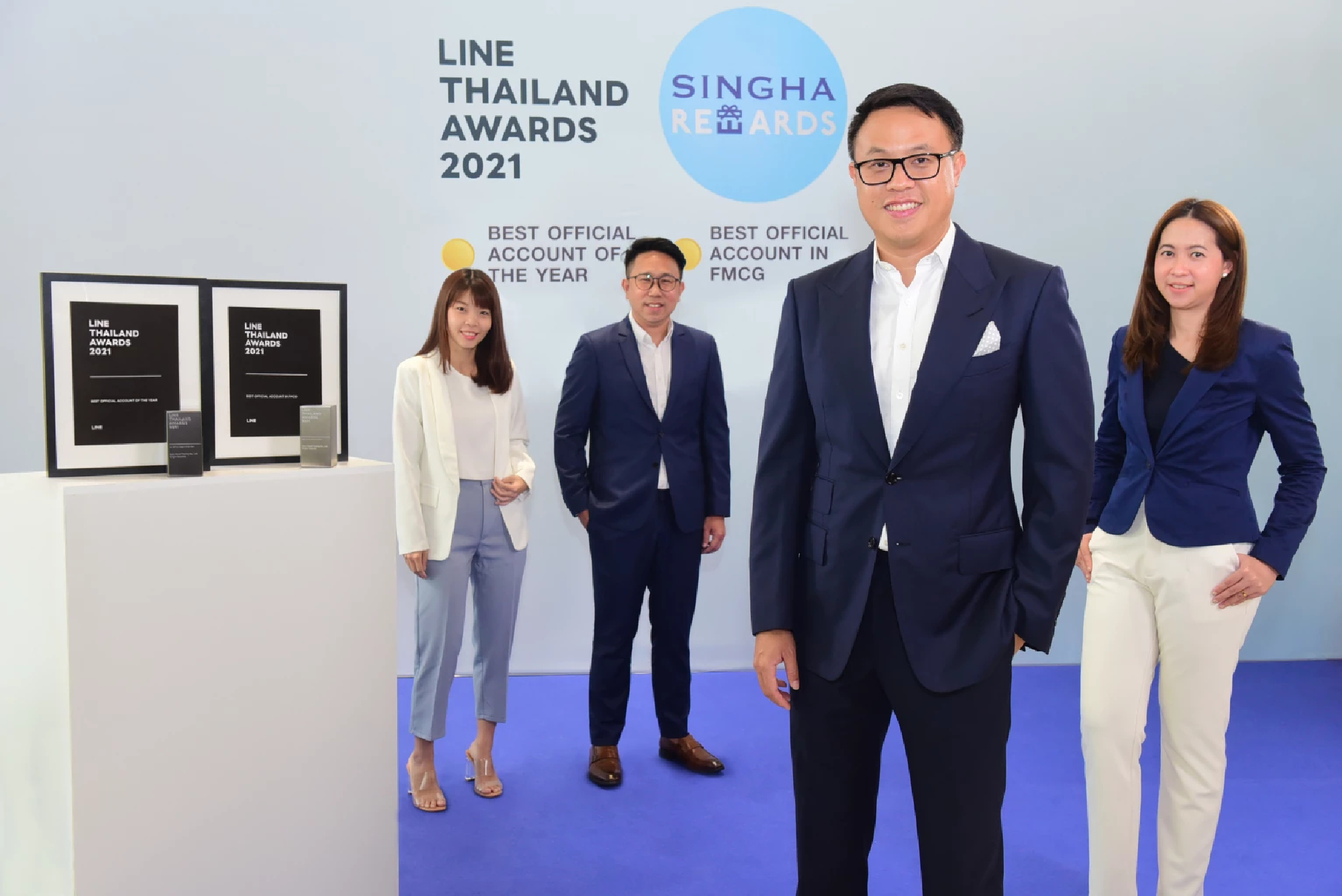
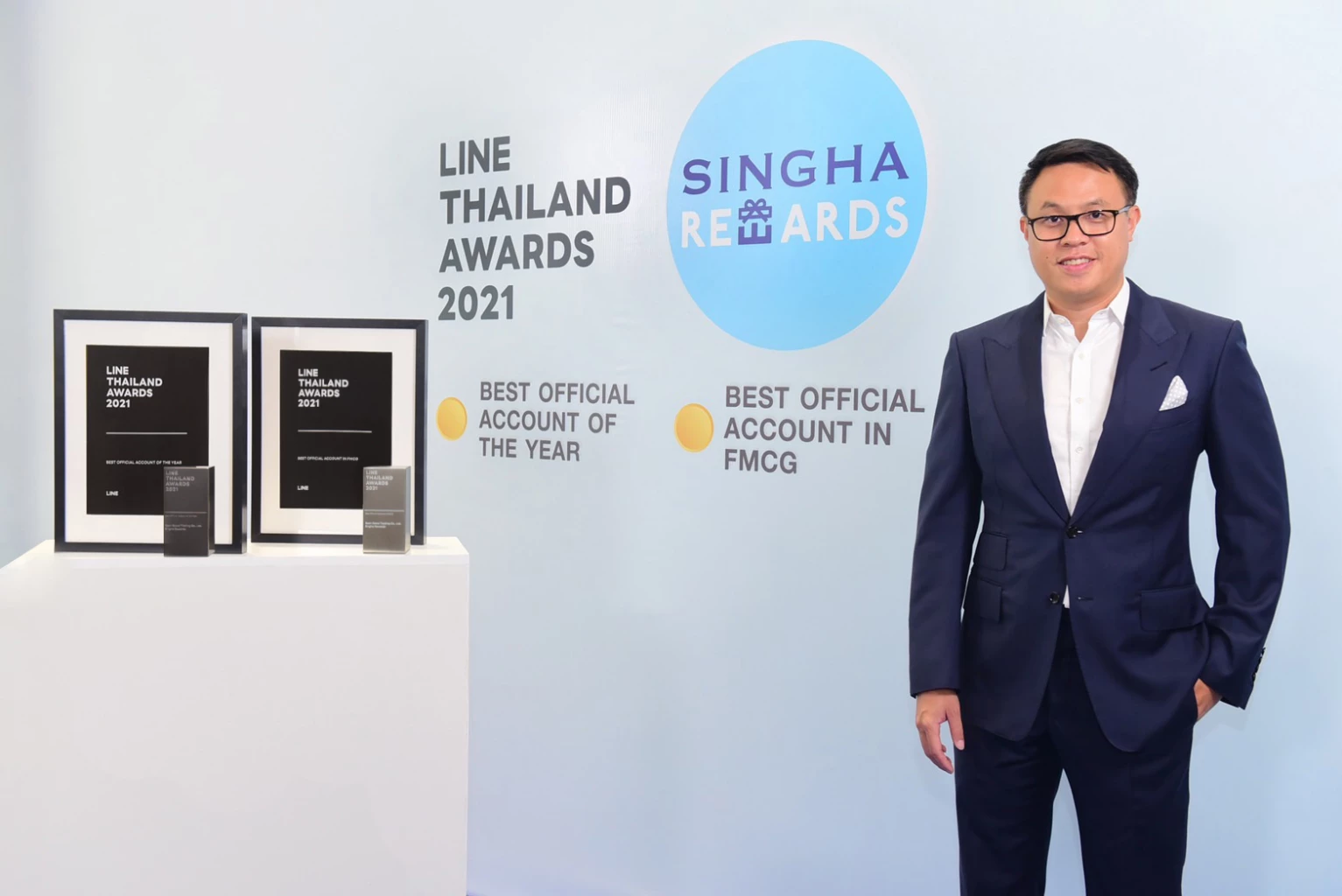
“Singha Drinking Water’s” Singha Rewards campaign had won two awards from the ‘LINE THAILAND AWARDS 2021’ which are the Best Official Account of the year and the Best Official Account in FMCG, maintaining the best consumer engagement, customer relationship management, and constantly delivering the best experience and benefits to consumers.
Mr. Titiporn Thammapimookkul, Chief Marketing Officer – Brand of the Boonrawd Trading Co., Ltd., revealed that the company’s business model emphasized a lot on creating customer satisfaction on all fronts, from high-quality manufacturing to new and exciting marketing communications and customers benefits, all derived from Mr. Bhurit Bhirombhakdi policy.
“We have brought loyalty programs to new heights by increasing accessibility, allowing consumers to access their benefits at all times as their lifestyle changes. The added features in our LINE Official Account have made ‘Singha Rewards’ a bridge connecting the brand and its customers, which now has grown to over 9.5 million members,” he said.
‘Singha Rewards’ has recently won two awards, the Best Official Account of the year, and became the first to win the Best Official Account in FMCG from ‘LINE THAILAND AWARDS 2021.’ This marks another milestone for the brand, which drove high engagement among its fans and has monthly active users of over 900,000-1,000,000 on our LINE Official Account.
The company has developed ‘Singha Rewards’ to level up its customer relationship management which is currently in its fifth year with LINE’s platform. Singha Drinking Water is one of the first brands to embrace new technologies and features to deliver the most benefits to its customers, creating promotions and loyalty programs through point collection or QR code scanning from every Singha Drinking Water and Purra cap.
The “Drink More Add More Get More with LINE points” campaign has brought excitement to the market with exclusive surprises in every aspect of life, from food and beverage to gadgets. The program also consisted of a Market Place, which lets customers turn points into discounts and let consumers explore new experiences while building Singha Drinking Water’s brand loyalty at the same time.
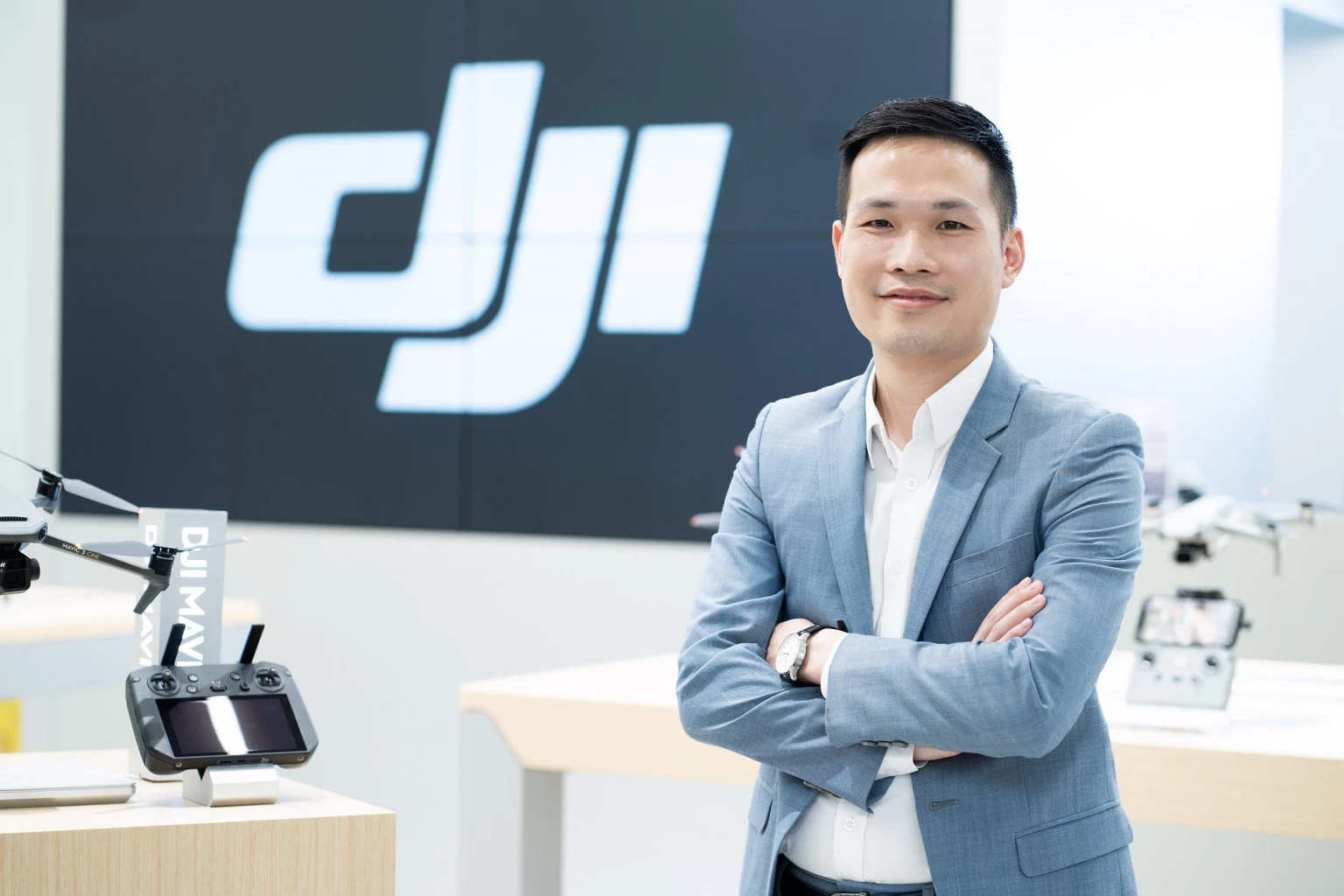
(PR news) DJI, a world leader in civilian drones and creative camera technology, is opening its newest retail store on Sunday May 8, 2022, making it the second DJI authorised retail store in Thailand.
The grand opening of the 100-square-metre store on the second floor of Future Park Rangsit will include many eye-catching events and promotional activities.
The DJI Experience Store hopes to serve as a tech wonderland for those looking for the latest gadgets and electronic products. Like other DJI outlets worldwide, this venue also sports an all-glass transparent exterior to convey DJI’s concept of welcoming one and all to enter and experience its aerial platforms and handheld devices. A flying experience zone is surrounded by glass walls, transparent, and customers can learn from the in-store pilots and see DJI drones in action.
“Opening ‘Experience Stores’ is the start of our journey of upgrading customers’ experience with DJI,” says Mr. Johnny Liao, CEO of Azure Innovations Technologies (Thailand) Co., Ltd.
“From Central Plaza Rama 9 to Future Park Rangsit, we aim at opening 15 brand experience stores all over Thailand. While we expand our retail footprint, we provide customers with easy access to DJI’s innovative products, along with the possibilities and diverse perspectives that these tools have brought about for photography. We sincerely invite customers to visit the stores and enjoy the fun of photographing for both recreational and professional purposes.”
The flagship camera drone – DJI Mavic 3 – is given the pride of the position at the centre of the shop. It represents DJI’s ultimate pursuit in aerial photography technology. Between the specially built pillars, is the demo zone for the educational robot – RoboMaster S1. This robot integrates various technologies like programmable components, programmable AI modules, and 4WD omnidirectional movement, but its UI (user interface) makes complicated concepts easy to understand.
The entire range of DJI’s aerial work platforms and handheld products are also showcased and available for sale here, including favourites like DJI FPV, which offers an immersive flying experience, the one-inch camera drone DJI Air 2S, the DJI Action 2 which offers more than action, the intelligent pocket-sized camera DJI Pocket 2 and the DJI OM5 – a handheld smartphone gimbal.
Professional cinematographers and enterprise operators will also find the latest integrated cinematic gimbal camera DJI Ronin 4D along with the rest of the professional gimbal line-up, including DJI RS2 and DJI RSC 2.
To mark the official opening of DJI’s latest store, customers are invited to join us in a range of activities and an exclusive promotion campaign on May 8, 2022, including ● Promotion campaign and activities on May 8, the Opening Day, First 20 customers who purchase Mavic 3 Series or Air 2S Series are eligible to get free OM 5 * 1 Piece (RRP 5099 THB) Join a session on aerial photography hosted by Paranyu “Ton” Pithayarungsarit (https://www.facebook.com/tontoxin), a travel geologist at BEAUTIFUL PLANET EARTH, the “Most Powerful Story” winner of #DJIOurstorybegins hashtag campaign, and listen to his story behind “The Disappeared Satun Geopark”. Various on-ground games and lucky draws for store visitors to win cash coupons and gift vouchers.
● New Store Opening Campaign from May 8 to May 12, Super deal on hot items (DJI Pocket 2, DJI OM5, DJI FPV, DJI Mini), up to 3,000 THB discount
The DJI Experience Store is located on the 2nd floor, Future Park Rangsit. The Soft Opening started on May 1, 2022, with the opening hours being Monday to Sunday, 10.30 am to 9.00 pm.
SS&C Blue Prism and PTT Digital teamed up on Thursday to establish an Intelligent Process Automation Centre (IPAC) to support small and medium enterprises.
Intelligent process automation (IPA) is an emerging set of new technologies that combine fundamental process redesign with robotic process automation and machine learning.
The global process automation market is forecast to grow to more than US$13 billion (THB445 billion) by 2030. Most enterprises see automation technology as the top priority of their digital transformation to succeed and be competitive globally.
According to studies conducted by Grand View Research, the total value of the global robotics process automation (RPA) market was $1.89 billion in 2021 and is expected to reach $2.32 billion this year.
Furthermore, its compound annual growth rate is projected at 38.2 per cent from 2022 to 2030, with the market size expected to exceed $30 billion in 2030.
There are around 7,000 small-to-medium companies in Thailand and they would like their business to stand out in such a competitive market.
They could use IPA technology but it comes with high initial investment and recurring expenses. It also requires specialised IT resources and infrastructure. Moreover, it takes a long time to implement, while the payback period is also lengthy.
The IPAC has therefore been established to meet this situation to support SMEs, newly founded companies, start-ups, innovators, and digital citizens so they can afford to access AI and the RPA ecosystem based on international standards.
“As our customers benefit from this collaboration, SS&C Blue Prism will expand its market presence in Thailand, especially in the manufacturing, banking, insurance and financial services, public sector and healthcare industries,” said PTT Digital chairman Terdkiat Prommool.
“We’re excited to collaborate with PTT Digital to enable Thai enterprises to increase RPA and IA adoption via our platform-as-a-service offering,” said Gareth Lane, senior vice president, head of Alliances & Channels at SS&C Blue Prism.
“The flexible service helps customers with investment costs by switching them to a new subscription-based service under a pay-per-use model,” he explained.
Gareth Lane, senior vice president, head of Alliances & Channels at SS&C Blue PrismPTT Digital chairman Terdkiat Prommool
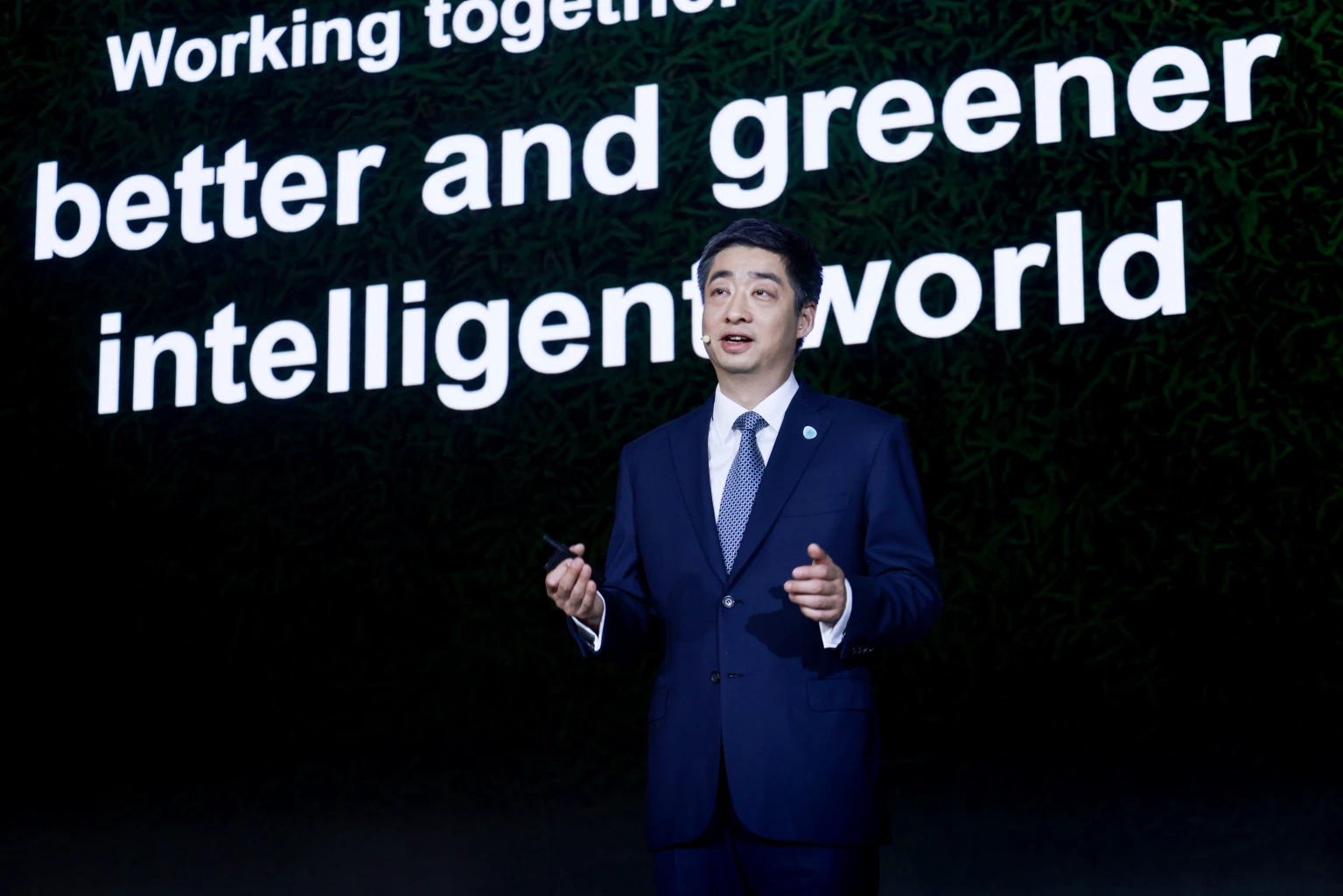
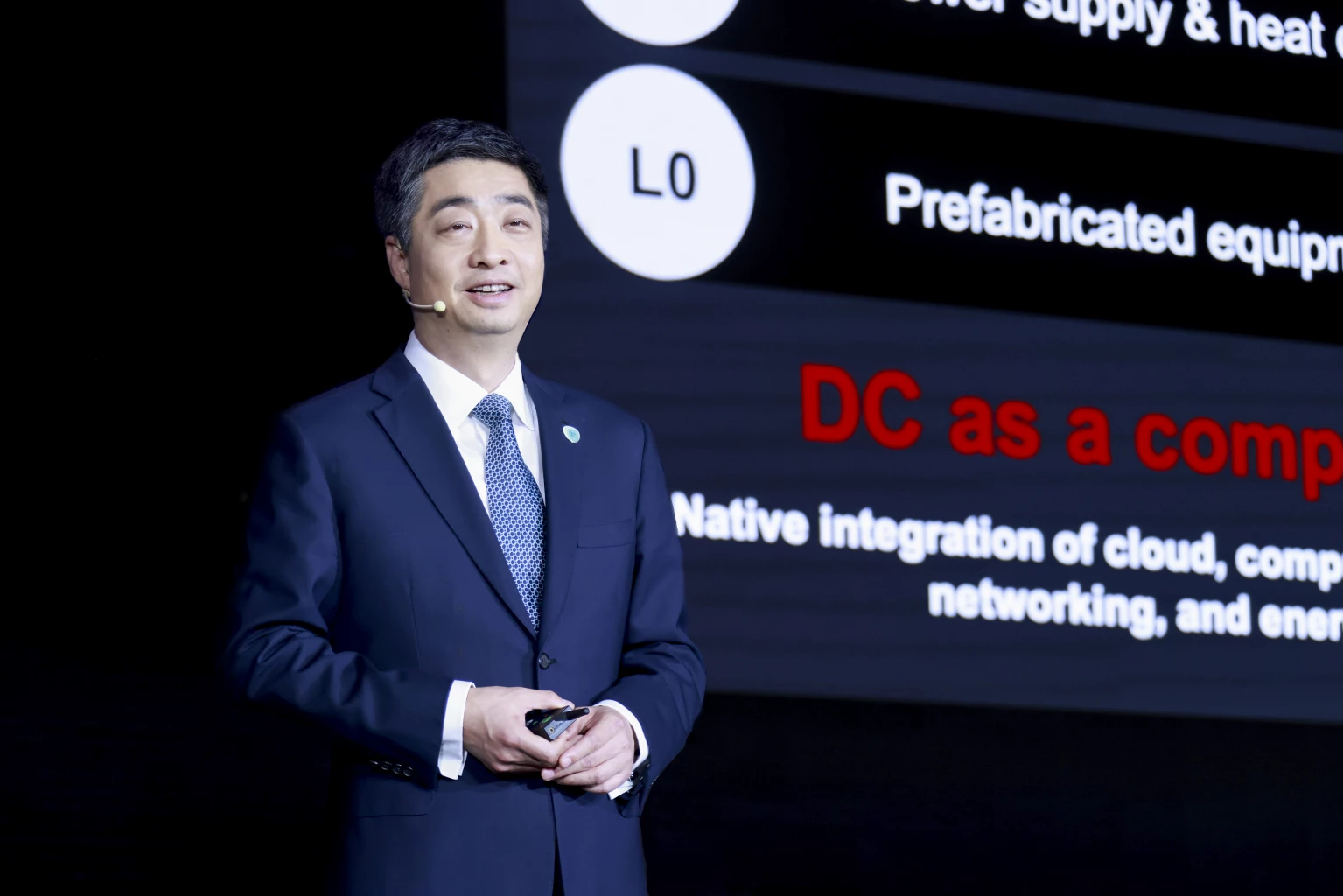
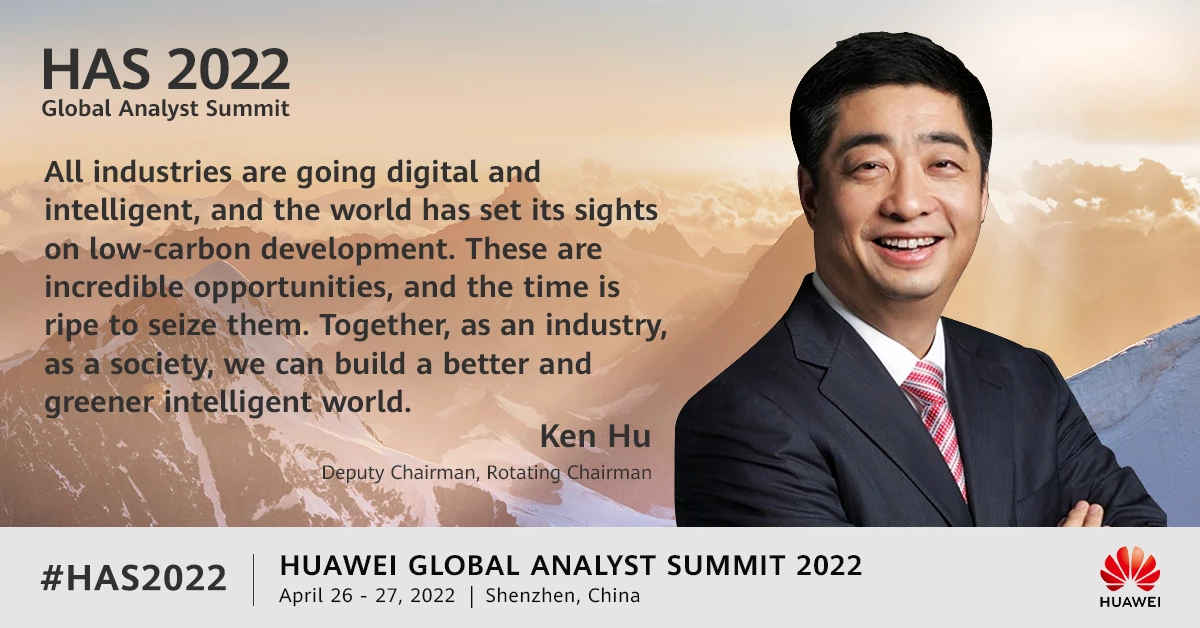
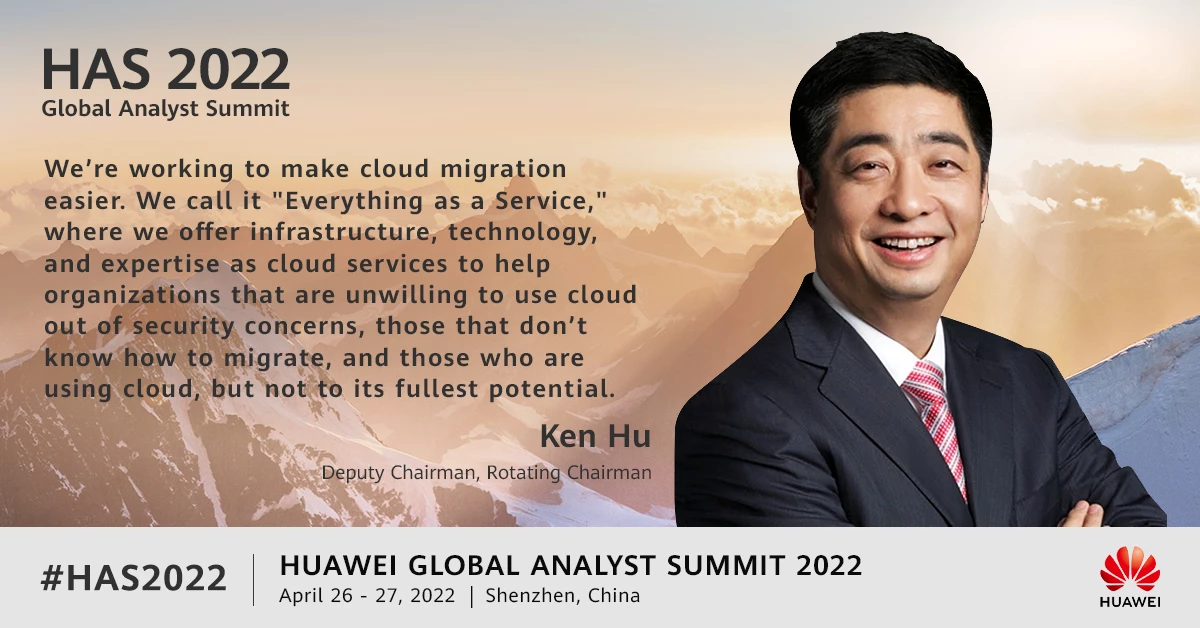
On April 26, at the Huawei Global Analyst Conference, Huawei rotating chairman Ken Hu responded to Huawei’s R&D, chips, devices, and other external concerns. The analyst summit focused on topics such as “future exploration, industrial innovation, digitalization and decarbonization”, and discussed future trends of the industry.
Midlife crisis of Huawei
Founded in 1987, Huawei is a leading global provider of information and communications technology (ICT) infrastructure and smart devices. We have approximately 195,000 employees and we operate in over 170 countries and regions, serving more than three billion people around the world.
Since entering the “U.S. Entity List”, Huawei relies on the “global supply chain system” has been frequently challenged, the chip and other core technology restrictions have also made the company began a long mending tire self-help. After three years of being added to the list of U.S. entities, how is the development of Huawei’s main business? In the face of restricted device business development, how does Huawei carry out new business? Facing the future, what kind of scientific hypothesis business vision does Huawei put forward? Under the limitations of technology, how Huawei should move forward have become the topic of much attention on this analyst summit.
How is Huawei doing now?
According to Huawei 2021 Annual Report, in 2021 Huawei brought in revenue of 636.8 billion Chinese yuan ($99.9 billion), a 28.5% year-on-year decline. Huawei’s net income surged 75.9% year on year to 113.7 billion yuan as it focused on boosting profitability. And Huawei’s business has been hurt by U.S. sanctions which have sought to cut it off from key software and components like semiconductors.
Under former U.S. President Donald Trump, Huawei was put on a U.S. blacklist called the Entity List which restricted American firms from exporting key components and software to the company.
On Huawei Annual Analyst Summit, Ken Hu, Huawei rotating chairman admired that Huawei is still facing many challenges. These include geopolitical conflicts, the lingering pandemic, looming global inflation, rising prices of bulk commodities, and possible exchange rate fluctuations. These changes will make the challenges presented by business environment even more formidable.
How Huawei looks to the future?
Ken Hu mentioned that Huawei’s business policy is indeed centered on “keeping the company alive with quality”. For the future, bystrengthening approach to innovation, equipping all industries with the tools and knowledge they need to go digital, and helping build a low-carbon world four ways, Huawei showed confidence that live alive with equality.
1. Strengthening approach to innovation
To counter U.S. sanctions, Huawei is investing heavily in new areas including the automotive industry and hiring more scientists to focus on technology development.
Guo Ping, Former Huawei’s rotating chairman, said that “Relying on talent, scientific research, and an innovative spirit, we will continuously increase investment to reshape our paradigms for fundamental theories, architecture, and software, and build our long-term competitiveness.”
Ken Hu said Innovation is in Huawei’s DNA. Despite considerable operational challenges over the past few years, Huawei has continued to steadily increase our investment in R&D. For nearly a decade, Huawei strategy has been to re-invest at least 10% of our annual revenue back into R&D. Last year, the number devoted in invested about 22%. As Mengwanzhou said on Huawei annual report 2021, Huawei spent 142.7 billion yuan on research and development in 2021, slightly higher than 2020′s figure of 141.9 billion yuan.
On April 25, Huawei once again issued a global invitation for Top Minds. Ken Hu said that Huawei’s recruitment message offered a salary of more than 5 times the industry average income, hoping to recruit talents in the fields of digital, computer, physics, materials, chips, intelligent manufacturing and chemistry. “Five times the salary is an imaginative thing.” He mentioned that innovation is also highly dependent on talent, and Huawei hopes to use world-class problems to attract world-class talent to jointly meet the challenges and promote scientific and technological progress.
Huawei’s “Top Minds” project was officially announced in June 2019. At that time, Ren Zhengfei, CEO of Huawei mentioned in a speech within Huawei’s EMT (management team) that “this year (2019) we will recruit 20-30 top minds from around the world, and next year we want to recruit 200-300 from around the world. These talented teenagers are like ‘mudskippers’, drilling to live our organization and activating our team.”
In addition to talented teenagers, Huawei has also invested in the training of scientists and other talents for many years in a row. According to public data, Huawei has at least including more than 700 mathematicians, more than 800 physicists, more than 120 chemists, and 15,000 people engaged in basic research, as well as more than 60,000 product development personnel. Huawei also has cooperation with more than 300 universities and 900 research institutions and companies around the world, has implemented 7,840 projects, has invested $1.8 billion, and has signed more than 1,000 R&D cooperation contracts for external payment. These basic talents support Huawei’s exploration of future technologies.
In the keynote speech, Ken Hu said that the purpose of Huawei’s innovation is ultimately to create value for customers and society.
2. Equipping all industries with the tools and knowledge they need to go digital
At the Analyst Summit, Ken Hu also shared his views on digital transformation in Asia Pacific. He believes that Asia Pacific is one of Huawei’s most important markets besides China, and that the Thailand government’s “Digital Hub” national strategy for digitalization is relatively advanced and clear, and can guide the development of digitalization in Thailand. Thailand is also very active in digital development, which is directly attributed to the rapid development of digital infrastructure, such as 5G, broadband, and data centers.
In Thailand, CEO of Huawei Thailand Abel Deng said that Thailand has long been a strategic overseas market for Huawei, and Huawei has been committed to the mission “Grow in Thailand, Contribute to Thailand” for 22 years, with continuous dedication to contributing social values to Thai people, businesses and society. The contributions span over three main areas, namely strong and immediate support to protect people and get society back up and running during COVID-19, digital talents ecosystem cultivation and SMEs and Startups ecosystem support.
At the same time, he mentioned that Huawei will improve digital transformation in the Asia-Pacific region by helping countries in which it operates business to build digital infrastructure, adhere to low-carbon development, and train ICT talent.
First, Huawei is helping local governments, operators and enterprises to make good use of these digital infrastructures through wireless, fixed broadband networks, and data center infrastructure in Asia Pacific.
Second, Huawei is actively promoting green site solutions this year to help Asia Pacific customers build more green sites and help operators achieve emissions reductions.
The third point Ken Hu highlighted is “because we are an ICT company with long-term roots in the Asia Pacific region, Huawei will increase the training of ICT talent in the region. Through Huawei’s ASEAN Academy and the “Seeds of the Future” program, we plan to train another 500,000 ICT talents in the Asia-Pacific region in the next five years.”
The fourth point is to help empower ICT startups in the Asia-Pacific region. Huawei has launched a program called SPARK, which plans to invest $100 million over three years to help build a more vibrant and healthy startup ecosystem in the Asia-Pacific region.
3. Maintain confidence in device business and optimism in new business
Huawei’s mobile business has seen a major decline over the past two years because of a shortage of high-end support chips due to U.S. sanctions. In 2021 Huawei recorded consumer business revenue of 243.431 billion yuan, down 49.6% year-on-year, slipped to 38.2% of revenue, falling back to the second-largest revenue source, while the last time such a structured share occurred in 2017.
Ken Hu said “Huawei smartphone business has seen a sharp decline over the past two years, for reasons everybody knows. It’s a real shame – not just for Huawei, but for consumers too. However, it also gave us the opportunity to rethink our device business and how we can provide consumers with greater value.”
In Thailand, Huawei have seen remarkable growth in the shipments of “+ 8” products, including wearables such as smart watches and bands, as well as smart speakers, smart screens, and tablets.
In a video released by Huawei Device Business Group on April 27, Huawei Device business CEO Richard Yu said that Huawei’s cell phone supply has been greatly improved. This year Huawei smartphone business is back to normal, and consumers can buy a variety of Huawei’s products. Richard said with a smile that the new folding screen smartphone to be released is “super thin, super flat and super reliable”. He ended the video by thanking consumers for Huawei’s ongoing support and trust, and promised to bring you good products and services.
4. Huawei always with an open and cooperative mindset and industry chain cooperation
At the end of the analyst summit media Q&A, Huawei denied the plan to build its own chip factory. Although Huawei is now facing a chip shortage, Huawei still believe it is necessary to have a division of labor along the value chain, and not build its own chip factory.
At the same time, Executive Director of the Board and Chairman of ICT Infrastructure Managing Board, David Wang addressed chip supply issues will require the joint efforts of all participants up and down the value chain. He addressed that no company can independently produce chips, and Huawei is no exception.
The baht opened at 34.29 to the US dollar on Friday, dropping from Thursday’s close of 34.05.
The currency is expected to move in a range between 34.20 and 34.40 on Thursday, according to Krungthai Bank market strategist Poon Panichpibool.
Volatility in the currency market is still supporting the dollar and pressuring the baht, Poon added. Meanwhile, the Covid-19 situation in China is deterring investment in Asian emerging markets, meaning the baht is likely to swing sideways, he said.
However, the baht would face downward pressure from purchases of gold if the price goes down. Poon said the Thai currency’s key resistance level would be 34.50, at which point exporters would sell the dollar.
He advised businesses to use hedging tools such as options to manage risks in the highly volatile currency market.
The Bank of Thailand (BOT) is expected to maintain its key policy interest rate despite the high domestic inflation, Krungthai Bank’s market analyst, Poon Panichpibool, said on Thursday.
He said the high inflation rate would not pressure the BOT to raise the interest rate even though many other central banks had done so.
It is because the price increases in Thailand have affected only a limited number of goods, he explained.
In April, the increase in Thailand’s general inflation slowed down from the first months of the year. The prices of energy products are stabilising although most food items have seen price increases, he noted.
Poon, a strategist on capital and monetary markets at the state-run commercial bank, expected the Thai baht to continue depreciating due to factors like the ongoing Russia-Ukraine war.
The US Federal Reserve Bank (Fed) recently resolved to raise its policy interest rate by 0.50 per cent, as expected earlier. However, Fed chairman Jerome Powell gave no signs there would be a further increase in the policy interest rate, as was the concern in the markets previously.
Thailand will host a meeting of Apec Ministers Responsible for Trade (MRT) from May 19 to 22 to push for the digital economy and post-Covid economic revival among several goals, a senior Commerce Ministry official said on Thursday.
Oramon Sapthaweetham, director-general of the Department of Trade Negotiations (DTN), said Deputy Prime Minister and Commerce Minister Jurin Laksanawisit will chair the Asia-Pacific Economic Cooperation MRT meeting.
The meeting will discuss several issues, including the push for Bio-Circular-Green Model economy, cooperation to ease trade and investment restrictions, tourism promotion, free trade agreements, and the push for implementation of a digital economy and society, Oramon said.
During the meeting, ministers of the member nations will also discuss cooperation for sustainability in food production and “new normal” trade that will be suitable for the post-Covid era, she added.
The member nations will be asked to help support access to vaccines and necessary goods, she said.
In another development, Oramon announced the five-year (2022-2027) vision to mark the DTN’s 80th anniversary this year.
Among other things, the DTN will push for more FTA agreements to cover up to 80 per cent of Thailand’s trading partners.
Currently, the FTA ratio of Thailand with trading partners stands at 64 per cent, while Singapore’s FTA ratio is 96 per cent, Vietnam 73 per cent and the Philippines 71 per cent.
“This year, the DTN plans to complete pending FTA talks, such as Thailand-Turkey FTA, Thailand-Sri Lanka FTA, and Thailand-Pakistan FTA,” Oramon said.
She is confident that the FTA talks with Turkey will be concluded this year and Thailand will then hold talks with the European Free Trade Association as well as with the European Union.
The DTN will also push for an upgrade of Asean-Dialogue Partners’ FTA, covering China, India, South Korea, Australia and New Zealand, Oramon said.
The DTN will gradually hold talks of the joint trade committee (JTC) with key trade partners.
This year, Thailand hosted a JTC meeting with Vietnam and Bhutan in April and will hold more JTC meetings with Singapore, the United Kingdom, Maldives, China and Bangladesh, Oramon added.
She said the DTN has also drafted action plans to help Thai farmers and manufacturers to benefit from current FTA agreements.
For example, the DTN will hold a fair to promote the operations of its provincial FTA centre in Phayao province from May 27 to 29, and in Nakhon Si Thammarat province from June 10 to 12, she said.
The DTN will hold the second fair to promote products of the four southern border provinces to Asean FTA markets in Narathiwat province from June 16 to 18, Oramon said.
The DTN will join hands with the Thai Agricultural Council to hold an event in Mae Hong Son from August 18 to 20 to improve farmers’ capacities to be prepared for exporting products to FTA markets, Oramon said.







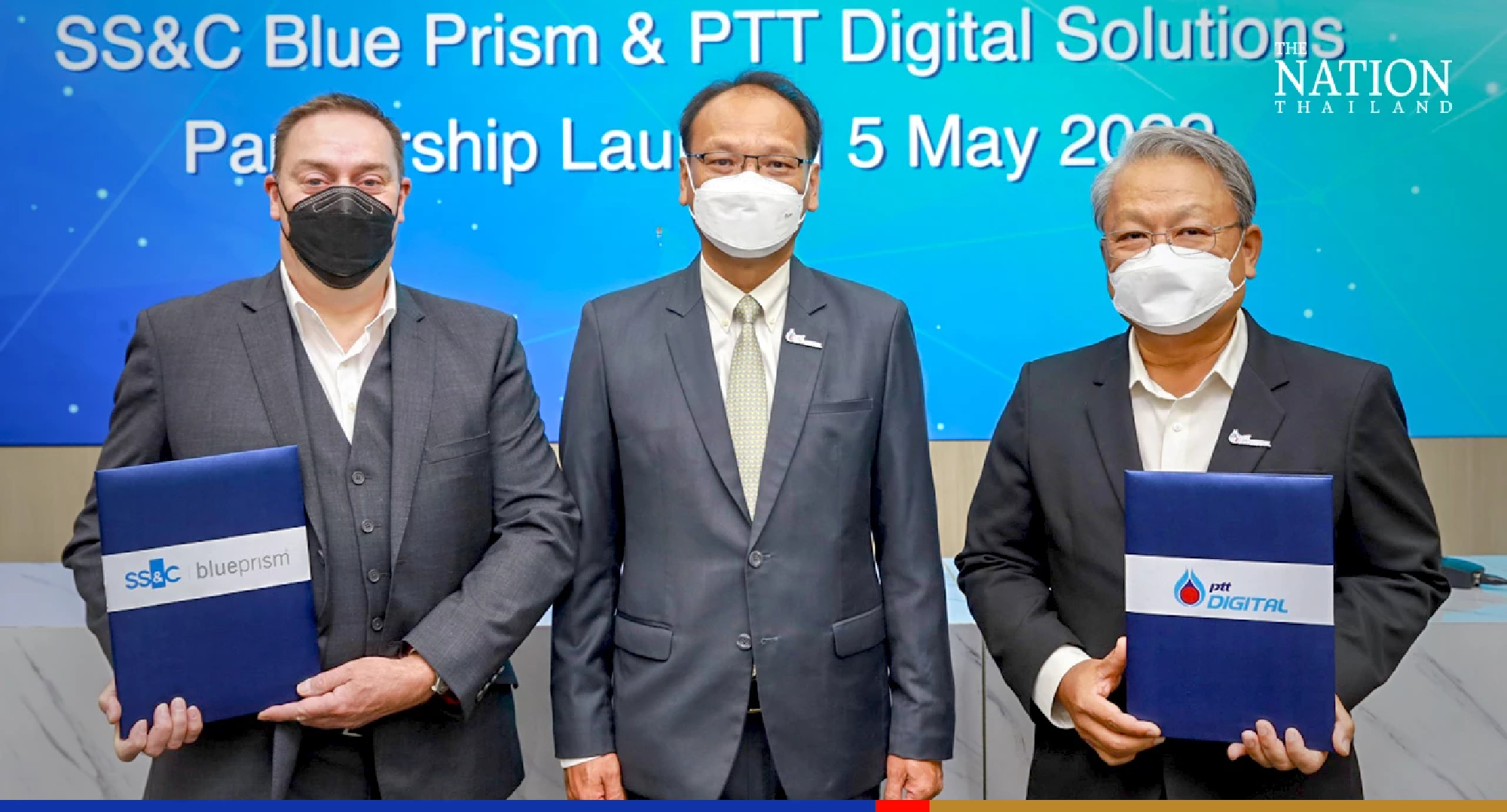
 Gareth Lane, senior vice president, head of Alliances & Channels at SS&C Blue Prism
 PTT Digital chairman Terdkiat Prommool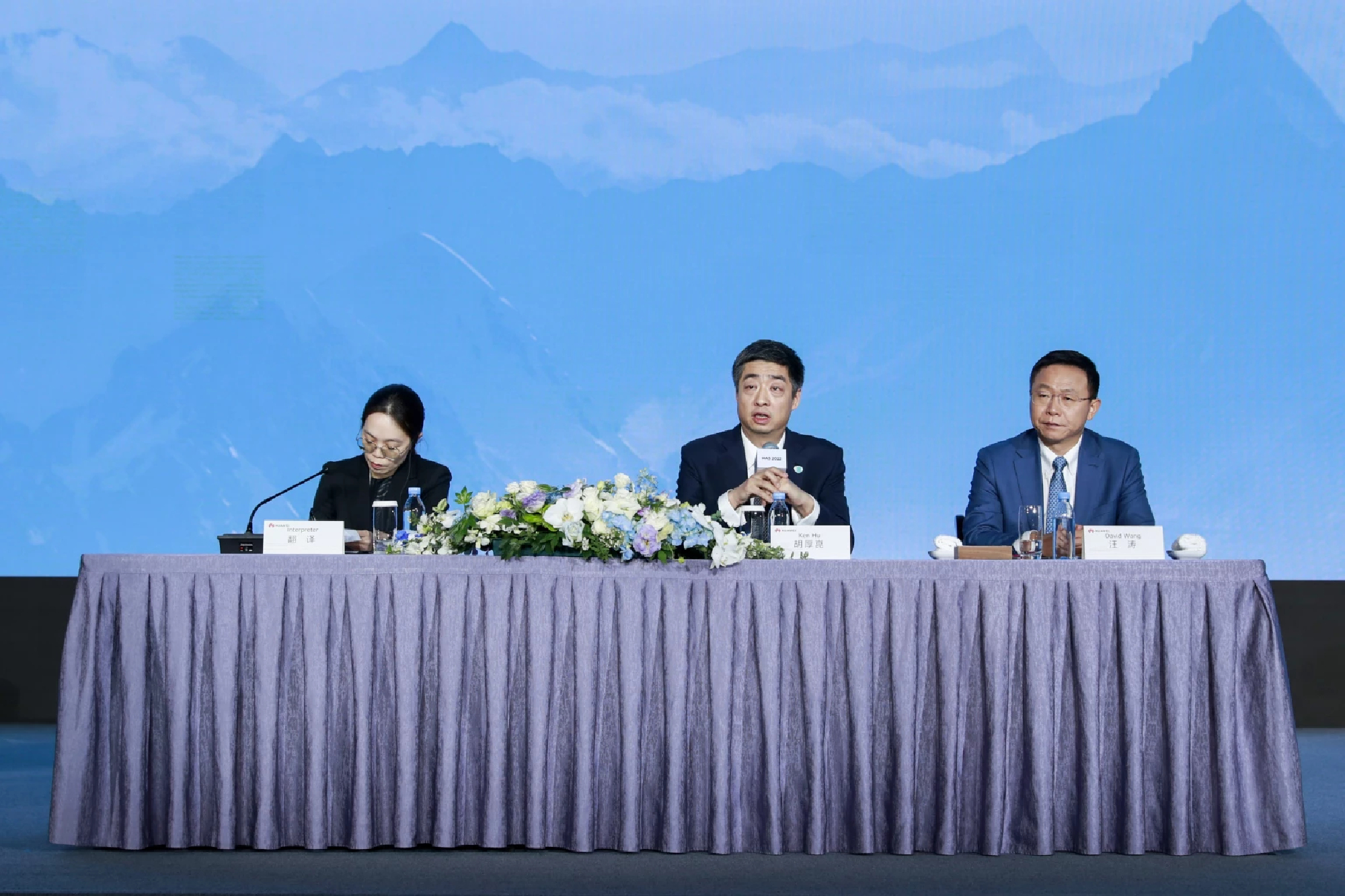


 In another development, Oramon announced the five-year (2022-2027) vision to mark the DTN’s 80th anniversary this year.
