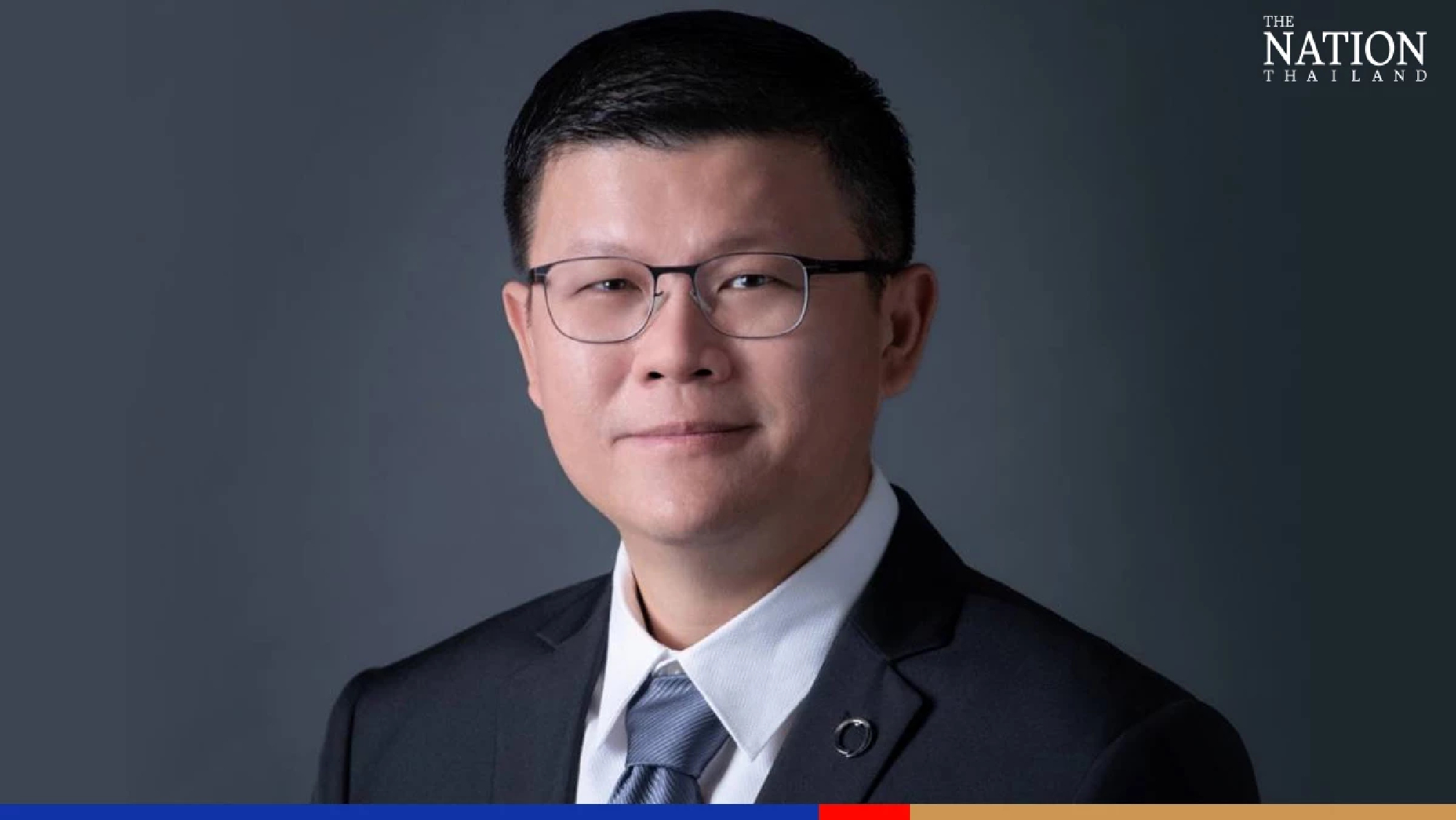
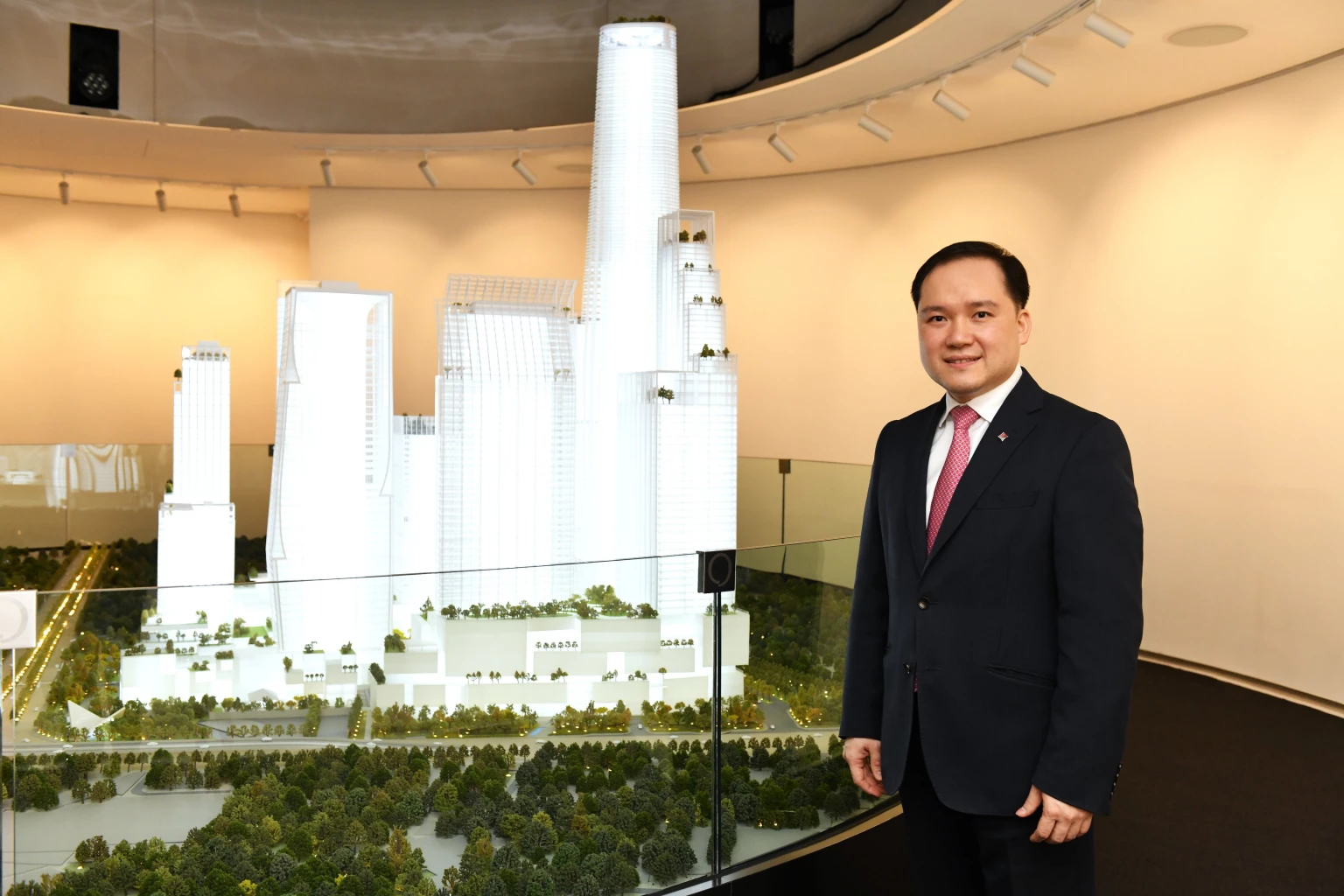
Lim Hua Tiong commented that the mission of leading the development of One Bangkok until its completion is in line with Bangkok’s post-pandemic recovery strategy.
One Bangkok Co., Ltd., a joint venture between TCC Assets (Thailand) Co., Ltd. and Frasers Property Holdings (Thailand) Co., Ltd. announced Lim Hua Tiong as new Chief Executive Officer (CEO) – Development, One Bangkok, effective from 1 April 2022.
He will succeed Soon Su Lin, who assumes the role of CEO of Frasers Property Singapore.
Lim brings to this role a wealth of leadership experience, a strong business acumen and expertise in leading high-performing teams. He will remain CEO of Frasers Property Vietnam, a role he has held since May 2019.
Prior to joining Frasers Property, Hua Tiong held senior management positions in well-established real estate companies in Vietnam and Singapore for almost two decades, with a focus on township and high-end developments.
Mr. Panote Sirivadhanabhakdi, Group Chief Executive Officer of Frasers Property Limited
Frasers Property Group CEO Panote Sirivadhanabhakdi said Hua Tiong has broad experience and expertise in all aspects of real estate development, particularly in real estate investments, financing and managing mixed development projects.
“I’m confident Hua Tiong will lead the One Bangkok team well as we progress to the next phase of our journey to bring to life our vision of a fully integrated district that will revolutionise the way we experience the city and become an iconic global landmark befitting of Thailand’s standing on the world stage,” he said.
“I would also like to express my sincere appreciation to Su Lin for her strong leadership, dedication, and significant contributions to achieving several key milestones for One Bangkok over the past six years. I look forward to working closely with her to strengthen our Singapore business,” he added.
Hua Tiong commented that the mission of leading the development of One Bangkok until its completion is in line with Bangkok’s post-pandemic recovery strategy.
As a highly resilient megacity with robust urban infrastructure and the country’s economic engine, he said Bangkok is well-placed to recover quickly.
“We believe that the opening of One Bangkok in the fourth quarter of 2023 as a world-class centrepiece for quality hospitality, residences, workspace, art and culture, and retail experiences will play a key role in reviving the dynamism of Bangkok and Thailand, attracting investors, business, and leisure travellers from around the world,” he said.
He added that the mixed-use development of a large-scale and integrated project like One Bangkok requires the synergistic power of smart, motivated, and creative people from across different disciplines.
“My role will be to build on Su Lin’s legacy and continue to strengthen, empower, inspire, and connect all associates, encouraging close collaboration and interpersonal bonds between all team members towards our common goal,” Hua Tiong added.
Hua Tiong holds a Bachelor of Accounting degree from the University of Malaya and is a member of the Malaysia Institute of Accountants. He is also a graduate from the Management Acceleration Programme at INSEAD Business School in France.
The Public Debt Management Office (PDMO) reported on Friday that as of February 28, the country’s outstanding public debt stood at THB9.8 trillion, or 60.17 per cent of gross domestic product (GDP).
Of the total, 98.22 per cent is domestic debt, while 1.78 per cent is foreign debt.
The office said public debt comprised THB8.02 trillion of government debt, THB696.55 billion was debt of the Financial Institutions Development Fund, THB843.32 billion was debt of state-owned enterprises, THB259.94 billion was debt of Government Guaranteed Financial SOEs – which refers to a state enterprises that undertake lending business, asset management and credit guarantees – and THB7.06 billion was debt of other government agencies.
Earlier this year, the PDMO had estimated public debt at the end of fiscal 2022 would reach 62 per cent of GDP, on the expectation that GDP would expand 3.5 to 4.5 per cent year on year. This estimation is within the limit of the State Fiscal and Financial Disciplines Act, which stipulates that public debt should not exceed 70 per cent of GDP.
The PDMO added that if the GDP this year expands more than the estimation, the ratio of public debt will be lower.
The Tobacco Authority of Thailand is inviting applications for the post of governor. Interested persons can register at the Tobacco Authority of Thailand during business days between 8.30am and 11.30am and between 12.30pm to 4pm from April 1 to 29, 2022.
The Tobacco Authority of Thailand is inviting applications for the post of governor. Interested persons can register at the Tobacco Authority of Thailand during business days between 8.30am and 11.30am and between 12.30pm to 4pm from April 1 to 29, 2022. Documents are available for download here: http://www.thaitobacco.or.th
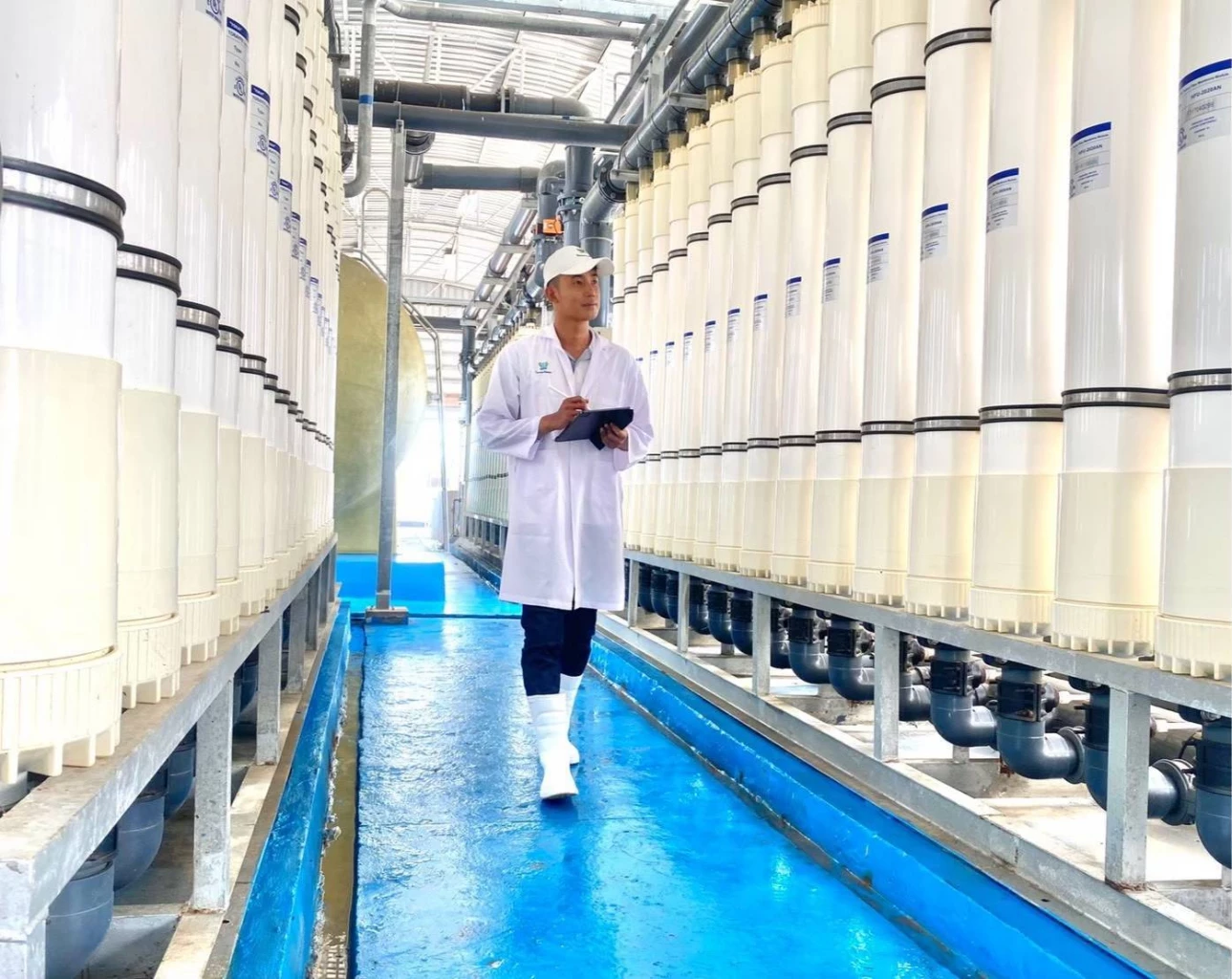
CP Foods applied Ultrafiltration (Ultrafiltration: UF) technology to improve water quality and clean water for new uses such as tools and equipment cleaning, water in the bathroom, specifically in areas that are not in contact with humans.
Charoen Pokphand Foods Public Company Limited (CP Foods) has applied technologies together with the 3Rs principle (Reduce, Reuse, Recycle) in an effort to increase efficiency in water management throughout the production process based on the Circular Economy principle for sustainable natural resources conservation.
Peerapong Krinchai, Executive Vice President – Corporate Engineering and Chairperson of the Working Group on Climate Change Management Water and Waste of CP Foods, said, the company recognizes the importance of water resources management for continuity in the agro-industrial and food business. In 2021, CP Foods was able to reduce its average water withdrawal per unit of production by 43% compared to the base year 2015. Also, the company reused and recycled 44% of the total amount of water usage. Moreover, the performance of water withdrawal per production unit in 2021 was better than the target set in 2025 which to reduce water withdrawal per unit of production by 30 percent.
To optimize water-use efficiency, CP Foods has applied the 3Rs principles , including Reduce-Reuse-Recycle by using water from treatment system for non-production-related activities in the livestock feed business, such as watering plants, cleaning road surfaces, etc. CP Foods applied Ultrafiltration (Ultrafiltration: UF) technology to improve water quality and clean water for new uses such as tools and equipment cleaning, water in the bathroom, specifically in areas that are not in contact with humans. The company also applied Reverse osmosis technology to filter water from the water treatment process and to reuse in evaporative system in the cooling system.
The company adopts multiple new water-saving solutions and innovations such as replacing Water Chill system with Air Chill system for reducing the temperature of the chicken in the production process which can reduce water usage by about 15 percent compared to the original production.
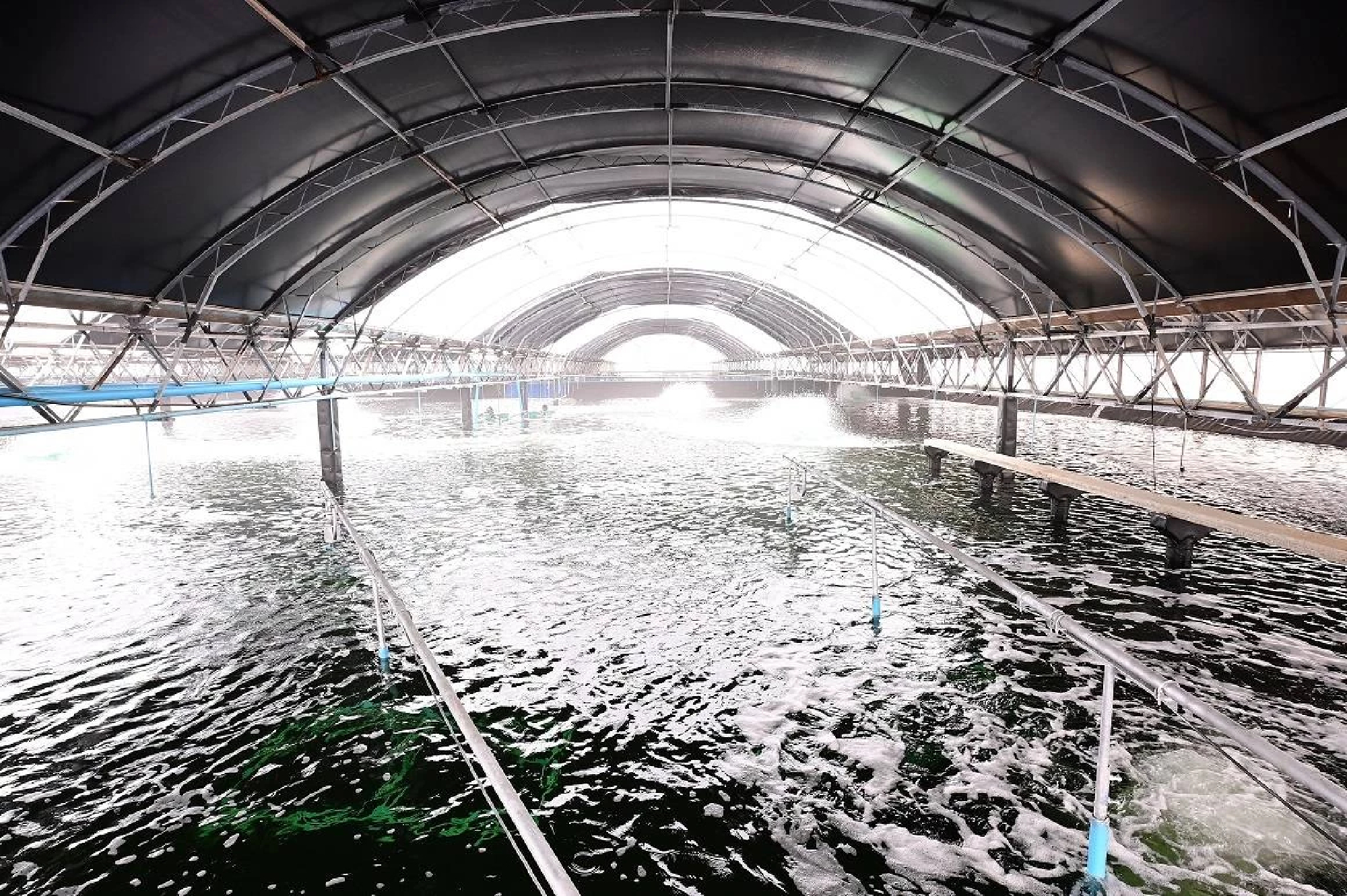
In the company’s aquaculture business, two closed shrimp farms namely Bang Sra Kao Farm in Chanthaburi province and the Roi Petch Farm in Trat province has adopted the biofloc system. The biofloc is a group of microorganisms capable of treating waste and shrimp excreted in the pond, resulting in reduced water usage. Meanwhile, UF technology can filtered the treated water and circulated back to shrimp pond. The system reduces the need to change water in the ponds, leading to 75% reduction of the amount of water withdrawal for the shrimp farming. In conclusion, the company ‘s water withdrawal per production unit was reduced from 17.3 cubic meters per ton to 15.28. cubic meter per ton in 2021.
Peerapong added that CP Foods has announced the Sustainable Environment Goals 2020-2025, with the target of reducing energy consumption per production unit by 15%, reducing the amount of water used per production unit by 30%, reducing the amount of waste disposal to landfill and incineration per production unit 35% and reduce the amount of greenhouse gas emissions per production unit by 25%. To attain these sustainability goals, the company carried out various projects including phasing out coal fuel in its production process in Thailand by 2022 (Coal Free 2022) and promoting renewable energy in the production processes. At present, the Company has the proportion of renewable energy to 27 percent of the total energy consumption.
Moreover, CP Foods operates its business with an emphasis on sustainable environmental operations. In addition to maximizing the use of water resources, the Company has also carried out a conservation and restoration of watershed forests project of the CPF Rak Nives at Phraya Doen Thong Mountain Project, covering an area 6,971 rai, which is currently entering the second phase of the project (year 2021 – 2025).
The company is also driving Big C’s private label product development and sales, aiming to position them at the top of customers’ minds in terms of product quality and value, and has set its private label sales target at 50 billion baht by 2026 for its private label brands such as We are fresh, Besico, Big C Happy Price, Big C Happy Price pro, etc.
BJC Big C Group (BJC) unveiled its five-year business plan on March 28, aiming to be one of the leading businesses in the global market, driving strong sustainable growth, and ramping up Big C store expansion both domestically and internationally. Aswin Techajareonvikul, Chief Executive Officer and President of Berli Jucker Plc and Big C Supercentre Plc, said the company has allocated an investment budget of 60-70 billion baht, or 12-14 billion baht per year, for a five-year business plan from 2022 to 2026.
He added that the company is focusing on shifting its business model from product-based to platform-based, establishing a sophisticated data network among customers and suppliers of BJC. “Currently, BJC has strong potential in many industries and has the capacity to distribute products both locally and in the Asean region,” he said. “Moreover, its distribution network can be used as a platform to distribute products to support its business expansion to more than 236,000 branches in the region.”
He added that the company is also committed to developing product research with partners to distribute products to the Asean region. The company has strict and standardised hygiene measures, and has added channels to sell products online in a bid to gain confidence about Covid-19 safety among customers. The company is also managing the cost pressures in the current economic environment, rising from energy and commodity price increases amid the Ukraine-Russia war by focusing on improving the efficiency of the production process as well as continuously managing the risks regarding the price of raw materials. In its modern trade business, the company plans to expand its omni-channel to drive sales, improving the customer experience through both, online platforms and delivery services, to meet the lifestyle of new-generation customers through Big C Applications, Call for shop, Line chat shop, Drive-thru, express delivery within an hour, and through cooperating with selected leading partners. The company is also driving Big C’s private label product development and sales, aiming to position them at the top of customers’ minds in terms of product quality and value, and has set its private label sales target at 50 billion baht by 2026 for its private label brands such as We are fresh, Besico, Big C Happy Price, Big C Happy Price pro, etc.
The company plans to accelerate its store expansion to facilitate customers’ access to its stores with nationwide coverage by 2026. In Thailand, the company is planning its Hypermarket store network to reach 160 stores from the present 153 stores, its Big C Mini store network to reach 2,853 stores from the present 1,352 stores, and the Big C supermarket and wholesale store network to reach 84 stores from the present 59 stores. In Cambodia, the company plans to expand Big C Hypermarket store network to six stores from the present one, and Big C Mini store network to 276 stores from the current one store, whilst in Lao PDR its plan is to open two Big C Hypermarket stores, and to expand Big C Mini store network to 245 stores from the present 57 stores. At the same time, the company plans to introduce new Big C Hypermarket concept under the name “Big C Place” in Bangkok, offering a shopping experience suitable for the lifestyle of the new generation in order to expand its customer base. Over the 2022-2026 period, the company is planning to renovate a total of 90 Big C Hypermarkets nationwide with various renovation concepts to revitalise, develop and update its stores with a modern look. The company aims to add well-known restaurants to its shopping mall areas to meet the needs of a wider range of customers, and to introduce co-working spaces and relaxation zones to make its stores a destination for the younger generation. The company is developing its product range to meet the needs of the local communities as well as to support local farmers through direct purchases from local farmers. The company is driving the use of technology with O2O (Online to Offline) business model, combining online and offline businesses to create competitive strengths for the future. The company is also developing its store models to meet the diverse customer needs through models such as “Donjai” partnership model, providing traditional trade store owners an opportunity to modernise their stores through cooperation with the company, whilst still maintaining the full ownership of their stores. As of March 18, 498 traditional trade stores have already joined the Donjai partnership model. In the middle of 2021, the company opened its first new “MM Food Service” wholesale business model in Thailand at Palm Island and its second store at Soi Chokchai 4 in October 2021. MM Food Service stores carry more than 6,000 items, mainly targeting hotel and restaurant customers looking to buy products in bulk. The company is currently developing the MM Food Service model and is considering its expansion plans for the future. Furthermore, BJC is focusing on investing in customer and supplier data platforms to achieve its corporate data strategy: ▪️Customer data platform generates market insights to improve customer experience while optimising marketing expenses. ▪️Supplier data platform facilitates merchandise information for better stock management, and new product development. BJC, meanwhile, plans to drive sustainable organisation growth to become the leader in packaging business in Asean, building on its current position as the leading glass packaging manufacturer in Asean. It has a production capacity of 4,000 billion bottles per year. It is the leading aluminium can packaging manufacturer in Thailand and Asean with a total production capacity of 5,430 million cans per year. To increase its glass packaging manufacturing capacity, the company plans to open a new glass furnace production line in 2025. The company is also utilising “C3leng” application, connecting users, waste collectors, and sellers of recyclable waste, and facilitating waste delivery to a recycling shop for recycling it into the recycling material. Moreover, the company is working to expand into new business areas by using technology to strengthen its existing businesses that the company has expertise in, such as medical device business, to develop a platform for health and medical services to support an ageing society. In addition, BJC is committed to be a good corporate citizen, striving to improve and help society and its environmental prosperity with its CSR projects focusing on four main areas: environment, public health, community, and education. Some of the recent CSR projects include activities such as “Biggie recycle”, helping the public and private sectors, donating medical equipment, building a field hospital to act as a treatment centre for Covid-19 patients, supporting the Foundation for the Blind in Thailand, and helping schools in the rural communities, etc. Moreover, the company has set a net-zero emission target by 2050, which it plans to achieve by improving production efficiency and using products to reduce greenhouse gas emissions, increase storage and carbon absorption, etc. “In 2021, BJC received various sustainability recognition such as the Dow Jones Sustainability Indices Silver Class distinction in 2022 Global Sustainability Yearbook in “Food & Staples Retailing” industry, included as a member of FTSE4Good Emerging Markets index, included in the Thailand Sustainability Investment Index for the second consecutive year in 2021, and included in the ESG100 Sustainable Investment Option list for the fourth year in a row, from 2018-2021,” Aswin said.
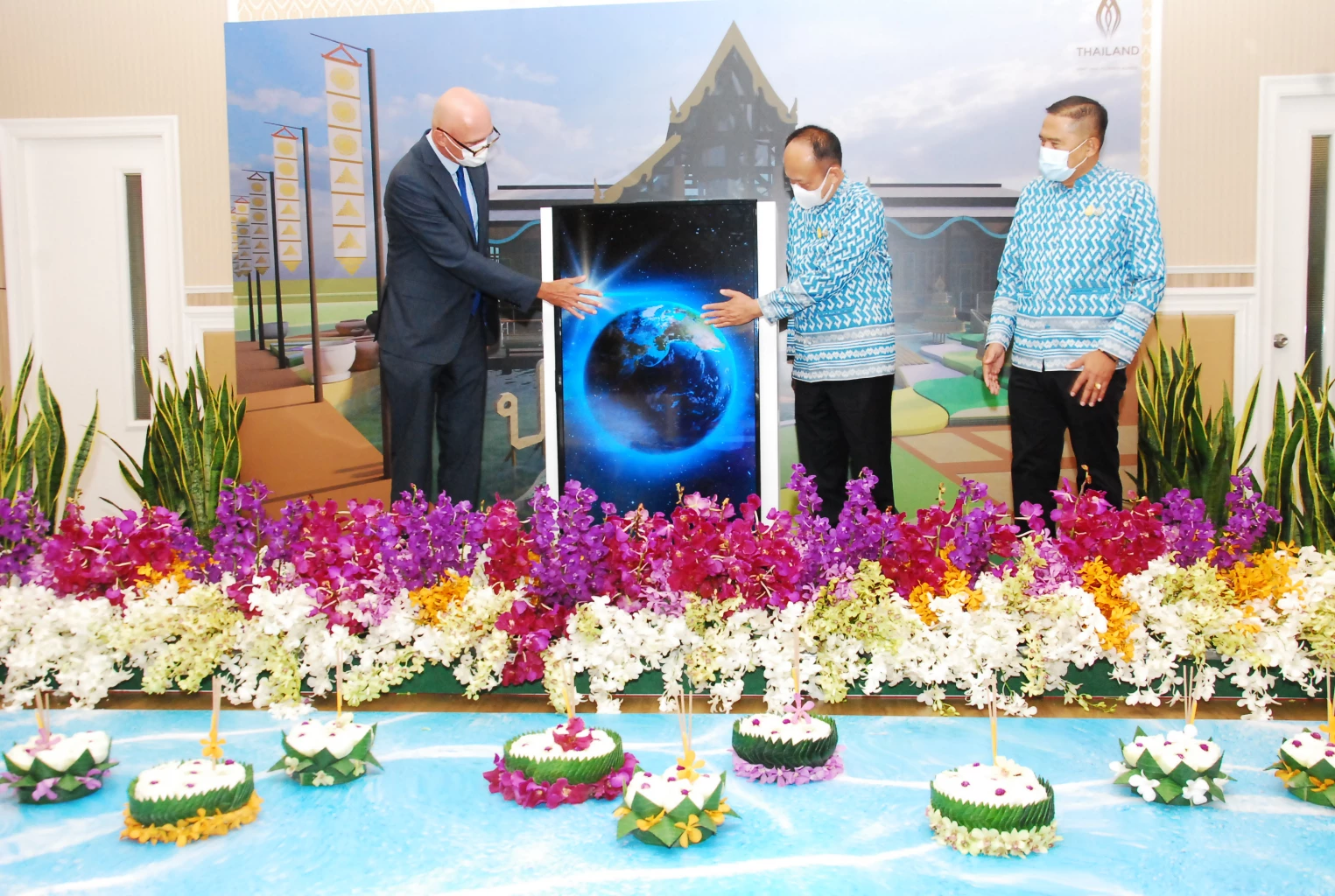
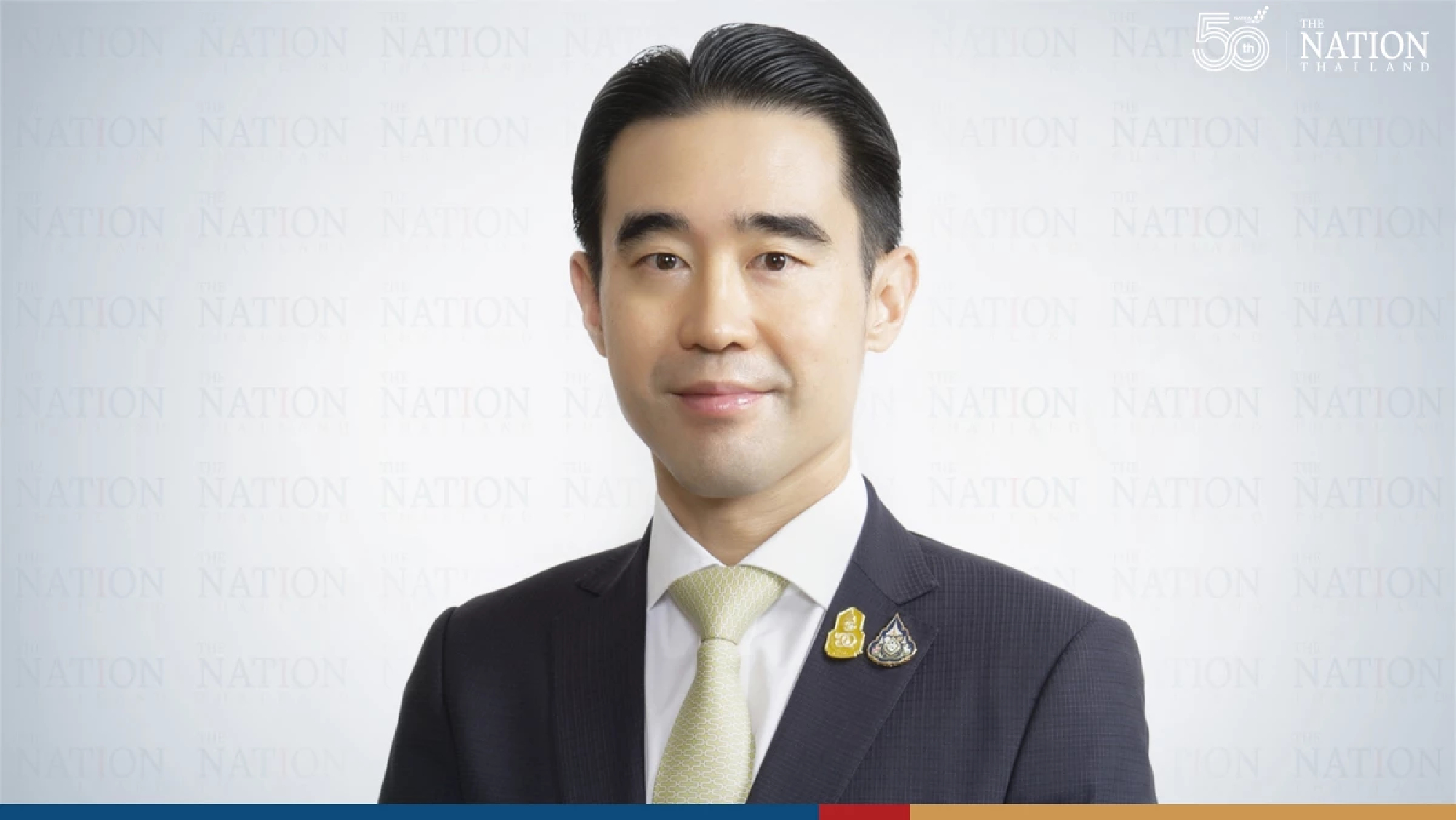
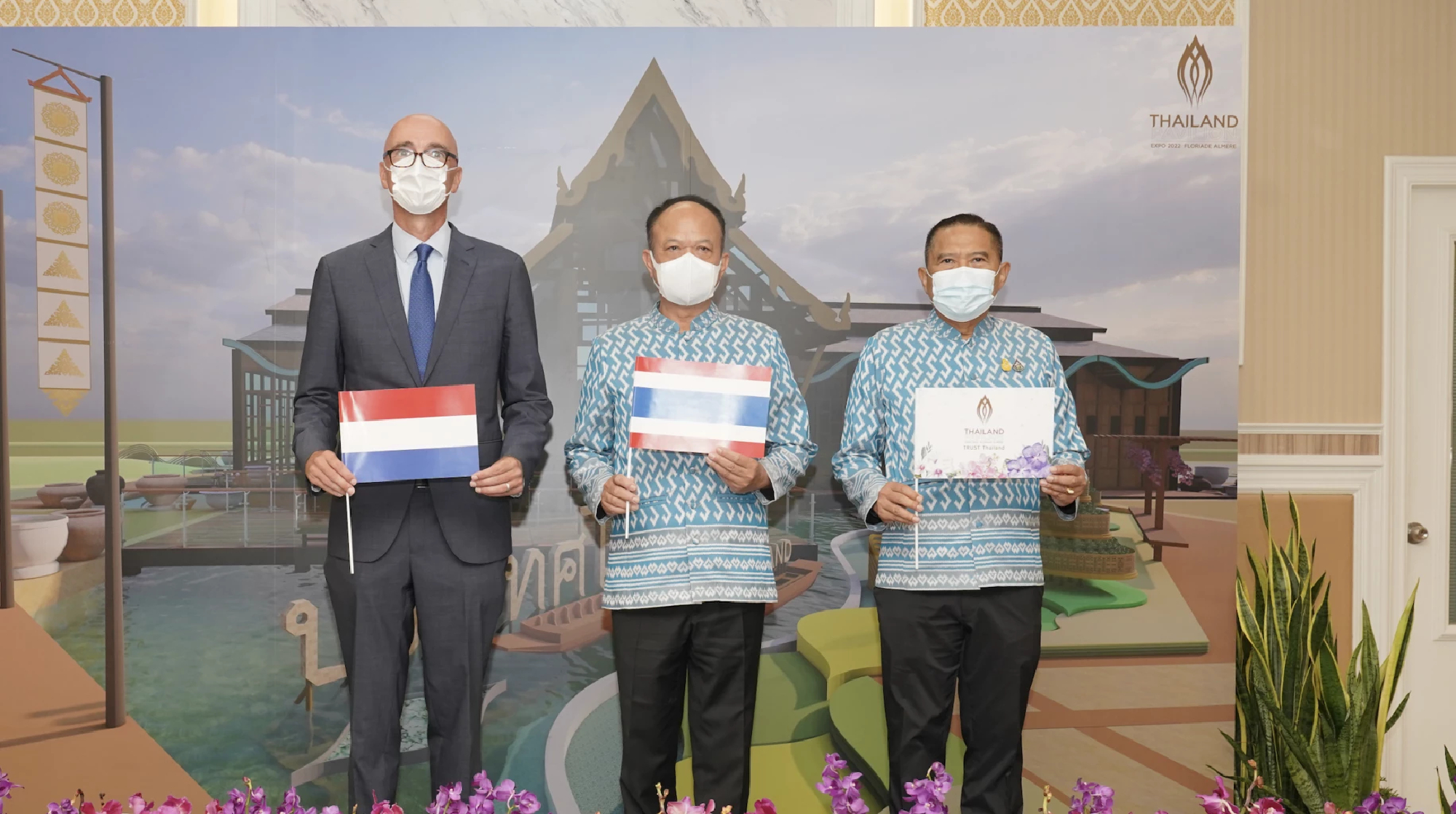
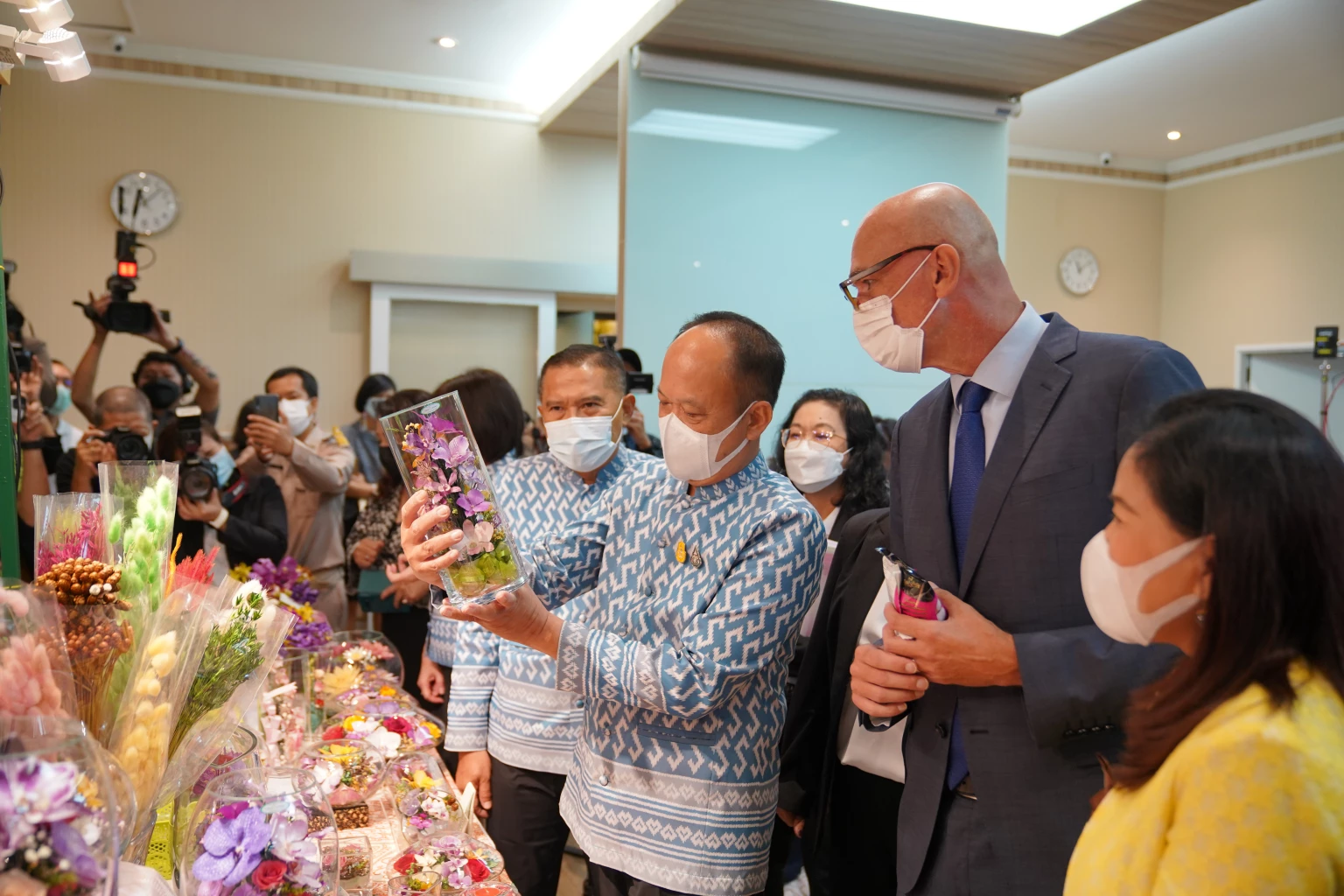
Thailand has been invited to participate in the international horticultural expo – Floriade Almere 2022 – from April 13 to October 9 in the Netherlands, Agriculture and Cooperatives Ministry permanent secretary Thongplew Kongjun said, according to a press release.
Thailand has been invited to participate in the international horticultural expo – Floriade Almere 2022 – from April 13 to October 9 in the Netherlands, Agriculture and Cooperatives Ministry permanent secretary Thongplew Kongjun said, according to a press release.
Thailand’s participation would demonstrate the country’s agricultural potential and progress, build confidence in the quality and standard of Thai agricultural and health products, exchange and expand cooperation on horticulture, and raise awareness about environmental conservation and sustainable development, he explained.
“This would help promote opportunities for market expansion of Thai agricultural products for international consumers and foreign trading partners,” Thongplew said.
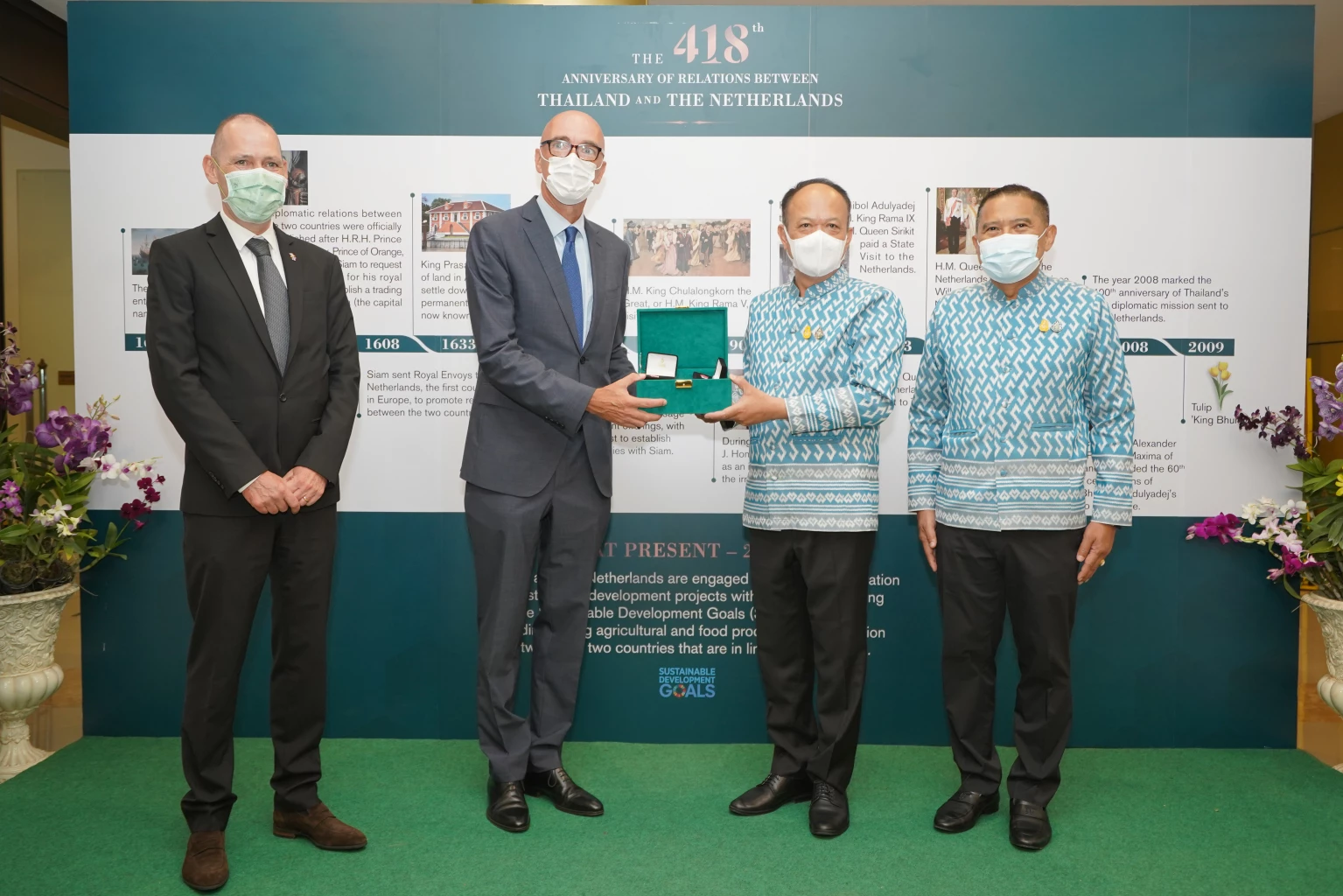
“Moreover, Thailand’s participation in the expo also marks the celebration of the 418th anniversary of the establishment of diplomatic relations between the Kingdom of Thailand and the Kingdom of the Netherlands this year. The two countries have always maintained cordial relations at all levels, whether it is between royal families, governments or the people,” he said.
Department of Agricultural Extension director-general Kemkaeng Yutidhammadamrong said Thailand’s participation in Floriade Almere 2022 takes place under the theme “Trust Thailand”, where the BCG (Bio-Circular-Green Economy) model and 3S policy (safety, security and sustainability) of the Agriculture and Cooperatives Ministry will be presented. This coincides with Floriade’s theme of “Growing Green Cities”.
“We will also showcase advancements in Thai food and agricultural product innovation, the development of production processes which meet quality standards from start to finish, and agricultural products with export potential,” he said.
“In addition, Thailand’s participation will provide a platform to connect producers, entrepreneurs and exporters of Thai agricultural products with importers in the Netherlands, which will help expand business opportunities for Thai horticultural products. Notably, Thailand’s participation in the Floriade event in the past has led to successful market access for orchids in the Netherlands,” Kemkaeng added.
The department is inviting those unable to travel to the actual event to view the beauty of the Thailand Pavilion, exhibition and events via the website https://thailandfloriade2022.com.
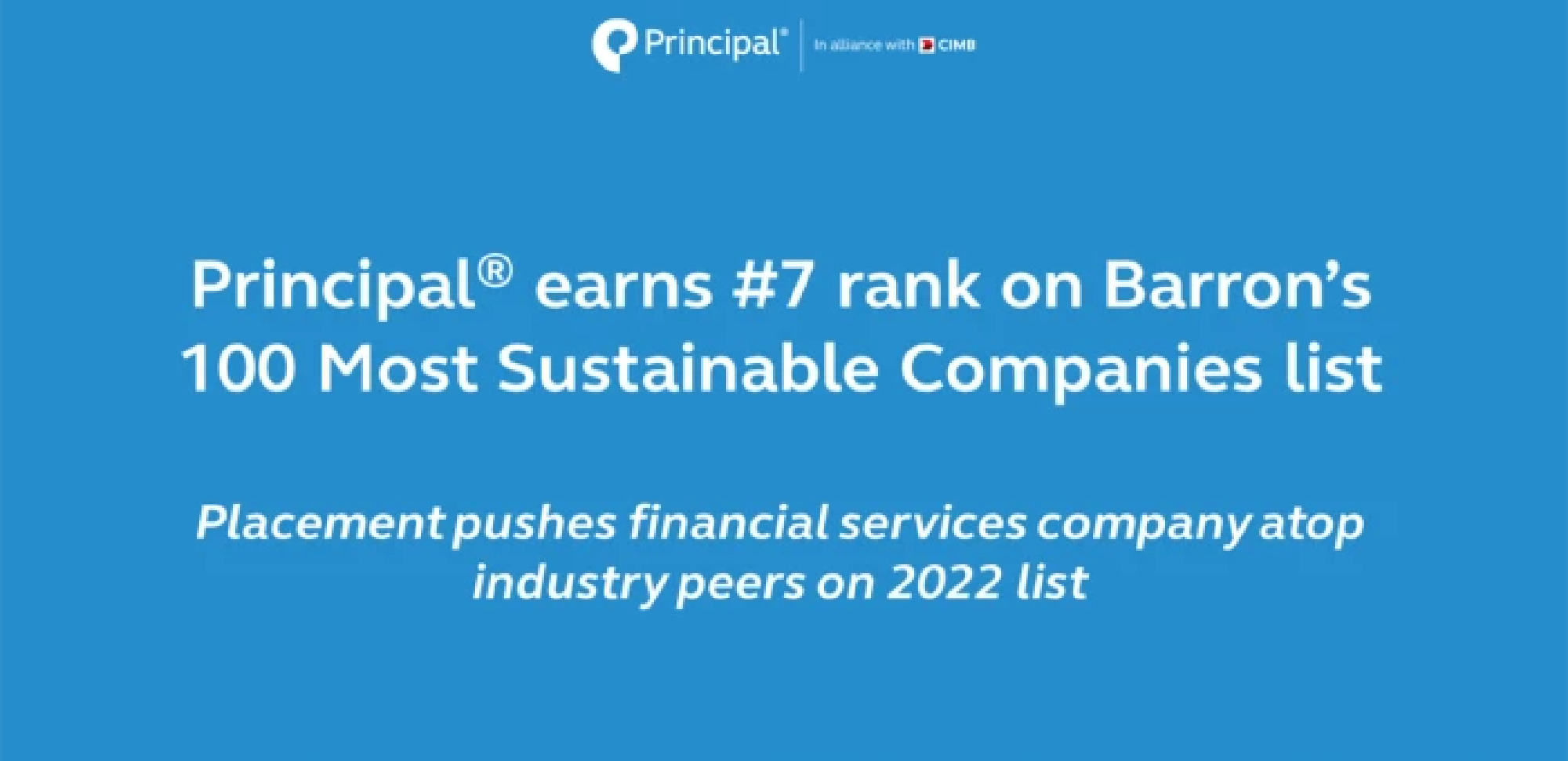
Principal Financial Group was named one of Barron’s 100 Most Sustainable Companies, jumping to seventh spot – improving 59 spots from its 2021 ranking.
Principal is the highest-ranking financial services company to appear on the list.
“Advancing to No. 7 on the list is an exciting recognition of our commitment to environmental, social, and governance [ESG] practices,” said Dan Houston, chairman, president, and CEO. “Creating opportunities for future generations to thrive is at the core of what we do, and we will remain steadfast in ensuring that we have a positive impact on the customers and communities we serve.”
This is Barron’s fifth year producing the list, utilising Calvert Research and Management to assess the 1,000 largest publicly traded companies. According to Barron’s, the ranking system looks at ESG performance indicators such as workplace diversity, data security, and greenhouse gas emissions, as well as how the company performs for shareholders, employees, customers, the community, and the planet.
“Principal is focused on helping our customers feel more financially secure, and one way we do that is through long-term responsible actions. It’s an honour for our team to be recognised for our commitment and progress towards building a more inclusive and sustainable world,” Houston said.
Principal announced measurable ESG commitments in 2021, which included reducing US carbon emissions by 40 per cent by 2035, with the intent to achieve net-zero emissions by 2050. Commitments also included regular diversity and pay equity analysis and doubling the number of diverse small to mid-size businesses that Principal supports through its products and services.
Principal also issued a US$600 million sustainability bond in August to fund eligible green and social initiatives with the bond proceeds.
The company’s latest CSR report and commitment goals are available online. To learn more about the company’s ESG strategy, visit www.principal.com/sustainability.
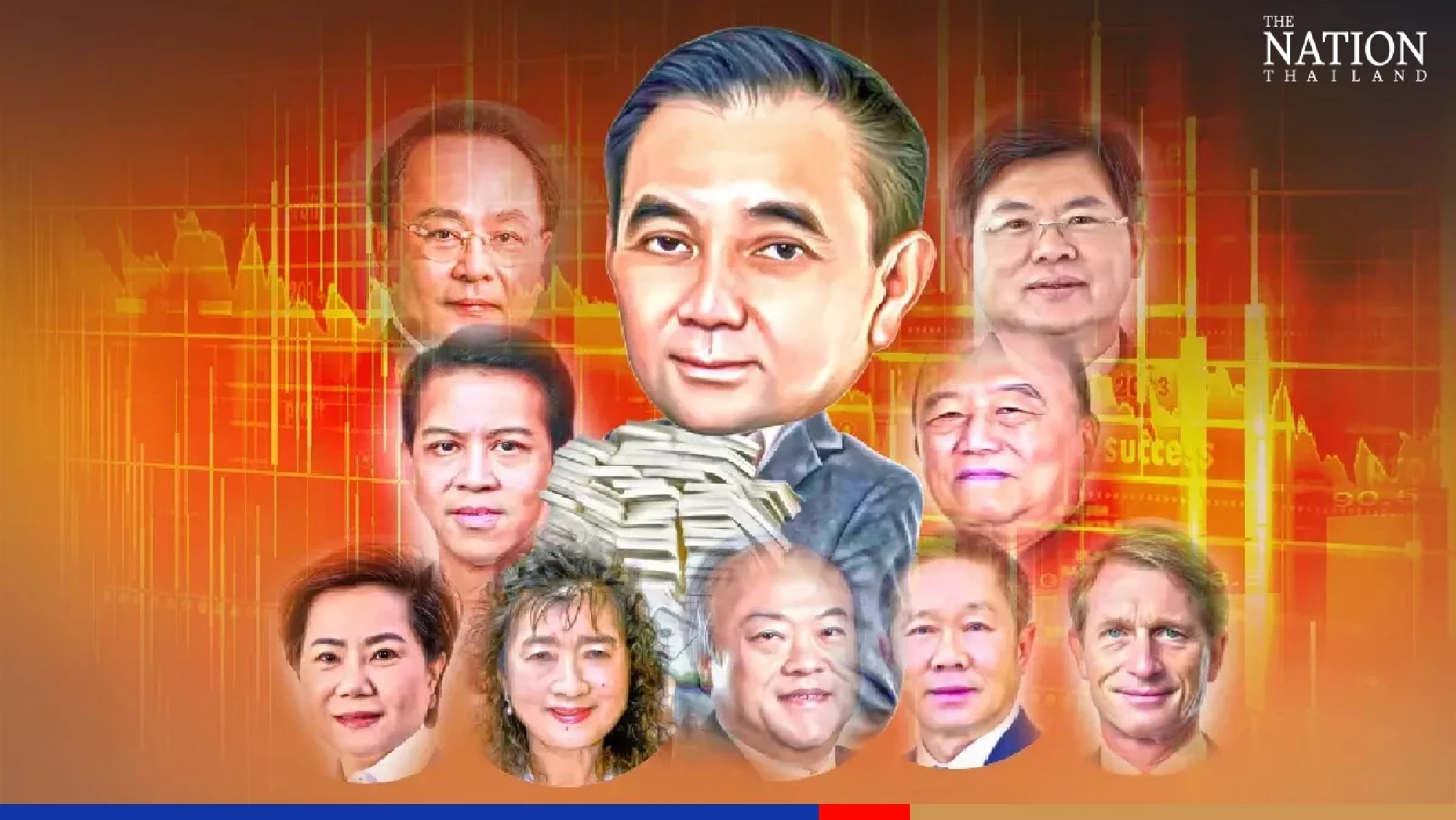
The chief executive officer of Gulf Energy Development Plc, Sarath Ratanavandi, earned THB1.835 billion in dividends from his company, and an estimated total of THB3.79 billion, making him the highest dividend earner last year.
Sarath holds a 35 per cent stake in Gulf Energy Development and topped the list of shareholders who were the biggest earners of dividends in the country.
Sarath owns 4,171,077,797 shares, a 35.55 per cent stake, in the SET-listed company. The company declared a dividend of THB0.44 per share, amounting to THB1.835 billion for Sarath, up 15.79 per cent over the previous year.
When added to the dividends paid to his wife and three subsidiary firms, which hold Gulf shares, Sarath is estimated to have received dividends totalling THB3.79 billion last year.
They include earnings from Gulf’s shareholding in Intuch Holdings. Sarath will receive THB1.129 billion as his 35 per cent share of the THB3.79 billion dividend paid by Intuch to Gulf, taking the total dividends he received individually to THB2.964 billion.
The other nine top dividend earners are:
Anant Asavabhokhin — THB1.43 billion in dividends for the 2,860,000,047 shares he owns in Land And Houses.
Thongma Vijitpongpun — THB1.265 billion in dividends from Pruksa Holding Co.
Niti Osathannugrah — THB1.132 billion in dividends from the Niti portfolio that holds shares in 10 major corporations.
Prasert Prasarttong-Osoth — THB918 million in dividends from Bangkok Dusit Medical Service and Nonthavej Hospital.
Keeree Kanjanapas — THB818 million in dividends from BTS Holdings.
Natchamai Thanombooncharoen — THB399 million in dividends from Carabao Group.
Daonapha and Chuchart Phetamphai — THB266.04 million in dividends from Muangthai Capital
Harald Link — THB261.37 million in dividends from B.Grimm of Bangkok.
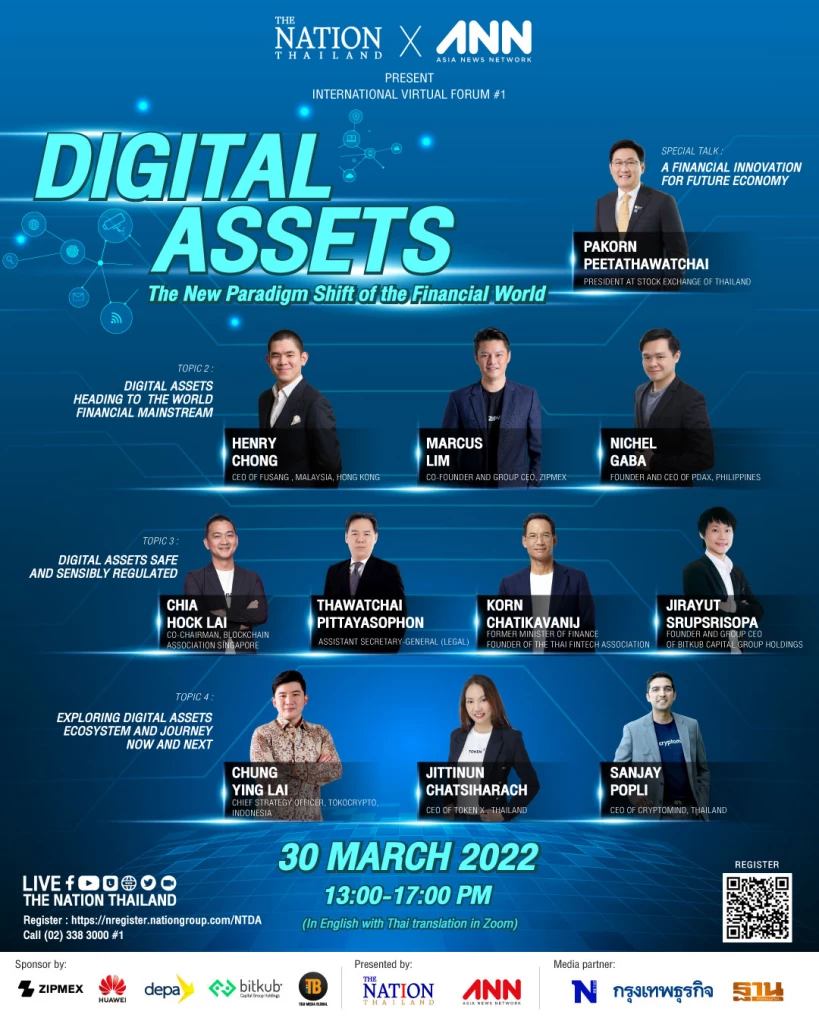
Players in the market as well as knowledgeable experts asked society, the authorities and corporates to be prepared for the rapid growth of digital assets in the digital age.
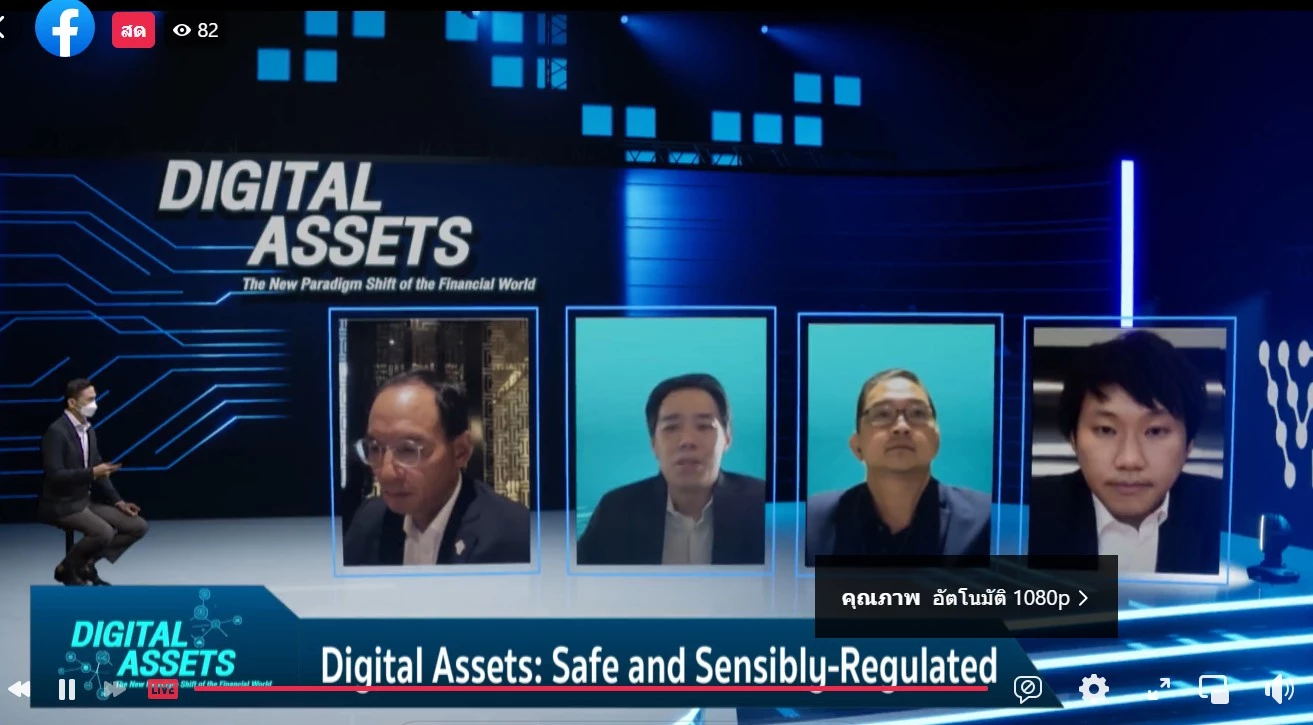
They were speaking at a virtual forum “Digital Assets: The New Paradigm Shift of the Financial World” organised via Zoom by The Nation and Asia News Network on Wednesday.
Digital Assets are increasingly gaining in popularity and growing at a tremendous pace. Millennials are showing a preference for digital assets over the traditional financial markets.
According to a report by Verified Market Research, the global digital asset management market size is projected to reach nearly US$14 billion by 2028.
Despite the increasing global interest, digital assets face high risks, such as volatile investments, unstable prices, safety issues and international conflicts.
Financial innovation
Speaking at the event, the president of the Stock Exchange of Thailand (SET), Dr Pakorn Peetathawatchai, said the exchange wanted the traditional and digital asset markets to coexist. The SET is launching the Thailand Digital Exchange (TDX), an open platform to link traditional and digital asset markets, in the third quarter of this year.
He said the digital asset market is growing and becoming a part of the global market even though the market capitalisation of the digital asset market, as of March 11, was only $1.79 trillion compared to $123 trillion in the stock market.
He explained that there are currently three main digital assets:
Investment token, which gives the holder the right to invest in any project or underlying asset.
Utility token, which gives the holder the right to acquire goods, services and any other specific right.
Cryptocurrency, which is a digital virtual currency secured by cryptography.
He believes that traditional and digital asset markets can coexist even though there are many differences between the two markets, such as market types, regulations, investor base and involved businesses.
“When compared piece by piece, there are a lot of similarities, but the players will be different,” he said. As an example, he said that fundraisers in the capital market usually seek advice from brokerage firms, while those in the digital assets market seek advice from token issuers.
He expected business and investment opportunities in both traditional and digital asset markets to be more open to all people in the coming years.
Pakorn revealed that TDX will focus on investment and utility tokens, adding that it will serve as an application programming interface platform and portal for collaborators.
“Investors will be able to use the platform to access investment either locally, globally, traditionally or digitally,” he added. “We will not touch cryptocurrency,” he said.
Digital assets and financial mainstream
Digital assets are growing fast in many countries worldwide, especially among Generation Z and millennials, said Zipmex CEO and co-founder Marcus Lim, PDAX founder and CEO Nichel Gaba, and Fusang CEO Henry Chong.
Henry said the security token market globally is moving at an incredible speed, adding that banks or countries are looking to use tokenisation technology to represent traditional assets, such as shares, bonds and funds.
He estimated that a quarter of all publicly listed securities around the world would be tokenised by 2030.
“We can really live with a vision of all assets being digitised,” he said.
Marcus said Zipmex digital asset platform has grown fast in the Asia Pacific in March this year with more than 1.9 million registered users, a total cumulative trading volume of more than $7 billion and a presence in four countries, namely Thailand, Indonesia, Singapore and Australia.
Nichel said the growth of cryptocurrency in the Phillippines is around $3 million and $3.5 million, thanks to a strong cryptocurrency-friendly and savvy base.
“Having been in the market throughout my career, I know how fast the weather can change. New investors should focus on developing real skills,” he said.
“The genie is out of the bottle. It is a magic that is evolving very quickly,” he said.
Safe and sensible regulation
Finding the right balance and looking at different angles are keys to regulating digital assets, Bitkub Capital Group Holdings founder and Group CEO Jirayut Srupsrisopa said.
He said at the same time regulations have to adapt quickly, too, because of the speed of innovation.
“Too much regulation would strangle innovation and it could move elsewhere, but too little regulation also raises risks of scams,” he said.
He emphasised that it was important for regulated players and regulators to work together to find the right balance and make sure that trade activities are on the ground, otherwise it will be harder to control.
“We should bridge the communication gap and the mindset to benefit the country, allow the technology to foster and protect investors,” he said,
“Meanwhile, we have to make sure that illicit activities are not happening on the platform, especially overseas.”
He added that a strong digital infrastructure is necessary as cryptocurrencies and blockchain would be the new key to growth of Thailand’s economy in the future. He said Thailand had missed the Web 1.0 and 2.0 bus, and it could not afford to miss 3.0.
He said Thailand’s growth in the past had depended on the country becoming an auto manufacturing hub and a major tourist centre. Thailand should strive to become the digital hub in the future, he said.
Blockchain Association co-chairman Chia Hock Lai said regulations should look at risks, but it should not ruin innovation.
He explained that in Singapore, cryptocurrency trading as of now accounts for less than 2 per cent of overall trading.
He said there was a case to be made for the industry regulating itself. “Let them come up with their own code of practice. That might be a better way to manage risks and eventually achieve consumer protection,” he said.
Former finance minister and Thai Fintech Association chairman Korn Chatikavanij expressed concern with the overzealous regulation in Thailand, as a result people trade digital assets elsewhere.
“Regulators should tread carefully in terms of trying to impose their will on an industry that they cannot fully control. Attempting to do so may push the industry offshore or underground,” he said.
He said it would be better to monitor the cryptocurrency growth and benefit the country for two to three years.
He added that the government should not have rushed to impose capital gains tax on cryptocurrency trading, after just a couple of years, when the equity market has not been taxed for decades.
Securities Exchange Commission Assistant Secretary-General (Legal) Thawatchai Pittayasophon said the agency is open to hearing comments from others and studying international laws, so it can adapt the regulations to the Thai context.
“Being a regulator is not easy as there are conflicting demands with many stakeholders, and it is challenging to strike the right balance,” he said.
Digital assets ecosystem
Cryptomind CEO and co-founder Sanjay Popli expected a lot of security firms to explore asset tokenisation models.
“Digital currencies, securities and commodities, such as gold, silver or copper, will converge and as a whole they will hold a lot of potential,” he said.
He explained that the digital asset industry was not just about speculation and investment, but also about fans, artists and gamers who can monetise their assets.
“We are going to move to the next frontier of the digital asset era, so global companies should take it seriously now,” he added. Sanjay wants global players to be allowed into Thailand, because it will help local talent too.
He believes that the crypto industry will explore new models that we cannot imagine now. He said a lot of corporates missed the bus from Web 1.0 to 2.0. They don’t want to miss 3.0. “But you can’t carry 2.0 mindset to 3.0,” he cautions
Token X CEO Jittinun Chatsiharach said digital assets can benefit anyone, as these assets are playing an important role in the digital economy.
Tokocrypto chief strategy officer Lai Chung Ying said unbanked people will benefit the most from digital assets due to the low entry barrier. These are people who previously did not have access to banks because of geographical location or other reasons.
“This group can actually get access to work on crypto financial space where minimum capital is not a requirement,” he said.
Lai says there has been a 100-fold growth in Indonesia in digital assets with over 2 million accounts. He said NFT projects are taking off in Indonesia because of a lot of creativity. He predicts that the future will see hybrid use of tokens.
He said traditional companies will have to catch up with the ecosystem and for that they have to be more flexible. He rejected some of the worries about cryptocurrencies, saying they were more transparent than traditional transactions.
The Stock Exchange of Thailand (SET) Index fell by 2.44 points or 0.14 per cent to 1,692.80 after opening on Friday morning.
Total transactions amounted to 4.57 billion baht with an index high of 1,697.74 and a low of 1,692.61 in opening trade.
Yuanta Securities (Thailand) Director of Securities Analysis Department Nattapon Kamthachue expected the day’s index to fluctuate between 1,690 and 1,700 points, advising investors to follow the US non-farm payroll announcement for March and Russia-Ukraine peace talks.
His top picks of stocks to purchase were small and medium-sized shares that have gained specific positive sentiment, those priced cheap, and those whose first-quarter business turnover is expected to improve, such as PJW and SVOA.
The SET Index closed at 1,695.24 on Thursday, down 3.16 points or 0.19 per cent. Transactions totalled 71.20 billion baht.
 Mr. Panote Sirivadhanabhakdi, Group Chief Executive Officer of Frasers Property Limited



 “Moreover, Thailand’s participation in the expo also marks the celebration of the 418th anniversary of the establishment of diplomatic relations between the Kingdom of Thailand and the Kingdom of the Netherlands this year. The two countries have always maintained cordial relations at all levels, whether it is between royal families, governments or the people,” he said.