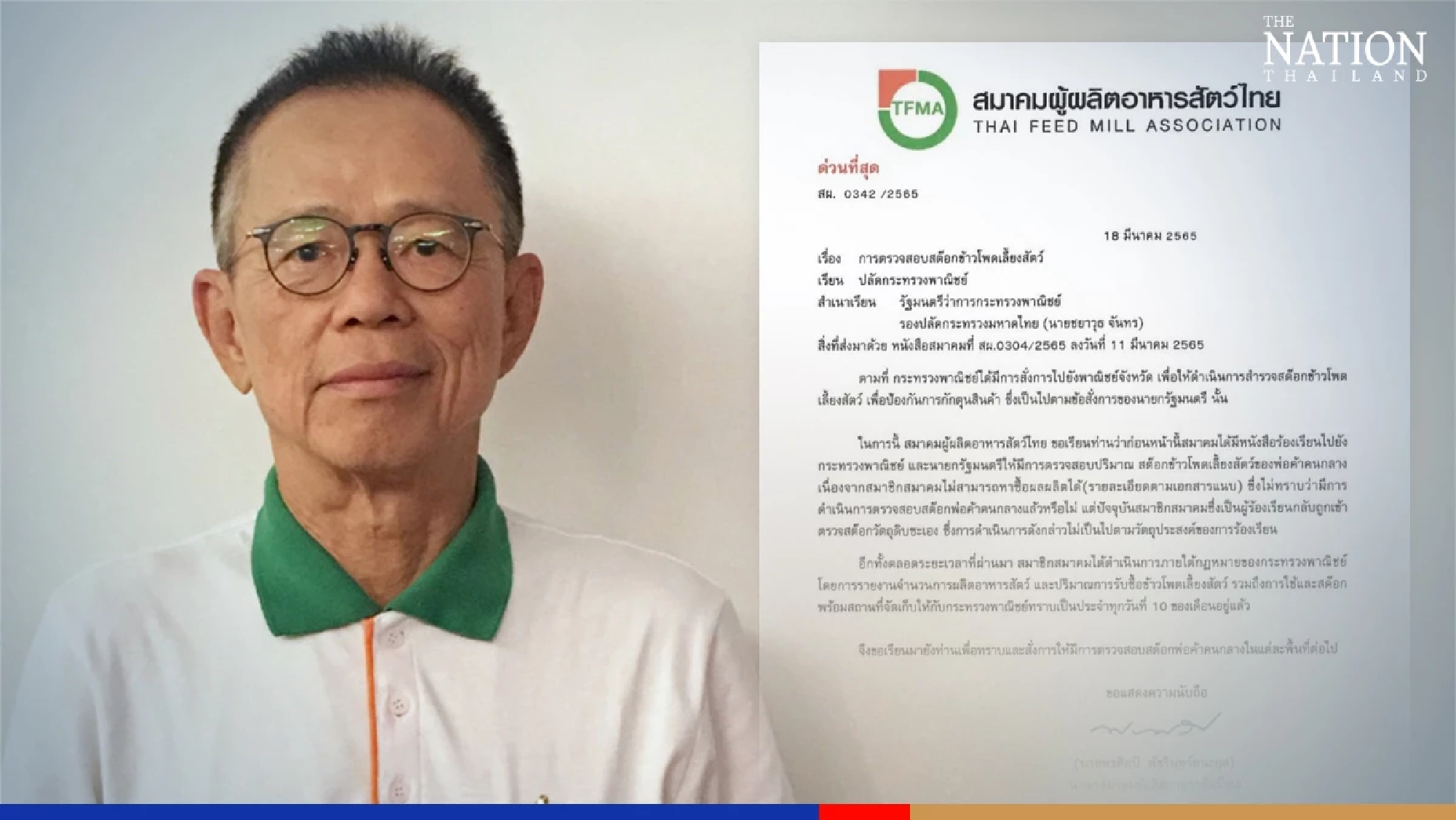
The Thai Feed Mill Association wrote to the Department of Internal Trade, the Commerce Ministry and the prime minister on Friday, calling them to reconsider government policies allowing the export of corn and soybean meal.
The association’s president Pornsil Patcharintanakul said imports of animal feed are unstable because many countries like Hungary, Egypt, Indonesia and Argentina have stopped exporting to maintain their own food sustainability as the Russia-Ukraine war rages on.
He said 95 per cent of soybean and soybean meal required for animal feed is imported and if Thailand were to continue exporting corn, it would need to import a lot of materials to compensate for it.
Pornsil added that the government is continuing to allow the export of corn and soybean meal even though there is a shortage of these two materials. He also said this policy was unfair for animal feed manufacturers as regulations require them to purchase soybean meal locally.
Citing reports from the Customs Department, he said Thailand had exported more than 93,615 tonnes of corn and up to 103,091 tonnes of soybean meal last year.
“If this policy continues, especially when the imports are in a crisis, the price of corn and soybean meal will continue surging,” he warned.
“Hence, the association calls on the government to temporarily suspend the export of corn and soybean meal until the crisis is resolved.”
Pornsil said the Thai Feed Mill Association has also written a separate letter to the Commerce and Interior ministries asking them to ensure there is no hoarding of corn by middlemen.
He said this move was prompted by the fact that the association’s members are unable to buy corn even though they have been complying with the Commerce Ministry’s regulation of reporting animal feed production and corn purchase, usage and storage on the 10th day of each month.
“This crisis is affecting every sector, so we call on the government to tackle this issue as soon as possible,” he said.
IBM (Thailand) announced its vision of the “New Era of Sustainable Business Underpinned by AI & Hybrid Cloud” on Thursday in support of the government, private and education sectors.
Sawat Asdaron, Managing Director of IBM Thailand and Managing Partner of IBM Consulting, said the vision will focus on three aspects:
Sustainable partnership
IBM has been focusing on the success of customers and business partners since its inception 70 years ago.
In Thailand, the company has cooperated with several agencies, such as Kasikorn Bank in the application of technology to support bank transactions, Bank of Ayudhya in enabling the bank’s partners to access a variety of digital services, and with AI and Robotics Ventures on the development of National Digital Corporate Identity to support Know Your Customer (KYC) procedure.
“In the next phase, IBM will help customers and business partners set up their technology and business roadmap to support their growth both in short term and long term amid changes in IT system and transition to new business models,” Sawat said.
Sawat Asdaron
Technology for sustainable business
The change in consumer behaviour, business models, supply chains, etc, due to the Covid-19 pandemic and digital disruption has forced many companies to make adjustments. And hybrid cloud and artificial intelligence (AI) are key to operating business in the digital era.
IBM’s hybrid cloud will enable organisations to connect and utilise data seamlessly to develop or change applications and systems quickly and support digital transformation in both the short and long term.
“This year, IBM will focus on applying AI for Business, such as analytics, automation and security system, to Thai companies to help them overcome technology-related challenges,” Sawat said.
“In addition, IBM Research will continue working on science and innovation development to create sustainability, such as quantum computing and reliable AI.”
Talent for sustainable growth
IBM will cooperate with business partners to create IT and digital personnel to support the growth of Thailand’s digital transformation.
The company will also support universities in building technology skills for students, such as AI, machine learning and mainframe systems.
The Industrial Estate Authority of Thailand (IEAT) will join hands with a private developer to build a new industrial estate on a 1,546-rai (247.36 hectares) plot in the Eastern Economic Corridor zone in Rayong province.
IEAT governor Weerit Amrapal said the IEAT will have a partnership with Thai-Chinese Rayong Industrial Realty Development Co Ltd to build a new industrial estate in Rayong’s Ban Khai district.
The new industrial estate will be for S-Curve and new S-Curve industries to operate in line with the government’s policy to promote investments in new technology industries, Weerit said.
He said the private developer would invest in the development and provide public utilities services for the companies in the estate and the IEAT would supervise the operation.
The new estate will be called the Nong Lalok Industrial Estate and will be built on a plot of 1,546 rai in Tambon Nong Lalok in Ban Khai.
He said the plot is at an elevation so it has no risk of flooding.
The new estate will be about 14 kilometres from the Chon Buri-Pattaya Motorway and 24 kilometres from the Map Ta Phut sea port. It will be located about 40km from U-Tapao International Airport, 60km from the Laem Chabang deep seaport and 150km from Suvarnabhumi Airport.
The estate will allocate 1,123 rai for the industrial zone, 22 rai for a power plant, 181 rai for public utilities and 218 rai for a green zone.
Weerit said the private firm would need about two years to build the estate.
The IEAT expects the industrial estate to draw about THB45.84 billion of investments and create 11,460 jobs.
Since the new industrial estate would be located in the EEC where investors would receive tax privileges, the IEAT expected the industrial zones to be either leased or sold out in five years, Weerit added.
The government collected 911.6 billion baht in revenue in the first five months of fiscal year 2022 (October 2021 to February 2022), a 7 per cent increase year on year, Finance Ministry spokesman Pornchai Thiravej said on Thursday.
The collections exceeded the ministry’s estimates by 5.4 per cent, or THB45.9 billion.
“Most of the revenue is from the Revenue Department which has exceeded its collection target by 13.7 per cent, or THB84.7 billion,” he said.
“All the three main taxes, namely valued added tax, corporate, and personal income taxes have seen increased collections in the first five months of this fiscal year compared to the previous year.”
The Finance Ministry also reported that from October 2021 to February 2022, the government has deposited THB901.4 billion revenue with the treasury, and has disbursed a budget of THB1.42 trillion. To compensate for the deficit, the government has borrowed a total of THB394.4 billion. The country’s treasury reserves as at the end of February 2022 were THB418.5 billion.
Meanwhile, the Bank of Thailand (BOT) reported accumulated losses of THB1.093 trillion at the end of 2021, in an announcement of its currency reserves and banknote operations published on the Royal Gazette website on Thursday.
The central bank reported that at the end of 2021 it had financial reserves worth THB6.449 trillion.
Financial assets include cash and deposits, foreign deposits, gold, holdings, special drawing rights, domestic and foreign securities, loans and other assets.
Thailand’s currency reserves at the end of 2021 stood at THB3.277 trillion, including foreign deposits, gold, foreign securities and other assets.
The BOT also reported that Thailand had THB2.319 trillion worth of banknotes in circulation, plus THB90.1 billion of notes held by the BOT. The issued banknotes are fully backed by assets.
KBank Private Banking (KPB) has highlighted three major trends in the real estate market for the the “new normal” era. KPB says the government’s policy not to extend the land and building tax cut in 2022 will likely prompt high net worth individuals to convert their land holdings into collateral and investment funds to chase higher returns. KPB has targeted a new Land Loan for Investment of up to Bt10-15 billion this year.
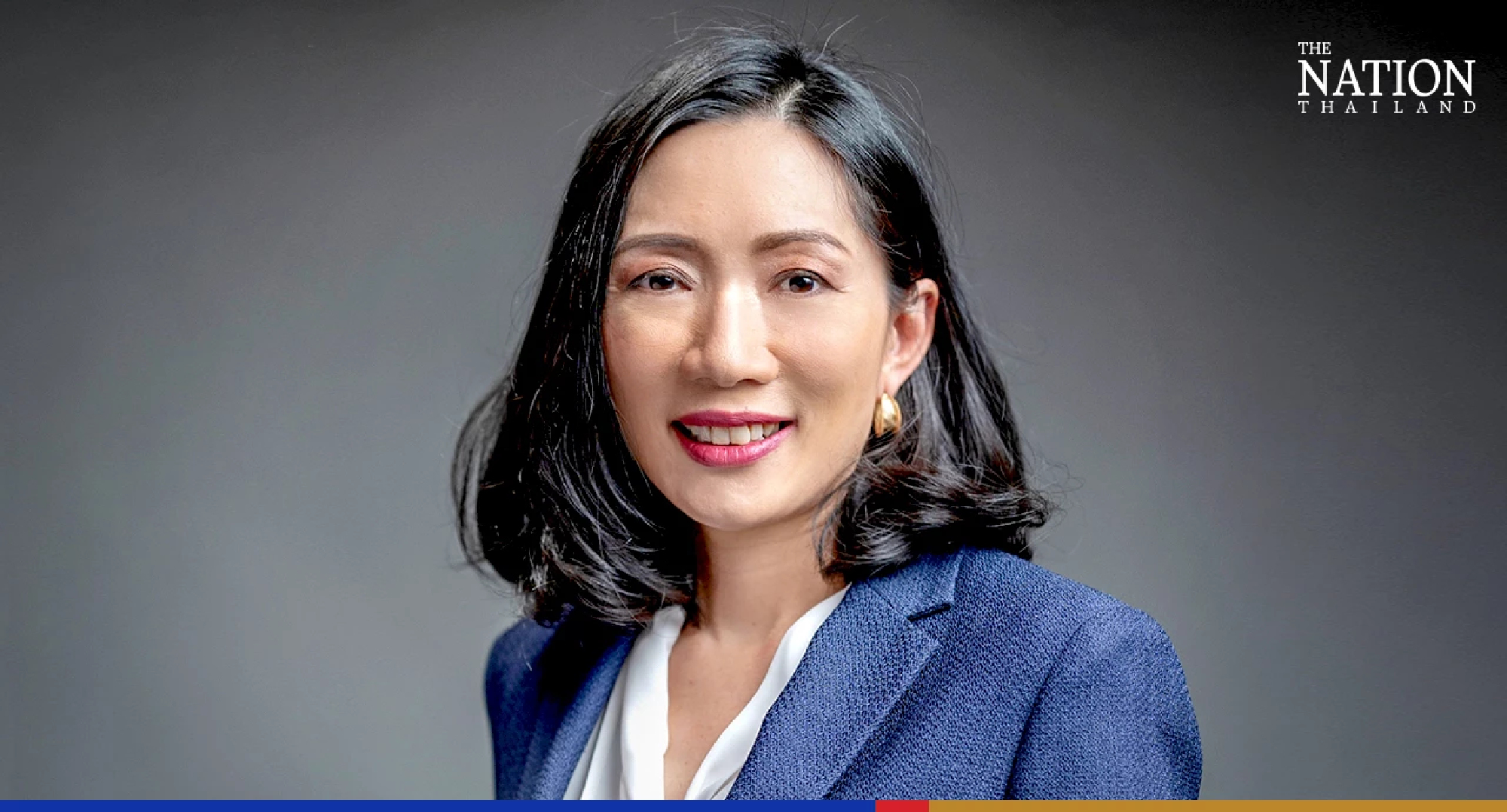
The government’s decision to not renew the 90 per cent cut in the land and building tax means undeveloped land can no longer generate revenue streams to cover tax or other related expenses, KPB’s chief of non-capital market solutions Korakoch Atthasakulchai noted.
“Landlords or real estate investors should carefully study market trends while seeking opportunities to enhance their land’s potential to generate attractive returns that could cover related expenses or even grow their existing assets,” she added.
As such, landowners and investors should watch the following three trends:
1. New ways of using land during the ‘new normal’ era: The Covid-19 pandemic has drastically changed the way we lead our lives. Work-from-home has become increasingly popular, and it is expected to be a mainstream work choice in the future. Given this, the number of people traveling to work in the city will decline, and this is bound to affect land utilisation. For instance, people will likely prefer to live in homes that are more spacious than a condominium unit; office spaces may become smaller; online shopping will replace shopping malls; and consumers will also prefer to order food to eat at home rather than dining out. All of these factors will likely cause land prices in downtown areas to decline, while those in the outskirts of cities will likely increase. Aside from the location, another important factor is the potential of a piece of land, ie, how it can be developed to meet the needs of consumers in today’s world.
2. More opportunities in property investment: As Covid-19 has brought an immediate liquidity crunch to many businesses or forced them to adjust plans and strategies due to the new market environment, more assets than ever before, including properties, have been put up for sale at reasonable prices. Prospective buyers may also have a greater chance of owning the most sought-after properties in some prime areas, although their prices may not decline in certain locations. Therefore, this is a good time for investors who dislike volatility in the capital market and want to collect additional properties. However, one must bear in mind the potential tax burden before deciding to invest in the property market.
3. A chance to convert the land into investment funds in order to generate cash for land and building tax payment: As the land and building tax has become an additional burden after the government rescinded the 90-per cent reduction, and as the tax will likely be hiked by 0.3 per cent every three years in line with the increase in land appraisal value, converting land into capital funds in order to seek returns for land tax payment via Land Loan for Investment is gaining interest from high net worth individual clients. KPB said Land Loan for Investment is the conversion of land into collateral, and in return, clients receive an investment credit limit for an opportunity to gain returns.
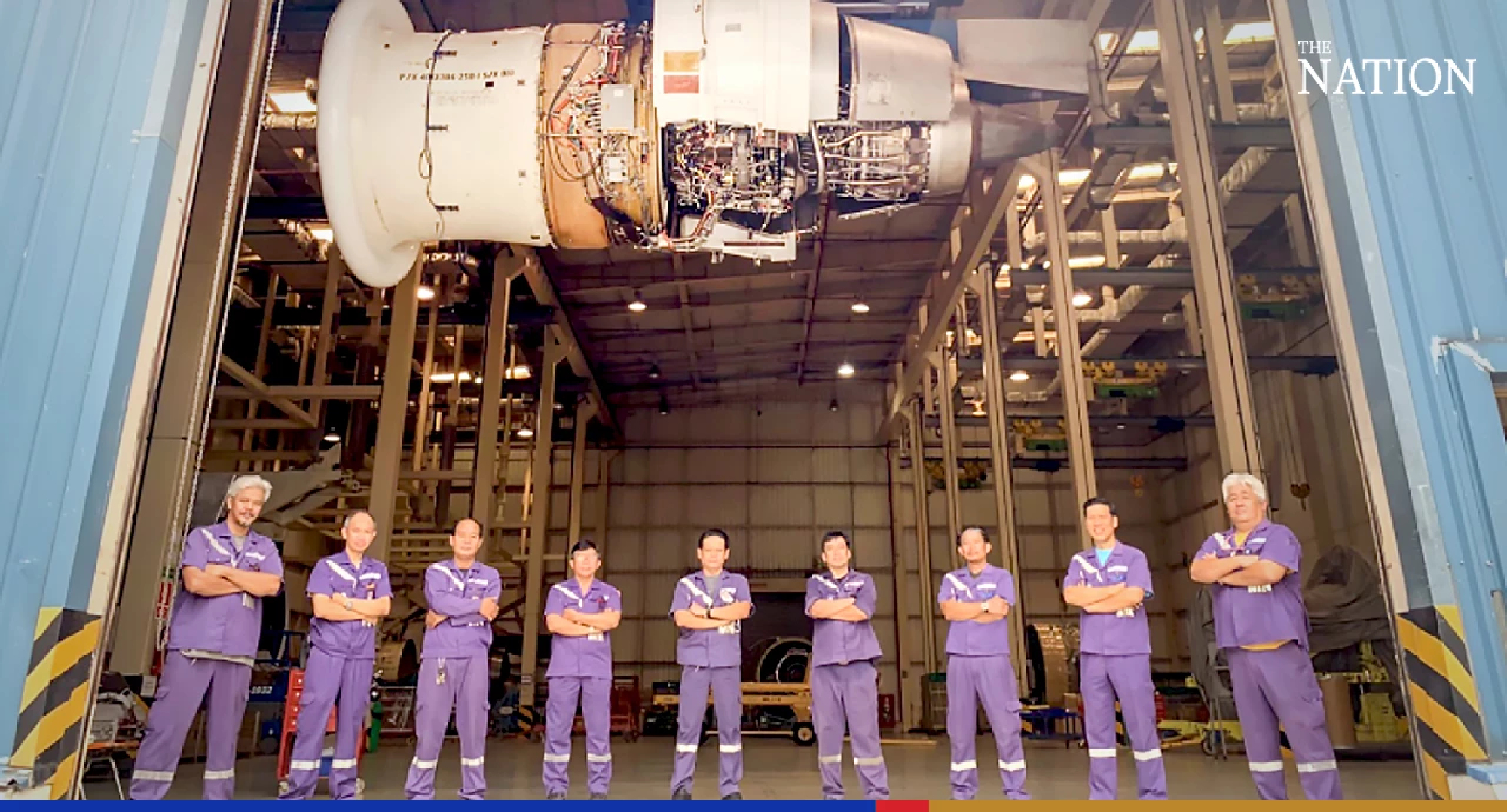
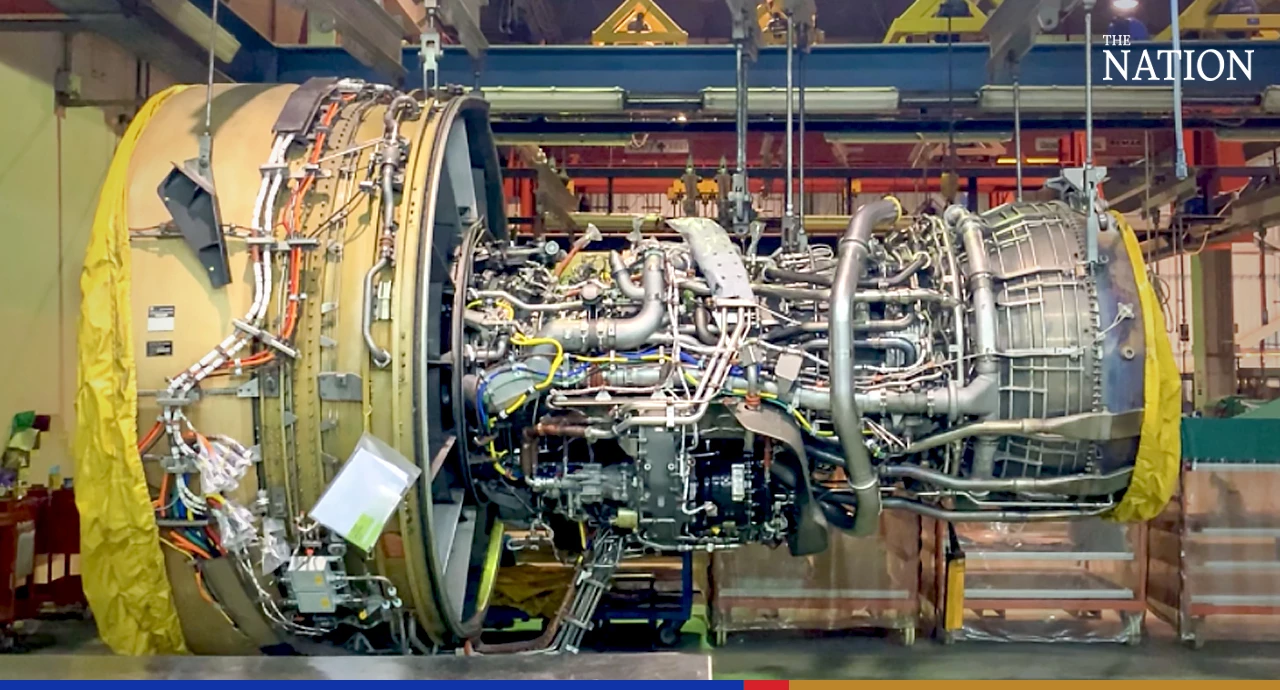
An enterprising team of Thai Airways International engineers collected engine parts from decommissioned Boeing 747-400 planes and successfully reassembled them into a serviceable engine that could be sold for as much as Bt100 million.
THAI’s engine service division announced the success of its Engine Re-birth initiative on Wednesday.
Division chief Cherdphan Chotikun said that after THAI underwent a restructuring to cut costs, the division’s staff were reduced from 200 to just 33. The remaining engineers initiated the ambitious project to find extra income for the company and to add more value to the airline’s assets.
They spent two months searching decommissioned planes for usable GE CF6-80C2B1F engine parts for the long-flying Boeing 747-400.
The collected parts were worth about Bt5.5 million, but after the team reassembled them into a serviceable engine, its value soared 20 times. It can now be sold for Bt100 million.
Cherdphan said the reassembled engine passed quality tests by the Civil Aviation Authority of Thailand and the US Federal Aviation Administration.
He said the GE CF6-80C2B1F engine was in high demand.
Huawei’s chief executive officer Abel Deng said that Thailand has set the best example for green development.
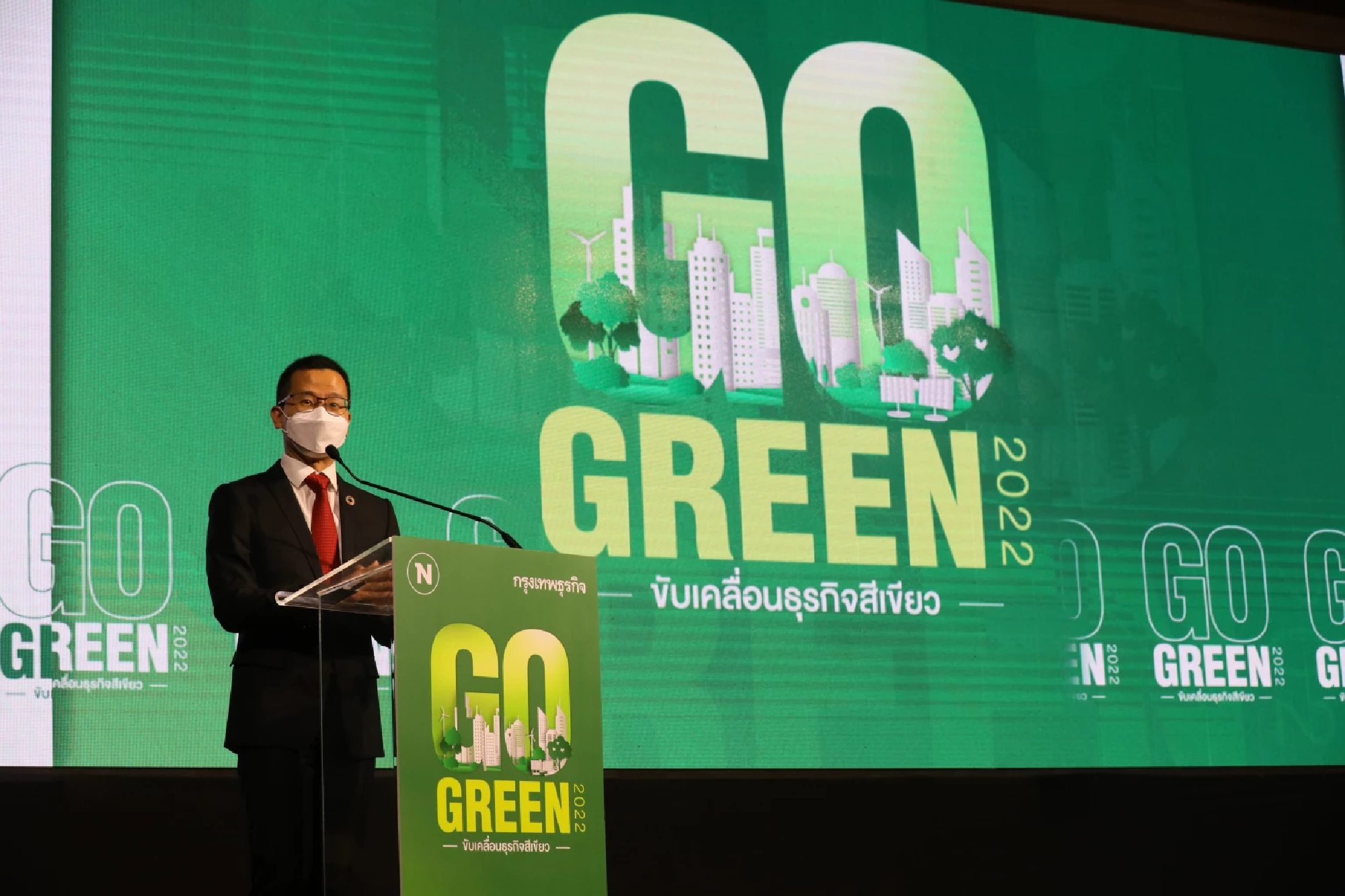
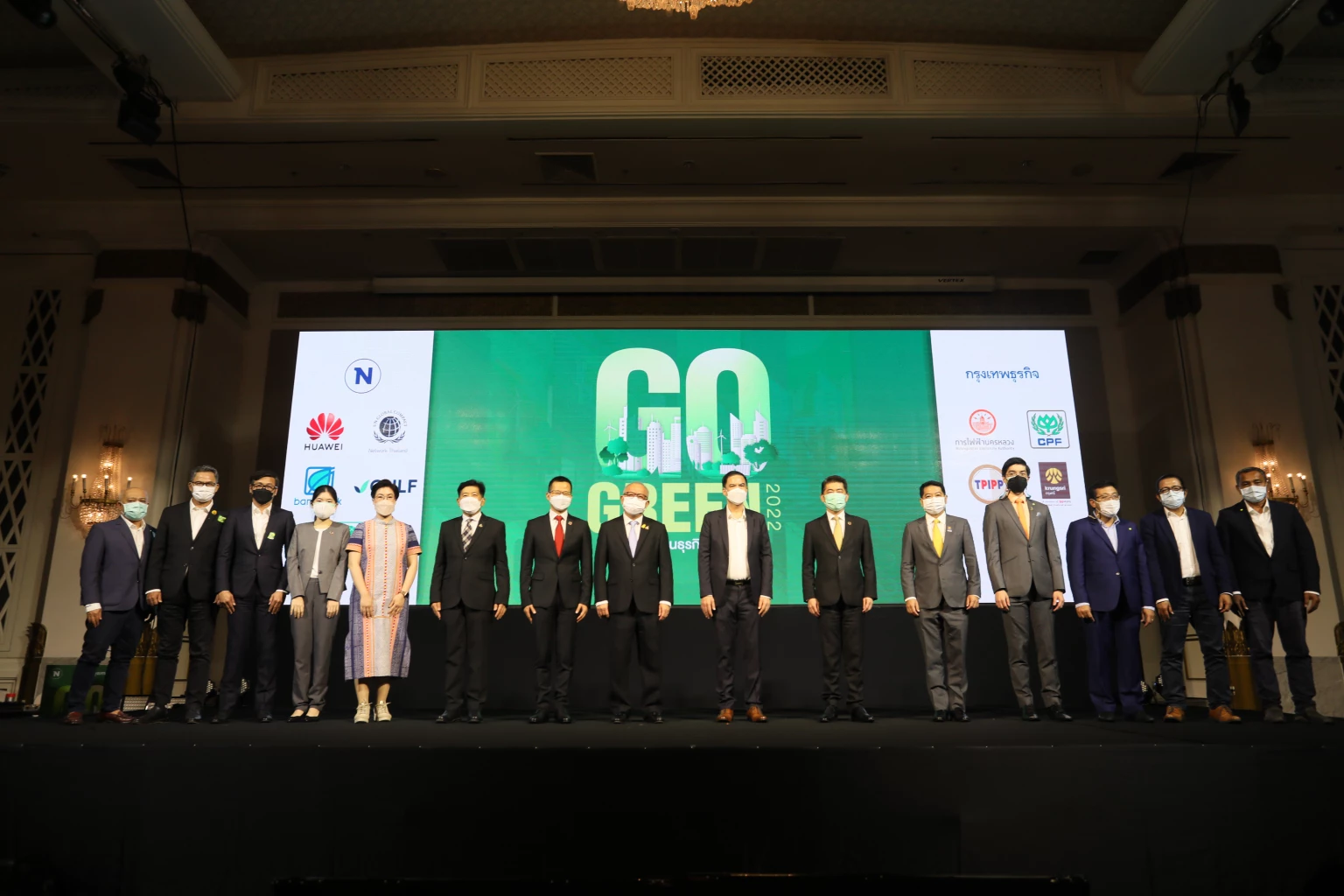
Bangkokbiznews and Nation TV held a seminar “Go Green 2022” at The Athenee Hotel, a Luxury Collection Hotel, in Bangkok on Thursday.
In his opening speech, Deputy Prime Minister and Energy Minister Supattanapong Punmeechaow said that going green is not an option but necessary for survival and an opportunity.
He said Prime Minister Prayut Chan-o-cha had declared at the 26th United Nations Climate Change Conference of the Parties held in November 2021 in Glasgow, Scotland that Thailand aims to reach carbon neutrality in 2050, and net-zero greenhouse gas emissions before 2065.
Abel Deng, the CEO of Huawei Technologies (Thailand), gave a special talk on “Green for Future”, stating that Thailand’s Bio-Circular-Green (BCG) model is perfect for green development.
According to the Organisation for Economic Cooperation and Development (OECD), green development presents a new approach to economic growth, putting well-being at the centre of development while ensuring that natural assets continue to provide the resources and environmental services to support sustainable development.
Deng explained that digitalisation stands for development while low-carbonisation stands for green, and they were the hottest topics in the world because they are the main approach for green development and the BCG business model.
In the past two years, he said more than 66 countries and regions have set up national carbon neutrality goals while more than 170 countries have announced national digital strategies including Thailand.
Deng said the Covid-19 situation has had a massive and disruptive impact on our lives, but it has also facilitated and accelerated digitalisation worldwide, which make it the main driving force of economic resilience and GDP growth.
According to the International Telecommunication Union, the digital economy growth rate is 2.5 times higher than the average GDP growth rate, which means GDP growth is driven by digital technologies.
As an example, he cited that 10 per cent of mobile broadband penetration will bring 1.5 to 2.8 per cent of GDP growth and 10 per cent of fixed broadband penetration will bring 0.8 to 2.3 per cent of GDP growth. He added that a 7 per cent increase in cloud adoption will bring 1.1 per cent GDP growth.
Digital technologies mainly comprise 5G, cloud, and AI technologies. He praised Thailand as the 5G leader of Asean and in the world.
The World Bank said in February that digital technologies could generate up to US$3.4 billion for Thailand.
Deng said digital technologies also play an important role in reducing carbon emissions. An average of 2 per cent carbon emissions are caused by ICT, but the application of ICT technology enables carbon reduction up to 10 times, or 20 per cent.
By 2030, ICT will enable industrial reduction of 12.1 billion tonnes of carbon (from 63.5 billion to 51.4 billion tonnes).
Moreover, digital technologies are also evolving to reduce carbon emission. He said that Huawei is committed to becoming 2.7 times more energy efficient with its new technologies.
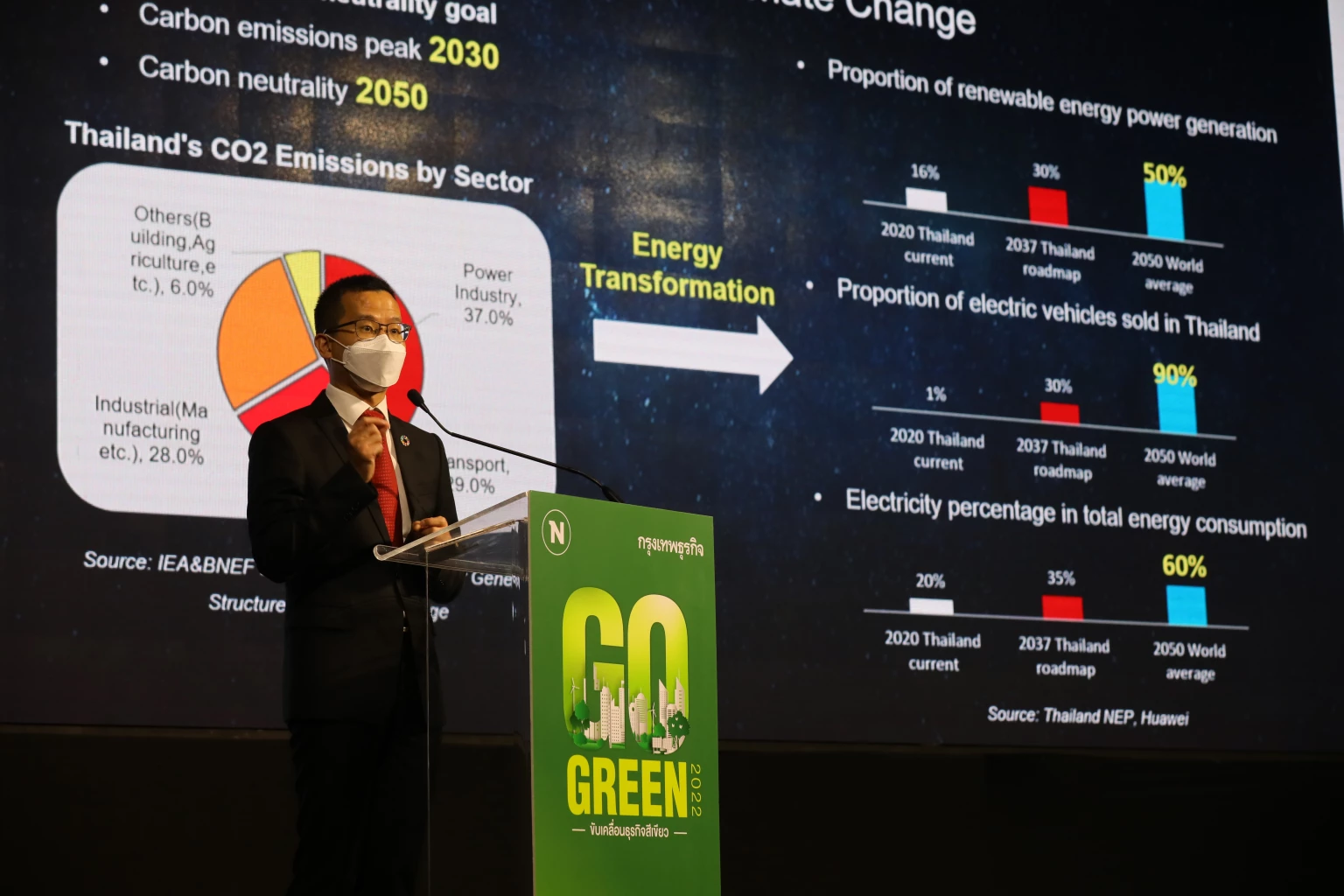
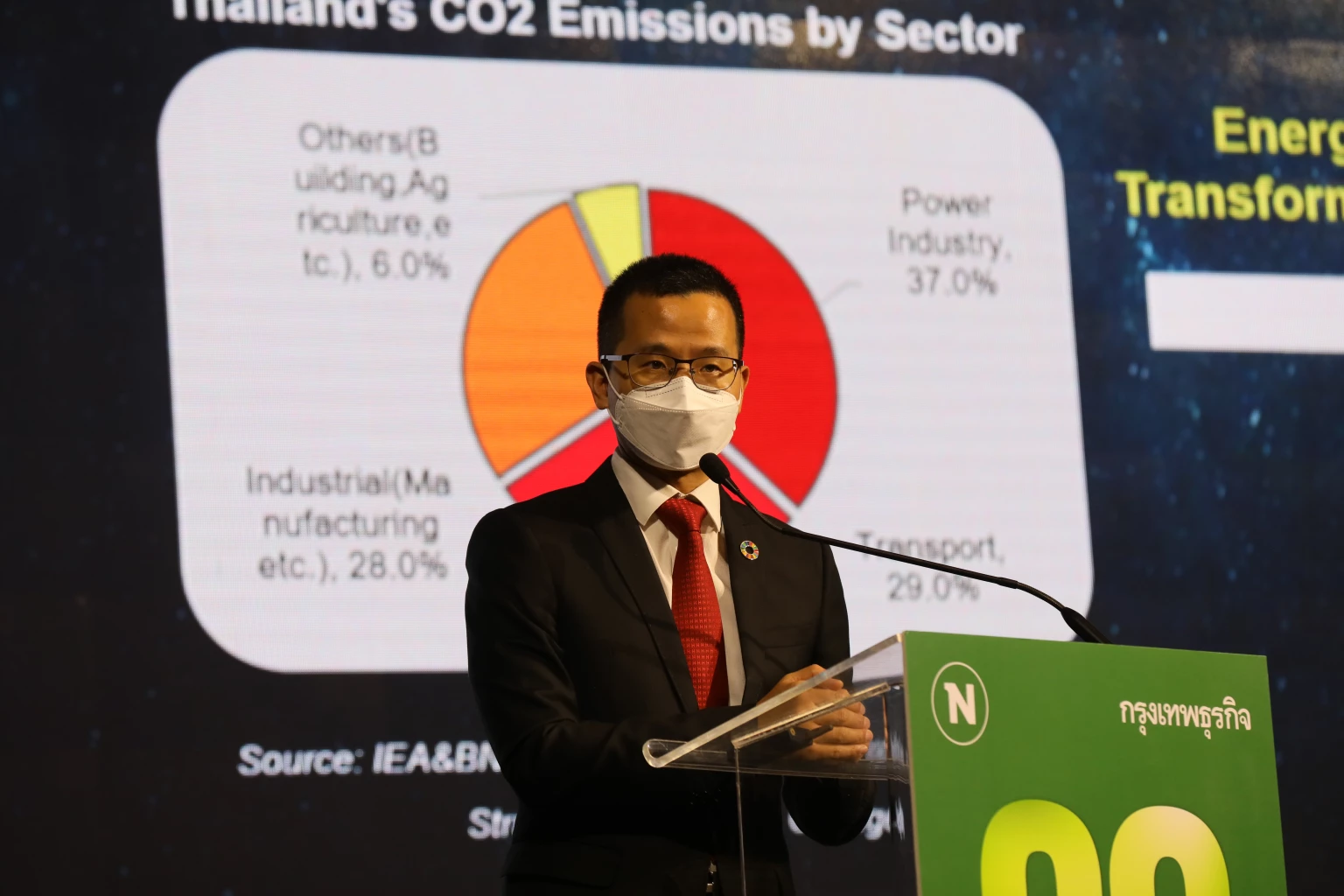
Regarding Thailand’s carbon neutrality goal, Deng said the power industry, transportation, and industrial sector were major CO2 emitters.
To reach carbon neutrality in 2050, Thailand will be reducing CO2 emissions in these sectors so the key task will be energy transformation from green sources.
He said in 2050 the proportion of global renewable energy power generation will be 50 per cent, the proportion of electric vehicles sold globally will be 90 per cent, and the global percentage of electricity in total power consumption will be 60 per cent.
Deng said Huawei has set up a digital power company as digital power technology has been popular for the past 10 years. He explained that digital power technology combined electric power technology with digital technology.
As an example, he said that Huawei has the fourth generation of photovoltaics (PV) solution, which has levelised cost of energy (LCOE) of THB1.3 per kilowatt hour.
Huawei also has a smart string energy storage system (ESS), which is a battery to provide solar energy use at night.
It is also providing all scenarios and modular green solutions to reduce the power consumption of data centres, 5G stations, and equivalent.
Lastly, Huawei is trying to introduce an economical EV for US$4,000, with 1,000km of driving. Its battery has super-fast charging capacity, in just 35 minutes.
For the digital economy and green economy, it is all driven mainly by two technologies — information technology and energy technology.
He said we are part of the fifth industrial revolution with digitalisation and low-carbonisation. They are major forces and will go hand in hand to bring us to the low carbon intelligent world.
Deng shared the report by Huawei “Exploring the Intelligent World 2030”. It will demonstrate what 2030 will look like with digitalisation and low-carbonisation. The report is available at the website https://www.huawei.com/en/giv
There was also a panel discussion on “Green Strategy”. Kiatchai Maitriwong, executive director of Thailand Greenhouse Gas Management Organisation, Thanyaporn Krichtitayawuth, executive director of Global Compact Network Thailand, and Aphinya Siranart, head of Exploration at UNDP Accelerator Labs, took part in the discussions.
The panel discussed Thailand’s policies to support CO2 emission reduction and how the business sector is involved with this issue.
The second special talk was “Driving Green Business”. Prasit Boondoungprasert, the CEO of Charoen Pokphand Foods Plc, Yossapong Laoonual, the head of Mobility and Vehicle Technology Research Centre (MOVE) of the King Mongkut’s University of Technology Thonburi and honorary chairman of Electric Vehicle Association of Thailand, Prakob Phiencharoen, the head of Corporate and Investment Banking Group of Bank of Ayudhya, and Pakkapol Leophairatana, executive vice president, Accounting and Finance at TPI Polene Power Pcl took part.
The talk discussed on how each company will operate its business while preserving the environment.
The Stock Exchange of Thailand (SET) Index is expected to fluctuate between 1,675 and 1,690 points on Friday, Krungsri Securities said.
It said the index gained positive sentiment from the surge in crude oil price to above US$100 per barrel, progress in ongoing Russia-Ukraine negotiations and the US Federal Reserve’s confirmation of a strong US economy.
“However, the index may be under pressure due to mass sell-offs in response to signs of overbought stocks,” Krungsri Securities said.
It recommends the purchase of the following as an investment strategy:
• PTTEP, PTT, TOP, SPRC and BCP will benefit from the rising price of oil and gross-refining margin.
• KBANK, BBL, TTB and KTB will benefit from rising US bond yield and news of US interest rate hike.
• AOT, AAV, MINT, CENTEL, ERW, BH and BDMS will benefit from tourism stimulus measures.
The SET Index closed at 1,681.76 on Thursday, up 13.84 points or 0.83 per cent. Transactions totalled 97.76 billion baht with an index high of 1,686.45 and a low of 1,677.19.
The baht opened at 33.26 to the US dollar on Friday, strengthening from Thursday’s close of 33.30.
Krungthai Bank market strategist Poon Panichpibool said he expected the Thai currency to move between 33.20 and 33.40 during the day.
He reckons the baht has a chance to strengthen as the currency market is open to more risks, which will see foreigners investing in Thai stocks and bonds again.
He suggested speculation on when foreign investors will start buying short-term bonds because it will signal the strengthening of the baht.
However, a slowdown in the Chinese economy due to the Omicron variant is still a risk factor that requires close monitoring where the Thai economy and baht are concerned, he said.
Poon added that the baht may not strengthen too much because importers are waiting to buy the dollar.
He believes the baht’s resistance level will stand at 33.50 to 33.60, which could see exporters offloading the dollar, while the key support level will stand at 33 to 33.20, which will spur importers to purchase the greenback.
Overall, the currency market is open to more risks continuously after the US Federal Reserve signalled an increase in the interest rate as expected. The Fed is certain that the US economy can handle the interest rate increase several times.
Though there is no certainty of peace being brokered between Russia and Ukraine, most investors hope negotiations will proceed and ease tensions.
Thailand’s insurance industry regulator has ordered Southeast Insurance and Thai Insurance to suspend sale of non-life policies and rectify their financial position within the stipulated timeframe.
Both companies have been facing financial difficulties due to the massive claims for Covid-19.
They were among the Thai insurance firms that started selling policies for Covid-19 infections in 2020 when the number of domestic cases was low. Under a so-called “found and paid” format, those policies typically offered to pay as much as 50,000 baht to any policyholder infected with the coronavirus for premiums as low as THB300.
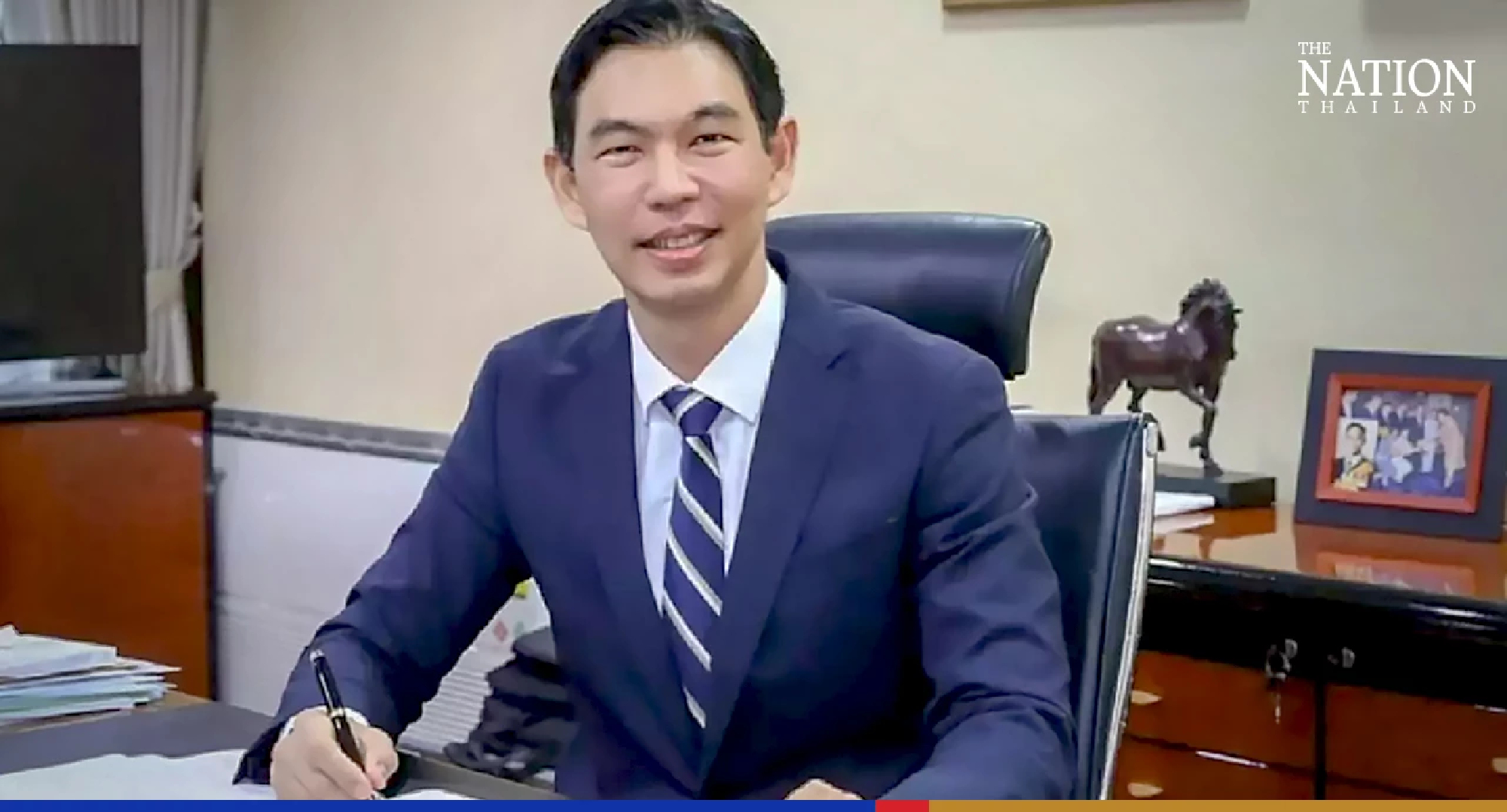
The Office of Insurance Commission has issued a nine-point directive to Southeast Insurance and Thai Insurance for urgent implementation in order to ensure their customers would not be affected by their financial problems, the agency’s secretary-general, Suthiphon Thaveechaiyagarn, said on Thursday.
He said conditions have been set by the commission’s board for both firms to comply so as to prevent damage to their customers and the public.
Both firms were ordered to suspend non-life insurance, ensure adequate funds to meet their legal obligations within 30 days, urgently proceed with the authorised sale of their assets to repay their policyholders, accelerate insurance payments, and arrange sufficient staff to handle claims.
The order was issued after the commission found that the financial positions of Southeast Insurance and Thai Insurance were unstable, with liabilities in excess of assets.
Earlier, the agency had closely monitored their financial status and held many meetings with representatives of both companies, according to Suthiphon.
Southeast Insurance and Thai Insurance have partially kept their promise of refunds for insurance coverage against Covid-19 infections in exchange for their customers’ voluntary cancellation of their insurance policies.
Also, their plans to transfer insurance policies to other insurers have not been completed, causing many customers to file complaints about payment delays.


 Sawat Asdaron