As wealthy nations back Yellens call for global taxation, fears about national differences quietly persist #SootinClaimon.Com

#SootinClaimon.Com : ขอบคุณแหล่งข้อมูล : หนังสือพิมพ์ The Nation.

https://www.nationthailand.com/business/40008228


ROME – Standing outside the Salone delle Fontane Friday morning, French finance minister Bruno Le Maire proclaimed the dawn of a new age for international taxation – one in which governments would band together to stop multinational corporation from driving tax rates ever lower.

As wealthy nations back Yellens call for global taxation, fears about national differences quietly persist

“It is clearly a revolution in the international taxation system,” Le Maire said, speaking to reporters shortly before a meeting between President Biden and French President Emmanuel Macron. Implementation of the measure will “be at the core of the French (European Union) presidency,” which starts next year, Le Maire said.

But beneath the public professions of cooperation at the “Group of 20” meetings, doubts persist over the lingering divisions between nations that could undermine the pact’s effectiveness and scope.

Treasury Secretary Janet Yellen has made the new minimum tax on corporations among the top priorities of her tenure, aiming to reverse a decades-long decline in the amount of revenue governments are raising from large firms and crackdown on tax havens. She has called the effort essential to funding government services like health care and public infrastructure, both in the U.S. and abroad. Failure to arrest the decline in corporate taxation, Yellen has warned, could starve governments of badly needed revenue while allowing the power of large multinational firms to grow dangerously unchecked.

To date, Yellen’s efforts have proved significantly more successful than observers initially anticipated.

With the help of the European countries and an already ongoing global negotiation at the Organization for Economic Development and Cooperation, the new pact has won the formal backing of more than 130 countries – including some low-tax nations, like Ireland – for a new 15 percent global minimum tax floor.

That measure, already signed off on by the finance ministers of the powerful “Group of 20” countries gathered here in Rome, was formally endorsed by heads of state like Biden and Macron on Saturday. The pact aims to deter corporations from artificially shifting their profits to international tax havens to evade payment obligations in their home countries.

The breakthrough represents a major reversal of the rise of tax avoidance by the biggest multinational firms.

“This is more than just a tax deal – it’s diplomacy reshaping our global economy and delivering for our people,” Biden said in a tweet on Saturday.

Yet for all the global tax unity trumpeted by the leaders of powerful countries in Rome, colder calculations of national interest have continued to remain just below the surface, undermining aspects of the international cooperation and, some experts say, standing to complicate the new agreement.

The global tax deal hinges on two key parts – one to establish a new global minimum tax on multinational firms, and the second, spurred in part by Europeans’ desire to tax U.S. tech firms, granting taxation rights to countries over profits where the companies have no physical presence.

But already, many of the countries’ particular interests have altered or weakened the shape of these agreements.

For instance, Great Britain along with other countries won a change in the agreement exempting financial services – and therefore the City of London, the hub of Britain’s financial industry – from new rules over taxing profits outside of their corporate headquarters. (Supporters of that exemption said it makes sense since banks typically have to be structured in such a way that already requires them to pay a certain amount in taxes.)

Ireland, as part of joining the agreement, has said it would create a new system in which virtually all Irish firms are exempted from the new rules. Ireland also insisted on striking language that would have said the new tax should be “at least” 15 percent. The agreement instead simply marks the new tax rate at 15 percent, omitting the suggestion it could be higher. The decision may prevent other countries in the European Union from raising their rates above 15 percent after the European Commission puts the new directive to its member countries in motion.

“Some countries wanted higher minimum tax rates and I believe our position moderated those ambitions in the context of broader consensus and agreement,” Irish finance minister Paschal Donohoe said in a statement.

Many of the African nations insisted on, and won, exemptions to the deal for the “extractive industries” – such as mineral mining – as part of their support for the tax deal.

And while the global tax agreement applies to close to 140 countries, each country is responsible for writing its own tax law to adhere to the pact. That has fueled concerns that countries will offer other financial benefits to lure firms as a way around the new global minimum tax. Tax experts are closely watching to see what new deductions or other incentives countries begin to provide following enactment of the deal.

“Countries will continue to make it attractive for businesses to invest, despite the new set of rules for tax competition,” said Daniel Bunn, a tax expert at the Tax Foundation, a conservative-leaning think tank. “At what point does that trigger countries into recognizing this deal may not have been worth signing?”

The deal also includes exemptions to the global minimum tax for firms with certain amounts of payroll and “tangible assets,” or physical structures, in those countries. Those ideas make sense in principle, because the purpose of the agreement is to discourage “artificial” tax shifting of profits on paper. But in the long-run, some tax experts say, it could provide an avenue to maintain relatively lower taxes on corporations. The agreement sets out a 10-year period to adopt the measure, another concession to nations worried that implementing it more quickly could disrupt private industry.

“A low minimum tax rate and generous carve-outs make the global tax deal look somewhat modest,” said Mikhail Maslennikov, an Italian tax policy adviser at Oxfam Italy. Maslennikov said the penalties will effectively penalize the most aggressive corporate tax havens, but questioned if the deal would effectively curb corporate tax competition. “The new rules are de facto normalizing low-tax jurisdictions, such as Ireland and Singapore, and risk to transform the race to the bottom into the race to the new minimum.”

Treasury officials and other supporters of the agreement say it will include strong enforcement mechanisms. They also point out the extent to which the agreement will mark a sea change in existing law, given that most countries currently levy no taxes on their corporations’ foreign profits.

A Treasury official, speaking on the condition of anonymity to explain the department’s view, also pointed out that initial discussions over the global minimum tax pegged the potential new number at around 7 percent – far lower than the one ultimately backed. And other experts have said the few countries that remain outside the agreement will have strong incentives to fall in line with the new global system, in part to avoid being shut out of U.S. markets.

“The E.U. has a lot of momentum … there are a lot of built-in incentives in the structure to bring other countries on board,” said Thornton Matheson, senior fellow at the Tax Policy Center, a nonpartisan think tank. “I think the E.U. is in line to get its members to act quickly.”

Still, thorny national divisions persist. Key questions remain about how to resolve disputes between countries over who receives the revenue from the part of the deal related to raising new revenue from firms operating in their countries with no physical presence. Other concerns remain among some experts that the agreement could in fact represent a bad deal for countries in parts of the developing world, because to receive these new revenue the nations have to give up their existing taxes on tech companies. A handful of poorer countries with large populations, including Nigeria and Pakistan, have resisted joining the agreement, although most of the African countries have in fact endorsed the pact.

A Treasury official said in a statement that developing countries have for years championed reallocation of multinational profits, and will benefit from the new corporate minimum tax that takes pressure off competition with low tax countries. Developing nations are far more dependent on corporate tax revenue to fund their governments than rich ones.

“Getting 136 countries to agree on ANY global minimum corporate income tax rate is a key victory for the global tax justice movement, which took years of work,” said James Henry, an international tax expert at Yale University, in an email. “But it won’t mean much for developing countries unless we raise the rate significantly, plug the leaks, and share the revenue.”

Published : November 01, 2021

By : The Washington Post

Drivers are interested in electric cars. Dealers dont know how to sell them. #SootinClaimon.Com

#SootinClaimon.Com : ขอบคุณแหล่งข้อมูล : หนังสือพิมพ์ The Nation.

https://www.nationthailand.com/business/40008227


“The big challenge to selling EVs is training” car dealers, Pieter Nota confided over dinner one night during the Munich Auto Show.

Nota, the board member of management at BMW, was talking about the company’s network of 348 distributors across the United States. He was speaking with a small group of journalists who had joined him for a Bavarian repast in Munich to celebrate BMW’s launch of its first-ever electric SUV and electric sedan.

Nota declined to say how many of the company’s new EVs it hopes to sell in their first year. But the power and resources behind them are staggering. BMW will offer a fully electrified vehicle in nearly every one of its segments by 2023, he said. By 2024, BMW will have stopped making internal combustion engines at its main manufacturing plant in Munich. By 2025, it will have invested more than $32 billion in EV research and development.

“We are hitting the market exactly when the time is right,” Nota said. “When demand is rising and when charging is making strong progress.”

Seated next to Nota was Tom Moloughney, an expert in the field of electric vehicle (EV) adoption and the senior editor of the enthusiast website InsideEVs. Moloughney owned a MINI-E back in 2010, way before EVs were cool. In the following years, he hosted annual barbecues exclusive to his (few) EV-owning neighbors and friends in New Jersey. Soon, he earned a reputation as the guy in Chester Township, N.J., who would let you charge your battery in his driveway if it needed juice.

Moloughney has acquired more than 50 different EV chargers, all currently installed at his home. He spends much of his time visiting such manufacturers as Audi, BMW, Ford, and Porsche, talking with executives about his real-world experience with the good, the bad, and the ugly EVs. Most urgently, he focuses on what he calls the single critical component to the success or failure of any company trying to sell EVs: the folks who are selling them.

“One of the impediments to mass electrification is the fact that dealers are not as informed as they should be,” says Moloughney, who is also one of the architects of PlugStar, a program that helps consumers and dealers better understand and use electric vehicles.

The numbers bear out the issue: Pew Research reports that roughly 40% of Americans say they are somewhat likely to seriously consider buying an electric car. Consumer Reports puts that number as high as 71%. Still, actual sales of electric cars account for less than 2% of the market today.

“Selling an electric car [can take] three to four times as long as selling an internal combustion vehicle,” Moloughney says. “Salespeople don’t hate electric cars, it’s just that they’re there to make money. So if an EV takes them four times as long to sell, which car do you think they’ll try to sell?”

– – –

Moloughney leads roughly 25 dealer classes a year, both online and in small groups at dealerships for “pretty much every established OEM…except maybe Buick.” The logic is simple: Educate car dealers upfront about the nuances of owning an electric vehicle so they can speed up their sales process, thereby motivating them to sell more EVs.

There are a few reasons why consumers are hesitant to try out owning a first EV. First, it requires them consumer to change from refueling at a gas station to refueling at home. It forces them to think afresh about commuting and time management. Recently, with the introduction of viable new models from several well-known manufacturers, it may have forced them to consider patronizing a new auto brand.

And let’s be honest: Until lately, EVs haven’t looked great. “It’s a matter of education,” says Moloughney, emphasizing that, after rebates, incentives, and tax credits, the cars are generally priced comparably to internal combustion counterparts. “Dealerships will be just as happy selling electric vehicles as they are gas cars,” he predicts. “As long as they really understand them-and how to discuss them and how to treat them.”

There are certainly plenty of electric vehicles to buy. In 2021 alone, Audi launched the e-Tron GT; BMW debuted the electric iX and i4; Mercedes-Benz launched the EQS sedan, and Cadillac launched the Lyric. (Sales results for those newbies, of course, are to be determined). Rivian, Tesla, Lucid, Ford, Polestar and Rolls-Royce have all announced additional electric vehicles being delivered now or upcoming soon. Sales of Porsche’s electric Taycan sedan even surpassed those of the brand-favorite 911. Porsche has delivered 28,640 examples of the Taycan so far this year, compared to 27,972 versions of the 911.

The recent increase in electric options (most well-made and capable) has effectively steepened the learning curve dealers face when tasked with selling them. Salespeople now must familiarize themselves with how to maintain, repair, charge, store, move, and drive each of them-even models from various automakers if they work at a multibrand dealership.

Salespeople must now also address a different buyer. While in years past consumers considering electric vehicles such as the BMW i3 or Tesla Model S tended to be tech-forward, eco-aware first-adopters already well-versed in the nuances of going green, automakers aiming to expand in the market and sell new wares now must appeal to “normal” consumers. That means people who don’t have the time-or even less, the inclination-to research EVs on their own: busy moms; workaday commuters; semi-retirees; and even weekend warriors who would rather be out hiking or mountain biking than having to think about which car to buy. Even otherwise EV-oblivious people who soon find themselves in a Tesla as a Hertz rental car may become curious about owning one.

“I haven’t seen any OEM that I know of that doesn’t feel like this will be a complete conversion over time [from ICE vehicles to EVs],” says Mark LaNeve, the chief business officer of Charge Enterprises. “But the consumer will come along a little bit slower … and the dealers are going to play a very critical role.”

– – –

Moloughney says that more than 90% of the dealers he visits are not aware of all of the incentives available for a given EV. It is a complex quagmire to navigate. Trade-in values for and against EVs vary, and layers of federal, state, and regional incentives-in addition to standard tax breaks-must be learned and explained.

For instance, the federal government provides tax credits for new battery electric and plug-in hybrid EVs ranging from $2,500 to $7,500, depending on the capacity of the vehicle’s battery. All battery electric vehicles are eligible for the full $7,500, whereas some plug-in hybrids with smaller batteries qualify for a reduced amount. States offer additional benefits. The California Clean Fuel Reward is available to anyone who buys or leases a new electric vehicle with a battery capacity greater than 5 kilowatt hours. The New York State Energy Research and Development Authority provides rebates of up to $2,000 for the purchase or lease of a new eligible plug-in electric vehicle. Some cash-back rebates can be claimed upfront; others must be filed with your accountant during tax season. (Online incentive calculators can help.)

“There is disruption coming on the buy side of this,” says Andrew Fox, a Tesla owner and the founder, chief executive officer, and chairman of Charge Enterprises. Based in New York, the company helps carmakers and dealers build the infrastructures needed to support electric vehicles. “It’s like when cell phones first came out. Today we are the first generation, like 1G; it’s just clunky. This is the first time in the history of the automobile when the dealer has to focus on helping you know where to refill your tank.”

Moloughney runs his dealership courses in scheduled three-hour sessions. He addresses such simple matters as how to teach customers to download the mobile phone apps that locate chargers and more complex matters like how inclement weather conditions might affect battery life. He shows salespeople how to talk to consumers who hate going to the gas station but haven’t considered the fact that if they owned an EV, they could forever eliminate their need to visit one.

“It’s very different than selling a gas car,” echoes Jason Savino, the digital operations director for All American Auto Group, a Ford, Mazda, and Subaru dealership in Old Bridge, N.J. Savino noticed while sitting in on a routine training session at his dealership that his sales people needed help to prep for the new $43,000 Ford Mach E. “An EV customer is going to focus on the battery size, how much kilowatts they contain,” Savino explains. “If a customer is buying [a Ford] Explorer, they’re not going to ask the range of the gas tank, how many miles until you’re empty, but for EVs the range is one of the most important things.”

Dealers desperately needed additional training to help them understand the very simplest things, such as how to identify what kind of charger a car needs and how to plug in, Savino says. They needed to understand how to monitor battery life during inclement conditions and how to navigate the technology inside the EV.

“Customers want to know things like, ‘How much is my electricity bill going to go up if I charge this thing at home?'” Savino says. “That is not something the manufacture like Ford is that good itself at [equipping dealers for] answering.”

– – –

When it comes to plugging in, “People’s initial instinct is to say, ‘That’s not for me. Maybe those people will do it, but not me,'” says Moloughney. “We have to get over that hurdle.”

He spends more than an hour of class time on a charging “deep drive,” outlining the differences between Level 1 and Level 2 chargers and DC Fast Chargers and explaining how to install them in an office or home garage.

“It’s about being able to quell the fears of people talking about fires [possibly from complications with the battery pack] and range anxiety, but also to explain charging and the fact that you can take an EV just about anywhere these days,” he says. “There is still a lot of misinformation about EVs, and if the dealer can’t completely eradicate those concerns, the person is not going to purchase an electric vehicle.”

He discusses best practices for salespeople (be sure to always send new customers home with a full charge), leads role-play scenarios, and gives salespeople hang tags for an EV’s rear-view mirror that outline every money-saving incentive that car qualifies for-and the final price after those savings have been applied.

“It’s like cheating, but having it written down like that, where they can see it, really helps them see the bottom line,” he says. The results speak for themselves: Savino says he can’t keep a Mach E in his showroom longer than a few days.

– – –

Some manufacturers are working to address the need for additional EV education from a company level.

Shortly before the first customer deliveries of the Taycan commenced in mid-December 2019, Porsche launched specialized internal training for EV sales and service across all of its 193 dealerships. Since then, there have been more than 30 training programs for dealership sales and service professionals, according to Porsche spokesman Marcus Kabel. Topics include explaining the Taycan’s battery technology, charging, range management, and exploring the features of the Porsche Connect digital interface; the classes are a mix of in-person, live-remote, and virtual modules that can last from a few hours to several days, Kabel said in an email.

“Each dealership has a minimum of two certified high-voltage technicians,” Kabel said. “Multiple web-based and instructor-led courses are required for several certification levels that culminate in the ability to provide complete service for Battery Electric Vehicles.”

Based on the Taycan’s success at beating the 911 and even the comparable Panamera, which sold roughly 8,000 fewer units nationwide than Taycan, the effort seems to be working well.

Meanwhile, BMW says that with the launch of the electric iX SUV and i4 sports sedan, it will be hosting training sessions and working closely with dealers to ensure that all sales personnel are well versed in key product attributes, product advantages, and competitor comparisons. In an email, BMW spokesman Phil DiIanni said the company’s training session topics will be so broad as to include the general benefits of driving electric, information on public and at-home charging, and the more specific intricacies of charging and driving an EV.

Audi “has been training dealers” since its e-Tron electric SUV launched in 2019, Audi spokesman Mark Dahncke said in an email.

“A lot of initial baseline work was done for the launch of the e-Tron two-and-a-half years ago,” he said. “The focus for 2022 is now to start getting into how customers need to use their e-Trons and how we can make the right fit in terms of car, charging solution, etcetera.”

Ultimately, Savino says, it will take a combination of internal training and coaching help from outside consultants to fully turn dealerships into EV-selling machines. “I just don’t think the manufacturers are really ready yet to take on all that training.”

So far this year, somebody is doing something right. During the third quarter, the overall new-vehicle market dropped by 13% from the previous period in 2020, according to Cox Automotive. But sales of EVs, hybrids, and plug-in hybrids jumped by more than 60%.

All told, EVs accounted for 10.4% of vehicles sold last quarter in the U.S.-an all-time high.

Published : November 01, 2021

By : Bloomberg

HIGHLIGHT: Challenges And Opportunities For STARTUP #SootinClaimon.Com

#SootinClaimon.Com : ขอบคุณแหล่งข้อมูล : หนังสือพิมพ์ The Nation.

https://www.nationthailand.com/perspective/40008195


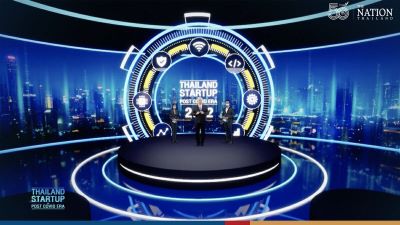
Start-ups should develop technology that will help them survive and succeed in the post-Covid era, several experts said at the “Thailand Start-up in Post-Covid Era 2022” on Friday.

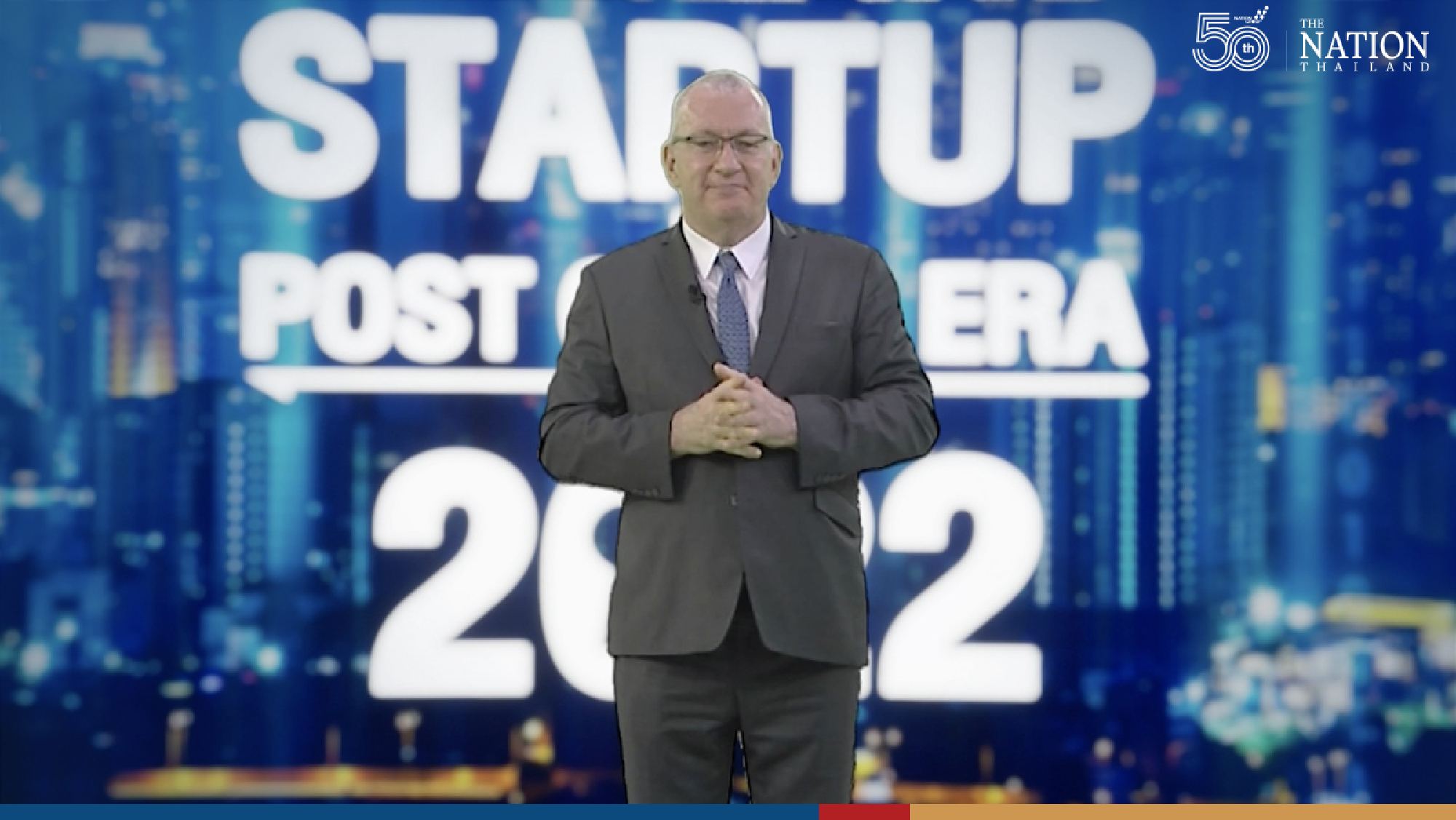
The virtual seminar, jointly hosted by the Nation Thailand and SpringNews, featured Australian Ambassador Allan McKinnon’s discourse on “Australia’s experience on start-up development”

“In the beginning, Australia started by holding activities for start-ups in Melbourne and Sydney before expanding to other countries. These activities helped boost the GDP of countries with start-ups by US$1.3 trillion.”

Meanwhile, PTT’s Buranin said the company was in the process of restructuring to become a multinational energy company to become a part of society in the future.

“In the future, fuel-oriented businesses will face environment-related issues, such as [demands for a] low-carbon society and new green technologies,”

Bitkub Capital’s Jirayut said Covid-19 is a key factor that has accelerated a change in technology, evidenced by the fact that more people are working online and the headquarters of many large firms no longer being based in large cities.

QueQ’s co-founder Rungsun said his company is pushing for its queuing application to play an important role in Thailand’s public health and immigration sectors.

Published : October 31, 2021

AIS and Palo Alto Networks Announce MSSP Partnership #SootinClaimon.Com
#SootinClaimon.Com : ขอบคุณแหล่งข้อมูล : หนังสือพิมพ์ The Nation.

https://www.nationthailand.com/pr-news/business/40008165


Managed SASE offering provides holistic cybersecurity services for enterprises in Thailand

AIS, Thailand’s leading digital life service provider, announced the Managed Security Service Provider (MSSP) partnership with Palo Alto Networks, the global cybersecurity leader. This partnership provides a comprehensive suite of managed security services to address cyber security challenges brought on by the hybrid work model. AIS Managed Secure Access Service Edge (SASE) offers enterprises in Thailand complete visibility and control on cloud security to better detect and prevent cyberattacks from occurring.

Powered by Prisma SASE, the industry’s most complete SASE solution, converging security, SD-WAN, and Autonomous Digital Experience Management into a single cloud-delivered service from Palo Alto Networks, AIS Managed SASE helps transform network security and connectivity for the increasingly distributed workforce. The offering helps enterprises simplify and automate cyber threat protection and multi-site network management as they operate with and connect through various cloud environments. With this integrated SASE offering, fully managed by AIS, enterprises can strengthen their security posture expeditiously while reducing networking complexities and costs.

AIS and Palo Alto Networks Announce MSSP PartnershipAIS and Palo Alto Networks Announce MSSP Partnership

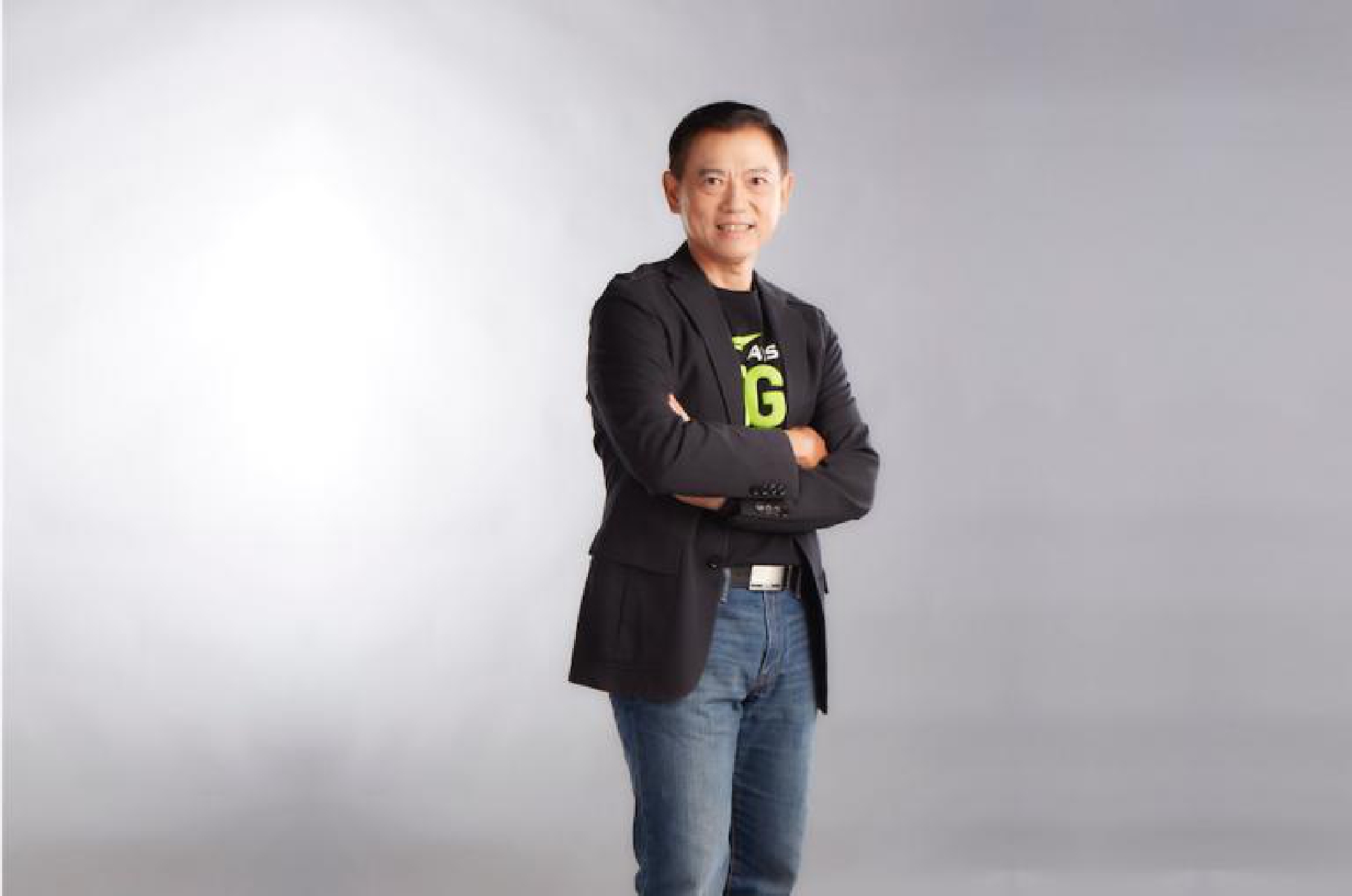
Tanapong Ittisakulchai, Chief Enterprise Business Officer at AIS, said, “AIS is committed to continuously improving our services, which is the core of our business. We are always striving to meet the needs of various industries through modern technology for the country’s benefit. As digital transformation continues to evolve, we must continue to take cybersecurity very seriously. This collaboration with Palo Alto Networks will reinforce our goal to become Thailand’s first one-stop cybersecurity service provider. Our team of cybersecurity experts is ready to provide cybersecurity supervision and consulting services in various fields to all industries in Thailand.”

Partnering with Palo Alto Networks as an MSSP will enable AIS to leverage Palo Alto Networks’ solutions to support the organization to its fullest potential. This will help AIS reduce operating costs and better utilize existing talents to tackle the challenges posed by the ever-rising number of sophisticated threats in Thailand.

AIS and Palo Alto Networks Announce MSSP PartnershipAIS and Palo Alto Networks Announce MSSP Partnership

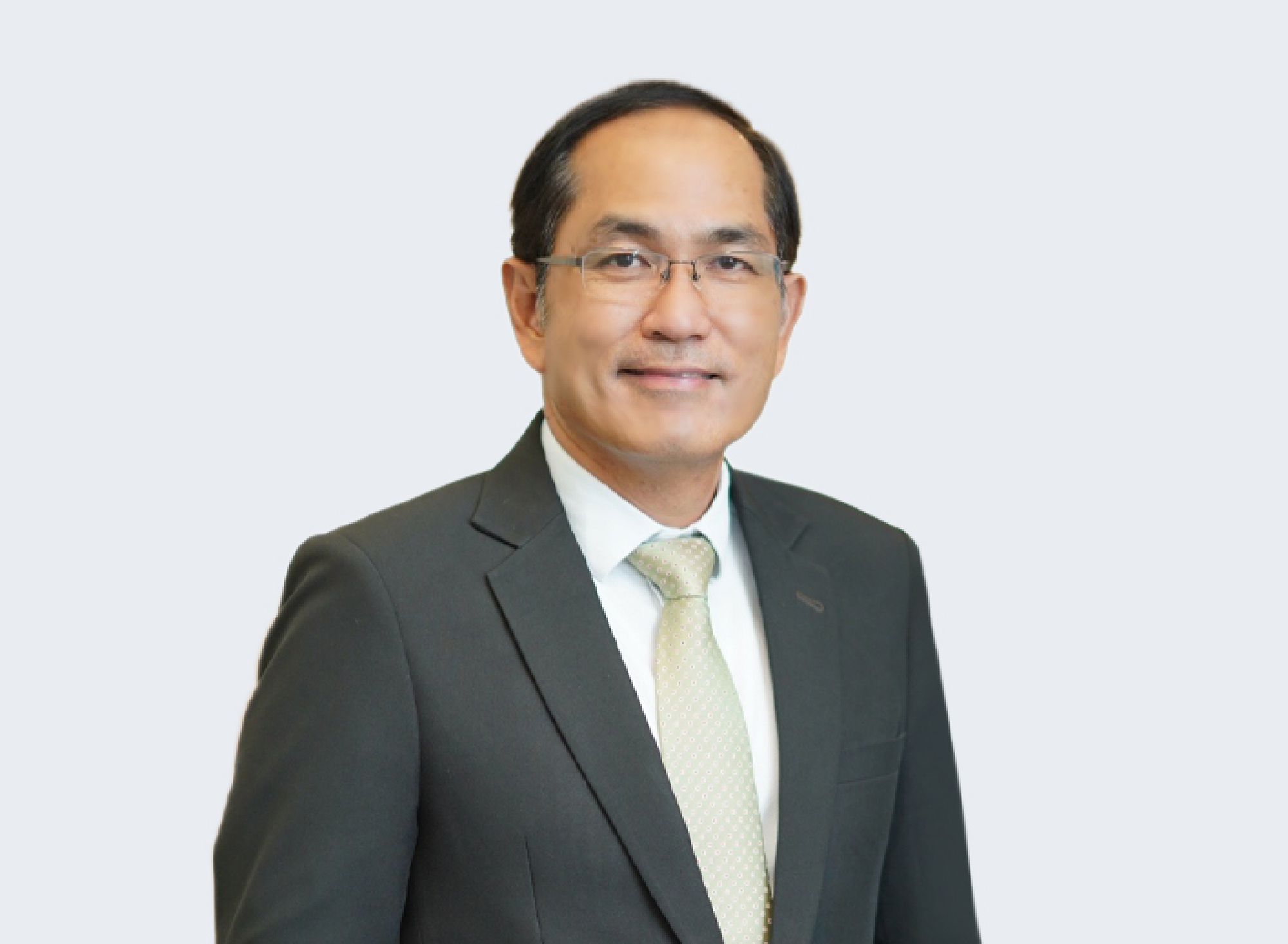
Dr. Tatchapol Poshyanonoda, Country Director for Thailand and Indochina at Palo Alto Networks, said, “with the increased adoption of the hybrid work model and progressive 5G connectivity, it is critical for organisations to ensure that infrastructure and resources essential for work remain accessible and secure. We are thrilled to partner with AIS to provide end-to-end managed security services to meet customer needs in a dynamic security market, supporting Thailand to navigate digital transformation securely.”

For more information about AIS Managed SASE, please visit https://www.ais.co.th 

Published : October 29, 2021

“Singha Park” enters the premium fruit market with “Gros Michel Banana” with Japanese standards, which can be pre-ordered now along with nationwide delivery. #SootinClaimon.Com
#SootinClaimon.Com : ขอบคุณแหล่งข้อมูล : หนังสือพิมพ์ The Nation.

https://www.nationthailand.com/pr-news/business/40008160


Singha Park Chiang Rai has various seasonal agricultural produces all year round for those who are interested. The farm works closely with its in-house researchers and international experts for knowledge and recommendations in the process by selecting only the best seeds, and focusing on the quality with limited plantation.

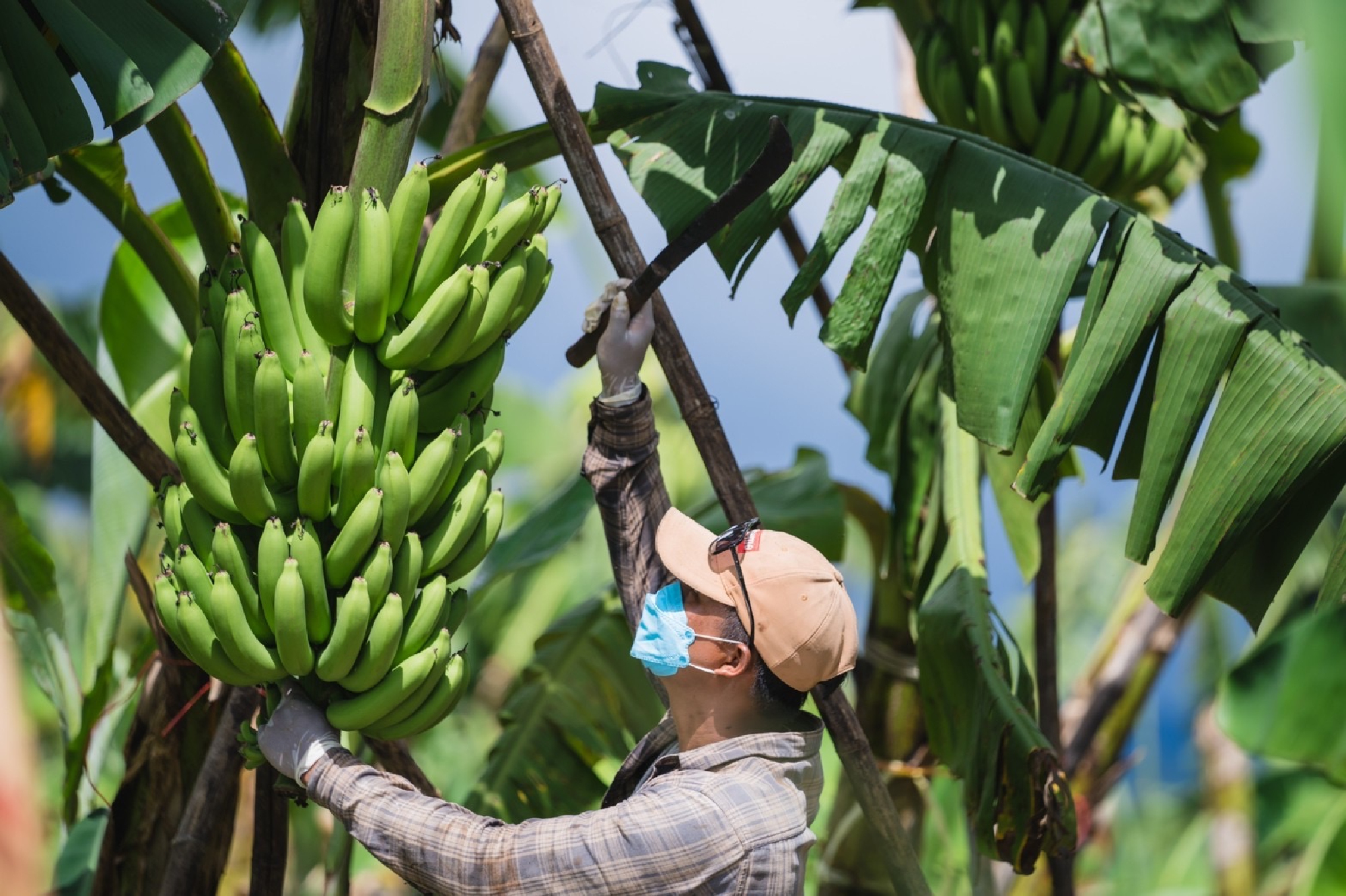
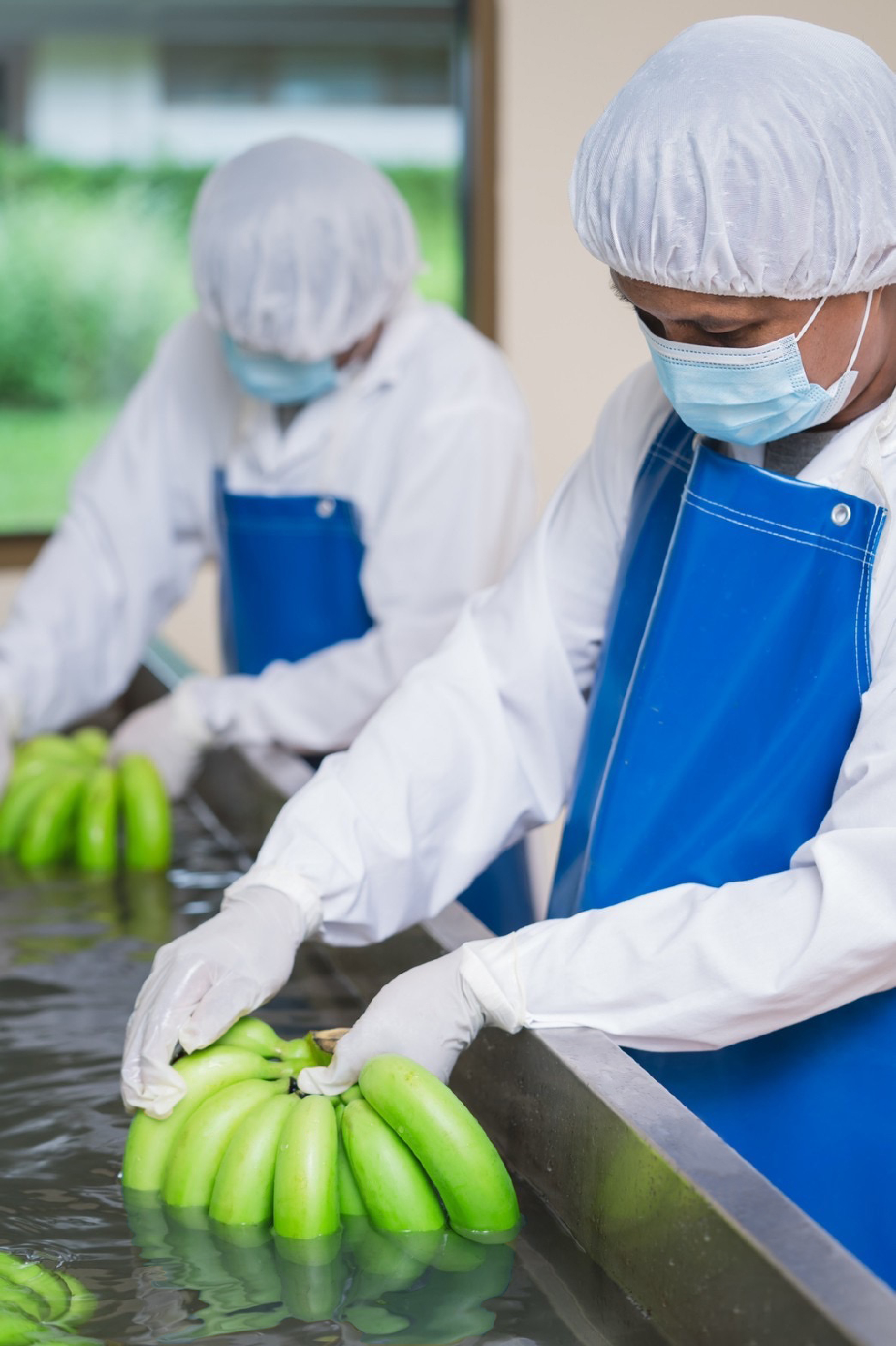
Singha Park Chiang Rai aims to fully utilize the geographical advantages and the perfect weather of the north to grow premium fruit with little plantation to be delivered locally and internationally, starting with the premium Gros Michel Banana with JGAP certification this November.

Mr. Pongrat Luangthamrongcharoen, Managing Director of Singha Park Chiang Rai Co., Ltd., revealed that “Singha Park Chiang Rai is Chiang Rai’s staple tourism spot and agricultural hub which has helped drive the province’s economy both in tourism and agriculture. We have used this area to research different kinds of plantations to maximize the benefits for the farmers and sell great produces for local consumption and international markets. Singha Park Chiang Rai’s “Gros Michel Banana” is certified with Japan’s best health and safety standards so consumers can consume with a peace of mind and can be sold at Japanese leading department stores. We aim to grow Gros Michel Bananas with the same quality for commercial purposes locally with even more fruits which focuses heavily on quality and limited plantation which will come out soon.”

"Singha Park" enters the premium fruit market with "Gros Michel Banana" with Japanese standards, which can be pre-ordered now along with nationwide delivery.“Singha Park” enters the premium fruit market with “Gros Michel Banana” with Japanese standards, which can be pre-ordered now along with nationwide delivery.

The Gros Michel Banana is known for its massive size with an average weight for the premium grade at 300-400 grams per piece which is higher than your average Gros Michel Banana, which weighs around 120-200 grams. Singha Park Chiang Rai’s Gros Michel Banana is the first Gros Michel Banana in Thailand to be certified with JGAP, Japan’s best and most comprehensive food and agricultural safety and sustainability measures. It is also environmentally friendly. In 2022, Singha Park Chiang Rai plans to distribute its Gros Michel Bananas to the Japanese market, with the first batch to be sold during November-December of 2021. Consumers can now pre-order Singha Park Chiang Rai’s Gros Michel Bananas at LINE Official Account @SinghaParkShop.

"Singha Park" enters the premium fruit market with "Gros Michel Banana" with Japanese standards, which can be pre-ordered now along with nationwide delivery.“Singha Park” enters the premium fruit market with “Gros Michel Banana” with Japanese standards, which can be pre-ordered now along with nationwide delivery.
There are also other agricultural products such as Kimoji and Momiji melon imported from Japan, Simi jujube, a Singha Park exclusive which is big, crunchy, and sweet, Hokkaido Pure White corn, Sharp Blue and Biloxi berries from Australia, which is sweet and sour and can be found at Singha Park which is 1 of 3 berry farms in Thailand. Organic farming vegetables with zero chemicals, adhering to Thailand’s organic standards.

Singha Park Chiang Rai has various seasonal agricultural produces all year round for those who are interested. The farm works closely with its in-house researchers and international experts for knowledge and recommendations in the process by selecting only the best seeds, and focusing on the quality with limited plantation.

"Singha Park" enters the premium fruit market with "Gros Michel Banana" with Japanese standards, which can be pre-ordered now along with nationwide delivery.“Singha Park” enters the premium fruit market with “Gros Michel Banana” with Japanese standards, which can be pre-ordered now along with nationwide delivery.

Products under the Singha Park Chiang Rai brand can also be found at Singha Park Chiang Rai’s store and department stores such as Gourmet Market, Makros in the northern branch, and online via LINE Official Account @SinghaParkShop.

Published : October 29, 2021

Virtual seminar sheds light on changing regional landscape of start-ups in post-Covid era #SootinClaimon.Com
#SootinClaimon.Com : ขอบคุณแหล่งข้อมูล : หนังสือพิมพ์ The Nation.

https://www.nationthailand.com/pr-news/business/40008164


Start-ups should develop technology that will help them survive and succeed in the post-Covid era, several experts said at the “Thailand Start-up in Post-Covid Era 2022” on Friday.

The virtual seminar, jointly hosted by the Nation Thailand and SpringNews, featured Australian Ambassador Allan McKinnon’s discourse on “Australia’s experience on start-up development”.

Also attending were PTT senior executive vice president Dr Buranin Rattanasombat, QueQ (Thailand) CEO and co-founder Rungsun Promprasith and Bitkub Capital Group Holdings’ CEO Jirayut Srupsrisopha. They spoke about “Start-ups – the newest warlords of Thai economy”.

In his discourse, McKinnon pointed out that Australia and Thailand were similar in tourism, have world-class universities and systems to support start-ups worldwide.

“Apart from China and Singapore, Australia is also one of the Asia-Pacific countries which is outstanding in start-ups. Australia also has entrepreneurship indicators similar to Sweden and Singapore,” he said.

“In the beginning, Australia started by holding activities for start-ups in Melbourne and Sydney before expanding to other countries. These activities helped boost the GDP of countries with start-ups by US$1.3 trillion.”

Australian Ambassador Allan McKinnonAustralian Ambassador Allan McKinnon

He added that Australia prioritises support for start-ups such as opening the door for interaction with investors, business mentors and partners, at least until they grow to become important economic drivers.

“Start-ups will play an important role in helping the economy to recover in the post-Covid-19 era,” he said.

Meanwhile, PTT’s Buranin said the company was in the process of restructuring to become a multinational energy company to become a part of society in the future.

“In the future, fuel-oriented businesses will face environment-related issues, such as [demands for a] low-carbon society and new green technologies,” he said.

He added that there will be more cooperation between organisations, but it is still unclear as to who will become the main protagonist in the post-Covid era.

“I think many large companies are worried about this issue as well because the post-Covid-19 era will be the time when technology plays an important role and goes deeper,” he added.

Virtual seminar sheds light on changing regional landscape of start-ups in post-Covid eraVirtual seminar sheds light on changing regional landscape of start-ups in post-Covid era
Bitkub Capital’s Jirayut said Covid-19 is a key factor that has accelerated a change in technology, evidenced by the fact that more people are working online and the headquarters of many large firms no longer being based in large cities.

He said Bitkub uses more than 50 applications and works on a cloud system to facilitate business operation.

“We pay a monthly subscription fee for such technologies and we can stop using them any time we want,” he said.

QueQ’s co-founder Rungsun said his company is pushing for its queuing application to play an important role in Thailand’s public health and immigration sectors.

He added that the Thai government can support the development of start-ups directly without having to come up with terms of reference (TOR) agreements because these start-ups are already developing technology that can support the health, agriculture and education sectors of the country.

“It takes at least three years for government support to reach start-ups, and by then it’s too late due to fast-changing modern technology,” he added.

Published : October 29, 2021

By : THE NATION

SET dips 0.05 per cent as investors are waiting for FOMC meeting outcome #SootinClaimon.Com

#SootinClaimon.Com : ขอบคุณแหล่งข้อมูล : หนังสือพิมพ์ The Nation.

https://www.nationthailand.com/business/40008166


The Stock Exchange of Thailand (SET) Index closed at 1,623.43 on Friday, down 0.88 points or 0.05 per cent. Transactions totalled 66.74 billion baht with an index high of 1,629.25 and a low of 1,619.14.

The index dropped for the third day running after falling by 0.20 per cent on Thursday and 0.51 per cent on Wednesday.

In the morning session, Krungsri Securities forecast the SET Index on Friday would fall to between 1,615 and 1,620 points.

It said the index gained positive sentiment from the European Central Bank’s decision to maintain the interest rate at 0 per cent and continue on quantitative easing programme until March next year.

“However, investors would continue delaying investment to follow the US Federal Open Market Committee meeting next week as it is expected that the committee would taper its quantitative easing programme,” Krungsri Securities said.

The 10 stocks with the highest trade value today were TFM, KBANK, BANPU, PTT, SCB, SCC, SAWAD, GULF, IVL and BDMS.

Other Asian indices were mixed:

Japan’s Nikkei Index closed at 28,892.69, up 72.60 points or 0.25 per cent.

China’s Shanghai SE Composite closed at 3,547.34, up 28.92 points or 0.82 per cent, while the Shenzhen SE Component closed at 14,451.38, up 206.56 points or 1.45 per cent.

Hong Kong’s Hang Seng Index closed at 25,377.24, down 178.49 points or 0.70 per cent.

South Korea’s KOSPI Index closed at 2,970.68, down 38.87 points or 1.29 per cent.

Taiwan’s TAIEX Index closed at 16,987.41, down 54.22 points or 0.32 per cent.

Related stories:

Published : October 29, 2021

By : THE NATION

Thailand’s Deputy Prime Minister Visited Huawei Office and Expressed Appreciation for Huawei’s Continuous Support #SootinClaimon.Com

#SootinClaimon.Com : ขอบคุณแหล่งข้อมูล : หนังสือพิมพ์ The Nation.

https://www.nationthailand.com/pr-news/business/40008145


The healthcare industry is an important area of the Thailand 4.0 strategy and is one of the key areas in which Huawei cooperates with Thai local partners to build 5G.

Mr. Anutin Charnvirakul, Deputy Prime Minister and Minister of Public Health, visited Huawei Technologies (Thailand) Co., Ltd. and attended a virtual meeting with Ken Hu, Huawei Rotating Chairman. Mr. Anutin expressed appreciation for Huawei’s continuous support for Thailand’s digital development, and looked forward to further strengthening cooperation with Huawei in 5G healthcare, transportation, and cybersecurity, empowering Thailand to become the ASEAN digital hub.

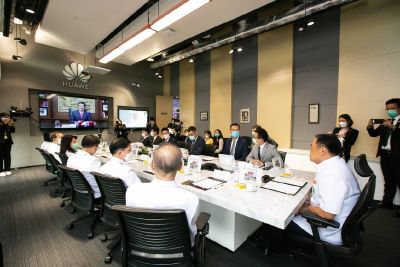
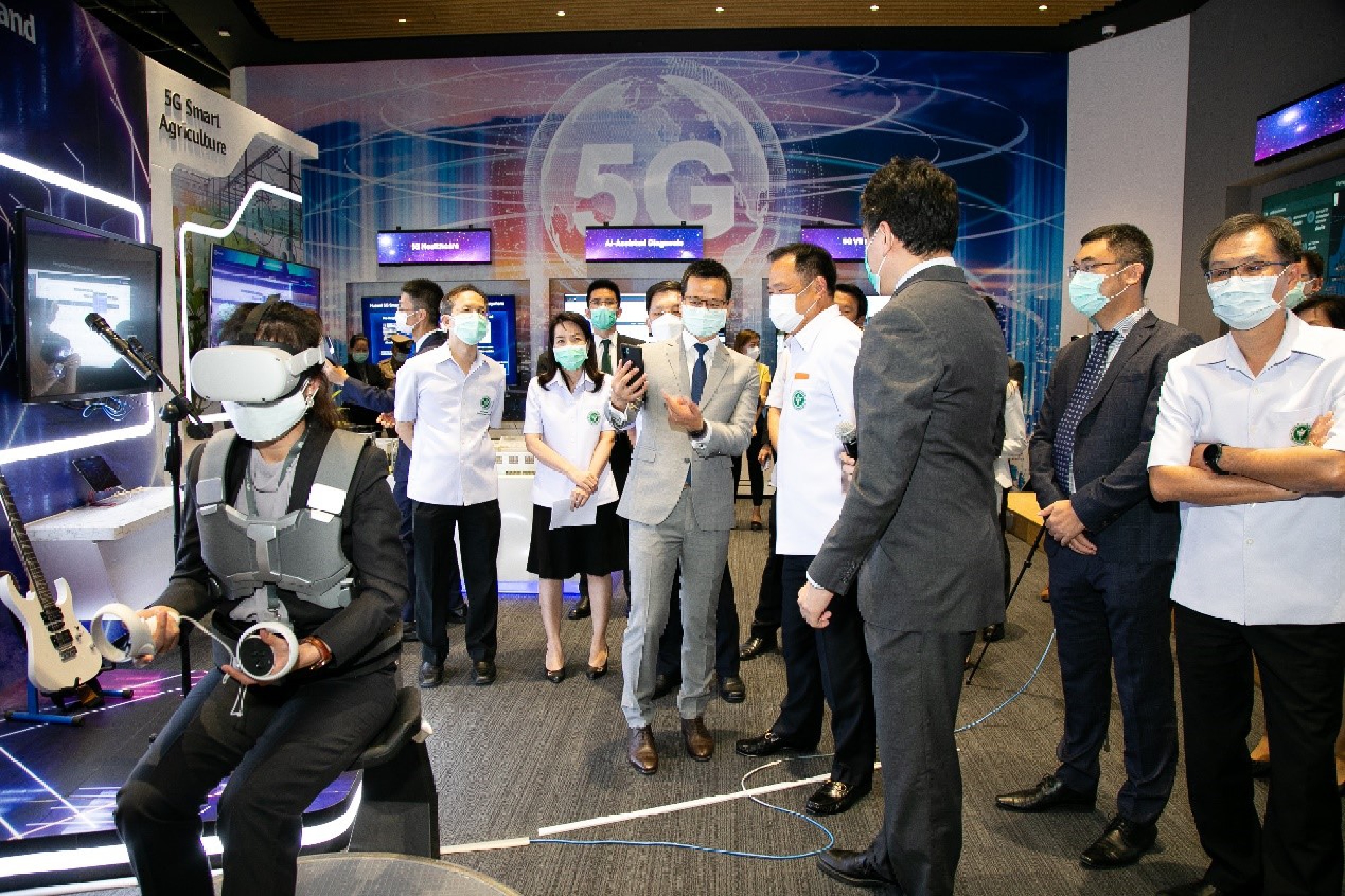
Mr. Anutin and his team visited Huawei Thailand office in Bangkok, taking a deep tour to understand the latest ICT technologies and their industry applications including 5G, Cloud, AR/VR, HarmonyOS and digital power. And then Mr. Anutin attended a virtual meeting with Ken Hu, Huawei rotating chairman. The participants included Dr. Prapon Tangsrikertikul, Advisor to the Minister of Public Health, Dr. Thongchai Lertwilairatanapong, Deputy Permanent Secretary, Ministry of Public Health, Dr. Somsak Akksilp, Director General, Department of Medical Services, Jay Chen, Huawei Asia Pacific Vice President, and Abel Deng, Huawei Thailand CEO.

Mr. Anutin Visited Huawei Thailand OfficeMr. Anutin Visited Huawei Thailand Office
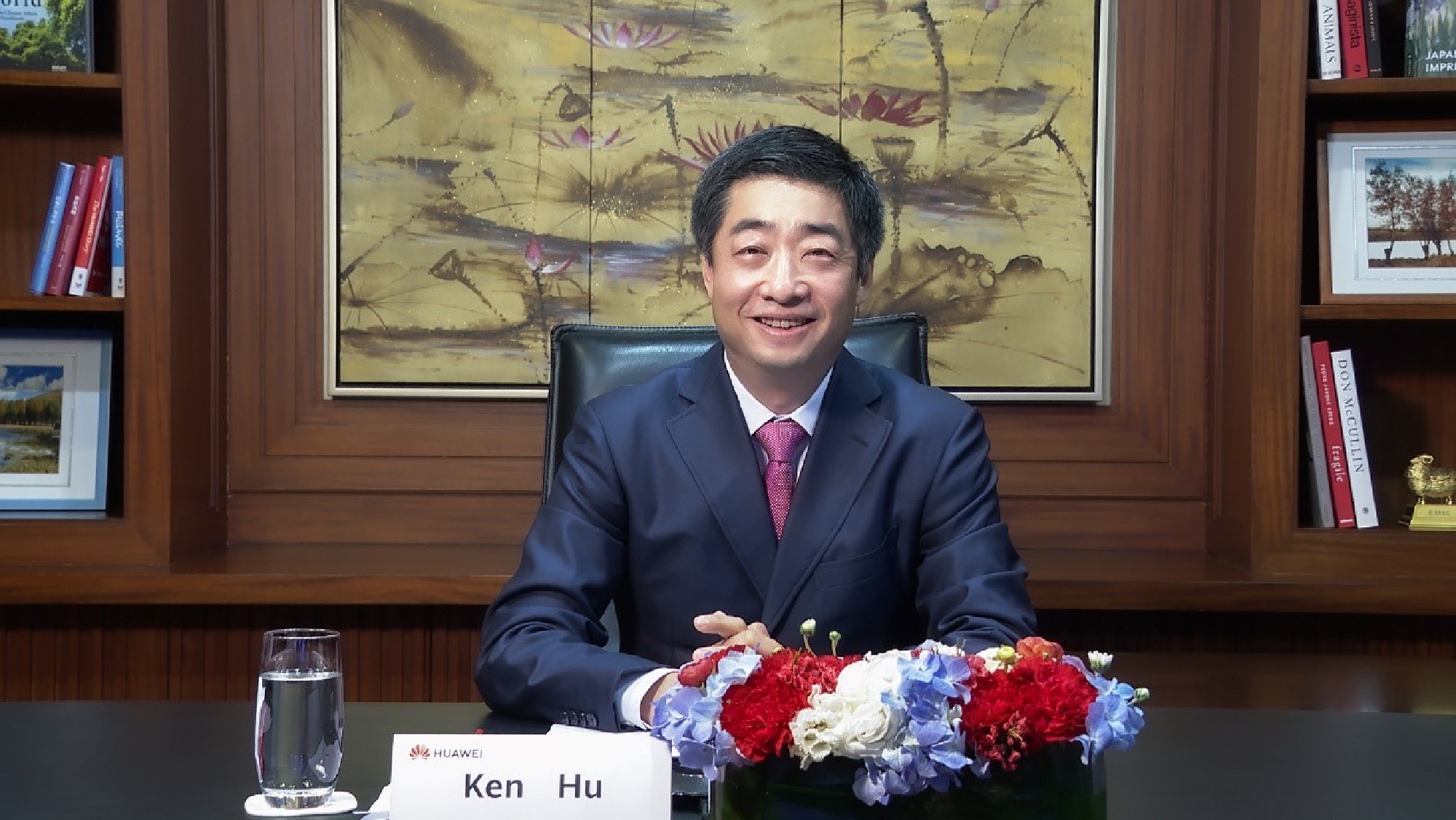
Mr. Anutin said: “There is an old Chinese saying that a friend in need is a friend indeed. I sincerely thank the Huawei local team for their continued support and help to Thailand. Huawei has not only created great business value for Thailand, but also actively practiced its corporate social responsibility. The rapid development of digital technologies, such as 5G, will change the landscape of various industries, including healthcare, and it will overcome technical obstacles that restrict the development of traditional healthcare. Huawei is a global leader in 5G technology. As the Deputy Prime Minister of Thailand, I look forward to strengthening cooperation with Huawei in key fields such as 5G healthcare, cyber security, and transportation to jointly create value for Thai society.”

The healthcare industry is an important area of the Thailand 4.0 strategy and is one of the key areas in which Huawei cooperates with Thai local partners to build 5G. With solutions such as 5G unmanned vehicle pilot project, AI-assisted diagnosis, and 5G telemedicine, Huawei has actively helped prevent and control the pandemic in Thailand. In September 2021, Huawei has signed a memorandum of understanding (MoU) with Thailand’s Department of Medical Services under Ministry of Public Health to enhance the country’s medical services using 5G-powered technologies. This will help to promote the balanced development of urban and rural healthcare resources and accelerate the transformation of Thailand’s healthcare industry.

Ken Hu, Huawei rotating chairman warmly welcomed Mr. Anutin and introduce Huawei’s long-term vision. He commented that “Huawei regards Thailand as an important overseas market. Facing the pandemic challenges, the Thai government has adopted strong policies and measures to ensure economic recovery and people’s livelihood through strong ICT infrastructure. Huawei has also actively cooperated with the Thai government and several leading hospitals to explore and promote digital transformation.” Regarding future development, he added that “digital technologies will become an important pillar for Thailand’s post-pandemic economic recovery and resilience building. Huawei is confident that with digital technologies such as 5G, Thailand will become an international healthcare and health center and Huawei will be a partner in the digital transformation of Thailand’s healthcare industry, empowering Thailand to become the digital hub in ASEAN.”

A smart world is within reach, and the ICT industry has entered a new level of development. Huawei will continue to invest heavily in R&D to create ubiquitous connectivity, omnipotent intelligence, and all-scenario smart experience, enabling more people, families, and organizations to benefit from a connected and intelligent world. In addition, Huawei will keep advancing TECH4ALL initiatives to promote digital inclusion in Thailand and beyond

Huawei Rotating Chairman Ken Hu Attended Virtual Executive MeetingHuawei Rotating Chairman Ken Hu Attended Virtual Executive Meeting

Since its establishment in Thailand in 1999, Huawei has been fulfilling its mission of “Grow in Thailand, Contribute to Thailand”, continuously enabling Thailand’s digital transformation journey and contributing social values. Currently, Huawei Thailand has more than 3,000 employees, with 88% of whom being local employees and indirectly generating more than 8,500 job opportunities. To cultivate local ICT talents in Thailand, Huawei established the Huawei ASEAN Academy (Thailand) in 2019, which has trained more than 30,000 talents and over 2,000 small and medium-sized enterprises in the past two years. In addition, Huawei has cooperated with international organizations such as International Union for Conservation of Nature to promote the Tech4Nature environmental protection project, helping Thailand to protect environment with innovative technologies.

Published : October 29, 2021

MSCI raise EA’s ESG ratings to AA becoming ESG leader #SootinClaimon.Com

#SootinClaimon.Com : ขอบคุณแหล่งข้อมูล : หนังสือพิมพ์ The Nation.

https://www.nationthailand.com/pr-news/business/40008104


Energy Absolute Public Company Limited (EA) received MSCI ESG Ratings from A to AA Sustainability Assessment by MSCI ESG Research, an agency with expertise and credibility in the international ESG index. This reinforces business operations based on Environment, Social and Governance (ESG) principles.

Mr. Amorn Sapthaweekul, Deputy Chief Executive Officer of Energy Absolute Public Company Limited, a leader in energy innovation and electric vehicles, revealed that “EA Group aims to operate a green product business that does not cause pollution by developing renewable energy and electric vehicles for commercial purposes, including electric buses and electric passenger ferries with modern technology along with the ecosystem of electric vehicles that are environmentally friendly. The company attaches great importance to policy formulation and sustainable business operations that take into account the environment, society and corporate governance for the maximum benefit of customers, shareholders, partners and employees with fairness.”

Previously, Energy Absolute Public Company Limited had received MSCI ESG Ratings for Sustainability Assessment from MSCI Level A for 2 consecutive years and listed in Thailand Sustainability Investment (THSI) of the Stock Exchange of Thailand for the 4th year in a row reflecting sustainable business operations with environmental considerations social responsibility and is managed in accordance with the principles of Environmental, Social and Governance.

“The Company is very pleased to receive the sustainability assessment results of MSCI ESG Ratings at AA level, which is classified as an ESG Leader. The Company is ready to continue its policies and sustainable business operations under the sustainable energy development guidelines. This is the company’s goal to contribute to the sustainable development of the economy, Thai society and environment and responding to the expectations of all stakeholder groups,” concluded Mr. Amorn.

Published : October 28, 2021

Merck projects billions in sales of covid antiviral Molnupiravir #SootinClaimon.Com

#SootinClaimon.Com : ขอบคุณแหล่งข้อมูล : หนังสือพิมพ์ The Nation.

https://www.nationthailand.com/business/40008123


Merck & Co.s closely watched covid-19 antiviral molnupiravir could bring in as much as $7 billion in global sales through 2022, according to the drugmaker.

The figure includes up to $1 billion in revenue this year if the experimental drug is authorized in December, Chief Financial Officer Caroline Litchfield said early Thursday on a conference call. She projected at least $5 billion in sales by the end of next year, provided it’s cleared.

Molnupiravir has become one of the most highly anticipated coronavirus medications, as the pill is relatively cheap to make and easy to transport. Merck has taken steps to make sure that the drug will be distributed widely, including in low-income countries.

The drugmaker raised its annual forecast as it reported quarterly profit and revenue that beat Wall Street’s expectations. Adjusted earnings for the year will be $5.65 to $5.70 a share, up from the earlier guidance of $5.47 to $5.57, the drugmaker said in a statement. Revenue will be $47.4 billion to $47.9 billion, compared with the earlier guidance that topped out at $47.4 billion. The projections don’t include potential molnupiravir sales.

Quarterly adjusted earnings were $1.75 a share, beating analysts’ average estimate by 20 cents, according to a statement. Revenue was $13.2 billion, compared with Wall Street expectations of $12.3 billion.

Merck and partner Ridgeback Biotherapeutics LP are seeking U.S. authorization of molnupiravir, their covid antiviral. Merck said it plans to make at least 20 million treatment courses of the drug next year, on top of 10 million it expects to make by the end of 2021.

The drug may become one of Merck’s leading products. Merck’s blockbuster cancer drug Keytruda brought in more than $14 billion in sales last year, followed by the diabetes drug Januvia with around $5 billion and nearly $4 billion for HPV vaccine Gardasil.

Merck said vaccine revenue contributed to the third-quarter results. However, sales of its pneumococcal vaccine, Pneumovax 23, declined nearly 30%, “primarily driven by lower demand in the United States reflecting prioritization of the coronavirus vaccine.”

Sales of the papillomavirus vaccine Gardasil were $1.99 billion, topping estimates. Sales of blockbuster cancer drug Keytruda and the diabetes medications Januvia and Janumet also beat Wall Street projections. Animal health sales were $1.42 billion, in line with expectations.

Published : October 29, 2021

By : Bloomberg