A global agreement that could reshape the tax landscape for the biggest corporations is approaching a crucial first stage as the Group of Seven nations hone in on an accord that might feature both a minimum rate and encompass digital giants.
If finance ministers due to meet virtually on Friday and in person next week can find enough common ground, that could pave the way for a wider consensus to form within the Group of 20, building a foundation for the worldwide deal that is in negotiators’ sights.
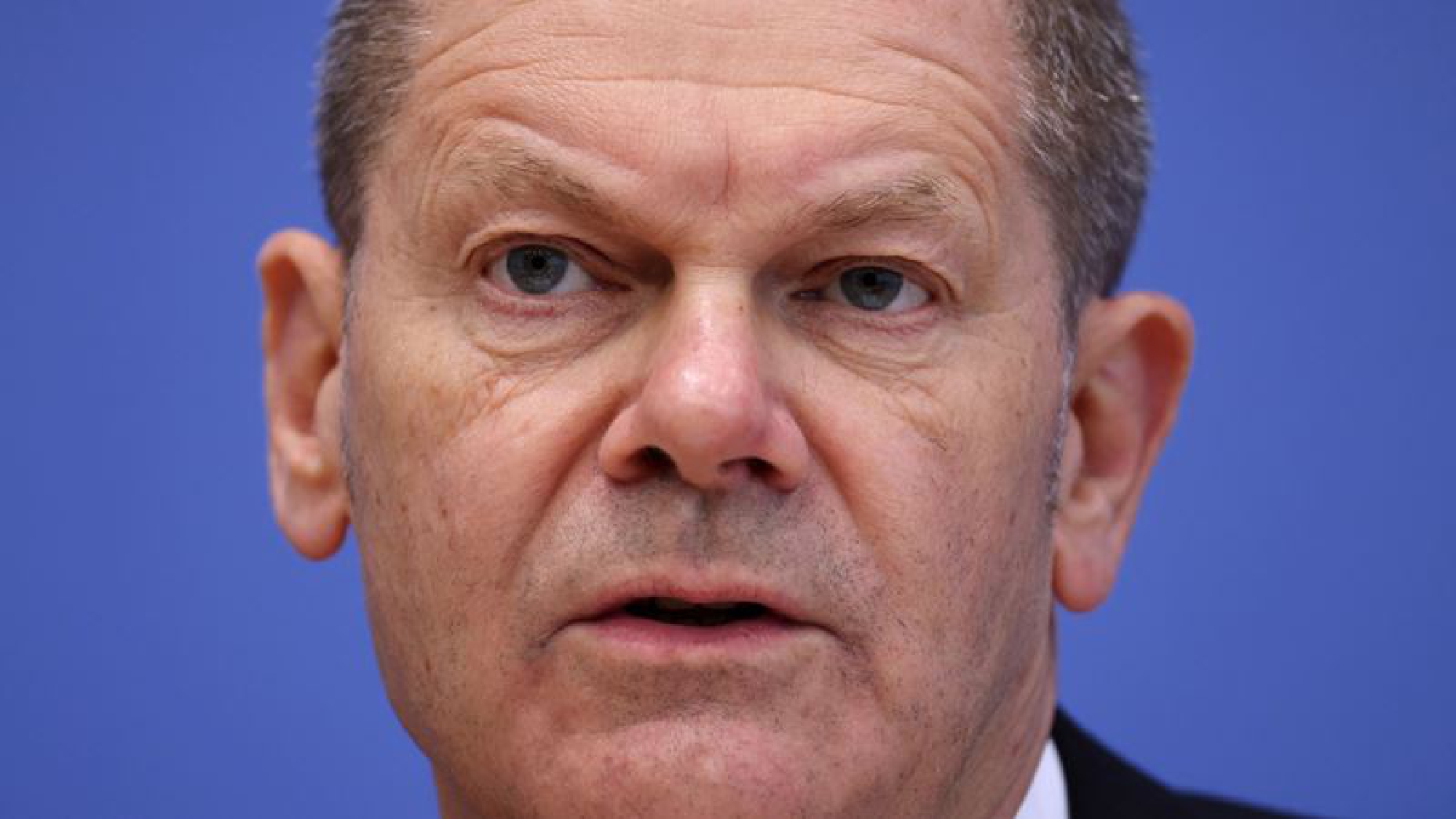
“We are in the final phase of getting an agreement,” German Finance Minister Olaf Scholz said on Wednesday in a virtual press conference with his French counterpart Bruno Le Maire. “It’s not done yet but looks like we will be there very soon.”
European governments are increasingly confident of an initial accord within the G-7, according to people familiar with the matter, while Japan is also anticipating progress, a finance ministry official said.
The insistence by countries including France on the need for an arrangement that can capture tax from digital businesses such as Amazon.com is perhaps the most controversial issue in the talks.
Convincing low-tax jurisdictions such as Ireland to agree on a minimum rate will also be a challenge to a final deal being pursued in talks between 139 nations at the Organization for Economic Cooperation and Development.
That is the area where ground has shifted the most in recent days, after the Biden administration last week floated a global tax floor of at least 15%, less than the 21% rate it has proposed for the overseas earnings of U.S. businesses — a level that countries including the U.K. regarded as too high.
While European nations warmly received that offer, they’ve been holding out for the U.S. to focus on measures to ensure big technology firms pay more of their tax in the countries where they operate. U.S. officials have opposed efforts to target specific industries for taxation.
European governments see a deal nearing as there is progress in talks toward meeting their demand of ensuring that all digital firms be covered by new rules, according to the people, who spoke on condition of anonymity because the talks are ongoing.
Asked on Wednesday about that specific case of Amazon, Le Maire said resolving the issue is one of three conditions set by France, along with ensuring the overall package is coupled with a deal on minimum tax and the rate for the levy is credible.
“When I say all important digital companies, it means all important digital companies,” Le Maire said. “Our assessment is that we are not far from having these three conditions met today, which means we are not far from having an agreement for the next G-7.”
An accord within that group would signal support building toward a broader deal at the July meeting of the G-20, which has been managing talks on international taxation. The plans will still need to find agreement within the OECD framework.
“There is the working situation we have in the inclusive framework around the OECD, there will be a report to the G-20 and we always discuss this question also at the G-7 level,” Scholz said on Tuesday in a Bloomberg webinar. “If I see it right, it looks like now we are going to the end of this game and we will get a solution.”
Australian Treasurer Josh Frydenberg, in an email, said his country “welcomes the United States’ commitment to continue to engage in the OECD-led discussions seeking to agree a globally consistent approach to the tax challenges posed by the digitalization of the economy.”
Australia, though not a G-7 member, is one of the vice chairs of the OECD’s Steering Group of the Inclusive Framework for Base Erosion and Profit Shifting.
The OECD effort seeks to replace the digital services taxes a growing number of countries are enacting. Countries have been vexed in particular with how to ensure they get a share of taxes on Amazon, which has unusual status as a low-margin tech giant.
A U.S. Treasury Department proposal, which was distributed to other governments in April and has been seen by Bloomberg, would subject about 100 of the “largest and most profitable” companies to greater taxation in countries where the firms’ users and consumers are located, as opposed to the countries where they’re headquartered.
It didn’t call for specific numbers, but both revenue and profitability thresholds would have to be set high to capture just 100 companies.
Japan supports that U.S. initiative, and sees the proposed 15% minimum rate as pushing talks forward, according to a finance ministry official. The person, who declined to be named because of ministry policy, expects progress at next week’s G-7 meeting to contribute to a broader G-20 agreement.
Published : May 27, 2021
By : Syndication Washington Post, Bloomberg · William Horobin, Yuko Takeo, Tim Ross
Bitcoin bounces off highs as crypto market volatility increases
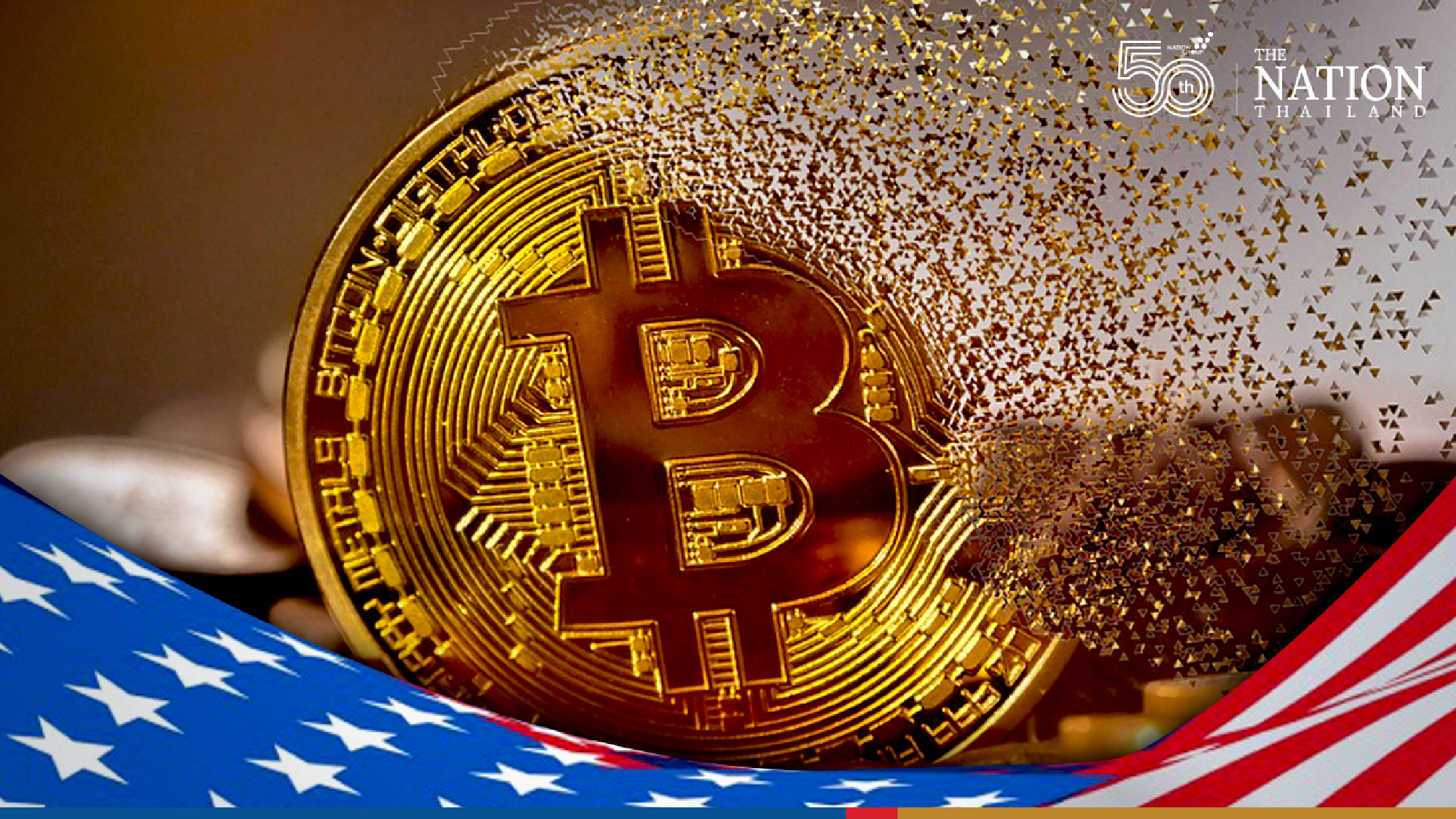
Bitcoin fluctuated around the $40,000 level as chartists refocus on key technical factors that may provide clues on where it can go next.
The digital asset on Wednesday bounced off its 200-day moving average — around $40,600 — highlighting how difficult it may be for it to regain its upward momentum. The coin gave up some of its earlier gains after failing to breach that key level — it was up 3.8% to trade at $38,612 as of 11:28 a.m. in New York, down from earlier highs of $40,866.
The Bloomberg Galaxy Crypto Index advanced 6.2% — also down from highs of as much as 11% reached earlier in the session. The gauge had one of its worst stretches ever last week.
Virtual currencies have swung wildly in recent weeks after billionaire Elon Musk sparked a selloff by criticizing bitcoin’s energy consumption and said Tesla Inc. was suspending payments using the token. Tough regulatory rhetoric on cryptocurrencies from China exacerbated the moves, which saw leveraged investors unwind positions.
“We’re going to see this volatility story play out in decreasing manner as the maturity of the sector evolves,” Caroline Bowler, chief executive officer of BTC Markets, said on Bloomberg TV. “But it’s certainly a feature that’s going to be sticking around for the shorter term.”
As digital coins claw back losses, some cryptocurrency adherents are taking the latest swings in stride.
“Bitcoin is infamously volatile, people are aware of that. I wouldn’t be dissuaded by it — it’s kind of a know feature of the system,” Nic Carter, founding partner at Castle Island Ventures, said on Bloomberg TV. “For something that is absolutely scarce, where there’s no possible supply response to changes in demand, it’s going to be very difficult to accommodate new inflows without that being expressed in volatility.”
Home to a large concentration of the world’s crypto miners, China has long expressed displeasure with the anonymity provided by bitcoin and other crypto tokens. The latest blow came last week when the country reiterated a warning that it intends to crack down on cryptocurrency mining as part of an effort to control financial risks.
Other commentators are more circumspect about the recent swings.
The end of bitcoin’s streak “above the 200-day average, and the gigantic spike in volatility, are not good signs if history is any kind of a guide at all here,” Sundial Capital Research Inc. founder Jason Goepfert wrote in a note.
Musk in February plowed $1.5 billion of Tesla’s corporate cash into the token and said the electric-vehicle maker would accept it as payment, before rescinding the latter decision this month.
While Musk has since said he strongly believes in cryptocurrencies as long as they don’t drive a massive increase in fossil fuel use, digital tokens are still nursing losses from his spate of recent actions and comments.
The volatility, regulatory scrutiny and worries about bitcoin’s environmental profile have dented the argument that the largest token will inevitably draw more mainstream investment.
Bitcoin is about $25,000 shy of its mid-April record of almost $65,000. The value of more than 7,000 tokens tracked by CoinGecko has dropped over $700 billion to about $1.8 trillion from a May peak.
Over longer time periods, virtual currencies are still sitting on big gains. Bitcoin is up 358% in the past year, Ether more than 1,300% and meme-investment Dogecoin some 14,000%.
Published : May 27, 2021
By : Syndication Washington Post, Bloomberg · Eric Lam, Vildana Hajric
Markets wrap: Stocks drop as economic data outweigh Fed remarks
Stocks retreated as inflationary signals from the latest economic reports overshadowed dovish reassurances from several Federal Reserve officials. Treasuries climbed.
The S&P 500 fluctuated throughout most of the trading session after a gauge of new U.S. home sales slid by more than forecast as higher prices restrained demand. Separate figures showed that consumer confidence slipped for the first time this year, with inflation concern and elevated unemployment likely curbing improvement in sentiment. Meanwhile, Fed Vice Chair Richard Clarida said price pressures would “prove to be largely transitory.”
His remarks echoed those of Chicago Fed President Charles Evans, the central bank’s Vice Chair for Supervision Randal Quarles and three other Fed officials who this week played down the risk that higher inflation would persist. Still, investors have been concerned about how long the central bank can keep stimulative monetary policy in place if economic data continue to show price pressures.
“The data remains ‘volatility,’ and that should be expected as we deal with the pandemic exit and the uncertainties that surround that,” said Dennis DeBusschere, head of portfolio strategy at Evercore ISI.
Some corporate highlights:
– Amazon.com Inc. was sued by the attorney general for Washington, D.C., who accused it of engaging in anticompetitive practices that have raised prices for consumers.
– Moderna Inc. rallied as its coronavirus vaccine was found highly effective in 12 to 17 year-old adolescents in a large study, paving the way for regulatory submissions around the world by early June.
Here are some events this week:
– Reserve Bank of New Zealand policy decision Wednesday, Bank of Korea rate decision Thursday.
– CEOs of the largest U.S. banks, including JPMorgan and Goldman Sachs, will testify before lawmakers in the Senate Banking and House Financial Services committees Wednesday.
– U.S. initial jobless claims, GDP, durable goods, pending home sales on Thursday.
These are some of the main moves in markets:
– – –
– The S&P 500 fell 0.2% as of 4 p.m. New York time
– The Nasdaq 100 rose 0.1%
– The Dow Jones industrial average fell 0.2%
– The MSCI World index rose 0.2%
– – –
– The Bloomberg Dollar Spot Index fell 0.1%
– The euro rose 0.2% to $1.2246
– The British pound was little changed at $1.4144
– The Japanese yen was unchanged at 108.75 per dollar
– – –
– The yield on 10-year Treasuries declined five basis points to 1.56%
– Germany’s 10-year yield declined three basis points to -0.17%
– Britain’s 10-year yield declined two basis points to 0.79%
– – –
– West Texas Intermediate crude fell 0.3% to $66 a barrel
– Gold futures rose 0.9% to $1,903 an ounce
Published : May 26, 2021
By : Syndication Washington Post, Bloomberg · Rita Nazareth, Vildana Hajric
Gold touches four-month high on Fed policy view, home-sales drop
Gold rose to the highest in more than four months after Federal Reserve officials reassured investors on the outlook for monetary policy and a gauge of U.S. new-home sale fell more than expected.
Central bank officials reiterated that they expect transitory rather than lasting price pressures from the U.S. economic rebound, damping speculation around any push to tighten policy. Declines in Treasury yields also underpinned gains in precious metals.
Gold is close to wiping out losses for 2021 after posting three straight weekly increases, with a weakening dollar and lower bond rates helping boost demand for the non-interest-bearing metal. Bullion got an extra boost Tuesday as the drop in U.S. home sales shored up the appeal of the metal as a haven.
“You have that slight miss on the U.S. data, and bond yields are creeping lower,” said Bob Haberkorn, senior market strategist at RJO Futures. “That’s helping gold. Gold is just acting as a safe haven today.”
Spot gold rose 0.5% to $1,892.17 an ounce at 11:58 a.m. in New York after climbing as much as 0.8% to the highest since early January. Silver, palladium and platinum also advanced.
Published : May 26, 2021
By : Syndication Washington Post, Bloomberg · Yvonne Yue Li
White House reviews gaps in cryptocurrency rules as bitcoin swings wildly
WASHINGTON – The Biden administration, lawmakers, and central bankers are wrestling with fresh challenges posed by cryptocurrency, conferring in numerous meetings amid recent volatility in these digital assets.
White House officials were briefed by career staff at the Treasury Department about the risks posed by cryptocurrencies earlier this month, two people familiar with the matter said. The issue has also been raised in conversations with federal regulators involving Treasury’s Office of the Comptroller of the Currency and the Consumer Financial Protection Bureau, although those discussions did not involve principal-level officials such as Treasury Secretary Janet Yellen.
Administration officials are studying potential “gaps” in oversight related to the crypto market, such as whether it can be used to finance illicit or terrorist activities, the people said. They have also discussed whether some protections are needed for average retail investors purchasing cryptocurrencies. The White House and Department of Treasury are also publicly backing a new plan to target cryptocurrencies as part of a broader effort to address tax avoidance.
For now, federal regulators do not currently see the wild swings in the crypto markets as likely to pose a threat to the broader stability of financial markets, though they believe the risks are worth monitoring, the people said. Administration officials are discussing whether there are guardrails on cryptocurrencies that can be imposed while still allowing investors to “dogecoin to their heart’s content,” as one person briefed on the matter said, referring to trades of a popular cryptocurrency based on a meme of a dog.
“They’re aware of the fact that there are all kinds of risks in the abstract and things to look out for, but they are still largely in a wait-and-see posture,” one person briefed on the matter said. The people spoke on the condition of anonymity to discuss the private government review.
Spokespeople for the White House, Department of Treasury, and CFPB declined to comment.
At the same time, both central bank officials and congressional lawmakers have talked increasingly about policies that stand to dramatically alter crypto markets. The House has passed and sent the Senate bipartisan legislation instructing federal regulators to study and clarify rules for cryptocurrencies. Lael Brainard, a member of the Federal Reserve’s board of governors, published an article on Monday highlighting the potential benefits of a digital currency created and managed by the central bank. A government-run digital currency could cut into cryptocurrency’s market share by offering a safer alternative to instantaneous digital transactions.
Particularly high levels of volatility in the cryptocurrency markets have rattled investors and highlighted to policymakers the potential dangers of the freewheeling sector. Bitcoin, the most popular cryptocurrency, crashed by more than 50% from its prior peaks amid a broader crypto sell-off. Dogecoin fell by more than 10% before paring back its losses. The crypto markets appear to have been rattled by Elon Musk saying Tesla would no longer accept bitcoin as a payment for vehicle, as well as Chinese officials suggesting new restrictions on financial firms tied to cryptocurrencies.
The recent market instability has compounded existing concerns about cryptocurrencies, including fears about the environmental impact created by things like bitcoin mining. Government officials also believe these cryptocurrencies make it easier for criminals to transfer money without detection. The market cap for cryptocurrencies topped $2 trillion for the first time this April, just a few months after it hit $1 trillion.
“Cryptos are becoming a larger segment of the financial system, and regulators should be concerned about how this market intersects with our financial regulatory framework as banks and other financial institutions become more entwined with it,” said Gregg Gelzinis, a banking expert at the Center for American Progress, a center-left think tank.
Digital currencies operating have posed a conundrum for policymakers for years. They are hard to regulate in part because they are not controlled by conventional trading institutions, such as banks or other typical financial firms.
Cryptocurrencies drew less scrutiny when they first emerged. Their prominence was accelerated during the pandemic, when hundreds of billions of federal dollars pumped directly to consumers spurred casual investors to explore novel financial instruments. Institutional players, including some Fortune 500 companies, also got involved, leading to their further proliferation.
The amount of energy required to “mine” various cryptocurrencies has alarmed environmentalists, with bitcoin mining alone consuming more electricity than entire countries, according to the Cambridge Center for Alternative Finance. “That is a staggeringly large number for something that is absolutely useless,” said Eswar Prasad, an economist at Cornell University. “It’s an environmental disaster.”
These fears have grown just as political realities make cryptocurrencies harder to stamp out. Industry groups say that as many as 20 million Americans currently own cryptocurrencies. As bitcoin and other cryptocurrencies grow in size and scope, they become more difficult to manage because more people have bought into the system who stand to be affected by a crackdown.
“I wish we had smothered this a decade ago before it grew into a $2 trillion monster,” said Jason Furman, a senior economist in the Obama administration. “Digital currencies are all cons and no pros – environment; crime; volatility; taking advantage of unaware investors. If they had any use at all we could debate it. But they don’t have any use at all.”
The extent of crypto’s rise has complicated a straightforward policy response, though several proposals have either emerged or are seen as likely. For instance, the Department of Treasury last week unveiled a plan to require cryptocurrency companies to provide the IRS with more financial information. The reporting requirements would hit firms receiving cryptocurrency with a fair market value of more than $10,000. That measure is tied up with the Biden administration’s broader tax and spending proposals, complicating its path toward passage.
“If you increase third party reporting for currency transactions, it will help significantly with tax compliance and that’s what Treasury is proposing,” said John Koskinen, who served as IRS commissioner under the last two administrations. “It would make a difference. The statistics are clear: the more third-party information the IRS has, the higher the rate of compliance.”
The Securities and Exchange Commission may also push for changes. In his first public hearing, SEC Chairman Gary Gensler said earlier this month that Congress should do more to clarify the rules over cryptocurrencies, while also acknowledging that the SEC was limited in what it could do. The increased risk of regulation in the past month has led some cryptocurrency investors to sell.
Constance Hunter, chief economist at KPMG, said: “Regulation is what allows lay people to trust a variety of things they’re not experts in – whether that be medicine or financial markets . . . But the fact that it crashed on the idea regulators are looking at it is a huge red flag in terms of its intrinsic value.”
Federal Reserve officials are also exploring the potential advantages of a government-managed “digital dollar.” Central banks across the globe have begun studying whether to issue their own digital currencies primarily in response to concerns that tech companies would ramp up their own private payment systems, such as Facebook’s diem, formerly known as Libra. But the development could have implications for cryptocurrencies as well. Bob Hockett, a former Fed official now at Cornell University, said he has discussed with Treasury officials and other banking regulators the possibility for the U.S. to launch a digital currency system that could ultimately undercut cryptos. Cryptocurrencies get their name in part because the payments are encrypted in a way that makes them avoid detection, a technique that could be mimicked by central banks.
Hockett added that creating a digital currency system accessible to every American would allow policymakers to deposit funds in taxpayer bank accounts while reducing the transaction fees currently collected by private companies. As many as one quarter of all Americans are unbanked or underbanked – which inhibited federal stimulus payments during the pandemic – whereas only 5% of Americans do not have access to a smartphone.
“People use crypto for many reasons, but some of the things those people are looking for could be provided by the central bank, such as the ease and speed of transaction that are secure and consistent,” Hockett said. “There’s no reason we couldn’t, from the point of the individual user, allow transactions without fees. And it could make for a much smoother and easier functioning monetary policy.”
John Fagan, who was director of the U.S. Treasury’s Markets Room and now principal of Markets Policy Partners, said the Biden administration is likely to look at cryptocurrency issues with an eye toward problems caused by money laundering, tax evasion, and investor protection. Treasury would likely to focus on the first two while the third would fall the Securities and Exchange Commission.
“What we’ve been telling our clients for months is the cryptocurrency complex is not fully pricing in the kind of regulatory attention likely bought to bear on bitcoin and the other operators,” Fagan said. “This ‘constructive ambiguity’ kind of regulatory structure will be replaced by a lot more bright lines.”
Still, Adam Ozimek, chief economist at Upwork, said he thought cryptocurrencies may not be a safe investment but do not appear to represent a broader threat to the economy. Many experts and crypto industry groups warn of the dangers of government overreach.
“I don’t think this is something regulators should be concerned about, even if people putting their savings into it certainly should be,” Ozimek said. “It’s a really risky, speculative investment . . . But should regulators be concerned about the price of art? That goes up and down rapidly, too.”
China stocks jump most since July amid record foreign purchases
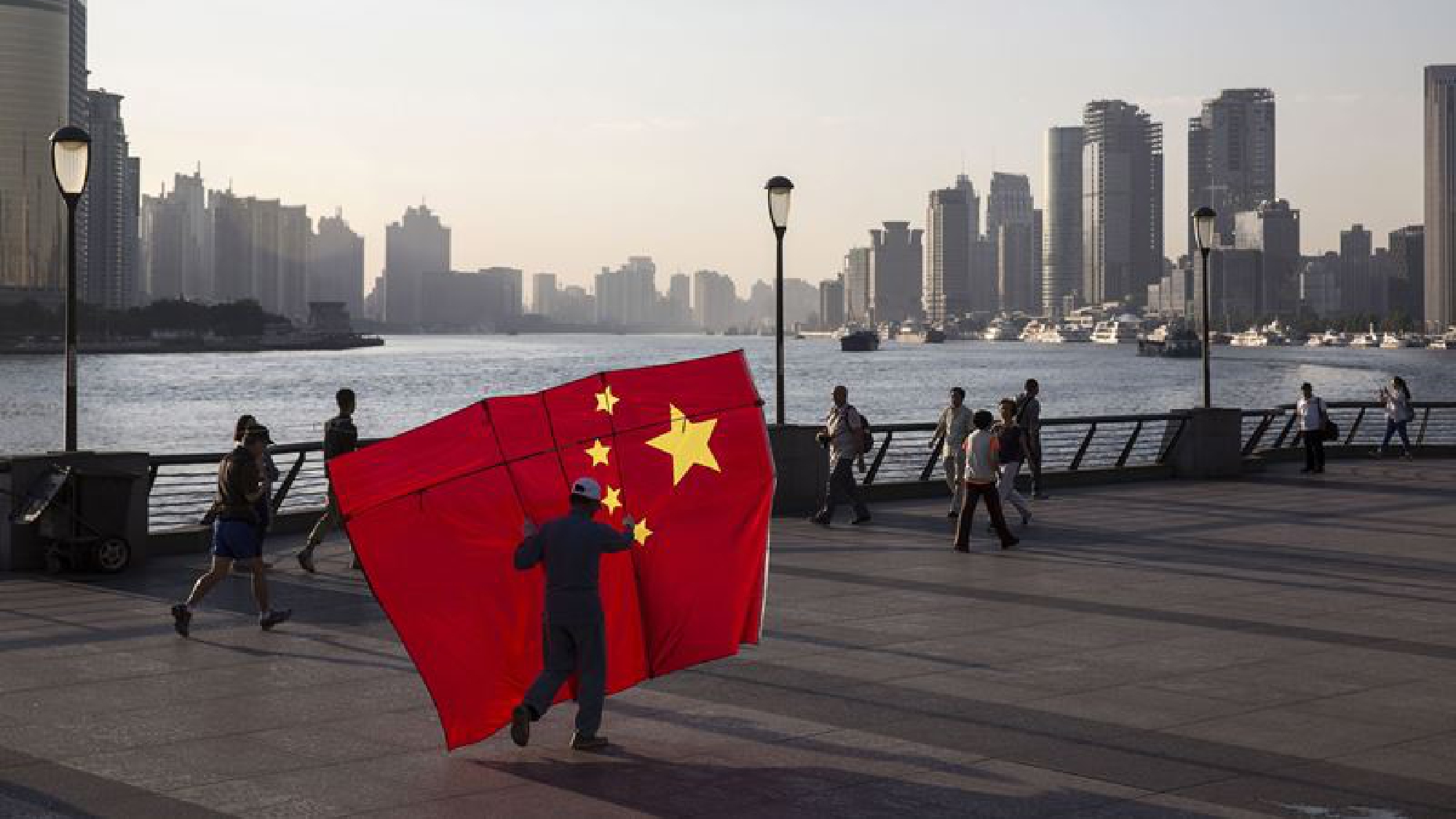
Chinas equity benchmark rallied by the most since July as investors piled into stocks amid attempts by policymakers to contain commodity prices. The yuan also advanced to its strongest since 2018.
The CSI 300 Index closed 3.2% higher at its strongest since early March, driven by gains in consumer staples equities. The surge came as overseas investors net purchased 21.7 billion yuan ($3.4 billion) worth of A shares via links with Hong Kong on Tuesday, the most ever.
Beijing’s efforts to talk down commodity prices and impose more control over financial markets have sent investors into more defensive assets such as consumer stocks with steady cash flows. Liquor giant Kweichow Moutai Co. rose 6% after Chinese media outlets reported its parent company aimed to double revenue by 2025.
“Beijing’s crackdown on commodity prices has forced more funds to seek shelter,” said Zhang Gang, a Central China Securities strategist. “Stocks such as Moutai are attractive given its stable earnings outlook and relatively reasonable valuation following this year’s correction.”
Meanwhile, the offshore yuan climbed 0.2% against the dollar, breaching the 6.4 level. The gains spurred attempts by state-owned banks to slow its appreciation. At least three institutions were seen bidding for the dollar in onshore markets below the 6.4050 level, traders said. This followed earlier attempts in the day to slow the advance, traders said.
The Chinese currency has rallied more than 2.5% in offshore markets this quarter, making it the best performer in Asia. Foreign funds have piled into the yuan as the economy strengthened and as they sought higher yields. Recent comments by a central bank official in a state-backed magazine — which was later retracted — have also stoked expectations that it could let the currency strengthen to offset higher commodity import costs.
“The strong buying of foreign investors in A-shares via the trading links has a lot to do with the stronger yuan,” said Jackson Wong, Amber Hill Capital Ltd.’s asset management director. “There has been expectations that China may allow the yuan to strengthen a bit to counter the import inflation.”
Financial stocks were also among the best performers on Tuesday, with a Bloomberg gauge of brokerage shares rising as much as 4.2%. The gains came as Shanghai announced plans to establish itself as an asset management hub. CSC Financial Co. rose by the daily 10% limit.
“Sentiment has stabilized and some heavyweight stocks have corrected from their intra-year highs,” said Linus Yip, chief strategist with First Shanghai Securities. “It’s not surprising that some long-term institutional investors will buy them at current levels.”
Published : May 26, 2021
By : Syndication Washington Post, Bloomberg · Jeanny Yu
TCC warns Lhongs of any practices that may be deemed an offense, and action that will be taken if complaints regarding farmer exploitation are proven true.
Bangkok, 25 May 2021 – The Trade Competition Commission (TCC) continues to create fairness protecting fruit growers across the country during the harvest season when a wide variety of fruit are exported to market, as well as warning business operators (Lhong) not to do anything that is considered an offense.
The guidelines for unfair trade practices include monopoly, (reduction or limitation of competition) in the fruit buying business which consists of 1) not specifying the date or time of fruit picking, 2) negotiation of the price of fruit purchase below what is specified in the contract, 3) unfair trade practices that can cause damage, and 4) collusion in fixing fruit price. Any fruit growers who encounter issues, being exploited or treated unfairly by a fruit buying business operator (Lhong) can make a complaint directly to The Office of Trade Competition Commission or via the website and other channels immediately.
TCC warns Lhongs of any practices that may be deemed an offense, and action that will be taken if complaints regarding farmer exploitation are proven true.
Mr. Santichai Santawanpas, Commissioner, Trade Competition Commission and Spokesman of The Trade Competition Commission, revealed that particularly during the season (when a wide variety of fruits are provided to market), fruit growers may be exploited by fruit buying business operators (Lhong) due to their lower bargaining power. The Trade Competition Commission (TCC) has, therefore, emphasized the importance of supervising fruit growers to guarantee more fairness by imposing strict guidelines on unfair trade practices including monopolies, (reduction or limitation of competition) which is effective from 8 September 2020.
The aforementioned guidelines stipulate unfair trade behaviors that may constitute an offense pursuant to Section 57 of the Trade Competition Act 2017 consisting of:
1. Not specifying the date or time of fruit picking, using the superior bargaining power including unfair trade conditions that prevent farmers from selling fruit to other fruit buyers, etc.
2. Negotiation of the purchase price below what is stipulated in the contract for no justifiable reason, determination of fruit qualities or any other conditions that are unfair, etc.
3. Delaying fruit picking, failing to collect fruit in the amount agreed in the contract or picking only a certain amount of fruit including other behaviors that are considered unfair trade practices, etc.
4. Collusion to monopolise or reduce competition, such as jointly agreeing on a specific purchase price or limiting the quantity of goods or jointly determining the trading area, etc.
TCC warns Lhongs of any practices that may be deemed an offense, and action that will be taken if complaints regarding farmer exploitation are proven true.
Mr. Santichai added that there is a problem of fruit growers being exploited every year. The Trade Competition Commission (TCC) is aware of the grievances of farmers in this regard and has instructed the Office of Trade Competition Commission (OTCC) to supervise fairness under trade competition law and seriously punish offenders. There have been 10 complaints regarding unfair trade practices by the fruit buying business operators (Lhong) from farmers in the eastern region. One of which was found guilty of unfair trade practices according to Section 57 and was fined. The maximum fine is 10% of the income in the year of the offense. The other 8 cases are being investigated by the subcommittee, and are expected to obtain the findings which will be presented to the Trade Competition Commission (TCC) for consideration soon. Another case was closed because it is a case of civil disputes that do not fall into the scope of the trade competition law due to the relatively high rate of fine. Therefore, fruit buying business operators (Lhong) should be mindful of trade practices that may be considered an offense under the unfair trade practices guidelines including monopoly. Any fruit growers who encounter an issue or are being exploited or treated unfairly by a fruit buying business (Lhong) can make a complaint directly to the Office of Trade Competition Commission or via the website www.otcc.or.th or telephone number 02-199-5444, as well as email: info@otcc.or.th.
SCB receives accolade at the sixth Asia Sustainability Report Award
The sixth Asia Sustainability Reporting Awards (ASRA) program, the most prestigious international award for corporate reporting, recently presented Siam Commercial Bank (SCB) with a bronze award for Asias Best Sustainability Report in the Stand-alone category.
In receiving the award, SCB Senior Executive Vice President and Chief Strategy Officer Mr. Sathian Leowarin noted that, “SCB submitted its Sustainability Report for the ASRA prize for the first time in 2019. The Bank is thrilled to win the Bronze Award for Asia’s Best Sustainability Report – Stand-alone at the sixth Asia Sustainability Reporting Awards (ASRA). SCB’s Sustainability Report was published in accordance with the Global Reporting Initiative (GRI), detailing its sustainability strategy and commitments, engagement with stakeholders, and progress of its management of significant sustainability issues. The report not only communicated the Bank’s performance against its commitment or goals to shareholders and investors, but also served as a medium to build trust between the Bank and its customers, business partners, and stakeholders by making them aware that the Bank is committed to operating a sustainable business.”
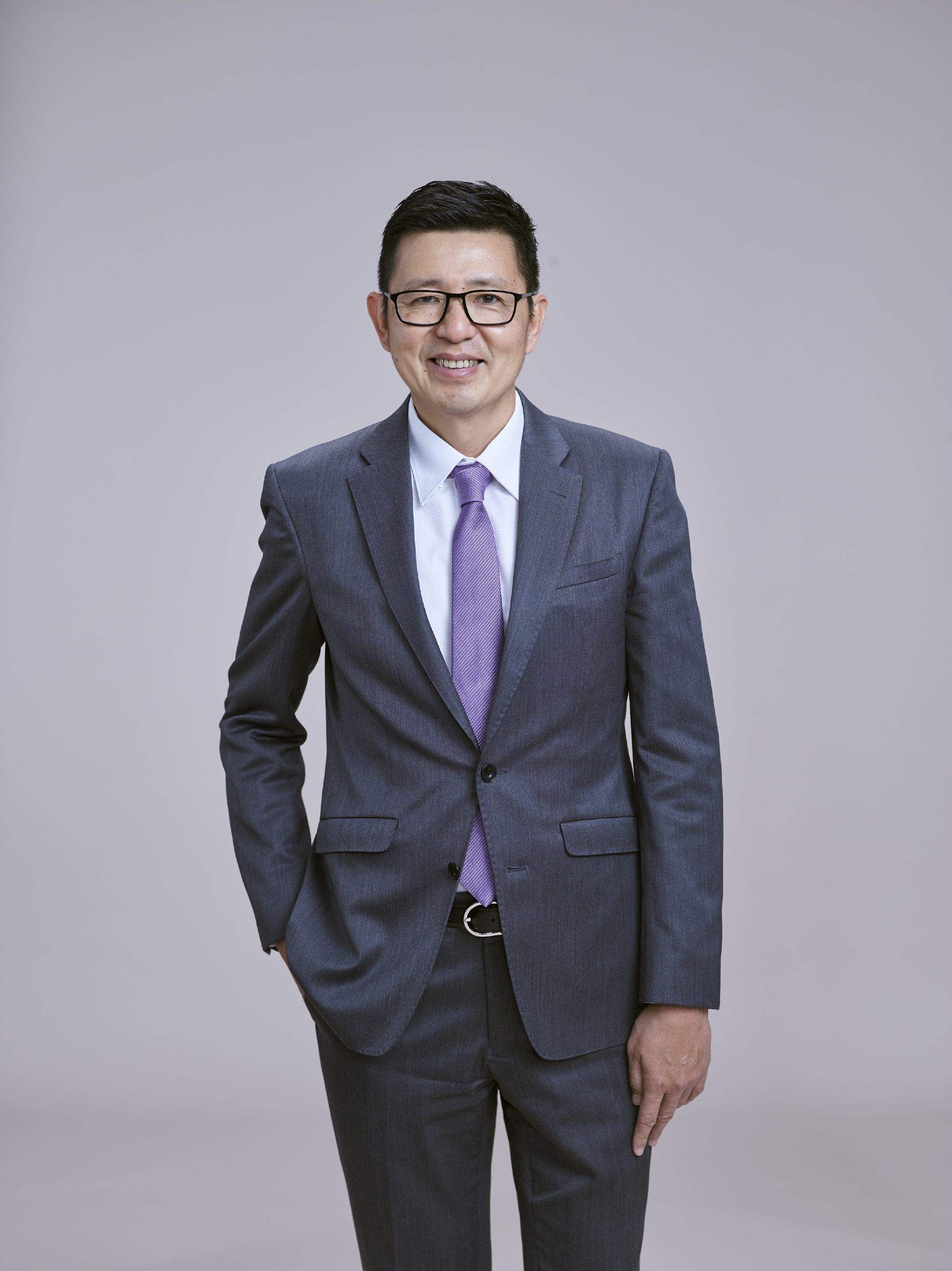
Mr. Sathian Leowarin SCB Senior Executive Vice President and Chief Strategy OfficerMr. Sathian added that SCB constantly implements sustainability management strategies and prepares related reports in order to provide long-term added value for shareholders and share benefits with stakeholders. Specifically, the 2020 Sustainability Report which will similarly be submitted for the 7th ASRA was converted from a printed to digital version, seeking to adjust to the way people are increasingly relying on technology and smart devices for news and information. This also demonstrates the Bank’s efforts to reduce the use of resources in accordance with sustainability guidelines. SCB is Thailand’s first bank, and one of Thailand’s first companies, to publish sustainability report in a digital format.
“SCB recognizes its role as a partner in the development and maintenance of economic, social, and environmental balance in the long run. Therefore, sustainability has been established as part of our corporate strategy. The financial and banking business plays an important role in driving sustainable development, mobilizing funds and allocating resources to economic and social sectors. The Bank aims to promote sustainable financial services based on social and environmental responsibility, and accelerate growth by supporting all sectors in transitioning to a “Low-Carbon Economy” together, including the enhancement of social equality that will lead to inclusive growth,” he concluded.
Mr. Rajesh Chhabara, Managing Director of CSRWorks International and the Founder of ASRA, said, “SCB’s Sustainability Report shows exceptional leadership in transparent reporting of its sustainability performance and reflects its readiness for a resilient future.”
SCB’s Sustainability Report is one among 494 entries received from 17 countries across 19 award categories. The committee selected 102 companies from 14 countries as finalists, with 40 companies winning awards. The sustainability reporting awards are presented for reports that stand out by demonstrating a clear strategy, meaningful leadership commitment, stakeholder engagement, and materiality disclosure. The report also describes practices, performance and outcomes on issues that reflect the business’s most significant impacts on society and the environment and the interests and expectations of stakeholders.
The Stock Exchange of Thailand (SET) Index closed at 1,568.58 on Tuesday, up 16.73 points or 1.08 per cent. Total transactions amounted to THB88.95 billion with an index high of 1,572.03 and a low of 1,560.13.
In the morning session, Krungsri Securities expected the day’s index to fluctuate between 1,545 and 1,560 points amid hopes of economic recovery as countries launch mass vaccination.
It added that energy and petrochemical shares had gained positive sentiment from the rising oil price.
However, the outflow of foreign funds and uncertainty over the MSCI’s move to reduce investment in Thai shares by 0.1 per cent on May 27 would pressure the index, Krungsri Securities said.
The 10 stocks with the highest trade value today were KBANK, PTTGC, DELTA, KTC, SCGP, SAWAD, SCB, KCE, PTT and BBL.
Other Asian indices were on the rise:
Japan’s Nikkei Index closed at 28,553.98, up 189.37 points or 0.67 per cent.
China’s Shanghai SE Composite Index closed at 3,581.34, up 84.06 points or 2.40 per cent, while the Shenzhen SE Component Index closed at 14,846.45, up 339.85 points or 2.34 per cent.
Hong Kong’s Hang Seng Index closed at 28,910.86, up 498.60 points or 1.75 per cent.
South Korea’s KOSPI closed at 3,171.32, up 27.02 points or 0.86 per cent.
Taiwan’s TAIEX Index closed at 16,595.67, up 257.38 points or 1.58 per cent.
Thai export market shows robust recovery as global economy slowly wakes up
The value of Thai exports in April had hit more than US$20 billion for three consecutive months, recording a growth of 13.09 per cent – the highest in 36 months.
At the same time, Thai imports rose by 29.79 per cent to $21.25, especially the import of fuel, which rebounded with 45.11 per cent growth.
Thai exports have recovered strongly as global demand picks up amid progress on Covid-19 vaccinations worldwide.
The pace of the sector’s recovery coincided with the Global Manufacturing PMI of 55.8, which is the highest in 11 years. Underpinning an increase in output was a substantial improvement in New Export Orders Index from the previous month to 54.7, reflecting an improvement in consumer purchasing power and increase in import demand with an optimistic view about future output levels.
However, though exports have risen, imports have also increased by 29.79 per cent to $21.25 billion, resulting in a trade surplus of
$182.48 million. For the first four months of 2021, Thai exports expanded by 4.78 per cent to $85.58 billion, while imports rose by 13.85 per cent to $84.88 billion, resulting in trade surplus of $698.14 million.
Products with strong expansion in April 2021 were:
• Agricultural and food products such as cassava products, rubber, vegetables and fruits, fresh, chilled and frozen chicken, palm oil, beverages, pet food and food seasonings
• Products related to ‘work-at-home’ and home appliances such as computers, furniture and parts, air conditioners, microwave ovens, refrigerators and freezers, washing machines and parts, radio and television receivers and parts, and cellphones and parts
• Covid-19 related products such as rubber gloves, medical equipment and parts
• Products related to the manufacturing sector such as steel and products, chemicals, plastic resins, and electronic circuit boards, and
• durable goods or luxury goods such as automobiles and parts, and gems and jewellery (excluding gold).
Export products
Agricultural and agro-industrial product exports rose for five consecutive months at the rate of 7.3 per cent year on year (YoY) in April. Products that expanded favourably were rubber (85.2 per cent), fresh, chilled, frozen and dried vegetables and fruits (22.3 per cent), cassava products (40 per cent), beverages (30.6 per cent), pet food (11.3 per cent).
However, the export of some products dropped, namely, rice (-53.6 per cent), sugar (-33.7 per cent), frozen, canned and processed seafood (-12.7 per cent), canned and processed vegetables and fruits (-6.8 per cent). For the first four months of 2021, Thai agricultural and agro-industrial product exports rose by 6.2 per cent (YoY).
Industrial product exports also rose for two consecutive months with a growth rate of 12.4 per cent (YoY). Products expanding favourably included oil-related products (61.9 per cent), automobiles, equipment and parts (135.9 per cent), rubber products (55.5 per cent), computers, equipment and parts (28.7 per cent), air conditioners and parts (72 per cent), machinery and parts (29.9 per cent), gems and jewellery excluding gold (106.5 per cent), motorcycles and parts (165.3 per cent).
Meanwhile, exports of some products declined, such as cosmetics, soaps, and skincare (-3.9 per cent), switch and electric control panels (-4.2 per cent), transmission apparatus for radios, fax, phones, and televisions (-9.3 per cent). For the first four months of 2021, Thai industrial product exports expanded by 4.3 per cent YoY.
Export markets
• Exports to main markets rose by 15.8 per cent.
Export to the US, Japan, and EU expanded by 9 per cent, 2.7 per cent, and 52.5 per cent, respectively.
• Export to potential markets rose by 18.8 per cent.
Exports to China, South Asia and CLMV (Cambodia, Laos, Myanmar, Vietnam) grew by 21.9 per cent, 149.9 and 44.3 per cent, respectively. On the contrary, exports to Asean fell by 4.4 per cent.
• Exports to emerging markets rose by 47.8 per cent. Exports to Australia, Latin America, Africa, and Russia and Commonwealth rose by 39.1 per cent, 82.3 per cent, 25.3 per cent, and 50.1 per cent, respectively. Moreover, exports to the Middle East rebounded with 65.7 per cent growth.
Prospects and promotion strategies for 2021
Thai export can expect to see a continuous, robust recovery, reflected by the following:
• Industrial product exports have grown steadily for four consecutive months;
• Oil-related product exports are growing due to an increase in export prices and foreign demand;
• Many countries are expediting Covid-19 vaccine rollouts and more accessible and faster vaccine distribution will enhance consumer and producer confidence.
Commerce Minister Jurin Laksanawisit has come up with many policies and activities to promote Thai exports such as online business matching, trade negotiations through online channels in parallel with delivering sample products to partners, cooperation with department stores in foreign countries to organize sales promotion activities, for example, Walmart in the US, and Halal-product business matching, etc. Furthermore, the Commerce Ministry successfully coordinated with Chinese authorities to allow the Dongxing border point to be an additional import channel for Thai fruits. In this regard, Thailand also ensured Chinese importers about the country’s Covid-19 prevention measures in fruit products.





 TCC warns Lhongs of any practices that may be deemed an offense, and action that will be taken if complaints regarding farmer exploitation are proven true.
 TCC warns Lhongs of any practices that may be deemed an offense, and action that will be taken if complaints regarding farmer exploitation are proven true.
 Mr. Sathian Leowarin SCB Senior Executive Vice President and Chief Strategy OfficerMr. Sathian added that SCB constantly implements sustainability management strategies and prepares related reports in order to provide long-term added value for shareholders and share benefits with stakeholders. Specifically, the 2020 Sustainability Report which will similarly be submitted for the 7th ASRA was converted from a printed to digital version, seeking to adjust to the way people are increasingly relying on technology and smart devices for news and information. This also demonstrates the Bank’s efforts to reduce the use of resources in accordance with sustainability guidelines. SCB is Thailand’s first bank, and one of Thailand’s first companies, to publish sustainability report in a digital format.